

Matrix stiffness affects tumor-associated macrophage functional polarization and its potential in tumor therapy
Open accessThe DOI matches its Crossref record; 202 of the 202 references it cites were found in a registry or an index.
Abstract
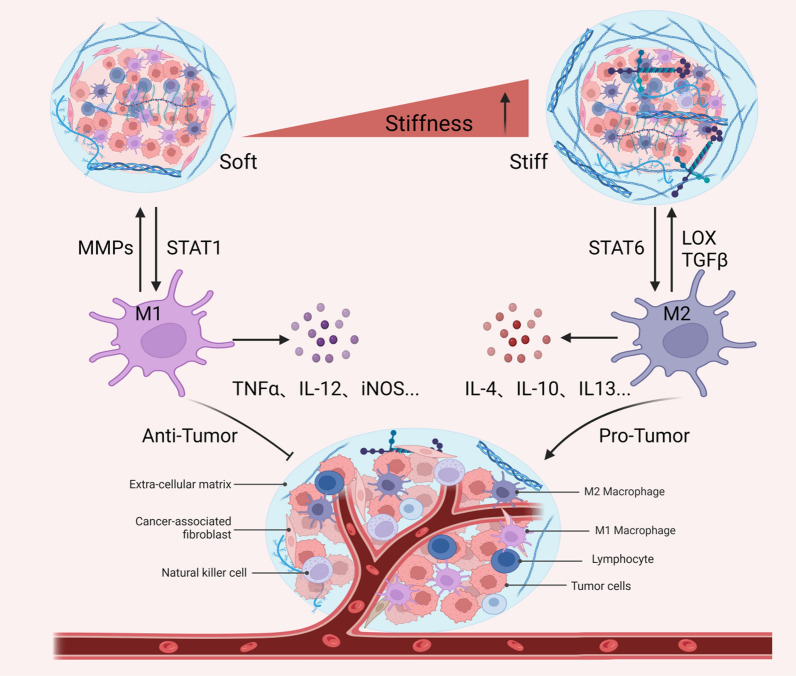
The extracellular matrix (ECM) plays critical roles in cytoskeletal support, biomechanical transduction and biochemical signal transformation. Tumor-associated macrophage (TAM) function is regulated by matrix stiffness in solid tumors and is often associated with poor prognosis. ECM stiffness-induced mechanical cues can activate cell membrane mechanoreceptors and corresponding mechanotransducers in the cytoplasm, modulating the phenotype of TAMs. Currently, tuning TAM polarization through matrix stiffness-induced mechanical stimulation has received increasing attention, whereas its effect on TAM fate has rarely been summarized. A better understanding of the relationship between matrix stiffness and macrophage function will contribute to the development of new strategies for cancer therapy. In this review, we first introduced the overall relationship between macrophage polarization and matrix stiffness, analyzed the changes in mechanoreceptors and mechanotransducers mediated by matrix stiffness on macrophage function and tumor progression, and finally summarized the effects of targeting ECM stiffness on tumor prognosis to provide insight into this new field.
Overview
The claims and statistics of this paper haven’t been checked yet.
Free: it reads the open-access text and checks the first 5 claims that cite a source we can check. Create a free account to check every claim.
Integrity signals
Registry
Cites
Statistics
Figures
Verification
Claims the paper makes
The claims and statistics of this paper haven’t been checked yet.
Free: it reads the open-access text and checks the first 5 claims that cite a source we can check. Create a free account to check every claim.
Claims other papers make about this one
Each is checked against this paper’s own text: does it say what the citing paper says it does?
In the citing paper
“M2 macrophages secrete TGF-b1, which can activate fibroblasts to produce LOX, thereby promoting collagen crosslinking and matrix stiffening (68).”
From The mechanotransduction-immune axis in organ fibrosis: dual regulatory mechanisms and translational therapeutic perspectives (2025) · doi:10.3389/fimmu.2025.1670213 · cites this paper as [68]
Self-check
Percentages, sums and reported differences re-computed from the paper’s own numbers.
The self-check needs the paper’s full text.
Citations
Cites
Molecular Mechanisms of Stress-Responsive Changes in Collagen and Elastin Networks in Skin
Aziz, J., Shezali, H., Radzi, Z., Yahya, N. A., Abu Kassim, N. H., Czernuszka, J., & Rahman, M. T. (2016) · Skin Pharmacology and Physiology · doi:10.1159/000447017 · Cited by 7,323
Macrophage activation and polarization: nomenclature and experimental guidelines
Murray, P. J., Allen, J. E., Biswas, S. K., Fisher, E. A., Gilroy, D. W., Goerdt, S., Gordon, S., Hamilton, J. A., Ivashkiv, L. B., Lawrence, T., et al. (2014) · Immunity · doi:10.1016/j.immuni.2014.06.008 · Cited by 6,337
Role of YAP/TAZ in mechanotransduction
Dupont, S., Morsut, L., Aragona, M., Enzo, E., Giulitti, S., Cordenonsi, M., Zanconato, F., Le Digabel, J., Forcato, M., Bicciato, S., et al. (2011) · Nature · doi:10.1038/nature10137 · Cited by 5,979 · cited 1×
“In recent years, accumulating evidences demonstrate that mechanical force has widely been linked to the activity of the transcriptional coactivators YAP and TAZ, establishing a connection between extra-cellular biomechanics and gene regulation [77, 78].”
BackgroundTGFβ attenuates tumour response to PD-L1 blockade by contributing to exclusion of T cells
Mariathasan, S., Turley, S. J., Nickles, D., Castiglioni, A., Yuen, K., Wang, Y., Kadel III, E. E., Koeppen, H., Astarita, J. L., Cubas, R., et al. (2018) · Nature · doi:10.1038/nature25501 · Cited by 5,400 · cited 1×
“Moreover, TGF-β hinders TIL penetration by increasing peritumoral collagen production [127].”
BackgroundMacrophage Diversity Enhances Tumor Progression and Metastasis
Qian, B.-Z., & Pollard, J. W. (2010) · Cell · doi:10.1016/j.cell.2010.03.014 · Cited by 5,188 · cited 1×
“In the early stage of tumorigenesis, TAMs are mainly the M1 phenotype, and with the development of the tumor, TAMs are mainly the M2 phenotype with a significant immunosuppressive function in the TME [24].”
BackgroundMeijer, L., Nelson, D. J., Riazanski, V., Gabdoulkhakova, A. G., Hery-Arnaud, G., Le Berre, R., Loaëc, N., Oumata, N., Galons, H., Nowak, E., et al. (2016) · Journal of Innate Immunity · doi:10.1159/000444256 · Cited by 4,992
Etienne-Manneville, S., & Hall, A. (2002) · Nature · doi:10.1038/nature01148 · Cited by 4,201 · cited 1×
“Generally, the Rho GTPase family can be divided into three classes: Rho (RhoA, RhoB, and RhoC), Rac (Rac1, Rac2, and Rac3), and cell division cycle 42 (Cdc42), while the ROCK family includes two members, ROCK1 and ROCK2 [86–88].”
BackgroundPiezo1 and Piezo2 Are Essential Components of Distinct Mechanically Activated Cation Channels
Coste, B., Mathur, J., Schmidt, M., Earley, T. J., Ranade, S., Petrus, M. J., Dubin, A. E., & Patapoutian, A. (2010) · Science · doi:10.1126/science.1193270 · Cited by 3,316 · cited 1×
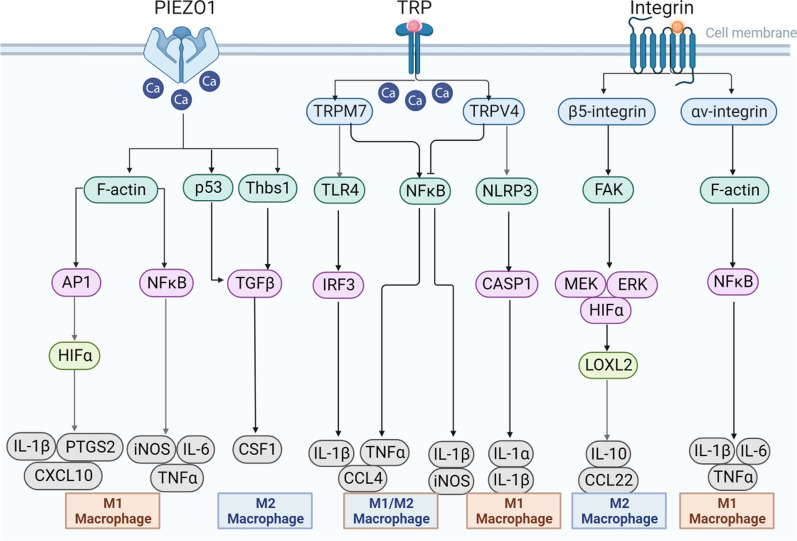
“Piezo1, a non-selective Ca 2 + -permeable channel receptor that senses external mechanical forces, can be activated in response to different matrix stiffnesses as well as a variety of mechanical stimuli [47–49].”
BackgroundÖzdemir, B. C., Pentcheva-Hoang, T., Carstens, J. L., Zheng, X., Wu, C.-C., Simpson, T. R., Laklai, H., Sugimoto, H., Kahlert, C., Novitskiy, S. V., et al. (2014) · Cancer Cell · doi:10.1016/j.ccr.2014.04.005 · Cited by 2,681 · cited 1×
“In contrast, in some preclinical studies, targeting the elimination of CAFs even promotes tumor progression and results in poor prognosis [118, 119].”
ResultTransforming Growth Factor-β Signaling in Immunity and Cancer
Batlle, E., & Massagué, J. (2019) · Immunity · doi:10.1016/j.immuni.2019.03.024 · Cited by 2,366
Research works printed but not linked: 1
- Schilling T, Miralles F, Eder C. TRPM7 regulates proliferation and polarisa- tion of macrophages. J Cell Sci. 2014;127:4561-6.
Cited by
Extracellular matrix: unlocking new avenues in cancer treatment
Lee, J. J., Ng, K. Y., & Bakhtiar, A. (2025) · Biomarker Research · doi:10.1186/s40364-025-00757-3 · Cited by 100
Yu, S., Wang, S., Wang, X., & Xu, X. (2024) · Cancer Cell International · doi:10.1186/s12935-024-03518-8 · Cited by 80
“Currently, Piezo1, transient receptor potential (TRP) ion channels, and integrins are the primary mechanoreceptors on TAMs that are regulated by matrix stiffness or mechanical stimulation, and their interactions are complex [62].”
BackgroundGong, P., Wang, F., Hua, Y., Ying, J., Chen, J., & Qiao, Y. (2025) · Journal of Nanobiotechnology · doi:10.1186/s12951-025-03815-y · Cited by 65
“Tumor tissues typically exhibit elevated ECM stiffness compared to normal tissues, which promotes malignant behavior through mechanotransduction pathways such as the Hippo signaling cascade [7].”
Zhu, Y., Chen, J., Chen, C., Tang, R., Xu, J., Shi, S., & Yu, X. (2025) · Biomarker Research · doi:10.1186/s40364-025-00727-9 · Cited by 50
Age-related meningeal extracellular matrix remodeling compromises CNS lymphatic function
Romero, K. H., Stevenson, T. J., Smyth, L. C. D., Watkin, B., McCullough, S. J. C., Vinnell, L., Smith, A. M., Schweder, P. M., Correia, J. A., Kipnis, J., et al. (2025) · Journal of Neuroinflammation · doi:10.1186/s12974-025-03436-0 · Cited by 50
“…is predominantly intracellular in these phagocytes, it is unclear whether these findings reflect attenuated uptake of CSF tracers by dural immune cells, or altered CSF access, but fibrosis and tissue stiffening has been previously observed to disrupt macrophage phagocytic capacity [33, 34].”
The extracellular matrix in inflammation and cancer
Zhang, W., Xiang, Y., Lu, C., Wang, F., Ren, H., Wu, H., & Yan, M. (2026) · Molecular Biomedicine · doi:10.1186/s43556-026-00415-6 · Cited by 38
Self-citationThe Tumor Stroma of Squamous Cell Carcinoma: A Complex Environment That Fuels Cancer Progression
Buruiană, A., Gheban, B., Gheban-Roşca, I. A., Georgiu, C., Crișan, D., & Crişan, M. (2024) · Cancers · doi:10.3390/cancers16091727 · Cited by 37
“The composition and biophysical properties of the extra-cellular matrix (ECM) and the structural scaffolding surrounding cells also modulate TAM behavior and motility [176].”
BackgroundThe impact of the tumor microenvironment on macrophages
Xiao, M., & Li, X. (2025) · Frontiers in Immunology · doi:10.3389/fimmu.2025.1572764 · Cited by 31
“…tumors, the functionality of TAMs is modulated by the stiffness of the ECM; mechanical signals induced by ECM stiffness can activate mechanoreceptors on the cell membrane and the corresponding mechanotransducers in the cytoplasm, thereby regulating the phenotypes and polarization of TAMs (97).”
Emerging macrophage-based therapies for cancer: a review of preclinical and clinical advances
Brancewicz, J., & Kucharzewska, P. (2025) · Frontiers in Immunology · doi:10.3389/fimmu.2025.1679271 · Cited by 32
The multifaceted role of the stroma in the healthy prostate and prostate cancer
Carlo, E. D., & Sorrentino, C. (2024) · Journal of Translational Medicine · doi:10.1186/s12967-024-05564-2 · Cited by 34
“Enhanced matrix stiffness promotes M2 phenotype polarization in macrophages, which in turn favor ECM deposition [149].”
Background(2025) · doi:10.3389/fimmu.2025.1670213 · Cited by 29
“M2 macrophages secrete TGF-b 1, which can activate fi broblasts to produce LOX, thereby promoting collagen crosslinking and matrix stiffening (68).”
Targeting angiogenesis: Lessons from 25 years of normalizing tumor vasculature
Subudhi, S., Lee, S., & Jain, R. K. (2026) · Cell · doi:10.1016/j.cell.2026.03.016 · Cited by 31
Oncogenic effects of ECM remodeling in obesity and breast cancer
Hawes, M. L., Moody, M. A., McCauley, C. R., Huddleston, A. G., Solanky, M., Khosravi, D. H., Patel, A. R., Lynch, R. M., Alahari, S. K., Bunnell, B. A., et al. (2025) · Oncogene · doi:10.1038/s41388-025-03521-x · Cited by 27
“1) [105].”
Advances in tumor-associated macrophage-mediated chemotherapeutic resistance in glioma
Liu, X., & Yu, Q. (2025) · Frontiers in Cell and Developmental Biology · doi:10.3389/fcell.2025.1676338 · Cited by 26
Manipulating immune activity of macrophages: a materials and mechanics perspective
Clevenger, A. J., Jha, A., Moore, E., & Raghavan, S. A. (2024) · Trends in biotechnology · doi:10.1016/j.tibtech.2024.07.009 · Cited by 23
Xiong, J., Huang, J., Xu, H., Wu, Q., Zhao, J., Chen, Y., Fan, G., Guan, H., Xiao, R., He, Z., et al. (2025) · Advanced Science · doi:10.1002/advs.202412881 · Cited by 23
Self-citationBiomechanical Properties and Cellular Responses in Pulmonary Fibrosis
He, A., He, L., Chen, T., Li, X., & Cao, C. (2024) · Bioengineering · doi:10.3390/bioengineering11080747 · Cited by 28
Nanomedicine for targeting cancer-associated fibroblasts in cancer therapy
Chen, Z., Liu, H.-Z., Shang, Z.-J., Luo, G., & Zhang, X. (2025) · Theranostics · doi:10.7150/thno.120283 · Cited by 22
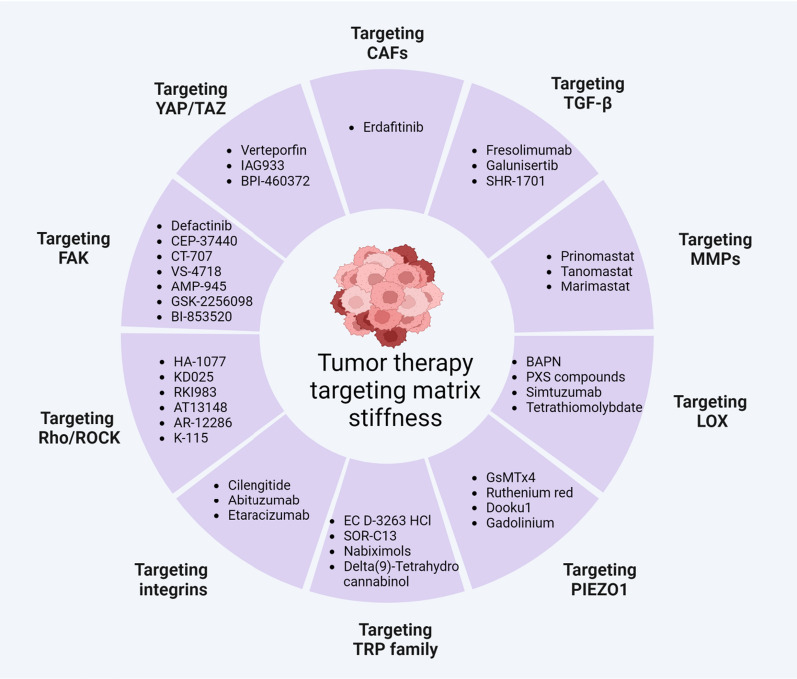
“Importantly, excessive or non-selective elimination of CAFs may dismantle the dense ECM they produce, thereby lowering tissue stiffness and releasing physical constraints that confine malignant cells [216].”
Fu, X., Pang, M., Wang, Z., & Wang, H. (2025) · Cancer Control · doi:10.1177/10732748251406674 · Cited by 23
Ren, T., Sun, L., Zheng, Y., Jiang, Y., Guo, Y., & Ma, J. (2025) · International Journal of Surgery · doi:10.1097/js9.0000000000002636 · Cited by 21
Konstantaraki, M., Berdiaki, A., Neagu, M. T., Zurac, S., Krasagakis, K., & Nikitovic, D. (2025) · Cancers · doi:10.3390/cancers17071212 · Cited by 16
“Inhibitors of ECM remodeling enzymes, such as MMP inhibitors, or agents targeting ECM stiffening, such as LOX inhibitors [228], may disrupt the supportive niche required for MCC progression.”
Fujita, M., Sasada, M., Iyoda, T., & Fukai, F. (2024) · International Journal of Molecular Sciences · doi:10.3390/ijms25126591 · Cited by 15
Li, J.-P., Liu, Y., Wang, S., Lu, Z., Ye, Q., Zhou, J., Zou, X., & Chen, Y.-G. (2024) · International Immunopharmacology · doi:10.1016/j.intimp.2024.112666 · Cited by 15
“Dissecting the role of T cell exhaustion in cancer progression: a multifaceted approach“
Li, X., & Song, S. (2025) · Frontiers in Immunology · doi:10.3389/fimmu.2025.1646292 · Cited by 13
Stephan, A., Suhrmann, J.-H., Skowron, M. A., Che, Y., Poschmann, G., Petzsch, P., Kresbach, C., Wruck, W., Pongratanakul, P., Adjaye, J., et al. (2024) · Matrix Biology · doi:10.1016/j.matbio.2024.06.001 · Cited by 13
Ion channels in macrophages: Implications for disease progression
Li, X., Du, Y.-X., Yu, C., & Niu, N. (2024) · International Immunopharmacology · doi:10.1016/j.intimp.2024.113628 · Cited by 12
Forcing the code: tension modulates signaling to drive morphogenesis and malignancy
Narain, R., Muncie, J. M., & Weaver, V. M. (2024) · Genes & Development · doi:10.1101/gad.352110.124 · Cited by 13
“Because there is a reciprocal interplay between tissue fibrosis and macrophages in tumor progression (Haynes et al. 2024; Xiong et al. 2024), TAMs can act either directly or via stimulating CAFs to remodel the ECM (Afik et al. 2016; Madsen et al. 2017).”
Sarna, N. S., Curry, N. M., Aalaei, E., Kaufman, B. G., & King, M. R. (2024) · IEEE Reviews in Biomedical Engineering · doi:10.1109/rbme.2024.3505073 · Cited by 12
“ECM stiffness has been shown to modulate the phenotype and function of tumor-associated macrophages (TAMs) [152], [153].”
Liu, Z., Li, Y.-R., Yang, Y., Shen, X., Zhu, E., Nan, H., Wang, S., Lin, J., Yang, L., & Li, S. (2026) · Cell Biomaterials · doi:10.1016/j.celbio.2026.100380 · Cited by 14
The influence of biophysical niche on tumor-associated macrophages in liver cancer
Zhang, Y., Rao, Y., Lu, J., Wang, J., Ker, D. F. E., Zhou, J., & Wang, D. M. (2024) · Hepatology Communications · doi:10.1097/hc9.0000000000000569 · Cited by 10
“[52,53] 67] In particular, substrate stiffness has also been shown to influence the attachment, morphology, migration, and proliferation of macrophages, [68,69] as well as their surface protein expressions and cytokine secretion.”
BackgroundMoon, Y., Hong, J., Chung, J., & Baek, J.-H. (2025) · Life · doi:10.3390/life16010052 · Cited by 11
“Also, M2 macrophages further enhance ECM stiffness by secreting TGF-β and PDGF, which stimulate fibroblast LOX expression and collagen crosslinking, thereby intensifying mechanotransduction within the fibrotic niche [59–61].”
Liu, W., Zou, H., Wei, J., Dong, L., & Hou, W. (2025) · Molecular and Cellular Biochemistry · doi:10.1007/s11010-025-05327-7 · Cited by 9
Zhang, Y., Gao, C., Li, Y., Fu, Q., Liu, Y., Mo, N., Yue, J., & Wang, Y. (2025) · Annals of Medicine · doi:10.1080/07853890.2025.2603022 · Cited by 10
“The high stiffness of the tumour ECM activates Piezo1 in macrophages, triggering the sTAT6/PPARγ signalling pathway, which promotes M2 polarization and suppresses anti-tumour immunity [44] (Table 2).”
Macrophages and the Extracellular Matrix
Meza-Morales, W., Jimenez-Socha, M., Freytes, D. O., & Mora‐Navarro, C. (2024) · Results and problems in cell differentiation · doi:10.1007/978-3-031-65944-7_2 · Cited by 10
Heterogeneity of tumor biophysical properties and their potential role as prognostic markers
Markl, A. M., Nieder, D., Bojórquez, D. I. S., Taubenberger, A. V., Berret, J., Yakimovich, A., Mata, E. S. O., Baraban, L., & Dubrovska, A. (2024) · Cancer Heterogeneity and Plasticity · doi:10.47248/chp2401020011 · Cited by 8
Xie, L., Yuan, T., Hu, S., Zhao, C., Huang, W., Ding, W., Zhang, Y., & Hu, X. (2025) · Materials & Design · doi:10.1016/j.matdes.2025.114558 · Cited by 7
Matrix Viscoelasticity Regulates Dendritic Cell Migration and Immune Priming
Jung, W., Humann, E., Price, J. M. J., Binenbaum, Y., Haseki, A., Iyer, S., & Mooney, D. J. (2026) · Advanced Materials · doi:10.1002/adma.202523274 · Cited by 11
Yang, J.-P., Kulkarni, N. N., Yamaji, M., Shiraishi, T., Pham, T. Q., Do, H., Aiello, N. M., Shaw, M. H., Nakamura, T., Abiru, A., et al. (2024) · PLoS ONE · doi:10.1371/journal.pone.0314227 · Cited by 7
Zhang, S., Dong, H., Jin, X., Sun, J., & Li, Y. (2025) · Biochimica et Biophysica Acta (BBA) - Molecular Basis of Disease · doi:10.1016/j.bbadis.2025.167676 · Cited by 9
The role of liver macrophages in viral liver pathogenesis
Brantly, A., Yeakle, K., Bouchard, M. J., Gaskill, P. J., & Nonnemacher, M. R. (2025) · Journal of Leukocyte Biology · doi:10.1093/jleuko/qiaf088 · Cited by 7
“87 Specifically in the context of the lung and the liver, it appears that macrophages may drive the activation of cell types that promote tissue stiffness 88,89 —which is considered a precursor to cancer development and will be elaborated on further down in this review.”
Raftery, N. B., Ward, M. P., Ravi, N., Reynolds, J. V., Elliott, J. A., & Donohoe, C. L. (2025) · Cancers · doi:10.3390/cancers17243987 · Cited by 6
“These alterations reinforce the immunosuppressive TME by limiting immune cell penetration and skewing macrophages toward a pro-tumorigenic M2 phenotype [56,57].”
Decoding macrophage heterogeneity in the pulmonary fibrosis lung cancer transition
Yu, H., Zhao, M., Li, Q., & Zhang, Y. (2026) · Frontiers in Immunology · doi:10.3389/fimmu.2026.1787094 · Cited by 7
“This increased matrix stiffness profoundly affects the functional phenotypes of macrophages, including their polarization state, through mechanotransduction pathways (95, 96).”
A practical guide to hydrogel working curves for bioprinting
Wendland, R. J., Kolibaba, T. J., Worthington, K. S., & Killgore, J. P. (2025) · Additive Manufacturing Letters · doi:10.1016/j.addlet.2025.100293 · Cited by 6
“Though there are no simple analytical solutions to modulus gradients in the context of contact mechanics, developing models of how mechanical property gradients are imparted on hydrogel structures would be impactful, given the sensitivity of cell behavior to the surrounding environment [38 – 40].”
Wang, J., Long, L., Sun, C., Li, P., Yao, S., Wang, N., & Xiao, J. (2025) · Chemical Engineering Journal · doi:10.1016/j.cej.2025.166215 · Cited by 7
Wu, Z., Zeng, B., Seah, D. H., Ng, I. Z. R., Ding, R. H., Zhang, T., Kalaichelvan, M., You, R., & Fong, E. L. S. (2025) · Advanced Materials · doi:10.1002/adma.202512252 · Cited by 5
Zhang, X., Sun, J., Li, Z., & Wang, S. (2026) · Mechanobiology in Medicine · doi:10.1016/j.mbm.2026.100189 · Cited by 6
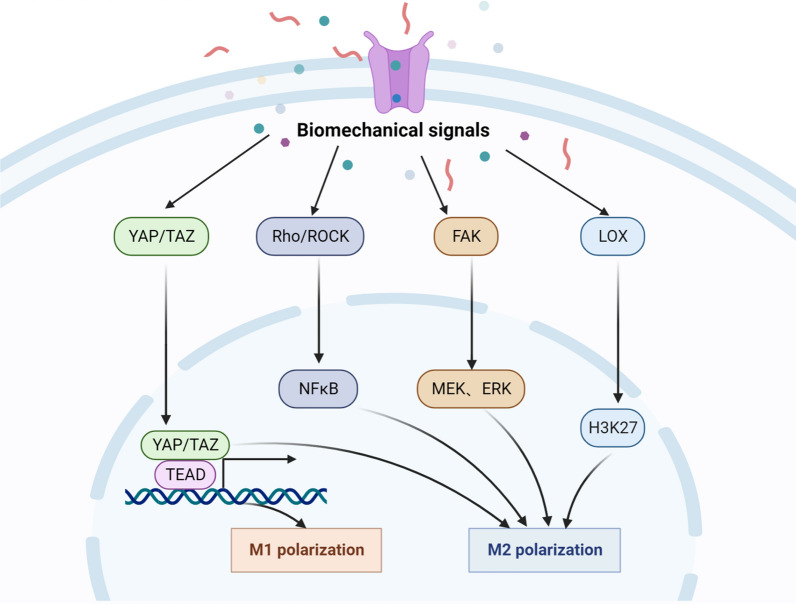
“66 YAP/TAZ functions as a central hub for integrating mechanical signals.”
The Role of HER2 in Cancer and Its Influence on the Tumor Microenvironment
Choi, S., Kim, M., & Kim, M. (2025) · IntechOpen eBooks · doi:10.5772/intechopen.1009458 · Cited by 5
Qian, G., Zhang, H., Zahm, C. D., & Provenzano, P. P. (2026) · Current Opinion in Biomedical Engineering · doi:10.1016/j.cobme.2026.100651 · Cited by 3
Research progress on tumor extracellular matrix stiffness and immunosuppression
Wu, F., Zhang, P., Wu, W., Tian, H., Jiang, X., & Huang, T. (2026) · Frontiers in Immunology · doi:10.3389/fimmu.2026.1852616 · Cited by 6
“Tumor matrix stiffness precisely regulates tumor-associated macrophages (TAMs) phenotype and function through mechanotransduction, an emerging focus in tumor immunology (24).”
Yu, A., Hou, Y., Huang, K., Gao, X., Zeng, R., Zhu, C., Sun, C., Wang, G., Ye, L., Ma, S., et al. (2026) · Interdisciplinary medicine · doi:10.1002/inmd.70075 · Cited by 2
Hemodynamics and matrix stiffness shape the pathogenicity of SPP1+ macrophages
Zhang, H., Han, J., Zhu, S., Yi, M., Fan, K., Chang, R., Shi, Y., & Dong, H. (2026) · Frontiers in Immunology · doi:10.3389/fimmu.2026.1856522 · Cited by 2
Histiocytes: Multifaceted Regulators of Health and Disease
Gruber, E. J. (2025) · Veterinary Clinical Pathology · doi:10.1111/vcp.70065 · Cited by 1
Wan, M., Li, Y., Qin, N., Zhou, Z., Sun, B., Xing, B., Wang, Y., Duan, J., Huang, Y., Yu, L., et al. (2025) · Cellular Signalling · doi:10.1016/j.cellsig.2025.112275 · Cited by 1
Böhm, A. K., Skrip, L. M., Klein, O., Strobl, F., Wieland, J., Arnold, A., Zhou, Y., Papke, B., Sers, C., Modest, D. P., et al. (2026) · Journal of Translational Medicine · doi:10.1186/s12967-026-07945-1 · Cited by 1
Ye, Q.-W., Liu, Y.-J., Xu, G., Chen, Y., & Li, J.-P. (2026) · Scientific Reports · doi:10.1038/s41598-026-44680-5 · Cited by 1
“Since CAFs typically recruit M2 macrophages and collaborate with them to produce large amounts of collagen to promote tumor fibrosis 48,49 , we next performed mIF staining on CRC specimens to detect the spatial relationship among AKAP12-LMOD1 signaling, collagen, and M2 macrophages.”
Arawker, M. H., Habibullah, F., Zhang, Y., Fu, L., Ji, F., Sun, N., Li, H., Baral, S., & Qiu, X. (2026) · Clinical Oncology · doi:10.1016/j.clon.2026.104171 · Cited by 1
Kizhakkanoodan, K. S., Inigo, V. J., Laxminarayana, S. L. K., Seetharam, R. N., Guruprasad, K. P., & Guru, B. R. (2026) · Clinical and Experimental Medicine · doi:10.1007/s10238-026-02190-8 · Cited by 2
“Matrix stiffness induces M2 polarization through mechanotransduction pathways involving integrins and downstream signaling that reshape TAM function and morphology [ 73].”
Zeng, Z., Liang, X., Liu, Z., Du, M., & Chen, Z. (2026) · Frontiers in Immunology · doi:10.3389/fimmu.2026.1830490 · Cited by 1
“Mechanical cues within the TME drive macrophage polarization via YAP/TAZ, Rho/ROCK, FAK, and Wnt/ b -catenin pathways, thereby shaping tumor progression and immunotherapy outcomes (57, 58).”
Wang, D., & Li, Y. (2026) · Seminars in Oncology · doi:10.1016/j.seminoncol.2026.152516 · Cited by 1
Wang, J., Tan, J. S. Y., Shelat, V. G., & Lim, J. (2026) · Frontiers in Immunology · doi:10.3389/fimmu.2026.1885999 · Cited by 1
“At the same time, these conditions promote the accumulation of immunosuppressive CD206 hi and fi brotic TAM states, previously grouped under the broad M2-like category (51, 52).”
Engineered nanomaterials and microstructures for tissue engineering and regenerative medicine
Martinelli, C., Conci, C., & Raimondi, M. T. (2026) · Nano Futures · doi:10.1088/2399-1984/ae895e · Cited by 1
Ghosh, S., & Pati, F. (2026) · Biomaterials · doi:10.1016/j.biomaterials.2026.124508 · Cited by 1
Thyen, J., Sioson, V. A., Haak, D., Jahnke, B., Fusenig, M., Aftab, A. M., Stammberger, A., Brückmann, S., Polster, H., Hübner, S., et al. (2026) · npj Precision Oncology · doi:10.1038/s41698-026-01678-6 · Cited by 2
“Matrix mechanics shape not only tumor behavior and treatment response, such as reversible chemoresistance of PDAC PDOs in stiff, fi brosis-like matrices 24,35,36 , but also regulate macrophage viability, recruitment, and phenotype 37,38 .”
Ortiz, F. D. L. J., Cimmino, C., Grech, K., Huynen, M. A., Janssen, E., Wagenaar, V. H. A., van Zwam, M. C., van den Dries, K., Ventre, M., & Cambi, A. (2024) · bioRxiv (Cold Spring Harbor Laboratory) · doi:10.1101/2024.09.26.614950 · Cited by 1
ADAMTS3 as a promising novel biomarker for the diagnosis of hepatocellular carcinomaPreprint
Wang, C., Jin, H., Zhang, Q., Zou, Y., Wang, Y., Cai, Y., Fang, Z., Li, Y., Maccaferri, N., Douaki, A., et al. (2025) · bioRxiv (Cold Spring Harbor Laboratory) · doi:10.1101/2025.09.17.676767 · Cited by 1
Biomechanical regulation of anti-tumor immune responses in the TME
Kersten, K., & Weaver, V. M. (2024) · Elsevier eBooks · doi:10.1016/b978-0-443-14064-8.00031-x
Biophysical regulation of extracellular matrix in systemic lupus erythematosus
Li, Q., Li, Q., Xiao, Z., Naruse, K., & Takahashi, K. (2025) · AIMS Biophysics · doi:10.3934/biophy.2025020
Li, Q., Cheng, K., Sun, L., & Yan, W. (2025) · bioRxiv (Cold Spring Harbor Laboratory) · doi:10.1101/2025.09.26.678859
Yan, X., Li, Z., Li, N., Dong, P., Zheng, H., & Xue, C. (2025) · Food Bioscience · doi:10.1016/j.fbio.2025.107651
Mechanical microenvironment and its role in hepatocellular carcinoma oncogenesis and progression
Guo, X., Xie, Y., Qian, R., Li, J., Shi, J., Huang, Q., & Shao, D. (2025) · Critical Reviews in Oncology/Hematology · doi:10.1016/j.critrevonc.2025.105099
Li, Q., Cheng, K., Sun, L., & Yan, W. (2026) · eLife · doi:10.7554/elife.110486.1
Li, Q., Cheng, K., Sun, L., & Yan, W. (2026) · eLife · doi:10.7554/elife.110486
Extracellular Matrix–Tumor Crosstalk and Its Influence on Tumor Dormancy
Gawarguru, R., Shinde, S., & Dey, T. (2026) · Biology of extracellular matrix · doi:10.1007/978-3-032-22618-1_1
Liu, G., Yang, Y., Guo, Z., Liu, L., Chen, W., & Sun, C. (2026) · International Journal of Biological Sciences · doi:10.7150/ijbs.132476
PIEZO1 in Immune Cells: From Force to Function
Ghosh, D., & Ganguly, D. (2026) · Results and problems in cell differentiation · doi:10.1007/978-3-032-19509-8_3
Zhou, Z. Z., Peng, Y., Wei, X., & Zhou, Q. (2026) · Research Square · doi:10.21203/rs.3.rs-10103736/v1
Liu, G., Sun, Q., Zhong, Y., Liu, L., & Sun, C. (2026) · Journal of Translational Medicine · doi:10.1186/s12967-026-08369-7
“TAMs dynamically adjust their repertoire in response to local differences in ECM composition, stiffness, and tension, accommodating region-specific structural demands for either migration or stable anchoring [70].”
How hypoxia and mechanics drive lung cancer progression
Kasturi, M., & Novak, C. M. (2026) · Acta Biomaterialia · doi:10.1016/j.actbio.2026.07.027
Li, R. K., Wei, B., Sun, B., Li, M. C., Wang, Y., Zhao, X., Yao, Y., Zou, D. W., & He, Z. (2026) · Frontiers in Immunology · doi:10.3389/fimmu.2026.1887429
“COL1A1, abundantly secreted by cancer associated fi broblasts (CAFs) (42), undergoes cross linking to augment matrix stiffness, which not only physically impedes T-cell in fi ltration and might in fl uence a pro tumorigenic macrophage phenotypic shift through mechanotransduction pathways (43, 44).”
Mohyeddin, A., & Fz, Q. (2026) · Advances in Dermatology and Allergology · doi:10.5114/ada.2026.162707
“Mac - rophages, like fibroblasts, are highly mechanosensitive cells whose phenotype is dictated by the physical characteristics of their surroundings [77, 78].”
Non‐Contact Transspatial Regulatory Function of the Extracellular Matrix
Cao, T., Yang, C., Wang, Z. G., Shao, C., Xu, Z. M., Chen, B., Zhang, J., Wang, Y., & Ye, F. (2026) · Smart Medicine · doi:10.1002/smmd.70046
Wang, H., Guo, T., Gao, Y., Zhou, Y., & Qian, R. (2026) · Oncology Letters · doi:10.3892/ol.2026.15782
Mustafa, W., Mohammed, M. A., Ibrahim, M., Mohammed, A., & Elbadawi, N. E. (2026) · doi:10.2196/preprints.109378
The role of the immune system in synchronizing physiological processes
Плескова, С. Н., & Bezrukov, N. A. (2026) · Current Opinion in Structural Biology · doi:10.1016/j.sbi.2026.103359 · Cited by 1
The niche–metabolism axis: reprogramming tumor-associated macrophages for precision immunotherapy
Zhao, L., Li, X., Liu, W., Zhao, W., Qi, M., Lin, M., Zhang, T., Zuo, B., Yin, H., Li, J., et al. (2026) · Trends in Molecular Medicine · doi:10.1016/j.molmed.2026.07.008
Luo, Y., Liu, L., Zhou, X., Jiao, Y., Tang, M., Feng, W., Chunlan, D., Liu, X., Yang, L., Liu, F., et al. (2026) · Molecular and Cellular Biochemistry · doi:10.1007/s11010-026-05673-0
“These M2-like TAMs further remodel the ECM and construct an immunosuppressive tumor microenvironment by releasing multiple factors including TGF-β, IL-10 and CCL18 [ 10].”
InfluentialGuo, K., Jiang, Y., Yang, Z., Wu, Y., Chen, Y., Wei, C., Zhang, P., Dong, J., & Lin, T. (2026) · Magnetic Resonance Imaging · doi:10.1016/j.mri.2026.110798
Jiang, M., Zhang, K., Li, M., Yao, J., Shi, R., Sun, C., Rodríguez, R. A., Lin, Z., Meng, J., Wang, Z., et al. (2026) · Molecular Cancer · doi:10.1186/s12943-026-02784-6
Self-citationLOXL4: a key regulatory factor at the intersection of fibrosis and tumor progression
Tian, Y., & Li, Q. (2026) · Human Cell · doi:10.1007/s13577-026-01452-7
“…M2 phenotype, such polarization enhances interactions between tumor cells and macrophages, leading to M2 macrophage accumulation, in turn, a positive feedback loop develops between persistent ECM stiffness and M2 macrophage accumulation, exacerbating tumor immunosuppression [78, 79].”
Ortiz, F. D. L. J., Cimmino, C., Grech, K., Huynen, M. A., van Leeuwen, F., van Zwam, M. C., van den Dries, K., Ventre, M., & Cambi, A. (2026) · Cellular and Molecular Bioengineering · doi:10.1007/s12195-026-00945-7
Guo, W., & Qiao, T. (2026) · Frontiers in Immunology · doi:10.3389/fimmu.2026.1935194
Chavan, M. B., Akhtar, M., Mittal, A., Devi, S., & Joshi, D. C. (2026) · Frontiers in Oncology · doi:10.3389/fonc.2026.2006104
Charoghdoozi, K., Dehnavi, S., Sadeghi, M., Bazrafshani, S., & Mohammadi, M. (2026) · DARU Journal of Pharmaceutical Sciences · doi:10.1007/s40199-026-00686-y
Metadata
- Authors
- Xiong, J., Xiao, R., Zhao, J., Zhao, Q., Luo, M., Li, F., Zhang, W., & Wu, M.
- Affiliations
- Zhongnan Hospital of Wuhan University (CN)
- Wuhan University (CN)
- Tongji Hospital (CN)
- Corresponding author
- Li, Feng
- Zhang, Wei
- Wu, Meng
- Venue
- Journal of Translational Medicine
- Published
- 2024-01-21
- Volume
- 22
- Issue
- 1
- Pages
- 85-85
- ISSN
- 1479-5876 (ISSN-L)
- PMC
- PMC10800063
- OpenAlex
- W4391067047
- Semantic Scholar
- f4d392cc656c2dcd462e5c74bd3a6bc1b8da7e45
- Cited by
- 79
- References
- 200
- Citations by year
- 2026: 33 · 2025: 30 · 2024: 16
- FWCI
- 4.17
- Type
- journal article
- Language
- en
- Open access
- gold
- doi.org
- Licence
- cc-by
- creativecommons.org/licenses/by/4.0 (tdm)
- creativecommons.org/licenses/by/4.0 (vor)
- Locations
- Journal of Translational Medicine (publishedVersion, cc-by)
- PubMed Central (publishedVersion, cc-by)
- PubMed (publishedVersion)
- DOAJ (DOAJ: Directory of Open Access Journals) (submittedVersion, cc-by-sa)
- Funders
- Key Technologies Research and Development Program (2021YFC2009105, 2022YFC2704100)
- National Natural Science Foundation of China (82001514, 82303671)
- Zhongnan Hospital of Wuhan University (ZNYB2023005)
- Topics
- Life Sciences › Biochemistry, Genetics and Molecular Biology › Cell Biology › Cellular Mechanics and Interactions
- Life Sciences › Immunology and Microbiology › Immunology › Immune cells in cancer
- Life Sciences › Biochemistry, Genetics and Molecular Biology › Molecular Biology › TGF-β signaling in diseases
- Keywords
- extracellular matrix stiffness, tumor-associated macrophages, macrophage polarization, mechanotransduction, mechanoreceptors, tumor microenvironment, tumor progression, cancer therapy
- MeSH terms
- Tumor-Associated Macrophages, Cell Membrane, Cytoplasm, Extracellular Matrix, Macrophages
About these checks
Registry, retraction, Cites and statistics results are computed, not judged, with one exception: a printed reference that no index lists is read once by a model before it counts as a citation error. Claims are extracted by a model and kept only when their quote appears verbatim in the text; each cited source is then checked, with a model’s help, for whether it says what the claim relies on. Those verdicts can be wrong — read the claim’s quote and the cited source before relying on one.
Statistics and arithmetic are recomputed, not judged.
Confidence bands are shown only for fields calibrated on our annotated test set. None is calibrated yet, so no band is shown.
What counts as a claim ›How we measure confidence ›How we check this ›
Are you an author, or do you see a problem with this page? Request a review
Data sources
Bibliographic data: Semantic Scholar, OpenAlex, Crossref.
Contains information from the Semantic Scholar Academic Graph Datasets, made available under the ODC Attribution License (ODC-BY 1.0).
Semantic Scholar’s data is described in: Kinney, R., et al. (2023). The Semantic Scholar Open Data Platform. arXiv:2301.10140.
