

Matrix stiffness affects tumor-associated macrophage functional polarization and its potential in tumor therapy
Open accessThe DOI matches its Crossref record; 202 of the 202 references it cites were found in a registry or an index.
Abstract
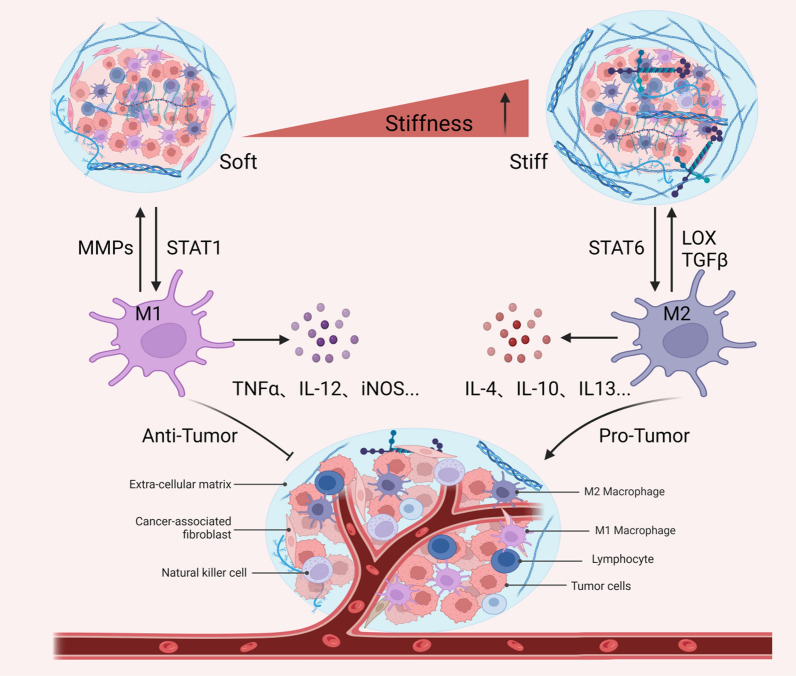
The extracellular matrix (ECM) plays critical roles in cytoskeletal support, biomechanical transduction and biochemical signal transformation. Tumor-associated macrophage (TAM) function is regulated by matrix stiffness in solid tumors and is often associated with poor prognosis. ECM stiffness-induced mechanical cues can activate cell membrane mechanoreceptors and corresponding mechanotransducers in the cytoplasm, modulating the phenotype of TAMs. Currently, tuning TAM polarization through matrix stiffness-induced mechanical stimulation has received increasing attention, whereas its effect on TAM fate has rarely been summarized. A better understanding of the relationship between matrix stiffness and macrophage function will contribute to the development of new strategies for cancer therapy. In this review, we first introduced the overall relationship between macrophage polarization and matrix stiffness, analyzed the changes in mechanoreceptors and mechanotransducers mediated by matrix stiffness on macrophage function and tumor progression, and finally summarized the effects of targeting ECM stiffness on tumor prognosis to provide insight into this new field.
Overview
The claims and statistics of this paper haven’t been checked yet.
Free: it reads the open-access text and checks the first 5 claims that cite a source we can check. Create a free account to check every claim.
Integrity signals
Registry
Cites
Statistics
Figures
Verification
Claims the paper makes
The claims and statistics of this paper haven’t been checked yet.
Free: it reads the open-access text and checks the first 5 claims that cite a source we can check. Create a free account to check every claim.
Claims other papers make about this one
Each is checked against this paper’s own text: does it say what the citing paper says it does?
In the citing paper
“M2 macrophages secrete TGF-b1, which can activate fibroblasts to produce LOX, thereby promoting collagen crosslinking and matrix stiffening (68).”
From The mechanotransduction-immune axis in organ fibrosis: dual regulatory mechanisms and translational therapeutic perspectives (2025) · doi:10.3389/fimmu.2025.1670213 · cites this paper as [68]
Self-check
Percentages, sums and reported differences re-computed from the paper’s own numbers.
The self-check needs the paper’s full text.
Citations
Cites
Molecular Mechanisms of Stress-Responsive Changes in Collagen and Elastin Networks in Skin
Aziz, J., Shezali, H., Radzi, Z., Yahya, N. A., Abu Kassim, N. H., Czernuszka, J., & Rahman, M. T. (2016) · Skin Pharmacology and Physiology · doi:10.1159/000447017 · Cited by 7,323
Macrophage activation and polarization: nomenclature and experimental guidelines
Murray, P. J., Allen, J. E., Biswas, S. K., Fisher, E. A., Gilroy, D. W., Goerdt, S., Gordon, S., Hamilton, J. A., Ivashkiv, L. B., Lawrence, T., et al. (2014) · Immunity · doi:10.1016/j.immuni.2014.06.008 · Cited by 6,337
Role of YAP/TAZ in mechanotransduction
Dupont, S., Morsut, L., Aragona, M., Enzo, E., Giulitti, S., Cordenonsi, M., Zanconato, F., Le Digabel, J., Forcato, M., Bicciato, S., et al. (2011) · Nature · doi:10.1038/nature10137 · Cited by 5,979 · cited 1×
“In recent years, accumulating evidences demonstrate that mechanical force has widely been linked to the activity of the transcriptional coactivators YAP and TAZ, establishing a connection between extra-cellular biomechanics and gene regulation [77, 78].”
BackgroundTGFβ attenuates tumour response to PD-L1 blockade by contributing to exclusion of T cells
Mariathasan, S., Turley, S. J., Nickles, D., Castiglioni, A., Yuen, K., Wang, Y., Kadel III, E. E., Koeppen, H., Astarita, J. L., Cubas, R., et al. (2018) · Nature · doi:10.1038/nature25501 · Cited by 5,400 · cited 1×
“Moreover, TGF-β hinders TIL penetration by increasing peritumoral collagen production [127].”
BackgroundMacrophage Diversity Enhances Tumor Progression and Metastasis
Qian, B.-Z., & Pollard, J. W. (2010) · Cell · doi:10.1016/j.cell.2010.03.014 · Cited by 5,188 · cited 1×
“In the early stage of tumorigenesis, TAMs are mainly the M1 phenotype, and with the development of the tumor, TAMs are mainly the M2 phenotype with a significant immunosuppressive function in the TME [24].”
BackgroundMeijer, L., Nelson, D. J., Riazanski, V., Gabdoulkhakova, A. G., Hery-Arnaud, G., Le Berre, R., Loaëc, N., Oumata, N., Galons, H., Nowak, E., et al. (2016) · Journal of Innate Immunity · doi:10.1159/000444256 · Cited by 4,992
Etienne-Manneville, S., & Hall, A. (2002) · Nature · doi:10.1038/nature01148 · Cited by 4,201 · cited 1×
“Generally, the Rho GTPase family can be divided into three classes: Rho (RhoA, RhoB, and RhoC), Rac (Rac1, Rac2, and Rac3), and cell division cycle 42 (Cdc42), while the ROCK family includes two members, ROCK1 and ROCK2 [86–88].”
BackgroundPiezo1 and Piezo2 Are Essential Components of Distinct Mechanically Activated Cation Channels
Coste, B., Mathur, J., Schmidt, M., Earley, T. J., Ranade, S., Petrus, M. J., Dubin, A. E., & Patapoutian, A. (2010) · Science · doi:10.1126/science.1193270 · Cited by 3,316 · cited 1×
“Piezo1, a non-selective Ca 2 + -permeable channel receptor that senses external mechanical forces, can be activated in response to different matrix stiffnesses as well as a variety of mechanical stimuli [47–49].”
BackgroundÖzdemir, B. C., Pentcheva-Hoang, T., Carstens, J. L., Zheng, X., Wu, C.-C., Simpson, T. R., Laklai, H., Sugimoto, H., Kahlert, C., Novitskiy, S. V., et al. (2014) · Cancer Cell · doi:10.1016/j.ccr.2014.04.005 · Cited by 2,681 · cited 1×
“In contrast, in some preclinical studies, targeting the elimination of CAFs even promotes tumor progression and results in poor prognosis [118, 119].”
ResultTransforming Growth Factor-β Signaling in Immunity and Cancer
Batlle, E., & Massagué, J. (2019) · Immunity · doi:10.1016/j.immuni.2019.03.024 · Cited by 2,366
Mao, X., Xu, J., Wang, W., Liang, C., Hua, J., Liu, J., Zhang, B., Meng, Q., Yu, X., & Shi, S. (2021) · Molecular Cancer · doi:10.1186/s12943-021-01428-1 · Cited by 2,290 · cited 2×
“CAFs actively participate in tumor progression through complicated interactions with other types of stromal cells and produce ECM components that contribute to the remodeling of the tumor stroma [39, 110].”
BackgroundElyada, E., Bolisetty, M., Laise, P., Flynn, W. F., Courtois, E. T., Burkhart, R. A., Teinor, J. A., Belleau, P., Biffi, G., Lucito, M. S., et al. (2019) · Cancer Discovery · doi:10.1158/2159-8290.cd-19-0094 · Cited by 2,241 · cited 1×
“Recently, single-cell analysis techniques revealed distinct CAF subpopulations compared to conventional CAF subpopulations [123, 124].”
BackgroundMacrophages in immunoregulation and therapeutics
Chen, S., Saeed, A. F. U. H., Liu, Q., Jiang, Q., Xu, H., Xiao, G. G., Rao, L., & Duo, Y. (2023) · Signal Transduction and Targeted Therapy · doi:10.1038/s41392-023-01452-1 · Cited by 2,229 · cited 1×
“At present, the most widely used traditional classification of TAMs is the dual classification, that is, the antitumor concomitant pro-inflammatory M1 phenotype (classical activation) and the protumor concomitant anti-inflammatory M2 phenotype (alternative activation) [16–18].”
MethodChemokines in the cancer microenvironment and their relevance in cancer immunotherapy
Nagarsheth, N., Wicha, M. S., & Zou, W. (2017) · Nature Reviews Immunology · doi:10.1038/nri.2017.49 · Cited by 2,206 · cited 1×
“Similarly, CCL2, IL-8, IL-10, and TGF-β secreted by CAFs have also been shown to promote the recruitment of monocytes and their transformation into M2 macrophages [38, 39].”
BackgroundDiversity, Mechanisms, and Significance of Macrophage Plasticity
Locati, M., Curtale, G., & Mantovani, A. (2020) · Annual Review of Pathology: Mechanisms of Disease · doi:10.1146/annurev-pathmechdis-012418-012718 · Cited by 2,199 · cited 1×
“In fact, M1 and M2 represent only the extremes of the more complex and continuum spectrum of macrophages activation states, and macrophages are an extremely plastic cellular population depending on tumor context and stage of disease [23].”
BackgroundMechanotransduction and extracellular matrix homeostasis
Humphrey, J. D., Dufresne, E. R., & Schwartz, M. A. (2014) · Nature Reviews Molecular Cell Biology · doi:10.1038/nrm3896 · Cited by 2,124 · cited 1×
“Integrins have been widely recognized as mechanoreceptor proteins that form a mechanical conduction network, which affects normal physiological behaviors such as cell migration, proliferation and differentiation as well as pathological processes such as cancer and tissue fibrosis [68, 69].”
BackgroundTissue-Resident Macrophage Ontogeny and Homeostasis
Ginhoux, F., & Guilliams, M. (2016) · Immunity · doi:10.1016/j.immuni.2016.02.024 · Cited by 1,884 · cited 1×
“Macrophages become tissue-resident macrophages, which are present in various healthy tissues and participate in cancer growth and metastasis [14].”
BackgroundTurning foes to friends: targeting cancer-associated fibroblasts
Chen, X., & Song, E. (2019) · Nature Reviews Drug Discovery · doi:10.1038/s41573-018-0004-1 · Cited by 1,879
The Biology of YAP/TAZ: Hippo Signaling and Beyond
Piccolo, S., Dupont, S., & Cordenonsi, M. (2014) · Physiological Reviews · doi:10.1152/physrev.00005.2014 · Cited by 1,802 · cited 1×
“Yes-associated protein (YAP) and transcriptional coactivator with PDZ-binding motif (TAZ) are downstream transducers of the Hippo pathway, engaging in cell proliferation and survival and playing vital roles in controlling organ growth, stem cell self-renewal and cell differentiation [75, 76].”
BackgroundA pan-cancer single-cell transcriptional atlas of tumor infiltrating myeloid cells
Cheng, S., Li, Z., Gao, R., Xing, B., Gao, Y., Yang, Y., Qin, S., Zhang, L., Ouyang, H., Du, P., et al. (2021) · Cell · doi:10.1016/j.cell.2021.01.010 · Cited by 1,601 · cited 1×
“Furthermore, single-cell sequencing analysis revealed that TAM subsets can express both M1-and M2-related genes with complicated phenotypes, which indicates a state of phenotypic transition between M1 and M2 TAMs [22].”
BackgroundBurridge, K., & Wennerberg, K. (2004) · Cell · doi:10.1016/s0092-8674(04)00003-0 · Cited by 1,578
Every step of the way: integrins in cancer progression and metastasis
Hamidi, H., & Ivaska, J. (2018) · Nature Reviews Cancer · doi:10.1038/s41568-018-0038-z · Cited by 1,493 · cited 2×
“The integrin family consists of 24 transmembrane glycoprotein members, and a large proportion of integrin subfamilies are overexpressed during cancer progression [168, 169].”
BackgroundBiffi, G., Oni, T. E., Spielman, B., Hao, Y., Elyada, E., Park, Y., Preall, J., & Tuveson, D. A. (2019) · Cancer Discovery · doi:10.1158/2159-8290.cd-18-0710 · Cited by 1,360 · cited 1×
“CAFs actively participate in tumor progression through complicated interactions with other types of stromal cells and produce ECM components that contribute to the remodeling of the tumor stroma [39, 110].”
BackgroundErdafitinib in Locally Advanced or Metastatic Urothelial Carcinoma
Loriot, Y., Necchi, A., Park, S. H., Garcia-Donas, J., Huddart, R., Burgess, E., Fleming, M., Rezazadeh, A., Mellado, B., Varlamov, S., et al. (2019) · New England Journal of Medicine · doi:10.1056/nejmoa1817323 · Cited by 1,360 · cited 2×
“However, erdafitinib has obvious adverse events in clinical trials with poor tolerability, and the antitumor effect of erdafitinib should be further anticipated in subsequent studies [116, 117].”
BackgroundTargeting integrin pathways: mechanisms and advances in therapy
Pang, X., He, X., Qiu, Z., Zhang, H., Xie, R., Liu, Z., Gu, Y., Zhao, N., Xiang, Q., & Cui, Y. (2023) · Signal Transduction and Targeted Therapy · doi:10.1038/s41392-022-01259-6 · Cited by 1,275 · cited 1×
“…etaracizumab, volociximab, intetumumab, abituzumab, BGC-0222, ProAgio, CEND-1, HYD-PEP-06, 7HP-349, ATN-161, SGN-B6A, ABBV-382, OPC-415, and MT-1002, have been reported to target integrin subfamilies of αv, α5β1, αvβ3, αLβ2, α4β1, β6, α3β1, β1, and β7 in clinical trials for cancer treatment [170].”
Clinical and therapeutic relevance of cancer-associated fibroblasts
Chen, Y., McAndrews, K. M., & Kalluri, R. (2021) · Nature Reviews Clinical Oncology · doi:10.1038/s41571-021-00546-5 · Cited by 1,230 · cited 1×
“An array of CAF biomarkers have been identified, including but not limited to αSMA, FSP1, FAP, PDGFRα, PDGFRβ, CLEC3B, Desmin, DDR2 and Vimentin, and many therapeutic approaches targeting CAFs have been well reviewed [111–113].”
BackgroundGenome-wide association between YAP/TAZ/TEAD and AP-1 at enhancers drives oncogenic growth
Zanconato, F., Forcato, M., Battilana, G., Azzolin, L., Quaranta, E., Bodega, B., Rosato, A., Bicciato, S., Cordenonsi, M., & Piccolo, S. (2015) · Nature Cell Biology · doi:10.1038/ncb3216 · Cited by 1,219 · cited 1×
“Although the majority of studies reveal that YAP/TAZ activation is associated with tumor-promoting effects [187–190], accumulating evidence also demonstrates that YAP/TAZ play vital roles in tumor-suppressive effects in human cancers.”
BackgroundTargeting the tumour stroma to improve cancer therapy
Valkenburg, K. C., de Groot, A. E., & Pienta, K. J. (2018) · Nature Reviews Clinical Oncology · doi:10.1038/s41571-018-0007-1 · Cited by 1,084 · cited 1×
“In addition, targeting matrix stiffness can also anchor other stromal cells and delay tumor progression in macrophage-dependent and macrophage-independent ways [109].”
BackgroundIntegrin-mediated mechanotransduction
Sun, Z., Guo, S. S., & Fässler, R. (2016) · Journal of Cell Biology · doi:10.1083/jcb.201609037 · Cited by 1,079 · cited 1×
“Integrins have been widely recognized as mechanoreceptor proteins that form a mechanical conduction network, which affects normal physiological behaviors such as cell migration, proliferation and differentiation as well as pathological processes such as cancer and tissue fibrosis [68, 69].”
BackgroundStupp, R., Hegi, M. E., Gorlia, T., Erridge, S. C., Perry, J., Hong, Y.-K., Aldape, K. D., Lhermitte, B., Pietsch, T., Grujicic, D., et al. (2014) · The Lancet Oncology · doi:10.1016/s1470-2045(14)70379-1 · Cited by 1,052 · cited 1×
“However, most previous clinical trials targeting integrins are disappointing, even in the phase 3 clinical trial of cilengitide for treating glioblastoma [174–176].”
BackgroundTargeting TGF-β Signaling in Cancer
Colak, S., & ten Dijke, P. (2017) · Trends in cancer · doi:10.1016/j.trecan.2016.11.008 · Cited by 1,003
Cox, T. R. (2021) · Nature Reviews Cancer · doi:10.1038/s41568-020-00329-7 · Cited by 976 · cited 1×
“Degradation of peripheral ECM components by matrix metalloproteinases (MMPs), cathepsin, and hyaluronidase is an important pathogenic mechanism of the dynamic regulation of ECM structure [4].”
BackgroundPancreatic cancer stroma: an update on therapeutic targeting strategies
Hosein, A. N., Brekken, R. A., & Maitra, A. (2020) · Nature Reviews Gastroenterology & Hepatology · doi:10.1038/s41575-020-0300-1 · Cited by 950 · cited 1×
“An array of CAF biomarkers have been identified, including but not limited to αSMA, FSP1, FAP, PDGFRα, PDGFRβ, CLEC3B, Desmin, DDR2 and Vimentin, and many therapeutic approaches targeting CAFs have been well reviewed [111–113].”
BackgroundBarry-Hamilton, V., Spangler, R., Marshall, D., McCauley, S., Rodriguez, H. M., Oyasu, M., Mikels, A., Vaysberg, M., Ghermazien, H., Wai, C., et al. (2010) · Nature Medicine · doi:10.1038/nm.2208 · Cited by 870 · cited 1×
“In addition, AB0023, a neutralizing antibody against LOXL2, can inhibit the activity of LOXL2, reduce activated fibroblasts, and inhibit tumor progression [147].”
BackgroundThe complex role of tumor-infiltrating macrophages
Christofides, A., Strauss, L., Yeo, A., Cao, C., Charest, A., & Boussiotis, V. A. (2022) · Nature Immunology · doi:10.1038/s41590-022-01267-2 · Cited by 849 · cited 1×
“These monocytes leave the blood circulation and enter tumor tissue to differentiati-ate into macrophages [13].”
BackgroundTGF-β in Hepatic Stellate Cell Activation and Liver Fibrogenesis—Updated 2019
Dewidar, B., Meyer, C., Dooley, S., & Meindl-Beinker, A. N. (2019) · Cells · doi:10.3390/cells8111419 · Cited by 837 · cited 1×
“In addition, TGF-β-induced phosphorylation of Smad2/3 also promotes the deposition of α-SMA, MMP1, and collagen type I, which increase matrix stiffness by the overexpression of LOXL1 [128].”
BackgroundCell–extracellular matrix mechanotransduction in 3D
Saraswathibhatla, A., Indana, D., & Chaudhuri, O. (2023) · Nature Reviews Molecular Cell Biology · doi:10.1038/s41580-023-00583-1 · Cited by 814
The cancer glycocalyx mechanically primes integrin-mediated growth and survival
Paszek, M. J., DuFort, C. C., Rossier, O., Bainer, R., Mouw, J. K., Godula, K., Hudak, J. E., Lakins, J. N., Wijekoon, A. C., Cassereau, L., et al. (2014) · Nature · doi:10.1038/nature13535 · Cited by 699 · cited 1×
“For preclinical research, targeting integrins is quite mature with remarkable antitumor effects [171–173].”
BackgroundRen, J., Ding, L., Zhang, D., Shi, G., Xu, Q., Shen, S., Wang, Y., Wang, T., & Hou, Y. (2018) · Theranostics · doi:10.7150/thno.25541 · Cited by 698 · cited 1×
“CAFs have long been considered an attractive therapeutic target with the majority of studies showing tumor-promoting roles of CAFs [114, 115].”
BackgroundMechanosensation of cyclical force by PIEZO1 is essential for innate immunity
Solis, A. G., Bielecki, P., Steach, H. R., Sharma, L., Harman, C. C. D., Yun, S., de Zoete, M. R., Warnock, J. N., To, S. D. F., York, A. G., et al. (2019) · Nature · doi:10.1038/s41586-019-1485-8 · Cited by 678 · cited 1×
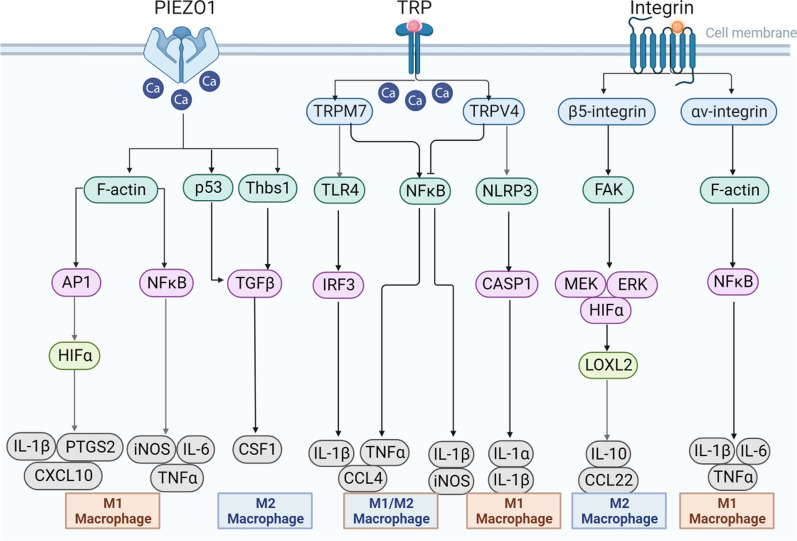
“…integrins on macrophages regulated by matrix stiffness can polarize into M1-or M2-type macrophages of AP-1 through Piezo1, promoting the expression of endothelin-1 and the stabilization of HIF1α, which in turn promotes the expression of inflammatory cytokines such as IL1β, PTGS2 and CXCL10 [51].”
BackgroundMacrophage phenotypes in atherosclerosis
Colin, S., Chinetti‐Gbaguidi, G., & Staels, B. (2014) · Immunological Reviews · doi:10.1111/imr.12218 · Cited by 657 · cited 1×
“In addition, some researchers have added an additional subcategory to M2 TAMs, such as M2a, M2b, M2c and M2d, due to the complexity of TAMs [21].”
BackgroundThe Hippo pathway target, YAP, promotes metastasis through its TEAD-interaction domain
Lamar, J. M., Stern, P., Liu, H., Schindler, J. W., Jiang, Z.-G., & Hynes, R. O. (2012) · Proceedings of the National Academy of Sciences · doi:10.1073/pnas.1212021109 · Cited by 654
Mechanically activated ion channel Piezo1 modulates macrophage polarization and stiffness sensing
Atcha, H., Jairaman, A., Holt, J. R., Meli, V. S., Nagalla, R. R., Veerasubramanian, P. K., Brumm, K. T., Lim, H. E., Othy, S., Cahalan, M. D., et al. (2021) · Nature Communications · doi:10.1038/s41467-021-23482-5 · Cited by 644 · cited 1×
“Consistent with this perspective, matrix stiffness-activated ion channel Piezo1 induces macrophage M1 polarization by triggering the NFκB pathway with the upregulation of the pro-inflammatory cytokines of iNOS, TNFα, and IL-6 [52].”
BackgroundA timeline of tumour-associated macrophage biology
Cassetta, L., & Pollard, J. W. (2023) · Nature Reviews Cancer · doi:10.1038/s41568-022-00547-1 · Cited by 581 · cited 1×
“At present, the most widely used traditional classification of TAMs is the dual classification, that is, the antitumor concomitant pro-inflammatory M1 phenotype (classical activation) and the protumor concomitant anti-inflammatory M2 phenotype (alternative activation) [16–18].”
MethodLuo, H., Xia, X., Huang, L.-B., An, H., Cao, M., Kim, G. D., Chen, H.-N., Zhang, W.-H., Shu, Y., Kong, X., et al. (2022) · Nature Communications · doi:10.1038/s41467-022-34395-2 · Cited by 567 · cited 1×
“Recently, single-cell analysis techniques revealed distinct CAF subpopulations compared to conventional CAF subpopulations [123, 124].”
BackgroundSelf-citationCatenacci, D. V. T., Junttila, M. R., Karrison, T., Bahary, N., Horiba, M. N., Nattam, S. R., Marsh, R., Wallace, J., Kozloff, M., Rajdev, L., et al. (2015) · Journal of Clinical Oncology · doi:10.1200/jco.2015.62.8719 · Cited by 561 · cited 1×
“Moreover, targeting CAFs-related signaling pathways, such as SHH–SMO signaling or hyaluronic acid, even shortened patient survival in clinical trials [120– 122].”
BackgroundAdvances in TRP channel drug discovery: from target validation to clinical studies
Koivisto, A.-P., Belvisi, M. G., Gaudet, R., & Szallasi, A. (2022) · Nature Reviews Drug Discovery · doi:10.1038/s41573-021-00268-4 · Cited by 537 · cited 1×
“In mammals, the TRP channel family consists of six subfamilies, TRPC, TRPV, TRPM, TRPML, TRPP and TRPA, which participate in the proliferation, invasion, metastasis and angiogenesis of cancer cells and are responsible for a variety of sensory responses, including mechanical force [57, 58].”
BackgroundZhang, M., Ma, Y., Ye, X., Zhang, N., Pan, L., & Wang, B. (2023) · Signal Transduction and Targeted Therapy · doi:10.1038/s41392-023-01464-x · Cited by 522 · cited 1×
“In mammals, the TRP channel family consists of six subfamilies, TRPC, TRPV, TRPM, TRPML, TRPP and TRPA, which participate in the proliferation, invasion, metastasis and angiogenesis of cancer cells and are responsible for a variety of sensory responses, including mechanical force [57, 58].”
BackgroundVan Cutsem, E., Tempero, M. A., Sigal, D., Oh, D.-Y., Fazio, N., Macarulla, T., Hitre, E., Hammel, P., Hendifar, A. E., Bates, S. E., et al. (2020) · Journal of Clinical Oncology · doi:10.1200/jco.20.00590 · Cited by 499 · cited 1×
“Moreover, targeting CAFs-related signaling pathways, such as SHH–SMO signaling or hyaluronic acid, even shortened patient survival in clinical trials [120– 122].”
BackgroundTargeting extracellular matrix stiffness and mechanotransducers to improve cancer therapy
Jiang, Y., Zhang, H., Wang, J., Liu, Y., Luo, T., & Hua, H. (2022) · Journal of Hematology & Oncology · doi:10.1186/s13045-022-01252-0 · Cited by 491 · cited 1×
“During tumor progression, ECM degradation releases a suite of growth factors and cytokines that induce tumor cell growth, angiogenesis and inflammation [5].”
BackgroundBlakney, A. K., Swartzlander, M. D., & Bryant, S. J. (2012) · Journal of Biomedical Materials Research Part A · doi:10.1002/jbm.a.34104 · Cited by 470 · cited 1×
“Consistent with the above results, macrophages cultured in stiffer poly(ethylene glycol) hydrogels show enhanced αV integrin staining with a classical activation phenotype (TNF-α, IL-1β, and IL-6) while cultured in lower stiffness hydrogels with reduced macrophage activation [71].”
ResultPeltanova, B., Raudenska, M., & Masarik, M. (2019) · Molecular Cancer · doi:10.1186/s12943-019-0983-5 · Cited by 469 · cited 2×
“It is also a vital component of the tumor microenvironment (TME), supporting the initiation, progression, and invasion of tumors [2].”
BackgroundMaterial stiffness influences the polarization state, function and migration mode of macrophages
Sridharan, R., Cavanagh, B., Cameron, A. R., Kelly, D. J., & O'Brien, F. J. (2019) · Acta Biomaterialia · doi:10.1016/j.actbio.2019.02.048 · Cited by 450 · cited 1×
“…polyacrylamide gel stiffnesses on macrophage polarization state and function, soft (11 kPa), medium (88 kPa), and stiff (323 kPa) gels were constructed, and the results showed that the substrate stiff-ness-mediated Rho-ROCK pathway plays an important role in directing macrophage behavior [91].”
BackgroundRole of YAP/TAZ in cell-matrix adhesion-mediated signalling and mechanotransduction
Dupont, S. (2016) · Experimental Cell Research · doi:10.1016/j.yexcr.2015.10.034 · Cited by 449 · cited 1×
“In recent years, accumulating evidences demonstrate that mechanical force has widely been linked to the activity of the transcriptional coactivators YAP and TAZ, establishing a connection between extra-cellular biomechanics and gene regulation [77, 78].”
BackgroundMechanical forces in the immune system
Huse, M. (2017) · Nature Reviews Immunology · doi:10.1038/nri.2017.74 · Cited by 439 · cited 1×
“Each subunit contains three parts, including a long stalk that senses extracellular signals, a transmembrane helix, and a short intracellular tail that connects with cytoplasmic signaling and cytoskeletal proteins [67].”
BackgroundForce-induced conformational changes in PIEZO1
Lin, Y.-C., Guo, Y. R., Miyagi, A., Levring, J., MacKinnon, R., & Scheuring, S. (2019) · Nature · doi:10.1038/s41586-019-1499-2 · Cited by 433 · cited 1×
“Piezo1, a non-selective Ca 2 + -permeable channel receptor that senses external mechanical forces, can be activated in response to different matrix stiffnesses as well as a variety of mechanical stimuli [47–49].”
BackgroundTuning immunity through tissue mechanotransduction
Du, H., Bartleson, J. M., Butenko, S., Alonso, V., Liu, W. F., Winer, D. A., & Butte, M. J. (2023) · Nature Reviews Immunology · doi:10.1038/s41577-022-00761-w · Cited by 427 · cited 1×
“Generally, the matrix stiffness of soft tissues, such as the brain, liver, colon and fat tissue, is typically less than 10 kPa; however, in diseased conditions, such as fibrosis and solid tumors, the mean stiffness value can exceed 20 kPa and 50 kPa, respectively [7].”
BackgroundSignificant association of Rho/ROCK pathway with invasion and metastasis of bladder cancer.
Kamai, T., Tsujii, T., Arai, K., Takagi, K., Asami, H., Ito, Y., & Oshima, H. (2003) · PubMed · Cited by 419
Ford, K., Hanley, C. J., Mellone, M., Szyndralewiez, C., Heitz, F., Wiesel, P., Wood, O., Machado, M., Lopez, M.-A., Ganesan, A.-P., et al. (2020) · Cancer Research · doi:10.1158/0008-5472.can-19-3158 · Cited by 411 · cited 1×
“CAFs have long been considered an attractive therapeutic target with the majority of studies showing tumor-promoting roles of CAFs [114, 115].”
BackgroundMace, T. A., Ameen, Z., Collins, A., Wojcik, S., Mair, M., Young, G. S., Fuchs, J. R., Eubank, T. D., Frankel, W. L., Bekaii-Saab, T., et al. (2013) · Cancer Research · doi:10.1158/0008-5472.can-12-4601 · Cited by 410 · cited 1×
“For instance, CAF-derived M-CSF1, IL-6, and CCL2 in monocyte recruitment increased the M2/M1 TAM ratio in pancreatic cancer [37].”
BackgroundChen, X., Wanggou, S., Bodalia, A., Zhu, M., Dong, W., Fan, J. J., Yin, W. C., Min, H.-K., Hu, M., Draghici, D., et al. (2018) · Neuron · doi:10.1016/j.neuron.2018.09.046 · Cited by 401 · cited 1×
“For example, Piezo1 activates integrin-FAK signaling, regulates ECM and reinforces tissue stiffness to promote glioma aggression, while deleting Piezo1 inhibits tumor aggression and prolongs survival [153].”
BackgroundSelf-citationSimões, F. C., Cahill, T. J., Kenyon, A., Gavriouchkina, D., Vieira, J. M., Sun, X., Pezzolla, D., Ravaud, C., Masmanian, E., Weinberger, M., et al. (2020) · Nature Communications · doi:10.1038/s41467-019-14263-2 · Cited by 390 · cited 1×
“In turn, M2 macrophages activate fibroblasts to become myofibro-blasts, which secrete large amounts of collagen to promote matrix deposition while also remodeling the ECM by regulating the balance of MMPs and their inhibitors [28].”
BackgroundTargeting FAK in anticancer combination therapies
Dawson, J. C., Serrels, A., Stupack, D. G., Schlaepfer, D. D., & Frame, M. C. (2021) · Nature Reviews Cancer · doi:10.1038/s41568-021-00340-6 · Cited by 384 · cited 1×
“FAK plays crucial roles in cell signal transduction, receives signals from integrins, growth factors and mechanical stimulation, activates intracellular PI3K/Akt, Ras/MAPK and RAS/RAF/MEK pathways, and is related to tumorigenesis and migration [95, 96].”
BackgroundTumor macrophages are pivotal constructors of tumor collagenous matrix
Afik, R., Zigmond, E., Vugman, M., Klepfish, M., Shimshoni, E., Pasmanik-Chor, M., Shenoy, A., Bassat, E., Halpern, Z., Geiger, T., et al. (2016) · Journal of Experimental Medicine · doi:10.1084/jem.20151193 · Cited by 375 · cited 2×
“Likewise, TAMs advance tumor progression by the synthesis and assembly of collagenous ECM, specifically collagen types I, VI, and XIV, resulting in the remodeling of its ECM composition and structure in a colorectal cancer mouse model [41].”
BackgroundA pilot clinical study of Δ9-tetrahydrocannabinol in patients with recurrent glioblastoma multiforme
Guzmán, M., Duarte, M. J., Blázquez, C., Ravina, J., Rosa, M. C., Galve-Roperh, I., Sánchez, C., Velasco, G., & González-Feria, L. (2006) · British Journal of Cancer · doi:10.1038/sj.bjc.6603236 · Cited by 365 · cited 1×
“Delta[9]-Tetrahydrocannabinol and nabiximols, nonspecific agonists of TRPV2, were tested in a phase 1 clinical trial in recurrent glioblastoma and both showed antitumor activity [166, 167].”
BackgroundVan Goethem, E., Poincloux, R., Gauffre, F., Maridonneau-Parini, I., & Le Cabec, V. (2010) · The Journal of Immunology · doi:10.4049/jimmunol.0902223 · Cited by 363 · cited 1×
“Likewise, examining the influence of ECM (composition, architecture, and stiffness) on the 3D migration of human macrophages demonstrated that macrophages migrate into tissues using either the protease-dependent mesenchymal migration mode or the Rho-ROCK-mediated amoeboid migration mode [94].”
BackgroundTumor-Associated Macrophages: Implications in Cancer Immunotherapy
Petty, A. J., & Yang, Y. (2017) · Immunotherapy · doi:10.2217/imt-2016-0135 · Cited by 363 · cited 1×
“…infections, have the capacity to induce M2 macrophages to produce anti-inflammatory cytokines (including IL-4, IL-10, and IL-13), as well as express markers such as Arg1, TGF-β, CD163, CD206, VEGF, and MMPs, these signaling molecules accelerate TME remodeling, angiogenesis and tumor growth [20].”
BackgroundRice, L. M., Padilla, C. M., McLaughlin, S. R., Mathes, A., Ziemek, J., Goummih, S., Nakerakanti, S., York, M., Farina, G., Whitfield, M. L., et al. (2015) · Journal of Clinical Investigation · doi:10.1172/jci77958 · Cited by 351 · cited 1×
“In addition, fresolimumab treat-ment decreases biomarkers of thrombospondin-1 and cartilage oligomeric protein and improves clinical symptoms in systemic sclerosis patients [130].”
BackgroundRamanathan, R. K., McDonough, S. L., Philip, P. A., Hingorani, S. R., Lacy, J., Kortmansky, J. S., Thumar, J., Chiorean, E. G., Shields, A. F., Behl, D., et al. (2019) · Journal of Clinical Oncology · doi:10.1200/jco.18.01295 · Cited by 336
YAP-mediated mechanotransduction tunes the macrophage inflammatory response
Meli, V. S., Atcha, H., Veerasubramanian, P. K., Nagalla, R. R., Luu, T. U., Chen, E. Y., Guerrero-Juarez, C. F., Yamaga, K., Pandori, W., Hsieh, J. Y., et al. (2020) · Science Advances · doi:10.1126/sciadv.abb8471 · Cited by 329 · cited 1×
“Macrophage adhesion on soft hydrogel substrates reduces inflammation when compared to that of gels with stiffness, accompanied by decreased YAP expression and nuclear localization [79].”
BackgroundCollagenase Nanoparticles Enhance the Penetration of Drugs into Pancreatic Tumors
Zinger, A., Koren, L., Adir, O., Poley, M., Alyan, M., Yaari, Z., Noor, N., Krinsky, N., Simon, A., Gibori, H., et al. (2019) · ACS Nano · doi:10.1021/acsnano.9b02395 · Cited by 323 · cited 1×
“Given that matrix stiffness affects the phenotype and function of TAMs and is often associated with a poor clinical prognosis, a better understanding of the mechanisms underlying the regulatory network between matrix stiffness and macrophages is critical for targeted therapy [26].”
BackgroundMaller, O., Drain, A. P., Barrett, A. S., Borgquist, S., Ruffell, B., Zakharevich, I., Pham, T. T., Gruosso, T., Kuasne, H., Lakins, J. N., et al. (2021) · Nature Materials · doi:10.1038/s41563-020-00849-5 · Cited by 298
Zhang, W., Liu, L., Su, H., Liu, Q., Shen, J., Dai, H., Zheng, W., Lu, Y., Zhang, W., Bei, Y., et al. (2019) · British Journal of Cancer · doi:10.1038/s41416-019-0578-3 · Cited by 291 · cited 1×
“However, when macrophages were engineered with a designed chimeric antigen receptor (CAR), the infused CAR-147 macrophages reduced collagen deposition and promoted T-cell infiltration within HER2-4T1 tumors, which significantly inhibited tumor growth in a BALB/c mouse model [46].”
BackgroundSelf-citationGeng, J., Shi, Y., Zhang, J., Yang, B., Wang, P., Yuan, W., Zhao, H., Li, J., Qin, F., Hong, L., et al. (2021) · Nature Communications · doi:10.1038/s41467-021-23683-y · Cited by 290 · cited 1×
“Similarly, the complex of Piezo1 and TLR4 together remodeled macrophage F-actin organization and consequently activated the CaMKII-Mst1/2-Rac axis to augment phagocytosis and killing ability [53].”
BackgroundHerrera, M., Herrera, A., Domínguez, G., Silva, J., García, V., García, J. M., Gómez, I., Soldevilla, B., Muñoz, C., Provencio, M., et al. (2013) · Cancer Science · doi:10.1111/cas.12096 · Cited by 289 · cited 1×
“It has been reported that CAFs are highly correlated with TAMs, accompanied by high expression of both CAF and TAM markers, such as α-SMA, FAP, and CD163, in patients with worse clinical prognosis [35, 36].”
BackgroundChen, W., Yang, A., Jia, J., Popov, Y. V., Schuppan, D., & You, H. (2020) · Hepatology · doi:10.1002/hep.31236 · Cited by 284 · cited 1×
“Lysyl oxidase (LOX) family members, including LOX, LOXL1, LOXL2, LOXL3, and LOXL4, are extracellular copper-dependent enzymes that play a crucial role in ECM crosslinking, which is relevant to fibrosis and oncogenesis [101].”
BackgroundSparano, J. A., Bernardo, P., Stephenson, P., Gradishar, W. J., Ingle, J. N., Zucker, S., & Davidson, N. E. (2004) · Journal of Clinical Oncology · doi:10.1200/jco.2004.08.054 · Cited by 269 · cited 1×
“However, phase 3 clinical trials of inhibitors (Prinomastat, Tanomastat, Marimas-tat) targeting MMPs have all ended in failure [136–138].”
BackgroundSong, S., Honjo, S., Jin, J., Chang, S.-S., Scott, A. W., Chen, Q., Kalhor, N., Correa, A. M., Hofstetter, W. L., Albarracin, C. T., et al. (2015) · Clinical Cancer Research · doi:10.1158/1078-0432.ccr-14-2191 · Cited by 269 · cited 1×
“Although the majority of studies reveal that YAP/TAZ activation is associated with tumor-promoting effects [187–190], accumulating evidence also demonstrates that YAP/TAZ play vital roles in tumor-suppressive effects in human cancers.”
BackgroundFocal Irradiation and Systemic TGFβ Blockade in Metastatic Breast Cancer
Formenti, S. C., Lee, P., Adams, S., Goldberg, J. D., Li, X., Xie, M. W., Ratikan, J. A., Felix, C., Hwang, L., Faull, K. F., et al. (2018) · Clinical Cancer Research · doi:10.1158/1078-0432.ccr-17-3322 · Cited by 257 · cited 1×
“For example, fresolimumab is a neutralizing antibody targeting all human isoforms of TGF-β and has demonstrated longer median OS in metastatic breast cancer when combined with local radiotherapy [129].”
BackgroundSchappe, M. S., Szteyn, K., Stremska, M. E., Mendu, S. K., Downs, T. K., Seegren, P. V., Mahoney, M. A., Dixit, S., Krupa, J. K., Stipes, E. J., et al. (2018) · Immunity · doi:10.1016/j.immuni.2017.11.026 · Cited by 252
Kelley, R. K., Gane, E., Assenat, E., Siebler, J., Galle, P. R., Merle, P., Hourmand, I. O., Cleverly, A., Zhao, Y., Gueorguieva, I., et al. (2019) · Clinical and Translational Gastroenterology · doi:10.14309/ctg.0000000000000056 · Cited by 247
Chen, M., Zhang, Y., Zhou, P., Liu, X., Zhao, H., Zhou, X., Gu, Q., Li, B., Zhu, X., & Shi, Q. (2020) · Bioactive Materials · doi:10.1016/j.bioactmat.2020.05.004 · Cited by 229 · cited 1×
“For example, bone marrow-derived macrophages (BMDMs) cultured on stiff hydrogels upregulate the expression of CD206, IL-4 and TGF-β with less production of reactive oxygen species (ROS), while M2 macrophages can convert to the M1 phenotype when BMDMs are cultured on soft hydrogels[29].”
BackgroundResident cardiac macrophages mediate adaptive myocardial remodeling
Wong, N. R., Mohan, J., Kopecky, B. J., Guo, S., Du, L., Leid, J., Feng, G., Lokshina, I., Dmytrenko, O., Luehmann, H., et al. (2021) · Immunity · doi:10.1016/j.immuni.2021.07.003 · Cited by 227
Cannabidiol inhibits human glioma by induction of lethal mitophagy through activating TRPV4
Huang, T., Xu, T., Wang, Y., Zhou, Y., Yu, D., Wang, Z., He, L., Chen, Z., Zhang, Y., Davidson, D., et al. (2021) · Autophagy · doi:10.1080/15548627.2021.1885203 · Cited by 222 · cited 1×
“In addition, activation of TRPV4 also inhibits the progression of glioma, melanoma, and breast cancer [162–164].”
BackgroundPhase III Study of Matrix Metalloproteinase Inhibitor Prinomastat in Non–Small-Cell Lung Cancer
Bissett, D., O’Byrne, K. J., von Pawel, J., Gatzemeier, U., Price, A., Nicolson, M., Mercier, R., Mazabel, E., Penning, C., Zhang, M. H., et al. (2005) · Journal of Clinical Oncology · doi:10.1200/jco.2005.03.170 · Cited by 209 · cited 1×
“However, phase 3 clinical trials of inhibitors (Prinomastat, Tanomastat, Marimas-tat) targeting MMPs have all ended in failure [136–138].”
BackgroundChemokines in the recruitment and shaping of the leukocyte infiltrate of tumors
Mantovani, A., Allavena, P., Sozzani, S., Vecchi, A., Locati, M., & Sica, A. (2004) · Seminars in Cancer Biology · doi:10.1016/j.semcancer.2003.10.001 · Cited by 209 · cited 1×
“After monocytes dissociate from the bone marrow, monocytes are recruited to the TME by chemokines such as CCL2, CCL5 and CXCL12, which are produced by cancer cells in the early stages of tumorigenesis [15].”
BackgroundNovel Insights into the Roles of Rho Kinase in Cancer
Wei, L., Surma, M., Shi, S., Lambert-Cheatham, N., & Shi, J. (2016) · Archivum Immunologiae et Therapiae Experimentalis · doi:10.1007/s00005-015-0382-6 · Cited by 205 · cited 1×
“Generally, the Rho GTPase family can be divided into three classes: Rho (RhoA, RhoB, and RhoC), Rac (Rac1, Rac2, and Rac3), and cell division cycle 42 (Cdc42), while the ROCK family includes two members, ROCK1 and ROCK2 [86–88].”
BackgroundBenson, A. B., Wainberg, Z. A., Hecht, J. R., Vyushkov, D., Dong, H., Bendell, J., & Kudrik, F. (2017) · The Oncologist · doi:10.1634/theoncologist.2017-0024 · Cited by 195 · cited 1×
“Similarly, simtuzumab is a humanized monoclonal antibody of AB0023, and has been engaged in phase 2 clinical trials for pancreatic adenocarcinoma and metastatic KRAS mutant colorectal adenocarcinoma, whereas, both studies ended in failure [148, 149].”
BackgroundFujii, N., Shomori, K., Shiomi, T., Nakabayashi, M., Takeda, C., Ryoke, K., & Ito, H. (2012) · Journal of Oral Pathology & Medicine · doi:10.1111/j.1600-0714.2012.01127.x · Cited by 191 · cited 1×
“It has been reported that CAFs are highly correlated with TAMs, accompanied by high expression of both CAF and TAM markers, such as α-SMA, FAP, and CD163, in patients with worse clinical prognosis [35, 36].”
BackgroundHersey, P., Sosman, J., O'Day, S., Richards, J., Bedikian, A., Gonzalez, R., Sharfman, W., Weber, R., Logan, T., Buzoianu, M., et al. (2010) · Cancer · doi:10.1002/cncr.24821 · Cited by 189
Kashio, M., Sokabe, T., Shintaku, K., Uematsu, T., Fukuta, N., Kobayashi, N., Mori, Y., & Tominaga, M. (2012) · Proceedings of the National Academy of Sciences · doi:10.1073/pnas.1114193109 · Cited by 183 · cited 1×
“While increased Ca 2 + influx through TRP channels, including TRPM2, TRPM7 and TRPC1, is widely confirmed to contribute to macrophage polarization by inflammatory agonists [59–61], the role of matrix stiffness on macrophage function through TRP ion channels remains less explored.”
BackgroundThe tumor microenvironment shows a hierarchy of cell-cell interactions dominated by fibroblasts
Mayer, S., Milo, T., Isaacson, A., Halperin, C., Miyara, S., Stein, Y., Lior, C., Pevsner-Fischer, M., Tzahor, E., Mayo, A., et al. (2023) · Nature Communications · doi:10.1038/s41467-023-41518-w · Cited by 183 · cited 1×
“Furthermore, CAFs are the top secreting factors primarily to TAMs and engage in mutual paracrine interactions with TAMs, as verified by an experimental-math-ematical approach in female breast cancer [40].”
BackgroundTariq, M., Zhang, J., Liang, G., Ding, L., He, Q., & Yang, B. (2017) · Journal of Cellular Biochemistry · doi:10.1002/jcb.25895 · Cited by 178 · cited 1×
“In addition, TAMs can fabricate an immunosuppressive network by secreting immunosuppressive factors, mediating the activation of CAFs, and finally leading to ECM deposition [45].”
BackgroundPearson, J. D., Huang, K., Pacal, M., McCurdy, S. R., Lu, S., Aubry, A., Yu, T., Wadosky, K. M., Zhang, L., Wang, T., et al. (2021) · Cancer Cell · doi:10.1016/j.ccell.2021.06.016 · Cited by 175 · cited 1×
“One possible reason for the different conclusions mentioned above may be that TEAD complexes target different enhancers in YAP-low and YAP-high expression cancers [195].”
BackgroundZhang, H., Schaefer, A., Wang, Y., Hodge, R. G., Blake, D. R., Diehl, J. N., Papageorge, A. G., Stachler, M. D., Liao, J., Zhou, J., et al. (2020) · Cancer Discovery · doi:10.1158/2159-8290.cd-19-0811 · Cited by 164 · cited 1×
“In addition, other attractive FAK inhibitors, such as TAE226, PF-573228 and Y15, were tested in preclinical studies with significant antitumor effects [183–185].”
BackgroundFriedemann, M., Kalbitzer, L., Franz, S., Moeller, S., Schnabelrauch, M., Simon, J., Pompe, T., & Franke, K. (2017) · Advanced Healthcare Materials · doi:10.1002/adhm.201600967 · Cited by 160 · cited 1×
“In addition, human-derived macrophages exhibit an M2 phenotype in stiffer 3D matrices, as determined by the overexpression of IL-10 cytokines [30], similar to ECM deposition contributing to macrophage M2 polarization in metastatic breast cancer [31].”
Backgroundon behalf of the GWCA1208 study group, Twelves, C., Sabel, M., Checketts, D., Miller, S., Tayo, B., Jove, M., Brazil, L., & Short, S. C. (2021) · British Journal of Cancer · doi:10.1038/s41416-021-01259-3 · Cited by 158 · cited 1×
“Delta[9]-Tetrahydrocannabinol and nabiximols, nonspecific agonists of TRPV2, were tested in a phase 1 clinical trial in recurrent glioblastoma and both showed antitumor activity [166, 167].”
BackgroundFocal adhesion kinase: from biological functions to therapeutic strategies
Tan, X., Yan, Y., Song, B., Zhu, S., Mei, Q., & Wu, K. (2023) · Experimental Hematology & Oncology · doi:10.1186/s40164-023-00446-7 · Cited by 158 · cited 1×
“FAK plays crucial roles in cell signal transduction, receives signals from integrins, growth factors and mechanical stimulation, activates intracellular PI3K/Akt, Ras/MAPK and RAS/RAF/MEK pathways, and is related to tumorigenesis and migration [95, 96].”
BackgroundMonocyte Regulation in Homeostasis and Malignancy
Robinson, A., Han, C. Z., Glass, C. K., & Pollard, J. W. (2021) · Trends in Immunology · doi:10.1016/j.it.2020.12.001 · Cited by 157 · cited 1×
“Tumor-associated macrophages (TAMs) are the most prominent innate immune cells in the TME, accounting for approximately 50% of CD45 + cells in the tumor tissue, with heterogeneity and plasticity ranging from antitumor to protumor [12].”
BackgroundPIEZO1 transduces mechanical itch in mice
Hill, R. Z., Loud, M. C., Dubin, A. E., Peet, B., & Patapoutian, A. (2022) · Nature · doi:10.1038/s41586-022-04860-5 · Cited by 157
Targeting Piezo1 unleashes innate immunity against cancer and infectious disease
Aykut, B., Chen, R., Kim, J. I., Wu, D., Shadaloey, S. A. A., Abengozar, R., Preiss, P., Saxena, A., Pushalkar, S., Leinwand, J., et al. (2020) · Science Immunology · doi:10.1126/sciimmunol.abb5168 · Cited by 154 · cited 2×
“In addition, using myeloid cell-specific knockout mice (Lyz2 Cre ; Piezo1 fl/fl ) and transplanting orthotopic KPC cell-derived tumors confirmed that Piezo1 deletion unleashes innate immunity against pancreatic ductal adenocarcinoma [56].”
BackgroundHirte, H. W., Vergote, I. B., Jeffrey, J. R., Grimshaw, R. N., Coppieters, S., Schwartz, B. E., Tu, D., Sadura, A., Brundage, M., & Seymour, L. (2006) · Gynecologic Oncology · doi:10.1016/j.ygyno.2005.12.020 · Cited by 152
Cai, G., Lu, Y., Zhong, W., Wang, T., Li, Y., Ruan, X., Chen, H., Sun, L., Guan, Z., Li, G., et al. (2023) · Cell Proliferation · doi:10.1111/cpr.13440 · Cited by 151 · cited 1×
“7 macrophages toward M2 polarization and TGF-β1 release through the Piezo1 channel to enhance bone formation [54, 55].”
BackgroundSelf-citationHosen, N., Matsunaga, Y., Hasegawa, K., Matsuno, H., Nakamura, Y., Makita, M., Watanabe, K., Yoshida, M., Satoh, K., Morimoto, S., et al. (2017) · Nature Medicine · doi:10.1038/nm.4431 · Cited by 150
Transient receptor potential channel C3 contributes to the progression of human ovarian cancer
Yang, S., Cao, Q., Zhou, K., Feng, Y. J., & Wang, Y. Z. (2009) · Oncogene · doi:10.1038/onc.2008.475 · Cited by 149 · cited 1×
“…TRPV, TRPM, and TRPC subfamily members are mostly studied and associated with malignant growth and progression [157], and most of them are overexpressed in different kinds of cancers such as breast cancer, pancreatic cancer, glioblastoma, ovarian cancer, lung cancer, and colon cancer [158–160].”
BackgroundPatel, R. A., Forinash, K. D., Pireddu, R., Sun, Y., Sun, N., Martin, M. P., Schönbrunn, E., Lawrence, N. J., & Sebti, S. M. (2012) · Cancer Research · doi:10.1158/0008-5472.can-12-0954 · Cited by 148
Zhong, T., Zhang, W., Guo, H., Pan, X., Chen, X., He, Q., Yang, B., & Ding, L. (2021) · Acta Pharmaceutica Sinica B · doi:10.1016/j.apsb.2021.11.001 · Cited by 147 · cited 1×
“…TRPV, TRPM, and TRPC subfamily members are mostly studied and associated with malignant growth and progression [157], and most of them are overexpressed in different kinds of cancers such as breast cancer, pancreatic cancer, glioblastoma, ovarian cancer, lung cancer, and colon cancer [158–160].”
BackgroundSelf-citationRASSF1A controls tissue stiffness and cancer stem‐like cells in lung adenocarcinoma
Paňková, D., Jiang, Y., Chatzifrangkeskou, M., Vendrell, I., Buzzelli, J. N., Ryan, A. J., Brown, C., & O’Neill, E. E. (2019) · The EMBO Journal · doi:10.15252/embj.2018100532 · Cited by 145 · cited 2×
“Recently, accumulating evidences demonstrate that increased matrix stiffness is associated with poor clinical outcomes [8, 9], and ECM stiffness is widely recognized as a new hallmark in solid tumors [10, 11].”
BackgroundFu, S., Hirte, H. W., Welch, S. A., Ilenchuk, T. T., Lutes, T., Rice, C., Fields, N., Nemet, A., Dugourd, D., Piha-Paul, S. A., et al. (2017) · Investigational New Drugs · doi:10.1007/s10637-017-0438-z · Cited by 140 · cited 1×
“Similarly, SOR-C13 is a high-affinity antagonist of TRPV6 and was evaluated in a phase 1 clinical trial in advanced solid tumors, suggesting anti-tumor activity because of stable disease survival [165].”
BackgroundExtracellular matrix-based cancer targeting
Karamanos, N. K., Piperigkou, Z., Passi, A., Götte, M., Rousselle, P., & Vlodavsky, I. (2021) · Trends in Molecular Medicine · doi:10.1016/j.molmed.2021.07.009 · Cited by 137 · cited 2×
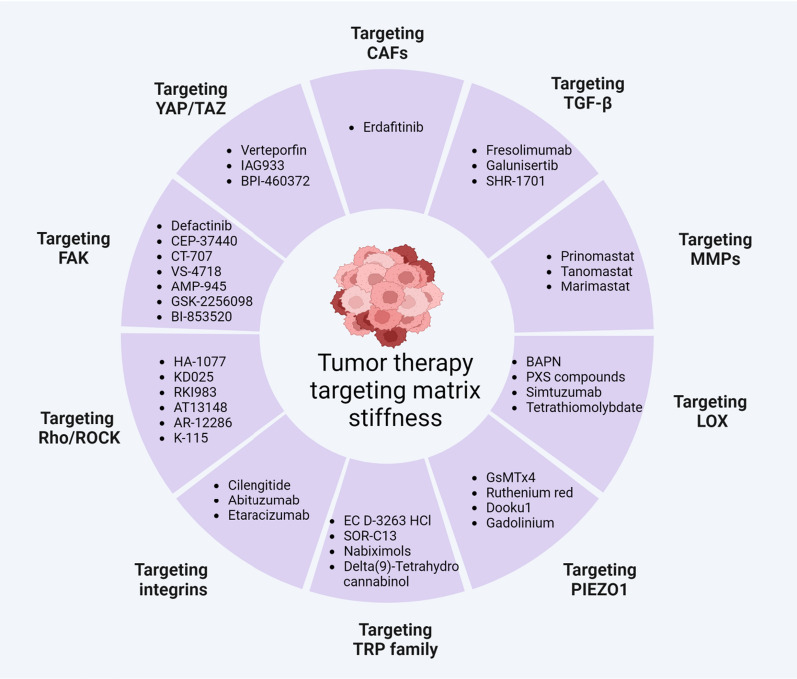
“At present, three main strategies can be used to interfere with the effect of matrix stiffness on tumor progression: [1] reducing matrix protein production, [2] degrading matrix protein and crosslinking, [3] targeting mechanoreceptors and mechanotransducers stimulated by matrix stiffness (Fig.”
BackgroundHecht, J. R., Benson, A. B., Vyushkov, D., Yang, Y., Bendell, J., & Verma, U. (2017) · The Oncologist · doi:10.1634/theoncologist.2016-0479 · Cited by 134 · cited 1×
“Similarly, simtuzumab is a humanized monoclonal antibody of AB0023, and has been engaged in phase 2 clinical trials for pancreatic adenocarcinoma and metastatic KRAS mutant colorectal adenocarcinoma, whereas, both studies ended in failure [148, 149].”
BackgroundRath, N., Morton, J. P., Julian, L., Helbig, L., Kadir, S., McGhee, E. J., Anderson, K. I., Kalna, G., Mullin, M., Pinho, A. V., et al. (2017) · EMBO Molecular Medicine · doi:10.15252/emmm.201606743 · Cited by 127 · cited 1×
“In most solid tumors, such as pancreatic cancer, breast cancer, renal cancer, urothelial cancer and osteosarcoma, the Rho-ROCK signal is overexpressed and activated and is often associated with shortened OS [177–179].”
BackgroundLysyl Oxidase‐Like 4 Fosters an Immunosuppressive Microenvironment During Hepatocarcinogenesis
Tan, H., Wang, N., Zhang, C., Chan, Y.-T., Yuen, M., & Feng, Y. (2021) · Hepatology · doi:10.1002/hep.31600 · Cited by 126 · cited 1×
“Moreover, LOXL4 promotes macrophage infiltration and matrix deposition, followed by the activation of an immunosuppressive M2 phenotype and programmed death ligand 1 (PD-L1) expression, which further suppress the function of CD8 + T cells in hepatocellular carcinoma [105].”
BackgroundZhu, C., Li, L., Zhang, Z., Bi, M., Wang, H., Su, W., Hernandez, K., Liu, P., Chen, J., Chen, M., et al. (2019) · Molecular Cell · doi:10.1016/j.molcel.2019.06.010 · Cited by 125 · cited 1×
“YAP inhibits breast cancer growth by disrupting a TEAD-ERα signaling axis [191, 192].”
BackgroundTRPV4 plays a role in matrix stiffness-induced macrophage polarization
Dutta, B., Goswami, R., & Rahaman, S. O. (2020) · Frontiers in Immunology · doi:10.3389/fimmu.2020.570195 · Cited by 124 · cited 1×
“A recent study showed that TRPV4 participates in matrix stiffness-induced macrophage M1 polarization in fibrotic skin tissue in vivo and in vitro, while TRPV4 knockdown reduces M1 markers such as IL-1b and Mcp1 [62].”
BackgroundSetargew, Y. F. I., Wyllie, K., Grant, R. D., Chitty, J. L., & Cox, T. R. (2021) · Cancers · doi:10.3390/cancers13030491 · Cited by 122 · cited 1×
“Due to the high expression of LOX in most types of human cancers, LOX family members have emerged as potential clinical targets for cancer therapy [140].”
BackgroundCollagen Density Modulates the Immunosuppressive Functions of Macrophages
Larsen, A. M. H., Kuczek, D. E., Kalvisa, A., Siersbæk, M. S., Thorseth, M.-L., Johansen, A. Z., Carretta, M., Grøntved, L., Vang, O., & Madsen, D. H. (2020) · The Journal of Immunology · doi:10.4049/jimmunol.1900789 · Cited by 120 · cited 1×
“Furthermore, BMDMs and TAMs isolated from murine tumors cultured in high collagen matrices mimicking tumor tissue showed similar expression of immunosuppressive genes and chemokines, which inhibited the chemotaxis and proliferation of cytotoxic CD8 + T cells in coculture assays [33].”
BackgroundLaRue, M. M., Parker, S., Puccini, J., Cammer, M., Kimmelman, A. C., & Bar-Sagi, D. (2022) · Proceedings of the National Academy of Sciences · doi:10.1073/pnas.2119168119 · Cited by 119 · cited 1×
“A recent study showed that TAMs can promote fibrosis in pancreatic cancer by mannose receptor-mediated collagen internalization and subsequent lysosomal degradation-induced metabolic reprogramming [42].”
BackgroundShen, L., Li, H., Shi, Y., Wang, D., Gong, J., Xun, J., Zhou, S., Xiang, R., & Tan, X. (2016) · Scientific Reports · doi:10.1038/srep30347 · Cited by 107 · cited 1×
“Similarly, TAMs contribute to tumor progression via legumain-mediated remodeling of ECM deposition and angiogenesis in diffuse large B-cell lymphoma [43].”
BackgroundResearch trends in pharmacological modulation of tumor‐associated macrophages
Wang, N., Wang, S., Wang, X., Zheng, Y., Yang, B., Zhang, J., Pan, B., Gao, J., & Wang, Z. (2021) · Clinical and Translational Medicine · doi:10.1002/ctm2.288 · Cited by 107 · cited 1×
“…products such as lipopolysaccharides and pro-inflammatory factors such as IFN-γ can induce M1 macrophages to produce inflammatory factors and chemokines (including IL-1, IL-6, IL-12, TNF-α, CCL3, CCL5, CXCL8, CXCL9, and CXCL10), with the upregulation of iNOS as well as CD80, CD86, and MHCII [19].”
BackgroundTAGLN mediated stiffness-regulated ovarian cancer progression via RhoA/ROCK pathway
Xiao, W., Lou, H., Zhou, D., Jia, Y., Li, H., Huang, Q., Ma, J., Yang, Z., Sun, C., Meng, Y., et al. (2021) · Journal of Experimental & Clinical Cancer Research · doi:10.1186/s13046-021-02091-6 · Cited by 106 · cited 1×
“The crosslinking of ECM components, especially collagens and elastin, is strongly engaged in collagen deposition and matrix stiffness [102].”
BackgroundYin, H., Wang, Y., Wu, Y., Zhang, X., Zhang, X., Liu, J., Wang, T., Fan, J., Sun, J., Yang, A., et al. (2020) · Theranostics · doi:10.7150/thno.44849 · Cited by 105 · cited 1×
“During breast tumorigenesis, the EZH2-miR-29b/ miR-30d-LOXL4 signaling pathway is activated accompanied by the infiltration of macrophages [106].”
BackgroundTumor-derived Cav-1 promotes pre-metastatic niche formation and lung metastasis in breast cancer
Wang, Y., Li, Y., Zhong, J., Li, M., Zhou, Y., Lin, Q., Zong, S., Luo, W., Wang, J., Wang, K., et al. (2023) · Theranostics · doi:10.7150/thno.79250 · Cited by 105 · cited 1×
“In addition, human-derived macrophages exhibit an M2 phenotype in stiffer 3D matrices, as determined by the overexpression of IL-10 cytokines [30], similar to ECM deposition contributing to macrophage M2 polarization in metastatic breast cancer [31].”
Chen, S.-J., Hoffman, N. E., Shanmughapriya, S., Bao, L., Keefer, K., Conrad, K., Merali, S., Takahashi, Y., Abraham, T., Hirschler-Laszkiewicz, I., et al. (2014) · Journal of Biological Chemistry · doi:10.1074/jbc.m114.620922 · Cited by 104
Zhang, J., Zhu, W., Wang, M.-Y., Zhai, R., Wang, Q., Shen, W., & Liu, L. (2021) · Journal of Translational Medicine · doi:10.1186/s12967-021-03181-x · Cited by 104 · cited 2×
“The excessive secretion and crosslinking of collagen proteins lead to an increase in matrix stiffness, which increases macrophage mechanosensing [27].”
BackgroundGuiet, R., Van Goethem, E., Cougoule, C., Balor, S., Valette, A., Al Saati, T., Lowell, C. A., Le Cabec, V., & Maridonneau-Parini, I. (2011) · The Journal of Immunology · doi:10.4049/jimmunol.1101245 · Cited by 102 · cited 1×
“In addition, monocyte and macrophage migration into tumor tissues requires the rearrangement of their actin cytoskeleton and is confirmed to be mediated by ROCK, as the ROCK inhibitor Y-27632 contributes to decreased macrophage infiltration in breast tumor tissue [93].”
BackgroundMelisi, D., García‐Carbonero, R., Macarulla, T. M., Pezet, D., Deplanque, G., Fuchs, M., Trojan, J., Kozloff, M. F., Simionato, F., Cleverly, A., et al. (2019) · Cancer Chemotherapy and Pharmacology · doi:10.1007/s00280-019-03807-4 · Cited by 100
Mokhtari, R. B., Ashayeri, N., Baghaie, L., Sambi, M., Satari, K., Baluch, N., Bosykh, D. A., Szewczuk, M. R., & Chakraborty, S. (2023) · Cancers · doi:10.3390/cancers15133468 · Cited by 100 · cited 1×
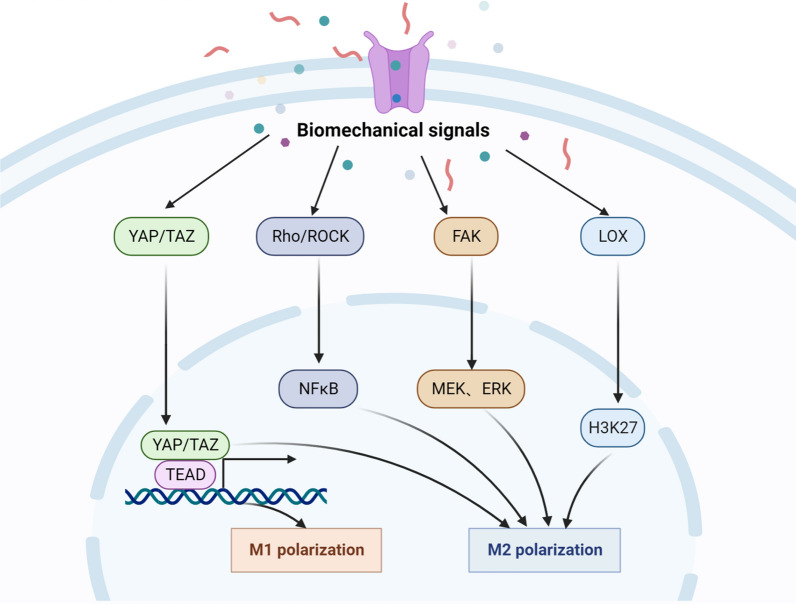
“The YAP/TAZ pathway can be activated by mechanical cues such as matrix stiffness and cell stretch, and has been shown to promote tumor growth and invasion in multiple human cancers [186].”
BackgroundKhalil, M., Babeș, A., Lakra, R., Foersch, S., Reeh, P. W., Wirtz, S. J., Becker, C., Neurath, M. F., & Engel, M. A. (2016) · Mucosal Immunology · doi:10.1038/mi.2016.16 · Cited by 99 · cited 1×
“Conversely, the activation of TRP channels, such as TRPM8 and TRPM7, can promote macrophage M2 polarization with the stimulation of inflammatory factors [65, 66].”
BackgroundAlonso‐Nocelo, M., Ruíz-Cañas, L., Sancho, P., Görgülü, K., Alcalá, S., Pedrero, C., Vallespinós, M., López-Gil, J. C., Ochando, M., García-García, E., et al. (2022) · Gut · doi:10.1136/gutjnl-2021-325564 · Cited by 98 · cited 1×
“Macrophage-secreted oncostatin M induces LOXL2 expression and ECM collagen remodeling, which promotes primary and metastatic tumor progression and decreases overall survival (OS) in KRas G12D -driven pancreatic ductal adenocarcinoma [103].”
BackgroundEssential role of lysyl oxidases in notochord development
Gansner, J. M., Mendelsohn, B. A., Hultman, K. A., Johnson, S. L., & Gitlin, J. D. (2007) · Developmental Biology · doi:10.1016/j.ydbio.2007.04.029 · Cited by 96 · cited 1×
“Although BAPN showed an antitumor effect by suppressing LOX activity in many preclinical studies [142–144], no clinical trials have been conducted for BAPN due to the lack of suitable chemical modification sites as well as the non-tumorigenic toxicity and teratogenic effect [139, 145, 146].”
BackgroundTumor-Associated Extracellular Matrix: How to Be a Potential Aide to Anti-tumor Immunotherapy?
He, Y., Liu, T., Dai, S., Xu, Z., Wang, L., & Luo, F. (2021) · Frontiers in Cell and Developmental Biology · doi:10.3389/fcell.2021.739161 · Cited by 93 · cited 1×
“Moreover, ECM degradation is accompanied by the deposition of different tumor-specific ECMs, finally contributing to an increase in tissue density and rigidity[6].”
BackgroundMatrix stiffness‐mediated effects on macrophages polarization and their LOXL2 expression
Xing, X., Wang, Y., Zhang, X., Gao, X., Li, M., Wu, S., Zhao, Y., Chen, J., Gao, D., Chen, R., et al. (2021) · The FEBS Journal · doi:10.1111/febs.15566 · Cited by 92 · cited 2×
“In addition, matrix stiffness-medi-ated HIF-1α overexpression promotes THP-1-derived macrophage M2 polarization by activating the integrin β5-FAK-MEK1/2-ERK1/2 pathway [73].”
BackgroundTumor-penetrating therapy for β5 integrin-rich pancreas cancer
de Mendoza, T. H., Mose, E. S., Botta, G. P., Braun, G. B., Kotamraju, V. R., French, R. P., Suzuki, K., Miyamura, N., Teesalu, T., Ruoslahti, E. I., et al. (2021) · Nature Communications · doi:10.1038/s41467-021-21858-1 · Cited by 91 · cited 1×
“For preclinical research, targeting integrins is quite mature with remarkable antitumor effects [171–173].”
BackgroundM1 Macrophage Polarization Is Dependent on TRPC1-Mediated Calcium Entry
Chauhan, A., Sun, Y., Sukumaran, P., Quenum Zangbede, F. O., Jondle, C. N., Sharma, A., Evans, D. L., Chauhan, P., Szlabick, R. E., Aaland, M. O., et al. (2018) · iScience · doi:10.1016/j.isci.2018.09.014 · Cited by 90 · cited 1×
“While increased Ca 2 + influx through TRP channels, including TRPM2, TRPM7 and TRPC1, is widely confirmed to contribute to macrophage polarization by inflammatory agonists [59–61], the role of matrix stiffness on macrophage function through TRP ion channels remains less explored.”
BackgroundWu, B.-K., Mei, S.-C., Chen, E. H., Zheng, Y., & Pan, D. (2022) · Nature Genetics · doi:10.1038/s41588-022-01119-7 · Cited by 90
Integrins regulate stemness in solid tumor: an emerging therapeutic target
Xiong, J., Yan, L., Zou, C., Wang, K., Chen, M., Xu, B., Zhou, Z., & Zhang, D. (2021) · Journal of Hematology & Oncology · doi:10.1186/s13045-021-01192-1 · Cited by 89 · cited 1×
“The integrin family consists of 24 transmembrane glycoprotein members, and a large proportion of integrin subfamilies are overexpressed during cancer progression [168, 169].”
BackgroundSelf-citationDeng, R., Li, C., Wang, X., Chang, L., Ni, S., Zhang, W., Xue, P., Pan, D., Wan, M., Deng, L., et al. (2021) · Advanced Science · doi:10.1002/advs.202103343 · Cited by 88 · cited 1×
“7 macrophages toward M2 polarization and TGF-β1 release through the Piezo1 channel to enhance bone formation [54, 55].”
BackgroundSelf-citationOncosis and apoptosis induction by activation of an overexpressed ion channel in breast cancer cells
Peters, A. A., Jamaludin, S. Y. N., Yapa, K. T. D. S., Chalmers, S., Wiegmans, A. P., Lim, H. F., Milevskiy, M. J. G., Azimi, I., Davis, F. M., Northwood, K. S., et al. (2017) · Oncogene · doi:10.1038/onc.2017.234 · Cited by 85 · cited 1×
“In addition, activation of TRPV4 also inhibits the progression of glioma, melanoma, and breast cancer [162–164].”
BackgroundTRPV2: A Cancer Biomarker and Potential Therapeutic Target
Siveen, K. S., Nizamuddin, P. B., Shahab Uddin, M. S., Al‐Thani, M. H., Frenneaux, M. P., Janahi, I. A., Steinhoff, M. S., & Azizi, F. (2020) · Disease Markers · doi:10.1155/2020/8892312 · Cited by 85 · cited 1×
“Among them, TRPV, TRPM, and TRPC subfamily members are mostly studied and associated with malignant growth and progression [157], and most of them are overexpressed in different kinds of cancers such as breast cancer, pancreatic cancer, glioblastoma, ovarian cancer, lung cancer, and colon cancer…”
BackgroundRecent progress on FAK inhibitors with dual targeting capabilities for cancer treatment
Wu, X., Wang, J., Liang, Q., Tong, R., Huang, J., Yang, X., Xu, Y., Wang, W., Sun, M., & Shi, J. (2022) · Biomedicine & Pharmacotherapy · doi:10.1016/j.biopha.2022.113116 · Cited by 84 · cited 1×
“FAK is a nonreceptor tyrosine kinase that is upregulated in a wide variety of solid cancers (such as head, neck, oral, thyroid, lung, breast, bladder, colorectal, prostatic, hepatocellular carcinomas and ovarian cancer) [181].”
BackgroundTRPM7 channels regulate proliferation and polarisation of macrophages
Schilling, T., Miralles, F., & Eder, C. (2014) · Journal of Cell Science · doi:10.1242/jcs.151068 · Cited by 83 · cited 1×
“Conversely, the activation of TRP channels, such as TRPM8 and TRPM7, can promote macrophage M2 polarization with the stimulation of inflammatory factors [65, 66].”
BackgroundTaufalele, P. V., Wang, W., Simmons, A. J., Southard-Smith, A. N., Chen, B., Greenlee, J. D., King, M. R., Lau, K. S., Hassane, D. C., Bordeleau, F., et al. (2023) · Acta Biomaterialia · doi:10.1016/j.actbio.2022.04.031 · Cited by 83 · cited 1×
“The results showed a significantly higher proportion of M2-like macrophages in the stiffer TME [32].”
BackgroundThe peritumor microenvironment: physics and immunity
Zhang, S., Regan, K., Najera, J., Grinstaff, M. W., Datta, M., & Nia, H. T. (2023) · Trends in cancer · doi:10.1016/j.trecan.2023.04.004 · Cited by 83 · cited 1×
“It is important to note that matrix stiffness not only directly affects TAM function but also indirectly regulates the TAM phenotype through other types of cells, especially tumor cells and CAFs [197].”
BackgroundInvestigating the Mechanobiology of Cancer Cell–ECM Interaction Through Collagen-Based 3D Scaffolds
Liverani, C., Mercatali, L., Cristofolini, L., Giordano, E., Minardi, S., Porta, G. D., Vita, A. D., Miserocchi, G., Spadazzi, C., Tasciotti, E., et al. (2017) · Cellular and Molecular Bioengineering · doi:10.1007/s12195-017-0483-x · Cited by 80 · cited 1×
“Recently, accumulating evidences demonstrate that increased matrix stiffness is associated with poor clinical outcomes [8, 9], and ECM stiffness is widely recognized as a new hallmark in solid tumors [10, 11].”
BackgroundHussain, M., Moulec, S. L., Gimmi, C. D., Bruns, R., Straub, J., & Miller, K. (2016) · Clinical Cancer Research · doi:10.1158/1078-0432.ccr-15-2512 · Cited by 77
A Photoresponsive Hyaluronan Hydrogel Nanocomposite for Dynamic Macrophage Immunomodulation
Wang, H., Morales, R. T., Cui, X., Huang, J., Qian, W., Tong, J., & Chen, W. (2019) · Advanced Healthcare Materials · doi:10.1002/adhm.201801234 · Cited by 77 · cited 1×
“Similarly, activating αvβ3 integrin in macrophages by mechanical cues can enhance anti-inflammatory M2 macrophage polarization in a 3D macrophage-ECM hydrogel model [74].”
BackgroundYAP inhibits ERα and ER+ breast cancer growth by disrupting a TEAD-ERα signaling axis
Li, X., Zhuo, S., Zhuang, T., Cho, Y. S., Wu, G., Liu, Y., Mu, K., Zhang, K., Su, P., Yang, Y., et al. (2022) · Nature Communications · doi:10.1038/s41467-022-30831-5 · Cited by 76
Lysyl Oxidase Family Proteins: Prospective Therapeutic Targets in Cancer
Wang, W., Wang, X., Yao, F., & Huang, C. (2022) · International Journal of Molecular Sciences · doi:10.3390/ijms232012270 · Cited by 75 · cited 2×
“The LOX family of enzymes is responsible for matrix remodeling by covalent crosslinking of collagen and elastin at primary and metastatic tumor sites [139].”
BackgroundLu, Y., Jin, Z., Hou, J., Wu, X., Yu, Z., Yao, L., Pan, T., Chang, X., Yu, B., Li, J., et al. (2022) · Matrix Biology · doi:10.1016/j.matbio.2022.11.005 · Cited by 74 · cited 1×
“Consistent with the above viewpoint, cancer-associated fibroblast (CAF)-induced ECM deposition and matrix stiffness increases can promote cancer progression with poor prognosis [27, 34].”
BackgroundBiomechanical Contributions to Macrophage Activation in the Tumor Microenvironment
Hoffmann, E. J., & Ponik, S. M. (2020) · Frontiers in Oncology · doi:10.3389/fonc.2020.00787 · Cited by 73 · cited 1×
“Macrophages sense and migrate to fibroblast-mediated ECM deposition [50], with subsequent activation of mechanoreceptors such as Piezo1.”
BackgroundChin, V. T., Nagrial, A. M., Chou, A., Biankin, A. V., Gill, A. J., Timpson, P., & Pajic, M. (2015) · Expert Reviews in Molecular Medicine · doi:10.1017/erm.2015.17 · Cited by 71 · cited 1×
“The Ras homolog family (Rho) and Rho-associated coiled-coil containing protein serine/threonine kinase (ROCK) signaling pathways are involved in a variety of key biological processes including the regulation of the cytoskeleton and morphogenesis, which shape the TME [84, 85].”
BackgroundFirst-in-Human Study of AT13148, a Dual ROCK-AKT Inhibitor in Patients with Solid Tumors
McLeod, R., Kumar, R., Papadatos-Pastos, D., Mateo, J., Brown, J. S., Garces, A. H. I., Ruddle, R., Decordova, S., Jueliger, S., Ferraldeschi, R., et al. (2020) · Clinical Cancer Research · doi:10.1158/1078-0432.ccr-20-0700 · Cited by 71 · cited 1×
“For instance, AT13148, an oral dual ROCK-AKT inhibitor, failed in a phase 1 clinical trial in patients with solid tumors due to the narrow therapeutic index and pharmacokinetic profile [180].”
BackgroundHippo signaling in mammalian stem cells
Tremblay, A., & Camargo, F. D. (2012) · Seminars in Cell and Developmental Biology · doi:10.1016/j.semcdb.2012.08.001 · Cited by 70 · cited 1×
“Yes-associated protein (YAP) and transcriptional coactivator with PDZ-binding motif (TAZ) are downstream transducers of the Hippo pathway, engaging in cell proliferation and survival and playing vital roles in controlling organ growth, stem cell self-renewal and cell differentiation [75, 76].”
BackgroundTRPC6 channel translocation into phagosomal membrane augments phagosomal function
Riazanski, V., Gabdoulkhakova, A. G., Boynton, L. S., Eguchi, R. R., Deriy, L. V., Hogarth, D. K., Loaëc, N., Oumata, N., Galons, H., Brown, M. E., et al. (2015) · Proceedings of the National Academy of Sciences · doi:10.1073/pnas.1518966112 · Cited by 70 · cited 1×
“Similarly, in pulmonary cystic fibrosis, matrix stiffness activates the phagocytic and bactericidal functions of alveolar macrophages by stimulating TRPC6 overexpression [64].”
BackgroundNew Insights into YAP/TAZ-TEAD-Mediated Gene Regulation and Biological Processes in Cancer
Zhao, Y., Sheldon, M., Sun, Y., & Ma, L. (2023) · Cancers · doi:10.3390/cancers15235497 · Cited by 68
Lu, Z., Zheng, S., Liu, C., Wang, X., Zhang, G., Wang, F., Wang, S., Huang, J., Mao, S., Lei, Y., et al. (2021) · Clinical and Translational Medicine · doi:10.1002/ctm2.459 · Cited by 67 · cited 1×
“Furthermore, the excessive secretion of S100A7 protein stimulated by stiff esophageal squamous carcinoma promotes macrophage M2 polarization and angiogenesis through the activation of the p-FAK and p-ErK pathways [98].”
Background(2023) · doi:10.1101/2023.07.19.549794 · Cited by 67 · cited 1×
“Similarly, pirfenidone treatment can disrupt the polarization and mechanical activation of macrophages by suppressing ROCK2 protein expression (92).”
BackgroundXu, Y., Ying, L., Lang, J. K., Hinz, B., & Zhao, R. (2024) · Science Advances · doi:10.1126/sciadv.adj9559 · Cited by 67
Kanugula, A. K., Adapala, R. K., Jamaiyar, A., Lenkey, N., Guarino, B. D., Liedtke, W., Yin, L., Paruchuri, S. M., & Thodeti, C. K. (2021) · Angiogenesis · doi:10.1007/s10456-021-09775-9 · Cited by 66 · cited 1×
“In contrast, some studies have found that TRPV4 activation in endothelial cells can inhibit tumor angiogenesis, growth and metastasis by suppressing the expression of VEGFR2, p-ERK, and MMP-9 [161].”
BackgroundShiratsuchi, H., & Basson, M. D. (2004) · American Journal of Physiology-Cell Physiology · doi:10.1152/ajpcell.00553.2003 · Cited by 65 · cited 1×
“In addition, increased extracellular pressure during infection or inflammation promotes THP-1-derived macrophage phagocytosis by inhibiting FAK expression [100].”
BackgroundMechanical stretch promotes tumoricidal M1 polarization via the FAK/NF‐κB signaling pathway
Shan, S., Fang, B., Zhang, Y., Wang, C., Zhou, J., Niu, C., Gao, Y., Zhao, D., He, J., Wang, J., et al. (2019) · The FASEB Journal · doi:10.1096/fj.201900799rr · Cited by 58 · cited 1×
“7 cells showed a tumoricidal effect on melanoma in vitro and in vivo [99].”
BackgroundThe Development of FAK Inhibitors: A Five-Year Update
Spallarossa, A., Tasso, B., Russo, E., Villa, C., & Brullo, C. (2022) · International Journal of Molecular Sciences · doi:10.3390/ijms23126381 · Cited by 58 · cited 1×
“To date, a large number of inhibitors have been designed based on the crystallographic structures of FAK kinase domains such as defactinib, CEP-37440, contel-tinib (CT-707), VS-4718, AMP-945, GSK-2256098 and BI-853520, which were all engaged in phase 1/2 clinical trials for cancer therapy [182].”
BackgroundA Polymeric Extracellular Matrix Nanoremodeler for Activatable Cancer Photo‐Immunotherapy
Zhang, C., Xu, M., Zeng, Z., Wei, X., He, S., Huang, J., & Pu, K. (2023) · Angewandte Chemie International Edition · doi:10.1002/anie.202217339 · Cited by 57 · cited 1×
“Although BAPN showed an antitumor effect by suppressing LOX activity in many preclinical studies [142–144], no clinical trials have been conducted for BAPN due to the lack of suitable chemical modification sites as well as the non-tumorigenic toxicity and teratogenic effect [139, 145, 146].”
BackgroundThe role of matrix stiffness in cancer stromal cell fate and targeting therapeutic strategies
Wei, J., Yao, J., Yan, M., Xie, Y., Liu, P., Mao, Y., & Li, X. (2022) · Acta Biomaterialia · doi:10.1016/j.actbio.2022.08.005 · Cited by 55 · cited 1×
“Furthermore, accumulating evidence demonstrates that the ECM is not only the core component of tumor tissue but also has extensive and complex biochemical and biomechanical contact with TAMs in the cancer microenvironment, supporting the proliferation, progression, and invasion of cancer cells [25].”
Backgroundvan Boxtel, A. L., Kamstra, J. H., Fluitsma, D. M., & Legler, J. (2010) · Toxicology and Applied Pharmacology · doi:10.1016/j.taap.2009.12.028 · Cited by 54 · cited 1×
“Although BAPN showed an antitumor effect by suppressing LOX activity in many preclinical studies [142–144], no clinical trials have been conducted for BAPN due to the lack of suitable chemical modification sites as well as the non-tumorigenic toxicity and teratogenic effect [139, 145, 146].”
BackgroundOliván‐Viguera, A., García-Otín, A. L., Lozano-Gerona, J., Lachén, E. A., García‐Malinis, A. J., Hamilton, K. L., Gilaberte, Y., Pueyo, E., & Köhler, R. (2018) · PLoS ONE · doi:10.1371/journal.pone.0190307 · Cited by 54
Inhibition of the LOX enzyme family members with old and new ligands. Selectivity analysis revisited
Hajdú, I., Kardos, J., Major, B., Fabó, G., Lőrincz, Z., Cseh, S., & Dormán, G. (2018) · Bioorganic & Medicinal Chemistry Letters · doi:10.1016/j.bmcl.2018.07.001 · Cited by 54 · cited 1×
“BAPN is the first pan-inhibitor of the LOX family with the features of non-specificity and irreversibility [141].”
BackgroundRho–ROCK signaling regulates tumor-microenvironment interactions
Johan, M. Z., & Samuel, M. S. (2018) · Biochemical Society Transactions · doi:10.1042/bst20180334 · Cited by 54 · cited 1×
“There is accumulating evidence that the Rho-ROCK pathway is engaged in ECM stiffness and composition, which ultimately promotes the growth, migration, and invasion of cancer cells [89].”
BackgroundLiang, D., Liu, L., Zhao, Y., Luo, Z., He, Y., Li, Y., Tang, S., Tang, J., & Chen, N. (2023) · Frontiers in Pharmacology · doi:10.3389/fphar.2023.1186712 · Cited by 52 · cited 1×
“Since matrix stiffness can affect macrophage function and promote tumor progression in the TME, targeting matrix stiffness can promote macrophages toward an antitumor phenotype and may be a new strategy for cancer treat-ment [108].”
BackgroundTu, P.-C., Pan, Y.-L., Liang, Z.-Q., Yang, G.-L., Wu, C.-J., Zeng, L., Wang, L.-N., Sun, J., Liu, M.-M., Yuan, Y.-F., et al. (2022) · BioMed Research International · doi:10.1155/2022/6871269 · Cited by 51 · cited 1×
“7 macrophage polarization and inflammatory secretion via the activation of the RhoA-ROCK-NF-κB pathway [90].”
BackgroundChim, L. K., Williams, I. L., Bashor, C. J., & Mikos, A. G. (2023) · Biomaterials · doi:10.1016/j.biomaterials.2023.122076 · Cited by 49 · cited 1×
“Similarly, macrophages cultured in stiff scaffolds upregulate YAP expression and induce inflammation and doxorubicin drug resistance in osteosarcoma [80].”
BackgroundMechanosensitive Ion Channels and Their Role in Cancer Cells
Karska, J., Kowalski, S., Saczko, J., Moisescu, M. G., & Kulbacka, J. (2023) · Membranes · doi:10.3390/membranes13020167 · Cited by 48 · cited 1×
“Most studies report that Piezo1 is highly expressed in different types of tumors and is associated with poor prognosis [151, 152].”
BackgroundZhao, Z., Yang, W., Kong, R., Zhang, Y., Li, L., Song, Z., Chen, H., Luo, Y., Zhang, T., Cheng, C., et al. (2023) · Molecular Cancer · doi:10.1186/s12943-023-01847-2 · Cited by 45 · cited 1×
“…were designed based on the theory that ECM provides a biological barrier preventing endothelial cell migration or tumor cell invasion, and activated MMPs can degrade ECM, helping cancer cells break through the matrix barrier and promoting the invasion and metastasis of malignant tumors [134, 135].”
BackgroundYoda1-induced phosphorylation of Akt and ERK1/2 does not require Piezo1 activation
dela Paz, N. G., & Frangos, J. A. (2018) · Biochemical and Biophysical Research Communications · doi:10.1016/j.bbrc.2018.02.058 · Cited by 44
Wang, Q., Xie, J., Zhou, C., & Lai, W. (2021) · Cell Proliferation · doi:10.1111/cpr.13172 · Cited by 44 · cited 1×
“7 macrophage osteoclast differentiation by activating the cytoskeleton-associated adhesion molecules fibronectin and integrin αvβ3 and subsequently the biochemical signaling cascades of FAK, PKC, and RhoA [97].”
BackgroundαSMA+ fibroblasts suppress Lgr5+ cancer stem cells and restrain colorectal cancer progression
McAndrews, K. M., Vázquez-Arreguín, K., Kwak, C., Sugimoto, H., Zheng, X., Li, B., Kirtley, M. L., LeBleu, V. S., & Kalluri, R. (2021) · Oncogene · doi:10.1038/s41388-021-01866-7 · Cited by 43
Zhang, H., Shao, H., Golubovskaya, V., Chen, H., Cance, W. G., Adjei, A. A., & Dy, G. K. (2016) · British Journal of Cancer · doi:10.1038/bjc.2016.190 · Cited by 42 · cited 1×
“In addition, other attractive FAK inhibitors, such as TAE226, PF-573228 and Y15, were tested in preclinical studies with significant antitumor effects [183–185].”
BackgroundA stiff extracellular matrix is associated with malignancy in peripheral neuroblastic tumors
Tadeo, I., Berbegall, A. P., Navarro, S., Castel, V., & Noguera, R. (2017) · Pediatric Blood & Cancer · doi:10.1002/pbc.26449 · Cited by 37 · cited 1×
“Recently, accumulating evidences demonstrate that increased matrix stiffness is associated with poor clinical outcomes [8, 9], and ECM stiffness is widely recognized as a new hallmark in solid tumors [10, 11].”
BackgroundZhu, S., Zhang, T., Gao, H., Jin, G., Yang, J., He, X., Guo, H., & Xu, F. (2023) · Advanced Healthcare Materials · doi:10.1002/adhm.202300103 · Cited by 37 · cited 1×
“Although BAPN showed an antitumor effect by suppressing LOX activity in many preclinical studies [142–144], no clinical trials have been conducted for BAPN due to the lack of suitable chemical modification sites as well as the non-tumorigenic toxicity and teratogenic effect [139, 145, 146].”
BackgroundChen, Y., Li, P., Chen, X., Yan, R., Zhang, Y., Wang, M., Qin, X., Li, S., Zheng, C., You, F., et al. (2023) · Acta Biomaterialia · doi:10.1016/j.actbio.2023.07.060 · Cited by 37
Rho-ROCK Signaling in Normal Physiology and as a Key Player in Shaping the Tumor Microenvironment
Porazinski, S. R., Parkin, A., & Pajic, M. (2020) · Advances in experimental medicine and biology · doi:10.1007/978-3-030-35582-1_6 · Cited by 36 · cited 2×
“The Ras homolog family (Rho) and Rho-associated coiled-coil containing protein serine/threonine kinase (ROCK) signaling pathways are involved in a variety of key biological processes including the regulation of the cytoskeleton and morphogenesis, which shape the TME [84, 85].”
BackgroundWang, C., Shen, N., Guo, Q., Tan, X., & He, S. (2023) · Cancer Medicine · doi:10.1002/cam4.6242 · Cited by 33 · cited 1×
“In stiff breast cancer tissue, YAP also induces macrophage M2 polarization and subsequently inhibits CD8 + T-cell activity and promotes tumor progression [82].”
BackgroundRomito, I., Porru, M., Braghini, M. R., Pompili, L., Panera, N., Crudele, A., Gnani, D., Stefanis, C. D., Scarsella, M., Pomella, S., et al. (2021) · Journal of Experimental & Clinical Cancer Research · doi:10.1186/s13046-021-02154-8 · Cited by 32
YAP1 and WWTR1 expression inversely correlates with neuroendocrine markers in Merkel cell carcinoma
Frost, T. C., Gartin, A. K., Liu, M., Cheng, J., Dharaneeswaran, H., Keskin, D. B., Wu, C. J., Giobbie‐Hurder, A., Thakuria, M., & DeCaprio, J. A. (2023) · Journal of Clinical Investigation · doi:10.1172/jci157171 · Cited by 32 · cited 1×
“Furthermore, YAP1 and WWTR1 expression inhibits the tumor progression of Merkel cell carcinoma [194].”
BackgroundHu, Y., Li, H., Wang, W., Sun, F. Y., Wu, C., Chen, W., & Liu, Z. (2023) · Nano Letters · doi:10.1021/acs.nanolett.3c00957 · Cited by 29 · cited 1×
“Similarly, the expression of integrin is reduced when macrophages are cultured on a soft matrix, and the phagocytosis function of macrophages is subsequently restricted [72].”
BackgroundBiophysical and mechanobiological considerations for T-cell-based immunotherapy
Zhuang, C., Gould, J. E., Enninful, A., Shao, S., & Mak, M. (2023) · Trends in Pharmacological Sciences · doi:10.1016/j.tips.2023.03.007 · Cited by 28 · cited 1×
“Piezo1 is a cationic mechanical receptor that is widely regulated by matrix stiffness or mechanical stimulation and is involved in the progression of tumors [150].”
BackgroundLiu, X.-Q., Chen, X.-T., Liu, Z.-Z., Gu, S.-S., He, L.-J., Wang, K.-P., & Tang, R.-Z. (2020) · ACS Biomaterials Science & Engineering · doi:10.1021/acsbiomaterials.0c00669 · Cited by 26 · cited 1×
“Recently, accumulating evidences demonstrate that increased matrix stiffness is associated with poor clinical outcomes [8, 9], and ECM stiffness is widely recognized as a new hallmark in solid tumors [10, 11].”
BackgroundExtracellular matrix of early pulmonary fibrosis modifies the polarization of alveolar macrophage
Zhang, Y., Zhu, L., Hong, J., & Chen, C. (2022) · International Immunopharmacology · doi:10.1016/j.intimp.2022.109179 · Cited by 26 · cited 1×
“A recent study revealed that fibrotic ECM promotes alveolar macrophage M1 polarization via the integrin-NFκB signaling axis, and the activation effect of macrophages could be abrogated by integrin pan-inhibitors as well as NFκB inhibitors [70].”
BackgroundActivation of Piezo1 Increases Na,K-ATPase-Mediated Ion Transport in Mouse Lens
Shahidullah, M., Rosales, J. L., & Delamere, N. A. (2022) · International Journal of Molecular Sciences · doi:10.3390/ijms232112870 · Cited by 25 · cited 1×
“At pre-sent, only a few Piezo1 inhibitors (GsMTx4, ruthenium red, Dooku1, gadolinium) have been reported in preclinical studies and no agents are engaged in clinical trials [56, 154–156].”
BackgroundDual action of Dooku1 on PIEZO1 channel in human red blood cells
Hatem, A., Poussereau, G., Gachenot, M., Pérès, L., Bouyer, G., & Egée, S. (2023) · Frontiers in Physiology · doi:10.3389/fphys.2023.1222983 · Cited by 25 · cited 1×
“At pre-sent, only a few Piezo1 inhibitors (GsMTx4, ruthenium red, Dooku1, gadolinium) have been reported in preclinical studies and no agents are engaged in clinical trials [56, 154–156].”
BackgroundPiezo1 act as a potential oncogene in pancreatic cancer progression
Zhu, Z., Li, W., Gong, M., Wang, L., Yue, Y., Qian, W., Zhou, C., Duan, W., Han, L., Li, L., et al. (2022) · Life Sciences · doi:10.1016/j.lfs.2022.121035 · Cited by 22 · cited 1×
“Most studies report that Piezo1 is highly expressed in different types of tumors and is associated with poor prognosis [151, 152].”
BackgroundLi, M., Yan, T., Cai, Y., Wei, Y., & Xie, Q. (2022) · Gene · doi:10.1016/j.gene.2022.146927 · Cited by 22 · cited 1×
“MMPs are zinc-dependent endopeptidase enzymes that can degrade various ECM proteins [133].”
BackgroundJi, D., Jia, J., Cui, X., Li, Z., & Wu, A. (2023) · iScience · doi:10.1016/j.isci.2023.106600 · Cited by 21 · cited 1×
“Furthermore, macrophage M2 polarization was increased in colorectal cancer by activating the Rho/Hippo/YAP signaling pathway [83].”
BackgroundThe Hippo Pathway as Drug Targets in Cancer Therapy and Regenerative Medicine
Nagashima, S., Bao, Y., & Hata, Y. (2016) · Current Drug Targets · doi:10.2174/1389450117666160112115641 · Cited by 18 · cited 1×
“Verteporfin, an inhibitor of YAP1, has been shown to inhibit the interaction between YAP1 and TEAD [196], and a phase 1/2 study of visu-dyne (liposomal verteporfin) in patients with recurrent high-grade EGFR-mutated glioblastoma is recruiting [NCT04590664].”
BackgroundGultekin, O., Gonzalez‐Molina, J., Hardell, E., Moyano‐Galceran, L., Mitsios, N., Mulder, J., Kokaraki, G., Isaksson, A., Sarhan, D., Lehti, K., et al. (2021) · npj Precision Oncology · doi:10.1038/s41698-021-00236-6 · Cited by 18 · cited 1×
“In another study, low ECM protein expression and reduced YAP activation were accompanied by an increase in M1 macrophages, showing a favorable clinical prognosis in uterine sarcomas [81].”
BackgroundObesity and Fibrosis: Setting the Stage for Breast Cancer
Kuziel, G. M., Moore, B. N., & Arendt, L. M. (2023) · Cancers · doi:10.3390/cancers15112929 · Cited by 18 · cited 1×
“Interestingly, macrophages mediate the development of fibrosis via the secretion of growth factors and matricellular proteins within obese adipose tissue [44].”
BackgroundTakemoto, R., Kamiya, T., Hara, H., & Adachi, T. (2020) · Journal of Clinical Biochemistry and Nutrition · doi:10.3164/jcbn.19-67 · Cited by 16 · cited 1×
“In addition, epigenetic regulation of LOX plays an important role in tumor progression; for instance, LOX derived from M2-like macrophages promoted breast cancer cell migration and collagen crosslinking, and this phenomenon was suppressed by an H3K27 demethylase inhibitor [107].”
BackgroundThe Hippo pathway effector YAP inhibits HIF2 signaling and ccRCC tumor growth
Li, X., Cho, Y. S., Zhu, J., Zhuo, S., & Jiang, J. (2022) · Cell Discovery · doi:10.1038/s41421-022-00465-4 · Cited by 16 · cited 1×
“In addition, YAP inhibits HIF-2α and renal cell carcinoma progression by disrupting the HIF-2α/TEAD signaling complex [193].”
BackgroundResident Cardiac Macrophages Mediate Adaptive Myocardial RemodelingPreprint
Wong, N. R., Mohan, J., Kopecky, B. J., et al. (2021) · bioRxiv (Cold Spring Harbor Laboratory) · doi:10.1101/2021.01.28.428724 · Cited by 15 · cited 1×
“In addition, cyclic mechanical stretch promotes resident CCR2 − cardiac macrophage activation through a TRPV4-dependent pathway, representing a protective population that mediates adaptive cardiac remodeling and survival of the chronically failing heart [63].”
Background
Research works printed but not linked: 1
- Schilling T, Miralles F, Eder C. TRPM7 regulates proliferation and polarisa- tion of macrophages. J Cell Sci. 2014;127:4561-6.
Cited by
Extracellular matrix: unlocking new avenues in cancer treatment
Lee, J. J., Ng, K. Y., & Bakhtiar, A. (2025) · Biomarker Research · doi:10.1186/s40364-025-00757-3 · Cited by 100
Yu, S., Wang, S., Wang, X., & Xu, X. (2024) · Cancer Cell International · doi:10.1186/s12935-024-03518-8 · Cited by 80
“Currently, Piezo1, transient receptor potential (TRP) ion channels, and integrins are the primary mechanoreceptors on TAMs that are regulated by matrix stiffness or mechanical stimulation, and their interactions are complex [62].”
BackgroundGong, P., Wang, F., Hua, Y., Ying, J., Chen, J., & Qiao, Y. (2025) · Journal of Nanobiotechnology · doi:10.1186/s12951-025-03815-y · Cited by 65
“Tumor tissues typically exhibit elevated ECM stiffness compared to normal tissues, which promotes malignant behavior through mechanotransduction pathways such as the Hippo signaling cascade [7].”
Zhu, Y., Chen, J., Chen, C., Tang, R., Xu, J., Shi, S., & Yu, X. (2025) · Biomarker Research · doi:10.1186/s40364-025-00727-9 · Cited by 50
Age-related meningeal extracellular matrix remodeling compromises CNS lymphatic function
Romero, K. H., Stevenson, T. J., Smyth, L. C. D., Watkin, B., McCullough, S. J. C., Vinnell, L., Smith, A. M., Schweder, P. M., Correia, J. A., Kipnis, J., et al. (2025) · Journal of Neuroinflammation · doi:10.1186/s12974-025-03436-0 · Cited by 50
“…is predominantly intracellular in these phagocytes, it is unclear whether these findings reflect attenuated uptake of CSF tracers by dural immune cells, or altered CSF access, but fibrosis and tissue stiffening has been previously observed to disrupt macrophage phagocytic capacity [33, 34].”
Metadata
- Authors
- Xiong, J., Xiao, R., Zhao, J., Zhao, Q., Luo, M., Li, F., Zhang, W., & Wu, M.
- Affiliations
- Zhongnan Hospital of Wuhan University (CN)
- Wuhan University (CN)
- Tongji Hospital (CN)
- Corresponding author
- Li, Feng
- Zhang, Wei
- Wu, Meng
- Venue
- Journal of Translational Medicine
- Published
- 2024-01-21
- Volume
- 22
- Issue
- 1
- Pages
- 85-85
- ISSN
- 1479-5876 (ISSN-L)
- PMC
- PMC10800063
- OpenAlex
- W4391067047
- Cited by
- 79
- References
- 200
- Citations by year
- 2026: 33 · 2025: 30 · 2024: 16
- FWCI
- 4.17
- Type
- journal article
- Language
- en
- Open access
- gold
- doi.org
- Licence
- cc-by
- creativecommons.org/licenses/by/4.0 (tdm)
- creativecommons.org/licenses/by/4.0 (vor)
- Locations
- Journal of Translational Medicine (publishedVersion, cc-by)
- PubMed Central (publishedVersion, cc-by)
- PubMed (publishedVersion)
- DOAJ (DOAJ: Directory of Open Access Journals) (submittedVersion, cc-by-sa)
- Funders
- Key Technologies Research and Development Program (2021YFC2009105, 2022YFC2704100)
- National Natural Science Foundation of China (82001514, 82303671)
- Zhongnan Hospital of Wuhan University (ZNYB2023005)
- Topics
- Life Sciences › Biochemistry, Genetics and Molecular Biology › Cell Biology › Cellular Mechanics and Interactions
- Life Sciences › Immunology and Microbiology › Immunology › Immune cells in cancer
- Life Sciences › Biochemistry, Genetics and Molecular Biology › Molecular Biology › TGF-β signaling in diseases
- Keywords
- extracellular matrix stiffness, tumor-associated macrophages, macrophage polarization, mechanotransduction, mechanoreceptors, tumor microenvironment, tumor progression, cancer therapy
- MeSH terms
- Tumor-Associated Macrophages, Cell Membrane, Cytoplasm, Extracellular Matrix, Macrophages
About these checks
Registry, retraction, Cites and statistics results are computed, not judged, with one exception: a printed reference that no index lists is read once by a model before it counts as a citation error. Claims are extracted by a model and kept only when their quote appears verbatim in the text; each cited source is then checked, with a model’s help, for whether it says what the claim relies on. Those verdicts can be wrong — read the claim’s quote and the cited source before relying on one.
Statistics and arithmetic are recomputed, not judged.
Confidence bands are shown only for fields calibrated on our annotated test set. None is calibrated yet, so no band is shown.
What counts as a claim ›How we measure confidence ›How we check this ›
Are you an author, or do you see a problem with this page? Request a review
Data sources
Bibliographic data: Semantic Scholar, OpenAlex, Crossref.
Contains information from the Semantic Scholar Academic Graph Datasets, made available under the ODC Attribution License (ODC-BY 1.0).
Semantic Scholar’s data is described in: Kinney, R., et al. (2023). The Semantic Scholar Open Data Platform. arXiv:2301.10140.
