

The DOI matches its Crossref record; 97 of the 97 references it cites were found in a registry or an index.
Bidirectional gut-brain-microbiota axis as a potential link between inflammatory bowel disease and ischemic stroke
Open accessAbstract
Emerging evidence suggests that gut-brain-microbiota axis (GBMAx) may play a pivotal role linking gastrointestinal and neuronal disease. In this review, we summarize the latest advances in studies of GBMAx in inflammatory bowel disease (IBD) and ischemic stroke. A more thorough understanding of the GBMAx could advance our knowledge about the pathophysiology of IBD and ischemic stroke and help to identify novel therapeutic targets via modulation of the GBMAx.
Overview
The claims and statistics of this paper haven’t been checked yet.
Run the check — free, no account needed. It reads the open-access text and checks the sources it cites.
Integrity signals
Registry
Cites
Statistics
Figures
Verification
Claims the paper makes
The claims and statistics of this paper haven’t been checked yet.
Run the check — free, no account needed. It reads the open-access text and checks the sources it cites.
Claims other papers make about this one
Each is checked against this paper’s own text: does it say what the citing paper says it does?
In the citing paper
“Bacterial metabolites, also known as post-antibiotics (121) or postbiotics, were treated with the bacterial product butyrate, an SCFA, in a study with SOD1G93A mice (50).”
From Modulation of the gut–brain axis via the gut microbiota: a new era in treatment of amyotrophic lateral sclerosis (2023) · cites this paper as [50]
In the citing paper
“Butyrate treatment improves intestinal integrity and microbial homeostasis, acting along the brain–gut axis, and was found to have beneficial effects in SOD1G93A mice in terms of extending the lifespan and delaying the progression of ALS.”
From Modulation of the gut–brain axis via the gut microbiota: a new era in treatment of amyotrophic lateral sclerosis (2023) · cites this paper as [50]
Self-check
Percentages, sums and reported differences re-computed from the paper’s own numbers.
The self-check needs the paper’s full text.
Citations
Cites
Pattern Recognition Receptors and Inflammation
Takeuchi, O., & Akira, S. (2010) · Cell · doi:10.1016/j.cell.2010.01.022 · Cited by 8,895
The Microbial Metabolites, Short-Chain Fatty Acids, Regulate Colonic T reg Cell Homeostasis
Smith, P. M., Howitt, M. R., Panikov, N., Michaud, M., Gallini, C. A., Bohlooly-Y, M., Glickman, J. N., & Garrett, W. S. (2013) · Science · doi:10.1126/science.1241165 · Cited by 5,413
Induction of Colonic Regulatory T Cells by Indigenous Clostridium Species
Atarashi, K., Tanoue, T., Shima, T., Imaoka, A., Kuwahara, T., Momose, Y., Cheng, G., Yamasaki, S., Saito, T., Ohba, Y., et al. (2011) · Science · doi:10.1126/science.1198469 · Cited by 3,752
Host microbiota constantly control maturation and function of microglia in the CNS
Erny, D., Hrabě de Angelis, A. L., Jaitin, D., Wieghofer, P., Staszewski, O., David, E., Keren-Shaul, H., Mahlakoiv, T., Jakobshagen, K., Buch, T., et al. (2015) · Nature Neuroscience · doi:10.1038/nn.4030 · Cited by 3,569
The gut microbiota influences blood-brain barrier permeability in mice
Braniste, V., Al-Asmakh, M., Kowal, C., Anuar, F., Abbaspour, A., Tóth, M., Korecka, A., Bakocevic, N., Ng, L. G., Kundu, P., et al. (2014) · Science Translational Medicine · doi:10.1126/scitranslmed.3009759 · Cited by 2,530
Gut–brain axis: How the microbiome influences anxiety and depression
Foster, J. A., & McVey Neufeld, K.-A. (2013) · Trends in Neurosciences · doi:10.1016/j.tins.2013.01.005 · Cited by 2,460
Intestinal homeostasis and its breakdown in inflammatory bowel disease
Maloy, K. J., & Powrie, F. M. (2011) · Nature · doi:10.1038/nature10208 · Cited by 1,911
Clarke, G., Grenham, S., Scully, P., Fitzgerald, P., Moloney, R. D., Shanahan, F., Dinan, T. G., & Cryan, J. F. (2013) · Molecular Psychiatry · doi:10.1038/mp.2012.77 · Cited by 1,893
Gut microbiota and IBD: causation or correlation?
Ni, J., Wu, G. D., Albenberg, L., & Tomov, V. T. (2017) · Nature Reviews Gastroenterology & Hepatology · doi:10.1038/nrgastro.2017.88 · Cited by 1,778
Stroke-Associated Pneumonia: Major Advances and Obstacles
Hannawi, Y., Hannawi, B., Rao, C. P. V., Suárez, J. I., & Bershad, E. M. (2013) · Cerebrovascular Diseases · doi:10.1159/000350199 · Cited by 1,664
Cited by
Sorted by citations
Salliss, M. E., Farland, L. V., Mahnert, N. D., & Herbst‐Kralovetz, M. M. (2021) · Human Reproduction Update · doi:10.1093/humupd/dmab035 · Cited by 298
Communication of gut microbiota and brain via immune and neuroendocrine signaling
Kasarełło, K., Cudnoch‐Jędrzejewska, A., & Czarzasta, K. (2023) · Frontiers in Microbiology · doi:10.3389/fmicb.2023.1118529 · Cited by 283
“Afferent fibers of the vagus nerve and spinal cord concentrate hormonal and mechanical stimuli in the NTS and in the dorsal motor nucleus, where the signal is integrated, and next sent to the hypothalamus, as well as to the basal ganglia and brain stem nuclei (Sobrino Crespo et al., 2014; Bauer et al., 2016; Zhao et a…”
BackgroundThe function of gut microbiota in immune-related neurological disorders: a review
Sittipo, P., Choi, J., Lee, S., & Lee, Y. K. (2022) · Journal of Neuroinflammation · doi:10.1186/s12974-022-02510-1 · Cited by 221
“The biological network of bidirectional communication between the gut microbiota and the brain is referred to as the “microbiota–gut–brain axis” [5, 7, 8].”
BackgroundRole of Exosomes in Central Nervous System Diseases
Liu, W., Bai, X., Zhang, A., Huang, J., Xu, S., & Zhang, J. (2019) · Frontiers in Molecular Neuroscience · doi:10.3389/fnmol.2019.00240 · Cited by 225
Chidambaram, S. B., Essa, M. M., Rathipriya, A. G., Bishir, M., Ray, B., Mahalakshmi, A. M., Tousif, A. H., Sakharkar, M. K., Kashyap, R. S., Friedland, R. P., et al. (2022) · Pharmacology & Therapeutics · doi:10.1016/j.pharmthera.2021.107988 · Cited by 204
The Role of Gut Microbiota in an Ischemic Stroke
Pluta, R. M., Januszewski, S., & Czuczwar, S. J. (2021) · International Journal of Molecular Sciences · doi:10.3390/ijms22020915 · Cited by 163
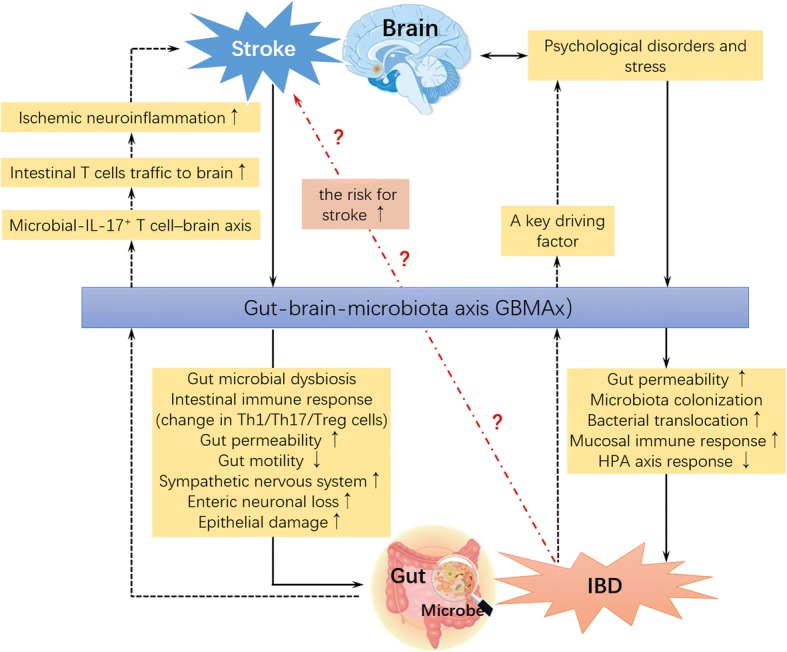
“There is an association between inflammatory bowel disease and strokes and the gutbrain-microbiota axis is very likely to be bi-directionally involved in this phenomenon [92].”
BackgroundNeuroinflammation as an etiological trigger for depression comorbid with inflammatory bowel disease
Craig, C. F., Filippone, R. T., Stavely, R., Bornstein, J. C., Apostolopoulos, V., & Nurgali, K. (2022) · Journal of Neuroinflammation · doi:10.1186/s12974-021-02354-1 · Cited by 124
“Sensory information travels to the nucleus tractus solitarius, located in the medulla oblongata [334, 335].”
BackgroundInfluentialHigh fat diet induces microbiota-dependent silencing of enteroendocrine cells
Ye, L., Mueller, O., Bagwell, J., Bagnat, M., Liddle, R. A., & Rawls, J. F. (2019) · eLife · doi:10.7554/elife.48479 · Cited by 120
The role of the gut-brain axis in depression: endocrine, neural, and immune pathways
Makris, A. P., Karianaki, M., Tsamis, K. I., & Paschou, S. Α. (2020) · HORMONES · doi:10.1007/s42000-020-00236-4 · Cited by 126
Wang, J., Yang, Y., Shi, Y., Wei, L., Gao, L., & Liu, M. (2024) · Environment International · doi:10.1016/j.envint.2024.108523 · Cited by 102
Li, X., You, X., Wang, C., Li, X., Sheng, Y., Zhuang, P., & Zhang, Y. (2020) · CNS Neuroscience & Therapeutics · doi:10.1111/cns.13401 · Cited by 90
Tilocca, B., Pieroni, L., Soggiù, A., Britti, D., Bonizzi, L., Roncada, P., & Greco, V. (2020) · International Journal of Molecular Sciences · doi:10.3390/ijms21114045 · Cited by 86
“Briefly, the GBA includes the following key components: the CNS, the autonomic nervous system (ANS), the enteric nervous system (ENS), the hypothalamic–pituitary–adrenal axis (HPA), the immune system (cytokine and chemokines) [101,102].”
BackgroundInfluentialNeurology of inflammatory bowel disease
Ferro, J. M., & Santos, M. O. (2021) · Journal of the Neurological Sciences · doi:10.1016/j.jns.2021.117426 · Cited by 76
Kim, N. Y., Lee, H. Y., Choi, Y. Y., Mo, S. J., Jeon, S., Ha, J. H., Park, S. D., Shim, J.-J., Lee, J., & Chung, B. G. (2024) · Nano Convergence · doi:10.1186/s40580-024-00413-w · Cited by 81
Oral Microbiota Development in Early Childhood
Kennedy, B., Peura, S., Hammar, U., Vicenzi, S., Hedman, A. M., Almqvist, C., Andolf, E. G., Pershagen, G., Dicksved, J., Bertilsson, S., et al. (2019) · Scientific Reports · doi:10.1038/s41598-019-54702-0 · Cited by 66
Taraskina, A. N., Ignatyeva, O. A., Lisovaya, D., Ivanov, M., Ivanova, L. G., Golovicheva, V., Baydakova, G., Silachev, D. N., Popkov, V. A., Ivanets, T. Y., et al. (2022) · Cells · doi:10.3390/cells11091409 · Cited by 66
“The gut microbiota can also activate pattern-recognition receptors (PRRs) on GI immune cells and trigger abnormal secretion of inflammatory cytokines [23], causing immune dysfunctions not only in the GI tract but also in other organ systems.”
BackgroundOpioid system influences gut-brain axis: Dysbiosis and related alterations
Rueda‐Ruzafa, L., Cruz, F., Cardona, D., Hone, A. J., Molina‐Torres, G., Sánchez‐Labraca, N., & Román, P. (2020) · Pharmacological Research · doi:10.1016/j.phrs.2020.104928 · Cited by 65
Johnson, D., Letchumanan, V., Thum, C. C., Thurairajasingam, S., & Lee, L. (2023) · Nutrients · doi:10.3390/nu15061382 · Cited by 72
Annunziata, G., Sureda, A., Orhan, İ. E., Battino, M. A., Arnone, A., Jiménez‐García, M., Capó, X., Cabot, J., Sanadgol, N., Giampieri, F., et al. (2021) · Neuroscience & Biobehavioral Reviews · doi:10.1016/j.neubiorev.2021.07.004 · Cited by 57
Huang, Z., Liu, K., Ma, W., Li, D., Mo, T., & Liu, Q. (2022) · Frontiers in Microbiology · doi:10.3389/fmicb.2022.1018594 · Cited by 68
Gut Microbiotic Features Aiding the Diagnosis of Acute Ischemic Stroke
Xiang, L., Lou, Y., Liu, L., Liu, Y., Zhang, W., Deng, J., Guan, Y., She, M., You, X., Liu, M., et al. (2020) · Frontiers in Cellular and Infection Microbiology · doi:10.3389/fcimb.2020.587284 · Cited by 55
Different gender-derived gut microbiota influence stroke outcomes by mitigating inflammation
Wang, J., Zhong, Y., Zhu, H., Mahgoub, O. K., Jian, Z., Gu, L., & Xiong, X. (2022) · Journal of Neuroinflammation · doi:10.1186/s12974-022-02606-8 · Cited by 53
“Through neuron–glial– epithelial units or intestinal effector cells, regulatory information is sent to the intestinal microenvironment, affecting intestinal homeostasis and regulating intestinal barrier permeability, intestinal peristalsis and the mucosal immune response [43].”
BackgroundSelf-citationFakhri, S., Yarmohammadi, A., Yarmohammadi, M., Farzaei, M. H., & Echeverría, J. (2021) · Marine Drugs · doi:10.3390/md19030165 · Cited by 52
“The Gut-brain axis consists of CNS (brain), ENS, and the digestive system [24].”
BackgroundInfluentialMao, M., Cao, X., Liang, Y., Li, Q., Chen, S., Zhou, L., Zhang, Y., & Guo, Y. (2024) · Phytomedicine · doi:10.1016/j.phymed.2023.155254 · Cited by 43
Prebiotic effects of goji berry in protection against inflammatory bowel disease
Sun, Q., Du, ., Kang, Y., & Zhu, M. J. (2022) · Critical Reviews in Food Science and Nutrition · doi:10.1080/10408398.2021.2015680 · Cited by 40
Hong, D., Zhang, C., Wu, W., Lu, X., & Zhang, L. (2023) · Frontiers in Neurology · doi:10.3389/fneur.2023.1133546 · Cited by 38
Meng, C., Feng, S., Hao, Z., Dong, C., & Liu, H. (2021) · Psychoneuroendocrinology · doi:10.1016/j.psyneuen.2021.105620 · Cited by 36
Jeong, D., Jeong, S.-Y., Zhang, T., Wu, X., Qiu, J. Y., & Park, S. (2019) · Food Research International · doi:10.1016/j.foodres.2019.108769 · Cited by 34
Wang, M., Amakye, W. K., Gong, C., Ren, Z., Yuan, E., & Ren, J. (2022) · Free Radical Biology and Medicine · doi:10.1016/j.freeradbiomed.2022.01.003 · Cited by 33
Long-term Risk of Stroke in Patients With Inflammatory Bowel Disease
Sun, J., Halfvarson, J., Appelros, P., Bergman, D., Ebrahimi, F., Roelstraete, B., Olén, O., & Ludvigsson, J. F. (2023) · Neurology · doi:10.1212/wnl.0000000000207480 · Cited by 33
Ryuk, J. A., Ko, B., Moon, N. R., & Park, S. (2022) · Antioxidants · doi:10.3390/antiox11010168 · Cited by 30
“The disease status and dietary intake affect the gut microbiota composition and diversity [27,45,46].”
BackgroundShen, H., Tong, X., Yang, J., Yu, L., Zhou, H., Wang, Y., He, Y. T., Wan, H., & Li, C. (2020) · Food & Function · doi:10.1039/d0fo00775g · Cited by 32
Out of our skull, in our skin: the Microbiota-Gut-Brain axis and the Extended Cognition Thesis
Boem, F., Ferretti, G., & Caiani, S. Z. (2021) · Biology & Philosophy · doi:10.1007/s10539-021-09790-6 · Cited by 30
Gastrointestinal microbiota and inflammasomes interplay in health and disease: a gut feeling
Luca, R. D., Arrè, V., Nardone, S., Incerpi, S., Giannelli, G., Trivedi, P., Anastasiadou, E., & Negro, R. (2025) · Gut · doi:10.1136/gutjnl-2025-334938 · Cited by 33
“126 127 Among these pathways, the HPA axis has historically been one of the most extensively studied.”
Lu, X., Xue, Z.-Y., Yu, Q., Wei, S., Qiao, Y., Zhang, W., & Lü, H. (2022) · Frontiers in Cellular and Infection Microbiology · doi:10.3389/fcimb.2022.945851 · Cited by 29
“Recently, a microbiota-gut-brain axis (MGBA) has been proposed to explain the biological and physiological basis of psychiatr ic , neurodeve lopmental , age-re lated , and neurodegenerative disorders (Cryan et al., 2019).”
BackgroundInfluentialInflammasome-Regulated Pyroptotic Cell Death in Disruption of the Gut-Brain Axis After Stroke
Kerr, N. A., Sanchez, J., O’Connor, G., Watson, B. D., Daunert, S., Bramlett, H. M., & Dietrich, W. D. (2022) · Translational Stroke Research · doi:10.1007/s12975-022-01005-8 · Cited by 24
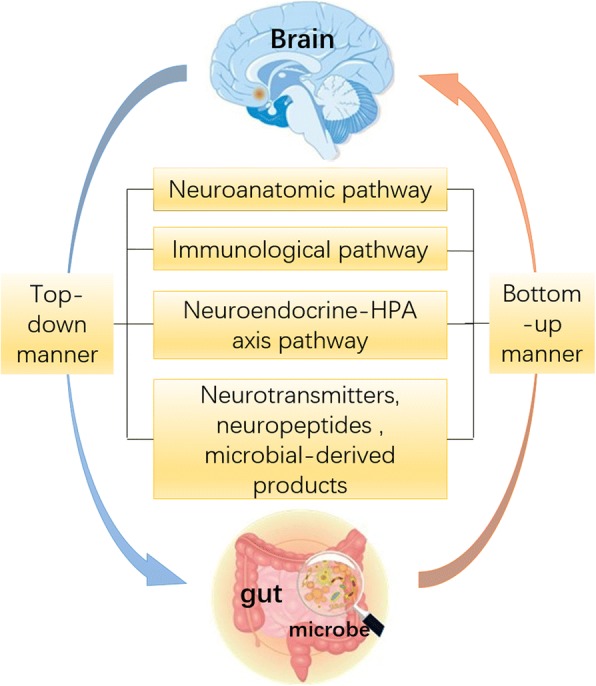
“There is bi-directional communication between the brain and the gut which demonstrates that the structure and function of the brain can be modulated by the gut and that the brain regulates gut microbiota composition [40].”
BackgroundThe Oral–Gut–Brain Axis: The Influence of Microbes as a Link of Periodontitis With Ischemic Stroke
Zhong, Y., Kang, X., Bai, X., Pu, B., Smerin, D., Zhao, L., & Xiong, X. (2024) · CNS Neuroscience & Therapeutics · doi:10.1111/cns.70152 · Cited by 27
“Accumulating evidence supports bidirectional communication between the gut and the brain mediated by gut microbes, which is defined as the gut–brain–microbiome axis, and disorders of which are associated with various CNS diseases [2, 3].”
Self-citationWang, Y., Meng, L., Chen, Y., Ouyang, L., Wu, B.-F., Peng, R., Lu, S.-F., Liu, Q., Zhang, T., Li, X., et al. (2023) · Brain Research · doi:10.1016/j.brainres.2023.148233 · Cited by 24
Matsuura, J., Inoüe, R., Takagi, T., Wada, S., Watanabe, A., Koizumi, T., Mukai, M., Mizuta, I., Naito, Y., & Mizuno, T. (2019) · Journal of Clinical Biochemistry and Nutrition · doi:10.3164/jcbn.19-22 · Cited by 23
Cellular Immune Signal Exchange From Ischemic Stroke to Intestinal Lesions Through Brain-Gut Axis
Yang, Z., Wei, F., Zhang, B., Luo, Y., Xing, X., Wang, M., Chen, R., Sun, G., & Sun, X. (2022) · Frontiers in Immunology · doi:10.3389/fimmu.2022.688619 · Cited by 26
The gastrointestinal-brain-microbiota axis: a promising therapeutic target for ischemic stroke
Wei, Y., Bi, R., Qiu, Y., Zhang, C., Li, J., Li, Y., & Hu, B. (2023) · Frontiers in Immunology · doi:10.3389/fimmu.2023.1141387 · Cited by 26
Wang, J., Peng, Y., Liu, Y., Lian, Z., Cai, Z., Chen, Y., He, H., Yang, M., & Zhao, J. (2025) · Free Radical Biology and Medicine · doi:10.1016/j.freeradbiomed.2025.04.020 · Cited by 23
Intestinal Barrier Dysfunction Participates in the Pathophysiology of Ischemic Stroke
Wei, M., Huang, Q., Liu, Z., Luo, Y., & Xia, J. (2021) · CNS & Neurological Disorders - Drug Targets · doi:10.2174/1871527320666210322115808 · Cited by 19
Causal Relationship between Gut Microbiota and Gout: A Two-Sample Mendelian Randomization Study
Wang, M., Fan, J., Huang, Z., Zhou, D., & Wang, X. (2023) · Nutrients · doi:10.3390/nu15194260 · Cited by 21
“The relationships between diseases and traits with GM are typically bidirectional [16,17].”
BackgroundZhang, F., Guo, L., Shi, J., Jiang, H., Zhou, F., Zhou, Y., Lv, B., & Xu, M. (2023) · Neurobiology of Disease · doi:10.1016/j.nbd.2023.106390 · Cited by 22
“Existing studies have demonstrated that the interaction of the GBA plays a role in mediating both gut inflammation and psychiatric disorders in individuals with IBD (Lavelle and Sokol, 2020; Zhao et al., 2018).”
BackgroundParkinson’s disease: Are gut microbes involved?
Bhattarai, Y., & Kashyap, P. (2020) · American Journal of Physiology-Gastrointestinal and Liver Physiology · doi:10.1152/ajpgi.00058.2020 · Cited by 21
Wang, S., Huang, J., Liu, F., Tan, K. S., Deng, L., Lin, Y., & Tan, W. (2021) · Journal of Inflammation Research · doi:10.2147/jir.s344990 · Cited by 20
“Previous studies have observed raised Th1 and Th2 cell numbers in the injured intestinal lamina propria of IBD patients, with Th17 and Treg cells specifically found to be related to IBDs.39 Therefore, we sought to characterize the general Th cell population and identify distinct populations of Th cells in the colons a…”
BackgroundInfluentialGut microbiota modification by diosgenin mediates antiepileptic effects in a mouse model of epilepsy
Li, X., Li, J., Ji, J., Li, S., Yao, X., Fan, H., & Yao, R. (2023) · Journal of Neurochemistry · doi:10.1111/jnc.16033 · Cited by 19
“Imbalances in gut microbiota, enhanced permeability, and epithelial barrier damage can facilitate the trafficking of intestinal T cells and microbial IL-17 to the brain, causing blood–brain barrier damage and neuroinflammation (Zhao et al., 2018).”
The brain-gut axis: A prime therapeutic target in traumatic brain injury
Weaver, J. L. (2020) · Brain Research · doi:10.1016/j.brainres.2020.147225 · Cited by 18
Crosstalk between the Gut and Brain in Ischemic Stroke: Mechanistic Insights and Therapeutic Options
Huang, W., Zhu, L., Song, W., Zhang, M., Teng, L., & Wu, M. (2022) · Mediators of Inflammation · doi:10.1155/2022/6508046 · Cited by 18
Shen, X., & Mu, X. (2024) · Metabolites · doi:10.3390/metabo14080399 · Cited by 19
“Numerous studies suggested that intestinal disorders accompanied by gut microbial alteration, such as inflammatory bowel disease, irritable bowel syndrome, and constipation, have complex interactions with stroke [7–10].”
BackgroundSadr, S., Nazemian, S., Dianaty, S., Hajjafari, A., Fazel, B., Rezaei, A., Rahdar, A., Fathi‐karkan, S., Bayat, M., Pandey, S., et al. (2025) · Chemical Engineering Journal · doi:10.1016/j.cej.2025.162954 · Cited by 19
Isaiah, S., Loots, D. T., Solomons, R., van der Kuip, M., van Furth, A. M., & Mason, S. (2020) · Frontiers in Neuroscience · doi:10.3389/fnins.2020.00296 · Cited by 20
“Hence, an exceedingly complex array of signaling systems, all interlinked, lies between the brain and gut in the “top-down” concept (Aziz and Thompson, 1998; Collins and Bercik, 2009; O’Mahony et al., 2009; Forsythe et al., 2014; Khlevner et al., 2018; Weltens et al., 2018; Zhao et al., 2018).”
BackgroundThe Involvement of Immune Cells Between Ischemic Stroke and Gut Microbiota
Pu, B., Zhu, H., Wei, L., Gu, L., Zhang, S., Jian, Z., & Xiong, X. (2023) · Translational Stroke Research · doi:10.1007/s12975-023-01151-7 · Cited by 16
“Gut dysbiosis and abnormal immune responses were also detected in TLR2 knockout mice [25].”
Self-citationThe Interface between Inflammatory Bowel Disease, Neuroinflammation, and Neurological Disorders
Hey, G. E., Vedam‐Mai, V., Beke, M., Amaris, M. A., & Ramirez‐Zamora, A. (2023) · Seminars in Neurology · doi:10.1055/s-0043-1771467 · Cited by 16
Zhu, L., Hu, B., Guo, Y., Yang, H., Zheng, J., Yao, X., Hu, H., & Liu, H. (2020) · Carbohydrate Polymers · doi:10.1016/j.carbpol.2020.116271 · Cited by 16
Kaur, A., Chopra, K., Kaur, I. P., & Rishi, P. (2020) · Frontiers in Microbiology · doi:10.3389/fmicb.2020.01568 · Cited by 18
Interventional strategies for ischemic stroke based on the modulation of the gut microbiota
Wang, J., Liu, X., & Li, Q. (2023) · Frontiers in Neuroscience · doi:10.3389/fnins.2023.1158057 · Cited by 16
“After the concept of the microbiota-gut-brain axis (MGBA) was proposed, many studies confirmed the presence of a bidirectional MGBA and the potential of microbiota-directed interventions to improve stroke outcomes (Zhao et al., 2018).”
BackgroundKozlova, E. V., Carabelli, B., Bishay, A. E., Liu, R., Denys, M. E., Macbeth, J. C., Piamthai, V., Crawford, M. S., McCole, D. F., Nieden, N. I. Z., et al. (2021) · Life Sciences · doi:10.1016/j.lfs.2021.120153 · Cited by 16
“The only upregulated gene, Cck, cholecystokinin, is associated with peripheral and central pain signaling and plays a role in anxiety and panic disorders [48–50] and may have therapeutic potential for inflammatory bowel disorder [51].”
BackgroundLee, J., Oh, S. J., Ha, E., Shin, G. Y., Kim, H. J., Kim, K.-W., & Lee, C. K. (2024) · npj Genomic Medicine · doi:10.1038/s41525-024-00440-w · Cited by 15
“The genus Coprococcus is a butyrate-producing microbe involved in the hypothalamic-pituitary-adrenal axis and is known to be depleted in individualswithdepressionandstress 18,34 .”
Opioid Use and Gut Dysbiosis in Cancer Pain Patients
Coluzzi, F., Scerpa, M. S., Loffredo, C., Borro, M., Pergolizzi, J. V., LeQuang, J. A., Alessandri, E., Simmaco, M., & Rocco, M. (2024) · International Journal of Molecular Sciences · doi:10.3390/ijms25147999 · Cited by 13
Chen, C., Ding, Q., Shen, B., Yu, T., Wang, H., Xu, Y., Guo, H., Hu, K., Xie, L. Y., Wang, G., et al. (2019) · Drug Metabolism and Disposition · doi:10.1124/dmd.119.089458 · Cited by 11
“The structure and function of the brain can be modulated by the gut; conversely, the brain regulates the gut microenvironment and microbiota composition (Maqsood and Stone, 2016; Zhao et al., 2018).”
BackgroundCahoon, D. S., Shukitt‐Hale, B., Bielinski, D. F., Hawkins, E. M., Cacioppo, A. M., & Rabin, B. M. (2020) · Life Sciences in Space Research · doi:10.1016/j.lssr.2020.07.006 · Cited by 11
“More recently, several investigators have indicated that there is an interaction between the gut microbiome and the brain such that dysregulation of the gut can lead to the development of neurodegenerative processes in the brain (Ma et al., 2019; Zhao et al., 2018).”
BackgroundBifidobacteria and Psychobiotic Therapy: Current Evidence and Future Prospects
Altaib, H., Badr, Y., & Suzuki, T. (2021) · Reviews in Agricultural Science · doi:10.7831/ras.9.0_74 · Cited by 15
“Gut microbiota–brain interaction opens a new window for better understanding the pathogenesis of many diseases such as inflammatory bowel disease (IBD) [4], autism [5], and major depressive disorder (MDD) [6].”
BackgroundLi, T., Sun, Q., Feng, L., Yan, D., Wang, B., Li, M., Xiong, X., Ma, D., & Gao, Y. (2022) · PLoS ONE · doi:10.1371/journal.pone.0276598 · Cited by 10
Self-citationWang, X., Ye, L., Sun, W., Li, L., Wang, C., Xu, X., Pan, Z., & Gong, J. (2022) · BioMed Research International · doi:10.1155/2022/3768880 · Cited by 9
RetractedYang, L., Chen, H., Wang, D., Nie, S., Du, J., & Lu, M. H. (2019) · Frontiers in Neuroscience · doi:10.3389/fnins.2019.01327 · Cited by 8
“Previous studies have reported that iNOS-derived NO following chronic stress may induce depressive-like behaviors in mice (Zhou et al., 2007).”
ResultYu, D.-Y., Gao, J.-Q., Yang, X.-X., Gao, F.-F., Liu, J., Shen, M.-Q., Gu, B., Zhang, Y.-X., & Yan, C. (2025) · Neuropharmacology · doi:10.1016/j.neuropharm.2025.110579 · Cited by 7
Stark, C. M., Susi, A., Nierenberg, A. A., & Nylund, C. M. (2022) · The Journal of Pediatrics · doi:10.1016/j.jpeds.2022.04.030 · Cited by 8
Crosstalk between COVID-19 and the gut-brain axis: a gut feeling
Kalam, N., & Balasubramaniam, V. R. M. T. (2024) · Postgraduate Medical Journal · doi:10.1093/postmj/qgae030 · Cited by 8
Benedittis, G. D. (2022) · International Journal of Clinical and Experimental Hypnosis · doi:10.1080/00207144.2022.2094269 · Cited by 7
“and microbiota composition, thus leading to a paradigm shift in modern medicine and science (Zhao et al., 2018).”
BackgroundZheng, J., Li, J., Pei, T., Zhu, T., Li, X., & Wang, H. (2023) · Journal of Affective Disorders · doi:10.1016/j.jad.2023.04.025 · Cited by 7
Mishra, A., & Singh, K. P. (2021) · Drug and Chemical Toxicology · doi:10.1080/01480545.2021.1954698 · Cited by 5
Beyond the Brain: Attention Deficit/Hyperactivity Disorder and the Gut-Brain Axis
Gandhi, D. N., Pande, D., Harikrishna, A., Advilkar, A., Basavan, I., & Ansari, R. (2024) · Cureus · doi:10.7759/cureus.76291 · Cited by 7
“The bidirectional feedback loop is closed by regulatory signals from the brain via the ENS and the VN to influence gut motility, hormonal secretion, immune function and permeability [8,43].”
InfluentialThe gut-brain connection: Inflammatory bowel disease increases risk of acute ischemic stroke
Mui, N., Uddin, A., Fortunato, M. P., Nolan, B. E., Clare, K. M., Lui, A. K., Al-Juboori, M., Gandhi, C. D., & Al‐Mufti, F. (2023) · Interventional Neuroradiology · doi:10.1177/15910199231170679 · Cited by 4
Grčić, A., Varljen, J., Bedoić, E., Kučić, N., Detel, D., & Batičić, L. (2022) · Medicina Fluminensis · doi:10.21860/medflum2022_271148 · Cited by 4
Bibliometric analysis of the gut microbiota and stroke from 2002 to 2022
Wang, C., Zhu, H., Li, Y., Zhang, Y., Ye, Y., Zhong, Y., Qiu, S., Xiong, X., & Jian, Z. (2024) · Heliyon · doi:10.1016/j.heliyon.2024.e30424 · Cited by 4
Self-citationGhoneim, S., Weissman, S. I., Wang, L., Aziz, M. A., Atoot, A., Sandhu, D. S., Swaminath, A. C., & Feuerstein, J. D. (2021) · International Journal of Colorectal Disease · doi:10.1007/s00384-021-03912-y · Cited by 4
“In particular, dysregulation of the gut-brain-microbiota axis consisting of bidirectional interactions between the gut and brainmay play a unique role in the pathophysiology connecting IBD to AIS [13].”
BackgroundQuiescent ulcerative colitis and Crohn’s disease have potential effect on cognitive function
Balakosy, A. A., Askar, S. R., Naguib, R. M., Ayman, S., & Hussein, H. M. (2024) · The Egyptian Journal of Internal Medicine · doi:10.1186/s43162-024-00304-w · Cited by 3
“Inflammatory cytokines can alter neurological signaling leading to mood disorders and cognitive dysfunction, through effects on the pathways [9].”
BackgroundLuo, X., Yao, L., Chen, Y., & Song, Y. (2025) · World Neurosurgery · doi:10.1016/j.wneu.2025.123718 · Cited by 3
Huang, X., Cao, Y., Zhang, L., Li, S., Shu, X., Xin, X., Sugimoto, K., Liu, J., Gao, Y., & Chang, J. (2023) · Journal of Traditional Chinese Medical Sciences · doi:10.1016/j.jtcms.2023.06.001 · Cited by 3
Amidu, S. B., Boamah, V. E., Ekuadzi, E., & Mante, P. K. (2023) · BMC Complementary Medicine and Therapies · doi:10.1186/s12906-023-04211-5 · Cited by 3
“…wide range of systems including the central nervous system (CNS), the autonomic nervous system, enteric nervous system, hypothalamic– pituitary–adrenal axis, neurotransmitters, hormone and neuropeptides, intestinal microenvironment, enteroen-docrine, immune system, and the blood–brain barrier [61].”
BackgroundRamona, Y., Darmayasa, I. B. G., DHARMAWAN, K., Sudaryatma, P. E., Teriyani, N. M., Batho, Y. F., & Inabuy, F. S. (2024) · BIOTROPIA · doi:10.11598/btb.2024.31.2.1868 · Cited by 3
“This implies that the balance of gut microbiota will have significant effects on the brain function (Zhao et al .”
BackgroundMañosa, M., Calafat, M., Francia, E., Riba, F., Mesonero, F., Suárez, C., García‐López, S., Callau, F. L., Calvet, X., Domènech, E., et al. (2025) · Gastroenterología y Hepatología · doi:10.1016/j.gastrohep.2025.502529 · Cited by 2
Influence of diet on the gut microbiota
Dąbrowska, J., Wójcik, M., Boreński, G., Bator, D., & Milanowska, J. (2020) · Journal of Education Health and Sport · doi:10.12775/jehs.2020.10.05.003 · Cited by 2
Elucidating the Role of Gut-Brain-Axis in Neuropsychiatric and Neurological Disorders
Lalnundika, B., Hassan, S., Prathiviraj, R., Kumar, H. K., Qadri, S., Kiran, G. S., Bramhachari, P. V., & Selvin, J. (2023) · Human Microbiome in Health, Disease, and Therapy · doi:10.1007/978-981-99-5114-7_2 · Cited by 2
The microbiome-gut-brain axis in multiple sclerosis
Radojević, D., Bajić, S. S., Dinić, M., Bisenić, A., Đokić, J., & Golić, N. (2023) · Arhiv za farmaciju · doi:10.5937/arhfarm73-46986 · Cited by 1
Li, J., Zhang, Y.-J., Zhao, X., Yu, Y., Hu, R., Hu, R., Wu, Y.-H., Huang, W.-Q., Wang, Z.-X., & Li, T.-T. (2025) · European Journal of Pharmacology · doi:10.1016/j.ejphar.2025.177455 · Cited by 1
Hao, L.-Y., Huang, Z. W., Zhang, H., Pu, Y.-T., WANG1, L.-X., Tang, H., Zhang, D., Bai, X., & Li, S.-Y. (2026) · Frontiers in Pharmacology · doi:10.3389/fphar.2026.1683558 · Cited by 1
“This inflammatory cascade may further aggravate barrier injury and contribute to a pathological feedback loop between the brain and gut (Zhao et al., 2014; Zhao et al., 2018).”
Farooqui, A. A. (2020) · Elsevier eBooks · doi:10.1016/b978-0-12-819603-8.00005-5 · Cited by 1
Земцева, Н. В., & Тишина, Л. А. (2021) · Познание · doi:10.37882/2500-3682.2021.08.06 · Cited by 1
“…когнитивных функций пациента целесообразно применение опрос-ника MMSE (Mini Mental state Examination), шкалы демен-ции Матиса, батареи тестов для оценки лобных дисфунк-ций, FAB (Frontal Assessment Bullory) и шкалы глобального клинического снижения (Global Deterioration Scale – GDS) [4, 15, 19].”
Gut Microbiota Regulation of Cerebral Stroke
Kumar, K., Hema, K., & Tripathi, A. K. (2022) · Nutritional neurosciences · doi:10.1007/978-981-19-4530-4_4 · Cited by 1
Farooqui, A. A. (2021) · Elsevier eBooks · doi:10.1016/b978-0-12-821039-0.00001-0 · Cited by 1
Xu, M., Zhang, F., Guo, L., Shi, J., Jiang, H., Zhou, F., Zhou, Y., & Lv, B. (2022) · Research Square · doi:10.21203/rs.3.rs-2243921/v1 · Cited by 1
Shen, L., Ji, C., Lin, J., & Yang, H. (2021) · Journal of Medical Imaging and Health Informatics · doi:10.1166/jmihi.2021.3534
Benedittis, G. D. (2022) · IPNOSI · doi:10.3280/ipn2021-002001
USO DE PROBIÓTICOS NA PRÁTICA CLÍNICA DO TRANSTORNO DO ESPECTRO AUTISTA
Portela, B. S., Souza, T. S., & Lima, D. M. (2022) · RECIMA21 - Revista Científica Multidisciplinar · doi:10.47820/recima21.v3i6.1553
Kaitan Antara Gangguan Perkembangan dan Perilaku Anak dengan Gut-Brain Axis
Anindya, P., & Diarsvitri, W. (2022) · Surabaya Biomedical Journal · doi:10.30649/sbj.v1i2.21
The Link between Brain Infarction and the Gut Microbiome —— Brain-Gut Axis
Li, Y., Lin, H., & Yu, T. (2022) · MEDS Clinical Medicine · doi:10.23977/medsc.2022.030508
“Brain-gut axis plays an important role in connecting gastrointestinal tract and neurogenic diseases [18].”
BackgroundLai, H., & Shen, T. (2023) · Healthy ageing and longevity · doi:10.1007/978-3-031-14023-5_14 · Cited by 1
Metadata
- Authors
- Zhao, L., Xiong, Q., Stary, C. M., Mahgoub, O. K., Ye, Y., Gu, L., Xiong, X., & Zhu, S.
- Affiliations
- Renmin Hospital of Wuhan University (CN)
- Stanford Medicine (US)
- First Affiliated Hospital Zhejiang University (CN)
- Corresponding author
- Xiong, Xiaoxing
- Zhu, Shengmei
- Venue
- Journal of Neuroinflammation
- Published
- 2018-12
- Volume
- 15
- Issue
- 1
- Pages
- 339-339
- ISSN
- 1742-2094 (ISSN-L)
- PMC
- PMC6290529
- OpenAlex
- W2904712122
- Cited by
- 113
- References
- 97
- Citations by year
- 2026: 5 · 2025: 11 · 2024: 13 · 2023: 23 · 2022: 23 · 2021: 17 · 2020: 14 · 2019: 7
- FWCI
- 0.93
- Type
- journal article
- Language
- en
- Open access
- gold
- doi.org
- Licence
- Locations
- Journal of Neuroinflammation (publishedVersion, cc-by)
- Europe PMC (PubMed Central) (publishedVersion, other-oa)
- PubMed Central (publishedVersion, cc-by)
- PubMed (publishedVersion)
- DOAJ (DOAJ: Directory of Open Access Journals) (submittedVersion, cc-by-sa)
- Funders
- National Natural Science Foundation of China (81571147, 81870939)
- American Heart Association (14FTF19970029)
- Topics
- Life Sciences › Biochemistry, Genetics and Molecular Biology › Molecular Biology › Gut microbiota and health
- Health Sciences › Medicine › Gastroenterology › Inflammatory Bowel Disease
- Health Sciences › Medicine › Gastroenterology › Gastrointestinal motility and disorders
- Keywords
- gut-brain-microbiota axis, inflammatory bowel disease, ischemic stroke, gut microbiota, neuroinflammation, two-way communication, therapeutic target
- MeSH terms
- Gastrointestinal Microbiome, Animals, Brain Ischemia, Humans, Inflammatory Bowel Diseases
About these checks
Registry, retraction, Cites and statistics results are computed, not judged, with one exception: a printed reference that no index lists is read once by a model before it counts as a citation error. Claims are extracted by a model and kept only when their quote appears verbatim in the text; each cited source is then checked, with a model’s help, for whether it says what the claim relies on. Those verdicts can be wrong — read the claim’s quote and the cited source before relying on one.
Statistics and arithmetic are recomputed, not judged.
Confidence bands are shown only for fields calibrated on our annotated test set. None is calibrated yet, so no band is shown.
What counts as a claim ›How we measure confidence ›How we check this ›
Are you an author, or do you see a problem with this page? Request a review
