

Venlafaxine ameliorates the depression-like behaviors and hippocampal S100B expression in a rat depression model
Open accessThe DOI matches its Crossref record; 50 of the 50 references it cites were found in a registry or an index.
Abstract
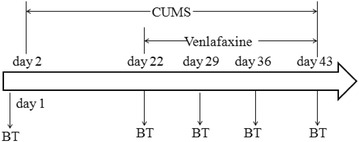
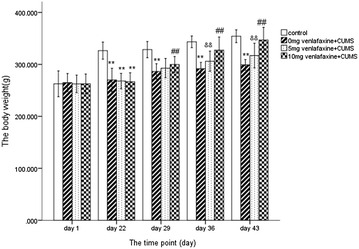
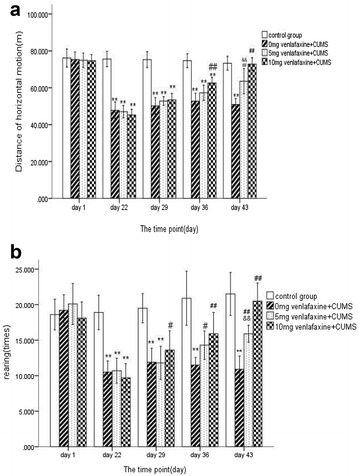
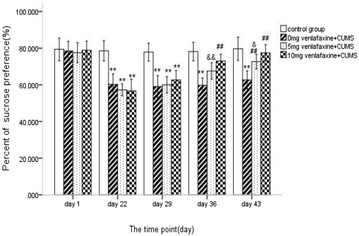
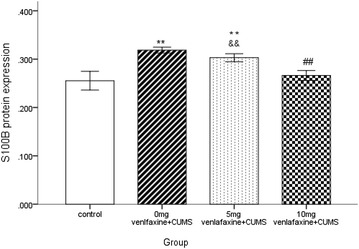
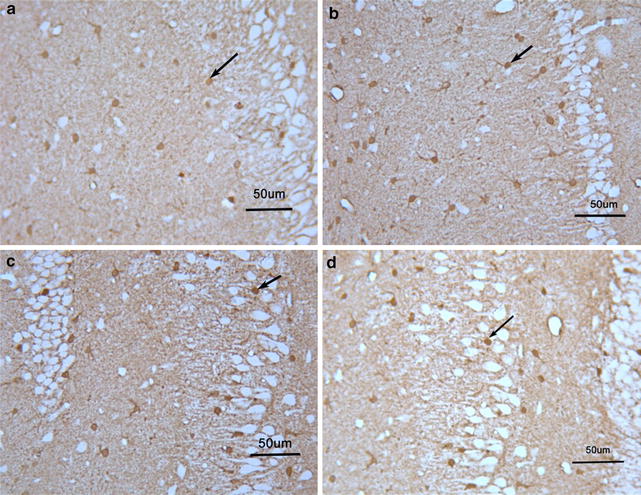
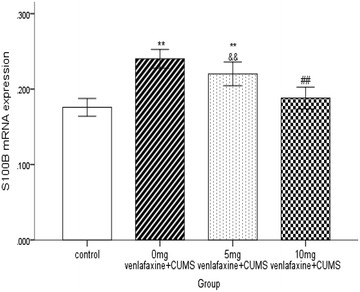
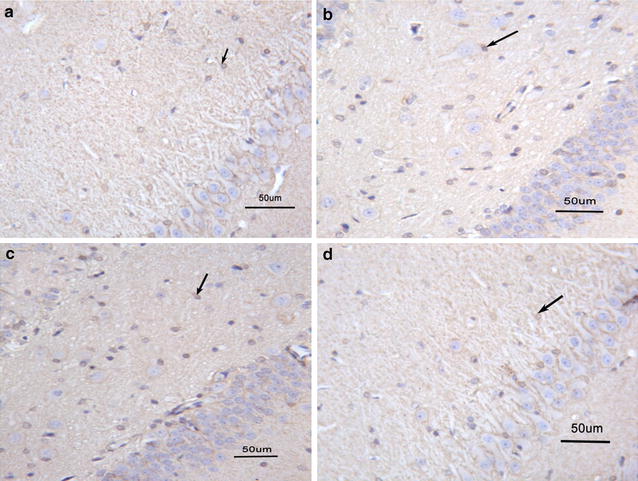
BACKGROUND: Accumulating evidence has indicated that S100B may be involved in the pathophysiology of depression. No published study has examined the effect of the antidepressant drug venlafaxine on S100B in animal models of depression. This study investigated S100B expression in the hippocampus and assessed the effect of venlafaxine on S100B mRNA level and protein expression in rats exposed to chronic unpredictable mild stress (CUMS). METHODS: Forty Sprague-Dawley rats were randomly divided into four groups as control, 0, 5 and 10 mg venlafaxine groups. The venlafaxine groups were exposed to CUMS from day 2 to day 43. Venlafaxine 0, 5 and 10 mg/kg were then administered from day 23 to day 43. We performed behavioral assessments with weight change, open-field and sucrose preference, and analyzed S100B protein expression and mRNA level in the hippocampus. RESULTS: The CUMS led to a decrease in body weight, locomotor activity and sucrose consumption, but venlafaxine treatment (10 mg) reversed these CUMS-induced decreases Also, CUMS increased S100B protein expression and mRNA level in the hippocampus, but venlafaxine treatment (10 mg) significantly decreased S100B protein expression and mRNA level, which were significantly lower than the other treatment groups, without significant difference between the 10 mg venlafaxine and the control groups. CONCLUSIONS: Our findings showed that venlafaxine treatment (10 mg) may improve the depression-like behaviors and decrease over-expression of S100B protein and mRNA in the hippocampus in a rat model of depression.
Overview
The claims and statistics of this paper haven’t been checked yet.
Free: it reads the open-access text and checks the first 5 claims that cite a source we can check. Create a free account to check every claim.
Integrity signals
Registry
Cites
Statistics
Figures
Verification
Claims the paper makes
The claims and statistics of this paper haven’t been checked yet.
Free: it reads the open-access text and checks the first 5 claims that cite a source we can check. Create a free account to check every claim.
Self-check
Percentages, sums and reported differences re-computed from the paper’s own numbers.
The self-check needs the paper’s full text.
Citations
Cites
Molecular Mechanisms of Depression: Perspectives on New Treatment Strategies
Lang, U. E., & Borgwardt, S. (2013) · Cellular Physiology and Biochemistry · doi:10.1159/000350094 · Cited by 8,475
A Meta-Analysis of Cytokines in Major Depression
Dowlati, Y., Herrmann, N., Swardfager, W., Liu, H., Sham, L., Reim, E. K., & Lanctôt, K. L. (2010) · Biological Psychiatry · doi:10.1016/j.biopsych.2009.09.033 · Cited by 4,729 · cited 1×
“It was reported that S100B protein stimulated secretion of pro-inflammatory cytokines including IL-1β, IL-6, IL-8 and tumor necrosis factor (TNF)-α through activated glial cells [37, 38], acting as proinflammatory molecule [39].”
The Economic Burden of Depression in the United States: How Did It Change Between 1990 and 2000?
Greenberg, P. E., Kessler, R. C., Birnbaum, H. G., Leong, S. A., Lowe, S. W., Berglund, P. A., & Corey-Lisle, P. K. (2003) · The Journal of Clinical Psychiatry · doi:10.4088/jcp.v64n1211 · Cited by 1,280
Liu, Y., Ho, R. C.-M., & Mak, A. (2012) · Journal of Affective Disorders · doi:10.1016/j.jad.2011.08.003 · Cited by 948 · cited 1×
“Some studies have indicated that higher blood levels of pro-inflammatory cytokines TNF-α and IL-6 in drug-free patients with depression [41, 42].”
Postmortem studies in mood disorders indicate altered numbers of neurons and glial cells
Rajkowska, G. (2000) · Biological Psychiatry · doi:10.1016/s0006-3223(00)00950-1 · Cited by 822 · cited 1×
“Recently, it has been suggested that mood disorders are characterized by disease-specific glial pathology [2, 3].”
Cotter, D., Mackay, D., Landau, S., Kerwin, R., & Everall, I. (2001) · Archives of General Psychiatry · doi:10.1001/archpsyc.58.6.545 · Cited by 766 · cited 1×
“Post mortem studies showed reductions in glial cell density or glial cell numbers in prefrontal brain regions in patients with mood disorders [4], mainly displaying alterations of astrocytes and oligodendrocytes [5].”
S100B's double life: Intracellular regulator and extracellular signal
Donato, R., Sorci, G., Riuzzi, F., Arcuri, C., Bianchi, R., Brozzi, F., Tubaro, C., & Giambanco, I. (2009) · Biochimica et Biophysica Acta (BBA) - Molecular Cell Research · doi:10.1016/j.bbamcr.2008.11.009 · Cited by 731 · cited 1×
“At nanomolar concentrations, S100B has been shown to have neurotrophic effects [30], whilst at elevated concentrations (micromolar) is neurotoxic participating in a cascade of events leading to cell death or apoptosis [31].”
Surget, A., Saxe, M., Leman, S., Ibarguen-Vargas, Y., Chalon, S., Griebel, G., Hen, R., & Belzung, C. (2008) · Biological Psychiatry · doi:10.1016/j.biopsych.2008.02.022 · Cited by 556 · cited 1×
“Discussion The CUMS-induced behavioral changes may simulate depression-like behaviors in individuals with depression, which is considered as one of the classical models [26].”
Kubera, M., Lin, A.-H., Kenis, G., Bosmans, E., van Bockstaele, D., & Maes, M. (2001) · Journal of Clinical Psychopharmacology · doi:10.1097/00004714-200104000-00012 · Cited by 343
Chronic Unpredictable Stress Decreases Cell Proliferation in the Cerebral Cortex of the Adult Rat
Banasr, M., Valentine, G. W., Li, X.-Y., Gourley, S. L., Taylor, J. R., & Duman, R. S. (2007) · Biological Psychiatry · doi:10.1016/j.biopsych.2007.02.006 · Cited by 342 · cited 1×
“Sucrose preference test The sucrose preference test was performed as described previously [19, 22, 23], with minor modification.”
Evidence for a wide extra-astrocytic distribution of S100B in human brain
Steiner, J., Bernstein, H.-G., Bielau, H., Berndt, A., Brisch, R., Mawrin, C., Keilhoff, G., & Bogerts, B. (2007) · BMC Neuroscience · doi:10.1186/1471-2202-8-2 · Cited by 283 · cited 1×
“S100B is a glia-derived neurotrophic marker and an acidic and calcium-binding protein that is primarily produced by astrocytes and oligodendrocytes in the human brain [6].”
Vostrikov, V. M., Uranova, N. A., & Orlovskaya, D. D. (2007) · Schizophrenia Research · doi:10.1016/j.schres.2007.04.014 · Cited by 233 · cited 1×
“Post mortem studies showed reductions in glial cell density or glial cell numbers in prefrontal brain regions in patients with mood disorders [4], mainly displaying alterations of astrocytes and oligodendrocytes [5].”
Hiles, S. A., Baker, A. L., de Malmanche, T., & Attia, J. (2012) · Psychological Medicine · doi:10.1017/s0033291712000128 · Cited by 219 · cited 1×
“Moreover, the pro-inflammatory cytokines levels were normalized once antidepressant treatment was administered [43].”
Ohgi, Y., Futamura, T., Kikuchi, T., & Hashimoto, K. (2013) · Pharmacology Biochemistry and Behavior · doi:10.1016/j.pbb.2012.12.003 · Cited by 207 · cited 1×
“[46] examined the effects of SSRIs and SNRIs on lipopolysaccharide-induced depression in mice, and found that the two types of antidepressants have anti-inflammatory effects by decreasing TNF-α and increasing IL-10 levels in serum.”
Gosselin, R.-D., Gibney, S., O'Malley, D., Dinan, T. G., & Cryan, J. F. (2009) · Neuroscience · doi:10.1016/j.neuroscience.2008.10.018 · Cited by 166 · cited 1×
“[27], who reported an increase in the intensity of S100b immunoreactivity in prefrontal cortex region, the basolateral amygdala as well as in the hippocampus, and by Ye et al.”
Glial cell dysfunction in schizophrenia indicated by increased S100B in the CSF
Rothermundt, M., Falkai, P., Ponath, G. D., Abel, S., Bürkle, H., Diedrich, M., Hetzel, G., Peters, M., Siegmund, A., Pedersen, A., et al. (2004) · Molecular Psychiatry · doi:10.1038/sj.mp.4001548 · Cited by 157 · cited 1×
“As mentioned previously, S100B is considered as a potential biomarker of structural brain damage and disease activity [29].”
Serum markers support disease-specific glial pathology in major depression
Schroeter, M. L., Abdul-Khaliq, H., Krebs, M., Diefenbacher, A., & Blasig, I. E. (2008) · Journal of Affective Disorders · doi:10.1016/j.jad.2008.03.005 · Cited by 152 · cited 2×
“[3] revealed that S100B serum levels were consistently increased in acute major depressive or manic episodes, which was shown to be decreased after treatment with antidepressants, suggesting that S100B may be a biomarker for treatment outcomes in depression [14].”
Ye, Y., Wang, G., Wang, H., & Wang, X. (2011) · Neuroscience Letters · doi:10.1016/j.neulet.2011.07.055 · Cited by 148 · cited 2×
“[28], who reported that CUMS produced increased S100b expression in rat hippocampus.”
Dysfunctional hippocampal activity affects emotion and cognition in mood disorders
Femenía, T., Gómez-Galán, M., Lindskog, M., & Magara, S. (2012) · Brain Research · doi:10.1016/j.brainres.2012.03.053 · Cited by 143 · cited 1×
“The hippocampus is an important brain region that can regulate emotions and cognition [16].”
S100B and response to treatment in major depression: a pilot study
Arolt, V., Peters, M., Erfurth, A., Wiesmann, M., Missler, U., Rudolf, S., Kirchner, H., & Rothermundt, M. (2003) · European Neuropsychopharmacology · doi:10.1016/s0924-977x(03)00016-6 · Cited by 135 · cited 1×
“In some longitudinal studies, it was reported that higher S100B levels were decreased after treatment with antidepressants [13].”
Horikawa, H., Kato, T. A., Mizoguchi, Y., Monji, A., Seki, Y., Ohkuri, T., Gotoh, L., Yonaha, M., Ueda, T., Hashioka, S., et al. (2010) · Progress in Neuro-Psychopharmacology and Biological Psychiatry · doi:10.1016/j.pnpbp.2010.07.015 · Cited by 131
S100β Induction of the Proinflammatory Cytokine Interleukin‐6 in Neurons
Yuekui, L., Barger, S. W., Liu, L., Mrak, R. E., & Griffin, W. S. T. (2000) · Journal of Neurochemistry · doi:10.1046/j.1471-4159.2000.0740143.x · Cited by 115 · cited 1×
“It was reported that S100B protein stimulated secretion of pro-inflammatory cytokines including IL-1β, IL-6, IL-8 and tumor necrosis factor (TNF)-α through activated glial cells [37, 38], acting as proinflammatory molecule [39].”
Self-citationSerum S100B Represents a New Biomarker for Mood Disorders
Schroeter, M., Sacher, J., Steiner, J., Schoenknecht, P., & Mueller, K. (2013) · Current Drug Targets · doi:10.2174/13894501113149990014 · Cited by 115 · cited 1×
“Moreover, S100B levels were decreased following successful treatment with antidepressant [34].”
Gos, T., Schroeter, M. L., Lessel, W., Bernstein, H.-G., Dobrowolny, H., Schiltz, K., Bogerts, B., & Steiner, J. (2013) · Journal of Psychiatric Research · doi:10.1016/j.jpsychires.2013.07.005 · Cited by 106 · cited 7×
“However, a recent postmortem analysis showed that the numerical density of S100B-immunopositive astrocytes was bilaterally decreased in the CA1 pyramidal layer of the hippocampus in MDD and bipolar disorder (BD) patients compared to controls [12].”
InfluentialWang, N., Yu, H.-Y., Shen, X.-F., Gao, Z.-Q., Yang, C., Yang, J.-J., & Zhang, G.-F. (2015) · Upsala Journal of Medical Sciences · doi:10.3109/03009734.2015.1060281 · Cited by 100 · cited 1×
“The increased hippocampal levels of pro-inflammatory cytokines have been found in the CUMS model of depression, and the improvement of CUMS-induced depression-like behaviors are associated with a reduction of pro-inflammatory cytokines in the rat hippocampus [47, 48].”
Self-citationThe Danger Signal S100B Integrates Pathogen– and Danger–Sensing Pathways to Restrain Inflammation
Sorci, G., Giovannini, G., Riuzzi, F., Bonifazi, P., Zelante, T., Zagarella, S., Bistoni, F., Donato, R., & Romani, L. (2011) · PLoS Pathogens · doi:10.1371/journal.ppat.1001315 · Cited by 97 · cited 1×
“It was reported that S100B protein stimulated secretion of pro-inflammatory cytokines including IL-1β, IL-6, IL-8 and tumor necrosis factor (TNF)-α through activated glial cells [37, 38], acting as proinflammatory molecule [39].”
Hetzel, G., Moeller, O., Evers, S., Erfurth, A., Ponath, G. D., Arolt, V., & Rothermundt, M. (2004) · Psychopharmacology · doi:10.1007/s00213-004-1999-z · Cited by 93 · cited 1×
“In the serum and CSF of patients with major depression, S100B protein has been shown to be increased compared to levels in healthy controls [9, 10], although other studies did not demonstrate this difference in the CSF of MDD patients [11].”
Haglid, K. G., Yang, Q., Hamberger, A., Bergman, S., Widerberg, A., & Danielsen, N. (1997) · Brain Research · doi:10.1016/s0006-8993(96)01463-1 · Cited by 92 · cited 1×
“At nanomolar concentrations, S100B has been shown to have neurotrophic effects [30], whilst at elevated concentrations (micromolar) is neurotoxic participating in a cascade of events leading to cell death or apoptosis [31].”
Schroeter, M., & Steiner, J. (2009) · Molecular Psychiatry · doi:10.1038/mp.2008.85 · Cited by 90 · cited 2×
“In the serum and CSF of patients with major depression, S100B protein has been shown to be increased compared to levels in healthy controls [9, 10], although other studies did not demonstrate this difference in the CSF of MDD patients [11].”
Gender differences in CMS and the effects of antidepressant venlafaxine in rats
Xing, Y., He, J., Hou, J., Lin, F., Tian, J., & Kurihara, H. (2013) · Neurochemistry International · doi:10.1016/j.neuint.2013.09.019 · Cited by 86
Interleukin-6-induced S100B secretion is inhibited by haloperidol and risperidone
de Souza, D. F., Wartchow, K. M., Hansen, F., Lunardi, P. S., Guerra, M. C., Nardin, P., & Gonçalves, C. (2012) · Progress in Neuro-Psychopharmacology and Biological Psychiatry · doi:10.1016/j.pnpbp.2012.12.001 · Cited by 82 · cited 1×
“Some studies have indicated that higher blood levels of pro-inflammatory cytokines TNF-α and IL-6 in drug-free patients with depression [41, 42].”
Neurotrophic Factor S100beta in Major Depression
Grabe, H. J., Ahrens, N., Rose, H.-J., Kessler, C., & Freyberger, H. J. (2001) · Neuropsychobiology · doi:10.1159/000054922 · Cited by 75 · cited 1×
“Increased S100B levels have been reported in CSF in drug-free mild to moderate depressive patients compared with euthymic patients [33].”
Eriksson, T. M., Delagrange, P., Spedding, M., Popoli, M., Mathé, A. A., Ögren, S. O., & Svenningsson, P. (2012) · Molecular Psychiatry · doi:10.1038/mp.2010.131 · Cited by 73 · cited 1×
“Some studies have reported neurochemical changes mainly in the hippocampus in patients with depression [17].”
Mood Disorders Are Glial Disorders: Evidence from In Vivo Studies
Schroeter, M. L., Abdul-Khaliq, H., Sacher, J., Steiner, J., Blasig, I. E., & Mueller, K. (2010) · Cardiovascular Psychiatry and Neurology · doi:10.1155/2010/780645 · Cited by 71 · cited 4×
“[3] revealed that S100B serum levels were consistently increased in acute major depressive or manic episodes, which was shown to be decreased after treatment with antidepressants, suggesting that S100B may be a biomarker for treatment outcomes in depression [14].”
InfluentialPotential antiinflammatory effects of acupuncture in a chronic stress model of depression in rats
Lü, J., Shao, R.-H., Hu, L., Tu, Y., & Guo, J. (2016) · Neuroscience Letters · doi:10.1016/j.neulet.2016.02.040 · Cited by 71 · cited 1×
“The increased hippocampal levels of pro-inflammatory cytokines have been found in the CUMS model of depression, and the improvement of CUMS-induced depression-like behaviors are associated with a reduction of pro-inflammatory cytokines in the rat hippocampus [47, 48].”
S100B Serum Levels Predict Treatment Response in Patients with Melancholic Depression
Ambrée, O., Bergink, V., Grosse, L., Alferink, J., Drexhage, H. A., Rothermundt, M., Arolt, V., & Birkenhäger, T. K. (2016) · International Journal of Neuropsychopharmacology · doi:10.1093/ijnp/pyv103 · Cited by 71 · cited 1×
“[15] reported low S100B levels in patients with depression, which predicted nonresponse to venlafaxine.”
Schroeter, M. L., Steiner, J., & Mueller, K. (2010) · Journal of Affective Disorders · doi:10.1016/j.jad.2010.11.008 · Cited by 70 · cited 1×
“Numerous studies have shown that S100B is altered in both serum and CSF of patients with mood disorders [3, 32].”
Li, Z., Zheng, X., Gao, X., Zhou, Y., Sun, H., Zhang, L., Guo, X., Du, G., & Qin, X. (2010) · Rapid Communications in Mass Spectrometry · doi:10.1002/rcm.4809 · Cited by 67 · cited 4×
“Following [19], rats were individually placed in a small 100 cm × 100 cm × 40 cm Plexiglas cage and allowed 30 s to accommodate to the observation cage.”
InfluentialBjørnebekk, A., Mathé, A. A., & Brené, S. (2010) · Hippocampus · doi:10.1002/hipo.20683 · Cited by 61
Interleukin-1 receptor antagonist attenuates the severity of spinal cord ischemic injury in rabbits
Akuzawa, S., Kazui, T., Shi, E., Yamashita, K., Bashar, A. H. M., & Terada, H. (2008) · Journal of Vascular Surgery · doi:10.1016/j.jvs.2008.04.011 · Cited by 50 · cited 3×
“Hence, it has been proposed that S100B serum and CSF levels may represent a suitable surrogate marker of glial damage or dysfunction in mood disorders [3, 8].”
Benton, C. S., Miller, B. H., Skwerer, S., Suzuki, O., Schultz, L. E., Cameron, M. D., Marron, J. S., Pletcher, M. T., & Wiltshire, T. (2012) · Psychopharmacology · doi:10.1007/s00213-011-2574-z · Cited by 49
Li, H., Zhang, L., & Huang, Q. (2009) · Behavioural Brain Research · doi:10.1016/j.bbr.2009.06.036 · Cited by 38 · cited 1×
“Finally, they were photographed under a light microscope [24].”
Luo, Y., Kuang, S., Xue, L., & Yang, J. (2016) · Physiology & Behavior · doi:10.1016/j.physbeh.2016.09.010 · Cited by 37 · cited 2×
“Immunohistochemistry Experimental and control animals were sacrificed within 12 h following the last behavior test [23].”
Self-citationSchmidt, F. M., Mergl, R., Stach, B., Jahn, I., & Schönknecht, P. (2015) · The World Journal of Biological Psychiatry · doi:10.3109/15622975.2014.952776 · Cited by 33 · cited 1×
“In the serum and CSF of patients with major depression, S100B protein has been shown to be increased compared to levels in healthy controls [9, 10], although other studies did not demonstrate this difference in the CSF of MDD patients [11].”
Polyakova, M., Sander, C., Arélin, K., Lampe, L., Luck, T., Luppa, M., Kratzsch, J., Hoffmann, K., Riedel-Heller, S. G., Villringer, A., et al. (2015) · Frontiers in Cellular Neuroscience · doi:10.3389/fncel.2015.00406 · Cited by 33 · cited 1×
“The most recent meta-analysis including a very high number of subjects has shown that fluctuations in serum levels of S100B seem to be state markers for major depression [35].”
The antidepressant effect of musk in an animal model of depression: a histopathological study
Ayuob, N. N., Ali, S. S., Suliaman, M. I., Wahab, M. G. A. E., & Ahmed, S. M. (2016) · Cell and Tissue Research · doi:10.1007/s00441-016-2468-9 · Cited by 30 · cited 1×
“In addition, the astrocytes have been damaged and their immunoreactivity decrease in the hippocampus of rats exposed to the CUMS [28, 49].”
Chen, Z., Xu, H., Haimano, S., Li, X., & Li, X. (2005) · Neuroscience Letters · doi:10.1016/j.neulet.2005.07.040 · Cited by 25
Biochemical mechanism studies of venlafaxine by metabonomic method in rat model of depression.
Fenli, S., Feng, W., Ronghua, Z., & Huan-de, L. (2013) · PubMed · Cited by 21
Gonçalves, F. M., Freitas, A. E., Peres, T. V., Rieger, D. K., Ben, J., Maestri, M., Costa, A. P., Tramontina, A. C., Gonçalves, C. A., Rodrigues, A. L. S., et al. (2013) · Neurochemical Research · doi:10.1007/s11064-013-1150-9 · Cited by 19 · cited 1×
“Recent studies reported that vatairea macrocarpa lectin (VML) caused an enhancement of S100B levels, trigger neuroinflammatory response in mouse hippocampus and exhibited a depressive-like activity [40], suggesting close relationships between the increased S100B and neuroinflammatory markers in the hippocampus and dep…”
Çiçek, İ. E., Çíçek, E., Kayhan, F., Uğuz, F., Erayman, İ., Kurban, S., Yerlikaya, F. H., & Kaya, N. (2014) · Journal of Psychosomatic Research · doi:10.1016/j.jpsychores.2014.01.003 · Cited by 17 · cited 1×
“It has been known that there is an interrelationship between different neurotrophins, such as interactions between BDNF and S100B [50].”
Research works printed but not linked: 2
- Ambrée O Bergink V Grosse L Alferink J Drexhage HA Rothermundt M Serum markers support disease specific glial pathology in major depression J Affect Disord 2015 19 3 pyv103
- Haglid KG Yang Q Hamberger A Bergman S Widerberg A Danielsen N S-100beta stimulates neurite outgrowth in the rat sciatic nerve grafted with acellular muscle transplants Brain Res 1997 753 2 196 201 10.1016/S0006-8993(96)01463-1 9125403 · DOI
Cited by
Antoniuk, S., Bijata, M., Ponimaskin, E., & Wlodarczyk, J. (2019) · Neuroscience & Biobehavioral Reviews · doi:10.1016/j.neubiorev.2018.12.002 · Cited by 750
Hassamal, S. (2023) · Frontiers in Psychiatry · doi:10.3389/fpsyt.2023.1130989 · Cited by 578
“Venlafaxine reduced hippocampal S100b expression and reversed depressive-like behavior suggesting that high levels of S100b predict the risk for depression and antidepressant response (26).”
BackgroundThe S100B story: from biomarker to active factor in neural injury
Michetti, F., D'Ambrosi, N., Toesca, A., Puglisi, M. A., Serrano, A., Marchese, E., Corvino, V., & Geloso, M. C. (2019) · Journal of Neurochemistry · doi:10.1111/jnc.14574 · Cited by 410
Depression and sterile inflammation: essential role of danger associated molecular patterns
Franklin, T. C., Xu, C., & Duman, R. S. (2018) · Brain, Behavior, and Immunity · doi:10.1016/j.bbi.2017.10.025 · Cited by 204
Kim, J., Suh, Y.-H., & Chang, K.-A. (2021) · Molecular Brain · doi:10.1186/s13041-020-00726-x · Cited by 116
“Louis, MO, USA), a serotonin-norepinephrine reuptake inhibitor (SNRI) anti-depressant, was dissolved in normal saline [40].”
Background
Metadata
- Authors
- Wang, C.-H., Gu, J.-Y., Zhang, X.-L., Dong, J., Yang, J., Zhang, Y.-L., Ning, Q.-F., Shan, X.-W., & Li, Y.
- Affiliations
- Henan Psychiatric Hospital (CN)
- Zhengzhou University (CN)
- Corresponding author
- Li, Yan
- ORCID
- Li, Yan
- Venue
- Behavioral and Brain Functions
- Published
- 2016-12
- Volume
- 12
- Issue
- 1
- Pages
- 34-34
- ISSN
- 1744-9081 (ISSN-L)
- PMC
- PMC5146825
- OpenAlex
- W2560636583
- Cited by
- 33
- References
- 50
- Citations by year
- 2026: 1 · 2025: 1 · 2024: 7 · 2023: 2 · 2022: 3 · 2021: 6 · 2020: 4 · 2019: 3 · 2018: 4 · 2017: 2
- FWCI
- 2.42
- Type
- journal article
- Language
- en
- Open access
- gold
- doi.org
- Licence
- cc-by
- Locations
- Behavioral and Brain Functions (publishedVersion, cc-by)
- Europe PMC (PubMed Central) (publishedVersion, cc-by)
- PubMed Central (publishedVersion, cc-by)
- PubMed (publishedVersion)
- Funders
- The Medical Technology Foundation of Henan Province (142300410025, 112102310211)
- Scientific Research Fund of Xinxiang Medical University (2013ZD117)
- research innovation support plan project of Xinxiang Medical School graduate studen (YJSCX201243Y)
- Science Technology Department of Technology research projects in Henan Science (102101310400)
- National Natural Science Foundation of China (81671346)
- Topics
- Health Sciences › Medicine › Pharmacology (medical) › Treatment of Major Depression
- Life Sciences › Biochemistry, Genetics and Molecular Biology › Molecular Biology › S100 Proteins and Annexins
- Life Sciences › Neuroscience › Biological Psychiatry › Tryptophan and brain disorders
- Keywords
- venlafaxine, S100B, depression, hippocampus, chronic unpredictable mild stress, antidepressant effects, depression-like behavior, sucrose preference, locomotor activity, weight loss
- MeSH terms
- Venlafaxine Hydrochloride, Animals, Body Weight, Depression, Disease Models, Animal, Gene Expression Regulation, Hippocampus, Male, Random Allocation, Stress, Psychological, Rats, Sprague-Dawley, Antidepressive Agents, Second-Generation, Rats, S100 Calcium Binding Protein beta Subunit
About these checks
Registry, retraction, Cites and statistics results are computed, not judged, with one exception: a printed reference that no index lists is read once by a model before it counts as a citation error. Claims are extracted by a model and kept only when their quote appears verbatim in the text; each cited source is then checked, with a model’s help, for whether it says what the claim relies on. Those verdicts can be wrong — read the claim’s quote and the cited source before relying on one.
Statistics and arithmetic are recomputed, not judged.
Confidence bands are shown only for fields calibrated on our annotated test set. None is calibrated yet, so no band is shown.
What counts as a claim ›How we measure confidence ›How we check this ›
Are you an author, or do you see a problem with this page? Request a review
Data sources
Bibliographic data: Semantic Scholar, OpenAlex, Crossref.
Contains information from the Semantic Scholar Academic Graph Datasets, made available under the ODC Attribution License (ODC-BY 1.0).
Semantic Scholar’s data is described in: Kinney, R., et al. (2023). The Semantic Scholar Open Data Platform. arXiv:2301.10140.
