

Cross-sectional study of 168 patients with hepatorenal tyrosinaemia and implications for clinical practice
Open accessThe DOI matches its Crossref record; 60 of the 60 references it cites were found in a registry or an index; 4 of the 49 sources its claims cite were checked for support.
Abstract
BACKGROUND: Hepatorenal tyrosinaemia (Tyr 1) is a rare inborn error of tyrosine metabolism. Without treatment, patients are at high risk of developing acute liver failure, renal dysfunction and in the long run hepatocellular carcinoma. The aim of our study was to collect cross-sectional data. METHODS: Via questionnaires we collected retrospective data of 168 patients with Tyr 1 from 21 centres (Europe, Turkey and Israel) about diagnosis, treatment, monitoring and outcome. In a subsequent consensus workshop, we discussed data and clinical implications. RESULTS: Early treatment by NTBC accompanied by diet is essential to prevent serious complications such as liver failure, hepatocellular carcinoma and renal disease. As patients may remain initially asymptomatic or develop uncharacteristic clinical symptoms in the first months of life newborn mass screening using succinylacetone (SA) as a screening parameter in dried blood is mandatory for early diagnosis. NTBC-treatment has to be combined with natural protein restriction supplemented with essential amino acids. NTBC dosage should be reduced to the minimal dose allowing metabolic control, once daily dosing may be an option in older children and adults in order to increase compliance. Metabolic control is judged by SA (below detection limit) in dried blood or urine, plasma tyrosine (<400 μM) and NTBC-levels in the therapeutic range (20-40 μM). Side effects of NTBC are mild and often transient. Indications for liver transplantation are hepatocellular carcinoma or failure to respond to NTBC. Follow-up procedures should include liver and kidney function tests, tumor markers and imaging, ophthalmological examination, blood count, psychomotor and intelligence testing as well as therapeutic monitoring (SA, tyrosine, NTBC in blood). CONCLUSION: Based on the data from 21 centres treating 168 patients we were able to characterize current practice and clinical experience in Tyr 1. This information could form the basis for clinical practice recommendations, however further prospective data are required to underpin some of the recommendations.
Overview
CoChat Summary
## TL;DR
This retrospective cross-sectional survey of 168 patients with tyrosinaemia type 1 (Tyr 1) from 21 centres aimed to describe diagnosis, treatment, monitoring, and outcomes, then use a consensus workshop to derive clinical implications. The paper argues that newborn screening using succinylacetone (SA), early NTBC plus diet, and structured follow-up are key to reducing severe complications, especially hepatocellular carcinoma (HCC).
## Key findings
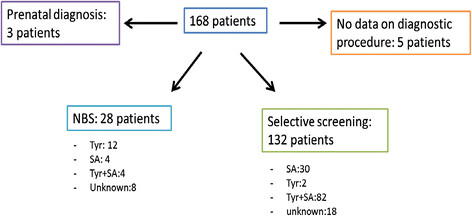
- Among 168 patients, 132 were diagnosed by selective screening and only 28 by newborn screening (NBS); the average age at diagnosis was 12.9 months overall, 0.58 months in NBS-diagnosed patients, and 15.5 months in selectively screened patients.
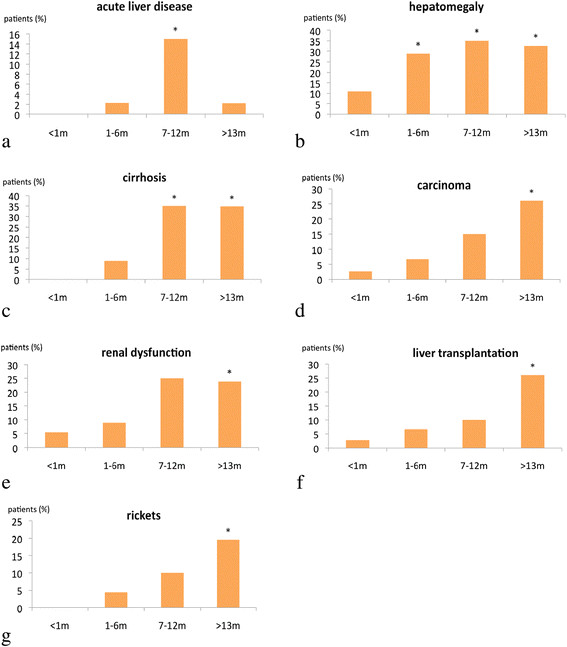
- Delayed NTBC treatment was associated with substantially higher HCC risk: treatment started at 1–6 months carried a 2.5-fold risk, 7–12 months a 6-fold risk, and beyond 12 months a 13-fold risk compared with treatment started in the neonatal period.
- 29/168 patients underwent liver transplantation; the main indication was HCC (72% of transplants), with liver cirrhosis and liver failure also listed as indications.
- The cohort had frequent complications despite treatment: 20% had psychomotor impairment, 17 patients (11.5%) required special education, and the paper reports that acute liver failure was rare (5/148 treated patients) when treatment was late (>6 months), while early-treated patients had few sequelae.
## Methods
- Retrospective cross-sectional international survey using questionnaires sent to 22 metabolic centres in Europe, Turkey, and Israel; 21 centres contributed individual patient data.
- Data were collected on 168 patients with Tyr 1, covering demographics, diagnosis, treatment, monitoring, liver transplantation, side effects, and outcomes; a 2-day consensus workshop in Hannover (November 2012) discussed findings and clinical implications.
- Analysis was largely descriptive, with age-dependency and treatment-outcome associations tested using chi-squared/Fisher’s exact tests, plus odds ratios and confidence intervals; continuous lab values were analyzed with ANOVA, Kruskal-Wallis, or Mann-Whitney U as appropriate.
## Limitations
- The paper explicitly states that further prospective data are required to underpin some recommendations and that prospective studies are needed to confirm suggested target values and outcome relations.
- As a retrospective questionnaire study, the paper could not establish causality and notes at least one unavailable element: compliance with medication was not addressed in the questionnaire.
- Evident from the text: practices varied considerably across centres in diagnosis, treatment, and monitoring, which limits uniform interpretation and reflects heterogeneity rather than a controlled protocol.
Model-written summary. Check it against the paper before relying on it.
Integrity signals
Registry
Cites
Statistics
Figures
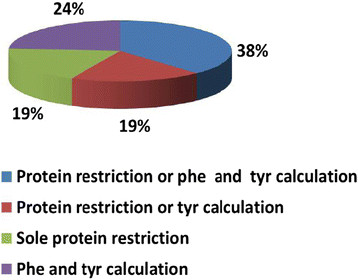
Verification
Claims the paper makes
4 Valid · 1 Not valid · 29 Not checked · 141 Own results and interpretations
The sources with a verdict support this claim; the rest weren’t checked yet, have no full text we could read, or their verdicts aren’t rated yet.
In the paper
“In line with previous studies, we could not find a clear genotype-phenotype correlation [32] using two classifications described by Halvorsen 1990 and van Spronsen 1994, respectively [33],[34].”
§ Cross-sectional study of 168 patients with hepatorenal tyrosinaemia and implications for clinical practice > Discussion > Diagnosis
What the sources say
- Not checked — no full text of the sourcecites [32] Bergman AJIW van den Berg IET Brink W Poll-The BT van Amstel P Berger R Spectrum of Mutations in the Fumarylacetoacetate Hydrolase Gene of Tyrosinemia Type I Patients in Northwestern Europe and Mediterranean Countries Hum Mutat 1998 12 19 26 9633815 doi:10.1002/(sici)1098-1004(1998)12:1
- Not checked — no full text of the sourcecites [33] Halvorsen S Fernandes J, Saudubray J-M, Tada K Tyrosinemia Inborn Metabolic diseases 1990 1 Springer, Berlin 199 209 source
- Supportedcites [34] Van Spronsen FJ Thomasse Y Smit GPA Leonard JV Clayton PT Fidler V Berger R Heymans HAS Hereditary Tyrosinemia Type I: A New Clinical Classification with Difference in Prognosis on Dietary Treatment Hepatology 1994 20 1187 1191 7927251 source
In the citing sentence, [34] (van Spronsen 1994) is attached specifically to the classification it describes, not to the genotype-phenotype result (which carries its own citation [32]). Our copy states exactly that classification: the Discussion ('So far, only general indications on the prognosis of HT on dietary treatment are available') reports that 'the classification following Halvorsen did not distinguish between groups of patients with a different clinical prognosis, whereas a clear and statistically significant difference was found in prognosis in patients with an onset of symptoms before 2 mo, 2 to 6 mo and after 6 mo of age. On the basis of this clinical difference, the classification has been revised: very early (symptoms < 2 mo), early (2 to 6 mo) and late presenting form (> 6 mo),' with the Abstract and Results (108 patients, Tables 1-2) confirming it. Note that the paper itself performed no genotyping; its own remark that molecular research is 'not allowing a clear genotype-phenotype relation' is credited to its references 14-16, consistent with the citing paper attributing that point elsewhere. (LLM, conf=0.85)
hedged- Asserted: passes — The authors put it forward as true.
- Checkable: passes — It can be checked against evidence.
- Load-bearing: unclear — It is unclear whether the paper’s conclusions depend on it.
- Based: passes — The paper gives a reason why it holds.
A result the paper reports from its own data — it cites no other source for it, so there is none to check. The quote shows it is in the paper.
In the paper
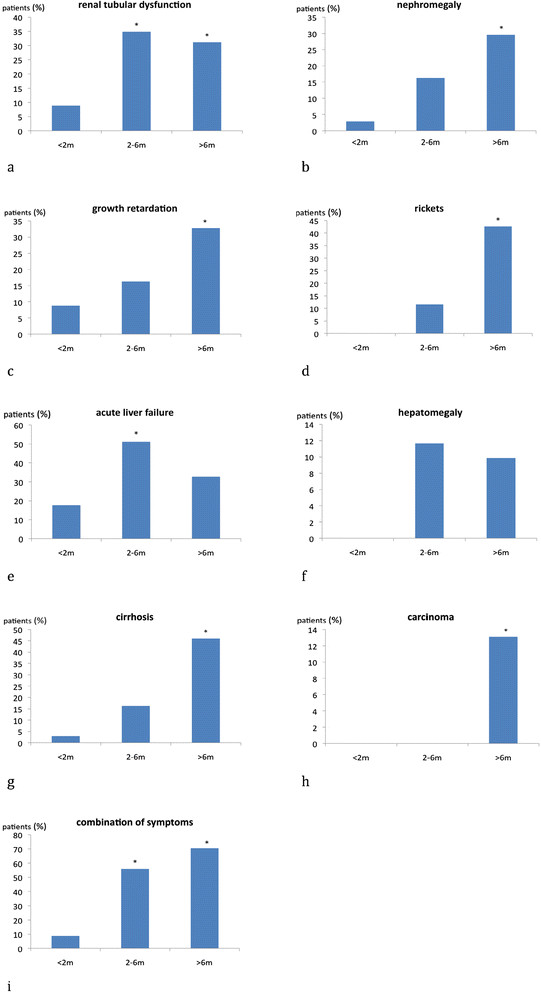
“Hepatomegaly did not show any age-dependency.”
§ Cross-sectional study of 168 patients with hepatorenal tyrosinaemia and implications for clinical practice > Results > Age-dependency of initial symptoms
plain- Asserted: passes — The authors put it forward as true.
- Checkable: passes — It can be checked against evidence.
- Load-bearing: unclear — It is unclear whether the paper’s conclusions depend on it.
- Based: passes — The paper gives a reason why it holds.
A result the paper reports from its own data — it cites no other source for it, so there is none to check. The quote shows it is in the paper.
In the paper
“At diagnosis, initial liver imaging was performed in 79% of cases (110 selectively screened patients, 16 patients diagnosed via NBS, 3 patients with prenatal diagnosis, 3 patients with no data on diagnosis); all patients were examined by ultrasound of the liver.”
§ Cross-sectional study of 168 patients with hepatorenal tyrosinaemia and implications for clinical practice > Results > Laboratory parameters at diagnosis and imaging
plainn = 110- Asserted: passes — The authors put it forward as true.
- Checkable: passes — It can be checked against evidence.
- Load-bearing: unclear — It is unclear whether the paper’s conclusions depend on it.
- Based: passes — The paper gives a reason why it holds.
A result the paper reports from its own data — it cites no other source for it, so there is none to check. The quote shows it is in the paper.
In the paper
“114/168 patients developed symptoms.”
§ Cross-sectional study of 168 patients with hepatorenal tyrosinaemia and implications for clinical practice > Results > Diagnosis and clinical presentation
plainn = 168- Asserted: passes — The authors put it forward as true.
- Checkable: passes — It can be checked against evidence.
- Load-bearing: unclear — It is unclear whether the paper’s conclusions depend on it.
- Based: passes — The paper gives a reason why it holds.
A result the paper reports from its own data — it cites no other source for it, so there is none to check. The quote shows it is in the paper.
In the paper
“The average age at diagnosis was 12.9 months (SD: +/− 23.8, range: 0–183 months) for the whole group, 0.58 months (SD:+/−0.73, range 0–3 months) in patients diagnosed via NBS and 15.5 months (SD:+/−24.9, range 0–183 months) in those diagnosed via selective screening.”
§ Cross-sectional study of 168 patients with hepatorenal tyrosinaemia and implications for clinical practice > Results > Diagnosis and clinical presentation
plainn = 168- Asserted: passes — The authors put it forward as true.
- Checkable: passes — It can be checked against evidence.
- Load-bearing: unclear — It is unclear whether the paper’s conclusions depend on it.
- Based: passes — The paper gives a reason why it holds.
86 more claims
Create a free account to see all 175 claims and to verify the 2 references still open.
- Probably not a substantial claim. 48
- It may state two separate claims as one. 50
- The quote only partly states this claim. 1
Claims other papers make about this one
Each is checked against this paper’s own text: does it say what the citing paper says it does?
In the citing paper
“neither ultrasound, nor computed tomography, nor magnetic resonance imaging can discriminate between all benign and malignant hepatic nodules that appear in up to 75% of non-NTBC-treated patients.9, 32, 73, 74, 75”
From Diagnosis and treatment of tyrosinemia type I: a US and Canadian consensus group review and recommendations (2017) · cites this paper as [9]
In the citing paper
“Standard therapeutic approaches to HT-1 with NTBC and dietary restriction of phenylalanine/tyrosine are associated with reversal (or prevention) of the tubulopathy in nearly all cases within weeks.9, 58”
From Diagnosis and treatment of tyrosinemia type I: a US and Canadian consensus group review and recommendations (2017) · cites this paper as [9]
Citations
Cites
Principles and Practice of Screening for Disease.
(1968) · Annals of Internal Medicine · doi:10.7326/0003-4819-69-5-1085_2 · Cited by 3,066 · cited 1×
“When SA is used as a screening parameter, NBS for Tyr 1 fulfils the criteria laid down by Wilson and Jungner [38].”
On the enzymic defects in hereditary tyrosinemia.
Lindblad, B., Lindstedt, S., & Steen, G. (1977) · Proceedings of the National Academy of Sciences · doi:10.1073/pnas.74.10.4641 · Cited by 447
Inborn Metabolic Diseases: Diagnosis and Treatment
(2006) · Springer eBooks · doi:10.1007/978-3-540-28785-8 · Cited by 361
Serum Alpha Fetoprotein (AFP) Levels in Normal Infants
Wu, J. T., Book, L., & Sudar, K. (1981) · Pediatric Research · doi:10.1203/00006450-198101000-00012 · Cited by 320 · cited 1×
“Higher initial AFP levels in patients screened via NBS compared to those who were diagnosed late are partly due to age-dependency of AFP levels [30,31].”
The occurrence of hepatoma in the chronic form of hereditary tyrosinemia
Weinberg, A. G., Mize, C. E., & Worthen, H. G. (1976) · The Journal of Pediatrics · doi:10.1016/s0022-3476(76)80259-4 · Cited by 283
Tyrosinaemia type I and NTBC (2‐(2‐nitro‐4‐trifluoromethylbenzoyl)‐1,3‐cyclohexanedione)
Holme, E., & Lindstedt, S. (1998) · Journal of Inherited Metabolic Disease · doi:10.1023/a:1005410820201 · Cited by 264
Recommendations for the management of tyrosinaemia type 1
de Laet, C., Dionisi-Vici, C., Leonard, J. V., McKiernan, P., Mitchell, G., Monti, L., de Baulny, H. O., Pintos-Morell, G., & Spiekerkötter, U. (2013) · Orphanet Journal of Rare Diseases · doi:10.1186/1750-1172-8-8 · Cited by 227 · cited 3×
“Occasionally, nodules are present before initiation of NTBC-treatment but regress on repeated imaging following treatment [18].”
Self-citationNTBC treatment in tyrosinaemia type I: Long‐term outcome in French patients
Masurel‐Paulet, A., Poggi‐Bach, J., Rolland, M. ‐., Bernard, O., Guffon, N., Dobbelaere, D., Sarles, J., de Baulny, H. O., & Touati, G. (2008) · Journal of Inherited Metabolic Disease · doi:10.1007/s10545-008-0793-1 · Cited by 212 · cited 1×
“Only recently, cognitive deficits were described in some Tyr 1-patients treated with NTBC [5-8,11].”
Van Spronsen, F. J., Thomasse, Y., Smit, P. G. A., Leonard, J. V., Clayton, P. T., Fidler, V., Berger, R., & Heymans, H. S. A. (1994) · Hepatology · doi:10.1002/hep.1840200513 · Cited by 193
Self-induced correction of the genetic defect in tyrosinemia type I.
Kvittingen, E. A., Rootwelt, H., Berger, R., & Brandtzaeg, P. (1994) · Journal of Clinical Investigation · doi:10.1172/jci117509 · Cited by 168
Cited by
Chinsky, J. M., Singh, R., Ficicioglu, C., van Karnebeek, C. D. M., Grompe, M., Mitchell, G., Waisbren, S. E., Gucsavas-Calikoglu, M., Wasserstein, M. P., Coakley, K., et al. (2017) · Genetics in Medicine · doi:10.1038/gim.2017.101 · Cited by 247
Pediatric hepatocellular carcinoma
Khanna, R., & Verma, S. K. (2018) · World Journal of Gastroenterology · doi:10.3748/wjg.v24.i35.3980 · Cited by 158
Mathes, T., & Pieper, D. (2017) · BMC Medical Research Methodology · doi:10.1186/s12874-017-0391-8 · Cited by 171
Squires, J. E., Alonso, E. M., Ibrahim, S. H., Kasper, V., Kehar, M., Martinez, M., & Squires, R. H. (2021) · Journal of Pediatric Gastroenterology and Nutrition · doi:10.1097/mpg.0000000000003268 · Cited by 181
“Tyrosinemia is included in the newborn screen, and early identification with initiation of nitisinone and dietary modifications have improved outcomes (145,146).”
BackgroundBiomarkers for major depressive and bipolar disorders using metabolomics: A systematic review
MacDonald, K., Krishnan, A., Cervenka, E., Hu, G., Guadagno, E., & Trakadis, Y. J. (2018) · American Journal of Medical Genetics Part B Neuropsychiatric Genetics · doi:10.1002/ajmg.b.32680 · Cited by 114
“…II (OMIM #276600), and III (OMIM #276710) are all genetic conditions known to impact on the Tyr metabolism pathways, which can lead to neurodevelopmental or behavioral abnormalities (Bendadi et al., 2014; Ellaway et al., 2001; Fois et al., 1986; Mayorandan et al., 2014; Pohorecka et al., 2012).”
BackgroundDual Role of the Adaptive Immune System in Liver Injury and Hepatocellular Carcinoma Development
Endig, J., Buitrago‐Molina, L. E., Marhenke, S., Reisinger, F., Saborowski, A. L., Schuett, J., Limbourg, F. P., Koenecke, C., Schreder, A., Michael, A., et al. (2016) · Cancer Cell · doi:10.1016/j.ccell.2016.06.009 · Cited by 84
Self-citationCurative ex vivo liver-directed gene therapy in a pig model of hereditary tyrosinemia type 1
Hickey, R. D., Mao, S. A., Glorioso, J., Elgilani, F., Amiot, B., Chen, H., Rinaldo, P., Marler, R., Jiang, H., DeGrado, T. R., et al. (2016) · Science Translational Medicine · doi:10.1126/scitranslmed.aaf3838 · Cited by 75
“Sc and impaired intellectual development (8).”
Angileri, F., Bergeron, A., Morrow, G., Lettre, F., Gray, G., Hutchin, T., Ball, S., & Tanguay, R. M. (2014) · JIMD Reports · doi:10.1007/8904_2014_363 · Cited by 43
“Effectiveness of this treatment depends on how early the disease is recognized and treated; thus, recent retrospective studies highly recommend the implementation of newborn screening in more areas (Zytkovicz et al. 2013; Dehghani et al. 2013; De Laet et al. 2013; Mayorandan et al. 2014).”
BackgroundClinical utility of nitisinone for the treatment of hereditary tyrosinemia type-1 (HT-1)
Das, A. M. (2017) · The Application of Clinical Genetics · doi:10.2147/tacg.s113310 · Cited by 79
“Tyrosine as a screening parameter is not appropriate due to the high rate of false positives and false negatives; SA is the screening parameter of choice.(1,13,23,24)”
InfluentialSelf-citationvan Ginkel, W. G., Rodenburg, I. L., Harding, C. O., Hollak, C. E. M., Heiner-Fokkema, M. R., & van Spronsen, F. J. (2019) · Pediatric Drugs · doi:10.1007/s40272-019-00364-4 · Cited by 65
Self-citationOutcome of children with hereditary tyrosinaemia following newborn screening
McKiernan, P. J., Preece, M. A., & Chakrapani, A. (2015) · Archives of Disease in Childhood · doi:10.1136/archdischild-2014-306886 · Cited by 48
Self-citationInfants with Tyrosinemia Type 1: Should phenylalanine be supplemented?
van Vliet, D., van Dam, E., van Rijn, M., Derks, T. G. J., Venema-Liefaard, G., Hitzert, M. M., Lunsing, R. J., Heiner-Fokkema, M. R., & van Spronsen, F. J. (2014) · JIMD Reports · doi:10.1007/8904_2014_358 · Cited by 41
“…(NBS) and treatment with 2-(2-nitro-4-trifluoromethyl-benzyl)-1,3-cyclohexanedione (NTBC) to prevent accumulation of toxic metabolites by inhibiting tyrosine catabolism upstream from the primary enzymatic defect has largely improved clinical outcome (Larochelle et al. 2012; Mayorandan et al. 2014).”
BackgroundSelf-citationHughes, J. H., Wilson, P. J. M., Sutherland, H., Judd, S., Hughes, A. T., Milan, A. M., Jarvis, J. C., Bou–Gharios, G., Ranganath, L. R., & Gallagher, J. A. (2020) · Journal of Inherited Metabolic Disease · doi:10.1002/jimd.12172 · Cited by 36
“Three patients (Figure 4, dashed lines) reduced serum tyrosine (mean[range]) by 22 [18-30]% by advised protein restriction alone; the other seven patients required a combination of reduced protein intake with tyrosine/phenylalanine-free supplements to achieve a 33 [8-62]% reduction.”
BackgroundSpiekerkoetter, U., Couce, M. L., Das, A. M., Laet, C. D., Dionisi‐Vici, C., Lund, A. M., Schiff, M., Spada, M., Sparve, E., Szamosi, J., et al. (2021) · The Lancet Diabetes & Endocrinology · doi:10.1016/s2213-8587(21)00092-9 · Cited by 40
Self-citationCRISPR/Cas9-Mediated Gene Correction in Newborn Rabbits with Hereditary Tyrosinemia Type I
Li, N., Gou, S., Wang, J., Zhang, Q., Huang, X., Xie, J., Li, L., Jin, Q., Ouyang, Z., Chen, F., et al. (2020) · Molecular Therapy · doi:10.1016/j.ymthe.2020.11.023 · Cited by 38
Acute fatal metabolic complications in alkaptonuria
Davison, A., Milan, A. M., Gallagher, J. A., & Ranganath, L. R. (2015) · Journal of Inherited Metabolic Disease · doi:10.1007/s10545-015-9902-0 · Cited by 31
Inborn Errors of Metabolism with Hepatopathy
Demirbas, D., Brucker, W. J., & Berry, G. T. (2018) · Pediatric Clinics of North America · doi:10.1016/j.pcl.2017.11.008 · Cited by 32
Olsson, B., Cox, T. F., Psarelli, E. E., Szamosi, J., Hughes, A. T., Milan, A. M., Hall, A. K., Rovenský, J., & Ranganath, L. R. (2015) · JIMD Reports · doi:10.1007/8904_2015_412 · Cited by 31
“In the treatment of HT-1 with nitisinone, it is therefore recommended that serum tyrosine be kept below 400–500 mmol/L, by using a diet low in tyrosine and phenylalanine (Mayorandan et al. 2014; SmPC for Orfadin).”
MethodArnoux, J., Sang, K. L. Q., Brassier, A., Grisel, C., Servais, A., Wippf, J., Dubois, S., Sireau, N. T., Job-Deslandre, C., Ranganath, L. R., et al. (2015) · Journal of Inherited Metabolic Disease · doi:10.1007/s10545-015-9844-6 · Cited by 29
Giorgio, A. D., Bartolini, E., Calvo, P. L., Cananzi, M., Cirillo, F., Corte, C. D., Dionisi‐Vici, C., Indolfi, G., Iorio, R. F., Maggiore, G., et al. (2021) · Digestive and Liver Disease · doi:10.1016/j.dld.2021.03.004 · Cited by 35
Self-citationDietary Considerations in Tyrosinemia Type I
van Spronsen, F. J., van Rijn, M., Meyer, U., & Das, A. M. (2017) · Advances in experimental medicine and biology · doi:10.1007/978-3-319-55780-9_18 · Cited by 28
“From Mayorandan et al. (2014) we know that reimbursement of HT1 treatment varies considerably, similar to PKU (Ahring et al. 2009).”
InfluentialSelf-citationPediatric Hepatocellular Carcinoma
Varol, F. İ. (2020) · Journal of Gastrointestinal Cancer · doi:10.1007/s12029-020-00494-w · Cited by 27
Nicolas, C. T., VanLith, C. J., Hickey, R., Du, Z., Hillin, L. G., Guthman, R. M., Cao, W. J., Haugo, B. J., Lillegard, A., Roy, D., et al. (2022) · Nature Communications · doi:10.1038/s41467-022-32576-7 · Cited by 37
Wang, C., Fang, C., Wang, C., Jin, C., Qian, M., & Jin, Y. (2022) · Chemical Research in Toxicology · doi:10.1021/acs.chemrestox.1c00424 · Cited by 28
Zeybek, A. Ç. A., & Zübarioğlu, T. (2017) · Orphan Drugs Research and Reviews · doi:10.2147/odrr.s92995 · Cited by 31
“Today, indications for LT are limited to failure to respond to nitisinone or HCC.(45,46)”
BackgroundMethodInfluentialEvolution of tyrosinemia type 1 disease in patients treated with nitisinone in Spain
Couce, M. L., Sánchez‐Pintos, P., Aldamiz-Echevarria, L. J., Vitoria, I., Navas, V., Martín‐Hernández, E., García‐Volpe, C., Pintos‐Morell, G., Quintana, L. P., Bertó, T. H., et al. (2019) · Medicine · doi:10.1097/md.0000000000017303 · Cited by 26
“[2,15,16] Few studies until now had assessed in wide series the evolution of HT1 patients treated with NTBC.[6,11] The aim of this multicentric study is to evaluate Spanish patients with HT1 in treatment with nitisinone, including novels aspects, not previously studied, as nutritional assessment and anthropometric par…”
BackgroundResultInfluentialSelf-citationSilva, H. M., Maio, I., Bandeira, A., et al. (2019) · European Journal of Pediatrics · doi:10.1007/s00431-019-03328-5 · Cited by 23
Szigetvari, P. D., Patil, S. S., Birkeland, E., Kleppe, R., & Haavik, J. (2023) · Neurochemistry International · doi:10.1016/j.neuint.2023.105629 · Cited by 23
“…of toxic metabolites such as fumar-ylacetoacetate and succinylacetone is associated with a severe, life-threatening condition, leading to multiple organ failure involving the liver and kidneys, causing cirrhosis or hepatocellular carcinoma and death if left untreated (Mayorandan et al., 2014).”
Nicolas, C. T., Hickey, R., Allen, K. L., Du, Z., Guthman, R. M., Kaiser, R. A., Amiot, B. P., Bansal, A., Pandey, M. K., Suksanpaisan, L., et al. (2018) · Surgery · doi:10.1016/j.surg.2018.04.012 · Cited by 24
Hickey, R., Nicolas, C. T., Allen, K. L., Mao, S. A., Elgilani, F., Glorioso, J. M., Amiot, B. P., VanLith, C. J., Guthman, R. M., Du, Z., et al. (2018) · Cell Transplantation · doi:10.1177/0963689718814188 · Cited by 26
Geppert, J., Stinton, C., Freeman, K., Fraser, H., Clarke, A., Johnson, S. A., Sutcliffe, P. A., & Taylor‐Phillips, S. (2017) · Orphanet Journal of Rare Diseases · doi:10.1186/s13023-017-0696-z · Cited by 27
“Using the EPHPP quality assessment tool for quantitative studies [16], the overall methodological quality was judged as moderate (one weak rating) in the Québec study [10, 11], moderate to weak (one and three weak ratings, respectively) in the Birmingham study [12, 14, 17], and weak (three weak ratings each) in the in…”
BackgroundMethodInfluentialChronic Phenotype Characterization of a Large-Animal Model of Hereditary Tyrosinemia Type 1
Elgilani, F., Mao, S. A., Glorioso, J. M., Yin, M., Iankov, I. D., Singh, A., Amiot, B. P., Rinaldo, P., Marler, R. J., Ehman, R. L., et al. (2016) · American Journal Of Pathology · doi:10.1016/j.ajpath.2016.09.013 · Cited by 20
“In humans, treatment with NTBC abolishes the acute complications of HT1 in most patients.(23) In this study, we characterized the influence of dosage of NTBC on the chronic phenotype of HT1 in FAH / pigs.”
Diagnosis and treatment of hereditary tyrosinemia in J apan
Nakamura, K., Matsumoto, S., Mitsubuchi, H., & Endo, F. (2015) · Pediatrics International · doi:10.1111/ped.12550 · Cited by 30
Kienstra, N. S., van Reemst, H. E., van Ginkel, W. G., Daly, A., van Dam, E., MacDonald, A., Burgerhof, J. G. M., de Blaauw, P., McKiernan, P. J., Heiner-Fokkema, M. R., et al. (2017) · Journal of Inherited Metabolic Disease · doi:10.1007/s10545-017-0112-9 · Cited by 20
“As SA can be used as a surrogate marker of toxicity in the liver, we should aim at the lowest NTBC dose associated with the lowest possible SA concentration in blood and urine (Grompe et al Grompe 2001, de Laet et al 2013, Mayorandan et al 2014).”
BackgroundSelf-citationType 1 tyrosinemia in Finland: a nationwide study
Aitokari, L., Hiltunen, P., Soini, T., Vuorela, N., Huhtala, H., Nevalainen, P. I., Heikinheimo, M., Kivelä, L., & Kurppa, K. (2020) · Orphanet Journal of Rare Diseases · doi:10.1186/s13023-020-01547-w · Cited by 23
Larson‐Nath, C. M., & Vitola, B. E. (2019) · Clinics in Perinatology · doi:10.1016/j.clp.2019.10.006 · Cited by 20
Gu, P., Yang, Q. Z., Chen, B., Bie, Y., Liu, W., Tian, Y.-G., Luo, H., Xu, T., Liang, C., Ye, X., et al. (2021) · Molecular Therapy — Methods & Clinical Development · doi:10.1016/j.omtm.2021.04.002 · Cited by 20
An Introduction to Pharmacotherapy for Inborn Errors of Metabolism
Harthan, A. A. (2018) · The Journal of Pediatric Pharmacology and Therapeutics · doi:10.5863/1551-6776-23.6.432 · Cited by 19
Liver Transplantation for Hereditary Tyrosinaemia Type 1 in the United Kingdom
McKiernan, P. J. (2017) · Advances in experimental medicine and biology · doi:10.1007/978-3-319-55780-9_7 · Cited by 17
Self-citationvan Dam, E., Daly, A., Venema-Liefaard, G., van Rijn, M., Derks, T. G. J., McKiernan, P. J., Heiner-Fokkema, M. R., MacDonald, A., & van Spronsen, F. J. (2017) · JIMD Reports · doi:10.1007/8904_2016_37 · Cited by 15
“Without treatment, patients develop liver failure, hepatocellular carcinoma, porphyria-like neurological episodes, renal tubulopathy, and cardiomyopathy (Mayorandan et al. 2014).”
BackgroundSelf-citationBelfiori-Carrasco, L. F., Marcora, M. S., Bocai, N. I., Ceriani, M. F., Morelli, L., & Castaño, E. M. (2017) · Frontiers in Aging Neuroscience · doi:10.3389/fnagi.2017.00061 · Cited by 19
“Inhibitors of HPPD such as nitisinone are used to treat patients with hereditary Tyrosinemia type 1 in which downstream metabolites of HPPD activity accumulate and are highly toxic to the kidney and liver (Mayorandan et al., 2014; Zeybek et al., 2015).”
BackgroundEldredge, J. A., & Hardikar, W. (2023) · Pediatric Transplantation · doi:10.1111/petr.14625 · Cited by 13
“…20,21 Liver transplantation may still be necessary in presentations with acute liver failure, if no improvement of coagulopathy or jaundice is seen with NTBC therapy, or in suspected or confirmed HCC. 22,23 Persistent renal production of succinylacetone post-OLT is not believed to be pathogenic.”
BackgroundManta-Vogli, P. D., Schulpis, K. H., Dotsikas, Y., & Loukas, Y. L. (2019) · Journal of Pediatric Endocrinology and Metabolism · doi:10.1515/jpem-2019-0048 · Cited by 15
“Although no well-defined target range of Tyr levels exist in pregnancy, concentrations below 400 μmol/L are considered safe [57, 58].”
BackgroundLaeremans, H., Turner, C., Andersson, T., de Juan, J. Á. C., Gerrard, A., Heiner-Fokkema, M. R., Herebıan, D., Janzen, N., la Marca, G., & Rudebeck, M. (2020) · JIMD Reports · doi:10.1002/jmd2.12112 · Cited by 15
Self-citationPietrobattista, A., Martinelli, D., Spada, M., & Dionisi‐Vici, C. (2025) · Journal of Inherited Metabolic Disease · doi:10.1002/jimd.70100 · Cited by 18
Self-citationPharmacotherapy of inborn errors of metabolism illustrating challenges in orphan diseases
Das, A. M. (2016) · Journal of Pharmacological and Toxicological Methods · doi:10.1016/j.vascn.2016.02.182 · Cited by 12
Self-citationThe outcome of seven patients with hereditary tyrosinemia type 1
Gökay, S., Üstkoyuncu, P. S., Kardaş, F., & Kendırcı, M. (2016) · Journal of Pediatric Endocrinology and Metabolism · doi:10.1515/jpem-2015-0471 · Cited by 12
“recommended follow-up with USG of the liver every 6 months and monitoring of AFP levels every 3–6 months [3].”
BackgroundHepatorenal Tyrosinemia in Mexico: A Call to Action
Ibarra‐González, I., Ridaura‐Sanz, C., Fernández‐Lainez, C., López, S. G., Belmont‐Martínez, L., & Vela-Amieva, M. B. (2017) · Advances in experimental medicine and biology · doi:10.1007/978-3-319-55780-9_14 · Cited by 13
Hereditary Tyrosinemia Type 1 in Turkey
Zeybek, A. Ç. A., Kıykım, E., & Cansever, M. Ş. (2017) · Advances in experimental medicine and biology · doi:10.1007/978-3-319-55780-9_15 · Cited by 13
Remaining Challenges in the Treatment of Tyrosinemia from the Clinician’s Viewpoint
Mitchell, G. A., & Yang, H. (2017) · Advances in experimental medicine and biology · doi:10.1007/978-3-319-55780-9_19 · Cited by 17
Laboratory monitoring of patients with hereditary tyrosinemia type I
Schultz, M., Netzel, B. C., Singh, R. H., Pino, G. B., Gavrilov, D. K., Oglesbee, D., Raymond, K., Rinaldo, P., Tortorelli, S., Smith, W. E., et al. (2020) · Molecular Genetics and Metabolism · doi:10.1016/j.ymgme.2020.06.001 · Cited by 10
Kısa, P. T., Erkmen, S. E., Bahceci, H., et al. (2021) · Annals of Nutrition and Metabolism · doi:10.1159/000519813 · Cited by 10
Das, A. M., Ballhausen, D., Haas, D., Häberle, J., Hagedorn, T., Janson‐Mutsaerts, C., Janzen, N., Sander, J., Freisinger, P., Karall, D., et al. (2024) · Journal of Inherited Metabolic Disease · doi:10.1002/jimd.12824 · Cited by 12
“8 This makes early clinical diagnosis difficult but on the other hand allows efficient newborn screening with SA as screening parameter.”
InfluentialSelf-citationGibson, J., Dhungana, A., Pokhrel, M., Arthur, B., Suresh, P., Adebayo, O., & Cottle, R. N. (2025) · Cells · doi:10.3390/cells14100711 · Cited by 10
Natural Protein Tolerance and Metabolic Control in Patients with Hereditary Tyrosinaemia Type 1
Yılmaz, Ö., Daly, A., Pinto, A., Ashmore, C., Evans, S., Gupte, G. L., Santra, S., Preece, M. A., McKiernan, P. J., Kitchen, S., et al. (2020) · Nutrients · doi:10.3390/nu12041148 · Cited by 10
Self-citationHuledal, G., Olsson, B., Önnestam, K., Dalén, P., Lindqvist, D., Kruse, M., & Bröijersén, A. (2018) · European Journal of Clinical Pharmacology · doi:10.1007/s00228-018-2581-7 · Cited by 8
Live donor liver transplantation for type 1 tyrosinemia: An analysis of 15 patients
Karaca, C. A., Yılmaz, H., Farajov, R., Iakobadze, Z., Aydoğdu, S., & Kılıç, M. (2019) · Pediatric Transplantation · doi:10.1111/petr.13498 · Cited by 11
NTBC and Correction of Renal Dysfunction
Maiorana, A., & Dionisi‐Vici, C. (2017) · Advances in experimental medicine and biology · doi:10.1007/978-3-319-55780-9_8 · Cited by 10
Self-citationKehar, M., Sarma, M. S., Seetharaman, J., Rivera, C. J., & Chakraborty, P. K. (2024) · Canadian Liver Journal · doi:10.3138/canlivj-2023-0018 · Cited by 10
Hypoglycaemia Metabolic Gene Panel Testing
Maiorana, A., Lepri, F. R., Novelli, A., & Dionisi‐Vici, C. (2022) · Frontiers in Endocrinology · doi:10.3389/fendo.2022.826167 · Cited by 12
“Pharmacological treatment consists of nitisinone along with a protein-restricted diet supplemented with aminoacid-mixtures free of tyrosine (75).”
MethodSelf-citationThe Liver in Tyrosinemia Type I: Clinical Management and Course in Quebec
Halac, U., Dubois, J., & Mitchell, G. A. (2017) · Advances in experimental medicine and biology · doi:10.1007/978-3-319-55780-9_6 · Cited by 11
“15) and India (Mayorandan et al. 2014).”
Liver tumors in children with chronic liver diseases
Sintusek, P., Phewplung, T., Sanpavat, A., & Poovorawan, Y. (2021) · World Journal of Gastrointestinal Oncology · doi:10.4251/wjgo.v13.i11.1680 · Cited by 11
Hereditary Tyrosinemia Type 1 in Jordan: A Retrospective Study
Megdadi, N. A., Almigdad, A. K., Alakil, M. O., Alqiam, S. M., Rababah, S. G., & Dwiari, M. A. (2021) · International Journal of Pediatrics · doi:10.1155/2021/3327277 · Cited by 8
Disorders of Tyrosine Metabolism
Chakrapani, A., Gissen, P., & McKiernan, P. J. (2022) · Springer eBooks · doi:10.1007/978-3-662-63123-2_17 · Cited by 9
Self-citationHajji, H., Imbard, A., Spraul, A., Taibi, L., Barbier, V., Habès, D., Brassier, A., Arnoux, J., Bouchereau, J., Pichard, S., et al. (2022) · Molecular Genetics and Metabolism Reports · doi:10.1016/j.ymgmr.2022.100933 · Cited by 9
Hepatorenal Tyrosinaemia: Impact of a Simplified Diet on Metabolic Control and Clinical Outcome
Bärhold, F., Meyer, U., Neugebauer, A.-K., Thimm, E., Lier, D., Rosenbaum‐Fabian, S., Och, U., Fekete, A., Möslinger, D., Rohde, C., et al. (2020) · Nutrients · doi:10.3390/nu13010134 · Cited by 7
“Nitisinone is an inhibitor of the tyrosine degradation pathway and therefore leads to an increase of tyrosine blood concentrations [9].”
BackgroundMethodSelf-citationDaou, K. N., Barhoumi, A., Bassyouni, A., & Karam, P. E. (2021) · Frontiers in Pediatrics · doi:10.3389/fped.2021.698577 · Cited by 6
Hereditary tyrosinemia type Ⅰ: newborn screening, diagnosis and treatment
Tang, Y. Y., & Kong, Y. (2021) · Journal of Zhejiang University (Medical Sciences) · doi:10.3724/zdxbyxb-2021-0255 · Cited by 11
Fuenzalida, K. M., Leal-Witt, M. J., Guerrero, P., Hamilton, V., V, Salazar, M. F., Peñaloza, F., Arias, C., & Cornejo, V. (2021) · Journal of Clinical Medicine · doi:10.3390/jcm10245832 · Cited by 6
“This illustrates the need to search for better biomarkers to predict prognosis, particularly considering that patients with late diagnosis, such as ours, will probably have greater liver complications during their lifetimes [12,22,28].”
BackgroundThe treatment of biochemical genetic diseases: From substrate reduction to nucleic acid therapies
Vos, E. N., Demirbas, D., Mangel, M., Rubio‐Gozalbo, M. E., Levy, H. L., & Berry, G. T. (2023) · Molecular Genetics and Metabolism · doi:10.1016/j.ymgme.2023.107693 · Cited by 6
First Scandinavian case of successful pregnancy during nitisinone treatment for type 1 tyrosinemia
Aitokari, L., Nevalainen, P. I., Kurppa, K., & Hiltunen, P. (2020) · Journal of Pediatric Endocrinology and Metabolism · doi:10.1515/jpem-2019-0540 · Cited by 7
Carcinoma of the Liver in Children and Adolescents
Sergi, C. M. (2021) · Exon Publications eBooks · doi:10.36255/exonpublications.livercancer.2021.ch1 · Cited by 5
Guffon, N., Bröijersén, A., Palmgren, I., Rudebeck, M., & Olsson, B. (2017) · JIMD Reports · doi:10.1007/8904_2017_29 · Cited by 6
“The clinical study upon which the marketing approval of nitisinone was based practiced twice-daily dosing (Holme and Lindstedt 2000), which also appears as the most commonly practiced dosing frequency (Mayorandan et al. 2014).”
BackgroundŠikonja, J., Brecelj, J., Tanšek, M. Ž., Lampret, B. R., Torkar, A. D., Klemenčič, S., Lipovec, N., Kralj, V. S., Bertok, S., Kovač, J., et al. (2021) · Molecular Genetics and Metabolism Reports · doi:10.1016/j.ymgmr.2021.100836 · Cited by 6
Bolia, R. K., & Srivastava, A. (2022) · The Indian Journal of Pediatrics · doi:10.1007/s12098-022-04128-w · Cited by 5
“Further, there is a concern of ongoing renal dysfunction despite LT, and few cases with raised succinyl acetone (SA) excretion may require protein restriction and low-dose nitisinone even post LT [5].”
BackgroundAngileri, F., Morrow, G., Scoazec, J., Gadot, N., Roy, V., Huang, S., Wu, T., & Tanguay, R. M. (2016) · Scientific Reports · doi:10.1038/srep27464 · Cited by 5
Yeo, M., Turner, C., Dalton, N. R., Rahman, Y., & Vara, R. (2020) · Annals of Clinical Biochemistry International Journal of Laboratory Medicine · doi:10.1177/0004563220961760 · Cited by 4
“A third of all NTBC concentrations fell within the previously reported target range of 20–40 mmol/L.(10,11) When all NTBC concentrations were analysed, 80% (with undetectable SA) fell between 9.”
UK Dietary Practices for Tyrosinaemias: Time for Change
Daly, A., Adam, S., Allen, H., Ash, J., Dale, C., Dixon, M., Dunlop, C., Ellerton, C., Evans, S., Firman, S. J., et al. (2022) · Nutrients · doi:10.3390/nu14245202 · Cited by 5
“However, recommendations vary between metabolic centres, with some advocating an upper limit of 800 μmol/L [28].”
BackgroundLiver Disorders Caused by Inborn Errors of Metabolism
Vakili, O., Mafi, A., & Pourfarzam, M. (2023) · Endocrine Metabolic & Immune Disorders - Drug Targets · doi:10.2174/1871530323666230623120935 · Cited by 5
Lamond, M. K., Chetwynd, A. J., Salama, A. D., & Oni, L. (2024) · Journal of Clinical Laboratory Analysis · doi:10.1002/jcla.25032 · Cited by 5
“Furthermore, 10 of the 21 centres determined a patient-derived full amino acid profile using the DBS [54].”
MethodInborn Errors of Carbohydrate, Ammonia, Amino Acid, and Organic Acid Metabolism
Merritt, J. L., & Gallagher, R. C. (2018) · Elsevier eBooks · doi:10.1016/b978-0-323-40139-5.00022-x · Cited by 6
Ibarra‐González, I., Fernández‐Lainez, C., Alcántara‐Ortigoza, M. A., Angel, A. G., Fernández‐Hernández, L., López, S. G., Belmont‐Martínez, L., López-Mejía, L. A., Varela‐Fascinetto, G., & Vela-Amieva, M. B. (2019) · Molecular Genetics & Genomic Medicine · doi:10.1002/mgg3.937 · Cited by 4
“Although we were unable to establish a genotype–phenotype correlation, knowledge of a patient's genotype enables the provision of better genetic counseling to his/her family, including prenatal diagnosis, detection of carriers, and informed reproductive decisions (Mayorandan et al., 2014).”
BackgroundResultInfluentialKawabata, K., Kido, J., Yoshida, T., Matsumoto, S., & Nakamura, K. (2022) · Molecular Genetics and Metabolism Reports · doi:10.1016/j.ymgmr.2022.100892 · Cited by 5
Tyrosinemia type I: Case series with response to treatment to NTBC
Shah, I., & Shah, F. (2016) · Indian Journal of Gastroenterology · doi:10.1007/s12664-016-0650-3 · Cited by 4
Disorders of Tyrosine Metabolism
Chakrapani, A., Gissen, P., & McKiernan, P. J. (2016) · Springer eBooks · doi:10.1007/978-3-662-49771-5_17 · Cited by 6
Self-citationOverview of European Practices for Management of Tyrosinemia Type 1: Towards European Guidelines
Dijkstra, A. M., Das, A. M., Maiorana, A., Heiner-Fokkema, M. R., & van Spronsen, F. J. (2025) · Journal of Inherited Metabolic Disease · doi:10.1002/jimd.70089 · Cited by 7
Self-citationFuenzalida, K. M., Leal-Witt, M. J., Acevedo, A., Muñoz, M., Gudenschwager, C., Arias, C., Cabello, J. F., la Marca, G., Rizzo, C., Pietrobattista, A., et al. (2025) · International Journal of Molecular Sciences · doi:10.3390/ijms26083839 · Cited by 3
“Significance was set at p < 0.05 using the JMP ® Pro 18.0.2, JMP Statistical Discovery LLC.”
InfluentialSelf-citationDiagnosing Hepatorenal Tyrosinaemia in Europe: Newborn Mass Screening Versus Selective Screening
Das, A. M., Mayorandan, S., & Janzen, N. (2017) · Advances in experimental medicine and biology · doi:10.1007/978-3-319-55780-9_11 · Cited by 3
Self-citationClinical experience with hepatorenal tyrosinemia from a single Egyptian center
El-Karaksy, H. M., Abdullatif, H. M., Ghobrial, C., Mogahed, E. A., Yasin, N. A. E., Talal, N., & Rashed, M. S. (2022) · PLoS ONE · doi:10.1371/journal.pone.0268017 · Cited by 4
“Timely early diagnosis of HT1 and appropriate medical treatment with NTBC prevents the development of hepatocellular carcinoma [9].”
BackgroundRokaitė, R., Čibirkaitė, A., Zeleckytė, V., et al. (2024) · Medicina · doi:10.3390/medicina60010135 · Cited by 3
“Continuous care is crucial, involving periodic measurements of AFP levels in the blood and imaging studies (abdominal ultrasound (US), CT, or MRI)—initially every 3–6 months and later reduced to once a year [3,17,18], or immediately if AFP increases [3].”
Backgroundvan Spronsen, F. J., Burlina, A., & Dionisi‐Vici, C. (2022) · Springer eBooks · doi:10.1007/978-3-030-67727-5_21 · Cited by 6
Self-citationCurtis, S., Norman, B. P., Milan, A. M., Gallagher, J. A., Olsson, B., Ranganath, L. R., & Roberts, N. B. (2019) · Clinical Biochemistry · doi:10.1016/j.clinbiochem.2019.06.010 · Cited by 3
Physical Growth of Patients with Hereditary Tyrosinaemia Type I: A Single-Centre Retrospective Study
Yılmaz, Ö., Daly, A., Pinto, A., Ashmore, C., Evans, S., Gupte, G. L., Jackson, R., Ayhan, N. Y., & MacDonald, A. (2021) · Nutrients · doi:10.3390/nu13093070 · Cited by 3
Pharmacological Therapy in Inborn Errors of Metabolism
Das, A. M., & Illsinger, S. (2018) · Springer eBooks · doi:10.1007/978-3-319-56637-5_62-1 · Cited by 2
“If treatment is started beyond the first year of life, the risk to develop HCC is 13 times higher compared to a treatment start in the neonatal period, risk for liver cirrhosis is 40-fold, rickets is 19-fold, and tubular dysfunction is 4.3-fold increased (Mayorandan et al. 2014b).”
BackgroundInfluentialSelf-citationBolia, R. K., & Srivastava, A. (2022) · The Indian Journal of Pediatrics · doi:10.1007/s12098-022-04230-z · Cited by 2
Clinical Features of 29 Patients with Hereditary Tyrosinemia I in Western Turkey
Yazıcı, H., Er, E., Canda, E. E., Habif, S., Uçar, S. K., & Çöker, M. (2018) · The Journal of Pediatric Research · doi:10.4274/jpr.00710 · Cited by 2
“Mayorandan et al.(16) recommended followup with ultrasonography (USG) of the liver every 6 months and monitoring of AFP levels every 3-6 months.”
Evaluation of dynamic thiol/disulfide homeostasis in hereditary tyrosinemia type 1 patients
Zeybek, A. Ç. A., Kıykım, E., Neşelioğlu, S., Iscan, H. Z., Zübarioğlu, T., Cansever, M. Ş., & Erel, Ö. (2021) · Pediatric Research · doi:10.1038/s41390-021-01770-6 · Cited by 2
Szypowska, A., Franek, E., Grzeszczak, W., et al. (2018) · Pediatric Endocrinology Diabetes and Metabolism · doi:10.5114/pedm.2018.80993 · Cited by 2
“The role of newborn screening in reducing mortality in children and in providing specialist care for patients with inborn errors of metabolism has been emphasised by many authors [4, 9, 10].”
BackgroundRISK FACTORS AND MORPHOLOGICAL CHARACTERISTICS OF HEPATOCELLULAR CARCINOMA IN CHILDREN
Николаевна, Т. У., & Schegolev, A. I. (2022) · Современные проблемы науки и образования · doi:10.17513/spno.31532 · Cited by 2
Acute Renal Failure in Children
Avni, F. E., & Lahoche, A. (2017) · Springer eBooks · doi:10.1007/978-3-319-63700-6_21 · Cited by 1
Metadata
- Authors
- Mayorandan, S., Meyer, U., Gokcay, G., Segarra, N. G., de Baulny, H. O., van Spronsen, F., Zeman, J., de Laet, C., Spiekerkoetter, U., Thimm, E., Maiorana, A., Dionisi-Vici, C., Moeslinger, D., Brunner-Krainz, M., Lotz-Havla, A. S., Cocho de Juan, J. A., Couce Pico, M. L., Santer, R., Scholl-Bürgi, S., Mandel, H., Bliksrud, Y. T., Freisinger, P., Aldamiz-Echevarria, L. J., Hochuli, M., Gautschi, M., Endig, J., Jordan, J., McKiernan, P., Ernst, S., Morlot, S., Vogel, A., Sander, J., & Das, A. M.
- Affiliations
- Medizinische Hochschule Hannover (DE)
- Charles University (CZ)
- University Medical Center Freiburg (DE)
- Düsseldorf University Hospital (DE)
- Bambino Gesù Children's Hospital (IT)
- Ludwig-Maximilians-Universität München (DE)
- University Medical Center Hamburg-Eppendorf (DE)
- Rambam Health Care Campus (IL)
- Oslo University Hospital (NO)
- Klinik und Poliklinik für Kinder- und Jugendmedizin (DE)
- Hospital de Cruces (ES)
- University Hospital Zurich (CH)
- University Hospital of Bern (CH)
- Birmingham Children's Hospital (GB)
- Corresponding author
- Das, Anibh Martin
- ORCID
- Venue
- Orphanet Journal of Rare Diseases
- Published
- 2014-08-01
- Volume
- 9
- Issue
- 1
- Pages
- 107-107
- ISSN
- 1750-1172 (ISSN-L)
- PMC
- PMC4347563
- OpenAlex
- W2145611140
- Semantic Scholar
- 50a61bd42942a9e4d2d0e650a59660ceb94dcaf1
- Cited by
- 131
- References
- 60
- Citations by year
- 2026: 1 · 2025: 7 · 2024: 8 · 2023: 7 · 2022: 16 · 2021: 18 · 2020: 11 · 2019: 10 · 2018: 11 · 2017: 22 · 2016: 9 · 2015: 8 · 2014: 3
- FWCI
- 9.64
- Type
- journal article
- Language
- en
- Open access
- gold
- doi.org
- Locations
- Orphanet Journal of Rare Diseases (publishedVersion, cc-by)
- Europe PMC (PubMed Central) (publishedVersion, cc-by)
- PubMed Central (publishedVersion, cc-by)
- PubMed (publishedVersion)
- Zurich Open Repository and Archive (University of Zurich) (acceptedVersion, cc-by)
- BORIS (University Library Bern) (submittedVersion, cc-by)
- Dépôt institutionnel de l'Université libre de Bruxelles (Université Libre de Bruxelles) (submittedVersion, other-oa)
- LA Referencia (Red Federada de Repositorios Institucionales de Publicaciones Científicas) (submittedVersion, other-oa)
- Open access LMU (Ludwid Maxmilian's Universitat Munchen) (submittedVersion)
- University of Groningen research database (University of Groningen / Centre for Information Technology) (submittedVersion, cc-by)
- RUNA. Repositorio Institucional del Sergas (Servicio Gallego de Salud (SERGAS)) (submittedVersion, other-oa)
- Zurich Open Repository and Archive (University of Zurich) (submittedVersion, cc-by)
- Zurich Open Repository and Archive (University of Zurich)
- Open Access CRIS of the University of Bern
- Funders
- Medizinischen Hochschule Hannover
- Topics
- Life Sciences › Biochemistry, Genetics and Molecular Biology › Clinical Biochemistry › Metabolism and Genetic Disorders
- Life Sciences › Biochemistry, Genetics and Molecular Biology › Biochemistry › Amino Acid Enzymes and Metabolism
- Health Sciences › Medicine › Genetics (clinical) › Lysosomal Storage Disorders Research
- Keywords
- nitisinone, NTBC, succinylacetone, newborn screening, protein restriction, essential amino acids, hepatocellular carcinoma, liver transplantation, acute liver failure, renal dysfunction, plasma tyrosine, therapeutic monitoring, medication adherence, clinical guidelines
- MeSH terms
- Adolescent, Child, Child, Preschool, Cross-Sectional Studies, Cyclohexanones, Enzyme Inhibitors, Female, Follow-Up Studies, Humans, Infant, Infant, Newborn, Male, Nitrobenzoates, Surveys and Questionnaires, Retrospective Studies, Neonatal Screening, Liver Transplantation, Treatment Outcome, Liver Failure, Tyrosinemias, Rare Diseases, Renal Insufficiency, Young Adult
About these checks
Registry, retraction, Cites and statistics results are computed, not judged, with one exception: a printed reference that no index lists is read once by a model before it counts as a citation error. Claims are extracted by a model and kept only when their quote appears verbatim in the text; each cited source is then checked, with a model’s help, for whether it says what the claim relies on. Those verdicts can be wrong — read the claim’s quote and the cited source before relying on one.
The claim verdicts this report counts are experimental: their accuracy is not yet measured.
A language model drew the claims from the paper on 2026-10-10, under version 3 of the claim definition (model deepseek-v4.1-flash, prompt extract-v3).
A second model labelled each claim on 2026-10-10 (model jev-1.13-20260917, definition revision gold-guideline-v0.2).
Cited sources are checked with a language model’s help (qwen3.8-omni-flash).
Statistics and arithmetic are recomputed, not judged.
Confidence bands are shown only for fields calibrated on our annotated test set. None is calibrated yet, so no band is shown.
What counts as a claim ›How we measure confidence ›How we check this ›
Are you an author, or do you see a problem with this page? Request a review
Data sources
Bibliographic data: Semantic Scholar, OpenAlex, Crossref.
Contains information from the Semantic Scholar Academic Graph Datasets, made available under the ODC Attribution License (ODC-BY 1.0).
Semantic Scholar’s data is described in: Kinney, R., et al. (2023). The Semantic Scholar Open Data Platform. arXiv:2301.10140.
