

The burden of illness in Lennox–Gastaut syndrome: a systematic literature review
Open accessThe DOI matches its Crossref record; 87 of the 87 references it cites were found in a registry or an index.
Abstract
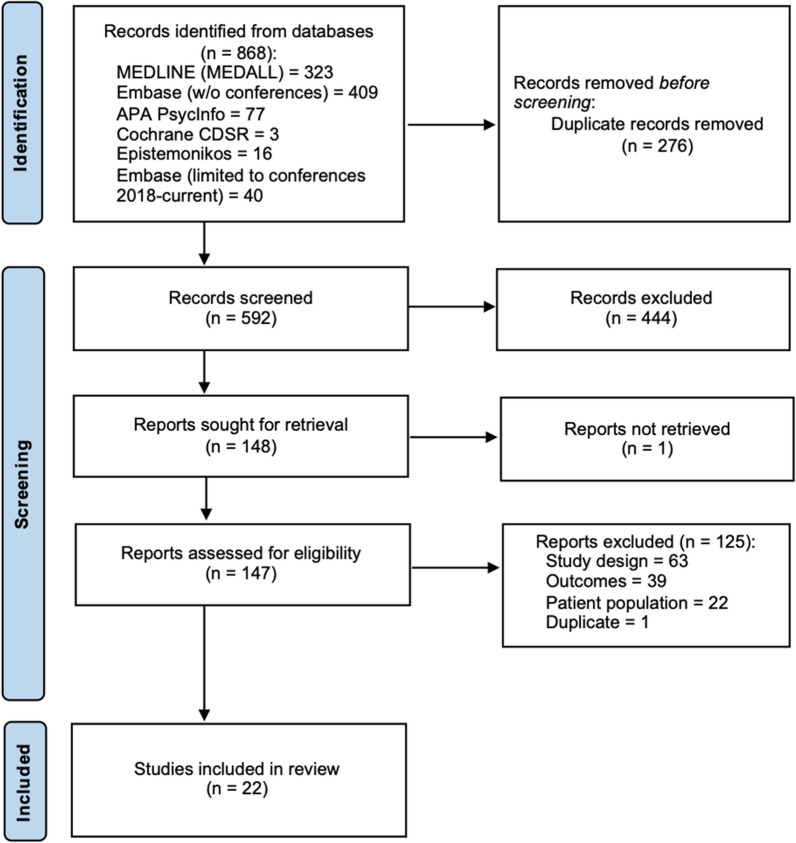
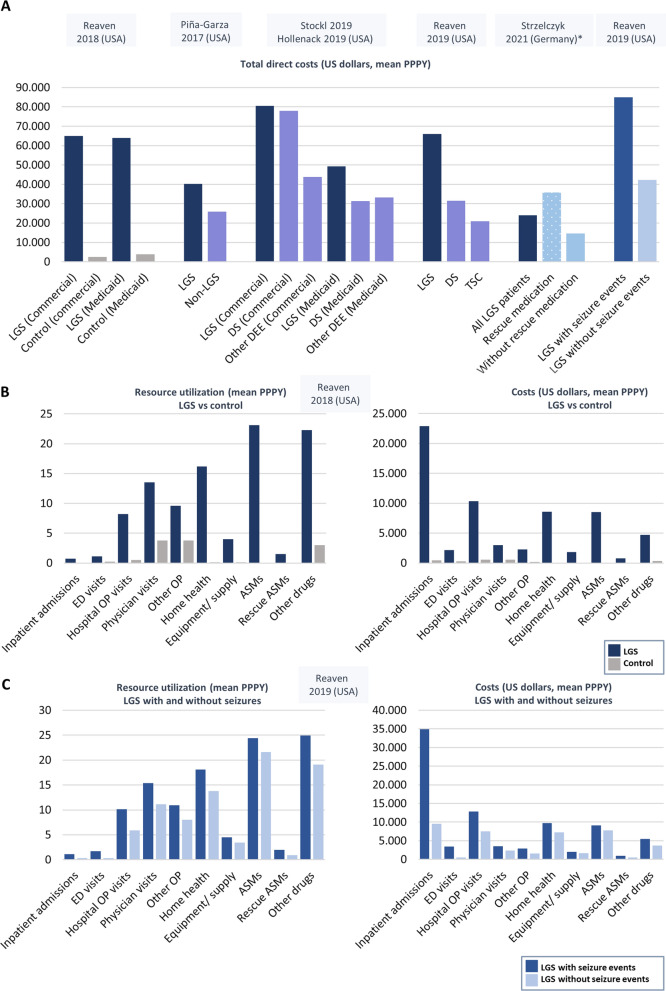
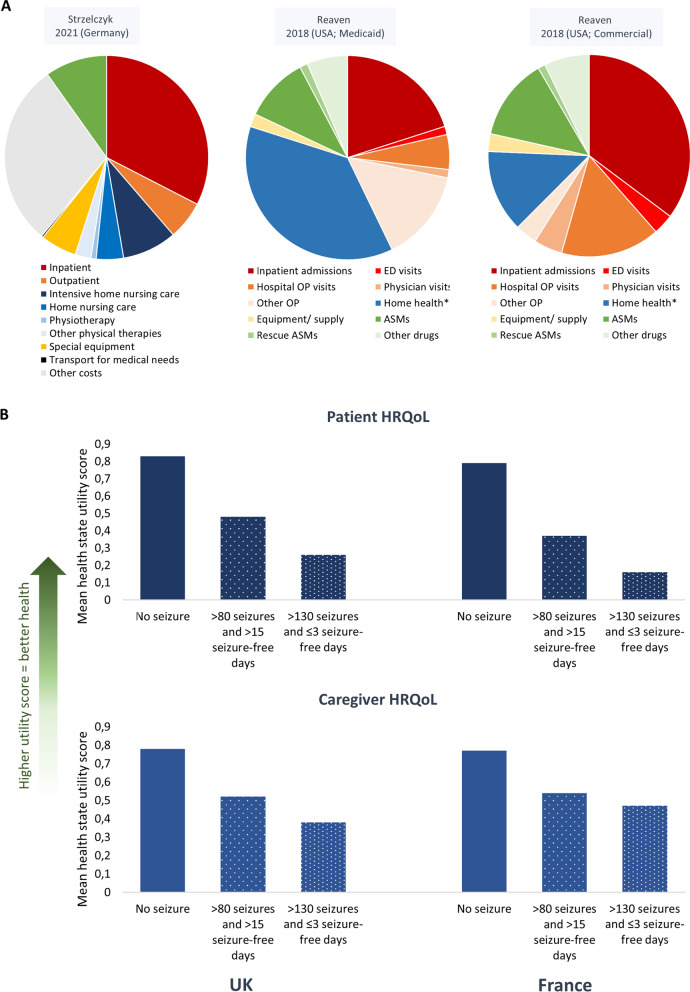
Background: Lennox–Gastaut syndrome (LGS) is a severe developmental and epileptic encephalopathy characterized by drug-resistant epilepsy with multiple seizure types starting in childhood, a typical slow spike-wave pattern on electroencephalogram, and cognitive dysfunction. Methods: We performed a systematic literature review according to the PRISMA guidelines to identify, synthesize and appraise the burden of illness in LGS (including “probable” LGS). Studies were identified by searching MEDLINE, Embase and APA PsychInfo, Cochrane’s database of systematic reviews, and Epistemonikos. The outcomes were epidemiology (incidence, prevalence or mortality), direct and indirect costs, healthcare resource utilization, and patient and caregiver health-related quality of life (HRQoL). Results: The search identified 22 publications evaluating the epidemiology (n = 10), direct costs and resource (n = 10) and/or HRQoL (n = 5). No studies reporting on indirect costs were identified. With no specific ICD code for LGS in many regions, several studies had to rely upon indirect methods to identify their patient populations (e.g., algorithms to search insurance claims databases to identify “probable” LGS). There was heterogeneity between studies in how LGS was defined, the size of the populations, ages of the patients and length of the follow-up period. The prevalence varied from 4.2 to 60.8 per 100,000 people across studies for probable LGS and 2.9–28 per 100,000 for a confirmed/narrow definition of LGS. LGS was associated with high mortality rates compared to the general population and epilepsy population. Healthcare resource utilization and direct costs were substantial across all studies. Mean annual direct costs per person varied from $24,048 to $80,545 across studies, and home-based care and inpatient care were significant cost drivers. Studies showed that the HRQoL of patients and caregivers was adversely affected, although only a few studies were identified. In addition, studies suggested that seizure events were associated with higher costs and worse HRQoL. The risk of bias was low or moderate in most studies. Conclusions: LGS is associated with a significant burden of illness featuring resistant seizures associated with higher costs and worse HRQoL. More research is needed, especially in evaluating indirect costs and caregiver burden, where there is a notable lack of studies.
Overview
The claims and statistics of this paper haven’t been checked yet.
Free: it reads the open-access text and checks the first 5 claims that cite a source we can check. Create a free account to check every claim.
Integrity signals
Registry
Cites
Statistics
Figures
Verification
Claims the paper makes
The claims and statistics of this paper haven’t been checked yet.
Free: it reads the open-access text and checks the first 5 claims that cite a source we can check. Create a free account to check every claim.
Claims other papers make about this one
Each is checked against this paper’s own text: does it say what the citing paper says it does?
The source backs part of the claim, not all of it — or backs it for a different population, condition or comparison.
In the citing paper
“Parents of children with LGS, the vast majority mothers, reported constant anxiety, difficulties in accessing childcare, restriction of social life and poor mental health 229,230 .”
From Developmental and epileptic encephalopathies (2024) · cites this paper as [230]
Experimental — accuracy not yet measured
Self-check
Percentages, sums and reported differences re-computed from the paper’s own numbers.
The self-check needs the paper’s full text.
Citations
Cites
The PRISMA 2020 statement: An updated guideline for reporting systematic reviews
Page, M. J., McKenzie, J. E., Bossuyt, P. M., Boutron, I., Hoffmann, T. C., Mulrow, C. D., Shamseer, L., Tetzlaff, J. M., Akl, E. A., Brennan, S. E., et al. (2021) · BMJ · doi:10.1136/bmj.n71 · Cited by 108,283
Preferred Reporting Items for Systematic Reviews and Meta-Analyses: the PRISMA statement
Moher, D., Liberati, A., Tetzlaff, J., Altman, D. G., & for the PRISMA Group (2009) · BMJ · doi:10.1136/bmj.b2535 · Cited by 83,823
Wang, G., Ma, R., Qiao, G., Wada, K., Aizawa, Y., & Satoh, T. (2015) · Integrative Medicine International · doi:10.1159/000368408 · Cited by 18,657
Methods for the Economic Evaluation of Health Care Programmes
Drummond, M. E., Sculpher, M. J., Torrance, G. W., O’Brien, B. J., & Stoddart, G. L. (2005) · doi:10.1093/oso/9780198529446.001.0001 · Cited by 13,648
Feigin, V. L., Nichols, E., Alam, T., Bannick, M. S., Beghi, E., Blake, N., Culpepper, W. J., Dorsey, E. R., Elbaz, A., Ellenbogen, R. G., et al. (2019) · The Lancet Neurology · doi:10.1016/s1474-4422(18)30499-x · Cited by 5,644
Scheffer, I. E., Berkovic, S., Capovilla, G., Connolly, M. B., French, J., Guilhoto, L., Hirsch, E., Jain, S., Mathern, G. W., Moshé, S. L., et al. (2017) · Epilepsia · doi:10.1111/epi.13709 · Cited by 5,054 · cited 1×
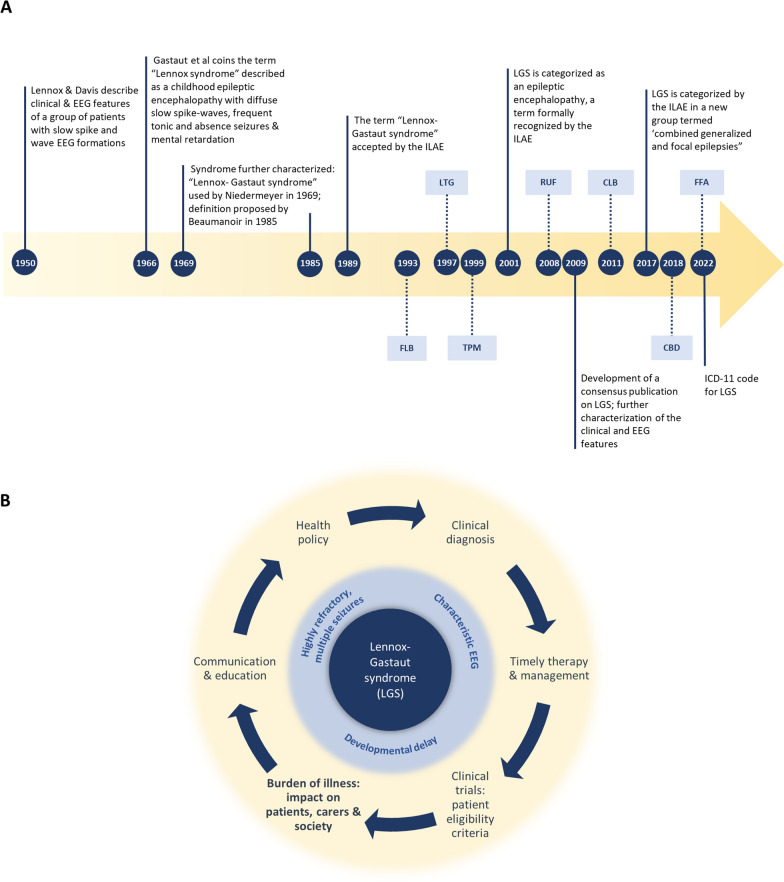
“From: Lennox et al (1950) [1], Gastraut et al (1966) [2], Niedermeyer (1969) [90], Beaumanoir (1985) [91], ILAE 1989 [92], Engel (2001) [93], Arzimanoglou et al (2009) [3], Scheffer (2017) [94], World Health Organization (ICD‐11) (2022) [64].”
BackgroundSelf-citationMethods for the economic evaluation of health care programmes
Wilson, S. H. (1987) · Journal of Epidemiology and Community Health · doi:10.1136/jech.41.4.355-a · Cited by 4,275 · cited 1×
“The quality of the cost of illness studies was assessed using a tool from the British Medical Journal Checklist for economic submissions [36] that was adapted by Molinier et al.”
MethodHoy, D., Brooks, P., Woolf, A., Blyth, F., March, L., Bain, C., Baker, P., Smith, E., & Buchbinder, R. (2012) · Journal of Clinical Epidemiology · doi:10.1016/j.jclinepi.2011.11.014 · Cited by 2,555
Engel, J. (2001) · Epilepsia · doi:10.1046/j.1528-1157.2001.10401.x · Cited by 2,251 · cited 1×
“From: Lennox et al (1950) [1], Gastraut et al (1966) [2], Niedermeyer (1969) [90], Beaumanoir (1985) [91], ILAE 1989 [92], Engel (2001) [93], Arzimanoglou et al (2009) [3], Scheffer (2017) [94], World Health Organization (ICD‐11) (2022) [64].”
Background
Research works printed but not linked: 5
- Covidence. Systematic review management platform [Available from: https://www.covidence.org/]
- Hollenack K, Story T, Acs A, et al. Prevalence of probable dravet syndrome, Lennox–Gastaut syndrome, and other refractory epilepsies in commercial and medicaid populations in the United States. J Manag Care Spec Pharm. 2019;25(3-A SUPPL):S58.
- Stockl K, Funk S, Reaven N, et al. Inpatient hospitalizations and readmissions among patients with probable Lennox–Gastaut syndrome, dravet syndrome, tuberous sclerosis complex, and other refractory epilepsies. J Manag Care Spec Pharm. 2019;25(10-A SUPPL):S57–8.
- Umeno J. A survey on the utilization status of social welfare services for pediatric patients with epilepsy. [Japanese]. No To Hattatsu. 2019;51(4):23–49.
- National Institute for Health And Care Excellence (NICE). Cannabidiol with clobazam for treating seizures associated with Lennox–Gastaut syndrome 2019 [Available from: https://www.nice.org.uk/guidance/ta615/documents/final-appraisal-determination-document] 40953171
Cited by
Developmental and epileptic encephalopathies
Scheffer, I. E., Zuberi, S., Mefford, H. C., Guerrini, R., & McTague, A. (2024) · Nature Reviews Disease Primers · doi:10.1038/s41572-024-00546-6 · Cited by 158
“Parents of children with LGS, the vast majority mothers, reported constant anxiety, difficulties in accessing child care, restriction of social life and poor mental health 229,230 .”
Self-citationSullivan, J. E., Benitez, A., Roth, J., Andrews, J. S., Shah, D., Butcher, E., Jones, A., & Cross, J. H. (2024) · Epilepsia · doi:10.1111/epi.17866 · Cited by 86
“A paucity of studies focusing on LGS was observed despite this condition having been recognized for longer than DS. 110,111 These issues, identified in the present analysis, make it difficult to draw reliable conclusions about the epidemiology of DS and LGS. Strzelczyk et al. 112 recently conducted a systematic litera…”
Dravet syndrome: A systematic literature review of the illness burden
Strzelczyk, A., Lagae, L. G., Wilmshurst, J. M., Brunklaus, A., Striano, P., Rosenow, F., & Schubert‐Bast, S. (2023) · Epilepsia Open · doi:10.1002/epi4.12832 · Cited by 78
“12,77,78 Further differences in costs and resource use between the different studies may be due to differences in study design (e.g., data sources, included cost components, cost-year, and different costs in different countries), as well as differences in access to different treatments and…”
BackgroundSelf-citationAuvin, S., Arzimanoglou, A. A., Falip, M., Striano, P., & Cross, J. H. (2024) · Epilepsia Open · doi:10.1002/epi4.13075 · Cited by 55
“115 LGS adversely affects the QoL of both patients and caregivers 20,116–118 ; seizure control (particularly drop seizure control) and days without seizures being the main determinants of QoL in LGS. 119,120 From childhood to adulthood, management of LGS must carefully balance the burden of…”
Self-citationCross, J. H., Benitez, A., Roth, J., Andrews, J. S., Shah, D., Butcher, E., Jones, A., & Sullivan, J. E. (2024) · Epilepsia · doi:10.1111/epi.17932 · Cited by 48
“Additionally, multiple types of motor deficits with varying prevalence were reported, reflecting the complex presentation of LGS.”
BackgroundInfluentialCurrent and Emerging Precision Therapies for Developmental and Epileptic Encephalopathies
Samanta, D., Bhatia, S., Hunter, S. E., Rao, C. K., Xiong, K., Karakas, C., Reeders, P. C., Erdemir, G., Sattar, S., Axeen, E. T., et al. (2025) · Pediatric Neurology · doi:10.1016/j.pediatrneurol.2025.04.010 · Cited by 39
Buhleier, E., Schubert‐Bast, S., Knake, S., von Podewils, F., Hamer, H. M., Melzer, N., Kurlemann, G., Klotz, K. A., Willems, L. M., Rosenow, F., et al. (2025) · Epilepsia · doi:10.1111/epi.18308 · Cited by 27
“12,13 The objective of this multicenter study was to evaluate the efficacy, retention, and tolerability of CNB in patients with DEEs.”
Self-citationWirrell, E. C., Lagae, L. G., Scheffer, I. E., Cross, J. H., Specchio, N., & Strzelczyk, A. (2024) · Epilepsia Open · doi:10.1002/epi4.12998 · Cited by 26
“…the most appropriate ASM regimen in LGS is also complex, expert opinion recommends VPA as first-line followed by lamotrigine (LTG) 20 ; for subsequent lines of therapy, there are various ASMs approved for use in the US and EU (Table 1) 10,21 without clear guidance to sequence treatment selection.”
Self-citationDiagnosis of Lennox-Gastaut syndrome and strategies for early recognition
Pujar, S. S., & Cross, J. H. (2024) · Expert Review of Neurotherapeutics · doi:10.1080/14737175.2024.2323568 · Cited by 20
“LGS is relatively rare, with population-based studies estimating a prevalence of 2.9–28 per 100,000 [13].”
BackgroundInfluentialA systematic review of electroencephalographic findings in Lennox-Gastaut syndrome
Nizami, F. M., Trivedi, S., & Kalita, J. (2024) · Epilepsy Research · doi:10.1016/j.eplepsyres.2024.107406 · Cited by 18
LoPresti, M., Igarashi, A., Sonohara, Y., & Bowditch, S. (2024) · Epilepsy & Behavior · doi:10.1016/j.yebeh.2024.109741 · Cited by 21
“High mortality risk and seizure burden, with multiple seizure types starting in early childhood, are common for patients with these conditions [2,6,7,11].”
BackgroundResultInfluentialWearable detection of tonic seizures in childhood epilepsy: An exploratory cohort study
Proost, R., Macea, J., Lagae, L. G., Paesschen, W. V., & Jansen, K. (2023) · Epilepsia · doi:10.1111/epi.17756 · Cited by 18
“29 Because LGS patients represent 4.0%– 8.4% of childhood epilepsy patients, long nightly TS are as important to investigate as TCS. 29 Optimally we would have a device detecting both TCS and TS with similar performance.”
BackgroundInfluentialLoPresti, M., Igarashi, A., Sonohara, Y., & Bowditch, S. (2024) · Epilepsy & Behavior · doi:10.1016/j.yebeh.2024.109932 · Cited by 19
Rosenberg, A., Wang, R., Petchpradub, M., Beaudreault, C. P., Sacknovitz, A., Cozzi, F. M., Wolf, S. M., McGoldrick, P. E., & Muh, C. R. (2024) · Child s Nervous System · doi:10.1007/s00381-024-06546-x · Cited by 20
Gil‐Nagel, A., Cross, J. H., Devinsky, O., Ceulemans, B., Lagae, L. G., Knupp, K. G., Schoonjans, A., Ryvlin, P., Thiele, E. A., Polega, S., et al. (2024) · Epilepsia · doi:10.1111/epi.18020 · Cited by 14
“59 Improved seizure control may also lead to reduction in use of other ASMs, which reduces pill burden and subsequent pharmacy costs, 60 and may lessen risk FIGURE 3 Proportion of patients to achieve generalized tonic– clonic seizure (GTCS) or tonic–clonic seizures reduction thresholds from…”
Knupp, K. G., Scheffer, I. E., Schoonjans, A., Sullivan, J. E., Lagae, L. G., Auvin, S., Thiele, E. A., Guerrini, R., Zuberi, S. M., Nabbout, R., et al. (2025) · Epilepsy & Behavior · doi:10.1016/j.yebeh.2025.110753 · Cited by 10
Self-citationFenfluramine in clinical practice: new therapy option for Dravet and Lennox–Gastaut syndromes
Muhle, H., Kurlemann, G., Lehmann, I., Hamer, H. M., Mayer, T., Potschka, H., Schubert‐Bast, S., Strzelczyk, A., & Pringsheim, M. (2024) · Clinical Epileptology · doi:10.1007/s10309-023-00646-5 · Cited by 11
Self-citationLong‐term outcomes and adaptive behavior in adult patients with Lennox–Gastaut syndrome
Irelli, E. C., Petrungaro, A., Pastorino, G. M. G., Mazzeo, A., Morano, A., Casciato, S., Salati, E., Operto, F. F., Giallonardo, A. T., Gennaro, G. D., et al. (2024) · Epilepsia Open · doi:10.1002/epi4.13024 · Cited by 12
“17 With this background, this cross-sectional study aimed to investigate the long-term functional and adaptive behavior in adult patients with LGS defined according to the recently published ILAE criteria.”
MethodSamanta, D. (2025) · Journal of Clinical Medicine · doi:10.3390/jcm14176302 · Cited by 16
Healthcare utilization and clinical characteristics of genetic epilepsy in electronic health records
Boßelmann, C. M., Ivaniuk, A., John, M. S., Taylor, S. C., Krishnaswamy, G., Milinovich, A., Leu, C., Gupta, A., Pestana‐Knight, E., Najm, I., et al. (2024) · Brain Communications · doi:10.1093/braincomms/fcae090 · Cited by 7
“These concepts were then mapped to Human Phenotype Ontology (HPO, v2023– 01–27) terms, a standardized vocabulary of phenotypic features.”
BackgroundMethodShah, D., Villanueva, V., Dlugos, D., Benitez, A., Taylor, Y., Olsen, S., Connolly, H., Lai, S., & Andrews, J. S. (2025) · Epilepsia Open · doi:10.1002/epi4.70118 · Cited by 11
“Caregiver-reported outcomes included caregivers' and patients' demographics, DS/LGS symptoms, and seizure characteristics (age of patients at first seizure and at diagnosis), their perspective on the patients' nonsei-zure symptoms, satisfaction with treatment in relation to reductions of nonseizure symptoms according…”
InfluentialBharti, S. K., Gupta, I., Akshima, Madaan, P., Devi, N., Dhir, P., Negi, S., Sankhyan, N., Sahu, J. K., & Bansal, D. (2023) · Epilepsy Research · doi:10.1016/j.eplepsyres.2023.107284 · Cited by 8
Respiratory Dysfunction in Epileptic Encephalopathies: Insights and Challenges
Khan, M. A., Dev, S., Kumari, M., Mahak, F., Umair, A., Rasool, M., Kumari, A., Payal, F., Panta, U., Deepa, F., et al. (2023) · Cureus · doi:10.7759/cureus.46216 · Cited by 11
“Seizures can directly impact respiration, leading to alterations in breathing patterns, apneas, or oxygen desaturation [4].”
BackgroundInfluentialPerry, M. S., Dixon‐Salazar, T., Meskis, M. A., Danese, S. R., Saurer, T. B., Vyas, K., & Berg, A. T. (2025) · Seizure · doi:10.1016/j.seizure.2025.04.017 · Cited by 8
Strzelczyk, A., Becker, H., Tako, L. M., Hock, S., Hattingen, E., Rosenow, F., & Mann, C. (2024) · Neurological Research and Practice · doi:10.1186/s42466-023-00306-z · Cited by 6
“Overall, SE and the sudden unexpected death in epilepsy (SUDEP) are the leading seizure-related causes of death in patients with epilepsy and DEEs such as DS [34, 35] and LGS [36].”
BackgroundSelf-citationMatz, M. S., Heinonen, T., Wielaender, F., Hakanen, E., Nessler, J. N., Volk, H. A., Tipold, A., Mandigers, P. J. J., Jokinen, T. S., Risio, L. D., et al. (2025) · Journal of Veterinary Internal Medicine · doi:10.1111/jvim.70077 · Cited by 8
Samanta, D., Karakas, C., Fine, A. L., Pong, A. W., Koh, H. Y., Keator, C. G., Loddenkemper, T., Mohamed, I., Erdemir, G., Dixon‐Salazar, T., et al. (2026) · Epilepsy & Behavior · doi:10.1016/j.yebeh.2025.110834 · Cited by 7
Szkółka, A., Szafrański, P. W., Kasza, P., Talik, P., Krośniak, M., Cegla, M. T., & Zajdel, P. (2024) · Organic Process Research & Development · doi:10.1021/acs.oprd.4c00129 · Cited by 5
Mourid, M. R., & Oduoye, M. O. (2024) · Health Science Reports · doi:10.1002/hsr2.70169 · Cited by 5
Neuromodulation as a treatment strategy in Lennox-Gastaut syndrome: evidence and future directions
D’Onofrio, G., Villano, G., Dell’Isola, G. B., Verrottı, A., & Striano, P. (2025) · Expert Review of Neurotherapeutics · doi:10.1080/14737175.2025.2474560 · Cited by 5
“LGS is associated with a significant burden of illness featuring resistant seizures associated with higher costs and worse HRQoL [25].”
Self-citationAndrews, J. S., Shah, D., Nacson, A., Symonds, T. L., Hughes, S. L., Asgharnejad, M., Benitez, A., & Sams, L. (2025) · Journal of Patient-Reported Outcomes · doi:10.1186/s41687-024-00829-2 · Cited by 8
Boccaletti, S., Lucas, E. J., Nixon, A., Boskovic, N., & Dato, G. D. (2024) · Epilepsia Open · doi:10.1002/epi4.13011 · Cited by 8
“12,84 This emphasizes the need for more comprehensive research in these areas to provide a broader understanding of the economic implications and HRQOL impact in severe forms of epilepsy.”
Goudarzi, Z., Lotfi, F., Shahtaheri, R. S., Moradi, N., Taghizadeh, M., & Keshavarz, K. (2025) · BMC Medicine · doi:10.1186/s12916-025-03972-9 · Cited by 3
“However, there is limited information on the financial burden of service utilization and costs associated with the management of patients with LGS [3, 8].”
Wilms, L. K., Lossius, M. I., Annala, K., Abdel‐Khalik, J., Fanter, L., Elomaa, K., & Peltola, J. (2025) · Epilepsia · doi:10.1111/epi.18640 · Cited by 4
Perilli, L., Ferretti, A., Riva, A., Grosso, S., Verrotti, A., & Striano, P. (2026) · Expert Review of Clinical Pharmacology · doi:10.1080/17512433.2026.2652967 · Cited by 4
“Seizure management remains a significant determinant of QoL in complex epileptic syndromes [25] and is associated with a high economic burden [26].”
Self-citationStrzelczyk, A., Klotz, K. A., Mayer, T., von Podewils, F., Knake, S., Kurlemann, G., Herold, L., Immisch, I., Buhleier, E., Rosenow, F., et al. (2025) · Neurology and Therapy · doi:10.1007/s40120-025-00788-w · Cited by 5
Self-citationNavigating the Diagnosis: A survey on Caregivers’ Journeys to Lennox-Gastaut Syndrome
Votoupal, M., Muller, R., Patel, A. D., Rosenman, M. B., Wojnaroski, M., Winterhalter, E. J., Carroll, M., Leavens, K., Dixon‐Salazar, T., & Lam, S. K. (2025) · Epilepsy & Behavior · doi:10.1016/j.yebeh.2025.110600 · Cited by 4
Specchio, N., Auvin, S., Greco, T., Lagae, L. G., Nortvedt, C., & Zuberi, S. M. (2025) · CNS Drugs · doi:10.1007/s40263-025-01201-8 · Cited by 5
“LGS has a significant impact on the health-related quality of life and daily activities of patients and their caregivers and families [2, 3, 38].”
Self-citationCenobamate for Difficult-to-Treat Epilepsy – Selected Case Vignettes
Villani, F. S., Dono, F., Operto, F. F., Pignatta, P., Puligheddu, M., Stipa, C., & Zanoni, T. (2025) · Neuropsychiatric Disease and Treatment · doi:10.2147/ndt.s529751 · Cited by 2
“16,17 Finally, individuals who fail pharmacological treatment and require surgical or neuromodulation approaches often represent some of the most refractory cases, necessitating highly individualized treatment strategies.”
Invasive Neuromodulation in Lennox-Gastaut Syndrome: A Systematic Review and Meta-Analysis
de Oliveira, H. M., Fonseca, P. E. O., Ruelas, M. G., de Paula, G. O., Diaz, C. A. V., da Costa, P. R. F., de Oliveira, R., & Pilitsis, J. G. (2026) · Neuromodulation Technology at the Neural Interface · doi:10.1016/j.neurom.2025.11.014 · Cited by 2
Correale, C., Specchio, N., Downs, J. A., Cross, J. H., Cappelletti, S., Navarro, A. P., Geuens, S., Valente, K. D. R., Brunklaus, A., & Reilly, C. J. (2026) · Epilepsia · doi:10.1002/epi.70308 · Cited by 4
Bolin, K., Berling, P., & Tomson, T. (2025) · Epilepsia · doi:10.1111/epi.18576 · Cited by 2
Yang, A. S., Tsai, D. H., Chen, L., Cheng, W.-M., Wang, C. C., Shao, S., Song, W. W., Kouhkamari, M. H., Huang, W.-C., Bowditch, S., et al. (2025) · Risk Management and Healthcare Policy · doi:10.2147/rmhp.s519367 · Cited by 2
“Recent epidemiological evidence using a patient identification approach demonstrated that prevalence and incidence of LGS in Taiwan were lower than reported in other countries 2,3 and confirms its rare disease status in Taiwan.”
Siddiqui, J., & Bowditch, S. (2024) · Journal of health economics and outcomes research · doi:10.36469/001c.126071 · Cited by 2
Kumar, D., Sabet, H., Elshahat, A., El-Moslemani, M., Arafa, A., Saleh, M. G. A., Gamal, S. M., & Abbas, A. (2025) · Naunyn-Schmiedeberg s Archives of Pharmacology · doi:10.1007/s00210-025-04414-2 · Cited by 1
“Treatment should be personalized and regularly reassessed to optimize seizure control and quality of life (Strzelczyk et al. 2023; Samanta 2021; Cross et al. 2017; Besag et al. 2023).”
InfluentialKenyan dietitians’ knowledge of ketogenic dietary therapies for drug-resistant epilepsy
Samia, P., Yebei, V. N., Ndila, P., Cross, J. H., Idro, R., Boon, P., Wilmshurst, J. M., & Luchters, S. M. F. (2025) · BMC Nutrition · doi:10.1186/s40795-025-01144-9 · Cited by 1
“Drug-resistant epilepsy imposes a significant burden on patients and families with increased healthcare needs, a reduced possibility for economic independence, and a greater risk for mortality [29].”
Didato, G., Ragona, F., Pompili, A., Beccaria, F., Beretta, S., Chiesa, V., GIORGIS, V. D., Maria, G. D., Dilena, R., Giordano, I. L., et al. (2025) · Epilepsy & Behavior · doi:10.1016/j.yebeh.2025.110763 · Cited by 1
Na, J., & Lee, Y.-M. (2026) · International Journal of Molecular Sciences · doi:10.3390/ijms27031382 · Cited by 2
“…higher than those of the general pediatric population and substantially elevated compared with other epilepsy cohorts, underscore LGS as a prototypical lifelong DEE in which ongoing epileptic activity and underlying developmental pathology act in parallel to drive progressive disability [10,18].”
InfluentialLattanzi, S., Schmitz, B., Canas, N., Leach, J. P., Benoist, C. C., Pierucci, D., & Álvarez‐Barón, E. (2026) · Epilepsia Open · doi:10.1002/epi4.70226 · Cited by 1
Specchio, N., Arzimanoglou, A. A., Auvin, S., Gil‐Nagel, A., Lagae, L. G., Nabbout, R., Schubert‐Bast, S., Strzelczyk, A., Trinka, E., & Cross, J. H. (2026) · Epileptic Disorders · doi:10.1002/epd2.70319 · Cited by 1
“Incorrect cases were those that had an outcome different from the original diagnosis provided by the expert, such as an original diagnosis of LGS matching a checklist outcome of “unlikely diagnosis of LGS” or an original non-LGS diagnosis matching a checklist outcome of “likely diagnosis of LGS”.”
InfluentialSelf-citationLennox-Gastaut syndrome: Progress, challenges, and future directions
Samanta, D. (2025) · Seminars in Pediatric Neurology · doi:10.1016/j.spen.2025.101236 · Cited by 1
CADTH (2024) · Canadian Journal of Health Technologies · doi:10.51731/cjht.2024.954
Situación educativa de una población con discapacidad múltiple. Síndrome de Lennox-Gastaut
Figueroa, K. F. H., Ramón, D. D. P. B., Guaraca, K. I. V., & Meza, A. E. G. (2025) · Revista Multidisciplinaria Investigación Contemporánea · doi:10.58995/redlic.rmic.v3.n2.a112
Rosenow, F., & Strzelczyk, A. (2025) · Epilepsy & Behavior · doi:10.1016/j.yebeh.2025.110587
Self-citationLuz, F. M., Cassol, R. R. C., Meinerz, M., Martins, M. A. P., Zanatta, N., Iglesias, B. A., & Bonacorso, H. G. (2025) · Journal of Molecular Structure · doi:10.1016/j.molstruc.2025.143477
“William G. Lennox: A legacy of compassion and controversy”
Weisleder, P., Mytinger, J. R., & Goodkin, H. P. (2025) · Seminars in Pediatric Neurology · doi:10.1016/j.spen.2025.101243
Quality of life in individuals with Lennox-Gastaut syndrome and their families
Wojnaroski, M., Votoupal, M., Lam, S. K., & Patel, A. D. (2025) · Seminars in Pediatric Neurology · doi:10.1016/j.spen.2025.101244
Lu, M., Iwanyckyj, D., Wade, S. W., Racana, P., Otalora, F., & Rao, S. C. (2026) · Heliyon · doi:10.1016/j.heliyon.2025.e44480
Helmstaedter, C., Alfstad, K., Dahl-Hansen, E., Henning, O., Landmark, C. J., Kälviäinen, R. K., Kyte, E., Marusič, P., Mula, M., Myren, S., et al. (2026) · Epilepsy & Behavior · doi:10.1016/j.yebeh.2025.110879
Self-citationWheless, J. W., Shahid, A. M., & Vidaurre, J. A. (2026) · Pediatric Neurology · doi:10.1016/j.pediatrneurol.2026.03.019
Ferrarese, A., Cananzi, M., Bosa, L., Senzolo, M., Germani, G., Vivian, L. M., Mescoli, C., Dolcet, A., Gringeri, E., D’Antiga, L., et al. (2026) · World Journal of Gastroenterology · doi:10.3748/wjg.v32.i18.116902
de Oliveira, H. M., Fonseca, P. E. O., de Paula, G. O., Blaskoski, A. P., & da Costa, P. R. F. (2026) · Seizure · doi:10.1016/j.seizure.2026.05.015
Khanna, A., Ozkan, O., Pajiyar, A., Rodriguez, L., Rapp, E., Suthar, H. J., & Parikh, P. (2026) · Journal of Global Health Neurology and Psychiatry · doi:10.7189/001c.164973
Muller, R., Chiu, L., Votoupal, M., Wojnaroski, M., Rosenman, M. B., Patel, A. D., Carroll, M., Leavens, K., Dixon‐Salazar, T., & Lam, S. K. (2026) · Epilepsy Research · doi:10.1016/j.eplepsyres.2026.107890
Digital twins in neuroscience: A narrative review of technical challenges for child neurology
Canepa, M. E., Villano, G., Ramenghi, L. A., di Pianella, A. V., & Striano, P. (2026) · Advanced technology in neuroscience . · doi:10.4103/atn.atn-d-26-00025
Self-citationIs it safe—and ethical—to prescribe THC to youth?
Crippa, J. A. S., & Hallak, J. E. C. (2026) · Psychopharmacology · doi:10.1007/s00213-026-07186-6
“This consideration is particularly important in drug-resistant epilepsy, in which persistent seizures are associated with substantial morbidity, developmental impairment, reduced quality of life, and increased mortality (Strzelczyk et al. 2023).”
Beyond seizures: the hidden burden of developmental epileptic encephalopathies
Dell’Isola, G. B., Sorrentino, M., Massara, S., Dini, G., Salpietro, V., Ferrara, P., STRIANO, P., Vigevano, F., & Verrotti, A. (2026) · Frontiers in Neurology · doi:10.3389/fneur.2026.1960314
Self-citationNa, J., Yeon, H. J., Jeon, H., Lee, H., & Lee, Y. (2026) · CNS Neuroscience & Therapeutics · doi:10.1002/cns.71221
Metadata
- Authors
- Strzelczyk, A., Zuberi, S. M., Striano, P., Rosenow, F., & Schubert-Bast, S.
- Affiliations
- Goethe University Frankfurt (DE)
- Royal Hospital for Children (GB)
- Istituto Giannina Gaslini (IT)
- Corresponding author
- Strzelczyk, Adam
- Venue
- Orphanet Journal of Rare Diseases
- Published
- 2023-03-01
- Volume
- 18
- Issue
- 1
- Pages
- 42-42
- ISSN
- 1750-1172 (ISSN-L)
- PMC
- PMC9979426
- OpenAlex
- W4322733387
- Cited by
- 68
- References
- 87
- Citations by year
- 2026: 18 · 2025: 26 · 2024: 20 · 2023: 4
- FWCI
- 3.12
- Type
- journal article
- Language
- en
- Open access
- gold
- doi.org
- Licence
- cc-by
- creativecommons.org/licenses/by/4.0 (tdm)
- creativecommons.org/licenses/by/4.0 (vor)
- Locations
- Orphanet Journal of Rare Diseases (publishedVersion, cc-by)
- PubMed Central (publishedVersion, cc-by)
- PubMed (publishedVersion)
- ENLIGHTEN (Jurnal Bimbingan dan Konseling Islam) (acceptedVersion, other-oa)
- DOAJ (DOAJ: Directory of Open Access Journals) (submittedVersion, cc-by-sa)
- Publication Server of Goethe University Frankfurt am Main (Goethe University Frankfurt) (submittedVersion, cc-by)
- Funders
- Johann Wolfgang Goethe-Universität, Frankfurt am Main
- Topics
- Health Sciences › Medicine › Clinical Neurology › Epilepsy research and treatment
- Social Sciences › Economics, Econometrics and Finance › Economics and Econometrics › Health Systems, Economic Evaluations, Quality of Life
- Health Sciences › Medicine › Physiology (medical) › Diet and metabolism studies
- Keywords
- Lennox-Gastaut syndrome, disease burden, drug-resistant epilepsy, developmental and epileptic encephalopathy, prevalence, incidence, mortality, health care costs, healthcare resource utilization, health-related quality of life, caregiver burden, indirect costs
- MeSH terms
- Algorithms, Humans, Quality of Life, Seizures, Cost of Illness, Lennox Gastaut Syndrome
About these checks
Registry, retraction, Cites and statistics results are computed, not judged, with one exception: a printed reference that no index lists is read once by a model before it counts as a citation error. Claims are extracted by a model and kept only when their quote appears verbatim in the text; each cited source is then checked, with a model’s help, for whether it says what the claim relies on. Those verdicts can be wrong — read the claim’s quote and the cited source before relying on one.
Statistics and arithmetic are recomputed, not judged.
Confidence bands are shown only for fields calibrated on our annotated test set. None is calibrated yet, so no band is shown.
What counts as a claim ›How we measure confidence ›How we check this ›
Are you an author, or do you see a problem with this page? Request a review
Data sources
Bibliographic data: Semantic Scholar, OpenAlex, Crossref.
Contains information from the Semantic Scholar Academic Graph Datasets, made available under the ODC Attribution License (ODC-BY 1.0).
Semantic Scholar’s data is described in: Kinney, R., et al. (2023). The Semantic Scholar Open Data Platform. arXiv:2301.10140.
