

The burden of illness in Lennox–Gastaut syndrome: a systematic literature review
Open accessThe DOI matches its Crossref record; 87 of the 87 references it cites were found in a registry or an index.
Abstract
Background: Lennox–Gastaut syndrome (LGS) is a severe developmental and epileptic encephalopathy characterized by drug-resistant epilepsy with multiple seizure types starting in childhood, a typical slow spike-wave pattern on electroencephalogram, and cognitive dysfunction. Methods: We performed a systematic literature review according to the PRISMA guidelines to identify, synthesize and appraise the burden of illness in LGS (including “probable” LGS). Studies were identified by searching MEDLINE, Embase and APA PsychInfo, Cochrane’s database of systematic reviews, and Epistemonikos. The outcomes were epidemiology (incidence, prevalence or mortality), direct and indirect costs, healthcare resource utilization, and patient and caregiver health-related quality of life (HRQoL). Results: The search identified 22 publications evaluating the epidemiology (n = 10), direct costs and resource (n = 10) and/or HRQoL (n = 5). No studies reporting on indirect costs were identified. With no specific ICD code for LGS in many regions, several studies had to rely upon indirect methods to identify their patient populations (e.g., algorithms to search insurance claims databases to identify “probable” LGS). There was heterogeneity between studies in how LGS was defined, the size of the populations, ages of the patients and length of the follow-up period. The prevalence varied from 4.2 to 60.8 per 100,000 people across studies for probable LGS and 2.9–28 per 100,000 for a confirmed/narrow definition of LGS. LGS was associated with high mortality rates compared to the general population and epilepsy population. Healthcare resource utilization and direct costs were substantial across all studies. Mean annual direct costs per person varied from $24,048 to $80,545 across studies, and home-based care and inpatient care were significant cost drivers. Studies showed that the HRQoL of patients and caregivers was adversely affected, although only a few studies were identified. In addition, studies suggested that seizure events were associated with higher costs and worse HRQoL. The risk of bias was low or moderate in most studies. Conclusions: LGS is associated with a significant burden of illness featuring resistant seizures associated with higher costs and worse HRQoL. More research is needed, especially in evaluating indirect costs and caregiver burden, where there is a notable lack of studies.
Overview
The claims and statistics of this paper haven’t been checked yet.
Free: it reads the open-access text and checks the first 5 claims that cite a source we can check. Create a free account to check every claim.
Integrity signals
Registry
Cites
Statistics
Figures
Verification
Claims the paper makes
The claims and statistics of this paper haven’t been checked yet.
Free: it reads the open-access text and checks the first 5 claims that cite a source we can check. Create a free account to check every claim.
Claims other papers make about this one
Each is checked against this paper’s own text: does it say what the citing paper says it does?
The source backs part of the claim, not all of it — or backs it for a different population, condition or comparison.
In the citing paper
“Parents of children with LGS, the vast majority mothers, reported constant anxiety, difficulties in accessing childcare, restriction of social life and poor mental health 229,230 .”
From Developmental and epileptic encephalopathies (2024) · cites this paper as [230]
Experimental — accuracy not yet measured
Self-check
Percentages, sums and reported differences re-computed from the paper’s own numbers.
The self-check needs the paper’s full text.
Citations
Cites
The PRISMA 2020 statement: An updated guideline for reporting systematic reviews
Page, M. J., McKenzie, J. E., Bossuyt, P. M., Boutron, I., Hoffmann, T. C., Mulrow, C. D., Shamseer, L., Tetzlaff, J. M., Akl, E. A., Brennan, S. E., et al. (2021) · BMJ · doi:10.1136/bmj.n71 · Cited by 108,283
Preferred Reporting Items for Systematic Reviews and Meta-Analyses: the PRISMA statement
Moher, D., Liberati, A., Tetzlaff, J., Altman, D. G., & for the PRISMA Group (2009) · BMJ · doi:10.1136/bmj.b2535 · Cited by 83,823
Wang, G., Ma, R., Qiao, G., Wada, K., Aizawa, Y., & Satoh, T. (2015) · Integrative Medicine International · doi:10.1159/000368408 · Cited by 18,657
Methods for the Economic Evaluation of Health Care Programmes
Drummond, M. E., Sculpher, M. J., Torrance, G. W., O’Brien, B. J., & Stoddart, G. L. (2005) · doi:10.1093/oso/9780198529446.001.0001 · Cited by 13,648
Feigin, V. L., Nichols, E., Alam, T., Bannick, M. S., Beghi, E., Blake, N., Culpepper, W. J., Dorsey, E. R., Elbaz, A., Ellenbogen, R. G., et al. (2019) · The Lancet Neurology · doi:10.1016/s1474-4422(18)30499-x · Cited by 5,644
Scheffer, I. E., Berkovic, S., Capovilla, G., Connolly, M. B., French, J., Guilhoto, L., Hirsch, E., Jain, S., Mathern, G. W., Moshé, S. L., et al. (2017) · Epilepsia · doi:10.1111/epi.13709 · Cited by 5,054 · cited 1×
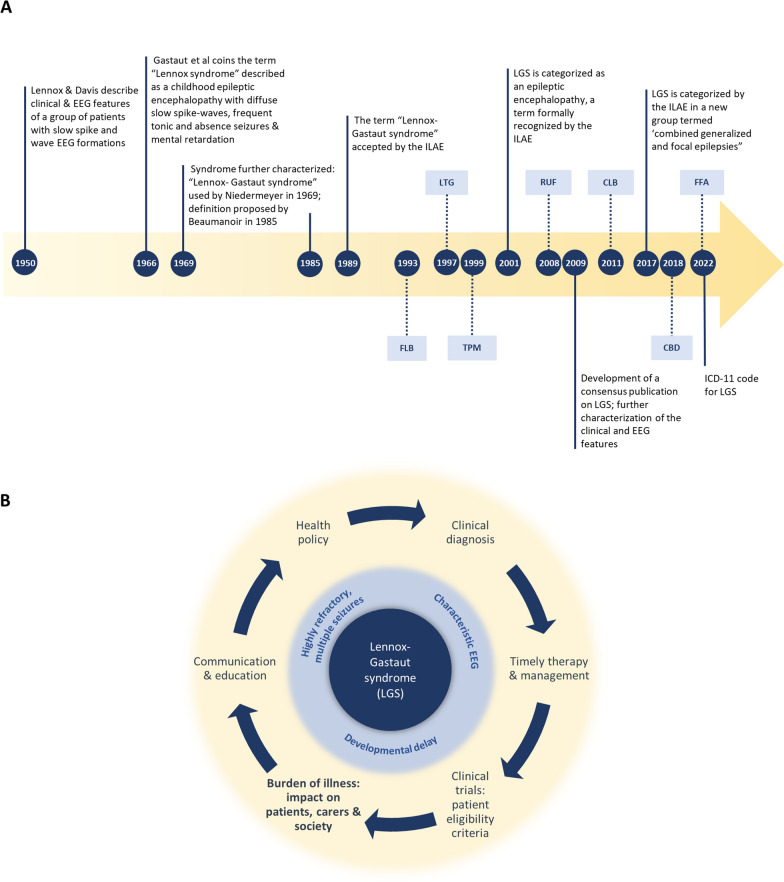
“From: Lennox et al (1950) [1], Gastraut et al (1966) [2], Niedermeyer (1969) [90], Beaumanoir (1985) [91], ILAE 1989 [92], Engel (2001) [93], Arzimanoglou et al (2009) [3], Scheffer (2017) [94], World Health Organization (ICD‐11) (2022) [64].”
BackgroundSelf-citationMethods for the economic evaluation of health care programmes
Wilson, S. H. (1987) · Journal of Epidemiology and Community Health · doi:10.1136/jech.41.4.355-a · Cited by 4,275 · cited 1×
“The quality of the cost of illness studies was assessed using a tool from the British Medical Journal Checklist for economic submissions [36] that was adapted by Molinier et al.”
MethodHoy, D., Brooks, P., Woolf, A., Blyth, F., March, L., Bain, C., Baker, P., Smith, E., & Buchbinder, R. (2012) · Journal of Clinical Epidemiology · doi:10.1016/j.jclinepi.2011.11.014 · Cited by 2,555
Engel, J. (2001) · Epilepsia · doi:10.1046/j.1528-1157.2001.10401.x · Cited by 2,251 · cited 1×
“From: Lennox et al (1950) [1], Gastraut et al (1966) [2], Niedermeyer (1969) [90], Beaumanoir (1985) [91], ILAE 1989 [92], Engel (2001) [93], Arzimanoglou et al (2009) [3], Scheffer (2017) [94], World Health Organization (ICD‐11) (2022) [64].”
BackgroundSpecchio, N., Wirrell, E. C., Scheffer, I. E., Nabbout, R., Riney, K., Samia, P., Guerreiro, M., Gwer, S., Zuberi, S. M., Wilmshurst, J. M., et al. (2022) · Epilepsia · doi:10.1111/epi.17241 · Cited by 998 · cited 1×
“The International League Against Epilepsy (ILAE) decided to keep the term Lennox–Gastaut in the 2022 ILAE Syndromes Definitions arguing that this was because medications are licensed for LGS and that a better collective name had not been coined for DEE with slow spike and wave and tonic seizures in childhood [86].”
BackgroundSelf-citationThiele, E. A., Marsh, E. D., French, J. A., Mazurkiewicz-Beldzinska, M., Benbadis, S. R., Joshi, C., Lyons, P. D., Taylor, A., Roberts, C., Sommerville, K., et al. (2018) · The Lancet · doi:10.1016/s0140-6736(18)30136-3 · Cited by 905
Epileptic Syndromes in Infancy, Childhood and Adolescence
Stephenson, J. B. P. (2004) · European Journal of Paediatric Neurology · doi:10.1016/j.ejpn.2004.03.001 · Cited by 683
Arzimanoglou, A., French, J., Blume, W. T., Cross, J. H., Ernst, J.-P., Feucht, M., Genton, P., Guerrini, R., Kluger, G., Pellock, J. M., et al. (2009) · The Lancet Neurology · doi:10.1016/s1474-4422(08)70292-8 · Cited by 491 · cited 1×
“From: Lennox et al (1950) [1], Gastraut et al (1966) [2], Niedermeyer (1969) [90], Beaumanoir (1985) [91], ILAE 1989 [92], Engel (2001) [93], Arzimanoglou et al (2009) [3], Scheffer (2017) [94], World Health Organization (ICD‐11) (2022) [64].”
BackgroundGASTAUT, H., ROGER, J., SOULAYROL, R., TASSINARI, C. A., RÉGIS, H., DRAVET, C., BERNARD, R., PINSARD, N., & SAINT‐JEAN, M. (1966) · Epilepsia · doi:10.1111/j.1528-1167.1966.tb06263.x · Cited by 431 · cited 2×
“The definition of Lennox–Gastaut syndrome (LGS) has been evolving since Lennox and Davis (1950) [1] and Gastaut et al (1960) [2] described the electroclinical features of a severe, refractory, childhood epileptic encephalopathy with slow spike and wave electroencephalogram (EEG) formations (Fig 1A).”
BackgroundEfficacy of Felbamate in Childhood Epileptic Encephalopathy (Lennox-Gastaut Syndrome)
(1993) · New England Journal of Medicine · doi:10.1056/nejm199301073280105 · Cited by 407
A double-blind, randomized trial of topiramate in Lennox–Gastaut syndrome
Sachdeo, R. C., Glauser, T. A., Ritter, F., Reife, R., Lim, P., Pledger, G., & the Topiramate YL Study Group (1999) · Neurology · doi:10.1212/wnl.52.9.1882 · Cited by 380
Lamotrigine for Generalized Seizures Associated with the Lennox–Gastaut Syndrome
Motte, J., Trevathan, E., Arvidsson, J. F. V., Barrera, M. N., Mullens, E. L., & Manasco, P. (1997) · New England Journal of Medicine · doi:10.1056/nejm199712183372504 · Cited by 359
Rufinamide for generalized seizures associated with Lennox–Gastaut syndrome
Glauser, T., Kluger, G., Sachdeo, R., Krauss, G., Perdomo, C., & Arroyo, S. (2008) · Neurology · doi:10.1212/01.wnl.0000303813.95800.0d · Cited by 356
The Burden of Illness of Cancer: Economic Cost and Quality of Life
Brown, M. L., Lipscomb, J., & Snyder, C. (2001) · Annual Review of Public Health · doi:10.1146/annurev.publhealth.22.1.91 · Cited by 309 · cited 1×
“The term “burden of illness” encompasses outcomes including the epidemiology (prevalence/incidence and mortality), healthcare resource utilization, costs, and patient and caregiver health-related quality of life (HRQoL) [24, 25].”
BackgroundRiney, K., Bogacz, A., Somerville, E., Hirsch, E., Nabbout, R., Scheffer, I. E., Zuberi, S. M., Alsaadi, T., Jain, S., French, J., et al. (2022) · Epilepsia · doi:10.1111/epi.17240 · Cited by 287
Self-citationThe global burden of epilepsy report: implications for low-and middle-income countries
Singh, G., & Sander, J. W. (2020) · Epilepsy & Behavior · doi:10.1016/j.yebeh.2020.106949 · Cited by 255
Definition and natural history of Lennox‐Gastaut syndrome
Camfield, P. R. (2011) · Epilepsia · doi:10.1111/j.1528-1167.2011.03177.x · Cited by 239
Lennox-Gastaut syndrome: a comprehensive review
Asadi-Pooya, A. A. (2018) · Neurological Sciences · doi:10.1007/s10072-017-3188-y · Cited by 215
Cross, J. H., Auvin, S., Falip, M., Striano, P., & Arzimanoglou, A. (2017) · Frontiers in Neurology · doi:10.3389/fneur.2017.00505 · Cited by 205 · cited 1×
“However, importantly, it has also become clear that there are caveats to these features which can make LGS challenging to define and diagnose [5].”
BackgroundSelf-citationLagae, L., Brambilla, I., Mingorance, A., Gibson, E., & Battersby, A. (2018) · Developmental Medicine & Child Neurology · doi:10.1111/dmcn.13591 · Cited by 197
Randomized, phase III study results of clobazam in Lennox-Gastaut syndrome
Ng, Y. T., Conry, J. A., Drummond, R., Stolle, J., & Weinberg, M. A. (2011) · Neurology · doi:10.1212/wnl.0b013e318232de76 · Cited by 191
Strzelczyk, A., & Schubert-Bast, S. (2022) · CNS Drugs · doi:10.1007/s40263-022-00955-9 · Cited by 179 · cited 14×
“There are now seven anti-seizure medications (ASMs) specifically indicated in patients with LGS in the US [15]—clobazam, felbamate, lamotrigine, topiramate, rufinamide, cannabidiol and fenfluramine, with efficacy demonstrated in clinical trials for seizures associated with drops in LGS patients (Fig 1A) [17–23].”
BackgroundInfluentialSelf-citationCLINICAL CORRELATES OF THE FAST AND THE SLOW SPIKE-WAVE ELECTROENCEPHALOGRAM
LENNOX, W. G., & DAVIS, J. P. (1950) · Pediatrics · doi:10.1542/peds.5.4.626 · Cited by 173
Prevalence and Descriptive Epidemiology of Lennox‐Gastaut Syndrome Among Atlanta Children
Trevathan, E., Murphy, C. C., & Yeargin‐Allsopp, M. (1997) · Epilepsia · doi:10.1111/j.1528-1157.1997.tb00065.x · Cited by 154 · cited 2×
“The study used data from the Metropolitan Atlanta Developmental Disabilities Study (MADDS) that encompassed children aged 10 years who were born from January 1, 1975, through December 31, 1977; children with LGS were identified via multiple sources including public schools, special education programs, hospitals, selec…”
BackgroundMethodPrevalence and characteristics of epilepsy in children in Northern Sweden
Sidenvall, R., Forsgren, L., & Heijbel, J. (1996) · Seizure · doi:10.1016/s1059-1311(96)80108-7 · Cited by 154 · cited 5×
“Sidenvall R, Forsgren L, Heijbel J. Prevalence and characteristics of epi‑ lepsy in children in northern Sweden.”
BackgroundInfluentialCooper, C., Booth, A., Britten, N., & Garside, R. (2017) · Systematic Reviews · doi:10.1186/s13643-017-0625-1 · Cited by 137 · cited 1×
“Conference proceedings were searched via Embase and we checked the reference lists of eligible studies and relevant systematic reviews [32].”
MethodKnupp, K. G., Scheffer, I. E., Ceulemans, B., Sullivan, J. E., Nickels, K. C., Lagae, L., Guerrini, R., Zuberi, S. M., Nabbout, R., Riney, K., et al. (2022) · JAMA Neurology · doi:10.1001/jamaneurol.2022.0829 · Cited by 137
Self-citationA systematic review on the burden of illness in individuals with tuberous sclerosis complex (TSC)
Zöllner, J. P., Franz, D. N., Hertzberg, C., Nabbout, R., Rosenow, F., Sauter, M., Schubert‐Bast, S., Wiemer‐Kruel, A., & Strzelczyk, A. (2020) · Orphanet Journal of Rare Diseases · doi:10.1186/s13023-019-1258-3 · Cited by 134 · cited 13×
“We restricted the search specifically to LGS, excluding studies which encompassed refractory epilepsy in general, even if they had a few LGS cases within a more general population of refractory epilepsy patients, which may have limited our evidence base, especially as LGS can evolve from or be part of other epilepsy s…”
BackgroundInfluentialSelf-citationLong‐term Prognosis for Symptomatic (Secondarily) Generalized Epilepsies: A Population‐based Study
Camfield, P., & Camfield, C. (2007) · Epilepsia · doi:10.1111/j.1528-1167.2007.01072.x · Cited by 125
Expanding the Treatment Landscape for Lennox-Gastaut Syndrome: Current and Future Strategies
Strzelczyk, A., & Schubert‐Bast, S. (2021) · CNS Drugs · doi:10.1007/s40263-020-00784-8 · Cited by 121 · cited 1×
“There are now seven anti-seizure medications (ASMs) specifically indicated in patients with LGS in the US [15]—clobazam, felbamate, lamotrigine, topiramate, rufinamide, cannabidiol and fenfluramine, with efficacy demonstrated in clinical trials for seizures associated with drops in LGS patients (Fig 1A) [17–23].”
BackgroundSelf-citationHarris, M., Marti, J., Watt, H., Bhatti, Y., Macinko, J., & Darzi, A. W. (2017) · Health Affairs · doi:10.1377/hlthaff.2017.0773 · Cited by 119 · cited 1×
“This country-bias may reflect the lack of research funding as described above, with perhaps some publication bias against nonnative English speaking countries [78, 79].”
BackgroundOccurrence, Outcome, and Prognostic Factors of Infantile Spasms and Lennox‐Gastaut Syndrome
Rantala, H., & Putkonen, T. (1999) · Epilepsia · doi:10.1111/j.1528-1157.1999.tb00705.x · Cited by 118 · cited 3×
“Other older, smaller population-based studies have reported the prevalence of LGS to be 10 per 100,000 people in Estonia [39], 2.1–28 per 100,000 people in Finland [42, 45], and 20 per 100,000 people in Sweden [43].”
BackgroundInfluentialCommunity‐Based Study of Lennox‐Gastaut Syndrome
Heiskala, H. (1997) · Epilepsia · doi:10.1111/j.1528-1157.1997.tb01136.x · Cited by 92 · cited 3×
“Other older, smaller population-based studies have reported the prevalence of LGS to be 10 per 100,000 people in Estonia [39], 2.1–28 per 100,000 people in Finland [42, 45], and 20 per 100,000 people in Sweden [43].”
BackgroundInfluentialMeasuring the bias against low-income country research: an Implicit Association Test
Harris, M., Macinko, J., Jimenez, G., & Mullachery, P. (2017) · Globalization and Health · doi:10.1186/s12992-017-0304-y · Cited by 91 · cited 1×
“This country-bias may reflect the lack of research funding as described above, with perhaps some publication bias against nonnative English speaking countries [78, 79].”
BackgroundPrevalence of Childhood Epilepsy in Estonia
Beilmann, A., Napa, A., Sööt, A., Talvik, I., & Talvik, T. (1999) · Epilepsia · doi:10.1111/j.1528-1157.1999.tb00811.x · Cited by 90 · cited 3×
“Other older, smaller population-based studies have reported the prevalence of LGS to be 10 per 100,000 people in Estonia [39], 2.”
BackgroundInfluentialIncreased Risk of Death Among Children With Lennox-Gastaut Syndrome and Infantile Spasms
Autry, A. R., Trevathan, E., Van Naarden Braun, K., & Yeargin-Allsopp, M. (2010) · Journal of Child Neurology · doi:10.1177/0883073809348355 · Cited by 89 · cited 3×
“Overall, the studies showed that mortality was substantially higher in LGS patients than in children with epilepsy and controls (Table 3) [40, 47, 48].”
BackgroundMethodThe lennox-gastaut syndrome: A severe type of childhood epilepsy
Niedermeyer, E. (1969) · Journal of Neurology · doi:10.1007/bf00242459 · Cited by 85
Methodological Considerations in Cost of Prostate Cancer Studies: A Systematic Review
Molinier, L., Bauvin, E., Combescure, C., Castelli, C., Rebillard, X., Soulié, M., Daurès, J.-P., & Grosclaude, P. (2008) · Value in Health · doi:10.1111/j.1524-4733.2008.00327.x · Cited by 85
Hahn, C. D., Jiang, Y., Villanueva, V., Zolnowska, M., Arkilo, D., Hsiao, S., Asgharnejad, M., & Dlugos, D. (2022) · Epilepsia · doi:10.1111/epi.17367 · Cited by 81 · cited 1×
“Soticlestat has recently successfully completed Phase 2 clinical deveopment as an adjunctive therapy in pediatric patients with DS or LGS [85], with Phase 3 trials underway (NCT04938427 and NCT05163314).”
BackgroundThe clinical, economic, and humanistic burden of Dravet syndrome – A systematic literature review
Sullivan, J. E., Deighton, A. M., Vila, M. C., Szabo, S. M., Maru, B. S., Gofshteyn, J. S., James, E. S., Rico, S., & Zuberi, S. M. (2022) · Epilepsy & Behavior · doi:10.1016/j.yebeh.2022.108661 · Cited by 80 · cited 1×
“Systematic literature reviews (SLRs) evaluating the burden of illness in DS and TSC have recently been published [25, 26].”
BackgroundSelf-citationStrzelczyk, A., Kalski, M., Bast, T., Wiemer-Kruel, A., Bettendorf, U., Kay, L., Kieslich, M., Kluger, G., Kurlemann, G., Mayer, T., et al. (2019) · European Journal of Paediatric Neurology · doi:10.1016/j.ejpn.2019.02.014 · Cited by 79
Self-citationImpact of developmental and epileptic encephalopathies on caregivers: A literature review
Gallop, K., Lloyd, A. J., Olt, J., & Marshall, J. D. (2021) · Epilepsy & Behavior · doi:10.1016/j.yebeh.2021.108324 · Cited by 75 · cited 2×
“HRQoL of caregivers, and they highlighted the challenges of evaluating caregiver HRQoL, especially using generic instruments, because parents of young children with complex chronic diseases adapt and become habituated to their decrease in quality of life [38].”
BackgroundEvolution of Lennox‐Gastaut Syndrome: A Long‐Term Longitudinal Study
Yagi, K. (1996) · Epilepsia · doi:10.1111/j.1528-1157.1996.tb01821.x · Cited by 70
Kerr, M., Kluger, G., & Philip, S. (2011) · Epileptic Disorders · doi:10.1684/epd.2011.0409 · Cited by 69
Revisiting the need for a literature search narrative: A brief methodological note
Cooper, C., Dawson, S., Peters, J., Varley‐Campbell, J., Cockcroft, E., Hendon, J., & Churchill, R. (2018) · Research Synthesis Methods · doi:10.1002/jrsm.1315 · Cited by 66 · cited 1×
“The search was not limited by language and it was reported in web-only material using a search narrative [33].”
Gallop, K., Wild, D., Verdian, L., Kerr, M., Jacoby, A., Baker, G., Nixon, A., & Cramer, J. A. (2010) · Seizure · doi:10.1016/j.seizure.2009.10.007 · Cited by 65 · cited 4×
“[58] identified only one study of sufficient quality regarding caregivers of patients with LGS (also identified hererin) [38].”
BackgroundInfluentialStrzelczyk, A., Schubert‐Bast, S., Bast, T., Bettendorf, U., Fiedler, B., Hamer, H. M., Herting, A., Kalski, M., Kay, L., Kieslich, M., et al. (2019) · Epilepsia · doi:10.1111/epi.16099 · Cited by 60 · cited 1×
“However, the few studies that are available on DS caregivers and TSC patients or caregivers have shown that indirect costs are relevant [72, 74–76], with a particular impact on mothers having to reduce their working hours or stop working completely [72, 74, 77].”
BackgroundSelf-citationLennox–Gastaut syndrome: impact on the caregivers and families of patients
Gibson, P. (2014) · Journal of Multidisciplinary Healthcare · doi:10.2147/jmdh.s69300 · Cited by 55 · cited 2×
“Gibson [59] similarly reported that LGS had a significant physical, emotional, social and financial impact on parents, while siblings were also affected, frequently taking on a caregiver role themselves early in life.”
BackgroundMontouris, G., Aboumatar, S., Burdette, D. E., Kothare, S. V., Kuzniecky, R., Rosenfeld, W. E., & Chung, S. (2020) · Epilepsy & Behavior · doi:10.1016/j.yebeh.2020.107146 · Cited by 53 · cited 1×
“Another limitation is that LGS is likely to be underdiagnosed/ misdiagnosed, especially in adults [11, 14], and therefore many aspects of the burden of illness may have been underestimated.”
BackgroundAuvin, S., Damera, V., Martin, M., Holland, R., Simontacchi, K. C., & Saich, A. (2021) · Epilepsy & Behavior · doi:10.1016/j.yebeh.2021.108239 · Cited by 53 · cited 2×
“B Adapted from Auvin et al (2021) [61].”
BackgroundMethodSystematic reviews of epidemiology in diabetes: finding the evidence
Royle, P., Bain, L., & Waugh, N. (2005) · BMC Medical Research Methodology · doi:10.1186/1471-2288-5-2 · Cited by 51
Coping with the uncertainty of uncontrolled epilepsy
Murray, J. (1993) · Seizure · doi:10.1016/s1059-1311(05)80124-4 · Cited by 50 · cited 2×
“Furthermore, Murray reported in 1993 that parents had to deal with a lot of uncertainty around diagnosis, etiology, seizure activity, treatment and prognosis, which caused feelings of guilt and stress in some parents [60].”
BackgroundImpact of childhood Dravet syndrome on care givers of patients with DS, a major impact on mothers
Nabbout, R., Dirani, M., Teng, T., Bianic, F., Martin, M., Holland, R., Chémaly, N., & Coqué, N. (2020) · Epilepsy & Behavior · doi:10.1016/j.yebeh.2020.107094 · Cited by 48 · cited 1×
“However, the few studies that are available on DS caregivers and TSC patients or caregivers have shown that indirect costs are relevant [72, 74–76], with a particular impact on mothers having to reduce their working hours or stop working completely [72, 74, 77].”
BackgroundSancho, J., Peña, P., Rufo, M., Palacios, G., Masramon, X., & Rejas, J. (2008) · Epilepsy Research · doi:10.1016/j.eplepsyres.2008.05.008 · Cited by 42
Demonstrating the feasibility of digital health to support pediatric patients in South Africa
Davies, E. H., Fieggen, K. J., Wilmshurst, J. M., Anyanwu, O., Burman, R. J., & Komarzynski, S. (2021) · Epilepsia Open · doi:10.1002/epi4.12527 · Cited by 37 · cited 1×
“Overall, there is an imperative need for innovative solutions to improve the outcomes of patients in these countries [82, 83].”
BackgroundStrzelczyk, A., Schubert‐Bast, S., Simon, A., Wyatt, G., Holland, R., & Rosenow, F. (2020) · Epilepsy & Behavior · doi:10.1016/j.yebeh.2020.107647 · Cited by 35 · cited 12×
“More recent studies (2019–2021) have used databases covering large populations including claims databases in the USA [41] and Germany [47] and the Clinical Practice Research Datalink (CPRD) database of health records in the UK [40].”
BackgroundMethodInfluentialSelf-citationPina-Garza, J. E., Montouris, G., Vekeman, F., Cheng, W. Y., Tuttle, E., Giguère-Duval, P., Duh, M. S., Shen, V., Saurer, T. B., & Isojärvi, J. I. T. (2017) · Epilepsy & Behavior · doi:10.1016/j.yebeh.2017.05.021 · Cited by 31 · cited 6×
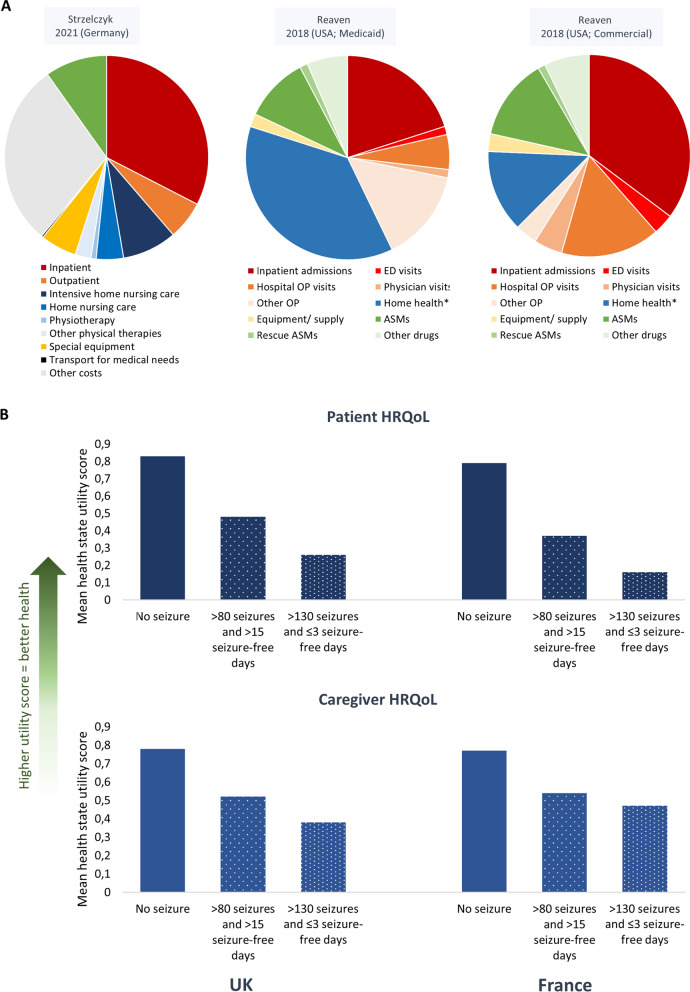
“[46] reported that the main contributor to healthcare costs was home-based care in children aged 1–18 years (mean costs of $12,396 to $18,360 PPPY across across different pediatric age groups) and long-term care in the 60-year-old cohort ($16,215 PPPY), whereas mean pharmacy costs encompassed a smaller proportion of t…”
BackgroundMethodInfluentialDealing with “defectives” Foster Kennedy and William Lennox on eugenics
Offen, M. L. (2003) · Neurology · doi:10.1212/wnl.61.5.668 · Cited by 30
The Cost Effectiveness of Rufinamide in the Treatment of Lennox-Gastaut Syndrome in the UK
Benedict, Á., Verdian, L., & Maclaine, G. D. H. (2010) · PharmacoEconomics · doi:10.2165/11313640-000000000-00000 · Cited by 28 · cited 1×
“However, compared to standard of care, studies have estimated that rufinamide is a cost-effective treatment [66, 67], while cannabidiol was found to be cost-effective in a model that was based on absolute seizure frequency and seizure-free days and took account of the impact of caregivers’ burden [68], but in a differ…”
ResultVerdian, L., & Yi, Y. (2009) · Seizure · doi:10.1016/j.seizure.2009.10.003 · Cited by 26 · cited 1×
“However, compared to standard of care, studies have estimated that rufinamide is a cost-effective treatment [66, 67], while cannabidiol was found to be cost-effective in a model that was based on absolute seizure frequency and seizure-free days and took account of the impact of caregivers’ burden [68], but in a differ…”
ResultZöllner, J. P., Grau, J., Rosenow, F., Sauter, M., Knuf, M., Kurlemann, G., Mayer, T., Hertzberg, C., Bertsche, A., Immisch, I., et al. (2021) · Orphanet Journal of Rare Diseases · doi:10.1186/s13023-021-01838-w · Cited by 26
Self-citationGrau, J., Zöllner, J. P., Schubert‐Bast, S., Kurlemann, G., Hertzberg, C., Wiemer‐Kruel, A., Bast, T., Bertsche, A., Bettendorf, U., Fiedler, B. J., et al. (2021) · Orphanet Journal of Rare Diseases · doi:10.1186/s13023-021-01899-x · Cited by 25
Self-citationReaven, N. L., Funk, S. E., Lyons, P. D., & Story, T. J. (2019) · Epilepsy & Behavior · doi:10.1016/j.yebeh.2019.01.045 · Cited by 24 · cited 19×
“We restricted the search specifically to LGS, excluding studies which encompassed refractory epilepsy in general, even if they had a few LGS cases within a more general population of refractory epilepsy patients, which may have limited our evidence base, especially as LGS can evolve from or be part of other epilepsy s…”
BackgroundMethodInfluentialChin, R., Pickrell, W. O., Guelfucci, F., Martin, M., & Holland, R. (2021) · Seizure · doi:10.1016/j.seizure.2021.05.025 · Cited by 24 · cited 11×
“More recent studies (2019–2021) have used databases covering large populations including claims databases in the USA [41] and Germany [47] and the Clinical Practice Research Datalink (CPRD) database of health records in the UK [40].”
BackgroundMethodInfluentialPina-Garza, J. E., Chung, S. S., Montouris, G., Radtke, R. A., Resnick, T., & Wechsler, R. T. (2016) · Epilepsy & Behavior Case Reports · doi:10.1016/j.ebcr.2016.01.004 · Cited by 23 · cited 1×
“Another limitation is that LGS is likely to be underdiagnosed/ misdiagnosed, especially in adults [11, 14], and therefore many aspects of the burden of illness may have been underestimated.”
BackgroundStrzelczyk, A., Kurlemann, G., Bast, T., Bettendorf, U., Kluger, G. J., Mayer, T., Neubauer, B. A., Polster, T., von Spiczak, S., Trollmann, R., et al. (2022) · Neurological Research and Practice · doi:10.1186/s42466-022-00186-9 · Cited by 23
Self-citationReaven, N. L., Funk, S. E., Montouris, G., Saurer, T. B., & Story, T. J. (2018) · Epilepsy & Behavior · doi:10.1016/j.yebeh.2018.08.032 · Cited by 20 · cited 10×
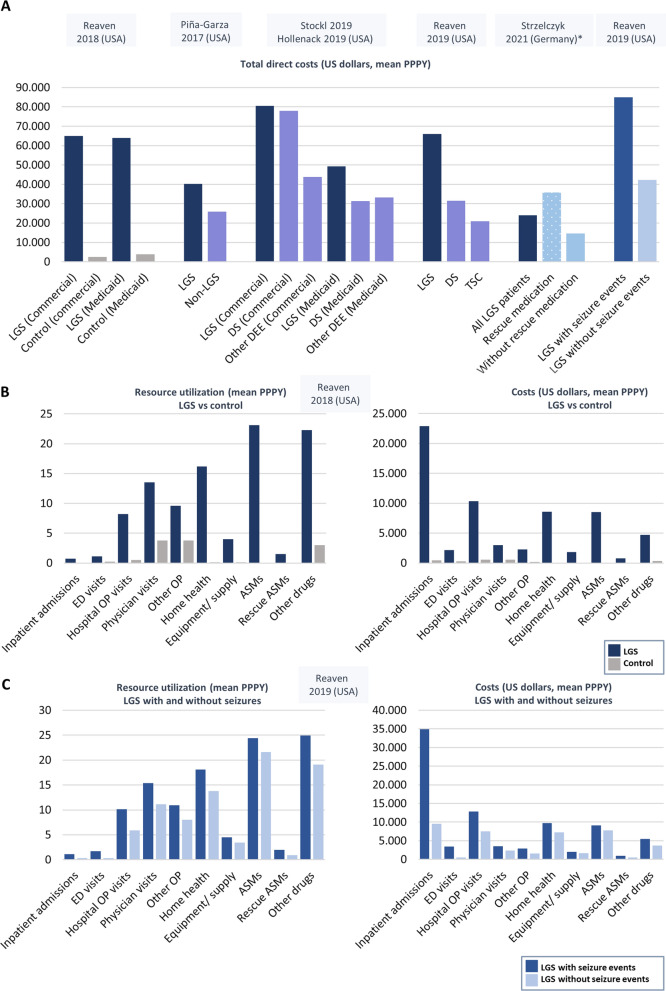
“Adapted from: Reaven et al (2018) [54], Piña‐Garza et al (2017) [46], Stockl et al (2019) [55], Hollenack et al (2019) [52], Reaven et al (2019) [53] and Strzelczyk et al (2021) [47] .”
BackgroundMethodInfluentialMyland, M., Buysse, B., Tsong, W., Power, G. S., Nordli, D. R., & Chin, R. (2019) · Archives of Disease in Childhood · doi:10.1136/archdischild-2019-316910 · Cited by 19 · cited 1×
“9 per 1000 person-years in the UK [50], respectively).”
BackgroundWijnen, B. F. M., Armstrong, N., Ramaekers, B. L. T., Witlox, W. J. A., Westwood, M. E., Fayter, D., Ryder, S., Buksnys, T., Worthy, G., Misso, K., et al. (2020) · PharmacoEconomics · doi:10.1007/s40273-020-00932-4 · Cited by 16 · cited 1×
“However, compared to standard of care, studies have estimated that rufinamide is a cost-effective treatment [66, 67], while cannabidiol was found to be cost-effective in a model that was based on absolute seizure frequency and seizure-free days and took account of the impact of caregivers’ burden [68], but in a differ…”
ResultCluster analysis of a large dataset of patients with Lennox-Gastaut syndrome
Asadi‐Pooya, A. A., Bazrafshan, M., & Farazdaghi, M. (2021) · Seizure · doi:10.1016/j.seizure.2021.08.005 · Cited by 14
François, C., Stern, J. M., Ogbonnaya, A., Lokhandwala, T., Landsman-Blumberg, P. B., Duhig, A. M., Shen, V., & Tan, R. (2017) · Journal of Market Access & Health Policy · doi:10.1080/20016689.2017.1318691 · Cited by 12 · cited 2×
“The risk of bias in the studies reporting on costs and/or resources was assessed to be low in 6 studies [40, 46, 47, 51, 53, 54] and moderate in 3 studies, which were conference abstracts that provided limited information [52, 55, 56] (Additional file 2: Table S3).”
BackgroundNeuberger, E. E., Carlson, J. J., & Veenstra, D. L. (2020) · PharmacoEconomics · doi:10.1007/s40273-020-00945-z · Cited by 12 · cited 1×
“However, compared to standard of care, studies have estimated that rufinamide is a cost-effective treatment [66, 67], while cannabidiol was found to be cost-effective in a model that was based on absolute seizure frequency and seizure-free days and took account of the impact of caregivers’ burden [68], but in a differ…”
ResultVekeman, F., Pina-Garza, J. E., Cheng, W. Y., Tuttle, E., Giguère-Duval, P., Oganisian, A., Damron, J., Duh, M. S., Shen, V., Saurer, T. B., et al. (2019) · Current Medical Research and Opinion · doi:10.1080/03007995.2019.1595552 · Cited by 10 · cited 1×
“The methods were latterly reported in more detail by Vekeman et al (2019), showing that an LGS classifier that used input variables including the number of distinct ASMs received, epilepsy-related outpatient/inpatient visits, electroencephalogram procedures and claims for delayed development, showed high sensitivity a…”
MethodLong-term medical and social outcomes of patients with Lennox-Gastaut syndrome
Asadi‐Pooya, A. A., Bazrafshan, M., & Farazdaghi, M. (2021) · Epilepsy Research · doi:10.1016/j.eplepsyres.2021.106813 · Cited by 10
Age at onset in patients with Lennox-Gastaut syndrome: Correlations with clinical manifestations
Asadi‐Pooya, A. A., & Farazdaghi, M. (2022) · Journal of Clinical Neuroscience · doi:10.1016/j.jocn.2022.04.020 · Cited by 10
Hollenack, K. A., Story, T. J., Acs, A., Tran, O., Krol, J., & Stockl, K. M. (2019) · Value in Health · doi:10.1016/j.jval.2019.04.1307 · Cited by 9 · cited 15×
“We restricted the search specifically to LGS, excluding studies which encompassed refractory epilepsy in general, even if they had a few LGS cases within a more general population of refractory epilepsy patients, which may have limited our evidence base, especially as LGS can evolve from or be part of other epilepsy s…”
BackgroundMethodInfluentialRadu, X., Damera, V., Martín, M. J. R., Simontacchi, K. C., & Holland, R. (2019) · Value in Health · doi:10.1016/j.jval.2019.04.1691 · Cited by 8 · cited 2×
“[62] used an alternative method of measuring patient HRQoL in a quantitative manner whereby patients and/or caregivers of patients with LGS, DS, or other epilepsies were asked to score the patient HRQoL based on hypothetical vignettes of patients with LGS (or DS) according to how many seizures and seizure-free days th…”
BackgroundMethodLe, V., Le, M. T., Nguyen, D. H., Tang, N. P. L., Tuan, P. A., Nguyen, A. M., Nguyen, M. K., Ngo, T. V., Tran, T. T., Le, T. V., et al. (2022) · Epilepsia Open · doi:10.1002/epi4.12650 · Cited by 8 · cited 1×
“Overall, there is an imperative need for innovative solutions to improve the outcomes of patients in these countries [82, 83].”
BackgroundStockl, K. M., Hollenack, K. A., Acs, A., Tran, O., Krol, J., & Story, T. J. (2019) · Value in Health · doi:10.1016/j.jval.2019.04.1300 · Cited by 6 · cited 15×
“We restricted the search specifically to LGS, excluding studies which encompassed refractory epilepsy in general, even if they had a few LGS cases within a more general population of refractory epilepsy patients, which may have limited our evidence base, especially as LGS can evolve from or be part of other epilepsy s…”
BackgroundMethodInfluentialCannabidiol for drop seizures in Lennox-Gastaut syndrome
Varadkar, S. (2018) · The Lancet · doi:10.1016/s0140-6736(18)30135-1 · Cited by 3
William Gordon Lennox (1884–1960)
Rosso, M., Chu, D. T., & Santoro, J. D. (2021) · Journal of Neurology · doi:10.1007/s00415-020-10338-z · Cited by 3 · cited 1×
“William Lennox’s views on eugenics [87, 88] have resulted in his name being removed from named lectures in the USA.”
Background
Research works printed but not linked: 5
- Covidence. Systematic review management platform [Available from: https://www.covidence.org/]
- Hollenack K, Story T, Acs A, et al. Prevalence of probable dravet syndrome, Lennox–Gastaut syndrome, and other refractory epilepsies in commercial and medicaid populations in the United States. J Manag Care Spec Pharm. 2019;25(3-A SUPPL):S58.
- Stockl K, Funk S, Reaven N, et al. Inpatient hospitalizations and readmissions among patients with probable Lennox–Gastaut syndrome, dravet syndrome, tuberous sclerosis complex, and other refractory epilepsies. J Manag Care Spec Pharm. 2019;25(10-A SUPPL):S57–8.
- Umeno J. A survey on the utilization status of social welfare services for pediatric patients with epilepsy. [Japanese]. No To Hattatsu. 2019;51(4):23–49.
- National Institute for Health And Care Excellence (NICE). Cannabidiol with clobazam for treating seizures associated with Lennox–Gastaut syndrome 2019 [Available from: https://www.nice.org.uk/guidance/ta615/documents/final-appraisal-determination-document] 40953171
Cited by
Developmental and epileptic encephalopathies
Scheffer, I. E., Zuberi, S., Mefford, H. C., Guerrini, R., & McTague, A. (2024) · Nature Reviews Disease Primers · doi:10.1038/s41572-024-00546-6 · Cited by 158
“Parents of children with LGS, the vast majority mothers, reported constant anxiety, difficulties in accessing child care, restriction of social life and poor mental health 229,230 .”
Self-citationSullivan, J. E., Benitez, A., Roth, J., Andrews, J. S., Shah, D., Butcher, E., Jones, A., & Cross, J. H. (2024) · Epilepsia · doi:10.1111/epi.17866 · Cited by 86
“A paucity of studies focusing on LGS was observed despite this condition having been recognized for longer than DS. 110,111 These issues, identified in the present analysis, make it difficult to draw reliable conclusions about the epidemiology of DS and LGS. Strzelczyk et al. 112 recently conducted a systematic litera…”
Dravet syndrome: A systematic literature review of the illness burden
Strzelczyk, A., Lagae, L. G., Wilmshurst, J. M., Brunklaus, A., Striano, P., Rosenow, F., & Schubert‐Bast, S. (2023) · Epilepsia Open · doi:10.1002/epi4.12832 · Cited by 78
“12,77,78 Further differences in costs and resource use between the different studies may be due to differences in study design (e.g., data sources, included cost components, cost-year, and different costs in different countries), as well as differences in access to different treatments and…”
BackgroundSelf-citationAuvin, S., Arzimanoglou, A. A., Falip, M., Striano, P., & Cross, J. H. (2024) · Epilepsia Open · doi:10.1002/epi4.13075 · Cited by 55
“115 LGS adversely affects the QoL of both patients and caregivers 20,116–118 ; seizure control (particularly drop seizure control) and days without seizures being the main determinants of QoL in LGS. 119,120 From childhood to adulthood, management of LGS must carefully balance the burden of…”
Self-citationCross, J. H., Benitez, A., Roth, J., Andrews, J. S., Shah, D., Butcher, E., Jones, A., & Sullivan, J. E. (2024) · Epilepsia · doi:10.1111/epi.17932 · Cited by 48
“Additionally, multiple types of motor deficits with varying prevalence were reported, reflecting the complex presentation of LGS.”
BackgroundInfluential
Metadata
- Authors
- Strzelczyk, A., Zuberi, S. M., Striano, P., Rosenow, F., & Schubert-Bast, S.
- Affiliations
- Goethe University Frankfurt (DE)
- Royal Hospital for Children (GB)
- Istituto Giannina Gaslini (IT)
- Corresponding author
- Strzelczyk, Adam
- Venue
- Orphanet Journal of Rare Diseases
- Published
- 2023-03-01
- Volume
- 18
- Issue
- 1
- Pages
- 42-42
- ISSN
- 1750-1172 (ISSN-L)
- PMC
- PMC9979426
- OpenAlex
- W4322733387
- Cited by
- 68
- References
- 87
- Citations by year
- 2026: 18 · 2025: 26 · 2024: 20 · 2023: 4
- FWCI
- 3.12
- Type
- journal article
- Language
- en
- Open access
- gold
- doi.org
- Licence
- cc-by
- creativecommons.org/licenses/by/4.0 (tdm)
- creativecommons.org/licenses/by/4.0 (vor)
- Locations
- Orphanet Journal of Rare Diseases (publishedVersion, cc-by)
- PubMed Central (publishedVersion, cc-by)
- PubMed (publishedVersion)
- ENLIGHTEN (Jurnal Bimbingan dan Konseling Islam) (acceptedVersion, other-oa)
- DOAJ (DOAJ: Directory of Open Access Journals) (submittedVersion, cc-by-sa)
- Publication Server of Goethe University Frankfurt am Main (Goethe University Frankfurt) (submittedVersion, cc-by)
- Funders
- Johann Wolfgang Goethe-Universität, Frankfurt am Main
- Topics
- Health Sciences › Medicine › Clinical Neurology › Epilepsy research and treatment
- Social Sciences › Economics, Econometrics and Finance › Economics and Econometrics › Health Systems, Economic Evaluations, Quality of Life
- Health Sciences › Medicine › Physiology (medical) › Diet and metabolism studies
- Keywords
- Lennox-Gastaut syndrome, disease burden, drug-resistant epilepsy, developmental and epileptic encephalopathy, prevalence, incidence, mortality, health care costs, healthcare resource utilization, health-related quality of life, caregiver burden, indirect costs
- MeSH terms
- Algorithms, Humans, Quality of Life, Seizures, Cost of Illness, Lennox Gastaut Syndrome
About these checks
Registry, retraction, Cites and statistics results are computed, not judged, with one exception: a printed reference that no index lists is read once by a model before it counts as a citation error. Claims are extracted by a model and kept only when their quote appears verbatim in the text; each cited source is then checked, with a model’s help, for whether it says what the claim relies on. Those verdicts can be wrong — read the claim’s quote and the cited source before relying on one.
Statistics and arithmetic are recomputed, not judged.
Confidence bands are shown only for fields calibrated on our annotated test set. None is calibrated yet, so no band is shown.
What counts as a claim ›How we measure confidence ›How we check this ›
Are you an author, or do you see a problem with this page? Request a review
Data sources
Bibliographic data: Semantic Scholar, OpenAlex, Crossref.
Contains information from the Semantic Scholar Academic Graph Datasets, made available under the ODC Attribution License (ODC-BY 1.0).
Semantic Scholar’s data is described in: Kinney, R., et al. (2023). The Semantic Scholar Open Data Platform. arXiv:2301.10140.
