

The informed road map to prevention of Alzheimer Disease: A call to arms
Open accessThe DOI matches its Crossref record; 169 of the 169 references it cites were found in a registry or an index.
Abstract
Alzheimer disease (AD) prevention trials hold the promise to delay or prevent cognitive decline and dementia onset by intervening before significant neuronal damage occurs. In recent years, the first AD prevention trials have launched and are yielding important findings on the biology of targeting asymptomatic AD pathology. However, there are limitations that impact the design of these prevention trials, including the translation of animal models that recapitulate key stages and multiple pathological aspects of the human disease, missing target validation in asymptomatic disease, uncertain causality of the association of pathophysiologic changes with cognitive and clinical symptoms, and limited biomarker validation for novel targets. The field is accelerating advancements in key areas including the development of highly specific and quantitative biomarker measures for AD pathology, increasing our understanding of the course and relationship of amyloid and tau pathology in asymptomatic through symptomatic stages, and the development of powerful interventions that can slow or reverse AD amyloid pathology. We review the current status of prevention trials and propose key areas of needed research as a call to basic and translational scientists to accelerate AD prevention. Specifically, we review (1) sporadic and dominantly inherited primary and secondary AD prevention trials, (2) proposed targets, mechanisms, and drugs including the amyloid, tau, and inflammatory pathways and combination treatments, (3) the need for more appropriate prevention animal models and experiments, and (4) biomarkers and outcome measures needed to design human asymptomatic prevention trials. We conclude with actions needed to effectively move prevention targets and trials forward.
Overview
The claims and statistics of this paper haven’t been checked yet.
Free: it reads the open-access text and checks the first 5 claims that cite a source we can check. Create a free account to check every claim.
Integrity signals
Registry
Cites
Statistics
Figures
Verification
Claims the paper makes
The claims and statistics of this paper haven’t been checked yet.
Free: it reads the open-access text and checks the first 5 claims that cite a source we can check. Create a free account to check every claim.
Self-check
Percentages, sums and reported differences re-computed from the paper’s own numbers.
The self-check needs the paper’s full text.
Citations
Cites
1 retracted
Dementia prevention, intervention, and care: 2020 report of the Lancet Commission
Livingston, G., Huntley, J., Sommerlad, A., Ames, D., Ballard, C., Banerjee, S., Brayne, C., Burns, A., Cohen-Mansfield, J., Cooper, C., et al. (2020) · The Lancet · doi:10.1016/s0140-6736(20)30367-6 · Cited by 10,430
RetractedFolstein, M. F., Folstein, S. E., & McHugh, P. R. (1975) · Journal of Psychiatric Research · doi:10.1016/0022-3956(75)90026-6 · Cited by 88,282 · cited 1×
“A Cochrane review of five trials in individuals with symptomatic AD with a range of Mini Mental State Examination [147] scores from 5 to 22 found a small but significant benefit of the combination of an approved cholinesterase inhibitor and memantine for global, cognitive, and behavioral measures but no benefit for in…”
BackgroundKok, J. S., Berg, I. J., & Scherder, E. J. A. (2013) · Dementia and Geriatric Cognitive Disorders Extra · doi:10.1159/000353441 · Cited by 20,589
Older Adults' Reasons for Using Technology while Aging in Place
Peek, S. T. M., Luijkx, K. G., Rijnaard, M. D., Nieboer, M. E., van der Voort, C. S., Aarts, S., van Hoof, J., Vrijhoef, H. J. M., & Wouters, E. J. M. (2016) · Gerontology · doi:10.1159/000430949 · Cited by 19,690
Sensitivity and False Alarm Rate of a Fall Sensor in Long-Term Fall Detection in the Elderly
Kangas, M., Korpelainen, R., Vikman, I., Nyberg, L., & Jämsä, T. (2015) · Gerontology · doi:10.1159/000362720 · Cited by 18,909
NIA‐AA Research Framework: Toward a biological definition of Alzheimer's disease
Jack, C. R., Bennett, D. A., Blennow, K., Carrillo, M. C., Dunn, B., Haeberlein, S. B., Holtzman, D. M., Jagust, W., Jessen, F., Karlawish, J., et al. (2018) · Alzheimer's & Dementia · doi:10.1016/j.jalz.2018.02.018 · Cited by 10,537
Self-citationAmyloid oligomers exacerbate tau pathology in a mouse model of tauopathy
Selenica, M.-L. B., Brownlow, M., Jimenez, J. P., Lee, D. C., Pena, G., Dickey, C. A., Gordon, M. N., & Morgan, D. (2013) · Neurodegenerative Diseases · doi:10.1159/000337230 · Cited by 10,359
The amyloid hypothesis of Alzheimer's disease at 25 years
Selkoe, D. J., & Hardy, J. (2016) · EMBO Molecular Medicine · doi:10.15252/emmm.201606210 · Cited by 6,164 · cited 1×
“Aβ remains an important target [150] for diseasemodifying therapies in AD, although to date, clinical trials of anti-Aβ monotherapies in persons with symptomatic AD have failed to clearly demonstrate clinical efficacy.”
Background2016 Alzheimer's disease facts and figures
Alzheimer's Association (2016) · Alzheimer's & Dementia · doi:10.1016/j.jalz.2016.03.001 · Cited by 5,069
Frontotemporal lobar degeneration: A consensus on clinical diagnostic criteria
Neary, D., Snowden, J. S., Gustafson, L., Passant, U., Stuss, D., Black, S., Freedman, M., Kertesz, A., Robert, P. H., Albert, M., et al. (1998) · Neurology · doi:10.1212/wnl.51.6.1546 · Cited by 5,047
Research works printed but not linked: 1
- 99. Schindler SE, Bollinger JG, Ovod V, Mawuenyega KG, Li Y, Gordon BA, et al. High-precision plasma β-amyloid 42/40 predicts current and future brain amyloidosis Class of Evidence Criteria for rating therapeutic and diagnostic studies. Neurology. 2019; 10.1212/WNL.0000000000008081. · DOI · Paper page
Cited by
Dementia prevention, intervention, and care: 2024 report of the Lancet standing Commission
Livingston, G., Huntley, J., Liu, K. Y., Costafreda, S. G., Selbæk, G., Alladi, S., Ames, D., Banerjee, S., Burns, A., Brayne, C., et al. (2024) · The Lancet · doi:10.1016/s0140-6736(24)01296-0 · Cited by 3,860
ApoE in Alzheimer’s disease: pathophysiology and therapeutic strategies
Raulin, A.-C., Doss, S. V., Trottier, Z. A., Ikezu, T. C., Bu, G., & Liu, C.-C. (2022) · Molecular Neurodegeneration · doi:10.1186/s13024-022-00574-4 · Cited by 756
“As such, targeting apoE offers a unique opportunity to potentially benefit a greater number of AD patients [12].”
BackgroundAlzheimer's disease: From immunotherapy to immunoprevention
Jucker, M., & Walker, L. C. (2023) · Cell · doi:10.1016/j.cell.2023.08.021 · Cited by 353
The neuroimmune axis of Alzheimer’s disease
Jorfi, M., Maaser-Hecker, A., & Tanzi, R. E. (2023) · Genome Medicine · doi:10.1186/s13073-023-01155-w · Cited by 333
“Recently, substantial advances have been made in efforts to identify the pre-symptomatic stages of AD using CSF and blood-based biomarkers, including Aβ42/40 ratio, p-Tau phosphorylated at threonine-181, 217, or 231, and neurofilament light (NfL) [308].”
BackgroundSolving neurodegeneration: common mechanisms and strategies for new treatments
Wareham, L. K., Liddelow, S. A., Temple, S., Benowitz, L. I., Di Polo, A., Wellington, C., Goldberg, J. L., He, Z., Duan, X., Bu, G., et al. (2022) · Molecular Neurodegeneration · doi:10.1186/s13024-022-00524-0 · Cited by 324
“An example of such therapy might combine anti-Aβ to promote immune-clearance of Aβ aggregates, with an inhibitor of β-secretase, the enzyme responsible for the production of toxic Aβ [262].”
BackgroundInfluentialMicroglia in Alzheimer’s disease: pathogenesis, mechanisms, and therapeutic potentials
Miao, J., Ma, H., Yang, Y., Liao, Y., Lin, C., Zheng, J., Yu, M., & Lan, J. (2023) · Frontiers in Aging Neuroscience · doi:10.3389/fnagi.2023.1201982 · Cited by 293
“As a potential therapeutic target, various approaches to reducing APOE4 are being explored, including converting it to APOE2 or APOE3 (Safieh et al., 2019; Yamazaki et al., 2019; Williams et al., 2020; McDade et al., 2021).”
BackgroundBrand, A. L., Lawler, P. E., Bollinger, J. G., Li, Y., Schindler, S. E., Li, M., Lopez, S., Ovod, V., Nakamura, A., Shaw, L. M., et al. (2022) · Alzheimer's Research & Therapy · doi:10.1186/s13195-022-01117-1 · Cited by 151
Self-citationJanelidze, S., Barthélemy, N. R., Salvadó, G., Schindler, S. E., Palmqvist, S., Mattsson, N., Braunstein, J. B., Ovod, V., Bollinger, J. G., He, Y., et al. (2024) · JAMA Neurology · doi:10.1001/jamaneurol.2024.2619 · Cited by 146
Self-citationAlzheimer's disease outlook: controversies and future directions
Frisoni, G. B., Aho, E., Brayne, C., Ciccarelli, O., Dubois, B., Fox, N. C., Frederiksen, K. S., Gabay, C., Garibotto, V., Hofmarcher, T., et al. (2025) · The Lancet · doi:10.1016/s0140-6736(25)01389-3 · Cited by 135
Suvorexant Acutely Decreases Tau Phosphorylation and Aβ in the Human CNS
Lucey, B. P., Liu, H., Toedebusch, C. D., Freund, D., Redrick, T., Chahin, S. L., Mawuenyega, K. G., Bollinger, J. G., Ovod, V., Barthélemy, N. R., et al. (2023) · Annals of Neurology · doi:10.1002/ana.26641 · Cited by 111
“These studies help develop the foundational knowledge needed to develop and run treatment and prevention trials in AD.(14)”
BackgroundInfluentialSelf-citationThe Amyloid Cascade Hypothesis in Alzheimer’s Disease: Should We Change Our Thinking?
Kurkinen, M. T., Fułek, M., Fułek, K., Beszłej, J. A., Kurpas, D., & Leszek, J. (2023) · Biomolecules · doi:10.3390/biom13030453 · Cited by 114
“While the drugs reduced Aβ peptide production and brain amyloid, they did slow cognitive decline because, as the argument goes, at the time of intervention, AD had already progressed beyond the point of therapy [65].”
BackgroundKorte, N., Barkaway, A., Wells, J. A., Freitas, F., Sethi, H., Andrews, S. P., Skidmore, J., Stevens, B., & Attwell, D. (2024) · Nature Neuroscience · doi:10.1038/s41593-024-01753-w · Cited by 110
“Most therapies for Alzheimer’s disease (AD) aim to remove amyloid β (Aβ) plaques or prevent tau hyperphosphorylation, but they have failed to prevent cognitive decline 1,2 .”
BackgroundAlzheimer’s disease – the journey of a healthy brain into organ failure
Golde, T. E. (2022) · Molecular Neurodegeneration · doi:10.1186/s13024-022-00523-1 · Cited by 88
Immunotherapies for Alzheimer’s disease
Golde, T. E., & Levey, A. I. (2023) · Science · doi:10.1126/science.adj9255 · Cited by 66
Targeting aging and age-related diseases with vaccines
Wu, R., Sun, F., Zhang, W., Ren, J., & Liu, G.-H. (2024) · Nature Aging · doi:10.1038/s43587-024-00597-0 · Cited by 66
“In addition, due to the complex biological mechanism of AD, a single intervention target may not be enough to delay the development of the disease course 39,65 .”
InfluentialColey, N., Giulioli, C., Aisen, P. S., Vellas, B., & Andrieu, S. (2022) · Ageing Research Reviews · doi:10.1016/j.arr.2022.101777 · Cited by 62
ApoE4 reduction: An emerging and promising therapeutic strategy for Alzheimer's disease
Li, Y., Macyczko, J. R., Liu, C.-C., & Bu, G. (2022) · Neurobiology of Aging · doi:10.1016/j.neurobiolaging.2022.03.011 · Cited by 61
McDade, E. (2022) · CONTINUUM Lifelong Learning in Neurology · doi:10.1212/con.0000000000001131 · Cited by 65
Self-citationMüller, S. A., Shmueli, M. D., Feng, X. M., Tüshaus, J., Schumacher, N., Clark, R., Smith, B. E., Chi, A., Rose‐John, S., Kennedy, M. E., et al. (2023) · Molecular Neurodegeneration · doi:10.1186/s13024-023-00596-6 · Cited by 53
“Background The β-secretase BACE1 (β-site APP cleaving enzyme) is a major drug target in Alzheimer’s disease (AD) [1].”
BackgroundJoseph‐Mathurin, N., Llibre‐Guerra, J. J., Li, Y., McCullough, A. A., Hofmann, C., Wojtowicz, J., Park, E., Wang, G., Preboske, G. M., Wang, Q., et al. (2022) · Annals of Neurology · doi:10.1002/ana.26511 · Cited by 47
“Potential reasons suggested for this lack of success include treating too late in the disease course, inadequate dosing, and lack of target engagement.(1) Doses may not have been high enough (given the low level of blood–brain barrier penetrance – <1%) due to concern about dose-related Aβrelated imaging abnormalities…”
BackgroundSelf-citationTrelle, A. N., Young, C. B., Vossler, H. A., Benitez, J. A. R., Cody, K. A., Mendiola, J. H., Swarovski, M. S., Guen, Y. L., Feinstein, I., Butler, R. R., et al. (2024) · Alzheimer s & Dementia · doi:10.1002/alz.14442 · Cited by 51
“Amyloid PET data measured using 18F-Florbetaben were included for 129 participants ( n = 112 ADRC, n = 17 SAMS) with a PET scan within 2 years of their baseline plasma draw (mean [SD] delay = 3.23 [4.5] months).”
InfluentialTherapeutic Potential of Targeting Mitochondria for Alzheimer’s Disease Treatment
Atlante, A., Amadoro, G., Latina, V., & Valenti, D. (2022) · Journal of Clinical Medicine · doi:10.3390/jcm11226742 · Cited by 41
“However, in the clinical practice, most interventions have not been adequate in preventing, delaying or even reversing the cognitive decline [141,142].”
BACE1 regulates expression of Clusterin in astrocytes for enhancing clearance of β-amyloid peptides
Zhou, J., Singh, N., Galske, J., Hudobenko, J., Hu, X., & Yan, R. (2023) · Molecular Neurodegeneration · doi:10.1186/s13024-023-00611-w · Cited by 43
“Considering the fact that abnormal accumulation of Aβ leads to amyloid deposition, which is associated with pathological events including the intraneuronal tau hyperphosphorylation and formation of neurofibrillary tangles [18, 19], it becomes important to understand how to properly inhibit BACE1 activity and to avoid…”
BackgroundTirzepatide shows neuroprotective effects via regulating brain glucose metabolism in APP/PS1 mice
Yang, S., Zhao, X., Zhang, Y., Tang, Q., Li, Y., Du, Y., & yu, P. (2024) · Peptides · doi:10.1016/j.peptides.2024.171271 · Cited by 41
A critical appraisal of blood-based biomarkers for Alzheimer’s disease
Lista, S., Mapstone, M. E., Caraci, F., Emanuele, E., López‐Ortiz, S., Martín-Hernández, J., Triaca, V., Imbimbo, C., Gabelle, A., Mielke, M. M., et al. (2024) · Ageing Research Reviews · doi:10.1016/j.arr.2024.102290 · Cited by 33
Abushakra, S. R., Porsteinsson, A. P., Sabbagh, M., Watson, D., Power, A., Liang, E., MacSweeney, E., Boada, M., Flint, S., McLaine, R., et al. (2024) · Alzheimer s & Dementia Translational Research & Clinical Interventions · doi:10.1002/trc2.12498 · Cited by 41
“47,48 Because pre-symptomatic APOE ε 4/ ε 4 homozygotes are at the highest risk of clinical disease progression, the development of preventive treatments for this population is a high priority.”
BackgroundSynaptic sabotage: How Tau and α-Synuclein undermine synaptic health
Uytterhoeven, V., Verstreken, P., & Nachman, E. (2024) · The Journal of Cell Biology · doi:10.1083/jcb.202409104 · Cited by 29
Trem2 H157Y increases soluble TREM2 production and reduces amyloid pathology
Qiao, W., Chen, Y., Zhong, J., Madden, B. J., Charlesworth, C. M., Martens, Y. A., Liu, C., Knight, J. A., Ikezu, T. C., Kurti, A., et al. (2023) · Molecular Neurodegeneration · doi:10.1186/s13024-023-00599-3 · Cited by 31
“Considering that no animal model fully mimics the AD related pathologies and 5xFAD mice merely develop amyloid pathology which recapitulates the very early stage of AD [71], our current data cannot address how TREM2 p.”
BackgroundA manifesto for Alzheimer’s disease drug discovery in the era of disease-modifying therapies
Hering, H., Bussière, T., Liu, C., Glajch, K. E., Weihofen, A., Grogan, J. L., & Walsh, D. M. (2025) · Molecular Neurodegeneration · doi:10.1186/s13024-025-00872-7 · Cited by 32
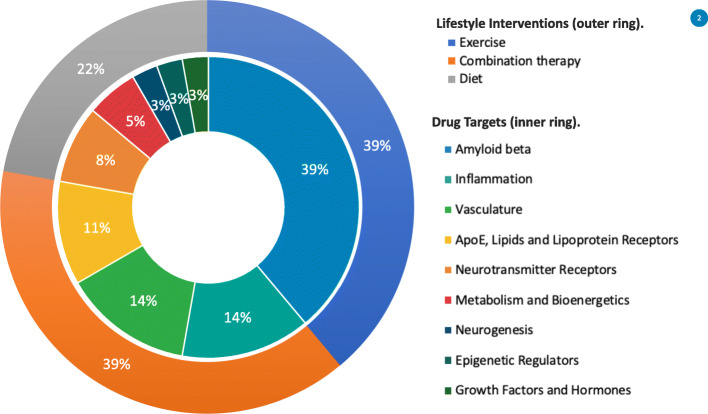
“Besides the 4 core targets which we deem the most tractable, other efforts can be considered in 7 broad classes: (1) neuroimmunology, (2) neurotransmitter, (3) vasculature (4) metabolic, (5) neurogenesis, (6) epigenetic regulators, and (7) growth factors and hormones [226].”
Alzheimer’s disease is an inherent, natural part of human brain aging: an integrated perspective
Ferrer, I. (2022) · Free Neuropathology · doi:10.17879/freeneuropathology-2022-3806 · Cited by 30
What have we learned from past failures of investigational drugs for Alzheimer’s disease?
Imbimbo, B. P., & Watling, M. I. L. (2021) · Expert Opinion on Investigational Drugs · doi:10.1080/13543784.2021.2017881 · Cited by 26
“To date, prevention studies with anti-Aβ drugs have also repeatedly failed to arrest or slow down cognitive decline [19] (Table 1).”
BackgroundSepúlveda-Lara, A., Sepúlveda, P., & Marzuca-Nassr, G. N. (2024) · International Journal of Molecular Sciences · doi:10.3390/ijms25137084 · Cited by 25
“At present, there are approximately 50 million people with AD throughout the world; this number is expected rise to 152 million by 2050 [2].”
BackgroundUchida, Y., Nishimaki, K., Soldan, A., Pettigrew, C. A., Ho, S. G., Moghekar, A., Wang, M., Miller, M. I., Albert, M., & Oishi, K. (2025) · Alzheimer s & Dementia · doi:10.1002/alz.70544 · Cited by 27
Katariya, R., Sammeta, S. S., Kale, M. B., Kotagale, N. R., Umekar, M. J., & Taksande, B. G. (2024) · Ageing Research Reviews · doi:10.1016/j.arr.2024.102269 · Cited by 23
Jayadev, S. (2022) · CONTINUUM Lifelong Learning in Neurology · doi:10.1212/con.0000000000001125 · Cited by 22
Krishnamoorthi, S., Iyaswamy, A., Sreenivasmurthy, S. G., Thakur, A., Vasudevan, K., Kumar, G., Guan, X.-J., Lu, K., Gaurav, I., Su, C.-F., et al. (2023) · Journal of Neuroimmune Pharmacology · doi:10.1007/s11481-023-10083-w · Cited by 20
Koike, R., Soeda, Y., Kasai, A., Fujioka, Y., Ishigaki, S., Yamanaka, A., Takaichi, Y., CHAMBERS, J. K., Uchida, K., Watanabe, H., et al. (2023) · Brain Communications · doi:10.1093/braincomms/fcad359 · Cited by 18
Chen, Y., Li, Z., Ge, X., Lv, H., & Geng, Z. (2024) · Frontiers in Neuroscience · doi:10.3389/fnins.2024.1359631 · Cited by 16
Coulton, J. B., He, Y., Barthélemy, N. R., Jiang, H., Holtzman, D. M., & Bateman, R. J. (2024) · Brain Communications · doi:10.1093/braincomms/fcae247 · Cited by 15
“Median ratios of CSF-to-plasma NfL show that Coil 1 peptides [NfL101 (NfL peptide FASFIER spanning residues 101–10)], NfL117 (NfL peptide VLEAELLVLR spanning residues 117–126), NfL148 (NfL peptide LAAEDATNEK spanning residues 148–157) and NfL165 (NfL peptide EGLEETLR spanning residues 165–172)] are…”
BackgroundSelf-citationOrciani, C., Carmo, S. D., Foret, M. K., Hall, H., Bonomo, Q., Lavagna, A., Huang, C., & Cuello, A. C. (2023) · Neurobiology of Aging · doi:10.1016/j.neurobiolaging.2023.09.010 · Cited by 14
Digging into the intrinsic capacity concept: Can it be applied to Alzheimer’s disease?
López‐Ortiz, S., Caruso, G., Emanuele, E., Menéndez, H., Peñín‐Grandes, S., Guerrera, C. S., Caraci, F., Nisticò, R., Lucía, A., Santos‐Lozano, A., et al. (2024) · Progress in Neurobiology · doi:10.1016/j.pneurobio.2024.102574 · Cited by 15
Palko, S. I., Benoit, M., Yao, A. Y., Mohan, R., & Yan, R. (2024) · Glia · doi:10.1002/glia.24514 · Cited by 15
“Alzheimer's disease (AD) is the leading cause of dementia and the most common neurodegenerative disease (Corriveau et al., 2017; McDade et al., 2021).”
BackgroundElectrophysiological resting state brain network and episodic memory in healthy aging adults
Chen, Y., Tang, J. H., Stefano, L. A. D., Wenger, M. J., Ding, L., Craft, M., Carlson, B. W., & Yuan, H. (2022) · NeuroImage · doi:10.1016/j.neuroimage.2022.118926 · Cited by 15
Morales, C. D., Cotton‐Samuel, D., Lao, P. J., Chang, J. F., Pyne, J. D., Alshikho, M. J., Lippert, R. V., Bista, K. C., Hale, C., Edwards, N. C., et al. (2024) · Alzheimer s Research & Therapy · doi:10.1186/s13195-024-01395-x · Cited by 13
“…decline in AD, efforts towards risk reduction and prevention via multidomain interventions that include management of cerebrovascular disease [46, 47], combination therapies [48], or explicit inclusion of individuals with cerebro-vascular disease will continue to emerge as important strategies.”
BackgroundZhang, F., Khan, A. F., Ding, L., & Yuan, H. (2023) · Journal of Neural Engineering · doi:10.1088/1741-2552/acaccb · Cited by 13
“Our demonstration of a fNIRS system in imaging DMN is especially important for monitoring the brain at aging and progressive AD states. Our results have revealed the functional connectivity among mPFC, precuneus and IPL, all of which are closely associated with memory and other cognitive functions (Sperling et al 2010…”
Influential15 years of longitudinal genetic, clinical, cognitive, imaging, and biochemical measures in DIAN
Daniels, A. J., McDade, E., Llibre‐Guerra, J. J., Xiong, C., Perrin, R. J., Ibáñez, L., Supnet‐Bell, C., Cruchaga, C., Goate, A., Renton, A. E., et al. (2026) · npj Dementia · doi:10.1038/s44400-025-00047-7 · Cited by 13
Self-citationTau-binding protein PRMT8 facilitates vacuole degeneration in the brain
Ishii, A., Matsuba, Y., Mihira, N., Kamano, N., Saito, T., Muramatsu, S., Yokosuka, M., Saido, T. C., & Hashimoto, S. (2022) · The Journal of Biochemistry · doi:10.1093/jb/mvac058 · Cited by 12
Neuroimaging within the Dominantly Inherited Alzheimer’s Network (DIAN): PET and MRIPreprint
McKay, N. S., Gordon, B. A., Hornbeck, R. C., Jack, C. R., Koeppe, R. A., Flores, S. E., Keefe, S., Hobbs, D. A., Joseph‐Mathurin, N., Wang, Q., et al. (2022) · bioRxiv (Cold Spring Harbor Laboratory) · doi:10.1101/2022.03.25.485799 · Cited by 10
Self-citationWhat contribution can genetics make to predict the risk of Alzheimer's disease?
Schramm, C., Wallon, D., Nicolas, G., & Charbonnier, C. (2022) · Revue Neurologique · doi:10.1016/j.neurol.2022.03.005 · Cited by 9
A Review of Primary. Secondary, and Tertiary Prevention Strategies for Alzheimer’s Disease
O'Donnell, H. (2023) · Undergraduate Journal of Public Health · doi:10.3998/ujph.3946 · Cited by 9
“…the pre-symptomatic or preclinical stage and prevent the development of Alzheimer’s symptoms through the appropriate use of screening and early diagnostic tools, including biomarkers, scalable screening technologies, and cognitive assessments, followed by prompt treatment (McDade et al., 2021).”
Korkmaz, A., Rhyman, L., & Ramasami, P. (2022) · Physical Sciences Reviews · doi:10.1515/psr-2021-0230 · Cited by 7
Garrick, J. M., Cole, T. B., Dao, K., Phillips, A., & Costa, L. G. (2023) · Environmental Toxicology · doi:10.1002/tox.23733 · Cited by 6
“generated to attempt to study disease progression, however clear species differences still exist, as therapeutics which effectively clear amyloid plaques in mouse models have been unsuccessful in human trials.(86) Moreover, cognitive deficits in transgenic animals have been shown to precede amyloid plaque pathology,(8…”
BackgroundZaki, S. B., Khan, S. A., & Ali, R. (2025) · Medicinal Chemistry Research · doi:10.1007/s00044-025-03373-w · Cited by 5
“On the other hand, MAO which is a fl avoenzyme present in outer mitochondrial membrane have two isoforms: MAO-A and MAO-B, each having different expression and speci fi c activity [18].”
Alzheimer's disease drug development in an evolving therapeutic landscape
Weninger, S. C., Irizarry, M. C., Fleisher, A., León, T., Maruff, P. T., Miller, D. S., Assunção, S. S., Carrillo, M. C., & Weber, C. J. (2024) · Alzheimer s & Dementia Translational Research & Clinical Interventions · doi:10.1002/trc2.70015 · Cited by 6
Baliashvili, D., Imerlishvili, E., Karaulashvili, A., DeHovitz, J. A., Gustafson, D., & Djibuti, M. (2025) · BMJ Open · doi:10.1136/bmjopen-2024-090918 · Cited by 5
Mao, R., Shu, S., Sun, M., Chen, J., Hu, M., Ye, L., Xu, S., Jia, J., Shao, W., Bao, X., et al. (2025) · Alzheimer s Research & Therapy · doi:10.1186/s13195-025-01777-9 · Cited by 5
“The complexity of AD pathology is a key challenge to early prevention, and may necessitate treatments with multiple targets [48, 49].”
An appraisal at a glance of metallome and disease biomarkers
López, R., Pereira, F. J., & Aller, A. J. (2025) · European Journal of Medicinal Chemistry · doi:10.1016/j.ejmech.2025.117931 · Cited by 4
Dysregulated synaptic gene expression in oligodendrocytes of spinal and bulbar muscular atrophy
Iida, M., Sahashi, K., Hirunagi, T., Sakakibara, K., Maeda, K., Iguchi, Y., Li, J., Ogura, Y., Iizuka, M., Akashi, T., et al. (2025) · JCI Insight · doi:10.1172/jci.insight.182123 · Cited by 6
“As in other neurodegenerative disorders (5, 6), preclinical changes have been identified in SBMA.”
Sex differences in Alzheimer’s disease: an urgent research venue to follow
Jiménez‐Herrera, R., Contreras, A., Navarro‐López, J. D., & Jiménez‐Díaz, L. (2024) · Neural Regeneration Research · doi:10.4103/nrr.nrr-d-23-01971 · Cited by 4
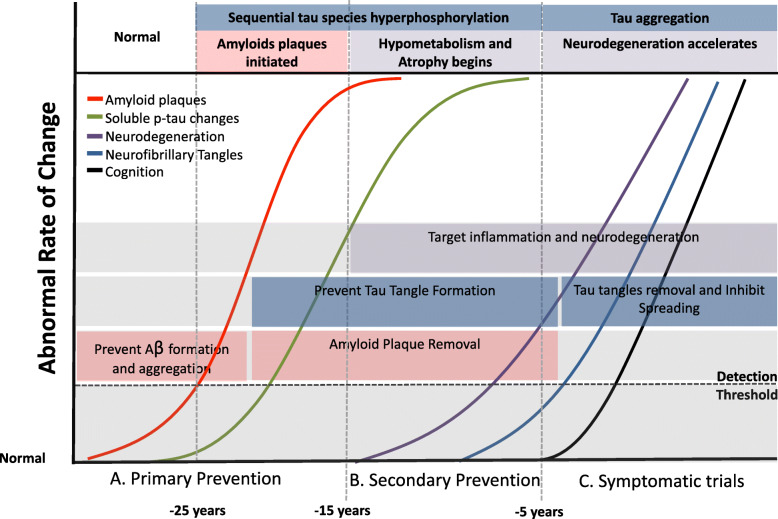
“Additionally, the physiopathology of AD begins several decades before the presence of Aβ plaques, when the peptide is soluble, found as distinct oligomeric aggregated forms rather than deposited (McDade et al., 2021), and cognitive symptoms are not evident yet.”
BackgroundLi, X., Amemiya, T., Shibata, K., & Yamaguchi, T. (2025) · Medical Hypotheses · doi:10.1016/j.mehy.2025.111750 · Cited by 3
Target product profiles for treatments to delay or prevent symptomatic Alzheimer’s disease
Cummings, J. L., Agadjanyan, M. G., Barry, M., Corey, L., Doody, R., Hendrix, S. B., Mattke, S., Mattsson, N., McDade, E., Menetski, J. P., et al. (2026) · Nature Medicine · doi:10.1038/s41591-026-04305-w · Cited by 3
Self-citationAschenbrenner, A. J., Wilks, H., Welhaf, M., Katteri, S., Stout, S. H., Sliwinski, M. J., Benzinger, T. L. S., Gordon, B. A., Li, Y., Perrin, R. J., et al. (2026) · Alzheimer s & Dementia Translational Research & Clinical Interventions · doi:10.1002/trc2.70311 · Cited by 3
“35 Because cognitive change in young and cognitively healthy adults is very minimal, extremely large sample sizes are necessary to power successful trials.”
Self-citationDegradation of Misfolded Proteins in Neurodegenerative Diseases: Therapeutic Targets and Strategies
Rajak, A. (2025) · Springer eBooks · doi:10.1007/978-981-96-6202-9_17 · Cited by 4
Wang, C., Zhang, Y., Zhao, D., Huo, Y., Xie, J., Zhang, X., Luo, H., Xu, H., & Zhang, Y. (2022) · Neuropsychopharmacology · doi:10.1038/s41386-022-01373-7 · Cited by 3
“A complete elucidation of the molecular and cellular mechanisms underlying AD pathogenesis should identify targets for developing new AD treatment strategies [10].”
BackgroundThe role of massive demographic databases in intractable illnesses: Denomics for dementia
Stecker, M. M., Peltier, M. R., & Reiss, A. B. (2022) · AIMS Public Health · doi:10.3934/publichealth.2022043 · Cited by 3
Efficacy and Safety of Stem Cell Therapy in Alzheimer's Disease: A Review
Arora, D., Gupta, D., Deeksha, Taneja, Y., & Dhingra, A. K. (2024) · Current Stem Cell Research & Therapy · doi:10.2174/011574888x267673231120061600 · Cited by 2
Novel Metabolic Biomarkers and Therapeutic Strategies in Neurodegenerative Diseases
Thapliyal, A., Shweta, & Maurya, S. K. (2024) · Springer eBooks · doi:10.1007/978-981-97-4288-2_14 · Cited by 2
Braaß, H., Reiter, N., Backhaus, W., Wróbel, P. P., Quandt, F., Schulz, R., Gerloff, C. P., & Higgen, F. L. (2025) · Scientific Reports · doi:10.1038/s41598-025-19143-y · Cited by 2
Petersen, K. K., Li, Y., & Schindler, S. E. (2026) · medRxiv · doi:10.64898/2026.05.10.26352825 · Cited by 2
McDade, E., Porsteinsson, A., Clifford, D. B., Llibre‐Guerra, J. J., Wang, G., Li, Y., Belyew, S., Mills, S., Santacruz, A. M., Supnet‐Bell, C., et al. (2026) · npj Dementia · doi:10.1038/s44400-026-00067-x · Cited by 1
Self-citationNeuroprotection induced by sulphoraphane in central nervous system disorders
Sharma, P., Luhach, K., Dhiman, N., Awasthi, R., Kharkwal, H., Kulkarni, G. T., & Sharma, B. (2024) · Elsevier eBooks · doi:10.1016/b978-0-443-23763-8.00053-1 · Cited by 1
Noninvasive nanoimaging-nanomanipulation of CRISPR-Cas in cells
Zu, D., Li, B., & Lee, S. E. (2024) · doi:10.1117/12.3005864
“Mutation in gene of Amyloid Precursor Protein (APP) is strong correlation with Alzheimer’s disease (AD) 1 .”
BackgroundSalama, H. H., Abdel-Wahhab, K. G., Khalil, H. M. A., Abdelhamid, S. M., & Hassan, L. K. (2024) · Foods and raw materials · doi:10.21603/2308-4057-2025-1-619 · Cited by 1
Han, R., Zhang, X., Chen, Y., Hou, X., & Bai, F. (2024) · Brain Research · doi:10.1016/j.brainres.2024.149229 · Cited by 1
Weston, P. S. J., Coath, W., Brown, T., Scott, C. J., Malone, I. B., Årstad, E., Awais, R. O., Sander, K., Thomas, D. L., Dickson, J. C., et al. (2025) · medRxiv · doi:10.64898/2025.12.15.25340517
Additional file 1 of Trem2 H157Y increases soluble TREM2 production and reduces amyloid pathology
Qiao, W., Chen, Y., Zhong, J., Madden, B. J., Charlesworth, C. M., Martens, Y. A., Liu, C.-C., Knight, J., Ikezu, T. C., Kurti, A., et al. (2023) · Figshare · doi:10.6084/m9.figshare.22608512
Additional file 2 of Trem2 H157Y increases soluble TREM2 production and reduces amyloid pathology
Qiao, W., Chen, Y., Zhong, J., Madden, B. J., Charlesworth, C. M., Martens, Y. A., Liu, C.-C., Knight, J., Ikezu, T. C., Kurti, A., et al. (2023) · Figshare · doi:10.6084/m9.figshare.22608515
Additional file 10 of Trem2 H157Y increases soluble TREM2 production and reduces amyloid pathology
Qiao, W., Chen, Y., Zhong, J., Madden, B. J., Charlesworth, C. M., Martens, Y. A., Liu, C.-C., Knight, J., Ikezu, T. C., Kurti, A., et al. (2023) · Figshare · doi:10.6084/m9.figshare.22608542
Additional file 7 of Trem2 H157Y increases soluble TREM2 production and reduces amyloid pathology
Qiao, W., Chen, Y., Zhong, J., Madden, B. J., Charlesworth, C. M., Martens, Y. A., Liu, C.-C., Knight, J., Ikezu, T. C., Kurti, A., et al. (2023) · Figshare · doi:10.6084/m9.figshare.22608530
Additional file 5 of Trem2 H157Y increases soluble TREM2 production and reduces amyloid pathology
Qiao, W., Chen, Y., Zhong, J., Madden, B. J., Charlesworth, C. M., Martens, Y. A., Liu, C.-C., Knight, J., Ikezu, T. C., Kurti, A., et al. (2023) · Figshare · doi:10.6084/m9.figshare.22608524
Additional file 4 of Trem2 H157Y increases soluble TREM2 production and reduces amyloid pathology
Qiao, W., Chen, Y., Zhong, J., Madden, B. J., Charlesworth, C. M., Martens, Y. A., Liu, C.-C., Knight, J., Ikezu, T. C., Kurti, A., et al. (2023) · Figshare · doi:10.6084/m9.figshare.22608521
Additional file 3 of Trem2 H157Y increases soluble TREM2 production and reduces amyloid pathology
Qiao, W., Chen, Y., Zhong, J., Madden, B. J., Charlesworth, C. M., Martens, Y. A., Liu, C.-C., Knight, J., Ikezu, T. C., Kurti, A., et al. (2023) · Figshare · doi:10.6084/m9.figshare.22608518
Brand, A. L., Lawler, P. E., Bollinger, J. G., Li, Y., Schindler, S. E., Li, M., Lopez, S., Ovod, V., Nakamura, A., Shaw, L. M., et al. (2023) · Figshare · doi:10.6084/m9.figshare.22603541
Self-citationAdditional file 6 of Trem2 H157Y increases soluble TREM2 production and reduces amyloid pathology
Qiao, W., Chen, Y., Zhong, J., Madden, B. J., Charlesworth, C. M., Martens, Y. A., Liu, C.-C., Knight, J., Ikezu, T. C., Kurti, A., et al. (2023) · Figshare · doi:10.6084/m9.figshare.22608527
Additional file 9 of Trem2 H157Y increases soluble TREM2 production and reduces amyloid pathology
Qiao, W., Chen, Y., Zhong, J., Madden, B. J., Charlesworth, C. M., Martens, Y. A., Liu, C.-C., Knight, J., Ikezu, T. C., Kurti, A., et al. (2023) · Figshare · doi:10.6084/m9.figshare.22608539
Additional file 8 of Trem2 H157Y increases soluble TREM2 production and reduces amyloid pathology
Qiao, W., Chen, Y., Zhong, J., Madden, B. J., Charlesworth, C. M., Martens, Y. A., Liu, C.-C., Knight, J., Ikezu, T. C., Kurti, A., et al. (2023) · Figshare · doi:10.6084/m9.figshare.22608536
Han, X., Cao, X., Liu, L., Wang, Z., Gao, D., Lv, H., Yang, H., Wang, Y., Cui, C., Li, S., et al. (2026) · Frontiers in Aging Neuroscience · doi:10.3389/fnagi.2026.1778960
Public Attitudes About Preventive Dementia Vaccine Among US Adults
Montano-Campos, J. F., Joyce, G., & Zissimopoulos, J. (2026) · JAMA Network Open · doi:10.1001/jamanetworkopen.2026.34777
Seweje, O. D. (2026) · Lu Zone Ul (Laurentian University)
Metadata
- Authors
- McDade, E., Llibre-Guerra, J. J., Holtzman, D. M., Morris, J. C., & Bateman, R. J.
- Affiliations
- Washington University in St. Louis (US)
- Corresponding author
- Bateman, Randall J.
- Venue
- Molecular Neurodegeneration
- Published
- 2021-07-21
- Volume
- 16
- Issue
- 1
- Pages
- 49-49
- ISSN
- 1750-1326 (ISSN-L)
- PMC
- PMC8293489
- OpenAlex
- W3183805246
- Cited by
- 89
- References
- 169
- Citations by year
- 2026: 5 · 2025: 12 · 2024: 24 · 2023: 25 · 2022: 21 · 2021: 2
- FWCI
- 2.40
- Type
- journal article
- Language
- en
- Open access
- gold
- doi.org
- Licence
- cc-by
- creativecommons.org/licenses/by/4.0 (tdm)
- creativecommons.org/licenses/by/4.0 (vor)
- Locations
- Molecular Neurodegeneration (publishedVersion, cc-by)
- PubMed Central (publishedVersion, cc-by)
- PubMed (publishedVersion)
- Digital Commons@Becker (Washington University School of Medicine) (submittedVersion, cc-by)
- DOAJ (DOAJ: Directory of Open Access Journals) (submittedVersion, cc-by-sa)
- Funders
- National Institute on Aging (U01AG042791, R1AG046179, R01/R56 AG053267, U01AG059798)
- Topics
- Life Sciences › Neuroscience › Cellular and Molecular Neuroscience › Alzheimer's disease research and treatments
- Health Sciences › Medicine › Psychiatry and Mental health › Dementia and Cognitive Impairment Research
- Life Sciences › Neuroscience › Neurology › Neuroinflammation and Neurodegeneration Mechanisms
- Keywords
- Alzheimer's disease, Alzheimer's disease prevention, prevention trials, amyloid pathology, tau pathology, biomarkers, animal models, primary prevention, secondary prevention, anti-inflammatory therapy, combination therapy, cognitive decline, dementia onset
- MeSH terms
- Alzheimer Disease, Animals, Humans
About these checks
Registry, retraction, Cites and statistics results are computed, not judged, with one exception: a printed reference that no index lists is read once by a model before it counts as a citation error. Claims are extracted by a model and kept only when their quote appears verbatim in the text; each cited source is then checked, with a model’s help, for whether it says what the claim relies on. Those verdicts can be wrong — read the claim’s quote and the cited source before relying on one.
Statistics and arithmetic are recomputed, not judged.
Confidence bands are shown only for fields calibrated on our annotated test set. None is calibrated yet, so no band is shown.
What counts as a claim ›How we measure confidence ›How we check this ›
Are you an author, or do you see a problem with this page? Request a review
Data sources
Bibliographic data: Semantic Scholar, OpenAlex, Crossref.
Contains information from the Semantic Scholar Academic Graph Datasets, made available under the ODC Attribution License (ODC-BY 1.0).
Semantic Scholar’s data is described in: Kinney, R., et al. (2023). The Semantic Scholar Open Data Platform. arXiv:2301.10140.
