

Oncoprotein HBXIP enhances HOXB13 acetylation and co-activates HOXB13 to confer tamoxifen resistance in breast cancer
Open accessThe DOI matches its Crossref record; 72 of the 72 references it cites were found in a registry or an index.
Abstract
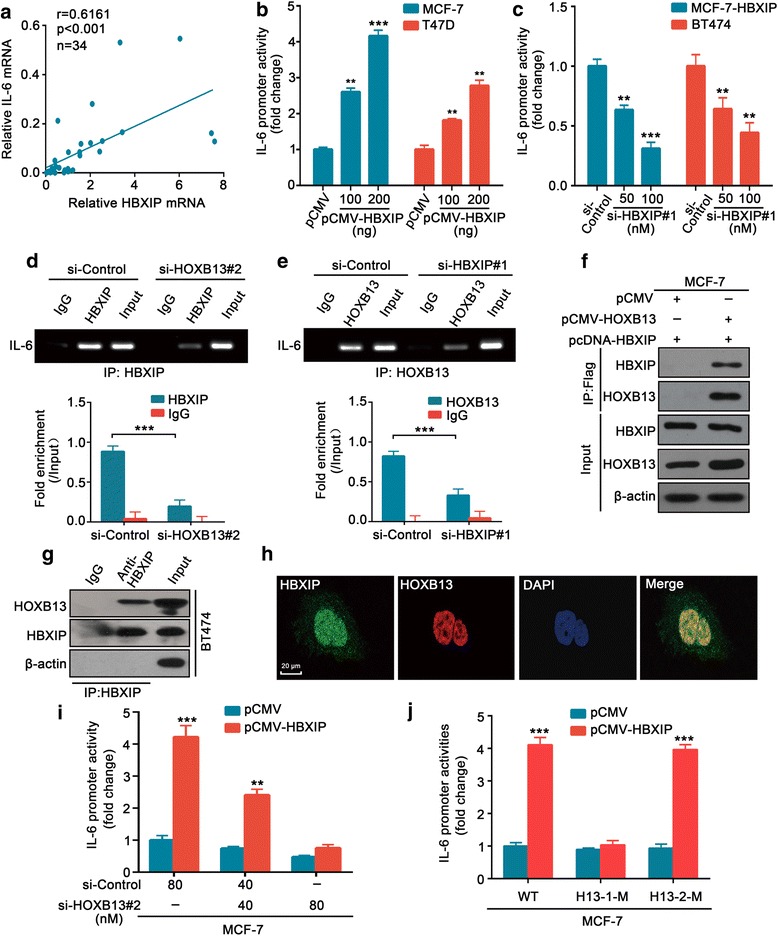
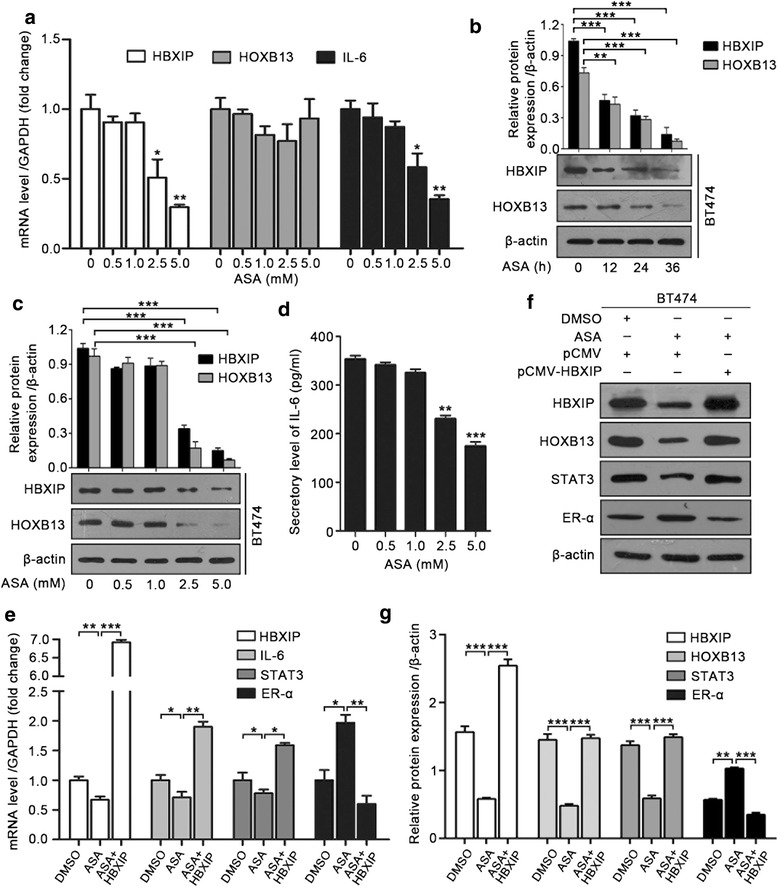
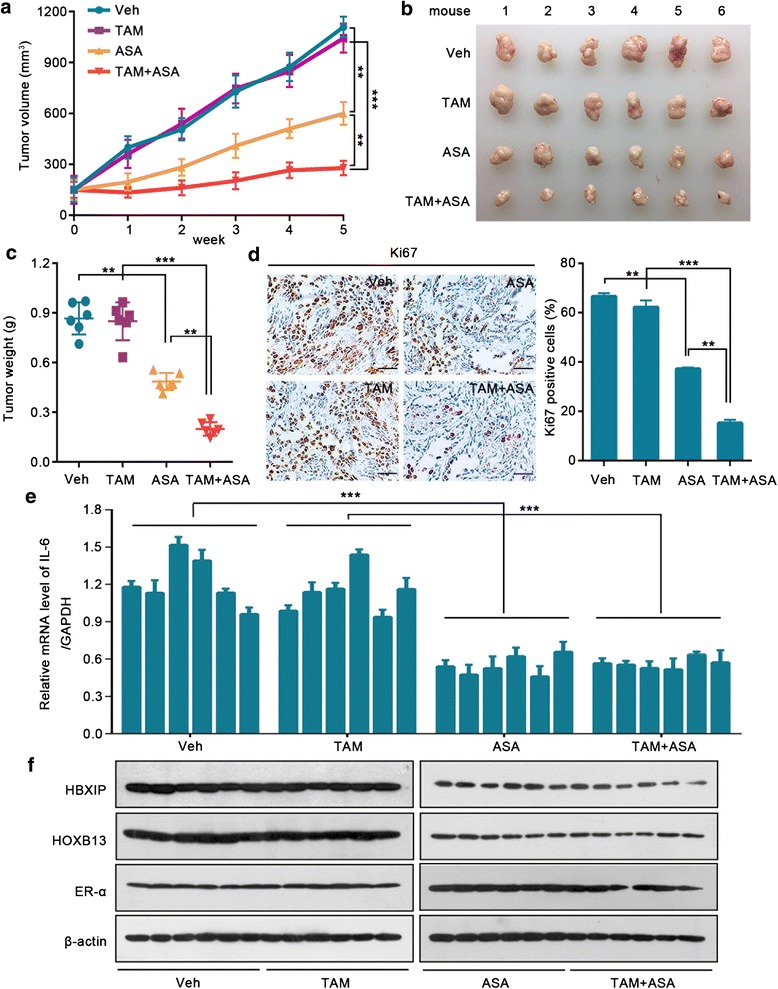
BACKGROUND: Resistance to tamoxifen (TAM) frequently occurs in the treatment of estrogen receptor positive (ER+) breast cancer. Accumulating evidences indicate that transcription factor HOXB13 is of great significance in TAM resistance. However, the regulation of HOXB13 in TAM-resistant breast cancer remains largely unexplored. Here, we were interested in the potential effect of HBXIP, an oncoprotein involved in the acceleration of cancer progression, on the modulation of HOXB13 in TAM resistance of breast cancer. METHODS: The Kaplan-Meier plotter cancer database and GEO dataset were used to analyze the association between HBXIP expression and relapse-free survival. The correlation of HBXIP and HOXB13 in ER+ breast cancer was assessed by human tissue microarray. Immunoblotting analysis, qRT-PCR assay, immunofluorescence staining, Co-IP assay, ChIP assay, luciferase reporter gene assay, cell viability assay, and colony formation assay were performed to explore the possible molecular mechanism by which HBXIP modulates HOXB13. Cell viability assay, xenograft assay, and immunohistochemistry staining analysis were utilized to evaluate the effect of the HBXIP/HOXB13 axis on the facilitation of TAM resistance in vitro and in vivo. RESULTS: The analysis of the Kaplan-Meier plotter and the GEO dataset showed that mono-TAM-treated breast cancer patients with higher HBXIP expression levels had shorter relapse-free survivals than patients with lower HBXIP expression levels. Overexpression of HBXIP induced TAM resistance in ER+ breast cancer cells. The tissue microarray analysis revealed a positive association between the expression levels of HBXIP and HOXB13 in ER+ breast cancer patients. HBXIP elevated HOXB13 protein level in breast cancer cells. Mechanistically, HBXIP prevented chaperone-mediated autophagy (CMA)-dependent degradation of HOXB13 via enhancement of HOXB13 acetylation at the lysine 277 residue, causing the accumulation of HOXB13. Moreover, HBXIP was able to act as a co-activator of HOXB13 to stimulate interleukin (IL)-6 transcription in the promotion of TAM resistance. Interestingly, aspirin (ASA) suppressed the HBXIP/HOXB13 axis by decreasing HBXIP expression, overcoming TAM resistance in vitro and in vivo. CONCLUSIONS: Our study highlights that HBXIP enhances HOXB13 acetylation to prevent HOXB13 degradation and co-activates HOXB13 in the promotion of TAM resistance of breast cancer. Therapeutically, ASA can serve as a potential candidate for reversing TAM resistance by inhibiting HBXIP expression.
Overview
The claims and statistics of this paper haven’t been checked yet.
Free: it reads the open-access text and checks the first 5 claims that cite a source we can check. Create a free account to check every claim.
Integrity signals
Registry
Cites
Statistics
Figures
Verification
Claims the paper makes
The claims and statistics of this paper haven’t been checked yet.
Free: it reads the open-access text and checks the first 5 claims that cite a source we can check. Create a free account to check every claim.
Claims other papers make about this one
Each is checked against this paper’s own text: does it say what the citing paper says it does?
The cited source says what the claim attributes to it.
In the citing paper
“In addition, there is increasing evidence that cancer cells could use acetylation as an adaptation to confer drug resistance [109,110], proving non-histone acetylation as both a precise and crucial function to tumor processes.”
From Acetylation: a new target for protein degradation in cancer (2025) · cites this paper as [110]
Self-check
Percentages, sums and reported differences re-computed from the paper’s own numbers.
The self-check needs the paper’s full text.
Citations
Cites
Repertoires of Autophagy in the Pathogenesis of Ocular Diseases
Li, Y.-J., Jiang, Q., Cao, G.-F., Yao, J., & Yan, B. (2015) · Cellular Physiology and Biochemistry · doi:10.1159/000373980 · Cited by 16,304
Autophagy fights disease through cellular self-digestion
Mizushima, N., Levine, B., Cuervo, A. M., & Klionsky, D. J. (2008) · Nature · doi:10.1038/nature06639 · Cited by 6,452
Györffy, B., Lanczky, A., Eklund, A. C., Denkert, C., Budczies, J., Li, Q., & Szallasi, Z. (2010) · Breast Cancer Research and Treatment · doi:10.1007/s10549-009-0674-9 · Cited by 4,169 · cited 2×
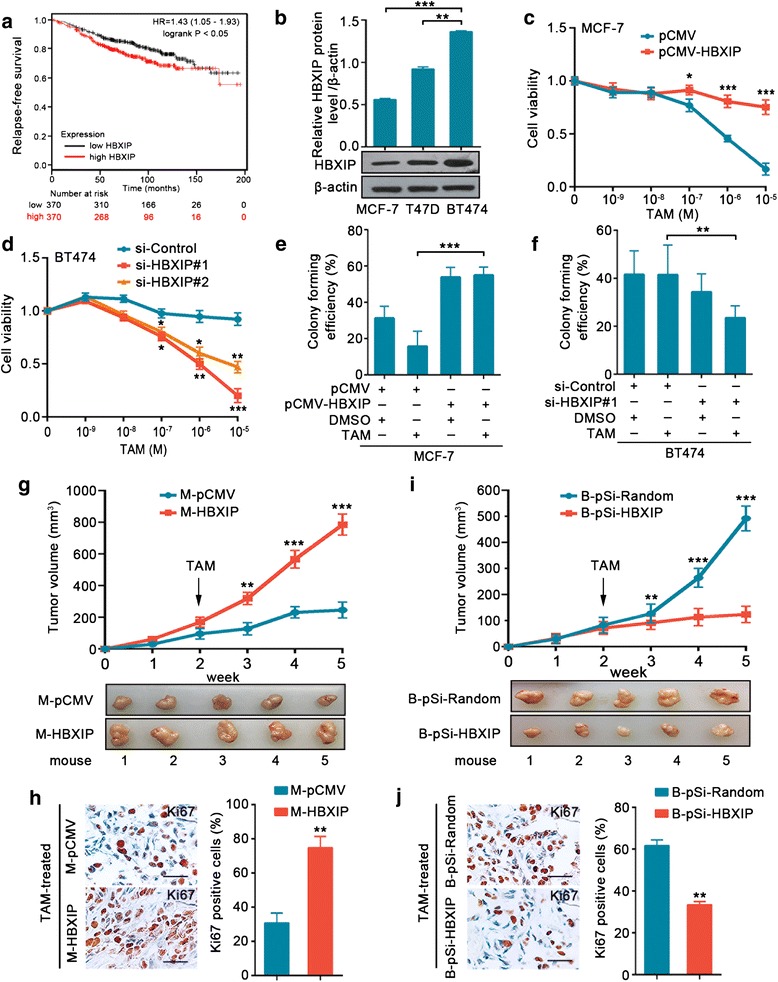
“To explore whether HBXIP was involved in TAM resistance, we assessed the correlation between HBXIP expression and the relapsefree survival of ER+ breast cancer patients with TAM treatment, by using the Kaplan-Meier plotter online resource [32].”
BackgroundMethodAutophagy: molecular machinery for self-eating
Yorimitsu, T., & Klionsky, D. J. (2005) · Cell Death & Differentiation · doi:10.1038/sj.cdd.4401765 · Cited by 1,535
Biological determinants of endocrine resistance in breast cancer
Musgrove, E. A., & Sutherland, R. L. (2009) · Nature Reviews Cancer · doi:10.1038/nrc2713 · Cited by 1,252 · cited 1×
“Although tamoxifen (TAM) initially achieves a favorable response in the inhibition of ER+ breast cancer progression, the inherent or developed resistance to it inevitably appears [47, 48].”
BackgroundESR1 ligand-binding domain mutations in hormone-resistant breast cancer
Toy, W., Shen, Y., Won, H., Green, B., Sakr, R. A., Will, M., Li, Z., Gala, K., Fanning, S., King, T. A., et al. (2013) · Nature Genetics · doi:10.1038/ng.2822 · Cited by 1,248
Mechanisms of Endocrine Resistance in Breast Cancer
Osborne, C. K., & Schiff, R. (2011) · Annual Review of Medicine · doi:10.1146/annurev-med-070909-182917 · Cited by 1,166
Use of Archived Specimens in Evaluation of Prognostic and Predictive Biomarkers
Simon, R. M., Paik, S., & Hayes, D. F. (2009) · JNCI Journal of the National Cancer Institute · doi:10.1093/jnci/djp335 · Cited by 1,037 · cited 1×
“Clin Oncol and J Natl Cancer Inst described [50, 51], the way to distinguish a predictive biomarker from a prognostic biomarker is analyzing tumor samples of patients participated in a randomized controlled trial (RCT), which would enable testing for an interaction between the proposed predictive biomarker and the tre…”
BackgroundMa, X.-J., Wang, Z., Ryan, P. D., Isakoff, S. J., Barmettler, A., Fuller, A., Muir, B., Mohapatra, G., Salunga, R., Tuggle, J. T., et al. (2004) · Cancer Cell · doi:10.1016/j.ccr.2004.05.015 · Cited by 954 · cited 3×
“Studies indicate that HOXB13 expression level may be useful for identifying appropriate therapeutic regimens in breast cancer [10, 11, 15].”
BackgroundRagulator Is a GEF for the Rag GTPases that Signal Amino Acid Levels to mTORC1
Bar-Peled, L., Schweitzer, L. D., Zoncu, R., & Sabatini, D. M. (2012) · Cell · doi:10.1016/j.cell.2012.07.032 · Cited by 918 · cited 2×
“Bar-Peled’s group has discovered that HBXIP functions as a regulatory component in the amino acid-induced activation of mTORC1 [16].”
Background
Cited by
Wang, T., Fu, X., Jin, T., Zhang, L., Liu, B., Wu, Y., Xu, F., Wang, X., Ye, K., Zhang, W., et al. (2019) · EBioMedicine · doi:10.1016/j.ebiom.2019.06.048 · Cited by 138
“The western blotting assay was performed as previously reported [42].”
MethodSelf-citationLiu, Y., Zhou, Z., Hou, J.-T., Xiong, W., Kim, H., Chen, J., Zheng, C., Jiang, X., Yoon, J., & Shen, J. (2022) · Advanced Materials · doi:10.1002/adma.202206121 · Cited by 132
Zhang, L., Wan, Y., Zhang, Z., Jiang, Y., Lang, J., Cheng, W., & Zhu, L. (2020) · RNA Biology · doi:10.1080/15476286.2020.1841458 · Cited by 121
Self-citationHomeobox Genes in Cancers: From Carcinogenesis to Recent Therapeutic Intervention
Feng, Y., Zhang, T., Wang, Y., Xie, M., Ji, X., Luo, X., Huang, W., & Xia, L. (2021) · Frontiers in Oncology · doi:10.3389/fonc.2021.770428 · Cited by 105
Yu, M., Zhan, J., & Zhang, H. (2019) · Cellular Signalling · doi:10.1016/j.cellsig.2019.109469 · Cited by 75
Post-translational modifications in drug resistance
Miao, C., Huang, Y., Zhang, C., Wang, X., Wang, B., Zhou, X., Song, Y., Wu, P., Chen, Z., & Feng, Y. (2024) · Drug Resistance Updates · doi:10.1016/j.drup.2024.101173 · Cited by 82
Cancer plasticity in therapy resistance: Mechanisms and novel strategies
Niu, X., Liu, W., Yinling, Z., Liu, J., Zhang, J., Li, B., Qiu, Y., Zhao, P., Wang, Z., & Wang, Z. (2024) · Drug Resistance Updates · doi:10.1016/j.drup.2024.101114 · Cited by 81
Protein degradation: expanding the toolbox to restrain cancer drug resistance
Ming, H., Li, B., Jiang, J., Qin, S., Nice, E. C., He, W., Lang, T., & Huang, C. (2023) · Journal of Hematology & Oncology · doi:10.1186/s13045-023-01398-5 · Cited by 66
“Hsc70 Chaperone HOXB13 Tamoxifen Sensitive Breast cancer Microenvironment [281]”
BackgroundNF-κB in Cell Deaths, Therapeutic Resistance and Nanotherapy of Tumors: Recent Advances
Wu, X., Sun, L., & Xu, F. (2023) · Pharmaceuticals · doi:10.3390/ph16060783 · Cited by 63
Self-citationZhou, X., Zhu, C.-Y., Wu, Z., Guo, X., & Zou, W. (2019) · Oncogene · doi:10.1038/s41388-019-0698-5 · Cited by 51
Wu, Y., Wang, X., Xu, F., Zhang, L., Wang, T., Fu, X., Jin, T., Zhang, W., & Ye, L. (2020) · Nucleic Acids Research · doi:10.1093/nar/gkaa232 · Cited by 47
“We recently have revealed that aspirin can target HBXIP to inhibit HBXIP/HOXB13 axis, overcoming tamoxifen resistance in breast cancer (31).”
BackgroundSelf-citationGuo, C.-M., Chu, H., Gong, Z., Zhang, B., Li, C., Chen, J., & Huang, L. (2021) · Life Sciences · doi:10.1016/j.lfs.2021.119522 · Cited by 47
Jiang, W., Zhong, S., Chen, Z., Qian, J., Huang, X., Zhang, H., Wen, L., Zhang, Y., & Yao, G. (2022) · Biomaterials · doi:10.1016/j.biomaterials.2022.121986 · Cited by 51
Feng, J. Q., Wen, T., Li, Z., Feng, L., Zhou, L., Yang, Z., Xu, L., Shi, S., Hou, K., Shen, J., et al. (2020) · Aging · doi:10.18632/aging.103966 · Cited by 46
“to tamoxifen adjuvant therapy upon relapse for breast cancer due to endocrine resistance [8, 9].”
BackgroundUnconventional protein post-translational modifications: the helmsmen in breast cancer
Liu, J., Wang, Q., Kang, Y., Xu, S., & Pang, D. (2022) · Cell & Bioscience · doi:10.1186/s13578-022-00756-z · Cited by 45
“In addition, acetylation can regulate ERα expression and downstream target gene transcription, thus playing a vital role in ER positive breast cancer [64, 65].”
BackgroundZhou, X., Li, L., Guo, X., Zhang, C., Du, Y., Li, T., Tong, K., Chongyue, Z., & Wang, Z. (2022) · npj Breast Cancer · doi:10.1038/s41523-021-00374-x · Cited by 45
Self-citationWang, X., Sun, Y., Xu, T., Qian, K., Huang, B., Zhang, K., Song, Z., Qian, T., Shi, J., & Li, L. (2019) · Journal of Cellular Biochemistry · doi:10.1002/jcb.28819 · Cited by 32
“HOXB13 upregulation accelerates breast cancer cell proliferation and confers tamoxifen resistance by directly downregulating estrogen receptor α (ERα) expression.(11,25) HOXB13 is a member of HOX genes exerting transcription activity.”
BackgroundSelf-citationCircular RNAs: biology and clinical significance of breast cancer
Wang, Z., Deng, H., Yao, J., Luo, M., Huang, J., Wang, J., Zhang, K., Wang, L., & Zhou, J. (2023) · RNA Biology · doi:10.1080/15476286.2023.2272468 · Cited by 32
“In a substantial number of patients, breast cancers develop resistance to tamoxifen, and noncoding RNAs, including circRNAs, contribute to this phenomenon [103– 105].”
BackgroundReprogrammed glycolysis-induced augmentation of NIR-II excited photodynamic/photothermal therapy
Xiang, C., Ding, Q., Jiang, T., Liu, Y., Li, C., Yang, X. W., Jia, J., Xiang, J., Wang, Y., Zhou, H., et al. (2025) · Biomaterials · doi:10.1016/j.biomaterials.2025.123235 · Cited by 30
Zhang, G., Huang, R., Zhao, H., Xia, Y., Huang, H., Qian, M., Fu, Y., & Cui, Y. (2023) · Genes and Immunity · doi:10.1038/s41435-023-00202-1 · Cited by 28
“For example, the acetylation of PGK1 facilitates cell proliferation and tumorigenesis in liver cancer [11], HBXIP promotes HOXB13 acetylation and co-activates HOXB13 in breast cancer to confer tamoxifen resistance [12], miR-15a-5p suppresses lipid metabolism and metastasis of lung cancer via inhibiting histone acetyla…”
BackgroundGao, X., Bao, H., Liu, L., Zhu, W., Zhang, L., & Yue, L. (2020) · Oncology Reports · doi:10.3892/or.2020.7554 · Cited by 29
“Lysine acetylation and succinylation can change the function of proteins as well as their target genes and proteins without any gene mutation, thus, taking on another role with a genetic code that can play an important role in the initiation and development of a number of different types of tumors (9,41-43).”
Self-citationThe modulation of PD-L1 induced by the oncogenic HBXIP for breast cancer growth
Xu, F., Sun, H., Fang, R., Zhang, L., Shi, H., Wang, X., Fu, X., Li, X.-M., Shi, X.-H., Wu, Y., et al. (2021) · Acta Pharmacologica Sinica · doi:10.1038/s41401-021-00631-6 · Cited by 26
Self-citationFang, X., Tan, T., Gao, B.-B., Zhao, Y., Liu, T., & Xia, Q. (2020) · Frontiers in Oncology · doi:10.3389/fonc.2020.537322 · Cited by 22
“The role of HBXIP in autophagy is mainly focused on molecular chaperone-mediated autophagy (CMA) (41, 42), which has been less studied in macro autophagy.”
BackgroundMinic, Z., Li, Y., Hüttmann, N., Uppal, G. K., D’Mello, R., & Berezovski, M. V. (2023) · Biomedicines · doi:10.3390/biomedicines11041076 · Cited by 20
“Moreover, acetylation can inhibit the sensitivity of tumor cells to anti-tumor therapy oncogenesis and progression of BC [41,42].”
BackgroundAcetylation: a new target for protein degradation in cancer
Crawford, C. E. W., & Burslem, G. M. (2025) · Trends in Cancer · doi:10.1016/j.trecan.2025.01.013 · Cited by 20
Ginsenoside Rg3 overcomes tamoxifen resistance through inhibiting glycolysis in breast cancer cells
Zhao, W., Ma, J., Zhang, Q., Zhang, H., Ma, W., Li, S., piao, Y., Zhao, S., Dai, S., & Tang, D. (2024) · Cell Biology International · doi:10.1002/cbin.12123 · Cited by 17
“Rg3 can produce a variety of pharmacological effects, such as anti ‐ oxidation, anticancer, anti ‐ inflammation, and antiaging (Li et al., 2020; Min et al., 2006; Shi et al., 2020; Zhang et al., 2018, 2020).”
BackgroundHBXIP accelerates glycolysis and promotes cancer angiogenesis via AKT/mTOR pathway in bladder cancer
Liu, X., Li, H., Che, N., Zheng, Y., Fan, W., Li, M., Li, X., & Xuan, Y. (2021) · Experimental and Molecular Pathology · doi:10.1016/j.yexmp.2021.104665 · Cited by 18
Xiu, M., Zeng, X., Shan, R., Wen, W., Li, J., & Wan, R. (2020) · Biomedicine & Pharmacotherapy · doi:10.1016/j.biopha.2020.111045 · Cited by 17
Paralogous HOX13 Genes in Human Cancers
Botti, G., Cillo, C., Cecio, R. D., Malzone, M. G., & Cantile, M. (2019) · Cancers · doi:10.3390/cancers11050699 · Cited by 18
Context-dependent HOX transcription factor function in health and disease
Bondos, S. E., Mendes, G. G., & Jons, A. (2020) · Progress in molecular biology and translational science · doi:10.1016/bs.pmbts.2020.05.003 · Cited by 16
Tang, C., Qiu, S., Mou, W., Xu, J., & Wang, P. (2022) · Biochemical and Biophysical Research Communications · doi:10.1016/j.bbrc.2022.07.066 · Cited by 15
Mo, B.-Y., Li, G., Huang, S., He, W.-Y., Xie, L., Wei, Z., Su, Y.-S., Yue, L., Yang, L., Ye, C., et al. (2021) · Bioengineered · doi:10.1080/21655979.2020.1862527 · Cited by 16
“Due to HOXB13 expression, drug resistance can be seen in some cancers, such as breast cancer [65] and glioblastoma [63].”
BackgroundCirculating nucleosomes as potential biomarkers for cancer diagnosis and treatment monitoring
Wang, H., Wang, Y., Zhang, D., & Li, P. (2024) · International Journal of Biological Macromolecules · doi:10.1016/j.ijbiomac.2024.130005 · Cited by 18
Self-citationTang, Y., Sun, Z., Wu, S., Zhang, C., Zhang, Y., & Cao, Y. (2023) · Biomedicine & Pharmacotherapy · doi:10.1016/j.biopha.2023.115828 · Cited by 13
Crosstalk of methylation and tamoxifen in breast cancer (Review)
Shen, J., He, Y., Li, S.-P., & Chen, H.-M. (2024) · Molecular Medicine Reports · doi:10.3892/mmr.2024.13304 · Cited by 11
“However, numerous other post‑translational modifications can also affect tamoxifen resistance (184,204,205).”
BackgroundZhang, L., Zhou, X., Liu, B., Shi, X.-H., Li, X.-M., Xu, F., Fu, X., Wang, X., Ye, K., Jin, T., et al. (2022) · Acta Pharmaceutica Sinica B · doi:10.1016/j.apsb.2022.11.025 · Cited by 14
Self-citationSun, L., He, M., Liu, D., Shan, M., Chen, L., Yang, M., Dai, X., Yao, J., Li, T., Zhang, Y., et al. (2025) · Cell Death and Differentiation · doi:10.1038/s41418-025-01499-3 · Cited by 13
Gao, G., Li, X., Wu, H., Huang, L.-L., Lin, Y.-X., Huo, Z., Xiang, Z., & Zhou, X. J. (2023) · Pharmaceuticals · doi:10.3390/ph16020184 · Cited by 11
“com/analysis/, accessed on 20 August 2022) was employed to analyze PC overall survival and recurrence-free survival rates as described previously [41].”
MethodTargeting the PD-L1 cytoplasmic domain and its regulatory pathways to enhance cancer immunotherapy
Chai, F., Li, P., Liu, X., Zhou, Z., & Ren, H. (2023) · Journal of Molecular Cell Biology · doi:10.1093/jmcb/mjad070 · Cited by 11
“Aspirin ( ASA) , a classic anti-inflammatory drug, has been shown to inhibit HBXIP/HOXB13 signaling to overcome tamoxifen resistance in breast cancer ( Liu et al., 2018 ) .”
BackgroundHOXB13 facilitates hepatocellular carcinoma progression by activating AKT/mTOR signaling pathway
Li, M., Tan, T., Geng, Y., Tao, Y., Pan, J., Zhang, J., Xu, Q. L., Han, S., Zuo, L.-Y., & Chen, Y. (2022) · Annals of Hepatology · doi:10.1016/j.aohep.2022.100759 · Cited by 8
Zhang, S., Wang, R., Wang, X., Guo, X., Du, Y., Guo, X., Zong, X., Zhu, C., & Zhou, X. (2022) · Journal of Biological Chemistry · doi:10.1016/j.jbc.2022.101644 · Cited by 9
“(2022) 298(3) 101644 are consistent with previous studies showing that overexpression of HBXIP induced TAM resistance and enhanced the malignant growth ability of native MCF-7 and T47D cells in the presence of TAM in vitro and in vivo (15).”
BackgroundXiao, W., Zhou, Y., Yu, P., Yang, A., Zheng, S., Tang, H., & Xie, X. (2020) · Annals of Translational Medicine · doi:10.21037/atm.2020.01.97 · Cited by 7
“For example, several studies have found that BC tissue highly expresses the oncoprotein HBXIP, a protein that interacts with HBX (24).”
BackgroundInfluentialFu, X., Guo, S.-M., Ma, J., Ma, F.-Y., Wang, X., Tang, Y.-X., Li, Y., Zhang, W., & Ye, L. (2024) · Acta Pharmacologica Sinica · doi:10.1038/s41401-024-01309-5 · Cited by 9
“Moreover, aspirin can inhibit the expression of HBXIP [22].”
Self-citationWang, G., Wen, P., Xue, T., Huang, Y., Shao, Q., Zhang, N., Qu, F., Wang, J., Wang, N., & Zeng, X. (2024) · Cell Communication and Signaling · doi:10.1186/s12964-024-02000-2 · Cited by 9
Zhou, H.-J., Mu, B.-X., Wen, M.-C., Zhao, Q., Li, Y., Zhao, W.-X., Yin, H.-Y., Ren, S., Zhou, J., & Chen, M. (2025) · Frontiers in Immunology · doi:10.3389/fimmu.2025.1530053 · Cited by 7
Qin, Y., Ni, P., Zhang, Q., Wang, X., Du, X., Yin, Z., Wang, L., Ye, L., & Chen, L. (2022) · Development · doi:10.1242/dev.200527 · Cited by 7
Self-citationEpsin 3 potentiates the NF‑κB signaling pathway to regulate apoptosis in breast cancer
Wu, Q., Li, Q., Zhu, W., Zhang, X., & Li, H. (2021) · Molecular Medicine Reports · doi:10.3892/mmr.2021.12531 · Cited by 7
Wang, X., Li, Q., Tang, Y.-X., Li, Y., Zhang, L., Xu, F., Fu, X., Ye, K., Ma, J., Guo, S.-M., et al. (2024) · Acta Pharmacologica Sinica · doi:10.1038/s41401-024-01310-y · Cited by 7
“…types of cancers such as breast cancer, non-small cell lung cancer (NSCLC), liver cancer and esophageal squamous cell carcinoma [15 – 18] and is implicated in numerous biological processes such as the cell cycle, proliferation and migration, drug resistance and apoptosis [15 – 17, 19, 20].”
Self-citationTherapeutic potential of vasculogenic mimicry in urological tumors
Lin, X., Long, S., Yan, C., Zou, X., Zhang, G., Zou, J., & Wu, G. (2023) · Frontiers in Oncology · doi:10.3389/fonc.2023.1202656 · Cited by 10
Liu, J., Dai, Z., Li, M., Wang, B., Zhang, X., Li, F., Zhang, M., & Zhang, W. (2022) · Biochemical and Biophysical Research Communications · doi:10.1016/j.bbrc.2022.07.097 · Cited by 6
Self-citationChen, Y., Dufour, C. R., Han, L., Li, T., Xia, H., & Giguère, V. (2023) · Molecular Cancer Research · doi:10.1158/1541-7786.mcr-23-0086 · Cited by 10
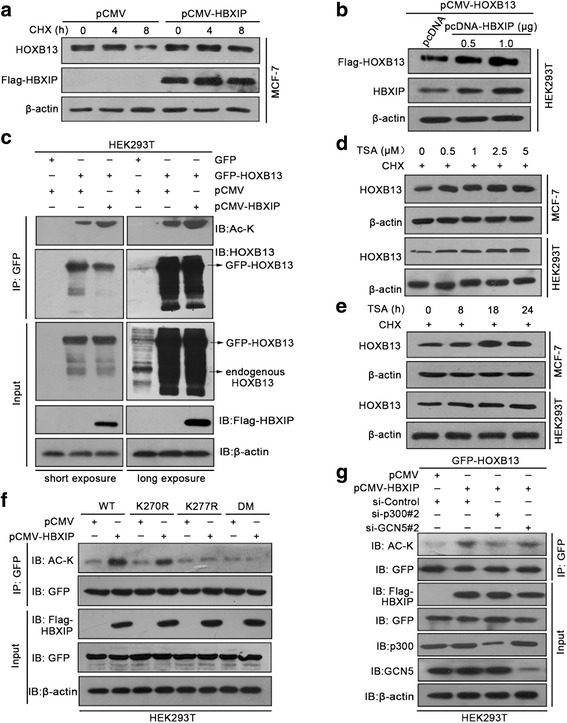
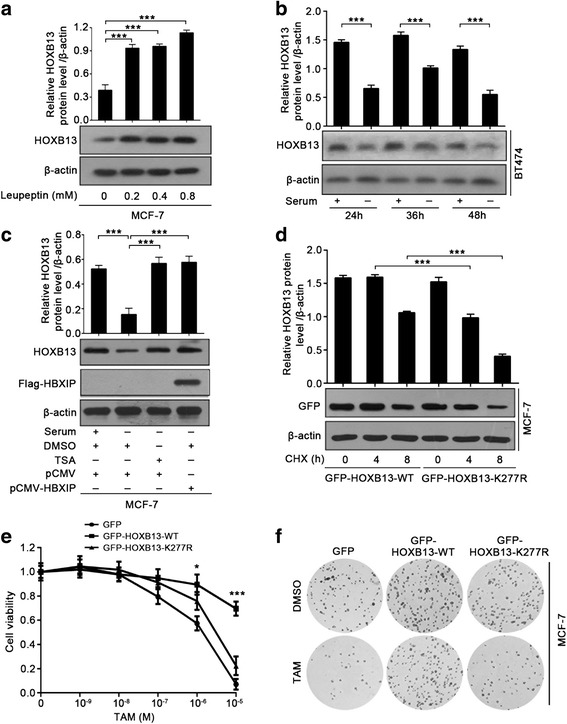
“In particular, acetylation of HOXB13 at K277 by p300 increases its stability and confers tamoxifen resistance in breast cancer cells (15) and its de-phosphorylation at S204 by calcineurin promotes its nuclear translocation and facilitates cardiomyocyte cell-cycle arrest (16).”
Boubaker, N. S., Gurtner, A., Trabelsi, N., Manni, I., Blel, A., Saadi, A., Chakroun, M., Naimi, Z., Zaghbib, S., Ksontini, M., et al. (2022) · Journal of Clinical Laboratory Analysis · doi:10.1002/jcla.24606 · Cited by 5
Tian, R., Kong, J., Zang, H., Li, S., Liu, X., Yan, C., Gaofeng, N., & Gong, L. (2025) · Naunyn-Schmiedeberg s Archives of Pharmacology · doi:10.1007/s00210-025-04040-y · Cited by 5
“One week later, nude mice were administered 5 mg/kg TAM (Liu et al. 2018) orally daily for four consecutive weeks.”
Zhang, L., Wan, Y., Zhang, Z., Jiang, Y., Lang, J., Cheng, W., & Zhu, L. (2020) · Research Square · doi:10.21203/rs.3.rs-30454/v1 · Cited by 4
Self-citationLiu, Y., Yan, Z., Fu, Z., Wu, X., Wang, F., & Yuan, Y. (2025) · Cell Death Discovery · doi:10.1038/s41420-025-02809-x · Cited by 5
“…p300 to acetylate HOXB13 at K277, stabilizing the protein and preventing its CMA-mediated degradation, which drives ER α - dependent proliferation [60, 61], while acetylation of MST1 stabilizes its tumor-suppressive role in the Hippo pathway, and its dysregulation facilitates cancer initiation…”
Imperatorin-Loaded RH60/mPEG–PLLA Micelles for Reversing Tamoxifen Resistance in Breast Cancer
Li, Q., Zhao, G., Wu, F., Tang, X., Liao, Z., Liang, X., & Dong, W. (2024) · ACS Applied Nano Materials · doi:10.1021/acsanm.3c04185 · Cited by 4
HOXB13 in cancer development: molecular mechanisms and clinical implications
Zhang, J., Li, Y., Peng, B., Yang, X., Chen, M., Li, Y., Gao, H., Li, H., & Ji, Z. (2025) · Frontiers of Medicine · doi:10.1007/s11684-024-1119-x · Cited by 3
Bridging structure and selectivity in chaperone‐mediated autophagy: towards targeted therapeutics
Sahu, D., Patel, I., Lakshman, K., Mapa, K., & Malhotra, N. (2025) · FEBS Journal · doi:10.1111/febs.70262 · Cited by 2
“…of computational modeling and molecular dynamics simulations can further elucidate conformational changes during substrate translocation and LAMP2A [126] HBXIP PI3K/mTOR inhibitors [258] G6PD and HSC70 SAP [259] PD-L1 and HSC70 Romidepsin [260] HDAC2 and TPD52 Geldanamycin [142,261] HSP90 Torin-1…”
Xu, F., Sun, H., Liu, Y., Ye, K., Liu, Z.-Y., Fu, X., Zhu, Z., Zhang, W.-Y., & Ye, L. (2026) · Acta Pharmacologica Sinica · doi:10.1038/s41401-025-01687-4 · Cited by 3
Self-citationYu, Y., Liu, C., Zhuo, Z., Xie, F., Wang, K., Wang, S., & Zhao, X. T. (2023) · Oncology · doi:10.1159/000532095 · Cited by 2
Research progress on oncoprotein hepatitis B X‑interacting protein (Review)
Cheng, L., Guo, L., Zou, T., Yang, Y., Tao, R., & Liu, S. (2024) · Molecular Medicine Reports · doi:10.3892/mmr.2024.13213 · Cited by 2
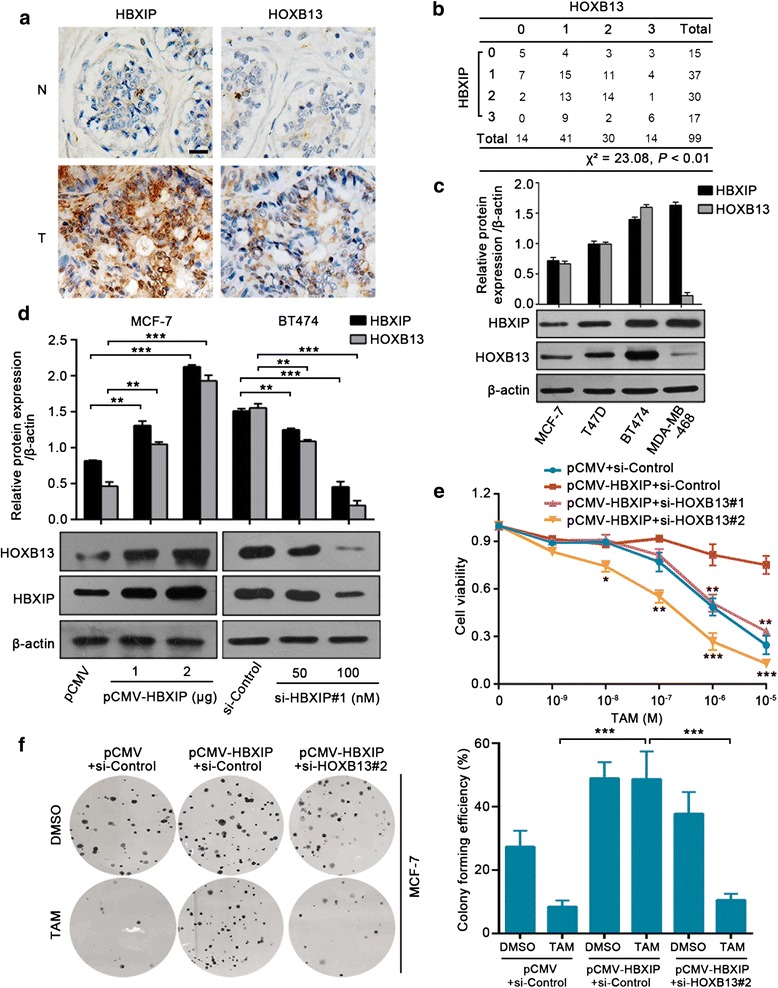
“For example, tissue chip technology showed that HBXIP expression in tumor cells was related to HOXB13 and STEM20 like kinase1 (MST1) (62,63); further research into the mechanism found that HBXIP can change the acetylation levels of HOXB13 and tumor suppressor proteinMST1 via the acetylase P300 and…”
BackgroundLim, H., Hwang, S., Cho, S.-H., Bak, Y.-S., Yang, W., Park, D., & Kim, C. (2024) · International Journal of Molecular Sciences · doi:10.3390/ijms252413291 · Cited by 2
Zhou, M., Li, Y., Qian, J., Dong, X., Guo, Y., Yin, L., Liu, C., Hao, K., & Hu, Q. (2025) · Acta Pharmaceutica Sinica B · doi:10.1016/j.apsb.2025.01.004 · Cited by 2
Ibragimova, M. K., Tsyganov, M. M., & Литвяков, Н. В. (2022) · Advances in molecular oncology · doi:10.17650/2313-805x-2022-9-1-33-41 · Cited by 2
“Относительно up-regulated генов показано, что при РМЖ высокие уровни экспрессии HOXB13 связаны не только с прогрессированием заболевания у пациентов c эстроген-рецептор-положительными опухолями, но и с возникновением устойчивости к лечению тамоксифеном [10, 11].”
Reversible Acetylation of Non-histone Proteins in Human Cancers
Feng, C., Zeng, Y., Prochownik, E. V., Jiang, C., & Li, Y. (2025) · Results and problems in cell differentiation · doi:10.1007/978-3-031-91459-1_13 · Cited by 1
Roles of hepatitis B X-interacting protein in tumor development
Wang, X., Jin, T., Ye, L., Zhang, W. Q., & Fu, X. (2019) · Scientia Sinica Vitae · doi:10.1360/ssv-2019-0159
Self-citationTargeting Epigenetic Regulators in Cancer to Overcome Resistance to Targeted Therapy
Verma, M., & Kumar, V. (2019) · Resistance to targeted anti-cancer therapeutics · doi:10.1007/978-3-030-21477-7_9
Qin, Y., Ni, P., Zhang, Q., Wang, X., Du, X., Yin, Z., Wang, L., Ye, L., & Chen, L. (2022) · bioRxiv (Cold Spring Harbor Laboratory) · doi:10.1101/2022.01.04.474860
“HBXIP also contributes to cisplatin and tamoxifen resistance in ovarian and breast cancers, respectively (Zou et al., 2017, Liu et al., 2018).”
BackgroundSelf-citationChen, Y., Dufour, C. R., Han, L., Li, T., Xia, H., & Giguère, V. (2023) · doi:10.1158/1541-7786.c.6760431.v1
Карпук, Н. А., Rubnikovich, S. P., Zhyltsou, I. V., Mazur, O. C., Karpuk, I., & Mikhalenka, A. P. (2023) · Proceedings of the National Academy of Sciences of Belarus Medical series · doi:10.29235/1814-6023-2023-20-4-278-288
Li, Z.-X., Jiang, Z.-Y., Hu, L., Mu, L.-Y., Cheng, X., Qu, X.-Q., Peng, B.-Q., Tu, J.-Y., Qiu, P., Huang, Y.-X., et al. (2025) · Journal of International Medical Research · doi:10.1177/03000605251384085
“8,10 It is an 18-KDa conserved protein originally identified through its interaction with HBX, which reduces HBVr along with HBsAg and HBeAg synthesis.”
Wei, Z., & Wu, W. (2025) · Discover Oncology · doi:10.1007/s12672-025-03724-4
The role of ASIC2 in glioma progression: implications for prognosis and therapeutic targeting
Tian, W., Wang, Y., Wang, Z., Peng, F., Sun, J., Qi, H., Zhang, Z., Wang, P., Qiao, S., Wang, H., et al. (2026) · PeerJ · doi:10.7717/peerj.20583
Self-citation
Metadata
- Authors
- Liu, B., Wang, T., Wang, H., Zhang, L., Xu, F., Fang, R., Li, L., Cai, X., Wu, Y., Zhang, W., & Ye, L.
- Affiliations
- Nankai University (CN)
- Corresponding author
- Zhang, Weiying
- Ye, Lihong
- ORCID
- Venue
- Journal of Hematology & Oncology
- Published
- 2018-02-23
- Volume
- 11
- Issue
- 1
- Pages
- 26-26
- ISSN
- 1756-8722 (ISSN-L)
- PMC
- PMC5824486
- OpenAlex
- W2796139531
- Cited by
- 73
- References
- 72
- Citations by year
- 2026: 2 · 2025: 12 · 2024: 11 · 2023: 13 · 2022: 13 · 2021: 5 · 2020: 10 · 2019: 7
- FWCI
- 3.37
- Type
- journal article
- Language
- en
- Open access
- gold
- doi.org
- Licence
- cc-by
- Locations
- Journal of Hematology & Oncology (publishedVersion, cc-by)
- Europe PMC (PubMed Central) (publishedVersion, cc-by)
- PubMed Central (publishedVersion, cc-by)
- PubMed (publishedVersion)
- DOAJ (DOAJ: Directory of Open Access Journals) (submittedVersion, cc-by-sa)
- Funders
- National Basic Research Program of China (2015CB553905)
- National Natural Scientific Foundation of China (81372186, 31670771)
- Fundamental Research Funds for the Central Universities
- Project of Prevention and Control of Key Chronic Non Infectious Diseases (2016YFC1303401)
- Topics
- Life Sciences › Biochemistry, Genetics and Molecular Biology › Endocrinology › Estrogen and related hormone effects
- Life Sciences › Biochemistry, Genetics and Molecular Biology › Cancer Research › Breast Cancer Treatment Studies
- Life Sciences › Biochemistry, Genetics and Molecular Biology › Cancer Research › Prostate Cancer Treatment and Research
- Keywords
- HOXB13, tamoxifen resistance, estrogen receptor-positive breast cancer, protein acetylation, chaperone-mediated autophagy, protein degradation, transcriptional coactivation, interleukin-6, aspirin, relapse-free survival, oncoprotein, drug resistance mechanisms, drug target identification
- MeSH terms
- Acetylation, Animals, Breast Neoplasms, Female, Humans, Mice, Inbred BALB C, Tamoxifen, Homeodomain Proteins, Antineoplastic Agents, Hormonal, Drug Resistance, Neoplasm, Adaptor Proteins, Signal Transducing, MCF-7 Cells
About these checks
Registry, retraction, Cites and statistics results are computed, not judged, with one exception: a printed reference that no index lists is read once by a model before it counts as a citation error. Claims are extracted by a model and kept only when their quote appears verbatim in the text; each cited source is then checked, with a model’s help, for whether it says what the claim relies on. Those verdicts can be wrong — read the claim’s quote and the cited source before relying on one.
Statistics and arithmetic are recomputed, not judged.
Confidence bands are shown only for fields calibrated on our annotated test set. None is calibrated yet, so no band is shown.
What counts as a claim ›How we measure confidence ›How we check this ›
Are you an author, or do you see a problem with this page? Request a review
Data sources
Bibliographic data: Semantic Scholar, OpenAlex, Crossref.
Contains information from the Semantic Scholar Academic Graph Datasets, made available under the ODC Attribution License (ODC-BY 1.0).
Semantic Scholar’s data is described in: Kinney, R., et al. (2023). The Semantic Scholar Open Data Platform. arXiv:2301.10140.
