

Oncoprotein HBXIP enhances HOXB13 acetylation and co-activates HOXB13 to confer tamoxifen resistance in breast cancer
Open accessThe DOI matches its Crossref record; 72 of the 72 references it cites were found in a registry or an index.
Abstract
BACKGROUND: Resistance to tamoxifen (TAM) frequently occurs in the treatment of estrogen receptor positive (ER+) breast cancer. Accumulating evidences indicate that transcription factor HOXB13 is of great significance in TAM resistance. However, the regulation of HOXB13 in TAM-resistant breast cancer remains largely unexplored. Here, we were interested in the potential effect of HBXIP, an oncoprotein involved in the acceleration of cancer progression, on the modulation of HOXB13 in TAM resistance of breast cancer. METHODS: The Kaplan-Meier plotter cancer database and GEO dataset were used to analyze the association between HBXIP expression and relapse-free survival. The correlation of HBXIP and HOXB13 in ER+ breast cancer was assessed by human tissue microarray. Immunoblotting analysis, qRT-PCR assay, immunofluorescence staining, Co-IP assay, ChIP assay, luciferase reporter gene assay, cell viability assay, and colony formation assay were performed to explore the possible molecular mechanism by which HBXIP modulates HOXB13. Cell viability assay, xenograft assay, and immunohistochemistry staining analysis were utilized to evaluate the effect of the HBXIP/HOXB13 axis on the facilitation of TAM resistance in vitro and in vivo. RESULTS: The analysis of the Kaplan-Meier plotter and the GEO dataset showed that mono-TAM-treated breast cancer patients with higher HBXIP expression levels had shorter relapse-free survivals than patients with lower HBXIP expression levels. Overexpression of HBXIP induced TAM resistance in ER+ breast cancer cells. The tissue microarray analysis revealed a positive association between the expression levels of HBXIP and HOXB13 in ER+ breast cancer patients. HBXIP elevated HOXB13 protein level in breast cancer cells. Mechanistically, HBXIP prevented chaperone-mediated autophagy (CMA)-dependent degradation of HOXB13 via enhancement of HOXB13 acetylation at the lysine 277 residue, causing the accumulation of HOXB13. Moreover, HBXIP was able to act as a co-activator of HOXB13 to stimulate interleukin (IL)-6 transcription in the promotion of TAM resistance. Interestingly, aspirin (ASA) suppressed the HBXIP/HOXB13 axis by decreasing HBXIP expression, overcoming TAM resistance in vitro and in vivo. CONCLUSIONS: Our study highlights that HBXIP enhances HOXB13 acetylation to prevent HOXB13 degradation and co-activates HOXB13 in the promotion of TAM resistance of breast cancer. Therapeutically, ASA can serve as a potential candidate for reversing TAM resistance by inhibiting HBXIP expression.
Overview
The claims and statistics of this paper haven’t been checked yet.
Free: it reads the open-access text and checks the first 5 claims that cite a source we can check. Create a free account to check every claim.
Integrity signals
Registry
Cites
Statistics
Figures
Verification
Claims the paper makes
The claims and statistics of this paper haven’t been checked yet.
Free: it reads the open-access text and checks the first 5 claims that cite a source we can check. Create a free account to check every claim.
Claims other papers make about this one
Each is checked against this paper’s own text: does it say what the citing paper says it does?
The cited source says what the claim attributes to it.
In the citing paper
“In addition, there is increasing evidence that cancer cells could use acetylation as an adaptation to confer drug resistance [109,110], proving non-histone acetylation as both a precise and crucial function to tumor processes.”
From Acetylation: a new target for protein degradation in cancer (2025) · cites this paper as [110]
Self-check
Percentages, sums and reported differences re-computed from the paper’s own numbers.
The self-check needs the paper’s full text.
Citations
Cites
Repertoires of Autophagy in the Pathogenesis of Ocular Diseases
Li, Y.-J., Jiang, Q., Cao, G.-F., Yao, J., & Yan, B. (2015) · Cellular Physiology and Biochemistry · doi:10.1159/000373980 · Cited by 16,304
Autophagy fights disease through cellular self-digestion
Mizushima, N., Levine, B., Cuervo, A. M., & Klionsky, D. J. (2008) · Nature · doi:10.1038/nature06639 · Cited by 6,452
Györffy, B., Lanczky, A., Eklund, A. C., Denkert, C., Budczies, J., Li, Q., & Szallasi, Z. (2010) · Breast Cancer Research and Treatment · doi:10.1007/s10549-009-0674-9 · Cited by 4,169 · cited 2×
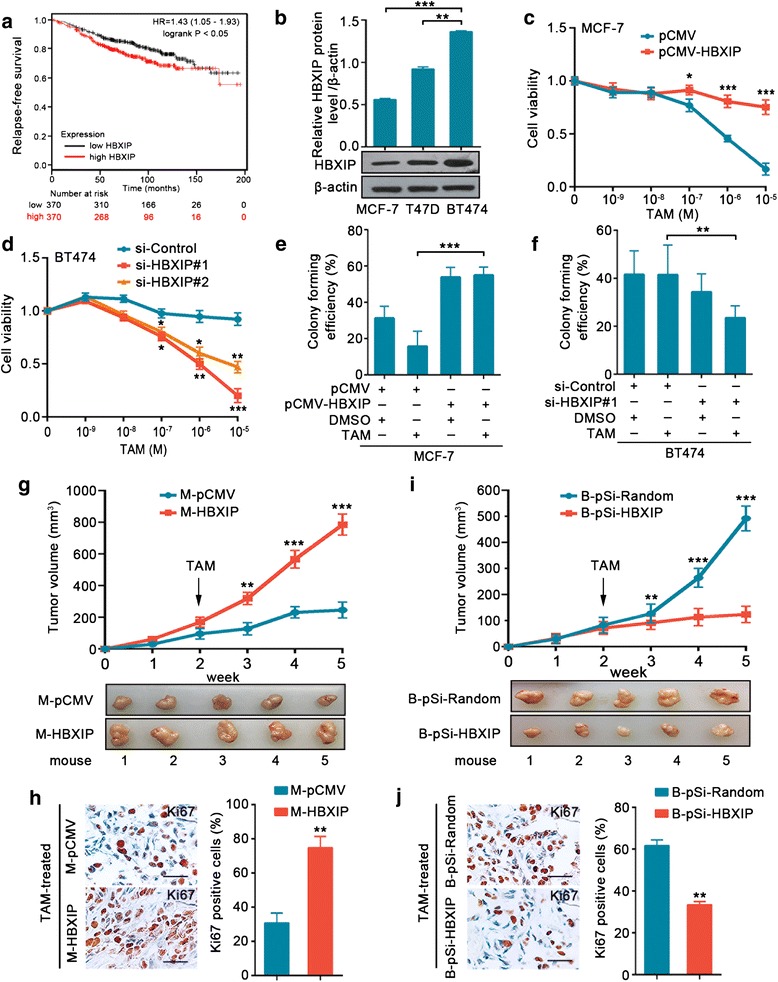
“To explore whether HBXIP was involved in TAM resistance, we assessed the correlation between HBXIP expression and the relapsefree survival of ER+ breast cancer patients with TAM treatment, by using the Kaplan-Meier plotter online resource [32].”
BackgroundMethodAutophagy: molecular machinery for self-eating
Yorimitsu, T., & Klionsky, D. J. (2005) · Cell Death & Differentiation · doi:10.1038/sj.cdd.4401765 · Cited by 1,535
Biological determinants of endocrine resistance in breast cancer
Musgrove, E. A., & Sutherland, R. L. (2009) · Nature Reviews Cancer · doi:10.1038/nrc2713 · Cited by 1,252 · cited 1×
“Although tamoxifen (TAM) initially achieves a favorable response in the inhibition of ER+ breast cancer progression, the inherent or developed resistance to it inevitably appears [47, 48].”
BackgroundESR1 ligand-binding domain mutations in hormone-resistant breast cancer
Toy, W., Shen, Y., Won, H., Green, B., Sakr, R. A., Will, M., Li, Z., Gala, K., Fanning, S., King, T. A., et al. (2013) · Nature Genetics · doi:10.1038/ng.2822 · Cited by 1,248
Mechanisms of Endocrine Resistance in Breast Cancer
Osborne, C. K., & Schiff, R. (2011) · Annual Review of Medicine · doi:10.1146/annurev-med-070909-182917 · Cited by 1,166
Use of Archived Specimens in Evaluation of Prognostic and Predictive Biomarkers
Simon, R. M., Paik, S., & Hayes, D. F. (2009) · JNCI Journal of the National Cancer Institute · doi:10.1093/jnci/djp335 · Cited by 1,037 · cited 1×
“Clin Oncol and J Natl Cancer Inst described [50, 51], the way to distinguish a predictive biomarker from a prognostic biomarker is analyzing tumor samples of patients participated in a randomized controlled trial (RCT), which would enable testing for an interaction between the proposed predictive biomarker and the tre…”
BackgroundMa, X.-J., Wang, Z., Ryan, P. D., Isakoff, S. J., Barmettler, A., Fuller, A., Muir, B., Mohapatra, G., Salunga, R., Tuggle, J. T., et al. (2004) · Cancer Cell · doi:10.1016/j.ccr.2004.05.015 · Cited by 954 · cited 3×
“Studies indicate that HOXB13 expression level may be useful for identifying appropriate therapeutic regimens in breast cancer [10, 11, 15].”
BackgroundRagulator Is a GEF for the Rag GTPases that Signal Amino Acid Levels to mTORC1
Bar-Peled, L., Schweitzer, L. D., Zoncu, R., & Sabatini, D. M. (2012) · Cell · doi:10.1016/j.cell.2012.07.032 · Cited by 918 · cited 2×
“Bar-Peled’s group has discovered that HBXIP functions as a regulatory component in the amino acid-induced activation of mTORC1 [16].”
BackgroundPawitan, Y., Bjöhle, J., Amler, L., Borg, A.-L., Egyhazi, S., Hall, P., Han, X., Holmberg, L., Huang, F., Klaar, S., et al. (2005) · Breast Cancer Research · doi:10.1186/bcr1325 · Cited by 831
Ubiquitination and selective autophagy
Shaid, S., Brandts, C. H., Serve, H., & Dikic, I. (2013) · Cell Death & Differentiation · doi:10.1038/cdd.2012.72 · Cited by 800
Modelling breast cancer: one size does not fit all
Vargo-Gogola, T., & Rosen, J. M. (2007) · Nature Reviews Cancer · doi:10.1038/nrc2193 · Cited by 679 · cited 14×
“Our finding demonstrated that HBXIP could inhibit the expression of ER-α, possibly through the HOXB13-mediated inhibition of ER-α transcription.”
BackgroundInfluentialJeselsohn, R., Yelensky, R., Buchwalter, G., Frampton, G., Meric-Bernstam, F., Gonzalez-Angulo, A. M., Ferrer-Lozano, J., Perez-Fidalgo, J. A., Cristofanilli, M., Gómez, H., et al. (2014) · Clinical Cancer Research · doi:10.1158/1078-0432.ccr-13-2332 · Cited by 674
Lv, L., Li, D., Zhao, D., Lin, R., Chu, Y., Zhang, H., Zha, Z., Liu, Y., Li, Z., Xu, Y., et al. (2011) · Molecular Cell · doi:10.1016/j.molcel.2011.04.025 · Cited by 610 · cited 2×
“The ubiquitinproteasome pathway and the autophagy-lysosome pathway are the two main pathways for the degradation of intracellular proteins [35].”
BackgroundDice, J. F. (2007) · Autophagy · doi:10.4161/auto.4144 · Cited by 569
Circumventing cancer drug resistance in the era of personalized medicine
Garraway, L. A., & Jänne, P. A. (2012) · Cancer Discovery · doi:10.1158/2159-8290.cd-12-0012 · Cited by 503 · cited 1×
“Drug resistance frequently occurs in clinical therapy, becoming a stumbling block in targeted treatment of cancer [46].”
BackgroundAspirin and colorectal cancer: the promise of precision chemoprevention
Drew, D. A., Cao, Y., & Chan, A. T. (2016) · Nature Reviews Cancer · doi:10.1038/nrc.2016.4 · Cited by 453
GOBO: Gene Expression-Based Outcome for Breast Cancer Online
Ringnér, M., Fredlund, E., Häkkinen, J., Borg, Å., & Staaf, J. (2011) · PLoS ONE · doi:10.1371/journal.pone.0017911 · Cited by 418
Use of tamoxifen for breast cancer: twenty-eight years later.
Jaiyesimi, I. A., Buzdar, A. U., Decker, D. A., & Hortobagyi, G. N. (1995) · Journal of Clinical Oncology · doi:10.1200/jco.1995.13.2.513 · Cited by 413
Merenbakh-Lamin, K., Ben-Baruch, N., Yeheskel, A., Dvir, A., Soussan-Gutman, L., Jeselsohn, R., Yelensky, R., Brown, M., Miller, V. A., Sarid, D., et al. (2013) · Cancer Research · doi:10.1158/0008-5472.can-13-1197 · Cited by 393
Anti-inflammatory effects of aspirin and sodium salicylate
Amann, R., & Peskar, B. A. (2002) · European Journal of Pharmacology · doi:10.1016/s0014-2999(02)01828-9 · Cited by 372
Activation of a selective pathway of lysosomal proteolysis in rat liver by prolonged starvation
Cuervo, A. M., Knecht, E., Terlecky, S. R., & Dice, J. F. (1995) · American Journal of Physiology-Cell Physiology · doi:10.1152/ajpcell.1995.269.5.c1200 · Cited by 356
Endocrine resistance in breast cancer – An overview and update
Clarke, R., Tyson, J. J., & Dixon, J. M. (2015) · Molecular and Cellular Endocrinology · doi:10.1016/j.mce.2015.09.035 · Cited by 353
Zhao, D., Zou, S.-W., Liu, Y., Zhou, X., Mo, Y., Wang, P., Xu, Y.-H., Dong, B., Xiong, Y., Lei, Q.-Y., et al. (2013) · Cancer Cell · doi:10.1016/j.ccr.2013.02.005 · Cited by 345 · cited 1×
“As a common PTM, lysine acetylation has been reported to regulate protein stability [55, 56].”
BackgroundSox2 promotes tamoxifen resistance in breast cancer cells
Piva, M., Domenici, G., Iriondo, O., Rábano, M., Simões, B. M., Comaills, V., Barredo, I., López‐Ruiz, J. A., Zabalza, I., Kypta, R., et al. (2014) · EMBO Molecular Medicine · doi:10.1002/emmm.201303411 · Cited by 328 · cited 14×
“Our finding demonstrated that HBXIP could inhibit the expression of ER-α, possibly through the HOXB13-mediated inhibition of ER-α transcription.”
BackgroundInfluentialSitia, G., Aiolfi, R., Di Lucia, P., Mainetti, M., Fiocchi, A., Mingozzi, F., Esposito, A., Ruggeri, Z. M., Chisari, F. V., Iannacone, M., et al. (2012) · Proceedings of the National Academy of Sciences · doi:10.1073/pnas.1209182109 · Cited by 317
Breast cancer and NSAID use: a meta-analysis
Khuder, S. A., & Mutgi, A. B. (2001) · British Journal of Cancer · doi:10.1054/bjoc.2000.1709 · Cited by 273 · cited 1×
“nonsteroidal anti-inflammatory drugs (NSAIDs) present a 22% decline in breast cancer risk [25].”
BackgroundTerry, M. B. (2004) · JAMA · doi:10.1001/jama.291.20.2433 · Cited by 271
The HOXB13:IL17BR Expression Index Is a Prognostic Factor in Early-Stage Breast Cancer
Ma, X.-J., Hilsenbeck, S. G., Wang, W., Ding, L., Sgroi, D. C., Bender, R. A., Osborne, C. K., Allred, D. C., & Erlander, M. G. (2006) · Journal of Clinical Oncology · doi:10.1200/jco.2006.06.6944 · Cited by 252
Acetylation-Dependent Regulation of Skp2 Function
Inuzuka, H., Gao, D., Finley, L. W. S., Yang, W., Wan, L., Fukushima, H., Chin, Y. R., Zhai, B., Shaik, S., Lau, A. W., et al. (2012) · Cell · doi:10.1016/j.cell.2012.05.038 · Cited by 223 · cited 1×
“It has been reported that post-translational modification (PTM) can modulate the stability of proteins [35, 36].”
BackgroundMelegari, M., Scaglioni, P. P., & Wands, J. R. (1998) · Journal of Virology · doi:10.1128/jvi.72.3.1737-1743.1998 · Cited by 220 · cited 1×
“Mammalian hepatitis B X-interacting protein (HBXIP), also known as LAMTOR5 [16], is a conserved protein among mammalian species and is frequently expressed in multiple tissues [17, 18].”
BackgroundAn epigenomic approach to therapy for tamoxifen-resistant breast cancer
Feng, Q., Zhang, Z., Shea, M. J., Creighton, C. J., Coarfa, C., Hilsenbeck, S. G., Lanz, R., He, B., Wang, L., Fu, X., et al. (2014) · Cell Research · doi:10.1038/cr.2014.71 · Cited by 194
Pillinger, M. H., Capodici, C., Rosenthal, P., Kheterpal, N., Hanft, S., Philips, M. R., & Weissmann, G. (1998) · Proceedings of the National Academy of Sciences · doi:10.1073/pnas.95.24.14540 · Cited by 181
HIF1α Protein Stability Is Increased by Acetylation at Lysine 709
Geng, H., Liu, Q., Xue, C., David, L. L., Beer, T. M., Thomas, G. V., Dai, M.-S., & Qian, D. Z. (2012) · Journal of Biological Chemistry · doi:10.1074/jbc.m112.400697 · Cited by 157 · cited 2×
“As a common PTM, lysine acetylation has been reported to regulate protein stability [55, 56].”
BackgroundConnor, C. E., Norris, J. D., Broadwater, G., Willson, T. M., Gottardis, M. M., Dewhirst, M. W., & McDonnell, D. P. (2001) · PubMed · Cited by 150
Unraveling the Mechanisms of Endocrine Resistance in Breast Cancer: New Therapeutic Opportunities
Massarweh, S. A., & Schiff, R. (2007) · Clinical Cancer Research · doi:10.1158/1078-0432.ccr-06-2540 · Cited by 143 · cited 1×
“However, the frequent occurrence of TAM resistance in patients has become a major obstacle for breast cancer therapy [6, 7].”
BackgroundNonsteroidal Anti-Inflammatory drugs and cardiovascular risk
Howard, P. A., & Delafontaine, P. (2004) · Journal of the American College of Cardiology · doi:10.1016/j.jacc.2003.09.043 · Cited by 139
HBXIP and LSD1 Scaffolded by lncRNA Hotair Mediate Transcriptional Activation by c-Myc
Li, Y., Wang, Z., Shi, H., Li, H., Li, L., Fang, R., Cai, X., Liu, B., Zhang, X., & Ye, L. (2016) · Cancer Research · doi:10.1158/0008-5472.can-14-3607 · Cited by 137 · cited 2×
“Oncoprotein HBXIP promotes breast cancer by regulating different cancer-related proteins [20, 21, 23, 24].”
BackgroundSelf-citationJansen, M. P. H. M., Sieuwerts, A. M., Look, M. P., Ruigrok-Ritstier, K., Gelder, M. E. M., van Staveren, I. L., Klijn, J. G. M., Foekens, J. A., & Berns, E. M. J. J. (2007) · Journal of Clinical Oncology · doi:10.1200/jco.2006.07.3676 · Cited by 129 · cited 2×
“Studies indicate that HOXB13 expression level may be useful for identifying appropriate therapeutic regimens in breast cancer [10, 11, 15].”
BackgroundRegulation and function of signal transducer and activator of transcription 3
Qi, Q.-R., & Yang, Z.-M. (2014) · World Journal of Biological Chemistry · doi:10.4331/wjbc.v5.i2.231 · Cited by 128
HOXB13 promotes ovarian cancer progression
Miao, J., Wang, Z., Provencher, H. L., Muir, B., Dahiya, S. M., Carney, E., Leong, C.-O., Sgroi, D. C., & Oršulić, S. (2007) · Proceedings of the National Academy of Sciences · doi:10.1073/pnas.0707938104 · Cited by 122 · cited 1×
“that HOXB13 collaborates with activated ras to promote cell survival and proliferation in ovarian cancer [8].”
BackgroundHu, N., Zhang, J., Cui, W., Kong, G., Zhang, S., Yue, L., Bai, X., Zhang, Z., Zhang, W., Zhang, X., et al. (2011) · Journal of Biological Chemistry · doi:10.1074/jbc.m110.204131 · Cited by 109 · cited 10×
“Previously, our group reported that miR520b could directly target HBXIP in breast cancer [29].”
BackgroundMethodInfluentialSelf-citationTamoxifen resistance: From bench to bedside
Droog, M., Beelen, K. J., Linn, S. C., & Zwart, W. T. (2013) · European Journal of Pharmacology · doi:10.1016/j.ejphar.2012.11.071 · Cited by 107 · cited 1×
“However, the frequent occurrence of TAM resistance in patients has become a major obstacle for breast cancer therapy [6, 7].”
BackgroundThe aspirin-induced long non-coding RNA OLA1P2 blocks phosphorylated STAT3 homodimer formation
Guo, H., Liu, J., Ben, Q., Qu, Y., Li, M., Wang, Y., Chen, W., & Zhang, J. (2016) · Genome biology · doi:10.1186/s13059-016-0892-5 · Cited by 99
Shah, N., Jin, K., Cruz, L.-A., Park, S., Sadik, H., Cho, S., Goswami, C. P., Nakshatri, H., Gupta, R. A., Chang, H. Y., et al. (2013) · Cancer Research · doi:10.1158/0008-5472.can-13-1178 · Cited by 98 · cited 4×
“HOXB13 confers TAM resistance by reducing the expression of ER-α and inducing IL-6 expression [43].”
BackgroundInfluentialLi, L.-S., Fang, R., Liu, B., Shi, H., Wang, Y., Zhang, W., Zhang, X., & Ye, L. (2015) · Oncogene · doi:10.1038/onc.2015.476 · Cited by 94 · cited 2×
“Oncoprotein HBXIP promotes breast cancer by regulating different cancer-related proteins [20, 21, 23, 24].”
BackgroundSelf-citationPrevention and treatment of bone metastases
Coleman, R. E. (2011) · Nature Reviews Clinical Oncology · doi:10.1038/nrclinonc.2011.198 · Cited by 93 · cited 1×
“should be aware in biomarker identification is the lack of differentiation between premenopausal and postmenopausal patients with breast cancer [50, 54].”
BackgroundZhao, Y., Li, H., Zhang, Y., Li, L., Fang, R., Li, Y., Liu, Q., Zhang, W., Qiu, L., Liu, F., et al. (2016) · Cancer Research · doi:10.1158/0008-5472.can-15-1734 · Cited by 89
Self-citationFujii, R., Zhu, C., Wen, Y., Marusawa, H., Bailly-Maitre, B., Matsuzawa, S.-I., Zhang, H., Kim, Y., Bennett, C. F., Jiang, W., et al. (2006) · Cancer Research · doi:10.1158/0008-5472.can-06-1886 · Cited by 85 · cited 2×
“1 CMV vector containing the HBXIP RNAi fragment [17]).”
BackgroundCan predictive biomarkers in breast cancer guide adjuvant endocrine therapy?
Beelen, K. J., Zwart, W. T., & Linn, S. C. (2012) · Nature Reviews Clinical Oncology · doi:10.1038/nrclinonc.2012.121 · Cited by 83 · cited 2×
“should be aware in biomarker identification is the lack of differentiation between premenopausal and postmenopausal patients with breast cancer [50, 54].”
BackgroundLiu, S., Li, L., Zhang, Y., Zhang, Y., Zhao, Y., You, X., Lin, Z., Zhang, X., & Ye, L. (2012) · Journal of Biological Chemistry · doi:10.1074/jbc.m112.343947 · Cited by 79 · cited 1×
“As an oncoprotein, HBXIP can affect cell proliferation, migration, angiogenesis, and aberrant lipid metabolism to promote the development of breast cancer [20, 21, 24, 52, 53].”
BackgroundSelf-citationKim, Y.-R., Kim, I., Kang, T. W., Choi, C., Kim, K. K., Kim, M. S., Kim, K. K., & Jung, C. (2013) · Oncogene · doi:10.1038/onc.2013.404 · Cited by 72 · cited 1×
“reveal that HOXB13 acts as a modulator of intracellular zinc levels to facilitate prostate cancer metastasis [9].”
BackgroundJerevall, P.-L., Brommesson, S., Strand, C., Gruvberger-Saal, S. K., Malmström, P., Nordenskjöld, B. A., Wingren, S., Söderkvist, P., Fernö, M., & Stål, O. (2007) · Breast Cancer Research and Treatment · doi:10.1007/s10549-007-9541-8 · Cited by 71 · cited 3×
“Further study unveils that HOXB13 alone can be used for the prediction of TAM resistance [14].”
BackgroundSaito, Y., Suzuki, H., Imaeda, H., Matsuzaki, J., Hirata, K., Tsugawa, H., Hibino, S., Kanai, Y., Saito, H., & Hibi∥, T. (2012) · International Journal of Cancer · doi:10.1002/ijc.27862 · Cited by 63
Yiannakopoulou, E. C. (2014) · Cellular Oncology · doi:10.1007/s13402-014-0175-7 · Cited by 61 · cited 1×
“Recent studies have revealed that ASA is capable of regulating the expression levels of microRNAs to affect tumor progression [45].”
BackgroundZhang, L., Sun, Y., Fei, M., Tan, C., Wu, J., Zheng, J., Tang, J., Sun, W., Lv, Z., Bao, J., et al. (2014) · Autophagy · doi:10.4161/auto.28477 · Cited by 61 · cited 2×
“Zhang L, Sun Y, Fei M, Tan C, Wu J, Zheng J, Tang J, Sun W, Lv Z, Bao J, et al. Disruption of chaperone-mediated autophagy-dependent degradation of MEF2A by oxidative stress-induced lysosome destabilization.”
BackgroundSelf-citationBhatt, S., Stender, J. D., Joshi, S., Wu, G., & Katzenellenbogen, B. S. (2016) · Oncogene · doi:10.1038/onc.2016.105 · Cited by 59 · cited 1×
“The high incidence of tamoxifen (TAM) resistance is an impediment to the hormone therapy of breast cancer that should not be ignored [5].”
BackgroundAli, A. B., Nin, D. S., Tam, J., & Khan, M. (2011) · PLoS ONE · doi:10.1371/journal.pone.0025268 · Cited by 56 · cited 2×
“Zhang L, Sun Y, Fei M, Tan C, Wu J, Zheng J, Tang J, Sun W, Lv Z, Bao J, et al. Disruption of chaperone-mediated autophagy-dependent degradation of MEF2A by oxidative stress-induced lysosome destabilization.”
BackgroundLi, Y., Zhang, Z., Zhou, X., Li, L., Liu, Q., Wang, Z., Bai, X. F., Zhao, Y., Shi, H., Zhang, X., et al. (2014) · Cancer Letters · doi:10.1016/j.canlet.2014.09.047 · Cited by 55 · cited 7×
“ASA suppresses HBXIP/HOXB13 axis by reducing HBXIP expression We have found that HBXIP can serve as an upstream controller to activate some downstream effectors of ASA treatment including cyclooxygenase 2 (COX2), NF-kB, or extracellular signal-related kinase (ERK) [19, 29–31].”
BackgroundInfluentialSelf-citationLiu, F., You, X., Wang, Y., Liu, Q., Liu, Y., Zhang, S., Chen, L., Zhang, X., & Ye, L. (2014) · Carcinogenesis · doi:10.1093/carcin/bgu021 · Cited by 55 · cited 1×
“As an oncoprotein, HBXIP can affect cell proliferation, migration, angiogenesis, and aberrant lipid metabolism to promote the development of breast cancer [20, 21, 24, 52, 53].”
BackgroundSelf-citationCui, W., Zhao, Y., Shan, C., Kong, G., Hu, N., Zhang, Y., Zhang, S., Zhang, W., Zhang, Y., Zhang, X., et al. (2012) · FEBS Letters · doi:10.1016/j.febslet.2012.01.039 · Cited by 51 · cited 7×
“ASA suppresses HBXIP/HOXB13 axis by reducing HBXIP expression We have found that HBXIP can serve as an upstream controller to activate some downstream effectors of ASA treatment including cyclooxygenase 2 (COX2), NF-kB, or extracellular signal-related kinase (ERK) [19, 29–31].”
BackgroundInfluentialSelf-citationWong, P.-P., Yeoh, C. C., Ahmad, A. S., Chelala, C., Gillett, C., Speirs, V., Jones, J. L., & Hurst, H. C. (2014) · Oncogene · doi:10.1038/onc.2014.45 · Cited by 48 · cited 1×
“Although tamoxifen (TAM) initially achieves a favorable response in the inhibition of ER+ breast cancer progression, the inherent or developed resistance to it inevitably appears [47, 48].”
BackgroundWang, Y., Fang, R., Cui, M., Zhang, W., Bai, X. F., Wang, H., Liu, B., Zhang, X., & Ye, L. (2016) · Cancer Letters · doi:10.1016/j.canlet.2016.10.018 · Cited by 46 · cited 1×
“The evidence reveals that HBXIP can function as a coactivator of the transcription factor to regulate gene expression [22].”
BackgroundSelf-citationCheng, R., Liu, Y.-J., Cui, J., Yang, M., Liu, X., Li, P., Wang, Z., Zhu, L., Lu, S., Zou, L., et al. (2017) · Oncotarget · doi:10.18632/oncotarget.16325 · Cited by 46 · cited 1×
“Our finding is consistent with a recent study in which ASA has a potential role in overcoming TAM resistance [70].”
ResultImproving Endocrine Therapy for Breast Cancer: It's Not That Simple
Dees, E. C., & Carey, L. (2012) · Journal of Clinical Oncology · doi:10.1200/jco.2012.46.2655 · Cited by 36
You, J., Mi, D., Zhou, X., Qiao, L., Zhang, H., Zhang, X., & Ye, L. (2008) · Endocrinology · doi:10.1210/en.2008-0616 · Cited by 35 · cited 1×
“taining proliferation and migration of breast cancer [30], indicating that COX2 could be a downstream effector of HBXIP in cancers.”
BackgroundSelf-citationPredictive relevance of HOXB13 protein expression for tamoxifen benefit in breast cancer
Jerevall, P.-L., Jansson, A., Fornander, T., Skoog, L. K., Nordenskjöld, B. A., & Stål, O. (2010) · Breast Cancer Research · doi:10.1186/bcr2612 · Cited by 34 · cited 4×
“HOXB13 is not only a predictor of TAM resistance but also a marker of resistance to endocrine therapy per se [15].”
BackgroundInfluentialLi, L., Liu, B., Zhang, X., & Ye, L. (2015) · Biochemical and Biophysical Research Communications · doi:10.1016/j.bbrc.2015.02.036 · Cited by 29 · cited 1×
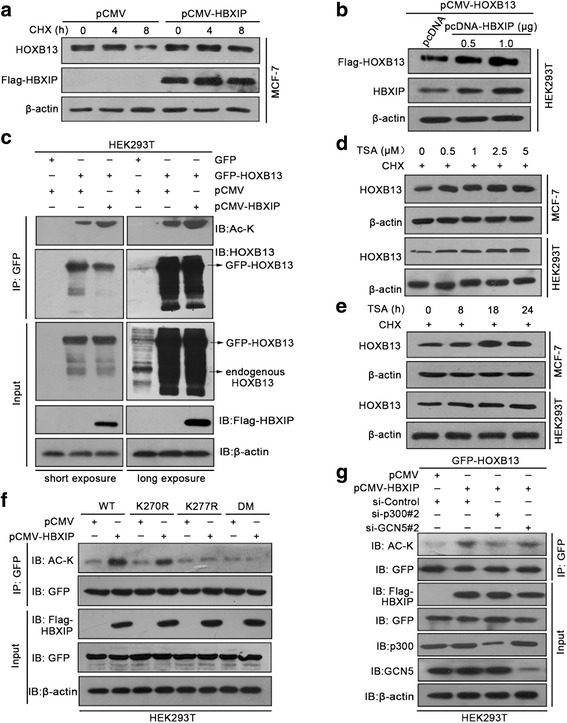
“It has been reported that HBXIP is capable of recruiting acetylases including p300 and GCN5, facilitating breast tumor progression [23, 37].”
BackgroundSelf-citationGoetz, M. P., Suman, V. J., Couch, F. J., Ames, M. M., Rae, J. M., Erlander, M. G., Ma, X.-J., Sgroi, D. C., Reynolds, C. A., Lingle, W. L., et al. (2008) · Clinical Cancer Research · doi:10.1158/1078-0432.ccr-08-0619 · Cited by 28
The Oncoprotein HBXIP Modulates the Feedback Loop of MDM2/p53 to Enhance the Growth of Breast Cancer
Li, H., Liu, Q., Wang, Z., Fang, R., Shen, Y. L., Cai, X., Gao, Y., Li, Y., Zhang, X., & Ye, L. (2015) · Journal of Biological Chemistry · doi:10.1074/jbc.m115.658468 · Cited by 25 · cited 2×
“It has been reported that HBXIP is capable of recruiting acetylases including p300 and GCN5, facilitating breast tumor progression [23, 37].”
BackgroundSelf-citationMa, X., Bandaru, R., Letzkus, M., Philips, P., Barrett, J. C., Erlander, M. G., Goetz, M. P., Sgroi, D. C., Gardner, H., & Baselga, J. M. (2009) · Cancer Research · doi:10.1158/0008-5472.sabcs-09-2120 · Cited by 3 · cited 1×
“uncover that HOXB13 can be used to predict response to the treatment of letrozole (an aromatase inhibitor) [49].”
Background
Cited by
Wang, T., Fu, X., Jin, T., Zhang, L., Liu, B., Wu, Y., Xu, F., Wang, X., Ye, K., Zhang, W., et al. (2019) · EBioMedicine · doi:10.1016/j.ebiom.2019.06.048 · Cited by 138
“The western blotting assay was performed as previously reported [42].”
MethodSelf-citationLiu, Y., Zhou, Z., Hou, J.-T., Xiong, W., Kim, H., Chen, J., Zheng, C., Jiang, X., Yoon, J., & Shen, J. (2022) · Advanced Materials · doi:10.1002/adma.202206121 · Cited by 132
Zhang, L., Wan, Y., Zhang, Z., Jiang, Y., Lang, J., Cheng, W., & Zhu, L. (2020) · RNA Biology · doi:10.1080/15476286.2020.1841458 · Cited by 121
Self-citationHomeobox Genes in Cancers: From Carcinogenesis to Recent Therapeutic Intervention
Feng, Y., Zhang, T., Wang, Y., Xie, M., Ji, X., Luo, X., Huang, W., & Xia, L. (2021) · Frontiers in Oncology · doi:10.3389/fonc.2021.770428 · Cited by 105
Yu, M., Zhan, J., & Zhang, H. (2019) · Cellular Signalling · doi:10.1016/j.cellsig.2019.109469 · Cited by 75
Metadata
- Authors
- Liu, B., Wang, T., Wang, H., Zhang, L., Xu, F., Fang, R., Li, L., Cai, X., Wu, Y., Zhang, W., & Ye, L.
- Affiliations
- Nankai University (CN)
- Corresponding author
- Zhang, Weiying
- Ye, Lihong
- ORCID
- Venue
- Journal of Hematology & Oncology
- Published
- 2018-02-23
- Volume
- 11
- Issue
- 1
- Pages
- 26-26
- ISSN
- 1756-8722 (ISSN-L)
- PMC
- PMC5824486
- OpenAlex
- W2796139531
- Cited by
- 73
- References
- 72
- Citations by year
- 2026: 2 · 2025: 12 · 2024: 11 · 2023: 13 · 2022: 13 · 2021: 5 · 2020: 10 · 2019: 7
- FWCI
- 3.37
- Type
- journal article
- Language
- en
- Open access
- gold
- doi.org
- Licence
- cc-by
- Locations
- Journal of Hematology & Oncology (publishedVersion, cc-by)
- Europe PMC (PubMed Central) (publishedVersion, cc-by)
- PubMed Central (publishedVersion, cc-by)
- PubMed (publishedVersion)
- DOAJ (DOAJ: Directory of Open Access Journals) (submittedVersion, cc-by-sa)
- Funders
- National Basic Research Program of China (2015CB553905)
- National Natural Scientific Foundation of China (81372186, 31670771)
- Fundamental Research Funds for the Central Universities
- Project of Prevention and Control of Key Chronic Non Infectious Diseases (2016YFC1303401)
- Topics
- Life Sciences › Biochemistry, Genetics and Molecular Biology › Endocrinology › Estrogen and related hormone effects
- Life Sciences › Biochemistry, Genetics and Molecular Biology › Cancer Research › Breast Cancer Treatment Studies
- Life Sciences › Biochemistry, Genetics and Molecular Biology › Cancer Research › Prostate Cancer Treatment and Research
- Keywords
- HOXB13, tamoxifen resistance, estrogen receptor-positive breast cancer, protein acetylation, chaperone-mediated autophagy, protein degradation, transcriptional coactivation, interleukin-6, aspirin, relapse-free survival, oncoprotein, drug resistance mechanisms, drug target identification
- MeSH terms
- Acetylation, Animals, Breast Neoplasms, Female, Humans, Mice, Inbred BALB C, Tamoxifen, Homeodomain Proteins, Antineoplastic Agents, Hormonal, Drug Resistance, Neoplasm, Adaptor Proteins, Signal Transducing, MCF-7 Cells
About these checks
Registry, retraction, Cites and statistics results are computed, not judged, with one exception: a printed reference that no index lists is read once by a model before it counts as a citation error. Claims are extracted by a model and kept only when their quote appears verbatim in the text; each cited source is then checked, with a model’s help, for whether it says what the claim relies on. Those verdicts can be wrong — read the claim’s quote and the cited source before relying on one.
Statistics and arithmetic are recomputed, not judged.
Confidence bands are shown only for fields calibrated on our annotated test set. None is calibrated yet, so no band is shown.
What counts as a claim ›How we measure confidence ›How we check this ›
Are you an author, or do you see a problem with this page? Request a review
Data sources
Bibliographic data: Semantic Scholar, OpenAlex, Crossref.
Contains information from the Semantic Scholar Academic Graph Datasets, made available under the ODC Attribution License (ODC-BY 1.0).
Semantic Scholar’s data is described in: Kinney, R., et al. (2023). The Semantic Scholar Open Data Platform. arXiv:2301.10140.
