

N6-methyladenosine reader IMP2 stabilizes the ZFAS1/OLA1 axis and activates the Warburg effect: implication in colorectal cancer
Open accessThe DOI matches its Crossref record; 40 of the 40 references it cites were found in a registry or an index.
Abstract
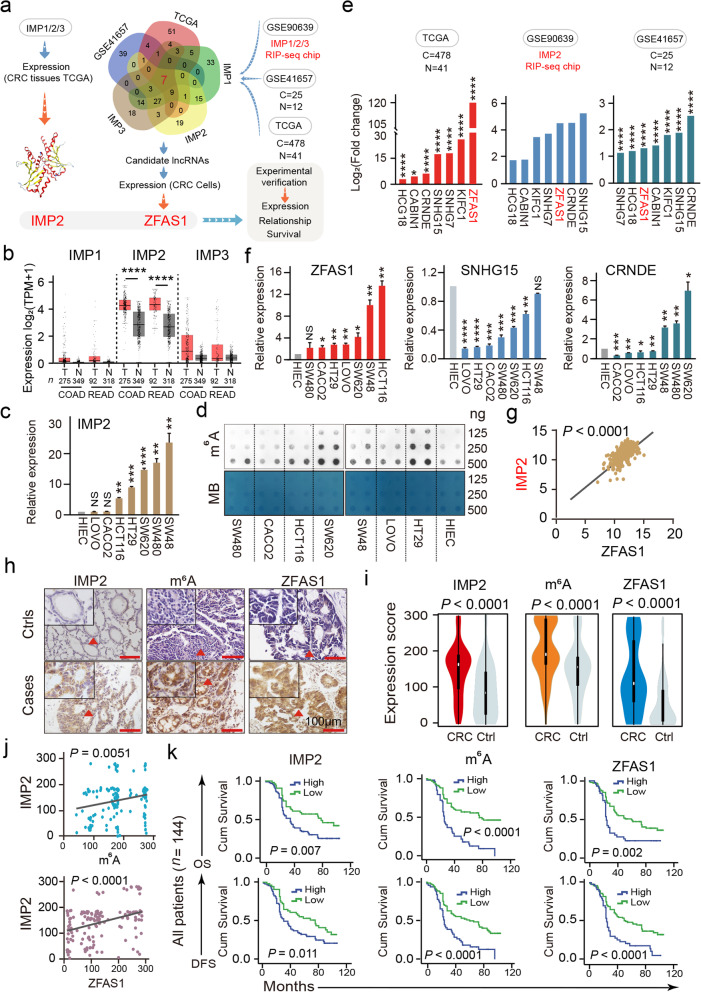
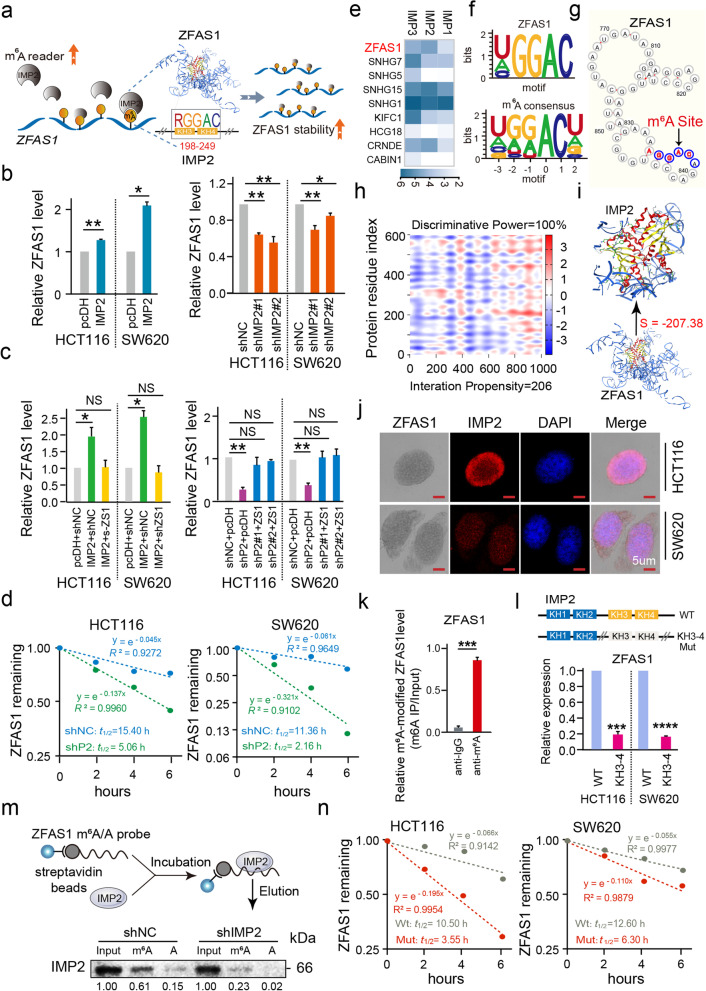
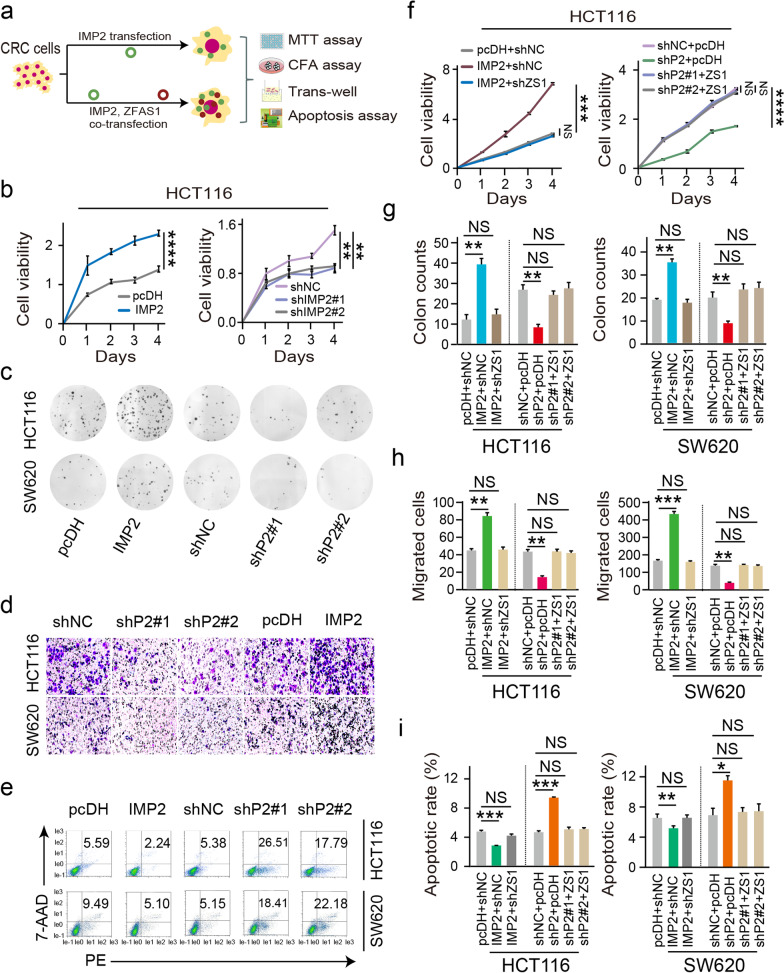
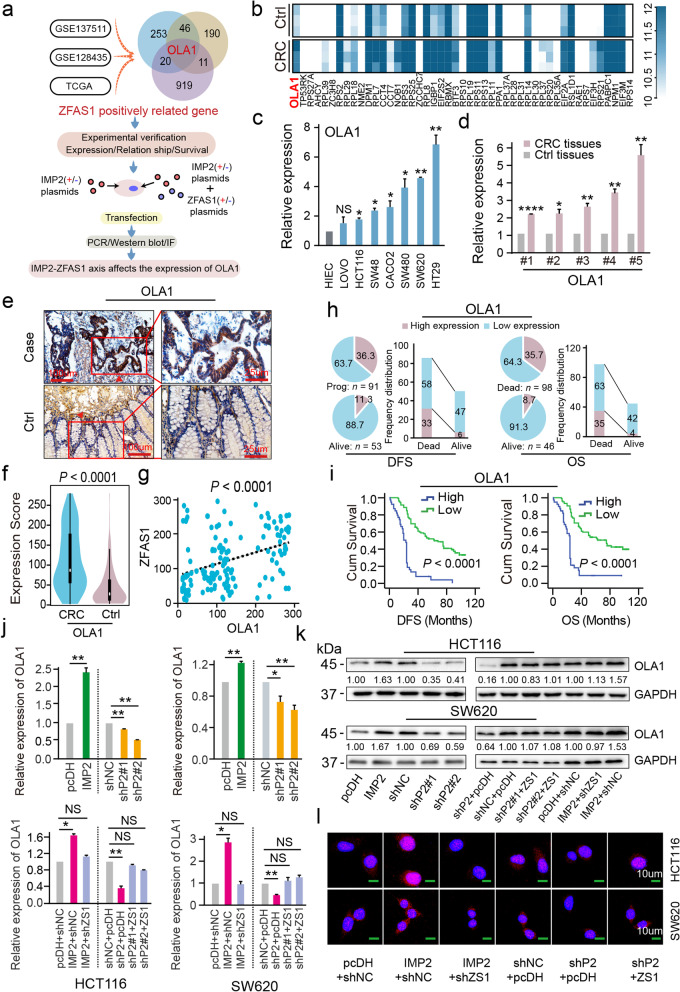
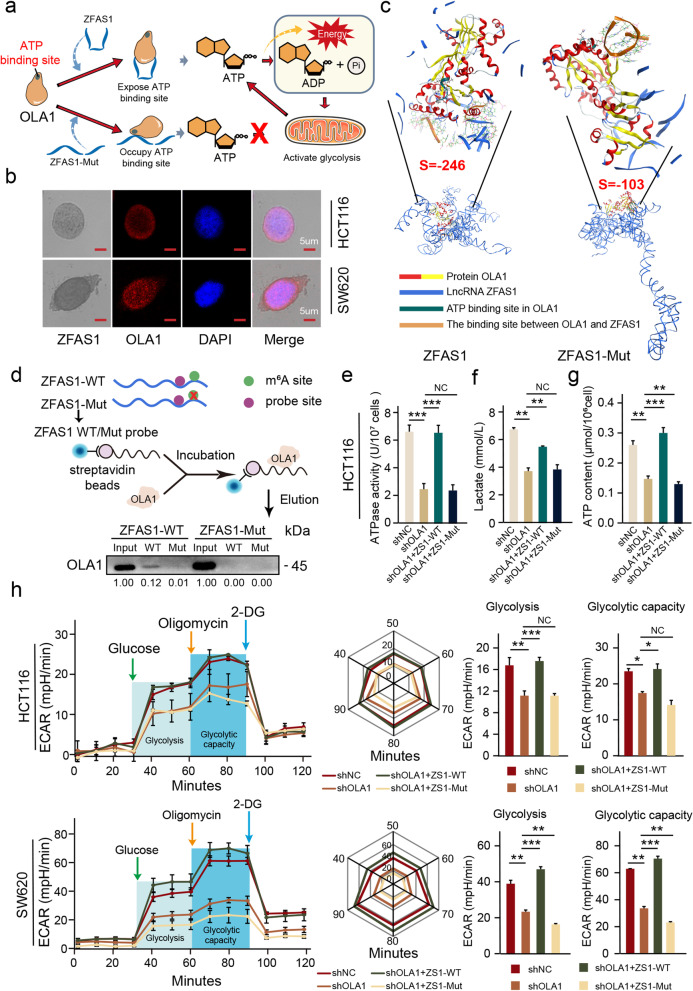
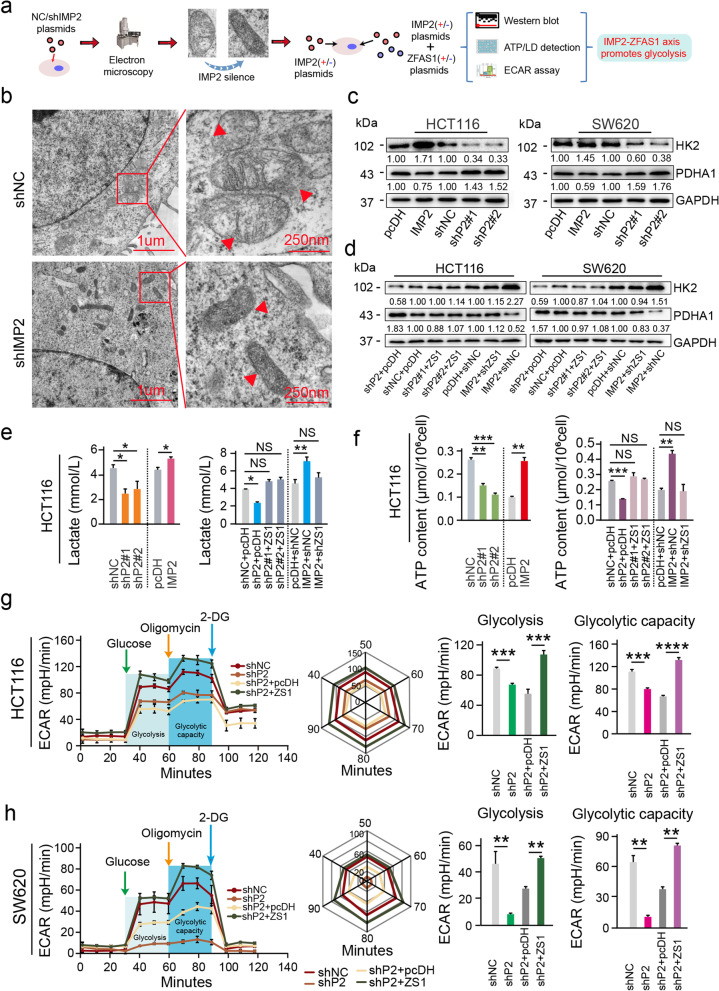
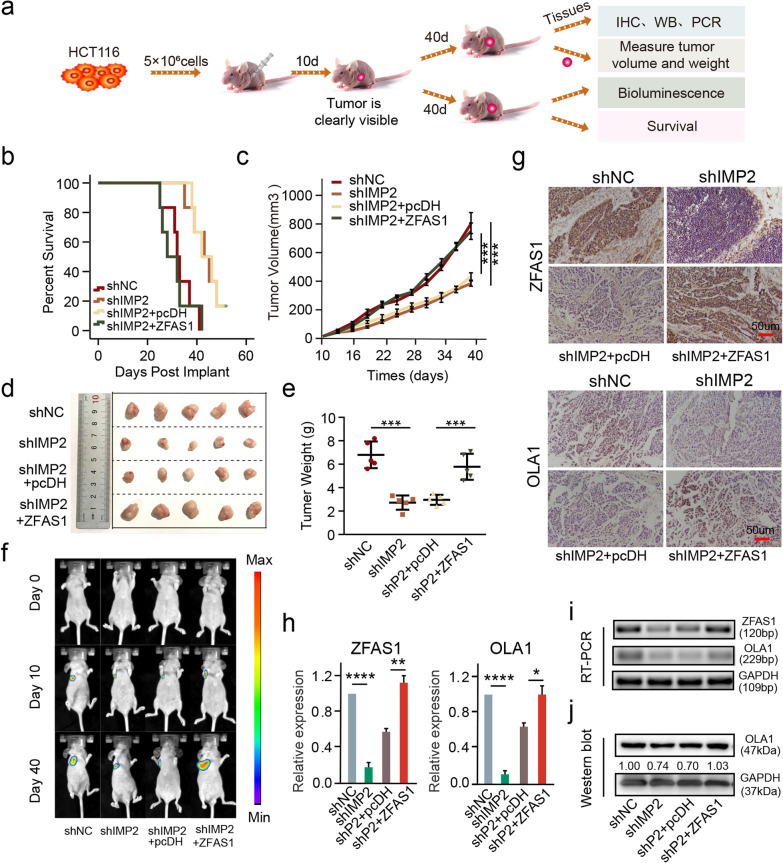
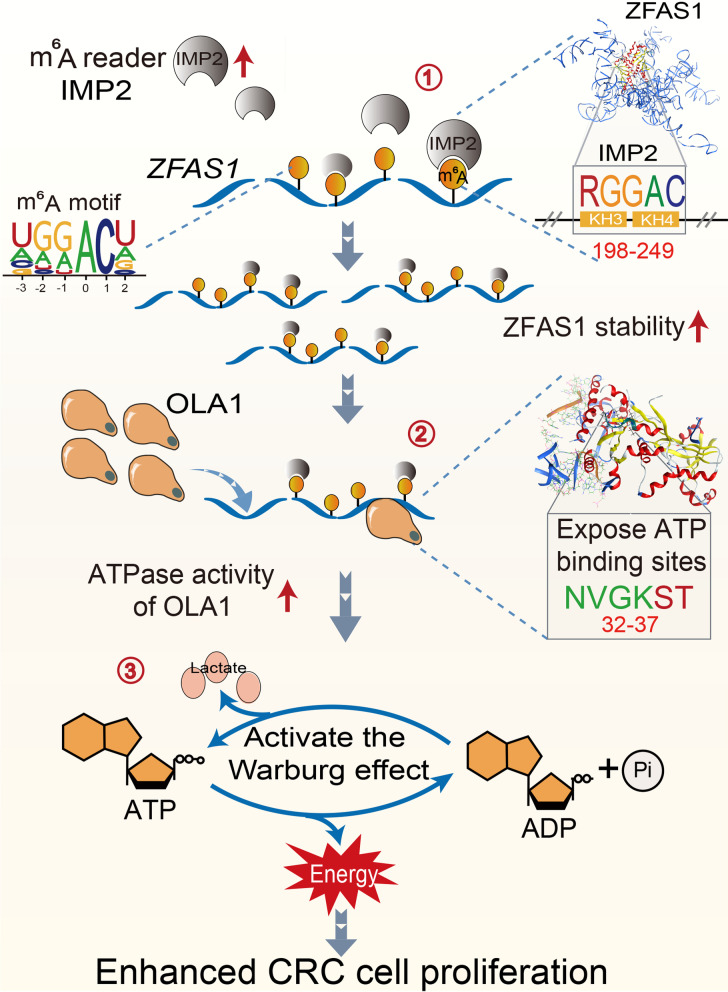
Abstract Background Accumulating evidence shows that N6-methyladenine (m6A) modulators contribute to the etiology and progression of colorectal cancer (CRC). However, the exact mechanisms of m6A reader involved in glycolytic metabolism remain vague. This article aimed to crosstalk the m6A reader with glycolytic metabolism and reveal a new mechanism for the progression of CRC. Methods The relationship between candidate lncRNA and m6A reader was analyzed by bioinformatics, ISH and IHC assays. In vivo and in vitro studies (including MTT, CFA, trans-well, apoptosis, western blot, qRT-PCR and xenograft mouse models) were utilized to explore the biological functions of these indicators. Lactate detection, ATP activity detection and ECAR assays were used to verify the biological function of the downstream target. The bioinformatics, RNA stability, RIP experiments and RNA pull-down assays were used to explore the potential molecular mechanisms. Results We identified that the crosstalk of the m6A reader IMP2 with long-noncoding RNA (lncRNA) ZFAS1 in an m6A modulation-dependent manner, subsequently augmented the recruitment of Obg-like ATPase 1 (OLA1) and adenosine triphosphate (ATP) hydrolysis and glycolysis during CRC proliferation and progression. Specifically, IMP2 and ZFAS1 are significantly overexpressed with elevated m6A levels in CRC cells and paired CRC cohorts (n = 144). These indicators could be independent biomarkers for CRC prognostic prediction. Notably, IMP2 regulated ZFAS1 expression and enhanced CRC cell proliferation, colony formation, and apoptosis inhibition; thus, it was oncogenic. Mechanistically, ZFAS1 is modified at adenosine +843 within the RGGAC/RRACH element in an m6A-dependent manner. Thus, direct interaction between the KH3–4 domain of IMP2 and ZFAS1 where IMP2 serves as a reader for m6A-modified ZFAS1 and promotes the RNA stability of ZFAS1 is critical for CRC development. More importantly, stabilized ZFAS1 recognizes the OBG-type functional domain of OLA1, which facilitated the exposure of ATP-binding sites (NVGKST, 32–37), enhanced its protein activity, and ultimately accelerated ATP hydrolysis and the Warburg effect. Conclusions Our findings reveal a new cancer-promoting mechanism, that is, the critical modulation network underlying m6A readers stabilizes lncRNAs, and they jointly promote mitochondrial energy metabolism in the pathogenesis of CRC.
Overview
The claims and statistics of this paper haven’t been checked yet.
Free: it reads the open-access text and checks the first 5 claims that cite a source we can check. Create a free account to check every claim.
Integrity signals
Registry
Cites
Statistics
Figures
Verification
Claims the paper makes
The claims and statistics of this paper haven’t been checked yet.
Free: it reads the open-access text and checks the first 5 claims that cite a source we can check. Create a free account to check every claim.
Claims other papers make about this one
Each is checked against this paper’s own text: does it say what the citing paper says it does?
The cited source says what the claim attributes to it.
In the citing paper
“The IMP2-ZFAS1-OLA1 axis is instrumental in CRC progression by stabilizing ZFAS1 and enhancing OLA1 activity, which in turn accelerates glycolytic metabolism and supports cancer cell proliferation and survival [97].”
From IMPlications of IMP2 in RNA Biology and Disease (2025) · cites this paper as [97]
The cited source says what the claim attributes to it.
In the citing paper
“Downstream of IMP2, the long non-coding RNA (lncRNA) ZFAS1 is identified as a critical target stabilized by IMP2 [97].”
From IMPlications of IMP2 in RNA Biology and Disease (2025) · cites this paper as [97]
Self-check
Percentages, sums and reported differences re-computed from the paper’s own numbers.
The self-check needs the paper’s full text.
Citations
Cites
1 retracted
Lu, T., Wu, B., Yu, Y., Zhu, W., Zhang, S., Zhang, Y., Guo, J., & Deng, N. (2018) · Cancer Science · doi:10.1111/cas.13633 · Cited by 39 · cited 1×
“Tissue microarray (TMA) and immunohistochemistry (IHC) TMA and IHC assays were performed as previously described [21].”
MethodRetractedTopology of the human and mouse m6A RNA methylomes revealed by m6A-seq
Dominissini, D., Moshitch-Moshkovitz, S., Schwartz, S., Salmon-Divon, M., Ungar, L., Osenberg, S., Cesarkas, K., Jacob-Hirsch, J., Amariglio, N., Kupiec, M., et al. (2012) · Nature · doi:10.1038/nature11112 · Cited by 4,884 · cited 1×
“Reversible m6A modification of RNA plays critical roles in various aspects of the fate of RNA metabolism during tumor occurrence and progression, such as in pre-mRNA splicing, translocation, mRNA stability or decay, and lncRNA processing [2, 3].”
BackgroundRecognition of RNA N6-methyladenosine by IGF2BP proteins enhances mRNA stability and translation
Huang, H., Weng, H., Sun, W., Qin, X., Shi, H., Wu, H., Zhao, B. S., Mesquita, A., Liu, C., Yuan, C. L., et al. (2018) · Nature Cell Biology · doi:10.1038/s41556-018-0045-z · Cited by 2,997 · cited 2×
“Functionally, the third and fourth KH (KH3–4) are identified as the core domains that are responsible for the direct recognition of m6A-containing RNAs (not limited to mRNAs) and enhancement of RNA stabilization by recruiting RNA co-stabilizers such as P-body, ELAVlike RNA-binding protein 1 (ELAVL1), and MATR3, thereb…”
BackgroundSelf-citationTranscriptome-wide Identification of RNA-Binding Protein and MicroRNA Target Sites by PAR-CLIP
Hafner, M., Landthaler, M., Burger, L., Khorshid, M., Hausser, J., Berninger, P., Rothballer, A., Ascano, M., Jungkamp, A.-C., Munschauer, M., et al. (2010) · Cell · doi:10.1016/j.cell.2010.03.009 · Cited by 2,873 · cited 1×
“Moreover, RNAbinding protein datasets supported that the IMP2 protein harbored a specific binding domain that recognizes the m6A RGGAC/RRACH motif within the ZFAS1 sequence obtained from the ENCORI platform [23] (http:// www.”
Backgroundm6A RNA methylation promotes XIST-mediated transcriptional repression
Patil, D. P., Chen, C.-K., Pickering, B. F., Chow, A., Jackson, C., Guttman, M., & Jaffrey, S. R. (2016) · Nature · doi:10.1038/nature19342 · Cited by 1,747 · cited 1×
“Recent studies have shown that non-coding RNAs, particularly lncRNAs, exerted their functions through dynamic m6A modification in tumorigenesis [18].”
BackgroundZhang, S., Zhao, B. S., Zhou, A., Lin, K., Zheng, S., Lu, Z., Chen, Y., Sulman, E. P., Xie, K., Bögler, O., et al. (2017) · Cancer Cell · doi:10.1016/j.ccell.2017.02.013 · Cited by 1,459
Tumor glycolysis as a target for cancer therapy: progress and prospects
Ganapathy-Kanniappan, S., & Geschwind, J.-F. H. (2013) · Molecular Cancer · doi:10.1186/1476-4598-12-152 · Cited by 1,395 · cited 1×
“A recent study recognized that dysregulation or alteration of cancer cell-intrinsic energy metabolism was one of the essential hallmarks of tumors, which was characterized in a glycolysis-dependent manner, and in turn, facilitated energy production by tumor cells [4].”
BackgroundVaupel, P., Schmidberger, H., & Mayer, A. (2019) · International Journal of Radiation Biology · doi:10.1080/09553002.2019.1589653 · Cited by 893 · cited 1×
“The main energy metabolisms in tumors are elevated glycolysis activation and increased lactate fermentation [34].”
BackgroundMETTL3 facilitates tumor progression via an m6A-IGF2BP2-dependent mechanism in colorectal carcinoma
Li, T., Hu, P.-S., Zuo, Z., Lin, J.-F., Li, X., Wu, Q.-N., Chen, Z.-H., Zeng, Z.-L., Wang, F., Zheng, J., et al. (2019) · Molecular Cancer · doi:10.1186/s12943-019-1038-7 · Cited by 799 · cited 1×
““Reader” IMP2, “writer” METTL3, and “downstream target” SOX2 were highlighted in the novel m6A-dependent epigenetic regulation in CRC cells [15].”
BackgroundNielsen, J., Christiansen, J., Lykke-Andersen, J., Johnsen, A. H., Wewer, U. M., & Nielsen, F. C. (1999) · Molecular and Cellular Biology · doi:10.1128/mcb.19.2.1262 · Cited by 721 · cited 1×
“IMP1/2/3 proteins consist of similar RNA-binding domains, four C-terminal heterologous ribonucleoprotein KH domains, and two N-terminal RNA recognition motifs [17].”
Background
Cited by
The role of m6A RNA methylation in cancer metabolism
An, Y., & Duan, H. (2022) · Molecular Cancer · doi:10.1186/s12943-022-01500-4 · Cited by 871
“In colorectal cancer, the overexpression of m6A reader IMP2 (IGF2BP2) can stabilize ZFAS1/ OLA1 axis, which increases the recruitment of OLA1, ATP hydrolysis and glycolysis, activates Warburg effect, and enhances cell proliferation and colony formation of cancer cells [121].”
BackgroundThe roles and implications of RNA m6A modification in cancer
Deng, X., Qing, Y., Horne, D., Huang, H., & Chen, J. (2023) · Nature Reviews Clinical Oncology · doi:10.1038/s41571-023-00774-x · Cited by 364
Weng, H., Huang, F., Yu, Z., Chen, Z., Prince, E., Kang, Y., Zhou, K., Li, W., Hu, J., Fu, C., et al. (2022) · Cancer Cell · doi:10.1016/j.ccell.2022.10.004 · Cited by 336
Self-citationThe IGF2BP family of RNA binding proteins links epitranscriptomics to cancer
Ramesh-Kumar, D., & Guil, S. (2022) · Seminars in Cancer Biology · doi:10.1016/j.semcancer.2022.05.009 · Cited by 165
Huang, H., Chen, K., Zhu, Y., Hu, Z., Wang, Y., Chen, J., Li, Y., Li, D., & Wei, P. (2024) · Journal of Translational Medicine · doi:10.1186/s12967-024-04955-9 · Cited by 147
Self-citationm6A-regulated tumor glycolysis: new advances in epigenetics and metabolism
Yue, S., Liu, H., Su, H.-F., Luo, C., Liang, H., Zhang, B., & Zhang, W. (2023) · Molecular Cancer · doi:10.1186/s12943-023-01841-8 · Cited by 140
“In turn, ZFAS1 can enhance the activity of OLA1 Improve the glycolysis of CRC [115] METTL14, YTHDF2 METTL14 and YTHDF2 promote the processing maturity of pri-miR-6769b and pri-miR-499a, and ultimately reduce the expression of GLUT3 and PGAM1 Inhibiting the aerobic glycolysis and malignant phenotype…”
BackgroundOncofetal protein IGF2BPs in human cancer: functions, mechanisms and therapeutic potential
Zhu, T., Hong, L., & Ling, Z. (2023) · Biomarker Research · doi:10.1186/s40364-023-00499-0 · Cited by 140
Zhang, F., Liu, H., Duan, M., Wang, G., Zhang, Z., Wang, Y., Qian, Y., Yang, Z., & Jiang, X. (2022) · Journal of Hematology & Oncology · doi:10.1186/s13045-022-01304-5 · Cited by 127
The role of Insulin-like growth factor 2 mRNA-binding proteins (IGF2BPs) as m6A readers in cancer
Sun, C., Cao, D., Du, B.-B., Chen, C., & Liu, D. (2022) · International Journal of Biological Sciences · doi:10.7150/ijbs.70458 · Cited by 110
“In colorectal cancer, IGF2BP2 directly binds to the m6A sites of lncRNA ZFAS1 and increases its stability to activate the Warburg effect [158].”
BackgroundLiu, Z., Gao, L., Cheng, L., Lv, G., Sun, B., Wang, G., & Tang, Q. (2023) · Experimental & Molecular Medicine · doi:10.1038/s12276-023-00944-y · Cited by 100
Duan, M., Liu, H., Xu, S., Yang, Z., Zhang, F., Wang, G., Wang, Y., Zhao, S., & Jiang, X. (2023) · Genes & Diseases · doi:10.1016/j.gendis.2023.06.017 · Cited by 100
Zhang, Y., Song, H., Li, M., & Lu, P. (2024) · Clinical and Translational Medicine · doi:10.1002/ctm2.1614 · Cited by 97
“31,50”
Zhou, Y., Yan, J., Huang, H., Liu, L., Ren, L., Hu, J., Jiang, X., Zheng, Y., Xu, L., Zhong, F., et al. (2024) · Cell Death & Disease · doi:10.1038/s41419-024-06509-9 · Cited by 92
“It is worth noting that there is an increasing body of evidence indicating that IGF2BP2 regulates metabolic pathways in cells through post-transcriptional mechanisms, including glycolysis [23, 24], glutamine metabolism [25], and lipid metabolism [20].”
BackgroundMETTL16 promotes glycolytic metabolism reprogramming and colorectal cancer progression
Wei, W., Zhang, Z., Shi, B., Cai, Y., Zhang, H.-S., Sun, C., Fei, Y.-F., Zhong, W., Zhang, S., Wang, C., et al. (2023) · Journal of Experimental & Clinical Cancer Research · doi:10.1186/s13046-023-02732-y · Cited by 93
“Aerobic glycolysis, the main characteristic of energy metabolism reprogramming in tumors, enhances glycolysis activation and preferential lactate fermentation even in the presence of oxygen, which is referred to as the Warburg effect [6, 7].”
BackgroundFirst Small-Molecule Inhibitors Targeting the RNA-Binding Protein IGF2BP2/IMP2 for Cancer Therapy
Dahlem, C., Abuhaliema, A., Kessler, S. M., Kröhler, T., Zoller, B. G. E., Chanda, S., Wu, Y., Both, S., Müller, F., Lepikhov, K., et al. (2022) · ACS Chemical Biology · doi:10.1021/acschembio.1c00833 · Cited by 70
Bian, Y., Xu, S., Gao, Z., Ding, J., Li, C., Cui, Z., Sun, H., Li, J., Pu, J., & Wang, K. (2024) · Cancer Letters · doi:10.1016/j.canlet.2024.217004 · Cited by 58
Emerging role of RNA modification and long noncoding RNA interaction in cancer
Yang, L., Tang, L., Min, Q., Tian, H., Li, L., Zhao, Y., Wu, X., Li, M., Du, F., Chen, Y., et al. (2024) · Cancer Gene Therapy · doi:10.1038/s41417-024-00734-2 · Cited by 47
“ZFAS1 enhances Obg-like ATPase 1 (OLA1) activity and activates glycolysis in CRC cells by binding to the OBG-type domain of OLA1 [152].”
BackgroundN6-methyladenosine modification and metabolic reprogramming of digestive system malignancies
Cai, X., Liang, C., Zhang, M., Xu, Y., Weng, Y., Li, X., & Yu, W. (2022) · Cancer Letters · doi:10.1016/j.canlet.2022.215815 · Cited by 44
Crosstalk between N6-methyladenosine (m6A) modification and noncoding RNA in tumor microenvironment
Wang, D., Han, Y., Peng, L., Huang, T., He, X., Wang, J., & Ou, C. (2023) · International Journal of Biological Sciences · doi:10.7150/ijbs.79651 · Cited by 42
“IGF2BP2 promotes the stability and expression of lncRNA ZNFX1 antisense RNA 1 (ZFAS1) in an m6A-dependent manner [141].”
BackgroundZhang, K., Dong, Y., Li, M., Zhang, W., Ding, Y., Wang, X., Chen, D., Liu, T., Wang, B., Cao, H., et al. (2023) · Cancer Science · doi:10.1111/cas.15839 · Cited by 40
Pang, P., Si, W., Wu, H., Ju, J., Liu, K., Wang, C., Jia, Y., Diao, H., Zeng, L.-H., Jiang, W., et al. (2023) · Antioxidants and Redox Signaling · doi:10.1089/ars.2023.0291 · Cited by 38
“Particular m6A ‘‘readers,’’ such as the YT521-B homology (YTH) domain family, exploit the functions of the whole (Lu et al., 2021).”
Self-citationZhou, H., Sun, Q., Feng, M., Gao, Z., Jia, S., Cao, L., Yu, X., Gao, S., Wu, H., & Li, K. (2023) · Theranostics · doi:10.7150/thno.86528 · Cited by 39
“IGF2BP2, depending on its KH3-4 domain, recognizes the m6A modification at adenosine +843 within the “RGGAC/RRACH” element of lncRNA ZFAS1 to activate the Warburg effect in CRC [18].”
InfluentialSelf-citationWang, N., Shi, B., Ding, L., Zhang, X., Ma, X., Guo, S., Qiao, X., Wang, L., Ma, D., & Cao, J. (2024) · Redox Biology · doi:10.1016/j.redox.2024.103382 · Cited by 37
“Dynamic m 6 A modification is mainly recognized by recruiting specific m 6 A reader, and its expression imbalance is related to the malignant invasion and clinical prognosis of various cancers [22,40].”
BackgroundRoles and implications of mRNA N 6 ‐methyladenosine in cancer
Zeng, L., Huang, X., Zhang, J., Lin, D., & Zheng, J. (2023) · 癌症:英文版 · doi:10.1002/cac2.12458 · Cited by 34
“Then ZFAS1 directly binds to obg-like ATPase 1 (OLA1) to enhance the ATPase activity of OLA1, which enhances the ATP hydrolysis capacity and activates the Warburg effect [76].”
BackgroundInfluentialCritical roles and clinical perspectives of RNA methylation in cancer
Li, G., Yao, Q., Liu, P., Zhang, H., Liu, Y., Li, S., Shi, Y., Li, Z., & Zhu, W. (2024) · MedComm · doi:10.1002/mco2.559 · Cited by 34
“358 Remarkably, Lacto-ferrin was recently found to alleviate the effect of the m 6 A writer WTAP on 5′-nucleotidase domain-containing protein 3 (NT5DC3) and Hexokinase domain component 1 (HKDC1) expression to suppress CRC progression under conditions of hyperglycemia.”
BackgroundDeng, X., Wu, D., Zhao, Y., Qing, Y., Wu, H., & Chen, J. (2025) · Cancer Cell · doi:10.1016/j.ccell.2025.12.001 · Cited by 33
Self-citationGan, L., Zhao, S., Gao, Y., Qi, Y., Su, M., Wang, A., & Cai, H. (2023) · Biology Direct · doi:10.1186/s13062-023-00420-7 · Cited by 29
“Even in the presence of sufficient oxygen, most tumor cells produce large amounts of energy through hyper-glycolytic metabolism, and OC is no exception [15].”
BackgroundWang, D., Zhang, P., Liu, Z., Xing, Y., & Xiao, Y. (2022) · Cancers · doi:10.3390/cancers14153782 · Cited by 29
Wu, H., Ding, X., Hu, X., Zhao, Q., Chen, Q., Sun, T., Li, Y., Guo, H., Li, M., Gao, Z., et al. (2022) · Oncogene · doi:10.1038/s41388-022-02189-x · Cited by 26
“Our recent study confirmed that IMP2 was significantly upregulated with elevated m(6)A levels in the paired CRC cohorts, which could be an independent prognostic factor for CRC survival time [38].”
BackgroundSelf-citationRoles of lncRNA in the diagnosis and prognosis of triple-negative breast cancer
Yang, Q., Fu, Y., Wang, J., Yang, H., & Zhang, X. (2023) · Journal of Zhejiang University SCIENCE B · doi:10.1631/jzus.b2300067 · Cited by 26
“…years to be highly expressed in pancreatic, cervical, and colon cancers, with the potential to promote the develop‐ ment of cancer cells (Zhang M et al., 2018; Zhu et al., 2018; Feng et al., 2019; Yang et al., 2020; Ghafouri-Fard et al., 2021; Lu et al., 2021; Rao et al., 2021; Shao et al., 2021).”
Shao, C.-Y., Han, Y., Huang, Y., Zhang, Z., Gong, T., Zhang, Y., Tian, X., Fang, M., Han, X., & Li, M. (2023) · International Journal of Oncology · doi:10.3892/ijo.2023.5605 · Cited by 26
The Epigenetic Regulation of RNA N6-Methyladenosine Methylation in Glycolipid Metabolism
Yang, H., Li, Y., Huang, L., Fang, M., & Xu, S. (2023) · Biomolecules · doi:10.3390/biom13020273 · Cited by 25
Self-citationNoncoding RNAs in the Glycolysis of Ovarian Cancer
Zhang, C., & Liu, N. (2022) · Frontiers in Pharmacology · doi:10.3389/fphar.2022.855488 · Cited by 26
Yi, Q., Liao, Y., Sun, W., Li, J., Yang, D., Shang, H., & Sun, W. (2025) · International Journal of Molecular Medicine · doi:10.3892/ijmm.2025.5605 · Cited by 24
Yan, Y., Huang, Z., Zhu, Z. Y., Wang, Y., Cao, X., Yang, C., Jiang, J., Xia, S., & Shen, B. (2024) · Cancer Cell International · doi:10.1186/s12935-024-03570-4 · Cited by 21
RNA m6A methylation and regulatory proteins in pulmonary arterial hypertension
Wang, Z., Zhang, Y., Shi, J.-Z., Yi, Y., Zhao, L.-L., Kou, J., He, Y., Xie, X., Zhang, S.-J., & Pang, X. (2024) · Hypertension Research · doi:10.1038/s41440-024-01607-9 · Cited by 21
“There is a close relationship between m6A methylation and the Warburg effect [140 – 142], but further research is needed to understand the complex mechanism.”
Self-citationZhi, Y., Zhang, S., Zi, M., Wang, Y., Liu, Y., Zhang, M., Shi, L., Yan, Q., Zeng, Z., Xiong, W., et al. (2022) · Wiley Interdisciplinary Reviews - RNA · doi:10.1002/wrna.1719 · Cited by 22
Jiang, X., Jin, Z., Yang, Y., Zheng, X., Chen, S., Wang, S., Zhang, X., & Qu, N. (2023) · Frontiers in Oncology · doi:10.3389/fonc.2023.1162300 · Cited by 21
Zhao, L., Guo, J., Xu, S., Duan, M., Liu, B., Zhao, H., Wang, Y., Liu, H., Yang, Z., Yuan, H., et al. (2024) · Journal of Advanced Research · doi:10.1016/j.jare.2024.04.016 · Cited by 21
“For instance, the m 6 A reader IMP2 stabilizes the lncRNA ZFAS1/OLA1 axis in an m 6 A modification-dependent manner, activating the Warburg effect and thereby promoting CRC cell proliferation [43].”
Li, H., Gong, Y., Wang, Y., Sang, W., Wang, C., Zhang, Y., Zhang, H., Liu, P., Liu, M., & Sun, H. (2025) · Phytomedicine · doi:10.1016/j.phymed.2025.156400 · Cited by 21
Li, D., Hu, S., Ye, J., Zhai, C., Liu, J., Wang, Z., Zhou, X., Chen, L., & Zhou, F. (2024) · International Journal of Molecular Sciences · doi:10.3390/ijms252212150 · Cited by 23
“For example, IGF2BP2 promotes the Warburg effect by stabilizing the ZFAS1/Obg-like ATPase 1 (OLA1) axis in CRC [75].”
Self-citationWu, Q., Li, G., Gong, L., Cai, J., Chen, L., Xu, X., Liu, X., Zhao, J., Zeng, Y., Gao, R., et al. (2022) · Cancer Medicine · doi:10.1002/cam4.5246 · Cited by 18
Self-citationInsights into the role of RNA m6A modification in the metabolic process and related diseases
Hu, H., Li, Z., Xie, X., Liao, Q., Hu, Y., Gong, C., Gao, N., Yang, H., Xiao, Y., & Chen, Y. (2023) · Genes & Diseases · doi:10.1016/j.gendis.2023.04.038 · Cited by 20
“139 LncRNA LINRIS can stabilize IGF2BP2 and promote aerobic glycolysis through the LINRIS/IGF2BP2/c-Myc axis.”
BackgroundThe m6A reader IGF2BP2 promotes pancreatic cancer progression through the m6A-SLC1A5-mTORC1 axis
Pu, X., Wu, Y., Long, W., Sun, X., Yuan, X., Wang, D., Wang, X., & Xu, M. (2025) · Cancer Cell International · doi:10.1186/s12935-025-03736-8 · Cited by 18
“A number of lines of evidence suggest that IGF2BP2 is a tumor promoter that can promote tumor growth and metastasis and participate in metabolism [22, 23].”
Polyploid giant cancer cells: Underlying mechanisms, signaling pathways, and therapeutic strategies
Temaj, G., Saha, S., Chichiarelli, S., Telkoparan‐Akillilar, P., Nuhii, N., Hadžiselimović, R., & Saso, L. (2025) · Critical Reviews in Oncology/Hematology · doi:10.1016/j.critrevonc.2025.104802 · Cited by 18
Xie, Z., Zhu, R., Huang, X., Yao, F., Jin, S., Huang, Q., Wang, D., Li, H., Wang, Q., Long, H., et al. (2023) · Oncology Letters · doi:10.3892/ol.2023.13944 · Cited by 17
“This is consis‑ tent with the long‑standing hypothesis that a gut microbial environment that favors protein hydrolysis over glycolysis may increase the risk of CRC (17).”
LncRNAs and PTEN/PI3K signaling: A symphony of regulation in cancer biology
Almalki, W. H. (2023) · Pathology - Research and Practice · doi:10.1016/j.prp.2023.154764 · Cited by 16
Chen, Z., Zhang, J., Wang, J., Tong, H., Pan, W., Ma, F., Wu, Q., & Dai, J. (2024) · PLoS Pathogens · doi:10.1371/journal.ppat.1012725 · Cited by 17
Huo, R., Li, W., Wu, H., He, K., Wang, H., Zhang, S., Jiang, S., Li, R.-K., & Xue, J. (2025) · Cell Death and Disease · doi:10.1038/s41419-025-07457-8 · Cited by 15
“To determine if transcription factor ONECUT3 can directly regulate the transcription of glycolytic genes, we utilized online databases including JASPAR, ALGGEN, and hTFtarget to predict the genes that ONECUT3 regulates.”
Self-citationThe Role of N6-Methyladenosine in Mitochondrial Dysfunction and Pathology
Yan, W., Saqirile, Li, K., Li, K., & Wang, C. (2025) · International Journal of Molecular Sciences · doi:10.3390/ijms26083624 · Cited by 17
“M 6 A affects the quality control of mitochondria by participating in the expression of genes related to mitochondrial biogenesis and mitophagy.”
The Role of RNA m6A Modification in Cancer Glycolytic Reprogramming
Zhou, Y., Huang, T., Jiang, J., Li, Y., Huang, H., & Wu, S. (2022) · Current Gene Therapy · doi:10.2174/1566523222666220830150446 · Cited by 15
Self-citationm6A modification in non-coding RNAs: Mechanisms and potential therapeutic implications in fibrosis
Zhou, Y., Jian, N., Jiang, C., & Wang, J. (2024) · Biomedicine & Pharmacotherapy · doi:10.1016/j.biopha.2024.117331 · Cited by 13
Zhang, C., Wang, X., Song, H., Yuan, J., Zhang, X., Yuan, Y., Wang, Z., Zhang, L., & He, J. (2024) · Cell Biology and Toxicology · doi:10.1007/s10565-024-09959-1 · Cited by 13
Self-citationZhou, X., Zhang, H., Duan, Y., Zhu, J., & Dai, H. (2022) · Journal of Clinical Laboratory Analysis · doi:10.1002/jcla.24813 · Cited by 14
RNA epigenetic modifications in digestive tract cancers: Friends or foes
Nian, Z., Deng, M., Ye, L., Tong, X., Xu, Y., Xu, Y., Chen, R., Wang, Y., Mao, F., Xu, C., et al. (2024) · Pharmacological Research · doi:10.1016/j.phrs.2024.107280 · Cited by 13
Liu, S., & Xiang, D. (2023) · Frontiers in Genetics · doi:10.3389/fgene.2023.1270983 · Cited by 12
Zheng, J., Jiang, S., Lin, X., Wang, H. H., Liu, L., Cai, X., & Sun, Y. (2024) · BMC Women s Health · doi:10.1186/s12905-023-02864-5 · Cited by 18
“ZFAS1 has been widely proved to be related with the development and progression of human cancers [88], including colorectal cancer [89, 90], nasopharyngeal carcinoma [91], oral squamous cell carcinoma [92], pancreatic cancer [93], and so on.”
Ren, J., Huang, B., Li, W., Wang, Y., Pan, X., Ma, Q., Liu, Y., Wang, X., Liang, C., Zhang, Y., et al. (2024) · Translational Oncology · doi:10.1016/j.tranon.2024.101904 · Cited by 11
“For instance, IGF2BP2 activates the Warburg effect and influences colorectal cancer tumorigenesis by stabilizing the ZFAS1/OLA1 axis [23].”
BackgroundLi, X., Peng, L., Yang, X., Luo, J., Wang, J., Mou, K., Zhou, H., Luo, Y., & Li, X. (2024) · Frontiers in Immunology · doi:10.3389/fimmu.2024.1464042 · Cited by 12
Multifaceted roles of insulin‑like growth factor 2 mRNA binding protein 2 in human cancer (Review)
Shen, J., & Ding, Y. (2025) · Molecular Medicine Reports · doi:10.3892/mmr.2025.13441 · Cited by 12
BVES-AS1 suppresses the colorectal cancer progression via the miR-1269a/b-SVEP1-PI3K/AKT axis
Yang, J., Deng, Q., Chen, Z., Chen, Y., & Fu, Z. (2024) · Advances in Clinical and Experimental Medicine · doi:10.17219/acem/175050 · Cited by 9
N6-methyladenosine-dependent signaling in colorectal cancer: Functions and clinical potential
Liu, S., Liu, M., Li, Y., & Song, Q. (2024) · Critical Reviews in Oncology/Hematology · doi:10.1016/j.critrevonc.2024.104360 · Cited by 9
Self-citationNovel insights into the interaction between IGF2BPs and ncRNAs in cancers
Sun, Y., Wu, J., Sun, W., Liu, C. Q., & Shi, X. (2024) · Cancer Cell International · doi:10.1186/s12935-024-03591-z · Cited by 10
Zhai, Y., & Zheng, L. (2022) · Scientific Reports · doi:10.1038/s41598-022-20873-6 · Cited by 9
Li, L., Zhang, R., & Li, Y. (2025) · BMC Cancer · doi:10.1186/s12885-025-13532-2 · Cited by 8
“Tumor cells tend to convert large amounts of glucose intake into lactate through glycolysis, even when oxygen is abundant, a phenomenon known as the Warburg effect [18, 19].”
Self-citationMetabolic reprogramming in colorectal cancer: Mechanisms and therapeutic insights
Xiao, W., Tan, D., Zeng, W., Nie, X., & Wang, M. (2026) · Genes & Diseases · doi:10.1016/j.gendis.2026.102054 · Cited by 9
“180 In some cases, m 6 A biomarkers have been identified as potential non-invasive biomarkers in cancers, including CRC. 181,182 In conclusion, both adenosine metabolism and m 6 A modification are pivotal in tumor metabolic reprogramming.”
Dou, Z., Ma, X.-T., Piao, M., Wang, J., & Li, J. (2024) · Translational Cancer Research · doi:10.21037/tcr-23-2401 · Cited by 8
“For instance, METTL3 in various cancers increases the m6A methylation levels of target lncRNAs such as lncRNA LCAT3 (14), ZFAS1 (15), DANCR (16), LINC00958 (17), MEG3 (18), THAP7-AS1 (19), PCAT6 (20), lnc-CTHCC (21), lncRNA sil-as1 (22), lncRNA PVT1 (23) and LIFR-AS1 (24).”
Yao, J., Song, Y., Yu, X., & Lin, Z. (2023) · Molecular Medicine · doi:10.1186/s10020-023-00726-2 · Cited by 8
Xu, S., Xie, J., Zhou, Y., Liu, H., Wang, Y., & Li, Z. (2022) · Genes · doi:10.3390/genes13020345 · Cited by 9
A review on the role of RNA methylation in aging-related diseases
Wei, H., Xu, Y., Lin, L., Li, Y., & Zhu, X. (2023) · International Journal of Biological Macromolecules · doi:10.1016/j.ijbiomac.2023.127769 · Cited by 10
Self-citationThe role of m6A reader IGF2BPs in tumor metabolic reprogramming
Zhou, X., Li, G., Su, X., Wang, Y., Liu, L., Yang, C., Xu, Y., He, J., & Zhang, J. (2025) · Biochemical Pharmacology · doi:10.1016/j.bcp.2025.117452 · Cited by 6
Sun, X., Li, L., Yang, X., Ke, D., Zhong, Q.-H., Zhu, Y., Yang, L., Zhang, Z., & Lin, J. (2024) · Heliyon · doi:10.1016/j.heliyon.2024.e30277 · Cited by 6
Lu, B., Li, X., Miao, W., Liu, Q., Li, R., Cui, C., Gao, Q., & Lian, R. (2025) · Naunyn-Schmiedeberg s Archives of Pharmacology · doi:10.1007/s00210-024-03779-0 · Cited by 8
“Lu et al. found that the m6A reader IMP2 activates the OLA1-mediated Warburg effect by stabilizing ZFAS1, thereby promoting colorectal cancer progression(Lu et al. 2021).”
From non‐coding RNAs to cancer regulators: The fascinating world of micropeptides
Li, C., Zhang, D., Huang, J., He, Z., Song, T., Wang, X., Kong, Q., Li, L., Liu, Z., Zhang, N., et al. (2025) · International Journal of Cancer · doi:10.1002/ijc.35459 · Cited by 5
Wu, H., Hu, X., Wang, Y., Zhu, X., Zhao, Q., Zhao, Y., Cui, W., Zhang, M., Zhao, H., Li, K., et al. (2025) · Oncogene · doi:10.1038/s41388-025-03390-4 · Cited by 6
“Performed TMA and IHC analyses with slightly modi fi ed protocols [31].”
Self-citationInsights into N6-methyladenosine (m6A) modification of noncoding RNA in tumor microenvironment
Zhang, Y., Zhan, L., Li, J., Jiang, X., & Li, Y. (2023) · Aging · doi:10.18632/aging.204679 · Cited by 5
Self-citationEffects of N6-methyladenosine modification on metabolic reprogramming in digestive tract tumors
Liang, Y., Gao, Y., Bao, Q., Xu, M., Lü, J., & Du, W. (2024) · Heliyon · doi:10.1016/j.heliyon.2024.e24414 · Cited by 5
“Functionally, IGF2BP2 enhances lncRNA ZFAS1 expression to elevate Obg-like ATPase 1 (OLA1) activity and ultimately accelerate glycolysis in CRC cells like HCT116 and SW620 [114].”
BackgroundDubey, P. K., Dubey, S., Singh, S., Bhat, P. D., Pogwizd, S. M., & Krishnamurthy, P. (2024) · PLoS ONE · doi:10.1371/journal.pone.0293105 · Cited by 6
Research Progress of Long Non-coding RNA-ZFAS1 in Malignant Tumors
Liu, X., Ma, Z., Zhang, X., Li, S., An, J., & Luo, Z. (2024) · Cell Biochemistry and Biophysics · doi:10.1007/s12013-024-01441-3 · Cited by 5
“LU [55] through bioinformatics analysis, discovered that the N6-methyladenosine (m6A) “ reader ” IMP2 and ZFAS1 are signi fi cantly expressed in colorectal cancer.”
Chen, J., Sun, M., Huang, L., & Fang, Y. (2022) · Pathology - Research and Practice · doi:10.1016/j.prp.2022.154059 · Cited by 5
Anisimova, A. S., & Karagöz, G. E. (2023) · RNA · doi:10.1261/rna.079714.123 · Cited by 5
“WhereastheexpressionofIGF2BP1/3decreas-es in most adult tissues, IGF2BP2 retains its expression and was shown to regulate lipid and glucose metabolism in adults (Hansen et al. 2004; Hammer et al. 2005; Bell et al. 2013; Laggai et al. 2014; Dai et al. 2015; Regué et al. 2019; Lu et al. 2021).”
BackgroundXin, B., Wang, Q., Wang, X., Li, F., Bai, M., Fu, H., Yan, Z., Zhu, Y., & Huang, X. (2023) · Pesticide Biochemistry and Physiology · doi:10.1016/j.pestbp.2023.105689 · Cited by 4
Yan, S., Wang, S., Wang, X., Dai, W., Chu, J., Cheng, M., Guo, Z., & Xu, D. (2022) · Frontiers in Oncology · doi:10.3389/fonc.2022.954329 · Cited by 5
Self-citationWhole‐transcriptome defines novel glucose metabolic subtypes in colorectal cancer
Li, S., Fang, W., Zheng, J., Peng, Z., Yu, B., Chen, C., Zhang, Y., Jiang, W., Yuan, S., Zhang, L., et al. (2023) · Journal of Cellular and Molecular Medicine · doi:10.1111/jcmm.18065 · Cited by 4
“6 11 Several genes and proteins involved in glucose metabolism, such as glucose transporters 12–14 and glycolytic enzymes 12,15,16 have been found to be dysregulated in CRC and associated with tumour aggressiveness and poor prognosis.”
BackgroundThe protective role of RACK1 in hepatic ischemia‒reperfusion injury-induced ferroptosis
Yang, Z., Gao, W., Yang, K., Chen, W., & Chen, Y. (2024) · Inflammation Research · doi:10.1007/s00011-024-01944-y · Cited by 4
“This increased stability allows ZFAS1 to interact with the downstream protein OLA1, altering its conforma - tion and regulating mitochondrial-related energy metabo - lism in colon cancer cells [ 44 ].”
IMPlications of IMP2 in RNA Biology and Disease
Das, J., Busia-Bourdain, O., Khan, K. M., & Wolfe, A. L. (2025) · International Journal of Molecular Sciences · doi:10.3390/ijms26062415 · Cited by 3
“This interaction boosts the activity of OLA, leading to increased ATP hydrolysis and glycolysis [97].”
InfluentialWu, W., & Wen, K. (2022) · Oncology Reports · doi:10.3892/or.2022.8365 · Cited by 3
Emerging role of interaction between m6A and main ncRNAs in gastrointestinal (GI) cancers
Xu, Y., Yu, X., Guo, W., & He, Y. (2023) · Frontiers in Immunology · doi:10.3389/fimmu.2023.1129298 · Cited by 3
Targeting IGF2BP2–CEMIP Boosts Antiangiogenic Therapy in Colorectal Cancer in Mice
Chen, W., Bai, H., Huo, Y., Wu, Y., Kang, W., Zhang, D., Zhang, Y., Wang, S., Xu, L., Wong, C. C., et al. (2025) · Engineering · doi:10.1016/j.eng.2025.06.035 · Cited by 2
Yang, F., Ma, P., He, Y., Li, Y., Liang, Y., Li, W., Huang, X., Sun, C., Yan, X., Hua, Y., et al. (2025) · Biochimica et Biophysica Acta (BBA) - Molecular Basis of Disease · doi:10.1016/j.bbadis.2025.168029 · Cited by 2
Self-citationClinical value of SLC12A9 for diagnosis and prognosis in colorectal cancer
Du, W., Xia, G., Chen, L., Geng, L., Xu, R., Han, Q., Ying, X., & Yu, H. (2023) · Aging · doi:10.18632/aging.205360 · Cited by 2
Obg-like ATPase 1 exacerbated gemcitabine drug resistance of pancreatic cancer
Liu, J., Huang, J. L., Lu, J., Ouyang, R., Xu, W., Zhang, J., Chen-Xiao, K., Wu, C., Shang, D., Go, V. L. W. B., et al. (2024) · iScience · doi:10.1016/j.isci.2024.110027 · Cited by 1
Genome-wide association study reveals the genetic basis of meat quality traits in Sichuan Shelduck
Yang, Z., Xi, Y., Qi, J., Bai, L., Zhang, J., Lv, J., Li, B., Li, L., & Liu, H. (2026) · Poultry Science · doi:10.1016/j.psj.2026.106583 · Cited by 1
Lisitsa, D. A., Shindyapin, V. V., Nurislamov, A. R., Demidov, O. N., & Bogdanova, D. A. (2026) · Frontiers in Cell and Developmental Biology · doi:10.3389/fcell.2026.1741704 · Cited by 2
The universally conserved NTPase OLA1
Semmelrock, J., & Wieden, H. (2026) · Biochemistry and Cell Biology · doi:10.1139/bcb-2025-0347 · Cited by 2
Zhu, F., Yao, X., Liu, D., Wang, S., Huang, X., Zhou, J., Wang, S., Tang, S., Lai, D., Yang, S., et al. (2026) · Inflammation Research · doi:10.1007/s00011-026-02268-9 · Cited by 1
“The exceptionally high enrichment observed in oxidative phosphorylation and ribosome-related pathways presumably reflects the extensive metabolic reprogramming and increased biosynthetic demands required by tumor cells to support their malignant proliferation [36– 38].”
Chen, B., Gao, S., Chen, X., Shi, Q., Mingli, S., & Han, J. (2026) · International Journal of Molecular Sciences · doi:10.3390/ijms27167495 · Cited by 1
“In colorectal cancer, lactate is not merely a terminal product of the Warburg effect; it is an active driver of immune evasion, therapeutic resistance, and tumor progression [35,36].”
Chen, J., Li, C., Lang, Z., Zheng, J., Yu, S., & Zhou, Z. (2022) · Frontiers in Oncology · doi:10.3389/fonc.2022.887008
Emerging roles of the crosstalk between non-coding RNAs and m6A modification in cancers
Yang, L., Fan, X., Chai, P., & Jia, R. (2023) · Molecular Therapy · doi:10.1016/j.ymthe.2023.04.016
Development of a novel colon adenocarcinoma m6A-related lncRNA pair prognostic model
Liang, S., Qiu, X., Chen, D., Cai, L., Wei, F., Huang, J., & Liu, S. (2024) · Translational Cancer Research · doi:10.21037/tcr-23-1883
Metadata
- Authors
- Lu, S., Han, L., Hu, X., Sun, T., Xu, D., Li, Y., Chen, Q., Yao, W., He, M., Wang, Z., Wu, H., & Wei, M.
- Affiliations
- China Medical University (CN)
- First Hospital of China Medical University (CN)
- Corresponding author
- Wang, Zhenning
- Wu, Huizhe
- Wei, Minjie
- Venue
- Journal of Hematology & Oncology
- Published
- 2021-11-07
- Volume
- 14
- Issue
- 1
- Pages
- 188-188
- ISSN
- 1756-8722 (ISSN-L)
- PMC
- PMC8574039
- OpenAlex
- W3214511150
- Semantic Scholar
- 6e3d3e94654e2277e5e4d1715f4babac3ff40011
- Cited by
- 116
- References
- 40
- Citations by year
- 2026: 13 · 2025: 17 · 2024: 32 · 2023: 34 · 2022: 20
- FWCI
- 6.83
- Type
- journal article
- Language
- en
- Open access
- gold
- doi.org
- Licence
- cc-by
- creativecommons.org/licenses/by/4.0 (tdm)
- creativecommons.org/licenses/by/4.0 (vor)
- Locations
- Journal of Hematology & Oncology (publishedVersion, cc-by)
- Europe PMC (PubMed Central) (publishedVersion, other-oa)
- PubMed Central (publishedVersion, cc-by)
- PubMed (publishedVersion)
- DOAJ (DOAJ: Directory of Open Access Journals) (submittedVersion, cc-by-sa)
- Funders
- National Natural Science Foundation of China (81872905, 31828005, 82073884)
- Shenyang Science and Technology Bureau (20-204-4-22, 19-109-4-09)
- Topics
- Life Sciences › Biochemistry, Genetics and Molecular Biology › Molecular Biology › RNA modifications and cancer
- Life Sciences › Biochemistry, Genetics and Molecular Biology › Cancer Research › Cancer, Hypoxia, and Metabolism
- Life Sciences › Biochemistry, Genetics and Molecular Biology › Cancer Research › Cancer-related molecular mechanisms research
- Keywords
- IGF2BP2, N6-methyladenosine, m6A reader, ZFAS1, OLA1, long non-coding RNA, Warburg effect, glycolytic metabolism, ATP hydrolysis, RNA stability, colorectal cancer, prognostic factors, oncogenic lncRNA, RNA-binding proteins
- MeSH terms
- Warburg Effect, Oncologic, Adenosine, Adenosine Triphosphatases, Humans, Colorectal Neoplasms, Gene Expression Regulation, Neoplastic, RNA-Binding Proteins, HT29 Cells, GTP-Binding Proteins, Cell Line, Tumor, RNA, Long Noncoding
About these checks
Registry, retraction, Cites and statistics results are computed, not judged, with one exception: a printed reference that no index lists is read once by a model before it counts as a citation error. Claims are extracted by a model and kept only when their quote appears verbatim in the text; each cited source is then checked, with a model’s help, for whether it says what the claim relies on. Those verdicts can be wrong — read the claim’s quote and the cited source before relying on one.
Statistics and arithmetic are recomputed, not judged.
Confidence bands are shown only for fields calibrated on our annotated test set. None is calibrated yet, so no band is shown.
What counts as a claim ›How we measure confidence ›How we check this ›
Are you an author, or do you see a problem with this page? Request a review
Data sources
Bibliographic data: Semantic Scholar, OpenAlex, Crossref.
Contains information from the Semantic Scholar Academic Graph Datasets, made available under the ODC Attribution License (ODC-BY 1.0).
Semantic Scholar’s data is described in: Kinney, R., et al. (2023). The Semantic Scholar Open Data Platform. arXiv:2301.10140.
