

N6-methyladenosine reader IMP2 stabilizes the ZFAS1/OLA1 axis and activates the Warburg effect: implication in colorectal cancer
Open accessThe DOI matches its Crossref record; 40 of the 40 references it cites were found in a registry or an index.
Abstract
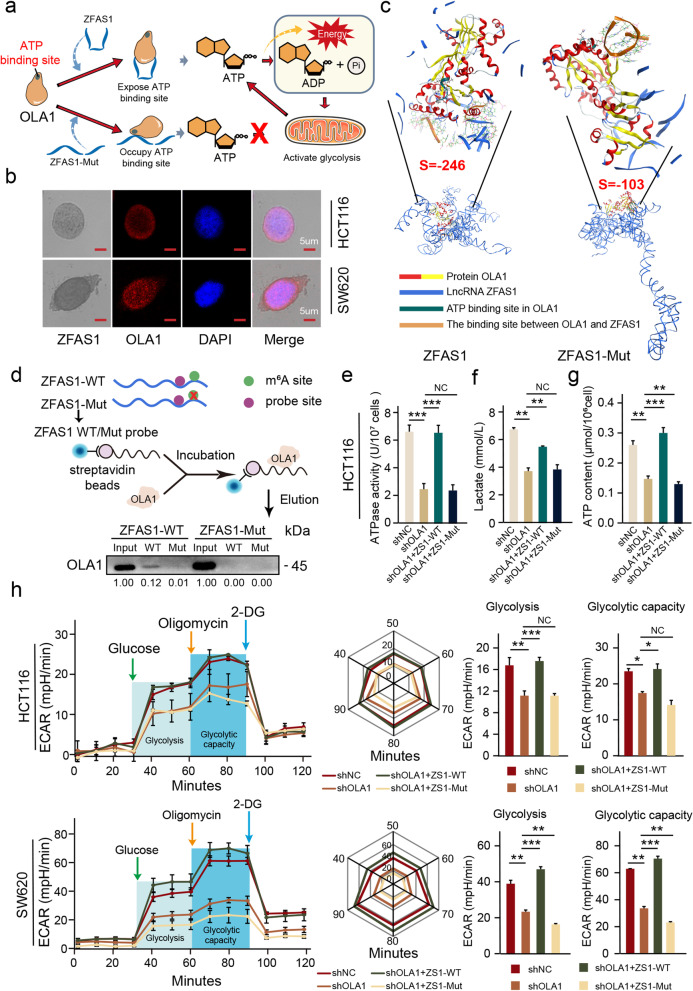
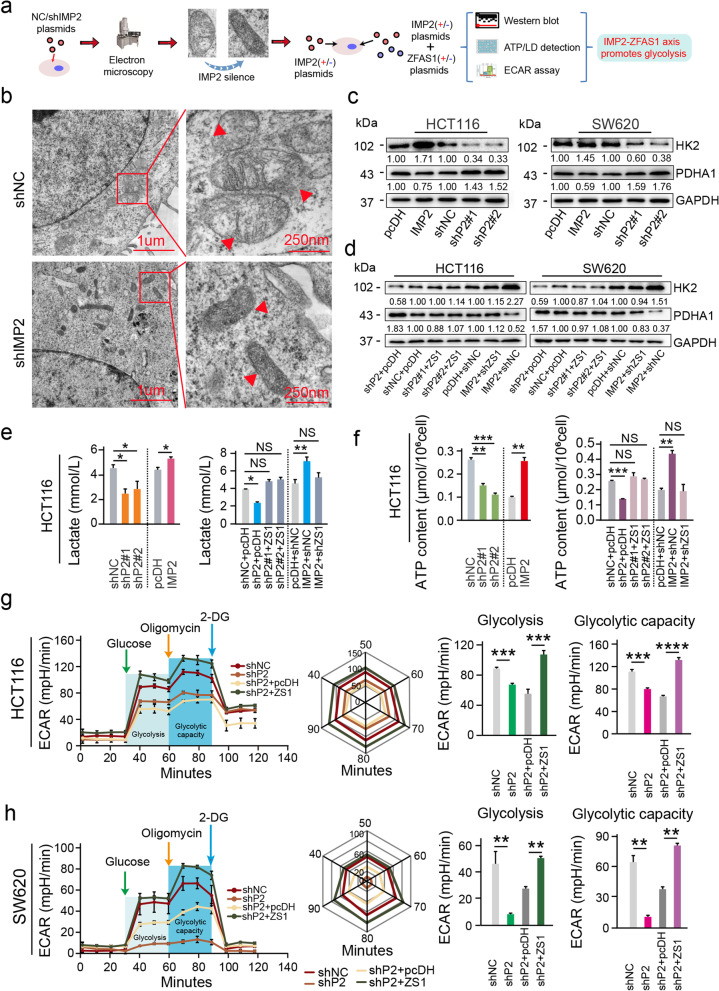
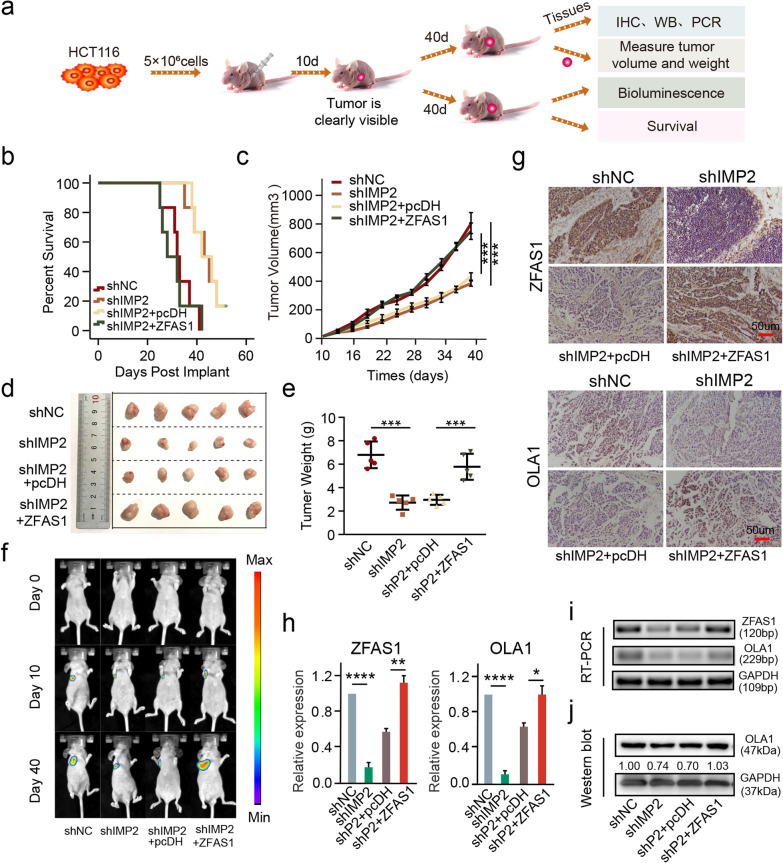
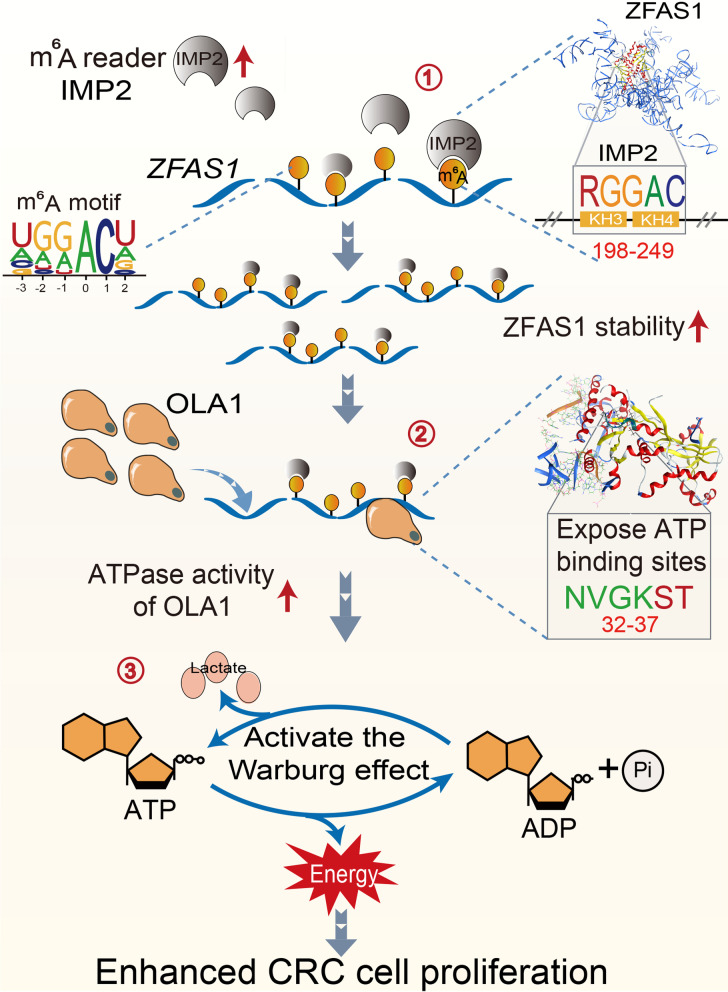
Abstract Background Accumulating evidence shows that N6-methyladenine (m6A) modulators contribute to the etiology and progression of colorectal cancer (CRC). However, the exact mechanisms of m6A reader involved in glycolytic metabolism remain vague. This article aimed to crosstalk the m6A reader with glycolytic metabolism and reveal a new mechanism for the progression of CRC. Methods The relationship between candidate lncRNA and m6A reader was analyzed by bioinformatics, ISH and IHC assays. In vivo and in vitro studies (including MTT, CFA, trans-well, apoptosis, western blot, qRT-PCR and xenograft mouse models) were utilized to explore the biological functions of these indicators. Lactate detection, ATP activity detection and ECAR assays were used to verify the biological function of the downstream target. The bioinformatics, RNA stability, RIP experiments and RNA pull-down assays were used to explore the potential molecular mechanisms. Results We identified that the crosstalk of the m6A reader IMP2 with long-noncoding RNA (lncRNA) ZFAS1 in an m6A modulation-dependent manner, subsequently augmented the recruitment of Obg-like ATPase 1 (OLA1) and adenosine triphosphate (ATP) hydrolysis and glycolysis during CRC proliferation and progression. Specifically, IMP2 and ZFAS1 are significantly overexpressed with elevated m6A levels in CRC cells and paired CRC cohorts (n = 144). These indicators could be independent biomarkers for CRC prognostic prediction. Notably, IMP2 regulated ZFAS1 expression and enhanced CRC cell proliferation, colony formation, and apoptosis inhibition; thus, it was oncogenic. Mechanistically, ZFAS1 is modified at adenosine +843 within the RGGAC/RRACH element in an m6A-dependent manner. Thus, direct interaction between the KH3–4 domain of IMP2 and ZFAS1 where IMP2 serves as a reader for m6A-modified ZFAS1 and promotes the RNA stability of ZFAS1 is critical for CRC development. More importantly, stabilized ZFAS1 recognizes the OBG-type functional domain of OLA1, which facilitated the exposure of ATP-binding sites (NVGKST, 32–37), enhanced its protein activity, and ultimately accelerated ATP hydrolysis and the Warburg effect. Conclusions Our findings reveal a new cancer-promoting mechanism, that is, the critical modulation network underlying m6A readers stabilizes lncRNAs, and they jointly promote mitochondrial energy metabolism in the pathogenesis of CRC.
Overview
The claims and statistics of this paper haven’t been checked yet.
Free: it reads the open-access text and checks the first 5 claims that cite a source we can check. Create a free account to check every claim.
Integrity signals
Registry
Cites
Statistics
Figures
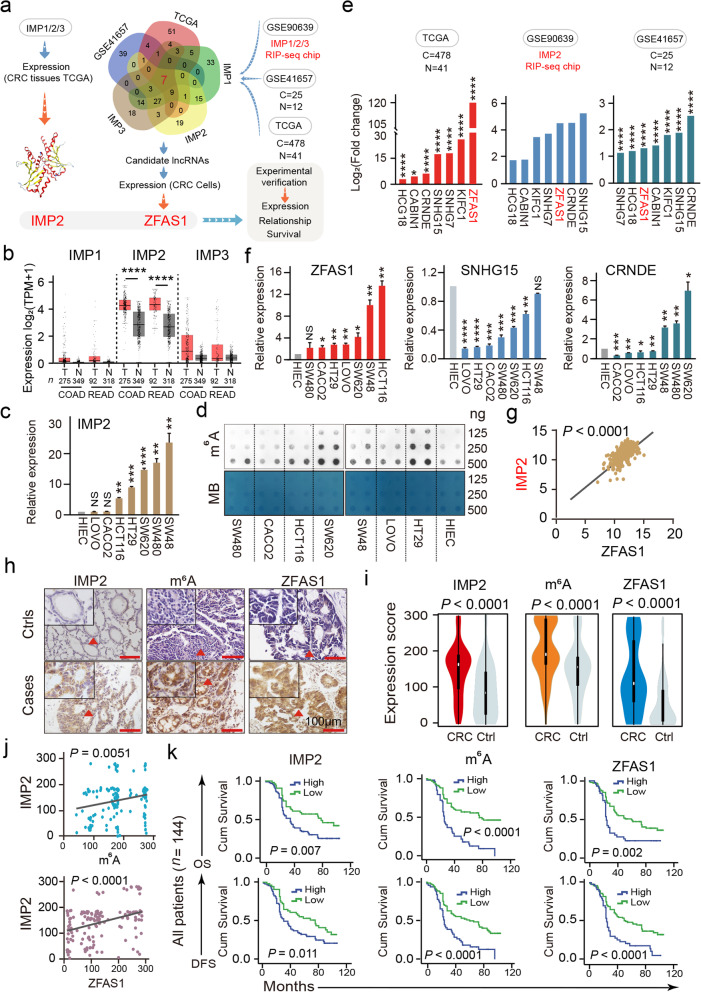
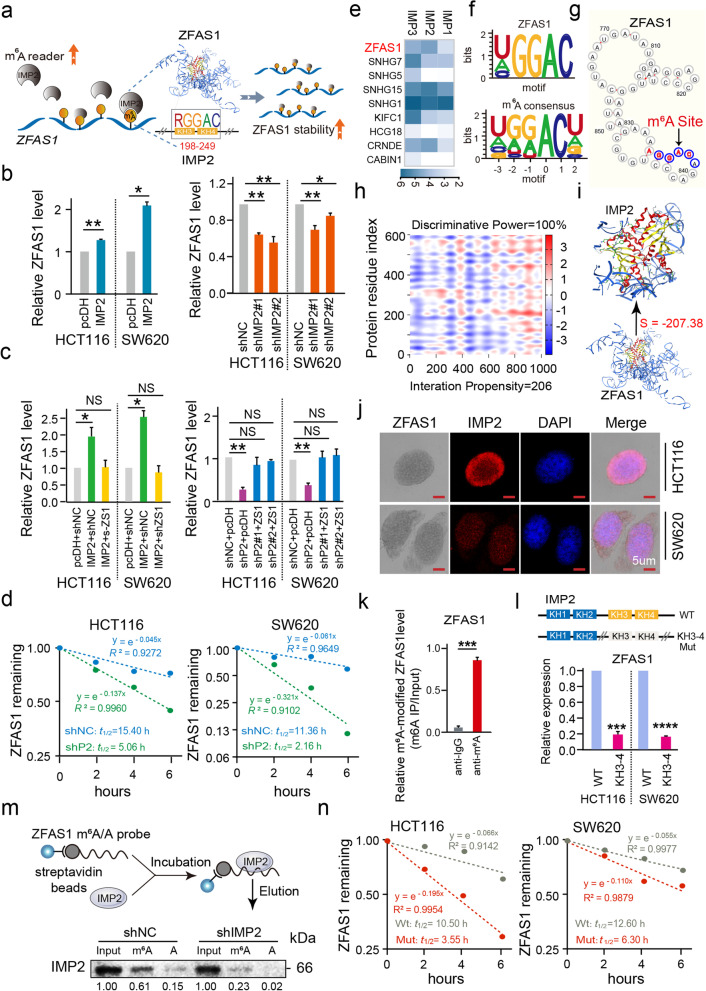
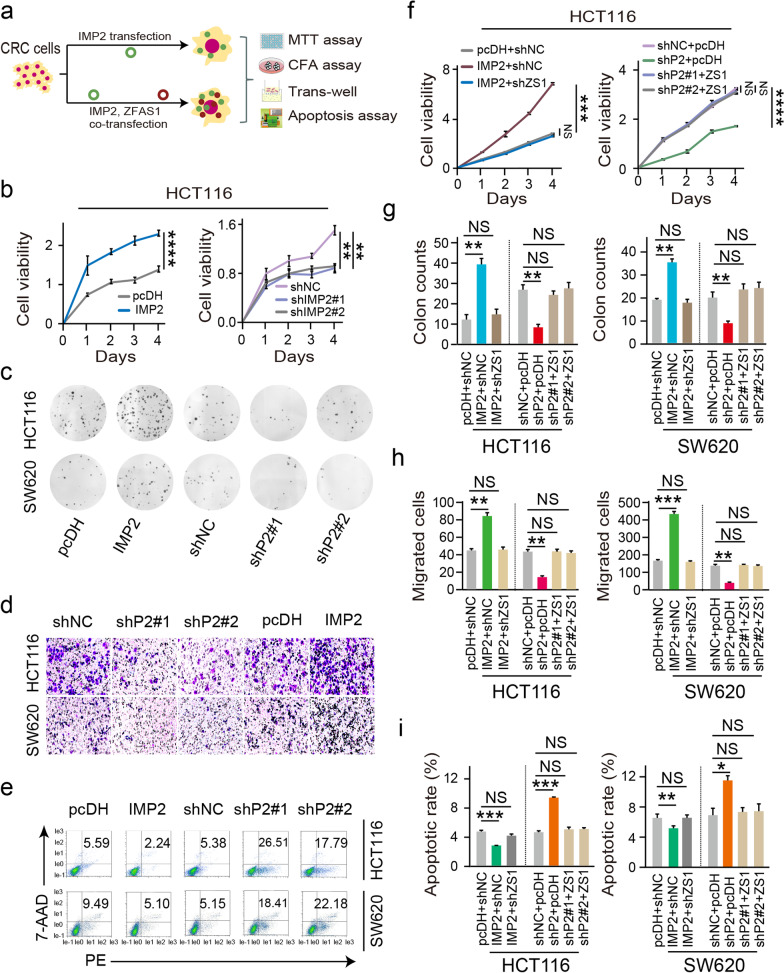
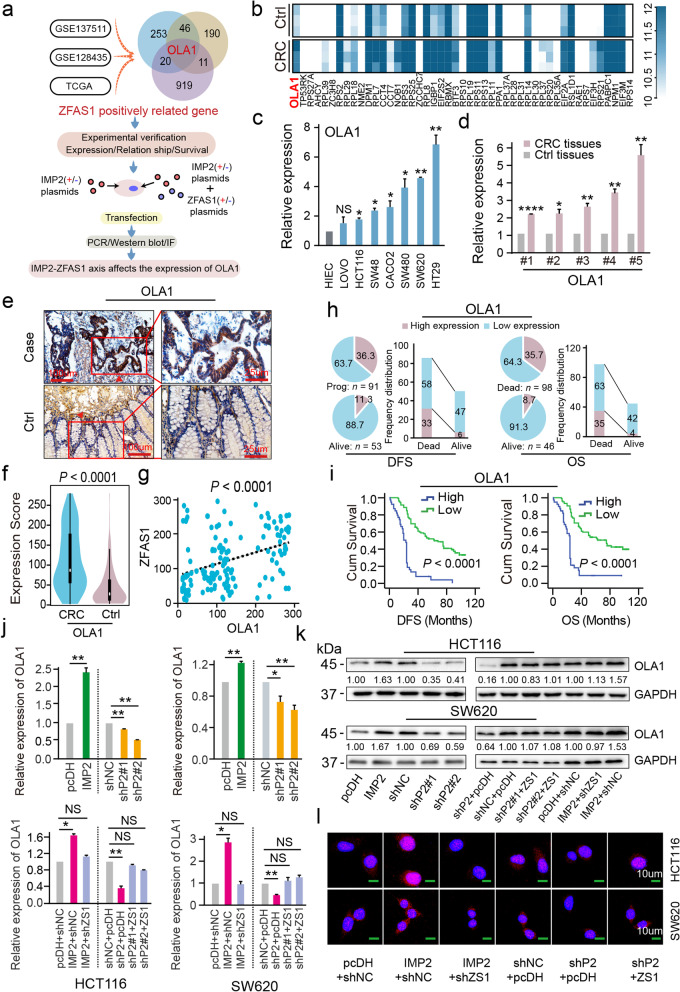
Verification
Claims the paper makes
The claims and statistics of this paper haven’t been checked yet.
Free: it reads the open-access text and checks the first 5 claims that cite a source we can check. Create a free account to check every claim.
Claims other papers make about this one
Each is checked against this paper’s own text: does it say what the citing paper says it does?
The cited source says what the claim attributes to it.
In the citing paper
“The IMP2-ZFAS1-OLA1 axis is instrumental in CRC progression by stabilizing ZFAS1 and enhancing OLA1 activity, which in turn accelerates glycolytic metabolism and supports cancer cell proliferation and survival [97].”
From IMPlications of IMP2 in RNA Biology and Disease (2025) · cites this paper as [97]
The cited source says what the claim attributes to it.
In the citing paper
“Downstream of IMP2, the long non-coding RNA (lncRNA) ZFAS1 is identified as a critical target stabilized by IMP2 [97].”
From IMPlications of IMP2 in RNA Biology and Disease (2025) · cites this paper as [97]
Self-check
Percentages, sums and reported differences re-computed from the paper’s own numbers.
The self-check needs the paper’s full text.
Citations
Cites
1 retracted
Lu, T., Wu, B., Yu, Y., Zhu, W., Zhang, S., Zhang, Y., Guo, J., & Deng, N. (2018) · Cancer Science · doi:10.1111/cas.13633 · Cited by 39 · cited 1×
“Tissue microarray (TMA) and immunohistochemistry (IHC) TMA and IHC assays were performed as previously described [21].”
MethodRetractedTopology of the human and mouse m6A RNA methylomes revealed by m6A-seq
Dominissini, D., Moshitch-Moshkovitz, S., Schwartz, S., Salmon-Divon, M., Ungar, L., Osenberg, S., Cesarkas, K., Jacob-Hirsch, J., Amariglio, N., Kupiec, M., et al. (2012) · Nature · doi:10.1038/nature11112 · Cited by 4,884 · cited 1×
“Reversible m6A modification of RNA plays critical roles in various aspects of the fate of RNA metabolism during tumor occurrence and progression, such as in pre-mRNA splicing, translocation, mRNA stability or decay, and lncRNA processing [2, 3].”
BackgroundRecognition of RNA N6-methyladenosine by IGF2BP proteins enhances mRNA stability and translation
Huang, H., Weng, H., Sun, W., Qin, X., Shi, H., Wu, H., Zhao, B. S., Mesquita, A., Liu, C., Yuan, C. L., et al. (2018) · Nature Cell Biology · doi:10.1038/s41556-018-0045-z · Cited by 2,997 · cited 2×
“Functionally, the third and fourth KH (KH3–4) are identified as the core domains that are responsible for the direct recognition of m6A-containing RNAs (not limited to mRNAs) and enhancement of RNA stabilization by recruiting RNA co-stabilizers such as P-body, ELAVlike RNA-binding protein 1 (ELAVL1), and MATR3, thereb…”
BackgroundSelf-citationTranscriptome-wide Identification of RNA-Binding Protein and MicroRNA Target Sites by PAR-CLIP
Hafner, M., Landthaler, M., Burger, L., Khorshid, M., Hausser, J., Berninger, P., Rothballer, A., Ascano, M., Jungkamp, A.-C., Munschauer, M., et al. (2010) · Cell · doi:10.1016/j.cell.2010.03.009 · Cited by 2,873 · cited 1×
“Moreover, RNAbinding protein datasets supported that the IMP2 protein harbored a specific binding domain that recognizes the m6A RGGAC/RRACH motif within the ZFAS1 sequence obtained from the ENCORI platform [23] (http:// www.”
Backgroundm6A RNA methylation promotes XIST-mediated transcriptional repression
Patil, D. P., Chen, C.-K., Pickering, B. F., Chow, A., Jackson, C., Guttman, M., & Jaffrey, S. R. (2016) · Nature · doi:10.1038/nature19342 · Cited by 1,747 · cited 1×
“Recent studies have shown that non-coding RNAs, particularly lncRNAs, exerted their functions through dynamic m6A modification in tumorigenesis [18].”
BackgroundZhang, S., Zhao, B. S., Zhou, A., Lin, K., Zheng, S., Lu, Z., Chen, Y., Sulman, E. P., Xie, K., Bögler, O., et al. (2017) · Cancer Cell · doi:10.1016/j.ccell.2017.02.013 · Cited by 1,459
Tumor glycolysis as a target for cancer therapy: progress and prospects
Ganapathy-Kanniappan, S., & Geschwind, J.-F. H. (2013) · Molecular Cancer · doi:10.1186/1476-4598-12-152 · Cited by 1,395 · cited 1×
“A recent study recognized that dysregulation or alteration of cancer cell-intrinsic energy metabolism was one of the essential hallmarks of tumors, which was characterized in a glycolysis-dependent manner, and in turn, facilitated energy production by tumor cells [4].”
BackgroundVaupel, P., Schmidberger, H., & Mayer, A. (2019) · International Journal of Radiation Biology · doi:10.1080/09553002.2019.1589653 · Cited by 893 · cited 1×
“The main energy metabolisms in tumors are elevated glycolysis activation and increased lactate fermentation [34].”
BackgroundMETTL3 facilitates tumor progression via an m6A-IGF2BP2-dependent mechanism in colorectal carcinoma
Li, T., Hu, P.-S., Zuo, Z., Lin, J.-F., Li, X., Wu, Q.-N., Chen, Z.-H., Zeng, Z.-L., Wang, F., Zheng, J., et al. (2019) · Molecular Cancer · doi:10.1186/s12943-019-1038-7 · Cited by 799 · cited 1×
““Reader” IMP2, “writer” METTL3, and “downstream target” SOX2 were highlighted in the novel m6A-dependent epigenetic regulation in CRC cells [15].”
BackgroundNielsen, J., Christiansen, J., Lykke-Andersen, J., Johnsen, A. H., Wewer, U. M., & Nielsen, F. C. (1999) · Molecular and Cellular Biology · doi:10.1128/mcb.19.2.1262 · Cited by 721 · cited 1×
“IMP1/2/3 proteins consist of similar RNA-binding domains, four C-terminal heterologous ribonucleoprotein KH domains, and two N-terminal RNA recognition motifs [17].”
Backgroundm6A potentiates Sxl alternative pre-mRNA splicing for robust Drosophila sex determination
Haussmann, I. U., Bodi, Z., Sanchez-Moran, E., Mongan, N. P., Archer, N., Fray, R. G., & Soller, M. (2016) · Nature · doi:10.1038/nature20577 · Cited by 605
Ni, W., Yao, S., Zhou, Y., Liu, Y., Huang, P., Zhou, A., Liu, J., Che, L., & Li, J. (2019) · Molecular Cancer · doi:10.1186/s12943-019-1079-y · Cited by 589
LncRNA LINRIS stabilizes IGF2BP2 and promotes the aerobic glycolysis in colorectal cancer
Wang, Y., Lu, J.-H., Wu, Q.-N., Jin, Y., Wang, D.-S., Chen, Y.-X., Liu, J., Luo, X.-J., Meng, Q., Pu, H.-Y., et al. (2019) · Molecular Cancer · doi:10.1186/s12943-019-1105-0 · Cited by 507 · cited 3×
“Recently, emerging evidence revealed that m6A can positively regulate the glycolysis of tumor cells [7, 35, 36].”
Backgroundm6A-dependent glycolysis enhances colorectal cancer progression
Shen, C., Xuan, B., Yan, T., Ma, Y., Xu, P., Tian, X., Zhang, X., Cao, Y., Ma, D., Zhu, X., et al. (2020) · Molecular Cancer · doi:10.1186/s12943-020-01190-w · Cited by 437
IGF2BP1 promotes SRF-dependent transcription in cancer in a m6A- and miRNA-dependent manner
Müller, S., Glaß, M., Singh, A. K., Haase, J., Bley, N., Fuchs, T., Lederer, M., Dahl, A., Huang, H., Chen, J., et al. (2019) · Nucleic Acids Research · doi:10.1093/nar/gky1012 · Cited by 379
IGF2BP2 regulates DANCR by serving as an N6-methyladenosine reader
Hu, X., Peng, W.-X., Zhou, H., Jiang, J., Zhou, X., Huang, D., Mo, Y.-Y., & Yang, L. (2020) · Cell Death & Differentiation · doi:10.1038/s41418-019-0461-z · Cited by 363 · cited 5×
“[16] demonstrated that IMP2 inhibition suppressed cell proliferation and that high IMP2 expression was associated with worse clinical outcomes in patients with pancreatic cancer.”
BackgroundInfluentialSelf-citationTumors exploit FTO-mediated regulation of glycolytic metabolism to evade immune surveillance
Liu, Y., Liang, G., Xu, H., Dong, W., Dong, Z., Qiu, Z., Zhang, Z., Li, F., Huang, Y., Li, Y., et al. (2021) · Cell Metabolism · doi:10.1016/j.cmet.2021.04.001 · Cited by 361 · cited 1×
“demonstrated that tumors could exploit FTO-mediated regulation of glycolytic metabolism to evade immune surveillance [6]; Wang et al.”
BackgroundSelf-citationQing, Y., Dong, L., Gao, L., Li, C., Li, Y., Han, L., Prince, E., Tan, B., Deng, X., Wetzel, C., et al. (2021) · Molecular Cell · doi:10.1016/j.molcel.2020.12.026 · Cited by 330 · cited 1×
“revealed that R-2-hydroxyglutarate attenuated aerobic glycolysis in leukemia by targeting the FTO/m6A/PFKP/LDHB axis [5]; Liu et al.”
BackgroundSelf-citationN6-methyladenosine regulates glycolysis of cancer cells through PDK4
Li, Z., Peng, Y., Li, J., Chen, Z., Chen, F., Tu, J., Lin, S., & Wang, H. (2020) · Nature Communications · doi:10.1038/s41467-020-16306-5 · Cited by 323 · cited 2×
“Recently, emerging evidence revealed that m6A can positively regulate the glycolysis of tumor cells [7, 35, 36].”
BackgroundWhitaker-Menezes, D., Martinez-Outschoorn, U. E., Flomenberg, N., Birbe, R., Witkiewicz, A. K., Howell, A., Pavlides, S., Tsirigos, A., Ertel, A., Pestell, R. G., et al. (2011) · Cell Cycle · doi:10.4161/cc.10.23.18151 · Cited by 292 · cited 1×
“Overexpressed OLA1 plays essential roles in various bioprocesses and pathogeneses such as autophagy in the tumor cell–matrix mitochondria, oxidative stress, and release of ketones, lactic acid, and glutamine [40].”
BackgroundNovel insights into the interplay between m6A modification and noncoding RNAs in cancer
Yi, Y.-C., Chen, X.-Y., Zhang, J., & Zhu, J.-S. (2020) · Molecular Cancer · doi:10.1186/s12943-020-01233-2 · Cited by 252
Writers, readers and erasers of RNA modifications in cancer
Esteve-Puig, R., Bueno-Costa, A., & Esteller, M. (2020) · Cancer Letters · doi:10.1016/j.canlet.2020.01.021 · Cited by 203 · cited 1×
“This dynamic m6A event is collaboratively controlled by its regulatory multicomponent methyltransferase proteins (m6A writers), removed by its demethylase complex proteins (m6A erasers), and interpreted by its modifications (m6A readers) within the cellular life cycle [27].”
BackgroundSun, T., Wu, Z., Wang, X., Wang, Y., Hu, X., Qin, W., Lu, S., Xu, D., Wu, Y., Chen, Q., et al. (2020) · Oncogene · doi:10.1038/s41388-020-1338-9 · Cited by 199 · cited 2×
“LNC942 was found to interact with the m6A regulator METTL14 to facilitate the molecular function of breast cancer cells [19].”
BackgroundSelf-citationMethyl labeling of HeLa cell hnRNA: a comparison with mRNA
Salditt-Georgieff, M., Jelinek, W., Darnell, J. E., Furuichi, Y., Morgan, M., & Shatkin, A. (1976) · Cell · doi:10.1016/0092-8674(76)90022-2 · Cited by 168 · cited 1×
“Reversible m6A modification of RNA plays critical roles in various aspects of the fate of RNA metabolism during tumor occurrence and progression, such as in pre-mRNA splicing, translocation, mRNA stability or decay, and lncRNA processing [2, 3].”
BackgroundWu, H., Qin, W., Lu, S., Wang, X., Zhang, J., Sun, T., Hu, X., Li, Y., Chen, Q., Wang, Y., et al. (2020) · Molecular Cancer · doi:10.1186/s12943-020-01201-w · Cited by 159 · cited 2×
“Despite the emerging data regarding the functions of ZFAS1 in various cancers [22, 32, 33], the epigenetic regulation network or function of an m6A reader such as the IMP1/2/3 family has not been reported, especially in CRC.”
BackgroundResultSelf-citationLi, Y., Sun, Z., Liu, B., Shan, Y., Zhao, L., & Jia, L. (2017) · Cell Death & Disease · doi:10.1038/cddis.2017.281 · Cited by 127
Self-citationHuman OLA1 Defines an ATPase Subfamily in the Obg Family of GTP-binding Proteins
Koller-Eichhorn, R., Marquardt, T., Gail, R., Wittinghofer, A., Kostrewa, D., Kutay, U., & Kambach, C. (2007) · Journal of Biological Chemistry · doi:10.1074/jbc.m700541200 · Cited by 117 · cited 3×
“Subsequently, IMP2 stabilized ZFAS1 directly bound to the OBG-type functional domain of the OLA1 protein (OLA1, also called Obg-like ATPase 1, an adenosine triphosphate (ATP) hydrolase that binds to ATP through the amino acid site NVGKST [20]) to fully expose the ATP-binding site of OLA1 and ultimately enhanced the AT…”
BackgroundInfluentialBurdelski, C. M., Jakani-Karimi, N., Jacobsen, F., ller-Koop, C. M. ⁄., Minner, S. J. P., Simon, R., Sauter, G., Steurer, S. A., Clauditz, T. S., & Wilczak, W. (2017) · Oncology Reports · doi:10.3892/or.2017.6072 · Cited by 83
Dahlem, C., Barghash, A., Puchas, P., Haybaeck, J., & Kessler, S. M. (2019) · International Journal of Molecular Sciences · doi:10.3390/ijms20133204 · Cited by 76
Wang, W., & Xing, C. (2016) · Pathology - Research and Practice · doi:10.1016/j.prp.2016.05.003 · Cited by 73 · cited 1×
“Despite the emerging data regarding the functions of ZFAS1 in various cancers [22, 32, 33], the epigenetic regulation network or function of an m6A reader such as the IMP1/2/3 family has not been reported, especially in CRC.”
BackgroundKim, H.-Y., Ha Thi, H. T., & Hong, S. (2018) · Cancer Letters · doi:10.1016/j.canlet.2017.11.039 · Cited by 72
Hong, S., Luo, X., Montalbano, J., Jin, W., Shi, J., Sheikh, M. S., & Huang, Y. K. (2010) · Molecular Cancer Research · doi:10.1158/1541-7786.mcr-09-0278 · Cited by 47
Clinical Significance of an m6A Reader Gene, IGF2BP2, in Head and Neck Squamous Cell Carcinoma
Deng, X., Jiang, Q., Liu, Z., & Chen, W. (2020) · Frontiers in Molecular Biosciences · doi:10.3389/fmolb.2020.00068 · Cited by 45 · cited 1×
“[28] also assessed the prognostic values of IMP2 in head and neck squamous cell carcinoma (HNSCC) based on the TCGA dataset and patient samples, which exhibited that IMP2 serves as a potentially high-risk prognostic factor for HNSCC.”
MethodXing, M., Li, P., Wang, X., Li, J., Shi, J., Qin, J., Zhang, X., Ma, Y., Francia, G., & Zhang, J.-Y. (2019) · Cancers · doi:10.3390/cancers12010007 · Cited by 39
Pasiliao, C. C., Chang, C. A., Sutherland, B. W., Valdez, S. M., Schaeffer, D., Yapp, D. T. T., & Ng, S. S. W. (2015) · BMC Cancer · doi:10.1186/s12885-015-1251-8 · Cited by 30
RNA Synthesis and Processing Reactions in a Subcellular System from Mouse L Cells
Schäfer, K. (1982) · Hoppe-Seyler´s Zeitschrift für physiologische Chemie · doi:10.1515/bchm2.1982.363.1.33 · Cited by 30 · cited 1×
“It is the most abundant chemical modification of eukaryotic ribonucleic acid (RNA) including the messenger RNAs (mRNA) and long non-coding RNAs (lncRNAs) [1].”
BackgroundHan, C.-G., Huang, Y., & Lu, Q. (2019) · Medical Science Monitor · doi:10.12659/msm.912921 · Cited by 27 · cited 1×
“Despite the emerging data regarding the functions of ZFAS1 in various cancers [22, 32, 33], the epigenetic regulation network or function of an m6A reader such as the IMP1/2/3 family has not been reported, especially in CRC.”
BackgroundIMP1 3′ UTR shortening enhances metastatic burden in colorectal cancer
Andres, S. F., Williams, K. N., Plesset, J. B., Headd, J. J., Mizuno, R., Chatterji, P., Lento, A., Klein–Szanto, A. J., Mick, R., Hamilton, K. E., et al. (2018) · Carcinogenesis · doi:10.1093/carcin/bgy153 · Cited by 22
Xu, D., Song, R., Wang, G., Jeyabal, P., Weiskoff, A. M., Ding, K., & Shi, Z.-Z. (2015) · Oncotarget · doi:10.18632/oncotarget.6496 · Cited by 16
Self-citationObg-like ATPase 1 inhibited oral carcinoma cell metastasis through TGFβ/SMAD2 axis in vitro
Liu, J., Yang, Q., Xiao, K. C., Dobleman, T. J., Hu, S., & Xiao, G. G. (2020) · BMC Molecular and Cell Biology · doi:10.1186/s12860-020-00311-z · Cited by 7
Cited by
The role of m6A RNA methylation in cancer metabolism
An, Y., & Duan, H. (2022) · Molecular Cancer · doi:10.1186/s12943-022-01500-4 · Cited by 871
“In colorectal cancer, the overexpression of m6A reader IMP2 (IGF2BP2) can stabilize ZFAS1/ OLA1 axis, which increases the recruitment of OLA1, ATP hydrolysis and glycolysis, activates Warburg effect, and enhances cell proliferation and colony formation of cancer cells [121].”
BackgroundThe roles and implications of RNA m6A modification in cancer
Deng, X., Qing, Y., Horne, D., Huang, H., & Chen, J. (2023) · Nature Reviews Clinical Oncology · doi:10.1038/s41571-023-00774-x · Cited by 364
Weng, H., Huang, F., Yu, Z., Chen, Z., Prince, E., Kang, Y., Zhou, K., Li, W., Hu, J., Fu, C., et al. (2022) · Cancer Cell · doi:10.1016/j.ccell.2022.10.004 · Cited by 336
Self-citationThe IGF2BP family of RNA binding proteins links epitranscriptomics to cancer
Ramesh-Kumar, D., & Guil, S. (2022) · Seminars in Cancer Biology · doi:10.1016/j.semcancer.2022.05.009 · Cited by 165
Huang, H., Chen, K., Zhu, Y., Hu, Z., Wang, Y., Chen, J., Li, Y., Li, D., & Wei, P. (2024) · Journal of Translational Medicine · doi:10.1186/s12967-024-04955-9 · Cited by 147
Self-citation
Metadata
- Authors
- Lu, S., Han, L., Hu, X., Sun, T., Xu, D., Li, Y., Chen, Q., Yao, W., He, M., Wang, Z., Wu, H., & Wei, M.
- Affiliations
- China Medical University (CN)
- First Hospital of China Medical University (CN)
- Corresponding author
- Wang, Zhenning
- Wu, Huizhe
- Wei, Minjie
- Venue
- Journal of Hematology & Oncology
- Published
- 2021-11-07
- Volume
- 14
- Issue
- 1
- Pages
- 188-188
- ISSN
- 1756-8722 (ISSN-L)
- PMC
- PMC8574039
- OpenAlex
- W3214511150
- Semantic Scholar
- 6e3d3e94654e2277e5e4d1715f4babac3ff40011
- Cited by
- 116
- References
- 40
- Citations by year
- 2026: 13 · 2025: 17 · 2024: 32 · 2023: 34 · 2022: 20
- FWCI
- 6.83
- Type
- journal article
- Language
- en
- Open access
- gold
- doi.org
- Licence
- cc-by
- creativecommons.org/licenses/by/4.0 (tdm)
- creativecommons.org/licenses/by/4.0 (vor)
- Locations
- Journal of Hematology & Oncology (publishedVersion, cc-by)
- Europe PMC (PubMed Central) (publishedVersion, other-oa)
- PubMed Central (publishedVersion, cc-by)
- PubMed (publishedVersion)
- DOAJ (DOAJ: Directory of Open Access Journals) (submittedVersion, cc-by-sa)
- Funders
- National Natural Science Foundation of China (81872905, 31828005, 82073884)
- Shenyang Science and Technology Bureau (20-204-4-22, 19-109-4-09)
- Topics
- Life Sciences › Biochemistry, Genetics and Molecular Biology › Molecular Biology › RNA modifications and cancer
- Life Sciences › Biochemistry, Genetics and Molecular Biology › Cancer Research › Cancer, Hypoxia, and Metabolism
- Life Sciences › Biochemistry, Genetics and Molecular Biology › Cancer Research › Cancer-related molecular mechanisms research
- Keywords
- IGF2BP2, N6-methyladenosine, m6A reader, ZFAS1, OLA1, long non-coding RNA, Warburg effect, glycolytic metabolism, ATP hydrolysis, RNA stability, colorectal cancer, prognostic factors, oncogenic lncRNA, RNA-binding proteins
- MeSH terms
- Warburg Effect, Oncologic, Adenosine, Adenosine Triphosphatases, Humans, Colorectal Neoplasms, Gene Expression Regulation, Neoplastic, RNA-Binding Proteins, HT29 Cells, GTP-Binding Proteins, Cell Line, Tumor, RNA, Long Noncoding
About these checks
Registry, retraction, Cites and statistics results are computed, not judged, with one exception: a printed reference that no index lists is read once by a model before it counts as a citation error. Claims are extracted by a model and kept only when their quote appears verbatim in the text; each cited source is then checked, with a model’s help, for whether it says what the claim relies on. Those verdicts can be wrong — read the claim’s quote and the cited source before relying on one.
Statistics and arithmetic are recomputed, not judged.
Confidence bands are shown only for fields calibrated on our annotated test set. None is calibrated yet, so no band is shown.
What counts as a claim ›How we measure confidence ›How we check this ›
Are you an author, or do you see a problem with this page? Request a review
Data sources
Bibliographic data: Semantic Scholar, OpenAlex, Crossref.
Contains information from the Semantic Scholar Academic Graph Datasets, made available under the ODC Attribution License (ODC-BY 1.0).
Semantic Scholar’s data is described in: Kinney, R., et al. (2023). The Semantic Scholar Open Data Platform. arXiv:2301.10140.
