

Anti-CD166/4-1BB chimeric antigen receptor T cell therapy for the treatment of osteosarcoma
Open accessThe DOI matches its Crossref record; 49 of the 50 references it cites were found in a registry or an index.
Abstract
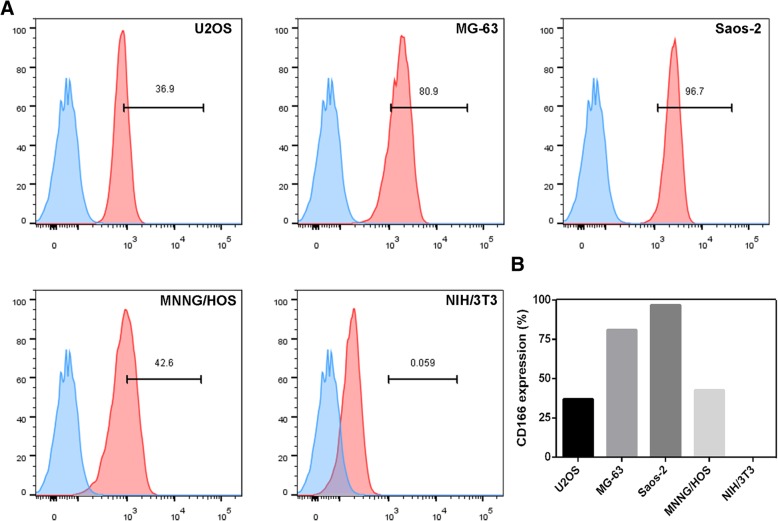
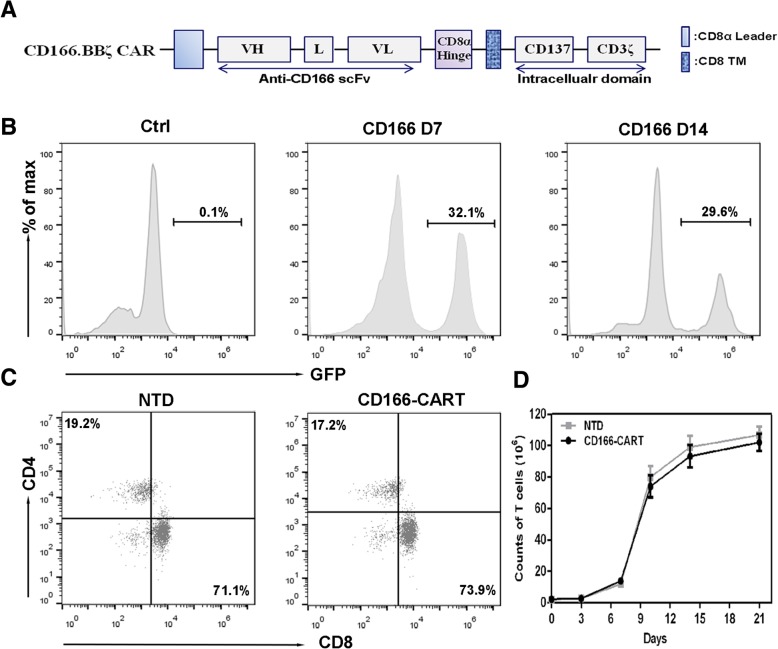
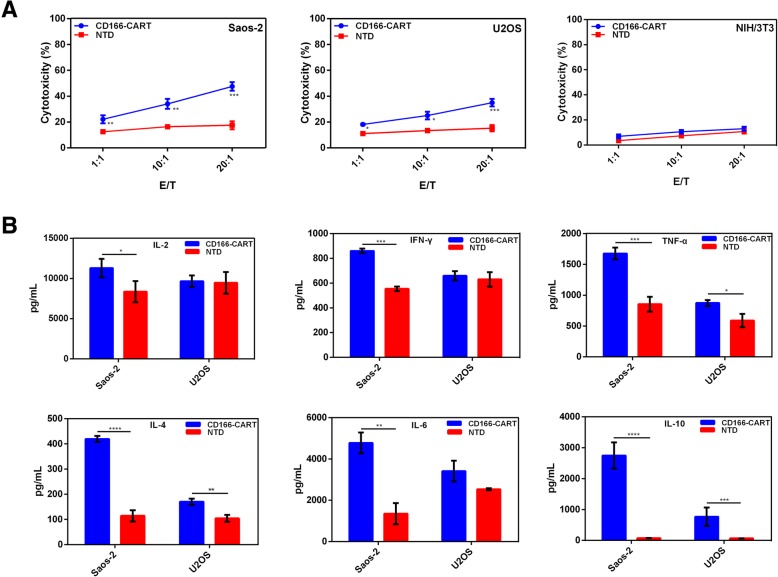
Chimeric antigen receptor (CAR)-engineered T cells have displayed outstanding performance in the treatment of patients with hematological malignancies. However, their efficacy against solid tumors has been largely limited. In this study, human osteosarcoma cell lines were prepared, flow cytometry using antibodies against CD166 was performed on different cell samples. CD166-specific T cells were obtained by viral gene transfer of corresponding DNA plasmids and selectively expanded using IL-2 and IL-15. The ability of CD166.BBζ CAR-T cells to kill CD166 + osteosarcoma cells was evaluated in vitro and in vivo. CD166 was selectively expressed on four different human osteosarcoma cell lines, indicating its role as the novel target for CAR-T cell therapy. CD166.BBζ CAR-T cells killed osteosarcoma cell lines in vitro; the cytotoxicity correlated with the level of CD166 expression on the tumor cells. Intravenous injection of CD166.BBζ CAR-T cells into mice resulted in the regression of the tumor with no obvious toxicity. Together, the data suggest that CD166.BBζ CAR-T cells may serve as a new therapeutic strategy in the future clinical practice for the treatment of osteosarcoma.
Overview
The claims and statistics of this paper haven’t been checked yet.
Free: it reads the open-access text and checks the first 5 claims that cite a source we can check. Create a free account to check every claim.
Integrity signals
Registry
Cites
Statistics
Figures
Verification
Claims the paper makes
The claims and statistics of this paper haven’t been checked yet.
Free: it reads the open-access text and checks the first 5 claims that cite a source we can check. Create a free account to check every claim.
Claims other papers make about this one
Each is checked against this paper’s own text: does it say what the citing paper says it does?
The cited source says what the claim attributes to it.
In the citing paper
“In murine models, ALCAM-CAR-T cells inhibited the tumor growth with no obvious toxicity [112].”
From Advances on immunotherapy for osteosarcoma (2024) · cites this paper as [112]
The cited source says what the claim attributes to it.
In the citing paper
“ALCAM-CAR-T cells exhibited specific and potent cytotoxicity against human osteosarcoma cells in vitro”
From Advances on immunotherapy for osteosarcoma (2024) · cites this paper as [112]
The cited source says what the claim attributes to it.
In the citing paper
“the cytotoxicity was positively correlated with the level of ALCAM expression on the osteosarcoma cells”
From Advances on immunotherapy for osteosarcoma (2024) · cites this paper as [112]
Self-check
Percentages, sums and reported differences re-computed from the paper’s own numbers.
The self-check needs the paper’s full text.
Citations
Cites
Chimeric Antigen Receptor–Modified T Cells for Acute Lymphoid Leukemia
Grupp, S. A., Kalos, M., Barrett, D., Aplenc, R., Porter, D. L., Rheingold, S. R., Teachey, D. T., Chew, A., Hauck, B., Wright, J. F., et al. (2013) · New England Journal of Medicine · doi:10.1056/nejmoa1215134 · Cited by 3,509
Lee, D. W., Kochenderfer, J. N., Stetler-Stevenson, M., Cui, Y. K., Delbrook, C., Feldman, S. A., Fry, T. J., Orentas, R., Sabatino, M., Shah, N. N., et al. (2015) · The Lancet · doi:10.1016/s0140-6736(14)61403-3 · Cited by 2,898
Brentjens, R. J., Davila, M. L., Riviere, I., Park, J., Wang, X., Cowell, L. G., Bartido, S., Stefanski, J., Taylor, C., Olszewska, M., et al. (2013) · Science Translational Medicine · doi:10.1126/scitranslmed.3005930 · Cited by 2,063
Long, A. H., Haso, W. M., Shern, J. F., Wanhainen, K. M., Murgai, M., Ingaramo, M., Smith, J. P., Walker, A. J., Kohler, M. E., Venkateshwara, V. R., et al. (2015) · Nature Medicine · doi:10.1038/nm.3838 · Cited by 1,815
Robbins, P. F., Morgan, R. A., Feldman, S. A., Yang, J. C., Sherry, R. M., Dudley, M. E., Wunderlich, J. R., Nahvi, A. V., Helman, L. J., Mackall, C. L., et al. (2011) · Journal of Clinical Oncology · doi:10.1200/jco.2010.32.2537 · Cited by 1,632
Osteosarcoma: Current Treatment and a Collaborative Pathway to Success
Isakoff, M. S., Bielack, S. S., Meltzer, P., & Gorlick, R. (2015) · Journal of Clinical Oncology · doi:10.1200/jco.2014.59.4895 · Cited by 1,567
Tawbi, H. A., Burgess, M., Bolejack, V., Van Tine, B. A., Schuetze, S. M., Hu, J., D'Angelo, S., Attia, S., Riedel, R. F., Priebat, D. A., et al. (2017) · The Lancet Oncology · doi:10.1016/s1470-2045(17)30624-1 · Cited by 1,452
Kochenderfer, J. N., Dudley, M. E., Feldman, S. A., Wilson, W. H., Spaner, D. E., Maric, I., Stetler-Stevenson, M., Phan, G. Q., Hughes, M. S., Sherry, R. M., et al. (2012) · Blood · doi:10.1182/blood-2011-10-384388 · Cited by 1,440
Antitumour actions of interferons: implications for cancer therapy
Parker, B. S., Rautela, J., & Hertzog, P. J. (2016) · Nature Reviews Cancer · doi:10.1038/nrc.2016.14 · Cited by 907
Therapeutic T cell engineering
Sadelain, M., Rivière, I., & Riddell, S. (2017) · Nature · doi:10.1038/nature22395 · Cited by 879
Cited by
Immunotherapy for osteosarcoma: Fundamental mechanism, rationale, and recent breakthroughs
Chen, C., Xie, L., Ren, T., Huang, Y., Xu, J., & Guo, W. (2021) · Cancer Letters · doi:10.1016/j.canlet.2020.12.024 · Cited by 569
Advances on immunotherapy for osteosarcoma
Yu, S., & Yao, X. (2024) · Molecular Cancer · doi:10.1186/s12943-024-02105-9 · Cited by 270
“In murine models, ALCAM-CAR-T cells inhibited the tumor growth with no obvious toxicity [112].”
BackgroundManaging the immune microenvironment of osteosarcoma: the outlook for osteosarcoma treatment
Tian, H., Cao, J., Li, B., Nice, E. C., Mao, H., Zhang, Y., & Huang, C. (2023) · Bone Research · doi:10.1038/s41413-023-00246-z · Cited by 232
“BBζ CAR-T cells into mice caused tumor regression with no obvious toxicity.(361) These successful in vivo studies support further exploration, especially with regard to improving the outcomes of CD166-related therapies.”
BackgroundBelayneh, R., Fourman, M. S., Bhogal, S., & Weiss, K. R. (2021) · Current Oncology Reports · doi:10.1007/s11912-021-01053-7 · Cited by 223
Molecular Aspects and Future Perspectives of Cytokine-Based Anti-cancer Immunotherapy
Chulpanova, D. S., Kitaeva, K. V., Green, A. R., Rizvanov, A. A., & Solovyeva, V. V. (2020) · Frontiers in Cell and Developmental Biology · doi:10.3389/fcell.2020.00402 · Cited by 114
“…actively used to activate and expand NK cells, which are then transplanted to patients with leukemia (Vela et al., 2018) or solid tumors (Perez-Martinez et al., 2015), as well as to stimulate the proliferation of chimeric antigen receptor (CAR) T-cells in combination with IL2 (Wang et al., 2019).”
BackgroundChimeric Antigen Receptor (CAR) T Cell Therapy for Metastatic Melanoma: Challenges and Road Ahead
Soltantoyeh, T., Akbari, B., Karimi, A., Chalbatani, G. M., Ghahri-Saremi, N., Hadjati, J., Hamblin, M. R., & Mirzaei, H. R. (2021) · Cells · doi:10.3390/cells10061450 · Cited by 93
“Ig Superfamily MCAM/MUC18 Melanoma tumor cells No ALCAM/CD166 Melanoma tumor cells Yes [153] NCAM/CD56 Melanoma tumor cells Yes [154] L1-CAM Melanoma tumor cells Yes [155] PECAM-1/CD31 Endothelial cell No MMPs MT1-MMP/MMP14 Endothelial cell, Melanoma tumor cells No -”
BackgroundCancer stem cell-targeted chimeric antigen receptor (CAR)-T cell therapy: Challenges and prospects
Masoumi, J., Jafarzadeh, A., Abdolalizadeh, J., Khan, H. Z., Jeandet, P., Mirzaei, H., & Mirzaei, H. R. (2020) · Acta Pharmaceutica Sinica B · doi:10.1016/j.apsb.2020.12.015 · Cited by 90
Bispecific c-Met/PD-L1 CAR-T Cells Have Enhanced Therapeutic Effects on Hepatocellular Carcinoma
Jiang, W., Li, T., Guo, J., Wang, J., Jia, L., Xiao Hua, S. H. I., Yang, T., Jiao, R., Wei, X. C., Feng, Z., et al. (2021) · Frontiers in Oncology · doi:10.3389/fonc.2021.546586 · Cited by 92
“For solid tumors, CAR-T treatment has also achieved progress, including glioblastoma (9), mesothelioma (10), osteosarcoma (11) and colorectal cancer (12).”
BackgroundSelf-citationCurrent Status and Prospects of Clinical Treatment of Osteosarcoma
Jiang, Z.-Y., Liu, J., Wang, X., Ma, Y., & Fu, D. (2022) · Technology in Cancer Research & Treatment · doi:10.1177/15330338221124696 · Cited by 88
“123 These receptors may serve as effective targets for CAR-T cell immunotherapy and inhibition of tumor metastasis in osteosarcoma.(124) The antitumor effect and persistence of HER2-CAR-T cells in a certain time range show promise for clinical application.”
BackgroundTumor buster - where will the CAR-T cell therapy ‘missile’ go?
Qu, C., Zhang, H., Cao, H., Tang, L., Mo, H., Liu, F., Zhang, L., Yi, Z., Long, L., Yan, L., et al. (2022) · Molecular Cancer · doi:10.1186/s12943-022-01669-8 · Cited by 75
The functions and regulatory pathways of S100A8/A9 and its receptors in cancers
Zhou, H., Zhao, C., Shao, R., Xu, Y., & Zhao, W. (2023) · Frontiers in Pharmacology · doi:10.3389/fphar.2023.1187741 · Cited by 76
Immunotherapy in soft tissue and bone sarcoma: unraveling the barriers to effectiveness
Panagi, M., Pilavaki, P., Constantinidou, A., & Stylianopoulos, T. (2022) · Theranostics · doi:10.7150/thno.72800 · Cited by 61
“BBζ CAR-T cells efficiently suppressed tumor growth with no offtarget toxicity No data No data No data [78]”
BackgroundBone sarcomas in the immunotherapy era
Heymann, M., Schiavone, K., & Heymann, D. (2020) · British Journal of Pharmacology · doi:10.1111/bph.14999 · Cited by 63
“Diverse CAR T-cells have been developed based on this concept: CAR T-targeting B7-H3 (Majzner et al., 2019), IFGR-1 and ROR1 (Huang et al., 2015), IL-11 (Huang et al., 2012), folate receptor (Lu et al., 2019), NKG2D/4-1BB/CD3z domains (Fernández et al., 2017), and CD166/4-1BB (Wang et al., 2019).”
MethodDecoding the Impact of Tumor Microenvironment in Osteosarcoma Progression and Metastasis
Nirala, B. K., Yamamichi, T., Petrescu, D. I., Shafin, T. N., & Yustein, J. T. (2023) · Cancers · doi:10.3390/cancers15205108 · Cited by 58
“For example, Wang et al. developed an anti-CD166/4-1BB CAR-T cell therapy that showed potent antitumor activity against OS [189].”
BackgroundChimeric antigen receptor T cells in solid tumors: a war against the tumor microenvironment
Zhao, Z., Xiao, X., Saw, P. E., Wu, W., Huang, H., Chen, J., & Nie, Y. (2019) · Science China Life Sciences · doi:10.1007/s11427-019-9665-8 · Cited by 60
Zhang, Q., Zhang, Z., Liu, G., Li, D., Gu, Z., Zhang, L., Pan, Y., Cui, X., Wang, L., Liu, G., et al. (2022) · BMC Cancer · doi:10.1186/s12885-022-10229-8 · Cited by 51
“At present, CAR-T therapies that specifically targeting different kinds of solid tumor associated antigens have been studied in the treatment of osteosarcoma, and the tumor associated antigens mentioned above included human epidermal growth factor receptor 2 (HER2) [9, 10], activated leukocyte adhesion molecules (ALCA…”
BackgroundmiR-671-5p Inhibits Tumor Proliferation by Blocking Cell Cycle in Osteosarcoma
Xin, C., Lu, S., Yu, L., Zhang, Y., Tian, J., Zhang, S., Yang, S., Gao, T., & Xu, J. (2019) · DNA and Cell Biology · doi:10.1089/dna.2019.4870 · Cited by 49
“So far, radical surgical resection combined with neoadjuvant chemotherapy is still the major treatment for OS (Kager et al. , 2017; Wang et al. , 2019b).”
Blocking FSTL1 boosts NK immunity in treatment of osteosarcoma
Ogiwara, Y., Nakagawa, M., Nakatani, F., Uemura, Y., Zhang, R., & Kudo‐Saito, C. (2022) · Cancer Letters · doi:10.1016/j.canlet.2022.215690 · Cited by 44
Anti-PD-1 antibody armored γδ T cells enhance anti-tumor efficacy in ovarian cancer
Wang, Y., Han, J., Wang, D., Cai, M., Xu, Y., Hu, Y., Chen, H., He, W., & Zhang, J. (2023) · Signal Transduction and Targeted Therapy · doi:10.1038/s41392-023-01646-7 · Cited by 45
“41 In summary, this study highlights a novel engineering strategy to improve γδ T-cell cytotoxicity in the locally inhibitory tumor microenvironment.”
BackgroundSelf-citationTalbot, L. J., Chabot, A., Funk, A., Nguyen, P., Wagner, J., Ross, A. B., Tillman, H. S., Davidoff, A. M., Gottschalk, S. M., & DeRenzo, C. C. (2021) · Frontiers in Immunology · doi:10.3389/fimmu.2021.691741 · Cited by 44
Current status and future challenges of CAR-T cell therapy for osteosarcoma
Li, S., Zhang, H., & Shang, G. (2023) · Frontiers in Immunology · doi:10.3389/fimmu.2023.1290762 · Cited by 39
“Additionally, in vivo studies showed that CAR-T cells targeting CD166 effectively inhibited osteosarcoma growth without causing off-target toxicity (87).”
BackgroundInfluentialLiang, H., Cui, M., Tu, J., & Chen, X. (2024) · Frontiers in Cell and Developmental Biology · doi:10.3389/fcell.2024.1394339 · Cited by 34
Advances and challenges in the treatment of osteosarcoma
Wang, X., Zhu, K., Hu, J., & Zhang, C. (2025) · Progress in Biophysics and Molecular Biology · doi:10.1016/j.pbiomolbio.2025.07.001 · Cited by 38
Wang, L., Yang, R., Zhao, L., Zhang, X., Xu, T., & Cui, M. (2019) · Biomedicine & Pharmacotherapy · doi:10.1016/j.biopha.2019.109173 · Cited by 30
CD166-specific CAR-T cells potently target colorectal cancer cells
He, S., Li, S., Guo, J., Zeng, X., Liang, D., Zhu, Y., Li, Y., Yang, D., & Zhao, X. (2023) · Translational Oncology · doi:10.1016/j.tranon.2022.101575 · Cited by 30
“7 been tested in osteosarcoma (OS), but not in CRC [31].”
BackgroundUnraveling molecular aberrations and pioneering therapeutic strategies in osteosarcoma
Yan, P., Wang, J., Yue, B., & Wang, X. (2024) · Biochimica et Biophysica Acta (BBA) - Reviews on Cancer · doi:10.1016/j.bbcan.2024.189171 · Cited by 32
Self-citationA novel strategy of co-expressing CXCR5 and IL-7 enhances CAR-T cell effectiveness in osteosarcoma
Hui, X., Farooq, M. A., Chen, Y., Ajmal, I., Ren, Y., Xue, M., Ji, Y., Du, B., Wu, S., & Jiang, W. (2024) · Frontiers in Immunology · doi:10.3389/fimmu.2024.1462076 · Cited by 31
CAR T targets and microenvironmental barriers of osteosarcoma
Zhu, J., Simayi, N., Wan, R., & Huang, W. (2022) · Cytotherapy · doi:10.1016/j.jcyt.2021.12.010 · Cited by 33
Self-citationDesai, S. A., Manjappa, A. S., & Khulbe, P. (2021) · Journal of the Egyptian National Cancer Institute · doi:10.1186/s43046-021-00059-3 · Cited by 28
“However, the significant challenges associated with T cell therapy are limited T cell expansion and lack of tackling the inhibitory tumor micro-environment [124].”
BackgroundYang, Y., Sanders, A. J., Dou, Q. P., Jiang, D. G., Li, A. X., & Jiang, W. G. (2021) · Cancers · doi:10.3390/cancers13205187 · Cited by 27
“T ‐ based immunotherapies of osteosarcoma [142].”
Zhang, W., Qi, L., Liu, Z., He, S., Wang, C., Wu, Y., Han, L., Liu, Z., Fu, Z., Tu, C., et al. (2023) · MedComm · doi:10.1002/mco2.317 · Cited by 23
Chimeric Antigen Receptor T-Cell Therapy: The Light of Day for Osteosarcoma
Lin, Z., Wu, Z., & Luo, W. (2021) · Cancers · doi:10.3390/cancers13174469 · Cited by 21
“CD166 (ALCAM), a type I membrane protein, is a member of the immunoglobulin gene superfamily and a ligand for the lymphocyte antigen CD6 [51].”
BackgroundInfluentialGurrea‐Rubio, M., Fox, D. A., & Castresana, J. S. (2025) · Cells · doi:10.3390/cells14040272 · Cited by 18
“BB ζ CAR-T cells) have shown great promise in eliminating CD166+ osteosarcoma cells in vitro and in vivo [97].”
Targeted immunotherapy and nanomedicine for rhabdomyosarcoma: The way of the future
Morel, V. J., Rössler, J. K., & Bernasconi, M. (2024) · Medicinal Research Reviews · doi:10.1002/med.22059 · Cited by 20
“For example, the combination of Ferumoxytol, an iron oxide nanoparticles and Toll ‐ like receptors (TLR) agonists such as CpG oligodeoxynucleotide (CpG) or poly(I:C) have been demonstrated to reprogram M2 TAMs to an M1 phenotype in melanoma, 228 ‐ 230 and could be tested in RMS.”
Cancer cell targeting by CAR-T cells: A matter of stemness
D’Accardo, C., Porcelli, G., Mangiapane, L. R., Modica, C., Pantina, V. D., Roozafzay, N., Franco, S. D., Gaggianesi, M., Veschi, V., Iacono, M. L., et al. (2022) · Frontiers in Molecular Medicine · doi:10.3389/fmmed.2022.1055028 · Cited by 20
“(1) CAR-T cell based therapies [EpCAM CAR-T (Deng et al., 2015), CD44v6 CAR-T (Casucci et al., 2013; Porcellini et al., 2020), CD166 CAR-T (Wang et al., 2019), c-Met CAR-T (Kang et al., 2021), CD133 CAR-T (Wang et al., 2018)]; (2) CAR-T cell based therapies plus conventional drugs [ROR1 CAR-T plus…”
MethodInfluentialPratt, H. G., Justin, E. M., & Lindsey, B. A. (2020) · Advances in experimental medicine and biology · doi:10.1007/978-3-030-43085-6_6 · Cited by 16
Strategies to Overcome Resistance to Immune-Based Therapies in Osteosarcoma
Hattinger, C. M., Salaroglio, I. C., Fantoni, L., Godel, M., Casotti, C., Kopecka, J., Scotlandi, K., Ibrahim, T., Riganti, C., & Serra, M. (2023) · International Journal of Molecular Sciences · doi:10.3390/ijms24010799 · Cited by 16
“Finally, CAR T cells also directed against ALCAM/CD166 (activated leukocyte cell adhesion molecule), expressed in up to 90% of HGOSs, demonstrating an effective cytolytic activity in vitro and in vivo against HGOS cell lines [98].”
BackgroundHumanized mice for immune checkpoint blockade in human solid tumors.
Yip, H., Haupt, C., Maresh, G. A., Zhang, X., & Li, L. (2019) · Europe PMC (PubMed Central) · Cited by 19
Chimeric antigen receptor T cells in the treatment of osteosarcoma (Review)
Yu, T., Jiang, W., Wang, Y., Zhou, Y. Y., Jiao, J., & Wu, M. (2024) · International Journal of Oncology · doi:10.3892/ijo.2024.5628 · Cited by 14
“T cells could be a promising treatment approach for OS (24).”
BackgroundSelf-citationModulation of immunosuppressive cells and noncoding RNAs as immunotherapy in osteosarcoma
Xia, Y., Wang, D., Piao, Y., Chen, M., Wang, D., Jiang, Z., & Liu, B. (2022) · Frontiers in Immunology · doi:10.3389/fimmu.2022.1025532 · Cited by 14
Analysis of Immune Gene Expression Subtypes Reveals Osteosarcoma Immune Heterogeneity
Wan, B., Wang, R., Nie, J., Sun, Y., Zhang, B., Liu, W., & Chen, D. (2021) · Journal of Oncology · doi:10.1155/2021/6649412 · Cited by 13
“Tumor specific immunotherapy such as cδ T cell-based fusion vaccine and chimeric antigen receptor- (CAR-) engineered T cells displayed outstanding antitumor performance in vitro and in vivo [6, 7].”
BackgroundIdentification of two immune subtypes in osteosarcoma based on immune gene sets
Yang, M., Cao, Y., Wang, Z., Zhang, T., Hua, Y., & Cai, Z. (2021) · International Immunopharmacology · doi:10.1016/j.intimp.2021.107799 · Cited by 15
Ursolic acid suppresses the biological function of osteosarcoma cells
Pei, Y., Zhang, Y., Zheng, K., Shang, G., Wang, Y., Wang, W., Qiu, E., & Zhang, X. (2019) · Oncology Letters · doi:10.3892/ol.2019.10561 · Cited by 13
Self-citationRetractedGenetically Modified T-Cell Therapy for Osteosarcoma: Into the Roaring 2020s
DeRenzo, C., & Gottschalk, S. (2020) · Advances in Experimental Medicine and Biology · doi:10.1007/978-3-030-43032-0_10 · Cited by 12
CD6 and Its Interacting Partners: Newcomers to the Block of Cancer Immunotherapies
Aragón-Serrano, L., Carrillo‐Serradell, L., Planells-Romeo, V., Isamat, M., Andrés, M. V., & Lozano, F. (2023) · International Journal of Molecular Sciences · doi:10.3390/ijms242417510 · Cited by 14
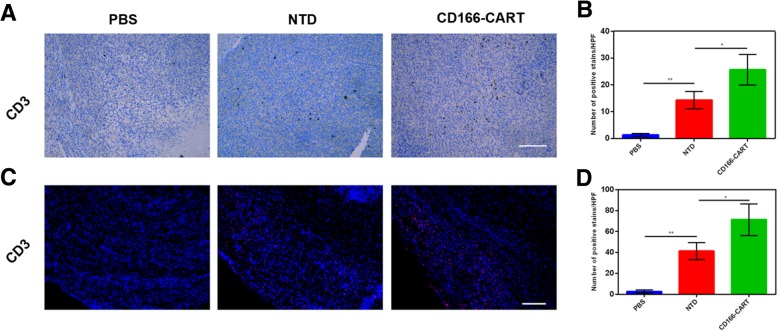
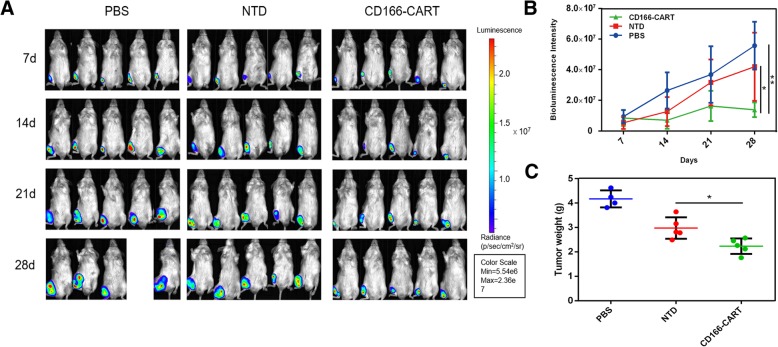
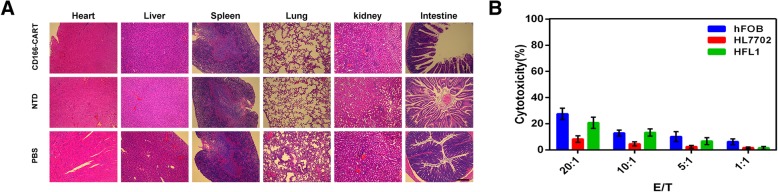
“…mice (NOD/SCID) challenged with human osteosarcoma cells showed increased tumour infiltration, suppression of tumour growth, and lack of morphological changes in different organs (lung, heart, liver, spleen, intestine, and kidney) compared with non-transduced T cells and non-treated controls [59].”
BackgroundResultInfluentialVeschi, V., Turdo, A., & Stassi, G. (2023) · Frontiers in Molecular Medicine · doi:10.3389/fmmed.2023.1120090 · Cited by 12
“Other evidence demonstrated that CAR-T cells in combination with chemotherapy have been applied successfully to treat CD166 (Wang et al., 2019), CD133 (Han et al.”
BackgroundLigands of CD6: roles in the pathogenesis and treatment of cancer
Gurrea‐Rubio, M., Lin, F., Wicha, M. S., Mao‐Draayer, Y., & Fox, D. A. (2025) · Frontiers in Immunology · doi:10.3389/fimmu.2024.1528478 · Cited by 10
Li, W., Lv, L., Jin, Y., & Yuan, X. Y. (2026) · Oncology Reports · doi:10.3892/or.2026.9050 · Cited by 11
“Similarly, CAR T cells targeting CD166/4‑1BB showed efficacy against OS in vitro and in vivo , inducing cytotox‑ icity and inhibiting tumor growth (109).”
Barzegari, A., Salemi, F., Kamyab, A., Aratikatla, A., Nejati, N., Valizade, M., Eltouny, E., & Ebrahimi, A. (2024) · Journal of bone oncology · doi:10.1016/j.jbo.2024.100635 · Cited by 9
Osteosarcoma: A comprehensive review of model systems and experimental therapies
Robbins, G. M., Vue, Y. Y., Rahrmann, E. P., & Moriarity, B. S. (2024) · Medical Research Archives · doi:10.18103/mra.v12i11.6000 · Cited by 9
Zhang, Z., Liu, C., Liang, T., Yu, C., Qin, Z., Zhou, X., Xue, J., Zeng, H., Lu, Z., Xu, G., et al. (2020) · Medicine · doi:10.1097/md.0000000000023251 · Cited by 8
“The results of Kaplan-Meier curves of high- and low-risk groups showed that the high-risk group was significantly associated with poor prognosis of childhood OS, and the difference was statistically significant (Log-rank P= .024, Fig.”
BackgroundInfluentialJirovec, A., Flaman, A. N., Godbout, E., Serrano, D., Werier, J. A., Purgina, B., & Diallo, J. (2024) · Scientific Reports · doi:10.1038/s41598-024-61860-3 · Cited by 8
“These findings offer valuable insights into the potential role of ALCAM as a contributing factor to metastasis in DDLS, and suggest its usefulness as a target 54 .”
BackgroundHu, Q., Wang, M., WANG, J., Tao, Y., & Niu, T. (2024) · Oncology Research Featuring Preclinical and Clinical Cancer Therapeutics · doi:10.32604/or.2023.043647 · Cited by 6
“Thus, ALCAM has been identi fi ed as a potential therapeutic target through monoclonal antibody or speci fi c chimeric antigen receptor T-cell (CAR-T cell) cancer treatment [23,24].”
BackgroundSelf-citationOverall review of curative impact and barriers of CAR-T cells in osteosarcoma
Li, G., Wang, H., & Meftahpour, V. (2024) · EXCLI journal · doi:10.17179/excli2023-6760 · Cited by 8
Dai, Z., Liu, Z., Yang, R., Cao, W., & Ji, T. (2023) · Biomolecules · doi:10.3390/biom13020327 · Cited by 7
Zhang, X., Yuan, A., Zhao, X., Li, Z., & Cui, G. (2020) · Cancer Biotherapy and Radiopharmaceuticals · doi:10.1089/cbr.2019.3089 · Cited by 6
“43 Thus, further investigations of CD166’ significance in ESCC patients who received chemo-or radiotherapeutics are needed.”
Liu, W., Zou, H., Guo, L., Zhou, Z., Xie, Y., Guo, H., Wei, G., Zhang, K., Yin, H., Wei, S., et al. (2025) · European journal of medical research · doi:10.1186/s40001-025-02955-z · Cited by 5
“The discovery of tumor-associated antigens (TAAs) that are preferentially expressed on the surface of tumor cells presents an attractive modality for CAR-T -cell therapy [22–24].”
Yu, B., Li, R. Q., Zhu, X., & Chi, Z. (2023) · Translational Cancer Research · doi:10.21037/tcr-22-2704 · Cited by 3
“Our previous studies have shown that CD166 is highly expressed in OSCC, which promotes the progression of OSCC through sustaining the stemness of tumor cells (19,20).”
BackgroundRongrong, C. (2025) · Current Opinion in Pharmacology · doi:10.1016/j.coph.2025.102602 · Cited by 2
He, S., He, X., Pan, R., Pan, L., Lv, X., Jin, Y., Fan, Y., Wang, Y., Tian, Z., & Zhang, S. (2023) · Expert Review of Proteomics · doi:10.1080/14789450.2023.2195096 · Cited by 2
“Thirty-seven DEPs were predicted in the group with better heart condition, including platelet endothelial aggregation receptor 1 [58], reflecting platelet reactivity and having a potential impact on cardiovascular outcomes; CD166 antigen, a potential target for T-cell therapy [59]; insulin-like growth factor-binding p…”
BackgroundSelf-citationAtualização sobre osteossarcoma convencional
Teixeira, L. E. M., Guedes, A., Nakagawa, S. A., Fonseca, K. C., & Lima, E. R. (2024) · Revista Brasileira de Ortopedia · doi:10.1055/s-0043-1771483 · Cited by 22
“36,37 Currently, the overall 5-year survival is around 65% in studies from the United States.”
Wang, X., Gan, L., Ju, Y., Tang, M., & Liu, W. (2021) · Journal of Immunology Research · doi:10.1155/2021/9989321 · Cited by 2
Defining the Functional Role and Potential as an Immunotherapeutic Target of ALCAM in Neuroblastoma
Lindsay, J. M., Gaither, J., Groff, D., Samanta, M., Kaufman, R., Grossmann, L. D., Hartnett, N., Kendsersky, N. M., Mycek, E. A., Diskin, S. J., et al. (2025) · Molecular Cancer Therapeutics · doi:10.1158/1535-7163.mct-25-0136 · Cited by 1
“Previous work has identified both scFv-based and CD6 extracellular domain–based CAR T cells that show efficacy in osteosarcoma and colorectal cancer models (57, 58).”
Park, J. A., & Cheung, N. V. (2026) · Frontiers in Immunology · doi:10.3389/fimmu.2026.1822523 · Cited by 1
“These include anti-CD44v6 CAR-T targeting AML and MM (102), anti-CD166 CAR-T for osteosarcoma stem cells (103), anti-CD133 CAR-T for gastric, pancreatic, and hepatic CSCs (104, 105), and AC133 (epitope of CD133)-targeting T-BsAbs for GBM CSCs (106).”
Chakraborty, D., Kundu, S., Rawal, S. K., & Mani, S. (2026) · Immunologic Research · doi:10.1007/s12026-026-09806-x · Cited by 1
“BBζ CAR T-cells exhibit effective antitumor activity against osteosarcoma models, leading to marked tumor regression without detect - able systemic toxicity [ 44].”
Advances in immunotherapy for osteosarcoma: a review of emerging treatment strategies
Poboży, K., Domański, P., Domańska-Poboża, J., Konarski, W., & Poboży, T. (2023) · Oncoreview · doi:10.24292/01.or.132100923 · Cited by 1
“[108] discovered that the expression of CD166 was selectively detected on human osteosarcoma cell lines, indicating its potential as a target for CAR-T cell therapy.”
Markel, J. (2020) · The Research Repository @ WVU (West Virginia University) · doi:10.33915/etd.7770 · Cited by 1
Establishment of Humanized Mice And Its Application Progress in Cancer Immunotherapy
Ding, T., Yu, Y., Pan, X., & Chen, H. (2023) · Immunotherapy · doi:10.2217/imt-2022-0148
Mesenchymal Stem Cells and Sarcoma
Hatina, J., Kripnerová, M., Dejmek, J., Dolejšová, M., & Pešta, M. (2024) · Elsevier eBooks · doi:10.1016/b978-0-443-15717-2.00116-5
Zhang, Q., Zhang, Z., Liu, G., Li, D. R., Gu, Z., Zhang, L., Pan, Y., Cui, X., Wang, L., Liu, G., et al. (2022) · Figshare · doi:10.6084/m9.figshare.21455948
Zhang, Q., Zhang, Z., Liu, G., Li, D. R., Gu, Z., Zhang, L., Pan, Y., Cui, X., Wang, L., Liu, G., et al. (2022) · Figshare · doi:10.6084/m9.figshare.21455945
Zhang, Q., Zhang, Z., Liu, G., Li, D. R., Gu, Z., Zhang, L., Pan, Y., Cui, X., Wang, L., Liu, G., et al. (2022) · Figshare · doi:10.6084/m9.figshare.21455951
Zhang, Q., Zhang, Z., Liu, G., Li, D. R., Gu, Z., Zhang, L., Pan, Y., Cui, X., Wang, L., Liu, G., et al. (2022) · Figshare · doi:10.6084/m9.figshare.21455942
CAR-T cell therapy for pediatric solid tumors: armored CAR-T cells and beyond
Wells, J., & Gupta, A. K. (2026) · Cancer and Metastasis Reviews · doi:10.1007/s10555-026-10317-2
“When anti-ALCAM CAR-T cells were transfused into these mice, there was a significant reduction in tumor weight compared to control [37].”
InfluentialNext-generation osteosarcoma models for precision medicine
Saqawa, M., Coelho, M., Lourenço, M., Villette, C. C., Barata, D. B., Apolloni, L., Panseri, S., Silva-Barroso, A. S., Seabra, R., Pacheco, D., et al. (2026) · Communications Biology · doi:10.1038/s42003-026-10650-w
Current therapeutic interventions to target cancer stem cells for metastasis
Arora, P., Bhatia, R., Sharma, S., Sharma, A., Chauhan, S. C., Singh, J., & Sharma, A. K. (2026) · International Journal of Clinical Oncology · doi:10.1007/s10147-026-03154-4
“The absence of evaluation for off-tumor toxicity in immunocompetent models requires more safety assessments and the investigation of techniques like multi-specific CAR-T cells to reduce risks [127].”
Zheng, Z. (2026) · Critical Reviews in Oncology/Hematology · doi:10.1016/j.critrevonc.2026.105618
Li, Q. (2026) · Frontiers in Medicine · doi:10.3389/fmed.2026.1987146
“B7-H3, GD2, HER2, ALPL-1, CD166, IL-11Ralpha, and NKG2D-ligand strategies illustrate the expanding options (24 – 33).”
Que, Y., Xie, X., Xie, W., Zuo, Y., Chen, W., Xu, Z., Gong, C., & Li, X. (2026) · Journal of Orthopaedic Translation · doi:10.1016/j.jot.2026.101235
“Similarly, ALCAM (CD166)-CAR-T cells were capable of killing OS cell lines in vitro and inhibiting tumor growth in vivo, with efficacy correlating to antigen density [45].”
Metadata
- Authors
- Wang, Y., Yu, W., Zhu, J., Wang, J., Xia, K., Liang, C., & Tao, H.
- Affiliations
- Second Affiliated Hospital of Zhejiang University (CN)
- Corresponding author
- Tao, Huimin
- Venue
- Journal of Experimental & Clinical Cancer Research
- Published
- 2019-04-17
- Volume
- 38
- Issue
- 1
- Pages
- 168-168
- ISSN
- 0392-9078 (ISSN-L)
- 1756-9966
- PMC
- PMC6471997
- OpenAlex
- W2946233185
- Cited by
- 75
- References
- 50
- Citations by year
- 2026: 6 · 2025: 5 · 2024: 11 · 2023: 15 · 2022: 14 · 2021: 10 · 2020: 9 · 2019: 5
- FWCI
- 3.97
- Type
- journal article
- Language
- en
- Open access
- gold
- doi.org
- Licence
- cc-by
- creativecommons.org/licenses/by/4.0/ (tdm)
- Locations
- Journal of Experimental & Clinical Cancer Research (publishedVersion, cc-by)
- PubMed Central (publishedVersion, cc-by)
- PubMed (publishedVersion)
- DOAJ (DOAJ: Directory of Open Access Journals) (submittedVersion, cc-by-sa)
- Funders
- National Natural Science Foundation of China (81472504)
- Topics
- Health Sciences › Medicine › Oncology › CAR-T cell therapy research
- Life Sciences › Immunology and Microbiology › Immunology › Immunotherapy and Immune Responses
- Life Sciences › Biochemistry, Genetics and Molecular Biology › Biotechnology › Bacterial Cancer Therapy
- Keywords
- osteosarcoma, chimeric antigen receptor T cells, CD166, 4-1BB, CAR T-cell therapy, solid tumor immunotherapy, tumor cell killing, tumor regression, viral gene delivery
- MeSH terms
- Receptors, Chimeric Antigen, Animals, Fetal Proteins, Flow Cytometry, Humans, Interleukin-2, Receptors, Antigen, T-Cell, Osteosarcoma, T-Lymphocytes, Signal Transduction, Antigens, CD, Cell Adhesion Molecules, Neuronal, Gene Expression Regulation, Neoplastic, Immunotherapy, Adoptive, Interleukin-15, Activated-Leukocyte Cell Adhesion Molecule, Xenograft Model Antitumor Assays, Cell Line, Tumor, Cell Proliferation, Mice, 4-1BB Ligand
About these checks
Registry, retraction, Cites and statistics results are computed, not judged, with one exception: a printed reference that no index lists is read once by a model before it counts as a citation error. Claims are extracted by a model and kept only when their quote appears verbatim in the text; each cited source is then checked, with a model’s help, for whether it says what the claim relies on. Those verdicts can be wrong — read the claim’s quote and the cited source before relying on one.
Statistics and arithmetic are recomputed, not judged.
Confidence bands are shown only for fields calibrated on our annotated test set. None is calibrated yet, so no band is shown.
What counts as a claim ›How we measure confidence ›How we check this ›
Are you an author, or do you see a problem with this page? Request a review
Data sources
Bibliographic data: Semantic Scholar, OpenAlex, Crossref.
Contains information from the Semantic Scholar Academic Graph Datasets, made available under the ODC Attribution License (ODC-BY 1.0).
Semantic Scholar’s data is described in: Kinney, R., et al. (2023). The Semantic Scholar Open Data Platform. arXiv:2301.10140.
