

Subtypes in pancreatic ductal adenocarcinoma based on niche factor dependency show distinct drug treatment responses
Open accessThe DOI matches its Crossref record; 55 of the 55 references it cites were found in a registry or an index.
Abstract
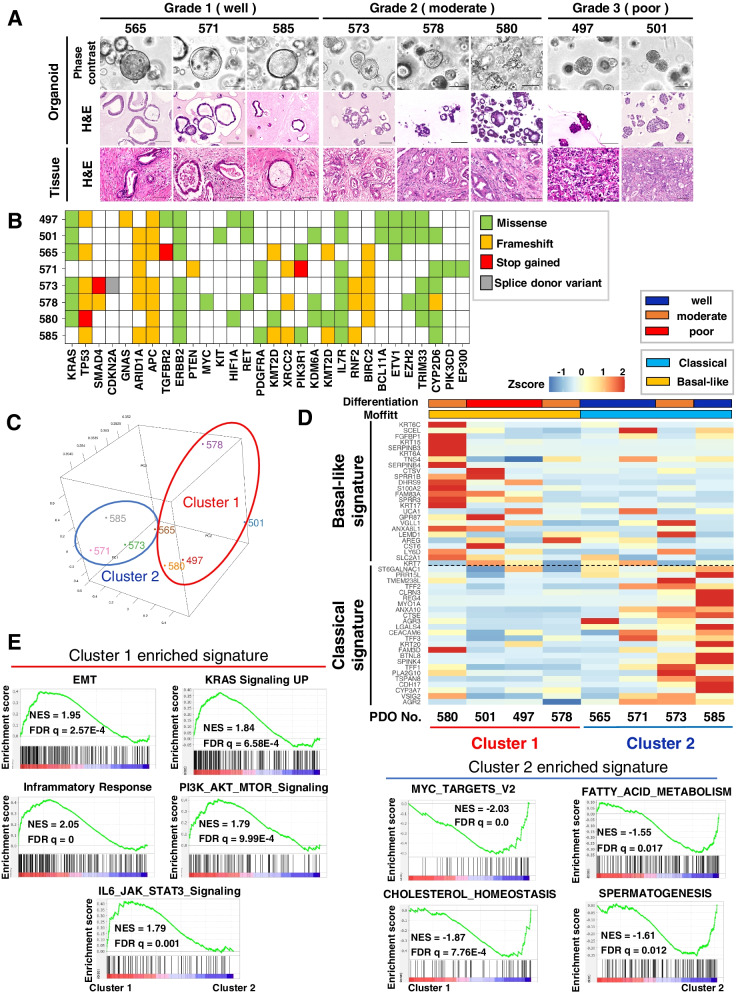
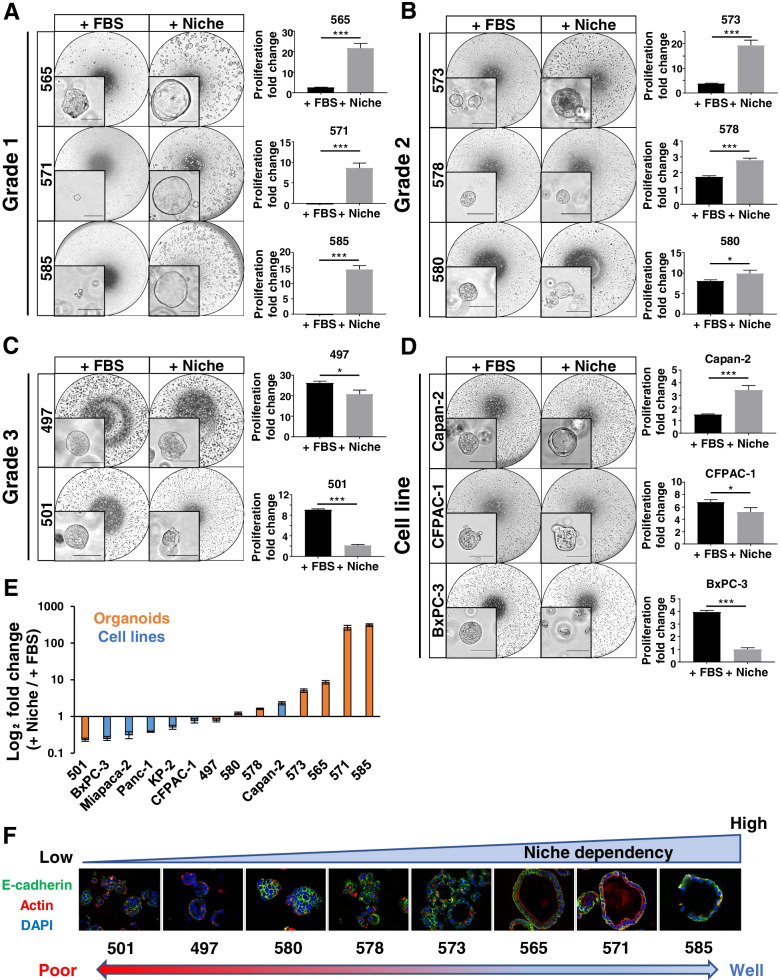
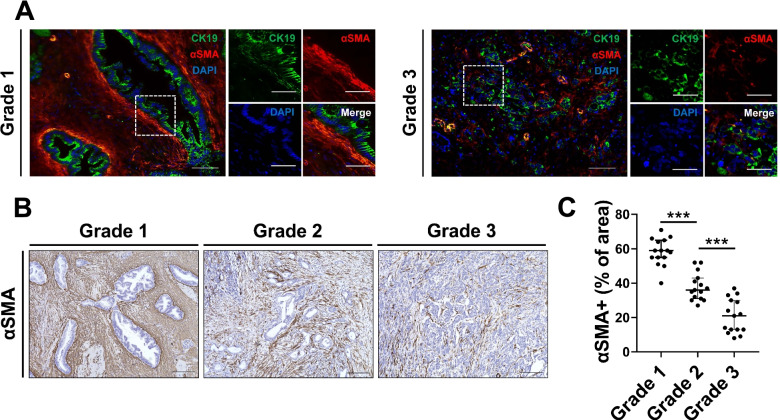
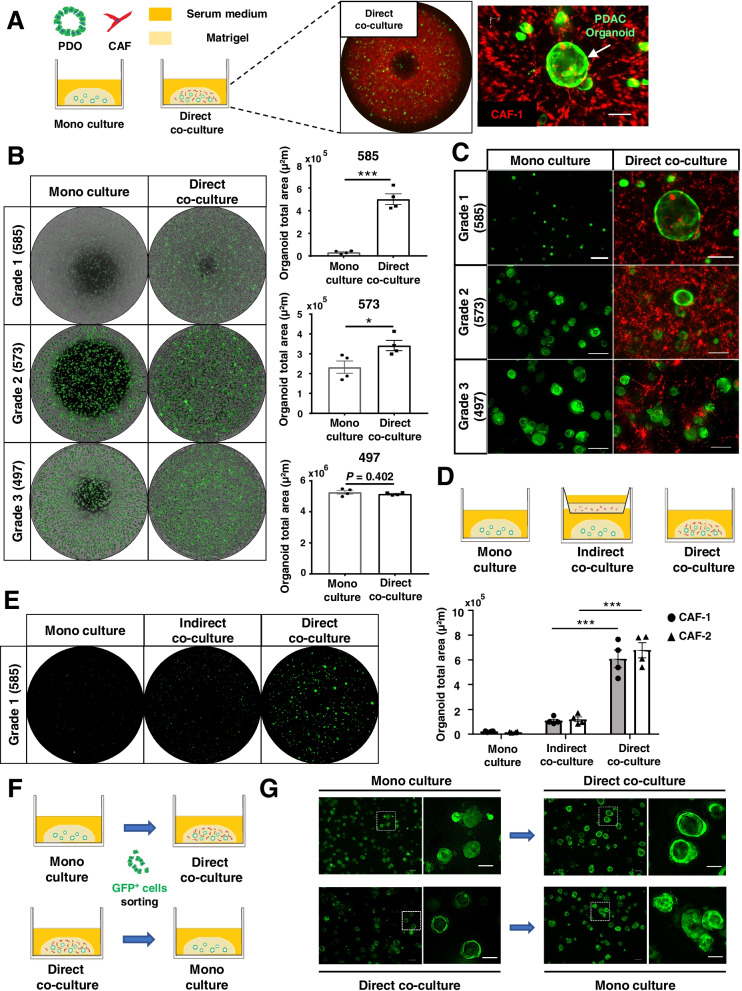
Background: Pancreatic ductal adenocarcinoma (PDAC) is characterized by abundant stroma in which microenvironmental (niche) factors promote PDAC progression. In mouse models, reduction of the stroma increased the proportion of poorly differentiated PDAC with a worse prognosis. Here, we aimed to clarify the effects of stroma on PDAC that may define the PDAC phenotype and induce distinct therapeutic responses. Methods: The molecular features of PDAC based on differentiation grade were clarified by genome and transcriptome analysis using PDAC organoids (PDOs). We identified the dependency on niche factors that might regulate the differentiation grade. A three-dimensional co-culture model with cancer-associated fibroblasts (CAFs) was generated to determine whether CAFs provide niche factors essential for differentiated PDAC. PDOs were subtyped based on niche factor dependency, and the therapeutic responses for each subtype were compared. Results: The expression profiles of PDOs differed depending on the differentiation grade. Consistent with the distinct profiles, well differentiated types showed high niche dependency, while poorly differentiated types showed low niche dependency. The three-dimensional co-culture model revealed that well differentiated PDOs were strongly dependent on CAFs for growth, and moderately differentiated PDOs showed plasticity to change morphology depending on CAFs. Differentiated PDOs upregulated the expression of mevalonate pathway-related genes correlated with the niche dependency and were more sensitive to simvastatin than poorly differentiated PDOs. Conclusions: Our findings suggest that CAFs maintain the differentiated PDAC phenotype through secreting niche factors and induce distinct drug responses. These results may lead to the development of novel subtype-based therapeutic strategies.
Overview
The claims and statistics of this paper haven’t been checked yet.
Free: it reads the open-access text and checks the first 5 claims that cite a source we can check. Create a free account to check every claim.
Integrity signals
Registry
Cites
Statistics
Figures
Verification
Claims the paper makes
The claims and statistics of this paper haven’t been checked yet.
Free: it reads the open-access text and checks the first 5 claims that cite a source we can check. Create a free account to check every claim.
Claims other papers make about this one
Each is checked against this paper’s own text: does it say what the citing paper says it does?
The source backs part of the claim, not all of it — or backs it for a different population, condition or comparison.
In the citing paper
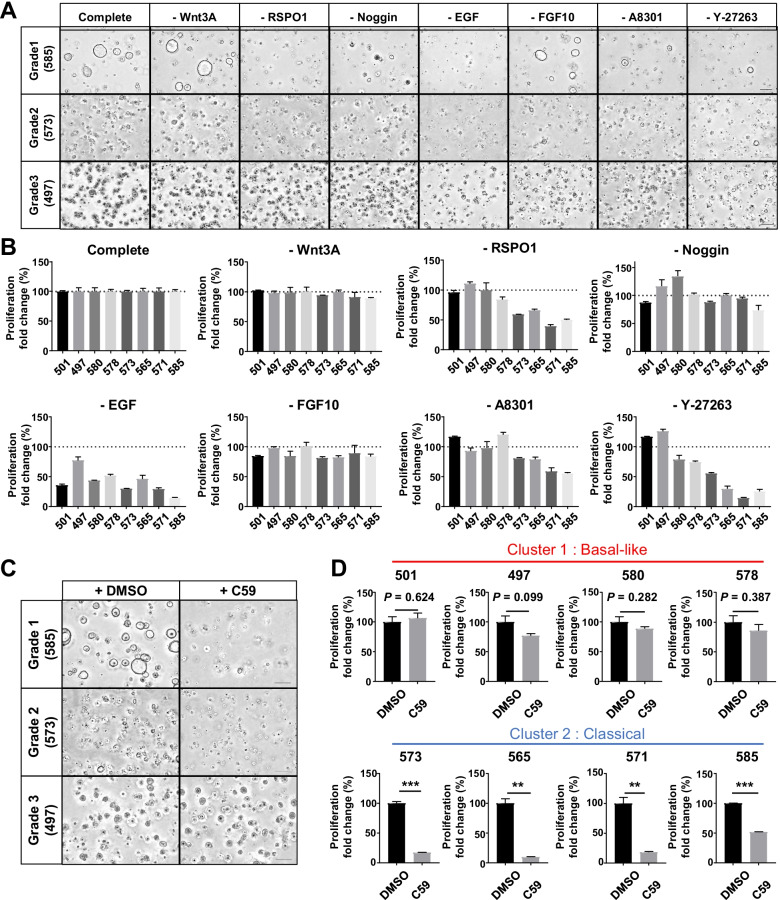
“resulting in higher CAFs affinity for the well-differentiated PDOs compared with moderately and poorly differentiated ones”
From The antitumoral effect of statins in pancreatic ductal adenocarcinoma: a scoping review (2026) · cites this paper as Shinkawa et al., 2022
Experimental — accuracy not yet measuredThe cited source says what the claim attributes to it.
In the citing paper
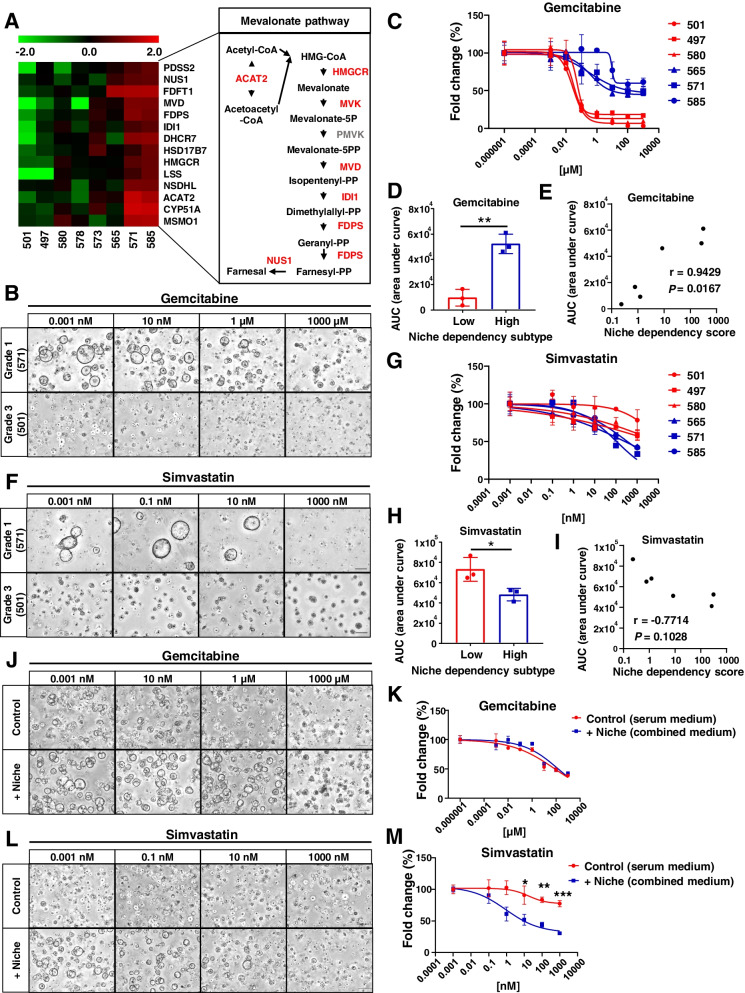
“the poorly differentiated, less niche-dependent PDOs had a lower response to simvastatin and better response to gemcitabine”
From The antitumoral effect of statins in pancreatic ductal adenocarcinoma: a scoping review (2026) · cites this paper as Shinkawa et al., 2022
The cited source says what the claim attributes to it.
In the citing paper
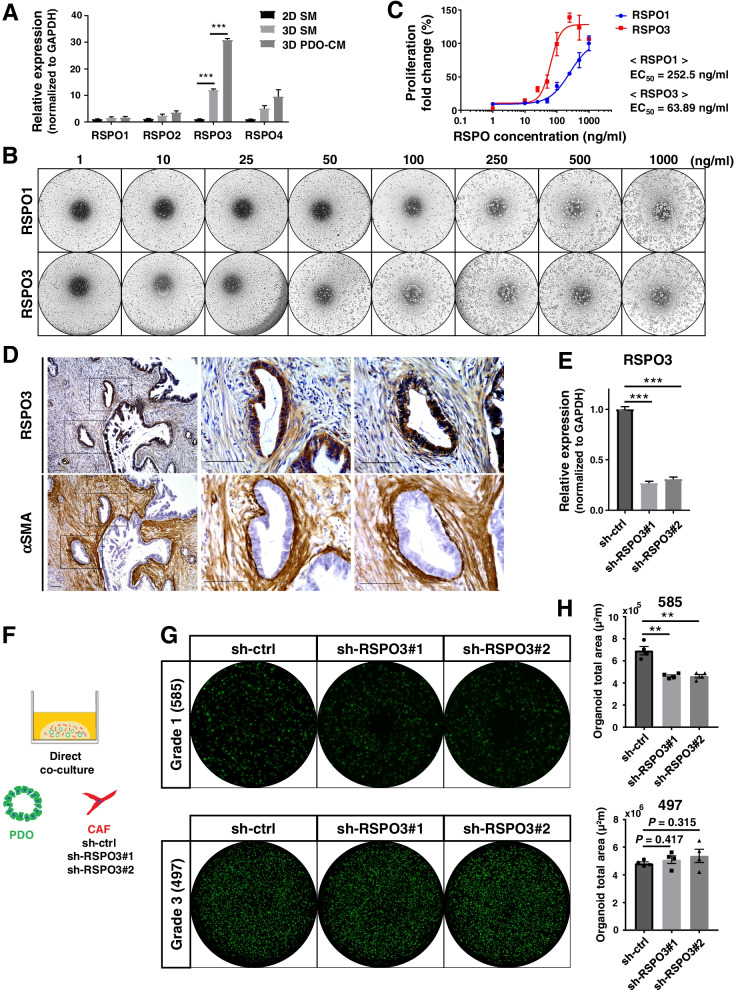
“CAFs generated R-spondin 3 (RSPO3) to grade 1 PDOs and helped their growth”
From The antitumoral effect of statins in pancreatic ductal adenocarcinoma: a scoping review (2026) · cites this paper as Shinkawa et al., 2022
The cited source says what the claim attributes to it.
In the citing paper
“more niche-dependent organoids had the mevalonate pathway upregulated and had a better response to simvastatin”
From The antitumoral effect of statins in pancreatic ductal adenocarcinoma: a scoping review (2026) · cites this paper as Shinkawa et al., 2022
The cited source says what the claim attributes to it.
In the citing paper
“grade 2 PDOs demonstrated plasticity in relation to CAFs: they formed ductal structures when placed in co-culture with CAFs and solid structures without CAFs”
From The antitumoral effect of statins in pancreatic ductal adenocarcinoma: a scoping review (2026) · cites this paper as Shinkawa et al., 2022
4 more claims about this paper
Create a free account to see every claim other papers make about this one.
Self-check
Percentages, sums and reported differences re-computed from the paper’s own numbers.
The self-check needs the paper’s full text.
Citations
Cites
Siegel, R. L., Miller, K. D., & Jemal, A. (2020) · CA: A Cancer Journal for Clinicians · doi:10.3322/caac.21590 · Cited by 20,444
Bioconductor: open software development for computational biology and bioinformatics
Gentleman, R. C., Carey, V. J., Bates, D. M., Bolstad, B., Dettling, M., Dudoit, S., Ellis, B., Gautier, L., Ge, Y., Gentry, J., et al. (2004) · Genome Biology · doi:10.1186/gb-2004-5-10-r80 · Cited by 12,172
Cingolani, P., Platts, A., Wang, L. L., Coon, M., Nguyen, T., Wang, L., Land, S. J., Lu, X., & Ruden, D. M. (2012) · Fly · doi:10.4161/fly.19695 · Cited by 11,816
Bolstad, B. M., Irizarry, R. A., Åstrand, M., & Speed, T. P. (2003) · Bioinformatics · doi:10.1093/bioinformatics/19.2.185 · Cited by 8,266
FOLFIRINOX versus Gemcitabine for Metastatic Pancreatic Cancer
Conroy, T., Desseigne, F., Ychou, M., Bouché, O., Guimbaud, R., Bécouarn, Y., Adenis, A., Raoul, J.-L., Gourgou-Bourgade, S., de la Fouchardière, C., et al. (2011) · New England Journal of Medicine · doi:10.1056/nejmoa1011923 · Cited by 7,810 · cited 2×
“Conroy T, Desseigne F, Ychou M, Bouché O, Guimbaud R, Bécouarn Y, et al. FOLFIRINOX versus Gemcitabine for Metastatic Pancreatic Cancer.”
BackgroundStructural absorption by barbule microstructures of super black bird of paradise feathers
McCoy, D. E., Feo, T., Harvey, T. A., & Prum, R. O. (2018) · Nature Communications · doi:10.1038/s41467-017-02088-w · Cited by 7,424
Increased Survival in Pancreatic Cancer with nab-Paclitaxel plus Gemcitabine
Von Hoff, D. D., Ervin, T., Arena, F. P., Chiorean, E. G., Infante, J., Moore, M., Seay, T., Tjulandin, S. A., Ma, W. W., Saleh, M. N., et al. (2013) · New England Journal of Medicine · doi:10.1056/nejmoa1304369 · Cited by 6,712 · cited 1×
“The current standard chemotherapy for PDAC is combination regimens such as FOLFIRINOX [3] and gemcitabine plus nab-paclitaxel [4], and the selection of these therapies is often based on patient performance status and comorbidities [5].”
BackgroundGenomic analyses identify molecular subtypes of pancreatic cancer
Bailey, P., Chang, D. K., Nones, K., Johns, A. L., Patch, A.-M., Gingras, M.-C., Miller, D. K., Christ, A. N., Bruxner, T. J. C., Quinn, M. C., et al. (2016) · Nature · doi:10.1038/nature16965 · Cited by 3,621
Identification of Pancreatic Cancer Stem Cells
Li, C., Heidt, D. G., Dalerba, P., Burant, C. F., Zhang, L., Adsay, V., Wicha, M., Clarke, M. F., & Simeone, D. M. (2007) · Cancer Research · doi:10.1158/0008-5472.can-06-2030 · Cited by 3,339
Hermann, P. C., Huber, S. L., Herrler, T., Aicher, A., Ellwart, J. W., Guba, M., Bruns, C. J., & Heeschen, C. (2007) · Cell Stem Cell · doi:10.1016/j.stem.2007.06.002 · Cited by 2,897
Cited by
LAMC2 marks a tumor-initiating cell population with an aggressive signature in pancreatic cancer
Cave, D. D., Buonaiuto, S., Sáinz, B., Fantuz, M., Mangini, M., Carrer, A., Domenico, A. D., Iavazzo, T. T., Andolfi, G., Cortina, C., et al. (2022) · Journal of Experimental & Clinical Cancer Research · doi:10.1186/s13046-022-02516-w · Cited by 58
Shinkawa, T., Ohuchida, K., & Nakamura, M. (2022) · Cancers · doi:10.3390/cancers14163994 · Cited by 36
“Conversely, we used a coculture model of PDAC organoids and CAFs to assess the relationship between the differentiation grades of PDAC and CAFs [91].”
MethodSelf-citationDynamic glycolytic reprogramming effects on dendritic cells in pancreatic ductal adenocarcinoma
Zhang, B., Ohuchida, K., Tsutsumi, C., Shimada, Y., Mochida, Y., Oyama, K., Iwamoto, C., Sheng, N., Fei, S., Shindo, K., et al. (2024) · Journal of Experimental & Clinical Cancer Research · doi:10.1186/s13046-024-03192-8 · Cited by 34
Self-citationSheng, N., Shindo, K., Ohuchida, K., Shinkawa, T., Zhang, B., Feng, H., Yamamoto, T., Moriyama, T., Ikenaga, N., Nakata, K., et al. (2024) · Clinical Cancer Research · doi:10.1158/1078-0432.ccr-24-1004 · Cited by 30
Self-citationZhang, W., Maeser, D., Lee, A. M., Huang, Y., Gruener, R. F., Abdelbar, I. G., Jena, S., Patel, A. G., & Huang, R. S. (2024) · Cancer Research · doi:10.1158/0008-5472.can-23-3005 · Cited by 28
Landon‐Brace, N., Li, N. T., & McGuigan, A. P. (2023) · Advanced Healthcare Materials · doi:10.1002/adhm.202300903 · Cited by 28
Understanding the heterogeneity of pancreatic ductal adenocarcinoma
Iovanna, J., Fraunhoffer, N. A., Urrutia, R. A., & Dusetti, N. (2025) · Translational Oncology · doi:10.1016/j.tranon.2025.102479 · Cited by 26
“This differential stromal activation may facilitate invasion and metastasis in the basal subtype[5,6,47,51,52].”
Kim, J. S., Park, C. H., Kim, E., Lee, H. S., Lee, J.-Y., Kim, J., Kam, E. H., Nam, S., Chung, M. J., Park, J. Y., et al. (2025) · Molecular Cancer · doi:10.1186/s12943-025-02374-y · Cited by 24
Bioengineering Approaches for the Pancreatic Tumor Organoids Research and Application
Song, T., Kong, B., Liu, R., Luo, Y., Wang, Y., & Zhao, Y. (2023) · Advanced Healthcare Materials · doi:10.1002/adhm.202300984 · Cited by 24
Grützmeier, S. E., Kovacevic, B., Vilmann, P., Rift, C. V., Melchior, L. C., Holmström, M. O., Brink, L., Hassan, H., Karstensen, J. G., Grossjohann, H., et al. (2023) · Cancers · doi:10.3390/cancers15143677 · Cited by 15
“[35] showed that highly differentiated tumors of the classical subtype showed growth dependency on niche factors secreted by CAFs, tumors of a more basal-like subtype did not, providing a possible explanation for the variance observed.”
Li, J., Gu, A., Tang, N., Li, M., & Liu, Y. (2025) · Journal of Future Foods · doi:10.1016/j.jfutfo.2024.10.009 · Cited by 15
Li, Y., Amrutkar, M., Finstadsveen, A. V., Dalen, K. T., Verbeke, C. S., & Gladhaug, I. P. (2023) · Cancer Cell International · doi:10.1186/s12935-023-03138-8 · Cited by 15
“It has recently been reported that the therapeutic effect of statins on PDAC is dependent on tumor differentiation grade [67].”
BackgroundApplications and challenges of patient-derived organoids in hepatobiliary and pancreatic cancers
Hu, J.-W., Pan, Y., Zhang, X., Li, J., & Jin, Y. (2025) · World Journal of Gastroenterology · doi:10.3748/wjg.v31.i20.106747 · Cited by 10
Huang, Y., Wang, Y., Zheng, T., Nie, S., Wang, Y., Shen, H., & Mo, F. (2024) · International Journal of Nanomedicine · doi:10.2147/ijn.s464788 · Cited by 9
The application of pancreatic cancer organoids for novel drug discovery
Melzer, M. K., Resheq, Y. J., Navaee, F., & Kleger, A. (2023) · Expert Opinion on Drug Discovery · doi:10.1080/17460441.2023.2194627 · Cited by 9
“Such observations are in line with recent examples demonstrating the stroma dependency of PDOs [21,103].”
ResultEasty, D. J., McDermott, R., Murphy, A. G., Grogan, L., Morris, P. G., Breathnach, O. S., Egan, K., Toomey, S., Horgan, A. M., Power, D. G., et al. (2026) · BMC Cancer · doi:10.1186/s12885-025-14512-2 · Cited by 8
Mo, S., Zou, L., Hu, Y., Chang, X., & Chen, J. (2023) · Modern Pathology · doi:10.1016/j.modpat.2023.100223 · Cited by 8
Mesquita, G., Haustrate, A., Mihalache, A., Soret, B., Cordier, C., Desruelles, E., Duval, E., Pethő, Z., Prevarskaya, N. B., Schwab, A., et al. (2023) · Cancers · doi:10.3390/cancers15245769 · Cited by 8
“Furthermore, poorly differentiated tissues are connected to higher tumor progression [24,25].”
BackgroundThe utility of 3D models to study cholesterol in cancer: Insights and future perspectives
du Plessis, T.-L., Abdulla, N., & Kaur, M. (2023) · Frontiers in Oncology · doi:10.3389/fonc.2023.1156246 · Cited by 7
“The mevalonate pathway has been implicated in niche-factor mediated proliferation and differentiation in pancreatic ductal adenocarcinoma (PDAC) organoids.”
BackgroundInfluentialBelanger, K., Guinn, S. R., Perez, B., Cho, Y., Tandurella, J. A., Ramani, M., Lee, J. W., Zabransky, D. J., Kartalia, E., Patel, J. G., et al. (2026) · Cancer Research · doi:10.1158/0008-5472.can-25-0331 · Cited by 7
“…include inflammatory (iCAF), with the capacity to secrete IL6; myofibroblastic (myCAF) defined by high levels of alpha smooth muscle actin ( α SMA) expression; and antigen-presenting (apCAF) defined by the expression of HLA-DR with antigen processing and presentation capacity (13, 14, 16–19).”
Duttenhefner, J. N., & Reindl, K. M. (2025) · Cancer Pathogenesis and Therapy · doi:10.1016/j.cpt.2025.06.004 · Cited by 6
“112 To synthesize recent developments, Table 1 summarizes key in vitro , in vivo , and clinical study analyses from the past five years evaluating the effects of statins in PDAC.”
Mochida, Y., Ohuchida, K., Zhang, B., Yamada, Y., Tsutsumi, C., Kubo, A., Oyama, K., Shinkawa, T., Iwamoto, C., Torata, N., et al. (2025) · Journal of Cancer Research and Clinical Oncology · doi:10.1007/s00432-025-06095-z · Cited by 6
“The serum and niche medium were prepared using basic medium with the addition of FBS or niche factors, as previously reported(Shinkawa et al. 2022 ).”
Self-citationCave, D. D., Domenico, A. D., Fantuz, M., Ciotola, M., Mangini, M., Buonaiuto, S., Corrado, B., Corona, M., Saracino, F., Andolfi, G., et al. (2025) · Cell Death and Disease · doi:10.1038/s41419-025-07859-8 · Cited by 5
Parassiadis, C., & Johnsen, S. A. (2026) · Gastroenterology report · doi:10.1093/gastro/goag028 · Cited by 5
Akbar, A., Levya, A., Esnakula, A. K., Hasanov, E., Noonan, A. M., Manne, U., Sahai, V., Meng, L., Tsai, S., Parwani, A. V., et al. (2026) · medRxiv · doi:10.64898/2026.01.06.26343539 · Cited by 4
Yang, J., Cheng, C., Luo, W., He, X., Li, Y., Hu, X., Cai, S., Zou, H., Mo, S., & Peng, J. (2026) · MedComm · doi:10.1002/mco2.70741 · Cited by 4
“The observation that CAFs enhance the growth or differentiation of tumor organoids in coculture systems has been consistently documented across various established models, including liver cancer organoids [ 106 ], CRC [ 48 ], and pancreatic ductal adenocarcinoma [ 107 ].”
Saito, K., Nakai, Y., Sasaki, T., Takeda, T., Ueno, M., Tezuka, S., Isayama, H., Tomishima, K., Kojima, Y., Yamamoto, N., et al. (2024) · Pancreas · doi:10.1097/mpa.0000000000002411 · Cited by 2
“24 Madeleine et al reported that statins reduce cell plasticity by forcing a mesenchymal-like cell state, increasing metastatic seeding potential on the one hand, but reducing tumor formation due to heterogeneous therapeutic response on the other.”
Precision targeting of stromal states in pancreatic cancer: a clinical perspective
Wolters, A., Bijlsma, M. F., & Prakash, J. (2026) · Trends in cancer · doi:10.1016/j.trecan.2026.07.003 · Cited by 2
Akbar, A., Levya, A., Esnakula, A. K., Hasanov, E., Noonan, A. M., Meng, L., Tsai, S., Sahai, V., Malla, M., Mukherjee, S., et al. (2026) · arXiv (Cornell University) · doi:10.48550/arxiv.2601.03410 · Cited by 2
SLC22A3/OCT3 drives serotonin-mediated stemness in pancreatic cancer
Kumar, N. K., Varadharaj, V., Gayen, N., Kaur, A. B., Arikath, K., Shah, A., Mathivanan, P., Nallasamy, P., Alsafwani, Z. W., Seshadri, B., et al. (2026) · Cell Reports · doi:10.1016/j.celrep.2026.117387 · Cited by 1
Kumano, K., Nakahashi, H., Shimomura, O., Akashi, Y., Miyazaki, Y., Owada, Y., Hashimoto, S., Kamohara, K., Komatsuzaki, S., Kuroda, Y., et al. (2026) · British Journal of Cancer · doi:10.1038/s41416-026-03577-w · Cited by 1
Nakabayashi, Y., Kiuchi, J., Kubota, T., Ohashi, T., Nishibeppu, K., Imamura, T., Nanishi, K., Shimizu, H., Arita, T., Yamamoto, Y., et al. (2024) · American Journal of Cancer Research · doi:10.62347/jkcu5881 · Cited by 1
de Almeida, D. R. Q. (2022) · Digital Library of Theses and Dissertations (Universidade de São Paulo) · doi:10.11606/t.46.2022.tde-09082023-175313 · Cited by 1
The antitumoral effect of statins in pancreatic ductal adenocarcinoma: a scoping review
Pîntea, A.-I., Croitoru, A. E., Dinu-Pîrvu, C. E., & Dima, S. O. (2026) · Frontiers in Pharmacology · doi:10.3389/fphar.2026.1815366
“In another study (Shinkawa et al., 2022) with the aim to assess PDAC dependency on niche factors for differentiation, a co-culture of PDAC PDOs and CAFs was generated.”
InfluentialHuang, Y., Wang, Y., Zheng, T., Nie, S., Wang, Y., Shen, H., & Mo, F. (2023) · Research Square · doi:10.21203/rs.3.rs-2445059/v1
Adenocarcinoma - success so far and the way ahead
Fatima, R., Sharma, M., Prasher, P., Gupta, G., Singh, S. K., Gulati, M., & Dua, K. (2023) · EXCLI journal · doi:10.17179/excli2023-5939
The role of TRPV6 in the progression and aggressiveness of pancreatic cancer
Mesquita, G. (2023) · theses.fr (ABES) · doi:10.70675/b2b6c327z1e53z44efza8edzcad8e8205268
Bajpai, P., Paluri, R. K., Diffalha, S. A., Chandrashekar, D. S., Afaq, F., Otali, D., Elkholy, A., Miller, C. R., Peter, S., Manne, A., et al. (2025) · Translational Oncology · doi:10.1016/j.tranon.2025.102466
Li, Y., Amrutkar, M., Finstadsveen, A. V., Dalen, K. T., Verbeke, C. S., & Gladhaug, I. P. (2024) · Figshare · doi:10.6084/m9.figshare.26642026
Li, Y., Amrutkar, M., Finstadsveen, A. V., Dalen, K. T., Verbeke, C. S., & Gladhaug, I. P. (2024) · Figshare · doi:10.6084/m9.figshare.26642035
Li, Y., Amrutkar, M., Finstadsveen, A. V., Dalen, K. T., Verbeke, C. S., & Gladhaug, I. P. (2024) · Figshare · doi:10.6084/m9.figshare.26642029
Li, Y., Amrutkar, M., Finstadsveen, A. V., Dalen, K. T., Verbeke, C. S., & Gladhaug, I. P. (2024) · Figshare · doi:10.6084/m9.figshare.26642023
Li, Y., Amrutkar, M., Finstadsveen, A. V., Dalen, K. T., Verbeke, C. S., & Gladhaug, I. P. (2024) · Figshare · doi:10.6084/m9.figshare.26642020
Li, Y., Amrutkar, M., Finstadsveen, A. V., Dalen, K. T., Verbeke, C. S., & Gladhaug, I. P. (2024) · Figshare · doi:10.6084/m9.figshare.26642032
Stover, D. (2024) · University of Minnesota Digital Conservancy (University of Minnesota)
Akbar, A., Levya, A., Esnakula, A. K., Hasanov, E., Noonan, A. M., Manne, U., Sahai, V., Meng, L., Tsai, S., Parwani, A. V., et al. (2026) · Research Square · doi:10.21203/rs.3.rs-8545050/v1
Pancreatic organoids and organoid-on-a-chip platforms: from disease modeling to precision therapy
Lin, M., Ma, W., Ma, T., He, Y., Shi, H., Ge, N., Guo, J., Xie, Y., Sun, S., & Yang, F. (2026) · Journal of Translational Medicine · doi:10.1186/s12967-026-08489-0
“Representative models include ductal cell-derived organoids [19, 21, 22] and patient tumor-derived organoids [23–25].”
Nica, M. A. (2026) · Scholarship@Western (Western University)
Metadata
- Authors
- Shinkawa, T., Ohuchida, K., Mochida, Y., Sakihama, K., Iwamoto, C., Abe, T., Ideno, N., Mizuuchi, Y., Shindo, K., Ikenaga, N., Moriyama, T., Nakata, K., Oda, Y., & Nakamura, M.
- Affiliations
- Kyushu University (JP)
- Corresponding author
- Ohuchida, Kenoki
- Nakamura, Masafumi
- ORCID
- Venue
- Journal of Experimental & Clinical Cancer Research
- Published
- 2022-03-10
- Volume
- 41
- Issue
- 1
- Pages
- 89-89
- ISSN
- 0392-9078 (ISSN-L)
- 1756-9966
- PMC
- PMC8908673
- OpenAlex
- W4220848088
- Cited by
- 41
- References
- 55
- Citations by year
- 2026: 9 · 2025: 9 · 2024: 9 · 2023: 11 · 2022: 3
- FWCI
- 3.66
- Type
- journal article
- Language
- en
- Open access
- gold
- doi.org
- Licence
- cc-by
- creativecommons.org/licenses/by/4.0 (tdm)
- creativecommons.org/licenses/by/4.0 (vor)
- Locations
- Journal of Experimental & Clinical Cancer Research (publishedVersion, cc-by)
- PubMed Central (publishedVersion, cc-by)
- PubMed (publishedVersion)
- Kyushu University Institutional Repository (QIR) (Kyushu University) (submittedVersion, cc-by-nc-nd)
- DOAJ (DOAJ: Directory of Open Access Journals) (submittedVersion, cc-by-sa)
- Funders
- Japan Society for the Promotion of Science (JP19H03732, JP19K22663, JP19K22664, JP21K08800)
- Fukuoka Foundation for Sound Health
- Topics
- Health Sciences › Medicine › Oncology › Pancreatic and Hepatic Oncology Research
- Health Sciences › Medicine › Oncology › Cancer Cells and Metastasis
- Life Sciences › Biochemistry, Genetics and Molecular Biology › Cancer Research › Cancer, Lipids, and Metabolism
- Keywords
- pancreatic ductal adenocarcinoma, tumor microenvironment, cancer-associated fibroblasts, niche factors, tumor grade, mevalonate pathway, drug response, tumor stroma
- MeSH terms
- Adenocarcinoma, Animals, Disease Models, Animal, Humans, Survival Analysis, Gene Expression Profiling, Carcinoma, Pancreatic Ductal, Mice, Tumor Microenvironment
About these checks
Registry, retraction, Cites and statistics results are computed, not judged, with one exception: a printed reference that no index lists is read once by a model before it counts as a citation error. Claims are extracted by a model and kept only when their quote appears verbatim in the text; each cited source is then checked, with a model’s help, for whether it says what the claim relies on. Those verdicts can be wrong — read the claim’s quote and the cited source before relying on one.
Statistics and arithmetic are recomputed, not judged.
Confidence bands are shown only for fields calibrated on our annotated test set. None is calibrated yet, so no band is shown.
What counts as a claim ›How we measure confidence ›How we check this ›
Are you an author, or do you see a problem with this page? Request a review
Data sources
Bibliographic data: Semantic Scholar, OpenAlex, Crossref.
Contains information from the Semantic Scholar Academic Graph Datasets, made available under the ODC Attribution License (ODC-BY 1.0).
Semantic Scholar’s data is described in: Kinney, R., et al. (2023). The Semantic Scholar Open Data Platform. arXiv:2301.10140.
