

ADSCs stimulated by VEGF-C alleviate intestinal inflammation via dual mechanisms of enhancing lymphatic drainage by a VEGF-C/VEGFR-3-dependent mechanism and inhibiting the NF-κB pathway by the secretome
Open accessThe DOI matches its Crossref record; 67 of the 67 references it cites were found in a registry or an index.
Abstract
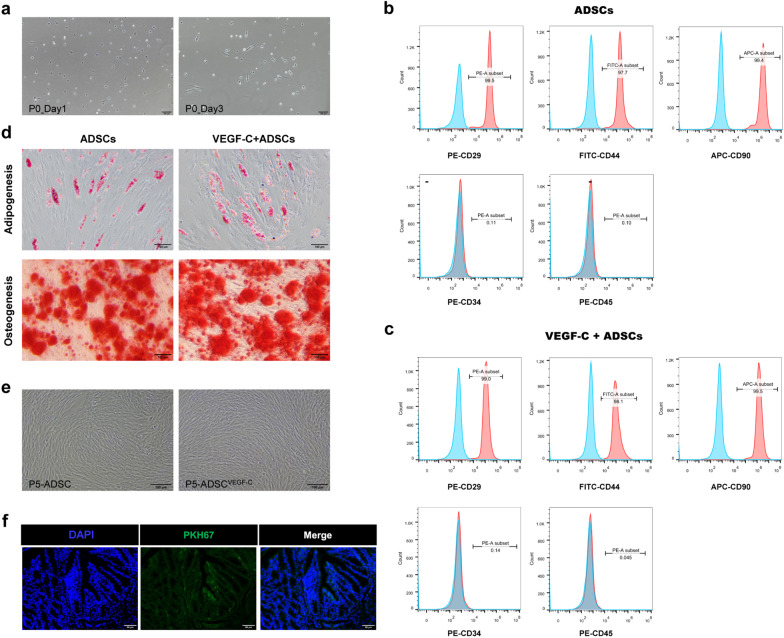
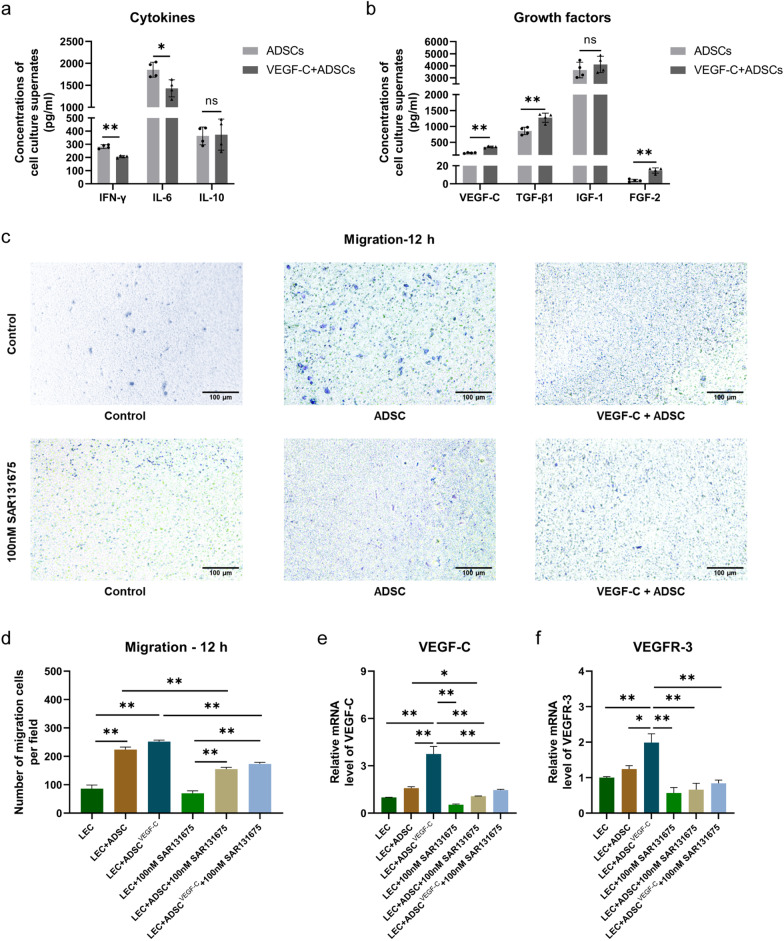
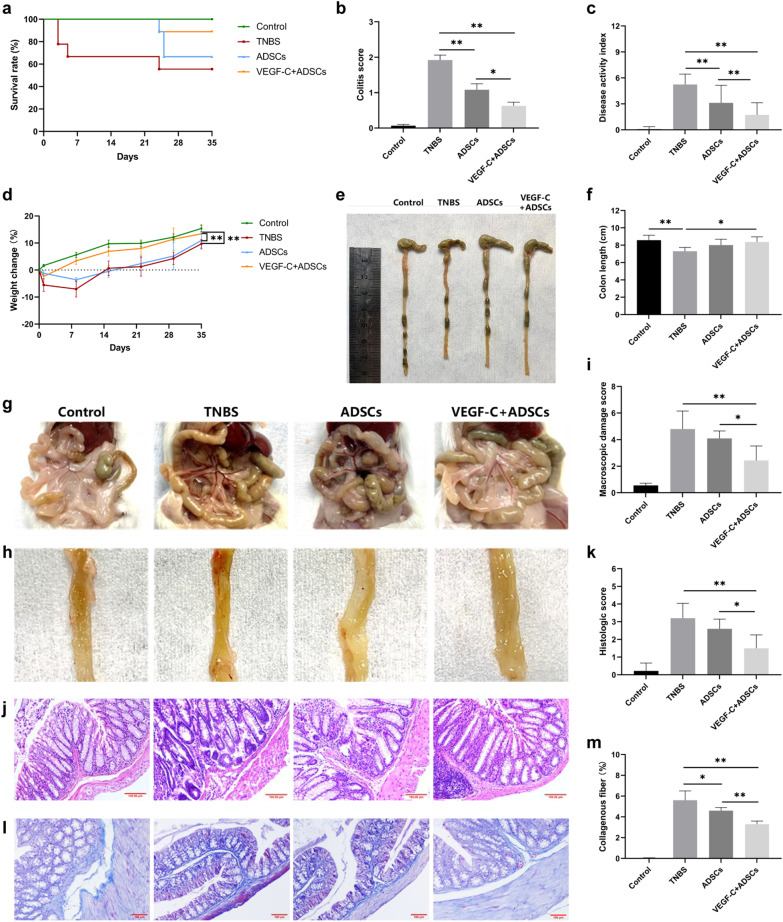
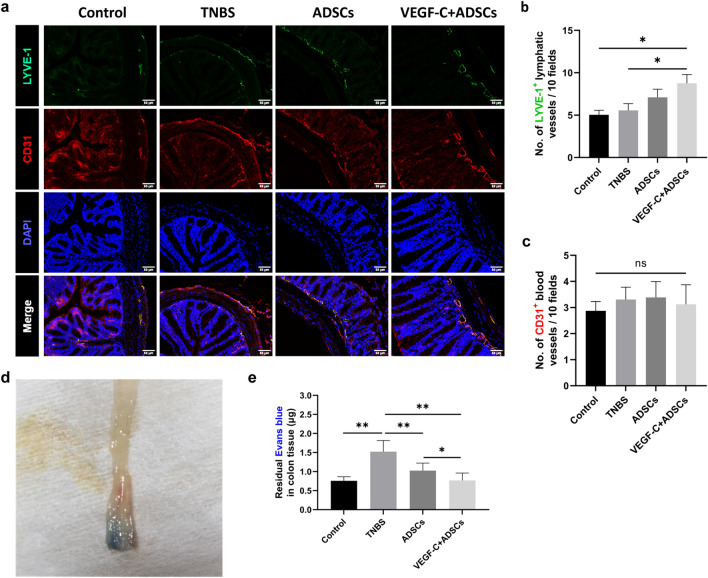
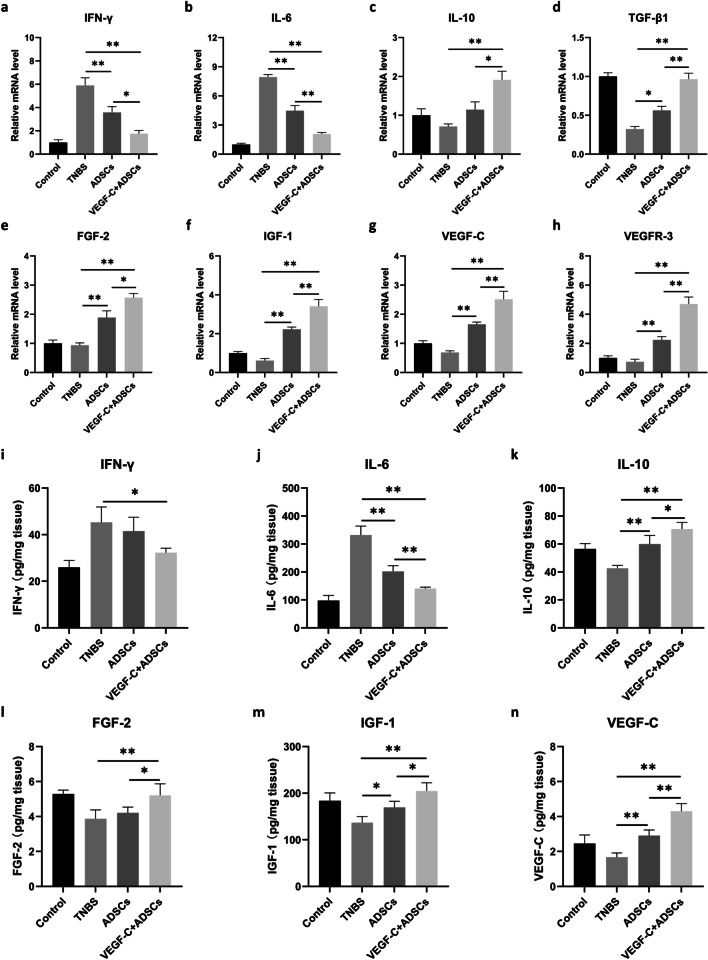
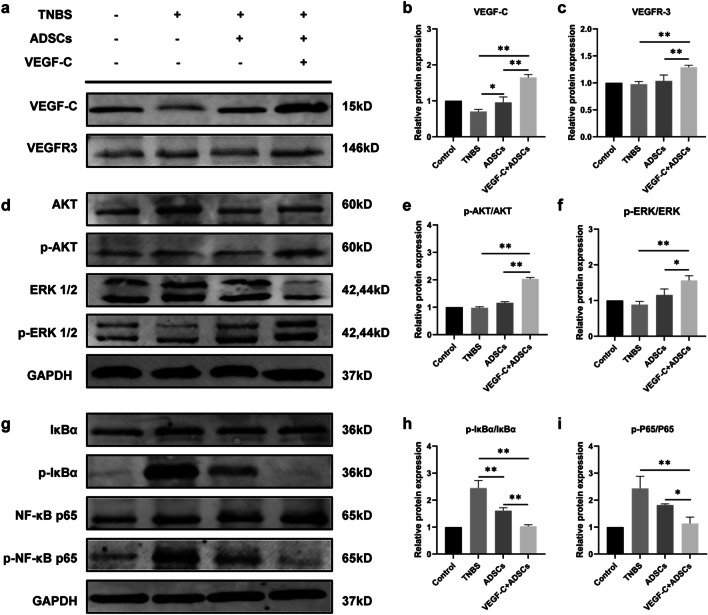
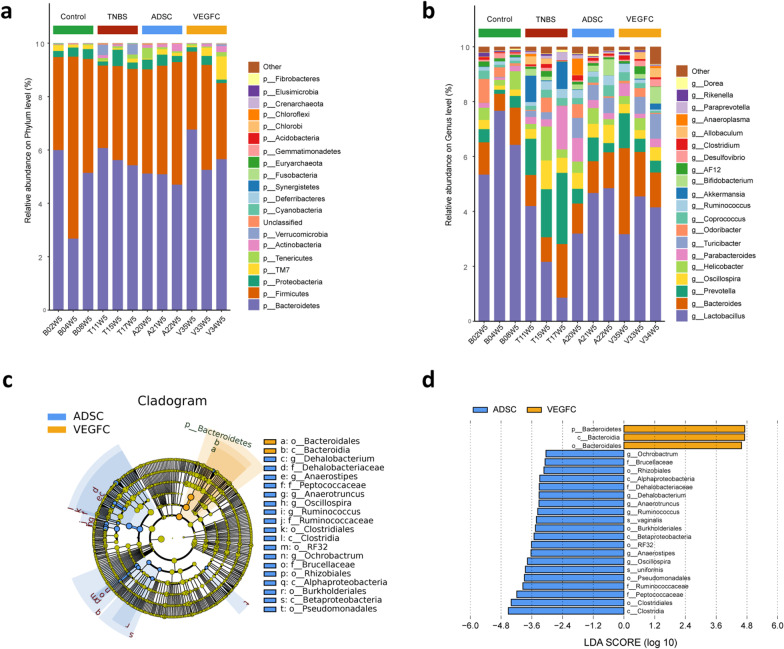
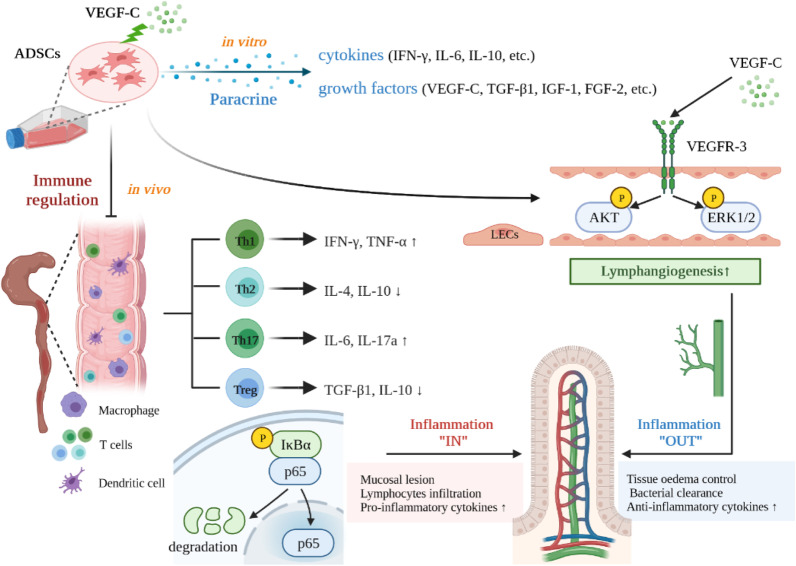
Background: Adipose-derived stem cells (ADSCs) have provided promising applications for Crohn’s disease (CD). However, the practical efficacy of ADSCs remains controversial, and their mechanism is still unclear. Based on the pathogenesis of dysregulated immune responses and abnormal lymphatic alterations in CD, vascular endothelial growth factor-C (VEGF-C) is thought to be a favourable growth factor to optimize ADSCs. We aimed to investigate the efficacy of VEGF-C-stimulated ADSCs and their dual mechanisms in both inhibiting inflammation “IN” and promoting inflammation “OUT” in the intestine. Methods: Human stem cells isolated from adipose tissues were identified, pretreated with or without 100 ng/ml VEGF-C and analysed for the secretion of cell culture supernatants in vitro. Lymphatic endothelial cells (LECs) were treated with ADSCs-conditioned medium or co-cultured with ADSCs and VEGF-C stimulated ADSCs. Changes in LECs transmigration, and VEGF-C/VEGFR-3 mRNA levels were assessed by transwell chamber assay and qRT–PCR. ADSCs and VEGF-C-stimulated ADSCs were intraperitoneally injected into mice with TNBS-induced chronic colitis. ADSCs homing and lymphatic vessel density (LVD) were evaluated by immunofluorescence staining. Lymphatic drainage was assessed using Evans blue. Cytokines and growth factors expression was detected respectively by ELISA and qRT–PCR. The protein levels of VEGF-C/VEGFR-3-mediated downstream signals and the NF-κ B pathway were assayed by western blot. Faecal microbiota was measured by 16S rRNA sequencing. Results: ADSCs stimulated with VEGF-C released higher levels of growth factors (VEGF-C, TGF-β1, and FGF-2) and lower expression of cytokines (IFN-γ and IL-6) in cell supernatants than ADSCs in vitro (all P < 0.05). Secretome released by VEGF-C stimulated ADSCs exhibited a stronger LEC migratory capability and led to elevated VEGF-C/VEGFR-3 expression, but these effects were markedly attenuated by VEGFR-3 inhibitor. VEGF-C-stimulated ADSCs homing to the inflamed colon and mesenteric lymph nodes (MLNs) can exert stronger efficacy in improving colitis symptoms, reducing inflammatory cell infiltration, and significantly enhancing lymphatic drainage. The mRNA levels and protein concentrations of anti-inflammatory cytokines and growth factors were markedly increased with decreased proinflammatory cytokines in the mice treated with VEGF-C-stimulated ADSCs. Systemic administration of VEGF-C-stimulated ADSCs upregulated the colonic VEGF-C/VEGFR-3 pathway and activated downstream AKT and ERK phosphorylation signalling, accompanied by decreased NF-κ B p65 expression. A higher abundance of faecal p-Bacteroidetes and lower p-Firmicutes were detected in mice treated with VEGF-C-stimulated ADSCs (all P < 0.05). Conclusion: VEGF-C-stimulated ADSCs improve chronic intestinal inflammation by promoting lymphatic drainage and enhancing paracrine signalling via activation of VEGF-C/VEGFR-3-mediated signalling and inhibition of the NF-κ B pathway. Our study may provide a new insight into optimizing ADSCs treatment and investigating potential mechanisms in CD.
Overview
The claims and statistics of this paper haven’t been checked yet.
Free: it reads the open-access text and checks the first 5 claims that cite a source we can check. Create a free account to check every claim.
Integrity signals
Registry
Cites
Statistics
Figures
Verification
Claims the paper makes
The claims and statistics of this paper haven’t been checked yet.
Free: it reads the open-access text and checks the first 5 claims that cite a source we can check. Create a free account to check every claim.
Claims other papers make about this one
Each is checked against this paper’s own text: does it say what the citing paper says it does?
The source backs part of the claim, not all of it — or backs it for a different population, condition or comparison.
In the citing paper
“The application of MSC-derived secretome has been studied towards different pathologies by counteracting inflammation while inducing tissue regeneration namely in lung, hepatic and brain tissues.”
From Mesenchymal stem cell secretome for regenerative medicine: Where do we stand? (2025) · cites this paper as [159]
Experimental — accuracy not yet measuredThe source backs part of the claim, not all of it — or backs it for a different population, condition or comparison.
In the citing paper
“Nevertheless, this cell-free approach has also been reported with beneficial effects for other pathologies, including bone tissue, cardiovascular, intestinal and renal diseases [158], [159], [160], [161], [162], [163], [164], [165], [166], [167], [168], [169], [170] (Table 2).”
From Mesenchymal stem cell secretome for regenerative medicine: Where do we stand? (2025) · cites this paper as [159]
Experimental — accuracy not yet measured
Self-check
Percentages, sums and reported differences re-computed from the paper’s own numbers.
The self-check needs the paper’s full text.
Citations
Cites
Chemically induced mouse models of acute and chronic intestinal inflammation
Wirtz, S., Popp, V., Kindermann, M., Gerlach, K., Weigmann, B., Fichtner-Feigl, S., & Neurath, M. F. (2017) · Nature Protocols · doi:10.1038/nprot.2017.044 · Cited by 1,575 · cited 1×
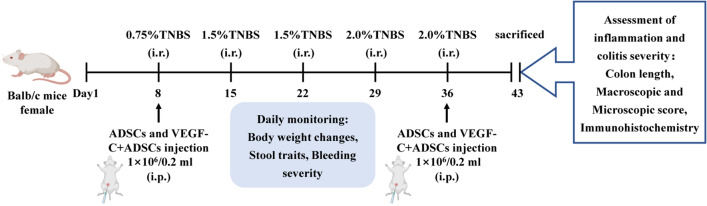
“Induction and intervention of chronic TNBS colitis 2,4,6-Trinitrobenzene sulfonic acid (TNBS)-induced chronic colitis was established according to a previously published protocol [28].”
MethodMesenchymal Stem Cell Immunomodulation: Mechanisms and Therapeutic Potential
Song, N., Scholtemeijer, M., & Shah, K. (2020) · Trends in Pharmacological Sciences · doi:10.1016/j.tips.2020.06.009 · Cited by 948
Colitis induced in mice with dextran sulfate sodium (DSS) is mediated by the NLRP3 inflammasome
Bauer, C., Duewell, P., Mayer, C., Lehr, H. A., Fitzgerald, K. A., Dauer, M., Tschopp, J., Endres, S., Latz, E., & Schnurr, M. (2010) · Gut · doi:10.1136/gut.2009.197822 · Cited by 906
Makinen, T. (2001) · The EMBO Journal · doi:10.1093/emboj/20.17.4762 · Cited by 845
Henke, M. T., Kenny, D. J., Cassilly, C. D., Vlamakis, H., Xavier, R. J., & Clardy, J. (2019) · Proceedings of the National Academy of Sciences · doi:10.1073/pnas.1904099116 · Cited by 812
Distinct Cytokine Patterns Identified from Multiplex Profiles of Murine DSS and TNBS-Induced Colitis
Alex, P., Zachos, N. C., Nguyen, T., Gonzales, L., Chen, T.-E., Conklin, L. S., Centola, M., & Li, X. (2009) · Inflammatory Bowel Diseases · doi:10.1002/ibd.20753 · Cited by 750
Loss of Response to Anti-TNFs: Definition, Epidemiology, and Management
Roda, G., Jharap, B., Neeraj, N., & Colombel, J.-F. (2016) · Clinical and Translational Gastroenterology · doi:10.1038/ctg.2015.63 · Cited by 723
The Lymphatic Vasculature in the 21st Century: Novel Functional Roles in Homeostasis and Disease
Oliver, G., Kipnis, J., Randolph, G. J., & Harvey, N. L. (2020) · Cell · doi:10.1016/j.cell.2020.06.039 · Cited by 679
Bacakova, L., Zarubova, J., Travnickova, M., Musilkova, J., Pajorova, J., Slepicka, P., Kasalkova, N. S., Svorcik, V., Kolska, Z., Motarjemi, H., et al. (2018) · Biotechnology Advances · doi:10.1016/j.biotechadv.2018.03.011 · Cited by 647
Kugathasan, S., Denson, L. A., Walters, T. D., Kim, M.-O., Marigorta, U. M., Schirmer, M., Mondal, K., Liu, C., Griffiths, A., Noe, J. D., et al. (2017) · The Lancet · doi:10.1016/s0140-6736(17)30317-3 · Cited by 633
Cited by
Mesenchymal stem cell secretome for regenerative medicine: Where do we stand?
Trigo, C. M., Rodrigues, J. S., Camões, S. P., Solá, S., & Miranda, J. P. (2025) · Journal of Advanced Research · doi:10.1016/j.jare.2024.05.004 · Cited by 252
VEGF signaling: Role in angiogenesis and beyond
Shaw, P., Dwivedi, S. K. D., Bhattacharya, R., Mukherjee, P., & Rao, G. (2024) · Biochimica et Biophysica Acta (BBA) - Reviews on Cancer · doi:10.1016/j.bbcan.2024.189079 · Cited by 215
Adipose stem cells in tissue regeneration and repair: From bench to bedside
Dong, L., Li, X., Leng, W., Guo, Z., Cai, T., Ji, X., Xu, C., Zhu, Z., & Lin, J. (2023) · Regenerative Therapy · doi:10.1016/j.reth.2023.09.014 · Cited by 90
Comprehensive management of diabetic ulceration: strategies and perspectives
Zheng, Z., Juan, Y., Wang, Z., Chu, Z., Wang, W., Qian, H., & Xu, L. (2025) · Journal of Controlled Release · doi:10.1016/j.jconrel.2025.114058 · Cited by 42
Zhang, H., Jiang, H., Xie, W., Qian, B., Long, Q., Qi, Z., Huang, S., Zhong, Y., Zhang, Y., Chang, L., et al. (2025) · Biomaterials · doi:10.1016/j.biomaterials.2025.123410 · Cited by 32
Self-citationMa, C., Li, Y., Liu, B., Deng, J., Gao, X. J., Zhang, H., Zhang, B., Zhou, Q., Peng, X., & Zhang, H. (2024) · Colloids and Surfaces B Biointerfaces · doi:10.1016/j.colsurfb.2024.114454 · Cited by 26
Rosado-Sanz, M., Martínez-Alarcón, N., Abellán-Soriano, A., Golfe, R., Trinidad, E. M., & de Mora, J. F. (2025) · Biomedicines · doi:10.3390/biomedicines13081945 · Cited by 24
Liustrovaitė, V., Ratautaitė, V., Ramanavičienė, A., Plikusienė, I., Malinovskis, U., Erts, D., Sarvutienė, J., & Ramanavičius, A. (2024) · The Science of The Total Environment · doi:10.1016/j.scitotenv.2024.177151 · Cited by 18
Fang, W., Wang, Y., Zhang, K., Yang, M., Liu, M., Jin, Y., Xiu, X., Wang, Y., Yu, Z., Yang, R., et al. (2024) · Advanced Science · doi:10.1002/advs.202409930 · Cited by 17
Fucoxanthin inhibits gastric cancer lymphangiogenesis and metastasis by regulating Ran expression
Wang, J., Dong, X., Li, D., Fang, Z., Wan, X., & Liu, J. (2023) · Phytomedicine · doi:10.1016/j.phymed.2023.154926 · Cited by 15
Yang, L., Zhao, R., Qiao, P., Cui, J., Chen, X., Fan, J., Hu, A., & Huang, S. (2023) · Cancer Cell International · doi:10.1186/s12935-023-03021-6 · Cited by 14
Mihăiluță, F., Chioașcă, T. P., Onofrei, A., Vodă, C. C., Baltă, A. A. Ș., Arghir, O. C., & Voinescu, D. C. (2025) · Biomedicines · doi:10.3390/biomedicines13112690 · Cited by 12
Li, P. A., Cao, L., Liu, T., Lu, X., Ma, Y., & Wang, H. (2025) · International Journal of Molecular Sciences · doi:10.3390/ijms26020479 · Cited by 11
Self-citationShu, W., Wang, Y., Chen, M., Zhu, X., Wang, F., Chen, C., Du, P., Bartolomucci, A., Su, X., & Wang, X. (2024) · Clinical and Translational Medicine · doi:10.1002/ctm2.70086 · Cited by 11
Self-citationNing, A., Xiao, N., Yu, X., Wang, H., Guan, C.-Y., Guo, C., Dong, Y., Ma, X., & Xia, H. (2024) · Inflammation · doi:10.1007/s10753-024-02092-5 · Cited by 11
Correlation of serum VEGF-C, ANGPTL4, and activin A levels with frailty
Chang, H.-C., Wang, X., Gu, X., Jiang, S., Wang, W., Wu, T., Ye, M., Qu, X., & Bao, Z. (2023) · Experimental Gerontology · doi:10.1016/j.exger.2023.112345 · Cited by 6
Self-citationLi, Y., Xu, Z., Kusumbe, A. P., & Chen, J. (2026) · Dental Research · doi:10.1016/j.dtrs.2026.100029 · Cited by 6
Özen, F. Z., Kaya‐Sezginer, E., Kırlangıç, O. F., Taşkömür, A. T., Aktan, F., Kaplan, G., & Özgürtaş, T. (2024) · Turkish Journal of Biochemistry · doi:10.1515/tjb-2023-0202 · Cited by 6
Ahmed, A. T., Oghenemaro, E. F., Hjazi, A., Jain, V. D., Ahmad, I., Roopashree, R., Soothwal, P. K., Goswami, M., Zwamel, A. H., & Kdhim, K. (2025) · Cell Biochemistry and Biophysics · doi:10.1007/s12013-025-01816-0 · Cited by 5
Westcott, G. P., Emont, M. P., Gulko, A., Zhou, Z., Kim, C. R., Varma, G., Tsai, L. L., O’Donnell, E., Yang, Z., Liang, W., et al. (2025) · bioRxiv (Cold Spring Harbor Laboratory) · doi:10.1101/2025.02.18.638907 · Cited by 5
Wang, Y., Lin, R., Wang, F., Fu, H., Wang, X., Jin, F.-S., Wang, Q., & Weigang, S. (2025) · Molecular Metabolism · doi:10.1016/j.molmet.2025.102203 · Cited by 5
Self-citationEstablishment of a Mouse Model of Mycoplasma pneumoniae-Induced Plastic Bronchitis
Jin, P., Zhao, L., Zhang, T.-Q., Di, H., & Guo, W. (2024) · Microorganisms · doi:10.3390/microorganisms12061132 · Cited by 5
Wang, H., Hu, D., Cheng, C., Zhang, X., Liu, J., Tian, X., Zhang, H., & Xu, K. (2025) · Science China Life Sciences · doi:10.1007/s11427-024-2760-4 · Cited by 5
Progenitor Cell Sources for 3D Bioprinting of Lymphatic Vessels and Potential Clinical Application
Arriola-Alvarez, I., Jaunarena, I., Izeta, A., & Lafuente, H. (2023) · Tissue Engineering Part A · doi:10.1089/ten.tea.2023.0204 · Cited by 4
Zhang, Y., Zhao, Q., Wu, Z., Chen, N., Li, N., Liu, J., Zhang, M., Li, S., Chi, Y., & Liu, Y. (2025) · International Journal of Molecular Sciences · doi:10.3390/ijms26083519 · Cited by 4
Jiang, X., Zuo, X., Wang, H., Zhu, P., & Kang, Y. J. (2024) · ACS Biomaterials Science & Engineering · doi:10.1021/acsbiomaterials.3c01209 · Cited by 3
Lu, Y., Cha, D., Li, Z., Xiao, L., Liao, X., Li, S., Jiang, X., Hu, B., Yang, Y., & Liu, H. (2025) · International Journal of Cardiology · doi:10.1016/j.ijcard.2025.133004 · Cited by 2
Ning, A., Xiao, N., Yu, X., Wang, H., Guan, C.-Y., Ma, X., & Xia, H.-F. (2025) · Reproduction · doi:10.1530/rep-24-0285 · Cited by 1
Okuyama, H., Brown, M., Munipalle, M., Nejati, S., Huo, R., Sakata, H., Mizuta, R., Sasaki, Y., Akiyoshi, K., Ohnishi, H., et al. (2026) · Biomaterials · doi:10.1016/j.biomaterials.2026.124044 · Cited by 1
Li, M., & Li, H. L. (2025) · FASEB BioAdvances · doi:10.1096/fba.2025-00150 · Cited by 1
Liu, X., Zhang, X. X., Daniel, C. P., Liu, D., Chen, L., & Zhang, H. (2026) · Animal Microbiome · doi:10.1186/s42523-026-00529-w · Cited by 1
Chiang, H.-H., Chang, Y.-T., Huang, W.-R., Cai, M.-X., Feng, C., Syu, J.-N., Lai, C., & Chien, Y. (2025) · ACS Applied Bio Materials · doi:10.1021/acsabm.5c00769
Revisiting the role of lymphatics in Crohn’s disease
Berre, C. L., Ardabili, A. R., Czepielewski, R. S., Cices, A. D., Mehandru, S., & Jean-Frédéric, C. (2026) · Inflammatory Bowel Diseases · doi:10.1093/ibd/izag187
Vastrad, B. M., Patil, S., & Vastrad, C. M. (2026) · Research Square · doi:10.21203/rs.3.rs-10508008/v1
Torres-Reverón, A., Ortiz, J. M. V., Cruz, M. L., Rivera‐Arce, L. A., Finch-Cruz, C., Fernandez, N. S. M., Flores, I., & Appleyard, C. B. (2026) · Disease and Therapeutics · doi:10.1016/j.dist.2026.100014
DE ROSA, C. (2024) · Electronic Theses and Dissertations Repository (University of Pisa)
Ma, Z., Ding, J., Jia, L. I. U., Zhao, Z., Long, Q., Zhang, T., & Huang, J. (2024) · Panminerva Medica · doi:10.23736/s0031-0808.24.05068-7
Metadata
- Authors
- Zhang, L., Ye, C., Li, P., Li, C., Shu, W., Zhao, Y., & Wang, X.
- Affiliations
- Tongji University (CN)
- Soochow University (CN)
- ShanghaiTech University (CN)
- Corresponding author
- Zhao, Yujie
- Wang, Xiaolei
- Venue
- Stem Cell Research & Therapy
- Published
- 2022-09-05
- Volume
- 13
- Issue
- 1
- Pages
- 448-448
- ISSN
- 1757-6512 (ISSN-L)
- PMC
- PMC9442958
- OpenAlex
- W4294610460
- Cited by
- 38
- References
- 67
- Citations by year
- 2026: 6 · 2025: 14 · 2024: 12 · 2023: 6
- FWCI
- 4.83
- Type
- journal article
- Language
- en
- Open access
- gold
- doi.org
- Licence
- cc-by
- creativecommons.org/licenses/by/4.0 (tdm)
- creativecommons.org/licenses/by/4.0 (vor)
- Locations
- Stem Cell Research & Therapy (publishedVersion, cc-by)
- PubMed Central (publishedVersion, cc-by)
- PubMed (publishedVersion)
- DOAJ (DOAJ: Directory of Open Access Journals) (submittedVersion, cc-by-sa)
- Funders
- National Natural Science Foundation of China (81670476, 81970449)
- Topics
- Health Sciences › Medicine › Gastroenterology › Inflammatory Bowel Disease
- Health Sciences › Medicine › Oncology › Lymphatic System and Diseases
- Life Sciences › Biochemistry, Genetics and Molecular Biology › Cell Biology › Mesenchymal stem cell research
- Keywords
- adipose-derived stem cells, VEGF-C, VEGFR-3, lymphatic drainage, lymphatic endothelial cells, NF-κB signaling, Crohn's disease, intestinal inflammation, stem cell secretome, TNBS-induced colitis, stem cell homing, lymphatic vessel density, gut microbiota, TGF-β1, FGF2, interferon-gamma
- MeSH terms
- Secretome, Animals, Colitis, Humans, Inflammation, RNA, Messenger, RNA, Ribosomal, 16S, Stem Cells, Cytokines, NF-kappa B, Angiogenesis Inhibitors, Vascular Endothelial Growth Factor Receptor-3, Vascular Endothelial Growth Factor C, Endothelial Cells, Mice, Mesenchymal Stem Cells
About these checks
Registry, retraction, Cites and statistics results are computed, not judged, with one exception: a printed reference that no index lists is read once by a model before it counts as a citation error. Claims are extracted by a model and kept only when their quote appears verbatim in the text; each cited source is then checked, with a model’s help, for whether it says what the claim relies on. Those verdicts can be wrong — read the claim’s quote and the cited source before relying on one.
Statistics and arithmetic are recomputed, not judged.
Confidence bands are shown only for fields calibrated on our annotated test set. None is calibrated yet, so no band is shown.
What counts as a claim ›How we measure confidence ›How we check this ›
Are you an author, or do you see a problem with this page? Request a review
Data sources
Bibliographic data: Semantic Scholar, OpenAlex, Crossref.
Contains information from the Semantic Scholar Academic Graph Datasets, made available under the ODC Attribution License (ODC-BY 1.0).
Semantic Scholar’s data is described in: Kinney, R., et al. (2023). The Semantic Scholar Open Data Platform. arXiv:2301.10140.
