

Towards reproducible computational drug discovery
Open accessThe DOI matches its Crossref record; 236 of the 236 references it cites were found in a registry or an index.
Abstract
The reproducibility of experiments has been a long standing impediment for further scientific progress. Computational methods have been instrumental in drug discovery efforts owing to its multifaceted utilization for data collection, pre-processing, analysis and inference. This article provides an in-depth coverage on the reproducibility of computational drug discovery. This review explores the following topics: (1) the current state-of-the-art on reproducible research, (2) research documentation (e.g. electronic laboratory notebook, Jupyter notebook, etc.), (3) science of reproducible research (i.e. comparison and contrast with related concepts as replicability, reusability and reliability), (4) model development in computational drug discovery, (5) computational issues on model development and deployment, (6) use case scenarios for streamlining the computational drug discovery protocol. In computational disciplines, it has become common practice to share data and programming codes used for numerical calculations as to not only facilitate reproducibility, but also to foster collaborations (i.e. to drive the project further by introducing new ideas, growing the data, augmenting the code, etc.). It is therefore inevitable that the field of computational drug design would adopt an open approach towards the collection, curation and sharing of data/code.
Overview
The claims and statistics of this paper haven’t been checked yet.
Free: it reads the open-access text and checks the first 5 claims that cite a source we can check. Create a free account to check every claim.
Integrity signals
Registry
Cites
Statistics
Figures
Verification
Claims the paper makes
The claims and statistics of this paper haven’t been checked yet.
Free: it reads the open-access text and checks the first 5 claims that cite a source we can check. Create a free account to check every claim.
Claims other papers make about this one
Each is checked against this paper’s own text: does it say what the citing paper says it does?
The source backs part of the claim, not all of it — or backs it for a different population, condition or comparison.
In the citing paper
“Significant advances in chemoinformatics and the application of artificial intelligence to drug compound discovery and the repurposing of existing drugs have greatly increased research into in-silico driven development of new, effective medications for a variety of indications30.”
From OnSIDES database: Extracting adverse drug events from drug labels using natural language processing models (2025) · cites this paper as [30]
Experimental — accuracy not yet measuredIn the citing paper
“A typical research project in computational drug discovery uses a variety of software, programs, and tools to read input files, pre-process data, perform one or more computations, and do post-analysis.”
From Interoperability of heterogeneous health information systems: a systematic literature review (2023) · cites this paper as [40]
In the citing paper
“Such an undertaking can be challenging and necessitate manual pre-processing of the output and input files.”
From Interoperability of heterogeneous health information systems: a systematic literature review (2023) · cites this paper as [40]
In the citing paper
“Pre-processing and connecting the outputs of one software or tool as input to another software or tool would probably be required for this.”
From Interoperability of heterogeneous health information systems: a systematic literature review (2023) · cites this paper as [40]
Self-check
Percentages, sums and reported differences re-computed from the paper’s own numbers.
The self-check needs the paper’s full text.
Citations
Cites
The FAIR Guiding Principles for scientific data management and stewardship
Wilkinson, M. D., Dumontier, M., Aalbersberg, I. J., Appleton, G., Axton, M., Baak, A., Blomberg, N., Boiten, J.-W., da Silva Santos, L. B., Bourne, P. E., et al. (2016) · Scientific Data · doi:10.1038/sdata.2016.18 · Cited by 18,423 · cited 3×
“Epistemically, the impulse for the production of new knowledge with the reuse of data through open sources, is the key take away from these arguments [35, 59].”
BackgroundThe WEKA data mining software: an update
Hall, M., Frank, E., Holmes, G., Pfahringer, B., Reutemann, P., & Witten, I. H. (2009) · ACM SIGKDD Explorations Newsletter · doi:10.1145/1656274.1656278 · Cited by 17,750
Bioconductor: open software development for computational biology and bioinformatics
Gentleman, R. C., Carey, V. J., Bates, D. M., Bolstad, B., Dettling, M., Dudoit, S., Ellis, B., Gautier, L., Ge, Y., Gentry, J., et al. (2004) · Genome Biology · doi:10.1186/gb-2004-5-10-r80 · Cited by 12,172
DrugBank 5.0: a major update to the DrugBank database for 2018
Wishart, D. S., Feunang, Y. D., Guo, A. C., Lo, E. J., Marcu, A., Grant, J. R., Sajed, T., Johnson, D., Li, C., Sayeeda, Z., et al. (2018) · Nucleic Acids Research · doi:10.1093/nar/gkx1037 · Cited by 8,404
BEAST 2: a software platform for Bayesian evolutionary analysis
Bouckaert, R., Heled, J., Kühnert, D., Vaughan, T., Wu, C.-H., Xie, D., Suchard, M. A., Rambaut, A., & Drummond, A. J. (2014) · PLoS Computational Biology · doi:10.1371/journal.pcbi.1003537 · Cited by 6,527
SWISS-MODEL: modelling protein tertiary and quaternary structure using evolutionary information
Biasini, M., Bienert, S., Waterhouse, A., Arnold, K., Studer, G., Schmidt, T., Kiefer, F., Cassarino, T. G., Bertoni, M., Bordoli, L., et al. (2014) · Nucleic Acids Research · doi:10.1093/nar/gku340 · Cited by 4,632
BEAST 2.5: An advanced software platform for Bayesian evolutionary analysis
Bouckaert, R., Vaughan, T. G., Barido-Sottani, J., Duchêne, S., Fourment, M., Gavryushkina, A., Heled, J., Jones, G., Kühnert, D., De Maio, N., et al. (2019) · PLOS Computational Biology · doi:10.1371/journal.pcbi.1006650 · Cited by 4,556
1,500 scientists lift the lid on reproducibility
Baker, M. (2016) · Nature · doi:10.1038/533452a · Cited by 4,209
Nextflow enables reproducible computational workflows
Di Tommaso, P., Chatzou, M., Floden, E. W., Barja, P. P., Palumbo, E., & Notredame, C. (2017) · Nature Biotechnology · doi:10.1038/nbt.3820 · Cited by 4,001
Goecks, J., Nekrutenko, A., Taylor, J., & The Galaxy Team (2010) · Genome Biology · doi:10.1186/gb-2010-11-8-r86 · Cited by 3,453 · cited 3×
“The immensely popular web based Galaxy platform [49–51] has the ChemicalToolBoX, which is a suite of more than 30 tools for chemistry and cheminfor-matics integrated [206].”
BackgroundMethod
Research works printed but not linked: 13
- Stratmann HG Bad medicine: when medical research goes wrong Analog Sci Fict Fact 2010 CXXX 9 20 30
- Oudeyer P-Y Merrick K Computational modelling across disciplines IEEE Cogn Dev Syst Newslett 2016 13 2 1
- Scientific Data (2019) Recommended Data Repositories. https://www.nature.com/sdata/policies/repositories/. Accessed 9 Jan 2019
- Macmillan Publishers Limited (2019) Scientific Data. https://www.nature.com/sdata/. Accessed 9 Jan 2019
- Elsevier (2019) Data in Brief. https://www.journals.elsevier.com/data-in-brief/. Accessed 9 Jan 2019
- MDPI (2019) Data. http://www.mdpi.com/journal/data/. Accessed 9 Jan 2019
- F1000Research (2019) F1000Research | Open Access Publishing Platform | Beyond a Research Journal. https://f1000research.com/. Accessed 9 Jan 2019
- arXiv (2019) arXiv.org e-Print archive. https://arxiv.org/. Accessed 9 Jan 2019
- bioRxiv (2019) bioRxiv.org—the preprint server for Biology. https://www.biorxiv.org/. Accessed 9 Jan 2019
- ChemRxiv (2019) ChemRxiv: the Preprint Server for Chemistry. https://chemrxiv.org/. Accessed 9 Jan 2019
- PeerJ (2019) PeerJ Preprints. https://peerj.com/preprints/. Accessed 9 Jan 2019
- Barhak J (2019) MIST: Micro-simulation tool to support disease modeling. https://github.com/scipy-conference/scipy2013_talks/tree/master/talks/jacob_barhak. Accessed 1 Nov 2019
- Davie P Cloud computing: a drug discovery game changer? Innov Pharm Technol 2010 33 34 36
Cited by
Interoperability of heterogeneous health information systems: a systematic literature review
Torab-Miandoab, A., Samad-Soltani, T., Jodati, A., & Rezaei-Hachesu, P. (2023) · BMC Medical Informatics and Decision Making · doi:10.1186/s12911-023-02115-5 · Cited by 393
“If system or tool developers also take into consideration the real-world use case situation relative to the interoperability of input/output files for various software programs and tools, this problem might be resolved [40].”
BackgroundIqbal, M. J., Javed, Z., Sadia, H., Qureshi, I. A., Irshad, A., Ahmed, R., Malik, K., Raza, S., Abbas, A., Pezzani, R., et al. (2021) · Cancer Cell International · doi:10.1186/s12935-021-01981-1 · Cited by 369
“Reproducible computation drug designing has been a promising tool for future drug development with increasing specificity and low cost [71].”
Deep-PK: deep learning for small molecule pharmacokinetic and toxicity prediction
Myung, Y., de Sá, A. G. C., & Ascher, D. B. (2024) · Nucleic Acids Research · doi:10.1093/nar/gkae254 · Cited by 337
“Evaluating, understanding and optimizing pharmacokinetic and toxicity properties under the umbrella of ADMET (absorption, distribution, metabolism, elimination and toxicity) categories have become essential for reducing attrition rates in later phases of drug research and development ( 3 ,16–21 ).”
BackgroundComputer-Aided Drug Design and Drug Discovery: A Prospective Analysis
Niazi, S. K., & Mariam, Z. (2023) · Pharmaceuticals · doi:10.3390/ph17010022 · Cited by 336
“These models, while sophisticated, often require experimental validation to ascertain their predictions [9,10].”
BackgroundArtificial intelligence in drug discovery: applications and techniques
Deng, J., Yang, Z., Ojima, I., Samaras, D., & Wang, F. (2022) · Briefings in Bioinformatics · doi:10.1093/bib/bbab430 · Cited by 220
Learning Molecular Representations for Medicinal Chemistry: Miniperspective
Chuang, K. V., Gunsalus, L. M., & Keiser, M. J. (2020) · Journal of Medicinal Chemistry · doi:10.1021/acs.jmedchem.0c00385 · Cited by 222
Charoenkwan, P., Yana, J., Nantasenamat, C., Hasan, M. M., & Shoombuatong, W. (2020) · Journal of Chemical Information and Modeling · doi:10.1021/acs.jcim.0c00707 · Cited by 194
Self-citationAdvances in artificial intelligence for drug delivery and development: A comprehensive review
Gholap, A. D., Uddin, M. J., Faiyazuddin, M., Omri, A., Gowri, S., & Khalid, M. (2024) · Computers in Biology and Medicine · doi:10.1016/j.compbiomed.2024.108702 · Cited by 179
Srivastava, R. (2021) · ACS Omega · doi:10.1021/acsomega.1c03736 · Cited by 160
Reproducibility in systems biology modelling
Tiwari, K., Kananathan, S., Roberts, M. G., Meyer, J. P., Sharif Shohan, M. U., Xavier, A., Maire, M., Zyoud, A., Men, J., Ng, S., et al. (2021) · Molecular Systems Biology · doi:10.15252/msb.20209982 · Cited by 131
Charoenkwan, P., Yana, J., Schaduangrat, N., Nantasenamat, C., Hasan, M. M., & Shoombuatong, W. (2020) · Genomics · doi:10.1016/j.ygeno.2020.03.019 · Cited by 140
Self-citationNMR as a “Gold Standard” Method in Drug Design and Discovery
Emwas, A.-H. M., Szczepski, K., Poulson, B. G., Chandra, K., McKay, R. T., Dhahri, M., Alahmari, F., Jaremko, Ł., Lachowicz, J. I., & Jaremko, M. (2020) · Molecules · doi:10.3390/molecules25204597 · Cited by 156
“In doing so, they indicated that such an approach using PRE can help in designing new biologically active compounds [350], and hence in drug discovery research, as many drug discovery studies require a reliable models for the successful generations of hit-lead molecules, especially in the case of in silico docking [35…”
BackgroundKumar, A., Parihar, A., Panda, U., & Parihar, D. S. (2022) · ACS Applied Bio Materials · doi:10.1021/acsabm.1c01320 · Cited by 122
ABCpred: a webserver for the discovery of acetyl- and butyryl-cholinesterase inhibitors
Malik, A. A., Ojha, S. C., Schaduangrat, N., & Nantasenamat, C. (2021) · Molecular Diversity · doi:10.1007/s11030-021-10292-6 · Cited by 102
Self-citationRecent Advances in Quantum Computing for Drug Discovery and Development
Kumar, G., Yadav, S., Mukherjee, A., Hassija, V., & Guizani, M. (2024) · IEEE Access · doi:10.1109/access.2024.3376408 · Cited by 117
“The pipeline further branches into Computer-Aided Drug Design (CADD), where the contrast between structure-based and ligand-based approaches becomes apparent [105].”
BackgroundBig data and artificial intelligence (AI) methodologies for computer-aided drug design (CADD)
Lee, J. W., Maria‐Solano, M. A., Vu, T. N. L., Yoon, S.-H., & Choi, S. (2022) · Biochemical Society Transactions · doi:10.1042/bst20211240 · Cited by 89
Sharma, B., & Yadav, D. K. (2022) · Plants · doi:10.3390/plants11233243 · Cited by 93
From intuition to AI: evolution of small molecule representations in drug discovery
McGibbon, M., Shave, S., Dong, J. N., Gao, Y., Houston, D. R., Xie, J., Yang, Y., Schwaller, P., & Blay, V. (2023) · Briefings in Bioinformatics · doi:10.1093/bib/bbad422 · Cited by 89
“Despite the current high costs for drug discovery, low approval rates and reproducibility challenges [121–124], there are reasons for optimism.”
BackgroundCharoenkwan, P., Nantasenamat, C., Hasan, M. M., & Shoombuatong, W. (2020) · Analytical Biochemistry · doi:10.1016/j.ab.2020.113747 · Cited by 70
Self-citationA review of the current trends in computational approaches in drug design and metabolism
Ouma, R. B. O., Ngari, S. M., & Kibet, J. K. (2024) · Discover Public Health · doi:10.1186/s12982-024-00229-3 · Cited by 97
“The long-standing impediment in drug design and discovery is the reproducibility of the experimental designs [11–13].”
The machine learning life cycle and the cloud: implications for drug discovery
Spjuth, O., Frid, J., & Hellander, A. (2021) · Expert Opinion on Drug Discovery · doi:10.1080/17460441.2021.1932812 · Cited by 67
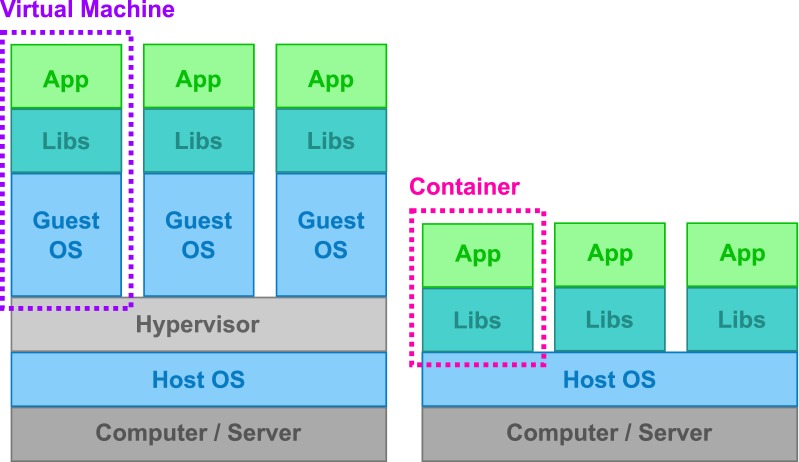
“Such VMIs can greatly simplify distribution of tools in the drug discovery pipeline and help improve reproducibility [30].”
BackgroundSelf-citationNizamani, M. M., Zhang, Q., Muhae‐Ud‐Din, G., & Wang, Y. (2023) · Phytopathology Research · doi:10.1186/s42483-023-00199-5 · Cited by 86
“Data-sharing platforms can accelerate scientific discoveries and foster collaborative efforts (Adenle et al. 2012; Schaduangrat et al. 2020).”
BackgroundGuerrero, J. P., Nguewa, P., & García‐Sosa, A. T. (2021) · Wiley Interdisciplinary Reviews Computational Molecular Science · doi:10.1002/wcms.1513 · Cited by 74
“145 Regarding NTDs, there are several examples of applications of ML including the identification of four in vivo active compounds against Trypanosoma cruzi , the eukaryotic parasite causing the NTD Chagas disease.”
BackgroundMethodIshfaq, M., Rahman, Z.-U., Aamir, M., Ali, I., Guan, Y., & Hu, Z. (2022) · Molecular Diversity · doi:10.1007/s11030-022-10433-5 · Cited by 56
“The model further gives mechanistic insights into the in-depth interpretation of the molecular fingerprints on the scrutinized bioactivity [44, 45].”
BackgroundArchitector for high-throughput cross-periodic table 3D complex building
Taylor, M. G., Burrill, D. J., Janßen, J., Batista, E. R., Pérez, D., & Yang, P. X. (2023) · Nature Communications · doi:10.1038/s41467-023-38169-2 · Cited by 75
“Additional comments surrounding assumptions made during complex construction can be found in Supplementary Note 8.”
MethodInfluentialAnxiolytic-like Effects by trans-Ferulic Acid Possibly Occur through GABAergic Interaction Pathways
Bhuia, M. S., Rokonuzzman, M., Hossain, M. I., Ansari, S. A., Ansari, I. A., Islam, T., Hasan, M. S. A., Mubarak, M. S., & Islam, M. T. (2023) · Pharmaceuticals · doi:10.3390/ph16091271 · Cited by 57
Chagas Disease: Perspectives on the Past and Present and Challenges in Drug Discovery
Mansoldo, F. R. P., Carta, F., Angeli, A., Cardoso, V. D. S., Supuran, C. T., & Vermelho, A. B. (2020) · Molecules · doi:10.3390/molecules25225483 · Cited by 52
“Based on the power of phenotypic screening in the HTS system, it is possible to carry out assays analyzing a large number of molecules for drug discovery.”
MethodInfluentialMurray, J. D., Lange, J. J., Bennett-Lenane, H., Holm, R., Kuentz, M., O’Dwyer, P. J., & Griffin, B. T. (2023) · European Journal of Pharmaceutical Sciences · doi:10.1016/j.ejps.2023.106562 · Cited by 61
“While research has not fully addressed suboptimal modelling as a potential issue for drug product development, this phenomenon has been extensively documented for small molecule drug discovery (Schaduangrat et al., 2020) and clinical medicine (Ellis et al., 2022).”
Belfield, S. J., Cronin, M., Enoch, S. J., & Firman, J. W. (2023) · PLoS ONE · doi:10.1371/journal.pone.0282924 · Cited by 62
“Key to the validity and reliability of any experimental process is the assurance that its procedures, and by extension its outcomes, are each readily replicable [82,83].”
BackgroundBenefits of hybrid QM/MM over traditional classical mechanics in pharmaceutical systems
Kar, R. K. (2022) · Drug Discovery Today · doi:10.1016/j.drudis.2022.103374 · Cited by 56
Data-Driven Molecular Dynamics: A Multifaceted Challenge
Bernetti, M., Bertazzo, M., & Masetti, M. (2020) · Pharmaceuticals · doi:10.3390/ph13090253 · Cited by 49
“Nowadays, different kinds of computational methods are virtually employed in all realms of science and, in the field of medicinal chemistry, they are widely recognized as an integral part of any modern drug discovery endeavor [4].”
BackgroundLi, H., Komori, A., Li, M., Chen, X., Yang, A. W. H., Sun, X., Liu, Y., Hung, A., Zhao, X., & Zhou, L. (2023) · Journal of Molecular Liquids · doi:10.1016/j.molliq.2023.121253 · Cited by 48
“2 molecular docking, molecular dynamics simulation, and other binding free energy calculations such as molecular mechanics/ Poisson-Boltzmann and surface area (MM-PBSA), which are the standard techniques for computer-aided drug discovery today [25,26].”
Impact of Artificial Intelligence on Drug Development and Delivery
Aundhia, C. J., Parmar, G. R., Talele, C., Shah, N., & Talele, D. R. (2024) · Current Topics in Medicinal Chemistry · doi:10.2174/0115680266324522240725053634 · Cited by 55
Updates on Drug Designing Approach Through Computational Strategies: a Review
Azad, I., Khan, T., Ahmad, N. S., Khan, A. R., & Akhter, Y. (2023) · Future Science OA · doi:10.2144/fsoa-2022-0085 · Cited by 51
“Before the experimental study, the computational assessment provides key information needed for drug discovery [13].”
BackgroundIn Silico and In Vitro Analyses to Repurpose Quercetin as a Human Pancreatic α-Amylase Inhibitor
Raut, B. K., Upadhyaya, S. R., Bashyal, J., & Parajuli, N. (2023) · ACS Omega · doi:10.1021/acsomega.3c05082 · Cited by 44
Pathak, R. K., Jung, D., Shin, S.-H., Ryu, B., Lee, H., & Kim, J. (2024) · Journal of Hazardous Materials · doi:10.1016/j.jhazmat.2024.133935 · Cited by 41
Wang, T., Li, R., Ardekani, H., Serrano‐Luján, L., Wang, J., Ramezani, M., Wilmington, R. L., Chauhan, M., Epps, R. W., Darabi, K., et al. (2023) · Matter · doi:10.1016/j.matt.2023.06.040 · Cited by 38
QSPRpred: a Flexible Open-Source Quantitative Structure-Property Relationship Modelling Tool
van den Maagdenberg, H. W., Šícho, M., Araripe, D. A., Luukkonen, S., Schoenmaker, L., Jespers, M., Béquignon, O. J. M., González, M. G., van den Broek, R. L., Bernatavicius, A., et al. (2024) · Journal of Cheminformatics · doi:10.1186/s13321-024-00908-y · Cited by 36
Mervin, L., Trapotsi, M., Afzal, A. M., Barrett, I. P., Bender, A., & Engkvist, O. (2021) · Journal of Cheminformatics · doi:10.1186/s13321-021-00539-7 · Cited by 38
Samreen, S., Qais, F. A., & Ahmad, I. (2022) · Journal of Biomolecular Structure and Dynamics · doi:10.1080/07391102.2022.2029564 · Cited by 31
“Computational strategies have gained a lot of momentum in pharmaceutical research because of their ability to recognise and generate novel promising compounds especially using the molecular docking (Schaduangrat et al., 2020).”
BackgroundSpeck‐Planche, A., & Kleandrova, V. V. (2022) · ACS Omega · doi:10.1021/acsomega.2c03363 · Cited by 29
In silico ADME/tox comes of age: twenty years later
Ekins, S., Lane, T. R., Urbina, F., & Puhl, A. C. (2023) · Xenobiotica · doi:10.1080/00498254.2023.2245049 · Cited by 35
“By 2020, there was a widespread emphasis on achieving reproducibility in computational models utilised for drug discovery, which also extended to ADME/Tox models (Schaduangrat et al. 2020).”
Ugbaja, S. C., Mushebenge, A. G.-A., Kumalo, H. M., Ngcobo, M., & Gqaleni, N. (2025) · Pharmaceuticals · doi:10.3390/ph18030419 · Cited by 35
“Likewise, the integration of QSAR-ML and ADMET evaluation has identified compounds with drug-like properties and remarkable binding affinities, offering frameworks for HBV treatment [137–139].”
New Drug Design Avenues Targeting Alzheimer’s Disease by Pharmacoinformatics-Aided Tools
Arrué, L., Cigna-Méndez, A., Barbosa, T., Borrego-Muñoz, P., Struve-Villalobos, S., Oviedo, V., Martínez-García, C., Sepúlveda-Lara, A., Millán, N., Montesinos, J. C. E. M., et al. (2022) · Pharmaceutics · doi:10.3390/pharmaceutics14091914 · Cited by 31
“Currently, several strategies, methods, and tools have been developed to progress in this field, which can be found in different reviews where their scopes are specified [25,26].”
BackgroundYu, T., Nantasenamat, C., Kachenton, S., Anuwongcharoen, N., & Piacham, T. (2023) · ACS Omega · doi:10.1021/acsomega.2c07346 · Cited by 29
Self-citationSicho, M., Liu, X., Svozil, D., & van Westen, G. J. P. (2021) · Journal of Cheminformatics · doi:10.1186/s13321-021-00550-y · Cited by 25
Memory augmented recurrent neural networks for de-novo drug design
Suresh, N., Kumar, N. C. A., SUBRAMANIAN, S. K., & Srinivasa, G. (2022) · PLoS ONE · doi:10.1371/journal.pone.0269461 · Cited by 27
“Access to the source code for all components, training data used to train the models presented in this study and the SMILES strings generated by the six models for various experimental conditions, in the spirit of reproducible research [24].”
Yu, T., Nantasenamat, C., Anuwongcharoen, N., & Piacham, T. (2023) · ACS Omega · doi:10.1021/acsomega.3c03225 · Cited by 21
Self-citationBhowmik, R., Kant, R., Manaithiya, A., Saluja, D., Vyas, B., Nath, R., Qureshi, K. A., Parkkila, S., & Aspatwar, A. (2023) · Frontiers in Pharmacology · doi:10.3389/fphar.2023.1265573 · Cited by 19
“has become quite popular in pharmaceutical businesses and academic institutions (Schaduangrat et al., 2020).”
BackgroundFernandes, P. O., Martins, D. M., Bozzi, A. D. S., Martins, J. P. A., Moraes, A. H., & Maltarollo, V. G. (2021) · Molecular Diversity · doi:10.1007/s11030-021-10261-z · Cited by 19
Göethel, G., Augsten, L. V., das Neves, G. M., Gonçalves, I. L., de Souza, J. P. S., García, S. C., & Eifler-Lima, V. L. (2022) · Current Medicinal Chemistry · doi:10.2174/0929867329666220329190825 · Cited by 21
Kutsal, M., Uçar, F., & Katı, N. (2023) · CPT Pharmacometrics & Systems Pharmacology · doi:10.1002/psp4.13085 · Cited by 21
Geraci, J., Bhargava, R., Qorri, B., Leonchyk, P., Cook, D. J., Cook, M., Sie, F., & Pani, L. (2024) · Frontiers in Computational Neuroscience · doi:10.3389/fncom.2023.1199736 · Cited by 22
Introduction of Advanced Methods for Structure-based Drug Discovery
Shaker, B., Tran, K. M., Jung, C., & Na, D. (2020) · Current Bioinformatics · doi:10.2174/1574893615999200703113200 · Cited by 19
Tanaka, Y., Chen, H. Y., Belloni, P., Gisladottir, U., Kefeli, J., Patterson, J., Srinivasan, A., Zietz, M., Sirdeshmukh, G., Berkowitz, J., et al. (2025) · Med · doi:10.1016/j.medj.2025.100642 · Cited by 17
Computational Landscape in Drug Discovery: From AI/ML Models to Translational Application
Sharma, D., Anabala, M., Jain, V. V., Shyam, M., Prince, S. E., & Muniyan, R. (2025) · Scientifica · doi:10.1155/sci5/1688637 · Cited by 22
“Reproducibility is crucial for both scientifc credibility and regulatory approval of AI technologies in drug development [125].”
Rathod, S., Bhande, D., Pawar, S., Gumphalwad, K., Choudhari, P. B., & More, H. N. (2023) · Chemistry Africa · doi:10.1007/s42250-023-00766-5 · Cited by 22
“By leveraging the power of computational modeling, virtual screening, and predictive analytics, CADD tools enable researchers to rapidly sift through vast chemical libraries and identify promising molecules with therapeutic potential [31].”
Alrouji, M., Alhumaydhi, F. A., Alsayari, A., Sharaf, S. E., Shafi, S., Anwar, S., Shahwan, M. J., Atiya, A., & Shamsi, A. (2023) · PLoS ONE · doi:10.1371/journal.pone.0293185 · Cited by 19
The Potential Use of Peptides in the Fight against Chagas Disease and Leishmaniasis
Qvit, N., Zerihun, M., Kumar, M., & Berhe, H. (2024) · Pharmaceutics · doi:10.3390/pharmaceutics16020227 · Cited by 20
“Nevertheless, computational methods should be validated experimentally [15].”
MethodSteurer, B., Vanhaelen, Q., & Zhavoronkov, A. A. (2024) · The Journals of Gerontology Series A · doi:10.1093/gerona/glae006 · Cited by 18
“These environments are continuously updated to foster the use of AI in healthcare (77).”
BackgroundA meta-epidemiological assessment of transparency indicators of infectious disease models
Zavalis, E. A., & Ioannidis, J. P. A. (2022) · PLoS ONE · doi:10.1371/journal.pone.0275380 · Cited by 22
“The modelling community including COVID-19 (27) modelling has had multiple calls for transparency and the debate of reproducibility has been ongoing for decades (28–30).”
Chatterjee, P., Karn, R., Emerson, I. A., & Banerjee, S. (2023) · Molecular Biotechnology · doi:10.1007/s12033-023-00680-8 · Cited by 18
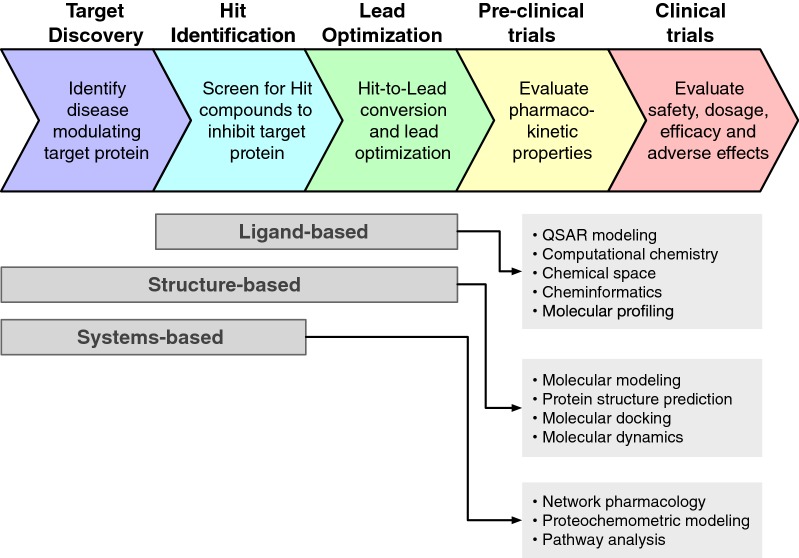
“In general, CADD circumscribes three generic approaches, structure-based, ligand-based, and systems-based approaches to drug design [5].”
Exploring the Chemical Space of CYP17A1 Inhibitors Using Cheminformatics and Machine Learning
Yu, T., Huang, T., Yu, L., Nantasenamat, C., Anuwongcharoen, N., Piacham, T., Ren, R., & Chiang, Y. (2023) · Molecules · doi:10.3390/molecules28041679 · Cited by 18
“Ligand-based drug discovery can be applied to identify hits or to optimize hits/leads using two important approaches, namely the quantitative structure–activity/property relationship (QSAR/QSPR) and pharmacophore modeling [5].”
BackgroundMethodSelf-citationVenianakis, T., Primikyri, A., Opatz, T., Petry, S., Papamokos, G., & Gerothanassis, I. P. (2023) · Molecules · doi:10.3390/molecules28247991 · Cited by 16
“…been reported in the past [37,38], and various solutions Recent developments include newly established techniques such as deep learning [41] that may address the known problem of irreproducibility in biomedical research [42]. proposed to overcome the limits of the accuracy of this method [39,40].”
BackgroundMethodAyipo, Y. O., Ahmad, I., Chong, C. F., Zainurin, N. A., Najib, Y. S., Patel, H., & Mordi, M. N. (2023) · Journal of Biomolecular Structure and Dynamics · doi:10.1080/07391102.2023.2198016 · Cited by 18
“…targets and drug interactions, mechanisms of biological events and structure-activity relationships inclusively with representative accuracy and reproducibility to real-life (Prieto-Mart � ınez et al., 2019; Ragno et al., 2020; Schaduangrat et al., 2020; Sliwoski et al., 2014; Tomar et al., 2018).”
BackgroundLee, T., & Posma, J. M. (2025) · Journal of Cheminformatics · doi:10.1186/s13321-025-01068-3 · Cited by 20
“Although the difference in mean bond length change between standardised and non-standardised molecules is not statistically significant (p = 0.265), applying the molecular standardisation method is beneficial for ensuring data quality and reproducibility in computational chemistry [63].”
InfluentialAdvancement in Machine Learning: A Strategic Lookout from Cancer Identification to Treatment
Bhatt, M., & Shende, P. K. (2023) · Archives of Computational Methods in Engineering · doi:10.1007/s11831-023-09886-0 · Cited by 21
“For future medication development with increasing specificity and cheap cost, reproduc - ible computational drug design has proven to be a viable approach [109].”
BackgroundShastry, R. P., & Abhinand, C. S. (2023) · Journal of Biomolecular Structure and Dynamics · doi:10.1080/07391102.2023.2202270 · Cited by 19
“Recent research has demonstrated the reliability of in silico methods as a guide for traditional drug discovery methodologies (Musuamba et al., 2021; Schaduangrat et al., 2020).”
MethodAdvances in Deep Learning Assisted Drug Discovery Methods: A Self-review
Zhang, H., & Saravanan, K. M. (2024) · Current Bioinformatics · doi:10.2174/0115748936285690240101041704 · Cited by 18
Building bioinformatics web applications with Streamlit
Nantasenamat, C., Biswas, A., Nápoles-Duarte, J. M., Parker, M. I., & Dunbrack, R. L. (2023) · Elsevier eBooks · doi:10.1016/b978-0-443-18638-7.00001-3 · Cited by 27
Self-citationSokouti, B., & Hamzeh‐Mivehroud, M. (2023) · BMC Chemistry · doi:10.1186/s13065-023-00970-x · Cited by 14
Bambu and its applications in the discovery of active molecules against melanoma
Guidotti, I. L., Neis, A., Martinez, D. P., Seixas, F. K., Machado, K., & Kremer, F. S. (2023) · Journal of Molecular Graphics and Modelling · doi:10.1016/j.jmgm.2023.108564 · Cited by 17
Advancing ADMET prediction through multiscale fragment-aware pretraining with MSformer-ADMET
Liu, H., Zhu, B., Nie, S., Li, H., Lin, Y., Ma, T., Shao, X., Chen, Q., Shen, M., Zheng, Y., et al. (2025) · Briefings in Bioinformatics · doi:10.1093/bib/bbaf506 · Cited by 17
Statistical Perspectives on Reproducibility: Definitions and Challenges
Simkus, A., Coolen‐Maturi, T., Coolen, F. P. A., & Bendtsen, C. (2025) · Journal of Statistical Theory and Practice · doi:10.1007/s42519-025-00459-x · Cited by 15
“Moreover, public access to all these documents is necessary so that other researchers can validate the analysis [130].”
InfluentialNovel Molecules derived from 3-O-(6-galloylglucoside) inhibit Main Protease of SARS-CoV 2 In Silico
Umar, H. I., Ajayi, A., Bello, R. O., Alabere, H. O., Sanusi, A. A., Awolaja, O. O., Alshehri, M. M., & Chukwuemeka, P. O. (2021) · Chemical Papers · doi:10.1007/s11696-021-01899-y · Cited by 16
Development of New Inhibitors of HDAC1–3 Enzymes Aided by In Silico Design Strategies
Cheshmazar, N., Hemmati, S., Hamzeh‐Mivehroud, M., Sokouti, B., Zessin, M., Schutkowski, M., Sippl, W., Charoudeh, H. N., & Dastmalchi, S. (2022) · Journal of Chemical Information and Modeling · doi:10.1021/acs.jcim.1c01557 · Cited by 13
Discovery and Design of Radiopharmaceuticals by In silico Methods
Winkler, D. A., Salahinejad, M., & Shiri, F. (2022) · Current Radiopharmaceuticals · doi:10.2174/1874471015666220831091403 · Cited by 13
Singla, R. K., Joon, S., Sinha, B., Kamal, M. A., Simal‐Gándara, J., Xiao, J., & Shen, B. (2023) · Neuroscience & Biobehavioral Reviews · doi:10.1016/j.neubiorev.2023.105106 · Cited by 15
Integrating Blockchain for Data Sharing and Collaboration Support in Scientific Ecosystem Platform
Coelho, R., Braga, R. M. M., David, J., Dantas, M. A. R., Ströele, V., & Campos, F. (2021) · Hawaii International Conference on System Sciences (HICSS) · doi:10.24251/hicss.2021.031 · Cited by 12
“Typically, the time to develop a candidate drug is about 10-15 years [18].”
BackgroundKleandrova, V. V., Cordeiro, M. N. D. S., & Speck‐Planche, A. (2023) · Future Medicinal Chemistry · doi:10.4155/fmc-2023-0241 · Cited by 14
Tanaka, Y., Chen, H.-Y., Belloni, P., Gisladottir, U., Kefeli, J., Patterson, J., Srinivasan, A., Zeitz, M., Sirdeshmukh, G., Berkowitz, J., et al. (2024) · medRxiv · doi:10.1101/2024.03.22.24304724 · Cited by 11
“Significant advances in chemoinformatics and the application of Artificial Intelligence to drug discovery and drug repurposing tasks have increased the potential for successful in-silico driven development of new, effective medications for a variety of indications (30).”
BackgroundAzam, F., & Almahmoud, S. A. (2026) · International Journal of Molecular Sciences · doi:10.3390/ijms27073302 · Cited by 14
Design of amino acid- and carbohydrate-based anticancer drugs to inhibit polymerase η
Kalhor, S., & Fattahi, A. (2022) · Scientific Reports · doi:10.1038/s41598-022-22810-z · Cited by 12
Traditional Machine and Deep Learning for Predicting Toxicity Endpoints
Norinder, U. (2022) · Molecules · doi:10.3390/molecules28010217 · Cited by 16
Faloye, K. O., Tripathi, M. K., Adesida, S. A., Oguntimehin, S. A., Oyetunde, Y. M., Adewole, A. H., Ogunlowo, I. I., Idowu, E. A., Olayemi, U. I., & Dosumu, O. D. (2023) · Journal of Biomolecular Structure and Dynamics · doi:10.1080/07391102.2023.2205949 · Cited by 13
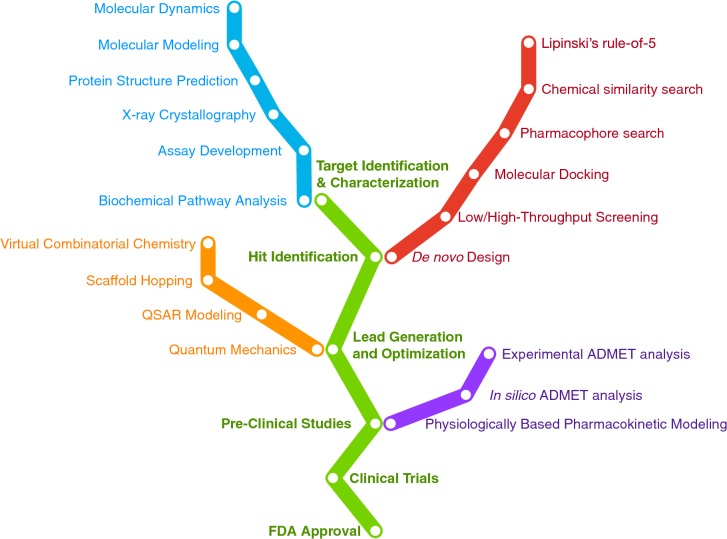
“…mapping, de novo design, and molecular simulation are the methods of computational drug discovery that have found application in target identification and validation, lead discovery and optimization, as well as preclinical tests (Ou-Yang et al. 2012; Sliwoski et al. 2014; Schaduangrat et al. 2020).”
MethodHusain, Z., Saifiuzzaman, M., Bhuia, M. S., Ferdous, J., Hasan, M. S. A., Bappi, M. H., Akbor, M. S., Ansari, S. A., Ansari, I. A., Islam, M. A., et al. (2024) · Food Bioscience · doi:10.1016/j.fbio.2024.105469 · Cited by 11
Yasmeen, N., Chaudhary, A. A., Niraj, R. R. K., Lakhawat, S. S., Sharma, P. K., & Kumar, V. (2023) · Journal of Biomolecular Structure and Dynamics · doi:10.1080/07391102.2023.2294379 · Cited by 12
“Currently, these computational models are preferred over traditional approaches as they help to shorten the time span and ensure proper management of resources involved in the drug discovery process (Schaduangrat et al., 2020).”
Physics-Informed Generative Model for Drug-like Molecule Conformers
Williams, D. C., & Inala, N. (2024) · Journal of Chemical Information and Modeling · doi:10.1021/acs.jcim.3c01816 · Cited by 13
Shah, S., Chaple, D., Masand, V. H., Jawarkar, R. D., Chaudhari, S., Abiramasundari, A., Zaki, M. E. A., & Al‐Hussain, S. A. (2024) · Scientific Reports · doi:10.1038/s41598-024-66230-7 · Cited by 18
Sherafatizangeneh, M., Farshadfar, C., Mojahed, N., Noorbakhsh, A., & Ardalan, N. (2022) · Journal of Computational Biophysics and Chemistry · doi:10.1142/s2737416522500156 · Cited by 9
Translational Informatics for Natural Products as Antidepressant Agents
Singla, R. K., Joon, S., Shen, L., & Shen, B. (2022) · Frontiers in Cell and Developmental Biology · doi:10.3389/fcell.2021.738838 · Cited by 10
“Over the past few years, deep learning has revolutionized the traditional target screening, which embarks on a new age of drug discovery (Schneider, 2017; Kraus, 2019; Kiriiri et al., 2020; Schaduangrat et al., 2020; Gupta et al., 2021; Paul et al., 2021; Singh et al., 2021).”
BackgroundDrug discovery and development: A historical overview, current challenges and perspectives
Yu, C. X., & Tham, C. L. (2024) · Life Sciences Medicine and Biomedicine · doi:10.28916/lsmb.8.1.2024.137 · Cited by 10
“…computer techniques and technologies, as well as structural biology, has improved the competency of computer-assisted drug discovery and turned it into an effective tool in drug discovery research (Frye et al., 2021; McPherson & Gavira, 2014; Ou-Yang et al., 2012; Schaduangrat et al., 2020).”
MethodKleandrova, V. V., Cordeiro, M. N. D. S., & Speck‐Planche, A. (2025) · BMC Chemistry · doi:10.1186/s13065-024-01376-z · Cited by 8
“Therefore, computational methods must be employed because they have become an essential part of most drug discovery campaigns [6].”
Data curation in cheminformatics: importance and implementation
Esaki, T., & Ikeda, K. (2026) · Journal of Cheminformatics · doi:10.1186/s13321-026-01174-w · Cited by 17
“…on reproducible computational drug discovery also emphasize that public databases should not be used “as is,” and that project-specific quality assurance/quality control (QA/QC) and transparent curation workflows are mandatory to avoid propagating structural and annotation errors into models [32].”
Alfalahi, A. O., AlRawi, M. S., Theer, R. M., Dawood, K. F., Charfi, S., & Almehemdi, A. F. (2023) · Journal of Ethnopharmacology · doi:10.1016/j.jep.2023.116965 · Cited by 13
Sahu, P., Satapathy, A., Satapathy, A., & Satapathy, T. (2025) · Letters in Drug Design & Discovery · doi:10.1016/j.lddd.2026.100286 · Cited by 10
AI accelerate the identification of druggable targets by 3D structures of proteins and compounds
Li, D., Shi, S., Yu, Z., Peng, X. U., & Zhang, C. (2026) · npj Precision Oncology · doi:10.1038/s41698-026-01310-7 · Cited by 14
“Not all pharmacological data are openly available, which limits reproducibility and validation 152,153 .”
Prediction Models for Fraction of Absorption and Membrane Permeability using Mordred Descriptors
Esaki, T., Yonezawa, T., Yamazaki, D., & Ikeda, K. (2022) · Chem-Bio Informatics Journal · doi:10.1273/cbij.22.46 · Cited by 7
Success stories in computer-aided drug design
Tsagkaris, C., Corriero, A. C., Rayan, R. Α., Moysidis, D. V., Papazoglou, Α. S., & Alexiou, A. T. (2023) · Elsevier eBooks · doi:10.1016/b978-0-323-99137-7.00001-0 · Cited by 8
Ajala, A., Uzairu, A., Shallangwa, G. A., Abechi, S. E., Umar, A. B., Abdulganiyyu, I. A., Ramu, R., & Kumar, N. (2023) · Intelligent Pharmacy · doi:10.1016/j.ipha.2023.12.004 · Cited by 10
Metadata
- Authors
- Schaduangrat, N., Lampa, S., Simeon, S., Gleeson, M. P., Spjuth, O., & Nantasenamat, C.
- Affiliations
- Mahidol University (TH)
- Uppsala University (SE)
- Kasetsart University (TH)
- King Mongkut's Institute of Technology Ladkrabang (TH)
- Corresponding author
- Gleeson, Matthew Paul
- ORCID
- Venue
- Journal of Cheminformatics
- Published
- 2020-01-28
- Volume
- 12
- Issue
- 1
- Pages
- 9-9
- ISSN
- 1758-2946 (ISSN-L)
- PMC
- PMC6988305
- OpenAlex
- W3013954280
- Cited by
- 208
- References
- 236
- Citations by year
- 2026: 31 · 2025: 29 · 2024: 39 · 2023: 52 · 2022: 25 · 2021: 23 · 2020: 9
- FWCI
- 5.28
- Type
- journal article
- Language
- en
- Open access
- gold
- doi.org
- Licence
- cc-by
- creativecommons.org/licenses/by/4.0/ (tdm)
- creativecommons.org/licenses/by/4.0/ (vor)
- Locations
- Journal of Cheminformatics (publishedVersion, cc-by)
- PubMed Central (publishedVersion, cc-by)
- PubMed (publishedVersion)
- Uppsala University Publications (Uppsala University) (submittedVersion, other-oa)
- DOAJ (DOAJ: Directory of Open Access Journals) (submittedVersion)
- Greater South Information System
- Funders
- Thailand Research Fund (RSA6280075)
- Topics
- Social Sciences › Decision Sciences › Information Systems and Management › Scientific Computing and Data Management
- Life Sciences › Pharmacology, Toxicology and Pharmaceutics › Drug Discovery › Computational Drug Discovery Methods
- Physical Sciences › Computer Science › Information Systems › Research Data Management Practices
- Keywords
- reproducibility, computational drug discovery, research documentation, electronic lab notebook, Jupyter notebooks, replicability, reusability, reliability statistics, model development, model deployment, data sharing, code sharing, open science
About these checks
Registry, retraction, Cites and statistics results are computed, not judged, with one exception: a printed reference that no index lists is read once by a model before it counts as a citation error. Claims are extracted by a model and kept only when their quote appears verbatim in the text; each cited source is then checked, with a model’s help, for whether it says what the claim relies on. Those verdicts can be wrong — read the claim’s quote and the cited source before relying on one.
Statistics and arithmetic are recomputed, not judged.
Confidence bands are shown only for fields calibrated on our annotated test set. None is calibrated yet, so no band is shown.
What counts as a claim ›How we measure confidence ›How we check this ›
Are you an author, or do you see a problem with this page? Request a review
Data sources
Bibliographic data: Semantic Scholar, OpenAlex, Crossref.
Contains information from the Semantic Scholar Academic Graph Datasets, made available under the ODC Attribution License (ODC-BY 1.0).
Semantic Scholar’s data is described in: Kinney, R., et al. (2023). The Semantic Scholar Open Data Platform. arXiv:2301.10140.
