

Dihydromyricetin attenuates Escherichia coli lipopolysaccharide-induced ileum injury in chickens by inhibiting NLRP3 inflammasome and TLR4/NF-κB signalling pathway
Open accessThe DOI matches its Crossref record; 41 of the 41 references it cites were found in a registry or an index.
Abstract
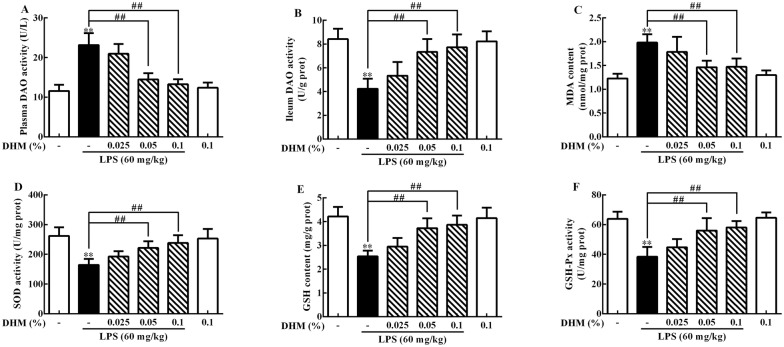
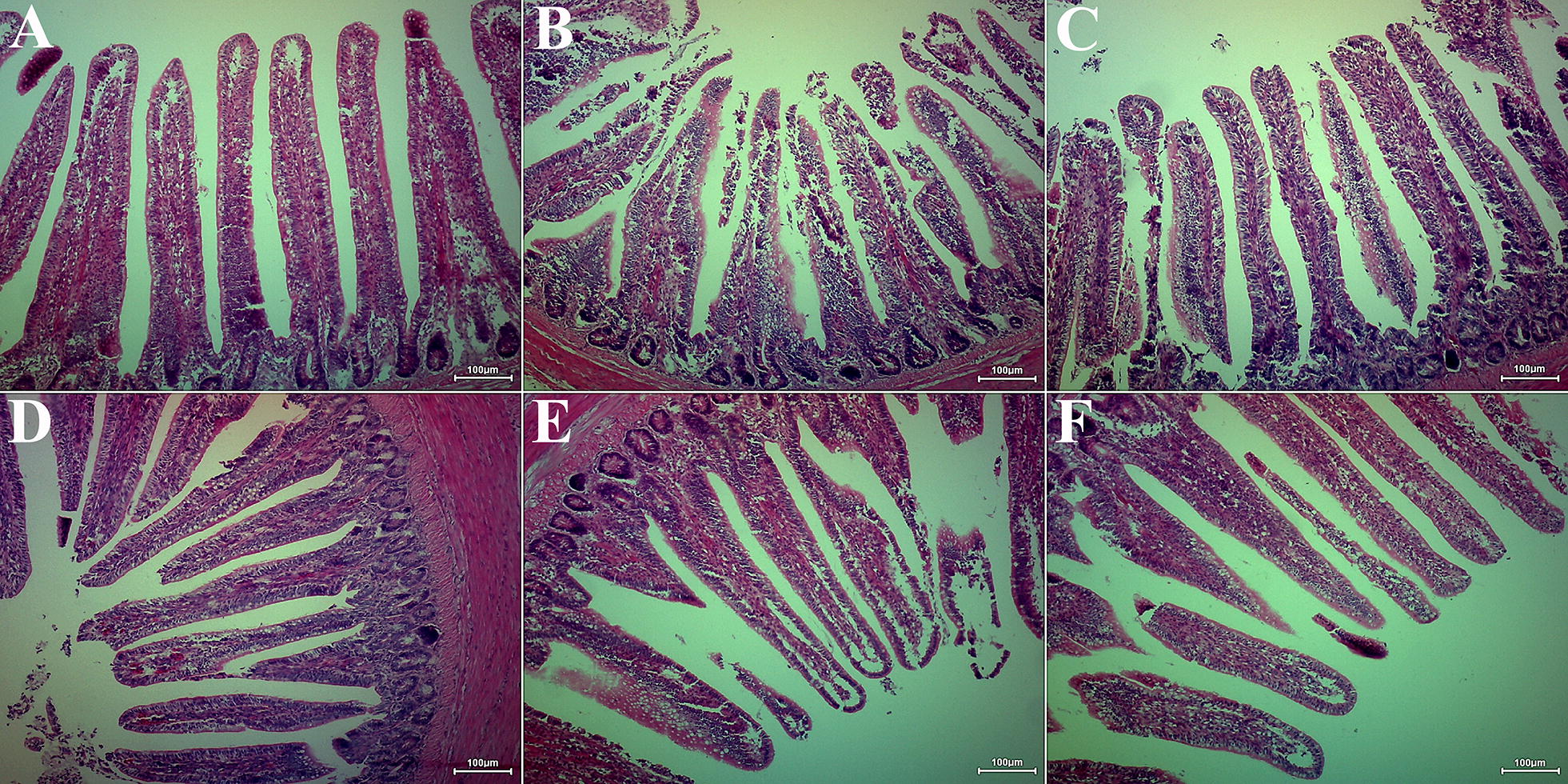
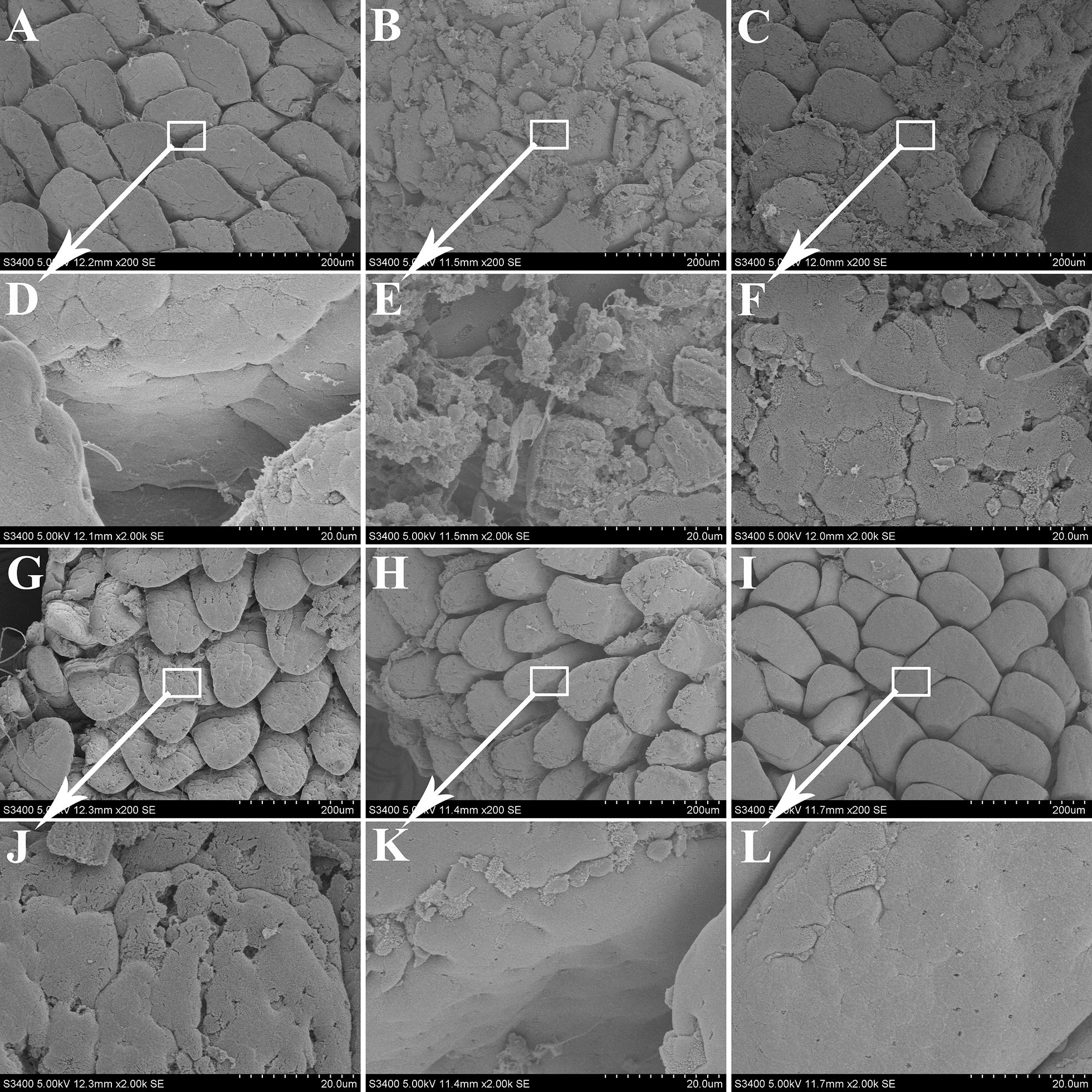
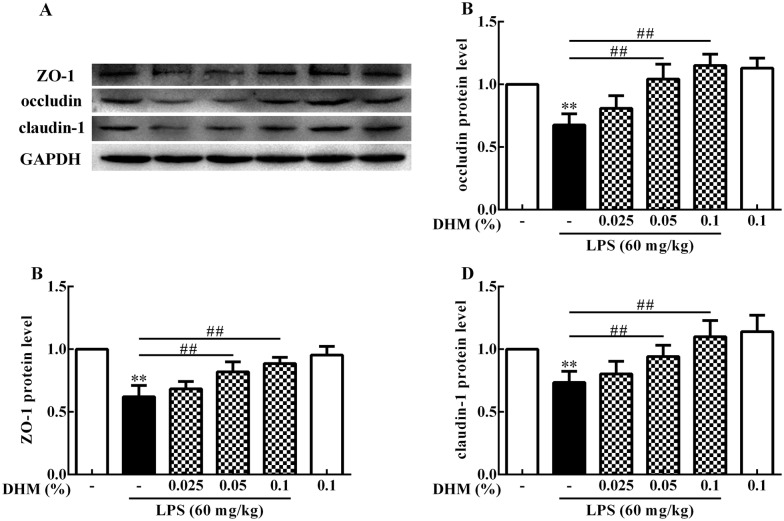
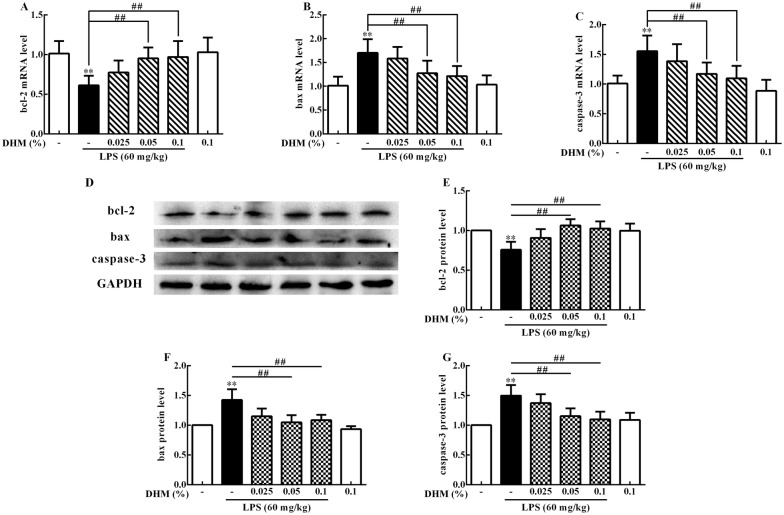
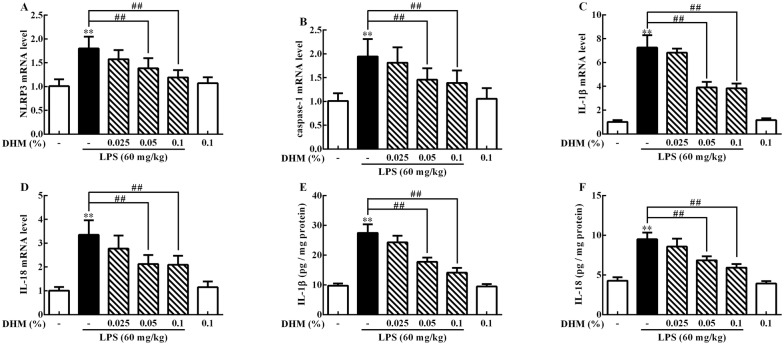
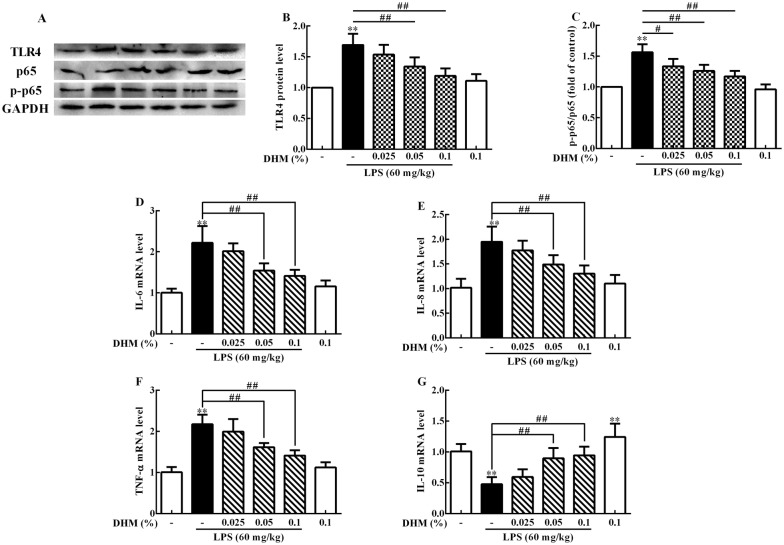
Lipopolysaccharide (LPS) as a major component of Escherichia coli cell wall can cause inflammation and cell death. Dihydromyricetin (ampelopsin, DHM) is a natural flavonoid compound with anti-inflammatory, anti-oxidant and anti-bacterial effects. The preventive effects of DHM against ileum injury remain unclear. Here, we explored the protective role of DHM against LPS-induced ileum injury in chickens. In this study, DHM significantly attenuated LPS-induced alteration in diamine oxidase, malondialdehyde, reduced glutathione, glutathione peroxidase and superoxide dismutase levels in chicken plasma and ileum. Histology evaluation showed that the structure of blood vessels in ileum was seriously fragmented and presence of necrotic tissue in the lumen in the LPS group. Scanning electron microscopic observation revealed that the surface of the villi was rough and uneven, the structure was chaotic, and the normal finger shape was lost in the LPS group. In contrast, 0.05% and 0.1% DHM treatment partially alleviated the abnormal morphology. Additionally, DHM maintained the barrier function by restoring the protein expression of occludin, claudin-1 and zonula occludens protein-1. DHM inhibited apoptosis through the reduction of the expression of bax and caspase-3 and restored the expression of bcl-2. Importantly, DHM could reduce ileum NLR family pyrin domain-containing 3 (NLRP3), caspase-1, interleukin (IL)-1β and IL-18 expression to protect tissues from pyroptosis and inhibited toll-like receptor 4 (TLR4)/nuclear factor kappa-B (NF-κB) signalling pathway. In summary, DHM attenuated the ileum mucosal damage, oxidative stress and apoptosis, maintained barrier function, inhibited NLRP3 inflammasome and TLR4/NF-κB signalling pathway activation triggered by Escherichia coli LPS.
Overview
The claims and statistics of this paper haven’t been checked yet.
Free: it reads the open-access text and checks the first 5 claims that cite a source we can check. Create a free account to check every claim.
Integrity signals
Registry
Cites
Statistics
Figures
Verification
Claims the paper makes
The claims and statistics of this paper haven’t been checked yet.
Free: it reads the open-access text and checks the first 5 claims that cite a source we can check. Create a free account to check every claim.
Claims other papers make about this one
Each is checked against this paper’s own text: does it say what the citing paper says it does?
The check wasn’t confident either way, so it gives no verdict — never disputed.
In the citing paper
“To date, genetically attenuated, nutrient deficient, and inducible Escherichia coli [146], Bifidobacteria [147], Listeria [148], and Salmonella [148] have been transformed and have shown antitumor effects in preclinical models of intravenous, intratumoral, and oral administration routes [149].”
From Gut microbiota influence immunotherapy responses: mechanisms and therapeutic strategies (2022) · doi:10.1186/s13045-022-01273-9 · cites this paper as [146]
Experimental — accuracy not yet measured
Self-check
Percentages, sums and reported differences re-computed from the paper’s own numbers.
The self-check needs the paper’s full text.
Citations
Cites
Analysis of Relative Gene Expression Data Using Real-Time Quantitative PCR and the 2−ΔΔCT Method
Livak, K. J., & Schmittgen, T. D. (2001) · Methods · doi:10.1006/meth.2001.1262 · Cited by 180,860
Schroder, K., & Tschopp, J. (2010) · Cell · doi:10.1016/j.cell.2010.01.040 · Cited by 5,475
Innate Immune Activation Through Nalp3 Inflammasome Sensing of Asbestos and Silica
Dostert, C., Pétrilli, V., Van Bruggen, R., Steele, C., Mossman, B. T., & Tschopp, J. (2008) · Science · doi:10.1126/science.1156995 · Cited by 2,658
Unified Polymerization Mechanism for the Assembly of ASC-Dependent Inflammasomes
Lu, A., Magupalli, V. G., Ruan, J., Yin, Q., Atianand, M. K., Vos, M. R., Schröder, G. F., Fitzgerald, K. A., Wu, H., & Egelman, E. H. (2014) · Cell · doi:10.1016/j.cell.2014.02.008 · Cited by 1,353
A practical approach to RT-qPCR—Publishing data that conform to the MIQE guidelines
Taylor, S., Wakem, M., Dijkman, G., Alsarraj, M., & Nguyen, M. (2010) · Methods · doi:10.1016/j.ymeth.2010.01.005 · Cited by 776
Microbiota, Gut Health and Chicken Productivity: What Is the Connection?
Diaz Carrasco, J. M., Casanova, N. A., & Fernández Miyakawa, M. E. (2019) · Microorganisms · doi:10.3390/microorganisms7100374 · Cited by 448
From oxidative stress to inflammation: redox balance and immune system
Lauridsen, C. (2019) · Poultry Science · doi:10.3382/ps/pey407 · Cited by 334
Metabolic regulation of NLRP 3
Hughes, M. M., & O'Neill, L. A. J. (2018) · Immunological Reviews · doi:10.1111/imr.12608 · Cited by 311
Biomarkers for monitoring intestinal health in poultry: present status and future perspectives
Ducatelle, R., Goossens, E., De Meyer, F., Eeckhaut, V., Antonissen, G., Haesebrouck, F., & Van Immerseel, F. (2018) · Veterinary Research · doi:10.1186/s13567-018-0538-6 · Cited by 269
Zhang, C., Zhao, X. H., Yang, L., Chen, X. Y., Jiang, R. S., Jin, S. H., & Geng, Z. Y. (2017) · Poultry Science · doi:10.3382/ps/pex266 · Cited by 224
Cited by
Gut microbiota influence immunotherapy responses: mechanisms and therapeutic strategies
(2022) · doi:10.1186/s13045-022-01273-9 · Cited by 495
Gut microbiota shapes cancer immunotherapy responses
Lei, W., Zhou, K., Lei, Y., Li, Q., & Zhu, H. (2025) · npj Biofilms and Microbiomes · doi:10.1038/s41522-025-00786-8 · Cited by 196
Jia, R., Han, J., Liu, X., Li, K., Lai, W., Bian, L., Yan, J., & Xi, Z. (2023) · Toxics · doi:10.3390/toxics11020127 · Cited by 178
Chicken jejunal microbiota improves growth performance by mitigating intestinal inflammation
Zhang, X., Akhtar, M. F., Chen, Y., Ma, Z., Liang, Y., Shi, D., Cheng, R., Cui, L., Hu, Y., Nafady, A. A., et al. (2022) · Microbiome · doi:10.1186/s40168-022-01299-8 · Cited by 155
“It has been reported that the expression of TLR4, MyD88, and NF-κB in the chicken intestinal epithelium during intestinal inflammation was remarkably upregulated [59, 60], which was consistent with our results.”
BackgroundResultStilbenes, a Versatile Class of Natural Metabolites for Inflammation—An Overview
Al-Khayri, J. M., Mascarenhas, R., Harish, H. M., Gowda, Y., Lakshmaiah, V. V., Nagella, P., Al-Mssallem, M. Q., Alessa, F. M., Almaghasla, M. I., & Adel Abdel-Sabour, R. E. Z. K. (2023) · Molecules · doi:10.3390/molecules28093786 · Cited by 121
“Ampelopsin exerts anti-inflammatory properties through modulating the Toll-like receptor 4 (TLR4) pathway [83] or binding to the ryanodine receptor [84].”
BackgroundZhou, P., Zhang, S., Wang, M., & Zhou, J. F. (2023) · Biomolecules · doi:10.3390/biom13050820 · Cited by 90
Redox Homeostasis in Poultry: Regulatory Roles of NF-κB
Surai, P. F., Kochish, I. I., & Kidd, M. T. (2021) · Antioxidants · doi:10.3390/antiox10020186 · Cited by 103
Matouk, A. I., Awad, E. M., El‐Tahawy, N. F. G., El‐Sheikh, A. A. K., & Waz, S. (2022) · Biomedicine & Pharmacotherapy · doi:10.1016/j.biopha.2022.113752 · Cited by 47
Wei, C., Chen, X., Chen, D., Yu, B., Zheng, P., He, J., Chen, H., Yan, H., Luo, Y., & Huang, Z. (2022) · Antioxidants · doi:10.3390/antiox11040704 · Cited by 44
“Numerous studies have shown that Rattan tea extract can promote animals’ production and improve body health [15,16].”
BackgroundShi, C., Wang, J., Zhang, R., Ishfaq, M., Li, Y., Zhang, R., Si, C., Li, R., Li, C., & Liu, F. (2022) · Veterinary Research · doi:10.1186/s13567-022-01024-1 · Cited by 40
Self-citationChen, Y., Song, Z., Chang, H., Guo, Y., Wei, Z., Sun, Y., Gong, L., Zheng, Z., & Zhang, G. (2023) · Veterinary Research · doi:10.1186/s13567-023-01184-8 · Cited by 39
Zhang, H., Caprioli, G., Hussain, H., Le, N. P. K., Farag, M. A., & Xiao, J. (2021) · eFood · doi:10.53365/efood.k/143518 · Cited by 40
“DMY protected chickens from the ileum injury induced by Escherichia coli lipopolysaccharide (LPS), via the suppression of NLRP3 inflammasome and activation of TLR4/NFκB signal axis [100].”
BackgroundEvolution of developmental and comparative immunology in poultry: The regulators and the regulated
Lu, M., Lee, Y., & Lillehoj, H. S. (2022) · Developmental & Comparative Immunology · doi:10.1016/j.dci.2022.104525 · Cited by 45
NLRP3 inflammasome in digestive diseases: From mechanism to therapy
Qiang, R., Li, Y., Dai, X.-C., & Lv, W. (2022) · Frontiers in Immunology · doi:10.3389/fimmu.2022.978190 · Cited by 40
Hu, W., He, Z., Du, L., Zhang, L., Li, J., Ma, Y., & Bi, S. (2023) · Ecotoxicology and Environmental Safety · doi:10.1016/j.ecoenv.2023.115606 · Cited by 41
French, C. E., Sales, M. A., Rochell, S. J., Rodriguez, A. E., & Erf, G. F. (2020) · Poultry Science · doi:10.1016/j.psj.2020.09.078 · Cited by 31
“…line with reports by others based on LPS activation of isolated heterophils and macrophages, as well as the spleen and other tissues after i.v., s.c., and i.a. LPS administration (Kaiser et al., 2012; Kaspers and Kaiser, 2014; Byrne, 2016; Perez et al., 2017; Oh et al., 2019; Chang et al., 2020).”
ResultRole of polyphenols in the management of diabetic complications
Raina, J., Firdous, A., Singh, G., Kumar, R., & Kaur, C. (2023) · Phytomedicine · doi:10.1016/j.phymed.2023.155155 · Cited by 34
Lu, M., Liu, R., Chen, Z., Su, C. H., & Pan, L. (2023) · Fish & Shellfish Immunology · doi:10.1016/j.fsi.2023.109086 · Cited by 28
Dihydromyricetin Acts as a Potential Redox Balance Mediator in Cancer Chemoprevention
Chen, L., Shi, M., Lv, C., Song, Y., Wu, Y., Liu, S., Zheng, Z., Lu, X., & Qin, S. (2021) · Mediators of Inflammation · doi:10.1155/2021/6692579 · Cited by 29
“When induced by LPS to cause oxidative stress, DHM increased total antioxidant capacity and reduced the MDA levels in piglets, and increased SOD and GSH-Px activity and GSH in chicken plasma and ileum [55, 70].”
Lee, I., Lin, H., Huang, T., Tseng, C., Cheng, H.-T., Huang, W., & Cheng, C. (2022) · Antioxidants · doi:10.3390/antiox11050835 · Cited by 33
“Ampelopsin exerts its anti-cancer ability through the regulation of growth factor receptor (VEGFR2 and PDGFRβ) and TRAIL/TRAIL-R pathways [48]; moreover, its anti-inflammatory ability is exerted through the modulation of the toll-like receptor 4 (TLR4) pathway [49] or binding to the ryanodine receptor [50].”
BackgroundZhou, J., Yue, J., Yao, Y., Hou, P., Zhang, T., Zhang, Q., Yi, L., & Mi, M. (2023) · Nutrients · doi:10.3390/nu15020355 · Cited by 27
“Previous studies have demonstrated that DHM, as a major flavonoid in Ampelopsis grossedentata, has been found to alleviate colitis by positively modulating intestinal barrier integrity [10,32].”
BackgroundOrr, B., Sutton, K., Christian, S., Nash, T. J., Niemann, H., Hansen, L. L., McGrew, M. J., Jensen, S. R., & Vervelde, L. (2021) · Veterinary Research · doi:10.1186/s13567-021-01010-z · Cited by 31
“Bacterial endotoxins can disrupt intestinal barrier function in vivo in mouse [49] and chickens [50, 51].”
BackgroundHan, L., Zhang, M., Li, F., Su, J., Wang, R., Li, G., & Yang, X. (2023) · Frontiers in Microbiology · doi:10.3389/fmicb.2023.1285299 · Cited by 26
Li, L., Wei, X.-F., Yang, Z.-Y., Zhu, R., Li, D., Shang, G.-J., Wang, H.-T., Meng, S.-T., Wang, Y.-T., Liu, S., et al. (2023) · International Journal of Biological Macromolecules · doi:10.1016/j.ijbiomac.2023.126784 · Cited by 31
Recent research progress and clinical status of immunotherapy for colorectal cancer
Huo, Z., Liu, G., & Li, J. (2025) · Journal of Advanced Research · doi:10.1016/j.jare.2025.06.089 · Cited by 36
Kang, L., Ma, X., Yu, F., Xu, L., & Li, L. (2024) · Journal of Microbiology and Biotechnology · doi:10.4014/jmb.2406.06048 · Cited by 18
Zhou, J., Hou, P., Yao, Y., Yue, J., Zhang, Q., Yi, L., & Mi, M. (2022) · Molecular Nutrition & Food Research · doi:10.1002/mnfr.202101093 · Cited by 17
Liu, Y., Han, K., Liu, H., Jia, G., Comer, L., Wang, G., Pan, Z., Zhao, Y., Jiang, S., Jiao, N., et al. (2024) · Frontiers in Immunology · doi:10.3389/fimmu.2023.1335359 · Cited by 18
Wen, C., Zhang, F., Yang, K., Han, S., Jian, S., & Deng, B. (2023) · Animal Research and One Health · doi:10.1002/aro2.21 · Cited by 15
Lu, M., Jing, F., Liu, R., Chen, Z., Tong, R., Li, Y., & Pan, L. (2024) · Aquaculture · doi:10.1016/j.aquaculture.2024.740967 · Cited by 13
The therapeutic promise of probiotic Bacteroides fragilis (BF839) in cancer immunotherapy
Peng, K., Li, Y., Yang, Q., Yu, P., Zeng, T., Lin, C., Deng, Y., & Chen, J. (2025) · Frontiers in Microbiology · doi:10.3389/fmicb.2025.1523754 · Cited by 17
Ma, D., Shaoshuai, Z., Zhang, M., & Feng, J. (2024) · Poultry Science · doi:10.1016/j.psj.2024.103509 · Cited by 14
Dias, K. M. M., de Oliveira, C. H., Calderano, A. A., Rostagno, H. S., Gomes, K. M., O’Connor, K. E., Davis, R., Walsh, M., Britton, J., Altieri, E. A., et al. (2024) · Animals · doi:10.3390/ani14060871 · Cited by 14
“The small intestine is the primary site for nutrient absorption, but it is also a targeted organ for LPS [33,34].”
BackgroundYin, Q., Ni, J., & Ying, J. (2024) · Immunity Inflammation and Disease · doi:10.1002/iid3.1263 · Cited by 13
Shang, Q. (2024) · International Journal of Biological Macromolecules · doi:10.1016/j.ijbiomac.2024.137208 · Cited by 15
Wu, F., Hu, Y., Ji, P., Li, C., & He, J. (2022) · Biomedical Chromatography · doi:10.1002/bmc.5362 · Cited by 11
“When CC is treated with CS, a considerable amount of lipopolysaccharide (LPS) is produced (Chang et al., 2020; Subramanian et al., 2008).”
BackgroundSelf-citationQiu, W., Jiang, W., Su, Y., Huang, H., Ye, J., Wang, R., Tang, Z., & Su, R. (2024) · Journal of Animal Physiology and Animal Nutrition · doi:10.1111/jpn.14070 · Cited by 12
Liang, Y., Jiang, X., Ren, Y., Ma, B., Ji, Z., Wang, S., Hao, B., Li, C., Li, R., & Liu, F. (2025) · Poultry Science · doi:10.1016/j.psj.2025.105034 · Cited by 9
“Previous studies have suggested that the mitigating effect of DHM on hepatic injury could be related to the inflammatory response (Chang et al., 2020; Shi, Wang, Zhang, Ishfaq, Li, Zhang, Si, Li, Li and Liu, 2022).”
Self-citationChen, X., He, X., Du, X., Huang, Z., Jia, G., & Zhao, H. Y. (2025) · Journal of Animal Science · doi:10.1093/jas/skaf114 · Cited by 9
The influence of microbiota on the efficacy and toxicity of immunotherapy in cancer treatment
Mahmoudian, F., Gheshlagh, S. R., Hemati, M., Farhadi, S., & Eslami, M. (2024) · Molecular Biology Reports · doi:10.1007/s11033-024-10188-2 · Cited by 15
“Genetically modified strains of Bifidobac - teria [71], Escherichia coli [72], Listeria , and Salmonella [73] have been developed, demonstrating anti-cancer properties in experimental models through various administration methods [74].”
Novel Insights into the Interaction between Enteropathogenic Bacteria, Pyroptosis and IBD
Bao, Z., Deng, Y., Qian, Z., & Zhuang, Y. (2024) · Frontiers in Bioscience-Landmark · doi:10.31083/j.fbl2907254 · Cited by 9
Wei, C., Chen, X., Chen, D., He, J., Zheng, P., Chen, H., Yan, H., Yu, B., Luo, Y., & Huang, Z. (2022) · Animal Biotechnology · doi:10.1080/10495398.2022.2099881 · Cited by 7
“found that DHM down-regulated ileum IL-1b and caspase-1 expressions in chickens.(13) Long et al.”
BackgroundZhang, R., Bai, D., Zhen, W., Hu, X., Zhang, H., Zhong, J., Zhang, Y., Ito, K., Zhang, B., Yang, Y., et al. (2024) · Frontiers in Veterinary Science · doi:10.3389/fvets.2024.1401909 · Cited by 8
Self-citationMa, D., Zhang, M., & Feng, J. (2024) · International Journal of Molecular Sciences · doi:10.3390/ijms25126695 · Cited by 6
Xie, K., Qi, J., Deng, L., Yu, B., Luo, Y., Huang, Z., Mao, X., Yu, J., Zheng, P., Yan, H., et al. (2024) · International Immunopharmacology · doi:10.1016/j.intimp.2024.112806 · Cited by 6
Shao, Y., Li, Y., Xie, S., Zhang, B., Li, J., Wang, Y., Gao, Y., Ma, J., Kishawy, A. T. Y., Gu, L., et al. (2025) · Poultry Science · doi:10.1016/j.psj.2025.105543 · Cited by 5
Elnegris, H. M., Abdelrahman, A. A., & El-Roghy, E. S. (2024) · Ultrastructural Pathology · doi:10.1080/01913123.2024.2368011 · Cited by 5
Xie, K., Qi, J., Deng, L., Yu, B., Luo, Y., Huang, Z., Mao, X., Yu, J., Zheng, P., Yan, H., et al. (2024) · Frontiers in Veterinary Science · doi:10.3389/fvets.2024.1421871 · Cited by 4
Xu, J., Tian, Y., Hu, D., Xi, Y., & Yang, L. (2024) · MedComm – Oncology · doi:10.1002/mog2.85 · Cited by 5
Chang, Y., Jiang, X., Ji, Z., Gong, Y., Fan, X., Hao, B., Liang, Y., Ishfaq, M., Li, R., Li, C., et al. (2024) · Journal of Animal Physiology and Animal Nutrition · doi:10.1111/jpn.14077 · Cited by 5
Self-citationPlant flavonoid effects on the non-apoptotic mechanisms of regulated cell death
Białek, W., Czechowicz, P., Grzyb, J., Sławski, J., Collawn, J. F., & Bartoszewski, R. (2025) · Phytochemistry Reviews · doi:10.1007/s11101-025-10140-7 · Cited by 9
“…injury mice model (Cheng et al. 2020), as well as in both LPS-induced hepatic injury, (Shi et al. 2022) as well as in ileum injuries in chickens (Chang et al. 2020), in sepsis-induced lung injury in mice, (Wang et al. 2019b) and in cardiomyocytes upon doxorubicin-elicited cardiotoxicity (Sun et…”
Zheng, Y., Zheng, J., Wang, J., Li, J., Liu, J., Zheng, B., Zhao, L., Huang, X., & Lin, Z. (2025) · Current Issues in Molecular Biology · doi:10.3390/cimb47050314 · Cited by 3
Self-citationel-hameed, S. A., Matouk, A. I., Ibrahim, A. R. N., & El‐Daly, M. (2026) · Naunyn-Schmiedeberg s Archives of Pharmacology · doi:10.1007/s00210-026-04998-3 · Cited by 2
“The anti-inflammatory role of DHM, via the inactivation of TLR4/NFκB/IL-1β signaling, in different organs is well-documented ( et al. 2020; Awad et al. 2022; Wei et al. 2022a, b; Matouk et al. 2023, 2024).”
The dual roles of microorganisms in inflammatory diseases: initiators and regulators
Liao, Y., Jiang, R., Zhang, H., & Zhang, W. (2026) · Critical Reviews in Clinical Laboratory Sciences · doi:10.1080/10408363.2026.2637106 · Cited by 4
“The ileal mucosal injury, oxidative stress, apoptosis, and barrier integrity could all be improved by DHM, while activation of NLRP3 inflammasome as well as TLR4/NF-κB signaling pathway induced by E. coli -derived LPS was attenuated [135].”
Fabiyi, O. A., Ogundele, A. V., Ibrahim, S. O., Ibrahim, H., & Silva, H. H. (2026) · International Journal of Molecular Sciences · doi:10.3390/ijms27104626 · Cited by 1
“…inhibits phosphorylation and nuclear translocation of the p65 subunit, potentially through interaction with critical residues such as Cys46, thereby suppressing expression of inflammatory cytokines and enzymes including inducible nitric oxide synthase (iNOS) and cyclooxygenase-2 (COX-2) [77].”
Jiang, T., Wang, Z., Yang, Z., Yuan, H., Luo, J., Liu, Y., Fu, Q., Li, X., Tan, C., & Yang, X. (2026) · Poultry Science · doi:10.1016/j.psj.2026.107576 · Cited by 1
“This is consistent with multiple poultry studies demonstrating that DMY improves intestinal mucosal morphology (Chang et al., 2020), enhances digestive enzyme activity, and boosts immune function locally, thereby constituting an active intestinal defense and protective mechanism, particularly in…”
Inhibitory effects of D-ribose on biofilm development of Escherichia coli
Su, X., Xin, C., & Luo, J. (2022) · Desalination and Water Treatment · doi:10.5004/dwt.2022.28593 · Cited by 3
“[24], the activities of glutathione peroxidase (GSH-Px) and superoxide dismutase (SOD) were”
BackgroundChapter 4: Superoxide dismutases (SODs)
Surai, P. F. (2020) · Wageningen Academic Publishers eBooks · doi:10.3920/978-90-8686-906-0_4
Advances on Resource, Biosynthesis, Biotransformation, Function, and Application of Dihydromyricetin
Zhang, H., Quiles, J. L., & Cao, H. (2023) · Springer eBooks · doi:10.1007/978-3-030-94753-8_22-1
Liu, F., Gong, Y., Jiang, X., Zhang, R., Fan, X., Ji, Z., Hao, B., Liang, Y., Jia, L., Li, R., et al. (2025) · SSRN Electronic Journal · doi:10.2139/ssrn.5139342
Self-citationYan, C., Luo, X., Tang, Y., Chen, H., Qin, S., Huang, Y., Zeng, C., & Yang, K. (2025) · European Journal of Integrative Medicine · doi:10.1016/j.eujim.2025.102571 · Cited by 1
Chen, Y., Song, Z., Chang, H., Guo, Y., Wei, Z., Sun, Y., Gong, L., Zheng, Z., & Zhang, G. (2023) · Figshare · doi:10.6084/m9.figshare.23672471
Chen, Y., Song, Z., Chang, H., Guo, Y., Wei, Z., Sun, Y., Gong, L., Zheng, Z., & Zhang, G. (2023) · Figshare · doi:10.6084/m9.figshare.23672480
Zhang, X., Akhtar, M., Chen, Y., Ma, Z., Liang, Y., Shi, D., Cheng, R., Cui, L., Hu, Y., Nafady, A. A., et al. (2022) · Figshare · doi:10.6084/m9.figshare.20317869
Chen, Y., Song, Z., Chang, H., Guo, Y., Wei, Z., Sun, Y., Gong, L., Zheng, Z., & Zhang, G. (2023) · Figshare · doi:10.6084/m9.figshare.23672474
Ishfaq, M., Shahab, M., & Jiang, G. (2026) · Future Medicinal Chemistry · doi:10.1080/17568919.2026.2648983 · Cited by 1
Dihydromyricetin attenuates LPS-induced liver injury in chicks through the JNK signaling pathway
Jia, L., Liu, J., Ji, Z., Yuan, L., Gong, Y., Jiang, X., Fan, X., Li, C., Li, R., Wang, H., et al. (2026) · Research in Veterinary Science · doi:10.1016/j.rvsc.2026.106165
Self-citationYin, W., Hou, S., Ma, Y., Yao, S., Wei, J., Pu, D., Fu, X., & Zhang, D. (2026) · Journal of Nanobiotechnology · doi:10.1186/s12951-026-04544-6 · Cited by 1
“Given the ROS-scavenging capacity of iron-based nanozymes [13] and the antioxidant properties of DHM [35], we first evaluated the catalytic activity of DHM-Fe nanoparticles against RNS, O 2 •-, and H 2 O 2 .”
Liu, G., Guo, W., Li, T., Wang, Y., Makatjane, K. A., Lin, H., Xu, J., Zhang, F., & Zhou, H. (2026) · Poultry Science · doi:10.1016/j.psj.2026.107498
“Dietary supplementation with SPF significantly upregulated mRNA expression of ZO-1, Occludin, and Claudin-1 in LPS-challenged broilers, consistent with previous reports (Tu et al., 2025).”
InfluentialWen, Q., Peng, Y., Liu, H., Luo, J., Zhou, L., Peng, S., & Liu, W. (2026) · SSRN Electronic Journal · doi:10.2139/ssrn.7197519
Wen, Q., Peng, Y., Liu, H., Luo, J., Zhou, L., Peng, S., & Liu, W. (2026) · SSRN Electronic Journal · doi:10.2139/ssrn.7197524
Li, X., Wang, Y., Wang, Z., Deng, M., Zheng, J., Geng, H., Zhao, G., & Wang, Q. (2026) · Poultry Science · doi:10.1016/j.psj.2026.107550
“The liberated LPS activates the NF-κ B signaling pathway via TLR4-mediated MyD88-dependent signaling, driving upregulation of various inflammatory cytokines(Chang, et al., 2020; Liu, et al., 2019; Zhou, et al., 2018).”
Cui, Y., Xu, H. N., Zhang, F., Che, Y., Yao, Q. S., Guan, Y., Zhou, G. Q., & Chen, H. (2026) · Livestock Science · doi:10.1016/j.livsci.2026.106050
Chao, L., Feng, Y., 梁, 洋., Li, W., Yu, Y., Yu, Y., Gao, P. J., & Ma, J. (2026) · Frontiers in Veterinary Science · doi:10.3389/fvets.2026.1976802
Metadata
- Authors
- Chang, Y., Yuan, L., Liu, J., Muhammad, I., Cao, C., Shi, C., Zhang, Y., Li, R., Li, C., & Liu, F.
- Affiliations
- Northeast Agricultural University (CN)
- Harbin Veterinary Research Institute (CN)
- Corresponding author
- Liu, Fangping
- Venue
- Veterinary Research
- Published
- 2020-05-24
- Volume
- 51
- Issue
- 1
- Pages
- 72-72
- ISSN
- 0928-4249 (ISSN-L)
- 1297-9716
- PMC
- PMC7247275
- OpenAlex
- W3028020368
- Semantic Scholar
- 2eb3d81c2eaf25e2725be47b1b35a6b5e81d3269
- Cited by
- 74
- References
- 41
- Citations by year
- 2026: 13 · 2025: 10 · 2024: 17 · 2023: 15 · 2022: 13 · 2021: 4 · 2020: 2
- FWCI
- 9.42
- Type
- journal article
- Language
- en
- Open access
- gold
- doi.org
- Licence
- cc-by
- creativecommons.org/licenses/by/4.0 (tdm)
- creativecommons.org/licenses/by/4.0 (vor)
- Locations
- Veterinary Research (publishedVersion, cc-by)
- PubMed Central (publishedVersion, cc-by)
- PubMed (publishedVersion)
- HAL (submittedVersion, other-oa)
- DOAJ (DOAJ: Directory of Open Access Journals) (submittedVersion, cc-by-sa)
- Funders
- National Natural Science Foundation of China (31472241)
- Topics
- Health Sciences › Medicine › Complementary and alternative medicine › Medicinal plant effects and applications
- Life Sciences › Agricultural and Biological Sciences › Animal Science and Zoology › Animal Nutrition and Physiology
- Life Sciences › Immunology and Microbiology › Immunology › Immune Response and Inflammation
- Keywords
- dihydromyricetin, Escherichia coli lipopolysaccharide, ileal injury, chickens, NLRP3 inflammasome, pyroptosis, intestinal barrier function, oxidative stress, apoptosis, intestinal mucosal injury, flavonoids, intestinal villus morphology
- MeSH terms
- NLR Family, Pyrin Domain-Containing 3 Protein, Animals, Anti-Bacterial Agents, Chickens, Escherichia coli, Escherichia coli Infections, Female, Ileum, Lipopolysaccharides, Poultry Diseases, Signal Transduction, NF-kappa B, Flavonols, Toll-Like Receptor 4, Inflammasomes
About these checks
Registry, retraction, Cites and statistics results are computed, not judged, with one exception: a printed reference that no index lists is read once by a model before it counts as a citation error. Claims are extracted by a model and kept only when their quote appears verbatim in the text; each cited source is then checked, with a model’s help, for whether it says what the claim relies on. Those verdicts can be wrong — read the claim’s quote and the cited source before relying on one.
Statistics and arithmetic are recomputed, not judged.
Confidence bands are shown only for fields calibrated on our annotated test set. None is calibrated yet, so no band is shown.
What counts as a claim ›How we measure confidence ›How we check this ›
Are you an author, or do you see a problem with this page? Request a review
Data sources
Bibliographic data: Semantic Scholar, OpenAlex, Crossref.
Contains information from the Semantic Scholar Academic Graph Datasets, made available under the ODC Attribution License (ODC-BY 1.0).
Semantic Scholar’s data is described in: Kinney, R., et al. (2023). The Semantic Scholar Open Data Platform. arXiv:2301.10140.
