

Combined metabolic activators improve cognitive functions in Alzheimer’s disease patients: a randomised, double-blinded, placebo-controlled phase-II trial
Open accessPublished version of a preprint
The DOI matches its Crossref record; 150 of the 150 references it cites were found in a registry or an index.
Abstract
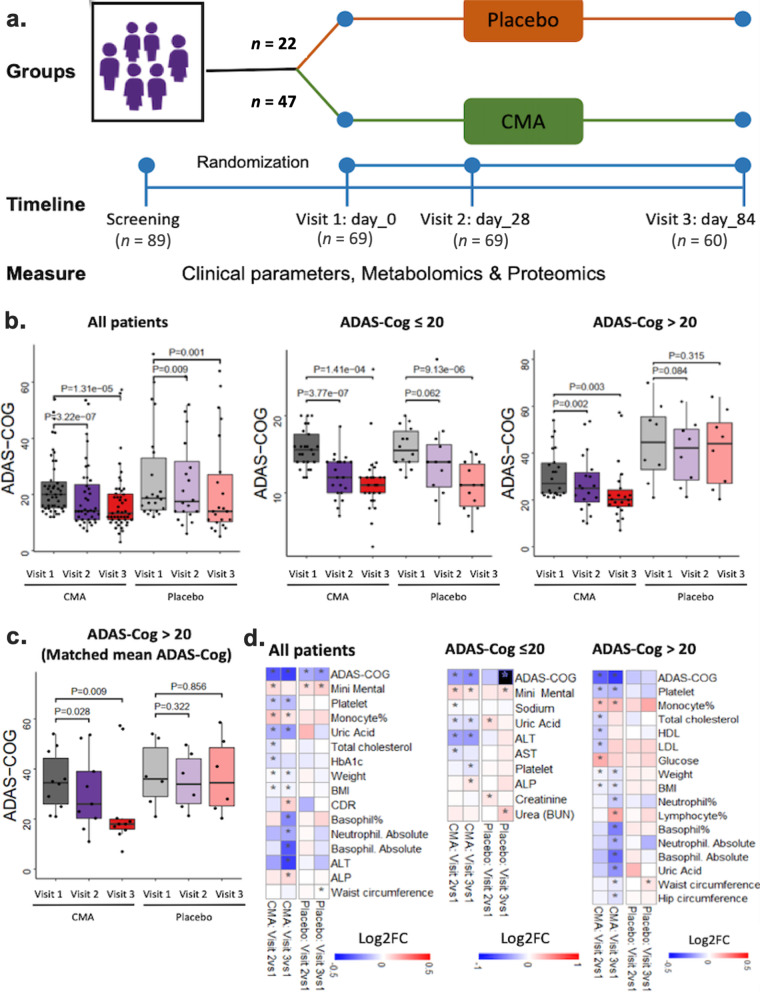
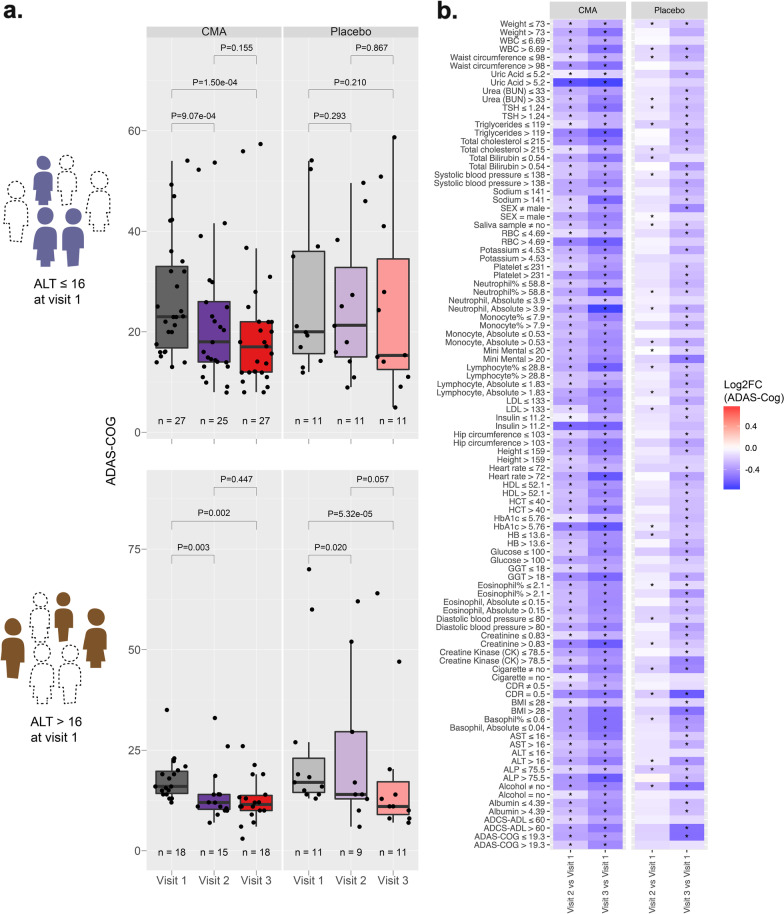
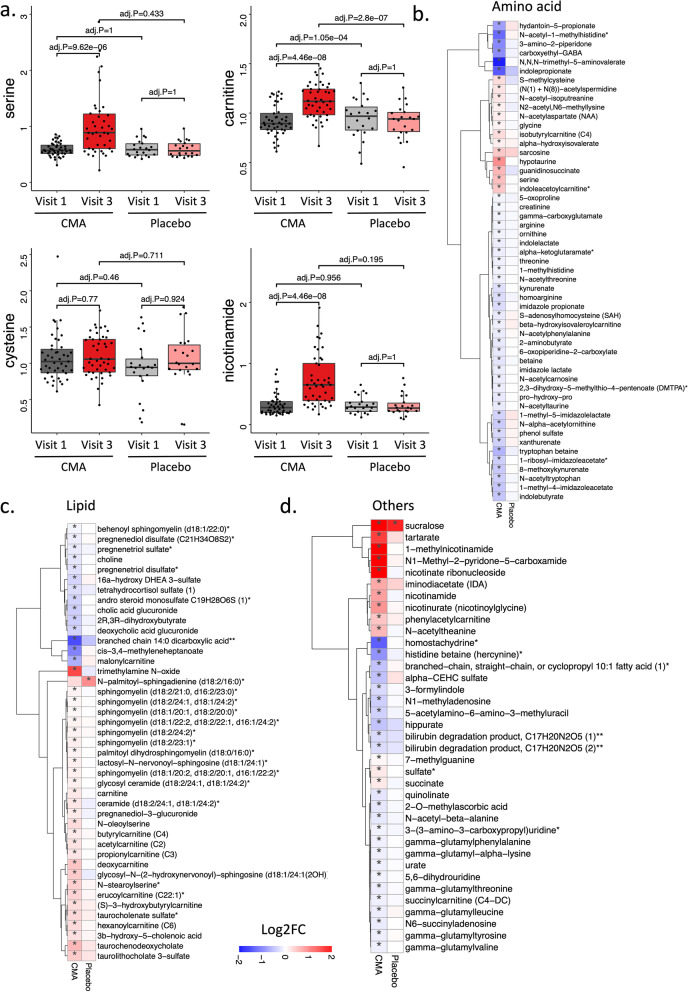
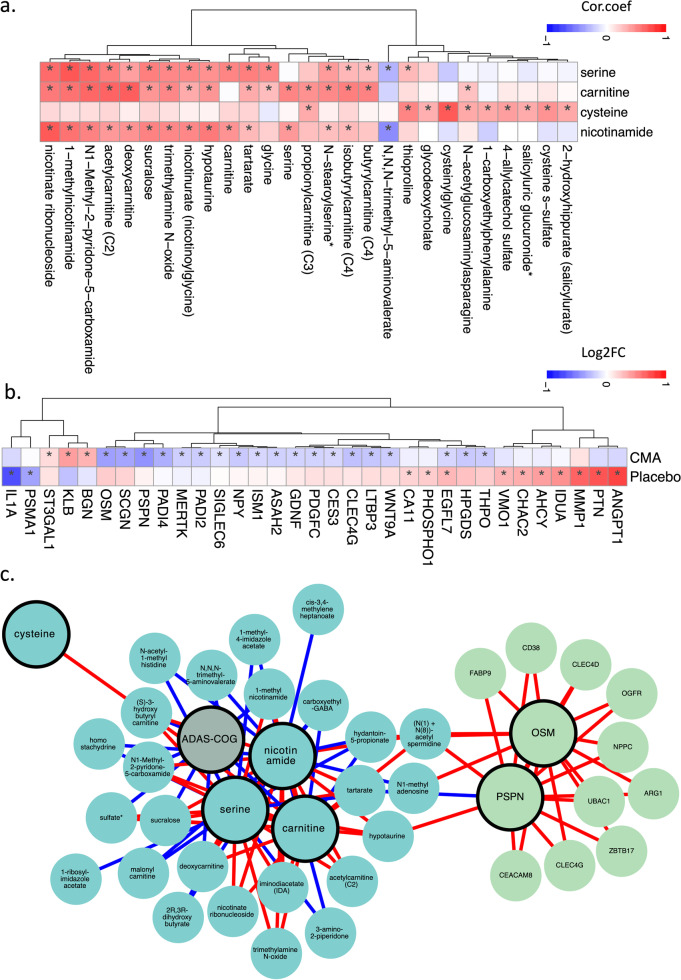
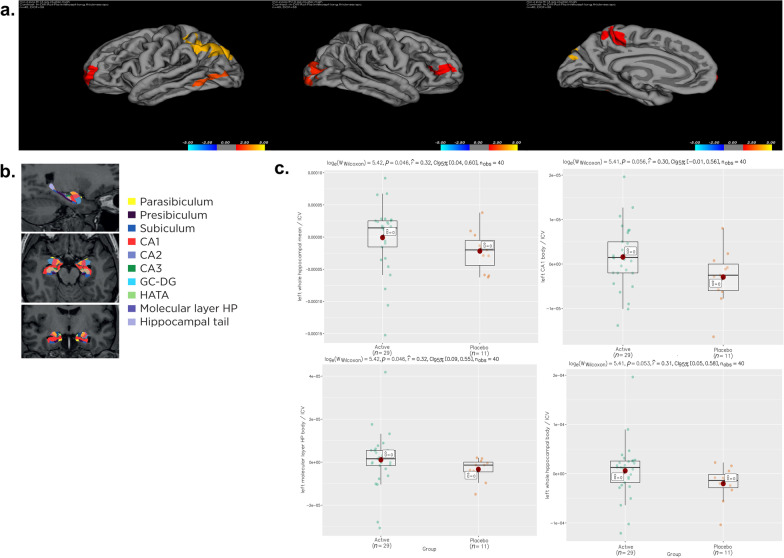
Background: Alzheimer’s disease (AD) is associated with metabolic abnormalities linked to critical elements of neurodegeneration. We recently administered combined metabolic activators (CMA) to the AD rat model and observed that CMA improves the AD-associated histological parameters in the animals. CMA promotes mitochondrial fatty acid uptake from the cytosol, facilitates fatty acid oxidation in the mitochondria, and alleviates oxidative stress. Methods: Here, we designed a randomised, double-blinded, placebo-controlled phase-II clinical trial and studied the effect of CMA administration on the global metabolism of AD patients. One-dose CMA included 12.35 g L -serine (61.75%), 1 g nicotinamide riboside (5%), 2.55 g N-acetyl- L -cysteine (12.75%), and 3.73 g L -carnitine tartrate (18.65%). AD patients received one dose of CMA or placebo daily during the first 28 days and twice daily between day 28 and day 84. The primary endpoint was the difference in the cognitive function and daily living activity scores between the placebo and the treatment arms. The secondary aim of this study was to evaluate the safety and tolerability of CMA. A comprehensive plasma metabolome and proteome analysis was also performed to evaluate the efficacy of the CMA in AD patients. Results: We showed a significant decrease of AD Assessment Scale-cognitive subscale (ADAS-Cog) score on day 84 vs day 0 ( P = 0.00001, 29% improvement) in the CMA group. Moreover, there was a significant decline ( P = 0.0073) in ADAS-Cog scores (improvement of cognitive functions) in the CMA compared to the placebo group in patients with higher ADAS-Cog scores. Improved cognitive functions in AD patients were supported by the relevant alterations in the hippocampal volumes and cortical thickness based on imaging analysis. Moreover, the plasma levels of proteins and metabolites associated with NAD + and glutathione metabolism were significantly improved after CMA treatment. Conclusion: Our results indicate that treatment of AD patients with CMA can lead to enhanced cognitive functions and improved clinical parameters associated with phenomics, metabolomics, proteomics and imaging analysis. Trial registration ClinicalTrials.gov NCT04044131 Registered 17 July 2019, https://clinicaltrials.gov/ct2/show/NCT04044131
Overview
The claims and statistics of this paper haven’t been checked yet.
Free: it reads the open-access text and checks the first 5 claims that cite a source we can check. Create a free account to check every claim.
Integrity signals
Registry
Cites
Statistics
Figures
Verification
Claims the paper makes
The claims and statistics of this paper haven’t been checked yet.
Free: it reads the open-access text and checks the first 5 claims that cite a source we can check. Create a free account to check every claim.
Claims other papers make about this one
Each is checked against this paper’s own text: does it say what the citing paper says it does?
In the citing paper
“a phase 2 clinical trial in which a combination of metabolic activators (L-serine, N-acetyl cysteine, nicotinamide riboside, and L-carnitine tartrate) was used reported improved AD-related metabolic parameters and an approximately 20% increase in cognitive performance, although these benefits were not observed during the follow-up period.526”
From Antiageing strategy for neurodegenerative diseases: from mechanisms to clinical advances (2025) · cites this paper as [526]
Self-check
Percentages, sums and reported differences re-computed from the paper’s own numbers.
The self-check needs the paper’s full text.
Citations
Cites
1 retracted
Türkez, H., Altay, Ö., Yıldırım, S., Li, X., Yang, H., Bayram, C., Bolat, İ., Öner, S., Tozlu, Ö. Ö., Arslan, M. E., et al. (2022) · Life Sciences · doi:10.1016/j.lfs.2022.121325 · Cited by 10 · cited 1×
“It is also consistent with the results from an animal model demonstrating improvement in AD-associated histological parameters in animals treated with oral administration of CMA [67].”
ResultSelf-citationRetractedCortical Surface-Based Analysis
Dale, A. M., Fischl, B., & Sereno, M. I. (1999) · NeuroImage · doi:10.1006/nimg.1998.0395 · Cited by 10,910
Fischl, B., Salat, D. H., Busa, E., Albert, M., Dieterich, M., Haselgrove, C., van der Kouwe, A., Killiany, R., Kennedy, D., Klaveness, S., et al. (2002) · Neuron · doi:10.1016/s0896-6273(02)00569-x · Cited by 8,610
Mitochondrial Dysfunction and Oxidative Stress in Neurodegenerative Diseases
Lin, M. T., & Beal, M. F. (2006) · Nature · doi:10.1038/nature05292 · Cited by 6,455
Plasma Homocysteine as a Risk Factor for Dementia and Alzheimer's Disease
Seshadri, S., Beiser, A., Selhub, J., Jacques, P. F., Rosenberg, I. H., D'Agostino, R. B., Wilson, P. W. F., & Wolf, P. A. (2002) · New England Journal of Medicine · doi:10.1056/nejmoa011613 · Cited by 3,237 · cited 1×
“In addition, decreased histidine metabolism and other decreased markers, such as homocysteine and S-adenosylhomocysteine found in our treatment group, have been shown to slow the cognitive ageing process when appropriately downregulated [127].”
BackgroundMulti-omics approaches to disease
Hasin, Y., Seldin, M., & Lusis, A. (2017) · Genome Biology · doi:10.1186/s13059-017-1215-1 · Cited by 2,953 · cited 1×
“Integrative multi‐omics analysis Multi-omics data integration can provide novel insights and a more holistic view of the human body in both health and disease states [62].”
BackgroundThe molecular pathology of Alzheimer's disease
Selkoe, D. J. (1991) · Neuron · doi:10.1016/0896-6273(91)90052-2 · Cited by 2,708
Within-subject template estimation for unbiased longitudinal image analysis
Reuter, M., Schmansky, N. J., Rosas, H. D., & Fischl, B. (2012) · NeuroImage · doi:10.1016/j.neuroimage.2012.02.084 · Cited by 2,356 · cited 1×
“Similarly, for cortical thickness analysis, the symmetrised percent change (spc) was used as the rate concerning the average thickness: spc = rate / avg [46].”
MethodFang, E. F., Hou, Y., Palikaras, K., Adriaanse, B. A., Kerr, J. S., Yang, B., Lautrup, S., Hasan-Olive, M. M., Caponio, D., Dan, X., et al. (2019) · Nature Neuroscience · doi:10.1038/s41593-018-0332-9 · Cited by 1,740 · cited 2×
“Also, recent human studies suggested that the impaired hippocampal mitophagy in AD patients responds well to mitophagy enhancement strategies and such treatment finally improves AD-related tau pathologies in human neuronal cells and memory deficits in transgenic models [23].”
BackgroundBrain insulin resistance in type 2 diabetes and Alzheimer disease: concepts and conundrums
Arnold, S. E., Arvanitakis, Z., Macauley-Rambach, S. L., Koenig, A. M., Wang, H.-Y., Ahima, R. S., Craft, S., Gandy, S., Buettner, C., Stoeckel, L. E., et al. (2018) · Nature Reviews Neurology · doi:10.1038/nrneurol.2017.185 · Cited by 1,597 · cited 1×
“Indeed, increasing data indicate that systemic metabolic disorders, such as insulin resistance, are strongly associated with bioenergetic failure of nerve cells [4, 5].”
Background
Research works printed but not linked: 3
- Turkez H, Altay O, Yildirim S, Li X, Yang H, Bayram C, et al. Combined metabolic activators improve metabolic functions in the animal models of neurodegenerative diseases. Life Sci. 2023;InPress. 36581096 · DOI
- Hou Y Wei Y Lautrup S Yang B Wang Y Cordonnier S NAD(+) supplementation reduces neuroinflammation and cell senescence in a transgenic mouse model of Alzheimer's disease via cGAS-STING Proc Natl Acad Sci U S A 2021 118 37 e2011226118 10.1073/pnas.2011226118 34497121 PMC8449423 · DOI · Paper page
- Hou Y Lautrup S Cordonnier S Wang Y Croteau DL Zavala E NAD+ supplementation normalizes key Alzheimer’s features and DNA damage responses in a new AD mouse model with introduced DNA repair deficiency Proc Natl Acad Sci U S A 2018 115 8 E1876 E1885 10.1073/pnas.1718819115 29432159 PMC5828618 · DOI · Paper page
Cited by
Roles of Oxidative Stress in Synaptic Dysfunction and Neuronal Cell Death in Alzheimer’s Disease
Plascencia‐Villa, G., & Perry, G. L. (2023) · Antioxidants · doi:10.3390/antiox12081628 · Cited by 189
Antiageing strategy for neurodegenerative diseases: from mechanisms to clinical advances
Jiang, Q., Liu, J., Huang, S., Wang, X.-Y., Chen, X., Liu, G.-H., Ye, K., Song, W., Masters, C. L., Wang, J., et al. (2025) · Signal Transduction and Targeted Therapy · doi:10.1038/s41392-025-02145-7 · Cited by 165
“526 Additionally, vitamins or their derivatives, such as benfotiamine, as well as nutritional supplements, such as fi sh oil and caffeine, are also studied for AD treatment.”
Pathological mechanisms and treatment progression of Alzheimer’s disease
Zhang, J., Kong, G., Yang, J., Pang, L., & Li, X. (2025) · European journal of medical research · doi:10.1186/s40001-025-02886-9 · Cited by 304
“…include: (1) mitochondrial antioxidants (MitoQ, Phase II/III), which reduce reactive oxygen species [191]; (2) metabolic enhancers (nicotinamide riboside, Phase II) [192] to boost NAD + levels; and (3) mitochondrial fission inhibitors (P110, preclinical) to restore organelle dynamics [193].”
Self-citationWhat is really known about the effects of nicotinamide riboside supplementation in humans
Damgaard, M. V., & Treebak, J. T. (2023) · Science Advances · doi:10.1126/sciadv.adi4862 · Cited by 113
Chen, Y., Li, Y., Fan, Y., Chen, S., Chen, L., Chen, Y., & Chen, Y. (2024) · Gut Microbes · doi:10.1080/19490976.2024.2302310 · Cited by 95
“37 Notably, the level of deoxycholate (a derivative of DCA) was correlated with Mini-Mental State Examination (MMSE) score ( R 2 = 0.03, p = 0.026), indicating that DCA has a potential cogni-tive-enhancing effect in humans.”
ResultInfluentialMitochondrial dysfunction and neurological disorders: A narrative review and treatment overview
Alshial, E. E., Abdulghaney, M. I., Wadan, A. S., Abdellatif, M. A., Ramadan, N. E., Suleiman, A. M., Waheed, N., Abdellatif, M., & Mohammed, H. S. (2023) · Life Sciences · doi:10.1016/j.lfs.2023.122257 · Cited by 100
Freeberg, K. A., Udovich, C. C., Martens, C. R., Seals, D. R., & Craighead, D. H. (2023) · The Journals of Gerontology Series A · doi:10.1093/gerona/glad106 · Cited by 81
Glycine and aging: Evidence and mechanisms
Johnson, A. A., & Cuellar, T. L. (2023) · Ageing Research Reviews · doi:10.1016/j.arr.2023.101922 · Cited by 68
“In addition to improving cognitive function, plasma levels of glycine and sarcosine were increased via treatment with the combined metabolic activators L-serine, nicotinamide riboside, N-acetyl-L-cysteine, and L-carnitine tartrate (Yulug et al., 2023).”
BackgroundEmerging strategies, applications and challenges of targeting NAD+ in the clinic
Zhang, J., Wang, H., Lautrup, S., Nilsen, H. L., Treebak, J. T., Watne, L. O., Selbæk, G., Wu, L. E., Omland, T., Pirinen, E., et al. (2025) · Nature Aging · doi:10.1038/s43587-025-00947-6 · Cited by 68
“57 .”
InfluentialGenome-scale models in human metabologenomics
Mardinoglu, A., & Palsson, B. Ø. (2025) · Nature Reviews Genetics · doi:10.1038/s41576-024-00768-0 · Cited by 54
“Follow-up studies showed that the plasma and urine GAG profiles (GAGomes) were significantly altered in patients with RCC compared with healthy individuals 172–174 .”
Roles of NAD + in Health and Aging
Lautrup, S., Hou, Y., Fang, E. F., & Bohr, V. A. (2023) · Cold Spring Harbor Perspectives in Medicine · doi:10.1101/cshperspect.a041193 · Cited by 58
Multi-omics analysis reveals the key factors involved in the severity of the Alzheimer’s disease
Meng, L., Jin, H., Yulug, B., Altay, O., Li, X., Hanoglu, L., Cankaya, S., Coskun, E., Idil, E., Nogaylar, R., et al. (2024) · Alzheimer's Research & Therapy · doi:10.1186/s13195-024-01578-6 · Cited by 49
“1, we previously conducted a randomized, double-blind, placebo-controlled phase-II clinical trial, which sought to explore the impact of combined metabolic activators on Alzheimer’s disease (AD) patients [73].”
MethodSelf-citationA Review of Recent Advances in the Management of Alzheimer’s Disease
Skylynn, T., Lee, C. S., Metchikoff, E., Razdan, V., Suliman, G., Rivera, D., Pinto, A., & Pemminati, S. (2024) · Cureus · doi:10.7759/cureus.58416 · Cited by 64
“…of CMA seemed to improve cognitive functions and cognitive score assessments, and brought about statistically significant alterations to protein plasma levels and metabolites in nicotinamide adenine dinucleotide (NAD+) and glutathione metabolism, which indicated the efficacy of CMA [41].”
BackgroundCombined Metabolic Cofactor Supplementation Reduces Liver Fat in Nonalcoholic Fatty Liver Disease
Zeybel, M., Altay, Ö., Arif, M., Li, X., Yang, H., Fredolini, C., Akyıldız, M., Sağlam, B., Gönenli, M. G., Ural, D., et al. (2021) · Molecular Systems Biology · doi:10.15252/msb.202110459 · Cited by 45
Self-citationKazemeini, S., Nadeem-Tariq, A., Shih, R., Rafanan, J., Ghani, N., & Vida, T. A. (2024) · International Journal of Molecular Sciences · doi:10.3390/ijms252111720 · Cited by 41
“These benefits may be mediated through improved mitochondrial function, enhanced cerebral blood flow [218,219], components of the MNM hypothesis, and increased neuro-plasticity [220].”
BackgroundTürkez, H., Yıldırım, S., Sahin, E., Arslan, M. E., Emsen, B., Tozlu, Ö. Ö., Alak, G., Uçar, A., Tatar, A., Hacımüftüoğlu, A., et al. (2022) · Toxics · doi:10.3390/toxics10080428 · Cited by 43
Self-citationBiţă, A., Scorei, I. R., Ciocîlteu, M. V., Nicolaescu, O. E., Pîrvu, A. S., Bejenaru, L. E., Rău, G., Bejenaru, C., Radu, A., Neamţu, J., et al. (2023) · Molecules · doi:10.3390/molecules28166078 · Cited by 36
PHOSPHODIESTERASE INHIBITORS FOR TREATMENT OF ALZHEIMER'S DISEASE
Chandra, P., & Sharma, H. (2024) · INDIAN DRUGS · doi:10.53879/id.61.07.14382 · Cited by 35
Fu, Y., Zhang, J., Qin, R., Ren, Y., Zhou, T., Han, B., & Liu, B. (2025) · Pharmacological Reviews · doi:10.1016/j.pharmr.2025.100053 · Cited by 35
Dong, B., Yang, Y., Han, D., & Wang, Y. (2023) · Frontiers in Molecular Neuroscience · doi:10.3389/fnmol.2023.1174738 · Cited by 37
Sultana, M. A., Hia, R. A., Akinsiku, O., & Hegde, V. K. (2023) · Biology · doi:10.3390/biology12071019 · Cited by 36
“CMA reduces oxidative stress by increasing mitochondrial fatty acid absorption from the cytosol and mitochondrial fatty acid oxidation [116].”
BackgroundRevealing the Molecular Mechanisms of Alzheimer’s Disease Based on Network Analysis
Bayraktar, A., Lam, S. C. C., Altay, Ö., Li, X., Yuan, M., Zhang, C., Arif, M., Türkez, H., Uhlén, M., Shoaie, S., et al. (2021) · International Journal of Molecular Sciences · doi:10.3390/ijms222111556 · Cited by 37
Self-citationHan, J., Zhang, X., Kang, L., & Guan, J. (2025) · Journal of Neuroinflammation · doi:10.1186/s12974-025-03443-1 · Cited by 29
“…revealed that the administration of a combination of metabolic activators (CMA) through EVs significantly enhances cognitive function in AD patients, which is correlated with a notable improvement in plasma levels of proteins and metabolites associated with NAD + and glutathione metabolism [143].”
Hölscher, C. (2025) · CNS Drugs · doi:10.1007/s40263-025-01226-z · Cited by 30
“In addition, improvements in hippocampal volumes and cortical thickness were found on magnetic resonance imaging (MRI) scans and in biomarkers for improved energy utilization as analyzed by metabolomics [52].”
Chen, Z., Mao, Z., Tang, W., Shi, Y., Liu, J., & You, Y. (2025) · Translational Neurodegeneration · doi:10.1186/s40035-025-00517-1 · Cited by 27
“In AD patients, treatment with combined metabolic activators containing NAD reduced AD Assessment Scale-cognitive subscale score and increased hippocampal volumes and cortical thickness compared to the placebo group [330].”
Advances in research on mitochondrial dysfunction in neurodegenerative diseases
Zhang, Y., Li, X., Zhang, Y., & Li, X. (2025) · Journal of Neurology · doi:10.1007/s00415-025-13101-4 · Cited by 27
Self-citationChakraborty, S., Rao, S., & Tripathi, S. J. (2025) · Neuropharmacology · doi:10.1016/j.neuropharm.2025.110527 · Cited by 26
Martínez‐López, S., Tabone, M., Clemente-Velasco, S., González-Soltero, R., Bailén, M., de Lucas, B., Bressa, C., Domínguez-Balmaseda, D., Marín, J., Antúnez, C., et al. (2024) · Journal of Alzheimer s Disease · doi:10.1177/13872877241292829 · Cited by 24
Current Advances in Mitochondrial Targeted Interventions in Alzheimer’s Disease
de Sousa, T. S., Moreira, P. I., & Cardoso, S. (2023) · Biomedicines · doi:10.3390/biomedicines11092331 · Cited by 24
“…of L-serine, N-acetyl cysteine (NAC), nicotinamide riboside (NR), and L-carnitine tartrate (LCAT, the salt form of L-carnitine), and its oral administration to AD patients showed positive effects on cognitive function and markers of metabolic abnormalities, even in patients with severe AD [267].”
Gromadzka, G., Tarnacka, B., & Cieślik, M. (2026) · International Journal of Molecular Sciences · doi:10.3390/ijms27010522 · Cited by 24
Wang, L., Peng, T., Deng, J., Gao, W., Wang, H., Luo, O. J., Huang, L., & Chen, G. (2024) · Biochemical Pharmacology · doi:10.1016/j.bcp.2024.116272 · Cited by 20
Arslan, M. E., Türkez, H., Sevim, Y., Selvitopi, H., Kadı, A., Öner, S., & Mardinoğlu, A. (2023) · Cells · doi:10.3390/cells12070992 · Cited by 18
“We also tested the effect of the CMA in PD patients [58] and Alzheimer’s Disease patients [60], and found that the cognitive function of the AD and PD patients significantly improved in these two independent placebo-controlled studies.”
ResultSelf-citationHe, Z., Botchway, B. O. A., Zhang, Y., & Liu, X. (2023) · Metabolic Brain Disease · doi:10.1007/s11011-023-01278-4 · Cited by 16
“This eventually leads to oxidative stress (Yulug et al. 2023).”
Serine metabolism in aging and age-related diseases
Shan, S., & Hoffman, J. M. (2024) · GeroScience · doi:10.1007/s11357-024-01444-1 · Cited by 19
“Treatment of AD patients with combined metabolic activators (CMA), where L-serine constituted 61.75% of the formulation, resulted in enhanced cognitive functions and improved clinical parameters [113].”
InfluentialPerspectives on Alzheimer’s Disease Treatment Based on Counteracting Oxidative Stress
Bilski, R., Dąbkowski, S., Kozieł, I., Kozicki, M., Małachowska, A., Przygocki, M., & Tyska, O. (2025) · Biomolecules · doi:10.3390/biom15091345 · Cited by 13
“The authors recommend further studies in larger populations and with clear monotherapy [142–144].”
Peptidylarginine Deiminases: An Overview of Recent Advances in Citrullination Research
Kijak-Boćkowska, M., Czerwińśka, J., & Owczarczyk-Saczonek, A. B. (2025) · International Journal of Molecular Sciences · doi:10.3390/ijms262412060 · Cited by 13
“Drug repositioning: Some strategies approved for autoimmune diseases may be effective in various indications [53,147].”
Pharmacological Approaches and Herbal Interventions for Alzheimer's Disease
Kumar, S., Singh, S., Rajput, D., Sharma, B., Chaturvedi, K., Singh, N., Saha, S., Singh, K., & Mukherjee, S. (2024) · The Natural Products Journal · doi:10.2174/0122103155275266231123090138 · Cited by 16
Supplementation with NAD+ Precursors for Treating Alzheimer’s Disease: A Metabolic Approach
Alghamdi, M. A., & Braidy, N. (2024) · Journal of Alzheimer s Disease · doi:10.3233/jad-231277 · Cited by 14
Modeling for understanding and engineering metabolism
Nielsen, J., & Petranović, D. (2025) · QRB Discovery · doi:10.1017/qrd.2025.1 · Cited by 13
Self-citationMitophagy in Alzheimer's disease and its potential as a therapeutic target
Wei, J., Xiao, T., Lyu, J., Zhao, Y., Zhang, Y., Du, X., He, Y., Zhao, M., Yang, X., Yao, Y., et al. (2025) · Neurobiology of Disease · doi:10.1016/j.nbd.2025.107162 · Cited by 15
Zhang, Y., Sun, M., Zhao, H., Wang, Z., Shi, Y., Dong, J., Wang, K., Wang, X., Li, X., Qi, H., et al. (2023) · International Journal of Nanomedicine · doi:10.2147/ijn.s439728 · Cited by 13
Self-citationNi, F.-D., Wang, F., Li, J., Liu, Y., Sun, X., Chen, J., Li, J., Zhang, Y., Jin, J., Ye, X., et al. (2023) · Biology of Reproduction · doi:10.1093/biolre/ioad168 · Cited by 12
“Restoring NAD + by sup-plementing NAD + intermediates, especially NR, is a promising strategy for Parkinson disease, Alzheimer disease, heart failure, mild-to-moderate COVID-19, healthy middle-aged and older adults, and healthy overweight adults [18, 71–75].”
BackgroundNon-Drug and Non-Invasive Therapeutic Options in Alzheimer’s Disease
Şovrea, A. S., Boşca, A. B., Dronca, E., Constantin, A.-M., Crintea, A., Suflețel, R. T., Lupean, R.-A., Ștefan, P.-A., Onofrei, M. M., Tschall, C., et al. (2025) · Biomedicines · doi:10.3390/biomedicines13010084 · Cited by 10
“Current research has revealed the beneficial role of combined metabolic precursors (CMAs), composed of Nicotinamide Adenine Dinucleotide (NAD + ) and glutathione pre-cursors, in cognitive activity in AD patients [227].”
Yuluğ, B., Altay, Ö., Li, X., Hanoğlu, L., Çankaya, Ş., Velioğlu, H. A., Lam, S., Yang, H., Coşkun, E., İdil, E., et al. (2024) · Brain Communications · doi:10.1093/braincomms/fcae478 · Cited by 11
Self-citationLiu, Y., Chen, S., Li, S., Pei, Z., Fan, S., & Guo, Y. (2025) · Journal of Alzheimer s Disease Reports · doi:10.1177/25424823251362444 · Cited by 10
Kim, H., Kim, J., Chung, U., Kim, J. I., Shim, S.-H., Park, T. W., Lee, M., Hwang, J., Park, E. J., Hwang, S., et al. (2024) · Psychiatry and Clinical Neurosciences · doi:10.1111/pcn.13757 · Cited by 8
Roles and therapeutic potential of PARP-1 in neurodegenerative diseases
Liu, C., Lai, F., Zhang, T., Mao, K., Wan, H., & He, Y. T. (2025) · Biochemical Pharmacology · doi:10.1016/j.bcp.2025.117373 · Cited by 8
Yuluğ, B., Ayyıldız, S., Sayman, D., Karaca, R., İpek, L., Çankaya, Ş., Salar, A. B., Ayyıldız, B., Mikutta, C. A., Yağcı, N., et al. (2024) · Alzheimer s & Dementia Translational Research & Clinical Interventions · doi:10.1002/trc2.12450 · Cited by 8
“However, recent research, including investigation by ourselves, 40,56 suggests that this unique region with its diverse cortical connections and gatekeeper function also plays a critical role in cognitive impairment in neurodegenerative diseases.”
BackgroundYu, Y., Yang, H.-J., Li, C., Ryu, M. S., Seo, J.-W., Jeong, D., & Park, S. (2025) · Nutrients · doi:10.3390/nu17101617 · Cited by 6
“The interconnection between metabolic health, neuroinflammation, and cognitive function is well established [20,21].”
Self-citationFerroptosis and aging: Inducing and catalyzing neurodegenerative diseases
Song, Q., Sun, S., Song, Y., Wang, Y., Yin, Y., Zhang, L., & Cui, Q. (2025) · Neural Regeneration Research · doi:10.4103/nrr.nrr-d-25-00710 · Cited by 7
Redox therapy for neuropsychiatric disorders: Molecular mechanisms and biomarker development
Cuklanz, K., Stein, A., Chouinard, V., Öngür, D., & Du, F. (2026) · Science Advances · doi:10.1126/sciadv.aea9014 · Cited by 5
“Recent studies in neurodegenerative disorders have shown that NR supplementation may influence clinical, cognitive, and neurological symptoms ( 53 , 54 ).”
Kumari, A., & Zeng, X.-A. (2026) · Nutrients · doi:10.3390/nu18060907 · Cited by 6
Lai, A. Y., Almanza, D. L., Ribeiro, J. A., Hill, M. E., Mandrozos, M., Koletar, M. M., Stefanovic, B., & McLaurin, J. (2024) · bioRxiv (Cold Spring Harbor Laboratory) · doi:10.1101/2024.01.11.575200 · Cited by 5
Machine learning identifies proteomic risk factors across 23 diseases
Meng, L., Li, M., Kong, X., Zhang, T., Álvez, M. B., Liao, X., Türkez, H., Altay, Ö., Zhang, C., Uhlén, M., et al. (2026) · iScience · doi:10.1016/j.isci.2026.114687 · Cited by 4
Self-citationTargeting pyroptosis in tauopathies: A redox-driven axis of neuroinflammation and neurodegeneration
López, E. A., Silva-Llanes, I., Diez-Tejedor, E., & Lastres‐Becker, I. (2026) · Free Radical Biology and Medicine · doi:10.1016/j.freeradbiomed.2026.04.029 · Cited by 4
Dose-Dependent Effect of a New Biotin Compound in Hippocampal Remyelination in Rats
Yuluğ, B., Kılıç, E., Oğuz, T., Orhan, C., Er, B., Tuzcu, M., Özercan, İ. H., Şahin, N., Canpolat, S., Komorowski, J. R., et al. (2025) · Molecular Neurobiology · doi:10.1007/s12035-025-04686-y · Cited by 4
“In this context, an increasing body of research suggests that brain networks associated with cognitive processes heavily rely on high levels of energy and demonstrate favorable cognitive responses to metabolic interventions [56–58].”
Zhu, J., Li, M., Li, J., & Wu, J. (2024) · Carbohydrate Research · doi:10.1016/j.carres.2024.109172 · Cited by 4
Boosting NAD+ for Anti-Aging: Mechanisms, Interventions, and OpportunitiesPreprint
Alpay, F. (2025) · ChemRxiv · doi:10.26434/chemrxiv-2025-nl80r · Cited by 7
Lee, S., Hwang, S., Cho, J.-S., Ryu, H. C., & Chung, J. (2024) · Frontiers in Pharmacology · doi:10.3389/fphar.2024.1452526 · Cited by 3
Fogle, K. J., Lindley, S., Satterfield, S. L., Amsalu, B. A., Figura, J. R., Eicher, S. L., Scherz, L. A., & Palladino, M. J. (2026) · Genes · doi:10.3390/genes17020192 · Cited by 3
“…content, anaplerotic supplementation, and reduction in carbohydrate intake, but it is noteworthy that oxaloacetate, a-ketoglutarate, and NADH supplements have been shown to benefit AD models and patients [63–67] and are being investigated for safety and effectiveness in clinical trials [68–71].”
Guan, T., Liu, X., Song, J., Li, Y., Song, X., Zhang, Z., Yu, Y., & Ma, Y. (2025) · Food Research International · doi:10.1016/j.foodres.2025.117072 · Cited by 3
Wandel, S. M. D., Deutz, N. E. P., Kirschner, S. K., Deutz, E. E., Ruebush, L. E., & ENGELEN, M. P. K. J. (2025) · Journal of Alzheimer s Disease · doi:10.1177/13872877251336618 · Cited by 2
“28 Furthermore, we have found lower glycine production to be associated with increased skeletal muscle strength in COPD.”
Targeting mitochondrial metabolism with combined metabolic activators
Yang, H., Kong, X., Liao, X., Türkez, H., Borén, J., Uhlén, M., Altay, Ö., & Mardinoğlu, A. (2026) · Trends in Endocrinology and Metabolism · doi:10.1016/j.tem.2026.01.018 · Cited by 2
Self-citationNAD + ‒circadian rhythm coupling in dementia
Zhang, S., Lee, J., Pan, J., Enger, R., Hrubos‐Strøm, H., Musiek, E. S., Fang, E. F., & Le, W. (2026) · Alzheimer s & Dementia · doi:10.1002/alz.71360 · Cited by 2
“Still,thespecificcontribu-tion of NAD + elevation could not be isolated, 208 Human studies connecting NAD + prodrugs to sleep and circadian outcomes are slowly increasing in number.”
Advances in the treatment of Alzheimer’s disease
Goceroglu, R. T., & Hacımüftüoğlu, A. (2026) · Frontiers in Pharmacology · doi:10.3389/fphar.2026.1819165 · Cited by 2
Early-stage research and new pharmacological targets in Alzhei-mer's dementia
Grecu, M., Romila, A., Moldovanu, S., Condratovici-Plesa, A., Anghel, L., Oprea, V. D., & Bocancia, L. A. (2026) · Balneo and PRM Research Journal · doi:10.12680/balneo.2026.1024 · Cited by 3
Improving Clinical Trials of Antioxidants in Alzheimer’s Disease
Daly, T. P. (2023) · Journal of Alzheimer s Disease · doi:10.3233/jad-230308 · Cited by 2
Wang, H., Chen, X., Hu, D., Xin, X., Zhao, Z., & Jiang, Z. (2024) · Neuroreport · doi:10.1097/wnr.0000000000002109 · Cited by 2
“A clinical randomized controlled trial on Alzheimer’s disease found that a combined metabolic activator containing GSH improved cognitive impairment while increasing hippocampal and cortical thicknesses [25].”
Ceyhan, A. B., Kaynar, A., Altay, Ö., Zhang, C., Temel, Ş. G., Türkez, H., & Mardinoğlu, A. (2024) · Biomolecules · doi:10.3390/biom14111376 · Cited by 2
“…example, combined metabolic activators (CMAs) have been repurposed for treating mitochondrial dysfunction-associated diseases, including neurodegenerative diseases, nonalcoholic fatty liver disease, and COVID-19; their effects have been demonstrated in preclinical and clinical studies [24–29].”
Self-citationRaber, J., Chaudhari, M., la Torre, A. D., Holden, S. J., Kessler, K., Glaeser, B., Lenarczyk, M., Leonard, S. W., Borg, A. M., Kwok, A. T., et al. (2024) · Frontiers in Physiology · doi:10.3389/fphys.2024.1486767 · Cited by 3
“Current and emerging drug therapies in Alzheimer’s disease: A pathophysiological Perspective”
Aparajita, A., Jain, U., & Srivastava, P. (2024) · Neuroscience · doi:10.1016/j.neuroscience.2024.11.078 · Cited by 2
Sun, J., Teng, F., Cao, Y., Pei, H., Ma, L., Wei, W., & Li, H. (2025) · Journal of Alzheimer s Disease · doi:10.1177/13872877251330503 · Cited by 1
“49 It has been noted that neuroprotective effects in the brain can occur through post-translational modi-fi cation of cysteine residues, 50,51 which aligns with our results.”
Sun, Q., Ma, L., Zhao, L., Ye, M., Zhu, S., & Zhou, J. (2025) · Actas Españolas de Psiquiatría · doi:10.62641/aep.v53i4.1914 · Cited by 2
“The available treatment approaches focus on symptoms management and alleviating AD progression through pharmacological, non-pharmacological, and psychological interventions [4].”
Li, N., Wu, Y., Feng, H., Jian, X., Yang, Z., Wang, X., Li, X., Yin, Y., & Long, Y. (2026) · Ageing Research Reviews · doi:10.1016/j.arr.2026.103291 · Cited by 1
Self-citationLing, Z., Xu, X., Cheng, Y., Liu, X., Ding, W., Zhu, Z., Wu, L., Chen, Y., Hu, P., & Xia, L. (2026) · Free Radical Biology and Medicine · doi:10.1016/j.freeradbiomed.2026.08.023 · Cited by 1
Ren, C., Yao, M., Zhang, Y., Zhu, Y., Wang, J., Lv, H.-Z., Zhang, Y., Shi, T.-L., Wang, H., Ding, K., et al. (2024) · Research Square · doi:10.21203/rs.3.rs-4435158/v1
Metabolomics in Alzheimer’s Disease
Gedikbaşı, A. (2024) · doi:10.69860/nobel.9786053359166.9
Targeting autophagy with pharmacological small molecules to treat human diseases
Wang, G., Fu, Y., & Liu, B. (2024) · Elsevier eBooks · doi:10.1016/b978-0-443-23932-8.00010-8
Controle glicêmico e risco de Alzheimer em idosos com diabetes tipo 2: uma revisão sistemática
Ribeiro, A. L. M. B., Mocó, A. T. M., de Lucena, F. C. R., Oliveira, H. R., de Oliveira, M. E. R., Lima, S. R., Santana, V. O., & Gontijo, É. E. L. (2025) · Revista Sociedade Científica · doi:10.61411/rsc2025107018
AZUMA, N., Natsumi, W. A. D. A., Ryo, A. O. K. I., SAMPEI, M., MAWATARI, T., & SAITO, Y. (2025) · Bioscience of Microbiota Food and Health · doi:10.12938/bmfh.2025-026
Breaking the age-related redox spiral for regeneration
Brewer, G. J., & Cheung, B. (2026) · Neural Regeneration Research · doi:10.4103/nrr.nrr-d-25-01439
Organelle resilience as a comparative blueprint for longevity
Cikes, D. (2026) · EMBO Molecular Medicine · doi:10.1038/s44321-026-00428-2
“…2022; Yi et al, 2023; Yoshino et al, 2021; Denk et al, 2025; Bruyn et al, 2008; Mannick et al, 2014; Chung et al, 2019; Krebs et al, 2007; Palma et al, 2022; Singh et al, 2022; Liu et al, 2022; Steinbrücker et al, 2023; Veenhuis et al, 2021; Yulug et al, 2023; Fang et al, 2019; Lee et al, 2024).”
Zhong, R., Chen, Z.-Q., Li, S.-F., & Jiang, J. (2026) · Journal of Ethnopharmacology · doi:10.1016/j.jep.2026.121918
Lautrup, S., Cao, S., Long, X., Liu, B. H. M., Escobar-Doncel, B., Ferrante, A., Frank, J., Schmauck‐Medina, T., Leung, G. H. D., Liang, K. X., et al. (2026) · Alzheimer s & Dementia · doi:10.1002/alz.71680
Huang, S., Zhang, Z., Xia, J., Deng, M., Chen, F., Wang, M., Fei, Y., Jiang, Z., Lu, C., Fu, J., et al. (2026) · Alzheimer s & Dementia · doi:10.1002/alz.71896
“32,33 In this study, metabolic stress increased ZBP1 Accumulating evidence supports a significant association between metabolic dysfunction and both the risk and progression of dementia.”
Chen, P., Liang, Q., Liu, X., Yang, D., Si, Y., Yang, J., Li, X., Zheng, W., & Li, N. (2026) · Microorganisms · doi:10.3390/microorganisms14112606
Self-citation
Metadata
- Authors
- Yulug, B., Altay, O., Li, X., Hanoglu, L., Cankaya, S., Lam, S., Velioglu, H. A., Yang, H., Coskun, E., Idil, E., Nogaylar, R., Ozsimsek, A., Bayram, C., Bolat, I., Oner, S., Tozlu, O. O., Arslan, M. E., Hacimuftuoglu, A., Yildirim, S., Arif, M., Shoaie, S., Zhang, C., Nielsen, J., Turkez, H., Borén, J., Uhlén, M., & Mardinoglu, A.
- Affiliations
- King's College London (GB)
- Science for Life Laboratory (SE)
- Alanya Alaaddin Keykubat Üniversitesi (TR)
- Atatürk University (TR)
- Erzurum Technical University (TR)
- Chalmers University of Technology (SE)
- Sahlgrenska University Hospital (SE)
- Corresponding author
- Uhlén, Mathias
- ORCID
- Venue
- Translational Neurodegeneration
- Published
- 2023-01-26
- Volume
- 12
- Issue
- 1
- Pages
- 4-4
- ISSN
- 2047-9158 (ISSN-L)
- PMC
- PMC9879258
- OpenAlex
- W4318195490
- Cited by
- 79
- References
- 150
- Citations by year
- 2026: 14 · 2025: 23 · 2024: 24 · 2023: 15
- FWCI
- 13.50
- Type
- journal article
- Language
- en
- Open access
- gold
- doi.org
- Licence
- cc-by
- creativecommons.org/licenses/by/4.0 (tdm)
- creativecommons.org/licenses/by/4.0 (vor)
- Locations
- Translational Neurodegeneration (publishedVersion, cc-by)
- Research Square (acceptedVersion, cc-by)
- PubMed Central (publishedVersion, cc-by)
- PubMed (publishedVersion)
- Alanya Alaaddin Keykubat University Institutional Repository (submittedVersion, cc-by-nc-nd)
- Research Portal (King's College London) (submittedVersion, cc-by)
- Chalmers Research (Chalmers University of Technology) (submittedVersion, other-oa)
- DOAJ (DOAJ: Directory of Open Access Journals) (submittedVersion, cc-by-sa)
- Funders
- Knut och Alice Wallenbergs Stiftelse (72110)
- Royal Institute of Technology
- Topics
- Life Sciences › Neuroscience › Cellular and Molecular Neuroscience › Alzheimer's disease research and treatments
- Health Sciences › Medicine › Psychiatry and Mental health › Dementia and Cognitive Impairment Research
- Life Sciences › Neuroscience › Neurology › Neuroprotection in Cerebral Ischemia
- Keywords
- Alzheimer's disease, cognitive function, L-serine, nicotinamide riboside, N-acetylcysteine, mitochondrial fatty acid oxidation, oxidative stress, NAD+ metabolism, glutathione metabolism, plasma metabolome, plasma proteome, hippocampal volume, cortical thickness
- MeSH terms
- Alzheimer Disease, Animals, Cognition, Double-Blind Method, Humans, Treatment Outcome, Rats
About these checks
Registry, retraction, Cites and statistics results are computed, not judged, with one exception: a printed reference that no index lists is read once by a model before it counts as a citation error. Claims are extracted by a model and kept only when their quote appears verbatim in the text; each cited source is then checked, with a model’s help, for whether it says what the claim relies on. Those verdicts can be wrong — read the claim’s quote and the cited source before relying on one.
Statistics and arithmetic are recomputed, not judged.
Confidence bands are shown only for fields calibrated on our annotated test set. None is calibrated yet, so no band is shown.
What counts as a claim ›How we measure confidence ›How we check this ›
Are you an author, or do you see a problem with this page? Request a review
Data sources
Bibliographic data: Semantic Scholar, OpenAlex, Crossref.
Contains information from the Semantic Scholar Academic Graph Datasets, made available under the ODC Attribution License (ODC-BY 1.0).
Semantic Scholar’s data is described in: Kinney, R., et al. (2023). The Semantic Scholar Open Data Platform. arXiv:2301.10140.
