

The DOI matches its Crossref record; 86 of the 86 references it cites were found in a registry or an index.
The microbiota-gut-brain axis participates in chronic cerebral hypoperfusion by disrupting the metabolism of short-chain fatty acids
Open accessAbstract
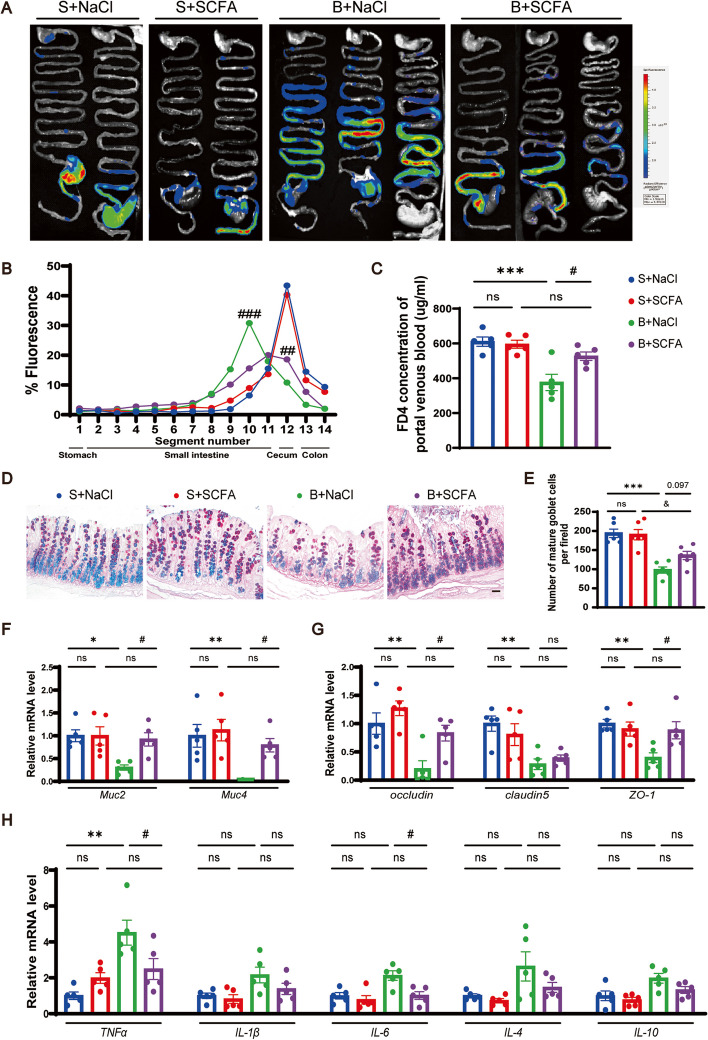
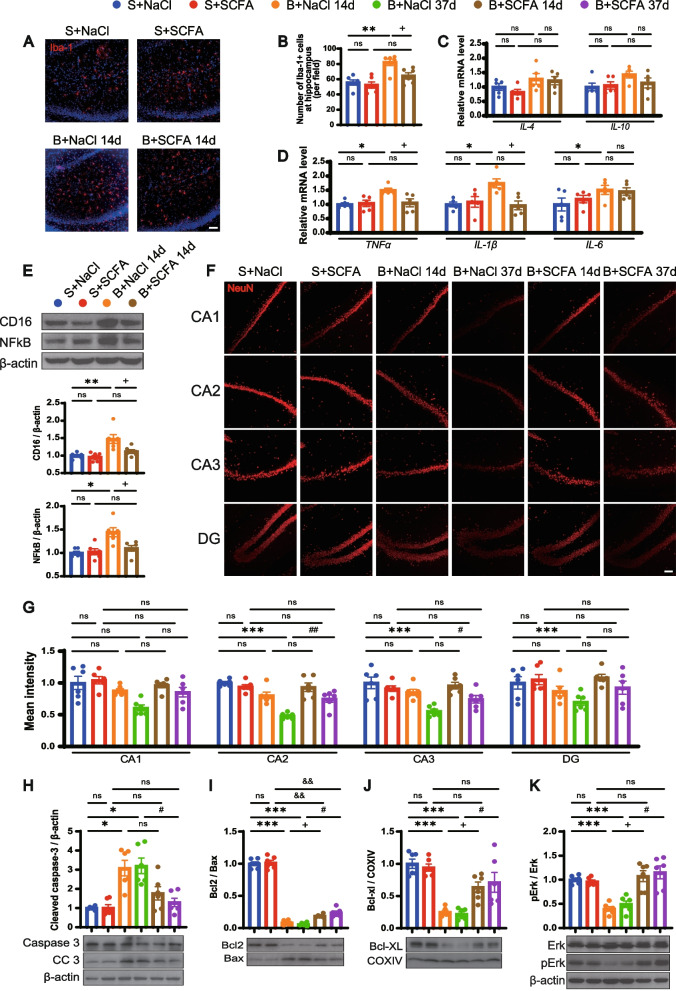
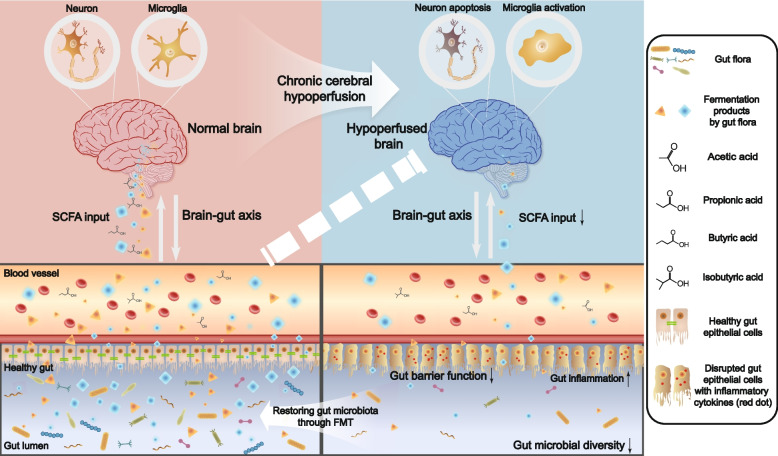
Background: Chronic cerebral hypoperfusion (CCH) underlies secondary brain injury following certain metabolic disorders and central nervous system (CNS) diseases. Dysregulation of the microbiota-gut-brain axis can exacerbate various CNS disorders through aberrantly expressed metabolites such as short-chain fatty acids (SCFAs). Yet, its relationship with CCH remains to be demonstrated. And if so, it is of interest to explore whether restoring gut microbiota to maintain SCFA metabolism could protect against CCH. Results: Rats subjected to bilateral common carotid artery occlusion (BCCAO) as a model of CCH exhibited cognitive impairment, depressive-like behaviors, decreased gut motility, and compromised gut barrier functions. The 16S ribosomal RNA gene sequencing revealed an abnormal gut microbiota profile and decreased relative abundance of some representative SCFA producers, with the decreased hippocampal SCFAs as the further evidence. Using fecal microbiota transplantation (FMT), rats recolonized with a balanced gut microbiome acquired a higher level of hippocampal SCFAs, as well as decreased neuroinflammation when exposed to lipopolysaccharide. Healthy FMT promoted gut motility and gut barrier functions, and improved cognitive decline and depressive-like behaviors by inhibiting hippocampal neuronal apoptosis in BCCAO rats. Long-term SCFA supplementation further confirmed its neuroprotective effect in terms of relieving inflammatory response and hippocampal neuronal apoptosis following BCCAO. Conclusion: Our results demonstrate that modulating the gut microbiome via FMT can ameliorate BCCAO-induced gut dysbiosis, cognitive decline, and depressive-like behaviors, possibly by enhancing the relative abundance of SCFA-producing floras and subsequently increasing SCFA levels.
Overview
The claims and statistics of this paper haven’t been checked yet.
Run the check — free, no account needed. It reads the open-access text and checks the sources it cites.
Integrity signals
Registry
Cites
Statistics
Figures
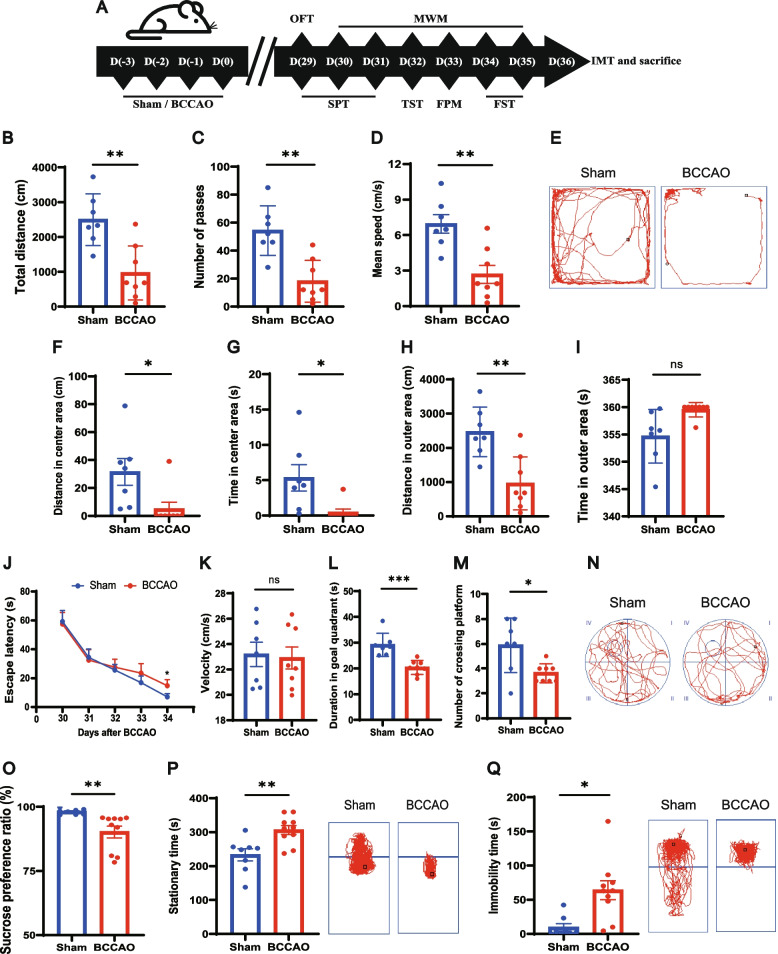
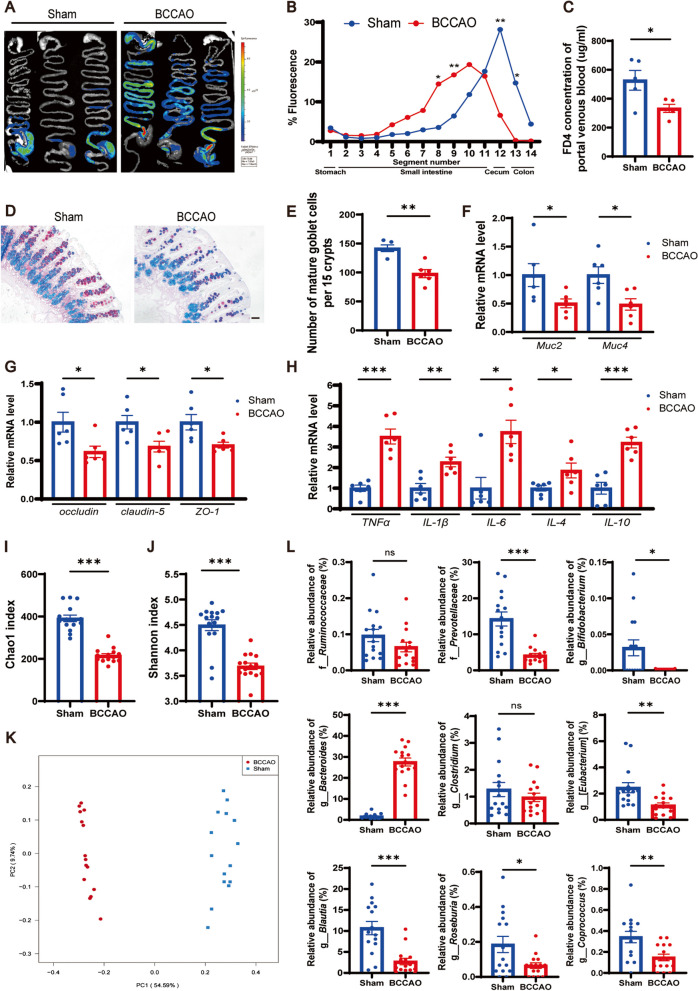
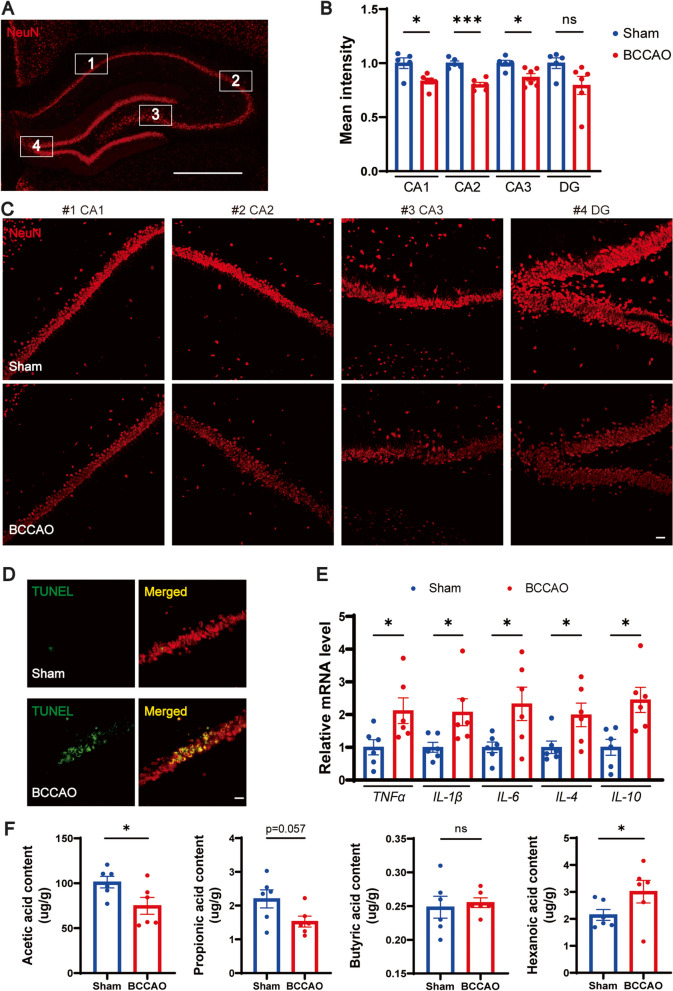
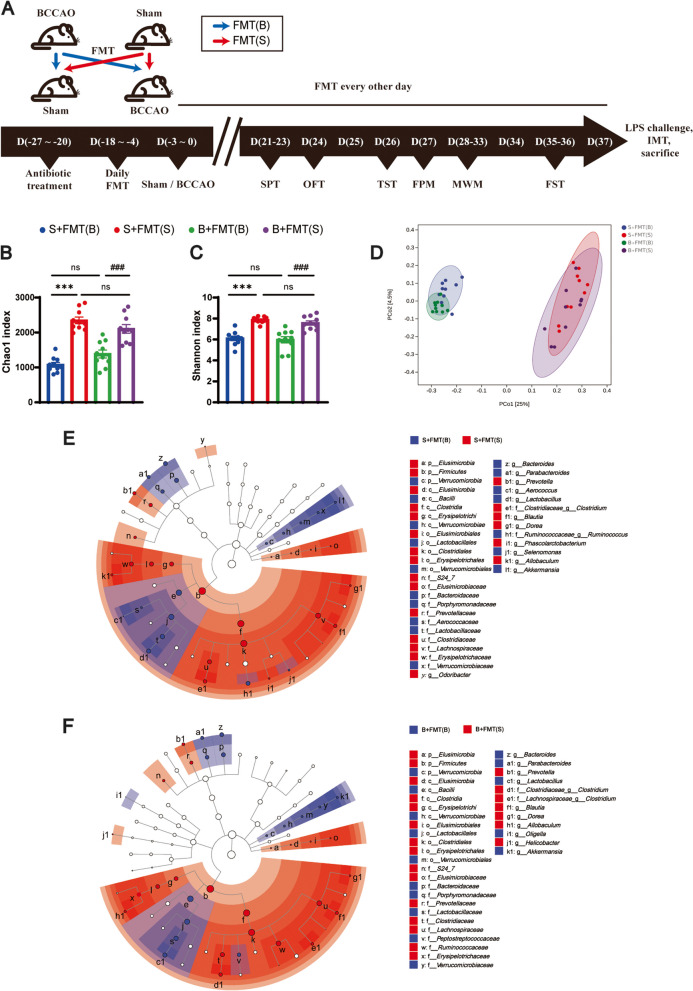
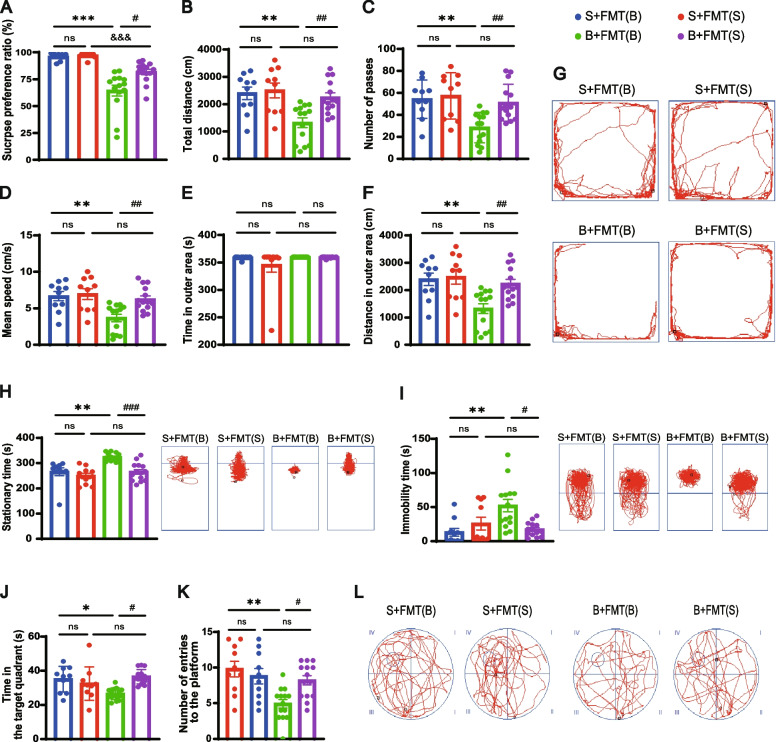
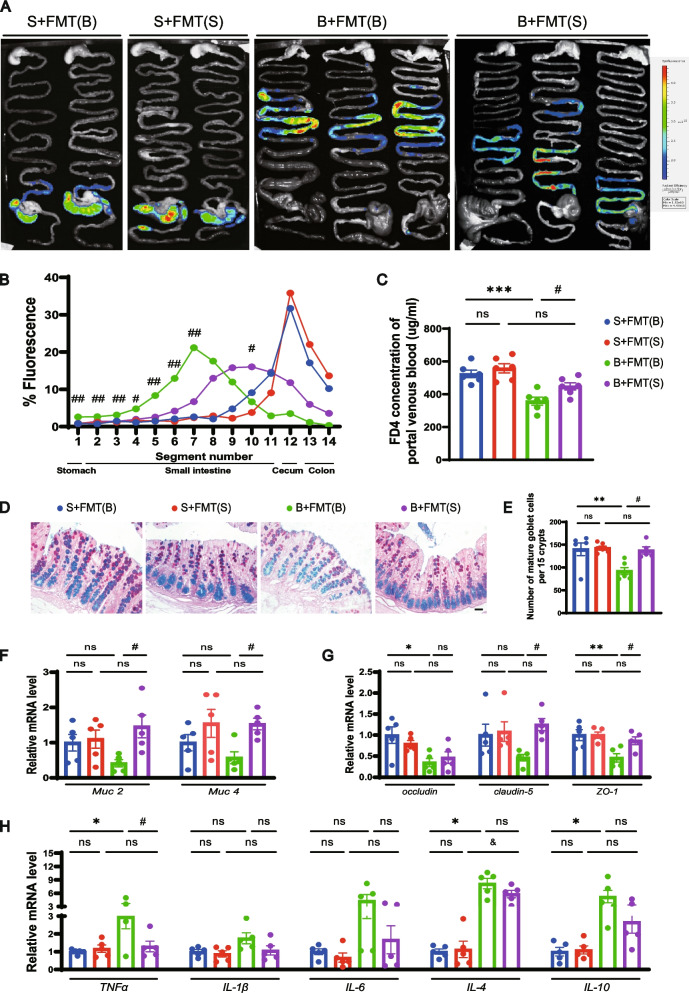
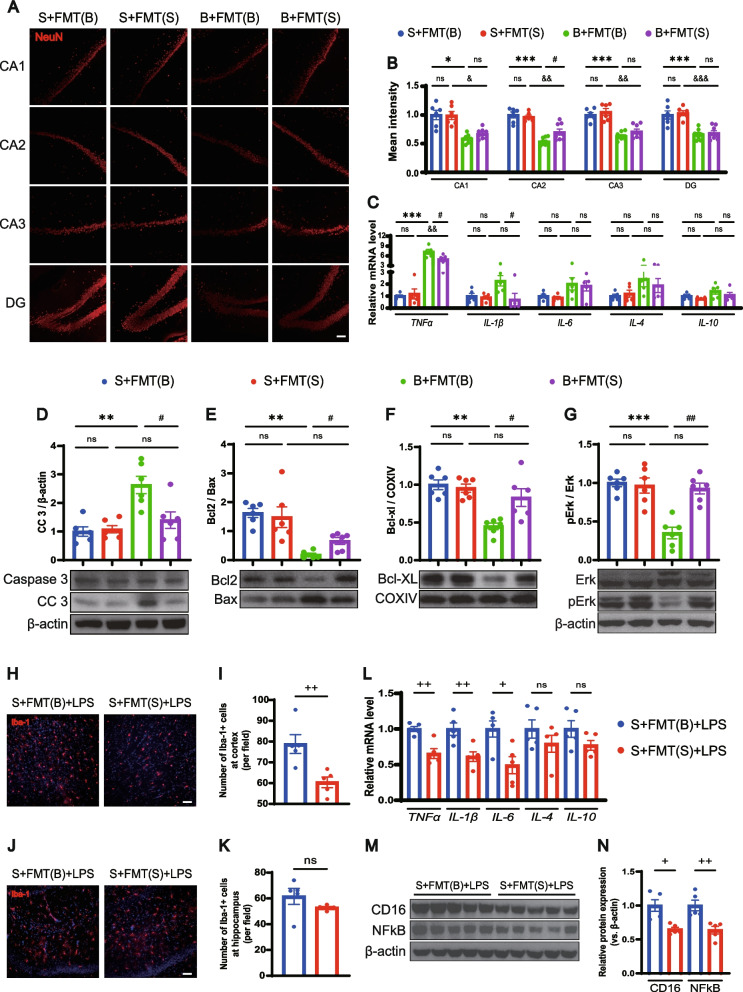
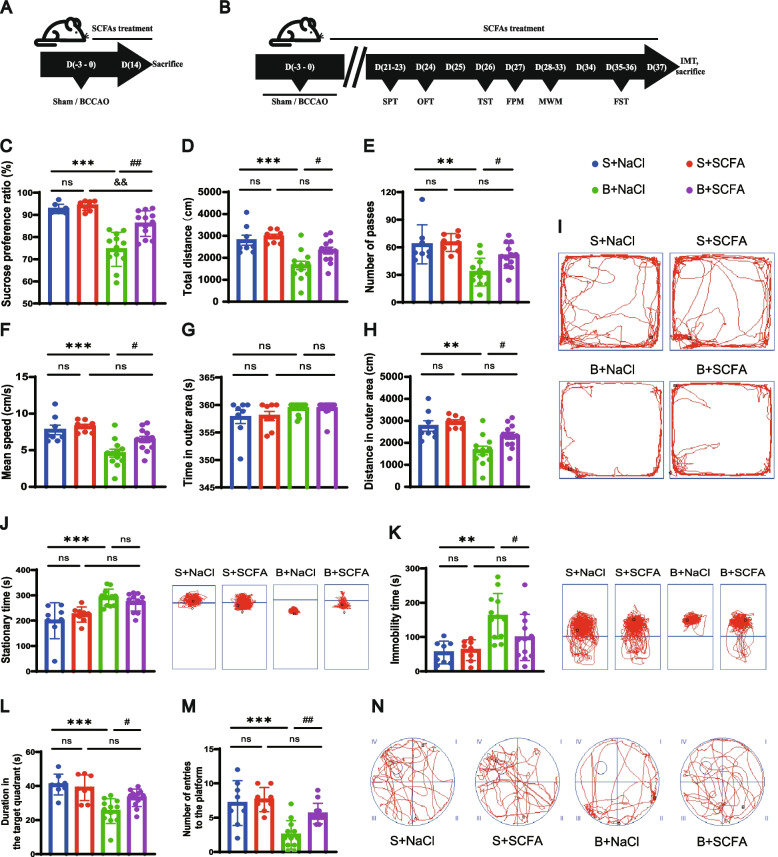
Verification
Claims the paper makes
The claims and statistics of this paper haven’t been checked yet.
Run the check — free, no account needed. It reads the open-access text and checks the sources it cites.
Claims other papers make about this one
Each is checked against this paper’s own text: does it say what the citing paper says it does?
In the citing paper
“Xiao et al. (59) found that modulation of the gut microbiota and supplementation with SCFAs promoted gastrointestinal transit, and modulated intestinal barrier function in a rat model of bilateral carotid artery obstruction, as well as improving symptoms of cognitive decline and depressive-like behavior, revealing the neuroprotective potential of gastrointestinal microbes.”
From Modulation of the gut–brain axis via the gut microbiota: a new era in treatment of amyotrophic lateral sclerosis (2023) · cites this paper as [59]
Self-check
Percentages, sums and reported differences re-computed from the paper’s own numbers.
The self-check needs the paper’s full text.
Citations
Cites
Revised Estimates for the Number of Human and Bacteria Cells in the Body
Sender, R., Fuchs, S., & Milo, R. (2016) · PLOS Biology · doi:10.1371/journal.pbio.1002533 · Cited by 5,425
The gut microbiota shapes intestinal immune responses during health and disease
Round, J. L., & Mazmanian, S. K. (2009) · Nature Reviews Immunology · doi:10.1038/nri2515 · Cited by 5,029
Host microbiota constantly control maturation and function of microglia in the CNS
Erny, D., Hrabě de Angelis, A. L., Jaitin, D., Wieghofer, P., Staszewski, O., David, E., Keren-Shaul, H., Mahlakoiv, T., Jakobshagen, K., Buch, T., et al. (2015) · Nature Neuroscience · doi:10.1038/nn.4030 · Cited by 3,569
The role of short-chain fatty acids in microbiota–gut–brain communication
Dalile, B., Van Oudenhove, L., Vervliet, B., & Verbeke, K. (2019) · Nature Reviews Gastroenterology & Hepatology · doi:10.1038/s41575-019-0157-3 · Cited by 3,357
Brown, A. J., Goldsworthy, S. M., Barnes, A. A., Eilert, M. M., Tcheang, L., Daniels, D., Muir, A. I., Wigglesworth, M. J., Kinghorn, I., Fraser, N. J., et al. (2003) · Journal of Biological Chemistry · doi:10.1074/jbc.m211609200 · Cited by 2,409
Gut microbiome alterations in Alzheimer’s disease
Vogt, N. M., Kerby, R. L., Dill-McFarland, K. A., Harding, S. J., Merluzzi, A. P., Johnson, S. C., Carlsson, C. M., Asthana, S., Zetterberg, H., Blennow, K., et al. (2017) · Scientific Reports · doi:10.1038/s41598-017-13601-y · Cited by 2,137
Zheng, P., Zeng, B., Zhou, C., Liu, M., Fang, Z., Xu, X., Zeng, L., Chen, J., Fan, S., Du, X., et al. (2016) · Molecular Psychiatry · doi:10.1038/mp.2016.44 · Cited by 2,023
The Pathobiology of Vascular Dementia
Iadecola, C. (2013) · Neuron · doi:10.1016/j.neuron.2013.10.008 · Cited by 1,857
Le Poul, E., Loison, C., Struyf, S., Springael, J.-Y., Lannoy, V., Decobecq, M.-E., Brezillon, S., Dupriez, V., Vassart, G., Van Damme, J., et al. (2003) · Journal of Biological Chemistry · doi:10.1074/jbc.m301403200 · Cited by 1,651
The central nervous system and the gut microbiome
Sharon, G., Sampson, T. R., Geschwind, D. H., & Mazmanian, S. K. (2016) · Cell · doi:10.1016/j.cell.2016.10.027 · Cited by 1,513
Cited by
Sorted by citations
Microbiota-derived metabolites as drivers of gut–brain communication
Ahmed, H., Leyrolle, Q., Koistinen, V., Kärkkäinen, O., Layé, S., Delzenne, N., & Hanhineva, K. (2022) · Gut Microbes · doi:10.1080/19490976.2022.2102878 · Cited by 462
Gut liver brain axis in diseases: the implications for therapeutic interventions
Yan, M., Man, S., Sun, B., Ma, L., Guo, L., Huang, L., & Gao, W. (2023) · Signal Transduction and Targeted Therapy · doi:10.1038/s41392-023-01673-4 · Cited by 314
A Review of Gut Microbiota‐Derived Metabolites in Tumor Progression and Cancer Therapy
Yang, Q., Wang, B., Zheng, Q., Li, H., Meng, X., Zhou, F., & Zhang, L. (2023) · Advanced Science · doi:10.1002/advs.202207366 · Cited by 259
Cheng, J., Hu, H., Ju, Y., Liu, J., Wang, M., Liu, B., & Zhang, Y. (2024) · General Psychiatry · doi:10.1136/gpsych-2023-101374 · Cited by 234
Neuromicrobiology, an emerging neurometabolic facet of the gut microbiome?
Miri, S., Yeo, J., Abubaker, S., & Hammami, R. (2023) · Frontiers in Microbiology · doi:10.3389/fmicb.2023.1098412 · Cited by 176
Metadata
- Authors
- Xiao, W., Su, J., Gao, X., Yang, H., Weng, R., Ni, W., & Gu, Y.
- Affiliations
- Shanghai Medical College of Fudan University (CN)
- Fudan University (CN)
- Corresponding author
- Ni, Wei
- Gu, Yuxiang
- Venue
- Microbiome
- Published
- 2022-04-17
- Volume
- 10
- Issue
- 1
- Pages
- 62-62
- ISSN
- 2049-2618 (ISSN-L)
- PMC
- PMC9013454
- OpenAlex
- W4224080430
- Cited by
- 252
- References
- 86
- Citations by year
- 2026: 47 · 2025: 91 · 2024: 73 · 2023: 37 · 2022: 4
- FWCI
- 16.72
- Type
- journal article
- Language
- en
- Update notices
- Open access
- gold
- doi.org
- Locations
- Microbiome (publishedVersion, cc-by)
- PubMed Central (publishedVersion, cc-by)
- PubMed (publishedVersion)
- DOAJ (DOAJ: Directory of Open Access Journals) (submittedVersion, cc-by-sa)
- Funders
- Innovative Research Group Project of the National Natural Science Foundation of China (82171313, 81870917, 81771237, 82101397)
- Ministry of Human Resources and Social Security (2016YFC1301704)
- Science and Technology Commission of Shanghai Municipality (2018SHZDZX01)
- Topics
- Life Sciences › Biochemistry, Genetics and Molecular Biology › Molecular Biology › Gut microbiota and health
- Life Sciences › Neuroscience › Neurology › Neurological Disease Mechanisms and Treatments
- Health Sciences › Medicine › Gastroenterology › Gastrointestinal motility and disorders
- Keywords
- microbiota-gut-brain axis, chronic cerebral hypoperfusion, short-chain fatty acids, gut dysbiosis, fecal microbiota transplantation, bilateral common carotid artery occlusion, cognitive impairment, depression-like behavior, neuroinflammation, hippocampal neuronal apoptosis, intestinal motility, intestinal barrier, neuroprotection
- MeSH terms
- Gastrointestinal Microbiome, Fecal Microbiota Transplantation, Brain-Gut Axis, Animals, Fatty Acids, Volatile, Mice, Inbred C57BL, Mice, Rats
About these checks
Registry, retraction, Cites and statistics results are computed, not judged, with one exception: a printed reference that no index lists is read once by a model before it counts as a citation error. Claims are extracted by a model and kept only when their quote appears verbatim in the text; each cited source is then checked, with a model’s help, for whether it says what the claim relies on. Those verdicts can be wrong — read the claim’s quote and the cited source before relying on one.
Statistics and arithmetic are recomputed, not judged.
Confidence bands are shown only for fields calibrated on our annotated test set. None is calibrated yet, so no band is shown.
What counts as a claim ›How we measure confidence ›How we check this ›
Are you an author, or do you see a problem with this page? Request a review
