

The intriguing roles of Siglec family members in the tumor microenvironment
Open accessThe DOI matches its Crossref record; 87 of the 87 references it cites were found in a registry or an index.
Abstract
Sialic acid-binding receptors are expressed on the surfaces of a variety of immune cells and have complex and diverse immunoregulatory functions in health and diseases. Recent studies have shown that Siglecs could play diverse immune and nonimmune regulatory roles in the tumor microenvironment (TME) and participate in tumor progression through various mechanisms, such as regulating tumor growth and metastasis, mediating the inflammatory response, and promoting tumor immune escape, thereby affecting the prognoses and outcomes of patients. However, depending on the cell type in which they are expressed, each Siglec member binds to corresponding ligands in the microenvironment milieu to drive diverse cell physiological and pathological processes in tumors. Therefore, we herein summarize the expression spectra and functions of the Siglec family in human diseases, particularly cancer, and highlight the possibility of therapeutic interventions targeting the TME in the future.
Overview
The claims and statistics of this paper haven’t been checked yet.
Free: it reads the open-access text and checks the first 5 claims that cite a source we can check. Create a free account to check every claim.
Integrity signals
Registry
Cites
Statistics
Figures
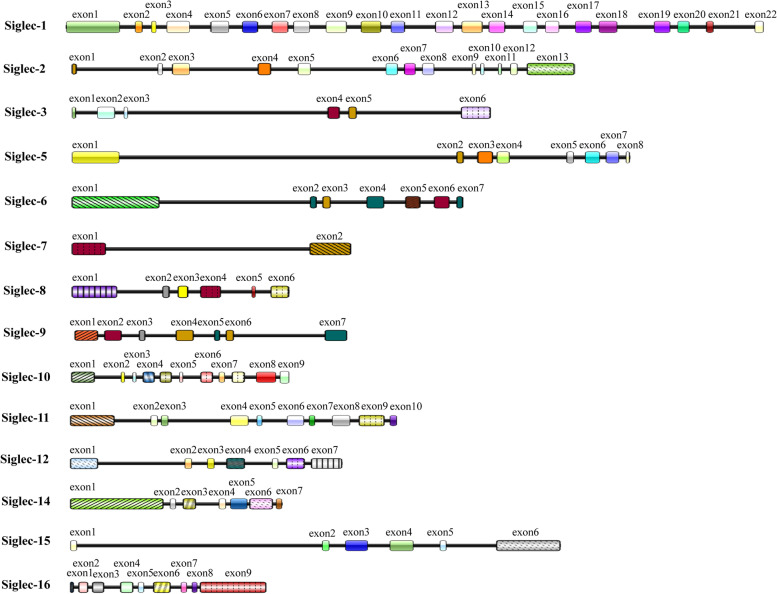
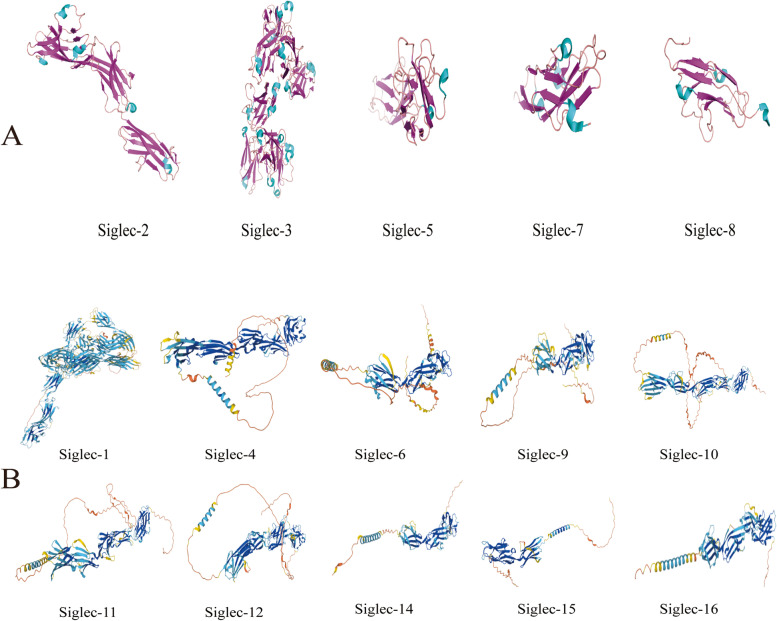
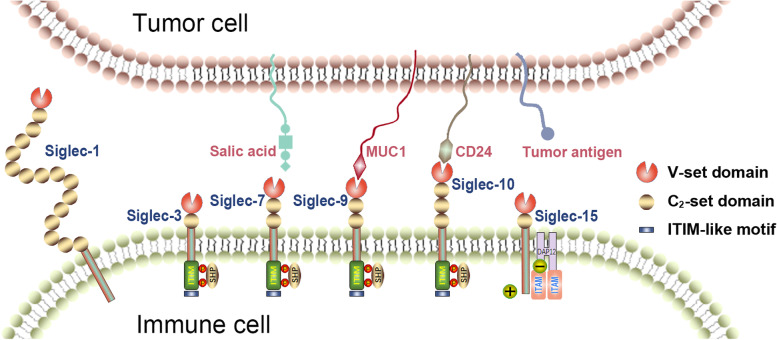
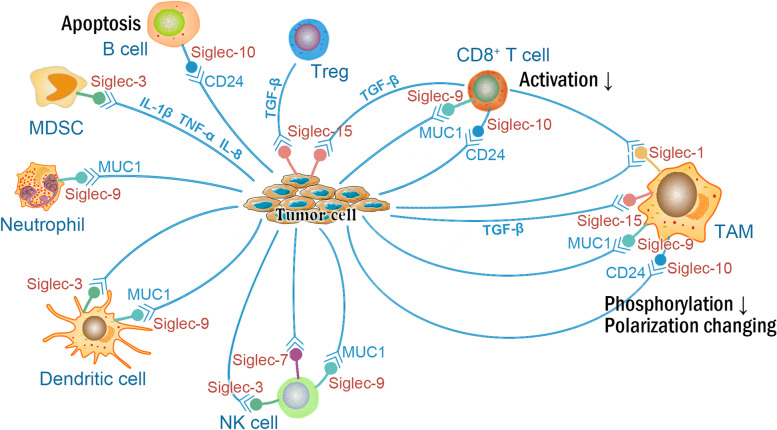
Verification
Claims the paper makes
The claims and statistics of this paper haven’t been checked yet.
Free: it reads the open-access text and checks the first 5 claims that cite a source we can check. Create a free account to check every claim.
Claims other papers make about this one
Each is checked against this paper’s own text: does it say what the citing paper says it does?
In the citing paper
“TME also promotes abnormal sialylation in tumor cells and modulates the expression of siglec on infiltrating immune cells [268].”
From Tumor microenvironment signaling and therapeutics in cancer progression (2023) · cites this paper as [268]
Self-check
Percentages, sums and reported differences re-computed from the paper’s own numbers.
The self-check needs the paper’s full text.
Citations
Cites
Elements of cancer immunity and the cancer–immune set point
Chen, D. S., & Mellman, I. (2017) · Nature · doi:10.1038/nature21349 · Cited by 5,352 · cited 1×
“Studies have shown that a single-agent checkpoint blockade (anti-PD-L1/PD-1) is rarely effective in some subgroups [71].”
BackgroundSingle-cell RNA-seq reveals new types of human blood dendritic cells, monocytes, and progenitors
Villani, A.-C., Satija, R., Reynolds, G., Sarkizova, S., Shekhar, K., Fletcher, J., Griesbeck, M., Butler, A., Zheng, S., Lazo, S., et al. (2017) · Science · doi:10.1126/science.aah4573 · Cited by 2,413 · cited 7×
“Abbreviations TME: Tumor microenvironment; DCs: Dendritic cells; NK cells: Natural killer cells; Sia: Sialic acid; DAMPs: Damage associated molecular patterns; ITAM: Immunoreceptor tyrosine‑based activation motif; ITIM: Immunoreceptor tyrosine‑based inhibition motif; SHPs: SH2 domain‑containing protein tyrosine phosph…”
BackgroundInfluentialSiglecs and their roles in the immune system
Crocker, P. R., Paulson, J. C., & Varki, A. (2007) · Nature Reviews Immunology · doi:10.1038/nri2056 · Cited by 2,031 · cited 5×
“Inhibitory Siglecs include Siglec-3, Siglec-5, Siglec-7, Siglec-9, and Siglec-10, and their intracellular regions contain ITIM- and ITIM-like domains, which transduce inhibitory signals by recruiting tyrosine phosphatases (SH2 domain-containing protein tyrosine phosphatases, SHPs), such as SHP-1 and SHP-2 [8, 9].”
BackgroundInfluentialCD24 signalling through macrophage Siglec-10 is a target for cancer immunotherapy
Barkal, A. A., Brewer, R. E., Markovic, M., Kowarsky, M., Barkal, S. A., Zaro, B. W., Krishnan, V., Hatakeyama, J., Dorigo, O., Barkal, L. J., et al. (2019) · Nature · doi:10.1038/s41586-019-1456-0 · Cited by 1,385 · cited 2×
“This negatively regulates intracellular signaling, inhibits phagocytosis by macrophages and promotes tumor immune escape [37].”
BackgroundSiglec-mediated regulation of immune cell function in disease
Macauley, M. S., Crocker, P. R., & Paulson, J. C. (2014) · Nature Reviews Immunology · doi:10.1038/nri3737 · Cited by 1,122 · cited 1×
“Human Siglec-4, Siglec-14, Siglec-15, Siglec-16 and mouse Siglec-H belong to this classification [8, 10].”
BackgroundSiglec-15 as an immune suppressor and potential target for normalization cancer immunotherapy
Wang, J., Sun, J., Liu, L. N., Flies, D. B., Nie, X., Toki, M., Zhang, J., Song, C., Zarr, M., Zhou, X., et al. (2019) · Nature Medicine · doi:10.1038/s41591-019-0374-x · Cited by 679 · cited 1×
“[57] demonstrated that the upregulation of Siglec-15 expression in some tumor cells inhibited CD8+ T-cell proliferation and activation in vitro and in vivo in Siglec-15-deficient mice.”
BackgroundMuch More than M1 and M2 Macrophages, There are also CD169+ and TCR+ Macrophages
Chávez-Galán, L., Olleros, M. L., Vesin, D., & Garcia, I. (2015) · Frontiers in Immunology · doi:10.3389/fimmu.2015.00263 · Cited by 653 · cited 1×
“The Leslie Chávez-Galán team also defined TCR +Siglec-1+ macrophages as another macrophage subgroup in the TME that can potentially serve as another clinical treatment target in diseases other than cancer [17].”
BackgroundSiglecs as Immune Cell Checkpoints in Disease
Duan, S., & Paulson, J. C. (2020) · Annual Review of Immunology · doi:10.1146/annurev-immunol-102419-035900 · Cited by 452 · cited 1×
“The intracellular domain is divided into a short lysine-containing tail and an extracellular structural domain consisting of an N-terminal binding Ig domain and a variable number of C2-type structural domains [6].”
BackgroundJandus, C., Boligan, K. F., Chijioke, O., Liu, H., Dahlhaus, M., Démoulins, T., Schneider, C., Wehrli, M., Hunger, R. E., Baerlocher, G. M., et al. (2014) · Journal of Clinical Investigation · doi:10.1172/jci65899 · Cited by 439 · cited 2×
“Moreover, Siglec-9+ NK cells highly express the chemokine receptors CXCR1 and CX3CR1 and can recruit IL-8 to promote tumor proliferation, invasion, and neovascularization [26].”
BackgroundBeatson, R., Tajadura-Ortega, V., Achkova, D., Picco, G., Tsourouktsoglou, T.-D., Klausing, S., Hillier, M., Maher, J., Noll, T., Crocker, P. R., et al. (2016) · Nature Immunology · doi:10.1038/ni.3552 · Cited by 378 · cited 15×
“Although the relationship between the expression of Siglecs and PD-L1 in the TME is not clear, anti-PD-1 and anti-Siglec therapies in combination might have improved efficacy.”
BackgroundInfluential
Cited by
Tumor microenvironment signaling and therapeutics in cancer progression
Goenka, A., Khan, F., Verma, B., Sinha, P., Dmello, C. C., Jogalekar, M. P., Gangadaran, P., & Ahn, B. (2023) · Cancer Communications · doi:10.1002/cac2.12416 · Cited by 323
Wen, R. M., Stark, J. C., Marti, G. E., Fan, Z., Lyu, A., Garcia-Marques, F. J., Zhang, X., Riley, N. M., Totten, S. M., Bermudez, A., et al. (2024) · Journal of Clinical Investigation · doi:10.1172/jci180282 · Cited by 69
Jangid, A. K., Kim, S. J., & Kim, K. (2023) · Biomaterials Research · doi:10.1186/s40824-023-00404-8 · Cited by 41
Sialic acid and Siglec receptors in tumor immunity and immunotherapy
Mantuano, N. R., & Laubli, H. P. (2024) · Seminars in Immunology · doi:10.1016/j.smim.2024.101893 · Cited by 50
Wu, Y., Ai, H., Xi, Y., Tan, J., Qu, Y., Xu, J., Luo, F., & Dou, C. (2023) · Cell Reports Medicine · doi:10.1016/j.xcrm.2023.101165 · Cited by 55
Checkpoint Markers and Tumor Microenvironment: What Do We Know?
Ephraim, R., Fraser, S., Nurgali, K., & Apostolopoulos, V. (2022) · Cancers · doi:10.3390/cancers14153788 · Cited by 39
“Siglecs: Sialic acid-binding immunoglobulin-like lectins (Siglecs) are transmembrane sialic acid-binding proteins of the immunoglobulin superfamily characterized by the presence of an N-terminal V-set Ig-like domain along with variable numbers of C2 set domains [39].”
BackgroundRole of tumor cell sialylation in pancreatic cancer progression
Marciel, M. P., Haldar, B., Hwang, J., Bhalerao, N., & Bellis, S. L. (2022) · Advances in cancer research · doi:10.1016/bs.acr.2022.07.003 · Cited by 34
From mechanism to therapy: the journey of CD24 in cancer
Zhao, K., Wu, C., Li, X., Niu, M., Wu, D., Cui, X., & Hai, Z. (2024) · Frontiers in Immunology · doi:10.3389/fimmu.2024.1401528 · Cited by 33
Sialylation: A Cloak for Tumors to Trick the Immune System in the Microenvironment
Zhou, X., Chi, K., Zhang, C., Liu, Q., & Yang, G. (2023) · Biology · doi:10.3390/biology12060832 · Cited by 33
Feng, H., Feng, J., Han, X., Ying, Y., Lou, W., Liu, L., & Zhang, L. (2024) · Cancers · doi:10.3390/cancers16020289 · Cited by 32
Immune Cell Interactions and Immune Checkpoints in the Tumor Microenvironment of Gastric Cancer
Cozac-Szőke, A.-R., Cozac, D. A., Negovan, A. E., Tinca, A. C., Vilaia, A., Cocuz, I. G., Sabău, A.-H., Niculescu, R., Chiorean, D. M., Tomuț, A. N., et al. (2025) · International Journal of Molecular Sciences · doi:10.3390/ijms26031156 · Cited by 29
“…✓ ↑ SIGLEC-15 expression is associated with TAMs and MDSCs => the immune response modulation within the TME, inhibiting the activity of CTLs [13,87,89] Immunotherapy Response ✓ Targeting SIGLEC-15 => novel immunotherapeutic approach for patients who do not respond to PD-1/PD-L1 inhibitors…”
Contribution of natural killer cells in innate immunity against colorectal cancer
Ghazvinian, Z., Abdolahi, S., Tokhanbigli, S., Tarzemani, S., Piccin, A., Zali, M. R., Verdi, J., & Baghaei, K. (2023) · Frontiers in Oncology · doi:10.3389/fonc.2022.1077053 · Cited by 24
“Siglec-3,Siglec-7,Siglec-9 Inhibitory motif (Ig-like domain) Sialic Acid (53)”
BackgroundKim, S. I., Hwangbo, S., Dan, K., Kim, H. S., Chung, H. H., Kim, J., Park, N. H., Song, Y. S., Han, D., & Lee, M. (2023) · Molecular & Cellular Proteomics · doi:10.1016/j.mcpro.2023.100502 · Cited by 21
Jastrząb, P., Narejko, K., Car, H., & Wielgat, P. (2023) · Cancers · doi:10.3390/cancers15205103 · Cited by 23
“However, inhibitory Siglecs containing an immunoglobulin-like inhibitory motif (ITIM) have been shown to play a role in regulating immune and non-immune responses within the TME and can influence various aspects of cancer progression [59].”
BackgroundHao, W., Zhang, Y., Dou, J., Cui, P., & Zhu, J. (2023) · BMC Cancer · doi:10.1186/s12885-023-11490-1 · Cited by 20
SIGLEC-5/14 Inhibits CD11b/CD18 Integrin Activation and Neutrophil-Mediated Tumor Cell Cytotoxicity
Bouti, P., Blans, C., Klein, B. J. A. M., Shome, D., Nadafi, R., van Houdt, M., Schornagel, K., Verkuijlen, P., Roos, V., Reijmers, R. M., et al. (2023) · International Journal of Molecular Sciences · doi:10.3390/ijms242417141 · Cited by 17
“…SIGLEC family is comprised of 14 members, of which 9 contain an intracellular immune receptor tyrosine-based inhibition motif (ITIM) or ITIM-like motif, and 3 can induce activating signals due to interaction to DAP10/12, which carry an immune receptor tyrosine-based activation motif (ITAM) [12,13].”
BackgroundSIGLEC10+ macrophages drive gastric cancer progression by suppressing CD8+ T cell function
Guo, Y., Ke, S., Xie, F., Chen, J., Liu, X., Wang, Z., Xu, D., Shen, Y., Zhao, G., Zhao, W., et al. (2023) · Cancer Immunology Immunotherapy · doi:10.1007/s00262-023-03488-2 · Cited by 19
“Previous reports showed that SIGLEC-15 and B7-H4 play a role as a “ligand” for an unknown inhibitory receptor on cytotoxic T cells, in much the same way as PD-L1 on cancer cells or tumor stroma engages with the immune checkpoint molecule PD-1 on T cells [13, 18].”
ResultInfluentialSurprising magic of CD24 beyond cancer
He, W., Shi, P., Shi, X., Lv, Y., Xie, H., & Hai, Z. (2024) · Frontiers in Immunology · doi:10.3389/fimmu.2023.1334922 · Cited by 16
“While CD24 lacks intrinsic enzymatic activity, it interacts with multiple receptor proteins, such as Siglec-10, Siglec-15, and the NKG2D receptor (35, 36).”
BackgroundHabeeb, I. F., Alao, T. E., Delgado, D., & Buffone, A. (2024) · Frontiers in Oncology · doi:10.3389/fonc.2024.1487306 · Cited by 24
van Houtum, E. J. H., Kers‐Rebel, E. D., Looman, M. W. G., Hooijberg, E., Büll, C., Granado, D., Cornelissen, L. A. M., & Adema, G. J. (2023) · Cellular and Molecular Life Sciences · doi:10.1007/s00018-023-04816-6 · Cited by 13
“Interestingly, therapeutics that decrease sialic acid content in the TME as well as antibodies blocking sialic acid-Siglec interactions have been shown to improve tumor immunity in preclinical studies [23, 24].”
BackgroundGlioma-Associated Sialoglycans Drive the Immune Suppressive Phenotype and Function of Myeloid Cells
Cornelissen, L. A. M., Santegoets, K. C. M., Kers‐Rebel, E. D., Bossmann, S. A. J. F. H., ter Laan, M., Granado, D., & Adema, G. J. (2024) · Pharmaceutics · doi:10.3390/pharmaceutics16070953 · Cited by 12
“Siglec-3 is a member of the Siglec receptor family that are broadly expressed on immune cells and are well-known for their immune-modulatory functions [7–9].”
BackgroundMei, S., Huang, Y., Zhao, Y., Zhang, X., & Zhang, P. (2023) · Clinical and Translational Medicine · doi:10.1002/ctm2.1262 · Cited by 7
Molecular basis of Siglec-10 ligand recognition and antibody blockadePreprint
Sobczak, K., Antoñana-Vildosola, A., Valverde, P., Valdaliso-Díez, E., Mentxaka, A., Travecedo, M. A., Jame-Chernaboo, Z., Schmidt, E. N., Heinze, L., D’Andrea, S., et al. (2025) · bioRxiv (Cold Spring Harbor Laboratory) · doi:10.1101/2025.06.10.658867 · Cited by 8
“In fact, the interactions of sialic acids with the sialic acid-binding immunoglobulin (Ig)-like lectins (Siglecs) family of immune receptors play a pivotal role in immune surveillance within the tumor microenvironment (TME) 5 , 6 , 7 .”
Safa, A., Vruzhaj, I., Gambirasi, M., & Toffoli, G. (2025) · Cancers · doi:10.3390/cancers17213506 · Cited by 7
MicroRNA:Siglec crosstalk in cancer progression
Mustafov, D., Ahmad, M. S., Serrano, A., Braoudaki, M., & Siddiqui, S. S. (2024) · Current Opinion in Chemical Biology · doi:10.1016/j.cbpa.2024.102502 · Cited by 5
Siglecs in immunotherapy: current clinical landscape and prospects
Purohit, A., Joshi, I., Bhojnagarwala, P. S., Boyer, J., Kim, J. J., Weiner, D. B., & Bordoloi, D. (2025) · Trends in Pharmacological Sciences · doi:10.1016/j.tips.2025.11.004 · Cited by 4
RNA Profile of Cell Bodies and Exosomes Released by Tumorigenic and Non-Tumorigenic Thyroid Cells
Maggisano, V., Capriglione, F., Mio, C., Bulotta, S., Damante, G., Russo, D., & Celano, M. (2024) · International Journal of Molecular Sciences · doi:10.3390/ijms25031407 · Cited by 5
“In fact, the microenvironment promotes the abnormal secretion of sialic acid from tumor cells, which in turn stimulates the up-regulation of SIGLEC expression in infiltrating immune cells [33].”
BackgroundProtein Glycosylation: An Emerging Regulator of Allergic Diseases
Li, P., Wang, X., Zeng, M., & Liu, Z. (2025) · Allergy · doi:10.1111/all.70171 · Cited by 5
“…with Neu5Ac alleviates allergic symptoms in a mouse model sensitized with shrimp tropomyosin [124], while antibody NC318 (anti- Siglec-15) effectively blocks Siglec- 15-mediated immune suppression and restores T-cell function [125], and AK002 (anti- Siglec-8) induces apoptosis of eosinophils [126].”
Unveiling sialoglycans’ immune mastery in pregnancy and their intersection with tumor biology
Huang, J., Lu, F., Huang, J., Zhang, G., & Liao, S. (2024) · Frontiers in Immunology · doi:10.3389/fimmu.2024.1479181 · Cited by 5
A comprehensive computational analysis to explore the importance of SIGLECs in HCC biology
Yao, S., Chen, W., Chen, T., Zuo, H., Bi, Z., Zhang, X., Pang, L., Jing, Y., Yin, X., & Cheng, H. (2023) · BMC Gastroenterology · doi:10.1186/s12876-023-02672-z · Cited by 3
“SIGLECs have been summarized in a review that they could play diverse regulatory functions in the tumor microenvironment (TME), while participating in HCC progression by various mechanisms, such as regulating cancer metastasis, and promoting cancer immune escape [12].”
BackgroundPark, H., Kim, H.-J., Sohn, S., Baik, Y., Kim, D., Lee, S.-Y., Kong, J. H., Kim, H., Shin, D., Ahn, J., et al. (2025) · Annals of Hematology · doi:10.1007/s00277-025-06514-8 · Cited by 1
“CD169 (SIGLEC1), expressed mainly in macrophages, has tumor-suppressing roles in various malignant tumors [29].”
Emerging cell surface glycoRNAs with potential regulatory roles
Aquino‐Jarquín, G. (2025) · Drug Discovery Today · doi:10.1016/j.drudis.2025.104591 · Cited by 1
Fan, T.-C., Hung, T., Yeh, C., Lin, P., Chang, N., Lo, T.-C., Wu, T., Yu, J., & Yu, A. L.-T. (2026) · Cancer Immunology Immunotherapy · doi:10.1007/s00262-026-04388-x · Cited by 1
Geng, J., Chen, L., Yang, C.-S., Ruan, X., Hu, S., Chen, J., & Wu, Z. (2023) · medRxiv · doi:10.1101/2023.11.22.23298887 · Cited by 1
Unveiling the hub genes in the SIGLECs family in colon adenocarcinoma with machine learning
Li, T., & Yao, J. (2024) · Frontiers in Genetics · doi:10.3389/fgene.2024.1375100
Impact of the Siglec-Sialoglycan Axis on the Cancer Immune Response
Ahmad, M. S., Seriah, S., & Siddiqui, S. S. (2024) · Interdisciplinary cancer research · doi:10.1007/16833_2024_272
Yao, S., Chen, W., Chen, T., Zuo, H., Bi, Z., Zhang, X., Pang, L., Jing, Y., Yin, X., & Cheng, H. (2024) · Figshare · doi:10.6084/m9.figshare.26569651
Aberrant sialylation in cancer: From molecular mechanisms to potential therapeutics
Kong, R., Wang, C., Zhang, Y., Zhong, G., Liu, J., & Zhou, X. (2026) · Genes & Diseases · doi:10.1016/j.gendis.2026.102080
“Overexpression of NEU2 inhibits cell migration and invasion, reducing levels of vascular endothelial growth factor, vascular endothelial growth factor receptor, and matrix metalloproteinase 9 (MMP9).”
Molecular Determinants of Siglec‐10 Recognition by a Sialomimetic (9‐Ad‐6SL)
Valverde, P., Sobczak, K., Oyenarte, I., Cano, K. Y., Moure, M. J., Nycholat, C. M., Corzana, F., Paulson, J. C., Ereño‐Orbea, J., Gimeno, A., et al. (2026) · ChemistryEurope · doi:10.1002/ceur.202500402
Keeney, J. N., Schwarte, J., Yang, B., Wesseling, H., Zhang, B., McKnight, A. J., Hegde, S., & Wang, G. (2026) · Frontiers in Immunology · doi:10.3389/fimmu.2026.1764343
“In oncology, Siglec-7 function is widely characterized in multiple tumor microenvironments, particularly with respect to NK cell activity (52 – 54).”
Cui, W., Jiang, M., Zhang, R., Yu, J., & Chen, D. (2026) · Frontiers in Oncology · doi:10.3389/fonc.2026.1758628 · Cited by 2
“” Activation of this axis dampens immune effector functions and supports immune escape (80).”
SIGLEC12 Predicts Prognosis and Chemotherapeutic Vulnerability in Patients with Pancreatic Cancer
An, Y., Chu, Y., & Jia, J. (2026) · Annals of Surgical Oncology · doi:10.1245/s10434-026-20077-6
“20 For example, SIGLEC3 is predominantly expressed on the surface of human myeloid cells and leukemic blasts of myeloid origin in acute myeloid leukemia.”
Wang, S., Wang, H. Q., Zhao, H., Zhao, R., Zhao, P., & Mu, Q. (2026) · Translational Oncology · doi:10.1016/j.tranon.2026.103032
Metadata
- Authors
- Jiang, K.-Y., Qi, L.-L., Kang, F.-B., & Wang, L.
- Affiliations
- Third Hospital of Hebei Medical University (CN)
- Corresponding author
- Wang, Ling
- ORCID
- Wang, Ling
- Venue
- Biomarker Research
- Published
- 2022-04-13
- Volume
- 10
- Issue
- 1
- Pages
- 22-22
- ISSN
- 2050-7771 (ISSN-L)
- PMC
- PMC9008986
- OpenAlex
- W4223999372
- Cited by
- 43
- References
- 87
- Citations by year
- 2026: 7 · 2025: 7 · 2024: 13 · 2023: 14 · 2022: 2
- FWCI
- 0.94
- Type
- journal article
- Language
- en
- Open access
- gold
- doi.org
- Licence
- cc-by
- creativecommons.org/licenses/by/4.0 (tdm)
- creativecommons.org/licenses/by/4.0 (vor)
- Locations
- Biomarker Research (publishedVersion, cc-by)
- PubMed Central (publishedVersion, cc-by)
- PubMed (publishedVersion)
- DOAJ (DOAJ: Directory of Open Access Journals) (submittedVersion, cc-by-sa)
- Funders
- National Natural Science Foundation of China (82173210)
- Topics
- Life Sciences › Biochemistry, Genetics and Molecular Biology › Molecular Biology › Glycosylation and Glycoproteins Research
- Life Sciences › Immunology and Microbiology › Immunology › Galectins and Cancer Biology
- Health Sciences › Medicine › Oncology › Cancer Immunotherapy and Biomarkers
- Keywords
- sialic acid-binding lectins, tumor microenvironment, tumor immunology, tumor immune evasion, metastasis, tumor inflammation, tumor progression
About these checks
Registry, retraction, Cites and statistics results are computed, not judged, with one exception: a printed reference that no index lists is read once by a model before it counts as a citation error. Claims are extracted by a model and kept only when their quote appears verbatim in the text; each cited source is then checked, with a model’s help, for whether it says what the claim relies on. Those verdicts can be wrong — read the claim’s quote and the cited source before relying on one.
Statistics and arithmetic are recomputed, not judged.
Confidence bands are shown only for fields calibrated on our annotated test set. None is calibrated yet, so no band is shown.
What counts as a claim ›How we measure confidence ›How we check this ›
Are you an author, or do you see a problem with this page? Request a review
Data sources
Bibliographic data: Semantic Scholar, OpenAlex, Crossref.
Contains information from the Semantic Scholar Academic Graph Datasets, made available under the ODC Attribution License (ODC-BY 1.0).
Semantic Scholar’s data is described in: Kinney, R., et al. (2023). The Semantic Scholar Open Data Platform. arXiv:2301.10140.
