

The intriguing roles of Siglec family members in the tumor microenvironment
Open accessThe DOI matches its Crossref record; 87 of the 87 references it cites were found in a registry or an index.
Abstract
Sialic acid-binding receptors are expressed on the surfaces of a variety of immune cells and have complex and diverse immunoregulatory functions in health and diseases. Recent studies have shown that Siglecs could play diverse immune and nonimmune regulatory roles in the tumor microenvironment (TME) and participate in tumor progression through various mechanisms, such as regulating tumor growth and metastasis, mediating the inflammatory response, and promoting tumor immune escape, thereby affecting the prognoses and outcomes of patients. However, depending on the cell type in which they are expressed, each Siglec member binds to corresponding ligands in the microenvironment milieu to drive diverse cell physiological and pathological processes in tumors. Therefore, we herein summarize the expression spectra and functions of the Siglec family in human diseases, particularly cancer, and highlight the possibility of therapeutic interventions targeting the TME in the future.
Overview
The claims and statistics of this paper haven’t been checked yet.
Free: it reads the open-access text and checks the first 5 claims that cite a source we can check. Create a free account to check every claim.
Integrity signals
Registry
Cites
Statistics
Figures
Verification
Claims the paper makes
The claims and statistics of this paper haven’t been checked yet.
Free: it reads the open-access text and checks the first 5 claims that cite a source we can check. Create a free account to check every claim.
Claims other papers make about this one
Each is checked against this paper’s own text: does it say what the citing paper says it does?
In the citing paper
“TME also promotes abnormal sialylation in tumor cells and modulates the expression of siglec on infiltrating immune cells [268].”
From Tumor microenvironment signaling and therapeutics in cancer progression (2023) · cites this paper as [268]
Self-check
Percentages, sums and reported differences re-computed from the paper’s own numbers.
The self-check needs the paper’s full text.
Citations
Cites
Elements of cancer immunity and the cancer–immune set point
Chen, D. S., & Mellman, I. (2017) · Nature · doi:10.1038/nature21349 · Cited by 5,352 · cited 1×
“Studies have shown that a single-agent checkpoint blockade (anti-PD-L1/PD-1) is rarely effective in some subgroups [71].”
BackgroundSingle-cell RNA-seq reveals new types of human blood dendritic cells, monocytes, and progenitors
Villani, A.-C., Satija, R., Reynolds, G., Sarkizova, S., Shekhar, K., Fletcher, J., Griesbeck, M., Butler, A., Zheng, S., Lazo, S., et al. (2017) · Science · doi:10.1126/science.aah4573 · Cited by 2,413 · cited 7×
“Abbreviations TME: Tumor microenvironment; DCs: Dendritic cells; NK cells: Natural killer cells; Sia: Sialic acid; DAMPs: Damage associated molecular patterns; ITAM: Immunoreceptor tyrosine‑based activation motif; ITIM: Immunoreceptor tyrosine‑based inhibition motif; SHPs: SH2 domain‑containing protein tyrosine phosph…”
BackgroundInfluentialSiglecs and their roles in the immune system
Crocker, P. R., Paulson, J. C., & Varki, A. (2007) · Nature Reviews Immunology · doi:10.1038/nri2056 · Cited by 2,031 · cited 5×
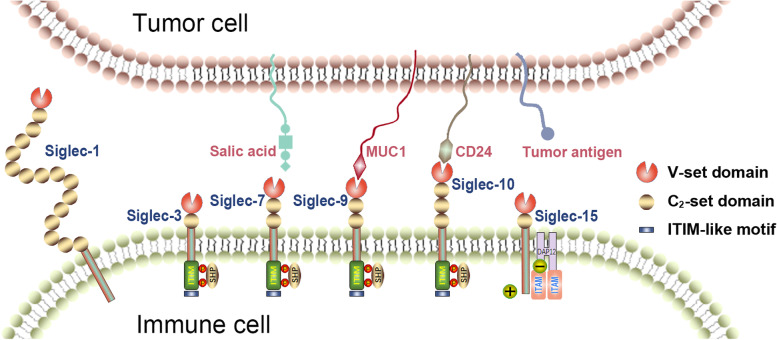
“Inhibitory Siglecs include Siglec-3, Siglec-5, Siglec-7, Siglec-9, and Siglec-10, and their intracellular regions contain ITIM- and ITIM-like domains, which transduce inhibitory signals by recruiting tyrosine phosphatases (SH2 domain-containing protein tyrosine phosphatases, SHPs), such as SHP-1 and SHP-2 [8, 9].”
BackgroundInfluentialCD24 signalling through macrophage Siglec-10 is a target for cancer immunotherapy
Barkal, A. A., Brewer, R. E., Markovic, M., Kowarsky, M., Barkal, S. A., Zaro, B. W., Krishnan, V., Hatakeyama, J., Dorigo, O., Barkal, L. J., et al. (2019) · Nature · doi:10.1038/s41586-019-1456-0 · Cited by 1,385 · cited 2×
“This negatively regulates intracellular signaling, inhibits phagocytosis by macrophages and promotes tumor immune escape [37].”
BackgroundSiglec-mediated regulation of immune cell function in disease
Macauley, M. S., Crocker, P. R., & Paulson, J. C. (2014) · Nature Reviews Immunology · doi:10.1038/nri3737 · Cited by 1,122 · cited 1×
“Human Siglec-4, Siglec-14, Siglec-15, Siglec-16 and mouse Siglec-H belong to this classification [8, 10].”
BackgroundSiglec-15 as an immune suppressor and potential target for normalization cancer immunotherapy
Wang, J., Sun, J., Liu, L. N., Flies, D. B., Nie, X., Toki, M., Zhang, J., Song, C., Zarr, M., Zhou, X., et al. (2019) · Nature Medicine · doi:10.1038/s41591-019-0374-x · Cited by 679 · cited 1×
“[57] demonstrated that the upregulation of Siglec-15 expression in some tumor cells inhibited CD8+ T-cell proliferation and activation in vitro and in vivo in Siglec-15-deficient mice.”
BackgroundMuch More than M1 and M2 Macrophages, There are also CD169+ and TCR+ Macrophages
Chávez-Galán, L., Olleros, M. L., Vesin, D., & Garcia, I. (2015) · Frontiers in Immunology · doi:10.3389/fimmu.2015.00263 · Cited by 653 · cited 1×
“The Leslie Chávez-Galán team also defined TCR +Siglec-1+ macrophages as another macrophage subgroup in the TME that can potentially serve as another clinical treatment target in diseases other than cancer [17].”
BackgroundSiglecs as Immune Cell Checkpoints in Disease
Duan, S., & Paulson, J. C. (2020) · Annual Review of Immunology · doi:10.1146/annurev-immunol-102419-035900 · Cited by 452 · cited 1×
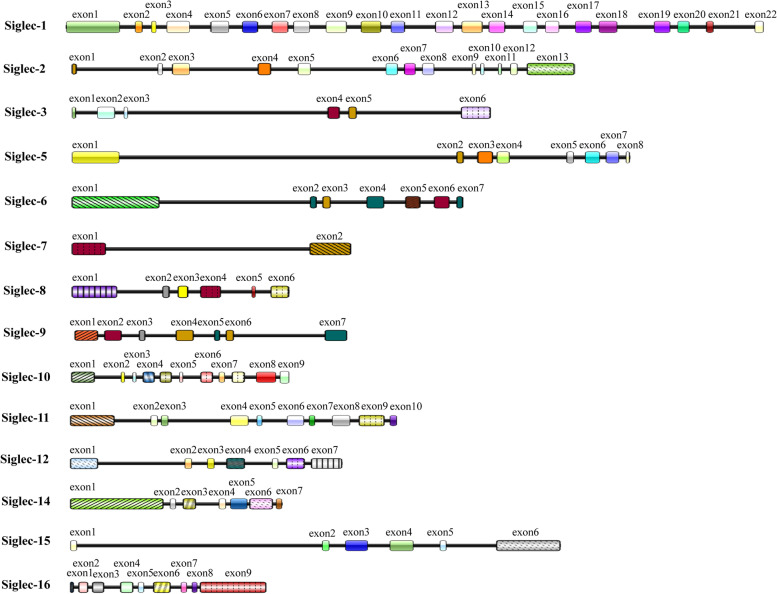
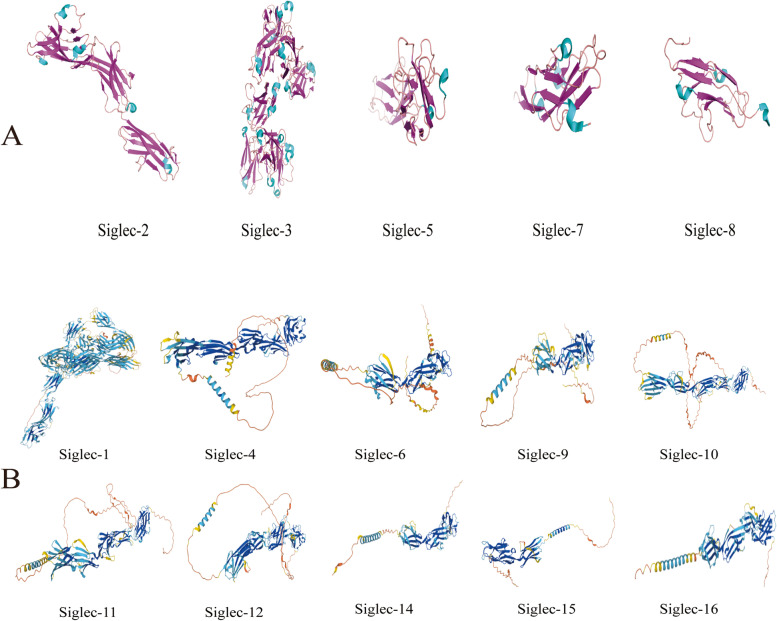
“The intracellular domain is divided into a short lysine-containing tail and an extracellular structural domain consisting of an N-terminal binding Ig domain and a variable number of C2-type structural domains [6].”
BackgroundJandus, C., Boligan, K. F., Chijioke, O., Liu, H., Dahlhaus, M., Démoulins, T., Schneider, C., Wehrli, M., Hunger, R. E., Baerlocher, G. M., et al. (2014) · Journal of Clinical Investigation · doi:10.1172/jci65899 · Cited by 439 · cited 2×
“Moreover, Siglec-9+ NK cells highly express the chemokine receptors CXCR1 and CX3CR1 and can recruit IL-8 to promote tumor proliferation, invasion, and neovascularization [26].”
BackgroundBeatson, R., Tajadura-Ortega, V., Achkova, D., Picco, G., Tsourouktsoglou, T.-D., Klausing, S., Hillier, M., Maher, J., Noll, T., Crocker, P. R., et al. (2016) · Nature Immunology · doi:10.1038/ni.3552 · Cited by 378 · cited 15×
“Although the relationship between the expression of Siglecs and PD-L1 in the TME is not clear, anti-PD-1 and anti-Siglec therapies in combination might have improved efficacy.”
BackgroundInfluentialRodriguez, E., Boelaars, K., Brown, K., Eveline Li, R. J., Kruijssen, L., Bruijns, S. C. M., van Ee, T., Schetters, S. T. T., Crommentuijn, M. H. W., van der Horst, J. C., et al. (2021) · Nature Communications · doi:10.1038/s41467-021-21550-4 · Cited by 311 · cited 1×
“[68] showed that the increased expression and secretion of α-2,3 Sia in the TMEs of patients with PDAC promoted Siglec-9 receptor activation by upregulating CD206 and PD-L1 and immunosuppressive factors such as IL-10 and IL-6 monocyte polarization and differentiation to produce immunosuppressive TAMs, thereby promotin…”
BackgroundSelf-associated molecular patterns mediate cancer immune evasion by engaging Siglecs on T cells
Stanczak, M. A., Siddiqui, S. S., Trefny, M. P., Thommen, D. S., Boligan, K. F., von Gunten, S., Tzankov, A., Tietze, L., Lardinois, D., Heinzelmann-Schwarz, V., et al. (2018) · Journal of Clinical Investigation · doi:10.1172/jci120612 · Cited by 296 · cited 12×
“Although the relationship between the expression of Siglecs and PD-L1 in the TME is not clear, anti-PD-1 and anti-Siglec therapies in combination might have improved efficacy.”
BackgroundInfluentialSialic Acid Blockade Suppresses Tumor Growth by Enhancing T-cell–Mediated Tumor Immunity
Büll, C., Boltje, T. J., Balneger, N., Weischer, S. M., Wassink, M., van Gemst, J. J., Bloemendal, V. R., Boon, L., van der Vlag, J., Heise, T., et al. (2018) · Cancer Research · doi:10.1158/0008-5472.can-17-3376 · Cited by 268 · cited 1×
“The utilization of nanoparticles as a therapeutic delivery strategy has also been investigated, revealing the suppression of melanoma tumor growth in mice [85].”
BackgroundNicoll, G., Avril, T., Lock, K., Furukawa, K., Bovin, N., & Crocker, P. R. (2003) · European Journal of Immunology · doi:10.1002/eji.200323693 · Cited by 245 · cited 1×
“In addition, Siglec-7 also interacts with a ganglioside (GD3) expressed on tumor cells and inhibits the killing activity of NK cells [62].”
BackgroundNext-generation immuno-oncology agents: current momentum shifts in cancer immunotherapy
Pan, C., Liu, H., Robins, E., Song, W., Liu, D., Li, Z., & Zheng, L. (2020) · Journal of Hematology & Oncology · doi:10.1186/s13045-020-00862-w · Cited by 241 · cited 1×
“and neutralize or stimulate its activity; however, newer therapeutic strategies, such as immune checkpoint inhibition, and T-cell engaging therapies, such as bispecific T-cell engaging (BiTE) single-chain antibody constructs and chimeric antigen receptor (CAR) T cells, have shown remarkable efficacy in clinical trials…”
BackgroundLäubli, H., Pearce, O. M. T., Schwarz, F., Siddiqui, S. S., Deng, L., Stanczak, M. A., Deng, L., Verhagen, A., Secrest, P., Lusk, C., et al. (2014) · Proceedings of the National Academy of Sciences · doi:10.1073/pnas.1409580111 · Cited by 228 · cited 2×
“Thus, Siglec-9 might play dual roles in cancer progression [66].”
BackgroundNovel insights into the function of CD24: A driving force in cancer
Altevogt, P., Sammar, M., Hüser, L., & Kristiansen, G. (2021) · International Journal of Cancer · doi:10.1002/ijc.33249 · Cited by 215 · cited 13×
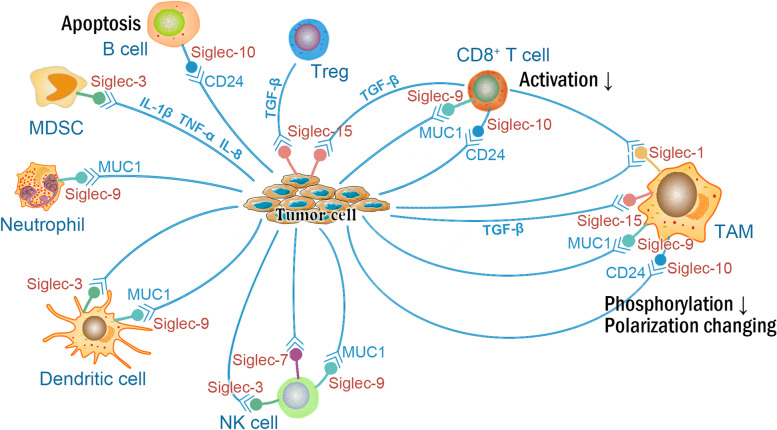
“In ovarian and breast cancer, Siglec-10 is an inhibitory receptor expressed in tumor-associated macrophages (TAMs) that regulates immunity by interacting with CD24, suppressing immune responses, and promoting tumor progression [37].”
BackgroundInfluentialT cell regulation mediated by interaction of soluble CD52 with the inhibitory receptor Siglec-10
Bandala-Sanchez, E., Zhang, Y., Reinwald, S., Dromey, J. A., Lee, B.-H., Qian, J., Böhmer, R. M., & Harrison, L. C. (2013) · Nature Immunology · doi:10.1038/ni.2610 · Cited by 198 · cited 1×
“Siglec-10 can also inhibit TCR-mediated T-cell activation, and studies have shown that Siglec-10 expressed on the surface of T cells inhibits the phosphorylation of MHC class I molecules and the TCR-associated kinase ZAP-70, which inhibits T-cell activation [54, 55].”
BackgroundTakamiya, R., Ohtsubo, K., Takamatsu, S., Taniguchi, N., & Angata, T. (2013) · Glycobiology · doi:10.1093/glycob/cws139 · Cited by 189 · cited 3×
“TAM-associated Siglec-15 can promote tumor immune escape by suppressing CD8 + T-cell responses and promoting immunosuppressive TME formation through the production of transforming growth factor-β (TGF-β) [29].”
BackgroundThe plasminogen activator inhibitor-1 paradox in cancer: a mechanistic understanding
Kubala, M. H., & DeClerck, Y. A. (2019) · Cancer and Metastasis Reviews · doi:10.1007/s10555-019-09806-4 · Cited by 183 · cited 1×
“Siglec-9 binds to MUC1 mucin on the surfaces of human colon cancer, pancreatic cancer, and breast cancer cells [47, 48], secretes tumor-related factors such as plasminogen activator inhibitor-1 [49], and promotes tumor invasion, metastasis, and neovascularization.”
BackgroundIbarlucea-Benitez, I., Weitzenfeld, P., Smith, P., & Ravetch, J. V. (2021) · Proceedings of the National Academy of Sciences · doi:10.1073/pnas.2107424118 · Cited by 177 · cited 1×
“However, a study [67] demonstrated that human Siglec-7/9 and Siglec-E inhibit the endogenous antitumor immune response as well as responses to tumor-targeting and immune checkpoint-inhibiting antibodies in vivo.”
BackgroundHaas, Q., Boligan, K. F., Jandus, C., Schneider, C., Simillion, C., Stanczak, M. A., Haubitz, M., Jafari, S. M. S., Zippelius, A., Baerlocher, G. M., et al. (2019) · Cancer Immunology Research · doi:10.1158/2326-6066.cir-18-0505 · Cited by 173 · cited 2×
“[36] found that most tumor-infiltrating CD8+ T cells express Siglec-9 and that Siglec-9-mediated signaling pathways preferentially bind to SHP-1, inhibiting biological functions, including TCR signaling pathways and cytotoxicity in CD8+ T cells.”
BackgroundBasic and Clinical Immunology of Siglecs
Von Gunten, S., & Bochner, B. S. (2008) · Annals of the New York Academy of Sciences · doi:10.1196/annals.1443.011 · Cited by 167 · cited 1×
“The binding between a carboxyl group of sialylated glycoconjugates and a Siglec molecule reduces the inflammatory response, inhibits phagocytosis and reduces cellular activation [3].”
BackgroundSialic Acid Mimetics to Target the Sialic Acid–Siglec Axis
Büll, C., Heise, T., Adema, G. J., & Boltje, T. J. (2016) · Trends in Biochemical Sciences · doi:10.1016/j.tibs.2016.03.007 · Cited by 165 · cited 1×
“Introduction Siglec family members are specifically expressed on a variety of immune cells, including human macrophages, T cells, B cells, dendritic cells (DCs), and natural killer (NK) cells, and are often involved in many important physiological processes, including the initial activation, proliferation, and apoptos…”
BackgroundPreclinical and clinical development of inotuzumab-ozogamicin in hematological malignancies
Shor, B., Gerber, H., & Sapra, P. (2014) · Molecular Immunology · doi:10.1016/j.molimm.2014.09.014 · Cited by 159 · cited 1×
“Currently, some clinical trials on other drugs in combination are ongoing [76].”
BackgroundSweet escape: Sialic acids in tumor immune evasion
Büll, C., den Brok, M. H., & Adema, G. J. (2014) · Biochimica et Biophysica Acta (BBA) - Reviews on Cancer · doi:10.1016/j.bbcan.2014.07.005 · Cited by 158 · cited 2×
“Thus, dysregulation of the Sia-Siglec axis in tumors might contribute to immunosuppressive cell signal transduction to facilitate the formation of an immune-negative microenvironment, thereby promoting tumor growth and assisting in the immune escape of tumor cells [5].”
BackgroundTargeting sialic acid–Siglec interactions to reverse immune suppression in cancer
Adams, O. J., Stanczak, M. A., von Gunten, S., & Laubli, H. P. (2017) · Glycobiology · doi:10.1093/glycob/cwx108 · Cited by 156 · cited 1×
“During immune activation, Siglecs counter regulate overresponsive immune reactions upon immune stimulation by damage-associated molecular patterns (DAMPs) to aid in host immune evasion, potentially leading to cancer progression [4].”
BackgroundSiglec-15 as an Emerging Target for Next-generation Cancer Immunotherapy
Sun, J., Qiao, L., Sanmamed, M. F., & Wang, J. (2020) · Clinical Cancer Research · doi:10.1158/1078-0432.ccr-19-2925 · Cited by 151 · cited 1×
“NC318 is a mAb targeting Siglec-15 that blocks Siglec-15-mediated immune suppression and restores T-cell function in vitro, thereby exerting antitumor immune effects [87].”
BackgroundSialoadhesin – a macrophage‐restricted marker of immunoregulation and inflammation
O'Neill, A. S. G., van den Berg, T. K., & Mullen, G. E. D. (2013) · Immunology · doi:10.1111/imm.12042 · Cited by 145 · cited 1×
“Therefore, further studies are needed to elucidate the complex roles and mechanism of Siglec1-positive macrophages in different TMEs and the signaling pathways and key cytokines involved in their regulation to clarify the role of macrophages in different tumors [18].”
BackgroundAlemtuzumab (Campath-1H) in the treatment of chronic lymphocytic leukemia
Alinari, L., Lapalombella, R., Andritsos, L. A., Baiocchi, R. A., Lin, T. S., & Byrd, J. C. (2007) · Oncogene · doi:10.1038/sj.onc.1210380 · Cited by 140
Latest developments in MUC1 immunotherapy
Taylor‐Papadimitriou, J., Burchell, J., Graham, R. A., & Beatson, R. (2018) · Biochemical Society Transactions · doi:10.1042/bst20170400 · Cited by 140
The role of CD22 and Siglec-G in B-cell tolerance and autoimmune disease
Müller, J., & Nitschke, L. (2014) · Nature Reviews Rheumatology · doi:10.1038/nrrheum.2014.54 · Cited by 133 · cited 1×
“CD22 and Siglec-G are inhibitory coreceptors on the surface of B cells, and both contribute to the negative modulation of B-cell receptor (BCR) signaling by inhibiting calcium mobilization and cellular activation [19].”
BackgroundLi, B., Zhang, B., Wang, X., Zeng, Z., Huang, Z., Zhang, L., Wei, F., Ren, X., & Yang, L. (2020) · OncoImmunology · doi:10.1080/2162402x.2020.1807291 · Cited by 120
Viewing Siglecs through the lens of tumor immunology
Fraschilla, I., & Pillai, S. (2017) · Immunological Reviews · doi:10.1111/imr.12526 · Cited by 119
Läubli, H., Alisson-Silva, F., Stanczak, M. A., Siddiqui, S. S., Deng, L., Verhagen, A., Varki, N., & Varki, A. (2014) · Journal of Biological Chemistry · doi:10.1074/jbc.m114.593129 · Cited by 116 · cited 1×
“In vitro studies on CRC have shown that Siglec-9 induces SHP-1 recruitment and inhibits the neutrophil killing of tumor cells; moreover, the inhibitory effect is diminished after blockade with a Siglec-9 antibody [72].”
BackgroundMolecular Mechanism of Tumor Cell Immune Escape Mediated by CD24/Siglec-10
Yin, S.-S., & Gao, F. (2020) · Frontiers in Immunology · doi:10.3389/fimmu.2020.01324 · Cited by 116 · cited 1×
“Siglec-G inhibits B1-cell proliferation and Ca2+ signaling by suppressing the activity of the transcription factors NFATc1 and NF-kB and, upon binding to CD24, activates the MAPK-related pathway to induce the apoptosis of B cells and exert immunosuppressive effects [45].”
BackgroundDing, Y., Guo, Z., Liu, Y., Li, X., Zhang, Q., Xu, X., Gu, Y., Zhang, Y., Zhao, D., & Cao, X. (2016) · Nature Immunology · doi:10.1038/ni.3535 · Cited by 114 · cited 1×
“[52] showed that SiglecG deficiency in mice enhanced the cross-presentation of DCs by increasing the formation of MHC-I-like peptide complexes on the DC surface, resulting in enhanced Fig.”
BackgroundInhibitory Receptors and Checkpoints in Human NK Cells, Implications for the Immunotherapy of Cancer
Sivori, S., Chiesa, M. D., Carlomagno, S., Quatrini, L., Munari, E., Vacca, P., Tumino, N., Mariotti, F. R., Mingari, M. C., Pende, D., et al. (2020) · Frontiers in Immunology · doi:10.3389/fimmu.2020.02156 · Cited by 114 · cited 1×
“Thus, Siglec-7 signaling is an immune checkpoint that can be targeted to enhance the antitumor activity of NK cells [9, 63].”
BackgroundVitale, C., Romagnani, C., Puccetti, A., Olive, D., Costello, R., Chiossone, L., Pitto, A., Bacigalupo, A., Moretta, L., & Mingari, M. C. (2001) · Proceedings of the National Academy of Sciences · doi:10.1073/pnas.091097198 · Cited by 106 · cited 1×
“[41] used an anti-Siglec-3 monoclonal antibody to treat AML cells and found increased DNA damage, cell cycle arrest, and apoptosis of AML cells.”
MethodImmunotherapy in Acute Myeloid Leukemia: Where We Stand
Isidori, A., Cerchione, C., Daver, N. G., Dinardo, C. D., Garcia‐Manero, G., Konopleva, M. Y., Jabbour, E. J., Ravandi, F., Kadia, T. M., Burguera, A. D. L. F., et al. (2021) · Frontiers in Oncology · doi:10.3389/fonc.2021.656218 · Cited by 102 · cited 1×
“AMG 330 is a human bispecific T-cell engaging (BiTE) antibody directed against CD33/CD3 that leads to T-cell expansion, and a phase 1 trial is underway (NCT02520427) [81].”
BackgroundKawasaki, Y., Ito, A., Withers, D. A., Taima, T., Kakoi, N., Saito, S., & Arai, Y. (2010) · Glycobiology · doi:10.1093/glycob/cwq116 · Cited by 93 · cited 1×
“[61] found that Siglec-7 on NK cells binds to a major ganglioside (DSGb5) expressed on the surface of renal cell carcinoma (RCC) cells, thereby decreasing the cytotoxic effects of NK cells on RCC cells.”
BackgroundPrognostic Significance of CD169+ Lymph Node Sinus Macrophages in Patients with Malignant Melanoma
Saito, Y., Ohnishi, K., Miyashita, A., Nakahara, S., Fujiwara, Y., Horlad, H., Motoshima, T., Fukushima, S., Jinnin, M., Ihn, H., et al. (2015) · Cancer Immunology Research · doi:10.1158/2326-6066.cir-14-0180 · Cited by 84 · cited 1×
“Siglec-1+ macrophages in the lymph nodes mostly have protective roles and are predictive of longer cancerspecific survival and better prognosis for patients with a variety of tumors, including malignant melanoma [11], colorectal cancer (CRC) [12], endometrial cancer [13], prostate cancer [14], and breast cancer [15].”
BackgroundCD169 identifies an anti‐tumour macrophage subpopulation in human hepatocellular carcinoma
Zhang, Y., Li, J., Jiang, Z.-Z., Li, L., Wu, Y., & Zheng, L. (2016) · The Journal of Pathology · doi:10.1002/path.4720 · Cited by 84 · cited 6×
“Siglec-1+ macrophages in the lymph nodes mostly have protective roles and are predictive of longer cancerspecific survival and better prognosis for patients with a variety of tumors, including malignant melanoma [11], colorectal cancer (CRC) [12], endometrial cancer [13], prostate cancer [14], and breast cancer [15].”
BackgroundInfluentialB Cell Siglecs–News on Signaling and Its Interplay With Ligand Binding
Meyer, S. J., Linder, A. T., Brandl, C., & Nitschke, L. (2018) · Frontiers in Immunology · doi:10.3389/fimmu.2018.02820 · Cited by 83 · cited 1×
“As CD22 expression is restricted to B cells, it can serve as an important immunotherapeutic target in B-cell-related lymphomas [24, 31].”
BackgroundFunctions of CD169 positive macrophages in human diseases (Review)
Liu, Y., Xia, Y., & Qiu, C.-H. (2020) · Biomedical Reports · doi:10.3892/br.2020.1402 · Cited by 82 · cited 1×
“Siglecs mediate antigen presentation Siglec-1 is mainly expressed on macrophages and plays an important role in macrophage antigen presentation [51].”
BackgroundTanida, S., Akita, K., Ishida, A., Mori, Y., Toda, M., Inoue, M., Ohta, M., Yashiro, M., Sawada, T., Hirakawa, K., et al. (2013) · Journal of Biological Chemistry · doi:10.1074/jbc.m113.471318 · Cited by 81 · cited 1×
“This induces the loss of expression of costimulatory molecules and antigen-presenting molecules and phenotypic changes on the surface of Siglec-9+ DCs, resulting in their inability to function as antigen-presenting cells and thereby leading to the immune escape of tumor cells [50].”
BackgroundOhnishi, K., Yamaguchi, M., Erdenebaatar, C., Saito, F., Tashiro, H., Katabuchi, H., Takeya, M., & Komohara, Y. (2016) · Cancer Science · doi:10.1111/cas.12929 · Cited by 79 · cited 1×
“Siglec-1+ macrophages in the lymph nodes mostly have protective roles and are predictive of longer cancerspecific survival and better prognosis for patients with a variety of tumors, including malignant melanoma [11], colorectal cancer (CRC) [12], endometrial cancer [13], prostate cancer [14], and breast cancer [15].”
BackgroundLoke, J. C. T., Khan, J. N., Wilson, J. S., Craddock, C., & Wheatley, K. (2014) · Annals of Hematology · doi:10.1007/s00277-014-2218-6 · Cited by 78 · cited 1×
“Gentuzumab ozogamicin was the first developed targeted agent and provided an overall survival benefit for a subset of patients but increased the AML mortality rate [79].”
BackgroundThe Clinical Significance of CD169-Positive Lymph Node Macrophage in Patients with Breast Cancer
Shiota, T., Miyasato, Y., Ohnishi, K., Yamamoto‐Ibusuki, M., Yamamoto, Y., Iwase, H., Takeya, M., & Komohara, Y. (2016) · PLoS ONE · doi:10.1371/journal.pone.0166680 · Cited by 76 · cited 1×
“Siglec-1+ macrophages in the lymph nodes mostly have protective roles and are predictive of longer cancerspecific survival and better prognosis for patients with a variety of tumors, including malignant melanoma [11], colorectal cancer (CRC) [12], endometrial cancer [13], prostate cancer [14], and breast cancer [15].”
BackgroundZhang, P., Lu, X., Tao, K., Shi, L., Li, W., Wang, G., & Wu, K. (2014) · Journal of Surgical Research · doi:10.1016/j.jss.2014.09.035 · Cited by 74 · cited 1×
“Siglec-10 can also inhibit TCR-mediated T-cell activation, and studies have shown that Siglec-10 expressed on the surface of T cells inhibits the phosphorylation of MHC class I molecules and the TCR-associated kinase ZAP-70, which inhibits T-cell activation [54, 55].”
BackgroundJing, W., Guo, X., Wang, G., Bi, Y., Han, L., Zhu, Q., Qiu, C., Tanaka, M., & Zhao, Y. (2019) · International Immunopharmacology · doi:10.1016/j.intimp.2019.106012 · Cited by 74 · cited 2×
“However, contrasting reports have shown that Siglec-1+ macrophages mediate immunosuppression via JAK2/STAT3 signaling in triple-negative breast cancer cells [16], suggesting that Siglec-1 plays complicated roles in different TMEs.”
BackgroundSIGLEC15 amplifies immunosuppressive properties of tumor-associated macrophages in pancreatic cancer
Li, T., Jin, K., Li, H., Ye, L., Li, P., Jiang, B., Lin, X., Liao, Z., Zhang, H., Shi, S., et al. (2022) · Cancer Letters · doi:10.1016/j.canlet.2022.01.026 · Cited by 69 · cited 1×
“Siglec-15+ TAMs were correlated with poor prognosis and an immunosuppressive microenvironment in the PDAC microarray cohort [40].”
BackgroundSiglec-15: a potential regulator of osteoporosis, cancer, and infectious diseases
Angata, T. (2020) · Journal of Biomedical Science · doi:10.1186/s12929-019-0610-1 · Cited by 68 · cited 1×
“These findings suggest that Siglec-15 plays a role in the TME and contributes to the formation of the immunosuppressive microenvironment [58].”
BackgroundGianchecchi, E., Arena, A., & Fierabracci, A. (2021) · International Journal of Molecular Sciences · doi:10.3390/ijms22115774 · Cited by 68 · cited 1×
“The Sia–Siglec axis exerts different physiological functions in humans, as it modulates the balance between self and nonself recognition and mediates cell adhesion, cell signaling, and the uptake of sialylated pathogens [2].”
BackgroundBachanová, V., Frankel, A. E., Cao, Q., Lewis, D., Grzywacz, B. J., Verneris, M. R., Üstün, C., Lazaryan, A., McClune, B. L., Warlick, E. D., et al. (2015) · Clinical Cancer Research · doi:10.1158/1078-0432.ccr-14-2877 · Cited by 67 · cited 1×
“DT2219 is a bispecific ligand-directed toxin incorporating single-chain variable fragments targeting CD19 and CD22 and is currently in early clinical trials [77].”
BackgroundTargeting glycosylated antigens on cancer cells using siglec‐7/9‐based CAR T‐cells
Meril, S., Harush, O., Reboh, Y., Matikhina, T., Barliya, T., & Cohen, C. J. (2020) · Molecular Carcinogenesis · doi:10.1002/mc.23213 · Cited by 65 · cited 3×
“Siglec‐9 CAR‐T Solid Tumors CAR T Recognizes and eliminates tumor cells, in a non‐ histocompat‐ ibility complex molecule restricted way Not Applicable [74]”
BackgroundInfluentialWilliams, B. A., Law, A., Hunyadkürti, J., Désilets, S., Leyton, J. V., & Keating, A. (2019) · Journal of Clinical Medicine · doi:10.3390/jcm8081261 · Cited by 62 · cited 1×
“Siglec-3 was found to be overexpressed on the surface of acute myelocytic leukemia (AML) cells instead of normal hematopoietic stem cells; thus, Siglec-3 can be a target for AML therapy and is being investigated in clinical trials [32].”
BackgroundXiao, N., Zhu, X., Li, K., Chen, Y., Liu, X., Xu, B., Lei, M., Xu, J., & Sun, H.-C. (2021) · Experimental Hematology & Oncology · doi:10.1186/s40164-021-00230-5 · Cited by 61
Targeting CD22 for the Treatment of B-Cell Malignancies
Shah, N. N., & Sokol, L. (2021) · ImmunoTargets and Therapy · doi:10.2147/itt.s288546 · Cited by 61 · cited 2×
“Epratuzumab has been investigated in combination with chemotherapy or rituximab in both non-Hodgkin’s lymphomas (NHLs) and B-cell acute lymphoblastic leukemia (B-ALL) [75].”
BackgroundSialic Acids in the Immune Response during Sepsis
Liu, Y., Yu, M., Chai, Y., & Shou, S. (2017) · Frontiers in Immunology · doi:10.3389/fimmu.2017.01601 · Cited by 60 · cited 1×
“Siglec‐2 (CD22) is a cell surface receptor expressed mostly on B cells that regulates B-cell proliferation, survival, signaling, and antibody production [27].”
BackgroundSammar, M., Siwetz, M., Meiri, H., Fleming, V., Altevogt, P., & Huppertz, B. (2016) · Histochemistry and Cell Biology · doi:10.1007/s00418-016-1531-7 · Cited by 59 · cited 1×
“In addition, Siglec-10 inhibits TCR-associated kinase by binding to CD24 or CD52 to suppress T-cell activation and promote tumor immune escape [56].”
BackgroundRotiroti, M. C., Buracchi, C., Arcangeli, S., Galimberti, S., Valsecchi, M. G., Perriello, V. M., Raskó, T., Alberti, G., Magnani, C. F., Cappuzzello, C., et al. (2020) · Molecular Therapy · doi:10.1016/j.ymthe.2020.05.021 · Cited by 59 · cited 1×
“CAR-cytokine-induced killer (CIK) cells also showed significant antileukemic activity in vitro and are likely to enter early clinical trials [82].”
BackgroundSiglec-15 Promotes Tumor Progression in Osteosarcoma via DUSP1/MAPK Pathway
Fan, M., Zhang, G., Chen, W., Qi, L., Xie, M., Zhang, Y.-Y., Wang, L., & Zhang, Q. (2021) · Frontiers in Oncology · doi:10.3389/fonc.2021.710689 · Cited by 59 · cited 1×
“and predicts poor prognosis in OS patients [39].”
BackgroundSelf-citationFunctions and therapeutic targets of Siglec-mediated infections, inflammations and cancers
Lin, C.-H., Yeh, Y.-C., & Yang, K. D. (2021) · Journal of the Formosan Medical Association · doi:10.1016/j.jfma.2019.10.019 · Cited by 57 · cited 1×
“As CD22 expression is restricted to B cells, it can serve as an important immunotherapeutic target in B-cell-related lymphomas [24, 31].”
BackgroundTargeted Alpha-Particle Therapy for Hematologic Malignancies
Jurcic, J. G. (2019) · Seminars in Nuclear Medicine · doi:10.1053/j.semnuclmed.2019.09.002 · Cited by 54 · cited 1×
“In addition, some recently emerging monoclonal antibodies targeting Siglec-3 have been shown to bind to ligands on AML cells and directly induce AML cell death via a complement-dependent cytotoxic or antibody-dependent cell-mediated cytotoxic mechanism [43].”
BackgroundMurugesan, G., Correia, V. G., Palma, A. S., Chai, W., Li, C., Feizi, T., Martin, E., Laux, B., Franz, A., Fuchs, K. P., et al. (2020) · Glycobiology · doi:10.1093/glycob/cwaa048 · Cited by 52 · cited 1×
“In addition to sTn and related antigenic sequences, Siglec-15 also has a high affinity for sialylated glycans and presumably plays an important role in their signaling function [70].”
BackgroundModulation of Siglec-7 Signaling Via In Situ-Created High-Affinity cis -Ligands
Hong, S., Yu, C., Rodrigues, E., Shi, Y., Chen, H., Wang, P., Chapla, D. G., Gao, T., Zhuang, R., Moremen, K. W., et al. (2021) · ACS Central Science · doi:10.1021/acscentsci.1c00064 · Cited by 51 · cited 1×
“A recent study argued that tumor cells upregulate sialylated glycans, which counteract NK-cell-induced killing via the Siglec–sialylated glycan interaction [64].”
BackgroundSiglecs as Therapeutic Targets in Cancer
Lim, J., Sari-Ak, D., & Bagga, T. (2021) · Biology · doi:10.3390/biology10111178 · Cited by 50 · cited 8×
“Abbreviations TME: Tumor microenvironment; DCs: Dendritic cells; NK cells: Natural killer cells; Sia: Sialic acid; DAMPs: Damage associated molecular patterns; ITAM: Immunoreceptor tyrosine‑based activation motif; ITIM: Immunoreceptor tyrosine‑based inhibition motif; SHPs: SH2 domain‑containing protein tyrosine phosph…”
BackgroundInfluentialChng, W. J., Remstein, E. D., Fonseca, R., Bergsagel, P. L., Vrana, J. A., Kurtin, P. J., & Doǧan, A. (2008) · Blood · doi:10.1182/blood-2008-02-140996 · Cited by 48
Functional Inhibitory Siglec-6 Is Upregulated in Human Colorectal Cancer-Associated Mast Cells
Yu, Y., Blokhuis, B. R. J., Diks, M. A. P., Keshavarzian, A., Garssen, J., & Redegeld, F. A. (2018) · Frontiers in Immunology · doi:10.3389/fimmu.2018.02138 · Cited by 48 · cited 4×
“Another study showed an upregulation of Siglec-9 on tumor-infiltrating T cells from patients with NSCLC, CRC, and ovarian cancer.”
BackgroundInfluentialDevelopment of Siglec-9 Blocking Antibody to Enhance Anti-Tumor Immunity
Choi, H., Ho, M., Adeniji, O. S., Giron, L. B., Bordoloi, D., Kulkarni, A. J., Puchalt, A. P., Abdel‐Mohsen, M., & Muthumani, K. (2021) · Frontiers in Oncology · doi:10.3389/fonc.2021.778989 · Cited by 48
Strömvall, K., Sundkvist, K., Ljungberg, B., Bergström, S. H., & Bergh, A. R. J. (2017) · The Prostate · doi:10.1002/pros.23407 · Cited by 47 · cited 1×
“Siglec-1+ macrophages in the lymph nodes mostly have protective roles and are predictive of longer cancerspecific survival and better prognosis for patients with a variety of tumors, including malignant melanoma [11], colorectal cancer (CRC) [12], endometrial cancer [13], prostate cancer [14], and breast cancer [15].”
BackgroundLiao, J., Zeng, D.-N., Li, J., Hua, Q., Huang, C., Xu, J., Wu, C., Zheng, L., Wen, W., & Wu, Y. (2021) · Molecular Therapy · doi:10.1016/j.ymthe.2021.09.021 · Cited by 44 · cited 2×
“Furthermore, interferons (IFNs) were shown to stimulate the polarization of Siglec-1-positive macrophages with T-cell-activating and tumor-inhibiting potential both in vitro and in vivo, and a PD-L1 blocking antibody further enhanced the antitumor effects of IFN-α [65].”
BackgroundThe diverse functions of Siglec-15 in bone remodeling and antitumor responses
Kang, F., Chen, W., Wang, L., & Zhang, Y. (2020) · Pharmacological Research · doi:10.1016/j.phrs.2020.104728 · Cited by 43 · cited 1×
“In addition, Siglec-15 promotes regulatory T-cell differentiation by inducing TGF-β, which inhibits T-cell remodeling of the immunosuppressive TME [30].”
BackgroundSelf-citationSialic Acids and Their Influence on Human NK Cell Function
Rosenstock, P., & Kaufmann, T. (2021) · Cells · doi:10.3390/cells10020263 · Cited by 35 · cited 4×
“When CD24 binds to Siglec-10, Siglec-10 triggers a signaling cascade by recruiting and activating proteins containing the SHP-1 and SHP-2 structural domains, which phosphorylates the ITIM region and blocks Toll-like receptor (TLR)-mediated inflammatory responses.”
BackgroundInfluentialCD33‐Targeted Therapies: Beating the Disease or Beaten to Death?
Maakaron, J. E., Rogosheske, J., Long, M., Bachanová, V., & Mims, A. S. (2020) · The Journal of Clinical Pharmacology · doi:10.1002/jcph.1730 · Cited by 34 · cited 1×
“Another mAb, lintuzumab, an unconjugated antibody that induces cell death by an antibody-dependent cellular cytotoxicity (ADCC) mechanism or directly affects the CD33 receptor, has been studied in a series of clinical trials [80].”
BackgroundSiglec genes confer resistance to systemic lupus erythematosus in humans and mice
Flores, R., Zhang, P., Wu, W., Wang, X., Ye, P., Zheng, P., & Liu, Y. (2018) · Cellular and Molecular Immunology · doi:10.1038/cmi.2017.160 · Cited by 32 · cited 4×
“When CD24 binds to Siglec-10, Siglec-10 triggers a signaling cascade by recruiting and activating proteins containing the SHP-1 and SHP-2 structural domains, which phosphorylates the ITIM region and blocks Toll-like receptor (TLR)-mediated inflammatory responses.”
BackgroundInfluentialInhibitory B cell co-receptors and autoimmune diseases
Tsubata, T. (2019) · Immunological Medicine · doi:10.1080/25785826.2019.1660038 · Cited by 31 · cited 1×
“Siglec-10 and its homolog Siglec-G are expressed in a B-cell-restricted manner, exhibiting particularly high expression levels in B1 cells, and play an important immunomodulatory role in B-cell activation [44].”
BackgroundMejstříková, E., Kalina, T., Trka, J., Starý, J., & Hrušák, O. (2005) · Leukemia · doi:10.1038/sj.leu.2403737 · Cited by 28 · cited 5×
“Abbreviations TME: Tumor microenvironment; DCs: Dendritic cells; NK cells: Natural killer cells; Sia: Sialic acid; DAMPs: Damage associated molecular patterns; ITAM: Immunoreceptor tyrosine‑based activation motif; ITIM: Immunoreceptor tyrosine‑based inhibition motif; SHPs: SH2 domain‑containing protein tyrosine phosph…”
BackgroundInfluentialSiglec-6 is a target for chimeric antigen receptor T-cell treatment of chronic lymphocytic leukemia
Kovalovsky, D., Yoon, J. H., Cyr, M. G., Simon, S., Voynova, E., Rader, C. M., Wiestner, A. U., Alejo, J. C., Pittaluga, S., & Gress, R. E. (2021) · Leukemia · doi:10.1038/s41375-021-01188-3 · Cited by 27 · cited 9×
“Abbreviations TME: Tumor microenvironment; DCs: Dendritic cells; NK cells: Natural killer cells; Sia: Sialic acid; DAMPs: Damage associated molecular patterns; ITAM: Immunoreceptor tyrosine‑based activation motif; ITIM: Immunoreceptor tyrosine‑based inhibition motif; SHPs: SH2 domain‑containing protein tyrosine phosph…”
BackgroundInfluentialCD33 (Siglec-3) Inhibitory Function: Role in the NKG2D/DAP10 Activating Pathway
Hernández‐Caselles, T., Corral-San-Miguel, R., Ruiz‐Alcaraz, A. J., & García–Peñarrubia, P. (2019) · Journal of Immunology Research · doi:10.1155/2019/6032141 · Cited by 24
Siglec-7 is an indicator of natural killer cell function in acute myeloid leukemia
Liu, Y., Feng, Y., Wang, S., Jiang, S., Tao, L., Li, J., & Wang, X. (2021) · International Immunopharmacology · doi:10.1016/j.intimp.2021.107965 · Cited by 24 · cited 1×
“In the TME, NK-cell-mediated cytotoxicity was shown to be strongly attenuated because Siglec-7 and Siglec-9 reactivated the interactions of NK cells with their corresponding Sia ligands overexpressed on cancer cells [9, 25].”
BackgroundSiglec-6 as a New Potential Immune Checkpoint for Bladder Cancer Patients
Benmerzoug, S., Chevalier, M. F., Verardo, M., Nguyen, S., Cesson, V., Schneider, A. K., Dartiguenave, F., Rodrigues-Dias, S.-C., Lucca, I., Jichlinski, P., et al. (2021) · European Urology Focus · doi:10.1016/j.euf.2021.06.001 · Cited by 19
Ha, S., Kwak, C.-H., Park, J., Abekura, F., Lee, Y., Kim, J., Chung, T., & Kim, C. (2020) · Glycoconjugate Journal · doi:10.1007/s10719-019-09902-1 · Cited by 17 · cited 1×
“and subsequent apoptosis induced by the interaction of Siglec-3 with its ligand [42].”
BackgroundJing, C., Peng, H., Shaffer, B. C., Baskar, S., Wecken, I. C., Cyr, M. G., Martínez, G., Soden, J., Freeth, J., Wiestner, A. U., et al. (2018) · Cancer Immunology Research · doi:10.1158/2326-6066.cir-18-0102 · Cited by 14 · cited 1×
“Siglec‐6 Siglec-6 is broadly expressed in CLL and warrants investigation as a candidate target for antibody-based immunotherapeutic interventions [83].”
BackgroundSIGLEC-G deficiency increases susceptibility to develop B-cell lymphoproliferative disorders
Simonetti, G., Bertilaccio, M. T. S., Rodríguez, T. V., Apollonio, B., Dagklis, A., Rocchi, M., Innocenzi, A., Casola, S. S., Winkler, T., Nitschke, L., et al. (2014) · Haematologica · doi:10.3324/haematol.2013.100230 · Cited by 10 · cited 1×
“Therefore, Siglec-10 and Siglec-G are important inhibitory receptors on B1 cells, and the lack of Siglec-G favors the development of B-cell lymphoproliferative disorders such as B-cell lymphoma/leukemia [46].”
BackgroundAnti-CD22 CAR Therapy Leads to ALL Remissions
(2017) · Cancer Discovery · doi:10.1158/2159-8290.cd-nb2017-001 · Cited by 6
Cited by
Tumor microenvironment signaling and therapeutics in cancer progression
Goenka, A., Khan, F., Verma, B., Sinha, P., Dmello, C. C., Jogalekar, M. P., Gangadaran, P., & Ahn, B. (2023) · Cancer Communications · doi:10.1002/cac2.12416 · Cited by 323
Wen, R. M., Stark, J. C., Marti, G. E., Fan, Z., Lyu, A., Garcia-Marques, F. J., Zhang, X., Riley, N. M., Totten, S. M., Bermudez, A., et al. (2024) · Journal of Clinical Investigation · doi:10.1172/jci180282 · Cited by 69
Jangid, A. K., Kim, S. J., & Kim, K. (2023) · Biomaterials Research · doi:10.1186/s40824-023-00404-8 · Cited by 41
Sialic acid and Siglec receptors in tumor immunity and immunotherapy
Mantuano, N. R., & Laubli, H. P. (2024) · Seminars in Immunology · doi:10.1016/j.smim.2024.101893 · Cited by 50
Wu, Y., Ai, H., Xi, Y., Tan, J., Qu, Y., Xu, J., Luo, F., & Dou, C. (2023) · Cell Reports Medicine · doi:10.1016/j.xcrm.2023.101165 · Cited by 55
Metadata
- Authors
- Jiang, K.-Y., Qi, L.-L., Kang, F.-B., & Wang, L.
- Affiliations
- Third Hospital of Hebei Medical University (CN)
- Corresponding author
- Wang, Ling
- ORCID
- Wang, Ling
- Venue
- Biomarker Research
- Published
- 2022-04-13
- Volume
- 10
- Issue
- 1
- Pages
- 22-22
- ISSN
- 2050-7771 (ISSN-L)
- PMC
- PMC9008986
- OpenAlex
- W4223999372
- Cited by
- 43
- References
- 87
- Citations by year
- 2026: 7 · 2025: 7 · 2024: 13 · 2023: 14 · 2022: 2
- FWCI
- 0.94
- Type
- journal article
- Language
- en
- Open access
- gold
- doi.org
- Licence
- cc-by
- creativecommons.org/licenses/by/4.0 (tdm)
- creativecommons.org/licenses/by/4.0 (vor)
- Locations
- Biomarker Research (publishedVersion, cc-by)
- PubMed Central (publishedVersion, cc-by)
- PubMed (publishedVersion)
- DOAJ (DOAJ: Directory of Open Access Journals) (submittedVersion, cc-by-sa)
- Funders
- National Natural Science Foundation of China (82173210)
- Topics
- Life Sciences › Biochemistry, Genetics and Molecular Biology › Molecular Biology › Glycosylation and Glycoproteins Research
- Life Sciences › Immunology and Microbiology › Immunology › Galectins and Cancer Biology
- Health Sciences › Medicine › Oncology › Cancer Immunotherapy and Biomarkers
- Keywords
- sialic acid-binding lectins, tumor microenvironment, tumor immunology, tumor immune evasion, metastasis, tumor inflammation, tumor progression
About these checks
Registry, retraction, Cites and statistics results are computed, not judged, with one exception: a printed reference that no index lists is read once by a model before it counts as a citation error. Claims are extracted by a model and kept only when their quote appears verbatim in the text; each cited source is then checked, with a model’s help, for whether it says what the claim relies on. Those verdicts can be wrong — read the claim’s quote and the cited source before relying on one.
Statistics and arithmetic are recomputed, not judged.
Confidence bands are shown only for fields calibrated on our annotated test set. None is calibrated yet, so no band is shown.
What counts as a claim ›How we measure confidence ›How we check this ›
Are you an author, or do you see a problem with this page? Request a review
Data sources
Bibliographic data: Semantic Scholar, OpenAlex, Crossref.
Contains information from the Semantic Scholar Academic Graph Datasets, made available under the ODC Attribution License (ODC-BY 1.0).
Semantic Scholar’s data is described in: Kinney, R., et al. (2023). The Semantic Scholar Open Data Platform. arXiv:2301.10140.
