

Peripheral T cell receptor diversity is associated with clinical outcomes following ipilimumab treatment in metastatic melanoma
Open accessThe DOI matches its Crossref record; 13 of the 13 references it cites were found in a registry or an index.
Abstract
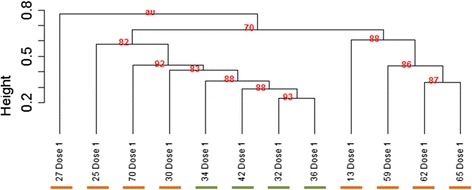
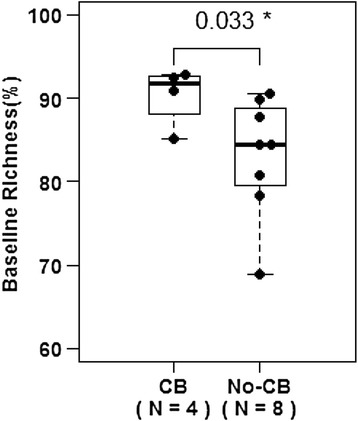
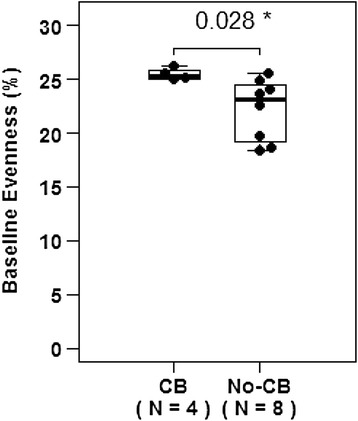
BACKGROUND: Ipilimumab improves overall survival in a subset of patients with metastatic melanoma. Peripheral blood T cell receptor (TCR) repertoire diversity has been associated with favorable outcomes in patients with cancer, but its relevance as a biomarker for ipilimumab outcomes remains unknown. FINDINGS: In this pilot study, we analyzed the pre-treatment peripheral blood TCR repertoire in 12 patients with metastatic melanoma who received ipilimumab at 3 mg/kg (clinical benefit, n = 4; no clinical benefit, n = 8). TCR diversity was evaluated using a polymerase chain reaction assay which measures TCR combinatorial diversity between V and J genes from genomic DNA. TCR repertoire diversity was studied through richness (observed V-J rearrangements) and evenness (similarity between the frequencies of specific V-J rearrangements). The Wilcoxon rank sum test was used to compare patients with clinical benefit and those without. Association with benefit in a dichotomized analysis was assessed through a Fisher's exact test. Overall survival was studied through log-rank analysis. There was a significant difference in richness (p = 0.033) and evenness (p = 0.028) between patients with and without clinical benefit. Dichotomized analysis showed that none of the patients with low richness (n = 0/5, p = 0.081) nor low evenness (n = 0/7, p = 0.01) achieved clinical benefit. There were no significant differences in overall survival. CONCLUSIONS: In this small group of patients, baseline TCR diversity in the peripheral blood was associated with clinical outcomes. Further investigation is ongoing in larger cohorts of patients to explore these preliminary findings and determine whether TCR diversity can be used as a predictive biomarker in cancer immunotherapy.
Overview
The claims and statistics of this paper haven’t been checked yet.
Free: it reads the open-access text and checks the first 5 claims that cite a source we can check. Create a free account to check every claim.
Integrity signals
Registry
Cites
Statistics
Figures
Verification
Claims the paper makes
The claims and statistics of this paper haven’t been checked yet.
Free: it reads the open-access text and checks the first 5 claims that cite a source we can check. Create a free account to check every claim.
Claims other papers make about this one
Each is checked against this paper’s own text: does it say what the citing paper says it does?
The source backs part of the claim, not all of it — or backs it for a different population, condition or comparison.
In the citing paper
“some studies have found that high TCR diversity in peripheral blood and tumors prior to ICI therapy is predictive of effective treatment, others have pointed to ICI therapy-associated increases in TCR clonality, that is, enrichment of T cells with the same TCRs, as a sign of effective therapy (150, 157-161).”
From Immune Checkpoint Inhibitors for the Treatment of Cancer: Clinical Impact and Mechanisms of Response and Resistance (2021) · cites this paper as [159]
Experimental — accuracy not yet measured
Self-check
Percentages, sums and reported differences re-computed from the paper’s own numbers.
The self-check needs the paper’s full text.
Citations
Cites
Improved Survival with Ipilimumab in Patients with Metastatic Melanoma
Hodi, F. S., O'Day, S. J., McDermott, D. F., Weber, R. W., Sosman, J. A., Haanen, J. B., Gonzalez, R., Robert, C., Schadendorf, D., Hassel, J. C., et al. (2010) · New England Journal of Medicine · doi:10.1056/nejmoa1003466 · Cited by 15,155 · cited 1×
“Cytotoxic T lymphocyte antigen 4 (CTLA-4) was the first immunologic checkpoint to be clinically targeted, and the anti-CTLA-4 antibody, ipilimumab, has been shown to improve overall survival in a subset of patients [1, 2].”
BackgroundSelf-citationIpilimumab plus Dacarbazine for Previously Untreated Metastatic Melanoma
Robert, C., Thomas, L., Bondarenko, I., O'Day, S., Weber, J., Garbe, C., Lebbe, C., Baurain, J.-F., Testori, A., Grob, J.-J., et al. (2011) · New England Journal of Medicine · doi:10.1056/nejmoa1104621 · Cited by 4,496 · cited 1×
“Cytotoxic T lymphocyte antigen 4 (CTLA-4) was the first immunologic checkpoint to be clinically targeted, and the anti-CTLA-4 antibody, ipilimumab, has been shown to improve overall survival in a subset of patients [1, 2].”
BackgroundSelf-citationCarthon, B. C., Wolchok, J. D., Yuan, J., Kamat, A., Ng Tang, D. S., Sun, J., Ku, G., Troncoso, P., Logothetis, C. J., Allison, J. P., et al. (2010) · Clinical Cancer Research · doi:10.1158/1078-0432.ccr-10-0569 · Cited by 460 · cited 1×
“Increases in the absolute lymphocyte count and markers of activation such as inducible co-stimulator (ICOS) on CD4+ T cells have been shown to be pharmacodynamic biomarkers of ipilimumab that correlate with overall survival [3-7].”
BackgroundSelf-citationImproved Survival with T Cell Clonotype Stability After Anti–CTLA-4 Treatment in Cancer Patients
Cha, E., Klinger, M., Hou, Y., Cummings, C., Ribas, A., Faham, M., & Fong, L. (2014) · Science Translational Medicine · doi:10.1126/scitranslmed.3008211 · Cited by 383 · cited 1×
“In another study, maintenance of high-frequency TCR clonotypes during CTLA-4 blockade was associated with improved overall survival [9].”
BackgroundCTLA4 Blockade Broadens the Peripheral T-Cell Receptor Repertoire
Robert, L., Tsoi, J., Wang, X., Emerson, R., Homet, B., Chodon, T., Mok, S., Huang, R. R., Cochran, A. J., Comin-Anduix, B., et al. (2014) · Clinical Cancer Research · doi:10.1158/1078-0432.ccr-13-2648 · Cited by 376 · cited 2×
“Other investigations have focused on the peripheral blood T-cell receptor (TCR) repertoire and have shown that CTLA-4 blockade diversifies the TCR repertoire [8].”
BackgroundDelyon, J., Mateus, C., Lefeuvre, D., Lanoy, E., Zitvogel, L., Chaput, N., Roy, S., Eggermont, A. M. M., Routier, E., & Robert, C. (2013) · Annals of Oncology · doi:10.1093/annonc/mdt027 · Cited by 318 · cited 1×
“Increases in the absolute lymphocyte count and markers of activation such as inducible co-stimulator (ICOS) on CD4+ T cells have been shown to be pharmacodynamic biomarkers of ipilimumab that correlate with overall survival [3-7].”
BackgroundSimeone, E., Gentilcore, G., Giannarelli, D., Grimaldi, A. M., Caracò, C., Curvietto, M., Esposito, A., Paone, M., Palla, M., Cavalcanti, E., et al. (2014) · Cancer Immunology, Immunotherapy · doi:10.1007/s00262-014-1545-8 · Cited by 253 · cited 1×
“Increases in the absolute lymphocyte count and markers of activation such as inducible co-stimulator (ICOS) on CD4+ T cells have been shown to be pharmacodynamic biomarkers of ipilimumab that correlate with overall survival [3-7].”
BackgroundQuantitative assessment of T cell repertoire recovery after hematopoietic stem cell transplantation
van Heijst, J. W. J., Ceberio, I., Lipuma, L. B., Samilo, D. W., Wasilewski, G. D., Gonzales, A. M. R., Nieves, J. L., van den Brink, M. R. M., Perales, M. A., & Pamer, E. G. (2013) · Nature Medicine · doi:10.1038/nm.3100 · Cited by 204
Increased frequency of ICOS+ CD4 T cells as a pharmacodynamic biomarker for anti-CTLA-4 therapy
Ng Tang, D., Shen, Y., Sun, J., Wen, S., Wolchok, J. D., Yuan, J., Allison, J. P., & Sharma, P. (2013) · Cancer Immunology Research · doi:10.1158/2326-6066.cir-13-0020 · Cited by 203 · cited 1×
“Increases in the absolute lymphocyte count and markers of activation such as inducible co-stimulator (ICOS) on CD4+ T cells have been shown to be pharmacodynamic biomarkers of ipilimumab that correlate with overall survival [3-7].”
BackgroundSelf-citationManuel, M., Tredan, O., Bachelot, T., Clapisson, G., Courtier, A., Parmentier, G., Rabeony, T., Grives, A., Perez, S., Mouret, J.-F., et al. (2012) · OncoImmunology · doi:10.4161/onci.19545 · Cited by 150 · cited 1×
“cancer [10], we hypothesized that the combinatorial diversity of the TCR repertoire would be relevant to clinical”
BackgroundSelf-citation
Cited by
Items 101–200 of 236
Ji, S., Li, J., Chang, L., Zhao, C., Jia, R., Tan, Z.-L., Liu, R., Zhang, Y., Li, Y., Yin, G., et al. (2021) · Clinical & Translational Oncology · doi:10.1007/s12094-021-02562-4 · Cited by 26
Yan, C., Ma, X., Guo, Z., Wei, X., Han, D., Zhang, T., Chen, X., Cao, F., Dong, J., Zhao, G., et al. (2022) · OncoImmunology · doi:10.1080/2162402x.2022.2025668 · Cited by 29
“We also calculated the TCR richness index to monitor the actual number of unique TCR sequences.(25) It was found that the intratumoral richness increased during treatment (P < .”
BackgroundMethodCheng, B., Li, C., Li, J., Gong, L., Liang, P., Chen, Y., Zhan, S., Xiong, S., Zhong, R., Liang, H., et al. (2024) · Signal Transduction and Targeted Therapy · doi:10.1038/s41392-024-01799-z · Cited by 27
“9,28,43 Additionally, several investigations demonstrated that higher TCR diversity was associated with superior response to anti-PD-1/PD-L1 therapy, 29,42,44 whereas Zhang et al. reported a converse fi nding that patient with lower TCR diversity achieved better bene fi t from immunotherapy.”
Bortone, D. S., Woodcock, M. G., Parker, J. S., & Vincent, B. G. (2021) · Cancer Immunology Research · doi:10.1158/2326-6066.cir-20-0398 · Cited by 27
Li, M., Zhang, C., Deng, S., Li, L., Liu, S., Bai, J., Xu, Y., Guan, Y., Xia, X., Sun, L., et al. (2021) · Lung Cancer · doi:10.1016/j.lungcan.2021.09.017 · Cited by 28
Banerjee, S., Ansari, A. A., Upadhyay, S. P., Mettman, D. J., Hibdon, J. R., Quadir, M., Ghosh, P., Kambhampati, A., & Banerjee, S. K. (2024) · Cells · doi:10.3390/cells13050395 · Cited by 28
“Further studies are warranted.”
Pugh, M., Leopold, G., Morgan, M., Christian, A. D., Hewett, R., Durai, D., Wagstaff, J., Harris, D. A., & Dojcinov, S. D. (2019) · Clinical Gastroenterology and Hepatology · doi:10.1016/j.cgh.2019.09.031 · Cited by 26
New biomarkers for checkpoint inhibitor therapy
Burdett, N. L., & Desai, J. (2020) · ESMO Open · doi:10.1136/esmoopen-2019-000597 · Cited by 25
Coleman, S. S., Xie, M., Tarhini, A. A., & Tan, A. C. (2022) · Molecular Carcinogenesis · doi:10.1002/mc.23442 · Cited by 28
TCR diversity – a universal cancer immunotherapy biomarker?
McNeel, D. G. (2016) · Journal for ImmunoTherapy of Cancer · doi:10.1186/s40425-016-0175-4 · Cited by 21
“suggested that a low baseline diversity of TCR frequency was associated with a worse outcome following treatment with ipilimumab [19].”
ResultTumor immune microenvironment in cancer patients with leukocytosis
Kim, K. H., Sim, N. S., Chang, J. S., & Kim, Y. B. (2020) · Cancer Immunology Immunotherapy · doi:10.1007/s00262-020-02545-4 · Cited by 22
“Furthermore, a higher TCR diversity has been associated with the response to immune checkpoint blockade [34].”
BackgroundBiomarkers and experimental models for cancer immunology investigation
Xu, H., Jia, Z., Liu, F., Li, J., Huang, Y., Jiang, Y., Pu, P., Shang, T., Tang, P., Zhou, Y., et al. (2023) · MedComm · doi:10.1002/mco2.437 · Cited by 24
“155,156 Mutation in POLE/POLD1 results in the heightened hydrophobicity of TCR-contact residues and thus enhances T-cell recognition and interaction.”
BackgroundLi, Y., Wang, J., Wu, L., Li, X., Zhang, X., Zhang, G., Xu, S., Sun, S., & Jiao, S. (2021) · Frontiers in Immunology · doi:10.3389/fimmu.2021.649343 · Cited by 30
Chang, Y.-W., Hsiao, H.-W., Chen, J.-P., Tzeng, S., Tsai, C., Wu, C.-Y., Hsieh, H., Carmona, S. J., Andreatta, M., Conza, G. D., et al. (2023) · Cell Reports Medicine · doi:10.1016/j.xcrm.2023.101154 · Cited by 22
Research progress and clinical application of predictive biomarker for immune checkpoint inhibitors
Ma, K., Jin, Q., Wang, M., Li, X., & Zhang, Y. (2019) · Expert Review of Molecular Diagnostics · doi:10.1080/14737159.2019.1617702 · Cited by 21
“Dynamic detection of TCR in peripheral blood showed that the improvement in the richness and evenness of TCR clonotypes was significantly correlated with clinical benefit [94].”
BackgroundChun, B., Pucilowska, J., Chang, S., Kim, I., Nikitin, B. M., Koguchi, Y., Redmond, W. L., Bernard, B. M., Rajamanickam, V., Polaske, N. W., et al. (2022) · Journal for ImmunoTherapy of Cancer · doi:10.1136/jitc-2021-004033 · Cited by 25
Zhu, Y., Wei, Z., Wang, J., Pei, Y., Jin, J., Dong, L., Li, Z.-H., Liu, Z., Yu, M., Li, R., et al. (2024) · Nature Communications · doi:10.1038/s41467-024-54661-9 · Cited by 23
“For instance, Postow et al. examined the effect of the initial TCR repertoire on melanoma patients undergoing immunotherapy and found that high TCR diversity in peripheral blood was associated with better survival outcomes 44 .”
Kockelbergh, H., Evans, S. C., Deng, T., Clyne, E., Kyriakidou, A., Economou, A., Hoang, K. N. L., Woodmansey, S., Foers, A. D., Fowler, A., et al. (2022) · Diagnostics · doi:10.3390/diagnostics12051222 · Cited by 21
Immune Monitoring of Cancer Patients Prior to and During CTLA-4 or PD-1/PD-L1 Inhibitor Treatment
Tunger, A., Kießler, M., Wehner, R., Temme, A., Meier, F. E., Bachmann, M. P., & Schmitz, M. (2018) · Biomedicines · doi:10.3390/biomedicines6010026 · Cited by 19
“In addition, it has been reported that melanoma patients who experienced clinical benefit from CTLA-4 blockade had a higher degree of richness and evenness in their TCR repertoire than patients who did not have clinical benefit [45].”
BackgroundTasmanian devils with contagious cancer exhibit a constricted T-cell repertoire diversity
Cheng, Y., Makara, M., Peel, E., Fox, S., Papenfuss, A. T., & Belov, K. (2019) · Communications Biology · doi:10.1038/s42003-019-0342-5 · Cited by 22
Harnessing Liquid Biopsies to Guide Immune Checkpoint Inhibitor Therapy
Fatima, S., Ma, Y., Safrachi, A., Haider, S., Spring, K. J., Vafaee, F., Scott, K. F., Roberts, T. L., Becker, T. M., & SOUZA, P. D. (2022) · Cancers · doi:10.3390/cancers14071669 · Cited by 21
“Interestingly, in this series, despite small numbers, patients with low T cell receptor diversity at baseline were less likely to respond to anti-CTLA-4 therapy, but more likely to respond to anti-PD-L1 therapy, suggesting a role for this index in treatment selection [47].”
BackgroundInfluential‘Know thyself’ – host factors influencing cancer response to immune checkpoint inhibitors
Gunjur, A., Manrique-Rincón, A., Klein, O., Behren, A., Lawley, T. D., Welsh, S. J., & Adams, D. J. (2022) · The Journal of Pathology · doi:10.1002/path.5907 · Cited by 20
Sedaño, R., Cabrera, D., Jiménez, A., Ma, C., Jairath, V., Arrese, M. A., & Arab, J. P. (2022) · The American Journal of Gastroenterology · doi:10.14309/ajg.0000000000001983 · Cited by 21
A novel integrated approach to predicting cancer immunotherapy efficacy
Luo, R., Chyr, J., Wen, J., Wang, Y., Zhao, W., & Zhou, X. (2022) · Oncogene · doi:10.1038/s41388-023-02670-1 · Cited by 16
Immune Diseases Associated with Aging: Molecular Mechanisms and Treatment Strategies
Kim, M. E., & Lee, J. S. (2023) · International Journal of Molecular Sciences · doi:10.3390/ijms242115584 · Cited by 26
“Studies have shown that higher peripheral blood TCR diversity is associated with improved outcomes for melanoma patients receiving anti-CTLA-4 or anti-PD1 therapy [113].”
BackgroundThe potential role of the thymus in immunotherapies for acute myeloid leukemia
Hino, C., Xu, Y., Xiao, J., Baylink, D. J., Reeves, M. E., & Cao, H. L. (2023) · Frontiers in Immunology · doi:10.3389/fimmu.2023.1102517 · Cited by 21
Altan, M., Li, R., Li, Z., Chen, R., Sheshadri, A., Tran, H. T., Little, L., Baguley, J. K., Sinson, J. C., Vokes, N. I., et al. (2024) · Journal for ImmunoTherapy of Cancer · doi:10.1136/jitc-2024-008950 · Cited by 22
“15 In advanced NSCLC, patients with higher TCR richness in their peripheral blood during treatment had improved outcomes with prolonged progression-free and overall survival.”
Shui, L., Cheng, K., Li, X., Shui, P., Zhou, X., Li, J., Cheng, Y., & Cao, D. (2020) · BMC Cancer · doi:10.1186/s12885-020-07126-3 · Cited by 15
Schmid, D., Sobottka, B., Manzo, M., Trüb, M., Leonards, K., Herzig, P., Oyewole, O. R.-A., Jermann, P. M., Hayoz, S., Prince, S. S., et al. (2025) · Nature Communications · doi:10.1038/s41467-025-63696-5 · Cited by 18
Next‐generation TCR sequencing – a tool to understand T‐cell infiltration in human cancers
Poschke, I. C., Floßdorf, M., & Offringa, R. (2016) · The Journal of Pathology · doi:10.1002/path.4800 · Cited by 15
“The first studies correlating the peripheral [9,10] or intratumoural [11] TCR repertoire with patient responses to immunotherapy were recently published and show that patients with a more ‘clonal’ – meaning less diverse – repertoire and large therapy-induced changes in clonality are most likely to experience clinical…”
BackgroundDravillas, C. E., Coleman, S. S., Hoyd, R., Caryotakis, G., Denko, L., Chan, C. H. F., Churchman, M. L., Denko, N. C., Dodd, R. D., Eljilany, I., et al. (2024) · Cancer Research Communications · doi:10.1158/2767-9764.crc-23-0170 · Cited by 21
“2), neoantigen load (3), genotypes of HLA-I (3, 4), T-cell repertoire (5), aneuploidy (also known as somatic copy number alterations; ref.”
BackgroundWang, Y., Liu, Y., Chen, L., Chen, Z., Wang, X., Jiang, R., Zhao, K., & He, X. (2021) · Frontiers in Immunology · doi:10.3389/fimmu.2021.595355 · Cited by 15
Harnessing TCR repertoires: predictive insights and therapeutic monitoring in cancer immunotherapy
Chiffelle, J., Genolet, R., Michielin, O. A., & Harari, A. (2025) · Immuno-Oncology Technology · doi:10.1016/j.iotech.2025.101076 · Cited by 17
“…[90] 19 [90] 23 [89] 143 [103] 101 [94] 101 [94] 40 [95] 40 [96] 40 [95] 68 [104] 82 [83] 56 [85] 20 [88] 82 [83] 37 [84] 21 [83] 21 [93] 37 [84] 12 [92] 17 [98] 19 [113] Melanoma Urothelial Pancreatic NSCLC Kidney 15 [87] Kidney Lymphoma α P D - 1 / α P D - L1 α C T L A 4 α P D - 1 + α C T L A 4”
Xu, Y., Ma, K., Zhang, F., Ma, M., Hong, L., Wang, J., Li, S., Sun, P., Wang, J., & Wei, S. (2023) · Experimental and Therapeutic Medicine · doi:10.3892/etm.2023.12060 · Cited by 18
“It was demonstrated that increased richness of TCR clonotypes is correlated with increased overall survival (OS) time in patients with melanoma treated with ipilimumab (19).”
BackgroundBiomarker for personalized immunotherapy
Liu, S. M., & Wu, Y.-L. L. C. (2019) · Translational Lung Cancer Research · doi:10.21037/tlcr.2019.08.02 · Cited by 14
“Similarly, limited data indicated that conclusions of available findings regarding prediction of response or survival to CPB are inconsistent (58-60).”
BackgroundTowards In Silico Prediction of the Immune-Checkpoint Blockade Response
Chen, K., Ye, H., Lu, X., Sun, B., & Liu, Q. (2017) · Trends in Pharmacological Sciences · doi:10.1016/j.tips.2017.10.002 · Cited by 15
Gu, Y., Ly, A., Rodriguez, S., Zhang, H., Kim, J., Mao, Z., Sachdeva, A., Zomorodian, N., Pellegrini, M. A., Li, G., et al. (2024) · Cell Reports Medicine · doi:10.1016/j.xcrm.2024.101824 · Cited by 18
Lee, S., Zhao, L., Little, L., Westin, S. N., Jazarei, A., Fleming, N. D., Zhang, J., Futreal, P. A., & Sood, A. K. (2021) · iScience · doi:10.1016/j.isci.2021.102053 · Cited by 17
Li, R., Wang, J., Li, X., Liang, Y., Jiang, Y., Zhang, Y., Xu, P., Deng, L., Wang, Z., Sun, T., et al. (2023) · Cancer Science · doi:10.1111/cas.16013 · Cited by 12
“41 Interestingly, when analyzing the role of changes in TCR diversity before and after treatment on cancer prognosis, we found a decrease in TCR diversity in the tumor tissues was associated with long-term survival in patients with advanced colorectal cancer who were treated with a combination of…”
BackgroundNielsen, A. J., Albert, G. K., Sanchez, A., Chen, J., Liu, J., Davalos, A. S., Geng, D., Bradeen, X., Hintzsche, J. D., Robinson, W. A., et al. (2024) · Journal of Clinical Investigation · doi:10.1172/jci180278 · Cited by 12
“These data are clinically relevant, as a change in TCRv β diversity is a bio-marker for favorable outcomes in some cancers (36).”
Nash, A., DeBonis, J., Murungi, D., Castillo, B., Kim, B., Hu, F., Chambers, C., Nguyen, A., Hernández, A., Wang, Z., et al. (2025) · Journal for ImmunoTherapy of Cancer · doi:10.1136/jitc-2024-010685 · Cited by 15
Immune Checkpoint Therapy in Melanoma
Callahan, M. K. (2016) · The Cancer Journal · doi:10.1097/ppo.0000000000000183 · Cited by 17
Identification of Antigenic Targets
Gerber, H., Sibener, L. V., Lee, L. J., & Gee, M. H. (2020) · Trends in cancer · doi:10.1016/j.trecan.2020.01.002 · Cited by 13
Immune infiltrate diversity confers a good prognosis in follicular lymphoma
Tsakiroglou, A. M., Astley, S., Dave, M., Fergie, M., Harkness, E. F., Rosenberg, A., Sperrin, M., West, C., Byers, R. J., & Linton, K. (2021) · Cancer Immunology Immunotherapy · doi:10.1007/s00262-021-02945-0 · Cited by 14
“Increased TCR diversity has been associated with improved clinical benefit in metastatic melanoma [46] and favourable overall survival in metastatic breast cancer [47].”
BackgroundPilot trial of K562/GM-CSF whole-cell vaccination in MDS patients
Robinson, T. M., Prince, G. T., Thoburn, C. J., Warlick, E. D., Ferguson, A. K., Kasamon, Y. L., Borrello, I., Hess, A. D., & Smith, B. D. (2018) · Leukemia & lymphoma/Leukemia and lymphoma · doi:10.1080/10428194.2018.1443449 · Cited by 12
“In melanoma patients, use of the checkpoint inhibitor anti-CTLA-4 has been shown to broaden TCR diversity, and a small study demonstrated a positive correlation between baseline TCR diversity and clinical response [36,37], suggesting that broad TCR diversity is correlated with response, either as a cause or an effect.”
BackgroundLim, S. Y., & Rizos, H. (2018) · Mammalian Genome · doi:10.1007/s00335-018-9757-4 · Cited by 13
“Sequencing of the T cell receptor can also be performed to identify T cell repertoire and clonal expansion (Postow et al. 2015; Riaz et al. 2017).”
BackgroundDetection of disease-specific signatures in B cell repertoires of lymphomas using machine learning
Schmidt-Barbo, P., Kalweit, G., Naouar, M., Paschold, L., Willscher, E., Schultheiß, C., Märkl, B., Dirnhofer, S., Tzankov, A., Binder, M., et al. (2024) · PLoS Computational Biology · doi:10.1371/journal.pcbi.1011570 · Cited by 10
Human TCR repertoire in cancer
Chen, L., Hu, Y., Zheng, B., Luo, L., & Su, Z. (2024) · Cancer Medicine · doi:10.1002/cam4.70164 · Cited by 14
Dvorkin, S., Levi, R., & Louzoun, Y. (2021) · PLoS Computational Biology · doi:10.1371/journal.pcbi.1009225 · Cited by 10
“Finally, we checked the overall characterization of the TCR repertoire as a possible biomarker for different diseases[30], for example, a biomarker for cervical cancer[11].”
MethodLiu, J., Yang, X., Lu, X., Zhang, L., Luo, W., Cheng, Y., Zhang, L., Yang, Y., Dai, N., Xu, Y., et al. (2020) · Experimental Cell Research · doi:10.1016/j.yexcr.2020.112134 · Cited by 10
Management of Non-Colorectal Digestive Cancers with Microsatellite Instability
Zhu, M., Jin, Z., & Hubbard, J. M. (2021) · Cancers · doi:10.3390/cancers13040651 · Cited by 14
Wu, L., Zhu, J., Rudqvist, N.-P., Welsh, J. W., Lee, P. P., Liao, Z. X., Xu, T., Jiang, M., Zhu, X., Pan, X., et al. (2021) · Frontiers in Immunology · doi:10.3389/fimmu.2021.719285 · Cited by 12
Page, D. B., Pucilowska, J., Chun, B., Kim, I., Sanchez, K. G., Moxon, N., Mellinger, S. L., Wu, Y., Koguchi, Y., Conrad, V. K., et al. (2023) · npj Breast Cancer · doi:10.1038/s41523-023-00541-2 · Cited by 14
“TCR diversity is in fl uenced signi fi cantly by chemotherapy 19 , is prognostic of survival in metastatic breast cancer 20 , and may predict response to anti-PD-1/L1 in other cancer types 21 – 23 .”
Lee, S., Wang, F., Grefe, M., Trujillo‐Ocampo, A., Ruiz‐Vasquez, W., Takahashi, K., Abbas, H. A., Borges, P., Antunes, D. A., Alatrash, G., et al. (2023) · Clinical Cancer Research · doi:10.1158/1078-0432.ccr-22-2601 · Cited by 10
Immune correlates of clinical outcome in melanoma
Pawelec, G. (2017) · Immunology · doi:10.1111/imm.12870 · Cited by 12
TCR Coexpression Signature Predicts Immunotherapy Resistance in NSCLC
Wang, Y., Liu, Y., Li, X., Li, W., Xue, Z., He, X., Xiong, W., He, L., & Bai, Y. (2022) · Frontiers in Pharmacology · doi:10.3389/fphar.2022.875149 · Cited by 11
Jinfukang inhibits lung cancer metastasis by regulating T cell receptors
Luo, B., Wang, P., Tian, J., Chu, X., Lu, X., Yang, Y. J., Zhou, Y., Li, Y., & Que, Z. (2023) · Journal of Ethnopharmacology · doi:10.1016/j.jep.2023.116885 · Cited by 9
Exploring the potential of the TCR repertoire as a tumor biomarker (Review)
Huang, A.-L., He, Y., Yang, Y., Pang, M., Zheng, G., & Wang, H.-L. (2024) · Oncology Letters · doi:10.3892/ol.2024.14546 · Cited by 11
“…a highly diverse TCR repertoire in the peripheral blood before treatment was found to be associated with an improved thera‑ peutic effect of anti‑CTLA‑4 treatment (58,59). notably, similar findings have also been reported for patients with other types of cancer treated with anti‑PD‑1 therapy.”
ResultTCR sequencing in cancer immunology and immunotherapy: what, when, where, why, and how
Nose, Y., Figueiredo, I., Tuballes, K., Valle, D. M. D., Gonsalves, T. R., Guo, R., Ioannou, G., Cabal, R., Gonzalez‐Kozlova, E., & Gnjatic, S. (2026) · Journal for ImmunoTherapy of Cancer · doi:10.1136/jitc-2025-013499 · Cited by 12
Novel targeted therapies and immunological strategies for breast cancer treatment
Mussa, A., Hamid, M. A. M., Talib, M., Ehinnou, I. B., Bragoli, A. J., Hajissa, K., Mokhtar, N. F., Mohamud, R., Al-Hatamleh, M. A. I., & Hassan, R. (2026) · Biochemical Pharmacology · doi:10.1016/j.bcp.2026.117929 · Cited by 11
Chen, P., Chen, F., & Zhou, B. (2018) · Drug Design Development and Therapy · doi:10.2147/dddt.s154258 · Cited by 9
“The studies included for metaanalysis have discussed the management of AEs and these measures are topical therapies for symptom relief, temporary treatment interruption, and dose modification of ipilimumab and GM-CSF in severe cases.(30) In general, for AEs of grade 1 or 2, it is not recommended that patients should m…”
BackgroundKuehm, L. M., Wolf, K. J., Zahour, J., DiPaolo, R. J., & Teague, R. M. (2019) · Cancer Immunology Immunotherapy · doi:10.1007/s00262-019-02346-4 · Cited by 14
Wei, X., Gu, L., & Heng, W. (2020) · Oncology Letters · doi:10.3892/ol.2020.12350 · Cited by 12
“In patients with melanoma who are treated with ipilimumab, the clinical outcome is positive in relation to a higher pretreatment abundance of TCR repertoire richness (78).”
BackgroundWang, Y., Huang, Z., Li, B., Xue, J., Guo, C., Bing, Z., Zheng, Z., Song, Y., Xu, Y., Huang, G., et al. (2024) · Cancer Immunology Immunotherapy · doi:10.1007/s00262-024-03703-8 · Cited by 9
“As previously reported, the number of distinct TCR clo-notypes is calculated as the total number of T cells divided by the mean number of cells per clonotype [16].”
BackgroundWang, H., Yuan, Y., Lu, C., Zhou, S., Zhang, Y., Zhao, J., Xu, C., Yang, J., Su, H., Li, B., et al. (2021) · Journal of Cellular and Molecular Medicine · doi:10.1111/jcmm.16358 · Cited by 6
Sun, J., Bai, H., Wang, Z., Duan, J., Li, J., Guo, R., & Wang, J. (2020) · Thoracic Cancer · doi:10.1111/1759-7714.13322 · Cited by 8
Liu, S., Knochelmann, H. M., Lomeli, S. H., Hong, A., Richardson, M., Yang, Z., Lim, R., Wang, Y., Dumitras, C., Krysan, K., et al. (2021) · immuneACCESS · doi:10.21417/sl2021crm · Cited by 7
Bowen, S. R., Hippe, D. S., Thomas, H. M. T., Sasidharan, B., Lampe, P. D., Baik, C. S., Eaton, K. D., Lee, S. Y., Martins, R. G., Santana-Dávila, R., et al. (2021) · Advances in Radiation Oncology · doi:10.1016/j.adro.2021.100857 · Cited by 7
The intratumoral landscape of T cell receptor repertoire in esophageal squamous cell carcinoma
Yang, M., He, D., Sun, Y., Guo, Y., Ma, Y., Feng, L., & Liu, M. (2024) · Journal of Translational Medicine · doi:10.1186/s12967-024-05825-0 · Cited by 6
Wang, Y., Peng, L., Zhao, M., Xiong, Y., Xue, J., Li, B., Huang, Z., Liu, X., Yang, X., Song, Y., et al. (2022) · Translational Lung Cancer Research · doi:10.21037/tlcr-22-629 · Cited by 6
“As previously reported, Shannon index (Shannon’s entropy) is defined as: where pi is the proportion of sequence i relative to the total N sequences (33,34) .”
Markers for Anti-cytotoxic T-lymphocyte Antigen 4 (CTLA-4) Therapy in Melanoma
Postow, M. A., Yuan, J. D., Kitano, S., Lesokhin, A. M., & Wolchok, J. D. (2013) · Methods in molecular biology · doi:10.1007/978-1-62703-727-3_6 · Cited by 7
Self-citationTesting Immune-Related Adverse Events in Cancer Immunotherapy
Farmer, J. R. (2019) · Clinics in Laboratory Medicine · doi:10.1016/j.cll.2019.07.012 · Cited by 8
Wheeler, C. E., Coleman, S. S., Hoyd, R., Denko, L., Chan, C. H. F., Churchman, M. L., Denko, N. C., Dodd, R. D., Eljilany, I., Hardikar, S. S., et al. (2023) · bioRxiv (Cold Spring Harbor Laboratory) · doi:10.1101/2023.05.24.542123 · Cited by 6
Li, Q., Zhaohui, Z., Yaping, X., Liu, Z., Zhentao, L., Wang, Q., Gu, Y., Liu, Y., Yin, W., Yi, F., et al. (2021) · Thoracic Cancer · doi:10.1111/1759-7714.13771 · Cited by 5
PD-L1 and Other Immunological Diagnosis Tools
Giraldo, N. A., & Taube, J. M. (2017) · Springer eBooks · doi:10.1007/978-3-319-62431-0_23 · Cited by 7
Song, Q., Yang, B. Y., Sheng, W., Zhou, Z., Zhang, T., Qin, B., Ji, L., Li, P., Wang, D., Zhang, X., et al. (2022) · Immunotherapy · doi:10.2217/imt-2021-0105 · Cited by 5
Mechanism of Action and Pharmacologic Features of Drugs Targeting PD ‐1/ PDL ‐1 and CTLA ‐4
Rodriguez, M., Bucktrout, R., Orlando, A., Serganova, I. S., & Zappasodi, R. (2024) · Wiley eBooks · doi:10.1002/9781119824572.ch11 · Cited by 6
Cross-competition shapes CD8+ T cell hierarchies and differentiation after RNA vaccinationPreprint
McCarron, M. J., Hornburg, M., Wu, T. D., Tong, A.-J., Tähtinen, S., Darwish, M., Freund, E. C., Feng, Y., Eisel, D., Balança, C.-C., et al. (2025) · bioRxiv (Cold Spring Harbor Laboratory) · doi:10.1101/2025.10.26.684631 · Cited by 6
Ellsworth, S. G., Ross, A., Shiue, K., Murthy, P., Byrne-Steele, M. L., Patel, R. B., Zellars, R. C., Kong, F., Miller, A., Russ, K. A., et al. (2024) · Radiation Research · doi:10.1667/rade-24-00010.1 · Cited by 6
“…diversity has been identified as a potential biomarker of response to immunotherapy, either with ( 26 ) or without concurrent radiation therapy ( 27 ), as broader repertoire diversity may increase the probability of tumor-associated antigen or tumor neoantigen recognition and downstream…”
Towards Predictive Biomarkers for Immunotherapy Response in Breast Cancer Patients
Voorwerk, L., Kat, M., & Kok, M. (2018) · Breast Cancer Management · doi:10.2217/bmt-2017-0014 · Cited by 4
Biomarkers for immune checkpoint inhibitors in solid tumors
Kapoor, V., & Kelly, W. (2022) · Clinical & Translational Oncology · doi:10.1007/s12094-022-02942-4 · Cited by 4
“In a retrospective pilot study of 12 patients with metastatic melanoma treated with anti-CTLA-4, TCR sequencing was performed on peripheral blood at baseline [83].”
BackgroundVallacchi, V., Vergani, E., Cossa, M., Gargiuli, C., Busico, A., Devecchi, A., Dugo, M., Bergamaschi, L., Cecco, L. D., Cavalieri, S., et al. (2024) · Journal for ImmunoTherapy of Cancer · doi:10.1136/jitc-2023-007612 · Cited by 4
“…treatment course in TILs as well as in the periphery, indicating that an increase in the TCR repertoire might associated with ICI response, as formerly reported, 6–8 and supporting the hypothesis that dynamic changes in the TCR repertoire are a clinical parameter for monitoring treatment responses.”
ResultProppe, L., Jagomast, T., Beume, S., Köster, F., Bräutigam, K., Rody, A., Perner, S., HEMPTENMACHER, F. C., Ribbat‐Idel, J., & Hanker, L. (2025) · Archives of Gynecology and Obstetrics · doi:10.1007/s00404-024-07862-y · Cited by 7
“All known PD1 and PD-L1 scoring systems should be applied to the tissue samples including the analysis of the TILs, while peripheral blood samples should also be analyzed [37].”
Diversity and shared T‑cell receptor repertoire analysis in esophageal squamous cell carcinoma
Sudo, T., Kawahara, A., Ishi, K., Mizoguchi, A., Nagasu, S., Nakagawa, M., Fujisaki, M., Hino, H., Saisho, K., Kaku, H., et al. (2021) · Oncology Letters · doi:10.3892/ol.2021.12879 · Cited by 4
Circulating biomarkers of response to immunotherapy and immune-related adverse events
Garrison, Z. R., Hornick, N. I., Cheng, J. B., & Kulkarni, R. P. (2022) · Expert Review of Molecular Diagnostics · doi:10.1080/14737159.2022.2130688 · Cited by 5
“Postow’s analysis revealed that patients with better clinical benefit from their immune therapy treatment had a higher degree of both richness and evenness [48].”
BackgroundLi, J., Yang, C., & Zheng, Y. (2023) · Frontiers in Genetics · doi:10.3389/fgene.2022.1088230 · Cited by 4
“In fact, TCR has been identified as an indicator for predicting immunotherapeutic responses, with its low richness and diversity representing impaired sensitivity (Postow et al., 2015; Chen Y. et al, 2022).”
BackgroundGenomic and T cell repertoire biomarkers associated with malignant mesothelioma survival
Nie, M., Sun, Z., Li, N., Zhou, L., Wang, S., Yuan, M., Chen, R., Zhao, L., Li, J., & Bai, C. (2024) · Thoracic Cancer · doi:10.1111/1759-7714.15326 · Cited by 4
“39 To further investigate the influence of different TCR rearrangements on immunotherapy efficacy, the value of TCR clones in predicting immunotherapy efficacy was investigated.”
BackgroundHou, Q., & Xu, H. (2020) · Advances in experimental medicine and biology · doi:10.1007/978-981-15-3266-5_7 · Cited by 5
T-cell receptor therapy in ovarian cancer: concepts and challenges
Wang, X., Li, Z., Zhang, M., Yu, Y., & Tong, W. (2025) · Journal of Ovarian Research · doi:10.1186/s13048-025-01831-y · Cited by 3
“Hopkins and Postow reported that patients with elevated pretreatment blood TCR diversity scores exhibited increased clinical benefits and increased survival rates with anti-CTLA-4 mono-therapy [54, 55].”
The Emergence of Immuno-Oncology Companion Products
Miller, I. D. (2015) · Personalized Medicine · doi:10.2217/pme.15.27 · Cited by 3
Ma, J., Wang, Y., Zhang, Z., Cai, X., Xiang, X., Chen, Y., Sun, F., & Dong, J. (2025) · Cancer Medicine · doi:10.1002/cam4.70937 · Cited by 3
Biomarqueurs prédictifs de réponse aux inhibiteurs de points de contrôle immuns
Frelau, A., Pracht, M., Sourd, S. L., Lespagnol, A., Corre, R., Menard, C., Tarte, K., Mosser, J., & Edeline, J. (2018) · Bulletin du Cancer · doi:10.1016/s0007-4551(18)30393-x · Cited by 6
Su, H., Wang, Y., Khan, S. U., Huang, Y., Yi, Z., Zhu, N., Li, Z., Leng, F., Chen, Y., Lin, Y., et al. (2024) · Genome Instability & Disease · doi:10.1007/s42764-024-00134-8 · Cited by 3
“…and low clonality of TCR repertoires in tumor tissue or blood can be associated with a better prognosis (Robert et al., 2014; Tumeh et al., 2014; Postow et al., 2015; Snyder et al., 2017 ), it is not surprising that no significant changes of either TCR richness or the TCR clonality index was…”
Polania, J. W., Hoyt-Miggelbrink, A. M., Tomaszewski, W. H., Wachsmuth, L. P., Lorrey, S., Wilkinson, D. S., Lerner, E., Woroniecka, K. I., Finlay, J. B., Ayasoufi, K., et al. (2023) · bioRxiv (Cold Spring Harbor Laboratory) · doi:10.1101/2023.08.11.553007 · Cited by 3
Gilmour, C., Delaney, E., Parthasarathy, P. B., Roy, D., Ta, H. M., Zakeri, A., Grandez, P. E., Patnaik, S., Zhang, K., Juric, I., et al. (2026) · Journal of Clinical Investigation · doi:10.1172/jci195668 · Cited by 4
“This finding aligns with previous studies showing that greater baseline diversity of the peripheral TCR repertoire and a higher number of expanded clones correlate with improved clinical responses to CTLA-4 inhibitor therapy (29–33).”
The DNA methylation landscape across the TCR loci in patients with acute myeloid leukemia
Pospiech, M., Beckford, J., Kumar, A. M. S., Tamizharasan, M., Brito, J., Liang, G., Mangul, S., & Alachkar, H. (2024) · International Immunopharmacology · doi:10.1016/j.intimp.2024.112376 · Cited by 2
Two Weeks' Notice from Allogeneic Sources
Anczurowski, M., & Hirano, N. (2018) · Clinical Cancer Research · doi:10.1158/1078-0432.ccr-18-1552 · Cited by 2
Peripheral Blood TCR Clonotype Diversity as a Biomarker for Colorectal Cancer
Zhu, G., Chen, T., Chen, M. A., Liu, K., Huang, B., & Yang, G. (2025) · Bioengineering · doi:10.3390/bioengineering12111215 · Cited by 1
“Numerous studies have highlighted the significance of TCR and CDR3 diversity in cancer diagnosis, therapy, and prognosis [5–7].”
Gao, W., Wang, C., Jia, J., Li, Y., Li, T., Liu, L., Zhang, Y., Yu, H., Yang, C., Fu, X., et al. (2026) · Science China Life Sciences · doi:10.1007/s11427-025-3221-x · Cited by 1
“Research has reported an association between increased TCR repertoire diversity and anti-CTLA-4 therapy in advanced melanoma, while anti-PD-1/PD-L1 therapy correlates with oligoclonal T cell proliferation (Postow et al., 2015).”
Pedersen, P. K., Gammelgaard, O. L., Traynor, S., Ruhlmann, C. H. B., Hansen, A. S., Ditzel, H. J., Gjerstorff, M. F., & Terp, M. G. (2026) · Frontiers in Immunology · doi:10.3389/fimmu.2026.1819997 · Cited by 1
Metadata
- Authors
- Postow, M. A., Manuel, M., Wong, P., Yuan, J., Dong, Z., Liu, C., Perez, S., Tanneau, I., Noel, M., Courtier, A., Pasqual, N., & Wolchok, J. D.
- Affiliations
- Memorial Sloan Kettering Cancer Center (US)
- Corresponding author
- Postow, Michael A.
- Venue
- Journal for ImmunoTherapy of Cancer
- Publisher
- BMJ
- Published
- 2015-06-16
- Volume
- 3
- Issue
- 1
- Pages
- 23-23
- ISSN
- 2051-1426 (ISSN-L)
- PMC
- PMC4469400
- OpenAlex
- W1488069418
- Cited by
- 232
- References
- 13
- Citations by year
- 2026: 11 · 2025: 11 · 2024: 23 · 2023: 20 · 2022: 27 · 2021: 28 · 2020: 41 · 2019: 22 · 2018: 23 · 2017: 13 · 2016: 9 · 2015: 2
- FWCI
- 6.84
- Type
- journal article
- Language
- en
- Open access
- gold
- doi.org
- Locations
- Journal for ImmunoTherapy of Cancer (publishedVersion, cc-by)
- PubMed Central (publishedVersion, cc-by)
- PubMed (publishedVersion)
- Funders
- Society for Immunotherapy of Cancer
- National Cancer Institute (P30CA008748, T32CA009207, R25CA020449)
- Topics
- Health Sciences › Medicine › Oncology › Cancer Immunotherapy and Biomarkers
- Life Sciences › Immunology and Microbiology › Immunology › T-cell and B-cell Immunology
- Health Sciences › Medicine › Oncology › Cutaneous Melanoma Detection and Management
- Keywords
- T cell receptor diversity, ipilimumab, metastatic melanoma, predictive biomarkers, clinical benefit, immune checkpoint inhibitor response, cancer immunotherapy, overall survival
About these checks
Registry, retraction, Cites and statistics results are computed, not judged, with one exception: a printed reference that no index lists is read once by a model before it counts as a citation error. Claims are extracted by a model and kept only when their quote appears verbatim in the text; each cited source is then checked, with a model’s help, for whether it says what the claim relies on. Those verdicts can be wrong — read the claim’s quote and the cited source before relying on one.
Statistics and arithmetic are recomputed, not judged.
Confidence bands are shown only for fields calibrated on our annotated test set. None is calibrated yet, so no band is shown.
What counts as a claim ›How we measure confidence ›How we check this ›
Are you an author, or do you see a problem with this page? Request a review
Data sources
Bibliographic data: Semantic Scholar, OpenAlex, Crossref.
Contains information from the Semantic Scholar Academic Graph Datasets, made available under the ODC Attribution License (ODC-BY 1.0).
Semantic Scholar’s data is described in: Kinney, R., et al. (2023). The Semantic Scholar Open Data Platform. arXiv:2301.10140.
