

Peripheral T cell receptor diversity is associated with clinical outcomes following ipilimumab treatment in metastatic melanoma
Open accessThe DOI matches its Crossref record; 13 of the 13 references it cites were found in a registry or an index.
Abstract
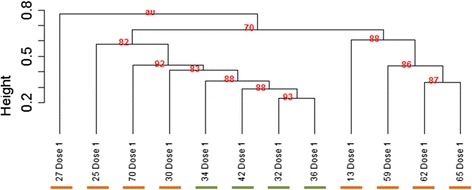
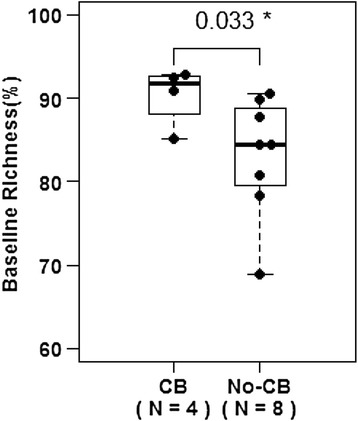
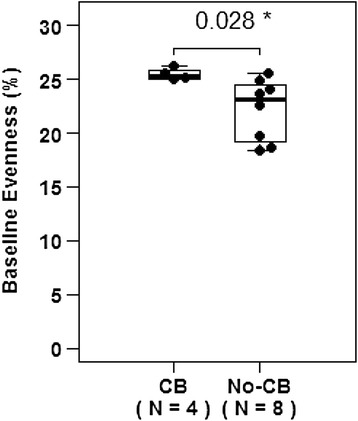
BACKGROUND: Ipilimumab improves overall survival in a subset of patients with metastatic melanoma. Peripheral blood T cell receptor (TCR) repertoire diversity has been associated with favorable outcomes in patients with cancer, but its relevance as a biomarker for ipilimumab outcomes remains unknown. FINDINGS: In this pilot study, we analyzed the pre-treatment peripheral blood TCR repertoire in 12 patients with metastatic melanoma who received ipilimumab at 3 mg/kg (clinical benefit, n = 4; no clinical benefit, n = 8). TCR diversity was evaluated using a polymerase chain reaction assay which measures TCR combinatorial diversity between V and J genes from genomic DNA. TCR repertoire diversity was studied through richness (observed V-J rearrangements) and evenness (similarity between the frequencies of specific V-J rearrangements). The Wilcoxon rank sum test was used to compare patients with clinical benefit and those without. Association with benefit in a dichotomized analysis was assessed through a Fisher's exact test. Overall survival was studied through log-rank analysis. There was a significant difference in richness (p = 0.033) and evenness (p = 0.028) between patients with and without clinical benefit. Dichotomized analysis showed that none of the patients with low richness (n = 0/5, p = 0.081) nor low evenness (n = 0/7, p = 0.01) achieved clinical benefit. There were no significant differences in overall survival. CONCLUSIONS: In this small group of patients, baseline TCR diversity in the peripheral blood was associated with clinical outcomes. Further investigation is ongoing in larger cohorts of patients to explore these preliminary findings and determine whether TCR diversity can be used as a predictive biomarker in cancer immunotherapy.
Overview
The claims and statistics of this paper haven’t been checked yet.
Free: it reads the open-access text and checks the first 5 claims that cite a source we can check. Create a free account to check every claim.
Integrity signals
Registry
Cites
Statistics
Figures
Verification
Claims the paper makes
The claims and statistics of this paper haven’t been checked yet.
Free: it reads the open-access text and checks the first 5 claims that cite a source we can check. Create a free account to check every claim.
Claims other papers make about this one
Each is checked against this paper’s own text: does it say what the citing paper says it does?
The source backs part of the claim, not all of it — or backs it for a different population, condition or comparison.
In the citing paper
“some studies have found that high TCR diversity in peripheral blood and tumors prior to ICI therapy is predictive of effective treatment, others have pointed to ICI therapy-associated increases in TCR clonality, that is, enrichment of T cells with the same TCRs, as a sign of effective therapy (150, 157-161).”
From Immune Checkpoint Inhibitors for the Treatment of Cancer: Clinical Impact and Mechanisms of Response and Resistance (2021) · cites this paper as [159]
Experimental — accuracy not yet measured
Self-check
Percentages, sums and reported differences re-computed from the paper’s own numbers.
The self-check needs the paper’s full text.
Citations
Cites
Improved Survival with Ipilimumab in Patients with Metastatic Melanoma
Hodi, F. S., O'Day, S. J., McDermott, D. F., Weber, R. W., Sosman, J. A., Haanen, J. B., Gonzalez, R., Robert, C., Schadendorf, D., Hassel, J. C., et al. (2010) · New England Journal of Medicine · doi:10.1056/nejmoa1003466 · Cited by 15,155 · cited 1×
“Cytotoxic T lymphocyte antigen 4 (CTLA-4) was the first immunologic checkpoint to be clinically targeted, and the anti-CTLA-4 antibody, ipilimumab, has been shown to improve overall survival in a subset of patients [1, 2].”
BackgroundSelf-citationIpilimumab plus Dacarbazine for Previously Untreated Metastatic Melanoma
Robert, C., Thomas, L., Bondarenko, I., O'Day, S., Weber, J., Garbe, C., Lebbe, C., Baurain, J.-F., Testori, A., Grob, J.-J., et al. (2011) · New England Journal of Medicine · doi:10.1056/nejmoa1104621 · Cited by 4,496 · cited 1×
“Cytotoxic T lymphocyte antigen 4 (CTLA-4) was the first immunologic checkpoint to be clinically targeted, and the anti-CTLA-4 antibody, ipilimumab, has been shown to improve overall survival in a subset of patients [1, 2].”
BackgroundSelf-citationCarthon, B. C., Wolchok, J. D., Yuan, J., Kamat, A., Ng Tang, D. S., Sun, J., Ku, G., Troncoso, P., Logothetis, C. J., Allison, J. P., et al. (2010) · Clinical Cancer Research · doi:10.1158/1078-0432.ccr-10-0569 · Cited by 460 · cited 1×
“Increases in the absolute lymphocyte count and markers of activation such as inducible co-stimulator (ICOS) on CD4+ T cells have been shown to be pharmacodynamic biomarkers of ipilimumab that correlate with overall survival [3-7].”
BackgroundSelf-citationImproved Survival with T Cell Clonotype Stability After Anti–CTLA-4 Treatment in Cancer Patients
Cha, E., Klinger, M., Hou, Y., Cummings, C., Ribas, A., Faham, M., & Fong, L. (2014) · Science Translational Medicine · doi:10.1126/scitranslmed.3008211 · Cited by 383 · cited 1×
“In another study, maintenance of high-frequency TCR clonotypes during CTLA-4 blockade was associated with improved overall survival [9].”
BackgroundCTLA4 Blockade Broadens the Peripheral T-Cell Receptor Repertoire
Robert, L., Tsoi, J., Wang, X., Emerson, R., Homet, B., Chodon, T., Mok, S., Huang, R. R., Cochran, A. J., Comin-Anduix, B., et al. (2014) · Clinical Cancer Research · doi:10.1158/1078-0432.ccr-13-2648 · Cited by 376 · cited 2×
“Other investigations have focused on the peripheral blood T-cell receptor (TCR) repertoire and have shown that CTLA-4 blockade diversifies the TCR repertoire [8].”
BackgroundDelyon, J., Mateus, C., Lefeuvre, D., Lanoy, E., Zitvogel, L., Chaput, N., Roy, S., Eggermont, A. M. M., Routier, E., & Robert, C. (2013) · Annals of Oncology · doi:10.1093/annonc/mdt027 · Cited by 318 · cited 1×
“Increases in the absolute lymphocyte count and markers of activation such as inducible co-stimulator (ICOS) on CD4+ T cells have been shown to be pharmacodynamic biomarkers of ipilimumab that correlate with overall survival [3-7].”
BackgroundSimeone, E., Gentilcore, G., Giannarelli, D., Grimaldi, A. M., Caracò, C., Curvietto, M., Esposito, A., Paone, M., Palla, M., Cavalcanti, E., et al. (2014) · Cancer Immunology, Immunotherapy · doi:10.1007/s00262-014-1545-8 · Cited by 253 · cited 1×
“Increases in the absolute lymphocyte count and markers of activation such as inducible co-stimulator (ICOS) on CD4+ T cells have been shown to be pharmacodynamic biomarkers of ipilimumab that correlate with overall survival [3-7].”
BackgroundQuantitative assessment of T cell repertoire recovery after hematopoietic stem cell transplantation
van Heijst, J. W. J., Ceberio, I., Lipuma, L. B., Samilo, D. W., Wasilewski, G. D., Gonzales, A. M. R., Nieves, J. L., van den Brink, M. R. M., Perales, M. A., & Pamer, E. G. (2013) · Nature Medicine · doi:10.1038/nm.3100 · Cited by 204
Increased frequency of ICOS+ CD4 T cells as a pharmacodynamic biomarker for anti-CTLA-4 therapy
Ng Tang, D., Shen, Y., Sun, J., Wen, S., Wolchok, J. D., Yuan, J., Allison, J. P., & Sharma, P. (2013) · Cancer Immunology Research · doi:10.1158/2326-6066.cir-13-0020 · Cited by 203 · cited 1×
“Increases in the absolute lymphocyte count and markers of activation such as inducible co-stimulator (ICOS) on CD4+ T cells have been shown to be pharmacodynamic biomarkers of ipilimumab that correlate with overall survival [3-7].”
BackgroundSelf-citationManuel, M., Tredan, O., Bachelot, T., Clapisson, G., Courtier, A., Parmentier, G., Rabeony, T., Grives, A., Perez, S., Mouret, J.-F., et al. (2012) · OncoImmunology · doi:10.4161/onci.19545 · Cited by 150 · cited 1×
“cancer [10], we hypothesized that the combinatorial diversity of the TCR repertoire would be relevant to clinical”
BackgroundSelf-citation
Cited by
Bagchi, S., Yuan, R., & Engleman, E. G. (2021) · Annual Review of Pathology: Mechanisms of Disease · doi:10.1146/annurev-pathol-042020-042741 · Cited by 2,189
Predictive biomarkers for checkpoint inhibitor-based immunotherapy
Gibney, G. T., Weiner, L. M., & Atkins, M. B. (2016) · The Lancet Oncology · doi:10.1016/s1470-2045(16)30406-5 · Cited by 1,635
CD4+ T cell help in cancer immunology and immunotherapy
Borst, J., Ahrends, T., Bąbała, N., Melief, C. J. M., & Kastenmüller, W. (2018) · Nature Reviews Immunology · doi:10.1038/s41577-018-0044-0 · Cited by 1,585
The future of cancer immunotherapy: microenvironment-targeting combinations
Murciano-Goroff, Y. R., Warner, A. B., & Wolchok, J. D. (2020) · Cell Research · doi:10.1038/s41422-020-0337-2 · Cited by 749
Self-citationMénétrier-Caux, C., Ray-Coquard, I., Blay, J.-Y., & Caux, C. (2019) · Journal for ImmunoTherapy of Cancer · doi:10.1186/s40425-019-0549-5 · Cited by 339
Sato-Kaneko, F., Yao, S., Ahmadi, A., Zhang, S. S., Hosoya, T., Kaneda, M. M., Varner, J. A., Pu, M., Messer, K. S., Guiducci, C., et al. (2017) · JCI Insight · doi:10.1172/jci.insight.93397 · Cited by 280
Han, J., Duan, J., Bai, H., Wang, Y., Wan, R., Wang, X., Chen, S., Tian, Y., Wang, D., Fei, K., et al. (2020) · Cancer Immunology Research · doi:10.1158/2326-6066.cir-19-0398 · Cited by 264
“Studies of the peripheral TCR repertoire in various cancer types have indicated that the TCR repertoire could serve as either a predictive or a prognostic biomarker for cytotoxic T-lymphocyte–associated protein 4 (12, 13) or PD-1 inhibitors (14, 15).”
BackgroundLiquid biopsy and tumor heterogeneity in metastatic solid tumors: the potentiality of blood samples
Russano, M., Napolitano, A., Ribelli, G., Iuliani, M., Simonetti, S., Citarella, F., Pantano, F., Dell’Aquila, E., Anesi, C., Silvestris, N., et al. (2020) · Journal of Experimental & Clinical Cancer Research · doi:10.1186/s13046-020-01601-2 · Cited by 260
Treg-mediated acquired resistance to immune checkpoint inhibitors
Saleh, R., & Elkord, E. (2019) · Cancer Letters · doi:10.1016/j.canlet.2019.05.003 · Cited by 236
Hopkins, A. C., Yarchoan, M., Durham, J. N., Yusko, E. C., Rytlewski, J. A., Robins, H. S., Laheru, D. A., Le, D. T., Lutz, E. R., & Jaffee, E. M. (2018) · JCI Insight · doi:10.1172/jci.insight.122092 · Cited by 233
“The large effect of this and other CTLA-4 inhibitors on the peripheral repertoire has been described previously (10, 13, 14) in melanoma and prostate cancer; however, the association of TCR repertoire metrics with clinical outcomes in these studies yielded mixed results.”
ResultIdentifying baseline immune-related biomarkers to predict clinical outcome of immunotherapy
Gnjatic, S., Bronte, V., Brunet, L. R., Butler, M. O., Disis, M. L., Galon, J., Hakansson, L. G., Hanks, B. A., Karanikas, V., Khleif, S. N., et al. (2017) · Journal for ImmunoTherapy of Cancer · doi:10.1186/s40425-017-0243-4 · Cited by 228
“have shown that baseline TCR diversity in the peripheral blood was associated with clinical outcomes [138].”
BackgroundSelf-citationTrial watch: chemotherapy-induced immunogenic cell death in immuno-oncology
Vanmeerbeek, I., Sprooten, J., De Ruysscher, D., Tejpar, S., Vandenberghe, P., Fucikova, J., Spisek, R., Zitvogel, L., Kroemer, G., Galluzzi, L., et al. (2020) · OncoImmunology · doi:10.1080/2162402x.2019.1703449 · Cited by 227
T cell regeneration after immunological injury
Velardi, E., Tsai, J. J., & van den Brink, M. R. M. (2021) · Nature Reviews Immunology · doi:10.1038/s41577-020-00457-z · Cited by 222
Buder-Bakhaya, K., & Hassel, J. C. (2018) · Frontiers in Immunology · doi:10.3389/fimmu.2018.01474 · Cited by 217
“repertoire n = 12 Ipilimumab TCR repertoire richness prior to therapy correlated with clinical benefit (57)”
BackgroundT-cell repertoire analysis and metrics of diversity and clonality
Chiffelle, J., Genolet, R., Perez, M. A., Coukos, G., Zoete, V., & Harari, A. (2020) · Current Opinion in Biotechnology · doi:10.1016/j.copbio.2020.07.010 · Cited by 210
“…diversity upon ipilimumab treatment in metastatic melanoma, the authors characterized clonal diversity defined as the ratio between the number of sequences accounting for 50% of the total repertoire abundance ( i.e. cumulative frequency of each of these sequences) and the repertoire richness [67].”
BackgroundApplications of Immunogenomics to Cancer
Liu, X. S., & Mardis, E. R. (2017) · Cell · doi:10.1016/j.cell.2017.01.014 · Cited by 205
Existing and Emerging Biomarkers for Immune Checkpoint Immunotherapy in Solid Tumors
Arora, S., Velichinskii, R., Lesh, R. W., Ali, U., Kubiak, M., Bansal, P., Borghaei, H., Edelman, M. J., & Boumber, Y. (2019) · Advances in Therapy · doi:10.1007/s12325-019-01051-z · Cited by 196
Knudson, K. M., Hicks, K. C., Luo, X., Chen, J.-Q., Schlom, J., & Gameiro, S. R. (2018) · OncoImmunology · doi:10.1080/2162402x.2018.1426519 · Cited by 195
Biomarkers for Immune Checkpoint Inhibitor-Mediated Tumor Response and Adverse Events
Nakamura, Y. (2019) · Frontiers in Medicine · doi:10.3389/fmed.2019.00119 · Cited by 185
Waibl Polania, J., Hoyt-Miggelbrink, A., Tomaszewski, W. H., Wachsmuth, L. P., Lorrey, S. J., Wilkinson, D. S., Lerner, E., Woroniecka, K., Finlay, J. B., Ayasoufi, K., et al. (2025) · Immunity · doi:10.1016/j.immuni.2024.11.026 · Cited by 165
Biomarkers associated with checkpoint inhibitors
Manson, G., Norwood, J., Marabelle, A., Kohrt, H., & Houot, R. (2016) · Annals of Oncology · doi:10.1093/annonc/mdw181 · Cited by 164
Multi-phenotype CRISPR-Cas9 Screen Identifies p38 Kinase as a Target for Adoptive Immunotherapies
Gurusamy, D., Henning, A. N., Yamamoto, T. N., Yu, Z., Zacharakis, N., Krishna, S., Kishton, R. J., Vodnala, S. K., Eidizadeh, A., Jia, L., et al. (2020) · Cancer Cell · doi:10.1016/j.ccell.2020.05.004 · Cited by 157
Hogan, S. A., Courtier, A., Cheng, P. F., Jaberg-Bentele, N. F., Goldinger, S. M., Manuel, M., Perez, S., Plantier, N., Mouret, J.-F., Nguyen-Kim, T. D. L., et al. (2019) · Cancer Immunology Research · doi:10.1158/2326-6066.cir-18-0136 · Cited by 155
“ImmunTraCkeR (8), a TCR repertoire-profiling tool, was used to study the T-cell immune repertoire diversity based on the detection of V-J rearrangements of theCDR3 regionof the TCRb chain, as previously described (9).”
MethodResultSelf-citationCui, J.-H., Lin, K.-R., Yuan, S.-H., Jin, Y.-B., Chen, X., Su, X.-K., Jiang, J., Pan, Y.-M., Mao, S.-L., Mao, X., et al. (2018) · Frontiers in Immunology · doi:10.3389/fimmu.2018.02729 · Cited by 181
“However, it has also been reported that the signatures of TCR repertoire in peripheral blood could represent an imprint of antigenic repertoire present in various disease states, which could distinguish patients with different diseases (30), as well as could reflect the clinical response to immunotherapy in cancer pat…”
Kordbacheh, T., Honeychurch, J., Blackhall, F. H., Finn, C. F., & Illidge, T. (2017) · Annals of Oncology · doi:10.1093/annonc/mdx790 · Cited by 152
Altaner, Č. (2008) · PubMed · Cited by 155
Casneuf, T., Adams, H. C., van de Donk, N. W. C. J., Abraham, Y., Bald, J., Vanhoof, G., Van der Borght, K., Smets, T., Foulk, B., Nielsen, K. C., et al. (2021) · Leukemia · doi:10.1038/s41375-020-0855-4 · Cited by 121
Liu, Y., Yang, Q., Yang, J., Cao, R., Liang, J., Liu, Y., Zeng, Y., Chen, S., Xia, X., Zhang, K., et al. (2019) · International Journal of Cancer · doi:10.1002/ijc.32145 · Cited by 134
Monitoring immune responses in the tumor microenvironment
Wargo, J. A., Reddy, S. M., Reuben, A., & Sharma, P. (2016) · Current Opinion in Immunology · doi:10.1016/j.coi.2016.05.006 · Cited by 113
“Monitoring changes in T cell clonality using TCRseq in longitudinal tumor biopsies during the course of treatment has been described [41,42], and differences in T cell clonality in responders versus non-responders to therapy have been noted [43].”
MethodTray, N., Weber, J. S., & Adams, S. (2018) · Cancer Immunology Research · doi:10.1158/2326-6066.cir-18-0214 · Cited by 106
“TCR diversity and clonality In metastatic melanoma patients treated with ipilimumab, peripheral blood TCR diversity was investigated by assessing richness (number of different V-J rearrangements) and evenness (similarity between the frequencies of V-J rearrangements), with high baseline TCR diversity correlating with…”
BackgroundOstmeyer, J., Christley, S., Toby, I. T., & Cowell, L. G. (2019) · Cancer Research · doi:10.1158/0008-5472.can-18-2292 · Cited by 105
Impact of T cell characteristics on CAR-T cell therapy in hematological malignancies
Tao, Z., Chyra, Z., Kotulová, J., Celichowski, P., Mihályová, J., Charvátová, S., & Hájek, R. (2024) · Blood Cancer Journal · doi:10.1038/s41408-024-01193-6 · Cited by 118
“In studies of peripheral blood TCR repertoire, higher baseline TCR diversity has been reported to correlate with better immunotherapy response [126, 131, 132], and longer progression-free survival (PFS) in both solid and blood malignancies [126, 129, 132, 133].”
Zeidner, J. F., Vincent, B. G., Ivanova, A., Moore, D. T., McKinnon, K. P., Wilkinson, A. D., Mukhopadhyay, R., Mazziotta, F., Knaus, H. A., Foster, M. C., et al. (2021) · Blood Cancer Discovery · doi:10.1158/2643-3230.bcd-21-0070 · Cited by 104
“Similar results were seen with ipilimumab in melanoma and PD-1 blockade in classical Hodgkin lymphoma.(21, 38) Further probing of immune signatures revealed enrichment of progenitor exhausted TCF1 CD8 T cell subpopulation in patients who achieved CR.”
BackgroundResultCharacteristics of TCR Repertoire Associated With Successful Immune Checkpoint Therapy Responses
Kidman, J., Principe, N., Watson, M. W., Lassmann, T., Holt, R. A., Nowak, A. K., Lesterhuis, W. J., Lake, R., & Chee, J. (2020) · Frontiers in Immunology · doi:10.3389/fimmu.2020.587014 · Cited by 102
“Patients with a high pre-treatment blood TCR diversity score experienced more clinical benefit and increased survival with anti-CTLA-4 monotherapy in some studies (43, 54), but not others (48, 55, 56).”
BackgroundDouguet, L., Hreich, S. J. D., Benzaquen, J., Seguin, L., Juhel, T., Dezitter, X., Duranton, C., Ryffel, B., Kanellopoulos, J., Delarasse, C., et al. (2021) · Nature Communications · doi:10.1038/s41467-021-20912-2 · Cited by 106
Gulhati, P., Schalck, A. P., Jiang, S., Shang, X., Wu, C., Hou, P., Ruiz, S. H., Soto, L. M. S., Parra, E. R., Ying, H., et al. (2022) · Nature Cancer · doi:10.1038/s43018-022-00500-z · Cited by 128
Holm, J. S., Funt, S. A., Borch, A., Munk, K. K., Bjerregaard, A.-M., Reading, J. L., Maher, C., Regazzi, A., Wong, P., Al-Ahmadie, H., et al. (2022) · Nature Communications · doi:10.1038/s41467-022-29342-0 · Cited by 86
Self-citationPD-L1 Testing in Non-small Cell Lung Cancer: Past, Present, and Future
Kim, H., & Chung, J.-H. (2019) · Journal of Pathology and Translational Medicine · doi:10.4132/jptm.2019.04.24 · Cited by 92
“Peripheral circulating immune cells and T-cell receptor diversity may be reflective of the tumor microenvironment, though this has yet to be validated in clinical practice.(49,50) Finally, although the gut microbiome is showing exciting promise as a marker for immune-checkpoint efficacy, its predictive value needs to…”
BackgroundTranslation of AI into oncology clinical practice
El Naqa, I., Karolak, A., Luo, Y., Folio, L., Tarhini, A. A., Rollison, D., & Parodi, K. (2023) · Oncogene · doi:10.1038/s41388-023-02826-z · Cited by 81
“…of genomic sequencing, promising immunotherapeutic biomarkers included the tumor mutational burden (TMB) [70], aneuploidy (also known as somatic copy number alterations, SCNAs) [71], neoantigen prediction [72], HLA-I [72, 73] genotypes, T-cell repertoire [74], and germline genetic variations [75].”
BackgroundEmerging predictors of the response to the blockade of immune checkpoints in cancer therapy
Li, X., Song, W., Shao, C., Shi, Y., & Han, W. (2018) · Cellular and Molecular Immunology · doi:10.1038/s41423-018-0086-z · Cited by 82
T-cell repertoire diversity: friend or foe for protective antitumor response?
Porciello, N., Franzese, O., D’Ambrosio, L., Palermo, B., & Nisticò, P. (2022) · Journal of Experimental & Clinical Cancer Research · doi:10.1186/s13046-022-02566-0 · Cited by 96
“Specifically, patients with clinical benefit after CTLA-4 blockade exhibited higher richness and evenness in their baseline TCR repertoires compared to non-responders, suggesting that a more diverse TCR repertoire may be critical to enhancing clinical response to anti-CTLA4 treatment [13].”
BackgroundBiomarkers of response to immune checkpoint blockade in cancer treatment
Fujii, T., Naing, A., Rolfo, C. D., & Hajjar, J. (2018) · Critical Reviews in Oncology/Hematology · doi:10.1016/j.critrevonc.2018.07.010 · Cited by 81
T cell receptor repertoire usage in cancer as a surrogate marker for immune responses
Schrama, D., Ritter, C., & Becker, J. C. (2017) · Seminars in Immunopathology · doi:10.1007/s00281-016-0614-9 · Cited by 83
Arakawa, A., Vollmer, S., Tietze, J., Galinski, A., Heppt, M. V., Bürdek, M., Berking, C., & Prinz, J. C. (2019) · Frontiers in Immunology · doi:10.3389/fimmu.2019.01336 · Cited by 74
“Together, many different circulating clones, but not a few strongly expanded T-cell clones may favor the clinical responses to CTLA4 inhibition in melanoma patients (19).”
BackgroundInfluentialT-Cell Receptor Repertoire Sequencing in the Era of Cancer Immunotherapy
Frank, M. L., Lu, K. J., Erdogan, C., Han, Y., HU, J. L., Wang, T., Heymach, J. V., Zhang, J. J., & Reuben, A. (2022) · Clinical Cancer Research · doi:10.1158/1078-0432.ccr-22-2469 · Cited by 85
Spassova, I., Ugurel, S., Terheyden, P. A. M., Sucker, A., Hassel, J. C., Ritter, C., Kubat, L., Habermann, D., Farahpour, F., Saeedghalati, M., et al. (2020) · Clinical Cancer Research · doi:10.1158/1078-0432.ccr-19-2244 · Cited by 76
“The positive predictive value of a diverse TCR repertoire for response to CPI therapy was recently also observed in melanoma (33).”
BackgroundBiomarkers for Response of Melanoma Patients to Immune Checkpoint Inhibitors: A Systematic Review
Jessurun, C. A. C., Vos, J. A. M., Limpens, J., & Luiten, R. M. (2017) · Frontiers in Oncology · doi:10.3389/fonc.2017.00233 · Cited by 82
“High baseline TCR diversity has been associated with ICI response in both anti-CTLA4 and anti-PD1 (45, 62).”
BackgroundAversa, I., Malanga, D., Fiume, G., & Palmieri, C. (2020) · International Journal of Molecular Sciences · doi:10.3390/ijms21072378 · Cited by 79
“[77] melanoma CTLA4 (ipilimumab) richness, evenness index”
BackgroundResultChristley, S., Scarborough, W., Salinas, E., Rounds, W. H., Toby, I. T., Fonner, J. M., Levin, M. K., Kim, M., Mock, S. A., Jordan, C., et al. (2018) · Frontiers in Immunology · doi:10.3389/fimmu.2018.00976 · Cited by 70
Aran, A., Garrigós, L., Curigliano, G., Cortés, J., & Martí, M. (2022) · Cancers · doi:10.3390/cancers14071771 · Cited by 82
Efficacy of Nivolumab in Pediatric Cancers with High Mutation Burden and Mismatch Repair Deficiency
Das, A., Tabori, U. Y., Nahum, L. C. S., Collins, N. B., Deyell, R. J., Dvir, R., Faure‐Conter, C., Hassall, T., Minturn, J. E., Edwards, M., et al. (2023) · Clinical Cancer Research · doi:10.1158/1078-0432.ccr-23-0411 · Cited by 74
The Landscape of Tumor Fusion Neoantigens: A Pan-Cancer Analysis
Wei, Z., Zhou, C., Zhang, Z., Guan, M., Zhang, C., Liu, Z., & Liu, Q. (2019) · iScience · doi:10.1016/j.isci.2019.10.028 · Cited by 67
“…or PD-L1 expression (Garon et al., 2015), a higher neoantigen load, the microsatellite instability, and a higher peripheral baseline TCR diversity (Postow et al., 2015) are all reported to be associated with a better immunotherapy outcome; therefore, prediction of the response to immunotherapy is…”
BackgroundMelanoma Immunotherapy: Next-Generation Biomarkers
Hogan, S. A., Levesque, M. P., & Cheng, P. F. (2018) · Frontiers in Oncology · doi:10.3389/fonc.2018.00178 · Cited by 76
“hypothesized that the shape of the TCR repertoire prior to treatment initiation may influence the likelihood of a response to the treatment (48).”
BackgroundOstmeyer, J., Christley, S., Rounds, W. H., Toby, I., Greenberg, B. M., Monson, N. L., & Cowell, L. G. (2017) · BMC Bioinformatics · doi:10.1186/s12859-017-1814-6 · Cited by 63
“Repertoire diversity has been associated with prognosis in gastric cancer [5] and with outcome following Ipilimumab treatment for metastatic melanoma [6].”
Tarhini, A., Lin, Y., Lin, H., Rahman, Z., Vallabhaneni, P., Mendiratta, P., Pingpank, J. F., Holtzman, M. P., Yusko, E. C., Rytlewski, J. A., et al. (2018) · Journal for ImmunoTherapy of Cancer · doi:10.1186/s40425-018-0428-5 · Cited by 63
Rossi, G., Russo, A., Tagliamento, M., Tuzi, A., Nigro, O., Vallome, G., Sini, C., Grassi, M., Bello, M. G. D., Coco, S., et al. (2020) · Cancers · doi:10.3390/cancers12051125 · Cited by 68
Sheikh, N. A., Cham, J., Zhang, L., DeVries, T. A., Letarte, S., Pufnock, J., Hamm, D. E., Trager, J. B., & Fong, L. H. (2016) · Cancer Research · doi:10.1158/0008-5472.can-15-3173 · Cited by 67
“14) and the broadening of the peripheral T-cell repertoire seen in patients who received ipilimumab (anti-CTLA-4 mAb) (15).”
Prognostic Factors for Checkpoint Inhibitor Based Immunotherapy: An Update With New Evidences
Yan, X., Zhang, S., Deng, Y., Wang, P., Hou, Q., & Xu, H. (2018) · Frontiers in Pharmacology · doi:10.3389/fphar.2018.01050 · Cited by 57
Berezhnoy, A., Sumrow, B. J., Stahl, K., Shah, K., Liu, D., Li, J., Hao, S.-S., De Costa, A., Kaul, S., Bendell, J., et al. (2020) · Cell Reports Medicine · doi:10.1016/j.xcrm.2020.100163 · Cited by 56
Storkus, W. J., Maurer, D. M., Lin, Y., Ding, F., Bose, A., Lowe, D. B., Rose, A. E., DeMark, M., Karapetyan, L., Taylor, J. L., et al. (2021) · Journal for ImmunoTherapy of Cancer · doi:10.1136/jitc-2021-003675 · Cited by 68
“…or on-treatment TCR repertoire diversity has been reported to represent a prognostic indicator of clinical outcome and response to checkpoint blockade in patients with cancer, 17 we next performed TCRseq analyses of patient peripheral blood specimens using the Thermo Fisher Oncomine TCRB-LR Assay.”
BackgroundMethodLu, C., Dong, X., Zhao, J., Zhang, X., Chen, H., Zhou, Q. H., Tu, H., Ai, X., Chen, X., An, G., et al. (2020) · Journal of Hematology & Oncology · doi:10.1186/s13045-020-00866-6 · Cited by 59
Liu, S., Knochelmann, H. M., Lomeli, S. H., Hong, A., Richardson, M. S., Yang, Z., Lim, R. J., Wang, Y., Dumitras, C., Krysan, K., et al. (2021) · Cell Reports Medicine · doi:10.1016/j.xcrm.2021.100411 · Cited by 67
“In this context, high pretreatment diversity of TCR clones in the peripheral blood has been associated with improved outcomes in individuals with melanoma treated with anti-PD-1 or antiCTLA-4 therapy.(44,45) In a recent study of individuals with non-small cell lung carcinoma (NSCLC) treated with anti-PD-L1 therapy, in…”
BackgroundImmune escape mechanisms and therapeutic approaches in cancer: the cancer-immunity cycle
Starzer, A. M., Preusser, M., & Berghoff, A. S. (2022) · Therapeutic Advances in Medical Oncology · doi:10.1177/17588359221096219 · Cited by 67
T‐cell receptor diversity as a prognostic biomarker in melanoma patients
Charles, J., Mouret, S., Challende, I., Leccia, M. ‐., de Fraipont, F., Perez, S., Plantier, N., Plumas, J., Manuel, M., Chaperot, L., et al. (2020) · Pigment Cell & Melanoma Research · doi:10.1111/pcmr.12866 · Cited by 54
“In addition, Postow et al. highlighted that patients with clinical benefit in response to anti-CTLA4 treatment displayed lower DR and DE values (Postow et al., 2015).”
BackgroundSelf-citationImmune repertoire: A potential biomarker and therapeutic for hepatocellular carcinoma
Han, Y., Li, H., Guan, Y., & Huang, J. (2015) · Cancer Letters · doi:10.1016/j.canlet.2015.06.022 · Cited by 54
Poran, A., Scherer, J., Bushway, M. E., Besada, R. H., Balogh, K. N., Wanamaker, A., Williams, R. G., Prabhakara, J., Ott, P. A., Hu‐Lieskovan, S., et al. (2020) · Cell Reports Medicine · doi:10.1016/j.xcrm.2020.100141 · Cited by 57
Kato, T., Kiyotani, K., Tomiyama, E., Koh, Y., Matsushita, M., Hayashi, Y., Nakano, K., Ishizuya, Y., Wang, C., Hatano, K., et al. (2021) · OncoImmunology · doi:10.1080/2162402x.2020.1862948 · Cited by 53
“In fact, recently, several studies reported that peripheral TCR diversity at baseline could be either a predictive or a prognostic biomarker for cytotoxic T-lymphocyte–associated protein 4 (CTLA-4) or programmed cell death protein 1 (PD-1) inhibitors.(13,14) However, these conclusions oppose those reported in other st…”
ResultBouzid, R., Peppelenbosch, M. P., & Buschow, S. I. (2020) · Cancers · doi:10.3390/cancers12051121 · Cited by 52
“Studies have mostly been performed in (but not limited to) prostate cancer, pancreatic cancer and colorectal cancer [58,60,61,121].”
BackgroundInfluentialDorff, T. B., Hirasawa, Y., Acoba, J. D., Pagano, I., Tamura, D. J., Pal, S. K., Zhang, M., Waitz, R., Dhal, A., Haynes, W. A., et al. (2021) · Journal for ImmunoTherapy of Cancer · doi:10.1136/jitc-2021-002931 · Cited by 52
Emerging Tissue and Blood-Based Biomarkers that may Predict Response to Immune Checkpoint Inhibition
Friedman, C. F., & Postow, M. A. (2016) · Current Oncology Reports · doi:10.1007/s11912-016-0509-x · Cited by 46
Self-citationLi, S., Zhang, C., Pang, G., & Wang, P. (2020) · Frontiers in Immunology · doi:10.3389/fimmu.2020.603157 · Cited by 46
Rationale of Immunotherapy in Hepatocellular Carcinoma and Its Potential Biomarkers
Tai, D. W.-M., Choo, S. P., & Chew, V. (2019) · Cancers · doi:10.3390/cancers11121926 · Cited by 46
Pan, M., & Li, B. (2022) · eLife · doi:10.7554/elife.81952 · Cited by 45
“Many previous clinical studies have attempted to use the TCR repertoire to monitor the response of immunotherapies ( Page et al., 2016 ; Postow et al., 2015b ; Hopkins et al., 2018 ; Roh et al., 2017 ).”
Cowell, L. G. (2020) · Cancer Research · doi:10.1158/0008-5472.can-19-1457 · Cited by 50
“Additional studies have found an association between high pretreatment TCR diversity in the blood and tumor regression or longer periods of stable disease in melanoma patients receiving anti–CTLA-4 (77, 78) and in patients with head and neck cancer receiving cetuximab (79).”
BackgroundLi, S., Sun, J., Allesøe, R. L., Datta, K., Bao, Y., Oliveira, G., Forman, J., Jin, R., Olsen, L. R., Keskin, D. B., et al. (2019) · Nature Protocols · doi:10.1038/s41596-019-0195-x · Cited by 45
Chung, D. J., Sharma, S., Rangesa, M., DeWolf, S., Elhanati, Y., Perica, K., & Young, J. W. (2022) · Blood Advances · doi:10.1182/bloodadvances.2021005941 · Cited by 44
Prognostic and Predictive Immunohistochemistry-Based Biomarkers in Cancer and Immunotherapy
Rizk, E. M., Gartrell, R. D., Barker, L. W., Esancy, C. L., Finkel, G. G., Bordbar, D. D., & Saenger, Y. M. (2019) · Hematology/Oncology Clinics of North America · doi:10.1016/j.hoc.2018.12.005 · Cited by 47
Hyperprogression: A novel response pattern under immunotherapy
Han, X., Alu, A., Xiao, Y., Wei, Y., & Wei, X. (2020) · Clinical and Translational Medicine · doi:10.1002/ctm2.167 · Cited by 42
Relecom, A., Merhi, M., Inchakalody, V. P., Shahab Uddin, M. S., Rinchai, D., Bedognetti, D., & Dermime, S. (2021) · Journal of Experimental & Clinical Cancer Research · doi:10.1186/s13046-021-01872-3 · Cited by 44
“observed the baseline peripheral blood TCR repertoire of melanoma patients treated by ipilimumab to be more diverse in responding patients compared to nonresponders [66].”
BackgroundBiomarkers for predicting the efficacy of immune checkpoint inhibitors
Wang, C., Wang, H.-N., & Wang, L. (2022) · Journal of Cancer · doi:10.7150/jca.65012 · Cited by 44
“[108] found that higher evenness (similarities between the rearrangement frequencies of specific V and J genes) of peripheral TCR was associated with better PFS in 12 patients with metastatic melanoma, but no significant difference in OS was observed.”
BackgroundWang, M., Huang, Y., Kong, J. C. H., Yu, S. Y., Tantalo, D. G. M., Yeang, H. X. A., Ying, L., Yan, F., Xu, D., Halse, H. M., et al. (2020) · Clinical & Translational Immunology · doi:10.1002/cti2.1127 · Cited by 42
Molecular analysis of primary melanoma T cells identifies patients at risk for metastatic recurrence
Pruessmann, W., Rytlewski, J. A., Wilmott, J. S., Mihm, M. C., Attrill, G. H., Dyring‐Andersen, B., Fields, P., Zhan, Q., Colebatch, A. J., Ferguson, P. M., et al. (2020) · Nature Cancer · doi:10.1038/s43018-019-0019-5 · Cited by 39
Hernandez, C., Arasanz, H., Chocarro, L., Bocanegra, A., Zuazo, M., Fernández-Hinojal, G., Blanco, E., Vera, R., Escors, D., & Kochan, G. T. (2020) · International Journal of Molecular Sciences · doi:10.3390/ijms21072411 · Cited by 40
Greil, R., Hutterer, E., Hartmann, T. N., & Pleyer, L. (2017) · Cell Communication and Signaling · doi:10.1186/s12964-016-0155-9 · Cited by 37
“Indeed, TCR diversity was associated with good clinical outcomes following treatment with the MAb ipilimumab targeting CTLA-4 in a small series of melanoma patients [70].”
BackgroundKhunger, A., Rytlewski, J. A., Fields, P., Yusko, E. C., & Tarhini, A. A. (2019) · OncoImmunology · doi:10.1080/2162402x.2019.1652538 · Cited by 38
“However, a pilot study by Postow and colleagues reported that higher response rate was observed in metastatic melanoma patients treated with ipilimumab, who presented with a more diverse peripheral TCR repertoire at baseline.(23) Similarly, in patients with pancreatic ductal adenocarcinoma receiving ipilimumab, a dive…”
BackgroundMethodChung, D. J., Carvajal, R. D., Postow, M. A., Sharma, S., Pronschinske, K. B., Shyer, J. A., Singh-Kandah, S. V., Dickson, M. A., D’Angelo, S. P., Wolchok, J. D., et al. (2017) · OncoImmunology · doi:10.1080/2162402x.2017.1372081 · Cited by 37
Self-citationFind the Flame: Predictive Biomarkers for Immunotherapy in Melanoma
Garutti, M., Bonin, S., Buriolla, S., Bertoli, E., Pizzichetta, M. A., Zalaudek, I., & Puglisi, F. (2021) · Cancers · doi:10.3390/cancers13081819 · Cited by 39
“Similarly, CTLA-4 and PD-1 blockade increased peripheral blood mononuclear cell TCR diversity as reflected in the higher number of unique TCR clonotypes in responders vs. non-responders [70,74,169].”
Cardinale, A., Luca, C. D. D., Locatelli, F., & Velardi, E. (2021) · Frontiers in Immunology · doi:10.3389/fimmu.2021.752042 · Cited by 43
“Studies have found that higher peripheral blood TCR diversity is associated with improved clinical outcome in melanoma patients receiving anti-CTLA4 (48, 49) or anti-PD1 therapy (49).”
BackgroundImmunotherapy for the treatment of colorectal cancer
Lumish, M. A., & Cercek, A. (2021) · Journal of Surgical Oncology · doi:10.1002/jso.26357 · Cited by 38
“Baseline TCR repertoire diversity has thus been shown across tumor types to correlate with response to ICI, likely reflecting host dependence on a diverse peripheral TCR repertoire to recognize tumor neoantigens.(81,82) Increased peripheral blood TCR clonality following ICI treatment is associated with longer PFS,(81,…”
BackgroundBiomarkers and Future Perspectives for Hepatocellular Carcinoma Immunotherapy
He, Y., Lu, M., Che, J., Chu, Q., Zhang, P., & Chen, Y. (2021) · Frontiers in Oncology · doi:10.3389/fonc.2021.716844 · Cited by 37
Grizzi, G., Caccese, M., Γκουντάκος, Α., Carbognin, L., Tortora, G., Bria, E., & Pilotto, S. (2017) · Expert Review of Molecular Diagnostics · doi:10.1080/14737159.2017.1393333 · Cited by 36
“Several studies have suggested that the TCR diversity might be associated with response to immunotherapy and better clinical outcome of cancer patients [86,87].”
BackgroundChallenges of PD-L1 testing in non-small cell lung cancer and beyond
Wang, M., Wang, S., Trapani, J. A., & Neeson, P. J. (2020) · Journal of Thoracic Disease · doi:10.21037/jtd-2019-itm-010 · Cited by 32
“In addition, T-cell receptor diversity (42) and gut microbiome (43) have garnered interest as emerging biomarkers for ICB efficacy but have to be validated in large clinical studies.”
BackgroundIivanainen, S., & Koivunen, J. P. (2020) · International Journal of Molecular Sciences · doi:10.3390/ijms21020556 · Cited by 30
“Other potential soluble biomarkers include TCR diversity and clonality [89,90], as well as circulating immune cell subsets such as the number MDSCs or different T cell phenotypes [91–93].”
BackgroundSeo, K., & Choi, J. K. (2025) · Genomics & Informatics · doi:10.1186/s44342-024-00034-z · Cited by 40
“In patients with advanced melanoma, both increased richness and evenness of TCR diversity in the peripheral blood, which were previously identified as markers of a good prognosis, corresponded to greater clinical benefit following treatment with ipilimumab, a CTLA-4 inhibitor [64].”
Strategies for Predicting Response to Checkpoint Inhibitors
Zappasodi, R., Wolchok, J. D., & Merghoub, T. (2018) · Current Hematologic Malignancy Reports · doi:10.1007/s11899-018-0471-9 · Cited by 31
Self-citationChen, Y., Hsu, H., Lee, Y., Liu, H., Tan, B. C., Chin, C.-Y., Chang, I. Y., & Yang, C. (2022) · Frontiers in Immunology · doi:10.3389/fimmu.2021.743448 · Cited by 36
Chen, G. M., Azzam, A., Ding, Y., Barrett, D. M., Grupp, S. A., & Tan, K. (2020) · Clinical Cancer Research · doi:10.1158/1078-0432.ccr-19-3888 · Cited by 28
Labadie, B. W., Balar, A. V., & Luke, J. J. (2021) · Cancers · doi:10.3390/cancers13215415 · Cited by 37
Baltussen, J. C., Welters, M. J. P., Verdegaal, E. M. E., Kapiteijn, E., Schrader, A. M. R., Slingerland, M., Liefers, G., van der Burg, S. H., Portielje, J. E. A., & de Glas, N. A. (2021) · Cancers · doi:10.3390/cancers13246366 · Cited by 34
“A significant correlation between response and TCR diversity in peripheral blood was found in all anti-CLTA-4 (N = 2) and anti-PD-1 (N = 1) cohorts, but again sample sizes were too small to draw firm conclusions [37,38].”
BackgroundGorris, M. A. J., van der Woude, L. L., Kroeze, L. I., Bol, K. F., Verrijp, K. N., Amir, A. L., Meek, J., Textor, J. C., Figdor, C. G., & de Vries, I. J. M. (2022) · Journal for ImmunoTherapy of Cancer · doi:10.1136/jitc-2021-004329 · Cited by 36
Metadata
- Authors
- Postow, M. A., Manuel, M., Wong, P., Yuan, J., Dong, Z., Liu, C., Perez, S., Tanneau, I., Noel, M., Courtier, A., Pasqual, N., & Wolchok, J. D.
- Affiliations
- Memorial Sloan Kettering Cancer Center (US)
- Corresponding author
- Postow, Michael A.
- Venue
- Journal for ImmunoTherapy of Cancer
- Publisher
- BMJ
- Published
- 2015-06-16
- Volume
- 3
- Issue
- 1
- Pages
- 23-23
- ISSN
- 2051-1426 (ISSN-L)
- PMC
- PMC4469400
- OpenAlex
- W1488069418
- Cited by
- 232
- References
- 13
- Citations by year
- 2026: 11 · 2025: 11 · 2024: 23 · 2023: 20 · 2022: 27 · 2021: 28 · 2020: 41 · 2019: 22 · 2018: 23 · 2017: 13 · 2016: 9 · 2015: 2
- FWCI
- 6.84
- Type
- journal article
- Language
- en
- Open access
- gold
- doi.org
- Locations
- Journal for ImmunoTherapy of Cancer (publishedVersion, cc-by)
- PubMed Central (publishedVersion, cc-by)
- PubMed (publishedVersion)
- Funders
- Society for Immunotherapy of Cancer
- National Cancer Institute (P30CA008748, T32CA009207, R25CA020449)
- Topics
- Health Sciences › Medicine › Oncology › Cancer Immunotherapy and Biomarkers
- Life Sciences › Immunology and Microbiology › Immunology › T-cell and B-cell Immunology
- Health Sciences › Medicine › Oncology › Cutaneous Melanoma Detection and Management
- Keywords
- T cell receptor diversity, ipilimumab, metastatic melanoma, predictive biomarkers, clinical benefit, immune checkpoint inhibitor response, cancer immunotherapy, overall survival
About these checks
Registry, retraction, Cites and statistics results are computed, not judged, with one exception: a printed reference that no index lists is read once by a model before it counts as a citation error. Claims are extracted by a model and kept only when their quote appears verbatim in the text; each cited source is then checked, with a model’s help, for whether it says what the claim relies on. Those verdicts can be wrong — read the claim’s quote and the cited source before relying on one.
Statistics and arithmetic are recomputed, not judged.
Confidence bands are shown only for fields calibrated on our annotated test set. None is calibrated yet, so no band is shown.
What counts as a claim ›How we measure confidence ›How we check this ›
Are you an author, or do you see a problem with this page? Request a review
Data sources
Bibliographic data: Semantic Scholar, OpenAlex, Crossref.
Contains information from the Semantic Scholar Academic Graph Datasets, made available under the ODC Attribution License (ODC-BY 1.0).
Semantic Scholar’s data is described in: Kinney, R., et al. (2023). The Semantic Scholar Open Data Platform. arXiv:2301.10140.
