

Where are we going and where have we been? Examining the effects of maps on spatial learning in an indoor guided navigation task
Open accessThe DOI matches its Crossref record; 35 of the 36 references it cites were found in a registry or an index.
Abstract
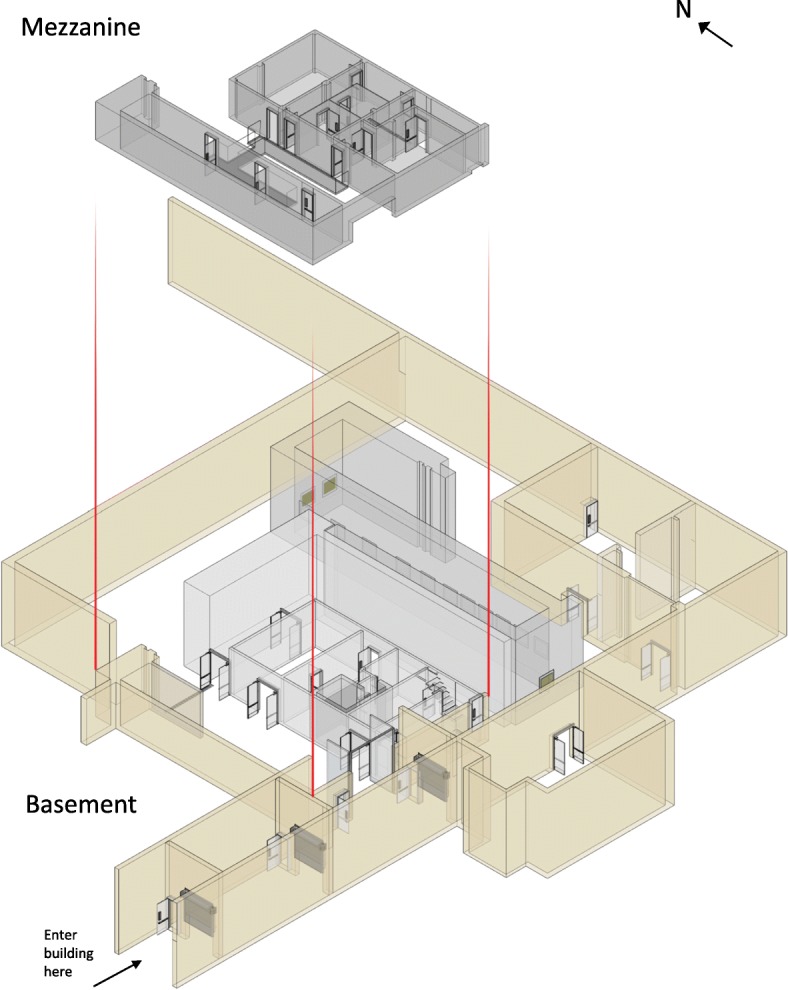
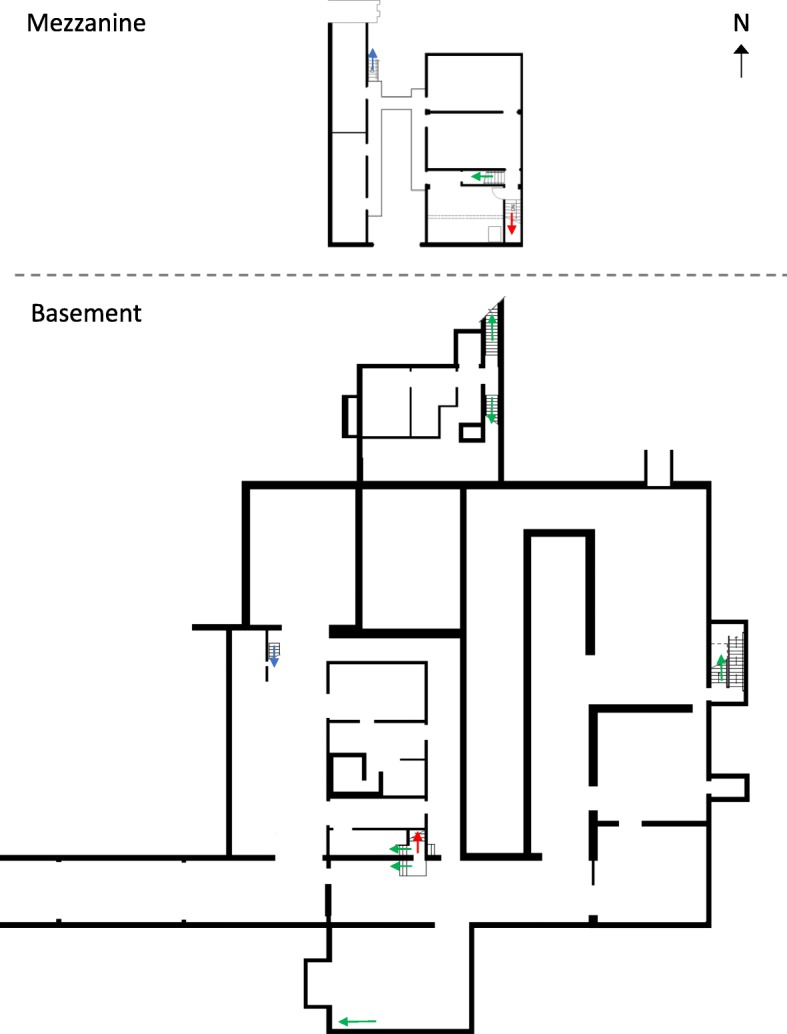
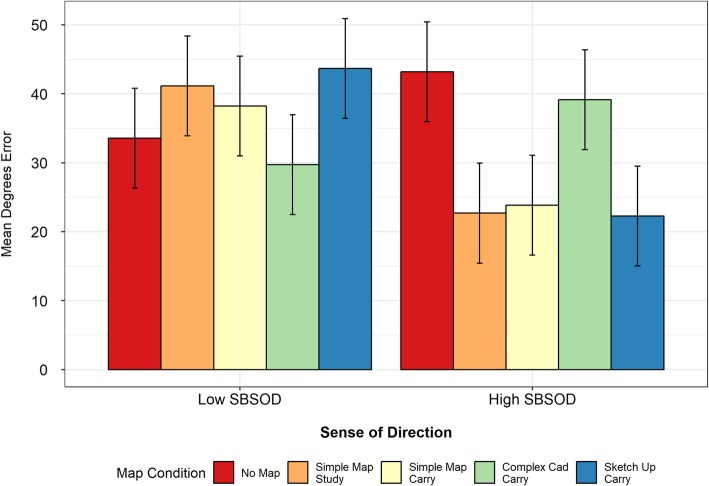
Background: International Atomic Energy Agency (IAEA) safeguards inspectors are faced with the difficult task of learning the layout of complex nuclear facilities while being escorted through the facilities. This study addresses a gap in the literature regarding how to best support the development of inspectors’ spatial knowledge, given the constraint that they cannot bring digital devices into most nuclear facilities. We tested whether viewing a map before learning a guided route or carrying a map along the route enabled better spatial learning than having no exposure to a map. Moreover, we tested the impact of carrying maps with different levels of detail (simple 2D, simple 3D, or complex 2D maps) on spatial learning outcomes, as well as interactions between map type and individual differences in sense of direction. Results: The results showed nearly opposite patterns of performance for participants with good and poor sense of direction scores. Participants with a good sense of direction showed higher levels of spatial knowledge when studying or carrying simple maps, whether 2D or 3D, but they did not benefit from using a complex map. Participants with a poor sense of direction showed lower levels of spatial knowledge when using a simple map relative to using no map or a complex map, suggesting that they did not attempt to use the complex map. For both groups of participants, referring to a simple map while learning a route decreased their awareness of their environment, as measured by response times on a memory test that included incidentally learned items.
Overview
The claims and statistics of this paper haven’t been checked yet.
Free: it reads the open-access text and checks the first 5 claims that cite a source we can check. Create a free account to check every claim.
Integrity signals
Registry
Cites
Statistics
Figures
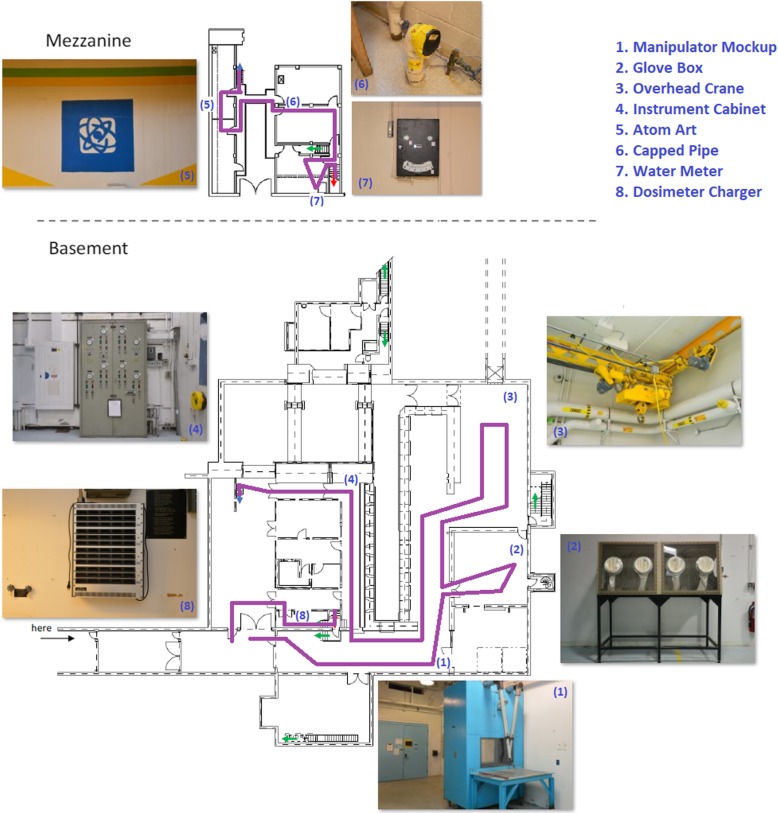
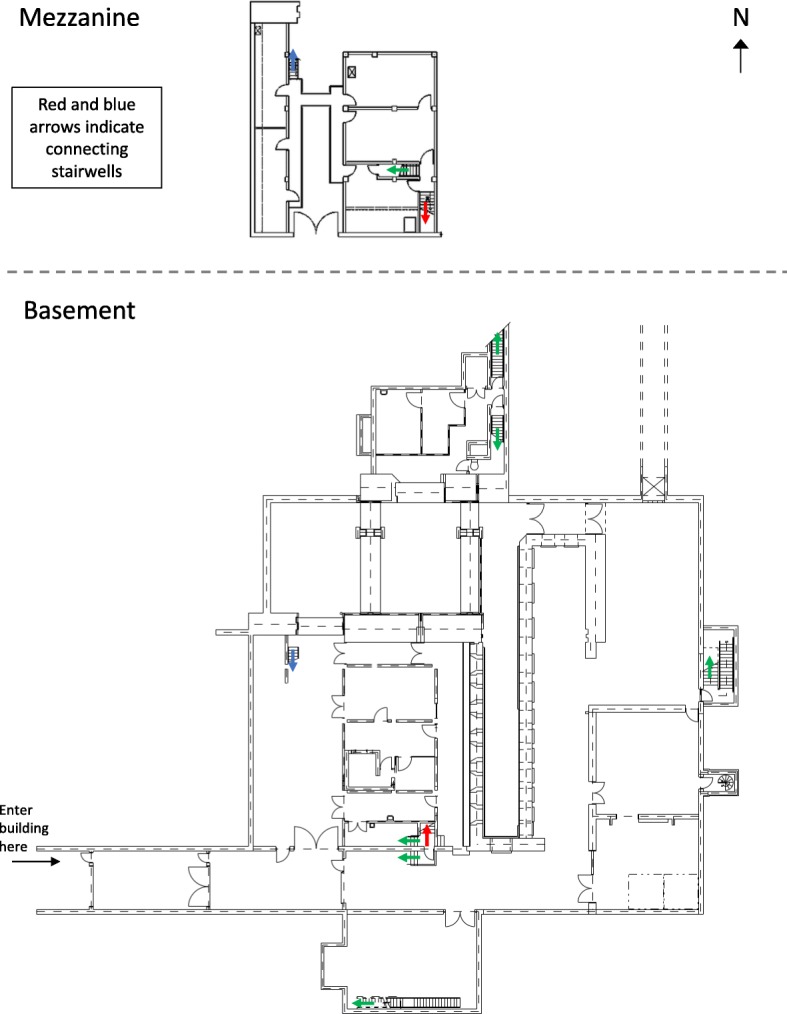
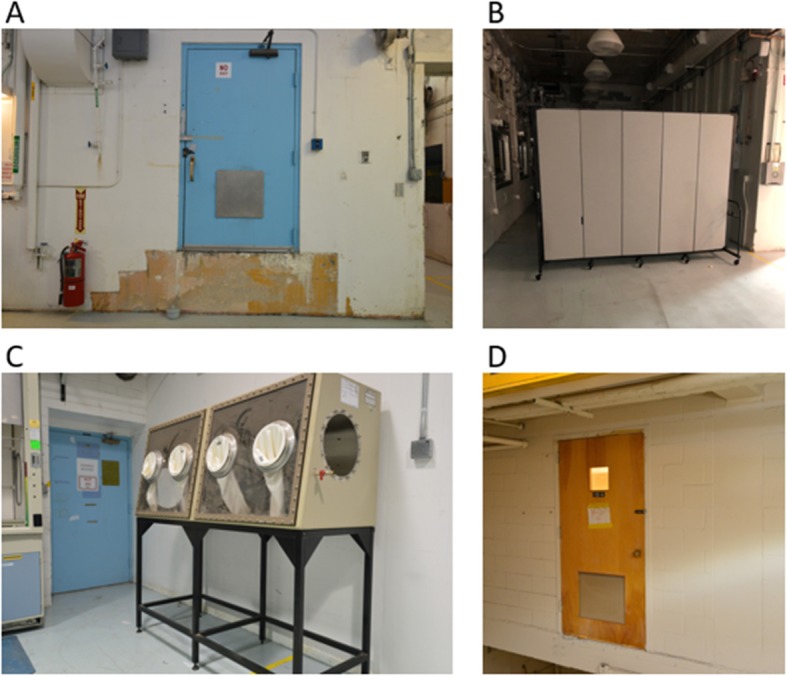
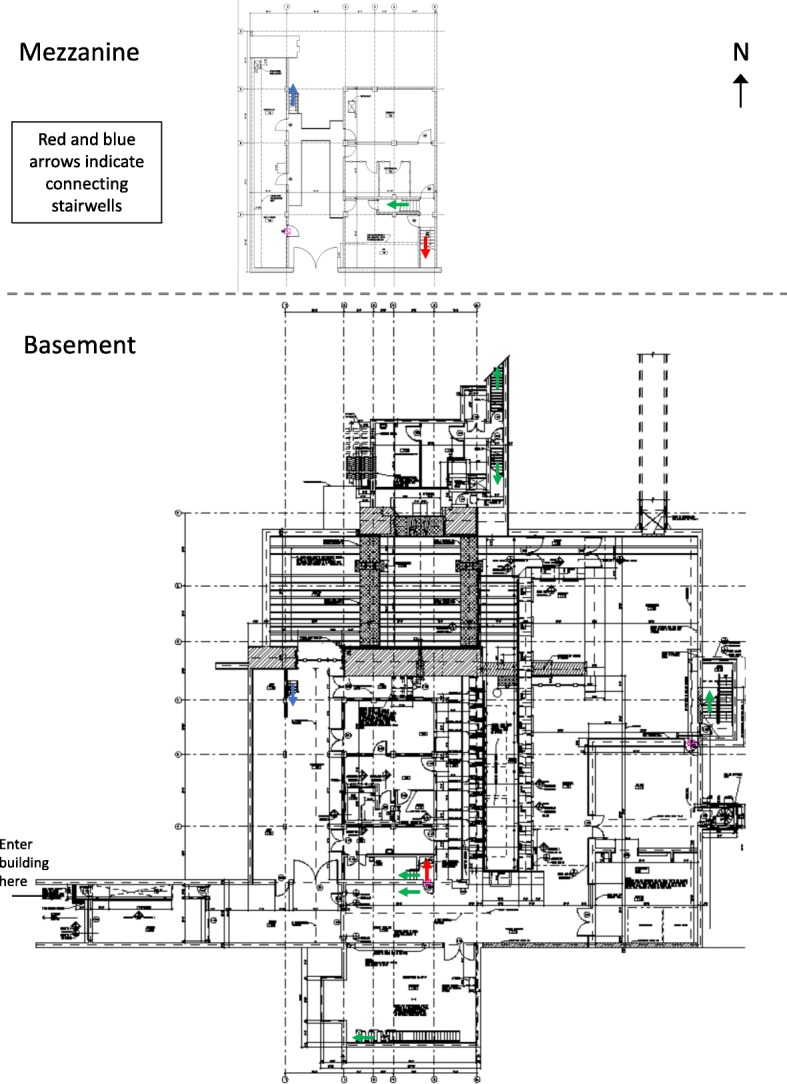
Verification
Claims the paper makes
The claims and statistics of this paper haven’t been checked yet.
Free: it reads the open-access text and checks the first 5 claims that cite a source we can check. Create a free account to check every claim.
Claims other papers make about this one
Each is checked against this paper’s own text: does it say what the citing paper says it does?
The cited source says what the claim attributes to it.
In the citing paper
“Evidence from an indoor navigation study using real 2D and 3D maps showed that individuals with higher self-reported Santa Barbara Sense of Direction score (SBSOD) make better use of simple maps than those with lower scores (Stites et al., 2020).”
From Does viewing a top-down map facilitate spatial learning from navigation in a virtual environment? (2026) · cites this paper as Stites et al., 2020
Self-check
Percentages, sums and reported differences re-computed from the paper’s own numbers.
The self-check needs the paper’s full text.
Citations
Cites
Journal of experimental psychology: Human Perception and performance
(1987) · Journal of Sound and Vibration · doi:10.1016/0022-460x(87)90423-8 · Cited by 5,411
The Development of Spatial Representations of Large-Scale Environments
Siegel, A. W., & White, S. H. (1975) · Advances in Child Development and Behavior · doi:10.1016/s0065-2407(08)60007-5 · Cited by 1,830
Differences in spatial knowledge acquired from maps and navigation
Thorndyke, P. W., & Hayes-Roth, B. (1982) · Cognitive Psychology · doi:10.1016/0010-0285(82)90019-6 · Cited by 1,167
Development of a self-report measure of environmental spatial ability
Hegarty, M. (2002) · Intelligence · doi:10.1016/s0160-2896(02)00116-2 · Cited by 1,023
What determines our navigational abilities?
Wolbers, T., & Hegarty, M. (2010) · Trends in Cognitive Sciences · doi:10.1016/j.tics.2010.01.001 · Cited by 810
ISHIKAWA, T., & MONTELLO, D. (2006) · Cognitive Psychology · doi:10.1016/j.cogpsych.2005.08.003 · Cited by 640
Spatial knowledge acquisition from maps and from navigation in real and virtual environments
Richardson, A. E., Montello, D. R., & Hegarty, M. (1999) · Memory & Cognition · doi:10.3758/bf03211566 · Cited by 570
Wayfinding with a GPS-based mobile navigation system: A comparison with maps and direct experience
Ishikawa, T., Fujiwara, H., Imai, O., & Okabe, A. (2008) · Journal of Environmental Psychology · doi:10.1016/j.jenvp.2007.09.002 · Cited by 445
A New Framework for Understanding the Acquisition of Spatial Knowledge in Large-Scale Environments
Montello, D. R. (1998) · Spatial And Temporal Reasoning In Geographic Information Systems · doi:10.1093/oso/9780195103427.003.0011 · Cited by 414
The Effectiveness of Virtual Reality for Administering Spatial Navigation Training to Firefighters
Bliss, J. P., Tidwell, P. D., & Guest, M. A. (1997) · Presence: Teleoperators and Virtual Environments · doi:10.1162/pres.1997.6.1.73 · Cited by 290
Active and passive contributions to spatial learning
Chrastil, E. R., & Warren, W. H. (2012) · Psychonomic Bulletin & Review · doi:10.3758/s13423-011-0182-x · Cited by 261
The Placement and Misplacement of You-Are-Here Maps
Levinew, M., Marchon, I., & Hanley, G. (1984) · Environment and Behavior · doi:10.1177/0013916584162001 · Cited by 243
Visuo‐spatial working memory in navigation
Garden, S., Cornoldi, C., & Logie, R. H. (2002) · Applied Cognitive Psychology · doi:10.1002/acp.746 · Cited by 184
Active and passive spatial learning in human navigation: Acquisition of graph knowledge.
Chrastil, E. R., & Warren, W. H. (2015) · Journal of Experimental Psychology: Learning, Memory, and Cognition · doi:10.1037/xlm0000082 · Cited by 175 · cited 1×
“…considers spatial learning and testing that takes place exclusively in a virtual environment (e.g., Carassa, Geminiani, Morganti, & Varotto, 2002; Chrastil & Warren, 2013, 2015), such as watching videos and being tested in a virtual environment (e.g., Meilinger, Knauff, & Bülthoff, 2008),…”
BackgroundActive and passive spatial learning in human navigation: Acquisition of survey knowledge.
Chrastil, E. R., & Warren, W. H. (2013) · Journal of Experimental Psychology: Learning, Memory, and Cognition · doi:10.1037/a0032382 · Cited by 170
Working Memory in Wayfinding—A Dual Task Experiment in a Virtual City
Meilinger, T., Knauff, M., & Bülthoff, H. H. (2008) · Cognitive Science · doi:10.1080/03640210802067004 · Cited by 166
Moè, A., & Pazzaglia, F. (2006) · Learning and Individual Differences · doi:10.1016/j.lindif.2007.01.002 · Cited by 159
A comparison of spatial knowledge acquisition with maps and mobile maps
Willis, K. S., Hölscher, C., Wilbertz, G., & Li, C. (2009) · Computers, Environment and Urban Systems · doi:10.1016/j.compenvurbsys.2009.01.004 · Cited by 133
Gaunet, F., Vidal, M., Kemeny, A., & Berthoz, A. (2001) · Cognitive Brain Research · doi:10.1016/s0926-6410(01)00013-1 · Cited by 127
Navigation assistance: A trade-off between wayfinding support and configural learning support.
Münzer, S., Zimmer, H. D., & Baus, J. (2012) · Journal of Experimental Psychology: Applied · doi:10.1037/a0026553 · Cited by 97 · cited 2×
“Similarly, Münzer et al. (2012) found tradeoffs between learning routes and learning configural information when participants used mobile navigation assistance systems that presented different types of information.”
Backgroundvan Asselen, M., Fritschy, E., & Postma, A. (2006) · Psychological Research Psychologische Forschung · doi:10.1007/s00426-004-0199-0 · Cited by 90
Wayfinding Through Orientation
Schwering, A., Krukar, J., Li, R., Anacta, V. J., & Fuest, S. (2017) · Spatial Cognition & Computation · doi:10.1080/13875868.2017.1322597 · Cited by 90
How Much Information Do You Need? Schematic Maps in Wayfinding and Self Localisation
Meilinger, T., Hölscher, C., Büchner, S. J., & Brösamle, M. (2007) · Lecture notes in computer science · doi:10.1007/978-3-540-75666-8_22 · Cited by 87
Labate, E., Pazzaglia, F., & Hegarty, M. (2013) · Journal of Environmental Psychology · doi:10.1016/j.jenvp.2013.11.007 · Cited by 77
Map Design Evaluation for Mobile Display
Dillemuth, J. (2005) · Cartography and Geographic Information Science · doi:10.1559/152304005775194773 · Cited by 66 · cited 1×
“In one such study, Dillemuth (2005) tested whether participants were better able to learn an outdoor route from viewing a detailed aerial photograph versus a “generalized” map of a college campus (in which the buildings, grass, paths, etc., were filled in with a solid color).”
BackgroundFinding the Way Inside: Linking Architectural Design Analysis and Cognitive Processes
Hölscher, C., Meilinger, T., Vrachliotis, G., Brösamle, M., & Knauff, M. (2005) · Lecture notes in computer science · doi:10.1007/978-3-540-32255-9_1 · Cited by 61
Individual differences in gender role beliefs influence spatial ability test performance
Massa, L. J., Mayer, R. E., & Bohon, L. M. (2004) · Learning and Individual Differences · doi:10.1016/j.lindif.2004.11.002 · Cited by 59
Gaze behavior during incidental and intentional navigation in an outdoor environment
Wenczel, F., Hepperle, L., & von Stülpnagel, R. (2017) · Spatial Cognition & Computation · doi:10.1080/13875868.2016.1226838 · Cited by 51
Löwen, H., Krukar, J., & Schwering, A. (2019) · ISPRS International Journal of Geo-Information · doi:10.3390/ijgi8030149 · Cited by 49
(2007) · Lecture notes in computer science · doi:10.1007/978-3-540-75666-8 · Cited by 49
Münzer, S., & Stahl, C. (2011) · Spatial Cognition and Computation · doi:10.1080/13875868.2011.571326 · Cited by 47
Rand, K. M., Creem-Regehr, S. H., & Thompson, W. B. (2015) · Journal of Experimental Psychology Human Perception & Performance · doi:10.1037/xhp0000040 · Cited by 44 · cited 2×
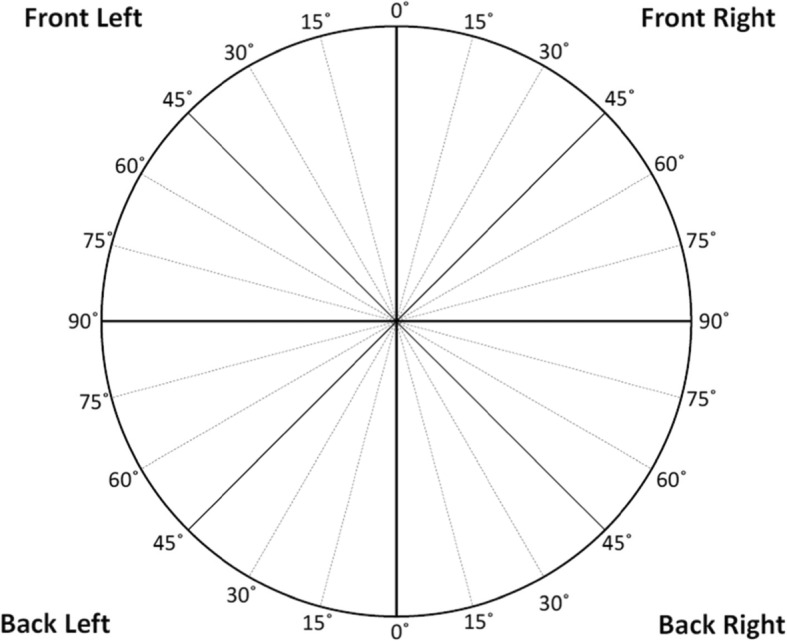
“Data from the verbal pointing task was scored as follows, following Rand et al. (2015).”
MethodResultRoute Aware Maps: Multigranular Wayfinding Assistance
Falko Schmid, A., Richter, K., & Peters, D. (2010) · Spatial Cognition and Computation · doi:10.1080/13875861003592748 · Cited by 36
Locating Oneself on a Map in Relation to Person Qualities and Map Characteristics
Liben, L. S., Myers, L. J., & Kastens, K. A. (2008) · Lecture notes in computer science · doi:10.1007/978-3-540-87601-4_14 · Cited by 34
Learning from maps: the role of visuo‐spatial working memory
Coluccia, E. (2007) · Applied Cognitive Psychology · doi:10.1002/acp.1357 · Cited by 32 · cited 1×
“…tested in a virtual environment (e.g., Meilinger, Knauff, & Bülthoff, 2008), learning maps of an environment without ever seeing it in person (e.g., Coluccia, 2008; Garden, Cornoldi, & Logie, 2002), or learning a route through a combination of virtual environments and still photographs (e.g.,…”
Background
Research works printed but not linked: 4
- Carassa A Geminiani G Morganti F Varotto D Active and passive spatial learning in a complex virtual environment: The effect of efficient exploration Cognitive Processing 2002 3 4 65 81
- International Atomic Energy Agency Model protocol additional to the agreement(s) between the state(s) and the International Atomic Energy Agency for the application of safeguards, INFCIRC/540 1997
- Li Y Brown M Pinchin J Blakey J Comparison of methods to support in-hospital navigation Paper presented at the international navigation conference 2015
- Richter K-F Dara-Abrams D Raubal M Navigating and learning with location based services: a user-centric design Paper presented at the 7th international symposium on LBS an telecartography, Guangzhou, China 2010
Cited by
Dong, W., Qin, T., Yang, T., Liao, H., Liu, B., Meng, L., & Liu, Y. (2021) · Annals of the American Association of Geographers · doi:10.1080/24694452.2021.1894088 · Cited by 100
“In recent years, a substantial amount of wayfinding research has been conducted in RE settings (Liao et al. 2019; B (cid:2) ecu et al. 2020; Dong, Qin, et al. 2020; Stites, Matzen, and Gastelum 2020).”
BackgroundCheng, B., Lin, E., Wunderlich, A., Gramann, K., & Fabrikant, S. I. (2023) · Frontiers in Neuroscience · doi:10.3389/fnins.2023.1024583 · Cited by 34
Navigating in Virtual Environments: Does a Map or a Map-Based Description Presented Beforehand Help?
Meneghetti, C., & Pazzaglia, F. (2021) · Brain Sciences · doi:10.3390/brainsci11060773 · Cited by 16
Xu, F., Zhou, T., Nguyen, T., & Du, J. (2024) · Safety Science · doi:10.1016/j.ssci.2024.106556 · Cited by 16
Misleading effect and spatial learning in head-mounted mixed reality-based navigation
Liu, B., Ding, L., Wang, S., & Meng, L. (2022) · Geo-spatial Information Science · doi:10.1080/10095020.2022.2137063 · Cited by 17
“With “traditional” navigation aids, such as being led by other people, or using smart-phones, users are less attentive to the route and usually do not learn the space well (Stites, Matzen, and Gastelum 2020).”
Background
Metadata
- Authors
- Stites, M. C., Matzen, L. E., & Gastelum, Z. N.
- Affiliations
- Sandia National Laboratories (US)
- Corresponding author
- Stites, Mallory C.
- Venue
- Cognitive Research: Principles and Implications
- Published
- 2020-03-20
- Volume
- 5
- Issue
- 1
- Pages
- 13-13
- ISSN
- 2365-7464 (ISSN-L)
- PMC
- PMC7083990
- OpenAlex
- W3012685225
- Cited by
- 12
- References
- 36
- Citations by year
- 2026: 1 · 2025: 1 · 2024: 3 · 2023: 3 · 2022: 1 · 2021: 3
- FWCI
- 0.65
- Type
- journal article
- Language
- en
- Open access
- gold
- doi.org
- Licence
- cc-by
- creativecommons.org/licenses/by/4.0 (tdm)
- creativecommons.org/licenses/by/4.0 (vor)
- Locations
- Cognitive Research Principles and Implications (publishedVersion, cc-by)
- Europe PMC (PubMed Central) (publishedVersion, cc-by)
- PubMed Central (publishedVersion, cc-by)
- PubMed (publishedVersion)
- OSTI OAI (U.S. Department of Energy Office of Scientific and Technical Information) (submittedVersion)
- DOAJ (DOAJ: Directory of Open Access Journals) (submittedVersion, cc-by-sa)
- Funders
- Sandia National Laboratories (LDRD 2017-200188)
- Topics
- Social Sciences › Psychology › Experimental and Cognitive Psychology › Spatial Cognition and Navigation
- Social Sciences › Geography, Planning and Development › Geography Education and Pedagogy
- Physical Sciences › Computer Science › Computer Graphics and Computer-Aided Design › Data Visualization and Analytics
- Keywords
- maps, spatial learning, guided navigation, sense of direction, 3D map, route learning, environmental awareness, incidental learning, individual differences
- MeSH terms
- Adolescent, Adult, Aged, Awareness, Female, Humans, Male, Maps as Topic, Middle Aged, Psychomotor Performance, Young Adult, Spatial Learning, Spatial Navigation
About these checks
Registry, retraction, Cites and statistics results are computed, not judged, with one exception: a printed reference that no index lists is read once by a model before it counts as a citation error. Claims are extracted by a model and kept only when their quote appears verbatim in the text; each cited source is then checked, with a model’s help, for whether it says what the claim relies on. Those verdicts can be wrong — read the claim’s quote and the cited source before relying on one.
Statistics and arithmetic are recomputed, not judged.
Confidence bands are shown only for fields calibrated on our annotated test set. None is calibrated yet, so no band is shown.
What counts as a claim ›How we measure confidence ›How we check this ›
Are you an author, or do you see a problem with this page? Request a review
Data sources
Bibliographic data: Semantic Scholar, OpenAlex, Crossref.
Contains information from the Semantic Scholar Academic Graph Datasets, made available under the ODC Attribution License (ODC-BY 1.0).
Semantic Scholar’s data is described in: Kinney, R., et al. (2023). The Semantic Scholar Open Data Platform. arXiv:2301.10140.
