

The DOI matches its Crossref record; 499 of the 499 references it cites were found in a registry or an index.
Obesity: pathophysiology and therapeutic interventions
Open accessAbstract
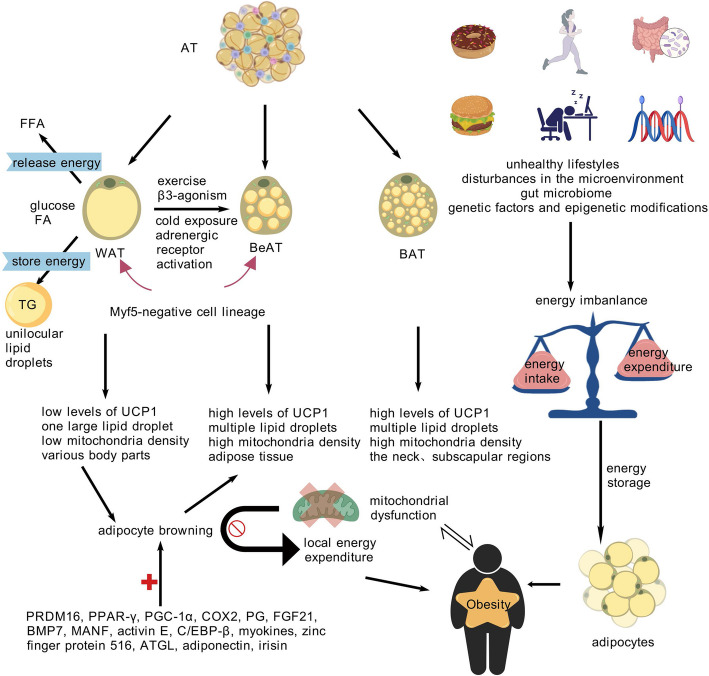
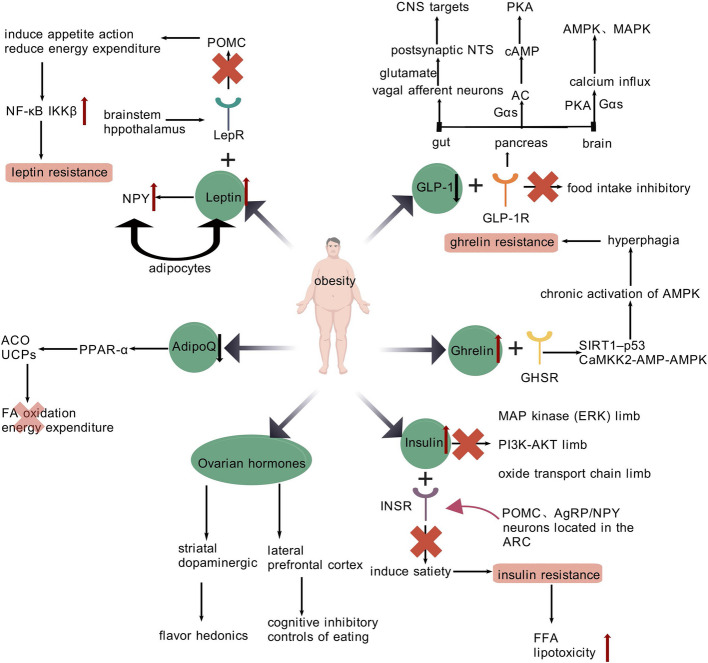
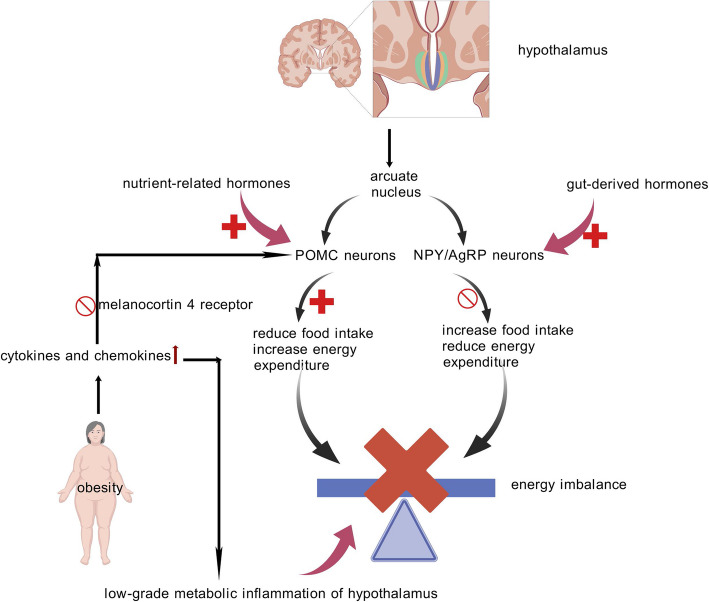
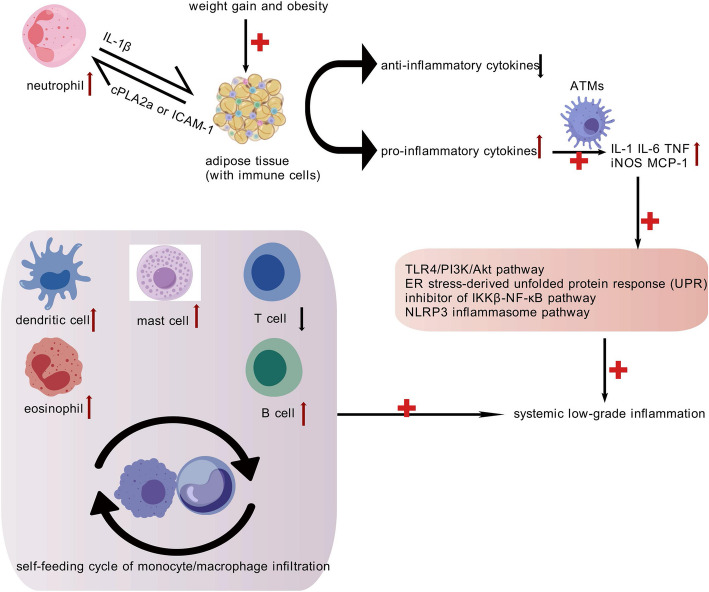
Over the past few decades, obesity has transitioned from a localized health concern to a pressing global public health crisis affecting over 650 million adults globally, as documented by WHO epidemiological surveys. As a chronic metabolic disorder characterized by pathological adipose tissue expansion, chronic inflammation, and neuroendocrine dysregulation that disrupts systemic homeostasis and impairs physiological functions, obesity is rarely an isolated condition; rather, it is frequently complicated by severe comorbidities that collectively elevate mortality risks. Despite advances in nutritional science and public health initiatives, sustained weight management success rates and prevention in obesity remain limited, underscoring its recognition as a multifactorial disease influenced by genetic, environmental, and behavioral determinants. Notably, the escalating prevalence of obesity and its earlier onset in younger populations have intensified the urgency to develop novel therapeutic agents that simultaneously ensure efficacy and safety. This review aims to elucidate the pathophysiological mechanisms underlying obesity, analyze its major complications—including type 2 diabetes mellitus (T2DM), cardiovascular diseases (CVD), non-alcoholic fatty liver disease (NAFLD), obesity-related respiratory disorders, obesity-related nephropathy (ORN), musculoskeletal impairments, malignancies, and psychological comorbidities—and critically evaluate current anti-obesity strategies. Particular emphasis is placed on emerging pharmacological interventions, exemplified by plant-derived natural compounds such as berberine (BBR), with a focus on their molecular mechanisms, clinical efficacy, and therapeutic advantages. By integrating mechanistic insights with clinical evidence, this review seeks to provide innovative perspectives for developing safe, accessible, and effective obesity treatments.
Overview
The claims and statistics of this paper haven’t been checked yet.
Run the check — free, no account needed. It reads the open-access text and checks the sources it cites.
Integrity signals
Registry
Cites
Statistics
Figures
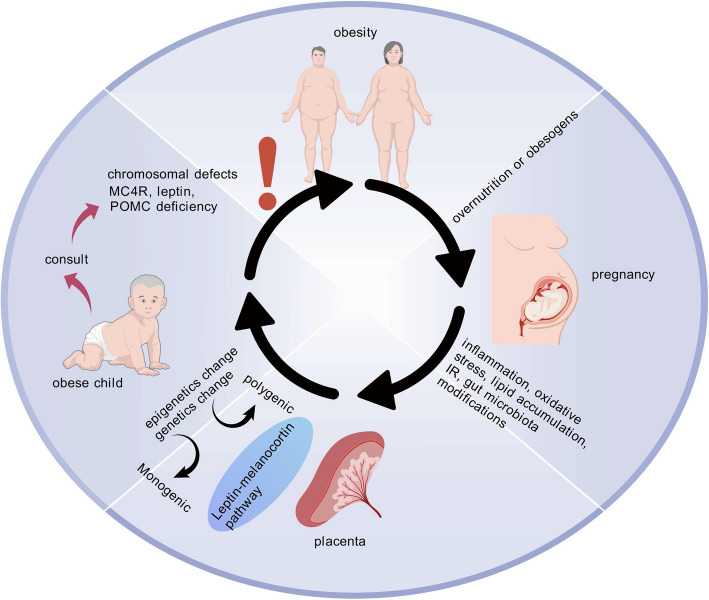
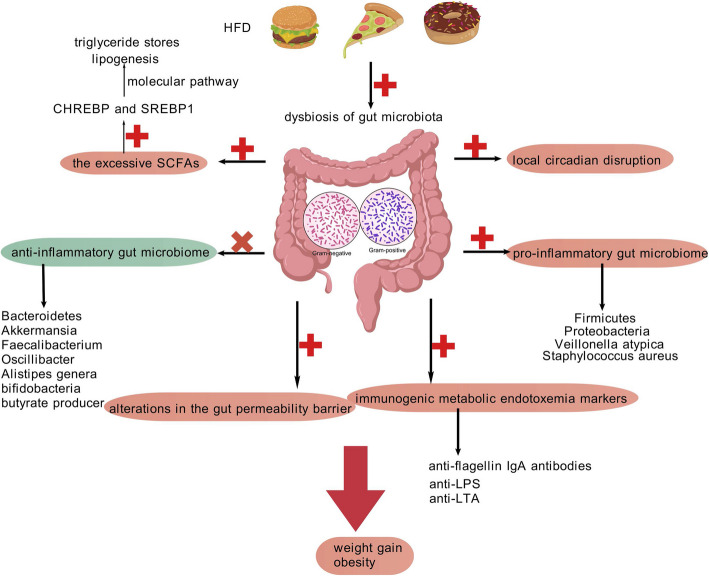
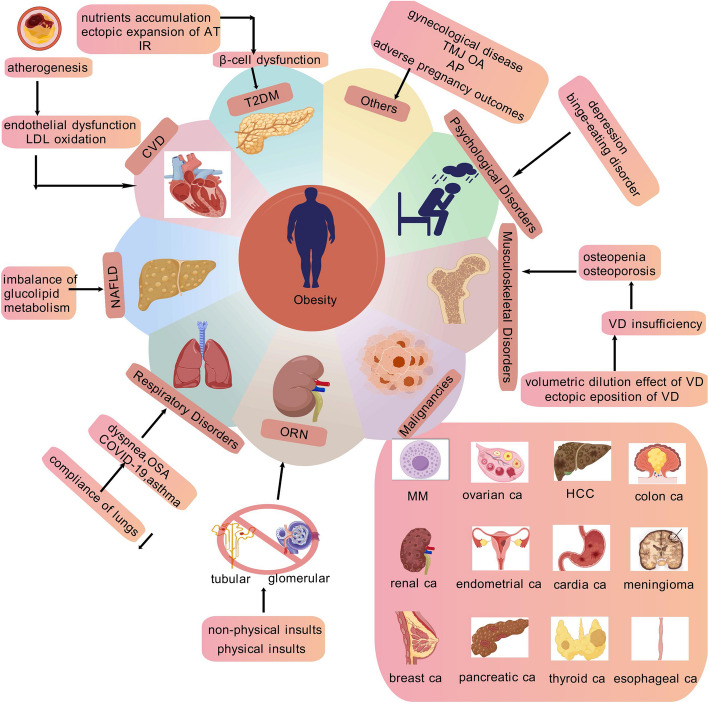
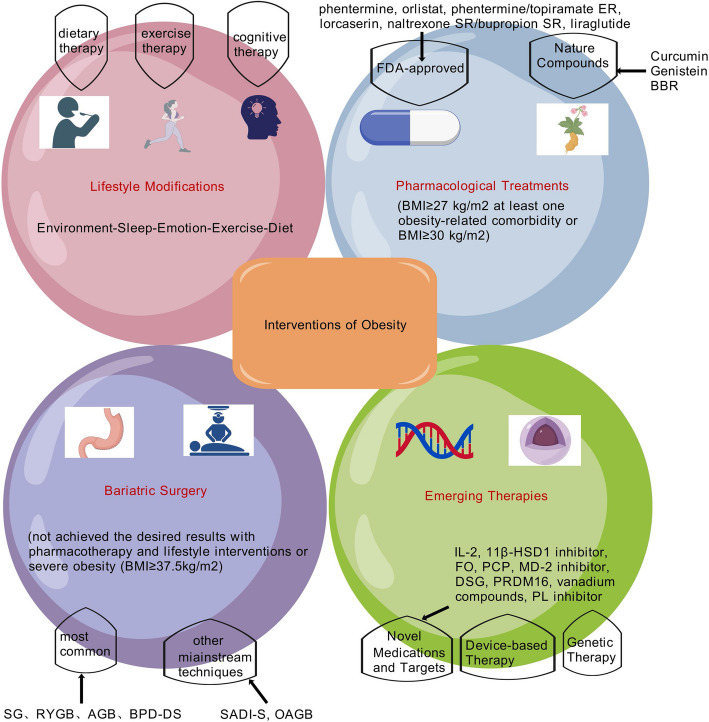
Verification
Claims the paper makes
The claims and statistics of this paper haven’t been checked yet.
Run the check — free, no account needed. It reads the open-access text and checks the sources it cites.
Claims other papers make about this one
Each is checked against this paper’s own text: does it say what the citing paper says it does?
The cited source says what the claim attributes to it.
In the citing paper
“Obesity substantially increases the risk of diabetes, cardiovascular disease, fatty liver disease, and certain cancers, while imposing enormous societal and economic burdens.[2][3][4]”
From The Triple‐Agonist Revolution: Retatrutide and the Paradigm Shift in Multi‐Hormonal Pharmacotherapy for Obesity and Cardiometabolic Comorbidities (2026) · cites this paper as [2]
Self-check
Percentages, sums and reported differences re-computed from the paper’s own numbers.
The self-check needs the paper’s full text.
Citations
Cites
Obesity is associated with macrophage accumulation in adipose tissue
Weisberg, S. P., McCann, D., Desai, M., Rosenbaum, M., Leibel, R. L., & Ferrante, A. W. (2003) · Journal of Clinical Investigation · doi:10.1172/jci200319246 · Cited by 10,041
The metabolic phenotype in obesity: Fat mass, body fat distribution, and adipose tissue function
Goossens, G. H. (2017) · Obesity Facts · doi:10.1159/000471488 · Cited by 8,481
Global estimates of the prevalence of diabetes for 2010 and 2030
Shaw, J. E., Sicree, R. A., & Zimmet, P. Z. (2010) · Diabetes Research and Clinical Practice · doi:10.1016/j.diabres.2009.10.007 · Cited by 7,216
Xu, H., Barnes, G. T., Yang, Q., Tan, G., Yang, D., Chou, C. J., Sole, J., Nichols, A., Ross, J. S., Tartaglia, L. A., et al. (2003) · Journal of Clinical Investigation · doi:10.1172/jci200319451 · Cited by 6,760
Global burden of NAFLD and NASH: trends, predictions, risk factors and prevention
Younossi, Z., Anstee, Q. M., Marietti, M., Hardy, T., Henry, L., Eslam, M., George, J., & Bugianesi, E. (2018) · Nature Reviews Gastroenterology & Hepatology · doi:10.1038/nrgastro.2017.109 · Cited by 5,249
Once-Weekly Semaglutide in Adults with Overweight or Obesity
Wilding, J. P. H., Batterham, R. L., Calanna, S., Davies, M., Van Gaal, L. F., Lingvay, I., McGowan, B. M., Rosenstock, J., Tran, M. T. D., Wadden, T. A., et al. (2021) · New England Journal of Medicine · doi:10.1056/nejmoa2032183 · Cited by 5,205
Paradoxical Decrease of an Adipose-Specific Protein, Adiponectin, in Obesity
Arita, Y., Kihara, S., Ouchi, N., Takahashi, M., Maeda, K., Miyagawa, J.-I., Hotta, K., Shimomura, I., Nakamura, T., Miyaoka, K., et al. (1999) · Biochemical and Biophysical Research Communications · doi:10.1006/bbrc.1999.0255 · Cited by 4,856
Host-gut microbiota metabolic interactions
Nicholson, J. K., Holmes, E., Kinross, J., Burcelin, R., Gibson, G., Jia, W., & Pettersson, S. (2012) · Science · doi:10.1126/science.1223813 · Cited by 4,760
Gut microbiota in human metabolic health and disease
Fan, Y., & Pedersen, O. (2021) · Nature Reviews Microbiology · doi:10.1038/s41579-020-0433-9 · Cited by 4,724
Cross-talk between Akkermansia muciniphila and intestinal epithelium controls diet-induced obesity
Everard, A., Belzer, C., Geurts, L., Ouwerkerk, J. P., Druart, C., Bindels, L. B., Guiot, Y., Derrien, M., Muccioli, G. G., Delzenne, N. M., et al. (2013) · Proceedings of the National Academy of Sciences · doi:10.1073/pnas.1219451110 · Cited by 4,511
Cited by
Sorted by citations
Irisin ameliorates obesity and insulin resistance via adipose tissue IL-33 and regulatory T cells
Mu, A., Wang, G., Zammit, N. W., Roth, L., Maierhaba, Y., Laznik-Bogoslavski, D., Cai, C., Langston, P. K., Zhang, Q., Afonina, I. S., et al. (2026) · Nature Metabolism · doi:10.1038/s42255-026-01491-2 · Cited by 10
Wang, X., Xiong, X., Ye, X., Tian, W., Chen, L., Chen, Z., Zhang, Y., Shen, W. L., & Hu, C. (2025) · Molecular Biomedicine · doi:10.1186/s43556-025-00324-0 · Cited by 9
Apolipoprotein E4 in Alzheimer’s Disease: Role in Pathology, Lipid Metabolism, and Drug Treatment
Al-Ghraiybah, N. F., Alkhalifa, A. E., Itokazu, Y., Farr, T., Pérez, N., Ali, H., & Kaddoumi, A. (2026) · International Journal of Molecular Sciences · doi:10.3390/ijms27021004 · Cited by 9
Ganamurali, N., & Sabarathinam, S. (2026) · Clinical Pharmacology in Drug Development · doi:10.1002/cpdd.70001 · Cited by 8
Incorporating Postbiotics into Intervention for Managing Obesity
Hijová, E., Bertková, I., & Štofilová, J. (2025) · International Journal of Molecular Sciences · doi:10.3390/ijms26115362 · Cited by 7
Metadata
- Authors
- Kong, Y., Yang, H., Nie, R., Zhang, X., Zuo, F., Zhang, H., & Nian, X.
- Affiliations
- First Affiliated Hospital of Kunming Medical University (CN)
- Kunming Medical University (CN)
- Corresponding author
- Zhang, Hongtao
- Nian, Xin
- Venue
- Molecular Biomedicine
- Published
- 2025-04-25
- Volume
- 6
- Issue
- 1
- Pages
- 25-25
- ISSN
- 2662-8651 (ISSN-L)
- PMC
- PMC12031720
- OpenAlex
- W4409818142
- Cited by
- 89
- References
- 499
- Citations by year
- 2026: 77 · 2025: 12
- FWCI
- 12.08
- Type
- journal article
- Language
- en
- Open access
- gold
- doi.org
- Locations
- Molecular Biomedicine (publishedVersion, cc-by)
- PubMed Central (publishedVersion, cc-by)
- PubMed (publishedVersion)
- DOAJ (DOAJ: Directory of Open Access Journals) (submittedVersion, cc-by-sa)
- Funders
- Kunming Medical University (RLMY20220005, CXTD202209, 202201AY070001-066)
- Yunnan Provincial Science and Technology Department (202201AY070001)
- Topics
- Health Sciences › Medicine › Pharmacology (medical) › Pharmacology and Obesity Treatment
- Health Sciences › Medicine › Endocrinology, Diabetes and Metabolism › Adipokines, Inflammation, and Metabolic Diseases
- Health Sciences › Medicine › Pharmacology (medical) › Berberine and alkaloids research
- Keywords
- obesity, obesity pathophysiology, adipose tissue expansion, chronic inflammation, neuroendocrine dysfunction, obesity-related comorbidities, type 2 diabetes, cardiovascular disease, non-alcoholic fatty liver disease, musculoskeletal impairment, psychological comorbidity, obesity pharmacotherapy, berberine, phytochemicals, weight management
- MeSH terms
- Animals, Cardiovascular Diseases, Diabetes Mellitus, Type 2, Humans, Obesity, Anti-Obesity Agents, Non-alcoholic Fatty Liver Disease
About these checks
Registry, retraction, Cites and statistics results are computed, not judged, with one exception: a printed reference that no index lists is read once by a model before it counts as a citation error. Claims are extracted by a model and kept only when their quote appears verbatim in the text; each cited source is then checked, with a model’s help, for whether it says what the claim relies on. Those verdicts can be wrong — read the claim’s quote and the cited source before relying on one.
Statistics and arithmetic are recomputed, not judged.
Confidence bands are shown only for fields calibrated on our annotated test set. None is calibrated yet, so no band is shown.
What counts as a claim ›How we measure confidence ›How we check this ›
Are you an author, or do you see a problem with this page? Request a review
