

Germline and somatic mutations in STXBP1 with diverse neurodevelopmental phenotypes
Open accessThe DOI matches its Crossref record; 28 of the 28 references it cites were found in a registry or an index.
Abstract
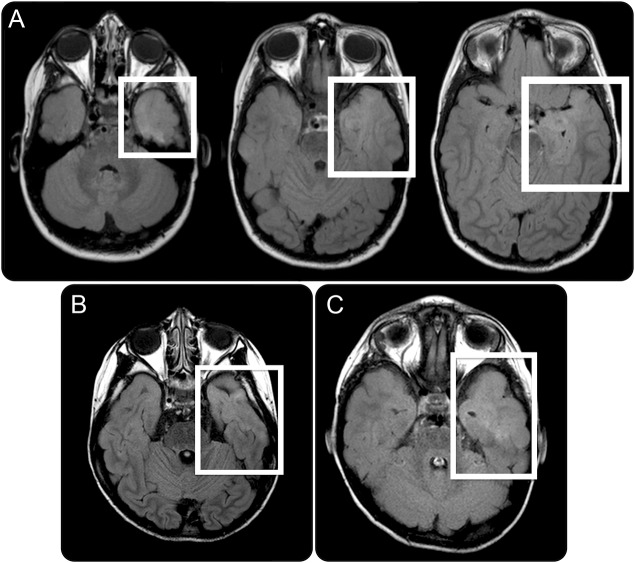
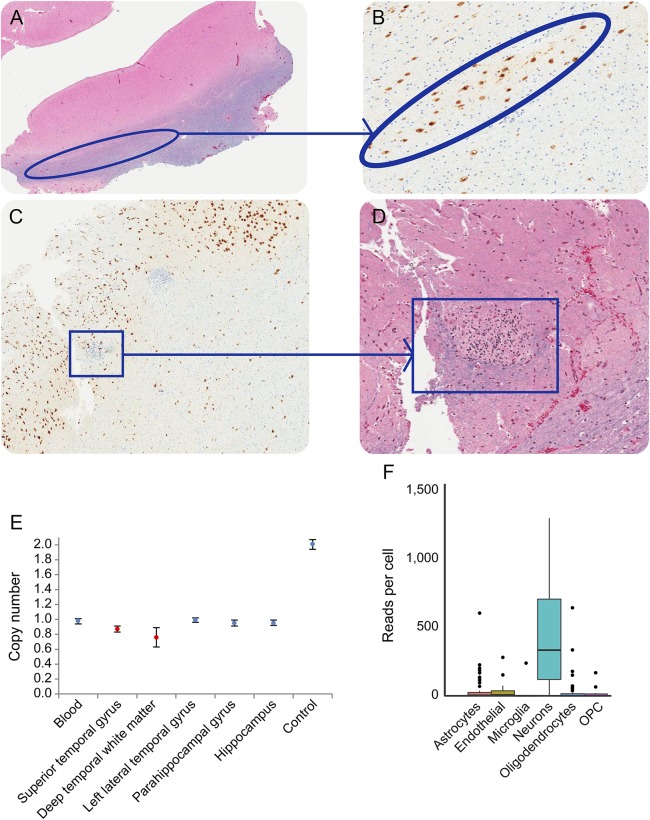
Objective: To expand the clinical phenotype associated with STXBP1 gene mutations and to understand the effect of STXBP1 mutations in the pathogenesis of focal cortical dysplasia (FCD). Methods: Patients with STXBP1 mutations were identified in various ways: as part of a retrospective cohort study of epileptic encephalopathy; through clinical referrals of individuals (10,619) with developmental delay (DD) for chromosomal microarray; and from a collection of 5,205 individuals with autism spectrum disorder (ASD) examined by whole-genome sequencing. Results: Seven patients with heterozygous de novo mutations affecting the coding region of STXBP1 were newly identified. Three cases had radiologic evidence suggestive of FCD. One male patient with early infantile epileptic encephalopathy, DD, and ASD achieved complete seizure remission following resection of dysplastic brain tissue. Examination of excised brain tissue identified mosaicism for STXBP1, providing evidence for a somatic mechanism. Cell-type expression analysis suggested neuron-specific expression. A comprehensive analysis of the published data revealed that 3.1% of severe epilepsy cases carry a pathogenic de novo mutation within STXBP1. By contrast, ASD was rarely associated with mutations in this gene in our large cohorts. Conclusions: STXBP1 mutations are an important cause of epilepsy and are also rarely associated with ASD. In a case with histologically proven FCD, an STXBP1 somatic mutation was identified, suggesting a role in its etiology. Removing such tissue may be curative for STXBP1-related epilepsy.
Overview
The claims and statistics of this paper haven’t been checked yet.
Free: it reads the open-access text and checks the first 5 claims that cite a source we can check. Create a free account to check every claim.
Integrity signals
Registry
Cites
Statistics
Figures
Verification
Claims the paper makes
The claims and statistics of this paper haven’t been checked yet.
Free: it reads the open-access text and checks the first 5 claims that cite a source we can check. Create a free account to check every claim.
Claims other papers make about this one
Each is checked against this paper’s own text: does it say what the citing paper says it does?
The cited source says what the claim attributes to it.
In the citing paper
“The aetiology of DEEs is frequently genetic, and may be associated with normal imaging, diffuse or focal structural abnormalities such as MCD 164,165 and, less commonly, metabolic features.”
From Developmental and epileptic encephalopathies (2024) · cites this paper as [164]
Self-check
Percentages, sums and reported differences re-computed from the paper’s own numbers.
The self-check needs the paper’s full text.
Citations
Cites
Blümcke, I., Thom, M., Aronica, E., Armstrong, D. D., Vinters, H. V., Palmini, A., Jacques, T. S., Avanzini, G., Barkovich, A. J., Battaglia, G., et al. (2011) · Epilepsia · doi:10.1111/j.1528-1167.2010.02777.x · Cited by 1,743 · cited 2×
“These findings were most consistent with FCD-type Ib.(23) To further evaluate the molecular basis of patient 1 with epilepsy and ID, we undertook ddPCR on resected left lateral temporal cortical tissue and marginally resected normal brain tissue, hypothesizing that dysplastic tissue may be characterized by mosaicism f…”
A survey of human brain transcriptome diversity at the single cell level
Darmanis, S., Sloan, S. A., Zhang, Y., Enge, M., Caneda, C., Shuer, L. M., Hayden Gephart, M. G., Barres, B. A., & Quake, S. R. (2015) · Proceedings of the National Academy of Sciences · doi:10.1073/pnas.1507125112 · Cited by 1,401
Convergence of genes and cellular pathways dysregulated in autism spectrum disorders
Pinto, D., Delaby, E., Merico, D., Barbosa, M., Merikangas, A., Klei, L., Thiruvahindrapuram, B., Xu, X., Ziman, R., Wang, Z., et al. (2014) · The American Journal of Human Genetics · doi:10.1016/j.ajhg.2014.03.018 · Cited by 969 · cited 3×
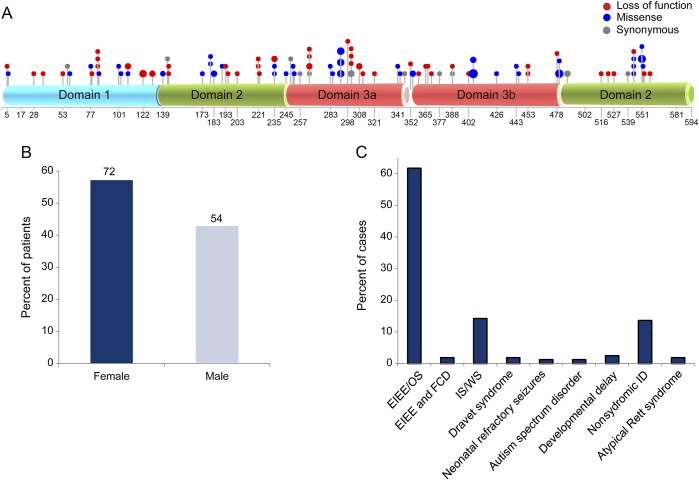
“These families have been recruited from across Canada and/or are in the Autism Genetic Resource Exchange.17,18 Molecular and computational methods have been previously described,19,20 and lollipops software21 was used to map mutations.”
Self-citationSomatic mutation, genomic variation, and neurological disease
Poduri, A., Evrony, G. D., Cai, X., & Walsh, C. A. (2013) · Science · doi:10.1126/science.1237758 · Cited by 584 · cited 1×
“The implication is that somatic mutations may arise in brain tissue during development by an as-yet undetermined mechanism.(28) As has been presented and discussed at length in a previous study, even low levels of mosaicism in MTOR pathway genes may result in significant clinical pathology.”
Saitsu, H., Kato, M., Mizuguchi, T., Hamada, K., Osaka, H., Tohyama, J., Uruno, K., Kumada, S., Nishiyama, K., Nishimura, A., et al. (2008) · Nature Genetics · doi:10.1038/ng.150 · Cited by 556
Lim, J. S., Kim, W.-I., Kang, H.-C., Kim, S. H., Park, A. H., Park, E. K., Cho, Y.-W., Kim, S., Kim, H. M., Kim, J. A., et al. (2015) · Nature Medicine · doi:10.1038/nm.3824 · Cited by 518 · cited 1×
“Recent studies reported somatic mutations in MTOR in excised dysplastic brain tissue in 12 of 77 patients with epilepsy.(26,27) The implication is that somatic mutations may arise in brain tissue during development by an as-yet undetermined mechanism.”
Whole-genome sequencing of quartet families with autism spectrum disorder
Yuen, R. K. C., Thiruvahindrapuram, B., Merico, D., Walker, S., Tammimies, K., Hoang, N., Chrysler, C., Nalpathamkalam, T., Pellecchia, G., Liu, Y., et al. (2015) · Nature Medicine · doi:10.1038/nm.3792 · Cited by 514
Self-citationSTXBP1 encephalopathy: A neurodevelopmental disorder including epilepsy
Stamberger, H., Nikanorova, M., Willemsen, M. H., Accorsi, P., Angriman, M., Baier, H., Benkel-Herrenbrueck, I., Benoit, V., Budetta, M., Caliebe, A., et al. (2016) · Neurology · doi:10.1212/wnl.0000000000002457 · Cited by 317
Rates, distribution and implications of postzygotic mosaic mutations in autism spectrum disorder
Lim, E. T., Uddin, M., De Rubeis, S., Chan, Y., Kamumbu, A. S., Zhang, X., D'Gama, A. M., Kim, S. N., Hill, R. S., Goldberg, A. P., et al. (2017) · Nature Neuroscience · doi:10.1038/nn.4598 · Cited by 299 · cited 1×
“Recent studies reported somatic mutations in MTOR in excised dysplastic brain tissue in 12 of 77 patients with epilepsy.(26,27) The implication is that somatic mutations may arise in brain tissue during development by an as-yet undetermined mechanism.”
Self-citationMirzaa, G. M., Campbell, C. D., Solovieff, N., Goold, C. P., Jansen, L. A., Menon, S., Timms, A. E., Conti, V., Biag, J. D., Olds, C., et al. (2016) · JAMA Neurology · doi:10.1001/jamaneurol.2016.0363 · Cited by 273
Cited by
Synaptopathology Involved in Autism Spectrum Disorder
Guang, S., Pang, N., Deng, X., Yang, L., He, F., Wu, L., Chen, C., Yin, F., & Peng, J. (2018) · Frontiers in Cellular Neuroscience · doi:10.3389/fncel.2018.00470 · Cited by 286
“Munc18-1 is involved in synaptic vesicle docking, priming and fusion (Rizo and Xu, 2015), encoded by STXBP1, which is also associated with ASD (Wang T. et al., 2016; Uddin et al., 2017).”
BackgroundArtificial intelligence for precision medicine in neurodevelopmental disorders
Uddin, M., Wang, Y., & Woodbury-Smith, M. (2019) · npj Digital Medicine · doi:10.1038/s41746-019-0191-0 · Cited by 248
Self-citationDevelopmental and epileptic encephalopathies
Scheffer, I. E., Zuberi, S., Mefford, H. C., Guerrini, R., & McTague, A. (2024) · Nature Reviews Disease Primers · doi:10.1038/s41572-024-00546-6 · Cited by 158
“Finally, in infantile epileptic spasms syndrome, a shorter time to spasm cessation is associated with improved developmental outcome in the group of children without a clear aetiology 251”
Malformations of Cerebral Cortex Development: Molecules and Mechanisms
Juric-Sekhar, G., & Hevner, R. F. (2019) · Annual Review of Pathology: Mechanisms of Disease · doi:10.1146/annurev-pathmechdis-012418-012927 · Cited by 117
“Other genes rarely implicated in FCD-I include ALDH7A1 (encoding the glial protein Antiquitin), also known as the causative gene of pyridoxine-dependent epilepsy (68); and STXBP1 (syntaxin binding protein 1), a regulator of synaptic vesicle release (69).”
BackgroundCalcium channelopathies and intellectual disability: a systematic review
Kessi, M., Chen, B., Peng, J., Yan, F., Yang, L., & Yin, F. (2021) · Orphanet Journal of Rare Diseases · doi:10.1186/s13023-021-01850-0 · Cited by 94
“Noteworthy, for some genes, brain changes are agedependent, therefore, normal conventional MRI can be found at an early age [28], however, with an increase of age, malformations can be noticed [29, 30].”
BackgroundGenetic Landscape of Rett Syndrome Spectrum: Improvements and Challenges
Vidal, S., Xiol, C., Pascual‐Alonso, A., O’Callaghan, M., Pineda, M., & Armstrong, J. (2019) · International Journal of Molecular Sciences · doi:10.3390/ijms20163925 · Cited by 74
“Recent studies have shown that germline and somatic mosaicism is present in genes related with severe encephalopathies such as Dravet syndrome [24,25], focal cortical dysplasia [26] and intellectual disability [27].”
BackgroundThe neurodevelopmental spectrum of synaptic vesicle cycling disorders
John, A., Ng‐Cordell, E., Hanna, N., Brkić, D., & Baker, K. (2020) · Journal of Neurochemistry · doi:10.1111/jnc.15135 · Cited by 67
Somatic mutation: The hidden genetics of brain malformations and focal epilepsies
Ye, Z., McQuillan, L., Poduri, A., Green, T. E., Matsumoto, N., Mefford, H. C., Scheffer, I. E., Berkovic, S. F., & Hildebrand, M. S. (2019) · Epilepsy Research · doi:10.1016/j.eplepsyres.2019.106161 · Cited by 66
Morrison‐Levy, N., Borlot, F., Jain, P., & Whitney, R. (2020) · Pediatric Neurology · doi:10.1016/j.pediatrneurol.2020.12.001 · Cited by 66
STXBP1encephalopathy: Connecting neurodevelopmental disorders with α-synucleinopathies?
Lanoue, V., Chai, Y. J., Brouillet, J. Z., Weckhuysen, S., Palmer, E. E., Collins, B. M., & Meunier, F. A. (2019) · Neurology · doi:10.1212/wnl.0000000000007786 · Cited by 60
“More recently, Uddin et al.(6) reported 7 patients with heterozygous de novo variants in STXBP1, 3 of whom had suspected or confirmed FCD.”
BackgroundInfluentialHong, N., Kim, H. J., Kang, K., Park, J. O., Mun, S., Kim, H., Kang, B. H., Chung, P., Lee, M. Y., & Ahn, J. (2023) · Cell & Bioscience · doi:10.1186/s13578-022-00949-6 · Cited by 54
Genomic and Epigenetic Advances in Focal Cortical Dysplasia Types I and II: A Scoping Review
Jesus‐Ribeiro, J., Pires, L. M., Melo, J. D., Ribeiro, I. P., Rebelo, O., Sales, F., Freire, A., & Melo, J. B. (2021) · Frontiers in Neuroscience · doi:10.3389/fnins.2020.580357 · Cited by 52
“mTOR signaling cascade does not seem to be the principal target, unveiling that the broad spectrum of FCD may represent different molecular entities (Uddin et al., 2017; Baldassari et al., 2019b; Sim et al., 2019).”
BackgroundInfluentialEpilepsy Course and Developmental Trajectories in STXBP1 -DEE
Balagura, G., Xian, J., Riva, A., Marchese, F., Zeev, B. B., Ríos, L., Sirsi, D., Accorsi, P., Amadori, E., Astrea, G., et al. (2022) · Neurology Genetics · doi:10.1212/nxg.0000000000000676 · Cited by 52
“A similar individual was reported with FCD IB and a germline STXBP1 variant and lesional mosaicism of heterozygous and homozygous STXBP1 variants; however, mTOR analysis was not performed.(24) Another case report described a patient with FCD IA,(25) who benefited from surgery, but genetics was not performed on the res…”
ResultSTXBP1-associated neurodevelopmental disorder: a comparative study of behavioural characteristics
Study, T. D., O’Brien, S., Ng‐Cordell, E., Astle, D. E., Scerif, G., & Baker, K. (2019) · Journal of Neurodevelopmental Disorders · doi:10.1186/s11689-019-9278-9 · Cited by 43
Presynaptic dysfunction in CASK-related neurodevelopmental disorders
Becker, M., Mastropasqua, F., Reising, J. P., Maier, S. J., Ho, M., Rabkina, I., Li, D., Neufeld, J., Ballenberger, L., Myers, L., et al. (2020) · Translational Psychiatry · doi:10.1038/s41398-020-00994-0 · Cited by 41
“Mutations in STXBP1 were first described in patients with early infantile epileptic encephalopathy and are a common cause of epilepsy and encephalopathy with ID (Saitsu et al., 2008; Stamberger et al., 2016; Uddin et al., 2017).”
BackgroundGenetics of neonatal-onset epilepsies
Cornet, M., & Cilio, M. R. (2019) · Handbook of clinical neurology · doi:10.1016/b978-0-444-64029-1.00020-5 · Cited by 37
Genomics in the presurgical epilepsy evaluation
Moloney, P. B., Dugan, P. C., Widdess‐Walsh, P., Devinsky, O., & Delanty, N. (2022) · Epilepsy Research · doi:10.1016/j.eplepsyres.2022.106951 · Cited by 37
Epileptic Phenotypes Associated With SNAREs and Related Synaptic Vesicle Exocytosis Machinery
Calì, E., Rocca, C., Salpietro, V., & Houlden, H. (2022) · Frontiers in Neurology · doi:10.3389/fneur.2021.806506 · Cited by 32
Freibauer, A., Wohlleben, M., & Boelman, C. G. (2023) · Genes · doi:10.3390/genes14122179 · Cited by 32
“Somatic variants have also been identified in a minority of cases, with a study identifying a somatic mutation in STXBP1 in excised focal cortical dysplasia type1a tissue [37].”
BackgroundSelf-citationMutational Landscape of Autism Spectrum Disorder Brain Tissue
Woodbury‐Smith, M., Lamoureux, S., Begum, G., Nassir, N., Akter, H., O’Rielly, D. D., Rahman, P., Wintle, R. F., Scherer, S. W., & Uddin, M. J. (2022) · Genes · doi:10.3390/genes13020207 · Cited by 26
“Although there are potential challenges to extracting DNA from brain tissue, we have previously demonstrated success [15], as well as shown how postmortem tissue can yield new, previously unidentified findings [16].”
BackgroundSelf-citationGenetic testing in children enrolled in epilepsy surgery program. A real-life study
Straka, B., Splítková, B., Vlčková, M., Tesner, P., Zůnová, H., Krsková, L., Koblížek, M., Kynčl, M., Maulisová, A., Bukačová, K., et al. (2023) · European Journal of Paediatric Neurology · doi:10.1016/j.ejpn.2023.09.009 · Cited by 25
Somatic variants in epilepsy – advancing gene discovery and disease mechanisms
Heinzen, E. L. (2020) · Current Opinion in Genetics & Development · doi:10.1016/j.gde.2020.04.004 · Cited by 21
Accelerating therapeutic development and clinical trial readiness for STXBP1 and SYNGAP1 disorders
Marotta, N., Boland, M. J., & Prosser, B. L. (2024) · Current problems in pediatric and adolescent health care · doi:10.1016/j.cppeds.2024.101576 · Cited by 18
Genetics of Epileptic Networks: from Focal to Generalized Genetic Epilepsies
Qaiser, F., Yuen, R. K. C., & Andrade, D. M. (2020) · Current Neurology and Neuroscience Reports · doi:10.1007/s11910-020-01059-x · Cited by 17
Self-citationGarner, G. L., Streetman, D. R., Fricker, J. G., Bui, N. E., Yang, C., Patel, N., Brown, N. J., Shahrestani, S., Rangel, I. C., Singh, R., et al. (2022) · Interdisciplinary Neurosurgery · doi:10.1016/j.inat.2022.101635 · Cited by 16
“STXBP1 [38] Binding protein that regulates syntaxin controlling neurotransmitter release”
BackgroundDistinct genetic patterns of shared and unique genes across four neurodevelopmental disorders
Zhang, Y., Wang, R., Liu, Z., Jiang, S., Du, L.-F., Qiu, K., Li, F., Wang, Q., Jin, J., Chen, X., et al. (2020) · American Journal of Medical Genetics Part B Neuropsychiatric Genetics · doi:10.1002/ajmg.b.32821 · Cited by 16
Krami, A. M., Benhnini, F., Elkarhat, Z., Belkady, B., Naasse, Y., Cadi, C. A. E., Sifeddine, N., Rouba, H., Roky, R., Barakat, A., et al. (2019) · BioMed Research International · doi:10.1155/2019/4872101 · Cited by 16
Rahman, M. M., Uddin, K. M. F., Al‐Jezawi, N. K., Karuvantevida, N. S., Akter, H., Dity, N. J., Rahaman, M. A., Begum, M., Rahaman, A., Baqui, M. A., et al. (2019) · Molecular Genetics & Genomic Medicine · doi:10.1002/mgg3.954 · Cited by 16
“2 are all reported to be characterized by a range of disorders, and such pleiotropy does seem to be typical of other genes implicated in brain disorders (Cheung et al., 2014; McCarthy et al., 2014; Uddin et al., 2017).”
BackgroundSelf-citationKessi, M., Chen, B., Shan, L.-D., Wang, Y. X., Yang, L., Yin, F., He, F. P., Peng, J., & Wang, G. (2023) · BMC Medical Genomics · doi:10.1186/s12920-023-01474-2 · Cited by 15
STXBP1 germline mutation and focal cortical dysplasia
Sharkov, A. A., Dulac, O., & Gataullina, S. (2021) · Epileptic Disorders · doi:10.1684/epd.2021.1245 · Cited by 10
Ruano-Rodríguez, S., Navarro-Alonso, M., Domínguez-Velasco, B., Álvarez‐Dolado, M., & Esteban, F. J. (2025) · BioTech · doi:10.3390/biotech14010011 · Cited by 9
“An image was created using BioRender January 2025 version, based on the article’s image by Uddin et al. [24,31] and rendered with Chimera-X [32].”
Uddin, M. J., Woodbury‐Smith, M., Chan, A. J. S., Albanna, A., Minassian, B. A., Boelman, C. G., & Scherer, S. W. (2018) · G3 Genes Genomes Genetics · doi:10.1534/g3.118.200080 · Cited by 8
“This female bias was also observed in the original meta-analysis study of 162 cases (Uddin et al. 2017).”
BackgroundSelf-citationSTXBP1-Related Developmental and Epileptic Encephalopathy
Wild, B. M., & Nelson, S. L. (2019) · Pediatric Neurology Briefs · doi:10.15844/pedneurbriefs-33-6 · Cited by 8
“In some selected patients with drug resistant epilepsy, surgical intervention has been reported to successfully reduce seizure frequency [2,3].”
BackgroundYuan, M., Gosztyla, M. L., Tan, X., Dozier, L. E., Wilkinson, B., McKetney, J., Lee, J. J. Y., Chen, M., Tsai, D. S., Kopalle, H., et al. (2025) · Cell Systems · doi:10.1016/j.cels.2025.101204 · Cited by 7
WONOEP appraisal: Genetic insights into early onset epilepsies
Quatraccioni, A., Cases‐Cunillera, S., Balagura, G., Coleman, M., Rossini, L., Mills, J. D., Casillas-Espinosa, P. M., Moshé, S. L., Sankar, R., Baulac, S., et al. (2024) · Epilepsia · doi:10.1111/epi.18124 · Cited by 6
“98,102 These focal lesions occur during development and are frequently associated with epilepsy that is often drug-resistant.”
Cai, L., Zhang, K., Zhou, W., Shao, X., Guan, Y., Yu, T., Wu, Y., Chen, S., Zhao, R., Liang, S., et al. (2023) · Acta Epileptologica · doi:10.1186/s42494-023-00130-7 · Cited by 5
De novo STXBP1 Mutations in Two Patients With Developmental Delay With or Without Epileptic Seizures
Yang, P., Broadbent, R., Prasad, C., Levin, S., Goobie, S. L., Knoll, J. H. M., & Prasad, A. N. (2021) · Frontiers in Neurology · doi:10.3389/fneur.2021.804078 · Cited by 4
“Somatic mutation of STXBP1 was also identified in a patient with focal cortical dysplasia (14).”
BackgroundInfluentialSamanta, D. (2026) · Epilepsy & Behavior · doi:10.1016/j.yebeh.2026.111194 · Cited by 3
D’Gama, A. M., & Walsh, C. A. (2020) · Elsevier eBooks · doi:10.1016/b978-0-12-814409-1.00012-4 · Cited by 2
Phenotypic Spectrum of STXBP1 Gene Mutations in an Emirati Case Series
Pawar, N., Mir, F. F., Tahir, S., Kashyape, P. S., & Babiker, M. O. E. (2023) · Cureus · doi:10.7759/cureus.46239 · Cited by 2
Precision Therapies in Neurodevelopmental Disorders
Uddin, M. J., Tayoun, A. N. A., Jan, R. K., Akter, H., Andrade, D. M., & Boelman, C. G. (2020) · Advances in Molecular Pathology · doi:10.1016/j.yamp.2020.07.017 · Cited by 1
Self-citationYimenicioğlu, S., & Kocaağa, A. (2023) · Neurology Asia · doi:10.54029/2023mru · Cited by 1
Paredes, A., González, D. V., & Espinosa, E. (2020) · Revista Repertorio de Medicina y Cirugía · doi:10.31260/repertmedcir.01217273.966
Clinical and Genetic Spectrum of STXBP1 Encephalopathy in the Korean Pediatric Population
Kim, W. J., Shim, Y., Ko, Y. J., Kim, S. Y., Kim, H., Lim, B. C., Hwang, H. Y., Choi, J., Kim, K. J., & Chae, J. (2021) · Annals of Child Neurology · doi:10.26815/acn.2020.00304
“It is interesting that focal epileptiform discharges are commonly seen in STXBP1 encephalopathy, especially since there were two reports of significant improvement of seizure with epilepsy surgery [8,21].”
Syntaxin Binding Protein 1 Related Epilepsies
Fontana, A., Consentino, M. C., Motta, M., Costanza, G., Bianco, M. L., Marino, S. D., Falsaperla, R., & Praticò, A. D. (2021) · Journal of Pediatric Neurology · doi:10.1055/s-0041-1727259
“75,96,111 Finally,aconsiderable reductioninthenumberofseizures and a striking improvement in motor abilities have been described in a 19-year-old woman affected by DS ( STXBP1 related) after the administration of cannabidiol as adjuvant therapy.”
BackgroundFocal Cortical Dysplasia Genetics and EEG-Features: A Literature Review
Савченко, М. А., Куликова, С. Л., & Sa, L. (2022) · Неврология и нейрохирургия Восточная Европа · doi:10.34883/pi.2021.11.4.051
Kessi, M., Chen, B., Shan, L., Wang, Y., Yang, L., Yin, F., He, F., Peng, J., & Wang, G. (2024) · Figshare · doi:10.6084/m9.figshare.26573392
Additional file 2 of Calcium channelopathies and intellectual disability: a systematic review
Kessi, M., Chen, B., Peng, J., Yan, F., Yang, L., & Yin, F. (2021) · Figshare · doi:10.6084/m9.figshare.14594115
Kessi, M., Chen, B., Shan, L., Wang, Y., Yang, L., Yin, F., He, F., Peng, J., & Wang, G. (2024) · Figshare · doi:10.6084/m9.figshare.26573398
Additional file 1 of Calcium channelopathies and intellectual disability: a systematic review
Kessi, M., Chen, B., Peng, J., Yan, F., Yang, L., & Yin, F. (2021) · Figshare · doi:10.6084/m9.figshare.14594112
Kessi, M., Chen, B., Shan, L., Wang, Y., Yang, L., Yin, F., He, F., Peng, J., & Wang, G. (2024) · Figshare · doi:10.6084/m9.figshare.26573395
Additional file 3 of Calcium channelopathies and intellectual disability: a systematic review
Kessi, M., Chen, B., Peng, J., Yan, F., Yang, L., & Yin, F. (2021) · Figshare · doi:10.6084/m9.figshare.14594118
Hong, N., Kim, H. J., Kang, K., Park, J. O., Mun, S., Kim, H.-G., Kang, B. H., Chung, P.-S., Lee, M. Y., & Ahn, J.-C. (2023) · Figshare · doi:10.6084/m9.figshare.22610494
Barman, J. (2026) · cIRcle (University of British Columbia) · doi:10.14288/1.0451094
Pineau, L. (2023) · theses.fr (ABES) · doi:10.70675/39c790cfzdf57z416bzb9cez06eca43d9cda
Li, Y., Qiao, Y., Wang, Y., Zhang, J., Song, P. P., Zhang, L., Yuan, E., & Xing, Q. (2026) · Genes & Diseases · doi:10.1016/j.gendis.2026.102330
Liao, Y., Zhang, S., Zhang, X., Tan, S., Luo, Y., Wan, Y., Lyu, Y., Xie, B., Zhan, R., Zhang, Y., et al. (2026) · Proceedings of the National Academy of Sciences · doi:10.1073/pnas.2605483123
Lenge, M., Dainelli, A., Balestrini, S., Fiori, S., Mei, D., Conti, V., Macconi, L., Coulter, L., Schneider, A., Napolitano, A., et al. (2026) · Neurology Genetics · doi:10.1212/nxg.0000000000200416
“14,15,31,32 In both patients of our cohort with MRI fi ndings suggestive of FCD, histopathology, performed after left anterior temporal lobectomy, con fi rmed dyslamination of cortical layers, consistent with FCD-I.”
STXBP1 Variants Associated With Epilepsy With Variable Severity
Xu, M., Guo, X., Wang, Z., Qi, Y., Ye, T., Xu, J., Deng, W., Zhuang, M., Shi, Y., Xiong, F., et al. (2026) · CNS Neuroscience & Therapeutics · doi:10.1002/cns.71093
STXBP1-associated developmental and epileptic encephalopathy type 4
Kozhanova, T. V., Сергеевна, Ж. С., Meshcheryakova, T. I., Георгиевич, П. А., Karpin, S. L., Холин, А. А., & Zavadenko, N. N. (2026) · Rossiyskiy Vestnik Perinatologii i Pediatrii (Russian Bulletin of Perinatology and Pediatrics) · doi:10.21508/1027-4065-2026-71-4-92-100
Metadata
- Authors
- Uddin, M., Woodbury-Smith, M., Chan, A., Brunga, L., Lamoureux, S., Pellecchia, G., Yuen, R. K. C., Faheem, M., Stavropoulos, D. J., Drake, J., Hahn, C. D., Hawkins, C., Shlien, A., Marshall, C. R., Turner, L. A., Minassian, B. A., Scherer, S. W., & Boelman, C.
- Affiliations
- Memorial University of Newfoundland (CA)
- From the Mohammed Bin Rashid University of Medicine and Health Sciences (M.U.), Dubai, UAE; The Centre for Applied Genomics (M.U., M.W.), Program in Genetics and Genome Biology (GGB) (A.C., L.B., S.L., G.P., R.K.C.Y., M.F., A.S., B.A.M., S.W.S.), Genome Diagnostics (D.J.S., C.R.M.), Paediatric Laboratory Medicine, Division of Neurosurgery (J.D., B.A.M.), and Division of Neurology (C.D.H.), The Hospital for Sick Children, Toronto, Ontario, Canada; Institute of Neuroscience (M.W.), Newcastle...
- Corresponding author
- Uddin, Mohammed
- Boelman, Cyrus
- ORCID
- Venue
- Neurology Genetics
- Published
- 2017-12
- Volume
- 3
- Issue
- 6
- Pages
- e199-e199
- ISSN
- 2376-7839 (ISSN-L)
- PMC
- PMC5735305
- OpenAlex
- W2779833283
- Semantic Scholar
- ef78e4d028127fcefe6b2fb596572ce7fc4e0944
- Cited by
- 57
- References
- 28
- Citations by year
- 2026: 5 · 2025: 2 · 2024: 6 · 2023: 9 · 2022: 5 · 2021: 9 · 2020: 9 · 2019: 10 · 2018: 2
- FWCI
- 4.72
- Type
- journal article
- Language
- en
- Open access
- gold
- doi.org
- Licence
- cc-by-nc-nd
- Locations
- Neurology Genetics (publishedVersion, cc-by-nc-nd)
- Europe PMC (PubMed Central) (publishedVersion, cc-by-nc-nd)
- PubMed Central (publishedVersion, cc-by-nc-nd)
- PubMed (publishedVersion)
- Funders
- Cancer Research Institute
- Genome Canada
- Ontario Genomics
- Government of Ontario
- Ontario Genomics Institute
- University of Toronto
- Mohammed Bin Rashid University of Medicine and Health Sciences
- Canadian Institutes of Health Research
- Canadian Cancer Society Research Institute
- Topics
- Health Sciences › Medicine › Clinical Neurology › Epilepsy research and treatment
- Life Sciences › Biochemistry, Genetics and Molecular Biology › Genetics › Genetics and Neurodevelopmental Disorders
- Life Sciences › Biochemistry, Genetics and Molecular Biology › Genetics › Genomics and Rare Diseases
- Keywords
- STXBP1, de novo mutations, somatic mutations, focal cortical dysplasia, epileptic encephalopathy, autism spectrum disorder, developmental delay, neurodevelopmental phenotype, mosaicism, seizure remission, epilepsy surgery, neuron-specific expression, chromosomal microarray analysis
About these checks
Registry, retraction, Cites and statistics results are computed, not judged, with one exception: a printed reference that no index lists is read once by a model before it counts as a citation error. Claims are extracted by a model and kept only when their quote appears verbatim in the text; each cited source is then checked, with a model’s help, for whether it says what the claim relies on. Those verdicts can be wrong — read the claim’s quote and the cited source before relying on one.
Statistics and arithmetic are recomputed, not judged.
Confidence bands are shown only for fields calibrated on our annotated test set. None is calibrated yet, so no band is shown.
What counts as a claim ›How we measure confidence ›How we check this ›
Are you an author, or do you see a problem with this page? Request a review
Data sources
Bibliographic data: Semantic Scholar, OpenAlex, Crossref.
Contains information from the Semantic Scholar Academic Graph Datasets, made available under the ODC Attribution License (ODC-BY 1.0).
Semantic Scholar’s data is described in: Kinney, R., et al. (2023). The Semantic Scholar Open Data Platform. arXiv:2301.10140.
