

TBC1D24 genotype–phenotype correlation: Epilepsies and other neurologic features
Open accessThe DOI matches its Crossref record; 35 of the 35 references it cites were found in a registry or an index.
Abstract
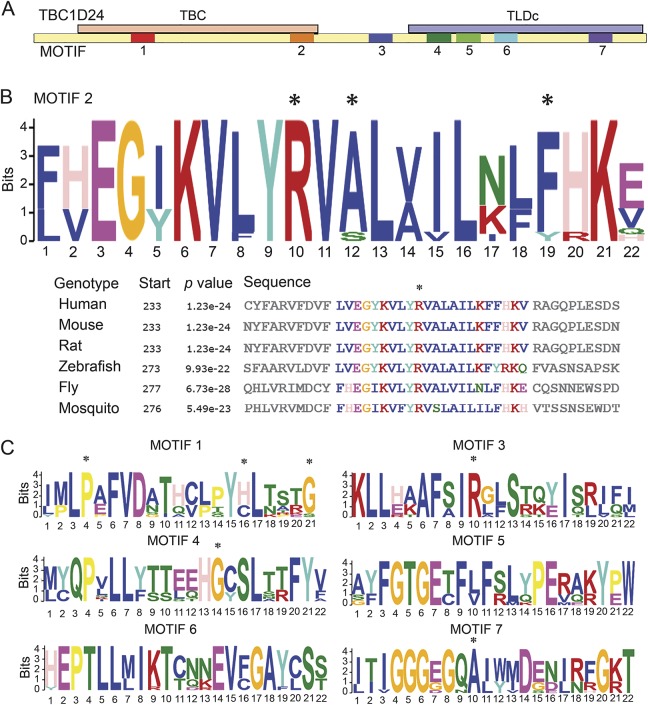
OBJECTIVE: To evaluate the phenotypic spectrum associated with mutations in TBC1D24. METHODS: We acquired new clinical, EEG, and neuroimaging data of 11 previously unreported and 37 published patients. TBC1D24 mutations, identified through various sequencing methods, can be found online (http://lovd.nl/TBC1D24). RESULTS: Forty-eight patients were included (28 men, 20 women, average age 21 years) from 30 independent families. Eighteen patients (38%) had myoclonic epilepsies. The other patients carried diagnoses of focal (25%), multifocal (2%), generalized (4%), and unclassified epilepsy (6%), and early-onset epileptic encephalopathy (25%). Most patients had drug-resistant epilepsy. We detail EEG, neuroimaging, developmental, and cognitive features, treatment responsiveness, and physical examination. In silico evaluation revealed 7 different highly conserved motifs, with the most common pathogenic mutation located in the first. Neuronal outgrowth assays showed that some TBC1D24 mutations, associated with the most severe TBC1D24-associated disorders, are not necessarily the most disruptive to this gene function. CONCLUSIONS: TBC1D24-related epilepsy syndromes show marked phenotypic pleiotropy, with multisystem involvement and severity spectrum ranging from isolated deafness (not studied here), benign myoclonic epilepsy restricted to childhood with complete seizure control and normal intellect, to early-onset epileptic encephalopathy with severe developmental delay and early death. There is no distinct correlation with mutation type or location yet, but patterns are emerging. Given the phenotypic breadth observed, TBC1D24 mutation screening is indicated in a wide variety of epilepsies. A TBC1D24 consortium was formed to develop further research on this gene and its associated phenotypes.
Overview
The claims and statistics of this paper haven’t been checked yet.
Free: it reads the open-access text and checks the first 5 claims that cite a source we can check. Create a free account to check every claim.
Integrity signals
Registry
Cites
Statistics
Figures
Verification
Claims the paper makes
The claims and statistics of this paper haven’t been checked yet.
Free: it reads the open-access text and checks the first 5 claims that cite a source we can check. Create a free account to check every claim.
Claims other papers make about this one
Each is checked against this paper’s own text: does it say what the citing paper says it does?
The source backs part of the claim, not all of it — or backs it for a different population, condition or comparison.
In the citing paper
“Autosomal recessive LOF variants in TBC1D24, encoding a GTPase-activating protein essential for synaptic vesicle trafficking 105 , lead to DEEs with myoclonic seizures and EIMFS, with dystonia 106 .”
From Developmental and epileptic encephalopathies (2024) · cites this paper as [106]
Experimental — accuracy not yet measured
Self-check
Percentages, sums and reported differences re-computed from the paper’s own numbers.
The self-check needs the paper’s full text.
Citations
Cites
MEME SUITE: tools for motif discovery and searching
Bailey, T. L., Boden, M., Buske, F. A., Frith, M., Grant, C. E., Clementi, L., Ren, J., Li, W. W., & Noble, W. S. (2009) · Nucleic Acids Research · doi:10.1093/nar/gkp335 · Cited by 10,648
Kwan, P., Arzimanoglou, A., Berg, A. T., Brodie, M. J., Allen Hauser, W., Mathern, G., Moshé, S. L., Perucca, E., Wiebe, S., & French, J. (2010) · Epilepsia · doi:10.1111/j.1528-1167.2009.02397.x · Cited by 4,877
ARF proteins: roles in membrane traffic and beyond
D'Souza-Schorey, C., & Chavrier, P. (2006) · Nature Reviews Molecular Cell Biology · doi:10.1038/nrm1910 · Cited by 1,378 · cited 1×
“The TBC1D24 protein interacts with ARF6,(1) a small GTP-binding protein implicated in exchange between the plasma membrane and the endocytic compartments.(31) The Drosophila homolog of TBC1D24, Sky, also interacts with, and activates, Rab35, a small GTPase involved in endosomal trafficking of synaptic vesicles, regula…”
BackgroundBioGPS and MyGene.info: organizing online, gene-centric information
Wu, C., MacLeod, I., & Su, A. I. (2013) · Nucleic Acids Research · doi:10.1093/nar/gks1114 · Cited by 352 · cited 1×
“The additional diversity of TBC1D24 phenotypes might be due to its broader expression pattern; TBC1D24 is expressed in several human tissues, with the highest expression in brain, in multiple cerebral areas, including all layers of cerebral cortex and hippocampus.(1,10,28) Although early-onset myoclonic epilepsy, with…”
BackgroundA recurrent de novo mutation in KCNC1 causes progressive myoclonus epilepsy
Muona, M., Berkovic, S. F., Dibbens, L. M., Oliver, K. L., Maljevic, S., Bayly, M. A., Joensuu, T., Canafoglia, L., Franceschetti, S., Michelucci, R., et al. (2015) · Nature Genetics · doi:10.1038/ng.3144 · Cited by 298 · cited 3×
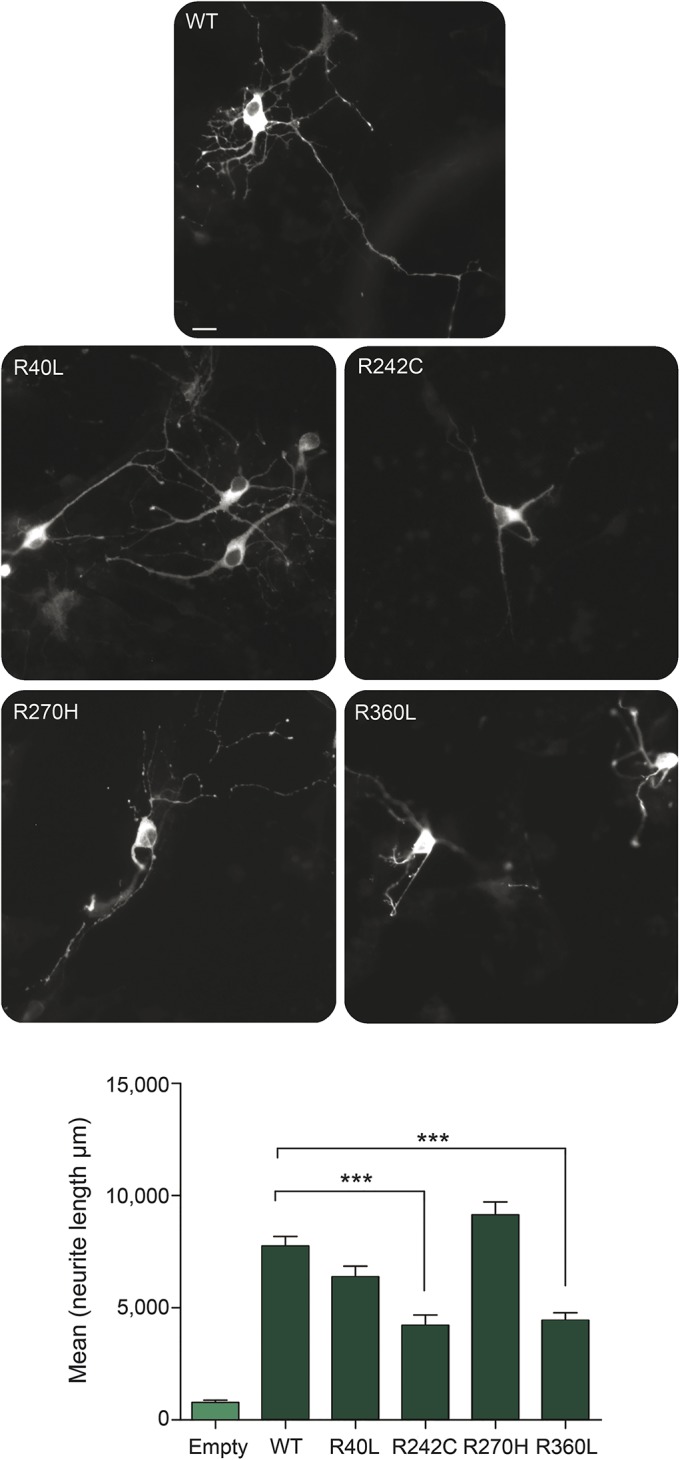
“To determine whether the position of the amino acid change in TBC1D24 or the corresponding severity of the disease correlate with perturbation of induction of neurite overgrowth, we studied a panel of 4 human TBC1D24 mutants, representing the phenotypic breadth from this study: Arg40Leu,3 Arg242Cys,3 Arg270His,23 and…”
BackgroundSelf-citationLoss of Skywalker Reveals Synaptic Endosomes as Sorting Stations for Synaptic Vesicle Proteins
Uytterhoeven, V., Kuenen, S., Kasprowicz, J., Miskiewicz, K., & Verstreken, P. (2011) · Cell · doi:10.1016/j.cell.2011.02.039 · Cited by 226 · cited 2×
“inhibiting the ESCRT complexes or the HOPS complex, significantly suppresses the excessive neurotransmission in Sky mutants.(2,5) Variations in the aforementioned pathways may thus modify the neuronal pathway in which Sky/TBC1D24 functions, further adding to the phenotypic spectrum associated with its loss of function…”
BackgroundSelf-citationThe genetic basis of DOORS syndrome: an exome-sequencing study
Campeau, P. M., Kasperaviciute, D., Lu, J. T., Burrage, L. C., Kim, C., Hori, M., Powell, B. R., Stewart, F., Félix, T. M., van den Ende, J., et al. (2014) · The Lancet Neurology · doi:10.1016/s1474-4422(13)70265-5 · Cited by 225 · cited 2×
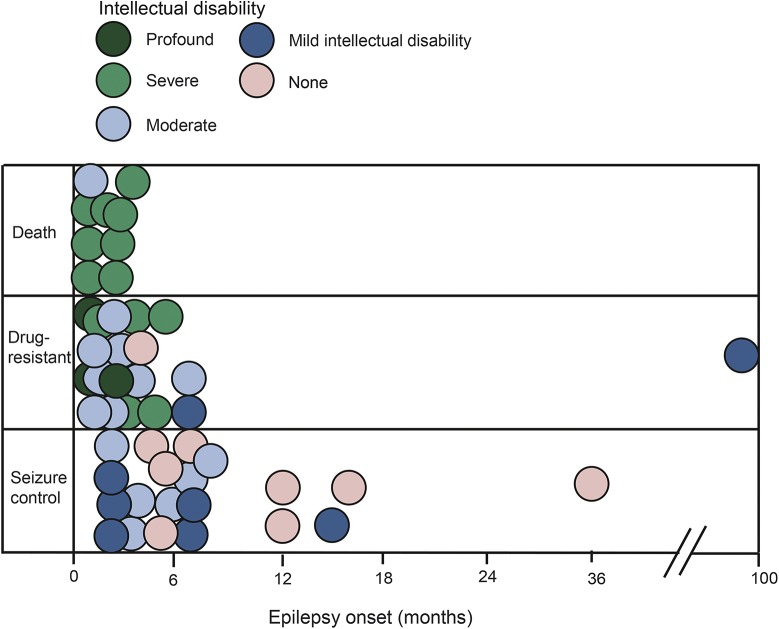
“Nine individuals (19%) were deceased (average age at death 37 months, range 6–96 months).(3,9,11,14) One death (6b), at age 18 months, was defined as probable sudden unexpected death in epilepsy.”
BackgroundSelf-citationTBC proteins: GAPs for mammalian small GTPase Rab?
Fukuda, M. (2011) · Bioscience Reports · doi:10.1042/bsr20100112 · Cited by 207
TBC1D24, an ARF6-Interacting Protein, Is Mutated in Familial Infantile Myoclonic Epilepsy
Falace, A., Filipello, F., Padula, V. L., Vanni, N., Madia, F., Tonelli, D. D. P., de Falco, F. A., Striano, P., Bricarelli, F. D., Minetti, C., et al. (2010) · The American Journal of Human Genetics · doi:10.1016/j.ajhg.2010.07.020 · Cited by 173 · cited 5×
“From these initial studies, it was postulated that each of the disease-causing mutations tested (Phe251Leu, Asp147His, and Ala515Val) were likely to be loss-of-function based on the observed reduction in outgrowth compared to wild-type.(1,6) We investigated this specific feature of TBC1D24 function for a range of path…”
BackgroundSelf-citationOxr1 Is Essential for Protection against Oxidative Stress-Induced Neurodegeneration
Oliver, P. L., Finelli, M. J., Edwards, B., Bitoun, E., Butts, D. L., Becker, E. B. E., Cheeseman, M. T., Davies, B., & Davies, K. E. (2011) · PLoS Genetics · doi:10.1371/journal.pgen.1002338 · Cited by 168 · cited 1×
“Mice lacking Oxr1 display cerebellar neurodegeneration: neurons are less susceptible to oxidative stress-induced neurodegeneration when Oxr1 is overexpressed both in vitro and in vivo.(29,30) Not all patients with mutations in the TBC1D24 TLDc domain in our study show clinical or neuroradiologic evidence of cerebellar…”
BackgroundSelf-citation
Cited by
Perucca, P., Bahlo, M., & Berkovic, S. F. (2020) · Annual Review of Genomics and Human Genetics · doi:10.1146/annurev-genom-120219-074937 · Cited by 224
Self-citationDevelopmental and epileptic encephalopathies: from genetic heterogeneity to phenotypic continuum
Guerrini, R., Conti, V., Mantegazza, M., Balestrini, S., Galanopoulou, A. S., & Benfenati, F. (2023) · Physiological Reviews · doi:10.1152/physrev.00063.2021 · Cited by 196
Self-citationDevelopmental and epileptic encephalopathies
Scheffer, I. E., Zuberi, S., Mefford, H. C., Guerrini, R., & McTague, A. (2024) · Nature Reviews Disease Primers · doi:10.1038/s41572-024-00546-6 · Cited by 158
Self-citationCourage, C., Oliver, K. L., Park, E. J., Cameron, J. M., Grabińska, K. A., Muona, M., Canafoglia, L., Gambardella, A., Said, E., Afawi, Z., et al. (2021) · The American Journal of Human Genetics · doi:10.1016/j.ajhg.2021.03.013 · Cited by 89
Self-citationDe novo mutations of the ATP6V1A gene cause developmental encephalopathy with epilepsy
Fassio, A., Esposito, A., Kato, M., Saitsu, H., Mei, D., Marini, C., Conti, V., Nakashima, M., Okamoto, N., Olmez Turker, A., et al. (2018) · Brain · doi:10.1093/brain/awy092 · Cited by 85
Self-citationTLDc proteins: new players in the oxidative stress response and neurological disease
Finelli, M. J., & Oliver, P. L. (2017) · Mammalian Genome · doi:10.1007/s00335-017-9706-7 · Cited by 84
Self-citationDisorders of neurogenesis and cortical development
Guarnieri, F. C., de Chevigny, A., Falace, A., & Cardoso, C. (2018) · Dialogues in Clinical Neuroscience · doi:10.31887/dcns.2018.20.4/ccardoso · Cited by 88
Self-citationSolomon, O., Huen, K., Yousefi, P., Küpers, L. K., González, J. R., Suderman, M. J., Reese, S. E., Page, C. M., Gruzieva, O., Rzehak, P., et al. (2022) · Mutation Research/Reviews in Mutation Research · doi:10.1016/j.mrrev.2022.108415 · Cited by 78
The neurodevelopmental spectrum of synaptic vesicle cycling disorders
John, A., Ng‐Cordell, E., Hanna, N., Brkić, D., & Baker, K. (2020) · Journal of Neurochemistry · doi:10.1111/jnc.15135 · Cited by 67
“Earlyonset epileptic encephalopathy with hearing loss in two siblings with TBC1D24 recessive mutations.”
BackgroundInfluentialTBC1D24-TLDc-related epilepsy exercise-induced dystonia: rescue by antioxidants in a disease model
Lüthy, K., Mei, D., Fischer, B., Fusco, M. D., Swerts, J., Paesmans, J., Parrini, E., Lubarr, N., Meijer, I. A., Mackenzie, K. M., et al. (2019) · Brain · doi:10.1093/brain/awz175 · Cited by 73
Self-citationThe expanding spectrum of movement disorders in genetic epilepsies
Papandreou, A., Danti, F. R., Spaull, R., Leuzzi, V., McTague, A., & Kurian, M. A. (2019) · Developmental Medicine & Child Neurology · doi:10.1111/dmcn.14407 · Cited by 70
Finelli, M. J., Aprile, D., Castroflorio, E., Jeans, A., Moschetta, M., Chessum, L., Degiacomi, M. T., Grasegger, J., Lupien-Meilleur, A., Bassett, A., et al. (2019) · Human Molecular Genetics · doi:10.1093/hmg/ddy370 · Cited by 62
Self-citationMetz, K. A., Teng, X., Coppens, I., Lamb, H. M., Wagner, B. E., Rosenfeld, J. A., Chen, X., Zhang, Y., Kim, H. J., Meadow, M. E., et al. (2018) · Annals of Neurology · doi:10.1002/ana.25351 · Cited by 69
Self-citationPhenotypic and genetic spectrum of epilepsy with myoclonic atonic seizures
Tang, S. S., Addis, L., Smith, A. B., Topp, S. D., Pendziwiat, M., Mei, D., Parker, A. P. J., Agrawal, S., Hughes, E., Lascelles, K., et al. (2020) · Epilepsia · doi:10.1111/epi.16508 · Cited by 64
Self-citationEmerging Monogenic Complex Hyperkinetic Disorders
Carecchio, M., & Mencacci, N. E. (2017) · Current Neurology and Neuroscience Reports · doi:10.1007/s11910-017-0806-2 · Cited by 63
Ivanova, E. L., Mau‐Them, F. T., Riazuddin, S., Kahrizi, K., Laugel, V., Schaefer, É., Martin, A. D. S., Runge, K., Iqbal, Z., Spitz, M., et al. (2017) · The American Journal of Human Genetics · doi:10.1016/j.ajhg.2017.07.010 · Cited by 55
“MRI of individuals reported with mutations in TBC1D24 showed subtle cortical thickening with cerebellar atrophy.(32) Moreover, implication of Tre2Bub2-Cdc16 (TBC) proteins in developmental processes is also illustrated by association between mutations of”
BackgroundMichetti, C., Falace, A., Benfenati, F., & Fassio, A. (2022) · Neurobiology of Disease · doi:10.1016/j.nbd.2022.105856 · Cited by 58
Self-citationReal-life survey of pitfalls and successes of precision medicine in genetic epilepsies
Balestrini, S., Chiarello, D., Gogou, M., Silvennoinen, K., Puvirajasinghe, C., Jones, W. D., Reif, P., Klein, K. M., Rosenow, F., Weber, Y. G., et al. (2021) · Journal of Neurology, Neurosurgery & Psychiatry · doi:10.1136/jnnp-2020-325932 · Cited by 49
Self-citationThe Ncoa7 locus regulates V-ATPase formation and function, neurodevelopment and behaviour
Castroflorio, E., den Hoed, J., Dolmatova, D. M., Finelli, M. J., Cebrian-Serrano, A., Corrochano, S., Bassett, A. R., Davies, B., & Oliver, P. L. (2020) · Cellular and Molecular Life Sciences · doi:10.1007/s00018-020-03721-6 · Cited by 55
Self-citationAprile, D., Fruscione, F., Baldassari, S., Fadda, M., Ferrante, D., Falace, A., Buhler, E., Sartorelli, J., Represa, A., Baldelli, P., et al. (2019) · Cell Death and Differentiation · doi:10.1038/s41418-019-0313-x · Cited by 53
Self-citationvan der Veen, S., Zutt, R., Klein, C., Marras, C., Berkovic, S. F., Caviness, J. N., Shibasaki, H., de Koning, T. J., & Tijssen, M. A. J. (2019) · Movement Disorders · doi:10.1002/mds.27828 · Cited by 48
Self-citationAxeen, E. T., & Olson, H. E. (2018) · Seminars in Fetal and Neonatal Medicine · doi:10.1016/j.siny.2018.01.003 · Cited by 44
Harvey, S., King, M. D., & Gorman, K. M. (2021) · Frontiers in Neurology · doi:10.3389/fneur.2021.659064 · Cited by 44
The evolutionary conserved TLDc domain defines a new class of (H+)V-ATPase interacting proteins
Eaton, A., Brown, D., & Merkulova, M. (2021) · Scientific Reports · doi:10.1038/s41598-021-01809-y · Cited by 36
Genetic variations associated with pharmacoresistant epilepsy (Review)
C�rdenas‐Rodr�guez, N., Carmona‐Aparicio, L., P�rez‐Lozano, D., Ortega-Cuéllar, D., G�mez‐Manzo, S., & Ignacio‐Mejía, I. (2020) · Molecular Medicine Reports · doi:10.3892/mmr.2020.10999 · Cited by 53
Mucha, B. E., Banka, S., Ajeawung, N. F., Molidperee, S., Chen, G. G., Koenig, M. K., Adejumo, R. B., Till, M., Harbord, M. G., Perrier, R., et al. (2018) · Genetics in Medicine · doi:10.1038/s41436-018-0290-3 · Cited by 37
Self-citationSynaptopathies in Developmental and Epileptic Encephalopathies: A Focus on Pre-synaptic Dysfunction
Spoto, G., Valentini, G., Saia, M. C., Butera, A., Amore, G., Salpietro, V., Nicotera, A. G., & Rosa, G. D. (2022) · Frontiers in Neurology · doi:10.3389/fneur.2022.826211 · Cited by 40
Coordination of synaptic vesicle trafficking and turnover by the Rab35 signaling network
Sheehan, P., & Waites, C. L. (2017) · Small GTPases · doi:10.1080/21541248.2016.1270392 · Cited by 38
Dolmatova, D. M., Simon, J. N., Rembeza, E., Crabtree, M. J., Yue, W. W., Oliver, P. L., & Finelli, M. J. (2018) · Free Radical Biology and Medicine · doi:10.1016/j.freeradbiomed.2018.10.447 · Cited by 38
Self-citationTona, R., Chen, W., Nakano, Y., Reyes, L. D., Petralia, R. S., Wang, Y., Starost, M. F., Wafa, T. T., Morell, R. J., Cravedi, K., et al. (2019) · Human Molecular Genetics · doi:10.1093/hmg/ddy445 · Cited by 36
Banuelos, E., Ramsey, K. M., Belnap, N., Krishnan, M., Balak, C., Szelinger, S., Siniard, A. L., Russell, M., Richholt, R., Both, M. D. D., et al. (2017) · F1000Research · doi:10.12688/f1000research.10588.1 · Cited by 32
Self-citationV-ATPase Dysfunction in the Brain: Genetic Insights and Therapeutic Opportunities
Falace, A., Volpedo, G., Scala, M., Zara, F., Striano, P., & Fassio, A. (2024) · Cells · doi:10.3390/cells13171441 · Cited by 28
Self-citationFinelli, M. J., Páramo, T., Pires, E., Ryan, B. J., Wade‐Martins, R., Biggin, P. C., McCullagh, J., & Oliver, P. L. (2018) · Molecular Neurobiology · doi:10.1007/s12035-018-1174-x · Cited by 29
Self-citationBenefits of Exome Sequencing in Children with Suspected Isolated Hearing Loss
Heurck, R. V., Carminho‐Rodrigues, M. T., Ranza, E., Stafuzza, C., Quteineh, L., Gehrig, C., Hammar, E. B., Guipponi, M., Abramowicz, M. J., Senn, P., et al. (2021) · Genes · doi:10.3390/genes12081277 · Cited by 24
Human V-ATPase function is positively and negatively regulated by TLDc proteins
Oot, R. A., & Wilkens, S. (2024) · Structure · doi:10.1016/j.str.2024.03.009 · Cited by 17
Lin, L.-F., Lyu, Q., Kwan, P., Zhao, J., Fan, R., Chai, A., Lai, C. S. W., Chan, Y., Shen, X., & Lai, K. (2020) · PLoS Genetics · doi:10.1371/journal.pgen.1008587 · Cited by 25
CpG methylation signature defines human temporal lobe epilepsy and predicts drug‐resistant
Xiao, W., Liu, C., Zhong, K., Ning, S., Hou, R., Deng, N., Xu, Y., Luo, Z., Fu, Y., Zeng, Y., et al. (2020) · CNS Neuroscience & Therapeutics · doi:10.1111/cns.13394 · Cited by 21
Tona, R., López, I. A., Fenollar‐Ferrer, C., Faridi, R., Anselmi, C., Khan, A. A., Shahzad, M., Morell, R. J., Gu, S., Hoa, M., et al. (2020) · Genes · doi:10.3390/genes11101122 · Cited by 27
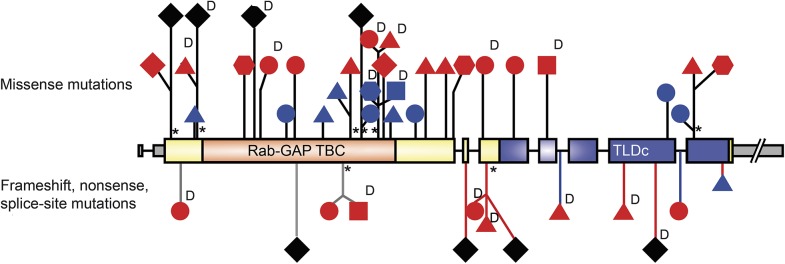
“Surprisingly, there is no genotype-phenotype correlation yet with variant location, either with the location in the TBC1D24 gene or in one or the other of the two domains of the TBC1D24 protein as illustrated in Figure 1A [52].”
Ragona, F., Castellotti, B., Salis, B., Magri, S., DiFrancesco, J. C., Nardocci, N., Franceschetti, S., Gellera, C., & Granata, T. (2017) · Seizure · doi:10.1016/j.seizure.2017.03.003 · Cited by 19
Quantitative magnetic resonance imaging traits as endophenotypes for genetic mapping in epilepsy
Alhusaini, S., Whelan, C. D., Sisodiya, S. M., & Thompson, P. M. (2016) · NeuroImage Clinical · doi:10.1016/j.nicl.2016.09.005 · Cited by 18
“…from dense genotype data have indicated that at least 26% of the phenotypic variation in epilepsy is collectively explained by genetic variants occurring commonly the CC BY-NC-ND license (http://creativecommons.org/licenses/by-nc-nd/4.0/). in the general population (Speed et al., 2014).”
InfluentialSelf-citationFBXO28 causes developmental and epileptic encephalopathy with profound intellectual disability
Schneider, A., Myers, C. T., Muir, A. M., Calvert, S., Basinger, A., Perry, M. S., Rodan, L. H., Helbig, K. L., Chambers, C., Gorman, K. M., et al. (2020) · Epilepsia · doi:10.1111/epi.16784 · Cited by 20
Self-citationHarms, F. L., Parthasarathy, P., Zorndt, D., Alawi, M., Fuchs, S., Halliday, B. J., McKeown, C., Sampaio, H. A., Radhakrishnan, N., Radhakrishnan, S. K., et al. (2020) · Human Mutation · doi:10.1002/humu.24071 · Cited by 22
“Variable loss of TBC1D24 protein has been suggested to be associated with the range of disease phenotypes (Balestrini et al., 2016; Campeau et al., 2014; Lozano et al., 2016).”
BackgroundEEG Monitoring of the Epileptic Newborn
Pisani, F., Spagnoli, C., & Fusco, C. (2020) · Current Neurology and Neuroscience Reports · doi:10.1007/s11910-020-1027-7 · Cited by 18
Spagnoli, C., Fusco, C., & Pisani, F. (2023) · International Journal of Molecular Sciences · doi:10.3390/ijms24043796 · Cited by 16
“TBC1 Domain Family Member 24 (TBC1D24) Pathogenic variants in the TBC1D24 gene have been implicated in different human diseases, including non-syndromic deafness (both AR and AD), onychodystrophy, osteodystrophy, mental retardation, and seizures (DOORS) syndrome; and infantile-onset epilepsy, spanning from benign self…”
BackgroundInfluentialLiu, C., Xu, S., Liu, Q., Chai, H., Luo, Y., & Li, S. (2023) · BMC Medical Genomics · doi:10.1186/s12920-023-01458-2 · Cited by 21
Infantile-Onset Paroxysmal Movement Disorder and Episodic Ataxia Associated with a TBC1D24 Mutation
Zimmern, V., Riant, F., Roze, E. F., Ranza, E., Lehmann‐Horn, F., de Bellescize, J., Ville, D. M., Lesca, G., & Korff, C. M. (2019) · Neuropediatrics · doi:10.1055/s-0039-1688410 · Cited by 17
Self-citationXiang, Y., Xu, C., Xu, Y., Li, H., Zhou, L., Xu, X., Chen, Z., & Tang, S. (2020) · Molecular Genetics & Genomic Medicine · doi:10.1002/mgg3.1539 · Cited by 16
“…B , l ik el y be ni gn ; L P, li ke ly p at ho ge ni c; P , p at ho ge ni c; P O , p ol ym or ph is m ; T , t ol er at ed ; V U S, V ar ia nt s w ith un ce rta in si gn ifi ca nc e. | 7 of 11XIANG et Al. recessive deafness (DFNB86; Balestrini et al., 2016; Rehman et al., 2014; Zhang et al., 2014).”
BackgroundMedyanik, A. D., Anisimova, P. E., Kustova, A. O., Tarabykin, V. S., & Kondakova, E. V. (2025) · Biomolecules · doi:10.3390/biom15010133 · Cited by 19
“These alterations contribute to the development of a wide range of epileptic phenotypes and other neurodevelopmental disorders in patients [69].”
Zádori, D., Szalárdy, L., Reisz, Z., Kovács, G. G., Maszlag-Török, R., Ajeawung, N. F., Vécsei, L., Campeau, P. M., & Klivènyi, P. (2020) · Frontiers in Neurology · doi:10.3389/fneur.2020.00767 · Cited by 16
Self-citationLin, X., Wang, W., Yang, M., Damseh, N. S., de Sousa, M. M. L., Jacob, F., Lång, A., Kristiansen, E., Pannone, M., Kiššová, M., et al. (2023) · Genome biology · doi:10.1186/s13059-023-03037-1 · Cited by 15
Infantile epilepsy with multifocal myoclonus caused by TBC1D24 mutations
Zhang, J., Chen, J., Zeng, Q., Zhang, L., Tian, X., Yang, X., Yang, Z., Wu, Y., Wu, X., & Zhang, Y. (2019) · Seizure · doi:10.1016/j.seizure.2019.05.010 · Cited by 15
“Ala500Val)[2] maternal 13, 7y1m, F 4 m + - NA profound sensorineural deafness (6y) ‡ normal (6y) Unclassified c.”
InfluentialGenetic etiological analysis of auditory neuropathy spectrum disorder by next-generation sequencing
Sun, L., Lin, Z., Zhang, J., Shen, J., Wang, X., & Yang, J. (2022) · Frontiers in Neurology · doi:10.3389/fneur.2022.1026695 · Cited by 13
Biallelic Mutations of TBC1D24 in Exercise‐Induced Paroxysmal Dystonia
Steel, D., Heim, J., Kruer, M. C., Sanchis‐Juan, A., Raymond, F. L., Eunson, P., & Kurian, M. A. (2020) · Movement Disorders · doi:10.1002/mds.27981 · Cited by 12
Mahdiannasser, M., Rashidi‐Nezhad, A., Badv, R. S., & Akrami, S. M. (2022) · Acta Neurologica Belgica · doi:10.1007/s13760-022-02095-9 · Cited by 15
TBC1D24 Mutations in a Sibship with Multifocal Polymyoclonus
Ngoh, A. S. F., Brás, J., Guerreiro, R. J., McTague, A., Ng, J., Meyer, E., Chong, W. K., Boyd, S. G., MacLellan, L., Kirkpatrick, M., et al. (2017) · PubMed Central · doi:10.7916/d8q52vbv · Cited by 12
Fang, Z., Xie, L., Yan, L., Lin, H., Pan, Y., Liu, B., Jiang, Y., Cheng, M., Li, X., & Jiang, L. (2021) · Epilepsy Research · doi:10.1016/j.eplepsyres.2021.106669 · Cited by 14
Scorrano, G., Francesco, L. D., Ludovico, A. D., Chiarelli, F., & Matricardi, S. (2024) · International Journal of Molecular Sciences · doi:10.3390/ijms252211982 · Cited by 15
Crystal structure of the TLDc domain of human NCOA7-AS
Arnaud‐Arnould, M., Tauziet, M., Moncorgé, O., Goujon, C., & Blaise, M. (2021) · Acta Crystallographica Section F Structural Biology Communications · doi:10.1107/s2053230x21006853 · Cited by 12
Investigating rare and ultrarare epilepsy syndromes with Drosophila models
Lasko, P. F., & Lüthy, K. (2021) · Faculty Reviews · doi:10.12703/r/10-10 · Cited by 14
Self-citationTBC1D24 emerges as an important contributor to progressive postlingual dominant hearing loss
Oziębło, D., Leja, M. L., Łaźniewski, M., Sarosiak, A., Tacikowska, G., Kochanek, K., Plewczyński, D., Skarżyńśki, H., & Ołdak, M. (2021) · Scientific Reports · doi:10.1038/s41598-021-89645-y · Cited by 13
Gene Therapy: Novel Approaches to Targeting Monogenic Epilepsies
Goodspeed, K., Bailey, R. M., Prasad, S., Sadhu, C., Cardenas, J. A., Holmay, M., Bilder, D. A., & Minassian, B. A. (2022) · Frontiers in Neurology · doi:10.3389/fneur.2022.805007 · Cited by 13
Genetic Links to Episodic Movement Disorders: Current Insights
Garg, D., Mohammad, S. S., Shukla, A., & Sharma, S. (2023) · The Application of Clinical Genetics · doi:10.2147/tacg.s363485 · Cited by 11
PIGF deficiency causes a phenotype overlapping with DOORS syndrome
Salian, S., Benkerroum, H., Nguyen, T. T. M., Nampoothiri, S., Kinoshita, T., Félix, T. M., Stewart, F. A., Sisodiya, S. M., Murakami, Y., & Campeau, P. M. (2021) · Human Genetics · doi:10.1007/s00439-020-02251-2 · Cited by 10
Self-citationUnravelling the genetic architecture of autosomal recessive epilepsy in the genomic era
Calhoun, J. D., & Carvill, G. L. (2018) · Journal of Neurogenetics · doi:10.1080/01677063.2018.1513509 · Cited by 11
“Since then, TBC1D24 pathogenic variants have been reported in patients with a wide phenotypic spectrum, including benign myoclonic epilepsy, as well as epileptic encephalopathy with developmental delay and risk of sudden death, some patients also have deafness (Balestrini et al., 2016).”
BackgroundHereditary Hearing Impairment with Cutaneous Abnormalities
Lee, T.-L., Lin, P., Chen, P., Hong, J., & Wu, C. (2020) · Genes · doi:10.3390/genes12010043 · Cited by 9
Genetics of neonatal onset epilepsies: An overview
Milh, M., Riccardi, F., & Denis, J. (2019) · Revue Neurologique · doi:10.1016/j.neurol.2019.01.396 · Cited by 10
Self-citationThe role of targeted gene panel in pediatric drug-resistant epilepsy
Wu, C.-C., Tsai, M., Chu, Y.-J., Weng, W., Fan, P., & Lee, W. (2020) · Epilepsy & Behavior · doi:10.1016/j.yebeh.2020.107003 · Cited by 9
Identification of a novel homozygous TBC1D24 mutation in a Turkish family with DOORS syndrome
Atlı, E., Gürkan, H., Ulusal, S., Karal, Y., Atlı, E. İ., & Tozkır, H. (2017) · Clinical Dysmorphology · doi:10.1097/mcd.0000000000000204 · Cited by 9
Homozygous TBC1D24 Mutation in a Case of Epilepsia Partialis Continua
Zhou, Q., Lin, Y., Ye, J., Li, L., Hu, N., Wang, D., & Wang, Y. (2018) · Frontiers in Neurology · doi:10.3389/fneur.2017.00750 · Cited by 10
TBC1D24 interacts with the v-ATPase and regulates intraorganellar pH in neurons
Pepe, S., Aprile, D., Castroflorio, E., Marte, A., Giubbolini, S., Hopestone, S., Parsons, A. L. M., Soares, T., Benfenati, F., Oliver, P. L., et al. (2024) · iScience · doi:10.1016/j.isci.2024.111515 · Cited by 8
Self-citationPruunsild, P., Bengtson, C. P., Loss, I., Lohrer, B., & Bading, H. (2023) · Journal of Biological Chemistry · doi:10.1016/j.jbc.2023.104671 · Cited by 10
Danti, F. R., Invernizzi, F., Moroni, I., Garavaglia, B., Nardocci, N., & Zorzi, G. S. (2021) · Frontiers in Neurology · doi:10.3389/fneur.2021.658178 · Cited by 10
Novel TBC1D24 Mutations in a Case of Nonconvulsive Status Epilepticus
Li, J., Liu, R., Feng, H., Zhang, J., Wang, D., Wang, Y., Zeng, J., & Fan, Y. (2018) · Frontiers in Neurology · doi:10.3389/fneur.2018.00623 · Cited by 7
Nakashima, M., Negishi, Y., Hori, I., Hattori, A., Saitoh, S., & Saitsu, H. (2019) · American Journal of Medical Genetics Part A · doi:10.1002/ajmg.a.61056 · Cited by 7
Türkdoğan, D., Türkyılmaz, A., Sağer, G., Öztürk, G., Unver, O. I., & Say, M. (2021) · International Journal of Neuroscience · doi:10.1080/00207454.2021.1967349 · Cited by 6
Cordani, R., Pisciotta, L., Mancardi, M. M., Stagnaro, M., Prato, G., Giacomini, T., Morana, G., Walsh, P., Ghia, T., Nobili, L., et al. (2021) · Neuropediatrics · doi:10.1055/s-0041-1739132 · Cited by 6
Self-citationUzunhan, T. A., & Uyanık, B. (2020) · Clinical Neurology and Neurosurgery · doi:10.1016/j.clineuro.2020.106080 · Cited by 6
Sarosiak, A., Jędrychowska, J., Oziębło, D., Gan, N. S., Bałdyga, N., Leja, M. L., Węgierski, T., Cruz, I. A., Raible, D. W., Skarżyńśki, H., et al. (2024) · Biochimica et Biophysica Acta (BBA) - Molecular Basis of Disease · doi:10.1016/j.bbadis.2024.167598 · Cited by 5
The Genetic Relationship between Paroxysmal Movement Disorders and Epilepsy
Ahn, H., & Ko, T. (2020) · Annals of Child Neurology · doi:10.26815/acn.2020.00073 · Cited by 6
“onset, and focal seizures with retained or impaired awareness [65].”
BackgroundInfluentialInvestigation of epilepsy-related genes in a Drosophila model
Qu, X.-C., Lai, X., He, M., Zhang, J., Xiang, B., Liu, C., Huang, R., Shi, Y., & Qiao, J. (2024) · Neural Regeneration Research · doi:10.4103/nrr.nrr-d-24-00877 · Cited by 5
TBC1D24 gene mutations are associated with high risk of sudden unexpected death
Trivisano, M., Bellusci, M., Terracciano, A., Palma, L. D., Pietrafusa, N., Valeriani, M., Vigevano, F., & Specchio (2017) · Epilepsy & Behavior · doi:10.1016/j.yebeh.2017.04.010 · Cited by 5
Genetic architecture and phenotypic landscape of deafness and onychodystrophy syndromes
Gao, X., Dai, P., & Yuan, Y. (2021) · Human Genetics · doi:10.1007/s00439-021-02310-2 · Cited by 9
Bucknor, E. M. V., Johnson, E., Efthymiou, S., Alvi, J. R., Sultan, T., Houlden, H., Maroofian, R., Karimiani, E. G., Finelli, M. J., & Oliver, P. L. (2024) · Antioxidants · doi:10.3390/antiox13060685 · Cited by 6
“For example, predominantly predicted loss-of-function variants in TBC1D24 cause a group of disorders characterised by childhood-onset epilepsy and hearing loss, with neurodegeneration in some cases [5].”
BackgroundSelf-citationTona, R., Inagaki, S., Ishibashi, Y., Faridi, R., Yousaf, R., Roux, I., Wilson, E. A. H., Fenollar‐Ferrer, C., Chien, W. W., Belyantseva, I. A., et al. (2024) · Journal of Biological Chemistry · doi:10.1016/j.jbc.2024.107725 · Cited by 4
Chen, P., Hou, S., Li, G., Lin, Y., Lu, J., Song, L., Li, G., Pang, X., Wu, H., & Yang, T. (2024) · Clinical Genetics · doi:10.1111/cge.14620 · Cited by 4
Riva, A., Volpedo, G., Zara, F., Fassio, A., Striano, P., & Falace, A. (2025) · Current Neurology and Neuroscience Reports · doi:10.1007/s11910-025-01453-3 · Cited by 5
Self-citationA case of TBC1D32-related ciliopathy with novel compound heterozygous variants
Ahn, J. Y., Kim, S. Y., Lim, B. C., Kim, K. J., & Chae, J. (2021) · Journal of genetic medicine · doi:10.5734/jgm.2021.18.1.64 · Cited by 4
Zucchini, C., Serpe, C., Sanctis, P. D., Ghezzo, A., Visconti, P., Posar, A., Facchin, F., Marini, M., & Abruzzo, P. M. (2023) · International Journal of Molecular Sciences · doi:10.3390/ijms242115802 · Cited by 5
“It has been reported that loss of function of OXR1, NCOA7, and TBC1D24 is associated with neurological diseases, including ASD, characterized by aberrant neurodevelopment [42–45].”
BackgroundShao, Q., Shi, X., Ma, B., Zeng, J., Zheng, A., & Xie, W. (2022) · Epilepsy Research · doi:10.1016/j.eplepsyres.2022.106923 · Cited by 5
Mitochondrial diagnosis revisited
Lagan, N. K., Gorman, K. M., & King, M. D. (2017) · European Journal of Paediatric Neurology · doi:10.1016/j.ejpn.2017.03.004 · Cited by 4
Lee, H.-F., Chi, C., & Tsai, C. (2022) · Clinical Neurology and Neurosurgery · doi:10.1016/j.clineuro.2022.107142 · Cited by 3
Kuroda, Y., Kimura, Y., Uehara, T., Kosaki, K., & Kurosawa, K. (2019) · Congenital Anomalies · doi:10.1111/cga.12347 · Cited by 4
Clinical trajectories and medication response in TBC1D24 ‐related epilepsies
Mondragon, E., Magielski, J. H., Bane, B., Nolan, J., Ruggiero, S. M., Armstrong, D. M., Arnold, S., Sirsi, D., Helbig, I., & McKee, J. L. (2025) · Epilepsia · doi:10.1111/epi.70013 · Cited by 3
“3,6,13,14 However, there does not appear to be an increased rate of premature mortality beyond infancy and early childhood in TBC1D24 - related disorders, with the exception of a 21- year-old individual who died of uncertain causes.”
Genotypic spectrum in 1215 patients with Dravet syndrome or Dravet syndrome-like phenotype
Xiaojuan, T., Cheng, M., Yang, Y., Zeng, Q., Chen, Y., Liu, A., Yang, X., Zhang, J., Tan, Q., Liu, W., et al. (2026) · Pediatric Research · doi:10.1038/s41390-026-04790-2 · Cited by 2
Marini, C., Rosati, A., Fusco, L., Mastrangelo, M., Izzo, F., Olivotto, S., Siliquini, S., Cordelli, D. M., Mondardini, M. C., Vittorini, R., et al. (2026) · Neurology · doi:10.1212/wnl.0000000000214791 · Cited by 2
Self-citationGm14230 controls Tbc1d24 cytoophidia and neuronal cellular juvenescence
Morimune, T., Tano, A., Tanaka, Y., Yukiue, H., Yamamoto, T., Tooyama, I., Maruo, Y., Nishimura, M., & Mori, M. (2021) · PLoS ONE · doi:10.1371/journal.pone.0248517 · Cited by 2
Rolandic epilepsy with paroxysmal exercise-induced dystonia and writer’s cramp: a case report
Hosseinpour, S., Tavasoli, A. R., Rohani, M., & Emamikhah, M. (2022) · Neurological Sciences · doi:10.1007/s10072-022-06390-4 · Cited by 2
Myoclonic Status Epilepticus in TBC1D24-Related Developmental/Epileptic Encephalopathy (DEE)
Manokaran, R. K., Patel, J., Sharma, S., Ochi, A., & Jain, P. (2023) · Neuropediatrics · doi:10.1055/a-2090-5922 · Cited by 2
A neurodevelopmental disorder associated with a loss-of-function missense mutation in RAB35
Aguila, A., Salah, S., Kulasekaran, G., Shweiki, M., Shaul-Lotan, N., Mor‐Shaked, H., Daana, M., Harel, T., & McPherson, P. S. (2024) · Journal of Biological Chemistry · doi:10.1016/j.jbc.2024.107124 · Cited by 2
Genetic epilepsies with myoclonic seizures: Mechanisms and syndromes
Coppola, A., Rubino, M., Riva, A., & Striano, P. (2025) · Epilepsia Open · doi:10.1002/epi4.70039 · Cited by 4
Self-citation
Metadata
- Authors
- Balestrini, S., Milh, M., Castiglioni, C., Lüthy, K., Finelli, M. J., Verstreken, P., Cardon, A., Stražišar, B. G., Holder, J. L., Lesca, G., Mancardi, M. M., Poulat, A. L., Repetto, G. M., Banka, S., Bilo, L., Birkeland, L. E., Bosch, F., Brockmann, K., Cross, J. H., Doummar, D., Félix, T. M., Giuliano, F., Hori, M., Hüning, I., Kayserili, H., Kini, U., Lees, M. M., Meenakshi, G., Mewasingh, L., Pagnamenta, A. T., Peluso, S., Mey, A., Rice, G. M., Rosenfeld, J. A., Taylor, J. C., Troester, M. M., Stanley, C. M., Ville, D., Walkiewicz, M., Falace, A., Fassio, A., Lemke, J. R., Biskup, S., Tardif, J., Ajeawung, N. F., Tolun, A., Corbett, M., Gecz, J., Afawi, Z., Howell, K. B., Oliver, K. L., Berkovic, S. F., Scheffer, I. E., de Falco, F. A., Oliver, P. L., Striano, P., Zara, F., Campeau, P. M., & Sisodiya, S. M.
- Affiliations
- Génétique Médicale & Génomique Fonctionelle (FR)
- St Mary's Hospital (GB)
- University of Göttingen (DE)
- Hôpital Armand-Trousseau (FR)
- Churchill Hospital (GB)
- Baylor College of Medicine (US)
- Hospices Civils de Lyon (FR)
- Institut de Biologie du Développement Marseille (FR)
- University of Genoa (IT)
- Corresponding author
- Sisodiya, S.M.
- ORCID
- Balestrini, Simona
- Milh, Mathieu
- Lüthy, Kevin
- Verstreken, Patrik
- Cardon, Aaron
- Stražišar, Barbara Gnidovec
- Holder, J. Lloyd
- Mancardi, Maria M.
- Poulat, Anne L.
- Repetto, Gabriela M.
- Banka, Siddharth
- Bilo, Leonilda
- Birkeland, Laura E.
- Brockmann, Knut
- Cross, J. Helen
- Doummar, Diane
- Giuliano, Fabienne
- Kini, Usha
- Lees, Melissa M.
- Mewasingh, Leena
- Pagnamenta, Alistair T.
- Peluso, Silvio
- Rosenfeld, Jill A.
- Taylor, Jenny C.
- Ville, Dorothee
- Falace, Antonio
- Fassio, Anna
- Lemke, Johannes R.
- Tardif, Jessica
- Corbett, Mark
- Afawi, Zaid
- Howell, Katherine B.
- Oliver, Karen L.
- Berkovic, Samuel F.
- Scheffer, Ingrid E.
- Oliver, Peter L.
- Striano, Pasquale
- Zara, Federico
- Sisodiya, S.M.
- Venue
- Neurology
- Published
- 2016-07-05
- Volume
- 87
- Issue
- 1
- Pages
- 77-85
- ISSN
- 0028-3878 (ISSN-L)
- 1526-632X
- PMC
- PMC4932231
- OpenAlex
- W2415622914
- Semantic Scholar
- 2243367cdf31655b94b43c936ccef5243403283f
- Cited by
- 124
- References
- 35
- Citations by year
- 2026: 5 · 2025: 7 · 2024: 17 · 2023: 11 · 2022: 11 · 2021: 19 · 2020: 19 · 2019: 9 · 2018: 15 · 2017: 10 · 2016: 1
- FWCI
- 10.23
- Type
- journal article
- Language
- en
- Open access
- hybrid
- doi.org
- Licence
- cc-by
- Locations
- Neurology (publishedVersion, cc-by)
- PubMed Central (publishedVersion, cc-by)
- PubMed (publishedVersion)
- Digital Collections portal (Koç University) (publishedVersion)
- Repository@Nottingham (University of Nottingham) (publishedVersion, cc-by)
- Research Explorer (The University of Manchester) (publishedVersion, cc-by)
- GoeScholar The Publication Server of the Georg-August-Universität Göttingen (Georg-August-Universität Göttingen) (acceptedVersion, other-oa)
- Repository@Nottingham (University of Nottingham) (submittedVersion, cc-by)
- CINECA IRIS Institutial Research Information System (University of Genoa) (submittedVersion, cc-by)
- Minerva Access (University of Melbourne) (submittedVersion, cc-by)
- Lirias (submittedVersion, other-oa)
- HAL (submittedVersion)
- Adelaide Research & Scholarship (AR&S) (University of Adelaide) (submittedVersion, cc-by)
- Digital Collections portal (Koç University) (submittedVersion)
- UCL Discovery (University College London) (submittedVersion)
- Florence Research (University of Florence) (submittedVersion)
- GoeScholar The Publication Server of the Georg-August-Universität Göttingen (Georg-August-Universität Göttingen) (submittedVersion, cc-by)
- Funders
- March of Dimes Foundation
- Belgian American Educational Foundation
- Sanofi
- University of Wisconsin-Madison
- Wellcome Trust (628952, 090532, 090532/Z/09/Z, 090532/Z/09/)
- National Institute for Health and Care Research (NF-SI-0515-10073)
- Imperial College Healthcare NHS Trust
- University of Oxford
- European Commission
- Institut National de la Santé et de la Recherche Médicale
- University of Adelaide
- Georg-August-Universität Göttingen
- Eisai
- Great Ormond Street Hospital for Children
- Universität zu Lübeck
- Università degli Studi di Genova
- Clínica Alemana de Santiago
- CHU Sainte-Justine Foundation
- Canadian Institutes of Health Research
- Medical Research Council (G0900747 91070, Hub grant G0900747 91070, MR/J01270X/1)
- National Health and Medical Research Council
- Health Research Council of New Zealand
- FP7 Ideas: European Research Council (311394)
- Cilag
- Topics
- Health Sciences › Medicine › Clinical Neurology › Epilepsy research and treatment
- Life Sciences › Biochemistry, Genetics and Molecular Biology › Genetics › Genetics and Neurodevelopmental Disorders
- Life Sciences › Biochemistry, Genetics and Molecular Biology › Genetics › Genomics and Rare Diseases
- Keywords
- TBC1D24, genotype-phenotype correlation, myoclonic epilepsy, early-onset epileptic encephalopathy, drug-resistant epilepsy, conserved motifs, neurite outgrowth, developmental delay, mutation detection, epilepsy syndromes
- MeSH terms
- Animals, Brain, Carrier Proteins, Cells, Cultured, Child, Child, Preschool, Electroencephalography, Epilepsy, Female, Humans, Infant, Male, Membrane Proteins, Mutation, Nerve Tissue Proteins, Physical Examination, Cohort Studies, Neurites, GTPase-Activating Proteins, Cell Enlargement, Mice, Young Adult, Genetic Association Studies
About these checks
Registry, retraction, Cites and statistics results are computed, not judged, with one exception: a printed reference that no index lists is read once by a model before it counts as a citation error. Claims are extracted by a model and kept only when their quote appears verbatim in the text; each cited source is then checked, with a model’s help, for whether it says what the claim relies on. Those verdicts can be wrong — read the claim’s quote and the cited source before relying on one.
Statistics and arithmetic are recomputed, not judged.
Confidence bands are shown only for fields calibrated on our annotated test set. None is calibrated yet, so no band is shown.
What counts as a claim ›How we measure confidence ›How we check this ›
Are you an author, or do you see a problem with this page? Request a review
Data sources
Bibliographic data: Semantic Scholar, OpenAlex, Crossref.
Contains information from the Semantic Scholar Academic Graph Datasets, made available under the ODC Attribution License (ODC-BY 1.0).
Semantic Scholar’s data is described in: Kinney, R., et al. (2023). The Semantic Scholar Open Data Platform. arXiv:2301.10140.
