

The DOI matches its Crossref record; 36 of the 38 references it cites were found in a registry or an index.
Health Impacts of Climate Change in Pacific Island Countries: A Regional Assessment of Vulnerabilities and Adaptation Priorities
Open accessAbstract
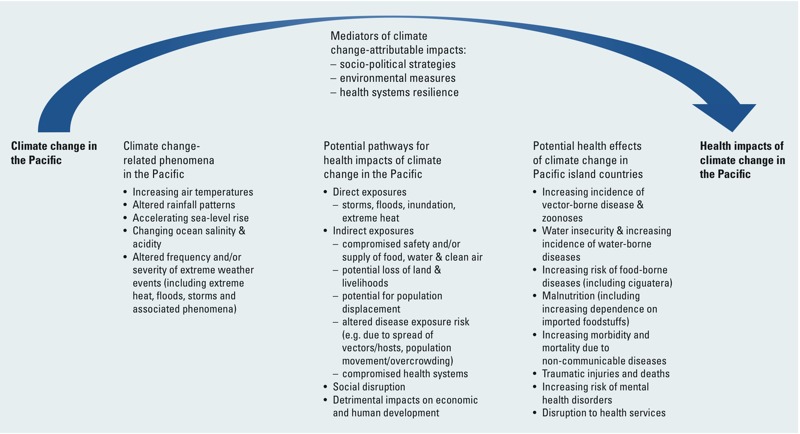
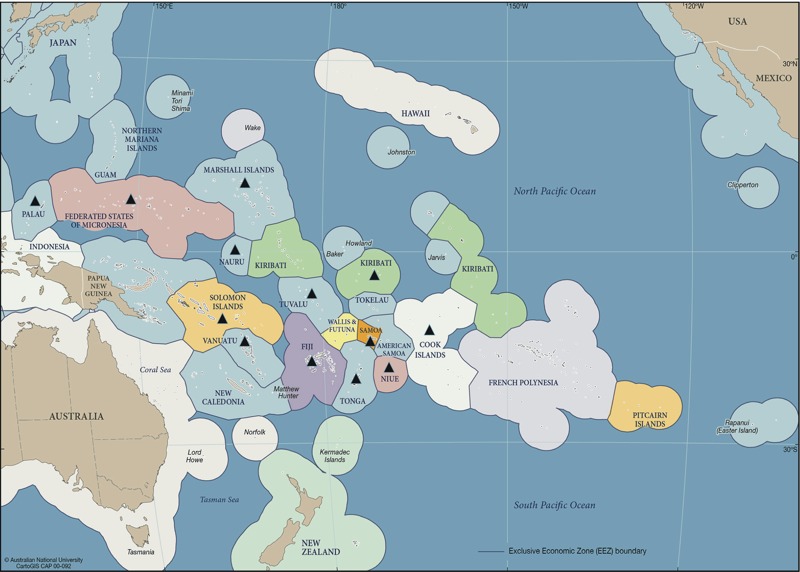
BACKGROUND: Between 2010 and 2012, the World Health Organization Division of Pacific Technical Support led a regional climate change and health vulnerability assessment and adaptation planning project, in collaboration with health sector partners, in 13 Pacific island countries-Cook Islands, Federated States of Micronesia, Fiji, Kiribati, Marshall Islands, Nauru, Niue, Palau, Samoa, Solomon Islands, Tonga, Tuvalu, and Vanuatu. OBJECTIVE: We assessed the vulnerabilities of Pacific island countries to the health impacts of climate change and planned adaptation strategies to minimize such threats to health. METHODS: This assessment involved a combination of quantitative and qualitative techniques. The former included descriptive epidemiology, time series analyses, Poisson regression, and spatial modeling of climate and climate-sensitive disease data, in the few instances where this was possible; the latter included wide stakeholder consultations, iterative consensus building, and expert opinion. Vulnerabilities were ranked using a "likelihood versus impact" matrix, and adaptation strategies were prioritized and planned accordingly. RESULTS: The highest-priority climate-sensitive health risks in Pacific island countries included trauma from extreme weather events, heat-related illnesses, compromised safety and security of water and food, vector-borne diseases, zoonoses, respiratory illnesses, psychosocial ill-health, non-communicable diseases, population pressures, and health system deficiencies. Adaptation strategies relating to these climate change and health risks could be clustered according to categories common to many countries in the Pacific region. CONCLUSION: Pacific island countries are among the most vulnerable in the world to the health impacts of climate change. This vulnerability is a function of their unique geographic, demographic, and socioeconomic characteristics combined with their exposure to changing weather patterns associated with climate change, the health risks entailed, and the limited capacity of the countries to manage and adapt in the face of such risks. Citation: McIver L, Kim R, Woodward A, Hales S, Spickett J, Katscherian D, Hashizume M, Honda Y, Kim H, Iddings S, Naicker J, Bambrick H, McMichael AJ, Ebi KL. 2016. Health impacts of climate change in Pacific island countries: a regional assessment of vulnerabilities and adaptation priorities. Environ Health Perspect 124:1707-1714; http://dx.doi.org/10.1289/ehp.1509756.
Overview
The claims and statistics of this paper haven’t been checked yet.
Run the check — free, no account needed. It reads the open-access text and checks the sources it cites.
Integrity signals
Registry
Cites
Statistics
Figures
Verification
Claims the paper makes
The claims and statistics of this paper haven’t been checked yet.
Run the check — free, no account needed. It reads the open-access text and checks the sources it cites.
Claims other papers make about this one
Each is checked against this paper’s own text: does it say what the citing paper says it does?
The source backs part of the claim, not all of it — or backs it for a different population, condition or comparison.
In the citing paper
“Mental health was identified as a high-priority climate-sensitive health risk in eight out of the 13 countries [99].”
From Climate Change and Mental Health: A Scoping Review (2021) · cites this paper as [99]
Experimental — accuracy not yet measured
Self-check
Percentages, sums and reported differences re-computed from the paper’s own numbers.
The self-check needs the paper’s full text.
Citations
Cites
IPCC--Intergovernmental Panel on Climate Change
Fu, Q., Manabe, S., & Johanson, C. M. (2008) · Choice Reviews Online · doi:10.5860/choice.45-5008 · Cited by 3,303
Managing the health effects of climate change
Costello, A., Abbas, M., Allen, A., Ball, S., Bell, S., Bellamy, R., Friel, S., Groce, N., Johnson, A., Kett, M., et al. (2009) · The Lancet · doi:10.1016/s0140-6736(09)60935-1 · Cited by 3,102 · cited 2×
“Introduction Climate change is widely acknowledged to be one of the most serious global threats to future human population health and international development (Costello et al. 2009; Stephenson et al. 2013; Woodward et al. 2014).”
BackgroundHeat Stress and Public Health: A Critical Review
Kovats, S. R., & Hajat, S. (2007) · Annual Review of Public Health · doi:10.1146/annurev.publhealth.29.020907.090843 · Cited by 2,011 · cited 12×
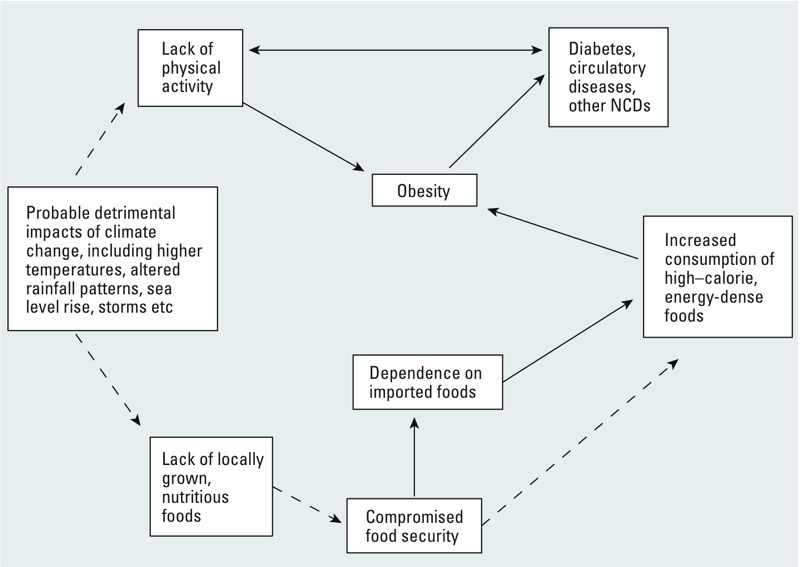
“A number of climate-sensitive health risks may be considered to cut across categories: for example, there may be direct mental health consequences of extreme weather events; NCDs may be affected indirectly through disruption of food supplies, or more diffusely through socio-political strategies related to climate chan…”
BackgroundInfluentialThe Effects of Climate Change on Cardiac Health
De Blois, J., Kjellstrom, T., Agewall, S., Ezekowitz, J. A., Armstrong, P. W., & Atar, D. (2015) · Cardiology · doi:10.1159/000398787 · Cited by 1,697
Climate change and mental health: a causal pathways framework
Berry, H. L., Bowen, K., & Kjellstrom, T. (2010) · International Journal of Public Health · doi:10.1007/s00038-009-0112-0 · Cited by 1,035 · cited 2×
“These aspects include high fertility rates and overcrowding in atoll nations such as Kiribati which, combined with limited land area, low elevation, and the threat posed by rising seas, may lead to forced relocation, which brings with it a particular suite of health complications (McMichael et al. 2012; Berry et al. 2…”
BackgroundClimate change-induced migration and violent conflict
Reuveny, R. (2007) · Political Geography · doi:10.1016/j.polgeo.2007.05.001 · Cited by 1,005 · cited 2×
“There is some evidence that this forced migration—both internal and external—is already taking place (Birk and Rasmussen 2014; Locke 2009), and the physical and psychosocial health consequences of this phenomenon must not be underestimated (Butler et al. 2014; Reuveny 2007).”
BackgroundAdaptation planning for climate change: concepts, assessment approaches, and key lessons
Füssel, H. (2007) · Sustainability Science · doi:10.1007/s11625-007-0032-y · Cited by 869 · cited 1×
“Thus, the theoretical requirement for “additionality” mentioned in the international climate change and health literature with respect to adaptation (Füssel 2007) was considered significantly less important for health systems support in the Pacific than pragmatic, realistic measures that would both…”
BackgroundGlobalization, Climate Change, and Human Health
McMichael, A. J. (2013) · New England Journal of Medicine · doi:10.1056/nejmra1109341 · Cited by 668 · cited 4×
“Environmental Health Perspectives • volume 124 | number 11 | November 2016 1707 ResearchA Section 508–conformant HTML version of this article is available at http://dx.doi.org/10.1289/ehp.1509756.”
BackgroundInfluentialSelf-citationClimate change: present and future risks to health, and necessary responses
McMichael, A. J., & Lindgren, E. (2011) · Journal of Internal Medicine · doi:10.1111/j.1365-2796.2011.02415.x · Cited by 498 · cited 2×
“A changing climate has significant and diverse impacts on human health (McMichael and Lindgren 2011; Woodward et al. 2014).”
BackgroundSelf-citationAn Ill Wind? Climate Change, Migration, and Health
McMichael, C., Barnett, J., & McMichael, A. J. (2012) · Environmental Health Perspectives · doi:10.1289/ehp.1104375 · Cited by 339 · cited 2×
“These aspects include high fertility rates and overcrowding in atoll nations such as Kiribati which, combined with limited land area, low elevation, and the threat posed by rising seas, may lead to forced relocation, which brings with it a particular suite of health complications (McMichael et al. 2012; Berry et al. 2…”
BackgroundSelf-citation
Research works printed but not linked: 2
- Butler CD, Bowles DC, McIver L, Page L, 2014, Mental health, cognition and the challenge of climate change., 251
- McIver, 2012, Climate change & health in Fiji: environmental epidemiology of infectious diseases & potential for climate-based early warning systems., Fiji J Pub Health, 1, 7
Cited by
Sorted by citations
Romanello, M., Di Napoli, C., Drummond, P., Green, C., Kennard, H., Lampard, P., Scamman, D., Arnell, N., Ayeb-Karlsson, S., Ford, L. B., et al. (2022) · The Lancet · doi:10.1016/s0140-6736(22)01540-9 · Cited by 1,710
Self-citationClimate Change and Mental Health: A Scoping Review
Charlson, F., Ali, S., Benmarhnia, T., Pearl, M., Massazza, A., Augustinavicius, J., & Scott, J. G. (2021) · International Journal of Environmental Research and Public Health · doi:10.3390/ijerph18094486 · Cited by 507
“Mental health was identified as a high-priority climate-sensitive health risk in eight out of the 13 countries [99].”
BackgroundThe health impacts of climate-related migration
Schwerdtle, P., Bowen, K., & McMichael, C. (2018) · BMC Medicine · doi:10.1186/s12916-017-0981-7 · Cited by 260
“relating to mental health issues such as population pressures and health system deficiencies [17].”
BackgroundDannenberg, A. L., Frumkin, H., Hess, J. J., & Ebi, K. L. (2019) · Climatic Change · doi:10.1007/s10584-019-02382-0 · Cited by 169
Self-citationLau, C. L., Watson, C., Lowry, J. H., David, M., Craig, S. B., Wynwood, S. J., Kama, M., & Nilles, E. J. (2016) · PLoS neglected tropical diseases · doi:10.1371/journal.pntd.0004405 · Cited by 157
“Many of the risk factors and environmental drivers identified in our study provide significant cause for concern about future risk of leptospirosis in Fiji, as well as other Pacific Islands with similar environments.”
BackgroundInfluentialWorking on a WARMER planet The impact of heat stress on labour productivity and decent work
Arbeitsamt, I. (2023) · Climate Change and Law Collection · doi:10.1163/9789004322714_cclc_2019-0196-546 · Cited by 151
The centrality of social ties to climate migration and mental health
Torres, J. M., & Casey, J. A. (2017) · BMC Public Health · doi:10.1186/s12889-017-4508-0 · Cited by 139
“In the most extreme form, planned permanent resettlement may lead to the relocation of entire communities, as with low-lying coastal or island populations [26].”
BackgroundYang, L., Liao, W., Liu, C., Zhang, N., Zhong, S., & Huang, C. (2018) · International Journal of Environmental Research and Public Health · doi:10.3390/ijerph15122650 · Cited by 121
Health systems response to climate change adaptation: a scoping review of global evidence
Ansah, E. W., Amoadu, M., Obeng, P., & Sarfo, J. O. (2024) · BMC Public Health · doi:10.1186/s12889-024-19459-w · Cited by 121
“…plants [39] Integrating hospitals into urban planning [16, 17] Integrating health adaptation into national health planning [9, 15, 16, 48, 55, 56, 59] Mainstreaming climate change in health policies [25] Heat risk adaptation guidelines [27] Integrating climate risk monitoring into health…”
BackgroundInfluentialExploring climate-driven non-economic loss and damage in the Pacific Islands
McNamara, K. E., Westoby, R., & Chandra, A. (2020) · Current Opinion in Environmental Sustainability · doi:10.1016/j.cosust.2020.07.004 · Cited by 107
Global priorities for climate change and mental health research
Charlson, F., Ali, S., Augustinavicius, J., Benmarhnia, T., Birch, S., Clayton, S., Fielding, K., Jones, L., Juma, D., Snider, L., et al. (2022) · Environment International · doi:10.1016/j.envint.2021.106984 · Cited by 103
“country assessment from the Pacific region identified psychosocial ill health as a priority among climate change-related health risks (McIver et al., 2016); however, to the best of our knowledge, no other regions or countries have included mental health in similar types of assessments.”
BackgroundThe dilemmas of normalising losses from climate change: Towards hope for Pacific atoll countries
Barnett, J. (2017) · Asia Pacific Viewpoint · doi:10.1111/apv.12153 · Cited by 87
Kelman, I., Ayeb-Karlsson, S., Rose-Clarke, K., Prost, A., Ronneberg, E., Wheeler, N., & Watts, N. (2021) · Environmental Research Letters · doi:10.1088/1748-9326/abe57d · Cited by 82
El Niño Southern Oscillation (ENSO) and Health: An Overview for Climate and Health Researchers
McGregor, G. R., & Ebi, K. L. (2018) · Atmosphere · doi:10.3390/atmos9070282 · Cited by 84
Self-citationClimate Change, Health and Mosquito-Borne Diseases: Trends and Implications to the Pacific Region
Filho, W. L., Scheday, S., Boenecke, J., Gogoi, A., Maharaj, A., & Korovou, S. (2019) · International Journal of Environmental Research and Public Health · doi:10.3390/ijerph16245114 · Cited by 86
“Besides, children, older people, pregnant women, and those unable to control their body temperature due to pre-existing medical conditions, are among the most vulnerable to increased temperatures [7].”
Background(IPCC), I. P. O. C. C. (2023) · Cambridge University Press eBooks · doi:10.1017/9781009325844.017 · Cited by 127
Migration health crisis associated with climate change: A systematic review
Mazhin, S. A., Khankeh, H. R., Farrokhi, M., Aminizadeh, M., & Poursadeqiyan, M. (2020) · Journal of Education and Health Promotion · doi:10.4103/jehp.jehp_4_20 · Cited by 75
“It is important that response policies include: (a) minimizing health inequalities and ensuring access to services; (b) ensuring the health rights of migrants; (c) implementing interventions to reduce (excessive) mortality rate among migrant populations; and (d) minimizing the negative impact of migration on the healt…”
BackgroundPublic health and mental health implications of environmentally induced forced migration
Shultz, J. M., Rechkemmer, A., Rai, A., & McManus, K. T. (2019) · Disaster Medicine and Public Health Preparedness · doi:10.1017/dmp.2018.27 · Cited by 73
“Recent studies focusing on Pacific island nations have indicated the need to prioritize mental health services to be able to confront the effects of trauma exposure and psychological distress associated with increasing frequency and severity of climate change–related natural disasters.(24,25) These studies also specif…”
BackgroundCities and Settlements by the Sea
(IPCC), I. P. O. C. C. (2023) · Cambridge University Press eBooks · doi:10.1017/9781009325844.019 · Cited by 94
Horwood, P. F., Tarantola, A., Goarant, C., Matsui, M., Klement-Frutos, E., Umezaki, M., Navarro, S., & Greenhill, A. R. (2019) · Frontiers in Immunology · doi:10.3389/fimmu.2019.02184 · Cited by 73
“The Pacific islands are among the most vulnerable to the impacts of climate change and resulting sea-level rise and changing weather patterns (239).”
BackgroundUnderstanding and responding to climate-driven non-economic loss and damage in the Pacific Islands
McNamara, K. E., Westoby, R., Clissold, R., & Chandra, A. (2021) · Climate Risk Management · doi:10.1016/j.crm.2021.100336 · Cited by 81
Savage, A., McIver, L. J., & Schubert, L. (2019) · Climate and Development · doi:10.1080/17565529.2019.1605284 · Cited by 63
“…and the double burden of malnutrition in the region have been developed, however, their implementation and the integration of climate change and health at the national level is at early stages in most PICTs (McIver et al., 2015; McIver et al., 2016; Tolley et al., 2016; WHO, 2014a; 2014b, 2015).”
BackgroundInfluentialSelf-citationCancer control in the Pacific: big challenges facing small island states
Sarfati, D., Dyer, R., Sam, F. A.-L., Barton, M. B., Bray, F., Buadromo, E. M., Ekeroma, A. J., Foliaki, S., Fong, J., Herman, J., et al. (2019) · The Lancet Oncology · doi:10.1016/s1470-2045(19)30400-0 · Cited by 65
Disaster risk reduction and sustainable development for small island developing states
Shultz, J. M., Cohen, M. A., Hermosilla, S., Espinel, Z., & McLean, A. (2016) · Disaster Health · doi:10.1080/21665044.2016.1173443 · Cited by 60
A Large Leptospirosis Outbreak following Successive Severe Floods in Fiji, 2012
Togami, E., Kama, M., Goarant, C., Craig, S. B., Lau, C. L., Ritter, J. M., Imrie, A. A., Ko, A. I., & Nilles, E. J. (2018) · American Journal of Tropical Medicine and Hygiene · doi:10.4269/ajtmh.18-0335 · Cited by 59
“leading to epidemics of infectious diseases has been identified as a high-priority public health threat to the region.(25,26) Countries, including those in the Pacific, that are susceptible”
BackgroundHuman Physiology in Extreme Heat and Cold
Beker, B. M., Camila, C., Vito, A. D., & Musso, C. G. (2018) · International Archives of Clinical Physiology · doi:10.23937/iacph-2017/1710001 · Cited by 57
Adaptation to climate change and freshwater resources in Vusama village, Viti Levu, Fiji
Pearce, T. D., Currenti, R., Mateiwai, A., & Doran, B. (2017) · Regional Environmental Change · doi:10.1007/s10113-017-1222-5 · Cited by 62
“…and increasing temperature are placing significant stress on the limited freshwater reserves in small island environments (White and Falkland 2010; McIver et al. 2016), and extreme weather and climate events such as tropical cyclones, floods, storm surges and drought have negatively impacted…”
BackgroundHow climate change interacts with inequity to affect nutrition
Salm, L., Nisbett, N., Cramer, L. K., Gillespie, S., & Thornton, P. K. (2020) · Wiley Interdisciplinary Reviews Climate Change · doi:10.1002/wcc.696 · Cited by 54
Social-ecological traps link food systems to nutritional outcomes
Golden, C. D. W., Gephart, J. A., Eurich, J. G., McCauley, D. J., Sharp, M. K., Andrew, N. L., & Seto, K. L. (2021) · Global Food Security · doi:10.1016/j.gfs.2021.100561 · Cited by 55
Improving the quality of maternal and newborn care in the Pacific region: A scoping review
Wilson, A. N., Spotswood, N. E., Hayman, G. S., Vogel, J. P., Narasia, J., Elijah, A., Morgan, C., Morgan, A., Beeson, J. G., & Homer, C. (2020) · The Lancet Regional Health - Western Pacific · doi:10.1016/j.lanwpc.2020.100028 · Cited by 50
“[16] McIver L , Kim R , Woodward A , et al.”
BackgroundVogliano, C., Raneri, J., Coad, J., Tutua, S., Wham, C. A., Lachat, C. K., & Burlingame, B. (2021) · Food Security · doi:10.1007/s12571-021-01167-7 · Cited by 57
Ecosystem services for human health in Oceania
McFarlane, R. A., Horwitz, P., Arabena, K., Capon, A. G., Jenkins, A., Jupiter, S. D., Negin, J., Parkes, M. W., & Saketa, S. (2019) · Ecosystem Services · doi:10.1016/j.ecoser.2019.100976 · Cited by 52
Runkle, J. D., Svendsen, E. R., Hamann, M. T., Kwok, R. K., & Pearce, J. L. (2018) · Current Environmental Health Reports · doi:10.1007/s40572-018-0223-y · Cited by 48
The Climate Change Vulnerability and Risk Management Matrix for the Coastal Zone of The Gambia
Amuzu, J., Jallow, B. P., Kabo-bah, A. T., & Yaffa, S. (2018) · Hydrology · doi:10.3390/hydrology5010014 · Cited by 45
“Reduced Rainfall frequency and Intensity Increase crop diversification and rotation to reduce total crop failure; Educational and outreach programme on conservation agriculture and improved pasture and graze-land management; use of water conservation technique like the Zai technique adopted from Burkina Faso [99,105,1…”
MethodSoutheast Asia island coastline changes and driving forces from 1990 to 2015
Zhang, Y., Li, D., Fan, C., Xu, H., & Hou, X. (2021) · Ocean & Coastal Management · doi:10.1016/j.ocecoaman.2021.105967 · Cited by 41
Qin, R. X., Velin, L., Yates, E. F., Omrani, O. E., McLeod, E. J., Tudravu, J., Samad, L., Woodward, A. J., & McClain, C. D. (2022) · The Lancet Regional Health - Western Pacific · doi:10.1016/j.lanwpc.2022.100407 · Cited by 43
Self-citationDoenças sensíveis ao clima no Brasil e no mundo: revisão sistemática
de Sousa, T. M., Amancio, F., Hacon, S. D. S., & Barcellos, C. (2018) · Revista Panamericana de Salud Pública · doi:10.26633/rpsp.2018.85 · Cited by 42
“Após retirada de 145 duplicatas e exclusão de 911 artigos, permaneceram 106 publicações (7-112) (figura 1).”
BackgroundClimate change, food security and health in Kiribati: a narrative review of the literature
Cauchi, J. P., Correa‐Velez, I., & Bambrick, H. (2019) · Global Health Action · doi:10.1080/16549716.2019.1603683 · Cited by 38
“Peer reviewed articles focused on the health impacts of climate change [16,23], and on food security and risks posed by climate change [24–30].”
BackgroundSelf-citationSadik, N. J., Uprety, S., Nalweyiso, A., Kiggundu, N., Banadda, N., Shisler, J. L., & Nguyen, T. H. (2017) · GeoHealth · doi:10.1002/2017gh000081 · Cited by 37
Mayfield, H. J., Smith, C. S., Lowry, J. H., Watson, C., Baker, M. G., Kama, M., Nilles, E. J., & Lau, C. L. (2018) · PLoS neglected tropical diseases · doi:10.1371/journal.pntd.0006857 · Cited by 37
Phillips, G. A., Kendino, M., Brolan, C. E., Mitchell, R. D., Herron, L., Kὃrver, S., Sharma, D., O’Reilly, G. M., Poloniati, P., Kafoa, B., et al. (2022) · The Lancet Regional Health - Western Pacific · doi:10.1016/j.lanwpc.2022.100518 · Cited by 37
Climate Change Effects on Respiratory Health: Implications for Nursing
George, M., Bruzzese, J., & Matura, L. A. (2017) · Journal of Nursing Scholarship · doi:10.1111/jnu.12330 · Cited by 40
My island home: place-based integration of conservation and public health in Oceania
Jenkins, A., Horwitz, P., & Arabena, K. (2018) · Environmental Conservation · doi:10.1017/s0376892918000061 · Cited by 37
Vietnam Climate Change and Health Vulnerability and Adaptation Assessment, 2018
Hanh, T. T. T., Hương, L. T., Hương, N. T. L., Tran, N. Q. L., Quyen, N. H., Nhung, N. T. T., Ebi, K. L., Cuong, N. D., Nhu, H. V., Kien, T. M., et al. (2020) · Environmental Health Insights · doi:10.1177/1178630220924658 · Cited by 35
Self-citationAzam, M., & Awan, A. M. (2022) · Social Indicators Research · doi:10.1007/s11205-022-02904-x · Cited by 34
“Many researchers considered this connection in their studies, like Mehrara et al. (2010) who, observed that the income elasticity of all countries was more than one, i.e., 2.59., indicating, health expenditures could be considered as luxury, and it did not appear that per capita income was affected. Furthermore, healt…”
BackgroundInfluentialClimate change, extreme events and mental health in the Pacific region
Filho, W. L., Krishnapillai, M. V., Minhas, A., Ali, S., Alverio, G. N., Ahmed, M. S. H., Naidu, R., Prasad, R. R., Bhullar, N., Sharifi, A., et al. (2022) · International Journal of Climate Change Strategies and Management · doi:10.1108/ijccsm-03-2022-0032 · Cited by 36
Islam, S. N., Reinstädtler, S., Reza, M. S., Afroze, S., & Азад, А. К. (2022) · Environment Development and Sustainability · doi:10.1007/s10668-022-02367-7 · Cited by 31
“Moreover, it is undoubtedly a severe problem to residents of Pacific Small Island Developing States (PSIDS), who are living near the sea and in a small island state such as Tuvalu in the Pacific (IPCC, 2007): pernicious effects of social disruption related to enforced migrations, injuries, disease, loss of livelihoods…”
BackgroundTandon, I., Schuster‐Wallace, C. J., Caretta, M. A., Vij, S., & Irvine, A. (2022) · Climate and Development · doi:10.1080/17565529.2022.2051418 · Cited by 36
“Yet, analyses of how climate change will worsen impacts in urban areas, particularly as they concern health and WaSH, remain sparse (e.g. Bhandari et al., 2020) and evidence on how these challenges are mediated through adaptation is similarly limited (McIver et al., 2016; Tong et al., 2016).”
BackgroundClimate change, mental health and wellbeing: privileging Pacific peoples’ perspectives – phase one
Tiatia‐Seath, J., Langridge, F. C., Newport, C., Underhill‐Sem, Y., & Woodward, A. J. (2022) · Climate and Development · doi:10.1080/17565529.2022.2145171 · Cited by 33
“The World Health Organization (WHO) identified that the main climate change-related health risks in the Pacific included the increasing risk of mental health challenges (McIver et al., 2016).”
BackgroundSelf-citationMatthews, R. J., Kaluthotage, I., Russell, T. L., Knox, T. B., Horwood, P. F., & Craig, A. T. (2022) · Pathogens · doi:10.3390/pathogens11010074 · Cited by 29
Dealing with climate change on small islands: Towards effective and sustainable adaptation
Klöck, C., & Fink, M. (2019) · doi:10.17875/gup2019-1208 · Cited by 29
Taylor, S. (2021) · Health Services Insights · doi:10.1177/11786329211020857 · Cited by 28
Foley, A. (2017) · International Journal of Climate Change Strategies and Management · doi:10.1108/ijccsm-06-2017-0142 · Cited by 24
“Risks posed to SIDS by climate change include food insecurity (Barnett, 2011), water resource issues (Dore and Singh, 2013) and a range of human health impacts (McIver et al., 2016).”
BackgroundYassi, A., Lockhart, K., Gray, P., & Hancock, T. (2017) · Critical Public Health · doi:10.1080/09581596.2017.1384796 · Cited by 26
“The Anthropocene refers to the new geological time period that marks rapid human impacts on the Earth’s systems (Hancock et al., 2015; Whitmee et al., 2015), including the impacts of climate change (Bickton, 2016; McIver et al., 2016).”
BackgroundClimate change glossary for public health practice: from vulnerability to climate justice
Buse, C. G., & Patrick, R. (2020) · Journal of Epidemiology & Community Health · doi:10.1136/jech-2020-213889 · Cited by 28
Human health and climate change in the Pacific: a review of current knowledge
Bowen, K., Ebi, K. L., Woodward, A. J., McIver, L. J., Tukuitonga, C., & Schwerdtle, P. N. (2023) · Climate and Development · doi:10.1080/17565529.2023.2185479 · Cited by 25
“Regionally, extremes of rainfall are correlated with the incidence of water-borne diseases (such as diarrhoeal disease, cholera, and typhoid fever) (McIver et al., 2016).”
BackgroundInfluentialSelf-citationYates, O. E. T., Manuela, S., Neef, A., & Groot, S. (2021) · Climate and Development · doi:10.1080/17565529.2021.1911775 · Cited by 28
“Elsewhere, the contribution of social ties to mental health post-migration has been isolated (Torres & Casey 2017) or related to psychopathology (Manning & Clayton 2018; McIver et al. 2016), but not to holistic well-being.”
BackgroundLau, C. L., Mayfield, H. J., Lowry, J. H., Watson, C., Kama, M., Nilles, E. J., & Smith, C. S. (2017) · Environmental Modelling & Software · doi:10.1016/j.envsoft.2017.08.004 · Cited by 25
Brolan, C. E., Kὃrver, S., Phillips, G. A., Sharma, D., Herron, L., O’Reilly, G. M., Mitchell, R. D., Kendino, M., Poloniati, P., Kafoa, B., et al. (2022) · The Lancet Regional Health - Western Pacific · doi:10.1016/j.lanwpc.2022.100514 · Cited by 23
“29,30 Our study illuminated the lack of pre-pandemic investment in ‘business as usual’ EC systems with human resources and training.”
Ten new insights in climate science 2020 – a horizon scan
Pihl, E., Alfredsson, E. C., Bengtsson, M., Bowen, K., Broto, V. C., Chou, K.-T., Cleugh, H., Ebi, K. L., Edwards, C. M., Fisher, E., et al. (2021) · Global Sustainability · doi:10.1017/sus.2021.2 · Cited by 22
“In this regard, governmental acknowledgment of mental ill-health as a worrying and increasing burden of disease is growing (McIver et al., 2016; Rehm & Shield, 2019).”
Self-citationPineda, E., Benavente, R. V., Gimmen, M. Y., DeVille, N. V., & Taparra, K. (2023) · Cancers · doi:10.3390/cancers15051392 · Cited by 23
“For example, climate change has been associated with a rise in infectious vector borne diseases, heat effects, and malnutrition, which impacts patients from Micronesia [117].”
BackgroundFood, hunger, health, and climate change
Woodward, A. J., & Porter, J. R. (2016) · The Lancet · doi:10.1016/s0140-6736(16)00349-4 · Cited by 20
Self-citationUsing Implementation Science For Health Adaptation: Opportunities For Pacific Island Countries
Boyer, C. J., Bowen, K., Murray, V. S. G., Hadley, J., Hilly, J. J., Hess, J. J., & Ebi, K. L. (2020) · Health Affairs · doi:10.1377/hlthaff.2020.01101 · Cited by 19
Self-citationThe value of lost output and cost of illness of noncommunicable diseases in the Pacific
Hou, X., Anderson, I., & Burton-McKenzie, E.-J. (2022) · Health Policy OPEN · doi:10.1016/j.hpopen.2022.100073 · Cited by 20
“The rates of government tax revenue as a percentage of GDP are generally low and countries have high vulnerability to external economic shocks and natural disasters [17].”
BackgroundClimate Change and Mental Health: Implications for Nurses
Kameg, B. N. (2020) · Journal of Psychosocial Nursing and Mental Health Services · doi:10.3928/02793695-20200624-05 · Cited by 18
Pradyumna, A., & Sankam, J. (2022) · The Journal of Climate Change and Health · doi:10.1016/j.joclim.2022.100153 · Cited by 18
Savage, A., Schubert, L., Huber, C., Bambrick, H., Lansbury, N., & Bellotti, B. (2020) · Weather Climate and Society · doi:10.1175/wcas-d-19-0090.1 · Cited by 18
Self-citationClimate change adaptation: no one size fits all
Hansen, A. L., & Bi, P. (2017) · The Lancet Planetary Health · doi:10.1016/s2542-5196(17)30160-2 · Cited by 18
Hossain, B. (2025) · Environmental Development · doi:10.1016/j.envdev.2025.101166 · Cited by 17
Potential adverse health consequences of climate change related to rheumatic diseases
Bush, T. M. (2021) · The Journal of Climate Change and Health · doi:10.1016/j.joclim.2021.100029 · Cited by 17
Kim, H. S., Ryan, A. D., Harding, A. B., Moskowitz, A. F., Passe, A. I., & Kawazu, E. C. (2022) · The Journal of Climate Change and Health · doi:10.1016/j.joclim.2022.100166 · Cited by 19
Self-citationMihaere, S., Holman-Wharehoka, M.-T.-O., Mataroa, J., Kiddle, G. L., Zari, M. P., Blaschke, P., & Bloomfield, S. (2024) · Frontiers in Environmental Science · doi:10.3389/fenvs.2024.1278235 · Cited by 16
Oluwatimilehin, I. A., Akerele, J. O., Oladeji, T. A., Omogbehin, M. H., & Atai, G. (2022) · Regional Sustainability · doi:10.1016/j.regsus.2022.11.007 · Cited by 19
Asugeni, R., Redman-MacLaren, M. L., Asugeni, J., Esau, T., Timothy, F., Massey, P., & MacLaren, D. J. (2017) · Climate and Development · doi:10.1080/17565529.2017.1411239 · Cited by 15
“Rising sea-levels are negatively impacting many Pacific Islands Countries and Territories (PICTs) (McIver et al., 2015).”
BackgroundRumsey, M., Iro, E., Brown, D., Larui, M., Sam, H., & Brooks, F. M. (2022) · Policy Politics & Nursing Practice · doi:10.1177/15271544221095768 · Cited by 14
“Many of the islands have small landmasses, are geographically remote and are low-lying making them particularly vulnerable to climate change and natural disasters (McIver et al., 2016).”
BackgroundMitchell, R. D., O’Reilly, G. M., Herron, L., Phillips, G. A., Sharma, D., Brolan, C. E., Körver, S., Kendino, M., Poloniati, P., Kafoa, B., et al. (2022) · The Lancet Regional Health - Western Pacific · doi:10.1016/j.lanwpc.2022.100515 · Cited by 14
Hardy, M. C., & Barrington, D. (2017) · Tropical Medicine and Infectious Disease · doi:10.3390/tropicalmed2010001 · Cited by 14
“The spread of these diseases will not be curbed by high level policies and procedures alone, but must be tackled through a holistic systems-based approach to improving environmental health that includes a consideration of local context and the contribution that local communities can make to reducing disease prevalence…”
BackgroundPerspectives of artist-practitioners on the communication of climate change in the Pacific
Capstick, S., Hemstock, S., & Senikula, R. (2017) · International Journal of Climate Change Strategies and Management · doi:10.1108/ijccsm-03-2017-0058 · Cited by 8
“For those living in the islands of the Pacific, the consequences of climate change include risks to health and livelihoods from extreme weather events and changing weather patterns, as well as threats to food and water security (McIver et al., 2016).”
BackgroundHealth threats of climate change: from intersectional analysis to justice-based radicalism
Ghosh, A., & Dutta, K. (2024) · Ecology and Society · doi:10.5751/es-14045-290215 · Cited by 18
“Climate change is significantly threatening public health (Portier et al. 2010), in particular of the marginal communities, across the world (Portier et al. 2010, Patz et al. 2014, Franchini and Mannucci 2015, McIver et al. 2015, Watts et al. 2015, Berry et al. 2018).”
Climate effects on health in Small Islands Developing States
Tukuitonga, C., & Vivili, P. (2021) · The Lancet Planetary Health · doi:10.1016/s2542-5196(21)00004-8 · Cited by 13
Health and well-being in small island communities: a cross-sectional study in the Solomon Islands
Furusawa, T., Pitakaka, F., Gabriel, S., Sai, A., Tsukahara, T., & Ishida, T. (2021) · BMJ Open · doi:10.1136/bmjopen-2021-055106 · Cited by 12
A scoping review of climate resilient health system strategies in low-resource settings
Myhre, S. L., Frønsdal, K. B., Ames, H. M. R., & Papadopoulou, E. (2025) · Public Health · doi:10.1016/j.puhe.2025.106026 · Cited by 16
Systems Thinking Research in Science and Sustainability Education: A Theoretical Note
Semız, G. K. (2021) · MDPI eBooks · doi:10.3390/books978-3-03897-893-0-3 · Cited by 16
Sabūnas, A., Miyashita, T., Fukui, N., Shimura, T., & Mori, N. (2021) · Frontiers in Built Environment · doi:10.3389/fbuil.2021.752599 · Cited by 12
“On the other hand, one may note that compounding effects could aggravate the following climate-sensitive risks: water security and safety, food security and safety, vector-borne diseases, and population pressures (McIver et al., 2016).”
BackgroundDevelopment of a Novel Climate Adaptation Algorithm for Climate Risk Assessment
Tung, C., Tsao, J.-H., Tien, Y.-C., Lin, C., & Jhong, B.-C. (2019) · Water · doi:10.3390/w11030497 · Cited by 12
Nelson, S., Abímbọ́lá, Ṣ., Mangubhai, S., Jenkins, A., Jupiter, S. D., Naivalu, K., Naivalulevu, V., & Negin, J. (2021) · International Journal of Water Resources Development · doi:10.1080/07900627.2021.1916449 · Cited by 13
Pathogen prospecting of museums: Reconstructing malaria epidemiology
Nelder, M. P., Schats, R., Poinar, H. N., Cooke, A., & Brickley, M. B. (2024) · Proceedings of the National Academy of Sciences · doi:10.1073/pnas.2310859121 · Cited by 11
Craig, A. T., Joshua, C. A., Sio, A. R., Donoghoe, M. W., Betz‐Stablein, B., Bainivalu, N., Dalipanda, T., Kaldor, J. M., Rosewell, A. E., & Schierhout, G. (2018) · BMC Public Health · doi:10.1186/s12889-018-6295-7 · Cited by 13
Pacheco, L., Luo, N., Pujol, T., Gonzalez, J. R., & Ferrer, I. (2019) · International Journal of Sustainability in Higher Education · doi:10.1108/ijshe-10-2018-0166 · Cited by 11
Mental health in the Pacific: Urgency and opportunity
Ali, S., Williams, O. D., Chang, O., Shidhaye, R. R., Hunter, E. M., & Charlson, F. (2020) · Asia Pacific Viewpoint · doi:10.1111/apv.12286 · Cited by 14
Kopnina, H. (2021) · MDPI eBooks · doi:10.3390/books978-3-03897-893-0-1 · Cited by 10
Hosking, R., Smurthwaite, K. S., Hales, S., Richardson, A., Batikawai, S. M., & Lal, A. (2023) · PLOS Climate · doi:10.1371/journal.pclm.0000296 · Cited by 11
“Climate-induced changes in infectious disease transmission are a priority health risk in the Pacific Island Countries and Territories (PICTs) [26, 27].”
Self-citationCox, M., Phillips, G. A., Mitchell, R. D., Herron, L., Körver, S., Sharma, D., Brolan, C. E., Kendino, M., Masilaca, O. K., O’Reilly, G. M., et al. (2022) · The Lancet Regional Health - Western Pacific · doi:10.1016/j.lanwpc.2022.100517 · Cited by 10
Perceptions of drinking water access and quality in rural indigenous villages in Fiji
Nelson, S., Thomas, J., Jenkins, A., Naivalu, K., Naivalulevu, T., Naivalulevu, V., Mailautoka, K., Anthony, S., Ravoka, M., Jupiter, S. D., et al. (2022) · Water Practice & Technology · doi:10.2166/wpt.2022.022 · Cited by 12
Jupiter, S. D., Jenkins, A., Negin, J., Anthony, S., Baleinamau, P., Devi, R., Gavidi, S., Latinne, A., Mailautoka, K. K., Mangubhai, S., et al. (2024) · PLOS Water · doi:10.1371/journal.pwat.0000102 · Cited by 12
Pacific Island Countries and Climate Change: Examining Associated Human Health Vulnerabilities
Averett, N. (2016) · Environmental Health Perspectives · doi:10.1289/ehp.124-a208 · Cited by 10
Epidemic size, duration and vaccine stockpiling following a large-scale attack with smallpox
MacIntyre, C. R., Costantino, V., Mohanty, B., Nand, D., Kunasekaran, M. P., & Heslop, D. J. (2019) · Global Biosecurity · doi:10.31646/gbio.13 · Cited by 10
Cheng, Y.-T., Tseng, Y.-C., Iwaki, Y., & Huang, M. C. (2021) · Marine Policy · doi:10.1016/j.marpol.2020.104378 · Cited by 10
Cauchi, J. P., Bambrick, H., Moncada, S., & Correa‐Velez, I. (2021) · Food Security · doi:10.1007/s12571-020-01128-6 · Cited by 9
Self-citationChildren’s Environmental Health Indicators for Pacific Island Countries
Brereton, C. F., Turagabeci, A., Wilson, D., Sly, P. D., & Jagals, P. (2018) · International Journal of Environmental Research and Public Health · doi:10.3390/ijerph15071403 · Cited by 9
“The lack of systems and/or the need to establish information sharing systems on content, impact, and future direction of health and environment are noted in a substantial number of the reviewed literature [2,14,26,27].”
Background
Metadata
- Authors
- McIver, L., Kim, R., Woodward, A., Hales, S., Spickett, J., Katscherian, D., Hashizume, M., Honda, Y., Kim, H., Iddings, S., Naicker, J., Bambrick, H., McMichael, A. J., & Ebi, K. L.
- Affiliations
- Australian National University (AU)
- World Health Organization (CH)
- University of Auckland (NZ)
- University of Otago (NZ)
- Curtin University (AU)
- Nagasaki University (JP)
- University of Tsukuba (JP)
- Seoul National University (KR)
- Western Sydney University (AU)
- University of Washington (US)
- Corresponding author
- McIver, Lachlan
- ORCID
- Venue
- Environmental Health Perspectives
- Publisher
- American Chemical Society (ACS)
- Published
- 2015-12-08
- Volume
- 124
- Issue
- 11
- Pages
- 1707-1714
- ISSN
- 0091-6765 (ISSN-L)
- 1552-9924
- PMC
- PMC5089897
- OpenAlex
- W2423872746
- Cited by
- 238
- References
- 38
- Citations by year
- 2026: 19 · 2025: 26 · 2024: 27 · 2023: 20 · 2022: 27 · 2021: 28 · 2020: 20 · 2019: 23 · 2018: 22 · 2017: 17 · 2016: 8
- FWCI
- 9.83
- Type
- journal article
- Language
- en
- Open access
- gold
- doi.org
- Licence
- Locations
- Environmental Health Perspectives (publishedVersion, cc-by-sa)
- PubMed Central (publishedVersion, public-domain)
- PubMed (publishedVersion)
- QUT ePrints (Queensland University of Technology) (submittedVersion)
- eSpace (Curtin University) (submittedVersion)
- ANU Open Research (Australian National University) (submittedVersion)
- Seoul National University Open Repository (Seoul National University) (submittedVersion)
- Funders
- World Health Organization
- Topics
- Physical Sciences › Environmental Science › Health, Toxicology and Mutagenesis › Climate Change and Health Impacts
- Physical Sciences › Environmental Science › Global and Planetary Change › Climate Change and Environmental Impact
- Social Sciences › Sociology and Political Science › Climate Change Communication and Perception
- Keywords
- health impacts of climate change, climate change vulnerability, climate change adaptation, Pacific Island countries, heat-related illness, vector-borne diseases, zoonoses, respiratory diseases, non-communicable diseases, food and water security, health system capacity, adaptation planning
- MeSH terms
- Adaptation, Physiological, Health Status Indicators, Humans, Pacific Islands, Socioeconomic Factors, Poisson Distribution, Climate Change, Public Health Surveillance
About these checks
Registry, retraction, Cites and statistics results are computed, not judged, with one exception: a printed reference that no index lists is read once by a model before it counts as a citation error. Claims are extracted by a model and kept only when their quote appears verbatim in the text; each cited source is then checked, with a model’s help, for whether it says what the claim relies on. Those verdicts can be wrong — read the claim’s quote and the cited source before relying on one.
Statistics and arithmetic are recomputed, not judged.
Confidence bands are shown only for fields calibrated on our annotated test set. None is calibrated yet, so no band is shown.
What counts as a claim ›How we measure confidence ›How we check this ›
Are you an author, or do you see a problem with this page? Request a review
