

The DOI matches its Crossref record; 100 of the 100 references it cites were found in a registry or an index.
Mismatch Repair Genes Mlh1 and Mlh3 Modify CAG Instability in Huntington's Disease Mice: Genome-Wide and Candidate Approaches
Open accessAbstract
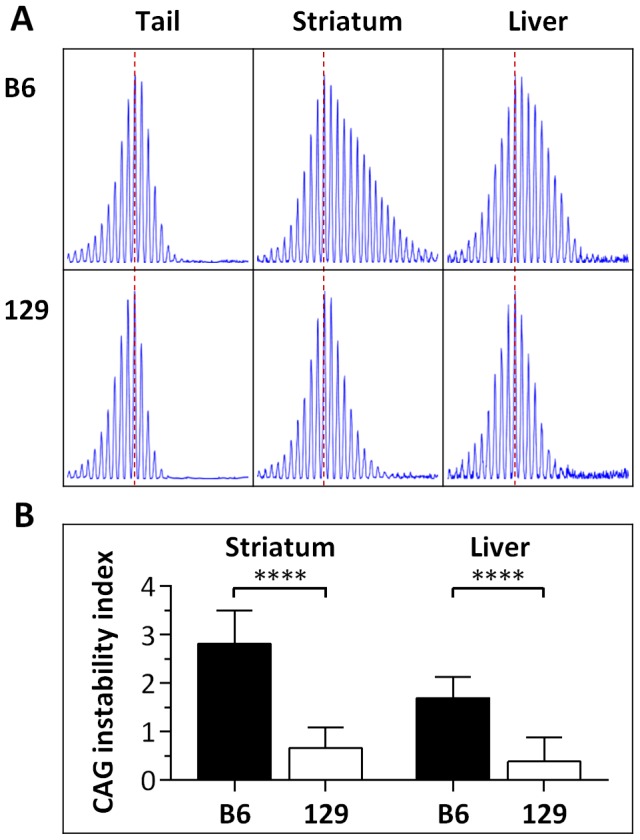
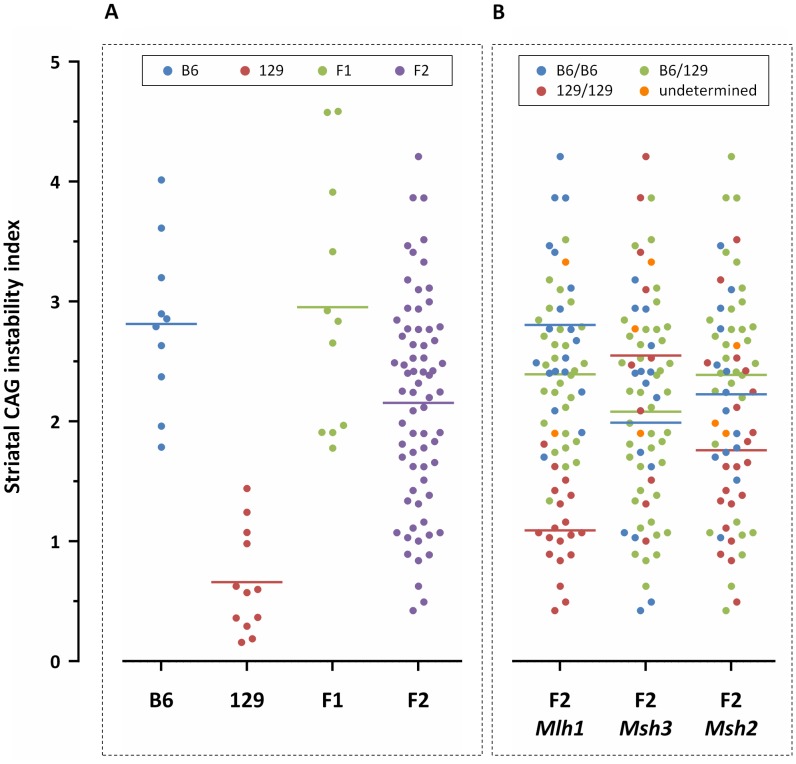
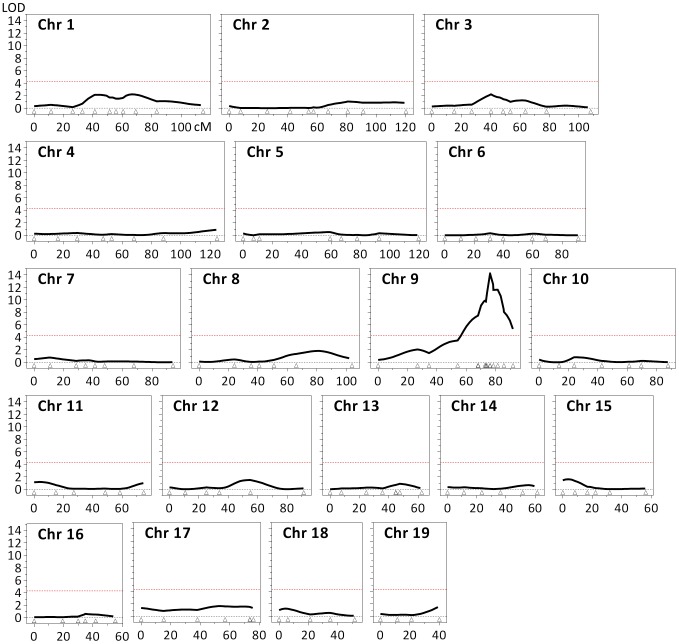
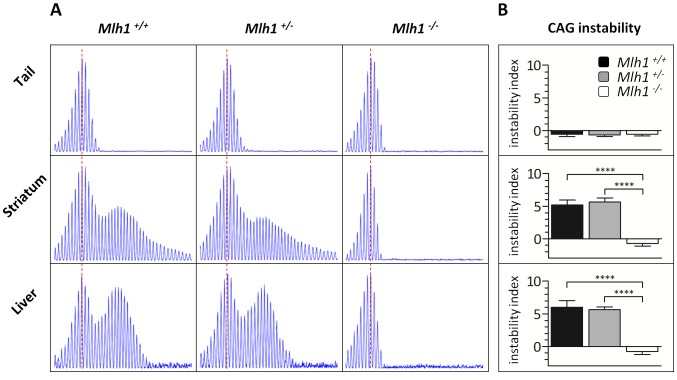
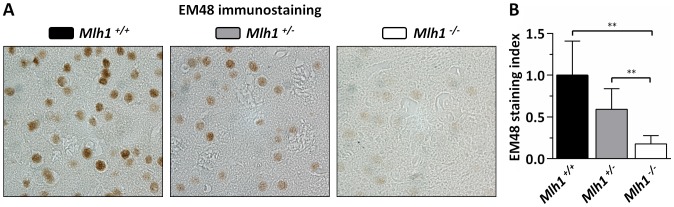
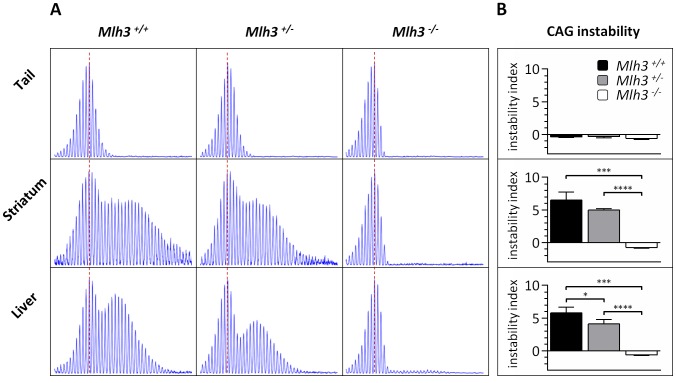
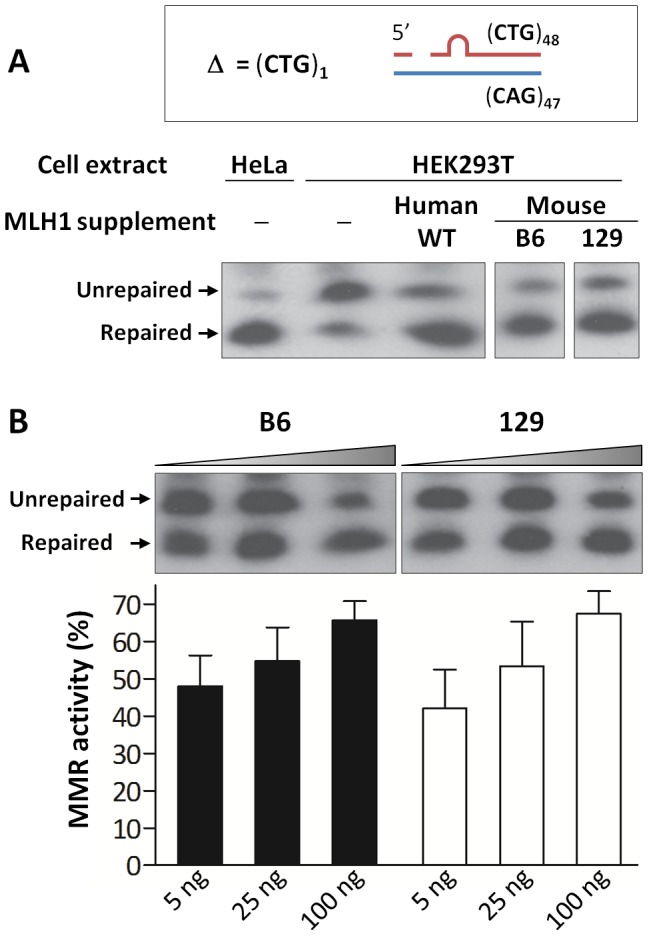
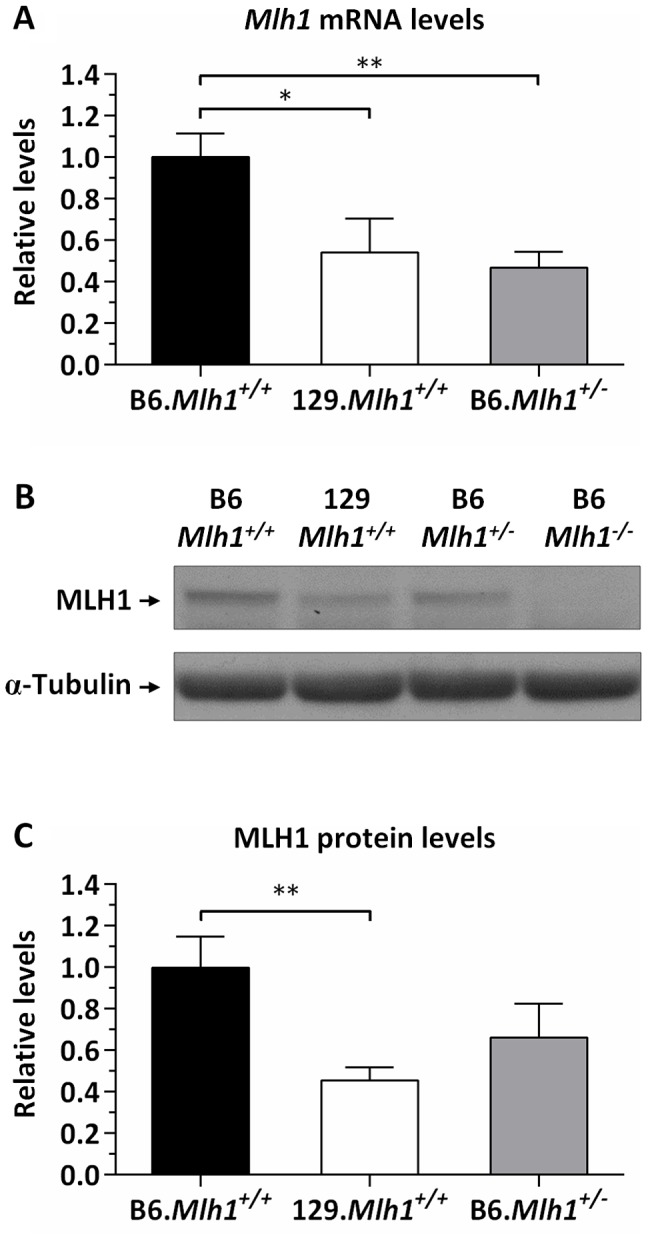
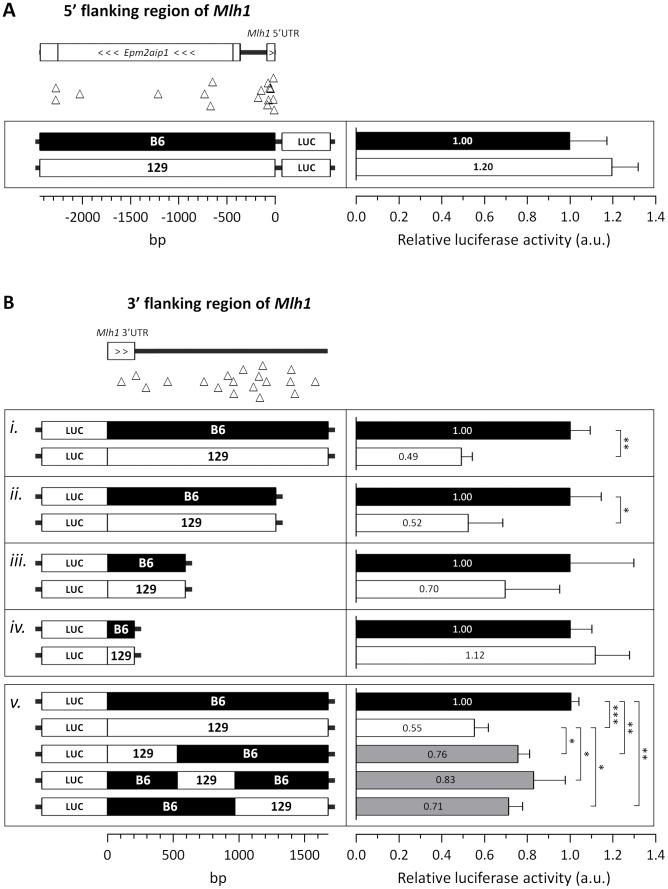
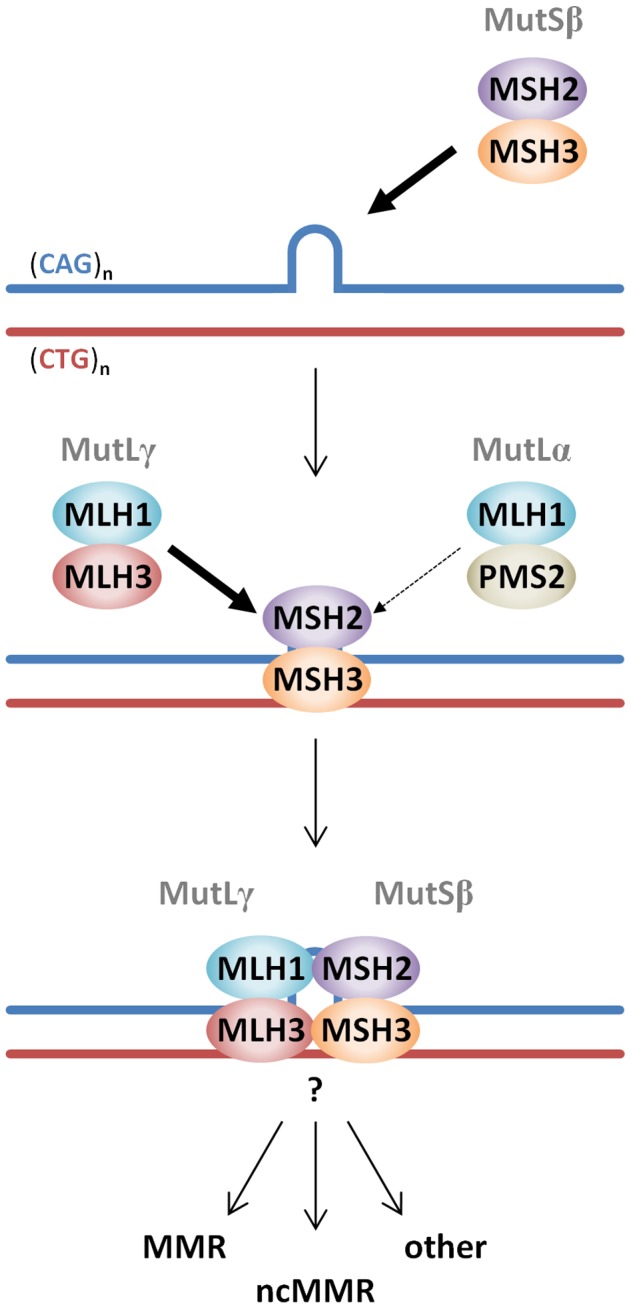
The Huntington's disease gene (HTT) CAG repeat mutation undergoes somatic expansion that correlates with pathogenesis. Modifiers of somatic expansion may therefore provide routes for therapies targeting the underlying mutation, an approach that is likely applicable to other trinucleotide repeat diseases. Huntington's disease Hdh(Q111) mice exhibit higher levels of somatic HTT CAG expansion on a C57BL/6 genetic background (B6.Hdh(Q111) ) than on a 129 background (129.Hdh(Q111) ). Linkage mapping in (B6x129).Hdh(Q111) F2 intercross animals identified a single quantitative trait locus underlying the strain-specific difference in expansion in the striatum, implicating mismatch repair (MMR) gene Mlh1 as the most likely candidate modifier. Crossing B6.Hdh(Q111) mice onto an Mlh1 null background demonstrated that Mlh1 is essential for somatic CAG expansions and that it is an enhancer of nuclear huntingtin accumulation in striatal neurons. Hdh(Q111) somatic expansion was also abolished in mice deficient in the Mlh3 gene, implicating MutLγ (MLH1-MLH3) complex as a key driver of somatic expansion. Strikingly, Mlh1 and Mlh3 genes encoding MMR effector proteins were as critical to somatic expansion as Msh2 and Msh3 genes encoding DNA mismatch recognition complex MutSβ (MSH2-MSH3). The Mlh1 locus is highly polymorphic between B6 and 129 strains. While we were unable to detect any difference in base-base mismatch or short slipped-repeat repair activity between B6 and 129 MLH1 variants, repair efficiency was MLH1 dose-dependent. MLH1 mRNA and protein levels were significantly decreased in 129 mice compared to B6 mice, consistent with a dose-sensitive MLH1-dependent DNA repair mechanism underlying the somatic expansion difference between these strains. Together, these data identify Mlh1 and Mlh3 as novel critical genetic modifiers of HTT CAG instability, point to Mlh1 genetic variation as the likely source of the instability difference in B6 and 129 strains and suggest that MLH1 protein levels play an important role in driving of the efficiency of somatic expansions.
Overview
The claims and statistics of this paper haven’t been checked yet.
Run the check — free, no account needed. It reads the open-access text and checks the sources it cites.
Integrity signals
Registry
Cites
Statistics
Figures
Verification
Claims the paper makes
The claims and statistics of this paper haven’t been checked yet.
Run the check — free, no account needed. It reads the open-access text and checks the sources it cites.
Claims other papers make about this one
Each is checked against this paper’s own text: does it say what the citing paper says it does?
In the citing paper
“Notably, CAG expansion has been found to be dependent upon DNA repair proteins such as OGG1, MLH1, and MSH2, whose detection of oxidized or mismatched bases in these repetitive elements could potentially elicit erroneous repair, leading to CAG expansion (Kovtun et al, 2007; Bettencourt et al, 2016; Pinto et al, 2013; Manley et al, 1999; Lee et al, 2017, 1).”
From Mechanisms of DNA damage-mediated neurotoxicity in neurodegenerative disease (2022) · cites this paper as Pinto et al, 2013
Self-check
Percentages, sums and reported differences re-computed from the paper’s own numbers.
The self-check needs the paper’s full text.
Citations
Cites
A new mathematical model for relative quantification in real-time RT-PCR
Pfaffl, M. W. (2001) · Nucleic Acids Research · doi:10.1093/nar/29.9.e45 · Cited by 34,610 · cited 1×
“Relative mRNA expression levels were determined using the 2 2 DD Cp method [94] by normalization to the housekeeping gene Actb (Mm00607939_s1).”
MethodFast, scalable generation of high-quality protein multiple sequence alignments using Clustal Omega
Sievers, F., Wilm, A., Dineen, D., Gibson, T., Karplus, K., Li, W.-Z., Lopez, R., McWilliam, H., Remmert, M., Söding, J., et al. (2011) · Molecular Systems Biology · doi:10.1038/msb.2011.75 · Cited by 15,576 · cited 1×
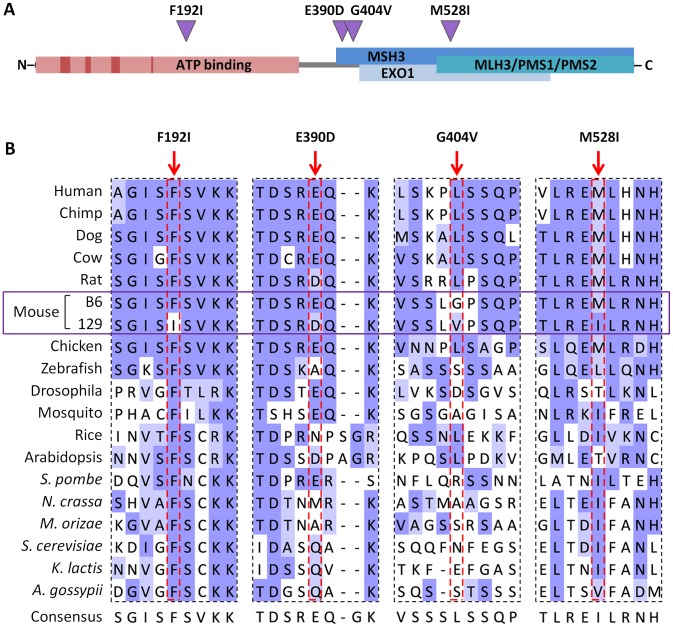
“Protein sequence alignment was performed using Clustal Omega [96] and visualized in Jalview [97] with BLOSUM62 color scheme: white, residue does not match the consensus residue at that position; light blue, residue does not match the consensus residue but the two residues have a positive BLOSUM62 score; dark blue, res…”
MethodA method and server for predicting damaging missense mutations.
Adzhubei, I. A., Schmidt, S., Peshkin, L., Ramensky, V. E., Gerasimova, A., Bork, P., Kondrashov, A. S., & Sunyaev, S. R. (2010) · Nature Methods · doi:10.1038/nmeth0410-248 · Cited by 13,194 · cited 1×
“[48] predicting E390D, G404V and M528I to be ‘‘benign’’, but”
Jalview Version 2—a multiple sequence alignment editor and analysis workbench
Waterhouse, A. M., Procter, J. B., Martin, D. M. A., Clamp, M. E., & Barton, G. J. (2009) · Bioinformatics · doi:10.1093/bioinformatics/btp033 · Cited by 10,349
MACDONALD, M. (1993) · Cell · doi:10.1016/0092-8674(93)90585-e · Cited by 8,366
Lander, E. S., Green, P., Abrahamson, J., Barlow, A., Daly, M. J., Lincoln, S. E., & Newberg, L. A. (1987) · Genomics · doi:10.1016/0888-7543(87)90010-3 · Cited by 6,657 · cited 1×
“Linkage analysis was performed using Mapmaker/QTL [81–84], with striatal HTT CAG instability indices as quantitative traits.”
MethodSelf-citationGenetic dissection of complex traits: guidelines for interpreting and reporting linkage results
Lander, E. S., & Kruglyak, L. (1995) · Nature Genetics · doi:10.1038/ng1195-241 · Cited by 5,236 · cited 3×
“A threshold LOD-score of 4.3 was considered for the identification of significant QTLs [85].”
BackgroundInfluentialMapping mendelian factors underlying quantitative traits using RFLP linkage maps.
Lander, E. S., & Botstein, D. (1989) · Genetics · doi:10.1093/genetics/121.1.185 · Cited by 5,236
Shah, M. A., Datson, N. A., Srinidhi, L., Stanton, V. P., MacDonald, M. E., Allard, M. W., Youngman, S., Am, F., Mott, R., Draths, K., et al. (1993) · Cell · Cited by 3,055
Mouse genomic variation and its effect on phenotypes and gene regulation.
Keane, T. M., Goodstadt, L., Danecek, P., White, M. A., Wong, K., Yalcin, B., Heger, A., Agam, A., Slater, G., Goodson, M., et al. (2011) · Nature · doi:10.1038/nature10413 · Cited by 1,580 · cited 10×
“(B) Distribution of polymorphisms identified between B6, 129, FVB and DBA mouse strains at a 16 kb genomic region containing the Trex1 and Atrip genes (chr9:109,057,932–109,074,124; GRCm38/ mm10) using information from the Mouse Genomes Project [44,45].”
BackgroundMethodInfluential
Research works printed but not linked: 2
- Lincoln SE, Daly MJ, Lander ES (1993) Constructing Genetic Linkage Maps with MAPMAKER/EXP Version 3.0: A Tutorial and Reference Manual. Whitehead Institute for Biomedical Research Technical Report, 3rd edition.
- Lincoln SE, Daly MJ, Lander ES (1993) Mapping Genes Controlling Quantitative Traits Using MAPMAKER/QTL Version 1.1: A Tutorial and Reference Manual. Whitehead Institute for Biomedical Research Technical Report, 2nd edition.
Cited by
Sorted by citations
Bates, G. P., Dorsey, R., Gusella, J. F., Hayden, M. R., Kay, C., Leavitt, B. R., Nance, M., Ross, C. A., Scahill, R. I., Wetzel, R., et al. (2015) · Nature Reviews Disease Primers · doi:10.1038/nrdp.2015.5 · Cited by 1,641
Identification of Genetic Factors that Modify Clinical Onset of Huntington’s Disease
Lee, J.-M., Wheeler, V. C., Chao, M. J., Vonsattel, J. P. G., Pinto, R. M., Lucente, D., Abu-Elneel, K., Ramos, E. M., Mysore, J. S., Gillis, T., et al. (2015) · Cell · doi:10.1016/j.cell.2015.07.003 · Cited by 655
“coli DNA mismatch repair gene mutL), whose mouse homolog, Mlh1, was discovered in a genome-wide genetic screen to modify somatic instability of the CAG repeat and the timing of CAG length-dependent phenotypes in the striatum of genetic HD replica CAG knockin mice (Pinto et al., 2013).”
Self-citationHuntington disease: new insights into molecular pathogenesis and therapeutic opportunities
Tabrizi, S. J., Flower, M. D., Ross, C. A., & Wild, E. J. (2020) · Nature Reviews Neurology · doi:10.1038/s41582-020-0389-4 · Cited by 568
CAG Repeat Not Polyglutamine Length Determines Timing of Huntington’s Disease Onset
Lee, J., Correia, K., Loupe, J. M., Kim, K., Barker, D., Hong, E. P., Chao, M. J., Long, J. D., Lucente, D. E., Vonsattel, J. P., et al. (2019) · Cell · doi:10.1016/j.cell.2019.06.036 · Cited by 543
“, 1999), and this process is modified by DNA maintenance genes (Dragileva et al., 2009; Pinto et al., 2013; Wheeler et al., 2003).”
Self-citationMolecular mechanisms underlying nucleotide repeat expansion disorders
Malik, I., Kelley, C. P., Wang, E. T., & Todd, P. K. (2021) · Nature Reviews Molecular Cell Biology · doi:10.1038/s41580-021-00382-6 · Cited by 363
Metadata
- Authors
- Pinto, R. M., Dragileva, E., Kirby, A., Lloret, A., Lopez, E., St. Claire, J., Panigrahi, G. B., Hou, C., Holloway, K., Gillis, T., Guide, J. R., Cohen, P. E., Li, G.-M., Pearson, C. E., Daly, M. J., & Wheeler, V. C.
- Affiliations
- Massachusetts General Hospital (US)
- Broad Institute (US)
- University of Toronto (CA)
- University of Kentucky (US)
- Cornell University (US)
- Corresponding author
- Wheeler, Vanessa C.
- ORCID
- Venue
- PLoS Genetics
- Publisher
- Public Library of Science (PLoS)
- Published
- 2013-10-31
- Volume
- 9
- Issue
- 10
- Pages
- e1003930
- ISSN
- 1553-7390 (ISSN-L)
- 1553-7404
- PMC
- PMC3814320
- OpenAlex
- W2107416433
- Cited by
- 250
- References
- 100
- Citations by year
- 2026: 20 · 2025: 24 · 2024: 32 · 2023: 26 · 2022: 12 · 2021: 30 · 2020: 27 · 2019: 8 · 2018: 19 · 2017: 16 · 2016: 17 · 2015: 11 · 2014: 7
- FWCI
- 5.66
- Type
- journal article
- Language
- en
- Open access
- gold
- doi.org
- Locations
- PLoS Genetics (publishedVersion, cc-by)
- Europe PMC (PubMed Central) (publishedVersion, cc-by)
- PubMed Central (publishedVersion, cc-by)
- PubMed (publishedVersion)
- UKnowledge (University of Kentucky) (submittedVersion, cc-by)
- Digital Access to Scholarship at Harvard (DASH) (Harvard University) (submittedVersion, cc-by)
- DOAJ (DOAJ: Directory of Open Access Journals) (submittedVersion, cc-by-sa)
- Figshare (submittedVersion, cc-by)
- Funders
- National Institutes of Health
- National Institute of General Medical Sciences (R01GM089684, GM089684, R01GM097263)
- National Institute of Neurological Disorders and Stroke (NS049206, R01NS049206)
- Eunice Kennedy Shriver National Institute of Child Health and Human Development (R00HD065870)
- Topics
- Life Sciences › Neuroscience › Cellular and Molecular Neuroscience › Genetic Neurodegenerative Diseases
- Health Sciences › Medicine › Pathology and Forensic Medicine › Genetic factors in colorectal cancer
- Life Sciences › Biochemistry, Genetics and Molecular Biology › Molecular Biology › DNA Repair Mechanisms
- Keywords
- Huntington's disease, CAG repeat instability, somatic repeat expansion, DNA mismatch repair, MLH1, MLH3, MSH2, MSH3, genetic modifiers, strain differences, striatum, DNA repair
- MeSH terms
- MutL Proteins, MutL Protein Homolog 1, Animals, Carrier Proteins, Disease Models, Animal, Humans, Huntington Disease, Nuclear Proteins, RNA, Messenger, Trinucleotide Repeat Expansion, Genomic Instability, Adaptor Proteins, Signal Transducing, Mice, Genome-Wide Association Study, Genetic Association Studies
About these checks
Registry, retraction, Cites and statistics results are computed, not judged, with one exception: a printed reference that no index lists is read once by a model before it counts as a citation error. Claims are extracted by a model and kept only when their quote appears verbatim in the text; each cited source is then checked, with a model’s help, for whether it says what the claim relies on. Those verdicts can be wrong — read the claim’s quote and the cited source before relying on one.
Statistics and arithmetic are recomputed, not judged.
Confidence bands are shown only for fields calibrated on our annotated test set. None is calibrated yet, so no band is shown.
What counts as a claim ›How we measure confidence ›How we check this ›
Are you an author, or do you see a problem with this page? Request a review
