

COSMOS-E: Guidance on conducting systematic reviews and meta-analyses of observational studies of etiology
Open accessThe DOI matches its Crossref record; 106 of the 106 references it cites were found in a registry or an index; 10 of the 104 sources its claims cite were checked for support.
Abstract
BACKGROUND: To our knowledge, no publication providing overarching guidance on the conduct of systematic reviews of observational studies of etiology exists. METHODS AND FINDINGS: Conducting Systematic Reviews and Meta-Analyses of Observational Studies of Etiology (COSMOS-E) provides guidance on all steps in systematic reviews of observational studies of etiology, from shaping the research question, defining exposure and outcomes, to assessing the risk of bias and statistical analysis. The writing group included researchers experienced in meta-analyses and observational studies of etiology. Standard peer-review was performed. While the structure of systematic reviews of observational studies on etiology may be similar to that for systematic reviews of randomised controlled trials, there are specific tasks within each component that differ. Examples include assessment for confounding, selection bias, and information bias. In systematic reviews of observational studies of etiology, combining studies in meta-analysis may lead to more precise estimates, but such greater precision does not automatically remedy potential bias. Thorough exploration of sources of heterogeneity is key when assessing the validity of estimates and causality. CONCLUSION: As many reviews of observational studies on etiology are being performed, this document may provide researchers with guidance on how to conduct and analyse such reviews.
Overview
CoChat Summary
TL;DR
COSMOS-E is an expert guidance document for conducting systematic reviews and meta-analyses of observational studies of etiology, covering all steps from question formulation to interpretation. It stresses that meta-analysis may improve precision but does not automatically remedy confounding, selection bias, or information bias, so heterogeneity and risk of bias must be explored.
Key findings
- No overarching guidance on systematic reviews of observational studies of etiology existed to the authors’ knowledge; COSMOS-E addresses all review steps, including PECO definition, protocol, search, data extraction, bias assessment, meta-analysis, and interpretation.
- In 2014, of about 8,000 systematic reviews published, 36% were on etiology, prognosis, or diagnosis; reviews of observational studies typically include 10 to 20 studies.
- Bias assessment should distinguish confounding, selection bias, information bias, and study sensitivity; more than 80 tools exist for assessing risk of bias in nonrandomised studies, and 30%–50% of studies indexed as “case-control studies” in specialty journals are not actually case-control studies.
- Combining studies in meta-analysis may lead to more precise estimates, but “greater precision does not automatically remedy potential bias”; thorough exploration of heterogeneity is key when assessing validity and causality.
Methods
- Guidance was developed by a writing group of researchers experienced in meta-analyses and observational studies of etiology; no external advice was sought, and standard peer-review was performed.
- The document is not formally a guideline and does not prescribe how researchers must perform or report reviews; it covers basic principles and advanced topics but excludes systematic reviews of nonrandomised studies of interventions, or of diagnostic, prognostic, or genetic studies.
- No empirical data collection or meta-analysis was performed; recommendations are based on theoretical considerations, empirical work, and experience with assessing risk of bias in RCTs and other studies.
Limitations
- The paper states that COSMOS-E is not formally meant to be a guideline, does not formally prescribe conduct or reporting, and will not settle ongoing debates and controversies around reviews of observational studies of etiology.
- The paper states that no external advice was sought and that standard peer-review was performed.
- Evident from the text: the recommendations are expert guidance rather than a systematic review or empirical validation of methods, and the authors note that the “roadmap” for observational reviews is less standardised and some design issues are not settled.
Model-written summary. Check it against the paper before relying on it.
Integrity signals
Registry
Cites
Statistics
Figures
Verification
Claims the paper makes
9 Valid · 8 Not valid · 78 Not checked · 73 Own results and interpretations
Every source the paper cites for this claim was checked and supports it.
In the paper
“A related issue arises when the selection of the study population or statistical model is chosen based on the P value (‘P hacking’) [64].”
§ COSMOS-E: Guidance on conducting systematic reviews and meta-analyses of observational studies of etiology > Assessing quality and bias > Reporting biases, P hacking, and analytic choices
What the sources say
- Supportedcites [64] Head ML, Holman L, Lanfear R, Kahn AT, Jennions MD. The extent and consequences of p-hacking in science. PLoS Biol. 2015; 13(3): e1002106 10.1371/journal.pbio.1002106 25768323 PMC4359000 source
The paper’s discussion of p-hacking (section and page not identified in our copy) lists post-analysis decisions to drop outliers, change treatment groups, and include or exclude covariates. It also describes stopping data exploration when an analysis yields a significant p-value. These examples support the claim that choosing a study population or statistical model based on p-values is p-hacking. (LLM, conf=0.92)
plain- Asserted: passes — The authors put it forward as true.
- Checkable: passes — It can be checked against evidence.
- Load-bearing: unclear — It is unclear whether the paper’s conclusions depend on it.
- Based: passes — The paper gives a reason why it holds.
- Supported
Every source the paper cites for this claim was checked and supports it.
In the paper
“All of these models, including more advanced techniques such as propensity scores [46] or inverse probability weighting, rely on the assumption of no unmeasured confounding for the validity of the effect estimate.”
§ COSMOS-E: Guidance on conducting systematic reviews and meta-analyses of observational studies of etiology > Assessing quality and bias > Risk of bias in individual studies: Confounding, selection bias, and information bias
What the sources say
- Supportedcites [46] Austin PC. An Introduction to Propensity Score Methods for Reducing the Effects of Confounding in Observational Studies. Multivariate Behav Res. 2011; 46(3): 399– 424. 10.1080/00273171.2011.568786 21818162 PMC3144483 source
The passage in 'THE PROPENSITY SCORE AND PROPENSITY SCORE METHODS' states that the first condition of strong ignorability is the 'no unmeasured confounders' assumption and that 'this is the crucial assumption that underlies propensity score analyses', conditioning on the score yielding unbiased average treatment effects only when it holds. The same section lists inverse probability of treatment weighting as one of the four propensity score methods (also in its IPTW subsection), so IPTW falls within what the assumption underlies; the passage adds that the assumption also underlies regression-based approaches, matching the citing sentence's broader framing about statistical models for confounding adjustment. (LLM, conf=0.90)
plain- Asserted: passes — The authors put it forward as true.
- Checkable: passes — It can be checked against evidence.
- Load-bearing: passes — The paper’s conclusions depend on it.
- Based: passes — The paper gives a reason why it holds.
- Rests on an assumption not shown here.
- Supported
The cited sources support only part of this claim — read each source’s verdict below.
In the paper
“The studies included in a systematic review will generally vary with respect to design, study populations, and risk of bias [1].”
§ COSMOS-E: Guidance on conducting systematic reviews and meta-analyses of observational studies of etiology > Exploring and exploiting heterogeneity
What the sources say
- Partly supportedcites [1] Page MJ, Shamseer L, Altman DG, Tetzlaff J, Sampson M, Tricco AC, et al Epidemiology and Reporting Characteristics of Systematic Reviews of Biomedical Research: A Cross-Sectional Study. PLoS Med. 2016; 13(5): e1002028 10.1371/journal.pmed.1002028 27218655 PMC4878797 sourceExperimental — accuracy not yet measured
The Results section on study eligibility criteria says that some categories of systematic reviews included a range of study designs. The Results section on risk-of-bias assessment reports that many reviews assessed the quality of included studies, and the Discussion warns about synthesizing clinically heterogeneous studies. Neither establishes that studies within a systematic review generally vary in all three specified respects—design, study populations, and risk of bias. (LLM, conf=0.81)
plain- Asserted: passes — The authors put it forward as true.
- Checkable: passes — It can be checked against evidence.
- Load-bearing: passes — The paper’s conclusions depend on it.
- Based: passes — The paper gives a reason why it holds.
- Partly supported
A conclusion the paper draws from its own results — it cites no other source for it, so there is none to check. The quote shows it is in the paper.
In the paper
“Subclinical or early disease might go undetected if such conditions are not ruled out explicitly.”
§ COSMOS-E: Guidance on conducting systematic reviews and meta-analyses of observational studies of etiology > Preparing the systematic review > Defining population, exposure, contrast, and outcome
hedgedstates a possible cause- Asserted: passes — The authors put it forward as true.
- Checkable: passes — It can be checked against evidence.
- Load-bearing: passes — The paper’s conclusions depend on it.
- Based: passes — The paper gives a reason why it holds.
A conclusion the paper draws from its own results — it cites no other source for it, so there is none to check. The quote shows it is in the paper.
In the paper
“Reviewers may develop precise definitions and criteria for exposure and outcomes, but if no single study used these definitions, the review will not be able to answer the research question.”
§ COSMOS-E: Guidance on conducting systematic reviews and meta-analyses of observational studies of etiology > Preparing the systematic review > Defining population, exposure, contrast, and outcome
plainstates a cause- Asserted: passes — The authors put it forward as true.
- Checkable: passes — It can be checked against evidence.
- Load-bearing: passes — The paper’s conclusions depend on it.
- Based: passes — The paper gives a reason why it holds.
49 more claims
Create a free account to see all 168 claims and to verify the 94 references still open.
- Probably not a substantial claim. 91
- It may state two separate claims as one. 47
Claims other papers make about this one
Each is checked against this paper’s own text: does it say what the citing paper says it does?
The cited source says what the claim attributes to it.
In the citing paper
“PRISMA 2020 is not intended to guide systematic review conduct, for which comprehensive resources are available.[43–46]”
From The PRISMA 2020 statement: An updated guideline for reporting systematic reviews (2021) · cites this paper as [44]
The cited source says what the claim attributes to it.
In the citing paper
“PRISMA 2020 is not intended to guide systematic review conduct, for which comprehensive resources are available [43–46].”
From The PRISMA 2020 statement: an updated guideline for reporting systematic reviews (2021) · cites this paper as [44]
In the citing paper
“El objetivo de la declaracio ´ n PRISMA 2020 no es orientar la realizacio ´ n de revisiones sistema ´ticas, para las que se dispone de varios recursos 42-45 .”
From Declaración PRISMA 2020: una guía actualizada para la publicación de revisiones sistemáticas (2021) · cites this paper as [43]
In the citing paper
“PRISMA 2020 is not intended to guide systematic review conduct, for which comprehensive resources are available [43-46] .”
From The PRISMA 2020 statement: An updated guideline for reporting systematic reviews (2021) · cites this paper as [44]
In the citing paper
“Case–control studies with less than ten matched-pairs were excluded due to the increased risk of bias (RoB) encountered in studies with sample sizes below this threshold”
From Risk-thresholds for the association between frequency of cannabis use and the development of psychosis: a systematic review and meta-analysis (2023) · cites this paper as Dekkers et al., 2019
1 more claim about this paper
Create a free account to see every claim other papers make about this one.
Citations
Cites
Measuring inconsistency in meta-analyses
Higgins, J. P. T., Thompson, S. G., Deeks, J. J., & Altman, D. G. (2003) · BMJ · doi:10.1136/bmj.327.7414.557 · Cited by 63,139
Self-citationBias in meta-analysis detected by a simple, graphical test
Egger, M., Smith, G. D., Schneider, M., & Minder, C. (1997) · BMJ · doi:10.1136/bmj.315.7109.629 · Cited by 56,722
Self-citationThe Cochrane Collaboration's tool for assessing risk of bias in randomised trials
Higgins, J. P. T., Altman, D. G., Gotzsche, P. C., Juni, P., Moher, D., Oxman, A. D., Savovic, J., Schulz, K. F., Weeks, L., Sterne, J. A. C., et al. (2011) · BMJ · doi:10.1136/bmj.d5928 · Cited by 33,817
Self-citationLiberati, A., Altman, D. G., Tetzlaff, J., Mulrow, C., Gøtzsche, P. C., Ioannidis, J. P. A., Clarke, M., Devereaux, P. J., Kleijnen, J., & Moher, D. (2009) · PLoS Medicine · doi:10.1371/journal.pmed.1000100 · Cited by 28,164
Self-citationDermyshi, E., Wang, Y., Yan, C., Hong, W., Qiu, G., Gong, X., & Zhang, T. (2017) · Neonatology · doi:10.1159/000454668 · Cited by 24,451
Meta-analysis of Observational Studies in Epidemiology<SUBTITLE>A Proposal for Reporting</SUBTITLE>
Stroup, D. F. (2000) · JAMA · doi:10.1001/jama.283.15.2008 · Cited by 20,623
ROBINS-I: a tool for assessing risk of bias in non-randomised studies of interventions
Sterne, J. A., Hernán, M. A., Reeves, B. C., Savović, J., Berkman, N. D., Viswanathan, M., Henry, D., Altman, D. G., Ansari, M. T., Boutron, I., et al. (2016) · BMJ · doi:10.1136/bmj.i4919 · Cited by 20,329
Self-citationStang, A. (2010) · European Journal of Epidemiology · doi:10.1007/s10654-010-9491-z · Cited by 17,396
QUADAS-2: a revised tool for the quality assessment of diagnostic accuracy studies
Whiting, P. F., Rutjes, A. W. S., Westwood, M. E., Mallett, S., Deeks, J. J., Reitsma, J. B., Leeflang, M. M. G., Sterne, J. A. C., Bossuyt, P. M. M., & the QUADAS-2 Group* (2011) · Annals of Internal Medicine · doi:10.7326/0003-4819-155-8-201110180-00009 · Cited by 14,199
Austin, P. C. (2011) · Multivariate Behavioral Research · doi:10.1080/00273171.2011.568786 · Cited by 12,242
Research works printed but not linked: 1
- Rohner E Bolius J, da Costa RR, Trelle S. Managing people and data in systematic reviews In: Egger M, Davey Smith G., editor. Systematic Reviews in Health Care: Meta-analysis in Context Chichester, England John Wiley & Sons; 2019 (in press).
Cited by
Items 101–200 of 542
van Roon, A. M., Mercat, M., Schaik, G. V., Nielen, M., Graham, D. A., More, S. J., Guelbenzu‐Gonzalo, M., Fourichon, C., Madouasse, A., & Santman-Berends, I. M. G. A. (2020) · Journal of Dairy Science · doi:10.3168/jds.2020-18193 · Cited by 46
“However, the number of published meta-analyses on observational data has substantially increased, and the need for guidelines for performing meta-analysis on observational data is emphasized (Mueller et al., 2018; Dekkers et al., 2019).”
Reporting of systematic reviews and meta-analysis of observational studies
Paul, M., & Leeflang, M. (2020) · Clinical Microbiology and Infection · doi:10.1016/j.cmi.2020.11.006 · Cited by 40
“The PECOS format has been proposed to distinguish between the active intervention in a RCT and the observation of an ‘exposure’ in observational studies [14].”
BackgroundMethodZeraatkar, D., Bhasin, A. A., Morassut, R. E., Churchill, I. F., Gupta, A. A., Lawson, D. O., Miroshnychenko, A., Sirotich, E., Aryal, K., Mikhail, D., et al. (2021) · American Journal of Clinical Nutrition · doi:10.1093/ajcn/nqab002 · Cited by 45
“, cohort, casecontrol, case cohort, nested case-control, cross-sectional, excluding case series) (17); nutritional exposures as macronutrients, micronutrients, bioactive compounds, foods, beverages, dietary patterns/habits, or nonnutritive components of foods (e.”
BackgroundChen, T., Lee, L.-L., Huang, H., Wang, J., Chen, L., Tsai, H., Loh, C., & Chi, C. (2021) · JAMA Dermatology · doi:10.1001/jamadermatol.2021.4918 · Cited by 40
Honda, T., Tran, T. D., Popplestone, S., Draper, C. E., Yousafzai, A. K., Romero, L., & Fisher, J. (2023) · SSM - Mental Health · doi:10.1016/j.ssmmh.2023.100197 · Cited by 42
The Nordic Nutrition Recommendations 2022 – handbook for qualified systematic reviews
Arnesen, E., Christensen, J. J., Andersen, R., Eneroth, H., Erkkola, M., Høyer, A., Lemming, E. W., Meltzer, H. M., Halldorsson, T. I., Þórsdóttir, I., et al. (2020) · Food & Nutrition Research · doi:10.29219/fnr.v64.4404 · Cited by 42
“attempting to find a pooled effect (11).”
BackgroundChen, T., Lu, J.-W., Huang, Y.-W., Wang, J., & Su, K. (2020) · Journal of Clinical Medicine · doi:10.3390/jcm9113712 · Cited by 43
“We focused mainly on the pooled results using maximally-adjusted estimates [33].”
MethodGatti, R. C. (2021) · International Journal of Environmental Research and Public Health · doi:10.3390/ijerph18116107 · Cited by 39
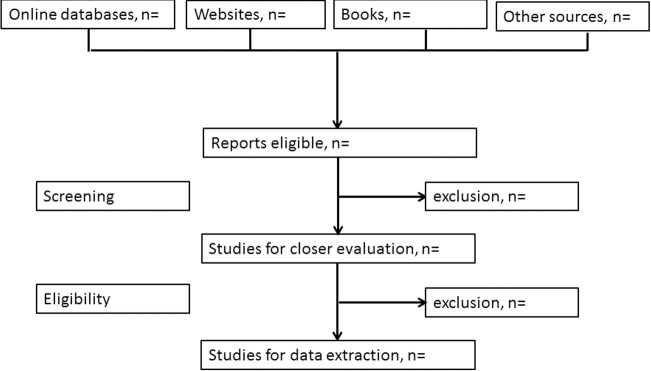
“…at https://www.mdpi.com/article/ 10.3390/ijerph18116107/s1, Figure S1: A flow diagram of the literature search methodology carried out following the guidelines of the PRISMA (Moher et al. 2009) and the COSMOS-E (Dekkers et al. 2019) approaches, on studies publicly available as of 28 February 2021.”
BackgroundMethodInfluentialMaternal satisfaction with group care: a systematic review
Sadiku, F., Bucinca, H., Talrich, F., Molliqaj, V., Selmani, E., McCourt, C., Rijnders, M. E. B., Little, G. A., Goodman, D. C., Rising, S. S., et al. (2023) · AJOG Global Reports · doi:10.1016/j.xagr.2023.100301 · Cited by 40
Safety of cassava and cassava-based products: a systematic review
Forkum, A. T., Wung, E. A., Kelese, M. T., Ndum, C. M., Lontum, A., Kamga, E., Nsaikila, M. N., & Okwen, P. (2025) · Frontiers in Sustainable Food Systems · doi:10.3389/fsufs.2025.1497609 · Cited by 41
Systematic reviews and meta-analysis in nutrition research
Kelley, G. A., & Kelley, K. S. (2019) · British Journal Of Nutrition · doi:10.1017/s0007114519002241 · Cited by 38
“For observational studies dealing with aetiology, the population, exposure, control and outcomes framework has recently been suggested(32).”
BackgroundThe HIV care cascade in sub‐Saharan Africa: systematic review of published criteria and definitions
Mugglin, C., Kläger, D., Gueler, A., Vanobberghen, F. M., Rice, B. D., Egger, M., & Africa, I. E. D. T. E. A. I. S. (2021) · Journal of the International AIDS Society · doi:10.1002/jia2.25761 · Cited by 39
Self-citationBach‐Mortensen, A., Verboom, B., Movsisyan, A., & Esposti, M. D. (2021) · Nature Aging · doi:10.1038/s43587-021-00106-7 · Cited by 42
Magar, R. R., Knight, S. R., Stojanović, J., Marks, S. D., Lafranca, J. A., Turner, S., Dor, F. J. M. F., & Pengel, L. H. M. (2022) · Transplant International · doi:10.3389/ti.2022.10315 · Cited by 36
Lei, J., Charman, T., Leigh, E., Russell, A., Mohamed, Z., & Hollocks, M. J. (2022) · Autism Research · doi:10.1002/aur.2826 · Cited by 42
“The inclusion/exclusion criteria described followed the participant, exposure, comparison, outcome (Table 1) outlined by conducting systematic reviews and metaanalyses of observational studies of etiology (Dekkers et al., 2019).”
MethodXiong, J., Wang, L., Huang, H., Xiong, S., Zhang, S., Fu, Q., Tang, R., & Zhang, Q. (2024) · Frontiers in Nutrition · doi:10.3389/fnut.2024.1472612 · Cited by 35
Ofosu-Appiah, S., Boahen, P. A. N., & Agbenyegah, A. T. (2025) · Journal of Innovation and Entrepreneurship · doi:10.1186/s13731-025-00484-x · Cited by 35
“PRISMA guides systematic reviews with steps acceptable by the international scientific community to select studies for systematic reviews (Dekkers et al., 2019).”
Khosravipour, M., & Khanlari, P. (2020) · The Science of The Total Environment · doi:10.1016/j.scitotenv.2020.139226 · Cited by 38
Featherstone, I., Sheldon, T., Johnson, M. J., Woodhouse, R., Boland, J. W., Hosie, A., Lawlor, P. G., Russell, G., Bush, S. H., & Siddiqi, N. (2021) · Palliative Medicine · doi:10.1177/02692163211065278 · Cited by 40
Xia, Y., Zhao, K., Zhao, A., Zhu, J., Hong, H., Wang, Y. L., & Li, S. (2019) · BMC Cardiovascular Disorders · doi:10.1186/s12872-019-1206-0 · Cited by 34
Harrison, M., Roy, A. S., Hultqvist, J., Pan, A., McCartney, D., McGuire, N., Fitzpatrick, L. I., & Forsyth, K. (2020) · Social Psychiatry and Psychiatric Epidemiology · doi:10.1007/s00127-020-01885-x · Cited by 39
Outcomes of very preterm infants with neonatal hyperglycaemia: a systematic review and meta-analysis
Rath, C. P., Shivamallappa, M., Muthusamy, S., Rao, S. C., & Patole, S. (2021) · Archives of Disease in Childhood Fetal & Neonatal · doi:10.1136/archdischild-2020-321449 · Cited by 34
Petersen, J. M., Barrett, M., Ahrens, K. A., Murray, E. J., Bryant, A., HOGUE, C. J. R., Mumford, S. L., Gadupudi, S. S., Fox, M. P., & Trinquart, L. (2022) · Research Synthesis Methods · doi:10.1002/jrsm.1544 · Cited by 36
“The Conducting Systematic Reviews and Meta-Analyses of Observational Studies of Etiology (COSMOS-E) guidance was developed to improve the conduct of systematic reviews and meta-analyses of observational studies.(6) COSMOS-E includes general principles to assess risk of bias, but it provides limited practical guidance…”
MethodIdeal cardiovascular health and cardiovascular-related events: a systematic review and meta-analysis
Hoonte, F. T., Spronk, M., Sun, Q., Wu, K., Fan, S., Wang, Z., Bots, M. L., van der Schouw, Y. T., Uijl, A., & Vernooij, R. W. M. (2023) · European Journal of Preventive Cardiology · doi:10.1093/eurjpc/zwad405 · Cited by 34
Real-World Impact of Nonclinical Inhaler Regimen Switches on Asthma or COPD: A Systematic Review
Usmani, O. S., Bosnic-Anticevich, S. Z., Dekhuijzen, R. P. N., Lavorini, F., Bell, J., Stjepanovic, N., Swift, S. L., & Roche, N. (2022) · The Journal of Allergy and Clinical Immunology In Practice · doi:10.1016/j.jaip.2022.05.039 · Cited by 35
Priego-Cubero, E., Orgeta, V., López‐Martínez, C., & Casado, R. D. P. (2023) · Journal of Clinical Medicine · doi:10.3390/jcm12031244 · Cited by 40
Yakubovich, A. R., Esposti, M. D., Lange, B. C. L., Meléndez‐Torres, G. J., Parmar, A., Wiebe, D. J., & Humphreys, D. K. (2021) · American Journal of Public Health · doi:10.2105/ajph.2020.306101 · Cited by 34
Body mass index in parents and their adult offspring: A systematic review and meta‐analysis
Zhang, J., Clayton, G., Overvad, K., Olsen, A., Lawlor, D. A., & Dahm, C. C. (2023) · Obesity Reviews · doi:10.1111/obr.13644 · Cited by 33
The Nordic Nutrition Recommendations 2022 – structure and rationale of qualified systematic reviews
Arnesen, E., Christensen, J. J., Andersen, R., Eneroth, H., Erkkola, M., Høyer, A., Lemming, E. W., Meltzer, H. M., Halldorsson, T. I., Þórsdóttir, I., et al. (2020) · Food & Nutrition Research · doi:10.29219/fnr.v64.4403 · Cited by 32
“Recent principles for dietary reference intakes developed by the National Academies of Science and Medicine (NASEM), the COSMOS-E: Guidance on conducting SRs and meta-analyses of observational studies of etiology (29), and the Preferred Reporting Items for SRs and Meta-Analyses (PRISMA), the Meta-analysis of Observati…”
BackgroundMethodAnjewierden, S., Han, Z., Brown, A. M., Donskey, C. J., & Deshpande, A. (2020) · Infection Control and Hospital Epidemiology · doi:10.1017/ice.2020.1236 · Cited by 33
Factors associated with joint contractures in adults: a systematic review with narrative synthesis
Tariq, H., Collins, K. C., Tait, D., Dunn, J., Altaf, S., & Porter, S. (2022) · Disability and Rehabilitation · doi:10.1080/09638288.2022.2071480 · Cited by 31
Chatzidimitriou, K., Papaioannou, W., Seremidi, K., Bougioukas, K. I., & Haidich, A. (2023) · Journal of Dentistry · doi:10.1016/j.jdent.2023.104520 · Cited by 32
Early urinary catheter removal after rectal surgery: systematic review and meta-analysis
Castelo, M., Sue‐Chue‐Lam, C., Kishibe, T., Acuña, S. A., & Baxter, N. N. (2020) · BJS Open · doi:10.1002/bjs5.50288 · Cited by 34
González‐Moles, M. Á., Ayén, Á., González‐Ruiz, I., Porras‐Carrique, T. D., González‐Ruiz, L., Ruiz‐Ávila, I., & Ramos‐García, P. (2020) · Cancers · doi:10.3390/cancers12092393 · Cited by 32
“Therefore, this ratio metric was not assumed as an approximation of the HR and not meta-analysed for overall survival to avoid an overestimated overall effect size [69,70].”
MethodGonzález‐Ruiz, L., González‐Moles, M. Á., González‐Ruiz, I., Ruiz‐Ávila, I., & Ramos‐García, P. (2021) · Cancers · doi:10.3390/cancers13061314 · Cited by 33
“When HRs were evaluated in both univariable and multivariable models, we used the data from the multivariable model, which reflect a greater adjustment for potentially confounding variables [42].”
MethodIrizar, P., Puddephatt, J., Gage, S. H., Fallon, V., & Goodwin, L. (2021) · Drug and Alcohol Dependence · doi:10.1016/j.drugalcdep.2021.108858 · Cited by 40
Lifestyle Quality Indices and Female Breast Cancer Risk: A Systematic Review and Meta-Analysis
Armenta-Guirado, B. I., González-Rocha, A., Mérida-Ortega, Á., López‐Carrillo, L., & Denova‐Gutiérrez, E. (2023) · Advances in Nutrition · doi:10.1016/j.advnut.2023.04.007 · Cited by 34
“According to the COSMOS-E guide, this tool is the one that would work”
MethodChaabane, S., Chaabna, K., Khawaja, S., Aboughanem, J., Mittal, D., Mamtani, R., & Cheema, S. (2024) · Scientific Reports · doi:10.1038/s41598-024-53818-2 · Cited by 40
“No summary quality score was computed as per COSMOS-E guidance, which provides guidance on conducting SRs of observational studies of aetiology 54 .”
MethodHuang, Y., Feng, J., Zheng, C., Jiao, J., & Wong, S. H. (2023) · Journal of Sleep Research · doi:10.1111/jsr.13997 · Cited by 30
“The review was conducted following the guidance on Conducting Systematic Reviews and Meta-Analyses of Observational Studies of Aetiology (COSMOS-E) (Dekkers et al., 2019) and reported according to the Preferred Reporting Items for Systematic Reviews and Meta-Analyses (PRISMA) (Moher et al., 2009)…”
MethodDhanda, N., Hall, A. J., & Martín, J. (2024) · Frontiers in Public Health · doi:10.3389/fpubh.2024.1347794 · Cited by 32
Can Consumers’ Altruistic Inferences Solve the CSR Initiative Puzzle? A Meta-analytic Investigation
Carrillat, F. A., Plewa, C., Pupovac, L., Vanasse, C., Willmott, T., Legoux, R., & Napolova, E. (2024) · Journal of Business Ethics · doi:10.1007/s10551-024-05704-0 · Cited by 35
“Moreover, cross-sectional research generally offers insufficient quality to be included in meta-analyses when experimental trials are available, because their design does not reliably establish the impact of interventions (Dekkers et al., 2019).”
The Prevalence and Risk Factors for Postoperative Thirst: A Systematic Review and Meta-analysis
Gan, H., Liu, H.-C., Huang, H.-P., & He, M. (2024) · Journal of PeriAnesthesia Nursing · doi:10.1016/j.jopan.2024.01.026 · Cited by 31
Does pain influence control of muscle force? A systematic review and meta‐analysis
Arvanitidis, M., Falla, D., Sanderson, A. J. R., & Martinez‐Valdes, E. (2024) · European Journal of Pain · doi:10.1002/ejp.4716 · Cited by 32
“We applied this quality assessment across all studies and subgroups in our review, leading to tailored evidence interpretation recommendations in line with guidelines for observational studies (Dekkers et al., 2019; Mueller et al., 2018).”
MethodCuartas, J. A., Gershoff, E. T., Bailey, D. H., Gutierrez-Torres, M. A., & McCoy, D. C. (2025) · Nature Human Behaviour · doi:10.1038/s41562-025-02164-y · Cited by 34
“We defined the inclusion and exclusion criteria following the Population, Exposure, Comparator, Outcomes framework 227 (Appendix 15).”
Egebjerg, K., Garbyal, R. S., Hasselby, J. P., Bæksgaard, L., & Mau‐Sørensen, M. (2021) · Critical Reviews in Oncology/Hematology · doi:10.1016/j.critrevonc.2021.103339 · Cited by 28
Petticrew, M. P., Glover, R. E., Volmink, J. A., Blanchard, L., Cott, É., Knai, C., Maani, N., Thomas, J., Tompson, A., van Schalkwyk, M. C., et al. (2023) · Systematic Reviews · doi:10.1186/s13643-023-02323-0 · Cited by 33
“…Qualitative and Implementation Group (https:// metho ds. cochr ane. org/ qi/); (ii) guidance for reviews of risk factor epidemiology (COSMOS-E) [54]; (iii) guidance on systematic reviews with a complex systems focus [27]; (iv) the PRISMA 2020 statement [55]; and (v) equity guidance from the…”
BackgroundButtery, S. C., Williams, P. J., Alghamdi, S. M., Philip, K. E. J., Perkins, A., Kallis, C., Quint, J. K., Polkey, M. I., Breuls, S., Buekers, J., et al. (2023) · European Respiratory Review · doi:10.1183/16000617.0134-2023 · Cited by 31
“Each of the six items were scored as either high, low or unclear risk of bias by two independent assessors (S.C. Buttery and P.J. Williams) and an overall risk of bias was then assigned based on the individual domain ratings [37].”
MethodKissock, K., Neale, E. P., & Beck, E. J. (2020) · Advances in Nutrition · doi:10.1093/advances/nmaa122 · Cited by 31
“Methods This review was reported according to the Preferred Reporting Items for Systematic Reviews and Meta-Analyses (PRISMA) statements (24) (Supplemental Table 1) and was guided by the Conducting Systematic Reviews and MetaAnalyses of Observational Studies of Etiology (COSMOSE) guidelines (25).”
MethodDo, W. L., Gohar, J., McCullough, L. E., Galaviz, K. I., Conneely, K. N., & Narayan, K. M. V. (2021) · Obesity Reviews · doi:10.1111/obr.13319 · Cited by 27
Jawdekar, A. M., Kamath, S., Kale, S., & Mistry, L. N. (2022) · Journal of Indian Society of Pedodontics and Preventive Dentistry · doi:10.4103/jisppd.jisppd_27_23 · Cited by 33
Oral bacteriome and oral potentially malignant disorders: A systematic review of the associations
Pignatelli, P., Curia, M. C., Tenore, G., Bondi, D., Piattelli, A., & Romeo, U. (2024) · Archives of Oral Biology · doi:10.1016/j.archoralbio.2024.105891 · Cited by 28
Kaufmann, J.-E., Nelissen, R. G. H. H., Exner-Grave, E., & Gademan, M. G. J. (2020) · Journal of Biomechanics · doi:10.1016/j.jbiomech.2020.110084 · Cited by 26
Belloni, S., Caruso, R., Cattani, D., Mandelli, G., Donizzetti, D., Mazzoleni, B., & Tedeschi, M. (2022) · Worldviews on Evidence-Based Nursing · doi:10.1111/wvn.12574 · Cited by 26
Toolkit of methodological resources to conduct systematic reviews
Figuls, M. R. I., García, L. M., Solà, I., Alonso‐Coello, P., Bonfill, X., & Zamora, J. (2020) · F1000Research · doi:10.12688/f1000research.22032.2 · Cited by 29
Body Composition and Prostate Cancer Risk: A Systematic Review of Observational Studies
Purcell, S. A., Oliveira, C. L. P., Mackenzie, M. L., Robson, P. J., Lewis, J. D., & Prado, C. M. M. (2021) · Advances in Nutrition · doi:10.1093/advances/nmab153 · Cited by 28
McPartland, J., Shaffer, R. M., Fox, M. A., Nachman, K. E., Burke, T. A., & Denison, R. A. (2022) · Environmental Health Perspectives · doi:10.1289/ehp9649 · Cited by 25
“The use of quantitative scoring systems and summary scores in SR has been repeatedly criticized both in established SR guidance (Jüni et al. 1999), in newer risk-of-bias frameworks tailored for use with observational studies (Dekkers et al. 2019), and by the National Academies (NASEM 2021).”
MethodShoman, Y., Rousson, V., Bianchi, R., & Canu, I. G. (2022) · International Journal of Environmental Research and Public Health · doi:10.3390/ijerph192013037 · Cited by 28
“We conducted this study following the Conducting Systematic Reviews and Meta-Analyses of Observational Studies of Etiology (COSMOS-E) [31] and reported the results following the Preferred Reporting Items for Systematic Reviews and Meta-Analyses (PRISMA) statement [32].”
MethodArsenic Exposure and Risk of Urothelial Cancer: Systematic Review and Meta-Analysis
Giovanni, P. D., Martino, G. D., Scampoli, P., Cedrone, F., Meo, F., Lucisano, G., Romano, F., & Staniscia, T. (2020) · International Journal of Environmental Research and Public Health · doi:10.3390/ijerph17093105 · Cited by 25
“The systematic review was conducted according to the “Conducting Systematic Reviews and MetaAnalyses of Observational Studies of Etiology” (COSMOS-E) guidelines [13].”
MethodWork stress and oral conditions: a systematic review of observational studies
Sato, Y., Saijo, Y., & Yoshioka, E. (2021) · BMJ Open · doi:10.1136/bmjopen-2020-046532 · Cited by 28
Brailey, G., Metcalf, B. S., Lear, R., Price, L., Cumming, S. P., & Stiles, V. H. (2022) · Osteoporosis International · doi:10.1007/s00198-021-06218-5 · Cited by 30
“Methods This review was guided by the Centre for Reviews and Dissemination’s guidance for undertaking reviews [28] and the COSMOS-E guidelines on conducting systematic reviews and meta-analyses of observational studies of aetiology [29] and is reported in accordance with the Preferred Reporting Items for Systematic re…”
MethodLiang, K., Chen, C., Tsai, H., Chang, C., Chen, T., & Hsu, W.-C. (2022) · Investigative Ophthalmology & Visual Science · doi:10.1167/iovs.63.13.10 · Cited by 25
“27 Metformin was shown to exert its therapeutic effect against AMD via diverse mechanisms.”
van Zwieten, A., Dai, J., Blyth, F., Wong, G., & Khalatbari‐Soltani, S. (2023) · International Journal of Epidemiology · doi:10.1093/ije/dyad177 · Cited by 29
“Whereas existing guidelines for the conduct and reporting of systematic reviews and meta-analyses provide comprehensive guidance and tools to address confounding bias, 3 – 5 overadjust-ment bias has historically been overlooked.”
BackgroundDean, N. J., Pastras, C. J., Brown, D. J., & Camp, A. J. (2019) · PLoS ONE · doi:10.1371/journal.pone.0225650 · Cited by 28
“With specific regards to systematic reviews of observational studies of etiology, as of yet there are no tools recognized as obviously preferential (for reviews on this matter, see [38, 39]).”
BackgroundBirthweight and isolated congenital heart defects – A systematic review and meta‐analysis
Aliasi, M., Snoep, M. C., van Geloven, N., & Haak, M. C. (2022) · BJOG An International Journal of Obstetrics & Gynaecology · doi:10.1111/1471-0528.17164 · Cited by 23
Dubbeldam, R., Lee, Y. Y., Pennone, J., Mochizuki, L., & Mouel, C. L. (2023) · European Review of Aging and Physical Activity · doi:10.1186/s11556-023-00312-9 · Cited by 26
“Level of evidence Since multiple types of studies were included, guidelines for systematic reviews of prognostic studies [66], observational studies [17, 55], and non-randomised controlled trials [73] were followed.”
BackgroundMethodSolmunde, E., Falstie‐Jensen, A. M., Lorenzen, E. L., Ewertz, M., Reinertsen, K. V., Dekkers, O. M., & Cronin-Fenton, D. P. (2023) · The Breast · doi:10.1016/j.breast.2023.02.008 · Cited by 27
“Due to the disagreement regarding the utility of composite scales for assessing risk of bias in non-randomized studies [13], we assessed the risk of bias by identifying key design elements of the studies’ internal validity a priori using the Guidance on Conducting Systematic reviews and Meta-analyses of Observational…”
MethodSelf-citationLigato, I., Dottori, L., Sbarigia, C., Dilaghi, E., Annibale, B., Lahner, E., & Esposito, G. (2024) · Alimentary Pharmacology & Therapeutics · doi:10.1111/apt.17872 · Cited by 23
“46 Despite the more rigorous inclusion criteria, high heterogeneity between studies remained, perhaps due to the medium/low levels of quality assessed with the Newcastle–Ottawa quality assessment scale.”
Sassano, M., Seyyedsalehi, M. S., Kappil, E. M., Zhang, S., Zheng, T., & Boffetta, P. (2024) · Environmental Research · doi:10.1016/j.envres.2024.120606 · Cited by 26
A systematic review and meta-analysis of disease clusters in multimorbidity
Ferris, J. K., Fiedeldey, L., Kim, B., Clemens, F., Irvine, M. A., Hosseini, S. H., Smolina, K., & Wister, A. (2025) · Nature Communications · doi:10.1038/s41467-025-67372-6 · Cited by 31
“The data extraction form followed Conducting Systematic Reviews and Meta-Analyses of Observational Studies of Etiology (COSMOS-E) recommendations 123 , with additional data categories related to our research question.”
The impact of neck pain on gait health: a systematic review and meta-analysis
Burton, W. M., Ma, Y., Manor, B. D., Hausdorff, J. M., Kowalski, M., Bain, P. A., & Wayne, P. M. (2023) · BMC Musculoskeletal Disorders · doi:10.1186/s12891-023-06721-2 · Cited by 26
Robenshtok, E., Neeman, B., Reches, L., Ritter, A., Bachar, G. Y., Kaminer, K., Shimon, I., & Mizrachi, A. (2021) · Thyroid · doi:10.1089/thy.2021.0268 · Cited by 21
“Risk of bias was assessed using the COSMOS-E guidance on conducting systematic reviews and meta-analyses of observational studies of etiology (19).”
Dellafiore, F., Caruso, R., Bonavina, L., Udugampolage, N. S., Villa, G., Russo, S., Vangone, I., Baroni, I., Pasquale, C. D., Nania, T., et al. (2022) · Current Medical Research and Opinion · doi:10.1080/03007995.2022.2081455 · Cited by 23
Zhou, F., Deng, J., Heybati, K., Zuo, Q., Ali, S. H., Hou, W., Wong, C. Y., Ramaraju, H. B., Chang, O., Dhivagaran, T., et al. (2022) · Future Virology · doi:10.2217/fvl-2021-0244 · Cited by 22
Nascimento, G. G., Leite, F. R. M., Mesquita, C. M., Vidigal, M. T. C., Borges, G. H., & Paranhos, L. R. (2023) · Heliyon · doi:10.1016/j.heliyon.2023.e15402 · Cited by 21
Diagnostic Approach and Differences between Spinal Infections and Tumors
Compagnone, D., Cecchinato, R., Pezzi, A., Langella, F., Damilano, M., Redaelli, A., Vanni, D., Lamartina, C., Berjano, P. L., & Boriani, S. (2023) · Diagnostics · doi:10.3390/diagnostics13172737 · Cited by 25
Nonsurgical Tear Trough Volumization: A Systematic Review of Patient Satisfaction
Gorbea, E., Kidwai, S. M., & Rosenberg, J. D. (2021) · Aesthetic Surgery Journal · doi:10.1093/asj/sjab116 · Cited by 20
Petroulakis, N. E., Mattsson, M., Chatziadam, P., Simkó, M., Gavrielides, A., Yiorkas, A. M., Zeni, O., Scarfı̀, M. R., Soudah, E., Otin, R., et al. (2023) · International Journal of Environmental Research and Public Health · doi:10.3390/ijerph20126085 · Cited by 20
“SRs of aetiological studies are regarded as the best-practice method for evaluating evidence used in decision-making [34].”
MethodSewor, C., Eliason, S., Jaakkola, J. J. K., & Amegah, A. K. (2024) · Environmental Health Perspectives · doi:10.1289/ehp12922 · Cited by 20
“Similarly, in this review, there was considerable heterogeneity in the measurement of dietary PAH exposure Note: Evaluation undertaken using Dekkers et al. 22 recommendations.”
InfluentialMatos‐Sousa, J. M., Chemelo, V. S., Frazão, D. R., Bittencourt, L. O., de Moura, J. D. M., Mesquita, C. M., Marañón‐Vásquez, G. A., Fagundes, N. C. F., Paranhos, L. R., Maia, L. C., et al. (2024) · Frontiers in Immunology · doi:10.3389/fimmu.2024.1366954 · Cited by 26
Fortington, L. V., Cassidy, J. D., Castellani, R. J., Gardner, A. J., McIntosh, A. S., Austen, M., Kerr, Z. Y., & Quarrie, K. L. (2024) · Sports Medicine · doi:10.1007/s40279-024-02102-4 · Cited by 22
“Published guidance on how to conduct systematic reviews and meta-analyses of observational studies (e.g. COSMOS-EA) [105] and how to evaluate a given corpus of evidence (e.g. GRADE) stress the importance of having a pre-defined and well-documented search strategy, clear criteria upon which studies…”
Determinants of Hospital-Based Health Service Utilization in Cerebral Palsy: a Systematic Review
Paget, S., Ostojic, K., Goldsmith, S. C., Nassar, N., & McIntyre, S. J. (2021) · Archives of Physical Medicine and Rehabilitation · doi:10.1016/j.apmr.2021.12.003 · Cited by 22
Keathley, J., Garneau, V., Marcil, V., Mutch, D. M., Robitaille, J., Rudkowska, I., Sofian, G. M., Desroches, S., & Vohl, M. (2022) · BMJ Open · doi:10.1136/bmjopen-2021-054417 · Cited by 24
Does suicide contagion (Werther effect) take place in response to social media? A systematic review
Calvo, S., Carrasco, J. P., Conde-Pumpido, C., Esteve, J., & Aguilar, E. J. (2026) · Spanish Journal of Psychiatry and Mental Health · doi:10.1016/j.sjpmh.2024.05.003 · Cited by 19
Chaabna, K., Chaabane, S., Jithesh, A., Doraiswamy, S., Mamtani, R., & Cheema, S. (2022) · Frontiers in Public Health · doi:10.3389/fpubh.2022.1009703 · Cited by 20
“No quality assessment summary score was computed as per COSMOS-E guidance (33).”
BackgroundMethodMartins, L. B., Marengo, L. A. S., Casalecchi, J. G. S., Figueiredo, M. J., & Júnior, M. D. S. (2023) · Trends in Psychology · doi:10.1007/s43076-023-00325-4 · Cited by 25
“A systematic review is a procedure that uses explicit and systematic methods to evaluate and synthe-size the available evidence regarding a specific research question (Dekkers et al., 2019; Page et al., 2021).”
Soltantabar, P., Sharma, S., Wang, D., Lon, H., Czibere, A. G., Hickman, A., & Elmeliegy, M. A. (2024) · Clinical Pharmacology & Therapeutics · doi:10.1002/cpt.3223 · Cited by 19
A GUIDE FOR SYSTEMATIC REVIEWS OF OBSERVATIONAL STUDIES
Teixeira, E. P., Lynn, F. A., & de Souza, M. D. L. (2024) · Texto & Contexto - Enfermagem · doi:10.1590/1980-265x-tce-2023-0221en · Cited by 19
Karipidis, K., Baaken, D., Loney, T., Blettner, M., Mate, R., Brzozek, C., Elwood, M., Narh, C. T., Orsini, N., Röösli, M., et al. (2025) · Environment International · doi:10.1016/j.envint.2025.109274 · Cited by 23
Obermaier, M., Zimmermann, J. B., Popp, E., Weigand, M. A., Weiterer, S., Dinse-Lambracht, A., Muth, C.-M., Nussbaum, B. L., Gräsner, J., Seewald, S., et al. (2021) · BMJ Open · doi:10.1136/bmjopen-2020-042062 · Cited by 19
Chaabna, K., Jithesh, A., Khawaja, S., Aboughanem, J., Mamtani, R., & Cheema, S. (2025) · Journal of Global Health · doi:10.7189/jogh.15.04072 · Cited by 18
“In accordance with COSMOS-E guidance [ 29 ], we did not compute a summary quality score.”
Risk factors for the development of refeeding syndrome in adults: A systematic review
Zheng, P., Chen, Y., Chen, F., Zhou, M., & Xie, C. (2024) · Nutrition in Clinical Practice · doi:10.1002/ncp.11203 · Cited by 20
Magi, C. E., Aoufy, K. E., Amato, C., Longobucco, Y., Bambi, S., Vellone, E., Bonaccorsi, G., Lorini, C., Rasero, L., & Iovino, P. (2026) · Journal of Clinical Nursing · doi:10.1111/jocn.70291 · Cited by 23
Alperi, A., y, P. A., Almendárez, M., León, V., Hernández‐Vaquero, D., Silva, I., del Valle, D. F., Fernández, F. E., Díaz, R., Rodes-Cabau, J., et al. (2022) · Revista Española de Cardiología · doi:10.1016/j.recesp.2022.05.015 · Cited by 17
Baek, K., Park, J., & Kwak, K. (2022) · Epidemiology and Health · doi:10.4178/epih.e2022070 · Cited by 17
Machado, E. D. M., Haik, M. N., Ferreira, J. K., Santos, J. F. D. S., Camargo, P. R., & Mendonça, L. D. M. (2023) · Physical Therapy in Sport · doi:10.1016/j.ptsp.2023.01.012 · Cited by 18
Irish Dancing Injuries and Associated Risk Factors: A Systematic Review
Póvoa, A. R., Costa, C. M., Simões, S., Azevedo, A. M., & Oliveira, R. (2023) · International Journal of Environmental Research and Public Health · doi:10.3390/ijerph20126190 · Cited by 20
Montericcio, A., Bonaccio, M., Ghulam, A., Castelnuovo, A. F. D., Gianfagna, F., de Gaetano, G., & Iacoviello, L. (2023) · American Journal of Clinical Nutrition · doi:10.1016/j.ajcnut.2023.12.017 · Cited by 18
Heede, K. V. D., Chidambaram, S., Slycke, S. V., Brusselaers, N., Warfvinge, C. F., Ohlsson, H., Nordenström, E., & Almquist, M. (2021) · British journal of surgery · doi:10.1093/bjs/znab413 · Cited by 18
Szajewska, H., Shamir, R., Stróżyk, A., Chmielewska, A., Zalewski, B., Auricchio, R., Koletzko, S., Korponay-Szabo, I. R., Mearin, M. L., Meijer-Boekel, C. R., et al. (2022) · Alimentary Pharmacology & Therapeutics · doi:10.1111/apt.17290 · Cited by 18
Evidence linking COVID-19 and the health/well-being of children and adolescents: an umbrella review
Duan, C., Liu, L., Wang, T., Wang, G., Jiang, Z., Li, H., Zhang, G., Li, Y., Li, C., & Cao, Y. (2024) · BMC Medicine · doi:10.1186/s12916-024-03334-x · Cited by 19
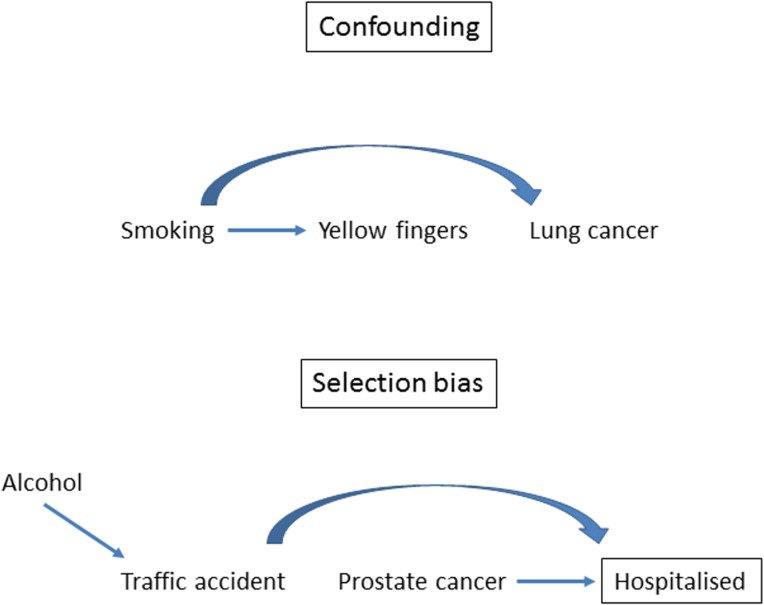
“This observational nature of the studies introduces the potential for selection bias, as differences in baseline characteristics and confounding factors can exist among the study populations [207].”
Background
Metadata
- Authors
- Dekkers, O. M., Vandenbroucke, J. P., Cevallos, M., Renehan, A. G., Altman, D. G., & Egger, M.
- Affiliations
- Leiden University Medical Center (NL)
- University of Bern (CH)
- University of Manchester (GB)
- University of Oxford (GB)
- Corresponding author
- Dekkers, Olaf M.
- ORCID
- Venue
- PLOS Medicine
- Publisher
- Public Library of Science (PLoS)
- Published
- 2019-02-21
- Volume
- 16
- Issue
- 2
- Pages
- e1002742
- ISSN
- 1549-1277 (ISSN-L)
- 1549-1676
- PMC
- PMC6383865
- OpenAlex
- W2917632902
- Semantic Scholar
- 4fda707b38de63950725cb84e6342baa4ffd57e7
- Cited by
- 525
- References
- 105
- Citations by year
- 2026: 45 · 2025: 78 · 2024: 101 · 2023: 79 · 2022: 63 · 2021: 93 · 2020: 53 · 2019: 13
- FWCI
- 11.25
- Type
- journal article
- Language
- en
- Open access
- gold
- doi.org
- Licence
- Locations
- PLoS Medicine (publishedVersion, cc-by)
- Europe PMC (PubMed Central) (publishedVersion, cc-by)
- PubMed Central (publishedVersion, cc-by)
- PubMed (publishedVersion)
- Data Archiving and Networked Services (DANS) (submittedVersion)
- RePEc: Research Papers in Economics (submittedVersion)
- Leiden Repository (Leiden University) (submittedVersion)
- Bern Open Repository and Information System (University of Bern) (submittedVersion, cc-by)
- DOAJ (DOAJ: Directory of Open Access Journals) (submittedVersion, cc-by-sa)
- Figshare (submittedVersion, cc-by)
- Funders
- National Science Foundation
- Sanofi
- Cancer Research UK (16895)
- Schweizerischer Nationalfonds zur Förderung der Wissenschaftlichen Forschung (174281)
- Novo Nordisk
- Sanofi Pasteur
- Cilag
- Topics
- Social Sciences › Decision Sciences › Statistics, Probability and Uncertainty › Meta-analysis and systematic reviews
- Physical Sciences › Mathematics › Statistics and Probability › Statistical Methods in Epidemiology
- Physical Sciences › Mathematics › Statistics and Probability › Advanced Causal Inference Techniques
- Keywords
- meta-analysis, risk of bias assessment, confounding, selection bias, information bias, heterogeneity, causality, research question formulation
- MeSH terms
- Systematic Reviews as Topic, Humans, Meta-Analysis as Topic, Selection Bias, Observational Studies as Topic
About these checks
Registry, retraction, Cites and statistics results are computed, not judged, with one exception: a printed reference that no index lists is read once by a model before it counts as a citation error. Claims are extracted by a model and kept only when their quote appears verbatim in the text; each cited source is then checked, with a model’s help, for whether it says what the claim relies on. Those verdicts can be wrong — read the claim’s quote and the cited source before relying on one.
The claim verdicts this report counts are experimental: their accuracy is not yet measured.
A language model drew the claims from the paper on 2026-10-04, under version 3 of the claim definition (model deepseek-v4.1-flash, prompt extract-v3).
A second model labelled each claim on 2026-10-04 (model jev-1.13-20260917, definition revision gold-guideline-v0.2).
Cited sources are checked with a language model’s help (gpt-6-sol and qwen3.8-omni-flash).
Statistics and arithmetic are recomputed, not judged.
Confidence bands are shown only for fields calibrated on our annotated test set. None is calibrated yet, so no band is shown.
What counts as a claim ›How we measure confidence ›How we check this ›
Are you an author, or do you see a problem with this page? Request a review
Data sources
Bibliographic data: Semantic Scholar, OpenAlex, Crossref.
Contains information from the Semantic Scholar Academic Graph Datasets, made available under the ODC Attribution License (ODC-BY 1.0).
Semantic Scholar’s data is described in: Kinney, R., et al. (2023). The Semantic Scholar Open Data Platform. arXiv:2301.10140.
