

Mental health problems among female sex workers in low- and middle-income countries: A systematic review and meta-analysis
Open accessThe DOI matches its Crossref record; 93 of the 94 references it cites were found in a registry or an index.
Abstract
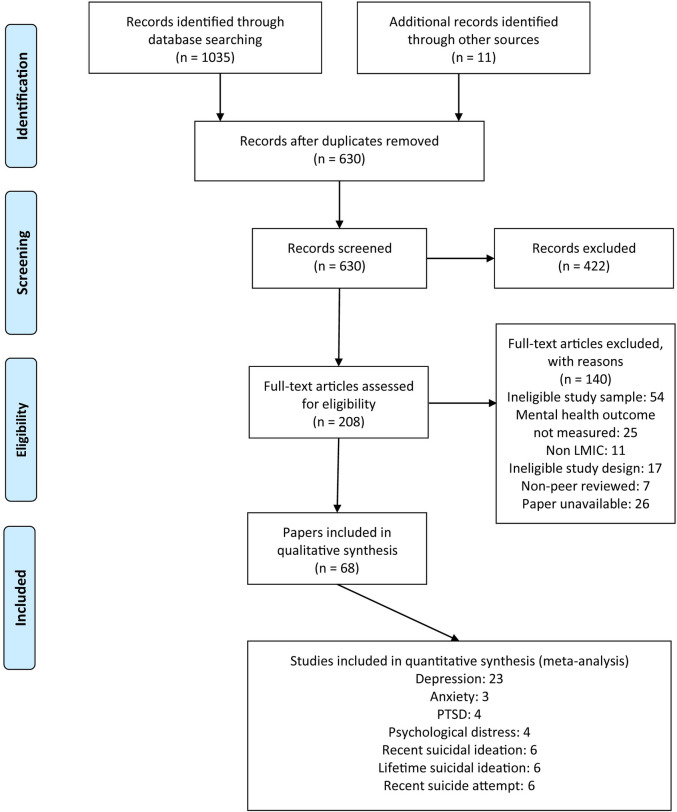
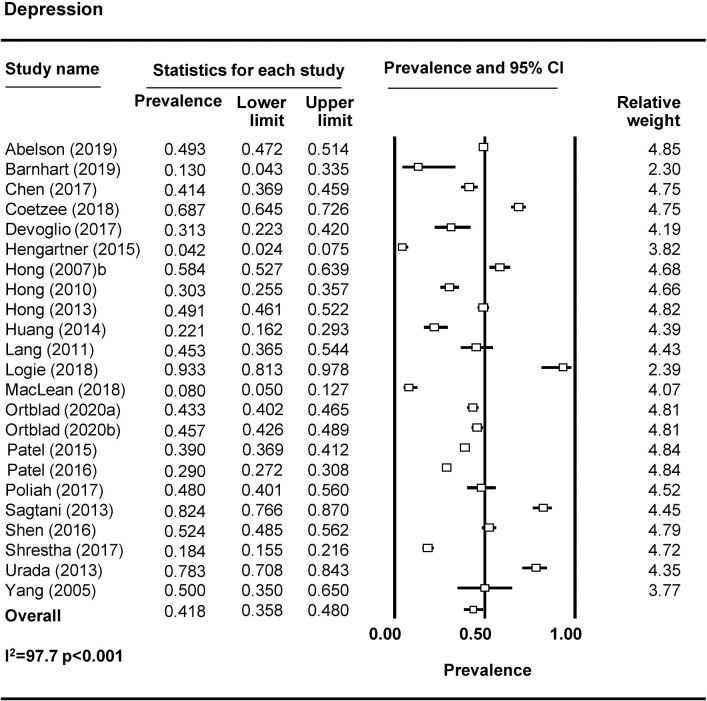
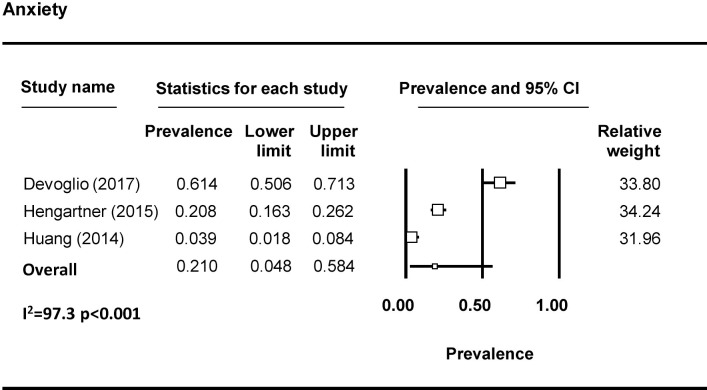
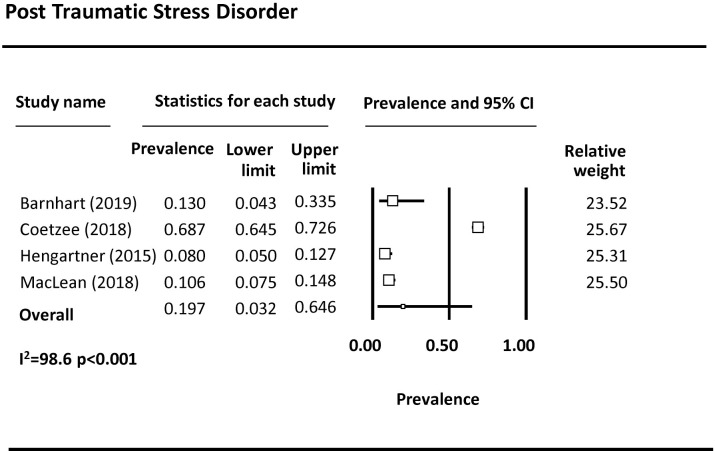
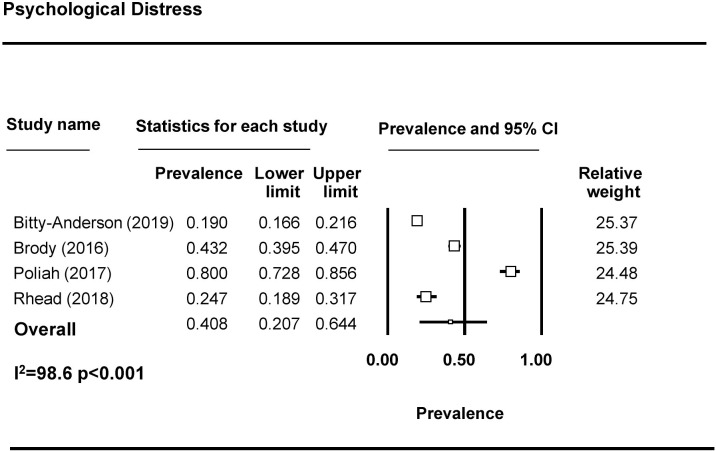
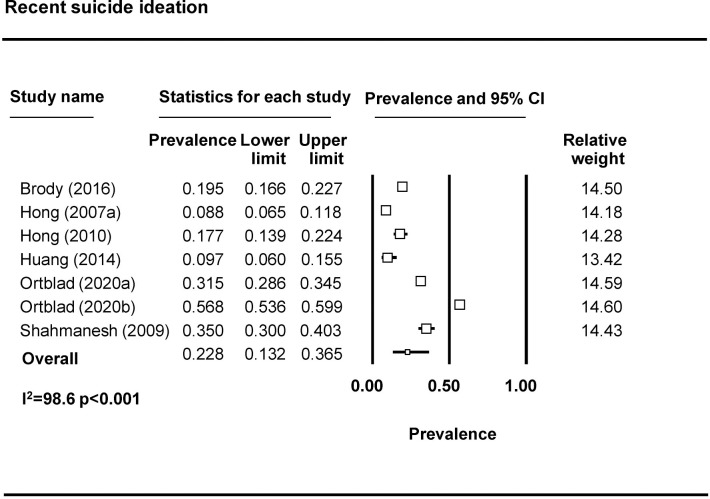
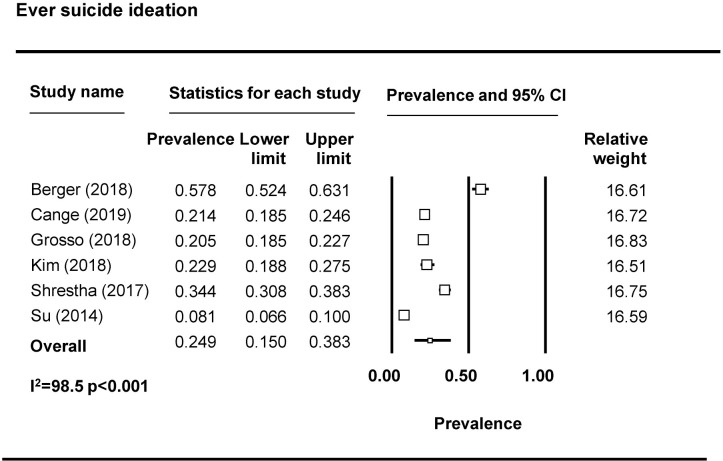
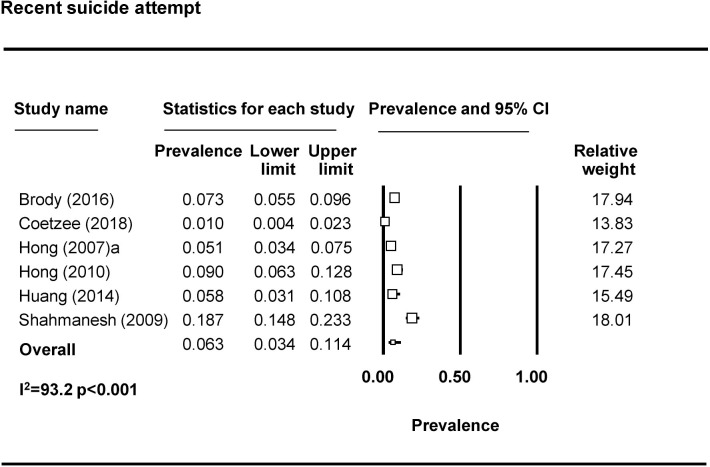
BACKGROUND: The psychological health of female sex workers (FSWs) has emerged as a major public health concern in many low- and middle-income countries (LMICs). Key risk factors include poverty, low education, violence, alcohol and drug use, human immunodeficiency virus (HIV), and stigma and discrimination. This systematic review and meta-analysis aimed to quantify the prevalence of mental health problems among FSWs in LMICs, and to examine associations with common risk factors. METHOD AND FINDINGS: The review protocol was registered with PROSPERO, number CRD42016049179. We searched 6 electronic databases for peer-reviewed, quantitative studies from inception to 26 April 2020. Study quality was assessed with the Centre for Evidence-Based Management (CEBM) Critical Appraisal Tool. Pooled prevalence estimates were calculated for depression, anxiety, post-traumatic stress disorder (PTSD), and suicidal behaviour. Meta-analyses examined associations between these disorders and violence, alcohol/drug use, condom use, and HIV/sexually transmitted infection (STI). A total of 1,046 studies were identified, and 68 papers reporting on 56 unique studies were eligible for inclusion. These were geographically diverse (26 countries), representing all LMIC regions, and included 24,940 participants. All studies were cross-sectional and used a range of measurement tools; none reported a mental health intervention. Of the 56 studies, 14 scored as strong quality, 34 scored as moderate, and 8 scored as weak. The average age of participants was 28.9 years (age range: 11-64 years), with just under half (46%) having up to primary education or less. The pooled prevalence rates for mental disorders among FSWs in LMICs were as follows: depression 41.8% (95% CI 35.8%-48.0%), anxiety 21.0% (95% CI: 4.8%-58.4%), PTSD 19.7% (95% CI 3.2%-64.6%), psychological distress 40.8% (95% CI 20.7%-64.4%), recent suicide ideation 22.8% (95% CI 13.2%-36.5%), and recent suicide attempt 6.3% (95% CI 3.4%-11.4%). Meta-analyses found significant associations between violence experience and depression, violence experience and recent suicidal behaviour, alcohol use and recent suicidal behaviour, illicit drug use and depression, depression and inconsistent condom use with clients, and depression and HIV infection. Key study limitations include a paucity of longitudinal studies (necessary to assess causality), non-random sampling of participants by many studies, and the use of different measurement tools and cut-off scores to measure mental health problems and other common risk factors. CONCLUSIONS: In this study, we found that mental health problems are highly prevalent among FSWs in LMICs and are strongly associated with common risk factors. Study findings support the concept of overlapping vulnerabilities and highlight the urgent need for interventions designed to improve the mental health and well-being of FSWs.
Overview
The claims and statistics of this paper haven’t been checked yet.
Free: it reads the open-access text and checks the first 5 claims that cite a source we can check. Create a free account to check every claim.
Integrity signals
Registry
Cites
Statistics
Figures
Verification
Claims the paper makes
The claims and statistics of this paper haven’t been checked yet.
Free: it reads the open-access text and checks the first 5 claims that cite a source we can check. Create a free account to check every claim.
Claims other papers make about this one
Each is checked against this paper’s own text: does it say what the citing paper says it does?
The source backs part of the claim, not all of it — or backs it for a different population, condition or comparison.
In the citing paper
“For the transgender sample, the lack of significant associations with both variables related to substance use is unexpected based on this existing literature connecting sex work, substance use, and violence victimization [28, 30, 90–94].”
From Comparing typologies of violence exposure and associations with syndemic health outcomes among cisgender and transgender female sex workers living with HIV in the Dominican Republic (2023) · cites this paper as [30]
Experimental — accuracy not yet measuredThe source backs part of the claim, not all of it — or backs it for a different population, condition or comparison.
In the citing paper
“Exposure to violence from intimate or regular partners, clients, police, and others is significantly and directly associated with poor mental health outcomes for FSWs around the world [30, 75–79].”
From Comparing typologies of violence exposure and associations with syndemic health outcomes among cisgender and transgender female sex workers living with HIV in the Dominican Republic (2023) · cites this paper as [30]
Experimental — accuracy not yet measuredThe source backs part of the claim, not all of it — or backs it for a different population, condition or comparison.
In the citing paper
“A variety of factors inform the prevalence of mental illness among transgender FSW, including violence exposure, stigma, and substance use.2–4,6–11”
From Mindfulness, Mental Health, and Violence Exposure Among Transgender Female Sex Workers Living with HIV in the Dominican Republic. (2026) · cites this paper as [3]
Experimental — accuracy not yet measuredIn the citing paper
“Further, violence victimization was found to have a positive bidirectional relationship with poor mental health and substance use [28, 30]”
In the citing paper
“Sex work-, HIV-, and violence victimization-related stigmas can negatively affect one’s mental health [30–32].”
1 more claim about this paper
Create a free account to see every claim other papers make about this one.
Self-check
Percentages, sums and reported differences re-computed from the paper’s own numbers.
The self-check needs the paper’s full text.
Citations
Cites
Devries, K. M., Mak, J. Y., Bacchus, L. J., Child, J. C., Falder, G., Petzold, M., Astbury, J., & Watts, C. H. (2013) · PLoS Medicine · doi:10.1371/journal.pmed.1001439 · Cited by 1,258 · cited 1×
“Longitudinal studies are needed to ascertain direction of causality between mental health problems and other factors common to FSWs, although studies with the general population suggest that these relationships are likely to be bidirectional [89].”
BackgroundBaral, S., Beyrer, C., Muessig, K., Poteat, T., Wirtz, A. L., Decker, M. R., Sherman, S. G., & Kerrigan, D. (2012) · The Lancet Infectious Diseases · doi:10.1016/s1473-3099(12)70066-x · Cited by 1,183 · cited 1×
“FSWs face increased levels of key risk factors for mental disorders and suicidal behaviour, including financial stress, low education, inadequate housing, violence, alcohol and drug use, STIs including HIV, and stigma and discrimination [15, 17, 53, 67], which may help explain the higher prevalence of mental health pr…”
BackgroundWhiteford, H. A., Ferrari, A. J., Degenhardt, L., Feigin, V., & Vos, T. (2015) · PLOS ONE · doi:10.1371/journal.pone.0116820 · Cited by 1,175
Undertreatment of people with major depressive disorder in 21 countries
Thornicroft, G., Chatterji, S., Evans-Lacko, S., Gruber, M., Sampson, N., Aguilar-Gaxiola, S., Al-Hamzawi, A., Alonso, J., Andrade, L., Borges, G., et al. (2017) · British Journal of Psychiatry · doi:10.1192/bjp.bp.116.188078 · Cited by 1,121 · cited 1×
“The treatment gap for common conditions exceeds more than 90% in low-income countries [4].”
BackgroundPatel, V., Chisholm, D., Parikh, R., Charlson, F. J., Degenhardt, L., Dua, T., Ferrari, A. J., Hyman, S., Laxminarayan, R., Levin, C., et al. (2016) · The Lancet · doi:10.1016/s0140-6736(15)00390-6 · Cited by 889
Borges, G., Nock, M. K., Haro Abad, J. M., Hwang, I., Sampson, N. A., Alonso, J., Andrade, L. H., Angermeyer, M. C., Beautrais, A., Bromet, E., et al. (2010) · The Journal of Clinical Psychiatry · doi:10.4088/jcp.08m04967blu · Cited by 796
A systematic review of the correlates of violence against sex workers
Deering, K. N., Amin, A., Shoveller, J., Nesbitt, A., Garcia-Moreno, C., Duff, P., Argento, E., & Shannon, K. (2014) · American Journal of Public Health · doi:10.2105/ajph.2014.301909 · Cited by 611 · cited 1×
“FSWs face increased levels of key risk factors for mental disorders and suicidal behaviour, including financial stress, low education, inadequate housing, violence, alcohol and drug use, STIs including HIV, and stigma and discrimination [15, 17, 53, 67], which may help explain the higher prevalence of mental health pr…”
BackgroundPlatt, L., Grenfell, P., Meiksin, R., Elmes, J., Sherman, S. G., Sanders, T., Mwangi, P., & Crago, A.-L. (2018) · PLOS Medicine · doi:10.1371/journal.pmed.1002680 · Cited by 529 · cited 2×
“harassment and arrests, discrimination, marginalization, poverty, and gender inequality [8,9], as well as extreme occupational hazards such as violence, coercion, deception, alcohol and substance use, and human immunodeficiency virus (HIV)/sexually transmitted infection (STI) [10].”
BackgroundAbramsky, T., Devries, K., Kiss, L., Nakuti, J., Kyegombe, N., Starmann, E., Cundill, B., Francisco, L., Kaye, D., Musuya, T., et al. (2014) · BMC Medicine · doi:10.1186/s12916-014-0122-5 · Cited by 507 · cited 22×
“The pooled prevalence of psychological distress experienced by FSWs from LMICs was 40.8% (95% CI 20.7%–64.4%).”
BackgroundInfluentialChibanda, D., Weiss, H. A., Verhey, R., Simms, V., Munjoma, R., Rusakaniko, S., Chingono, A., Munetsi, E., Bere, T., Manda, E., et al. (2016) · JAMA · doi:10.1001/jama.2016.19102 · Cited by 502
Research works printed but not linked: 1
- González-Forteza C, Rodríguez EM, de Iturbe PF, Vega L, Tapia AJ. Social correlates of depression and suicide risk in sexual workers from Hidalgo, Mexico. Salud Mental. 2014; 37(4): 349– 54.
Cited by
Satinsky, E. N., Kimura, T., Kiang, M. V., Abebe, R., Cunningham, S., Lee, H., Lin, X., Liu, C. H., Rudan, I., Sen, S., et al. (2021) · Scientific Reports · doi:10.1038/s41598-021-93687-7 · Cited by 223
Suicide in Global Mental Health
Lovero, K. L., Dos Santos, P. F., Come, A. X., Wainberg, M. L., & Oquendo, M. A. (2023) · Current Psychiatry Reports · doi:10.1007/s11920-023-01423-x · Cited by 164
Social Determinants of Health and Suicide-Related Outcomes: A Review of Meta-Analyses
Na, P. J., Shin, J., Kwak, H. R., Lee, J., Jester, D. J., Bandara, P., Kim, J. Y., Moutier, C. Y., Pietrzak, R. H., Oquendo, M. A., et al. (2025) · JAMA Psychiatry · doi:10.1001/jamapsychiatry.2024.4241 · Cited by 148
Invisible and stigmatized: A systematic review of mental health and risk factors among sex workers
Martín‐Romo, L., Sanmartín, F. J., & Velasco, J. (2023) · Acta Psychiatrica Scandinavica · doi:10.1111/acps.13559 · Cited by 74
Brooks, S. K., Patel, S. S., & Greenberg, N. L. (2023) · Archives of Sexual Behavior · doi:10.1007/s10508-023-02633-3 · Cited by 48
“, 2015), mental illness (Beattie et al., 2020), neglect or abuse (Benoit et al.”
BackgroundCauses of mortality among female sex workers: Results of a multi-country study
Willis, B. M., Perttu, E., Fitzgerald, M. R., Thompson, H., Weerasinghe, S. D. S., & Macias‐Konstantopoulos, W. (2022) · EClinicalMedicine · doi:10.1016/j.eclinm.2022.101658 · Cited by 44
Hu, F., Liu, P., Jia, Y., Ge, M., Shen, L.-T., Xia, X., & Chen, H. (2024) · Psychology Health & Medicine · doi:10.1080/13548506.2024.2424998 · Cited by 64
“Additionally, research has indicated that female sex workers are more prone to infecting with HIV and developing mental health problems (Baral et al., 2012, Beattie et al. 2020; Kerrigan & Barrington, 2022).”
Beksinska, A., Jama, Z., Kabuti, R., Kungu, M., Babu, H., Nyariki, E., Shah, P., Champions, M. F. S., Gwala, D., Oside, D., et al. (2021) · BMC Psychiatry · doi:10.1186/s12888-021-03515-5 · Cited by 46
“Results from a recent systematic review and meta-analysis examining mental health among FSWs in LMICs show much higher levels of mental health problems among FSWs compared to the general population [8].”
BackgroundResultSelf-citationTomko, C. A., Schneider, K. E., Rouhani, S., Urquhart, G. J., Park, J. N., Morris, M., & Sherman, S. G. (2021) · Addictive Behaviors · doi:10.1016/j.addbeh.2021.107215 · Cited by 37
Elmes, J., Stuart, R., Grenfell, P., Walker, J., Hill, K., Hernandez, P., Henham, C., Rutsito, S., Sarker, M., Creighton, S., et al. (2022) · Sexually Transmitted Infections · doi:10.1136/sextrans-2021-055088 · Cited by 34
Jewkes, R. K., Milovanovic, M., Otwombe, K. N., Chirwa, E. D., Hlongwane, K. E., Hill, N., Mbowane, V., Matuludi, M., Hopkins, K. L., Gray, G., et al. (2021) · International Journal of Environmental Research and Public Health · doi:10.3390/ijerph182211971 · Cited by 41
“Other trauma exposure, poverty and substance abuse are highly prevalent in our study population, and are all well recognised problems [25,43,46,47].”
BackgroundPlatt, L., Bowen, R., Grenfell, P., Stuart, R., Sarker, M. D., Hill, K. E., Walker, J. G., Javarez, X., Henham, C., Mtetwa, S., et al. (2022) · Journal of Urban Health · doi:10.1007/s11524-022-00673-z · Cited by 39
“Review evidence suggests that between 18 and 44% of sex workers providing in-person services report physical violence at work in the last year, between 24–54% depression and 5–58% anxiety [1, 2].”
BackgroundMethodLeis, M., McDermott, M., Koziarz, A., Szadkowski, L., Kariri, A., Beattie, T., Kaul, R., & Kimani, J. (2021) · Journal of the International AIDS Society · doi:10.1002/jia2.25711 · Cited by 32
“A recent systematic review and meta-analysis on mental health in FSW in low- and middle-income countries did not find any single intervention that was designed to address mental disorders among FSW [16].”
BackgroundSelf-citationBeaten but not down! Exploring resilience among female sex workers (FSWs) in Nairobi, Kenya
Kabuti, R., Nyariki, E., Babu, H., Lwingi, I., Liku, J., Jama, Z., Kungu, M., Ngurukiri, P., Champions, T. M. F. S., Oside, D., et al. (2022) · BMC Public Health · doi:10.1186/s12889-022-13387-3 · Cited by 39
“have been found to affect their mental, physical, and social well–being [27, 37].”
BackgroundSelf-citationBeksinska, A., Nyariki, E., Kabuti, R., Kungu, M., Babu, H., Shah, P., Champions, T. M. F. S., Nyabuto, C., Okumu, M., Mahero, A., et al. (2022) · International Journal of Environmental Research and Public Health · doi:10.3390/ijerph19127294 · Cited by 36
“A recent systematic review of mental health among FSWs in LMICs found significant associations between alcohol use and recent suicidal behaviour, and illicit drug use and depression [20].”
BackgroundInfluentialSelf-citationBeksinska, A., Karlsen, O., Gafos, M., & Beattie, T. (2023) · PLOS Global Public Health · doi:10.1371/journal.pgph.0001216 · Cited by 36
Self-citationByansi, W., Galvin, M., Chiwaye, L., Luvuno, Z. S., Kim, A. W., Sundararajan, R. L., Tsai, A. C., & Moolla, A. (2023) · BMC Psychiatry · doi:10.1186/s12888-023-05085-0 · Cited by 45
Roll-out of HIV pre-exposure prophylaxis: a gateway to mental health promotion
Ikeda, D. J., Kidia, K. K., Agins, B., Haberer, J. E., & Tsai, A. C. (2021) · BMJ Global Health · doi:10.1136/bmjgh-2021-007212 · Cited by 27
“16 Studies of PrEP users, in particular, document high rates of mental disorders and poor mental health.”
BackgroundHendrickson, Z. M., Leddy, A. M., Galai, N., Beckham, S. W., Davis, W., Mbwambo, J. K., Likindikoki, S., & Kerrigan, D. L. (2021) · PLoS ONE · doi:10.1371/journal.pone.0252728 · Cited by 25
Kerrigan, D., Karver, T. S., Barrington, C., Donastorg, Y., Perez, M., Gomez, H., Mbwambo, J., Likindikoki, S., Davis, W., Wilson Beckham, S., et al. (2021) · AIDS and Behavior · doi:10.1007/s10461-021-03168-1 · Cited by 25
Mental health challenges and perceived risks among female sex workers in Nairobi, Kenya
Panneh, M., Gafos, M., Nyariki, E., Liku, J., Shah, P., Kabuti, R., Wanjiru, M., Beksinska, A., Pollock, J. C. S., Champions, T. M. F. S., et al. (2022) · BMC Public Health · doi:10.1186/s12889-022-14527-5 · Cited by 34
“Alcohol consumption among FSWs has been linked with higher risk sexual behaviour, poor uptake of HIV services, and increased risk of violence and mental health problems [5, 23, 24].”
BackgroundInfluentialSelf-citationOuma, S., Tumwesigye, N. M., Ndejjo, R., & Abbo, C. (2021) · BMC Public Health · doi:10.1186/s12889-021-11207-8 · Cited by 27
An Apriori Algorithm-Based Association Rule Analysis to detect Human Suicidal Behaviour
Hassan, M. M., Karim, A., Mollick, S., Azam, S., Ignatious, E., & Haque, A. S. M. F. A. (2023) · Procedia Computer Science · doi:10.1016/j.procs.2023.01.412 · Cited by 22
Yeo, E. J., Hlongwane, K. E., Otwombe, K. N., Hopkins, K. L., Variava, E., Martinson, N. A., Strathdee, S. A., Coetzee, J., & Milovanovic, M. (2022) · PLoS ONE · doi:10.1371/journal.pone.0261855 · Cited by 28
Jewkes, R. K., Otwombe, K. N., Dunkle, K., Milovanovic, M., Hlongwane, K. E., Jaffer, M., Matuludi, M., Mbowane, V., Hopkins, K. L., Hill, N., et al. (2021) · SSM - Mental Health · doi:10.1016/j.ssmmh.2021.100012 · Cited by 22
Health vulnerabilities in female sex workers in Brazil, 2016
Braga, L. P., Szwarcwald, C. L., Damacena, G. N., Júnior, P. R. B. D. S., Dourado, I. C., de Brito, A. M., Grangeiro, A., & Guimarães, M. D. C. (2022) · Medicine · doi:10.1097/md.0000000000030185 · Cited by 18
“[17] For mental health problems in FSW, a systematic review in low- and middle-income countries pointed out poverty, low education, violence experiences, alcohol and illicit drug use, inconsistent condom use, and HIV infection as key risk factors..[18] In the national BBSS, the high vulnerability profile found points…”
BackgroundMaclin, B. J., Wang, Y., Rodriguez-Diaz, C., Donastorg, Y., Perez, M., Gomez, H., Barrington, C., & Kerrigan, D. (2023) · PLOS ONE · doi:10.1371/journal.pone.0291314 · Cited by 18
“Further, violence victimization was found to have a positive bidirectional relationship with poor mental health and substance use [28, 30], and sexual violence victimization among FSWs is also associated with alcohol use [28].”
BackgroundResultSystematic Review on Public Health Problems and Barriers for Sex Workers
Mokhwelepa, L. W., Ngwenya, M. W., & Sumbane, G. O. (2024) · The Open Public Health Journal · doi:10.2174/0118749445264436231119172400 · Cited by 20
Bhardwaj, A., Comins, C. A., Guddera, V., Mcingana, M., Young, K., Phetlhu, R., Mulumba, N., Mishra, S., Hausler, H., Baral, S., et al. (2023) · BMC Women s Health · doi:10.1186/s12905-023-02392-2 · Cited by 26
“In a recent meta-analysis among FSW in LMICs, significant associations were seen between experiences of violence and depression [8].”
BackgroundNabunya, P., Byansi, W., Damulira, C., Bahar, O. S., Mayo‐Wilson, L. J., Tozan, Y., Kiyingi, J., Nabayinda, J., Braithwaite, R., Witte, S. S., et al. (2021) · Psychiatry Research · doi:10.1016/j.psychres.2021.113817 · Cited by 19
“, 2019; UNAIDS, 2002), are highly marginalized and stigmatized, which exacerbates their poor mental health outcomes (Beattie et al., 2020).”
BackgroundWulifan, J. K. (2024) · BMC Public Health · doi:10.1186/s12889-024-20211-7 · Cited by 20
“In Uganda, 40% of FSWs used mobile health services, but only 25% visited a healthcare facility for regular check-ups [11].”
BackgroundInfluentialMental Health Status of Female Sex Workers Exposed to Violence in Yangon, Myanmar
Kanayama, Y., Yamada, H., Yoshikawa, K., & Aung, K. W. (2022) · Asia Pacific Journal of Public Health · doi:10.1177/10105395221083821 · Cited by 22
“360 Asia Pacific Journal of Public Health 34(4)”
BackgroundInfluentialValidation of a Brief Internalized Sex-work Stigma Scale among Female Sex Workers in Kenya
Stockton, M. A., Kraemer, J. D., Oga, E. A., Kimani, J., Mbote, D. K., Kemunto, C., Njuguna, S., & Nyblade, L. C. (2021) · The Journal of Sex Research · doi:10.1080/00224499.2021.1983752 · Cited by 14
“In Kenya, not unlike other countries across the globe, female sex workers are an extremely vulnerable group that shoulder a heavy burden of HIV and other sexually transmitted infection (STIs), unintended pregnancy, unmet need for family planning, and mental and substance use disorders (Baral et al., 2012; Beattie et a…”
BackgroundSilva, Á. F. D., Buceta, B. B., & Lago, X. M. M. (2022) · Digital Health · doi:10.1177/20552076221120724 · Cited by 18
Wang, L., Dowdy, D. W., Comins, C. A., Young, K., Mcingana, M., Mulumba, N., Mhlophe, H., Chen, C., Hausler, H., Schwartz, S., et al. (2022) · Journal of the International AIDS Society · doi:10.1002/jia2.25884 · Cited by 15
“though none of these studies directly estimated HRQoL as a measure of health utility [14].”
BackgroundResultInfluentialSex Workers as Mothers: Correlates of Engagement in Sex Work to Support Children
Nestadt, D. F., Park, J. N., Galai, N., Beckham, S. W., Decker, M. R., Zemlak, J. L., & Sherman, S. G. (2021) · Global Social Welfare · doi:10.1007/s40609-021-00213-8 · Cited by 17
“and other settings regarding the very high prevalence of depressive symptomatology among FSWs and poor mental health as both a driver of engagement in sex work and an outcome associated with some of the risks of sex work, including violence (Alegria et al., 1994; Beattie et al., 2020; Park et al., 2019; Surratt et al.…”
BackgroundBeksinska, A., Shah, P., Kungu, M., Kabuti, R., Babu, H., Jama, Z., Panneh, M., Nyariki, E., Nyabuto, C., Okumu, M., et al. (2022) · Cambridge Prisms Global Mental Health · doi:10.1017/gmh.2022.44 · Cited by 14
“8) (Beattie et al., 2020) as well as associations between recent suicide attempt with ever experiencing violence (OR 3.”
BackgroundSelf-citationArístegui, I., Ávila, J. C., Villes, V., Delabre, R. M., Orellano, G., Aguilera, M., Romero, M., Riegel, L., Kretzer, L., Cardozo, N. F., et al. (2022) · Harm Reduction Journal · doi:10.1186/s12954-022-00714-5 · Cited by 11
“International evidence consistently shows high prevalence of substance use among FSW, even during the Covid-19 pandemic [24, 32, 33].”
BackgroundΑποστολίδου, Ά., Triantafyllidou, S., Papadaki, A., Aslanis, A., Manolopoulou, A., Matis, S., Bekiaris, A., Ntinopoulou, E., Papadopetrakis, G., Papastefanaki, K., et al. (2023) · Psychology · doi:10.4236/psych.2023.149085 · Cited by 11
Moulis, L., Le, S. M., Hai, V. V., Hương, D. T., Minh, K. P., Oanh, K. T. H., Rapoud, D., Quillet, C., NhamThi, T. T., Vallo, R., et al. (2023) · Frontiers in Psychiatry · doi:10.3389/fpsyt.2023.1233844 · Cited by 9
“…is difficult (fear of stigma, desirability biases, conditions of life, night work, pimp control, etc.), psychological interventions, screening for mental health in health care services targeting female sex workers, and training “gatekeepers” to support women at risk, should be implemented (58).”
BackgroundRosenthal, M. A., Wanje, G., Richardson, B. A., Shafi, J., Wang, L., Masese, L. N., Poole, D. N., Jaoko, W. G., Simoni, J. M., & McClelland, R. S. (2021) · AIDS and Behavior · doi:10.1007/s10461-021-03258-0 · Cited by 9
Lichtwarck, H. O., Kazaura, M. R., Moen, K., & Mmbaga, E. J. (2022) · International Journal of Environmental Research and Public Health · doi:10.3390/ijerph20010698 · Cited by 10
“Studies indicate that female sex workers in diverse settings are disproportionally affected by violence [56], sexually transmitted infections [26,57] and adverse mental health outcomes [58].”
BackgroundComins, C. A., Baral, S., Mcingana, M., Shipp, L., Phetlhu, D. R., Young, K., Guddera, V., Hausler, H., & Schwartz, S. (2024) · PLOS Global Public Health · doi:10.1371/journal.pgph.0002783 · Cited by 10
Mokhwelepa, L. W., & Sumbane, G. O. (2024) · Psychiatry International · doi:10.3390/psychiatryint5030027 · Cited by 11
“These findings are consistent with the previous literature, highlighting the vulnerability of sex workers to psychiatric issues [4,5,9].”
BackgroundResultInfluentialBrunswig, F., Desbuleux-Rettel, J., Kratzer, L., Holmström, C., Lotzin, A., Schweizer, K., Fuß, J., & Schröder, J. (2025) · Sexuality Research and Social Policy · doi:10.1007/s13178-025-01133-4 · Cited by 7
Jidong, D. E., Ike, T. J., Husain, N., Francis, C., Husain, M. O., Mwankon, S. B., Murshed, M., Jidong, J. E., Jack, D. B., Nyam, P. P., et al. (2024) · Archives of Suicide Research · doi:10.1080/13811118.2024.2314520 · Cited by 10
“This indicates the prevalent widespread stigma associated with suicide, particularly among LMICs, as reported by previous studies (Beattie et al., 2020).”
Moradi, G., Gouya, M. M., Amini, E. E., Ghorbani, S. S., Akbarpour, S., Zareie, B., Izadi, N., Kashefi, F., & Moradi, Y. (2022) · PLoS ONE · doi:10.1371/journal.pone.0273732 · Cited by 7
(Kelberg), A. K., & Martinsone, B. (2023) · Frontiers in Psychology · doi:10.3389/fpsyg.2023.1173902 · Cited by 5
“, 2021), also well-being of sex workers, including their physical and mental health (Romans et al., 2001; Beattie et al., 2020; Armstrong, 2021), as well as their economic and social status, and legal and policy issues governing sex work, examining their effectiveness in protecting the rights of sex workers and preven…”
BackgroundSexual, reproductive health and health status of female sex workers in 12 Brazilian cities, 2016
Braga, L. P., Damacena, G. N., Szwarcwald, C. L., & Guimarães, M. D. C. (2021) · Revista Brasileira de Epidemiologia · doi:10.1590/1980-549720210057 · Cited by 6
“This reinforces the multifaceted aspect of depression in FSW, which, in addition to precarious socioeconomic conditions, has stigma, the use of alcohol and drugs and HIV infection as strongly associated factors 33,34 .”
BackgroundMaclin, B. J., Wang, Y., Rodriguez-Diaz, C., Donastorg, Y., Perez, M., Gomez, H., Barrington, C., & Kerrigan, D. (2023) · PLOS Global Public Health · doi:10.1371/journal.pgph.0002314 · Cited by 5
Macias‐Konstantopoulos, W., Perttu, E., Weerasinghe, S. D. S., Dlamini, D., & Willis, B. M. (2024) · Journal of Global Health · doi:10.7189/jogh.14.04052 · Cited by 6
A quantitative study on female sex workers’ mental health in Germany
Kroehn-Liedtke, F., Kalinowski, O., Kaya, G., Lotysh, A., Mihaylova, H., Sipos, K., Strunk, A., Zerbe, L. K., Rössler, W., & Schouler‐Ocak, M. (2025) · Frontiers in Public Health · doi:10.3389/fpubh.2025.1590151 · Cited by 7
Grosso, A., Fielding-Miller, R. K., Matse, S., Sithole, B., & Baral, S. (2023) · Frontiers in Psychiatry · doi:10.3389/fpsyt.2023.1048703 · Cited by 9
Beattie, T., Pollock, J., Kabuti, R., Abramsky, T., Kungu, M., Babu, H., Champions, T. M. F. S., Huibner, S., Udayakumar, S., Nyamweya, C., et al. (2024) · PLOS Global Public Health · doi:10.1371/journal.pgph.0003592 · Cited by 7
Self-citationWang, Y., Karver, T. S., Berg, C. J., Barrington, C., Donastorg, Y., Pérez, M., Gómez, H., Davis, W., Galai, N., & Kerrigan, D. L. (2022) · AIDS and Behavior · doi:10.1007/s10461-022-03940-x · Cited by 6
Bongomin, F., Kibone, W., Okot, J., Ouma, S., Madraa, G., Ojara, F. W., Musoke, D., & Pebolo, P. F. (2023) · Therapeutic Advances in Infectious Disease · doi:10.1177/20499361231199550 · Cited by 5
Covid-19 and female sex workers in India: a journey of brutal reality
Sehgal, N., & Patni, C. B. (2023) · SN Social Sciences · doi:10.1007/s43545-023-00631-9 · Cited by 11
“It is noted that there has been an escalation in mental health concerns among sex workers, particularly those from poor and middle-income nations (Beattie et al. 2020).”
BackgroundThe Multiple Perspectives Approach to Understanding Sexual-Economic Exchange
Meskó, N. (2025) · Archives of Sexual Behavior · doi:10.1007/s10508-025-03259-3 · Cited by 6
“Recent research (Beattie et al., 2020) indicates that sex workers exhibit significantly higher levels of post-traumatic stress disorder (PTSD) symptoms compared to individuals in other occupations.”
West, N., Kussaga, F. M., Rittenhouse, A. G., Duroseau, B., Knight, D., Mbwambo, J. K. K., Likindikoki, S. L., & Saleem, H. T. (2023) · International Journal for Equity in Health · doi:10.1186/s12939-023-01994-4 · Cited by 6
“Existing research shows that women who engage in sex work are at risk for a number of poor health outcomes, including physical and sexual violence, worsened mental health, HIV acquisition and onward transmission, and challenges with ART adherence [52–55].”
BackgroundMental health challenges among biologically female sex workers
Abdulla, F., Huq, M. N., & Hossain, M. M. (2024) · npj Women s Health · doi:10.1038/s44294-024-00013-3 · Cited by 6
HIV and mental health services for female sex workers
Kerrigan, D. L., & Barrington, C. (2022) · The Lancet HIV · doi:10.1016/s2352-3018(22)00165-5 · Cited by 4
Virginity and Chastity: Essentials of Health and Society
Rahman, M. M. (2022) · International Journal of Education Culture and Society · doi:10.11648/j.ijecs.20220704.12 · Cited by 4
“Many “multiple sex partnered” women, such as prostitutes, may experience vaginal dryness [10] during sex because they are not sexually aroused – this is often caused by insufficient foreplay or psychological reasons such as stress which is often the case among sex workers [11].”
BackgroundHIV prevention in individuals engaged in sex work
Busza, J. R., Matambanadzo, P., Phiri, L., Meki, B., & Cowan, F. M. (2022) · Current Opinion in Infectious Diseases · doi:10.1097/qco.0000000000000891 · Cited by 4
Razu, S. R., Usher, K. J., Jones, R., & Islam, M. S. (2025) · Health Care For Women International · doi:10.1080/07399332.2025.2468453 · Cited by 3
“Female sex workers’ careers frequently result in high levels of stress, anxiety, sadness, and depression, which have serious adverse effects on their mental health (Beattie et al., 2020; Puri et al., 2017).”
InfluentialMacias‐Konstantopoulos, W., Moss, R. A., & Willis, B. M. (2025) · Frontiers in Public Health · doi:10.3389/fpubh.2025.1656025 · Cited by 3
“A study conducted in 2019 found that suicide comprised 13.6% of all FSW deaths identified across eight LMICs (31).”
InfluentialIntersectional analysis of suicide risk among transgender and non-binary people
Santos, H., Bauer, G. R., Joiner, T. E., Surachman, A., Lê‐Scherban, F., & Scheim, A. I. (2025) · SSM - Mental Health · doi:10.1016/j.ssmmh.2025.100496 · Cited by 7
Macias‐Konstantopoulos, W., Willis, B. M., Weerasinghe, S. D. S., Perttu, E., & Bennett, I. M. (2024) · Cambridge Prisms Global Mental Health · doi:10.1017/gmh.2024.74 · Cited by 5
“…marginalization with difficulty meeting basic needs (e.g., food insecurity) for themselves and their children (Ngugi et al., 2012; Muldoon et al., 2015; Wanyenze et al., 2017; Beattie et al., 2020; Millan-Alanis et al., 2021; Panneh et al., 2022; Argento et al., 2021; Martin-Romo et al., 2023).”
InfluentialHendrickson, Z. M., Tomko, C. A., Galai, N., Sisson, L. N., Glick, J. L., & Sherman, S. G. (2023) · Journal of Interpersonal Violence · doi:10.1177/08862605231178492 · Cited by 3
“constraints and insecurity; gender inequity; substance use; and aspects of women’s identities, including sexual minority identity, have been shown to be significantly associated with experiences of both physical and sexual violence among women who exchange sex (Beattie et al., 2020; Deering et al., 2014; Glick et al.,…”
BackgroundParkman, S., & Stratton, E. C. (2025) · Scandinavian Journal of Caring Sciences · doi:10.1111/scs.13316 · Cited by 2
Violence prevention and support interventions for sex workers
Broad, C., Guinness, E. M., Holt, V., Stuart, R., Grenfell, P., Llangarí, L. M., Bowen, R., Goldenberg, S. M., & Platt, L. (2026) · The Lancet Public Health · doi:10.1016/s2468-2667(25)00323-8 · Cited by 2
Self-Care Practices and Associated Sexual Health Risks Among Cisgender Women Sex Workers in Colombia
Sandoval, L. A. P., Camacho, D. F. V., & Tricas, J. G. (2024) · Sexuality Research and Social Policy · doi:10.1007/s13178-024-00935-2 · Cited by 4
“Consequently, there are increased morbidity associated with sexually transmitted infections (STIs), sexual and gender-based violence, and mental health harms among socially disadvantaged sex workers (Beattie et al., 2020; Ediomo-Ubong, 2020; Love, 2015; Shannon et al., 2015).”
Wang, Y., Berg, C. J., Donastorg, Y., Pérez, M., Gómez, H., Karver, T. S., Galai, N., Sibinga, E. M. S., Barrington, C., & Kerrigan, D. L. (2024) · AIDS Care · doi:10.1080/09540121.2024.2437695 · Cited by 2
“A meta-analysis from 26 low or middle-income countries reported the prevalence of depression as 41.8% among FSW (Beattie et al., 2020).”
InfluentialYesuf, Y. M., Gebru, D. M., Teklu, H., & Kebede, S. A. (2025) · Discover Psychology · doi:10.1007/s44202-025-00473-x · Cited by 6
“…of studies on the mental health states of FSWs in low and middle income countries (LMICs), the pooled prevalence rate of depression was 41.8%, that of anxiety was 21.0%, PTSD was 19.7%, psychological distress was 40.8%, recent suicide ideation was 22.8% and recent suicide attempt was 6.3% [1].”
InfluentialKhoei, E. M., Rezaei, Z., Parvari, A., & Korte, J. E. (2023) · BMC Women s Health · doi:10.1186/s12905-023-02552-4 · Cited by 2
“The authors found that poor mental health is highly prevalent among this population due to the identified determinants [1].”
BackgroundAbuse, Human Trafficking, and Prostitution
Dionisio, C. M. D., Jannini, T. B., Cao, T. N., Bắc, N. H., & Jannini, E. A. (2023) · Trends in andrology and sexual medicine · doi:10.1007/978-3-031-47892-5_11 · Cited by 2
Lépine, A., Procureur, F., Szawlowski, S., Treibich, C., Mbaye, E. H., Gueye, K., & Ndour, C. T. (2024) · PLoS ONE · doi:10.1371/journal.pone.0306803 · Cited by 1
Chua, C. S., Ansah, J. P., Tep, S., Oy, S., Ung, M., & Yi, S. (2024) · Frontiers in Public Health · doi:10.3389/fpubh.2024.1336785 · Cited by 1
Tolstrup, D., Roberts, S. T., Deya, R. W., Wanje, G., Shafi, J., James, J. R., Chander, G., McClelland, R. S., & Graham, S. M. (2024) · Drug and Alcohol Dependence Reports · doi:10.1016/j.dadr.2024.100315 · Cited by 3
“These women may use alcohol to cope with post-traumatic stress disorder, depression, and other mental health conditions (Beattie et al., 2020).”
Eshetu, H. B., Zewdie, A., Girma, E., Kassie, A., Adugna, A., Weldeab, A. N., & Handebo, S. (2025) · SAGE Open · doi:10.1177/21582440251324724 · Cited by 1
“…and sexual trauma; lack of access to legal, health, and other social services; loss of income, employment, housing, and educational opportunities, posttraumatic stress disorder (PTSD), depression, and anxiety (Beattie et al., 2020; Elmes et al., 2022; Evens et al., 2019; Roxburgh et al., 2006).”
Knowledge and attitude of pharmacists about Alzheimer's disease: A systematic review
Forgerini, M., Cabral, D. A., Santos, M. A. B. D., Mastroianni, P. D. C., & Lima, T. D. M. (2025) · Currents in Pharmacy Teaching and Learning · doi:10.1016/j.cptl.2025.102366 · Cited by 1
Razu, S. R., Usher, K. J., Jones, R., & Islam, M. S. (2025) · Diversity & Inclusion Research · doi:10.1002/dvr2.70030 · Cited by 1
“A lack of specialized services tailored to address the unique healthcare needs of FSWs, such as HIV testing and treatment, reproductive health services, and mental health support, impairs their access to comprehensive care (Beattie et al. 2020; Nnko et al. 2020; Tokar et al. 2018).”
Rahaman, M. A., & Shamma, F. T. (2025) · International Journal for Equity in Health · doi:10.1186/s12939-025-02544-w · Cited by 1
“%) among FSW [8].”
Patterson, C. L., Wilson, J., Herbenick, D., Guerra‐Reyes, L., & Rosenberg, M. S. (2025) · Journal of American College Health · doi:10.1080/07448481.2025.2573110 · Cited by 3
“20 Poor mental health outcomes such as these have been explained in the context of sex work-related stigma and marginalization resulting from sexism, racism, homo/transphobia, and HIV-related stigma, 21 as well as violence, substance use, and low self-esteem.”
Yedemie, Y. Y. (2025) · Journal of Social Service Research · doi:10.1080/01488376.2025.2575382 · Cited by 2
“Moreover, mental health disorders such as depression, anxiety, and post-traumatic stress disorder (PTSD) are highly prevalent among FSWs internationally, with rates far exceeding those of the general population (Beattie et al., 2020; Chersich et al., 2021).”
InfluentialStatus of Physical Health of Sex Workers
Swathisha, P., & Deb, S. (2026) · Springer eBooks · doi:10.1007/978-981-95-3365-7_3 · Cited by 1
Prevalence of suicidal behavior in nigeria: a systematic review and meta-analysis
Abubakar, A. K., Abioye, A. I., Yisa, M. N., Olofin, D. O., Okusanya, T. R., Olukorode, S. O., Musa, J. N., Kuyebi, M. A., Oyadiran, O. T., Ogunlade, S. B., et al. (2026) · Scientific Reports · doi:10.1038/s41598-026-36002-6 · Cited by 3
Dados quantitativos sob a perspectiva de camgirls-pesquisadoras
Dias, C. C., & Foine, L. L. (2026) · Proa Revista de Antropologia e Arte · doi:10.20396/proa.v15i00.20312 · Cited by 1
Macioti, P. G., Power, J., DeVeau, R., Millen, M., McGlasson, C., Charika, B., & Bourne, A. (2026) · Sexes · doi:10.3390/sexes7010007 · Cited by 1
“In fact, mental health problems are documented to be disproportionately high among sex workers in a number of different settings globally (e.g., [4,8]).”
Reza, M. M., Shanto, H. H., Irfan, S. D., Rana, A. K. M. M., Khan, M. N. M., Sarwar, G., Imran, M. S. A., Rahman, M., Sarker, M. S., Alam, M. B., et al. (2026) · PLoS ONE · doi:10.1371/journal.pone.0342766 · Cited by 1
“Beyond behavioral disinhibition, mental health problems may elevate unintended pregnancy risk through trauma-related symptoms, e.g., decreased self-efficacy, impaired decision-making, reduced negotiation powers for contraceptive, and challenges in maintaining consistent contraceptive use [80–82].”
Sadeghi, N., Salari, N., Far, A. H., Babajani, F., & Mohammadi, M. (2026) · Archives of Sexual Behavior · doi:10.1007/s10508-025-03355-4 · Cited by 1
Keynejad, R. C., Gaifém, F., Nikolic, I. Z., Belay, S., Amare, H. H., Areru, H. A., Mautner, M.-C., Lichtwarck, H. O., & Eick, F. (2026) · Frontiers in Sociology · doi:10.3389/fsoc.2026.1612133 · Cited by 4
Maternal Health of Female Sex Workers in Six Low- and Middle-Income Countries
Thompson, H., Willis, B. M., Weerasinghe, S. D. S., Perttu, E., Chin, E., & Macias‐Konstantopoulos, W. (2026) · International Journal of Women s Health · doi:10.2147/ijwh.s550242 · Cited by 1
“22,25,26 Alcohol is also a particularly risky substance to use in pregnancy, as it can cause fetal alcohol spectrum disorder (FASD), leading to lifelong physical, cognitive, and sensory impairments.”
Neural mechanisms of non-suicidal self-injury and prospects for precision therapeutics
He, L., He, Y., Wang, Y., Li, X.-Y., & Lu, Y.-R. (2026) · Psychiatry Research Neuroimaging · doi:10.1016/j.pscychresns.2026.112273 · Cited by 1
Health inequities faced by sex workers
Rucinski, K. B., Roach, M. A., Shapiro, A., Aydinalp, Y., Atkins, K., Rosen, J. G., Neira, K. B., Lovisa, N., Janushev, T., Baral, S., et al. (2026) · The Lancet Public Health · doi:10.1016/s2468-2667(25)00307-x · Cited by 2
“Similar to previous studies, 9,88,89 we found a high prevalence of depression reported across the literature, with at least one in four but in some cases four in five sex workers experiencing depressive symptoms in addition to substantial reports of PTSD, anxiety, and suicidal behaviour.”
Sandoval, M. M., Arístegui, I., Zalazar, V., Vulcano, S., Iannantuono, M. V., Argüello, A., Frontini, E., Zeltman, A., Nava, A., Cardozo, N. F., et al. (2026) · Journal of the International AIDS Society · doi:10.1002/jia2.70167 · Cited by 1
“These conditions limit access to sexual and reproductive health (SRH) services, and contribute to a high burden of physical and mental health problems [ 7, 8 ].”
Ayalew, J., Luslseged, S., Tura, J. B., Bejiga, B., Wariso, F. B., Rameto, M. A., & Abdella, S. (2024) · BMC Psychiatry · doi:10.1186/s12888-024-05799-9 · Cited by 4
“A recent meta-analysis of AUD and depression among FSWs in LMICs estimated a pooled prevalence for harmful AUD of 40% [24] and a pooled prevalence for depression of 42% [11].”
BackgroundMethodAzam, A., Hendrickx, J., & Adriaenssens, S. (2024) · Quality & Quantity · doi:10.1007/s11135-024-01966-y · Cited by 1
“…workers (FSW) are the disproportionate risk of being affected by sexually transmitted infections (Sabin et al. 2016) and mental health difficulties (Beattie et al. 2020), the alleged increased risk of human trafficking, exploitation and forced labour (Weitzer 2015; Zhang & Vincent 2017), and the…”
Grenfell, P., Elmes, J., Stuart, R., Eastham, J., Walker, J. G., Browne, C., Henham, C., Blanco, M. P. H., Hill, K. E., Rutsito, S., et al. (2024) · Public Health Research · doi:10.3310/gfvc7006 · Cited by 1
Ryan, P., McGarry, K., Leacy, B., & Leahy, P. (2024) · Sexuality Gender & Policy · doi:10.1002/sgp2.12112 · Cited by 1
Sandoval, L. A. P., & Tricas, J. G. (2024) · Violence Against Women · doi:10.1177/10778012241307332 · Cited by 3
“…stemming from social stigma, and the lack of MH promotion based on the contextual and intersubjective reality of this group that provides practical tools to cope with adverse experiences in family, community, and social life (Aldridge et al., 2018; Beattie et al., 2020; Zehnder et al., 2019).”
Metadata
- Authors
- Beattie, T. S., Smilenova, B., Krishnaratne, S., & Mazzuca, A.
- Affiliations
- London School of Hygiene & Tropical Medicine (GB)
- Guy's Hospital (GB)
- University of British Columbia (CA)
- Corresponding author
- Beattie, Tara S.
- Venue
- PLoS Medicine
- Publisher
- Public Library of Science (PLoS)
- Published
- 2020-09-15
- Volume
- 17
- Issue
- 9
- Pages
- e1003297
- ISSN
- 1549-1277 (ISSN-L)
- 1549-1676
- PMC
- PMC7491736
- OpenAlex
- W3087204530
- Cited by
- 151
- References
- 94
- Citations by year
- 2026: 31 · 2025: 25 · 2024: 25 · 2023: 29 · 2022: 23 · 2021: 18
- FWCI
- 3.05
- Type
- journal article
- Language
- en
- Open access
- gold
- doi.org
- Licence
- Locations
- PLoS Medicine (publishedVersion, cc-by)
- PubMed Central (publishedVersion, cc-by)
- PubMed (publishedVersion)
- RePEc: Research Papers in Economics (acceptedVersion)
- LSHTM Research Online (London School of Hygiene and Tropical Medicine) (acceptedVersion)
- DOAJ (DOAJ: Directory of Open Access Journals) (submittedVersion, cc-by-sa)
- Funders
- DFID
- Medical Research Council (MR/R023182/1)
- Topics
- Social Sciences › Sociology and Political Science › Sex work and related issues
- Health Sciences › Medicine › Epidemiology › HIV, Drug Use, Sexual Risk
- Health Sciences › Medicine › Infectious Diseases › HIV/AIDS Research and Interventions
- Keywords
- female sex workers, mental health, depression, anxiety, post-traumatic stress disorder, suicidal ideation, suicide attempts, psychological distress, violence, stigma and discrimination, HIV, sexually transmitted infections, alcohol and drug use, condom use, poverty, low- and middle-income countries, prevalence, risk factors, sexual and gender-based violence, intimate partner violence, intimate partner violence survivors
- MeSH terms
- Adolescent, Adult, Anxiety, Anxiety Disorders, Child, Cross-Sectional Studies, Developing Countries, Female, Humans, Mental Health, Middle Aged, Poverty, Risk Factors, Sexual Behavior, Sexually Transmitted Diseases, Stress Disorders, Post-Traumatic, Suicide, Attempted, Violence, HIV Infections, Prevalence, Safe Sex, Suicidal Ideation, Sex Workers
About these checks
Registry, retraction, Cites and statistics results are computed, not judged, with one exception: a printed reference that no index lists is read once by a model before it counts as a citation error. Claims are extracted by a model and kept only when their quote appears verbatim in the text; each cited source is then checked, with a model’s help, for whether it says what the claim relies on. Those verdicts can be wrong — read the claim’s quote and the cited source before relying on one.
Statistics and arithmetic are recomputed, not judged.
Confidence bands are shown only for fields calibrated on our annotated test set. None is calibrated yet, so no band is shown.
What counts as a claim ›How we measure confidence ›How we check this ›
Are you an author, or do you see a problem with this page? Request a review
Data sources
Bibliographic data: Semantic Scholar, OpenAlex, Crossref.
Contains information from the Semantic Scholar Academic Graph Datasets, made available under the ODC Attribution License (ODC-BY 1.0).
Semantic Scholar’s data is described in: Kinney, R., et al. (2023). The Semantic Scholar Open Data Platform. arXiv:2301.10140.
