

Mental health problems among female sex workers in low- and middle-income countries: A systematic review and meta-analysis
Open accessThe DOI matches its Crossref record; 93 of the 94 references it cites were found in a registry or an index.
Abstract
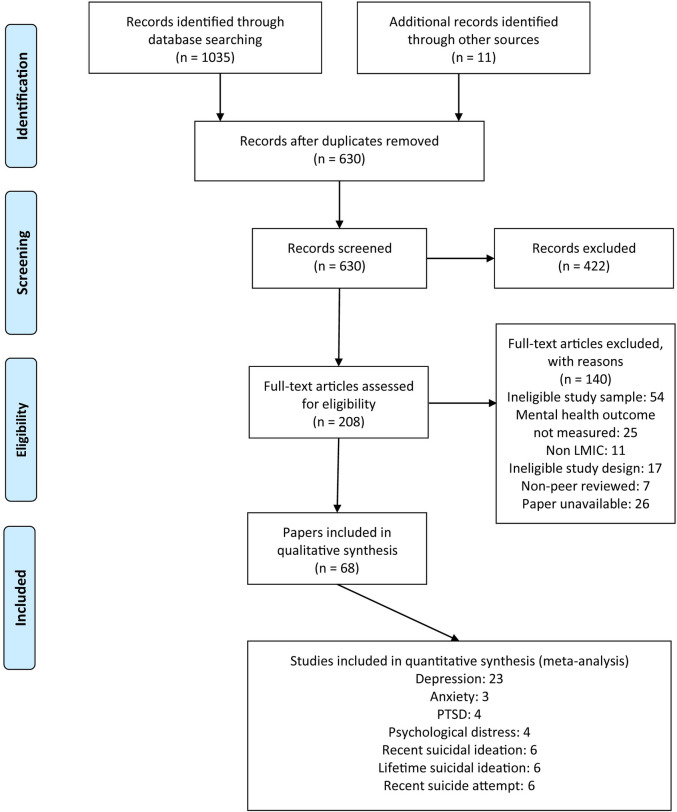
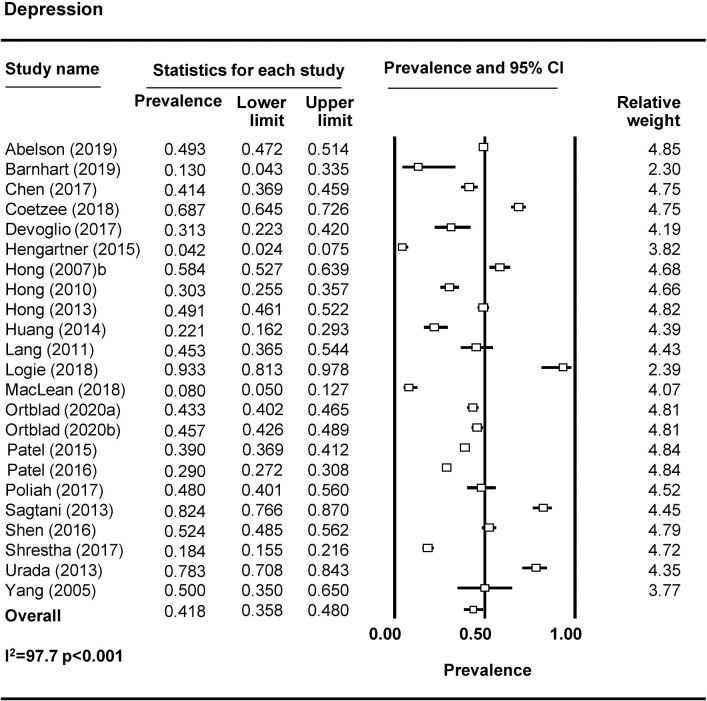
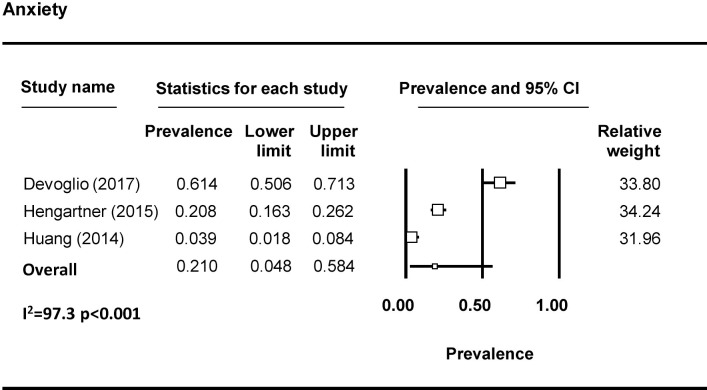
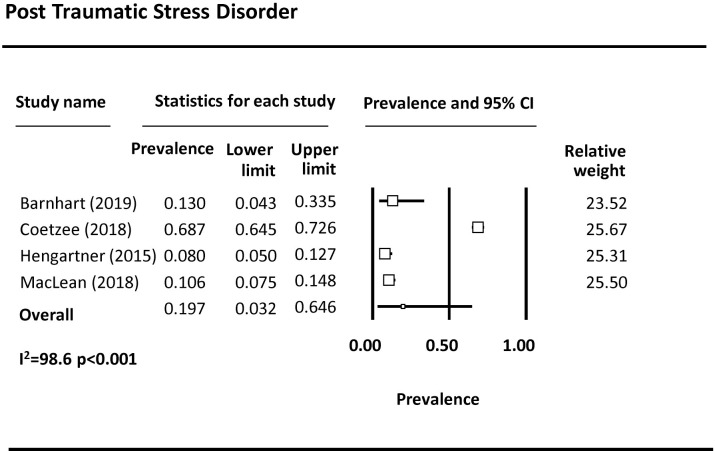
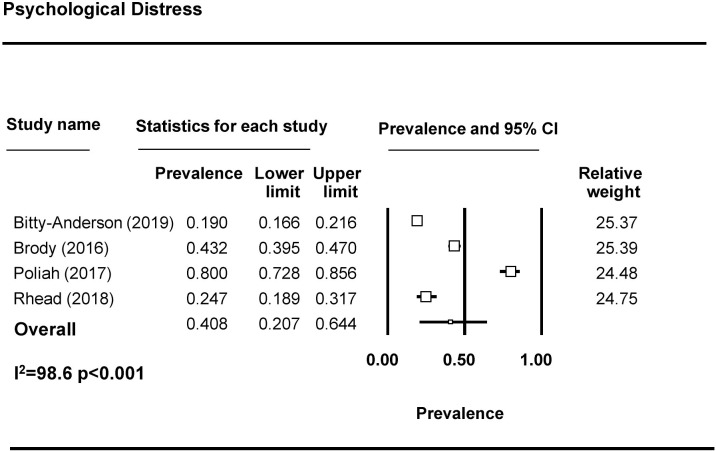
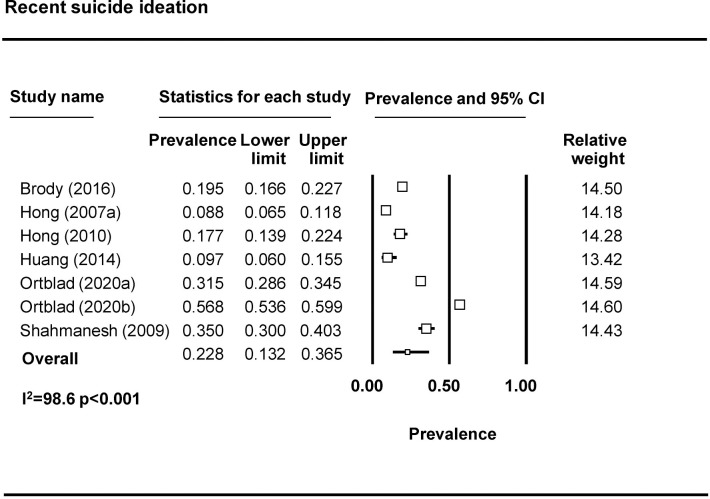
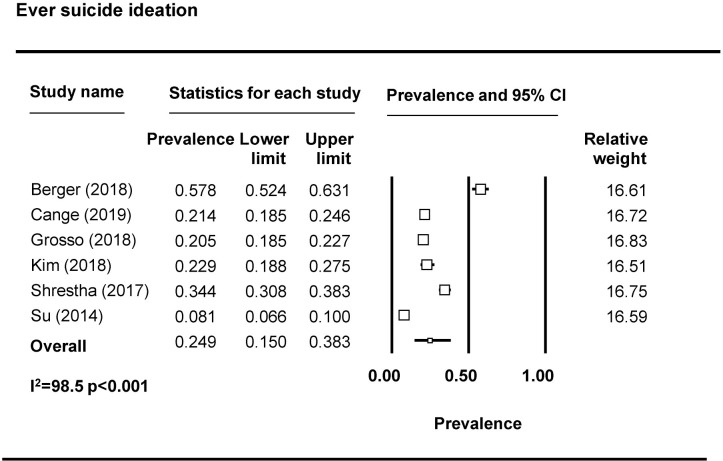
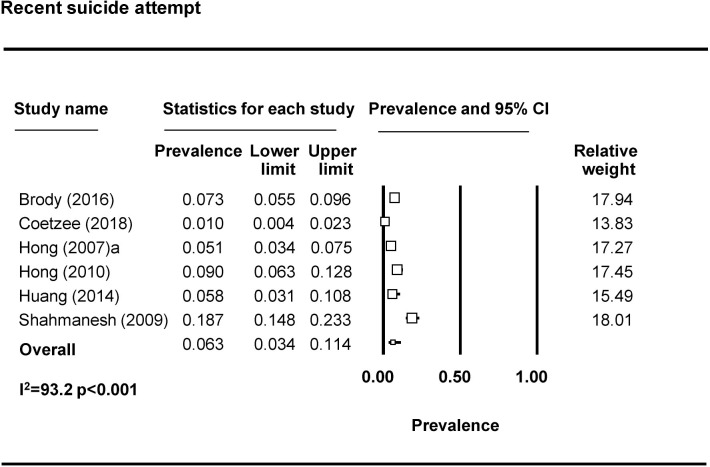
BACKGROUND: The psychological health of female sex workers (FSWs) has emerged as a major public health concern in many low- and middle-income countries (LMICs). Key risk factors include poverty, low education, violence, alcohol and drug use, human immunodeficiency virus (HIV), and stigma and discrimination. This systematic review and meta-analysis aimed to quantify the prevalence of mental health problems among FSWs in LMICs, and to examine associations with common risk factors. METHOD AND FINDINGS: The review protocol was registered with PROSPERO, number CRD42016049179. We searched 6 electronic databases for peer-reviewed, quantitative studies from inception to 26 April 2020. Study quality was assessed with the Centre for Evidence-Based Management (CEBM) Critical Appraisal Tool. Pooled prevalence estimates were calculated for depression, anxiety, post-traumatic stress disorder (PTSD), and suicidal behaviour. Meta-analyses examined associations between these disorders and violence, alcohol/drug use, condom use, and HIV/sexually transmitted infection (STI). A total of 1,046 studies were identified, and 68 papers reporting on 56 unique studies were eligible for inclusion. These were geographically diverse (26 countries), representing all LMIC regions, and included 24,940 participants. All studies were cross-sectional and used a range of measurement tools; none reported a mental health intervention. Of the 56 studies, 14 scored as strong quality, 34 scored as moderate, and 8 scored as weak. The average age of participants was 28.9 years (age range: 11-64 years), with just under half (46%) having up to primary education or less. The pooled prevalence rates for mental disorders among FSWs in LMICs were as follows: depression 41.8% (95% CI 35.8%-48.0%), anxiety 21.0% (95% CI: 4.8%-58.4%), PTSD 19.7% (95% CI 3.2%-64.6%), psychological distress 40.8% (95% CI 20.7%-64.4%), recent suicide ideation 22.8% (95% CI 13.2%-36.5%), and recent suicide attempt 6.3% (95% CI 3.4%-11.4%). Meta-analyses found significant associations between violence experience and depression, violence experience and recent suicidal behaviour, alcohol use and recent suicidal behaviour, illicit drug use and depression, depression and inconsistent condom use with clients, and depression and HIV infection. Key study limitations include a paucity of longitudinal studies (necessary to assess causality), non-random sampling of participants by many studies, and the use of different measurement tools and cut-off scores to measure mental health problems and other common risk factors. CONCLUSIONS: In this study, we found that mental health problems are highly prevalent among FSWs in LMICs and are strongly associated with common risk factors. Study findings support the concept of overlapping vulnerabilities and highlight the urgent need for interventions designed to improve the mental health and well-being of FSWs.
Overview
The claims and statistics of this paper haven’t been checked yet.
Free: it reads the open-access text and checks the first 5 claims that cite a source we can check. Create a free account to check every claim.
Integrity signals
Registry
Cites
Statistics
Figures
Verification
Claims the paper makes
The claims and statistics of this paper haven’t been checked yet.
Free: it reads the open-access text and checks the first 5 claims that cite a source we can check. Create a free account to check every claim.
Claims other papers make about this one
Each is checked against this paper’s own text: does it say what the citing paper says it does?
The source backs part of the claim, not all of it — or backs it for a different population, condition or comparison.
In the citing paper
“For the transgender sample, the lack of significant associations with both variables related to substance use is unexpected based on this existing literature connecting sex work, substance use, and violence victimization [28, 30, 90–94].”
From Comparing typologies of violence exposure and associations with syndemic health outcomes among cisgender and transgender female sex workers living with HIV in the Dominican Republic (2023) · cites this paper as [30]
Experimental — accuracy not yet measuredThe source backs part of the claim, not all of it — or backs it for a different population, condition or comparison.
In the citing paper
“Exposure to violence from intimate or regular partners, clients, police, and others is significantly and directly associated with poor mental health outcomes for FSWs around the world [30, 75–79].”
From Comparing typologies of violence exposure and associations with syndemic health outcomes among cisgender and transgender female sex workers living with HIV in the Dominican Republic (2023) · cites this paper as [30]
Experimental — accuracy not yet measuredThe source backs part of the claim, not all of it — or backs it for a different population, condition or comparison.
In the citing paper
“A variety of factors inform the prevalence of mental illness among transgender FSW, including violence exposure, stigma, and substance use.2–4,6–11”
From Mindfulness, Mental Health, and Violence Exposure Among Transgender Female Sex Workers Living with HIV in the Dominican Republic. (2026) · cites this paper as [3]
Experimental — accuracy not yet measuredIn the citing paper
“Further, violence victimization was found to have a positive bidirectional relationship with poor mental health and substance use [28, 30]”
In the citing paper
“Sex work-, HIV-, and violence victimization-related stigmas can negatively affect one’s mental health [30–32].”
1 more claim about this paper
Create a free account to see every claim other papers make about this one.
Self-check
Percentages, sums and reported differences re-computed from the paper’s own numbers.
The self-check needs the paper’s full text.
Citations
Cites
Devries, K. M., Mak, J. Y., Bacchus, L. J., Child, J. C., Falder, G., Petzold, M., Astbury, J., & Watts, C. H. (2013) · PLoS Medicine · doi:10.1371/journal.pmed.1001439 · Cited by 1,258 · cited 1×
“Longitudinal studies are needed to ascertain direction of causality between mental health problems and other factors common to FSWs, although studies with the general population suggest that these relationships are likely to be bidirectional [89].”
BackgroundBaral, S., Beyrer, C., Muessig, K., Poteat, T., Wirtz, A. L., Decker, M. R., Sherman, S. G., & Kerrigan, D. (2012) · The Lancet Infectious Diseases · doi:10.1016/s1473-3099(12)70066-x · Cited by 1,183 · cited 1×
“FSWs face increased levels of key risk factors for mental disorders and suicidal behaviour, including financial stress, low education, inadequate housing, violence, alcohol and drug use, STIs including HIV, and stigma and discrimination [15, 17, 53, 67], which may help explain the higher prevalence of mental health pr…”
BackgroundWhiteford, H. A., Ferrari, A. J., Degenhardt, L., Feigin, V., & Vos, T. (2015) · PLOS ONE · doi:10.1371/journal.pone.0116820 · Cited by 1,175
Undertreatment of people with major depressive disorder in 21 countries
Thornicroft, G., Chatterji, S., Evans-Lacko, S., Gruber, M., Sampson, N., Aguilar-Gaxiola, S., Al-Hamzawi, A., Alonso, J., Andrade, L., Borges, G., et al. (2017) · British Journal of Psychiatry · doi:10.1192/bjp.bp.116.188078 · Cited by 1,121 · cited 1×
“The treatment gap for common conditions exceeds more than 90% in low-income countries [4].”
BackgroundPatel, V., Chisholm, D., Parikh, R., Charlson, F. J., Degenhardt, L., Dua, T., Ferrari, A. J., Hyman, S., Laxminarayan, R., Levin, C., et al. (2016) · The Lancet · doi:10.1016/s0140-6736(15)00390-6 · Cited by 889
Borges, G., Nock, M. K., Haro Abad, J. M., Hwang, I., Sampson, N. A., Alonso, J., Andrade, L. H., Angermeyer, M. C., Beautrais, A., Bromet, E., et al. (2010) · The Journal of Clinical Psychiatry · doi:10.4088/jcp.08m04967blu · Cited by 796
A systematic review of the correlates of violence against sex workers
Deering, K. N., Amin, A., Shoveller, J., Nesbitt, A., Garcia-Moreno, C., Duff, P., Argento, E., & Shannon, K. (2014) · American Journal of Public Health · doi:10.2105/ajph.2014.301909 · Cited by 611 · cited 1×
“FSWs face increased levels of key risk factors for mental disorders and suicidal behaviour, including financial stress, low education, inadequate housing, violence, alcohol and drug use, STIs including HIV, and stigma and discrimination [15, 17, 53, 67], which may help explain the higher prevalence of mental health pr…”
BackgroundPlatt, L., Grenfell, P., Meiksin, R., Elmes, J., Sherman, S. G., Sanders, T., Mwangi, P., & Crago, A.-L. (2018) · PLOS Medicine · doi:10.1371/journal.pmed.1002680 · Cited by 529 · cited 2×
“harassment and arrests, discrimination, marginalization, poverty, and gender inequality [8,9], as well as extreme occupational hazards such as violence, coercion, deception, alcohol and substance use, and human immunodeficiency virus (HIV)/sexually transmitted infection (STI) [10].”
BackgroundAbramsky, T., Devries, K., Kiss, L., Nakuti, J., Kyegombe, N., Starmann, E., Cundill, B., Francisco, L., Kaye, D., Musuya, T., et al. (2014) · BMC Medicine · doi:10.1186/s12916-014-0122-5 · Cited by 507 · cited 22×
“The pooled prevalence of psychological distress experienced by FSWs from LMICs was 40.8% (95% CI 20.7%–64.4%).”
BackgroundInfluentialChibanda, D., Weiss, H. A., Verhey, R., Simms, V., Munjoma, R., Rusakaniko, S., Chingono, A., Munetsi, E., Bere, T., Manda, E., et al. (2016) · JAMA · doi:10.1001/jama.2016.19102 · Cited by 502
Research works printed but not linked: 1
- González-Forteza C, Rodríguez EM, de Iturbe PF, Vega L, Tapia AJ. Social correlates of depression and suicide risk in sexual workers from Hidalgo, Mexico. Salud Mental. 2014; 37(4): 349– 54.
Cited by
Items 101–151 of 151
Prostitution as a Form of Self-Destructive Behavior
Владимирович, Г. С., & Arbuzova, E. (2024) · Psychology and Law · doi:10.17759/psylaw.2024140413 · Cited by 1
Triantafyllidou, S., Αποστολίδου, Ά., Theodoropoulou, D., Malfa, G., Drolapa, S., Valsami, V., Antonopoulou, M., Kalogeraki, C., Papastefanaki, K., Tsiaras, V., et al. (2025) · Psychology · doi:10.4236/psych.2025.162010 · Cited by 1
Experiences and self-care efforts among female sex workers in Nairobi, Kenya, during COVID-19
Nyariki, E., Panneh, M., Wanjiru, R., Shah, P., Pollock, J., Babu, H., Kungu, M., Beksinka, A., Liku, J., Kimani, J., et al. (2025) · Social Sciences & Humanities Open · doi:10.1016/j.ssaho.2025.101454 · Cited by 1
“…FSWs living with HIV were seen to engage in health-promoting behaviours, not having a reliable source of income to afford food and to be able pay for basic needs resulted in substantial anxiety and stress, thus comprising their agency to attain wellness (Beattie et al., 2020; Panneh et al., 2022).”
Self-citationMoulis, L., Michel, L., Trouiller, P., Charmet, T., Gruyelle, F., Joly, J., Quillet, C., Nagot, N., & Donnadieu‐Rigole, H. (2025) · Journal of Dual Diagnosis · doi:10.1080/15504263.2025.2557194 · Cited by 1
“…life trajectories of women who use drugs can involve trauma, violence, and sexual risks (Jauffret-Roustide et al., 2008), leading to depressive disorders (Magnus et al., 2013; Sordo et al., 2012), anxiety disorders (Beattie et al., 2020; Frem et al., 2017), and suicide risk (Jangal et al., 2022).”
Psychiatric Morbidity and Social Exclusion among Sex Workers - A Review of Literature
Varghese, A. (2021) · International Journal for Research in Applied Science and Engineering Technology · doi:10.22214/ijraset.2021.38373 · Cited by 1
Los problemas mentales y físicos de la prostitución: una revisión de la base de datos PubMed.
Javaloyes, L. G. (2022) · Textos y Contextos · doi:10.29166/tyc.v1i25.3635 · Cited by 2
Maclin, B. J., Donastorg, Y., Perez, M., Gomez, H., Barrington, C., & Kerrigan, D. (2026) · Transgender Health · doi:10.1177/26884887251365815 · Cited by 1
Stuart, H. L., & Sartorius, N. (2022) · Oxford University Press eBooks · doi:10.1093/med/9780197555804.005.0001
Grosso, A., Fielding-Miller, R. K., Matse, S., Sithole, B., & Baral, S. (2022) · medRxiv · doi:10.1101/2022.08.22.22279088
Who Asks About HIV/STI Status?: An Analysis of Women Who Sell Sex and Inject Drugs
Allen, S. T., White, R. H., Nestadt, D. F., Tomko, C. A., Decker, M. R., & Sherman, S. G. (2022) · AIDS and Behavior · doi:10.1007/s10461-022-03898-w
Kapfhammer, H. (2022) · Springer eBooks · doi:10.1007/978-3-662-65873-4_11
A Confounding Discourse Analysis of Vietnamese Sex Workers’ Talk in the City of Kaiyuan, China
Wilson, A. D., Jin, Y., Xiao, C., Yan, H., Yu, B., Zhai, M., Li, J., & Wang, Y. Y. (2023) · Archives of Sexual Behavior · doi:10.1007/s10508-022-02503-4
“Significant correlations have been observed to occur between violent experiences and depression, violence experiences and recent suicidal behavior, alcohol usage and recent suicidal behavior, illicit drug use and depression, as well as inconsistent condom use with clients leading to both depression and HIV infection (…”
BackgroundOy, S., Saing, C. H., Yem, S., Chhoun, P., Tuot, S., & Yi, S. (2023) · Violence Against Women · doi:10.1177/10778012221147911
“(Beattie et al., 2020).”
Figueroa-Ospina, M. E., Laverde-Zuleta, M., Perdomo-Ochoa, M. P., Zea-Jiménez, K. J., Agudelo‐Suárez, A. A., & Martínez-Gómez, M. L. (2023) · Revista Facultad de Odontología Universidad de Antioquia · doi:10.17533/udea.rfo.v35n1a1
Mental Health, Violence, and Drug Use in Sex Workers During the COVID-19 Pandemic: A Scoping Review
Universidad Católica Los Ángeles de Chimbote, P., Figueroa-Quiñones, J., Ipanaqué-Neyra, J., Salvatierra, W. V., & Heredia, N. T. C. (2023) · Revista de Obstetricia y Ginecología de Venezuela · doi:10.51288/00830313
Atualizações acerca da saúde mental de pessoas que vivem com HIV: uma revisão integrativa
Laguna, G. G. D. C., Maciel, F. B. M., Gama, A. V., Cordeiro, M. G. L., Silva, A. B. C., Barros, M. H. D. S., & Prado, N. M. D. B. L. (2023) · Saúde em Redes · doi:10.18310/2446-4813.2023v9n3.3929 · Cited by 1
Angkawidjaja, K. M. A., Wardhana, A. P., & Dahliana, A. (2023) · Jurnal Psikiatri Surabaya · doi:10.20473/jps.v12i2.43840 · Cited by 1
Morgan, L., Welborn, H., Feist-Paz, G., & Hallett, N. (2023) · Research Square · doi:10.21203/rs.3.rs-3578329/v1 · Cited by 1
Gavín-Chocano, Ó., López-Barajas, D. M., Ocaña-Moral, M. T., & Checa-Domene, L. (2023) · Electronic Journal of Research in Educational Psychology · doi:10.25115/ejrep.v21i61.8696
Shuva, N. Z., Taisir, R., & Mallick, P. S. (2023) · Information Development · doi:10.1177/02666669231222461 · Cited by 2
“Several studies have been conducted globally on FSWs who report mental health problems and sexual and physical abuse (e.g., Beattie et al., 2020; Hengartner et al., 2015; Millan-Alanis et al., 2021); HIV/AIDS and STI knowledge and awareness, and condom use (e.g., Ford et al., 2000; Kakchapati et…”
Lujintanon, S., Hausler, H., Comins, C. A., Mcingana, M., Shipp, L., Phetlhu, D. R., Makama, S., Guddera, V., Mishra, S., Baral, S., et al. (2024) · Annals of Epidemiology · doi:10.1016/j.annepidem.2024.02.006
PREVALÊNCIA E FATORES DE RISCO RELACIONADOS A COMPORTAMENTOS SUICIDAS EM PROFISSIONAIS DO SEXO
de Almeida, M. R. P., Alves, H. R. L., Santana, E. K. D. S., Alves, A. D., Medeiros, N. M. H. D., & de Sousa, M. N. A. (2024) · Revista Ciência Plural · doi:10.21680/2446-7286.2024v10n1id34928
Mokhwelepa, L. W., & Sumbane, G. O. (2024) · Sexes · doi:10.3390/sexes5030029
Moreno, I., Cadena-Camargo, Y., Jaramillo, I. O., Duarte, A., & Gómez–Restrepo, C. (2024) · Revista Colombiana de Psiquiatría · doi:10.1016/j.rcp.2024.09.003
Youssoufa, H., Nouaman, M., Bernard, C., Becquet, V., Coffie, P. A., Agoua, A., Eholie, S. P., Larmarange, J., & Plazy, M. (2025) · Research Square · doi:10.21203/rs.3.rs-5662705/v1
The mental health burden of LGBT+ refugees and asylum seekers in Greece
Aslanis, A., Pavlopoulos, V., Vegkos, N., Papadaki, A., Αποστολίδου, Ά., Boziaris, G., Keratsas, G., Levisianos-Lampropoulos, I., Papastefanaki, K., Moran, P., et al. (2025) · International Journal of Intercultural Relations · doi:10.1016/j.ijintrel.2025.102257 · Cited by 1
Research on social governance strategies related to public health risks of sex trading
Guo, F. (2025) · Transactions on Social Science Education and Humanities Research · doi:10.62051/tnc4f570
WITHDRAWN: Attitudes and behaviors of female sex workers toward different sexual demandsPreprint
Çetin, N. Ş., & Taşhan, Ş. T. (2025) · Research Square · doi:10.21203/rs.3.rs-7546816/v1
Kiyingi, J., Witte, S. S., Nabunya, P., Nsubuga, E., Namatovu, P., Mayo‐Wilson, L. J., Bahar, O. S., Bellamy, S. L., & Ssewamala, F. M. (2025) · AIDS and Behavior · doi:10.1007/s10461-025-04942-1
Zhang, Q., Zhang, J., Chen, R., Chen, X., Xiao, T., Lei, Z., Li, A., & Fan, S. (2025) · BMC Public Health · doi:10.1186/s12889-025-25732-3
Bhardwaj, A., Comins, C. A., Guddera, V., Mcingana, M., Young, K., Phetlhu, R., Mulumba, N., Mishra, S., Hausler, H., Baral, S., et al. (2023) · Figshare · doi:10.6084/m9.figshare.22774367
Beksinska, A., Jama, Z., Kabuti, R., Kungu, M., Babu, H., Nyariki, E., Shah, P., Nyabuto, C., Okumu, M., Mahero, A., et al. (2021) · Figshare · doi:10.6084/m9.figshare.16815531
Self-citationSwathisha, P., & Deb, S. (2026) · Springer eBooks · doi:10.1007/978-981-95-3365-7_4
Li, K. Q., Liu, Y., Zhou, P., Xie, X., Xu, S., Yang, C., Zhang, J., Huang, L., Wang, J., & Ji, M. (2026) · Current Psychology · doi:10.1007/s12144-025-08792-x · Cited by 1
“In the classification of mental symptoms, symptoms are typi - cally categorized based on severity, with symptomatic and asymptomatic thresholds often used as diagnostic criteria (Beattie et al., 2020 ).”
Social Advocacy Through Art: a Case Study at the Castillo de las Artes in Bogotá, Colombia
Torres, H. F., Martínez-García, E.-L., Salamanca-Diaz, N.-A., Giraldo-Orozco, J.-P., & Cabrera, O. J. P. (2026) · Revista de Gestão Social e Ambiental · doi:10.24857/rgsa.v20n1-045
Studi Fenomenologi Makna Hidup Pada Pekerja Seks Komersial
Arifin, M., & Paryontri, R. A. (2026) · Academia Open · doi:10.21070/acopen.10.2025.9597
Dawe, J., Mazhar, M. K. A., Khan, S. A., Njiro, B. J., Bendaud, V., Sabin, K. M., Ambia, J., Trickey, A., Barrass, L., Asgharzadeh, A., et al. (2026) · medRxiv · doi:10.64898/2026.02.27.26346881
Kroehn-Liedtke, F., Lotysh, A., Kalinowski, O., Kaya, G., Mihaylova, H., Hernek, M., Rössler, W., & Schouler‐Ocak, M. (2026) · Frontiers in Public Health · doi:10.3389/fpubh.2026.1786872
Luguku, E. N., Mlyomi, A. G., Fadhili, N., Caesar, B. L., Likindikoki, S. L., Kumar, M., & Obondo, A. (2026) · PLOS mental health. · doi:10.1371/journal.pmen.0000523
Patel, G., Torresan, M., Eng, S., Acero, N., Chessky, A., & Ades, V. (2026) · Journal of American College Health · doi:10.1080/07448481.2026.2666562
Barrington, C., Wallace, D. D., Ruíz, C., Donastorg, Y., Pérez, M., Gómez, H., Beltre, Y. B., Dockery, M., & Kerrigan, D. L. (2026) · Journal of the International Association of Providers of AIDS Care (JIAPAC) · doi:10.1177/23259582261455718
“21 Stressors related to living with and managing chronic conditions include fear of mor-talityandhealthcomplications, barriersinaccesstocareand care-related costs, economic productivity, stigma and shame, lifestyle changes, and medication adherence.”
van Huizen, R., Annequin, M., Mora, M., Faye, A., Fiorentino, M., Bourrelly, M., Maradan, G., Bérenger, C., Michard, F., Yazdanpanah, Y., et al. (2026) · AIDS and Behavior · doi:10.1007/s10461-026-05176-5
“For transgender women, this marginalization can lead to extremely high rates of engagement in transactional sex [ 19 ], further straining their mental well-being [20].”
Razu, S. R., Usher, K. J., Jones, R., & Islam, M. S. (2026) · Health Science Reports · doi:10.1002/hsr2.72592
Ma, J., Xiao, T., Chen, H., Li, M., Ding, M., Chen, R., Chen, X., Chen, Y., Huang, F., Li, A., et al. (2026) · Depression and Anxiety · doi:10.1155/da/4192199
Zeleke, A. M., Gelaw, Y. M., Getu, T., Melese, A. D., & You, W. (2026) · Journal of the International Association of Providers of AIDS Care (JIAPAC) · doi:10.1177/23259582261473483
Danel, I., Moss, R., Willis, B., Weerasinghe, S. D. S., Thompson, H., Bricker, K., Ezie, P., Kamau, G., Perttu, E., & Macias‐Konstantopoulos, W. (2026) · BMC Public Health · doi:10.1186/s12889-026-28825-9
“Substance use during pregnancy is associated with a range of risks, including LBW, preterm birth, and fetal alcohol syndrome, and has been linked to underlying mental health conditions including depression [39, 40].”
Gerec, F., Almašiová, A., Vallova, J., & KOCHLŐFLOVÁ, M. (2026) · Kontakt · doi:10.32725/kont.2026.049
Trang, N. T., Anh, N. H., Vu, M. A., Nhung, T. T. H., Thanh, N. T. T., Verhey, R., Go, V. F.-L., Miller, W. C., Giang, L. M., & Gaynes, B. N. (2026) · International Journal of Drug Policy · doi:10.1016/j.drugpo.2026.105469
Dawe, J., Mazhar, M. K. A., Aijaz, S., Njiro, B. J., Bendaud, V., Sabin, K. M., Ambia, J., Trickey, A., Barrass, L., Asgharzadeh, A., et al. (2026) · PLoS Medicine · doi:10.1371/journal.pmed.1004977
“Experiences of violence are also associated with worse mental health outcomes such as depression and PTSD [40,41], and injecting drug use [42,43], which in turn are associated with HIV risk behaviours such as reduced condom use and having more sexual partners [14].”
Bazyar, M., Moradkhani, B., Keshtkar, N., Rahmati, S., Piroozi, B., Ghorabi, S. T., SeyedAlinaghi, S., Jalilian, M., & Nasrollahi, A. (2026) · Journal of Workplace Behavioral Health · doi:10.1080/15555240.2026.2745939
Dartey, A. F., Konlan, K. D., Gbesemete, W. H., Agyemang, A. O., Assah, A. Y., Obiri, E. L., & Joseph, O. (2026) · BMJ Open · doi:10.1136/bmjopen-2026-119835
Metadata
- Authors
- Beattie, T. S., Smilenova, B., Krishnaratne, S., & Mazzuca, A.
- Affiliations
- London School of Hygiene & Tropical Medicine (GB)
- Guy's Hospital (GB)
- University of British Columbia (CA)
- Corresponding author
- Beattie, Tara S.
- Venue
- PLoS Medicine
- Publisher
- Public Library of Science (PLoS)
- Published
- 2020-09-15
- Volume
- 17
- Issue
- 9
- Pages
- e1003297
- ISSN
- 1549-1277 (ISSN-L)
- 1549-1676
- PMC
- PMC7491736
- OpenAlex
- W3087204530
- Cited by
- 151
- References
- 94
- Citations by year
- 2026: 31 · 2025: 25 · 2024: 25 · 2023: 29 · 2022: 23 · 2021: 18
- FWCI
- 3.05
- Type
- journal article
- Language
- en
- Open access
- gold
- doi.org
- Licence
- Locations
- PLoS Medicine (publishedVersion, cc-by)
- PubMed Central (publishedVersion, cc-by)
- PubMed (publishedVersion)
- RePEc: Research Papers in Economics (acceptedVersion)
- LSHTM Research Online (London School of Hygiene and Tropical Medicine) (acceptedVersion)
- DOAJ (DOAJ: Directory of Open Access Journals) (submittedVersion, cc-by-sa)
- Funders
- DFID
- Medical Research Council (MR/R023182/1)
- Topics
- Social Sciences › Sociology and Political Science › Sex work and related issues
- Health Sciences › Medicine › Epidemiology › HIV, Drug Use, Sexual Risk
- Health Sciences › Medicine › Infectious Diseases › HIV/AIDS Research and Interventions
- Keywords
- female sex workers, mental health, depression, anxiety, post-traumatic stress disorder, suicidal ideation, suicide attempts, psychological distress, violence, stigma and discrimination, HIV, sexually transmitted infections, alcohol and drug use, condom use, poverty, low- and middle-income countries, prevalence, risk factors, sexual and gender-based violence, intimate partner violence, intimate partner violence survivors
- MeSH terms
- Adolescent, Adult, Anxiety, Anxiety Disorders, Child, Cross-Sectional Studies, Developing Countries, Female, Humans, Mental Health, Middle Aged, Poverty, Risk Factors, Sexual Behavior, Sexually Transmitted Diseases, Stress Disorders, Post-Traumatic, Suicide, Attempted, Violence, HIV Infections, Prevalence, Safe Sex, Suicidal Ideation, Sex Workers
About these checks
Registry, retraction, Cites and statistics results are computed, not judged, with one exception: a printed reference that no index lists is read once by a model before it counts as a citation error. Claims are extracted by a model and kept only when their quote appears verbatim in the text; each cited source is then checked, with a model’s help, for whether it says what the claim relies on. Those verdicts can be wrong — read the claim’s quote and the cited source before relying on one.
Statistics and arithmetic are recomputed, not judged.
Confidence bands are shown only for fields calibrated on our annotated test set. None is calibrated yet, so no band is shown.
What counts as a claim ›How we measure confidence ›How we check this ›
Are you an author, or do you see a problem with this page? Request a review
Data sources
Bibliographic data: Semantic Scholar, OpenAlex, Crossref.
Contains information from the Semantic Scholar Academic Graph Datasets, made available under the ODC Attribution License (ODC-BY 1.0).
Semantic Scholar’s data is described in: Kinney, R., et al. (2023). The Semantic Scholar Open Data Platform. arXiv:2301.10140.
