

Adverse pregnancy outcomes in women with diabetes-related microvascular disease and risks of disease progression in pregnancy: A systematic review and meta-analysis
Open accessThe DOI matches its Crossref record; 78 of the 78 references it cites were found in a registry or an index.
Abstract
BACKGROUND: The rise in the global prevalence of diabetes, particularly among younger people, has led to an increase in the number of pregnant women with preexisting diabetes, many of whom have diabetes-related microvascular complications. We aimed to estimate the magnitude of the risks of adverse pregnancy outcomes or disease progression in this population. METHODS AND FINDINGS: We undertook a systematic review and meta-analysis on maternal and perinatal complications in women with type 1 or 2 diabetic microvascular disease and the risk factors for worsening of microvascular disease in pregnancy using a prospective protocol (PROSPERO CRD42017076647). We searched major databases (January 1990 to July 2021) for relevant cohort studies. Study quality was assessed using the Newcastle-Ottawa Scale. We summarized the findings as odds ratios (ORs) with 95% confidence intervals (CIs) using random effects meta-analysis. We included 56 cohort studies involving 12,819 pregnant women with diabetes; including 40 from Europe and 9 from North America. Pregnant women with diabetic nephropathy were at greater risk of preeclampsia (OR 10.76, CI 6.43 to 17.99, p < 0.001), early (<34 weeks) (OR 6.90, 95% CI 3.38 to 14.06, p < 0.001) and any preterm birth (OR 4.48, CI 3.40 to 5.92, p < 0.001), and cesarean section (OR 3.04, CI 1.24 to 7.47, p = 0.015); their babies were at higher risk of perinatal death (OR 2.26, CI 1.07 to 4.75, p = 0.032), congenital abnormality (OR 2.71, CI 1.58 to 4.66, p < 0.001), small for gestational age (OR 16.89, CI 7.07 to 40.37, p < 0.001), and admission to neonatal unit (OR 2.59, CI 1.72 to 3.90, p < 0.001) compared to those without nephropathy. Diabetic retinopathy was associated with any preterm birth (OR 1.67, CI 1.27 to 2.20, p < 0.001) and preeclampsia (OR 2.20, CI 1.57 to 3.10, p < 0.001) but not other complications. The risks of onset or worsening of retinopathy were increased in women who were nulliparous (OR 1.75, 95% CI 1.28 to 2.40, p < 0.001), smokers (OR 2.31, 95% CI 1.25 to 4.27, p = 0.008), with existing proliferative disease (OR 2.12, 95% CI 1.11 to 4.04, p = 0.022), and longer duration of diabetes (weighted mean difference: 4.51 years, 95% CI 2.26 to 6.76, p < 0.001) compared to those without the risk factors. The main limitations of this analysis are the heterogeneity of definition of retinopathy and nephropathy and the inclusion of women both with type 1 and type 2 diabetes. CONCLUSIONS: In pregnant women with diabetes, presence of nephropathy and/or retinopathy appear to further increase the risks of maternal complications.
Overview
The claims and statistics of this paper haven’t been checked yet.
Free: it reads the open-access text and checks the first 5 claims that cite a source we can check. Create a free account to check every claim.
Integrity signals
Registry
Cites
Statistics
Figures
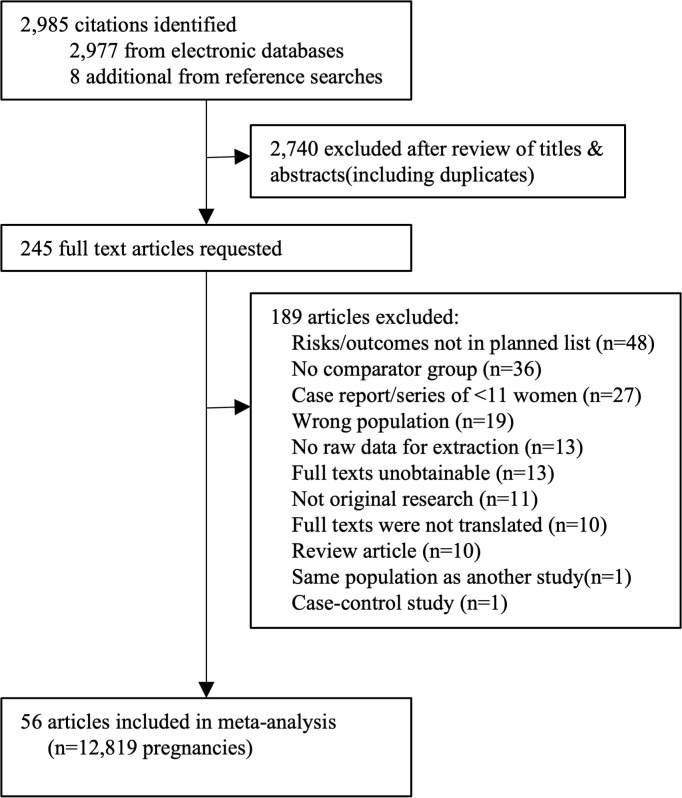
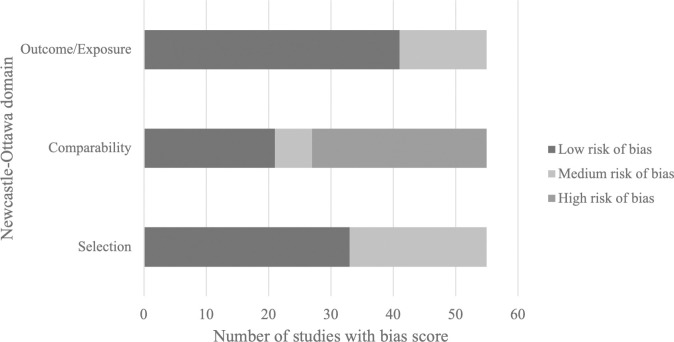
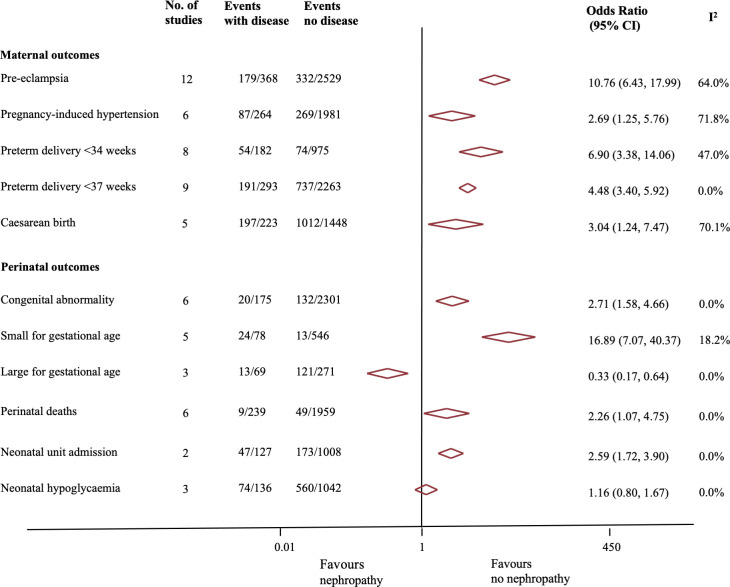
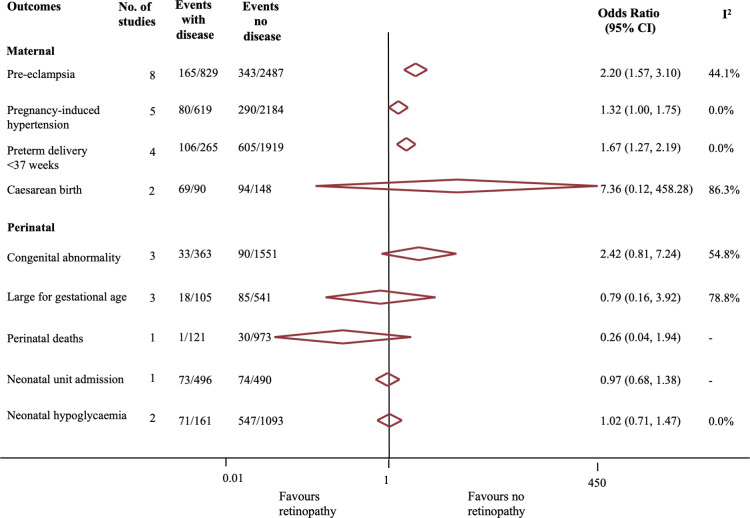
Verification
Claims the paper makes
The claims and statistics of this paper haven’t been checked yet.
Free: it reads the open-access text and checks the first 5 claims that cite a source we can check. Create a free account to check every claim.
Claims other papers make about this one
Each is checked against this paper’s own text: does it say what the citing paper says it does?
The cited source says what the claim attributes to it.
In the citing paper
“In addition, the presence of microvascular complications is associated with higher risk of disease progression and adverse pregnancy outcomes (22).”
From 15. Management of Diabetes in Pregnancy: Standards of Care in Diabetes—2024 (2024) · cites this paper as [22]
Self-check
Percentages, sums and reported differences re-computed from the paper’s own numbers.
The self-check needs the paper’s full text.
Citations
Cites
Preferred Reporting Items for Systematic Reviews and Meta-Analyses: the PRISMA statement
Moher, D., Liberati, A., Tetzlaff, J., Altman, D. G., & for the PRISMA Group (2009) · BMJ · doi:10.1136/bmj.b2535 · Cited by 83,823
Bias in meta-analysis detected by a simple, graphical test
Egger, M., Smith, G. D., Schneider, M., & Minder, C. (1997) · BMJ · doi:10.1136/bmj.315.7109.629 · Cited by 56,722
Preferred reporting items for systematic reviews and meta-analyses: the PRISMA Statement.
(2009) · PubMed Central · Cited by 44,859
(2014) · Medical Entomology and Zoology · Cited by 17,633
Ng, M., Fleming, T., Robinson, M., Thomson, B., Graetz, N., Margono, C., Mullany, E. C., Biryukov, S., Abbafati, C., Abera, S. F., et al. (2014) · The Lancet · doi:10.1016/s0140-6736(14)60460-8 · Cited by 11,952
Aspirin versus Placebo in Pregnancies at High Risk for Preterm Preeclampsia
Rolnik, D. L., Wright, D., Poon, L. C., O’Gorman, N., Syngelaki, A., de Paco Matallana, C., Akolekar, R., Cicero, S., Janga, D., Singh, M., et al. (2017) · New England Journal of Medicine · doi:10.1056/nejmoa1704559 · Cited by 2,287
Pregnancy complicating diabetes
White, P. (1949) · The American Journal of Medicine · doi:10.1016/0002-9343(49)90382-4 · Cited by 414 · cited 1×
“Retinopathy was either graded using modifications of White’s classification system for diabetic complications in pregnancy [15] or according to background, preproliferative, and proliferative status.”
MethodMetabolic Control and Progression of Retinopathy: The Diabetes in Early Pregnancy Study
Chew, E. Y., Mills, J. L., Metzger, B. E., Remaley, N. A., Jovanovic-Peterson, L., Knopp, R. H., Conley, M., Rand, L., Simpson, J. L., Holmes, L. B., et al. (1995) · Diabetes Care · doi:10.2337/diacare.18.5.631 · Cited by 402 · cited 1×
“21, I(2) = 0%; 4 studies) was not found to affect retinopathy progression) [54,62,67,72].”
BackgroundPregnancy complicating diabetes.
White, P. (1946) · PubMed · Cited by 392
Diabetes Control and Complications Trial Research Group (2000) · Diabetes Care · doi:10.2337/diacare.23.8.1084 · Cited by 385
Research works printed but not linked: 4
- Knight M, Bunch K, Tuffnell D, Shakespeare J, Kotnis R, Kenyon S, et al. Saving Lives, Improving Mothers’ Care. 2019.
- National Institute for Health and Care Excellence. Diabetes in pregnancy: management from preconception to the postnatal period. 2015. 32212588
- Ringholm L, Pedersen-Bjergaard U, Thorsteinsson B, Boomsma F, Damm P, Mathiesen E. Higher levels of Atrial Natriuretic Peptide (ANP) are present in early pregnancy in type 1 diabetic women developing preeclampsia, September 2011, vol/is 54/. 2011: S485.
- Dodesini A, Maffeis A, Corsi A, Benvenuto A, Ciriello E, Lepore G, et al. In type 1 diabetic women retinopathy and nephropathy are predictors of caesarean delivery independently of glucose control. Diabetes. 2009; 58.
Cited by
15. Management of Diabetes in Pregnancy:Standards of Care in Diabetes—2023
ElSayed, N. A., Aleppo, G., Aroda, V. R., Bannuru, R. R., Brown, F. M., Bruemmer, D., Collins, B. S., Hilliard, M. E., Isaacs, D., Johnson, E. L., et al. (2023) · Diabetes Care · doi:10.2337/dc23-s015 · Cited by 284
15. Management of Diabetes in Pregnancy: Standards of Care in Diabetes—2025
American Diabetes Association Professional Practice Committee, ElSayed, N. A., McCoy, R. G., Aleppo, G., Balapattabi, K., Beverly, E. A., Briggs Early, K., Bruemmer, D., Echouffo-Tcheugui, J. B., Ekhlaspour, L., et al. (2025) · Diabetes Care · doi:10.2337/dc25-s015 · Cited by 252
15. Management of Diabetes in Pregnancy: Standards of Care in Diabetes—2024
American Diabetes Association Professional Practice Committee, ElSayed, N. A., Aleppo, G., Bannuru, R. R., Bruemmer, D., Collins, B. S., Ekhlaspour, L., Hilliard, M. E., Johnson, E. L., Khunti, K., et al. (2024) · Diabetes Care · doi:10.2337/dc24-s015 · Cited by 232
15. Management of Diabetes in Pregnancy: Standards of Care in Diabetes—2026
Bajaj, M. S., McCoy, R. G., Balapattabi, K., Bannuru, R. R., Bellini, N. J., Bennett, A. K., Beverly, E. A., Early, K. B., Brown, F. M., ChallaSivaKanaka, S., et al. (2025) · Diabetes Care · doi:10.2337/dc26-s015 · Cited by 180
Guo, P., Yin, J., Xiang, Z., Chen, D. D., Xu, P., Wang, X., Zhang, W., Mao, M., Zheng, Q., & Feng, S. (2022) · Journal of Medical Internet Research · doi:10.1136/bmjopen-2022-061151 · Cited by 33
Blaibel, D., Fernandez, C. J., & Pappachan, J. M. (2024) · World Journal of Diabetes · doi:10.4239/wjd.v15.i3.311 · Cited by 24
Determinants of progression of diabetic retinopathy in pregnancy
Lee, S. C., Siebert, E., Raja, V., Mehrotra, C., Richards, J. C., Khan, J. C., & Graham, D. (2024) · Diabetes Research and Clinical Practice · doi:10.1016/j.diabres.2024.111784 · Cited by 15
Kapustin, R. V., Kopteeva, E. V., Tiselko, A. V., Alekseenkova, E. N., Валентинович, К. А., Shelaeva, E., Arzhanova, O. N., & Kogan, I. Y. (2023) · Archives of Gynecology and Obstetrics · doi:10.1007/s00404-023-07187-2 · Cited by 11
“As expected, the presence of diabetic nephropathy or proliferative retinopathy significantly increased the risk of preeclampsia and SGA delivery, and as a result, increased the rates of preterm birth, C-section and fewer LGA deliveries [16, 17].”
Murrin, E. M., Saad, A. F., SULLIVAN, S. A., & Miodovnik, M. (2024) · American Journal of Perinatology · doi:10.1055/a-2489-4539 · Cited by 11
“54 55 – 58 In women with diabetes-associated nephropathy, rates of preeclampsia can be as high as 64%.”
Tomori, C., O’Connor, D. L., Ververs, M., Orta‐Aleman, D., Paone, K., Budhathoki, C. B., & Pérez‐Escamilla, R. (2024) · PLOS Global Public Health · doi:10.1371/journal.pgph.0001860 · Cited by 10
Family planning behaviours among women with diabetes mellitus: a scoping review
Dahlan, S. A., Idris, I. B., Nawi, A. M., & Rahman, R. A. (2024) · European journal of medical research · doi:10.1186/s40001-023-01626-1 · Cited by 11
“Pregnant women with pre-existing diabetes-related micro-vasculopathy are also at higher risk of disease progression [7].”
BackgroundLevy, C. J., Galindo, R. J., Parkin, C. G., Gillis, J., & Argento, N. B. (2023) · Journal of Diabetes Science and Technology · doi:10.1177/19322968231161317 · Cited by 13
“64 Therefore, given that the use of CGM has been shown to improve glycemic outcomes in women with GDM, 40 it is reasonable to assume that appropriate use of CGM can be beneficial within the larger overall GDM population in addition to reducing self-care burden.”
InfluentialPrevalence and Sociodemographic Profiles of Grand Multipara in Abu Dhabi, United Arab Emirates
Taha, Z., Ktaibi, F. E., Dhaheri, A. I. A., Papandreou, D., & Hassan, A. A. (2022) · Nutrients · doi:10.3390/nu14214686 · Cited by 10
“For instance, the poor obstetrics and perinatal outcomes (e.g., gestational diabetes, hypertension, preterm labor, CS, LBW, and NICU admission) were primarily related to higher maternal age rather than grand multipara among Jordanian mothers [1].”
BackgroundInfluentialManaging diabetic chronic kidney disease in pregnancy: Current clinical practice and uncertainties
Banerjee, A., & Brackenridge, A. (2024) · Diabetic Medicine · doi:10.1111/dme.15460 · Cited by 8
Rasmussen, B., Mekonnen, A. B., Geller, G., Holton, S., Orellana, L., Nankervis, A. J., Houlihan, C. A., Hendrieckx, C., Steele, C. E., McNamara, C., et al. (2024) · Sexual & Reproductive Healthcare · doi:10.1016/j.srhc.2024.101048 · Cited by 10
Haas, J., Franko, M. A., Olinder, A. L., Nyström, T., & Persson, M. (2023) · Diabetes Research and Clinical Practice · doi:10.1016/j.diabres.2023.110899 · Cited by 9
Pregnancy in women with nephrotic-range proteinuria: A retrospective cohort study
Svetitsky, S., Lightstone, L., & Wiles, K. (2023) · Obstetric Medicine · doi:10.1177/1753495x231201896 · Cited by 7
“22 A further limitation is the low concentration of proteinuria in the non-nephrotic group, with the majority having normal concentrations of proteinuria prior to and in early pregnancy.”
BackgroundSugimoto, M., Sampa, K., Tsukitome, H., Kato, K., Matsubara, H., Asami, S., Sekimoto, K., Kitano, S., Yoshida, S., Takamura, Y., et al. (2021) · Journal of Clinical Medicine · doi:10.3390/jcm11010165 · Cited by 7
“The risks of onset or worsening of DR were increased in women who were nulliparous, smokers, presented with existing proliferative disease, had more chronic diabetes [20].”
BackgroundTherapeutic potential of iron chelators in retinal vascular diseases.
Li, Y., Cheng, Z., Luo, T., & Lyu, H.-B. (2023) · International Journal of Ophthalmology · doi:10.18240/ijo.2023.11.24 · Cited by 6
“Diabetic Retinopathy Diabetic retinopathy (DR) is the main cause of vision loss worldwide and represents a significant consequence associated with diabetes [66] .”
BackgroundRosman, A. N., Torij, H. W., & Hilberink, S. R. (2022) · Midwifery · doi:10.1016/j.midw.2022.103572 · Cited by 5
Uteroplacental microvascular remodeling in health and disease
Li, R., Ma, L., Geng, Y., Chen, X., Zhu, J., Zhu, H., & Wang, D. (2025) · Acta Physiologica · doi:10.1111/apha.70035 · Cited by 5
“233,234 However, there is still debate in this field, 159 and research on the underlying mechanisms remains limited.”
Pregnancy, delivery and neonatal outcomes among women with diabetic retinopathy
Alnoman, A., Peeva, M., Badeghiesh, A. M., Baghlaf, H. A., & Dahan, M. H. (2022) · The Journal of Maternal-Fetal & Neonatal Medicine · doi:10.1080/14767058.2022.2148095 · Cited by 5
“2 times in pregnant women with preexisting diabetes [28].”
BackgroundAlsulami, S., & Ghamri, K. A. (2023) · Diabetes Metabolic Syndrome and Obesity · doi:10.2147/dmso.s429249 · Cited by 5
“GDM and pre-existing DM in pregnant women are associated with maternal and neonatal risks such as preeclampsia, shoulder dystocia, the need for cesarean delivery, and neonatal macrosomia and hypoglycemia.(6) Therefore, glucose monitoring and glycemic control are important in this group of patients.”
BackgroundObesity during pregnancy: contemporary evidence and clinical implications
Agrawal, R., & Lathia, T. B. (2025) · Current Opinion in Endocrinology Diabetes and Obesity · doi:10.1097/med.0000000000000936 · Cited by 4
Ryan, L. W. K., Weiying, L., Wright, A., & Tan, L. (2025) · Cambridge University Press eBooks · doi:10.1017/9781009507189 · Cited by 4
Risk assessment of patients with underlying health conditions who present for IVF treatment
Papathanasiou, A., Hindmarsh, D., & Searle, B. J. (2024) · Journal of Assisted Reproduction and Genetics · doi:10.1007/s10815-024-03249-9 · Cited by 3
Yang, Q., Yang, Y., Nie, G., & Lou, J. (2025) · Frontiers in Endocrinology · doi:10.3389/fendo.2025.1707520 · Cited by 6
“GDM not only adversely affects maternal health (1) but also poses risks to the newborn, including macrosomia, dystocia, neonatal hypoglycemia, and respiratory distress syndrome, among others (6).”
Fwu, C., Casagrande, S. S., & Lawrence, J. M. (2026) · Diabetes Care · doi:10.2337/dc26-0586 · Cited by 4
Bardou, M., Meunier‐Beillard, N., Godard-Marceau, A., Deruelle, P., Virtos, C., Eckman-Lacroix, A., Debras, É., & Schmitz, T. (2023) · BMJ Open · doi:10.1136/bmjopen-2022-067066 · Cited by 3
Fetal growth restriction in diabetic pregnancy: a retrospective single-center study
Kopteeva, E. V., Валерьевна, Ш. Е., Alekseenkova, E. N., Nagorneva, S. V., Kapustin, R. V., & Kogan, I. Y. (2023) · Journal of obstetrics and women s diseases · doi:10.17816/jowd115018 · Cited by 3
Le diabète gestationnel : diagnostic et prise en charge
Meykiechel, T., Bourcigaux, N., & Christin‐Maître, S. (2023) · Anesthésie & Réanimation · doi:10.1016/j.anrea.2023.05.002 · Cited by 8
Minami, M., Watanabe, T., Eitoku, M., Maeda, N., Fujieda, M., Suganuma, N., & the Japan Environment and Children’s Study (JECS) Group (2023) · Journal of Diabetes & Metabolic Disorders · doi:10.1007/s40200-023-01294-2 · Cited by 2
“To the best of our knowledge, this unexplained habitual preterm labor [35], unexplained peri-natal death [36], and a congenitally malformed fetus [37].”
BackgroundInvestigating the Causes of Neonatal Mortality: An Umbrella Review
Amini, E., Heidarzadeh, M., Ahmadian, L., Ariafar, S., & Amiresmaili, M. (2024) · Iranian Journal of Public Health · doi:10.18502/ijph.v53i6.15900 · Cited by 2
Прокопенко, Е. И., Георгиевна, Н. И., Владимировна, Г. Д., Vatazin, A., Kovalenko, T. S., & Борисовна, Е. Е. (2025) · Obstetrics Gynecology and Reproduction · doi:10.17749/2313-7347/ob.gyn.rep.2025.553 · Cited by 2
Прокопенко, Е. И., Фархадовна, Б. Ф., Kovalenko, T. S., & Vatazin, A. (2025) · Nephrology and Dialysis · doi:10.28996/2618-9801-2025-1-84-93 · Cited by 1
Extrapolated Time in Range and Pregnancy Outcomes in Patients with Type 1 Diabetes
Santos, E., Zaccara, T. A., Paganoti, C. D. F., Francisco, R. P. V., & da Costa, R. A. (2025) · Diabetes Technology & Therapeutics · doi:10.1177/15209156251374706 · Cited by 1
“18 In a meta-analysis conducted by Relph et al., 19 including 56 cohort studies with 12,819 pregnant women with diabetes, the presence of nephropathy increased the outcome of preeclampsia by 10 times (OR: 10.76; 95% CI: 6.43 – 17.99), by 4.5 times the risk of prematurity before 37 weeks (OR: 4.48;…”
InfluentialGarabédian, C., Sénat, M., Sananès, N., Berveiller, P., Brillac, T., Lous, M. L., Lemaître, M., Mitanchez, D., Morel, O., Paquin, S., et al. (2025) · Gynécologie Obstétrique Fertilité & Sénologie · doi:10.1016/j.gofs.2025.12.001 · Cited by 1
Transplantation and Mortality in Women After Delivering on Hemodialysis
Oliverio, A. L., Wang, M., Hladunewich, M., Bragg‐Gresham, J. L., Saran, R., & Heung, M. (2026) · Kidney International Reports · doi:10.1016/j.ekir.2026.106347 · Cited by 1
Current Resources for Evidence-Based Practice, March 2022
Bovbjerg, M. L., Tucker, C. M., & Pillai, S. (2022) · Journal of Obstetric, Gynecologic & Neonatal Nursing · doi:10.1016/j.jogn.2022.01.005
Malkani, N. P., Rosenberg, E. A., & Lassey, S. C. (2023) · Contemporary cardiology · doi:10.1007/978-3-031-34103-8_5
Veretekhina, T. V., & Yarmolinskaya, M. I. (2024) · Journal of obstetrics and women s diseases · doi:10.17816/jowd623553
Halimi, S. (2024) · Médecine des Maladies Métaboliques · doi:10.1016/j.mmm.2024.04.008
Diabetes mellitus as a risk factor for development retinopathy of prematurity. Review
Макогон, С. И., Gorbacheva, N. V., & Khlopkova, Y. S. (2024) · Diabetes Mellitus · doi:10.14341/dm12999
Type 1 diabetes and its complications affect preeclampsia: A Mendelian randomization analysis
Li, Z., & Lin, M. (2025) · Medicine · doi:10.1097/md.0000000000044415
“[39] MR, by using genetic variation as an instrument, avoids these confounders and offers a purer causal estimation.”
Prokopenko, E. I., Vatazin, A., Георгиевна, Н. И., Фархадовна, Б. Ф., Kovalenko, T. S., & Владимировна, Г. Д. (2025) · Nephrology and Dialysis · doi:10.28996/2618-9801-2025-3-258-268
Gestational Diabetes and Type 2 Diabetes during Pregnancy
Bond, R., & Peters, T. M. (2025) · Elsevier eBooks · doi:10.1016/b978-0-443-23940-3.00050-8
Rashidian, P., Ahmadi, S., Jafarabady, K., Shafiee, A., Noorafrooz, M., Amini‐Salehi, E., & Hantoushzadeh, S. (2025) · Medical Hypothesis Discovery & Innovation in Optometry · doi:10.51329/mehdioptometry232
Additional file 1 of Family planning behaviours among women with diabetes mellitus: a scoping review
Awang Dahlan, S., Idris, I. B., Mohammed Nawi, A., & Abd Rahman, R. (2024) · Figshare · doi:10.6084/m9.figshare.24987800
Pregnancy and Retinal Disorders: Pathophysiology, Clinical Features, and Management
Lee, M., Kim, H. M., Lee, H., & Chung, H. (2026) · Journal of Retina · doi:10.21561/jor.2026.11.1.1
Nelson-Piercy's Handbook of Obstetric Medicine
Wiles, K., & Nelson‐Piercy, C. (2026) · CRC Press eBooks · doi:10.1201/9781003436201
Mirmomeni, S. A. M., Moslemi, A., & Ghasemikhah, R. (2026) · BMC Infectious Diseases · doi:10.1186/s12879-026-14081-0
“Diabetic pregnant women are predisposed to preeclampsia, miscarriage and progression of pre-existing retinopathy and nephropathy [27, 28].”
Gold, S. L., Sonny, S. R., Downs, S. G., Limperopoulos, C., & Andescavage, N. N. (2026) · American Journal of Perinatology · doi:10.1055/a-2933-0003
Miranda‐Martinez, L., Niznik, C. M., Yee, L. M., & Fisher, S. A. (2026) · Pregnancy · doi:10.1002/pmf2.70388
Prevalence and Predictors of Diabetic Retinopathy in Pregnant Women with Pregestational Diabetes
Yalçın, S. E., Nerez, N., Yılmaz, E. B. S., Özler, M. R., & Kasap, M. Y. (2026) · Journal of Bursa Faculty of Medicine · doi:10.61678/bursamed.2027658
Metadata
- Authors
- Relph, S., Patel, T., Delaney, L., Sobhy, S., & Thangaratinam, S.
- Affiliations
- King's College London (GB)
- Royal Free London NHS Foundation Trust (GB)
- Queen Mary University of London (GB)
- Birmingham Women’s and Children’s NHS Foundation Trust (GB)
- Corresponding author
- Thangaratinam, Shakila
- Venue
- PLOS Medicine
- Publisher
- Public Library of Science (PLoS)
- Published
- 2021-11-22
- Volume
- 18
- Issue
- 11
- Pages
- e1003856
- ISSN
- 1549-1277 (ISSN-L)
- 1549-1676
- PMC
- PMC8654151
- OpenAlex
- W3216427723
- Cited by
- 54
- References
- 78
- Citations by year
- 2026: 7 · 2025: 12 · 2024: 14 · 2023: 12 · 2022: 8 · 2021: 1
- FWCI
- 1.61
- Type
- journal article
- Language
- en
- Update notices
- new_version (2021-12-08)
- Open access
- gold
- doi.org
- Licence
- Locations
- PLoS Medicine (publishedVersion, cc-by)
- PubMed Central (publishedVersion, cc-by)
- PubMed (publishedVersion)
- University of Birmingham Research Portal (University of Birmingham) (publishedVersion, cc-by)
- RePEc: Research Papers in Economics (submittedVersion)
- DOAJ (DOAJ: Directory of Open Access Journals) (submittedVersion, cc-by-sa)
- Funders
- National Institute for Health and Care Research (NIHR202435, CL-2016-19-002)
- Topics
- Health Sciences › Medicine › Obstetrics and Gynecology › Gestational Diabetes Research and Management
- Health Sciences › Medicine › Obstetrics and Gynecology › Pregnancy and preeclampsia studies
- Health Sciences › Medicine › Public Health, Environmental and Occupational Health › Pregnancy and Medication Impact
- Keywords
- diabetes in pregnancy, diabetic microangiopathy, diabetic nephropathy, preeclampsia, preterm birth, cesarean section, perinatal mortality, congenital malformations, small for gestational age, neonatal admission, disease progression, type 1 diabetes, type 2 diabetes, maternal complications, perinatal complications, risk factors
- MeSH terms
- Diabetic Angiopathies, Diabetic Nephropathies, Diabetic Retinopathy, Female, Humans, Infant, Newborn, Pregnancy, Pregnancy Outcome, Risk Factors, Publication Bias, Disease Progression, Microvessels
About these checks
Registry, retraction, Cites and statistics results are computed, not judged, with one exception: a printed reference that no index lists is read once by a model before it counts as a citation error. Claims are extracted by a model and kept only when their quote appears verbatim in the text; each cited source is then checked, with a model’s help, for whether it says what the claim relies on. Those verdicts can be wrong — read the claim’s quote and the cited source before relying on one.
Statistics and arithmetic are recomputed, not judged.
Confidence bands are shown only for fields calibrated on our annotated test set. None is calibrated yet, so no band is shown.
What counts as a claim ›How we measure confidence ›How we check this ›
Are you an author, or do you see a problem with this page? Request a review
Data sources
Bibliographic data: Semantic Scholar, OpenAlex, Crossref.
Contains information from the Semantic Scholar Academic Graph Datasets, made available under the ODC Attribution License (ODC-BY 1.0).
Semantic Scholar’s data is described in: Kinney, R., et al. (2023). The Semantic Scholar Open Data Platform. arXiv:2301.10140.
