

Symptom burden and health-related quality of life in chronic kidney disease: A global systematic review and meta-analysis
Open accessThe DOI matches its Crossref record; 35 of the 35 references it cites were found in a registry or an index.
Abstract
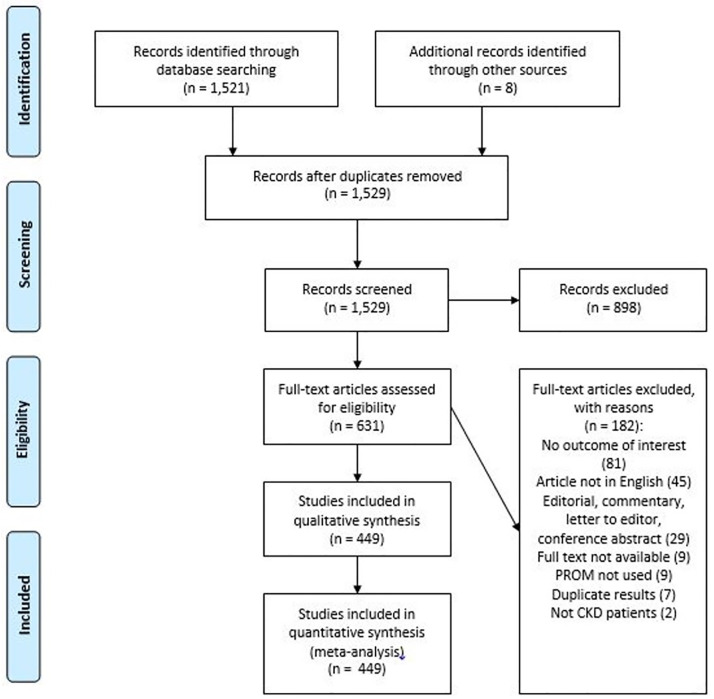
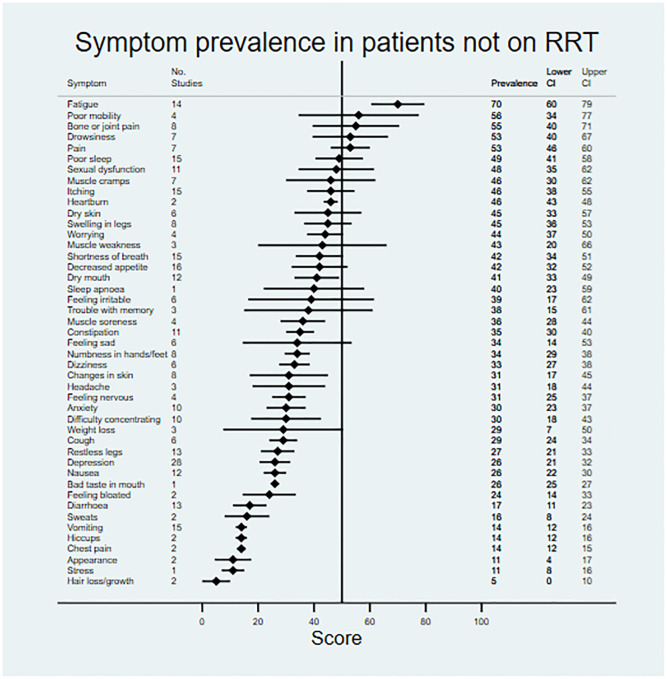
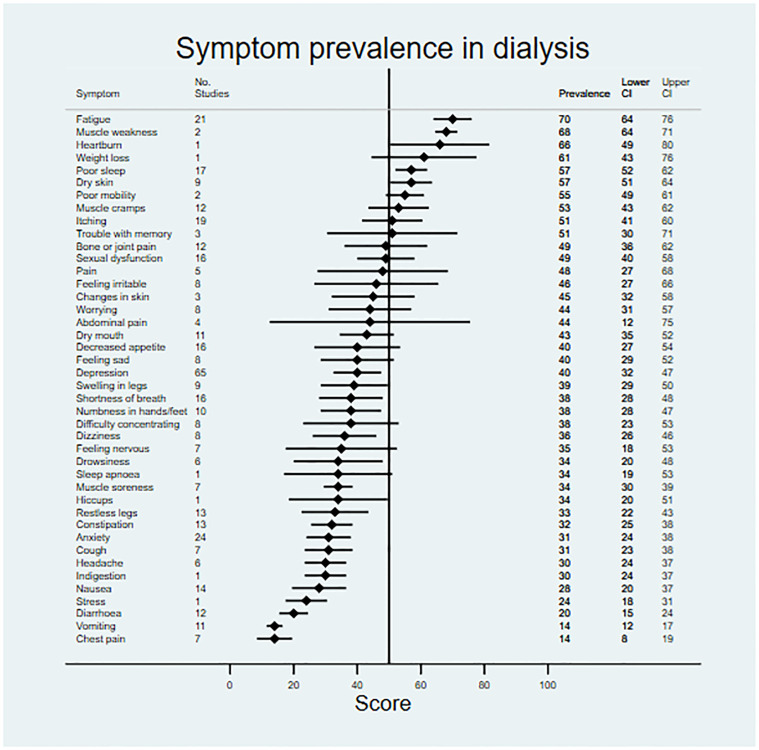
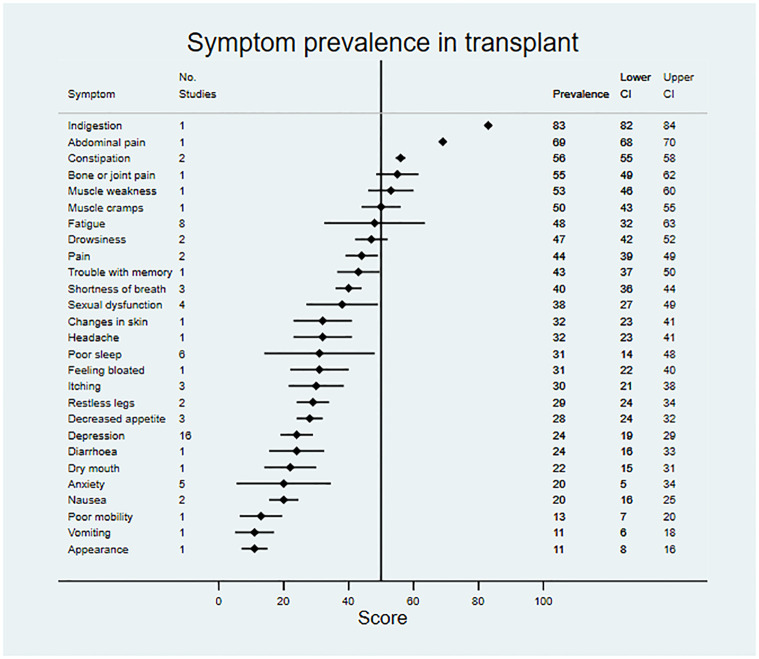
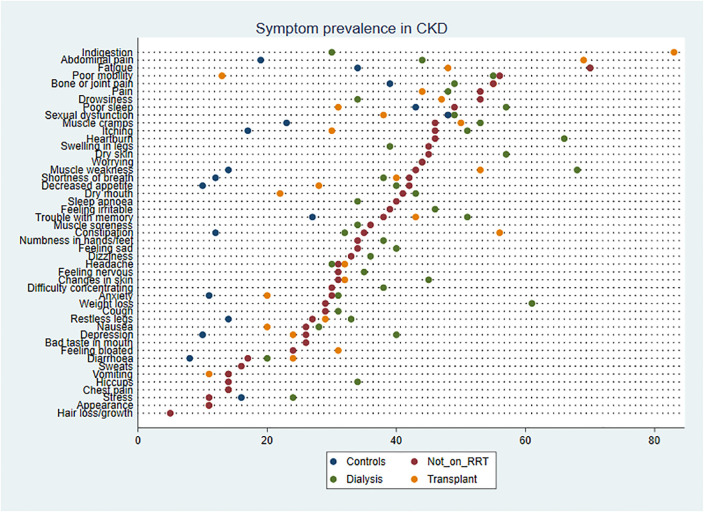
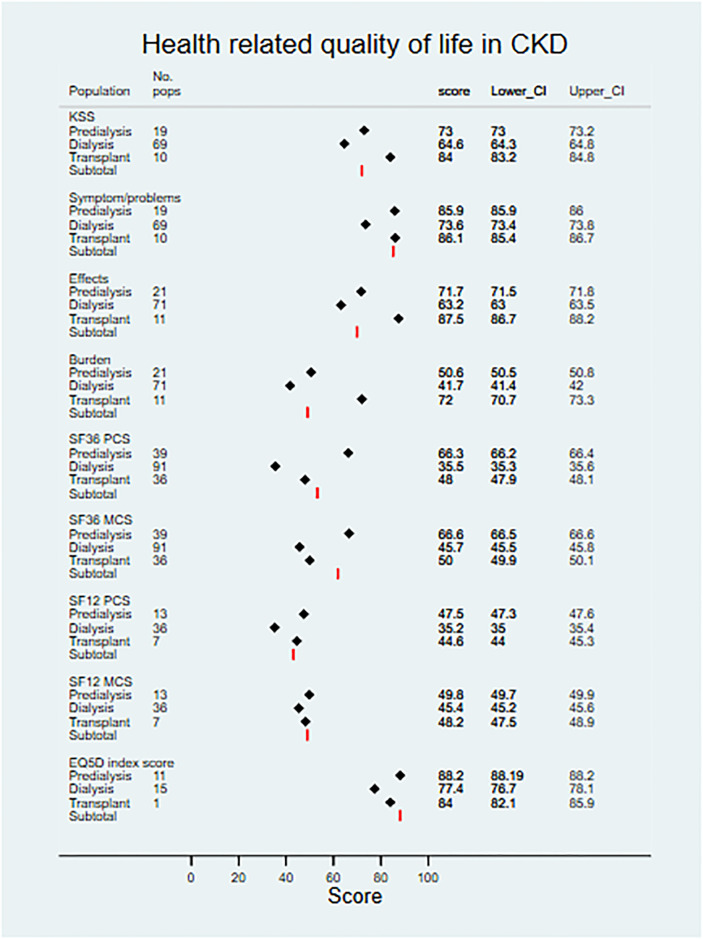
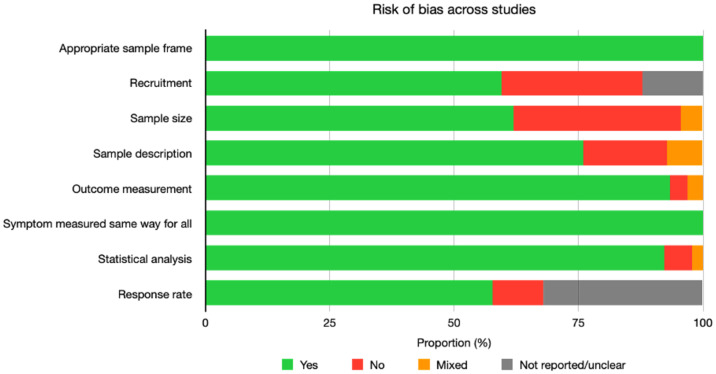
Background: The importance of patient-reported outcome measurement in chronic kidney disease (CKD) populations has been established. However, there remains a lack of research that has synthesised data around CKD-specific symptom and health-related quality of life (HRQOL) burden globally, to inform focused measurement of the most relevant patient-important information in a way that minimises patient burden. The aim of this review was to synthesise symptom prevalence/severity and HRQOL data across the following CKD clinical groups globally: (1) stage 1–5 and not on renal replacement therapy (RRT), (2) receiving dialysis, or (3) in receipt of a kidney transplant. Methods and findings: MEDLINE, PsycINFO, and CINAHL were searched for English-language cross-sectional/longitudinal studies reporting prevalence and/or severity of symptoms and/or HRQOL in CKD, published between January 2000 and September 2021, including adult patients with CKD, and measuring symptom prevalence/severity and/or HRQOL using a patient-reported outcome measure (PROM). Random effects meta-analyses were used to pool data, stratified by CKD group: not on RRT, receiving dialysis, or in receipt of a kidney transplant. Methodological quality of included studies was assessed using the Joanna Briggs Institute Critical Appraisal Checklist for Studies Reporting Prevalence Data, and an exploration of publication bias performed. The search identified 1,529 studies, of which 449, with 199,147 participants from 62 countries, were included in the analysis. Studies used 67 different symptom and HRQOL outcome measures, which provided data on 68 reported symptoms. Random effects meta-analyses highlighted the considerable symptom and HRQOL burden associated with CKD, with fatigue particularly prevalent, both in patients not on RRT (14 studies, 4,139 participants: 70%, 95% CI 60%–79%) and those receiving dialysis (21 studies, 2,943 participants: 70%, 95% CI 64%–76%). A number of symptoms were significantly ( p < 0.05 after adjustment for multiple testing) less prevalent and/or less severe within the post-transplantation population, which may suggest attribution to CKD (fatigue, depression, itching, poor mobility, poor sleep, and dry mouth). Quality of life was commonly lower in patients on dialysis (36-Item Short Form Health Survey [SF-36] Mental Component Summary [MCS] 45.7 [95% CI 45.5–45.8]; SF-36 Physical Component Summary [PCS] 35.5 [95% CI 35.3–35.6]; 91 studies, 32,105 participants for MCS and PCS) than in other CKD populations (patients not on RRT: SF-36 MCS 66.6 [95% CI 66.5–66.6], p = 0.002; PCS 66.3 [95% CI 66.2–66.4], p = 0.002; 39 studies, 24,600 participants; transplant: MCS 50.0 [95% CI 49.9–50.1], p = 0.002; PCS 48.0 [95% CI 47.9–48.1], p = 0.002; 39 studies, 9,664 participants). Limitations of the analysis are the relatively few studies contributing to symptom severity estimates and inconsistent use of PROMs (different measures and time points) across the included literature, which hindered interpretation. Conclusions: The main findings highlight the considerable symptom and HRQOL burden associated with CKD. The synthesis provides a detailed overview of the symptom/HRQOL profile across clinical groups, which may support healthcare professionals when discussing, measuring, and managing the potential treatment burden associated with CKD. Protocol registration: PROSPERO CRD42020164737.
Overview
The claims and statistics of this paper haven’t been checked yet.
Free: it reads the open-access text and checks the first 5 claims that cite a source we can check. Create a free account to check every claim.
Integrity signals
Registry
Cites
Statistics
Figures
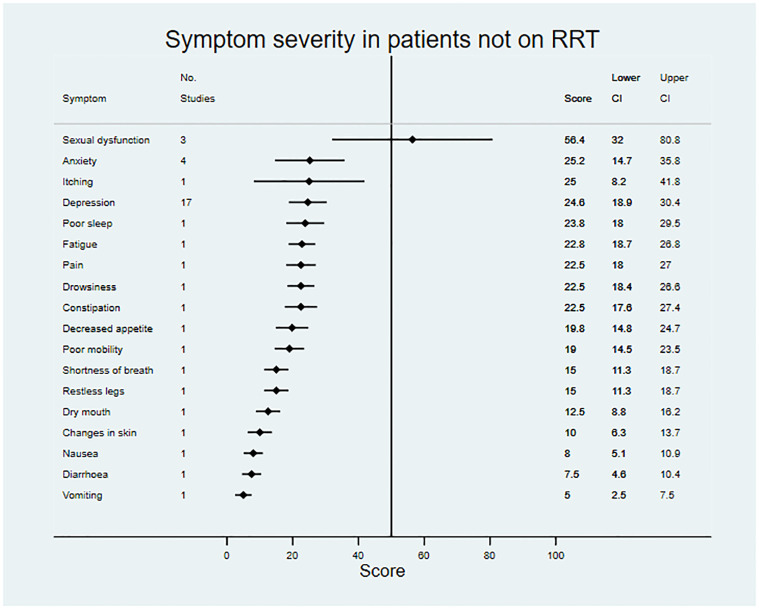
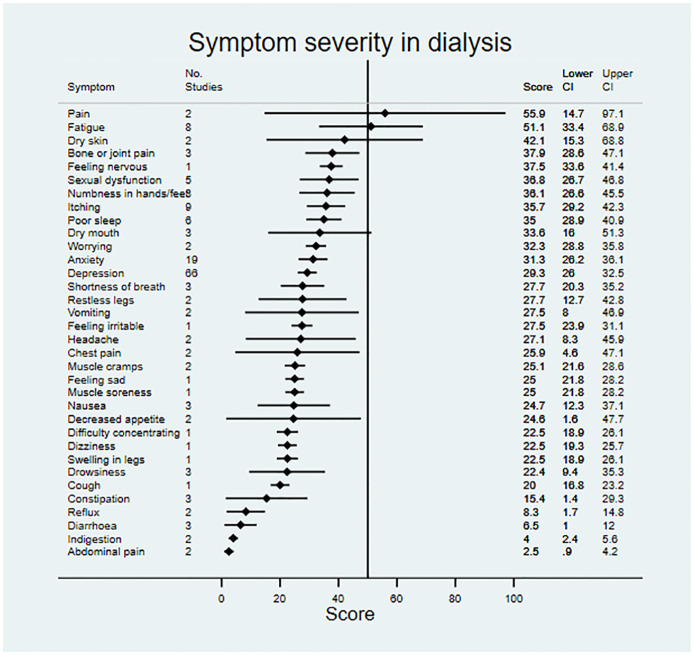
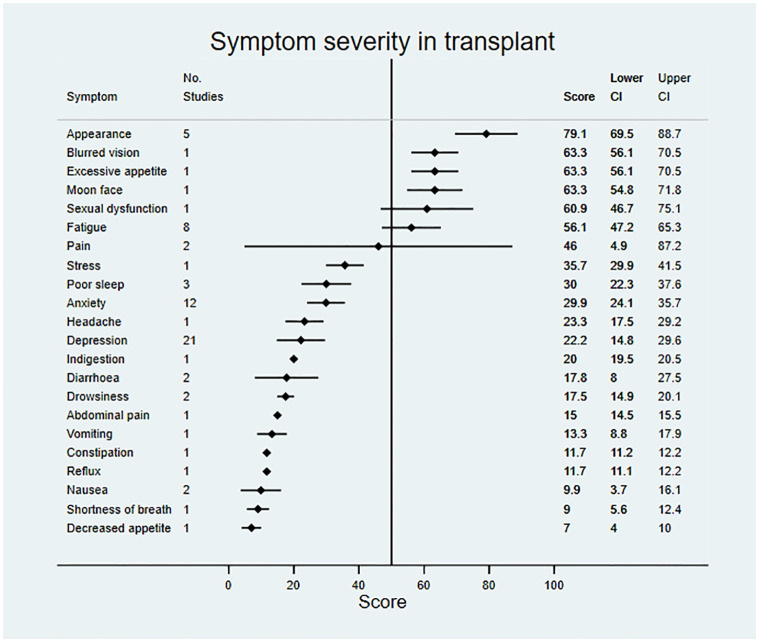
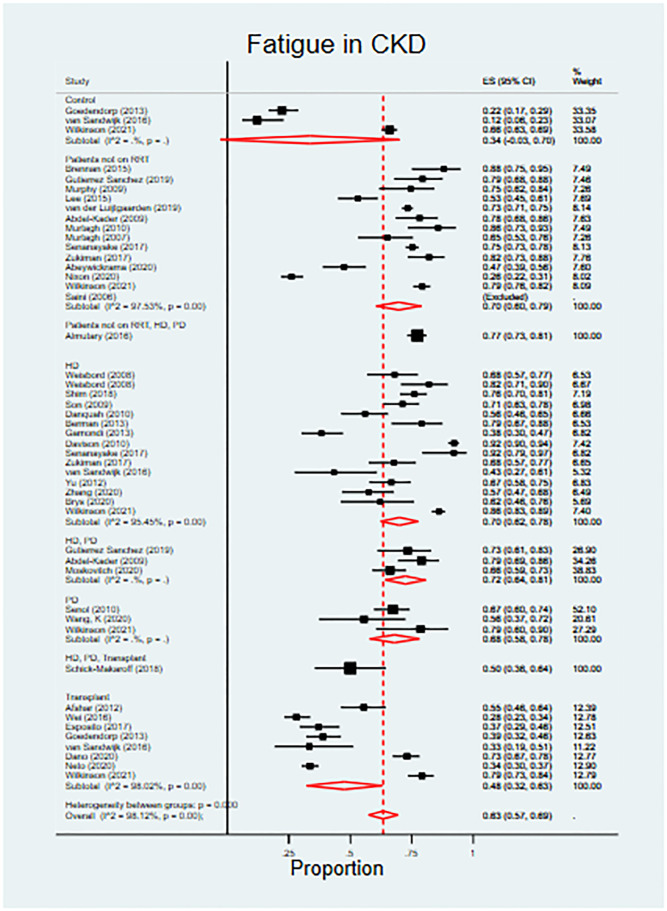
Verification
Claims the paper makes
The claims and statistics of this paper haven’t been checked yet.
Free: it reads the open-access text and checks the first 5 claims that cite a source we can check. Create a free account to check every claim.
Claims other papers make about this one
Each is checked against this paper’s own text: does it say what the citing paper says it does?
The source backs part of the claim, not all of it — or backs it for a different population, condition or comparison.
In the citing paper
“70% of patients with chronic kidney disease have persistent fatigue; 3 63% of patients with coronary heart disease have persistent pain in the arms, legs, or joints; 4 and 31% of patients with ulcerative colitis in remission have persistent gastro intestinal symptoms”
From Persistent physical symptoms: definition, genesis, and management (2024) · cites this paper as [3]
Experimental — accuracy not yet measured
Self-check
Percentages, sums and reported differences re-computed from the paper’s own numbers.
The self-check needs the paper’s full text.
Citations
Cites
Measuring inconsistency in meta-analyses
Higgins, J. P. T., Thompson, S. G., Deeks, J. J., & Altman, D. G. (2003) · BMJ · doi:10.1136/bmj.327.7414.557 · Cited by 63,139
Bias in meta-analysis detected by a simple, graphical test
Egger, M., Smith, G. D., Schneider, M., & Minder, C. (1997) · BMJ · doi:10.1136/bmj.315.7109.629 · Cited by 56,722
Bikbov, B., Purcell, C. A., Levey, A. S., Smith, M., Abdoli, A., Abebe, M., Adebayo, O. M., Afarideh, M., Agarwal, S. K., Agudelo-Botero, M., et al. (2020) · The Lancet · doi:10.1016/s0140-6736(20)30045-3 · Cited by 6,648
Munn, Z., Moola, S., Lisy, K., Riitano, D., & Tufanaru, C. (2015) · International Journal of Evidence-Based Healthcare · doi:10.1097/xeb.0000000000000054 · Cited by 3,131 · cited 6×
“Critical Appraisal Checklist for Studies Reporting Prevalence Data, and an exploration of publication bias performed.”
BackgroundMethodInfluentialCella, D., Yount, S., Rothrock, N., Gershon, R., Cook, K., Reeve, B., Ader, D., Fries, J. F., Bruce, B., & Rose, M. (2007) · Medical Care · doi:10.1097/01.mlr.0000258615.42478.55 · Cited by 3,118
The positive false discovery rate: a Bayesian interpretation and the q-value
Storey, J. D. (2003) · The Annals of Statistics · doi:10.1214/aos/1074290335 · Cited by 2,204 · cited 1×
“To account for multiple testing, sharpened false discovery rate (FDR) q-values were computed [18], and adjusted p-values are reported, with a significance level of p< 0.”
MethodMetaprop: a Stata command to perform meta-analysis of binomial data
Nyaga, V. N., Arbyn, M., & Aerts, M. (2014) · Archives of Public Health · doi:10.1186/2049-3258-72-39 · Cited by 2,139 · cited 1×
“Using Stata, the metaprop (meta-analysis of binomial data) command was used to summarise prevalence data, and the metan command was used to summarise severity and HRQOL scores [15,16].”
MethodMetan: fixed- and random-effects meta-analysis
Harris, R. J., Deeks, J. J., Altman, D. G., Bradburn, M. J., Harbord, R. M., & Sterne, J. A. C. (2008) · The Stata Journal: Promoting communications on statistics and Stata · doi:10.1177/1536867x0800800102 · Cited by 1,027
The Prevalence of Symptoms in End-Stage Renal Disease: A Systematic Review
Murtagh, F. E. M., Addington-Hall, J., & Higginson, I. J. (2007) · Advances in Chronic Kidney Disease · doi:10.1053/j.ackd.2006.10.001 · Cited by 983 · cited 2×
“Recent reviews report on some symptoms, but do not quantify the symptom burden or accurately identify differences in symptom burden between treatment states [21,22].”
BackgroundMapes, D. L., Lopes, A. A., Satayathum, S., Mccullough, K. P., Goodkin, D. A., Locatelli, F., Fukuhara, S., Young, E. W., Kurokawa, K., Saito, A., et al. (2003) · Kidney International · doi:10.1046/j.1523-1755.2003.00072.x · Cited by 858
Cited by
Items 101–200 of 414
Esbo, S. R., Ghaffari, F., Fotokian, Z., Nikbakht, H., & Saadati, K. (2024) · BMC Psychology · doi:10.1186/s40359-024-01685-x · Cited by 10
“Fatigue, irritability, anxiety, depression, and feelings of sorrow and grief are among the psychological issues mentioned in various studies for these patients [5].”
Machaca-Choque, D., Palomino-Guerra, G., Flores-Cohaila, J. A., Parihuana-Travezaño, E. G., Taype-Rondán, Á., Gomez-Colque, S., & Corzo, C. A. C. (2024) · PLoS ONE · doi:10.1371/journal.pone.0300280 · Cited by 19
Magagnoli, L., Cozzolino, M. G., Evans, M., Caskey, F. J., Dekker, F. W., Torino, C., Szymczak, M., Drechsler, C., Pippias, M., Vilasi, A. D., et al. (2024) · Clinical Journal of the American Society of Nephrology · doi:10.2215/cjn.0000000000000510 · Cited by 6
de Carvalho, M. C., de Azevedo, J. N., Azevedo, P., Pires, C. A. M., Machado, J. P., & Laranjeira, M. (2023) · Healthcare · doi:10.3390/healthcare11091355 · Cited by 6
“Low HRQOL scores in patients receiving maintenance HD have been associated with a higher risk of hospitalization and mortality [10,53–55], poorer mental health [56] and nutritional status [57], fatigue [58], chronic pain [59], and depressive and anxiety symptoms [44,60,61].”
BackgroundJawed, A., Batch, B., Allen, R., Epstein, R. M., Fiscella, K. A., Duberstein, P. R., & Saeed, F. (2024) · American Journal of Hospice and Palliative Medicine® · doi:10.1177/10499091241279939 · Cited by 5
“34 Further, many patients prioritize quality of life over survival and are willing to make tradeoffs, even if it means sacri fi cing a few months of extended life to preserve their independence, ability to travel, 35 and time spent at home, yet CKM and quality of life issues are not frequently…”
Baseline Characteristics of the DISCOVER CKD Prospective Cohort
Pollock, C. A., Carrero, J. J., Kanda, E., Ofori‐Asenso, R., Chen, H., Sánchez, J. J. G., Pentakota, S., Pecoits-Filho, R., Fishbane, S., Lam, C. S. P., et al. (2024) · Advances in Therapy · doi:10.1007/s12325-024-03028-z · Cited by 5
Salmon-Cabrales, I., Kalife, D. A. D. L. G., García-González, G., Santoyo-Suárez, M. G., Rodríguez-Núñez, O., Estrada-Rodríguez, A. E., Jiménez-Gutiérrez, M. A., Garza-Treviño, E. N., Chao, D. F. B., Padilla-Rivas, G. R., et al. (2024) · Life · doi:10.3390/life14121671 · Cited by 5
Cooper, A. L., Panizza, N., Bartlett, R., Martin‐Robins, D., & Brown, J. A. (2025) · Journal of Nephrology · doi:10.1007/s40620-024-02193-2 · Cited by 5
Zhang, L., Chen, Y., Tang, W., Wang, Q., Zou, L., & Zhou, L. (2025) · BMC Nursing · doi:10.1186/s12912-025-02835-1 · Cited by 11
“The compounding of various physical and psychological problems seriously reduces the quality of life of patients [11, 15, 16], which is below the normal standard [17, 18].”
Bui, L. K., Purtell, L., Hyun, A., & Bonner, A. (2025) · Journal of Clinical Nursing · doi:10.1111/jocn.17827 · Cited by 5
“…in CKD is also associated with poor health-related quality of life (HRQoL), as symptoms interfere with usual activities, limit social interaction, reduce capacity to un-dertake work, and contribute to significant morbidity and mortality (Fletcher et al. 2022; Moore et al. 2022; Yapa et al. 2020).”
Sułkowski, L., Matyja, A., & Matyja, M. (2025) · Medicina · doi:10.3390/medicina61071295 · Cited by 6
“Existing literature reports mixed findings on age-related differences: younger patients may report lower quality of life due to greater emotional distress, whereas older individuals often struggle with greater physical limitations and dependency [23–25].”
Muxunov, A., Almazan, J., Kalinina, D., Kuanshaliyeva, Z., Gaipov, A., Makhadiyeva, D., Kabibulatova, A., Madikenova, M., Nabiyev, A., & Sarría‐Santamera, A. (2026) · Quality of Life Research · doi:10.1007/s11136-025-04154-z · Cited by 11
“For instance, BKD and EKD scores of dialysis patients were 41.7 and 63.2, respectively, in a study by Fletcher et al. (2022) [12], whereas our corresponding pooled estimates were 31.2 and 59.9.”
InfluentialLeaviss, J., Booth, A., Coyle, D., Daly, G., Davis, S., Dawes, H., Deary, V., Dwivedi, K., Forsyth, J. E., Fryer, K., et al. (2026) · BMJ Medicine · doi:10.1136/bmjmed-2025-001746 · Cited by 7
“The final criteria (online supplementary methods 4) were then reapplied to all included studies.”
Electronic patient-reported outcomes in chronic kidney disease
Anderson, N. E., Kyte, D. G., McMullan, C., Cockwell, P., Aiyegbusi, O. L., Verdi, R., & Calvert, M. (2022) · Nature Reviews Nephrology · doi:10.1038/s41581-022-00619-3 · Cited by 5
Self-citationPolypharmacy and Quality of Life Among Dialysis Patients: A Qualitative Study
Colombijn, J. M. T., Colombijn, F., van Berkom, L., van Dijk, L. A., Senders, D., Tierolf, C., Abrahams, A. C., & van Jaarsveld, B. C. (2023) · Kidney Medicine · doi:10.1016/j.xkme.2023.100749 · Cited by 5
“10 Therefore, this follow-up study aimed to fill important gaps in both quantitative and qualitative studies to gain insight into dialysis patients’ experiences with poly-pharmacy.”
BackgroundRokhman, M. R., Wardhani, Y., Partiningrum, D. L., Purwanto, B. D., Hidayati, I. R., Idha, A., Thobari, J. A., Postma, M. J., Boersma, C., & van der Schans, J. (2024) · Peritoneal Dialysis International · doi:10.1177/08968608241285969 · Cited by 5
“5 A focus on the improvement of HRQoL has been associated with improved treatment adherence, enhanced emotional and cognitive functioning, better certain laboratory parameters, reduced hospitalization frequencies, and decreased mortality rates.”
Cai, S., Li, C., Du, Z., Liu, S., Zhou, L., Zhao, Y., Li, Y., & Fu, X. (2024) · Qualitative Health Research · doi:10.1177/10497323241301296 · Cited by 5
“The various symptoms following dialysis not only affect the patient ’ s health-related quality of life (Fletcher et al., 2022) but also impose signi fi cant psychological stress on the participants (Wen et al., 2023).”
Skoumalová, I., Gecková, A. M., Rosenberger, J., Majerníková, M., Kolarčík, P., Klein, D., de Winter, A. F., van Dijk, J. P., & Reijneveld, S. A. (2022) · International Journal of Environmental Research and Public Health · doi:10.3390/ijerph192013265 · Cited by 11
“Dialysed patients suffer from physical symptoms such as pain, fatigue, nausea, and frailty and from the impact of these symptoms on their daily performance at work, at home, and on the ability to be engaged in social life activities [14,15].”
BackgroundPasquale, C. D., Pistorio, M. L., Veroux, M., Sapienza, G., Florio, A., Hichy, Z., Ekser, B., Giaquinta, A., & Veroux, P. (2023) · BMC Psychology · doi:10.1186/s40359-023-01246-8 · Cited by 6
Liu, L., Zhou, L., Zhang, Q., & Zhang, H. (2023) · PubMed Central · doi:10.11817/j.issn.1672-7347.2023.230045 · Cited by 5
Liu, Z.-H., Wang, L., & Hu, Z.-F. (2024) · Medicine · doi:10.1097/md.0000000000037712 · Cited by 6
Palmer, E., Johar, I., Little, D. J., & Karlsson, N. (2024) · Advances in Therapy · doi:10.1007/s12325-024-02853-6 · Cited by 8
“The long-term nature of CKD could have resulted in patients adapting to, and accepting, the changes in physical functioning associated with their condition, leading them to view reductions in physical functioning as less severe.”
BackgroundGöktuna, G., & Arslan, G. G. (2024) · EXPLORE · doi:10.1016/j.explore.2024.103061 · Cited by 5
Why Symptom Burden in Non-Dialysis CKD Matters
Mora, M. C. S., Jessen, B., & Huber, T. B. (2024) · American Journal of Kidney Diseases · doi:10.1053/j.ajkd.2024.07.005 · Cited by 6
Association Between Albuminuria and Glomerular Filtration Rate With Incident Frailty
Bongetti, E. K., Wilkinson, A. L., Wetmore, J. B., Murray, A. M., Woods, R. L., Espinoza, S. E., Ernst, M. E., Fravel, M. A., Orchard, S. G., Thảo, L. T. P., et al. (2024) · Kidney International Reports · doi:10.1016/j.ekir.2024.11.017 · Cited by 4
“12-14 However, perhaps paradoxically, in adults aged > 60 years, preserved creatinine-based eGFR has been associated with negative health outcomes, including increased mortality.”
Optimizing symptom management in people with kidney failure
Sabanayagam, D., Guha, C., Scholes-Robertson, N. J., Jauré, A., & Wong, G. (2025) · Kidney International · doi:10.1016/j.kint.2025.07.040 · Cited by 5
Akhtar, T., Pienaar, A. J., Asmat, K., & Sikander, S. (2025) · BMJ Open · doi:10.1136/bmjopen-2025-106937 · Cited by 7
Lockwood, M. B., Sung, C., Alvernaz, S. A., Lee, J. R., Chin, J. L., Nayebpour, M., Bernabé, B. P., Tussing-Humphreys, L. M., Li, H., Spaggiari, M., et al. (2024) · Biological Research For Nursing · doi:10.1177/10998004241256031 · Cited by 5
“Individuals with kidney disease, particularly in later stages of disease, experience signi fi cant symptom burden (Abdel-Kader et al., 2009; Almutary et al., 2013; Fletcher et al., 2022).”
InfluentialSharma, S., Alexander, K. E., Green, T., Wu, M., & Bonner, A. (2025) · International Journal of Nursing Studies · doi:10.1016/j.ijnurstu.2025.105032 · Cited by 4
Yi, S., Li, F., Ma, X., Xu, Y., Lai, W., Chen, H., Fan, J., Mao, N., & Ren, S. (2025) · Renal Failure · doi:10.1080/0886022x.2025.2516774 · Cited by 9
Lee, J. H., Heo, S.-J., Kim, K. M., & Lee, J. E. (2025) · Osteoporosis International · doi:10.1007/s00198-025-07601-2 · Cited by 6
Evaluation of health-related quality of life in cats with chronic kidney disease
Lorbach, S. K., Quimby, J. M., Nijveldt, E., Paschall, R. E., Scott, E. M., & Reid, J. (2025) · Journal of Feline Medicine and Surgery · doi:10.1177/1098612x251367535 · Cited by 4
“4–8 Although many studies describe a correlation between severity and progression of disease and decreasing HRQoL, 4,7 these results are inconsistent.”
Vidanapathirana, M., Dharmawardhane, M. P., Ananda, R., Gomez, D. M., & Mahesh, P. K. B. (2025) · BMC Nephrology · doi:10.1186/s12882-025-04463-y · Cited by 5
“8) frequently bothered these patients [5].”
Du, Z., Chu, T., Dai, F., Mao, H., & Zhao, J. (2025) · Medicine · doi:10.1097/md.0000000000044433 · Cited by 4
“[24] Chronic inflammation and oxidative stress, common in ESRD patients, may also impair central nervous system function, contributing to sleep dysregulation.”
Park, M., Son, S., Lee, S., Baek, H., & Park, J. I. (2024) · Cyberpsychology Behavior and Social Networking · doi:10.1089/cyber.2023.0699 · Cited by 5
“18 Additionally, ESKD patients often have lower SES 19 and also report diminished health-related quality of life, with common symptoms, including fatigue, muscle weakness, and poor sleep, 20 all of which are factors that hinder access to digital health technologies.”
Sønderskov, M. B., Khatir, D. S., Kjærgaard, K. D., Hasselstrøm, J. B., Sørensen, L. K., Sædder, E. A., & Andersen, C. U. (2024) · Kidney International Reports · doi:10.1016/j.ekir.2024.12.030 · Cited by 5
Huang, L., Zhang, F., Zhu, R., Wang, L., Zhang, Y., Zhang, H., & Zhong, Y. (2023) · Nursing Open · doi:10.1002/nop2.1681 · Cited by 4
“The renal community is increasingly aware of the high symptom burden and impaired quality of life experienced by patients with chronic kidney disease (Fletcher et al., 2022).”
BackgroundPeng, N., & Li, S. (2023) · International Urology and Nephrology · doi:10.1007/s11255-023-03861-1 · Cited by 4
Addressing the Human Experience of Chronic Kidney Disease: A Call to Transform Kidney Care
Correa‐Rotter, R., Chadban, S. J., Christen, L., Damron, K. C., Hamusankwa, L., Jarvis, S., Pentakota, S., Robles, M., Stevens, P., & Wanner, C. (2024) · Advances in Therapy · doi:10.1007/s12325-024-03048-9 · Cited by 3
Sun, W., & Chang, Y. (2025) · Hemodialysis International · doi:10.1111/hdi.13269 · Cited by 5
Chen, X., Ye, D., Zhou, W., Huang, Z., Zou, W., Zeng, R., & Chen, W. (2025) · Renal Failure · doi:10.1080/0886022x.2025.2523574 · Cited by 4
“Exclusion criteria incorporated the following [1]: patients < 20 years old ( n = 3,605) [2]; patients diagnosed with cancer ( n = 1,644) [3]; patients without available follow-up information ( n = 9) [4]; patients with incomplete records of certain markers, including CRP, neutrophil and lymphocyte…”
Mei, L., Qin, J., Liu, X., & Yu, M. (2025) · Scientific Reports · doi:10.1038/s41598-025-08624-9 · Cited by 3
Changing paradigms of studies in kidney diseases
Levin, A., Jaure, A., Little, D. J., Schell, J. O., Lees, J. S., Eckardt, K., Weinfurt, K. P., Rose, M., Jardine, M., Grams, M. E., et al. (2025) · Kidney International · doi:10.1016/j.kint.2025.09.016 · Cited by 3
Wu, Y., Lu, K., Liao, Y., Wang, J., Yang, T., Wang, L., & Li, F. (2025) · International Journal of General Medicine · doi:10.2147/ijgm.s542130 · Cited by 3
Global kidney health: Are we failing the silent pandemic?
Yi, T. W., O’Hara, D. V., & Levin, A. (2026) · Journal of Internal Medicine · doi:10.1111/joim.70088 · Cited by 5
“It is abundantly clear that the burden of CKD on the individual is immense, encompassing poor quality of life [16], reduced labor force participation [17], and marked increased risk for cardiovascular disease and death [18].”
Symptom Science in Kidney Disease
Wulczyn, K. E., Forfang, D. L., & Kalim, S. (2024) · Advances in Kidney Disease and Health · doi:10.1053/j.akdh.2023.09.002 · Cited by 4
Huang, F., Éthier, I., Vaillant, I., Silver, S. A., & Côté, J. (2025) · Kidney360 · doi:10.34067/kid.0000000707 · Cited by 4
“6,16 Such an approach has been validated in various nephrology populations through the Standardized Outcomes in Nephrology Initiative, developing shared priorities relevant to not only health care professionals and researchers, but also patients and their families.”
InfluentialYangöz, Ş. T., Kavradım, S. T., & Özer, Z. (2025) · Applied Nursing Research · doi:10.1016/j.apnr.2025.151918 · Cited by 10
Endocrine disorders linked to chronic kidney disease: Mechanisms and clinical implications
Concepción‐Zavaleta, M. J., Fuentes‐Mendoza, J. M., López-Ramírez, E. P., Martínez-García, J. A., Urteaga, L. A. C., & Paz‐Ibarra, J. (2026) · World Journal of Nephrology · doi:10.5527/wjn.v15.i1.113875 · Cited by 4
Factors associated with postural balance in patients with end-stage renal disease on hemodialysis
de Jesus, L. A. D. S., Pinheiro, B. V., Lucinda, L. M. F., de Oliveira, G. B. G. R., Haddad, M. F. P. D., Vidigal, A. B. R., Maciel, J. M., Watanabe, L. D. H., Oliveira, C. C., & Reboredo, M. M. (2023) · Clinical Biomechanics · doi:10.1016/j.clinbiomech.2023.106033 · Cited by 3
Self-concept and academic achievement in children with chronic kidney disease
Verhofste, S. L., Conrad, A. L., Johnson, R. J., Steinbach, E. J., Staber, J. M. R., & Harshman, L. A. (2023) · Pediatric Nephrology · doi:10.1007/s00467-023-06106-6 · Cited by 4
Gill, J., Pucci, M., Samudio, A. M., Ahmed, T., Siddiqui, R., Edwards, N., Marticorena, R. M., Donnelly, S. M., Lok, C. E., Wentlandt, K., et al. (2024) · BMJ Open · doi:10.1136/bmjopen-2023-080712 · Cited by 4
Xu, N., Wang, D., Hong, Y., Huang, P., Xu, Q., Sun, H., Cai, L., Yin, J., Zhang, L., & Yang, B. (2024) · Quantitative Imaging in Medicine and Surgery · doi:10.21037/qims-23-1514 · Cited by 3
Rangan, G. K., Allman-Farinelli, M. A., Boudville, N. C., Fernando, M. R., Haloob, I. A., Harris, D. C. H., Hawley, C. M., Kumar, K., Johnson, D. W., Lee, V. W., et al. (2024) · Clinical Kidney Journal · doi:10.1093/ckj/sfae159 · Cited by 3
“Chronic diseases and medical interventions may negatively influence physical, social and mental health of an individual and decrease quality of life [14 , 15 ].”
BackgroundWu, N., Chow, R., Verhoeff, N., Venkatraman, A., Xiang, A. J., Fong, E., Heid, O., Shorr, R., Jama, S., Cowan, A., et al. (2024) · BMC Nephrology · doi:10.1186/s12882-024-03845-y · Cited by 2
“Projections indicate that CKD will be the fifth leading cause of death by 2040 [14, 15].”
González-Galán, C., Poza‐Méndez, M., Fernández‐Gutiérrez, M., & Bas‐Sarmiento, P. (2025) · Healthcare · doi:10.3390/healthcare13091048 · Cited by 3
“This treatment affects quality of life from a physical, psychological, and social perspective [2], with variations depending on the RRT modality, and patients on RRT experience a lower quality of life than the general population [3,4].”
Liu, Y., Li, F., Chen, C., Wan, Z., Chen, J., Yang, H. J., Liu, R., Xu, J., Zheng, Y., Qin, L., et al. (2023) · Journal of Diabetes · doi:10.1111/1753-0407.13393 · Cited by 3
“1% of adults worldwide.(1,2) In China, the national prevalence of CKD was estimated to be 10.”
BackgroundMitigating Pain in People Undergoing Hemodialysis
Davison, S. N. (2022) · Clinical Journal of the American Society of Nephrology · doi:10.2215/cjn.08690722 · Cited by 3
Hajj-Moussa, M., Hachem, N. E., Sebaaly, Z. E., Moubarak, P., Malaeb, D. N., Hallit, R. R., Khatib, S. E., Hallit, S. R., Obeïd, S., & Fekih‐Romdhane, F. (2023) · Research Square · doi:10.21203/rs.3.rs-3494149/v1 · Cited by 3
Młyńczyk, J., Abramowicz, P., Bernacka-Kusznierko, I., & Konstantynowicz, J. (2025) · Rheumatology International · doi:10.1007/s00296-025-05797-4 · Cited by 2
Wu, Y., Gao, J. Y., Tang, W., Su, C., Zhu, Y., Wang, T., Wang, L., Liao, W., Chu, X., Wang, Y., et al. (2025) · Health Data Science · doi:10.34133/hds.0280 · Cited by 5
“This scarcity of research is, in part, attributable to the prolonged disease progression characteristic of PD, which necessitates an extended period for data collection [ 38 ].”
Ramírez-García, A., Torné‐Ruiz, A., Bonet, A., Monistrol, O., Banqué, M., & Roca, J. (2025) · International Journal of Nursing Sciences · doi:10.1016/j.ijnss.2025.06.012 · Cited by 4
“Notably, the type of dialysis and the possibility of a kidney transplant significantly influenced these assessments, with those on dialysis reporting a lower quality of life as compared to those who had received a transplant [55].”
Ribeiro, Y. D. A., Gonçalves, A. C. S., Gonçalves, D. L. N., & da Silva, L. S. (2025) · Archives of Public Health · doi:10.1186/s13690-025-01598-0 · Cited by 2
“In addition, the development of the disease can lead to a decrease in the functional capacity of individuals with CKD [33] and contribute to a reduction in the overall quality of life of individuals with the disease [32].”
Insomnia, pruritus, and constipation in hemodialysis patients: a cross-sectional study
Zhu, J., & Wang, B. (2025) · Frontiers in Physiology · doi:10.3389/fphys.2025.1637989 · Cited by 2
Lowney, A. C., Davison, S. N., Douglas, C., & Brennan, F. P. (2025) · BMJ Supportive & Palliative Care · doi:10.1136/spcare-2025-005714 · Cited by 2
“18 Those symptoms may be secondary to the underlying kidney disease, to the treatment of the kidney disease or to comorbidities.”
Yang, X., Tang, W., Chan, H., Wang, M., Yang, H., & Li, Q. (2025) · Diabetes Obesity and Metabolism · doi:10.1111/dom.70144 · Cited by 4
Liu, X., Xu, Q., Ma, X., & Xu, Y. (2025) · Patient Preference and Adherence · doi:10.2147/ppa.s553320 · Cited by 2
“39,46,47 This state enhances their confidence, enabling them to pay attention to changes in their own health and take measures to prevent further deterioration.”
Deep-supercooling Preservation for Rat Kidneys
Li, Y., Li, Z., Peng, L., & Huang, H. (2025) · Transplantation · doi:10.1097/tp.0000000000005550 · Cited by 2
Perspectives on Quality of Life, Vascular Access, and Fluid Balance in Incremental Hemodialysis
Roos, S., van Lieshout, T. S., Abrahams, A. C., van Jaarsveld, B. C., van Ittersum, F. J., & Penne, E. L. (2025) · Kidney360 · doi:10.34067/kid.0000001017 · Cited by 2
Longitudinal symptom network patterns in cancer patients during the end of life
Mostajeran, S., Nasirzadeh, E., & Mohammadian, A. (2025) · Scientific Reports · doi:10.1038/s41598-025-29627-6 · Cited by 3
“If these distressing symptoms are not managed effectively, they can significantly affect patients’ quality of life 5,21,22 .”
Caregiver Perspectives on Supporting Kidney Transplant Recipients Through Graft Loss
Slominska, A. M., Le, A., Gouin-Bonenfant, M., Kinsella, E. A., Gaudio, K., Trinh, E., Shamseddin, M. K., Bugeja, A. L., Fortin, M., Farkouh, M., et al. (2026) · Kidney International Reports · doi:10.1016/j.ekir.2026.106523 · Cited by 3
Lifestyle and Environment Aspects Challenging Kidney Health
Cupisti, A., D’alessandro, C., Paolo, A. D., Ferraro, P. M., Porta, E. L., Noce, A., Panichi, V., Parisi, A., & Messa, P. (2026) · Kidney & Blood Pressure Research · doi:10.1159/000552770 · Cited by 2
Kidney replacement therapy transitions during the year preceding death
Jongejan, M., Leegte, M. J. H., Abrahams, A. C., van Buren, M., Numans, M. E., Bos, W. J. W., & Voorend, C. G. N. (2024) · Nephrology Dialysis Transplantation · doi:10.1093/ndt/gfae167 · Cited by 2
Guha, C., O'Reilly, C., Silva, J. R., & Howell, M. (2024) · Seminars in Nephrology · doi:10.1016/j.semnephrol.2024.151554 · Cited by 2
The Effect of Herbal Medicine for Chronic Kidney Disease: A Systematic Review and Meta-Analysis
Hong, S.-H., Chung, U.-R., & Shin, G.-C. (2024) · The Journal of Internal Korean Medicine · doi:10.22246/jikm.2024.45.4.568 · Cited by 4
Dalimunthe, D. A., Hazlianda, C. P., Lubis, F. M., Sinaga, R. M., & Salim, S. (2024) · Narra J · doi:10.52225/narra.v4i3.967 · Cited by 7
Furtak, G., Lerch, N., Kozłowski, M., Tkacz, P., Piekara, E., Łagódka, M., Durys, D., Gutowska, I., Widecka, K., Marchelek‐Myśliwiec, M., et al. (2024) · International Journal of Molecular Sciences · doi:10.3390/ijms252413449 · Cited by 3
“Patients experiencing chronic anxiety report significantly reduced quality of life [47,48,51].”
A Predictive Nomogram for Selective Screening of Chronic Kidney Disease: A Population-Based Study
Vo, N. H., Pham, B. V., Nguyen, N. N., & Nguyen, B. T. (2025) · Canadian Journal of Kidney Health and Disease · doi:10.1177/20543581241309979 · Cited by 7
Aliyah, R., & Taslim, N. A. (2024) · Nutrición clínica y dietética hospitalaria/Nutrición clínica, dietética hospitalaria · doi:10.12873/443aliyah · Cited by 4
Kusumawardani, L. A., Risni, H. W., Naurahhanan, D., & Sulaiman, S. A. S. (2025) · International Journal of Nephrology and Renovascular Disease · doi:10.2147/ijnrd.s503573 · Cited by 2
The Perception of Illness in People with Advanced Chronic Kidney Disease
Sitjar-Suñer, M., Soler, R. S., Masià‐Plana, A., Ferrer, B.-C. S., Pericot-Mozo, X., & García, G. R. (2025) · Journal of Personalized Medicine · doi:10.3390/jpm15030120 · Cited by 3
“These studies conclude that as the perception of symptoms characterized by physical discomfort such as pain or fatigue increases, there is a greater impact on the ability to carry out everyday activities, such as work, personal care, social relationships, and leisure activities [53,54].”
Hemodialysis treatment outcomes and patient-reported outcomes in a single-center pilot study
Al-Barbari, K., Vishnevskii, K. A., Karpov, P., Zhernova, Y. Y., Zemchenkov, A. Y., & Rumyantsev, A. S. (2025) · Nephrology (Saint-Petersburg) · doi:10.36485/1561-6274-2025-29-1-75-87 · Cited by 2
Sahu, G., Arora, P., Tiwari, P., D’Cruz, S., & Tahlan, A. (2025) · Brazilian Journal of Nephrology · doi:10.1590/2175-8239-jbn-2024-0229en · Cited by 6
Hung, T., Lin, T., Liou, Y., Lin, T., Hsu, Y., Lin, L., & Wang, M. (2025) · Journal of Internal Medicine · doi:10.1111/joim.20112 · Cited by 2
“The presence of ESRD in patients with diabetes poses a significant global health threat, leading to increased mortality, deteriorated quality of life, and high healthcare costs [5–7].”
Quinolinic acid links kidney injury to brain toxicityPreprint
Saliba, A., Debnath, S., Tamayo, I. M., Tůmová, J., Maddox, M., Singh, P., Fastenau, C., Maity, S., Lee, H. J., Zhang, G., et al. (2024) · bioRxiv (Cold Spring Harbor Laboratory) · doi:10.1101/2024.05.07.592801 · Cited by 2
Exploring Hospital Transfers for Long-Stay Nursing Home Residents With End-Stage Renal Disease
Canada, K. E., Vogelsmeier, A., Popejoy, L., Powell, K., Brandt, L. C., & Rantz, M. (2024) · Journal of Nursing Care Quality · doi:10.1097/ncq.0000000000000758 · Cited by 1
“7,19 This study explored differences in contributing factors by transfer site (ie, nursing home or dialysis clinic).”
Backgroundda Luz, T. C. F., de Souza, H. C. M., & Marinho, P. É. D. M. (2024) · Revista Interdisciplinar de Promoção da Saúde · doi:10.17058/rips.v7i1.18404 · Cited by 1
Wallin, J. M., Jacobson, S. H., Axelsson, L., Lindberg, J., Persson, C. I., Stenberg, J., & Wennman‐Larsen, A. (2024) · Palliative Medicine Reports · doi:10.1089/pmr.2023.0093 · Cited by 2
Feasibility of the Hemomindful Program: a mindfulness-based program performed during hemodialysis
Adamoli, A. N., Razzera, B. N., Colferai, R. N., Ranheiri, M. F., Machado, W. D. L., Feóli, A. M. P., Noto, A. R., & Oliveira, M. D. S. (2024) · Brazilian Journal of Nephrology · doi:10.1590/2175-8239-jbn-2024-0068en · Cited by 3
Geriatrisches Screening und Assessment bei chronischer Nierenkrankheit
Pommer, W., Weber, F., Fleig, S. V., Schäfer, H., Hahn, S., Romero, F., Affeldt, A. M., Grupp, C., Hoffmann, U., (DGfN), K. A. D. D. G. F. N., et al. (2025) · Die Nephrologie · doi:10.1007/s11560-024-00826-y · Cited by 1
The Next Frontier of Kidney Care Quality: Addressing Known Gaps to Transform Care Delivery
Mendu, M. L., Xue, W., & Samal, L. (2025) · Advances in Kidney Disease and Health · doi:10.1053/j.akdh.2025.01.009 · Cited by 1
Interdisciplinary Care for Geriatric Syndromes in CKD: A Qualitative Study
Subash, A., Levinson, M., Bonnet, K. R., Hall, R. K., Saeed, F., Liu, C., Chatterjee, T. S., Mixon, A. S., Gould, E. R., Horst, S., et al. (2025) · Clinical Journal of the American Society of Nephrology · doi:10.2215/cjn.0000000658 · Cited by 1
Dieris-Hirche, J., Herpertz, S., Hebestreit, H. U., Bârlescu, L. A., Berger, A., Brandstetter, L., Deckert, J., de Greck, M., Gündel, H., Haas, K., et al. (2025) · Psychiatry Research · doi:10.1016/j.psychres.2025.116509 · Cited by 2
Development, Rasch analysis and validation of the kidney symptom burden questionnaire (KSB-Q)
Kyte, D. G., Fletcher, B., Horton, M., Damery, S. L., Aiyegbusi, O. L., Anderson, N. E., Bissell, A., Calvert, M., Cockwell, P., Ferguson, J., et al. (2025) · Clinical Kidney Journal · doi:10.1093/ckj/sfaf112 · Cited by 1
“To develop the additional domain items, we reviewed and adapted relevant items extracted from the questionnaires identified in our global systematic review and meta-analysis [6 ].”
InfluentialSelf-citationBawazir, A. A., Fayoumi, M., Alharbi, A., Alakeel, A., Alskait, B. K., Alsanawi, A., Alahmari, M., Alamer, H., Alsaygh, K. A., Khattar, T., et al. (2025) · PLoS ONE · doi:10.1371/journal.pone.0324634 · Cited by 1
“In Saudi Arabia, the level of CKD knowledge among female university students is particularly important, as women often play a central role in health education within families [9].”
D’Arrigo, G., Gori, M., Marino, C., Pizzini, P., Caridi, G., Marino, F., Parlongo, G., Pitino, A., Bruno, G. S. F., Tripepi, G., et al. (2025) · European Journal of Clinical Investigation · doi:10.1111/eci.70087 · Cited by 1
“Patients self-administered the Kidney Disease Quality of Life Short Form (SF-36) questionnaire, 18 specifically validated for Italian patients, 19 at baseline, 12, 24, and 36 months to assess quality of life (QoL).”
Lin, C., Jung-Chi, L. E. E., Pan, C., & Chen, Y. (2025) · Journal of Nursing Research · doi:10.1097/jnr.0000000000000684 · Cited by 1
“In agreement with prior studies, poor dialysis quality was found to correlate with longer hospital stays, burdensome symptoms, and increased patient mortality and to ultimately lead to poor quality of life (Fletcher et al., 2022; Wu, 2011).”
InfluentialAdrenal Insufficiency in Dialysis Patients
Roueff, S., Lazareth, H., Mallart-Riancho, J., & Amar, L. (2025) · Seminars in Dialysis · doi:10.1111/sdi.70004 · Cited by 2
Pintado-Outumuro, E., Salvador-González, B., Fraile, V. M., Benito‐Aracil, L., Cunillera, O., Buades-Sabater, T. M., Salillas, E., Sánchez-Cabrera, R., López-Gonzalo, E., & Lumillo‐Gutiérrez, I. (2025) · BMC Nephrology · doi:10.1186/s12882-025-04338-2 · Cited by 1
“This may be attributed to the fact that symptoms in ACKD are not solely determined by declining kidney function, but rather by a complex profile of comorbidities [47, 48].”
Sirimalla, S., Mateti, U. V., Shenoy, P., Shastry, C. S., & Shetty, S. (2025) · Research in Social and Administrative Pharmacy · doi:10.1016/j.sapharm.2025.08.002 · Cited by 1
Metadata
- Authors
- Fletcher, B. R., Damery, S., Aiyegbusi, O. L., Anderson, N., Calvert, M., Cockwell, P., Ferguson, J., Horton, M., Paap, M. C. S., Sidey-Gibbons, C., Slade, A., Turner, N., & Kyte, D.
- Affiliations
- University of Birmingham (GB)
- National Institute for Health and Care Research (GB)
- University Hospitals Birmingham NHS Foundation Trust (GB)
- NIHR Birmingham Biomedical Research Centre (GB)
- University of Leeds (GB)
- University of Groningen (NL)
- The University of Texas MD Anderson Cancer Center (US)
- Centre for Inflammation Research (GB)
- Corresponding author
- Kyte, Derek
- ORCID
- Venue
- PLOS Medicine
- Publisher
- Public Library of Science (PLoS)
- Published
- 2022-04-06
- Volume
- 19
- Issue
- 4
- Pages
- e1003954
- ISSN
- 1549-1277 (ISSN-L)
- 1549-1676
- PMC
- PMC8985967
- OpenAlex
- W4223633541
- Cited by
- 414
- References
- 35
- Citations by year
- 2026: 121 · 2025: 136 · 2024: 93 · 2023: 52 · 2022: 11
- FWCI
- 10.97
- Type
- journal article
- Language
- en
- Open access
- gold
- doi.org
- Licence
- Locations
- PLoS Medicine (publishedVersion, cc-by)
- PubMed Central (publishedVersion, cc-by)
- PubMed (publishedVersion)
- University of Groningen research database (University of Groningen / Centre for Information Technology) (publishedVersion, cc-by)
- White Rose Research Online (University of Leeds, The University of Sheffield, University of York) (acceptedVersion)
- Worcester Research and Publications (University of Worcester) (acceptedVersion)
- RePEc: Research Papers in Economics (submittedVersion)
- DOAJ (DOAJ: Directory of Open Access Journals) (submittedVersion)
- University of Birmingham Research Portal (University of Birmingham) (submittedVersion, cc-by)
- University of Groningen research database (University of Groningen / Centre for Information Technology) (submittedVersion, cc-by)
- Funders
- Kidney Research UK (Stoneygate Research Award (KS_RP_20180914))
- Topics
- Health Sciences › Medicine › Nephrology › Dialysis and Renal Disease Management
- Health Sciences › Medicine › Nephrology › Chronic Kidney Disease and Diabetes
- Social Sciences › Economics, Econometrics and Finance › Economics and Econometrics › Health Systems, Economic Evaluations, Quality of Life
- Keywords
- chronic kidney disease, symptom burden, health-related quality of life, patient-reported outcomes, fatigue, dialysis, kidney transplantation, renal replacement therapy, depression, pruritus, sleep disorders, xerostomia, mobility impairment, SF-36, SF-6D, SF-12, SF-1000
- MeSH terms
- Adult, Cross-Sectional Studies, Fatigue, Renal Dialysis, Humans, Quality of Life, Renal Insufficiency, Chronic
About these checks
Registry, retraction, Cites and statistics results are computed, not judged, with one exception: a printed reference that no index lists is read once by a model before it counts as a citation error. Claims are extracted by a model and kept only when their quote appears verbatim in the text; each cited source is then checked, with a model’s help, for whether it says what the claim relies on. Those verdicts can be wrong — read the claim’s quote and the cited source before relying on one.
Statistics and arithmetic are recomputed, not judged.
Confidence bands are shown only for fields calibrated on our annotated test set. None is calibrated yet, so no band is shown.
What counts as a claim ›How we measure confidence ›How we check this ›
Are you an author, or do you see a problem with this page? Request a review
Data sources
Bibliographic data: Semantic Scholar, OpenAlex, Crossref.
Contains information from the Semantic Scholar Academic Graph Datasets, made available under the ODC Attribution License (ODC-BY 1.0).
Semantic Scholar’s data is described in: Kinney, R., et al. (2023). The Semantic Scholar Open Data Platform. arXiv:2301.10140.
