

Anhydrobiosis-Associated Nuclear DNA Damage and Repair in the Sleeping Chironomid: Linkage with Radioresistance
Open accessThe DOI matches its Crossref record; 72 of the 73 references it cites were found in a registry or an index.
Abstract
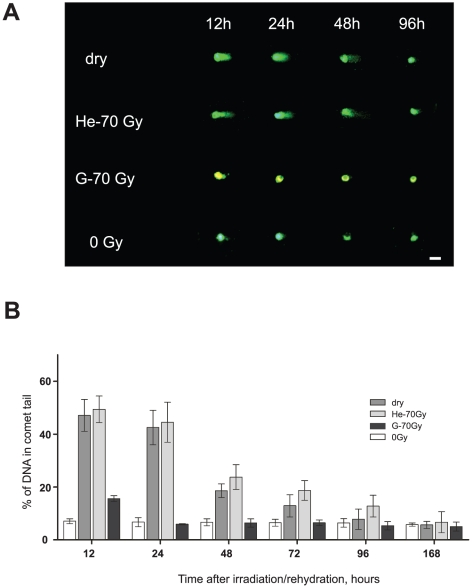
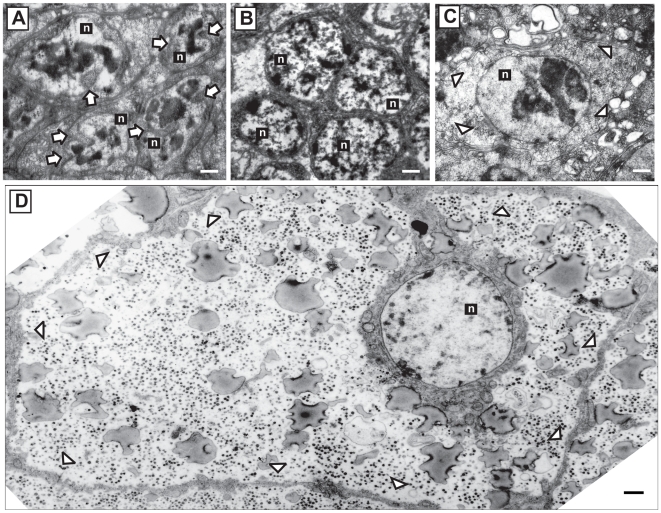
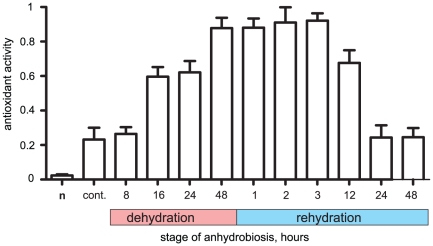
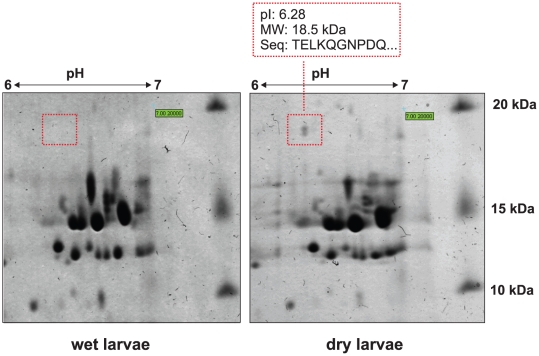
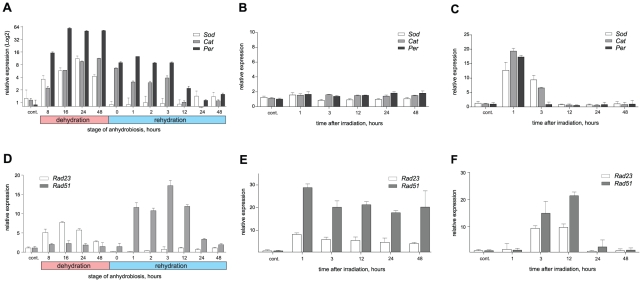
Anhydrobiotic chironomid larvae can withstand prolonged complete desiccation as well as other external stresses including ionizing radiation. To understand the cross-tolerance mechanism, we have analyzed the structural changes in the nuclear DNA using transmission electron microscopy and DNA comet assays in relation to anhydrobiosis and radiation. We found that dehydration causes alterations in chromatin structure and a severe fragmentation of nuclear DNA in the cells of the larvae despite successful anhydrobiosis. Furthermore, while the larvae had restored physiological activity within an hour following rehydration, nuclear DNA restoration typically took 72 to 96 h. The DNA fragmentation level and the recovery of DNA integrity in the rehydrated larvae after anhydrobiosis were similar to those of hydrated larvae irradiated with 70 Gy of high-linear energy transfer (LET) ions ((4)He). In contrast, low-LET radiation (gamma-rays) of the same dose caused less initial damage to the larvae, and DNA was completely repaired within within 24 h. The expression of genes encoding the DNA repair enzymes occurred upon entering anhydrobiosis and exposure to high- and low-LET radiations, indicative of DNA damage that includes double-strand breaks and their subsequent repair. The expression of antioxidant enzymes-coding genes was also elevated in the anhydrobiotic and the gamma-ray-irradiated larvae that probably functions to reduce the negative effect of reactive oxygen species upon exposure to these stresses. Indeed the mature antioxidant proteins accumulated in the dry larvae and the total activity of antioxidants increased by a 3-4 fold in association with anhydrobiosis. We conclude that one of the factors explaining the relationship between radioresistance and the ability to undergo anhydrobiosis in the sleeping chironomid could be an adaptation to desiccation-inflicted nuclear DNA damage. There were also similarities in the molecular response of the larvae to damage caused by desiccation and ionizing radiation.
Overview
The claims and statistics of this paper haven’t been checked yet.
Free: it reads the open-access text and checks the first 5 claims that cite a source we can check. Create a free account to check every claim.
Integrity signals
Registry
Cites
Statistics
Figures
Verification
Claims the paper makes
The claims and statistics of this paper haven’t been checked yet.
Free: it reads the open-access text and checks the first 5 claims that cite a source we can check. Create a free account to check every claim.
Self-check
Percentages, sums and reported differences re-computed from the paper’s own numbers.
The self-check needs the paper’s full text.
Citations
Cites
Antioxidants, Oxidative Damage and Oxygen Deprivation Stress: a Review
BLOKHINA, O. (2003) · Annals of Botany · doi:10.1093/aob/mcf118 · Cited by 4,002 · cited 15×
“In a series of irradiation studies [7,16,36], it has been demonstrated that dried larvae show higher tolerance to both high-LET (directly causing DNA breaks) and low-LET (causing increase of reactive oxygen species (ROS) in the irradiated tissues) irradiation, measured by short-term survival compared with physiologica…”
BackgroundInfluentialDeinococcus radiodurans — the consummate survivor
Cox, M. M., & Battista, J. R. (2005) · Nature Reviews Microbiology · doi:10.1038/nrmicro1264 · Cited by 741 · cited 1×
“Concerning this point, genetic adaptations to anhydrobiosis in the sleeping chironomid show some functional analogies with those of the radiotolerant bacteria Deinococcus radiodurans [23,60], in which both desiccation and irradiation cause severe DNA damage, followed by prolonged DNA recovery period associated with de…”
BackgroundMassive Horizontal Gene Transfer in Bdelloid Rotifers
Gladyshev, E. A., Meselson, M., & Arkhipova, I. R. (2008) · Science · doi:10.1126/science.1156407 · Cited by 499 · cited 1×
“In addition, recent studies have suggested that DNA breaks take place in other anhydrobionts such as bdelloid rotifers [30,65].”
BackgroundRad23 links DNA repair to the ubiquitin/proteasome pathway
Schauber, C., Chen, L., Tongaonkar, P., Vega, I., Lambertson, D., Potts, W., & Madura, K. (1998) · Nature · doi:10.1038/35661 · Cited by 457 · cited 1×
“DNA excision repair and different types of DNA damage recognition [40]; and Rad51 (HM062773), whose protein”
BackgroundProtein Oxidation Implicated as the Primary Determinant of Bacterial Radioresistance
Daly, M. J., Gaidamakova, E. K., Matrosova, V. Y., Vasilenko, A., Zhai, M., Leapman, R. D., Lai, B., Ravel, B., Li, S.-M. W., Kemner, K. M., et al. (2007) · PLoS Biology · doi:10.1371/journal.pbio.0050092 · Cited by 436 · cited 1×
“In addition, being anhydrobiotic confers cross-tolerance to various other extreme environmental stressors, including different types of radiation [7,8,9,10,11,12,13].”
BackgroundOxidative stress and its effects during dehydration
França, M. B., Panek, A. D., & Eleutherio, E. C. A. (2007) · Comparative Biochemistry and Physiology Part A: Molecular & Integrative Physiology · doi:10.1016/j.cbpa.2006.02.030 · Cited by 422 · cited 17×
“water loss on biomolecules upon post dry-state rehydration [3,6].”
BackgroundInfluentialTardigrades survive exposure to space in low Earth orbit
Jönsson, K. I., Rabbow, E., Schill, R. O., Harms-Ringdahl, M., & Rettberg, P. (2008) · Current Biology · doi:10.1016/j.cub.2008.06.048 · Cited by 415
Constraints of tolerance: why are desiccation-tolerant organisms so small or rare?
Alpert, P. (2006) · Journal of Experimental Biology · doi:10.1242/jeb.02179 · Cited by 344 · cited 3×
“The enhanced protection and repair of DNA might also be responsible for the cross-tolerance to ionizing radiation [2,7,10,13, 22,23].”
BackgroundLessons from nature: the role of sugars in anhydrobiosis
Crowe, L. M. (2002) · Comparative Biochemistry and Physiology Part A: Molecular & Integrative Physiology · doi:10.1016/s1095-6433(01)00503-7 · Cited by 329 · cited 1×
“hydrophilic proteins which prevent the biomolecules from irreversible aggregation [1,5,12,21,43].”
BackgroundRecombination at Double-Strand Breaks and DNA Ends
Cromie, G. A., Connelly, J. C., & Leach, D. R. F. (2001) · Molecular Cell · doi:10.1016/s1097-2765(01)00419-1 · Cited by 325
King, R. C., & Akai, H. (1984) · Springer eBooks · doi:10.1007/978-1-4613-2715-8 · Cited by 284 · cited 1×
“All cells and tissues of the larvae were identified according to their ultrastructure [71].”
BackgroundA Modulating Role for Antioxidants in Desiccation Tolerance
Kranner, I. (2005) · Integrative and Comparative Biology · doi:10.1093/icb/45.5.734 · Cited by 269
Kikawada, T., Saito, A., Kanamori, Y., Nakahara, Y., Iwata, K.-I., Tanaka, D., Watanabe, M., & Okuda, T. (2007) · Proceedings of the National Academy of Sciences · doi:10.1073/pnas.0702538104 · Cited by 268 · cited 1×
“However, we suppose that all metabolic processes, including respiration, nucleic acid synthesis and accumulation of protectants need to take place continuously until the intracellular matrix vitrifies [45,46].”
BackgroundSelf-citationExtreme resistance of bdelloid rotifers to ionizing radiation
Gladyshev, E., & Meselson, M. (2008) · Proceedings of the National Academy of Sciences · doi:10.1073/pnas.0800966105 · Cited by 261 · cited 3×
“While prolonged dehydration affects the nucleic acids of anhydrobionts and plant seeds in a duration-dependent manner, anhydrobiosis does not cause any serious DNA damage in the anhydrobiotic nematodes, crustaceans and tardigrades with the exception of bdelloid rotifers in which the DNA fragmentation effect of desicca…”
BackgroundVitrification is essential for anhydrobiosis in an African chironomid, Polypedilum vanderplanki
Sakurai, M., Furuki, T., Akao, K.-I., Tanaka, D., Nakahara, Y., Kikawada, T., Watanabe, M., & Okuda, T. (2008) · Proceedings of the National Academy of Sciences · doi:10.1073/pnas.0706197105 · Cited by 247 · cited 2×
“We found that despite the presence of trehalose and other protectants associated with anhydrobiosis [32,34], there were severe damages to nuclear DNA in the cells of anhydrobiotic larvae (Fig.”
BackgroundSelf-citationRecombination and Replication in DNA Repair of Heavily Irradiated Deinococcus radiodurans
Slade, D., Lindner, A. B., Paul, G., & Radman, M. (2009) · Cell · doi:10.1016/j.cell.2009.01.018 · Cited by 240 · cited 2×
“The enhanced protection and repair of DNA might also be responsible for the cross-tolerance to ionizing radiation [2,7,10,13, 22,23].”
BackgroundTrehalose and anhydrobiosis in tardigrades – evidence for divergence in responses to dehydration
Hengherr, S., Heyer, A. G., Köhler, H., & Schill, R. O. (2008) · The FEBS Journal · doi:10.1111/j.1742-4658.2007.06198.x · Cited by 234 · cited 2×
“hydrophilic proteins which prevent the biomolecules from irreversible aggregation [1,5,12,21,43].”
BackgroundMechanism allowing an insect to survive complete dehydration and extreme temperatures
Watanabe, M., Kikawada, T., Minagawa, N., Yukuhiro, F., & Okuda, T. (2002) · Journal of Experimental Biology · doi:10.1242/jeb.205.18.2799 · Cited by 214
Self-citationDehydration-induced expression of LEA proteins in an anhydrobiotic chironomid
Kikawada, T., Nakahara, Y., Kanamori, Y., Iwata, K.-I., Watanabe, M., McGee, B., Tunnacliffe, A., & Okuda, T. (2006) · Biochemical and Biophysical Research Communications · doi:10.1016/j.bbrc.2006.07.003 · Cited by 211 · cited 4×
“We found that despite the presence of trehalose and other protectants associated with anhydrobiosis [32,34], there were severe damages to nuclear DNA in the cells of anhydrobiotic larvae (Fig.”
BackgroundMethodSelf-citationAnhydrobiosis in invertebrates
Watanabe, M. (2006) · Applied Entomology and Zoology · doi:10.1303/aez.2006.15 · Cited by 200 · cited 3×
“hydrophilic proteins which prevent the biomolecules from irreversible aggregation [1,5,12,21,43].”
BackgroundRadiation tolerance in the tardigrade Milnesium tardigradum
Horikawa, D. D., Sakashita, T., Katagiri, C., Watanabe, M., Kikawada, T., Nakahara, Y., Hamada, N., Wada, S., Funayama, T., Higashi, S., et al. (2006) · International Journal of Radiation Biology · doi:10.1080/09553000600972956 · Cited by 199 · cited 1×
“The occurrence of rapid DNA repair that has been suggested by many authors to be a specific feature of anhydrobiotic organisms [1,8,10,22,29,53] was not observed in the cells we studied.”
BackgroundSelf-citationOxidative Stress and Mechanisms of Protection Against It in Bacteria
Lushchak, V. I. (2001) · Biochemistry (Moscow) · doi:10.1023/a:1010294415625 · Cited by 190
Apoptosis in Drosophila: neither fish nor fowl (nor man, nor worm)
Kornbluth, S., & White, K. (2005) · Journal of Cell Science · doi:10.1242/jcs.02377 · Cited by 189 · cited 1×
“Typically, the repair of DSB in living cells takes less than 24 h and, in many cases, excess DNA damage in higher eukaryotes, including insects, triggers necrotic or apoptotic processes [54,55,56].”
BackgroundRobert Michaud, M., Benoit, J. B., Lopez-Martinez, G., Elnitsky, M. A., Lee, R. E., & Denlinger, D. L. (2008) · Journal of Insect Physiology · doi:10.1016/j.jinsphys.2008.01.003 · Cited by 184 · cited 1×
“It is likely that an initial increase in the expression of genes coding for antioxidants and DNA repair enzymes as well as the increase in antioxidant activity are rather typical reactions of common insects to desiccation stress [66,67,68,69].”
BackgroundAnhydrobiosis without trehalose in bdelloid rotifers
Lapinski, J., & Tunnacliffe, A. (2003) · FEBS Letters · doi:10.1016/s0014-5793(03)01062-7 · Cited by 174 · cited 2×
“hydrophilic proteins which prevent the biomolecules from irreversible aggregation [1,5,12,21,43].”
BackgroundBenoit, J. B., Lopez-Martinez, G., Elnitsky, M. A., Lee, R. E., & Denlinger, D. L. (2009) · Comparative Biochemistry and Physiology Part A: Molecular & Integrative Physiology · doi:10.1016/j.cbpa.2008.12.009 · Cited by 159 · cited 1×
“It is likely that an initial increase in the expression of genes coding for antioxidants and DNA repair enzymes as well as the increase in antioxidant activity are rather typical reactions of common insects to desiccation stress [66,67,68,69].”
BackgroundKing, R. C., & Akai, H. (1982) · Springer eBooks · doi:10.1007/978-1-4615-7266-4 · Cited by 142
High‐Temperature Tolerance in Anhydrobiotic Tardigrades Is Limited by Glass Transition
Hengherr, S., Worland, M. R., Reuner, A., Brümmer, F., & Schill, R. O. (2009) · Physiological and Biochemical Zoology · doi:10.1086/605954 · Cited by 135
Benoit, J. B., Grosso, N. A. D., Yoder, J. A., & Denlinger, D. L. (2007) · American Journal of Tropical Medicine and Hygiene · doi:10.4269/ajtmh.2007.76.987 · Cited by 131 · cited 1×
“It is likely that an initial increase in the expression of genes coding for antioxidants and DNA repair enzymes as well as the increase in antioxidant activity are rather typical reactions of common insects to desiccation stress [66,67,68,69].”
BackgroundRadiation tolerance in the eutardigrade Richtersius coronifer
Ingemar Jönsson, K., Harms-Ringdahl, M., & Torudd, J. (2005) · International Journal of Radiation Biology · doi:10.1080/09553000500368453 · Cited by 127 · cited 1×
“free radical partial scavenging and radiation shielding) of cells by sugars, LEA proteins and other protectants against direct irradiation or its side effects [7,14,15,16,17,18].”
BackgroundChromatin structure and DNA damage repair
Dinant, C., Houtsmuller, A. B., & Vermeulen, W. (2008) · Epigenetics & Chromatin · doi:10.1186/1756-8935-1-9 · Cited by 126 · cited 1×
“Similar patterns of nuclei were observed in the fat body cells of the gall fly Eufrosta after high pressure freezing [49], and segregation of chromatin was taken to indicate DNA damage [50,51,52].”
BackgroundSimonin, H., Beney, L., & Gervais, P. (2007) · Biochimica et Biophysica Acta (BBA) - Biomembranes · doi:10.1016/j.bbamem.2007.03.017 · Cited by 103 · cited 1×
“massive damage to their organelles and membranes, anhydrobiotic organisms can effectively counteract the negative effects of water deprivation [3,4,5].”
BackgroundIs There a Single Biochemical Adaptation to Anhydrobiosis?
Crowe, J. H. (2002) · Integrative and Comparative Biology · doi:10.1093/icb/42.3.497 · Cited by 99 · cited 1×
“free radical partial scavenging and radiation shielding) of cells by sugars, LEA proteins and other protectants against direct irradiation or its side effects [7,14,15,16,17,18].”
BackgroundBilli, D. (2008) · Extremophiles · doi:10.1007/s00792-008-0196-0 · Cited by 98 · cited 1×
“various external stresses, including high dose radiation [2,7,36,42].”
BackgroundWatanabe, M., Kikawada, T., & Okuda, T. (2003) · Journal of Experimental Biology · doi:10.1242/jeb.00418 · Cited by 98 · cited 1×
“The procedure of desiccation to induce anhydrobiosis has been described [70].”
MethodSelf-citationKikawada, T., Saito, A., Kanamori, Y., Fujita, M., Snigorska, K., Watanabe, M., & Okuda, T. (2007) · Biochimica et Biophysica Acta (BBA) - Biomembranes · doi:10.1016/j.bbamem.2007.11.009 · Cited by 96 · cited 1×
“However, we suppose that all metabolic processes, including respiration, nucleic acid synthesis and accumulation of protectants need to take place continuously until the intracellular matrix vitrifies [45,46].”
BackgroundSelf-citationAnhydrobiosis: A strategy for survival
Crowe, L. M., & Crowe, J. H. (1992) · Advances in Space Research · doi:10.1016/0273-1177(92)90178-z · Cited by 93 · cited 3×
“The enhanced protection and repair of DNA might also be responsible for the cross-tolerance to ionizing radiation [2,7,10,13, 22,23].”
BackgroundGenome Structure of Bdelloid Rotifers: Shaped by Asexuality or Desiccation?
Gladyshev, E. A., & Arkhipova, I. R. (2010) · Journal of Heredity · doi:10.1093/jhered/esq008 · Cited by 92 · cited 2×
“In addition, recent studies have suggested that DNA breaks take place in other anhydrobionts such as bdelloid rotifers [30,65].”
BackgroundHuang, Z., Boubriak, I., Osborne, D. J., Dong, M., & Gutterman, Y. (2007) · Annals of Botany · doi:10.1093/aob/mcm089 · Cited by 92 · cited 1×
“. In plant seeds and desiccation-resistant bacteria, repair of fragmented DNA is an indispensable step in revival after anhydrobiosis”
BackgroundDNA damage in storage cells of anhydrobiotic tardigrades
Neumann, S., Reuner, A., Brümmer, F., & Schill, R. O. (2009) · Comparative Biochemistry and Physiology Part A Molecular & Integrative Physiology · doi:10.1016/j.cbpa.2009.04.611 · Cited by 85 · cited 3×
“The enhanced protection and repair of DNA might also be responsible for the cross-tolerance to ionizing radiation [2,7,10,13, 22,23].”
BackgroundCornette, R., Kanamori, Y., Watanabe, M., Nakahara, Y., Gusev, O., Mitsumasu, K., Kadono‐Okuda, K., Shimomura, M., Mita, K., Kikawada, T., et al. (2010) · Journal of Biological Chemistry · doi:10.1074/jbc.m110.150623 · Cited by 82 · cited 3×
“This stays in agreement with the results from the analysis of EST databases prepared from anhydrobiotic larvae, which showed that the elevation in the expression of other antioxidants and heat shock protein-coding genes is tightly linked with anhydrobiosis in the larva [35,39].”
BackgroundMethodResultSelf-citationGenetic control of programmed cell death in Drosophila melanogaster
Cashio, P., Lee, T. V., & Bergmann, A. (2005) · Seminars in Cell and Developmental Biology · doi:10.1016/j.semcdb.2005.01.002 · Cited by 80 · cited 1×
“Typically, the repair of DSB in living cells takes less than 24 h and, in many cases, excess DNA damage in higher eukaryotes, including insects, triggers necrotic or apoptotic processes [54,55,56].”
BackgroundStructure of Apoptosis-Linked Protein ALG-2
Jia, J., Tarabykina, S., Hansen, C., Berchtold, M. W., & Cygler, M. (2001) · Structure · doi:10.1016/s0969-2126(01)00585-8 · Cited by 79
(2007) · Wiley eBooks · doi:10.1002/9780470376881 · Cited by 75
Schill, R. O., Mali, B., Dandekar, T., Schnölzer, M., Reuter, D., & Frohme, M. (2009) · Biotechnology Advances · doi:10.1016/j.biotechadv.2009.01.011 · Cited by 74 · cited 1×
“Further cytological and biochemical studies must be carried out to resolve this issue since some observations suggest that there might be a specific regulation of apoptosis in anhydrobionts [57,58,59].”
BackgroundSurvival and DNA degradation in anhydrobiotic tardigrades
Rebecchi, L., Cesari, M., Altiero, T., Frigieri, A., & Guidetti, R. (2009) · Journal of Experimental Biology · doi:10.1242/jeb.033266 · Cited by 74 · cited 1×
“While prolonged dehydration affects the nucleic acids of anhydrobionts and plant seeds in a duration-dependent manner, anhydrobiosis does not cause any serious DNA damage in the anhydrobiotic nematodes, crustaceans and tardigrades with the exception of bdelloid rotifers in which the DNA fragmentation effect of desicca…”
BackgroundGusev, O., Cornette, R., Kikawada, T., & Okuda, T. (2010) · Cell Stress and Chaperones · doi:10.1007/s12192-010-0223-9 · Cited by 71 · cited 1×
“. Concurrently, the expression of genes encoding heat shock proteins (i.e., chaperones) is increased, resulting in the protection of other proteins from denaturation caused by dehydration”
BackgroundSelf-citationDistinct Pathways Mediate UV-Induced Apoptosis in Drosophila Embryos
Zhou, L. J., & Steller, H. (2003) · Developmental Cell · doi:10.1016/s1534-5807(03)00085-6 · Cited by 67 · cited 1×
“Typically, the repair of DSB in living cells takes less than 24 h and, in many cases, excess DNA damage in higher eukaryotes, including insects, triggers necrotic or apoptotic processes [54,55,56].”
BackgroundRising from the Ashes: DNA Repair in Deinococcus radiodurans
Cox, M. M., Keck, J. L., & Battista, J. R. (2010) · PLoS Genetics · doi:10.1371/journal.pgen.1000815 · Cited by 64 · cited 2×
“Concerning this point, genetic adaptations to anhydrobiosis in the sleeping chironomid show some functional analogies with those of the radiotolerant bacteria Deinococcus radiodurans [23,60], in which both desiccation and irradiation cause severe DNA damage, followed by prolonged DNA recovery period associated with de…”
BackgroundBoubriak, I. I., Grodzinsky, D. M., Polischuk, V. P., Naumenko, V. D., Gushcha, N. P., Micheev, A. N., McCready, S. J., & Osborne, D. J. (2007) · Annals of Botany · doi:10.1093/aob/mcm276 · Cited by 63
Reardon, W., Chakrabortee, S., Pereira, T. C., Tyson, T., Banton, M. C., Dolan, K. M., Culleton, B. A., Wise, M. J., Burnell, A. M., & Tunnacliffe, A. (2010) · BMC Molecular Biology · doi:10.1186/1471-2199-11-6 · Cited by 55
Protection by Trehalose of DNA from Radiation Damage
Yoshinaga, K., Yoshioka, H., Kurosaki, H., Hirasawa, M., Uritani, M., & Hasegawa, K. (1997) · Bioscience, Biotechnology, and Biochemistry · doi:10.1271/bbb.61.160 · Cited by 53 · cited 1×
“free radical partial scavenging and radiation shielding) of cells by sugars, LEA proteins and other protectants against direct irradiation or its side effects [7,14,15,16,17,18].”
BackgroundWatanabe, M., Sakashita, T., Fujita, A., Kikawada, T., Horikawa, D. D., Nakahara, Y., Wada, S., Funayama, T., Hamada, N., Kobayashi, Y., et al. (2006) · International Journal of Radiation Biology · doi:10.1080/09553000600876652 · Cited by 51 · cited 7×
“The samples were irradiated with 70 Gy of gamma-rays from a (60)Co source at 60 Gy/min [16]; 70 Gy is the half-inhibition gamma-ray dose for adult emergence in hydrated larvae [16].”
BackgroundMethodSelf-citationProtein Stability inArtemiaEmbryos During Prolonged Anoxia
Clegg, J. S. (2007) · Biological Bulletin · doi:10.2307/25066582 · Cited by 51 · cited 1×
“water loss on biomolecules upon post dry-state rehydration [3,6].”
BackgroundNew Insights into NHEJ Repair Processes in Prokaryotes
Pitcher, R. S., Wilson, T. E., & Doherty, A. J. (2005) · Cell Cycle · doi:10.4161/cc.4.5.1676 · Cited by 51 · cited 1×
“, DNA reparation machinery and oxidative stress-response are different in eukaryotes and prokaryotes, genome organization in insects is much more complex and there is cell and tissue specification [61,62,63,64].”
BackgroundDNA Damage and Repair: Volume 2: DNA Repair in Higher Eukaryotes
(1998) · Humana Press eBooks · doi:10.1007/978-1-59259-455-9 · Cited by 47
Villeneuve, T. S., Ma, X., Sun, Y., Oulton, M. M., Oliver, A. E., & MacRae, T. H. (2006) · Cell Stress and Chaperones · doi:10.1379/csc-154r.1 · Cited by 46
Horneck, G., & Brack, A. (1992) · Advances in space biology and medicine · doi:10.1016/s1569-2574(08)60023-4 · Cited by 45 · cited 1×
“Indeed, at least for microorganisms and cultured cells, it has been shown that coating with sugars, such as trehalose, increases survival after longterm exposure to UV and ionizing irradiation [19,20,21].”
BackgroundCells from an anhydrobiotic chironomid survive almost complete desiccation
Nakahara, Y., Imanishi, S., Mitsumasu, K., Kanamori, Y., Iwata, K.-I., Watanabe, M., Kikawada, T., & Okuda, T. (2009) · Cryobiology · doi:10.1016/j.cryobiol.2009.10.004 · Cited by 41 · cited 1×
“These cells in fat body of the larvae have been shown earlier to be capable of surviving complete desiccation even if dissected from the larvae, which makes this cell type a convenient model for studies of anhydrobiosis [37,38].”
BackgroundSelf-citationInduction of anhydrobiosis in fat body tissue from an insect
Watanabe, M., Kikawada, T., Fujita, A., & Okuda, T. (2005) · Journal of Insect Physiology · doi:10.1016/j.jinsphys.2005.02.008 · Cited by 37 · cited 1×
“These cells in fat body of the larvae have been shown earlier to be capable of surviving complete desiccation even if dissected from the larvae, which makes this cell type a convenient model for studies of anhydrobiosis [37,38].”
BackgroundSelf-citationWatanabe, M., Sakashita, T., Fujita, A., Kikawada, T., Nakahara, Y., Hamada, N., Horikawa, D. D., Wada, S., Funayama, T., Kobayashi, Y., et al. (2006) · International Journal of Radiation Biology · doi:10.1080/09553000600979100 · Cited by 30 · cited 4×
“2 keV/mm) ion beam delivered from the azimuthally varying-field (AVF) cyclotron at the Takasaki Ion accelerators for Advanced Radiation Application (TIARA) facility of the Japan Atomic Energy Agency (JAEA) [16,36].”
BackgroundSelf-citationDNA repair in plant cells. An essential event of early embryo germination in seeds.
Dj, O., Dell'Aquila, A., & Elder, R. H. (1984) · PubMed · Cited by 30
Cleaver, J. E. (1982) · Europe PMC (PubMed Central) · Cited by 29
Watanabe, M., Nakahara, Y., Sakashita, T., Kikawada, T., Fujita, A., Hamada, N., Horikawa, D. D., Wada, S., Kobayashi, Y., & Okuda, T. (2007) · Journal of Insect Physiology · doi:10.1016/j.jinsphys.2007.02.008 · Cited by 29 · cited 5×
“In a series of irradiation studies [7,16,36], it has been demonstrated that dried larvae show higher tolerance to both high-LET (directly causing DNA breaks) and low-LET (causing increase of reactive oxygen species (ROS) in the irradiated tissues) irradiation, measured by short-term survival compared with physiologica…”
BackgroundSelf-citationNakahara, Y., Watanabe, M., Fujita, A., Kanamori, Y., Tanaka, D., Iwata, K.-I., Furuki, T., Sakurai, M., Kikawada, T., & Okuda, T. (2008) · Journal of Insect Physiology · doi:10.1016/j.jinsphys.2008.05.007 · Cited by 27 · cited 3×
“During dehydration, trehalose and LEA proteins increase in quantity [31,32,33], replacing the water in cells and forming glasses to preserve the cell structure in the dry state [34].”
BackgroundSelf-citationMenze, M. A., & Hand, S. C. (2007) · American Journal of Physiology-Regulatory, Integrative and Comparative Physiology · doi:10.1152/ajpregu.00659.2006 · Cited by 21 · cited 1×
“Further cytological and biochemical studies must be carried out to resolve this issue since some observations suggest that there might be a specific regulation of apoptosis in anhydrobionts [57,58,59].”
BackgroundBenoit, J. B., López‐Martínez, G., Elnitsky, M. A., Lee, R. E., Jr., & Denlinger, D. L. (2007) · European Journal of Entomology · doi:10.14411/eje.2007.002 · Cited by 17 · cited 1×
“It is likely that an initial increase in the expression of genes coding for antioxidants and DNA repair enzymes as well as the increase in antioxidant activity are rather typical reactions of common insects to desiccation stress [66,67,68,69].”
BackgroundMorason, R. T., Allenspach, A. L., & Lee, R. E. (1994) · Journal of Insect Physiology · doi:10.1016/0022-1910(94)90087-6 · Cited by 10 · cited 1×
“Similar patterns of nuclei were observed in the fat body cells of the gall fly Eufrosta after high pressure freezing [49], and segregation of chromatin was taken to indicate DNA damage [50,51,52].”
BackgroundDNA stability in the anabiotic fourth‐stage juveniles of Ditylenchus dipsaci (Nematoda)
Barrett, J., & WORTH, P. E. B. (1985) · Annals of Applied Biology · doi:10.1111/j.1744-7348.1985.tb03101.x · Cited by 8 · cited 1×
“While prolonged dehydration affects the nucleic acids of anhydrobionts and plant seeds in a duration-dependent manner, anhydrobiosis does not cause any serious DNA damage in the anhydrobiotic nematodes, crustaceans and tardigrades with the exception of bdelloid rotifers in which the DNA fragmentation effect of desicca…”
BackgroundAmetabolic embryos of Artemia franciscana accumulate DNA damage during prolonged anoxia
McLennan, A. G. (2009) · Journal of Experimental Biology · doi:10.1242/jeb.023663 · Cited by 7 · cited 2×
“While prolonged dehydration affects the nucleic acids of anhydrobionts and plant seeds in a duration-dependent manner, anhydrobiosis does not cause any serious DNA damage in the anhydrobiotic nematodes, crustaceans and tardigrades with the exception of bdelloid rotifers in which the DNA fragmentation effect of desicca…”
BackgroundChromatin structure during bleomycin-induced DNA damage and repair
Cuiffo, B. P., Fox, H. B., & BABIOR, B. M. (1985) · Journal of Free Radicals in Biology & Medicine · doi:10.1016/0748-5514(85)90018-2 · Cited by 4
A Conceptual Design for Cosmo-biology Experiments in Earth's Orbit.
Hashimoto, H., Greenberg, M., Brack, A., Colangeli, L., Horneck, G., Navarro-González, R., Raulin, F., Kouchi, A., Saito, T., Yamashita, M., et al. (1998) · Biological Sciences in Space · doi:10.2187/bss.12.106 · Cited by 3 · cited 1×
“Indeed, at least for microorganisms and cultured cells, it has been shown that coating with sugars, such as trehalose, increases survival after longterm exposure to UV and ionizing irradiation [19,20,21].”
Background
Cited by
Hashimoto, T., Horikawa, D. D., Saito, Y., Kuwahara, H., Kozuka-Hata, H., Shin-I, T., Minakuchi, Y., Ohishi, K., Motoyama, A., Aizu, T., et al. (2016) · Nature Communications · doi:10.1038/ncomms12808 · Cited by 394
Gusev, O., Suetsugu, Y., Cornette, R., Kawashima, T., Logacheva, M. D., Kondrashov, A. S., Penin, A. A., Hatanaka, R., Kikuta, S., Shimura, S., et al. (2014) · Nature Communications · doi:10.1038/ncomms5784 · Cited by 151
Self-citationThe induction of anhydrobiosis in the sleeping chironomid: Current status of our knowledge
Cornette, R., & Kikawada, T. (2011) · IUBMB Life · doi:10.1002/iub.463 · Cited by 127
“catalase and several superoxide dismutase genes were identified, and their expression was upregulated during the desiccation process (19, 21) (Fig.”
BackgroundSelf-citationComparative genomics of bdelloid rotifers: Insights from desiccating and nondesiccating species
Nowell, R. W., Almeida, P., Wilson, C. G., Smith, T., Fontaneto, D., Crisp, A., Micklem, G., Tunnacliffe, A., Boschetti, C., & Barraclough, T. G. (2018) · PLoS Biology · doi:10.1371/journal.pbio.2004830 · Cited by 118
Ecological and Societal Services of Aquatic Diptera
Adler, P. H., & Courtney, G. W. (2019) · Insects · doi:10.3390/insects10030070 · Cited by 118
“These larvae experience severe DNA damage but have an efficient repair mechanism [137].”
Background
Metadata
- Authors
- Gusev, O., Nakahara, Y., Vanyagina, V., Malutina, L., Cornette, R., Sakashita, T., Hamada, N., Kikawada, T., Kobayashi, Y., & Okuda, T.
- Affiliations
- Kazan Federal University (RU)
- Institute of Agrobiological Sciences (JP)
- Japan Atomic Energy Agency (JP)
- Central Research Institute of Electric Power Industry (JP)
- Corresponding author
- Okuda, Takashi
- ORCID
- Venue
- PLoS ONE
- Publisher
- Public Library of Science (PLoS)
- Published
- 2010-11-16
- Volume
- 5
- Issue
- 11
- Pages
- e14008
- ISSN
- 1932-6203 (ISSN-L)
- PMC
- PMC2982815
- OpenAlex
- W2068642632
- Cited by
- 87
- References
- 73
- Citations by year
- 2026: 5 · 2025: 6 · 2024: 8 · 2023: 6 · 2022: 5 · 2021: 4 · 2020: 6 · 2019: 3 · 2018: 8 · 2017: 6 · 2016: 6 · 2015: 6 · 2014: 5 · 2013: 7 · 2012: 5
- FWCI
- 4.42
- Type
- journal article
- Language
- en
- Open access
- gold
- doi.org
- Locations
- PLoS ONE (publishedVersion, cc-by)
- PubMed Central (publishedVersion, cc-by)
- PubMed (publishedVersion)
- DOAJ (DOAJ: Directory of Open Access Journals) (submittedVersion, cc-by-sa)
- zvestiya of the National Academy of Sciences of Belarus (National Academy of Sciences of Belarus) (submittedVersion)
- Funders
- Japan Society for the Promotion of Science (21688004)
- Topics
- Life Sciences › Agricultural and Biological Sciences › Ecology, Evolution, Behavior and Systematics › Tardigrade Biology and Ecology
- Health Sciences › Medicine › Radiology, Nuclear Medicine and Imaging › Effects of Radiation Exposure
- Physical Sciences › Environmental Science › Ecology › Physiological and biochemical adaptations
- Keywords
- anhydrobiosis, nuclear DNA damage, DNA repair, radioresistance (biology), chironomid larvae, desiccation stress, ionizing radiation, gamma radiation, chromatin structure, DNA fragmentation, DNA double-strand breaks, antioxidant enzymes, reactive oxygen species, cross-tolerance, rehydration
- MeSH terms
- Animals, Catalase, Cell Nucleus, Chironomidae, Dehydration, DNA Damage, DNA Repair, Glutathione Peroxidase, Larva, Molecular Sequence Data, Radiation Tolerance, Superoxide Dismutase, Electrophoresis, Gel, Two-Dimensional, Sequence Analysis, DNA, DNA, Complementary, Reverse Transcriptase Polymerase Chain Reaction, Comet Assay, Microscopy, Electron, Transmission, DNA Fragmentation
About these checks
Registry, retraction, Cites and statistics results are computed, not judged, with one exception: a printed reference that no index lists is read once by a model before it counts as a citation error. Claims are extracted by a model and kept only when their quote appears verbatim in the text; each cited source is then checked, with a model’s help, for whether it says what the claim relies on. Those verdicts can be wrong — read the claim’s quote and the cited source before relying on one.
Statistics and arithmetic are recomputed, not judged.
Confidence bands are shown only for fields calibrated on our annotated test set. None is calibrated yet, so no band is shown.
What counts as a claim ›How we measure confidence ›How we check this ›
Are you an author, or do you see a problem with this page? Request a review
Data sources
Bibliographic data: Semantic Scholar, OpenAlex, Crossref.
Contains information from the Semantic Scholar Academic Graph Datasets, made available under the ODC Attribution License (ODC-BY 1.0).
Semantic Scholar’s data is described in: Kinney, R., et al. (2023). The Semantic Scholar Open Data Platform. arXiv:2301.10140.
