

The DOI matches its Crossref record; 102 of the 104 references it cites were found in a registry or an index.
Social Defeat: Impact on Fear Extinction and Amygdala-Prefrontal Cortical Theta Synchrony in 5-HTT Deficient Mice
Open accessAbstract
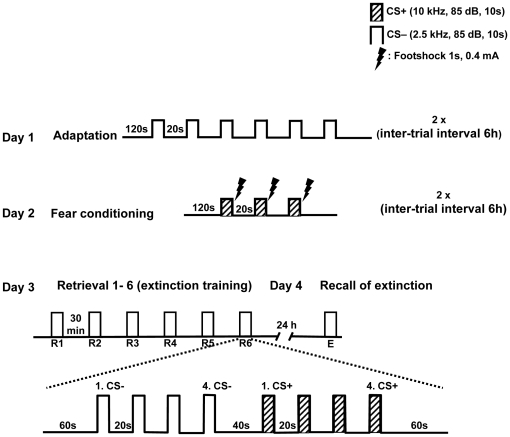
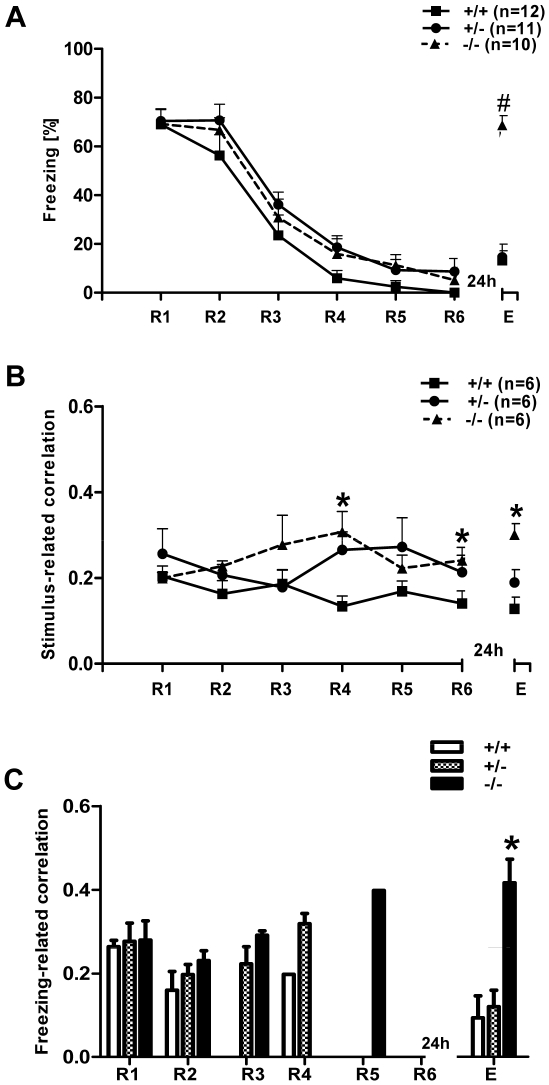
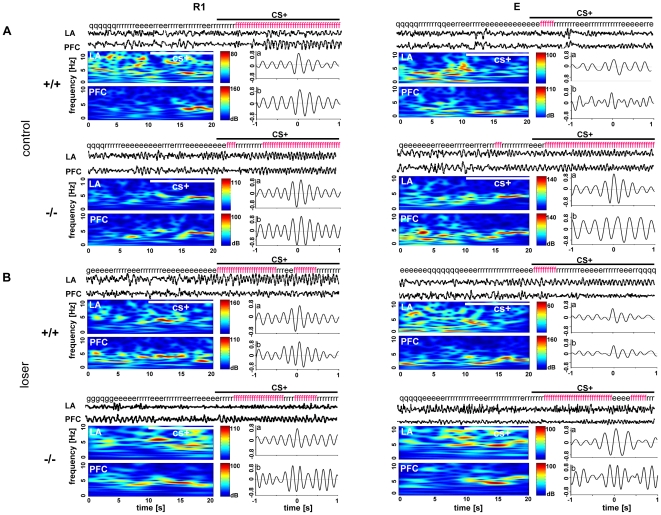
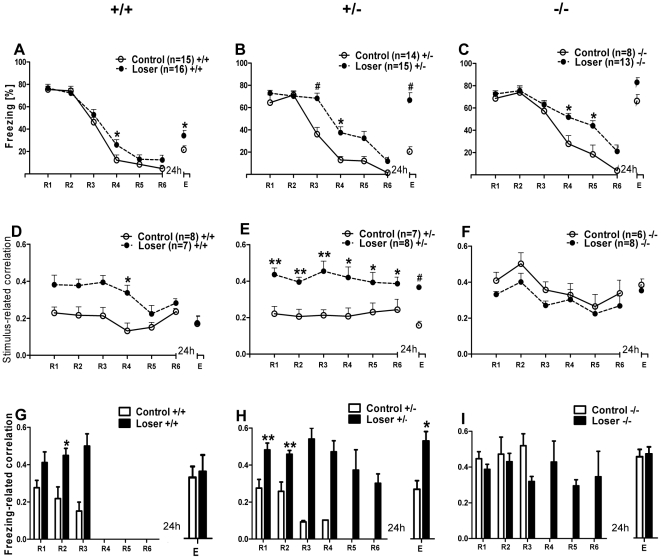
Emotions, such as fear and anxiety, can be modulated by both environmental and genetic factors. One genetic factor is for example the genetically encoded variation of the serotonin transporter (5-HTT) expression. In this context, the 5-HTT plays a key role in the regulation of central 5-HT neurotransmission, which is critically involved in the physiological regulation of emotions including fear and anxiety. However, a systematic study which examines the combined influence of environmental and genetic factors on fear-related behavior and the underlying neurophysiological basis is missing. Therefore, in this study we used the 5-HTT-deficient mouse model for studying emotional dysregulation to evaluate consequences of genotype specific disruption of 5-HTT function and repeated social defeat for fear-related behaviors and corresponding neurophysiological activities in the lateral amygdala (LA) and infralimbic region of the medial prefrontal cortex (mPFC) in male 5-HTT wild-type (+/+), homo- (-/-) and heterozygous (+/-) mice. Naive males and experienced losers (generated in a resident-intruder paradigm) of all three genotypes, unilaterally equipped with recording electrodes in LA and mPFC, underwent a Pavlovian fear conditioning. Fear memory and extinction of conditioned fear was examined while recording neuronal activity simultaneously with fear-related behavior. Compared to naive 5-HTT+/+ and +/- mice, 5-HTT-/- mice showed impaired recall of extinction. In addition, 5-HTT-/- and +/- experienced losers showed delayed extinction learning and impaired recall of extinction. Impaired behavioral responses were accompanied by increased theta synchronization between the LA and mPFC during extinction learning in 5-HTT-/- and +/- losers. Furthermore, impaired extinction recall was accompanied with increased theta synchronization in 5-HTT-/- naive and in 5-HTT-/- and +/- loser mice. In conclusion, extinction learning and memory of conditioned fear can be modulated by both the 5-HTT gene activity and social experiences in adulthood, accompanied by corresponding alterations of the theta activity in the amygdala-prefrontal cortex network.
Overview
The claims and statistics of this paper haven’t been checked yet.
Run the check — free, no account needed. It reads the open-access text and checks the sources it cites.
Integrity signals
Registry
Cites
Statistics
Figures
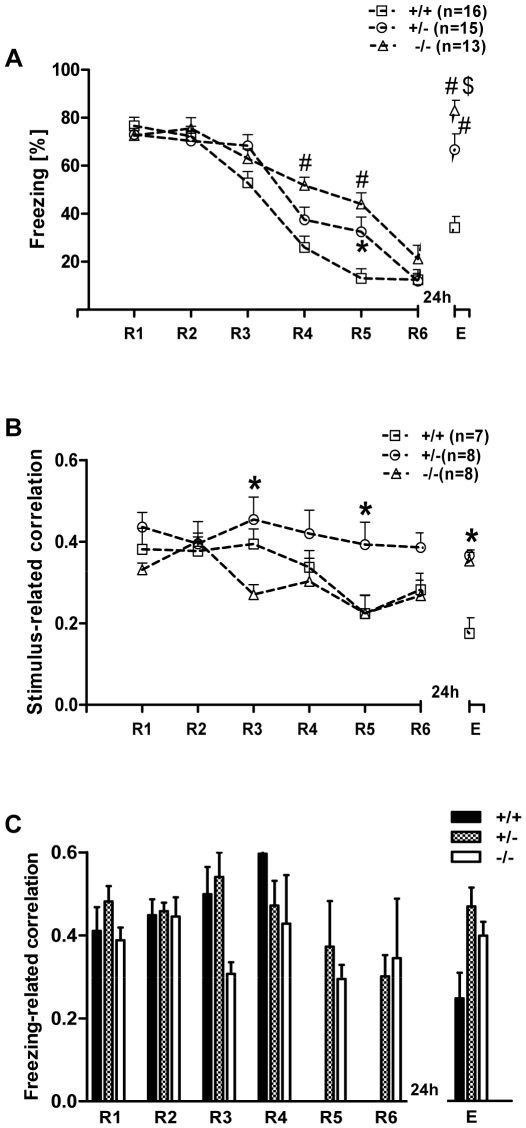
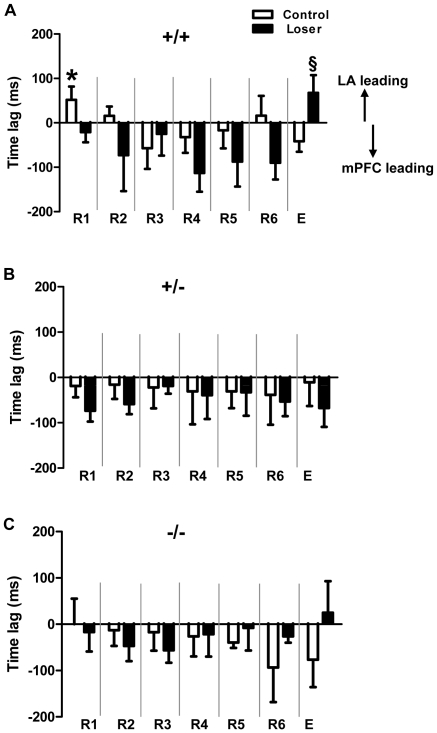
Verification
Claims the paper makes
The claims and statistics of this paper haven’t been checked yet.
Run the check — free, no account needed. It reads the open-access text and checks the sources it cites.
Claims other papers make about this one
Each is checked against this paper’s own text: does it say what the citing paper says it does?
In the citing paper
“Brain reward pathways, including the ventral tegmental area (VTA) and the nucleus accumbens (NAc) (4) as well as the prefrontal cortex (PFC) and the amygdala (11,12), have been implicated in the neural circuitry mediating these differences in stress susceptibility.”
From Neuroanatomic differences associated with stress susceptibility and resilience (2016) · cites this paper as [11]
In the citing paper
“Social defeat–induced anxiety and depressive-like behaviors were previously associated with decreased neuronal activity in the medial PFC (46) as well as increased VTA and amygdala activity (10–12).”
From Neuroanatomic differences associated with stress susceptibility and resilience (2016) · cites this paper as [11]
Self-check
Percentages, sums and reported differences re-computed from the paper’s own numbers.
The self-check needs the paper’s full text.
Citations
Cites
Diagnostic and Statistical Manual of Mental Disorders
Williams, J. B. W., & First, M. B. (2013) · Oxford University Press eBooks · doi:10.1093/acrefore/9780199975839.013.104 · Cited by 109,845
The Mouse Brain in Stereotaxic Coordinates
Paxinos, G. (2001) · Cited by 12,859
Influence of life stress on depression: moderation by a polymorphism in the 5-HTT gene
Caspi, A., Sugden, K., Moffitt, T. E., Taylor, A., Craig, I. W., Harrington, H., McClay, J., Mill, J., Martin, J., Braithwaite, A., et al. (2003) · Science · doi:10.1126/science.1083968 · Cited by 8,120
Neurophysiological investigation of the basis of the fMRI signal
Logothetis, N. K., Pauls, J., Augath, M., Trinath, T., & Oeltermann, A. (2001) · Nature · doi:10.1038/35084005 · Cited by 6,551
Lesch, K.-P., Bengel, D., Heils, A., Sabol, S. Z., Greenberg, B. D., Petri, S., Benjamin, J., Müller, C. R., Hamer, D. H., & Murphy, D. L. (1996) · Science · doi:10.1126/science.274.5292.1527 · Cited by 5,162
mouse brain in stereotaxic coordinates
Franklin, K. B. J., & Paxinos, G. (1997) · Cited by 3,258
Serotonin transporter genetic variation and the response of the human amygdala.
Hariri, A. R., Mattay, V. S., Tessitore, A., Kolachana, B., Fera, F., Goldman, D., Egan, M. F., & Weinberger, D. R. (2002) · Science · doi:10.1126/science.1071829 · Cited by 2,340
Pezawas, L., Meyer-Lindenberg, A., Drabant, E. M., Verchinski, B. A., Munoz, K. E., Kolachana, B. S., Egan, M. F., Mattay, V. S., Hariri, A. R., & Weinberger, D. R. (2005) · Nature Neuroscience · doi:10.1038/nn1463 · Cited by 1,980
Neuronal signalling of fear memory
Maren, S., & Quirk, G. J. (2004) · Nature Reviews Neuroscience · doi:10.1038/nrn1535 · Cited by 1,428
Cellular bases of hippocampal EEG in the behaving rat
Buzsáki, G., Leung Lai-Wo, S., & Vanderwolf, C. H. (1983) · Brain Research Reviews · doi:10.1016/0165-0173(83)90037-1 · Cited by 1,397
Cited by
Sorted by citations
50 years of hurdles and hope in anxiolytic drug discovery
Griebel, G., & Holmes, A. (2013) · Nature Reviews Drug Discovery · doi:10.1038/nrd4075 · Cited by 430
Deslauriers, J., Tóth, M., Der‐Avakian, A., & Risbrough, V. B. (2017) · Biological Psychiatry · doi:10.1016/j.biopsych.2017.11.019 · Cited by 275
Rodent models of post-traumatic stress disorder: behavioral assessment
Verbitsky, A., Dopfel, D., & Zhang, N. (2020) · Translational Psychiatry · doi:10.1038/s41398-020-0806-x · Cited by 264
Serotonin, Amygdala and Fear: Assembling the Puzzle
Bocchio, M., McHugh, S. B., Bannerman, D. M., Sharp, T., & Capogna, M. (2016) · Frontiers in Neural Circuits · doi:10.3389/fncir.2016.00024 · Cited by 219
Harvey, C., Gehrman, P., & Espie, C. A. (2013) · Sleep Medicine Reviews · doi:10.1016/j.smrv.2013.11.004 · Cited by 218
Neuroanatomic differences associated with stress susceptibility and resilience
Anacker, C., Scholz, J., O’Donnell, K. J., Allemang-Grand, R., Diorio, J., Bagot, R. C., Nestler, E. J., Hen, R., Lerch, J. P., & Meaney, M. J. (2016) · Biological Psychiatry · doi:10.1016/j.biopsych.2015.08.009 · Cited by 167
Emotion regulation by cognitive reappraisal — The role of frontal theta oscillations
Ertl, M., Hildebrandt, M., Ourina, K., Leicht, G., & Mulert, C. (2013) · NeuroImage · doi:10.1016/j.neuroimage.2013.05.044 · Cited by 185
Long-Range Neural Synchrony in Behavior
Harris, A. Z., & Gordon, J. A. (2015) · Annual Review of Neuroscience · doi:10.1146/annurev-neuro-071714-034111 · Cited by 168
Animal models of post-traumatic stress disorder: face validity
Goswami, S., Rodríguez-Sierra, O. E., Cascardi, M. A., & Paré, D. (2013) · Frontiers in Neuroscience · doi:10.3389/fnins.2013.00089 · Cited by 165
Are We Getting Closer to Valid Translational Models for Major Depression?
Berton, O., Hahn, C.-G., & Thase, M. E. (2012) · Science · doi:10.1126/science.1222940 · Cited by 160
Asan, E., Steinke, M. R., & Lesch, K. (2013) · Histochemistry and Cell Biology · doi:10.1007/s00418-013-1081-1 · Cited by 142
Hultman, R. C., Mague, S. D., Li, Q., Katz, B. M., Michel, N., Lin, L., Wang, J., David, L. K., Blount, C., Chandy, R., et al. (2016) · Neuron · doi:10.1016/j.neuron.2016.05.038 · Cited by 144
Prefrontal cortex reactivity underlies trait vulnerability to chronic social defeat stress
Kumar, S., Hultman, R. C., Hughes, D. N., Michel, N., Katz, B. M., & Dzirasa, K. (2014) · Nature Communications · doi:10.1038/ncomms5537 · Cited by 131
Serotonin in fear conditioning processes
Bauer, E. P. (2014) · Behavioural Brain Research · doi:10.1016/j.bbr.2014.07.028 · Cited by 136
Homberg, J. R., Schubert, D., Asan, E., & Aron, E. N. (2016) · Neuroscience & Biobehavioral Reviews · doi:10.1016/j.neubiorev.2016.09.029 · Cited by 143
Animal models for posttraumatic stress disorder: An overview of what is used in research
Borghans, B. (2015) · World Journal of Psychiatry · doi:10.5498/wjp.v5.i4.387 · Cited by 120
A Discrete Dorsal Raphe to Basal Amygdala 5-HT Circuit Calibrates Aversive Memory
Sengupta, A., & Holmes, A. (2019) · Neuron · doi:10.1016/j.neuron.2019.05.029 · Cited by 123
Lesting, J., Daldrup, T., Narayanan, V., Himpe, C., Seidenbecher, T., & Pape, H.-C. (2013) · PLoS ONE · doi:10.1371/journal.pone.0077707 · Cited by 105
Self-citationNocjar, C., Zhang, J., Feng, P., & Panksepp, J. (2012) · Neuroscience · doi:10.1016/j.neuroscience.2012.05.033 · Cited by 111
Rodent models of social stress and neuronal plasticity: Relevance to depressive-like disorders
Patel, D., Kas, M. J., Chattarji, S., & Buwalda, B. (2019) · Behavioural Brain Research · doi:10.1016/j.bbr.2019.111900 · Cited by 111
Refining the Role of 5-HT in Postnatal Development of Brain Circuits
Teissier, A., Soiza‐Reilly, M., & Gaspar, P. (2017) · Frontiers in Cellular Neuroscience · doi:10.3389/fncel.2017.00139 · Cited by 108
Bazzari, A. H., & Parri, H. R. (2019) · Brain Sciences · doi:10.3390/brainsci9110300 · Cited by 107
Persistent prelimbic cortex activity contributes to enhanced learned fear expression in femalesPreprint
Fenton, G. E., Pollard, A. K., Halliday, D. M., Mason, R., Bredy, T. W., & Stevenson, C. W. (2014) · Learning & Memory · doi:10.1101/lm.033514.113 · Cited by 101
Social stress models in depression research: what do they tell us?
Chaouloff, F. (2013) · Cell and Tissue Research · doi:10.1007/s00441-013-1606-x · Cited by 112
Medial prefrontal cortex neuronal circuits in fear behavior
Courtin, J., Bienvenu, T., Einarsson, E. Ö., & Herry, C. (2013) · Neuroscience · doi:10.1016/j.neuroscience.2013.03.001 · Cited by 108
Prefrontal oscillations during recall of conditioned and extinguished fear in humans
Mueller, E. M., Panitz, C., Hermann, C., & Pizzagalli, D. A. (2014) · The Journal of Neuroscience · doi:10.1523/jneurosci.3427-13.2014 · Cited by 89
Amygdala-Prefrontal Synchronization Underlies Resistance to Extinction of Aversive Memories
Livneh, U., & Paz, R. (2012) · Neuron · doi:10.1016/j.neuron.2012.05.016 · Cited by 87
Aizawa, H., Yanagihara, S., Kobayashi, M. S., Niisato, K., Takekawa, T., Harukuni, R., McHugh, T. J., Fukai, T., Isomura, Y., & Okamoto, H. (2013) · Journal of Neuroscience · doi:10.1523/jneurosci.4369-12.2013 · Cited by 92
Serotonin transporter polyadenylation polymorphism modulates the retention of fear extinction memory
Hartley, C. A., McKenna, M. C., Salman, R., Holmes, A., Casey, B. J., Phelps, E. A., & Glatt, C. E. (2012) · Proceedings of the National Academy of Sciences · doi:10.1073/pnas.1202044109 · Cited by 84
Serotonin-related pathways and developmental plasticity: relevance for psychiatric disorders
Dayer, A. G. (2014) · Dialogues in Clinical Neuroscience · doi:10.31887/dcns.2014.16.1/adayer · Cited by 72
Prefrontal single-unit firing associated with deficient extinction in mice
Fitzgerald, P. J., Whittle, N., Flynn, S., Graybeal, C., Pinard, C. R., Gunduz‐Cinar, O., Kravitz, A. V., Singewald, N., & Holmes, A. (2013) · Neurobiology of Learning and Memory · doi:10.1016/j.nlm.2013.11.002 · Cited by 76
Bukalo, O., Pinard, C. R., & Holmes, A. (2014) · British Journal of Pharmacology · doi:10.1111/bph.12779 · Cited by 73
Interindividual Variability in Stress Susceptibility: A Role for Epigenetic Mechanisms in PTSD
Zovkic, I. B., Meadows, J. P., Kaas, G. A., & Sweatt, J. D. (2013) · Frontiers in Psychiatry · doi:10.3389/fpsyt.2013.00060 · Cited by 66
Raber, J., Arzy, S., Bertolus, J. B., Depue, B., Haas, H. E., Hofmann, S. G., Kangas, M., Kensinger, E., Lowry, C. A., Marusak, H. A., et al. (2019) · Neuroscience & Biobehavioral Reviews · doi:10.1016/j.neubiorev.2019.03.015 · Cited by 62
“Studies also support a role for serotonergic signaling in control of fear extinction (Narayanan et al., 2011).”
Stress‐Induced Depression: Is Social Rank a Predictive Risk Factor?
Larrieu, T., & Sandi, C. (2018) · BioEssays · doi:10.1002/bies.201800012 · Cited by 62
Olivier, J. D. A., Vinkers, C. H., & Olivier, B. (2013) · Frontiers in Pharmacology · doi:10.3389/fphar.2013.00074 · Cited by 58
Lebrón‐Milad, K., Tsareva, A., Ahmed, N., & Milad, M. R. (2013) · Behavioural Brain Research · doi:10.1016/j.bbr.2013.07.024 · Cited by 58
Karabeg, M. M., Grauthoff, S., Kollert, S. Y., Weidner, M., Heiming, R. S., Jansen, F., Popp, S., Kaiser, S., Lesch, K.-P., Sachser, N., et al. (2013) · PLoS ONE · doi:10.1371/journal.pone.0078238 · Cited by 56
Self-citationKinast, K., Peeters, D., Kolk, S. M., Schubert, D., & Homberg, J. R. (2013) · Frontiers in Cellular Neuroscience · doi:10.3389/fncel.2013.00072 · Cited by 57
Serotonin Modulation of Prefronto-Hippocampal Rhythms in Health and Disease
Puig, M. V., & Gener, T. (2015) · ACS Chemical Neuroscience · doi:10.1021/cn500350e · Cited by 57
Bocchio, M., Fucsina, G., Oikonomidis, L., McHugh, S. B., Bannerman, D. M., Sharp, T., & Capogna, M. (2015) · Neuropsychopharmacology · doi:10.1038/npp.2015.157 · Cited by 55
Brain hyperserotonemia causes autism-relevant social deficits in mice
Tanaka, M., Sato, A., Kasai, S., Hagino, Y., Kotajima‐Murakami, H., Kashii, H., Takamatsu, Y., Nishito, Y., Inagaki, M., Mizuguchi, M., et al. (2018) · Molecular Autism · doi:10.1186/s13229-018-0243-3 · Cited by 63
Fear Extinction Recall Modulates Human Frontomedial Theta and Amygdala Activity
Sperl, M. F. J., Panitz, C., Rosso, I. M., Dillon, D. G., Kumar, P., Hermann, A., Whitton, A. E., Hermann, C., Pizzagalli, D. A., & Mueller, E. M. (2017) · Cerebral Cortex · doi:10.1093/cercor/bhx353 · Cited by 58
Homberg, J. R., & van den Hove, D. (2012) · Progress in Neurobiology · doi:10.1016/j.pneurobio.2012.08.003 · Cited by 53
Hill, J. L., Hardy, N. F., Jimenez, D. V., Maynard, K. R., Kardian, A., Pollock, C. J., Schloesser, R. J., & Martinowich, K. (2016) · Translational Psychiatry · doi:10.1038/tp.2016.153 · Cited by 55
Serotonergic Modulation of Conditioned Fear
Homberg, J. R. (2012) · Scientifica · doi:10.6064/2012/821549 · Cited by 54
Theta-Range Oscillations in Stress-Induced Mental Disorders as an Oscillotherapeutic Target
Okonogi, T., & Sasaki, T. (2021) · Frontiers in Behavioral Neuroscience · doi:10.3389/fnbeh.2021.698753 · Cited by 45
Cortical–Amygdalar Circuit Dysfunction in a Genetic Mouse Model of Serotonin Deficiency
Dzirasa, K., Kumar, S., Sachs, B. D., Caron, M. G., & Nicolelis, M. A. L. (2013) · Journal of Neuroscience · doi:10.1523/jneurosci.4891-12.2013 · Cited by 40
Activity-dependent signaling: influence on plasticity in circuits controlling fear-related behavior
Hill, J. L., & Martinowich, K. (2015) · Current Opinion in Neurobiology · doi:10.1016/j.conb.2015.10.001 · Cited by 40
van der Doelen, R. H. A., Calabrese, F., Guidotti, G., Geenen, B., Riva, M. A., Kozicz, T., & Homberg, J. R. (2014) · Frontiers in Behavioral Neuroscience · doi:10.3389/fnbeh.2014.00355 · Cited by 42
Cerina, M., Narayanan, V., Göbel, K., Bittner, S., Ruck, T., Meuth, P., Herrmann, A. M., Stangel, M., Gudi, V., Skripuletz, T., et al. (2016) · Brain Behavior and Immunity · doi:10.1016/j.bbi.2016.08.014 · Cited by 36
Self-citationShoji, H., Ikeda, K., & Miyakawa, T. (2023) · Molecular Brain · doi:10.1186/s13041-023-01020-2 · Cited by 38
A unified circuit for social behavior
Modi, M. E., & Şahin, M. (2018) · Neurobiology of Learning and Memory · doi:10.1016/j.nlm.2018.08.010 · Cited by 36
Electrolytic lesion of the nucleus incertus retards extinction of auditory conditioned fear
Pereira, C. W., Santos, F. N., Sánchez‐Pérez, A. M., Otero‐García, M., Marchioro, M., Ma, S., Gundlach, A. L., & Olucha-Bordonau, F. E. (2013) · Behavioural Brain Research · doi:10.1016/j.bbr.2013.03.025 · Cited by 32
Endocannabinoid-serotonin systems interaction in health and disease
Colangeli, R., Teskey, G. C., & Giovanni, G. D. (2021) · Progress in brain research · doi:10.1016/bs.pbr.2021.01.003 · Cited by 31
Shan, L., Schipper, P., Nonkes, L. J. P., & Homberg, J. R. (2014) · PLoS ONE · doi:10.1371/journal.pone.0091472 · Cited by 30
A Role for Serotonin in Modulating Opposing Drive and Brake Circuits of Impulsivity
Desrochers, S. S., Spring, M. G., & Nautiyal, K. M. (2022) · Frontiers in Behavioral Neuroscience · doi:10.3389/fnbeh.2022.791749 · Cited by 29
Meduri, J. D., Farnbauch, L. A., & Jasnow, A. M. (2013) · Behavioural Brain Research · doi:10.1016/j.bbr.2013.09.009 · Cited by 28
Bodden, C., van den Hove, D., Lesch, K., & Sachser, N. (2017) · Scientific Reports · doi:10.1038/s41598-017-09292-0 · Cited by 26
Self-citationMyelination- and immune-mediated MR-based brain network correlates
Cerina, M., Muthuraman, M., Gallus, M., Koirala, N., Dik, A., Wachsmuth, L., Hundehege, P., Schiffler, P., Tenberge, J., Fleischer, V., et al. (2020) · Journal of Neuroinflammation · doi:10.1186/s12974-020-01827-z · Cited by 23
Self-citationSivamaruthi, B. S., Madhumita, R., Balamurugan, K., & Rajan, K. E. (2015) · Frontiers in Pharmacology · doi:10.3389/fphar.2015.00188 · Cited by 22
Protective potential of dimethyl fumarate in a mouse model of thalamocortical demyelination
Cerina, M., Narayanan, V., Delank, A., Meuth, P., Graebenitz, S., Göbel, K., Herrmann, A. M., Albrecht, S., Daldrup, T., Seidenbecher, T., et al. (2018) · Brain Structure and Function · doi:10.1007/s00429-018-1680-7 · Cited by 22
Self-citationLi, H., Ohta, H., Izumi, H., Matsuda, Y., Seki, M., Toda, T., Akiyama, M., Matsushima, Y., Goto, Y., Kaga, M., et al. (2012) · Behavioural Brain Research · doi:10.1016/j.bbr.2012.09.051 · Cited by 22
Suzuki, T., Gu, P., Grove, T. B., Hammond, T., Collins, K. M., Pamidighantam, P., Arnold, P. D., Taylor, S. F., Liu, Y., Gehring, W. J., et al. (2023) · Biological Psychiatry · doi:10.1016/j.biopsych.2022.10.020 · Cited by 20
Enhanced discriminative aversive learning and amygdala responsivity in 5-HT transporter mutant mice
Lima, J., Sharp, T., Bannerman, D. M., & McHugh, S. B. (2019) · Translational Psychiatry · doi:10.1038/s41398-019-0476-8 · Cited by 19
Hartley, C. A., & Casey, B. J. (2013) · Annals of the New York Academy of Sciences · doi:10.1111/nyas.12287 · Cited by 21
Decreased kynurenine pathway potentiate resilience to social defeat effect on cocaine reward
Giménez‐Gómez, P., Ballestín, R., de Biedma‐Elduayen, L. G., Vidal, R., Perez, C. F., Reguilón, M. D., O’Shea, E., Miñarro, J., Colado, M. I., & Rodríguez‐Arias, M. (2021) · Neuropharmacology · doi:10.1016/j.neuropharm.2021.108753 · Cited by 19
Gilbert, J. R., Gerner, J. L., Burton, C. R., Nugent, A. C., Zarate, C. A., & Ballard, E. D. (2022) · Journal of Affective Disorders · doi:10.1016/j.jad.2022.06.025 · Cited by 18
Ródenas-González, F., Arenas, M. C., Blanco-Gandía, M. C., Manzanedo, C., & Rodríguez‐Arias, M. (2023) · Biomedicines · doi:10.3390/biomedicines11020502 · Cited by 20
Wannemueller, A., Moser, D., Kumsta, R., Jöhren, H.-P., Adolph, D., & Margraf, J. (2018) · Behaviour Research and Therapy · doi:10.1016/j.brat.2018.06.003 · Cited by 18
Bierhansl, L., Gola, L., Narayanan, V., Dik, A., Meuth, S. G., Wiendl, H., & Kovac, S. (2024) · Molecular Neurobiology · doi:10.1007/s12035-024-04148-x · Cited by 17
Self-citationSchipper, P., Brivio, P., de Leest, D., Madder, L., Asrar, B., Rebuglio, F., Verheij, M. M. M., Kozicz, T., Riva, M. A., Calabrese, F., et al. (2019) · Brain Sciences · doi:10.3390/brainsci9050118 · Cited by 16
Bierwirth, P., Antov, M. I., & Stockhorst, U. (2023) · Psychophysiology · doi:10.1111/psyp.14283 · Cited by 16
Namkung, H., Thomas, K. L., Hall, J., & Sawa, A. (2021) · Neuroscience & Biobehavioral Reviews · doi:10.1016/j.neubiorev.2021.12.025 · Cited by 17
Role of murine models in psychiatric illness drug discovery: a dimensional view
Hoffman, K. L. (2013) · Expert Opinion on Drug Discovery · doi:10.1517/17460441.2013.797959 · Cited by 14
Nonkes, L. J. P., & Homberg, J. R. (2012) · Neurobiology of Learning and Memory · doi:10.1016/j.nlm.2012.12.004 · Cited by 15
Carlson, H. N., & Weiner, J. L. (2020) · International review of neurobiology · doi:10.1016/bs.irn.2020.09.006 · Cited by 16
Impact of Life History on Fear Memory and Extinction
Remmes, J., Bodden, C., Richter, S. H., Lesting, J., Sachser, N., Pape, H., & Seidenbecher, T. (2016) · Frontiers in Behavioral Neuroscience · doi:10.3389/fnbeh.2016.00185 · Cited by 15
Self-citationResilience to fear: The role of individual factors in amygdala response to stressors
Fonseca, R., Madeira, N., & Simões, C. R. B. (2020) · Molecular and Cellular Neuroscience · doi:10.1016/j.mcn.2020.103582 · Cited by 17
Hallock, H. L., Quillian, H. M., Mai, Y., Maynard, K. R., Hill, J. L., & Martinowich, K. (2019) · Neuropsychopharmacology · doi:10.1038/s41386-019-0429-1 · Cited by 13
Ferrara, N. C., Mrackova, E., Loh, M. K., Padival, M., & Rosenkranz, J. A. (2020) · International Journal of Molecular Sciences · doi:10.3390/ijms21083008 · Cited by 14
Brivio, P., Gallo, M. T., Karel, P., Cogi, G., Fumagalli, F., Homberg, J. R., & Calabrese, F. (2022) · Frontiers in Behavioral Neuroscience · doi:10.3389/fnbeh.2022.957702 · Cited by 13
Caffino, L., Mottarlini, F., van Reijmersdal, B., Telese, F., Verheij, M. M. M., Fumagalli, F., & Homberg, J. R. (2020) · Addiction Biology · doi:10.1111/adb.12896 · Cited by 12
Progesterone modulates theta oscillations in the frontal‐parietal network
Riddle, J., Ahn, S., McPherson, T., Girdler, S. S., & Frӧhlich, F. (2020) · Psychophysiology · doi:10.1111/psyp.13632 · Cited by 15
Riga, D., Schmitz, L. J. M., van Mourik, Y., Hoogendijk, W. J. G., Vries, T. J. D., Smit, A. B., & Spijker, S. (2018) · Addiction Biology · doi:10.1111/adb.12701 · Cited by 12
Plant-Derived Extracts in the Neuroscience of Anxietyon Animal Models: Biases and Comments
Chirumbolo, S. (2011) · International Journal of Neuroscience · doi:10.3109/00207454.2011.635829 · Cited by 11
Temporal profiling of depression vulnerability in a preclinical model of sustained depression
Riga, D., Schmitz, L. J. M., Hoogendijk, W. J. G., Smit, A. B., & Spijker, S. (2017) · Scientific Reports · doi:10.1038/s41598-017-06984-5 · Cited by 11
Schipper, P., Lopresto, D., Reintjes, R. J., Joosten, J., Henckens, M. J. A. G., Kozicz, T., & Homberg, J. R. (2015) · ACS Chemical Neuroscience · doi:10.1021/acschemneuro.5b00126 · Cited by 10
Kroes, M. C. W., Henckens, M. J. A. G., & Homberg, J. R. (2018) · Current Opinion in Behavioral Sciences · doi:10.1016/j.cobeha.2018.09.018 · Cited by 7
Multi-regional control of amygdalar dynamics reliably reflects fear memory age
Makino, Y., Wang, Y., & McHugh, T. J. (2024) · Nature Communications · doi:10.1038/s41467-024-54273-3 · Cited by 6
Béopoulos, A., Géa, M., Fasano, A., & Iris, F. (2023) · Frontiers in Neuroscience · doi:10.3389/fnins.2023.1101422 · Cited by 6
Andersen, E., Campbell, A., Girdler, S. S., Duffy, K. A., & Belger, A. (2018) · Clinical Neurophysiology · doi:10.1016/j.clinph.2018.10.019 · Cited by 6
Meta-analysis of the effect of 5HTTLPR polymorphism in fear learning
Miño, V., Martín, C. S., Alfaro, F., Míguez, G., Laborda, M. A., Bacigalupo, F., & Quezada-Scholz, V. E. (2023) · Learning and Motivation · doi:10.1016/j.lmot.2023.101889 · Cited by 3
More and Less Fear in Serotonin Transporter Knockout Mice
Lima, J., Panayi, M. C., Sharp, T., McHugh, S. B., & Bannerman, D. M. (2025) · Genes Brain & Behavior · doi:10.1111/gbb.70016 · Cited by 2
Yawata, Y., Tashima, R., Aritomi, H., Shimada, S., Onodera, T., Taishi, T., Takasu, K., & Ogawa, K. (2024) · Frontiers in Cellular Neuroscience · doi:10.3389/fncel.2024.1404603 · Cited by 2
Boillot, M., ter Horst, J., López, J. R., Fazio, I. D., Steens, I. L. M., Cohen, M. X., & Homberg, J. R. (2024) · Cerebral Cortex · doi:10.1093/cercor/bhae334 · Cited by 1
The interplay of genotype and environment in the development of fear and anxiety
Sachser, N., & Lesch, K. (2013) · e-Neuroforum · doi:10.1007/s13295-013-0045-1 · Cited by 1
Self-citationPietropaolo, S., Sluyter, F., & Crusio, W. E. (2014) · Cambridge University Press eBooks · doi:10.1017/cbo9781107360556.021
Lima, J., Sharp, T., Taylor, A. M., Bannerman, D. M., & McHugh, S. B. (2017) · bioRxiv (Cold Spring Harbor Laboratory) · doi:10.1101/154690
Metadata
- Authors
- Narayanan, V., Heiming, R. S., Jansen, F., Lesting, J., Sachser, N., Pape, H.-C., & Seidenbecher, T.
- Affiliations
- University of Münster (DE)
- Corresponding author
- Seidenbecher, Thomas
- Venue
- PLoS ONE
- Publisher
- Public Library of Science (PLoS)
- Published
- 2011-07-27
- Volume
- 6
- Issue
- 7
- Pages
- e22600
- ISSN
- 1932-6203 (ISSN-L)
- PMC
- PMC3144906
- OpenAlex
- W2051845141
- Cited by
- 103
- References
- 104
- Citations by year
- 2025: 1 · 2024: 5 · 2023: 5 · 2022: 4 · 2021: 4 · 2020: 7 · 2019: 9 · 2018: 8 · 2017: 6 · 2016: 6 · 2015: 8 · 2014: 9 · 2013: 22 · 2012: 8
- FWCI
- 6.49
- Type
- journal article
- Language
- en
- Open access
- gold
- doi.org
- Locations
- PLoS ONE (publishedVersion, cc-by)
- Europe PMC (PubMed Central) (publishedVersion, cc-by)
- PubMed Central (publishedVersion, cc-by)
- PubMed (publishedVersion)
- DOAJ (DOAJ: Directory of Open Access Journals) (submittedVersion, cc-by-sa)
- Figshare (submittedVersion, cc-by)
- Funders
- Deutsche Forschungsgemeinschaft (TRR‐58, TP A01, SFB TRR 58)
- Topics
- Life Sciences › Neuroscience › Cognitive Neuroscience › Memory and Neural Mechanisms
- Life Sciences › Neuroscience › Cellular and Molecular Neuroscience › Neurotransmitter Receptor Influence on Behavior
- Life Sciences › Neuroscience › Cellular and Molecular Neuroscience › Neuroscience and Neuropharmacology Research
- Keywords
- social defeat, fear extinction, serotonin transporter, 5-HTT knockout mice, lateral amygdala, medial prefrontal cortex, infralimbic cortex, theta synchronization, fear conditioning, fear memory, resident-intruder paradigm, emotional dysregulation, extinction recall
- MeSH terms
- Action Potentials, Amygdala, Animals, Cortical Synchronization, Extinction, Psychological, Fear, Genotype, Male, Nerve Net, Mental Recall, Social Behavior, Prefrontal Cortex, Mice, Knockout, Freezing Reaction, Cataleptic, Serotonin Plasma Membrane Transport Proteins, Mice
About these checks
Registry, retraction, Cites and statistics results are computed, not judged, with one exception: a printed reference that no index lists is read once by a model before it counts as a citation error. Claims are extracted by a model and kept only when their quote appears verbatim in the text; each cited source is then checked, with a model’s help, for whether it says what the claim relies on. Those verdicts can be wrong — read the claim’s quote and the cited source before relying on one.
Statistics and arithmetic are recomputed, not judged.
Confidence bands are shown only for fields calibrated on our annotated test set. None is calibrated yet, so no band is shown.
What counts as a claim ›How we measure confidence ›How we check this ›
Are you an author, or do you see a problem with this page? Request a review
