

The DOI matches its Crossref record; 102 of the 104 references it cites were found in a registry or an index.
Social Defeat: Impact on Fear Extinction and Amygdala-Prefrontal Cortical Theta Synchrony in 5-HTT Deficient Mice
Open accessAbstract
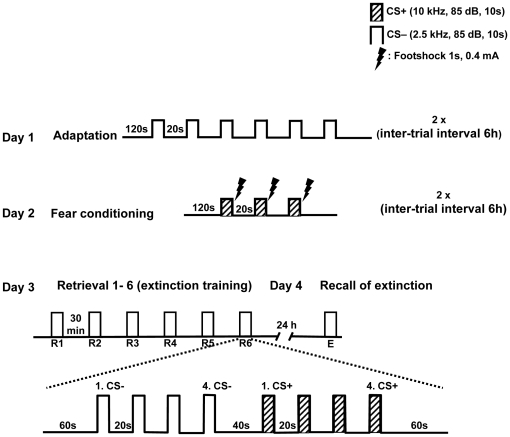
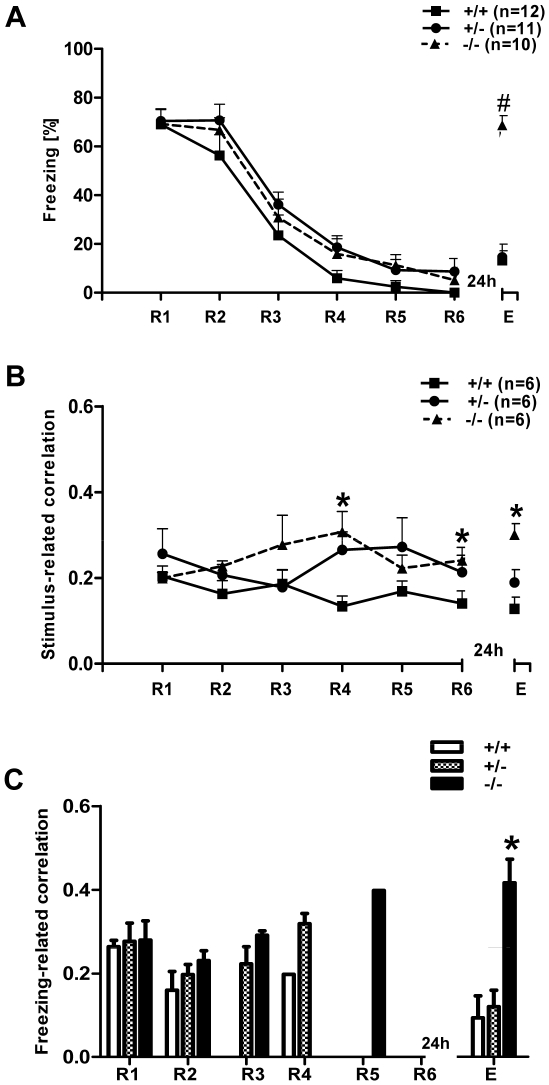
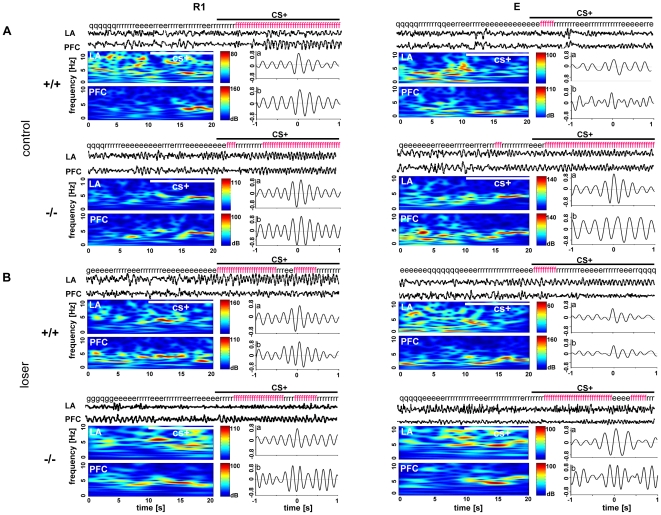
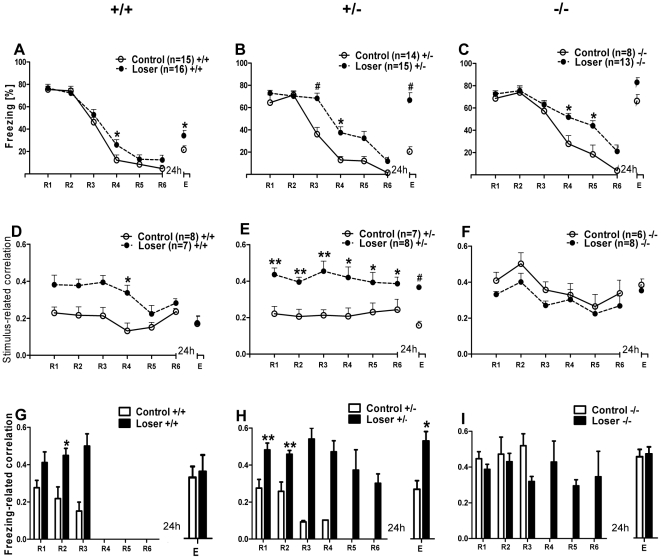
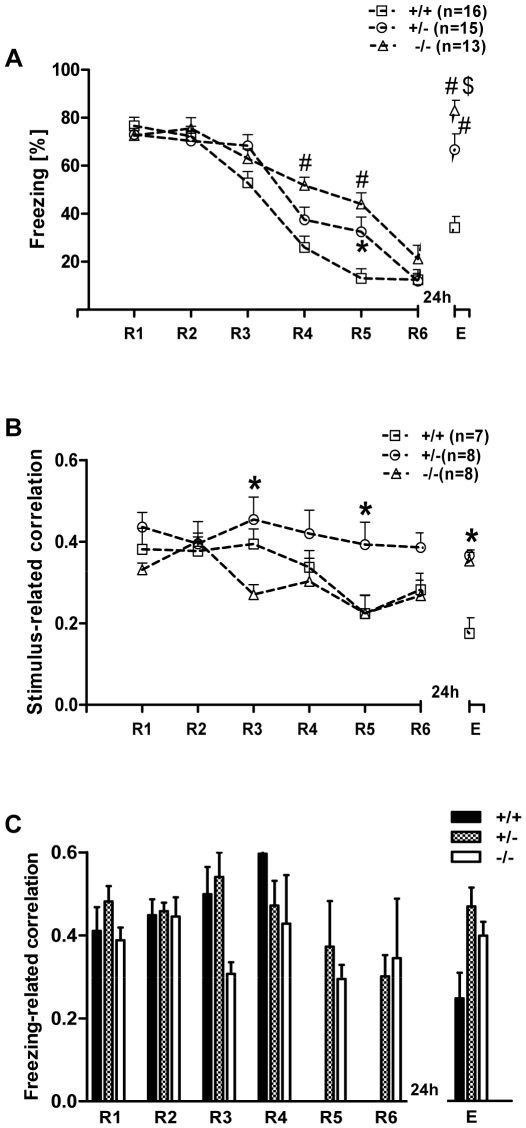
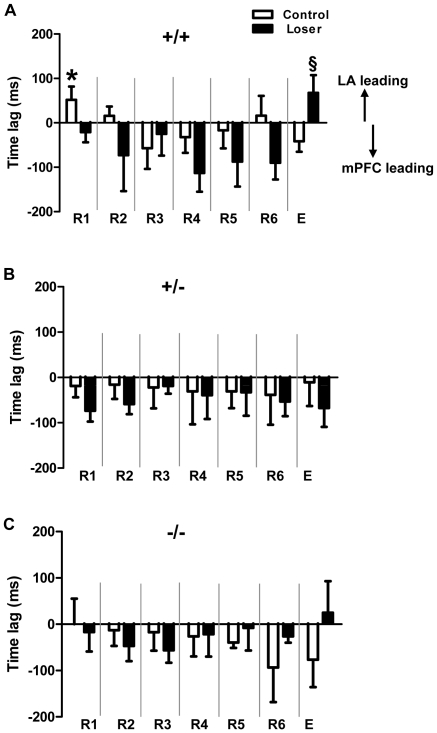
Emotions, such as fear and anxiety, can be modulated by both environmental and genetic factors. One genetic factor is for example the genetically encoded variation of the serotonin transporter (5-HTT) expression. In this context, the 5-HTT plays a key role in the regulation of central 5-HT neurotransmission, which is critically involved in the physiological regulation of emotions including fear and anxiety. However, a systematic study which examines the combined influence of environmental and genetic factors on fear-related behavior and the underlying neurophysiological basis is missing. Therefore, in this study we used the 5-HTT-deficient mouse model for studying emotional dysregulation to evaluate consequences of genotype specific disruption of 5-HTT function and repeated social defeat for fear-related behaviors and corresponding neurophysiological activities in the lateral amygdala (LA) and infralimbic region of the medial prefrontal cortex (mPFC) in male 5-HTT wild-type (+/+), homo- (-/-) and heterozygous (+/-) mice. Naive males and experienced losers (generated in a resident-intruder paradigm) of all three genotypes, unilaterally equipped with recording electrodes in LA and mPFC, underwent a Pavlovian fear conditioning. Fear memory and extinction of conditioned fear was examined while recording neuronal activity simultaneously with fear-related behavior. Compared to naive 5-HTT+/+ and +/- mice, 5-HTT-/- mice showed impaired recall of extinction. In addition, 5-HTT-/- and +/- experienced losers showed delayed extinction learning and impaired recall of extinction. Impaired behavioral responses were accompanied by increased theta synchronization between the LA and mPFC during extinction learning in 5-HTT-/- and +/- losers. Furthermore, impaired extinction recall was accompanied with increased theta synchronization in 5-HTT-/- naive and in 5-HTT-/- and +/- loser mice. In conclusion, extinction learning and memory of conditioned fear can be modulated by both the 5-HTT gene activity and social experiences in adulthood, accompanied by corresponding alterations of the theta activity in the amygdala-prefrontal cortex network.
Overview
The claims and statistics of this paper haven’t been checked yet.
Run the check — free, no account needed. It reads the open-access text and checks the sources it cites.
Integrity signals
Registry
Cites
Statistics
Figures
Verification
Claims the paper makes
The claims and statistics of this paper haven’t been checked yet.
Run the check — free, no account needed. It reads the open-access text and checks the sources it cites.
Claims other papers make about this one
Each is checked against this paper’s own text: does it say what the citing paper says it does?
In the citing paper
“Brain reward pathways, including the ventral tegmental area (VTA) and the nucleus accumbens (NAc) (4) as well as the prefrontal cortex (PFC) and the amygdala (11,12), have been implicated in the neural circuitry mediating these differences in stress susceptibility.”
From Neuroanatomic differences associated with stress susceptibility and resilience (2016) · cites this paper as [11]
In the citing paper
“Social defeat–induced anxiety and depressive-like behaviors were previously associated with decreased neuronal activity in the medial PFC (46) as well as increased VTA and amygdala activity (10–12).”
From Neuroanatomic differences associated with stress susceptibility and resilience (2016) · cites this paper as [11]
Self-check
Percentages, sums and reported differences re-computed from the paper’s own numbers.
The self-check needs the paper’s full text.
Citations
Cites
Diagnostic and Statistical Manual of Mental Disorders
Williams, J. B. W., & First, M. B. (2013) · Oxford University Press eBooks · doi:10.1093/acrefore/9780199975839.013.104 · Cited by 109,845
The Mouse Brain in Stereotaxic Coordinates
Paxinos, G. (2001) · Cited by 12,859
Influence of life stress on depression: moderation by a polymorphism in the 5-HTT gene
Caspi, A., Sugden, K., Moffitt, T. E., Taylor, A., Craig, I. W., Harrington, H., McClay, J., Mill, J., Martin, J., Braithwaite, A., et al. (2003) · Science · doi:10.1126/science.1083968 · Cited by 8,120
Neurophysiological investigation of the basis of the fMRI signal
Logothetis, N. K., Pauls, J., Augath, M., Trinath, T., & Oeltermann, A. (2001) · Nature · doi:10.1038/35084005 · Cited by 6,551
Lesch, K.-P., Bengel, D., Heils, A., Sabol, S. Z., Greenberg, B. D., Petri, S., Benjamin, J., Müller, C. R., Hamer, D. H., & Murphy, D. L. (1996) · Science · doi:10.1126/science.274.5292.1527 · Cited by 5,162
mouse brain in stereotaxic coordinates
Franklin, K. B. J., & Paxinos, G. (1997) · Cited by 3,258
Serotonin transporter genetic variation and the response of the human amygdala.
Hariri, A. R., Mattay, V. S., Tessitore, A., Kolachana, B., Fera, F., Goldman, D., Egan, M. F., & Weinberger, D. R. (2002) · Science · doi:10.1126/science.1071829 · Cited by 2,340
Pezawas, L., Meyer-Lindenberg, A., Drabant, E. M., Verchinski, B. A., Munoz, K. E., Kolachana, B. S., Egan, M. F., Mattay, V. S., Hariri, A. R., & Weinberger, D. R. (2005) · Nature Neuroscience · doi:10.1038/nn1463 · Cited by 1,980
Neuronal signalling of fear memory
Maren, S., & Quirk, G. J. (2004) · Nature Reviews Neuroscience · doi:10.1038/nrn1535 · Cited by 1,428
Cellular bases of hippocampal EEG in the behaving rat
Buzsáki, G., Leung Lai-Wo, S., & Vanderwolf, C. H. (1983) · Brain Research Reviews · doi:10.1016/0165-0173(83)90037-1 · Cited by 1,397
Gene–environment interactions in psychiatry: joining forces with neuroscience
Caspi, A., & Moffitt, T. E. (2006) · Nature Reviews Neuroscience · doi:10.1038/nrn1925 · Cited by 1,300
Sierra-Mercado, D., Padilla-Coreano, N., & Quirk, G. J. (2011) · Neuropsychopharmacology · doi:10.1038/npp.2010.184 · Cited by 1,190
Pape, H.-C., & Pare, D. (2010) · Physiological Reviews · doi:10.1152/physrev.00037.2009 · Cited by 994
Self-citationPlasma membrane monoamine transporters: structure, regulation and function
Torres, G. E., Gainetdinov, R. R., & Caron, M. G. (2003) · Nature reviews. Neuroscience · doi:10.1038/nrn1008 · Cited by 936
Memory processes, brain oscillations and EEG synchronization
Klimesch, W. (1996) · International Journal of Psychophysiology · doi:10.1016/s0167-8760(96)00057-8 · Cited by 923
Cloning and expression of a functional serotonin transporter from rat brain
Blakely, R., Berson, H. E., Fremeau, R. T., Caron, M. G., Peek, M. M., Prince, H. K., & Bradley, C. C. (1991) · Nature · doi:10.1038/354066a0 · Cited by 834
Early-Life Blockade of the 5-HT Transporter Alters Emotional Behavior in Adult Mice
Ansorge, M. S., Zhou, M., Lira, A., Hen, R., & Gingrich, J. A. (2004) · Science · doi:10.1126/science.1101678 · Cited by 817
A Susceptibility Gene for Affective Disorders and the Response of the Human Amygdala
Hariri, A. R., Drabant, E. M., Munoz, K. E., Kolachana, B. S., Mattay, V. S., Egan, M. F., & Weinberger, D. R. (2005) · Archives of General Psychiatry · doi:10.1001/archpsyc.62.2.146 · Cited by 815
Adhikari, A., Topiwala, M. A., & Gordon, J. A. (2010) · Neuron · doi:10.1016/j.neuron.2009.12.002 · Cited by 729
Amygdalar and Hippocampal Theta Rhythm Synchronization During Fear Memory Retrieval
Seidenbecher, T., Laxmi, T. R., Stork, O., & Pape, H.-C. (2003) · Science · doi:10.1126/science.1085818 · Cited by 728
Self-citationBengel, D., Murphy, D. L., Andrews, A. M., Wichems, C. H., Feltner, D. E., Heils, A., Mößner, R., Westphal, H., & Lesch, K. (1998) · Molecular Pharmacology · doi:10.1124/mol.53.4.649 · Cited by 719
Amygdala-prefrontal coupling depends on a genetic variation of the serotonin transporter
Heinz, A., Braus, D. F., Smolka, M. N., Wrase, J., Puls, I., Hermann, D., Vollstädt‐Klein, S., Grüsser, S. M., Flor, H., Schumann, G., et al. (2004) · Nature Neuroscience · doi:10.1038/nn1366 · Cited by 700
5-HT1A receptor function in major depressive disorder
Savitz, J. B., Lucki, I., & Drevets, W. C. (2009) · Progress in Neurobiology · doi:10.1016/j.pneurobio.2009.01.009 · Cited by 600
Celada, P., Puig, M. V., Casanovas, J. M., Guillazo, G., & Artigas, F. (2001) · The Journal of Neuroscience · doi:10.1523/jneurosci.21-24-09917.2001 · Cited by 497
Malison, R. T., Price, L. H., Berman, R., van Dyck, C. H., Pelton, G. H., Carpenter, L., Sanacora, G., Owens, M. J., Nemeroff, C. B., Rajeevan, N., et al. (1998) · Biological Psychiatry · doi:10.1016/s0006-3223(98)00272-8 · Cited by 496
Stress-induced prefrontal reorganization and executive dysfunction in rodents
Holmes, A., & Wellman, C. L. (2009) · Neuroscience & Biobehavioral Reviews · doi:10.1016/j.neubiorev.2008.11.005 · Cited by 469
Serotonin Transporter: Gene, Genetic Disorders, and Pharmacogenetics
Murphy, D. L. (2004) · Molecular Interventions · doi:10.1124/mi.4.2.8 · Cited by 457
Disrupting Reconsolidation of Drug Memories Reduces Cocaine-Seeking Behavior
Lee, J. L. C., Ciano, P. D., Thomas, K. L., & Everitt, B. J. (2005) · Neuron · doi:10.1016/j.neuron.2005.08.007 · Cited by 392
Arango, V (2001) · Neuropsychopharmacology · doi:10.1016/s0893-133x(01)00310-4 · Cited by 368
Wellman, C. L., Izquierdo, A., Garrett, J. E., Martin, K. P., Carroll, J., Millstein, R., Lesch, K.-P., Murphy, D. L., & Holmes, A. (2007) · The Journal of Neuroscience · doi:10.1523/jneurosci.4595-06.2007 · Cited by 366
Holmes, A., Murphy, D. L., & Crawley, J. N. (2003) · Biological Psychiatry · doi:10.1016/j.biopsych.2003.09.003 · Cited by 348
Lesch, K., & Mößner, R. (1998) · Biological Psychiatry · doi:10.1016/s0006-3223(98)00121-8 · Cited by 338
A Specialized Subclass of Interneurons Mediates Dopaminergic Facilitation of Amygdala Function
Marowsky, A., Yanagawa, Y., Obata, K., & Vogt, K. E. (2005) · Neuron · doi:10.1016/j.neuron.2005.10.029 · Cited by 328
Zahniser, N. R., & Doolen, S. (2001) · Pharmacology & Therapeutics · doi:10.1016/s0163-7258(01)00158-9 · Cited by 311
Serotonergic modulation of neurotransmission in the rat basolateral amygdala.
Rainnie, D. G. (1999) · Journal of Neurophysiology · doi:10.1152/jn.1999.82.1.69 · Cited by 311
Long-term effects of social stress on brain and behavior: a focus on hippocampal functioning
Buwalda, B., Kole, M. H. P., Veenema, A. H., Huininga, M., de Boer, S. F., Korte, S. M., & Koolhaas, J. M. (2004) · Neuroscience & Biobehavioral Reviews · doi:10.1016/j.neubiorev.2004.05.005 · Cited by 310
Jüngling, K., Seidenbecher, T., Sosulina, L., Lesting, J., Sangha, S., Clark, S. D., Okamura, N., Duangdao, D. M., Xu, Y.-L., Reinscheid, R. K., et al. (2008) · Neuron · doi:10.1016/j.neuron.2008.07.002 · Cited by 299
Self-citationEvaluation of Antidepressant-related Behavioral Responses in Mice Lacking the Serotonin Transporter
Holmes, A. (2002) · Neuropsychopharmacology · doi:10.1016/s0893-133x(02)00374-3 · Cited by 288
Gene–environment interaction and the genetics of depression
Lesch, K. (2004) · Journal of Psychiatry and Neuroscience · doi:10.1139/jpn.0420 · Cited by 284
Amygdala oscillations and the consolidation of emotional memories
Paré, D. (2002) · Trends in Cognitive Sciences · doi:10.1016/s1364-6613(02)01924-1 · Cited by 282
Mathews, T. A., Fedele, D., Coppelli, F. M., Avila, A. M., Murphy, D. L., & Andrews, A. M. (2004) · Journal of Neuroscience Methods · doi:10.1016/j.jneumeth.2004.05.017 · Cited by 281
Lesting, J., Narayanan, R. T., Kluge, C., Sangha, S., Seidenbecher, T., & Pape, H.-C. (2011) · PLoS ONE · doi:10.1371/journal.pone.0021714 · Cited by 275
Self-citationFabre, V., Beaufour, C., Evrard, A., Bilan, A. R., Hanoun, N., Lesch, K., Murphy, D. L., Lanfumey, L., Hamon, M., & Martres, M. (2000) · European Journal of Neuroscience · doi:10.1046/j.1460-9568.2000.00126.x · Cited by 274
Dissecting the role of the serotonin system in neuropsychiatric disorders using knockout mice
Gingrich, J. A., & Hen, R. (2001) · Psychopharmacology · doi:10.1007/s002130000573 · Cited by 266
Veenema, A. H., Bredewold, R., & Neumann, I. D. (2007) · Psychoneuroendocrinology · doi:10.1016/j.psyneuen.2007.02.008 · Cited by 263
Munafo, M. R., Clark, T. G., & Flint, J. (2004) · Molecular Psychiatry · doi:10.1038/sj.mp.4001627 · Cited by 251
Puig, M. V. (2004) · Cerebral Cortex · doi:10.1093/cercor/bhh104 · Cited by 232
How social experiences influence the brain
Champagne, F. A., & Curley, J. P. (2005) · Current Opinion in Neurobiology · doi:10.1016/j.conb.2005.10.001 · Cited by 225
Neumeister, A., Konstantinidis, A., Stastny, J., Schwarz, M. J., Vitouch, O., Willeit, M., Praschak-Rieder, N., Zach, J., de Zwaan, M., Bondy, B., et al. (2002) · Archives of General Psychiatry · doi:10.1001/archpsyc.59.7.613 · Cited by 223
Genetic perspectives on the serotonin transporter
Murphy, D. L., Li, Q., Engel, S. R., Wichems, C. H., Andrews, A. M., Lesch, K., & Uhl, G. R. (2001) · Brain Research Bulletin · doi:10.1016/s0361-9230(01)00622-0 · Cited by 214
The effects of prenatal social stress on behaviour: mechanisms and function
Kaiser, S., & Sachser, N. (2004) · Neuroscience & Biobehavioral Reviews · doi:10.1016/j.neubiorev.2004.09.015 · Cited by 206
Self-citationBarr, C. S., Newman, T. K., Schwandt, M. L., Shannon, C., Dvoskin, R. L., Lindell, S. G., Taubman, J., Thompson, B., Champoux, M., Lesch, K., et al. (2004) · Proceedings of the National Academy of Sciences · doi:10.1073/pnas.0403763101 · Cited by 205
Targeted gene mutation approaches to the study of anxiety-like behavior in mice
Holmes, A. (2001) · Neuroscience & Biobehavioral Reviews · doi:10.1016/s0149-7634(01)00012-4 · Cited by 200
Kim, D., Tolliver, T. J., Huang, S.-J., Martin, B. J., Andrews, A. M., Wichems, C. H., Holmes, A., Lesch, K., & Murphy, D. L. (2005) · Neuropharmacology · doi:10.1016/j.neuropharm.2005.08.010 · Cited by 186
Willeit, M., Praschak-Rieder, N., Neumeister, A., Pirker, W., Asenbaum, S., Vitouch, O., Tauscher, J. T., Hilger, E., Stastny, J., Brücke, T., et al. (2000) · Biological Psychiatry · doi:10.1016/s0006-3223(99)00293-0 · Cited by 178
Regulation of conditioned responses of basolateral amygdala neurons
GRACE, A., & ROSENKRANZ, J. (2002) · Physiology & Behavior · doi:10.1016/s0031-9384(02)00909-5 · Cited by 172
Gobbi, G., Murphy, D. L., Lesch, K., & Blier, P. (2001) · Journal of Pharmacology and Experimental Therapeutics · doi:10.1016/s0022-3565(24)38843-3 · Cited by 168
Steinbusch, H. W. M., Nieuwenhuys, R., Verhofstad, A. A. J., & Van der Kooy, D. (1981) · PubMed · Cited by 165
Genetic basis of anxiety-like behaviour: a critical review
Clément, Y., Calatayud, F., & Belzung, C. (2002) · Brain Research Bulletin · doi:10.1016/s0361-9230(01)00637-2 · Cited by 163
Kugaya, A., Seneca, N. M., Snyder, P. J., Williams, S. A., Malison, R. T., Baldwin, R. M., Seibyl, J. P., & Innis, R. B. (2002) · Neuropsychopharmacology · doi:10.1038/sj.npp.1300036 · Cited by 161
Dynamics of central nervous 5-HT1A-receptors under psychosocial stress
Flügge, G. (1995) · Journal of Neuroscience · doi:10.1523/jneurosci.15-11-07132.1995 · Cited by 155
Jennings, K. A., Loder, M. K., Sheward, W. J., Pei, Q., Deacon, R. M. J., Benson, M. A., Olverman, H. J., Hastie, N. D., Harmar, A. J., Shen, S., et al. (2006) · Journal of Neuroscience · doi:10.1523/jneurosci.5356-05.2006 · Cited by 153
Paré, D., Pape, H., & Dong, J. (1995) · Journal of Neurophysiology · doi:10.1152/jn.1995.74.3.1179 · Cited by 147
Self-citationGlutamate and monoamine transporters: new visions of form and function
Torres, G. E., & Amara, S. (2007) · Current Opinion in Neurobiology · doi:10.1016/j.conb.2007.05.002 · Cited by 144
Current treatments of the anxiety disorders in adults
Ballenger, J. C. (1999) · Biological Psychiatry · doi:10.1016/s0006-3223(99)00220-6 · Cited by 132
Rodent Models of Depression: Reexamining Validity Without Anthropomorphic Inference
Holmes, P. V. (2003) · Critical Reviews in Neurobiology · doi:10.1615/critrevneurobiol.v15.i2.30 · Cited by 132
Pinto, A., Jankowski, M. P., & Sesack, S. R. (2003) · The Journal of Comparative Neurology · doi:10.1002/cne.10596 · Cited by 130
Serotonergic projections from the nucleus raphe dorsalis to the amygdala in the rat
Ma, Q., Yin, G. F., Ai, M. K., & Han, J. (1991) · Neuroscience Letters · doi:10.1016/0304-3940(91)90499-j · Cited by 122
Narayanan, R. T., Seidenbecher, T., Kluge, C., Bergado, J. A., Stork, O., & Pape, H. (2007) · European Journal of Neuroscience · doi:10.1111/j.1460-9568.2007.05437.x · Cited by 118
Self-citationEffects of median raphe nucleus lesions on hippocampal EEG in the freely moving rat
Maru, E., Takahashi, L. K., & Iwahara, S. (1979) · Brain Research · doi:10.1016/0006-8993(79)90351-2 · Cited by 118
Vertes, R. P., Kinney, G. G., Kocsis, B., & Fortin, W. J. (1994) · Neuroscience · doi:10.1016/0306-4522(94)90255-0 · Cited by 117
Increased vulnerability to psychosocial stress in heterozygous serotonin transporter knockout mice
Bartolomucci, A., Carola, V., Pascucci, T., Puglisi‐Allegra, S., Cabib, S., Lesch, K., Parmigiani, S., Palanza, P., & Gross, C. T. (2010) · Disease Models & Mechanisms · doi:10.1242/dmm.004614 · Cited by 115
Adhikari, A., Sigurdsson, T., Topiwala, M. A., & Gordon, J. A. (2010) · Journal of Neuroscience Methods · doi:10.1016/j.jneumeth.2010.06.019 · Cited by 115
Koyama, S., Kubo, C., Rhee, J., & Akaike, N. (1999) · The Journal of Physiology · doi:10.1111/j.1469-7793.1999.0525p.x · Cited by 108
Hajós, M. (2003) · Neuropharmacology · doi:10.1016/s0028-3908(03)00139-4 · Cited by 107
Pharmacotherapy for Post-Traumatic Stress Disorder
Sutherland, S. M., & Davidson, J. R. T. (1994) · Psychiatric Clinics of North America · doi:10.1016/s0193-953x(18)30122-9 · Cited by 106
Ionic Mechanisms of Intrinsic Oscillations in Neurons of the Basolateral Amygdaloid Complex
Pape, H., & Driesang, R. B. (1998) · Journal of Neurophysiology · doi:10.1152/jn.1998.79.1.217 · Cited by 105
Self-citationHammack, S. E., Guo, J.-D., Hazra, R., Dabrowska, J., Myers, K. M., & Rainnie, D. G. (2009) · Progress in Neuro-Psychopharmacology and Biological Psychiatry · doi:10.1016/j.pnpbp.2009.05.013 · Cited by 103 · cited 1×
“). Additionally, loss of 5-HTT gene function influenced normal activity in the LA and IL of mPFC in the theta frequency range and interaction between both regions. The serotonergic system, particularly the dorsal raphe nucleus, extensively innervates corticolimbic structures involved in the control of stress and anxie…”
BackgroundSangha, S., Narayanan, R. T., Bergado-Acosta, J. R., Stork, O., Seidenbecher, T., & Pape, H. (2009) · Journal of Neuroscience · doi:10.1523/jneurosci.2620-09.2009 · Cited by 101
Self-citationEffects of Mild Early Life Stress on Abnormal Emotion-related Behaviors in 5-HTT Knockout Mice
Carroll, J. C., Boyce‐Rustay, J. M., Millstein, R. A., Yang, R. J., Wiedholz, L. M., Murphy, D. L., & Holmes, A. (2006) · Behavior Genetics · doi:10.1007/s10519-006-9129-9 · Cited by 98
Further studies on platelet serotonin transporter binding in depression
Nemeroff, C. B., Knight, D. L., Franks, J., Craighead, W. E., & Krishnan, K. R. (1994) · American Journal of Psychiatry · doi:10.1176/ajp.151.11.1623 · Cited by 95
Jansen, F., Heiming, R. S., Lewejohann, L., Touma, C., Palme, R., Schmitt, A. G., Lesch, K., & Sachser, N. (2009) · Behavioural Brain Research · doi:10.1016/j.bbr.2009.09.033 · Cited by 89
Self-citationPharmacotherapy for post traumatic stress disorder (PTSD)
Stein, D. J., Zungu‐Dirwayi, N., van der Linden, G. J., & Seedat, S. (2000) · Cochrane Database of Systematic Reviews · doi:10.1002/14651858.cd002795 · Cited by 88
Ethanol Inhibits Clearance of Brain Serotonin by a Serotonin Transporter-Independent Mechanism
Daws, L. C., Montañez, S., Munn, J. L., Owens, W. A., Baganz, N. L., Boyce‐Rustay, J. M., Millstein, R. A., Wiedholz, L. M., Murphy, D. L., & Holmes, A. (2006) · Journal of Neuroscience · doi:10.1523/jneurosci.4050-05.2006 · Cited by 84
Li, X. B., Inoue, T., Hashimoto, S., & Koyama, T. (2001) · European Journal of Pharmacology · doi:10.1016/s0014-2999(01)01159-1 · Cited by 76
Heiming, R. S. (2009) · Frontiers in Behavioral Neuroscience · doi:10.3389/neuro.08.026.2009 · Cited by 73
Self-citationKoyama, S., Matsumoto, N., Murakami, N., Kubo, C., Nabekura, J., & Akaike, N. (2002) · Life Sciences · doi:10.1016/s0024-3205(02)02280-4 · Cited by 72
Lucki, I., & O'Leary, O. F. (2004) · PubMed · Cited by 71
Role of amygdala oscillations in the consolidation of emotional memories
Pelletier, J. G., & Paré, D. (2004) · Biological Psychiatry · doi:10.1016/j.biopsych.2003.08.019 · Cited by 71
Molecular manipulations as tools for enhancing our understanding of 5-HT neurotransmission
Murphy, D. L., Wichems, C. H., Li, Q., & Heils, A. (1999) · Trends in Pharmacological Sciences · doi:10.1016/s0165-6147(99)01325-5 · Cited by 70
Line, S. J., Barkus, C., Coyle, C., Jennings, K. A., Deacon, R. M. J., Lesch, K., Sharp, T., & Bannerman, D. M. (2010) · European Neuropsychopharmacology · doi:10.1016/j.euroneuro.2010.08.005 · Cited by 65
Theta resynchronization during reconsolidation of remote contextual fear memory
Narayanan, R. T., Seidenbecher, T., Sangha, S., Stork, O., & Pape, H. (2007) · Neuroreport · doi:10.1097/wnr.0b013e3282004992 · Cited by 64
Self-citationNietzer, S., Bonn, M., Jansen, F., Heiming, R. S., Lewejohann, L., Sachser, N., Asan, E., Lesch, K., & Schmitt, A. G. (2011) · Behavioural Brain Research · doi:10.1016/j.bbr.2011.01.011 · Cited by 58
Self-citationGenetic and environmental factors interact to influence anxiety
Gross, C. T., & Hen, R. (2004) · Neurotoxicity Research · doi:10.1007/bf03033286 · Cited by 57
Nitz, D. A., & McNaughton, B. L. (1999) · Learning & Memory · doi:10.1101/lm.6.2.153 · Cited by 53
Marrosu, F., Fornal, C. A., Metzler, C. W., & Jacobs, B. L. (1996) · Brain Research · doi:10.1016/s0006-8993(96)00826-8 · Cited by 48
Serotonin receptor knockouts: A moody subject
Julius, D. J. (1998) · Proceedings of the National Academy of Sciences · doi:10.1073/pnas.95.26.15153 · Cited by 41
[3H]-Imipramine binding in human platelets: A new biochemical parameter in depression
Briley, M., Raisman‐Vozari, R., Sechter, D., Zarifian, E., & Langer, S. Z. (1980) · Neuropharmacology · doi:10.1016/0028-3908(80)90204-x · Cited by 38
Lesting, J., Geiger, M., Narayanan, R. T., Pape, H., & Seidenbecher, T. (2010) · Epilepsia · doi:10.1111/j.1528-1167.2010.02758.x · Cited by 37
Self-citationGABAergic Neurons: Gate Masters of the Amygdala, Mastered by Dopamine
Pape, H. (2005) · Neuron · doi:10.1016/j.neuron.2005.12.002 · Cited by 37
Self-citationPharmacotherapy of post-traumatic stress disorder
Opler, L. A., GRENNAN, M. S., & Opler, M. G. (2006) · Drugs of today · doi:10.1358/dot.2006.42.12.1025704 · Cited by 25
Knockout mice in neuropsychopharmacology: present and future
Mößner, R., & Lesch, K. (1998) · The International Journal of Neuropsychopharmacology · doi:10.1017/s1461145798001114 · Cited by 7
Cited by
Sorted by citations
50 years of hurdles and hope in anxiolytic drug discovery
Griebel, G., & Holmes, A. (2013) · Nature Reviews Drug Discovery · doi:10.1038/nrd4075 · Cited by 430
Deslauriers, J., Tóth, M., Der‐Avakian, A., & Risbrough, V. B. (2017) · Biological Psychiatry · doi:10.1016/j.biopsych.2017.11.019 · Cited by 275
Rodent models of post-traumatic stress disorder: behavioral assessment
Verbitsky, A., Dopfel, D., & Zhang, N. (2020) · Translational Psychiatry · doi:10.1038/s41398-020-0806-x · Cited by 264
Serotonin, Amygdala and Fear: Assembling the Puzzle
Bocchio, M., McHugh, S. B., Bannerman, D. M., Sharp, T., & Capogna, M. (2016) · Frontiers in Neural Circuits · doi:10.3389/fncir.2016.00024 · Cited by 219
Harvey, C., Gehrman, P., & Espie, C. A. (2013) · Sleep Medicine Reviews · doi:10.1016/j.smrv.2013.11.004 · Cited by 218
Metadata
- Authors
- Narayanan, V., Heiming, R. S., Jansen, F., Lesting, J., Sachser, N., Pape, H.-C., & Seidenbecher, T.
- Affiliations
- University of Münster (DE)
- Corresponding author
- Seidenbecher, Thomas
- Venue
- PLoS ONE
- Publisher
- Public Library of Science (PLoS)
- Published
- 2011-07-27
- Volume
- 6
- Issue
- 7
- Pages
- e22600
- ISSN
- 1932-6203 (ISSN-L)
- PMC
- PMC3144906
- OpenAlex
- W2051845141
- Cited by
- 103
- References
- 104
- Citations by year
- 2025: 1 · 2024: 5 · 2023: 5 · 2022: 4 · 2021: 4 · 2020: 7 · 2019: 9 · 2018: 8 · 2017: 6 · 2016: 6 · 2015: 8 · 2014: 9 · 2013: 22 · 2012: 8
- FWCI
- 6.49
- Type
- journal article
- Language
- en
- Open access
- gold
- doi.org
- Locations
- PLoS ONE (publishedVersion, cc-by)
- Europe PMC (PubMed Central) (publishedVersion, cc-by)
- PubMed Central (publishedVersion, cc-by)
- PubMed (publishedVersion)
- DOAJ (DOAJ: Directory of Open Access Journals) (submittedVersion, cc-by-sa)
- Figshare (submittedVersion, cc-by)
- Funders
- Deutsche Forschungsgemeinschaft (TRR‐58, TP A01, SFB TRR 58)
- Topics
- Life Sciences › Neuroscience › Cognitive Neuroscience › Memory and Neural Mechanisms
- Life Sciences › Neuroscience › Cellular and Molecular Neuroscience › Neurotransmitter Receptor Influence on Behavior
- Life Sciences › Neuroscience › Cellular and Molecular Neuroscience › Neuroscience and Neuropharmacology Research
- Keywords
- social defeat, fear extinction, serotonin transporter, 5-HTT knockout mice, lateral amygdala, medial prefrontal cortex, infralimbic cortex, theta synchronization, fear conditioning, fear memory, resident-intruder paradigm, emotional dysregulation, extinction recall
- MeSH terms
- Action Potentials, Amygdala, Animals, Cortical Synchronization, Extinction, Psychological, Fear, Genotype, Male, Nerve Net, Mental Recall, Social Behavior, Prefrontal Cortex, Mice, Knockout, Freezing Reaction, Cataleptic, Serotonin Plasma Membrane Transport Proteins, Mice
About these checks
Registry, retraction, Cites and statistics results are computed, not judged, with one exception: a printed reference that no index lists is read once by a model before it counts as a citation error. Claims are extracted by a model and kept only when their quote appears verbatim in the text; each cited source is then checked, with a model’s help, for whether it says what the claim relies on. Those verdicts can be wrong — read the claim’s quote and the cited source before relying on one.
Statistics and arithmetic are recomputed, not judged.
Confidence bands are shown only for fields calibrated on our annotated test set. None is calibrated yet, so no band is shown.
What counts as a claim ›How we measure confidence ›How we check this ›
Are you an author, or do you see a problem with this page? Request a review
