

Amyloid Triggers Extensive Cerebral Angiogenesis Causing Blood Brain Barrier Permeability and Hypervascularity in Alzheimer's Disease
Open accessThe DOI matches its Crossref record; 72 of the 73 references it cites were found in a registry or an index.
Abstract
Evidence of reduced blood-brain barrier (BBB) integrity preceding other Alzheimer's disease (AD) pathology provides a strong link between cerebrovascular angiopathy and AD. However, the "Vascular hypothesis", holds that BBB leakiness in AD is likely due to hypoxia and neuroinflammation leading to vascular deterioration and apoptosis. We propose an alternative hypothesis: amyloidogenesis promotes extensive neoangiogenesis leading to increased vascular permeability and subsequent hypervascularization in AD. Cerebrovascular integrity was characterized in Tg2576 AD model mice that overexpress the human amyloid precursor protein (APP) containing the double missense mutations, APPsw, found in a Swedish family, that causes early-onset AD. The expression of tight junction (TJ) proteins, occludin and ZO-1, were examined in conjunction with markers of apoptosis and angiogenesis. In aged Tg2576 AD mice, a significant increase in the incidence of disrupted TJs, compared to age matched wild-type littermates and young mice of both genotypes, was directly linked to an increased microvascular density but not apoptosis, which strongly supports amyloidogenic triggered hypervascularity as the basis for BBB disruption. Hypervascularity in human patients was corroborated in a comparison of postmortem brain tissues from AD and controls. Our results demonstrate that amylodogenesis mediates BBB disruption and leakiness through promoting neoangiogenesis and hypervascularity, resulting in the redistribution of TJs that maintain the barrier and thus, provides a new paradigm for integrating vascular remodeling with the pathophysiology observed in AD. Thus the extensive angiogenesis identified in AD brain, exhibits parallels to the neovascularity evident in the pathophysiology of other diseases such as age-related macular degeneration.
Overview
The claims and statistics of this paper haven’t been checked yet.
Free: it reads the open-access text and checks the first 5 claims that cite a source we can check. Create a free account to check every claim.
Integrity signals
Registry
Cites
Statistics
Figures
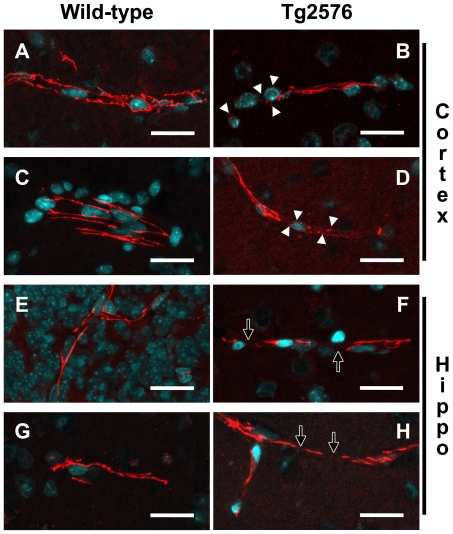
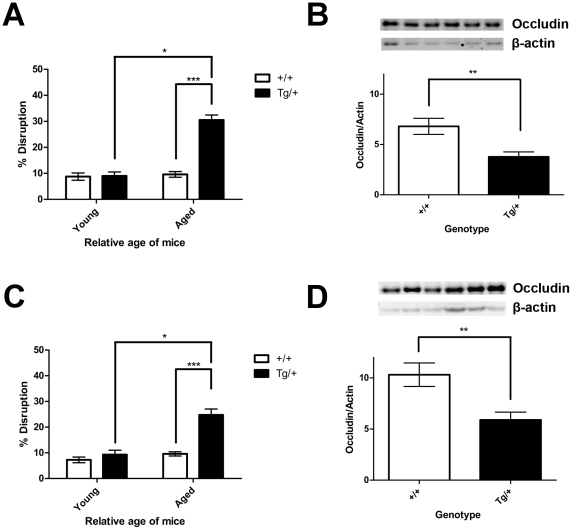
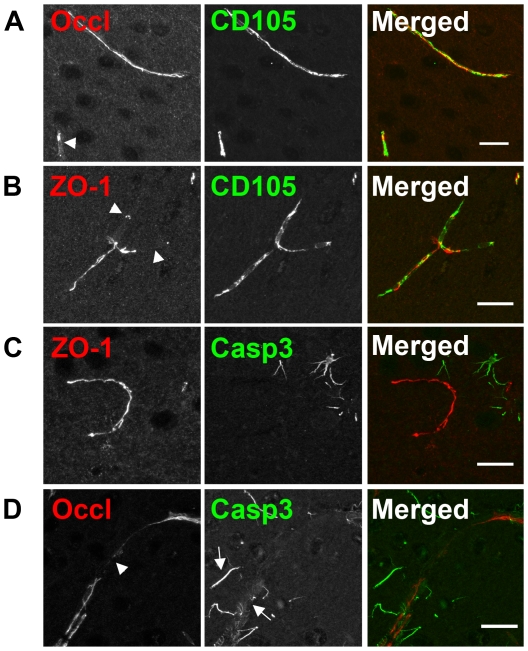
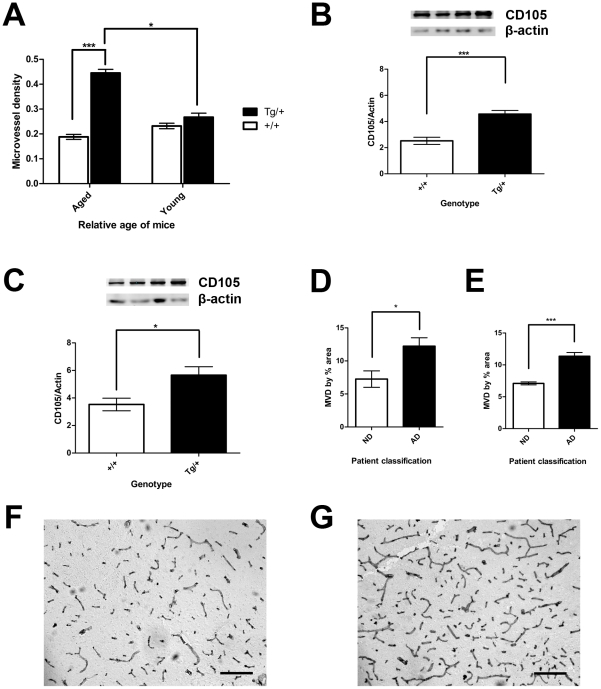
Verification
Claims the paper makes
The claims and statistics of this paper haven’t been checked yet.
Free: it reads the open-access text and checks the first 5 claims that cite a source we can check. Create a free account to check every claim.
Claims other papers make about this one
Each is checked against this paper’s own text: does it say what the citing paper says it does?
The source backs part of the claim, not all of it — or backs it for a different population, condition or comparison.
In the citing paper
“Inflammation affects the BBB,126”
From Mechanisms of sporadic cerebral small vessel disease: insights from neuroimaging (2013) · cites this paper as [126]
Experimental — accuracy not yet measuredThe check wasn’t confident either way, so it gives no verdict — never disputed.
In the citing paper
“we were unable to demonstrate a decrease in claudin‐5 in AD, as previously reported [127]”
From Gliovascular alterations in sporadic and familial Alzheimer's disease: APOE3 Christchurch homozygote glioprotection (2023) · cites this paper as [127]
Experimental — accuracy not yet measured
Self-check
Percentages, sums and reported differences re-computed from the paper’s own numbers.
The self-check needs the paper’s full text.
Citations
Cites
1 retracted
RETRACTED ARTICLE: A specific amyloid-β protein assembly in the brain impairs memory
Lesné, S., Koh, M. T., Kotilinek, L., Kayed, R., Glabe, C. G., Yang, A., Gallagher, M., & Ashe, K. H. (2006) · Nature · doi:10.1038/nature04533 · Cited by 2,769 · cited 1×
“Another potential mediator of cerebrovascular disruption in AD is a highly toxic dodecameric 56 kDa abeta oligomer, referred to as “abeta*56” that has been directly implicated in memory loss in Tg2576 mice”
BackgroundRetractedCleavage of Structural Proteins during the Assembly of the Head of Bacteriophage T4
LAEMMLI, U. K. (1970) · Nature · doi:10.1038/227680a0 · Cited by 249,961
Tumor Angiogenesis and Metastasis — Correlation in Invasive Breast Carcinoma
Weidner, N., Semple, J. P., Welch, W. R., & Folkman, J. (1991) · New England Journal of Medicine · doi:10.1056/nejm199101033240101 · Cited by 5,627 · cited 1×
“Areas within the brain section containing high density (‘‘hotspots’’) [39] CD105 staining were imaged using the 206/0.”
MethodStructure and function of the blood–brain barrier
Abbott, N. J., Patabendige, A. A. K., Dolman, D. E. M., Yusof, S. R., & Begley, D. J. (2010) · Neurobiology of Disease · doi:10.1016/j.nbd.2009.07.030 · Cited by 5,185 · cited 1×
“The physical seal of the BBB is maintained by several different interendothelial tight junctional complexes (reviewed by [31,32]) comprised of a variety of plasma membrane spanning proteins (like occludin), scaffold cytoplasmic proteins (like ZO-1) and the actin cytoskeleton.”
BackgroundCorrelative Memory Deficits, Aβ Elevation, and Amyloid Plaques in Transgenic Mice
Hsiao, K., Chapman, P., Nilsen, S., Eckman, C., Harigaya, Y., Younkin, S., Yang, F., & Cole, G. (1996) · Science · doi:10.1126/science.274.5284.99 · Cited by 4,210 · cited 2×
“These mice express human APP695 containing the Swedish missense mutations (K670N/M671L) or APPsw [33], under control of the hamster prion protein promoter (Taconic).”
BackgroundMethodDiabetes mellitus and the risk of dementia: The Rotterdam Study
Ott, A., Stolk, R. P., van Harskamp, F., Pols, H. A. P., Hofman, A., & Breteler, M. M. B. (1999) · Neurology · doi:10.1212/wnl.53.9.1937 · Cited by 2,175
APP Processing and Synaptic Function
Kamenetz, F., Tomita, T., Hsieh, H., Seabrook, G., Borchelt, D., Iwatsubo, T., Sisodia, S., & Malinow, R. (2003) · Neuron · doi:10.1016/s0896-6273(03)00124-7 · Cited by 1,644
Kivipelto, M., Helkala, E.-L., Laakso, M. P., Hänninen, T., Hallikainen, M., Alhainen, K., Soininen, H., Tuomilehto, J., & Nissinen, A. (2001) · BMJ · doi:10.1136/bmj.322.7300.1447 · Cited by 1,618 · cited 1×
“However, recent studies have found that vascular risk factors and neurovascular dysfunction associated with hypotension, hypertension [6,7], cholesterol levels, type II diabetes mellitus [8], smoking [9] and oxidative stress [10] play integral roles in the pathogenesis of AD [11].”
BackgroundRAGE mediates amyloid-β peptide transport across the blood-brain barrier and accumulation in brain
Deane, R., Du Yan, S., Submamaryan, R. K., LaRue, B., Jovanovic, S., Hogg, E., Welch, D., Manness, L., Lin, C., Yu, J., et al. (2003) · Nature Medicine · doi:10.1038/nm890 · Cited by 1,611 · cited 2×
“dysfunction leads to neurodegenerative changes including accumulation of Ab [27,28], neuroinflammation [29] and ensuing”
BackgroundResultBell, R. D., Winkler, E. A., Sagare, A. P., Singh, I., LaRue, B., Deane, R., & Zlokovic, B. V. (2010) · Neuron · doi:10.1016/j.neuron.2010.09.043 · Cited by 1,448
Research works printed but not linked: 2
- Verbeek MM Ruiter DJ de Waal RM 1997 The role of amyloid in the pathogenesis of Alzheimer's disease. Biol Chem 378 937 950 9348103
- Spalton D Hitchings R Hunter P 2005 Atlas of Clinical Ophthalmology 3rd, Revised ed St Louis/US Mosby - Elsevier - Health Sciences Division 764
Cited by
Items 101–200 of 301
Engineered 3D human neurovascular model of Alzheimer's disease to study vascular dysfunction
Pavlou, G., Spitz, S., Pramotton, F. M., Tsai, A., Li, B. M., Wang, X., Barr, O. M., Ko, E. C., Zhang, S., Ashley, S. J., et al. (2024) · Biomaterials · doi:10.1016/j.biomaterials.2024.122864 · Cited by 53
VEGF receptor‐1 modulates amyloid β 1–42 oligomer‐induced senescence in brain endothelial cells
Angom, R. S., Wang, Y., Wang, E., Pal, K., Bhattacharya, S., Watzlawik, J. O., Rosenberry, T. L., Das, P., & Mukhopadhyay, D. (2018) · The FASEB Journal · doi:10.1096/fj.201802003r · Cited by 54
“Indeed, previous studies in aged APP mice show structural abnormalities in amyloid laden blood vessels, supporting a potential link between abnormal amyloid peptide deposition and bloodbrain barrier alterations (18, 19).”
BackgroundGlial Activation in AβPP/PS1 Mice is Associated with Infiltration of IFNγ-Producing Cells
Kelly, R. J., Minogue, A. M., Lyons, A., Jones, R. S., Browne, T. C., Costello, D. A., Denieffe, S., O'Sullivan, C., Connor, T. J., & Lynch, M. A. (2013) · Journal of Alzheimer's Disease · doi:10.3233/jad-130539 · Cited by 47
Angiopoietin like-4 as a novel vascular mediator in capillary cerebral amyloid angiopathy
Chakraborty, A., Kamermans, A., van het Hof, B., Castricum, K., Aanhane, E., van Horssen, J., Thijssen, V. L., Scheltens, P., Teunissen, C. E., Fontijn, R. D., et al. (2018) · Brain · doi:10.1093/brain/awy274 · Cited by 45
Durrant, C. S., Ruscher, K., Sheppard, O., Coleman, M. P., & Özen, I. (2020) · Cell Death & Disease · doi:10.1038/s41419-020-2288-4 · Cited by 39
Increased Levels of Hyaluronic Acid in Cerebrospinal Fluid in Patients with Vascular Dementia
Nägga, K., Hansson, O., van Westen, D., Minthon, L., & Wennström, M. (2014) · Journal of Alzheimer’s Disease · doi:10.3233/jad-141200 · Cited by 44
“preceding hypervascularization, tight junction disruption and BBB dysfunction [27, 28] and that active Aβ immunization reverse these pathological events [29, 30].”
BackgroundAmyloidosis in Retinal Neurodegenerative Diseases
Masuzzo, A., Dinet, V., Cavanagh, C., Mascarelli, F., & Krantic, S. M. (2016) · Frontiers in Neurology · doi:10.3389/fneur.2016.00127 · Cited by 51
Gustafsson, S., Gustavsson, T., Roshanbin, S., Hultqvist, G., Hammarlund-Udenaes, M., Sehlin, D., & Syvänen, S. (2018) · Neuropharmacology · doi:10.1016/j.neuropharm.2018.09.001 · Cited by 44
“In addition, it has been shown that Aβ accumulation in mouse models of AD leads to a disruption of tight junctions, and hence, a further increased risk of BBB breakdown (Biron et al., 2011).”
Schultz, N., Nielsen, H. M., Minthon, L., & Wennström, M. (2014) · Journal of Neuropathology & Experimental Neurology · doi:10.1097/nen.0000000000000084 · Cited by 46
“Our study demonstrates a significant increase in NG2 shedding in response to high levels of oligomeric AA1Y42, in line with the concept previously presented by Biron et al (49).”
BackgroundResultHyperoside protects the blood-brain barrier from neurotoxicity of amyloid beta 1–42
Yu, G., Liu, C., Bai, K., Liu, X., & Li-mi, Z. (2018) · Neural Regeneration Research · doi:10.4103/1673-5374.239445 · Cited by 43
“…that Aβ deposition inside the brain can result in BBB dysfunction, which will in turn increase the passage of ions, hydrophilic compounds, and macromolecules through the paracellular pathway in AD patients (Marco and Skaper, 2006; Biron et al., 2011; Erick-son and Banks, 2013; Rosenberg, 2014).”
BackgroundBlood–Brain Barrier and Bilirubin: Clinical Aspects and Experimental Data
Brito, M. A., Palmela, I., Cardoso, F. L., Sá-Pereira, I., & Brites, D. M. T. O. (2014) · Archives of Medical Research · doi:10.1016/j.arcmed.2014.11.015 · Cited by 43
Gustafsson, S. S., Lindström, V., Ingelsson, M., Hammarlund‐Udenaes, M., & Syvänen, S. (2017) · Neuropharmacology · doi:10.1016/j.neuropharm.2017.08.002 · Cited by 43
“…of Alzheimer's disease report disruption of tight junctions and an approximately 60% reduction of P-gp expression in isolated brain microvessels of Tg2576 mice, as well as a 42% reduction of P-gp expression in the 3xTg AD mouse model (Hartz et al., 2010; Biron et al., 2011; Mehta et al., 2013a).”
Imaging blood–brain barrier disruption in neuroinflammation and Alzheimer’s disease
Lee, R., & Funk, K. E. (2023) · Frontiers in Aging Neuroscience · doi:10.3389/fnagi.2023.1144036 · Cited by 49
“Accumulation of Aβ and tau aggregates accelerates BBB pathologies by promoting aberrant angiogenesis via VEGF dysregulation and cerebral amyloid angiopathy (Biron et al., 2011; Zlokovic, 2011; Singh et al., 2017; Steinman et al., 2021).”
BackgroundCifuentes, D., Poittevin, M., Bonnin, P., Ngkelo, A., Kubis, N., Merkulova‐Rainon, T., & Levy, B. I. (2017) · Hypertension · doi:10.1161/hypertensionaha.117.09742 · Cited by 43
Ko, C., Chu, Y., Narumiya, S., Chi, J.-Y., Furuyashiki, T., Aoki, T., Wang, S., Chang, W., & Wang, J. (2014) · Neurobiology of Aging · doi:10.1016/j.neurobiolaging.2014.11.020 · Cited by 42
Heme and hemoglobin suppress amyloid β–mediated inflammatory activation of mouse astrocytes
Sankar, S. B., Donegan, R. K., Shah, K. J., Reddi, A. R., & Wood, L. B. (2018) · Journal of Biological Chemistry · doi:10.1074/jbc.ra117.001050 · Cited by 38
“By extension, Hb and heme activity may be responsible for a high prevalence (~90%) of cerebral amyloid angiopathy in AD patients (103).”
BackgroundAboulhoda, B. E., Rashed, L. A., Ahmed, H. R., Obaya, E. M. M., Ibrahim, W., Alkaffas, M., El‐Aal, S. A. A., & ShamsEldeen, A. M. (2021) · Journal of Cellular Physiology · doi:10.1002/jcp.30283 · Cited by 41
“Disruption and leakiness of blood–brain barrier in AD secondary to neuroinflammation lead to vascular deterioration (Biron et al., 2011), enhanced‐”
BackgroundInflammatory Biomarkers Aid in Diagnosis of Dementia
Erhardt, E. B., Adair, J. C., Knoefel, J. E., Caprihan, A., Prestopnik, J., Thompson, J., Hobson, S., Siegel, D., & Rosenberg, G. A. (2021) · Frontiers in Aging Neuroscience · doi:10.3389/fnagi.2021.717344 · Cited by 45
“While AD and VCID are the most common single forms of dementia, autopsy series show that mixed dementia (MX) due to dual pathologies is most common, making it important to be able to diagnose MX during life (Schneider et al., 2007; Toledo et al., 2013; Karanth et al., 2020).”
ResultInfluentialOrganotypic brain slices: a model to study the neurovascular unit micro-environment in epilepsies
Morin‐Brureau, M., de Bock, F., & Lerner‐Natoli, M. (2013) · Fluids and Barriers of the CNS · doi:10.1186/2045-8118-10-11 · Cited by 39
Ristori, E., Donnini, S., & Ziche, M. (2020) · Frontiers in Physiology · doi:10.3389/fphys.2020.01056 · Cited by 42
Blood-brain barrier dysfunction as a potential therapeutic target for neurodegenerative disorders
Uprety, A. R., Kang, Y., & Kim, S. Y. (2021) · Archives of Pharmacal Research · doi:10.1007/s12272-021-01332-8 · Cited by 41
González-Molina, L. A., Villar-Vesga, J., Henao-Restrepo, J., Villegas, A., Lopera, F., Cardona-Gómez, G. P., & Posada-Duque, R. (2021) · Frontiers in Aging Neuroscience · doi:10.3389/fnagi.2021.593927 · Cited by 37
Singh, C. S. B., Choi, K. B., Munro, L., Wang, H. Y., Pfeifer, C. G., & Jefferies, W. A. (2021) · EBioMedicine · doi:10.1016/j.ebiom.2021.103503 · Cited by 36
“Our earlier discovery of vascular dysfunction in AD [7,10,14,26,46] has gained traction in the field as a crucial pathological hallmark of AD.”
BackgroundInfluentialSelf-citationZhang, Y., Xu, H., Sun, H., Chen, S., & Wang, F.-M. (2014) · Evidence-based Complementary and Alternative Medicine · doi:10.1155/2014/989340 · Cited by 38
Epidermal growth factor prevents oligomeric amyloid-β induced angiogenesis deficits in vitro
Koster, K. P., Thomas, R., Morris, A. W. J., & Tai, L. M. (2016) · Journal of Cerebral Blood Flow & Metabolism · doi:10.1177/0271678x16669956 · Cited by 44
“The counter argument is that Ab induces angiogenesis, causing hypersprouting, tight junction disruption, and increased CV permeability.(18) An important contributor to the in vitro discrepancies on the angiogenic effects of Ab may be related to the method of preparation and use of varying species of Ab.”
BackgroundPark, E., Li, L. Y., He, C., Abbasi, A. Z., Ahmed, T., Foltz, W. D., O'Flaherty, R. M., Zain, M., Bonin, R. P., Rauth, A. M., et al. (2023) · Advanced Science · doi:10.1002/advs.202207238 · Cited by 44
Role of the transcription factor NRF2 in maintaining the integrity of the Blood-Brain Barrier
Cazalla, E., Cuadrado, A., & García‐Yagüe, Á. J. (2024) · Fluids and Barriers of the CNS · doi:10.1186/s12987-024-00599-5 · Cited by 41
“Angiogenic processes can be triggered by Aβ, which in turn results in the loss of the capillary TJ proteins (Claudin-1 and 5) and adherens junctions causing an increased permeability in rodent brains [206, 207].”
Yan, B. C., Xu, P., Gao, M., Wang, J., Jiang, D., Zhu, X., Won, M., & Su, P. Q. (2018) · Frontiers in Neurology · doi:10.3389/fneur.2018.00775 · Cited by 36
Damodarasamy, M., Vernon, R. B., Pathan, J. L., Keene, C. D., Day, A. J., Banks, W. A., & Reed, M. J. (2020) · Fluids and Barriers of the CNS · doi:10.1186/s12987-020-00219-y · Cited by 39
The Blood-Brain Barrier in Alzheimer’s Disease
Storck, S. E., Hartz, A. M. S., & Pietrzik, C. U. (2020) · Handbook of experimental pharmacology · doi:10.1007/164_2020_418 · Cited by 32
Three-dimensional induced pluripotent stem-cell models of human brain angiogenesis
Linville, R. M., Arevalo, D., Maressa, J. C., Zhao, N., & Searson, P. C. (2020) · Microvascular Research · doi:10.1016/j.mvr.2020.104042 · Cited by 34
Cessation of Neoangiogenesis in Alzheimer's Disease Follows Amyloid-beta Immunization
Biron, K. E., Dickstein, D. L., Gopaul, R., Fenninger, F., & Jefferies, W. A. (2013) · Scientific Reports · doi:10.1038/srep01354 · Cited by 32
Self-citationGlycation: The angiogenic paradox in aging and age-related disorders and diseases
Roca, F., Grossin, N., Chassagne, P., Puisieux, F. L., & Boulanger, É. (2014) · Ageing Research Reviews · doi:10.1016/j.arr.2014.03.009 · Cited by 37
Chen, C.-C. V., Chen, Y.-C., Hsiao, H.-Y., Chang, C., & Chern, Y. (2013) · Journal of Biomedical Science · doi:10.1186/1423-0127-20-47 · Cited by 32
“vascular density was reported in mice and patients with AD [24,54].”
BackgroundAshraf, A., Ashton, N. J., Chatterjee, P., Goozee, K. G., Shen, K., Fripp, J., Ames, D. J., Rowe, C. C., Masters, C. L., Villemagne, V. L., et al. (2020) · Alzheimer s Research & Therapy · doi:10.1186/s13195-020-00634-1 · Cited by 34
“It has been posited that increased permeability of the blood-brain barrier early in the disease process may increase Hb concentration in the brain vasculature and explain the higher prevalence of cerebral amyloid angiopathy in AD [49, 50].”
BackgroundEyford, B. A., Singh, C. S. B., Abraham, T., Munro, L., Choi, K. B., Hildebrandt, R., Hill, T., Welch, I. D., Okon, M., Vitalis, T. Z., et al. (2021) · Frontiers in Molecular Biosciences · doi:10.3389/fmolb.2021.611367 · Cited by 37
“…Multiple Sclerosis models have shown a prior breach in the BBB as part of the pathogenesis of the disease (Ujiie et al., 2003; Bennett et al., 2010; Biron et al., 2011; Biron et al., 2013), and siRNA studies in these models similarly cannot be used to conclude transcytosis of siRNA across an…”
Self-citationPatella, F., Neilson, L. J., Athineos, D., Erami, Z., Anderson, K. I., Blyth, K., Ryan, K. M., & Zanivan, S. R. (2016) · Journal of Proteome Research · doi:10.1021/acs.jproteome.6b00166 · Cited by 34
Lai, A. Y., & McLaurin, J. (2017) · Journal of Neurochemistry · doi:10.1111/jnc.14130 · Cited by 36
Tsai, H., Lo, R. Y., Liang, K., Chen, T., Huang, H., Wang, J., & Lee, Y. (2022) · American Journal of Ophthalmology · doi:10.1016/j.ajo.2022.11.005 · Cited by 34
Yin, Z., Fan, L., Wei, L., Gao, H., Zhang, R., Tao, L., Cao, F., & Wang, H. (2012) · PLoS ONE · doi:10.1371/journal.pone.0042900 · Cited by 32
Alzheimer’s Disease: From Amyloid to Autoimmune Hypothesis
Arshavsky, Y. I. (2020) · The Neuroscientist · doi:10.1177/1073858420908189 · Cited by 30
Matrisome changes in Parkinson’s disease
Downs, M. J., Sethi, M. K., Raghunathan, R., Layne, M. D., & Zaia, J. (2022) · Analytical and Bioanalytical Chemistry · doi:10.1007/s00216-022-03929-4 · Cited by 32
“The increased angiogenesis and hypervascularization which have been associated with inflammation in AD may also be affecting the pathogenesis of PD, along with the other inflammatory processes described here [59].”
BackgroundVore, A. S., Barney, T. M., Deak, M. M., Varlinskaya, E. I., & Deak, T. (2022) · Brain Behavior and Immunity · doi:10.1016/j.bbi.2022.02.030 · Cited by 32
Kirschen, G. W., Kéry, R., & Ge, S. (2017) · Brain Plasticity · doi:10.3233/bpl-170055 · Cited by 31
“Indeed, postmortem brain tissue from AD patients are hypervascularized with increased microvascular density relative to controls [157].”
BackgroundEndothelial-Ercc1 DNA repair deficiency provokes blood-brain barrier dysfunction
Hansen, C. E., Vacondio, D., van der Molen, L., Jüttner, A. A., Fung, W. K., Karsten, M., van het Hof, B., Fontijn, R. D., Kooij, G., Witte, M. E., et al. (2025) · Cell Death & Disease · doi:10.1038/s41419-024-07306-0 · Cited by 27
Coquery, N., François, O., Lemasson, B., Debacker, C., Farion, R., Rémy, C., & Barbier, E. (2014) · Journal of Cerebral Blood Flow & Metabolism · doi:10.1038/jcbfm.2014.90 · Cited by 33
Pericytes in Alzheimer’s Disease: Novel Clues to Cerebral Amyloid Angiopathy Pathogenesis
Salmina, A. B., Komleva, Y. K., Lopatina, O. L., & Birbrair, A. (2019) · Advances in experimental medicine and biology · doi:10.1007/978-3-030-16908-4_7 · Cited by 30
Ferdousi, F., Kondo, S., Sasaki, K., Uchida, Y., Ohkohchi, N., Zheng, Y., & Isoda, H. (2020) · Aging · doi:10.18632/aging.102985 · Cited by 26
Recent Neurotherapeutic Strategies to Promote Healthy Brain Aging: Are we there yet?
Kim, C.-K., Sachdev, P. S., & Braidy, N. (2022) · Aging and Disease · doi:10.14336/ad.2021.0705 · Cited by 32
“In particular, breakdown of the blood brain barrier, which controls the entry of blood-derived products and pathogens into the brain, is observed in mild cognitive impairment and AD [359, 360].”
BackgroundGallego, I., Villate-Beitia, I., del Burgo, L. S., Puras, G., & Pedraz, J. L. (2022) · Pharmacological Reviews · doi:10.1124/pharmrev.121.000418 · Cited by 33
“Additional evidence suggests that the chronic cerebral hypoperfusion and Ab accumulation can boost an impaired angiogenesis that results in dysfunctional microvessels (Biron et al., 2011).”
BackgroundAmyloid-β Increases Capillary Bed Density in the Adult Zebrafish Retina
Cunvong, K. P., Huffmire, D., Ethell, D. W., & Cameron, D. J. (2013) · Investigative Ophthalmology & Visual Science · doi:10.1167/iovs.12-10821 · Cited by 26
“That hypothesis has been supported by recent studies showing that excessive APP leads to cerebral hypervascularization in mice and young zebrafish.(6,7) AD is the leading cause of dementia in the elderly, affecting more than 5.”
ResultMuntsant-Soria, A., Jiménez‐Altayó, F., Puertas-Umbert, L., Jiménez‐Xarrié, E., Vila, E., & Giménez‐Llort, L. (2021) · Biomedicines · doi:10.3390/biomedicines9020111 · Cited by 26
“However, extensive angiogenesis can lead to increased vascular permeability and subsequent hypervascularization and brain damage in AD [23,24].”
BackgroundPuig‐Pijoan, A., Jiménez-Baladó, J., Fernández‐Lebrero, A., García‐Escobar, G., Navalpotro‐Gómez, I., Contador, J., Manero-Borràs, R. M., Puente, V., Suárez‐Pérez, A., Muñoz, F. J., et al. (2023) · Alzheimer s & Dementia · doi:10.1002/alz.13433 · Cited by 28
“…findings were consistent with results obtained in animal models that proposed amyloidosis as a potential factor contributing to increased BBBp. 8,42 However, recent studies do not support this hypothesis when BBBp is measured through determination of QAlb, which indicates increased BBBp to…”
ResultH2S- and NO-Signaling Pathways in Alzheimer's Amyloid Vasculopathy: Synergism or Antagonism?
Salmina, A. B., Komleva, Y. K., Szijártó, I. A., Gorina, Y. V., Lopatina, O. L., Gertsog, G. E., Filipović, M. R., & Gollasch, M. (2015) · Frontiers in Physiology · doi:10.3389/fphys.2015.00361 · Cited by 24
“Aβ promotes neoangiogenesis and hypervascularity (Biron et al., 2011) that is supported by the elevated levels of proangiogenic factors— angiogenin and tissue inhibitor of matrix metalloproteinase-4— in the plasma of patients with AD (Qin et al., 2015).”
BackgroundPhysiological and Pathological Remodeling of Cerebral Microvessels
Tregub, P. P., Сергеевич, А. А., Baranich, T. I., Ryazanova, M. V., & Salmina, A. B. (2022) · International Journal of Molecular Sciences · doi:10.3390/ijms232012683 · Cited by 25
“As a result, there is an enhanced BBB permeability and a promotion of neuroinflammation [87].”
BackgroundDesigning in vitro Blood-Brain Barrier Models Reproducing Alterations in Brain Aging
Osipova, E. D., Komleva, Y. K., Morgun, A. V., Lopatina, O. L., Panina, Y. A., Olovyannikova, R. Y., Vais, E. F., Salmin, V. V., & Salmina, A. B. (2018) · Frontiers in Aging Neuroscience · doi:10.3389/fnagi.2018.00234 · Cited by 28
“It may have a relation to the appearance of numerous microvessels with leaky BBB in Alzheimer’s disease manifested by pronounced neuroinflammation in mice (Biron et al., 2011) as well as to the delayed angiogenesis and impaired microvessel permeability in post-stroke aged rats and humans (Buga et al.”
BackgroundRe-evaluation of the Blood-Brain Barrier in the Presence of Alzheimer’s Disease Pathology
Ulrich, J. D., Huynh, T. V., & Holtzman, D. M. (2015) · Neuron · doi:10.1016/j.neuron.2015.10.008 · Cited by 28
“In addition to CAA, though, previous studies have suggested that soluble Ab species can also affect vascular function and that BBB dysfunction can precede plaque deposition in mouse models (Biron et al., 2011; Han et al., 2008).”
BackgroundGenetic Constructs for the Control of Astrocytes’ Activity
Borodinova, A. A., Balaban, P. M., Борисович, Б. И., Salmina, A. B., & Власова, О. Л. (2021) · Cells · doi:10.3390/cells10071600 · Cited by 24
Aβ1–42 disrupts the expression and function of KLF2 in Alzheimer’s disease mediated by p53
Wu, C., Li, F., Guo-sheng, H., & Liu, Z. (2013) · Biochemical and Biophysical Research Communications · doi:10.1016/j.bbrc.2013.01.008 · Cited by 24
Zedde, M., & Pascarella, R. (2024) · Brain Sciences · doi:10.3390/brainsci14100983 · Cited by 23
“These changes are evident in individuals at high risk for AD, such as those carrying the APOE ε 4 allele or those with mild cognitive impairment (MCI), and persist throughout AD progression, correlating with the severity of cognitive decline [146,147].”
BackgroundPluta, R. M., Miziak, B., & Czuczwar, S. J. (2023) · International Journal of Molecular Sciences · doi:10.3390/ijms241310739 · Cited by 27
“Understanding the mechanisms of damage to the BBB during ischemia and recirculation may provide interesting clues related to neuropathological mechanisms that are important in clinical practice, including post-ischemic dementia and Alzheimer’s disease (AD) [1].”
BackgroundJoseph, C. R. (2020) · Biomedicines · doi:10.3390/biomedicines8070228 · Cited by 20
Gião, T., Saavedra, J., Vieira, J. R., Pinto, M. T., Arsequell, G., & Cardoso, I. (2021) · Alzheimer s Research & Therapy · doi:10.1186/s13195-021-00883-8 · Cited by 23
Padrela, B. E., Mahroo, A., Tee, M., Sneve, M. H., Moyaert, P., Geier, O. M., Kuijer, J. P. A., Beun, S., Nordhøy, W., Zhu, Y. D., et al. (2024) · BMJ Open · doi:10.1136/bmjopen-2023-081635 · Cited by 20
“Additionally, multiple novel AD pathology pathways/ hypotheses (vascular, inflammatory and glymphatics mechanisms) all likely contribute to reduced BBB integrity, 55 56 making this a nexus for the major pathologies involved in age-related cognitive impairment and dementia.”
BackgroundKnockout of vascular early response gene worsens chronic stroke outcomes in neonatal mice
Mirza, M. A., Capozzi, L. A., Xu, Y., McCullough, L. D., & Liu, F. (2013) · Brain Research Bulletin · doi:10.1016/j.brainresbull.2013.07.011 · Cited by 19
“…and stained with 4′,6-diamidino-2-phenylindole dihydrochloride (DAPI, 1:1000, ), anti-BrdU (1:20, Sigma–Aldrich) was used to identify new-born cells (Biron et al., 2011), anti-NeuN for neurons (Liu et al., 2009), and glial fibrillary acidic protein (GFAP, 1:200, Dako) for glial scar formation…”
Lazzara, F., Conti, F., Platania, C. B. M., Eandi, C. M., Drago, F., & Bucolo, C. (2021) · Frontiers in Pharmacology · doi:10.3389/fphar.2021.778165 · Cited by 20
Ning, H., Zhang, L., Zhu, B., Zhou, X., Zhang, T., & Ma, T. (2022) · Cell Death and Disease · doi:10.1038/s41419-022-04920-8 · Cited by 20
Alzheimer Disease and Cellular Mechanisms of Memory Storage
Arshavsky, Y. I. (2014) · Journal of Neuropathology & Experimental Neurology · doi:10.1097/nen.0000000000000043 · Cited by 20
“In mice expressing human mutant APP, BBB impairments preceded both cerebral amyloid plaque formation and memory defects (150, 151).”
BackgroundA Therapeutic Approach for Senile Dementias: Neuroangiogenesis
Ambrose, C. T. (2014) · Journal of Alzheimer s Disease · doi:10.3233/jad-140498 · Cited by 19
“Investigators considering a microvascular basis for AD have focused on the blood-brain barrier or qualitative abnormalities in the cerebral capillaries [28–34].”
Mortazavian, S. M., Parsaee, H., Mousavi, S. H., Tayarani‐Najaran, Z., Ghorbani, A., & Sadeghnia, H. R. (2013) · International Journal of Alzheimer s Disease · doi:10.1155/2013/121068 · Cited by 19
“While early angiogenesis restores blood flow and reduces amyloid beta, the resulting hypervascularization impairs perfusion efficiency [2, 5, 32, 33].”
BackgroundDecreased Plasma Aβ in Hyperlipidemic APPSL Transgenic Mice Is Associated with BBB Dysfunction
Löffler, T., Flunkert, S., Temmel, M., & Hutter‐Paier, B. (2016) · Frontiers in Neuroscience · doi:10.3389/fnins.2016.00232 · Cited by 21
“Similar to human AD tissue, various of these cerebrovascular abnormalities like CAAs, changes in cerebral angiogenesis or BBB integrity, were observed in different APP transgenic mouse models (van Dooren et al., 2005; Biron et al., 2011).”
BackgroundSalza, R., Lethias, C., & Ricard‐Blum, S. (2017) · Journal of Alzheimer s Disease · doi:10.3233/jad-160751 · Cited by 20
“Cerebral angiogenesis is triggered by amyloidogenesis [4] and the A (cid:2) 42 peptide stimulates angiogenesis [5], which is also regulated by numerous growth factors and by ECM bioactive fragments called matricryptins [6–8].”
Rodrigues‐Neves, A. C., Carecho, R., Correia, S. C., Carvalho, C., Campos, E. J., Baptista, F. I., Moreira, P. I., & Ambrósio, A. F. (2021) · Molecular Neurobiology · doi:10.1007/s12035-021-02316-x · Cited by 19
The Breakdown of Neurovascular Barriers: Molecular Mechanisms of Tight Junction Dysfunction
Gopal, S. S., Kaur, M., Lanzkron, S., & Srivastava, A. K. (2025) · Molecular Neurobiology · doi:10.1007/s12035-025-05592-z · Cited by 26
“Additionally, several studies have detected reduced levels of TJ proteins, including clau-din-1, claudin-5, ZO-1, and occludin, in the brain microves-sels of Tg2576 mice [66, 68–70].”
Ielacqua, G. D., Schlegel, F., Füchtemeier, M., Xandry, J., Rudin, M., & Klohs, J. (2016) · Frontiers in Aging Neuroscience · doi:10.3389/fnagi.2015.00241 · Cited by 20
“, 2006), other studies have demonstrated hypervascularity (Desai et al., 2009; Biron et al., 2011).”
BackgroundResultSkaaraas, G. H. E. S., Melbye, C., Puchades, M. A., Leung, D. S. Y., Jacobsen, Ø., Rao, S. B., Ottersen, O. P., Leergaard, T. B., & Torp, R. (2021) · Journal of Alzheimer s Disease · doi:10.3233/jad-210571 · Cited by 17
Maliszewska‐Cyna, E., Vecchio, L. M., Thomason, L. A. M., Oore, J., Steinman, J., Joo, I. L., Dorr, A. E., McLaurin, J., Sled, J. G., Stefanovic, B., et al. (2020) · NeuroImage · doi:10.1016/j.neuroimage.2020.117269 · Cited by 17
André, S., Ansciaux, E., Saidi, E., Larbanoix, L., Stanicki, D., Nonclercq, D., Elst, L. V., Laurent, S., Müller, R. N., & Burtéa, C. (2017) · Journal of Alzheimer s Disease · doi:10.3233/jad-170563 · Cited by 17
“Although our USPIO derivatives may additionally penetrate the brain through a potentially leakier BBB of the aged AD mice [43, 44], this pathway does not seem to be the major mechanism borrowed by USPIO-PHO that is able to cross even the intact BBB of healthy NMRI mice [16].”
Kern, K. C., Vohra, M., Thirion, M. L., Wang, D. J. J., Wilcock, D. M., Thompson, J. F., Rosenberg, G. A., Sagare, A. P., Moghekar, A., Lu, H., et al. (2024) · Alzheimer s & Dementia · doi:10.1002/alz.14408 · Cited by 19
“While hypervascularity is not reported as a pathological feature of CSVD, some preclinical data suggest that amyloid promotes neoangiogenesis, 56 and hypervascularity is seen with Alzheimer’s pathology.”
New Insights into lncRNAs in Aβ Cascade Hypothesis of Alzheimer’s Disease
Hao, Y., Xie, B., Fu, X., Xu, R., & Yang, Y. F. (2022) · Biomolecules · doi:10.3390/biom12121802 · Cited by 17
“Aβ deposition induces the hyperpermeability of the BBB by disrupting tight junction (TJ) proteins formed by endothelial cells (ECs) [176,177].”
BackgroundTesta, G., Giannelli, S., Staurenghi, E., Cecci, R., Floro, L., Gamba, P., Sottero, B., & Leonarduzzi, G. (2024) · International Journal of Molecular Sciences · doi:10.3390/ijms252413637 · Cited by 16
“A β itself concurs to BBB loosening by disrupting endothelial tight junctions [35], triggering uncontrolled cerebral angiogenesis [36], and upregulating and activating metalloproteases in choroid plexus epithelial cells with consequent leakages in the blood-CSF barrier [37].”
Сергеевич, А. А., Ryazanova, M. V., Baranich, T. I., Stavrovskaya, A. V., Rozanova, N. A., Novikova, S. V., & Salmina, A. B. (2023) · Bulletin of Experimental Biology and Medicine · doi:10.1007/s10517-023-05859-2 · Cited by 18
“Presumably, increased expression of Drp1 in endothelial cells corresponds to induction of extensive neoangiogenesis seen in the Alzheimer’s type neurodegeneration [12], because this mechanism is accompanied by changes in the metabolism of migrating tip cells and proliferating stalk cells [13].”
BackgroundSingh, C. S. B., Johns, K. M., Kari, S., Munro, L., Mathews, A., Fenninger, F., Pfeifer, C. G., & Jefferies, W. A. (2024) · Stem Cell Reports · doi:10.1016/j.stemcr.2024.02.012 · Cited by 13
“…model is much more rapid than in the AD mice as it is established in the AD bone marrow recipients in 6 months compared to 12 months in the AD transgenic mice (Biron et al., 2011, 2013; Dickstein et al., 2006; Hsiao et al., 1996; Jefferies et al., 2013; Singh et al., 2021; Ujiie et al., 2003).”
Self-citationThe Lipid Invasion Model: Growing Evidence for This New Explanation of Alzheimer’s Disease
Rudge, J. D. (2023) · Journal of Alzheimer s Disease · doi:10.3233/jad-221175 · Cited by 16
Involvement of noncoding RNA in blood-brain barrier integrity in central nervous system disease
Liu, X., Shen, L., Han, B., & Yao, H. (2021) · Non-coding RNA Research · doi:10.1016/j.ncrna.2021.06.003 · Cited by 14
“Similarly, the inflammation and apoptosis attributed to miR-501–3p in vascular dementia had a negative influence on the TJs of the BBB via binding to the 3-UTR of ZO-1 mRNA [116].”
BackgroundDaulatzai, M. A. (2015) · Neurotoxicity Research · doi:10.1007/s12640-015-9528-x · Cited by 12
“Cerebrovascular angiopathy due to higher vascular amyloidogenesis mediates brain hypoper- fusion, BBB disruption, and leakiness (Biron et al. 2011).”
BackgroundLongitudinal Assessment of Retinal Microvasculature in Preclinical Alzheimer's Disease
Curro‐Tafili, K. R., van Nispen, R. M. A., den Braber, A., van de Giessen, E., van de Kreeke, J. A., Tan, H. S., Visser, P. J., Bouwman, F. H., & Verbraak, F. D. (2024) · Investigative Ophthalmology & Visual Science · doi:10.1167/iovs.65.12.2 · Cited by 14
“38 If we take the hypothesis of AD proposed by van de Kreeke et al. 27 and suggested by Biron et al., 39 one could infer that the increased inflammatory response in the preclinical phase causes increased blood flow to the macula and, as a result, an increase in VD to maintain adequate perfusion and…”
BackgroundWiersema, A. F., Rennenberg, A., Smith, G., Varderidou‐Minasian, S., & Pasterkamp, R. J. (2024) · Cellular and Molecular Life Sciences · doi:10.1007/s00018-024-05522-7 · Cited by 15
Ruzaeva, V. A., Morgun, A. V., Хилажева, Е. Д., Kuvacheva, N. V., Пожиленкова, Е. А., Boitsova, E. B., Martynova, G. P., Таранушенко, Т. Е., & Salmina, A. B. (2016) · Biomeditsinskaya Khimiya · doi:10.18097/pbmc20166206664 · Cited by 12
Associations of plasma angiostatin and amyloid-β and tau levels in Alzheimer’s disease
Cheng, Y., Ren, J.-R., Jian, J.-M., He, C.-Y., Xu, M., Zeng, G., Tan, C., Shen, Y., Jin, W., Chen, D., et al. (2022) · Translational Psychiatry · doi:10.1038/s41398-022-01962-6 · Cited by 12
“In addition, a previous study found that Aβ could promote extensive neoangiogenesis leading to increased hypervascularization [24], while the cerebral microvasculature was shown to be reduced around Aβ plaques [25].”
BackgroundGeranmayeh, M. H., Nourazarian, A., Avcı, Ç. B., Rahbarghazi, R., & Farhoudi, M. (2016) · Molecular Neurobiology · doi:10.1007/s12035-016-0286-4 · Cited by 12
“deficient tight junction expression [42].”
Blood Transcriptomic Biomarkers of Alzheimer's Disease Patients Treated with EHT 0202
Désiré, L., Blondiaux, E., Carrière, J., Haddad, R., Sol, O., Fehlbaum, P., Einstein, R., Zhou, W., & Pando, M. P. (2013) · Journal of Alzheimer s Disease · doi:10.3233/jad-121501 · Cited by 17
Henao‐Restrepo, J., López‐Murillo, C., Valderrama‐Carmona, P., Orozco‐Santa, N., Gomez, J., Gutiérrez‐Vargas, J., Moraga, R., Toledo, J., Littau, J. L., Härtel, S., et al. (2023) · Brain Pathology · doi:10.1111/bpa.13119 · Cited by 11
“Although we found that both endothelial proteins are altered in SAD and FAD, we were unable to demonstrate a decrease in claudin-5 in AD, as previously reported [127].”
ResultAlzheimer’s Disease and Its Possible Evolutionary Origin: Hypothesis
Whitfield, J. F., Rennie, K., & Chakravarthy, B. (2023) · Cells · doi:10.3390/cells12121618 · Cited by 12
Aβ inhibits mesenchymal stem cell–pericyte transition through MAPK pathway
Xu, L., Li, J., Luo, Z., Wu, Q., Fan, W., Yao, X., Li, Q., Yan, H., & Wang, J. (2018) · Acta Biochimica et Biophysica Sinica · doi:10.1093/abbs/gmy072 · Cited by 12
Wu, L., Zheng, Q., Guo, Y., Zhang, K., Luo, J., Xiao, S., Li, W., & Yang, M. (2020) · Journal of Ethnopharmacology · doi:10.1016/j.jep.2020.112783 · Cited by 11
Tau reduction in aged mice does not impact Microangiopathy
Bennett, R. E., Hu, M., Fernandes, A. R., Pérez-Rando, M., Robbins, A. B., Kamath, T. V., Dujardin, S., & Hyman, B. T. (2020) · Acta Neuropathologica Communications · doi:10.1186/s40478-020-01014-4 · Cited by 12
Salmina, A. B., Komleva, Y. K., Malinovskaya, N. A., Morgun, A. V., Тепляшина, Е. А., Lopatina, O. L., Gorina, Y. V., Kharitonova, E. V., Хилажева, Е. Д., & Shuvaev, А. N. (2021) · Biochemistry (Moscow) · doi:10.1134/s0006297921060122 · Cited by 13
Nozohouri, E., Noorani, B., Patel, D., Ahn, Y., Zoubi, S., & Bickel, U. (2025) · Fluids and Barriers of the CNS · doi:10.1186/s12987-025-00685-2 · Cited by 12
“Additionally, several studies have shown decreased levels of key tight junction proteins, including claudin-1, claudin-5, ZO-1, and occludin, in the brain microvessels of these mice [47–50].”
Natural Product Co-Metabolism and the Microbiota–Gut–Brain Axis in Age-Related Diseases
Obrenovich, M. E., Singh, S. K., Li, Y., Perry, G. L., Siddiqui, B., Haq, W., & Reddy, V. P. (2022) · Life · doi:10.3390/life13010041 · Cited by 11
“Evidence now suggests this is due, in part, to leakiness of the BBB [78,82].”
BackgroundInfluential
Metadata
- Authors
- Biron, K. E., Dickstein, D. L., Gopaul, R., & Jefferies, W. A.
- Affiliations
- University of British Columbia (CA)
- Icahn School of Medicine at Mount Sinai (US)
- Corresponding author
- Biron, Kaan E.
- Dickstein, Dara L.
- Gopaul, Rayshad
- Jefferies, Wilfred A.
- Venue
- PLoS ONE
- Publisher
- Public Library of Science (PLoS)
- Published
- 2011-08-31
- Volume
- 6
- Issue
- 8
- Pages
- e23789
- ISSN
- 1932-6203 (ISSN-L)
- PMC
- PMC3166122
- OpenAlex
- W2063038783
- Cited by
- 300
- References
- 73
- Citations by year
- 2026: 15 · 2025: 19 · 2024: 18 · 2023: 18 · 2022: 25 · 2021: 31 · 2020: 29 · 2019: 11 · 2018: 17 · 2017: 14 · 2016: 20 · 2015: 20 · 2014: 26 · 2013: 22 · 2012: 14
- FWCI
- 11.13
- Type
- journal article
- Language
- en
- Open access
- gold
- doi.org
- Locations
- PLoS ONE (publishedVersion, cc-by)
- PubMed Central (publishedVersion, cc-by)
- PubMed (publishedVersion)
- DOAJ (DOAJ: Directory of Open Access Journals) (submittedVersion, cc-by-sa)
- Funders
- Canadian Institutes of Health Research
- Topics
- Life Sciences › Neuroscience › Neurology › Barrier Structure and Function Studies
- Life Sciences › Neuroscience › Cellular and Molecular Neuroscience › Alzheimer's disease research and treatments
- Life Sciences › Neuroscience › Neurology › Neurological Disease Mechanisms and Treatments
- Keywords
- Alzheimer's disease, amyloidogenesis, cerebral angiogenesis, blood-brain barrier permeability, hypervascularity, tight junctions, occludin, ZO-1, cerebrovascular integrity, vascular remodeling, neovascularization
- MeSH terms
- Aging, Alzheimer Disease, Amyloid, Animals, Blood-Brain Barrier, Brain, Female, Humans, Male, Mice, Transgenic, Neovascularization, Pathologic, Permeability, Signal Transduction, Apoptosis, Tight Junctions, Mice, Microvessels
About these checks
Registry, retraction, Cites and statistics results are computed, not judged, with one exception: a printed reference that no index lists is read once by a model before it counts as a citation error. Claims are extracted by a model and kept only when their quote appears verbatim in the text; each cited source is then checked, with a model’s help, for whether it says what the claim relies on. Those verdicts can be wrong — read the claim’s quote and the cited source before relying on one.
Statistics and arithmetic are recomputed, not judged.
Confidence bands are shown only for fields calibrated on our annotated test set. None is calibrated yet, so no band is shown.
What counts as a claim ›How we measure confidence ›How we check this ›
Are you an author, or do you see a problem with this page? Request a review
Data sources
Bibliographic data: Semantic Scholar, OpenAlex, Crossref.
Contains information from the Semantic Scholar Academic Graph Datasets, made available under the ODC Attribution License (ODC-BY 1.0).
Semantic Scholar’s data is described in: Kinney, R., et al. (2023). The Semantic Scholar Open Data Platform. arXiv:2301.10140.
