

The DOI matches its Crossref record; 64 of the 64 references it cites were found in a registry or an index.
Alzheimer’s Disease: Analyzing the Missing Heritability
Open accessAbstract
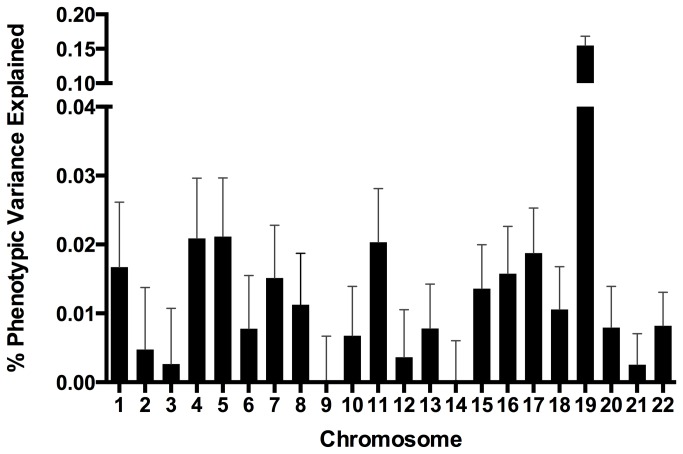
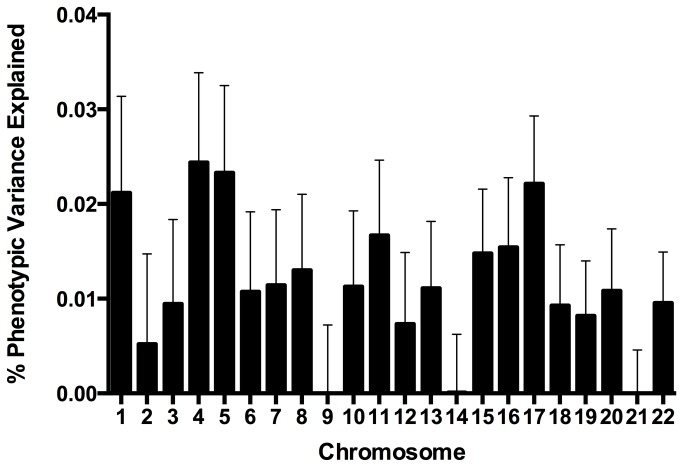
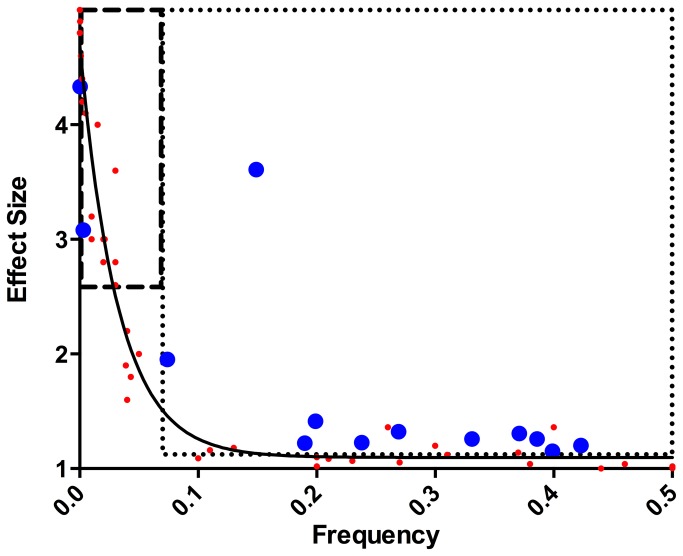
Alzheimer's disease (AD) is a complex disorder influenced by environmental and genetic factors. Recent work has identified 11 AD markers in 10 loci. We used Genome-wide Complex Trait Analysis to analyze >2 million SNPs for 10,922 individuals from the Alzheimer's Disease Genetics Consortium to assess the phenotypic variance explained first by known late-onset AD loci, and then by all SNPs in the Alzheimer's Disease Genetics Consortium dataset. In all, 33% of total phenotypic variance is explained by all common SNPs. APOE alone explained 6% and other known markers 2%, meaning more than 25% of phenotypic variance remains unexplained by known markers, but is tagged by common SNPs included on genotyping arrays or imputed with HapMap genotypes. Novel AD markers that explain large amounts of phenotypic variance are likely to be rare and unidentifiable using genome-wide association studies. Based on our findings and the current direction of human genetics research, we suggest specific study designs for future studies to identify the remaining heritability of Alzheimer's disease.
Overview
The claims and statistics of this paper haven’t been checked yet.
Run the check — free, no account needed. It reads the open-access text and checks the sources it cites.
Integrity signals
Registry
Cites
Statistics
Figures
Verification
Claims the paper makes
The claims and statistics of this paper haven’t been checked yet.
Run the check — free, no account needed. It reads the open-access text and checks the sources it cites.
Claims other papers make about this one
Each is checked against this paper’s own text: does it say what the citing paper says it does?
The source backs part of the claim, not all of it — or backs it for a different population, condition or comparison.
In the citing paper
“a majority of remaining AD variants are likely to be rare [6, 8]”
From Linkage, whole genome sequence, and biological data implicate variants in RAB10 in Alzheimer’s disease resilience (2017) · cites this paper as [8]
Experimental — accuracy not yet measuredIn the citing paper
“variation at this locus is estimated to explain only a portion of the heritability of LOAD [76]”
From Genetic architecture of Alzheimer's disease (2020) · cites this paper as [76]
In the citing paper
“Interestingly, estimates suggest common variants identified by GWAS explain only 30% of the heritability of AD [76]”
From Genetic architecture of Alzheimer's disease (2020) · cites this paper as [76]
In the citing paper
“Current estimates suggest only about 30–40% of the heritability of AD is explained by identified GWAS variants, leaving over 25% of the variance unexplained by known genetic factors [76]”
From Genetic architecture of Alzheimer's disease (2020) · cites this paper as [76]
Self-check
Percentages, sums and reported differences re-computed from the paper’s own numbers.
The self-check needs the paper’s full text.
Citations
Cites
PLINK: a tool set for whole-genome association and population-based linkage analyses.
Purcell, S., Neale, B., Todd-Brown, K., Thomas, L., Ferreira, M. A. R., Bender, D., Maller, J., Sklar, P., de Bakker, P. I. W., Daly, M. J., et al. (2007) · The American Journal of Human Genetics · doi:10.1086/519795 · Cited by 34,089
Corder, E. H., Saunders, A. M., Strittmatter, W. J., Schmechel, D. E., Gaskell, P. C., Small, G. W., Roses, A. D., Haines, J. L., & Pericak-Vance, M. A. (1993) · Science · doi:10.1126/science.8346443 · Cited by 9,429
GCTA: a tool for genome-wide complex trait analysis
Yang, J., Lee, S. H., Goddard, M. E., & Visscher, P. M. (2011) · The American Journal of Human Genetics · doi:10.1016/j.ajhg.2010.11.011 · Cited by 8,279
The International HapMap Project
†The International HapMap Consortium, Genotyping centres: Baylor College of Medicine and ParAllele BioScience, Gibbs, R. A., Belmont, J. W., Hardenbol, P., Willis, T. D., Yu, F., Chinese HapMap Consortium, Yang, H., Ch'ang, L.-Y., et al. (2003) · Nature · doi:10.1038/nature02168 · Cited by 6,057
Host–microbe interactions have shaped the genetic architecture of inflammatory bowel disease
The International IBD Genetics Consortium (IIBDGC), Jostins, L., Ripke, S., Weersma, R. K., Duerr, R. H., McGovern, D. P., Hui, K. Y., Lee, J. C., Philip Schumm, L., Sharma, Y., et al. (2012) · Nature · doi:10.1038/nature11582 · Cited by 4,722
Goate, A., Chartier-Harlin, M.-C., Mullan, M., Brown, J., Crawford, F., Fidani, L., Giuffra, L., Haynes, A., Irving, N., James, L., et al. (1991) · Nature · doi:10.1038/349704a0 · Cited by 4,659
Querfurth, H. W., & LaFerla, F. M. (2010) · New England Journal of Medicine · doi:10.1056/nejmra0909142 · Cited by 4,569
Common SNPs explain a large proportion of the heritability for human height
Yang, J., Benyamin, B., McEvoy, B. P., Gordon, S., Henders, A. K., Nyholt, D. R., Madden, P. A., Heath, A. C., Martin, N. G., Montgomery, G. W., et al. (2010) · Nature Genetics · doi:10.1038/ng.608 · Cited by 4,446
Cloning of a gene bearing missense mutations in early-onset familial Alzheimer's disease
Sherrington, R., Rogaev, E. I., Liang, Y., Rogaeva, E. A., Levesque, G., Ikeda, M., Chi, H., Lin, C., Li, G., Holman, K., et al. (1995) · Nature · doi:10.1038/375754a0 · Cited by 4,051
Robust relationship inference in genome-wide association studies
Manichaikul, A., Mychaleckyj, J. C., Rich, S. S., Daly, K., Sale, M., & Chen, W.-M. (2010) · Bioinformatics · doi:10.1093/bioinformatics/btq559 · Cited by 3,541
Research works printed but not linked: 1
- C Ballard, 2011, Alzheimer's disease, Lancet
Cited by
Sorted by citations
Items 101–200 of 325
Miller, D. R., Logue, M. W., Wolf, E. J., Maniates, H., Robinson, M. E., Hayes, J. P., Stone, A., Schichman, S. A., McGlinchey, R. E., Milberg, W., et al. (2017) · Depression and Anxiety · doi:10.1002/da.22633 · Cited by 28
Lee, W., Choi, S. H., Shea, M. G., Cheng, P., Dombroski, B. A., Pitsillides, A., Heard‐Costa, N. L., Wang, H., Bulekova, K., Kuzma, A. B., et al. (2024) · Alzheimer s & Dementia · doi:10.1002/alz.14283 · Cited by 28
Alzheimer’s Disease Genetics: Review of Novel Loci Associated with Disease
Tábuas‐Pereira, M., Santana, I. J., Guerreiro, R. J., & Brás, J. (2020) · Current Genetic Medicine Reports · doi:10.1007/s40142-020-00182-y · Cited by 26
Genes, pathways and risk prediction in Alzheimer’s disease
Hardy, J., & Escott-Price, V. (2019) · Human Molecular Genetics · doi:10.1093/hmg/ddz163 · Cited by 27
Genetics of Alzheimer’s disease
König, T., & Stögmann, E. (2021) · Wiener Medizinische Wochenschrift · doi:10.1007/s10354-021-00819-9 · Cited by 31
Genetic variation associated with the occurrence and progression of neurological disorders
Little, J., Barakat, C., Martino, R., Pringsheim, T. M., Tremlett, H. L., McKay, K. A., Lieshout, P. H. H. M. V., Walsh, S. J., Gomes, J., & Krewski, D. R. (2016) · NeuroToxicology · doi:10.1016/j.neuro.2016.09.018 · Cited by 28
Wang, G., Zhang, D., Jiang, H., Fan, Y., Ma, L., Shen, Z., Bi, R., Xu, M., Tan, L., Shan, B., et al. (2019) · Journal of Psychiatric Research · doi:10.1016/j.jpsychires.2019.03.026 · Cited by 27
Morita, Y., Sasaki, T., Takahashi, K., Kitazawa, M., Nonomura, Y., Yagi, C., Yamagishi, T., Ohshima, S., Izumi, S., Wakasugi, M., et al. (2019) · Otology & Neurotology · doi:10.1097/mao.0000000000002415 · Cited by 26
ADNI, Nho, K. T., Horgusluoglu, E., Kim, S., Risacher, S. L., Kim, D., Foroud, T., Aisen, P. S. S., Petersen, R. C., Jack, C. R., et al. (2016) · BMC Medical Genomics · doi:10.1186/s12920-016-0190-9 · Cited by 26
Multimodal hippocampal and amygdala subfield volumetry in polygenic risk for Alzheimer's disease
Murray, A. N., Chandler, H. L., & Lancaster, T. M. (2020) · Neurobiology of Aging · doi:10.1016/j.neurobiolaging.2020.08.022 · Cited by 25
Polygenic resilience scores capture protective genetic effects for Alzheimer’s disease
Hou, J., Hess, J., Armstrong, N. J., Bis, J. C., Grenier‐Boley, B., Karlsson, I., Leonenko, G., Numbers, K. T., O’Brien, E. K., Shadrin, A. A., et al. (2022) · Translational Psychiatry · doi:10.1038/s41398-022-02055-0 · Cited by 26
Identification of risk genes for Alzheimer’s disease by gene embedding
Lagisetty, Y., Bourquard, T., Al‐Ramahi, I., Mangleburg, C. G., Mota, S., Soleimani, S., Shulman, J. M., Botas, J., Lee, K. D., & Lichtarge, O. (2022) · Cell Genomics · doi:10.1016/j.xgen.2022.100162 · Cited by 23
The role of structural variations in Alzheimer’s disease and other neurodegenerative diseases
Wang, H., Wang, L., Schellenberg, G. D., & Lee, W. (2023) · Frontiers in Aging Neuroscience · doi:10.3389/fnagi.2022.1073905 · Cited by 28
Basavarajappa, B. S., & Subbanna, S. (2024) · Epigenomics · doi:10.2217/epi-2023-0428 · Cited by 24
O’Keefe, L. V., & Denton, D. (2018) · BioMed Research International · doi:10.1155/2018/5195416 · Cited by 25
Sex Differences in Apolipoprotein E and Alzheimer Disease Pathology Across Ancestries
Xu, X., Kwon, J., Yan, R., Apio, C., Song, S. C., Heo, G., Yang, Q., Timsina, J., Liu, M., Budde, J., et al. (2025) · JAMA Network Open · doi:10.1001/jamanetworkopen.2025.0562 · Cited by 30
Retroelement-derived RNA and its role in the brain
Evans, T. A., & Erwin, J. A. (2020) · Seminars in Cell and Developmental Biology · doi:10.1016/j.semcdb.2020.11.001 · Cited by 25
Contribution of rare variant associations to neurodegenerative disease presentation
Dilliott, A. A., Abdelhady, A., Sunderland, K. M., Farhan, S. M. K., Abrahão, A., Binns, M. A., Black, S. E., BORRIE, M. J., Casaubon, L. K., Dowlatshahi, D. D., et al. (2021) · npj Genomic Medicine · doi:10.1038/s41525-021-00243-3 · Cited by 24
Kim, Y. W., Al‐Ramahi, I., Koire, A. M., Wilson, S. J., Konecki, D. M., Mota, S., Soleimani, S., Botas, J., & Lichtarge, O. (2020) · Alzheimer s & Dementia · doi:10.1002/alz.12240 · Cited by 22
The Impact of the Human Genome Project on Complex Disease
Bailey, J. N. C., Pericak‐Vance, M. A., & Haines, J. L. (2014) · Genes · doi:10.3390/genes5030518 · Cited by 25
Wittrahm, R., Takalo, M., Kuulasmaa, T., Mäkinen, P. M., Mäkinen, P., Končarević, S., Fartzdinov, V., Selzer, S., Kokkola, T., Antikainen, L., et al. (2023) · Neurobiology of Disease · doi:10.1016/j.nbd.2023.106140 · Cited by 22
Shared genetic etiology underlying late‐onset Alzheimer's disease and posttraumatic stress syndrome
Lutz, M. W., Luo, S., Williamson, D. E., & Chiba‐Falek, O. (2020) · Alzheimer s & Dementia · doi:10.1002/alz.12128 · Cited by 25
Mercorio, R., Pergoli, L., Galimberti, D., Favero, C., Carugno, M., Valle, E. D., Barretta, F., Cortini, F., Scarpini, E. A., Valentina, V. B., et al. (2018) · Journal of Alzheimer s Disease · doi:10.3233/jad-180242 · Cited by 21
Smith, A. R., Mill, J. S., Smith, R. G., & Lunnon, K. (2016) · Neuroepigenetics · doi:10.1016/j.nepig.2016.05.001 · Cited by 21
Interaction between variants in CLU and MS4A4E modulates Alzheimer's disease risk
Ebbert, M., Boehme, K. L., Wadsworth, M. E., Staley, L. A., Initiative, A. D. N., Mukherjee, S., Crane, P. K., Ridge, P. G., & Kauwe, J. S. K. (2015) · Alzheimer s & Dementia · doi:10.1016/j.jalz.2015.08.163 · Cited by 23
LATE-NC risk alleles (in TMEM106B, GRN, and ABCC9 genes) among persons with African ancestry
Katsumata, Y., Fardo, D. W., Shade, L. M. P., Bowen, J. D., Crane, P. K., Jarvik, G. P., Keene, C. D., Larson, E. B., McCormick, W. C., McCurry, S. M., et al. (2023) · Journal of Neuropathology & Experimental Neurology · doi:10.1093/jnen/nlad059 · Cited by 21
Longitudinal change in memory performance as a strong endophenotype for Alzheimer's disease
Archer, D. B., Eissman, J. M., Mukherjee, S., Lee, M. L., Choi, S., Scollard, P., Trittschuh, E. H., Mez, J., Bush, W. S., Kunkle, B. W., et al. (2023) · Alzheimer s & Dementia · doi:10.1002/alz.13508 · Cited by 20
Hayes, J. P., Moody, J. N., Roca, J. G., & Hayes, S. M. (2019) · NeuroImage Clinical · doi:10.1016/j.nicl.2019.102156 · Cited by 21
A missense variant in SHARPIN mediates Alzheimer’s disease-specific brain damages
Park, J. Y., Lee, D., Lee, J. J., Gim, J., Gunasekaran, T. I., Choi, K. Y., Kang, S., Do, A. R., Jo, J., Park, J., et al. (2021) · Translational Psychiatry · doi:10.1038/s41398-021-01680-5 · Cited by 21
Apolipoprotein E, cognitive function, and cognitive decline among older Taiwanese adults
Todd, M. A., Schneper, L. M., Vasunilashorn, S. M., Notterman, D. A., Ullman, M. T., & Goldman, N. (2018) · PLoS ONE · doi:10.1371/journal.pone.0206118 · Cited by 22
You, M., Zhou, X., Yin, W., Wan, K., Zhang, W., Li, C., Li, M., Zhu, W., Zhu, X., & Sun, Z. (2021) · Frontiers in Neuroscience · doi:10.3389/fnins.2021.778123 · Cited by 19
Zhong, K., Zhu, G., Jing, X., Hendriks, E., Drop, S. L. S., Ikram, M. A., Gordon, S. D., Zeng, C., Uitterlinden, A. G., Martin, N. G., et al. (2017) · Human Genetics · doi:10.1007/s00439-017-1842-3 · Cited by 19
Engelman, C. D., Darst, B. F., Bilgel, M., Vasiljevic, E., Koscik, R. L., Jedynak, B., & Johnson, S. C. (2017) · Neurobiology of Aging · doi:10.1016/j.neurobiolaging.2017.12.025 · Cited by 19
Jayadev, S. (2022) · CONTINUUM Lifelong Learning in Neurology · doi:10.1212/con.0000000000001125 · Cited by 21
Genetic diversity promotes resilience in a mouse model of Alzheimer's disease
Soni, N., Hohsfield, L. A., Tran, K. M., Kawauchi, S., Walker, A., Javonillo, D. I., Phan, J., Matheos, D. P., Cunha, C. D., Uyar, A., et al. (2024) · Alzheimer s & Dementia · doi:10.1002/alz.13753 · Cited by 17
Norton, M. C., Clark, C. J., Tschanz, J. T., Hartin, P. J., Fauth, E. B., Gast, J. A., Dorsch, T. E., Wengreen, H. J., Nugent, C., Robinson, W. D., et al. (2015) · Alzheimer s & Dementia Translational Research & Clinical Interventions · doi:10.1016/j.trci.2015.05.001 · Cited by 18
Genetic Risk as a Marker of Amyloid-β and Tau Burden in Cerebrospinal Fluid
Voyle, N., Initiative, T. E. A. D. S. G. A. T. A. D. N., Patel, H., Folarin, A., Newhouse, S., Johnston, C., Visser, P. J., Dobson, R., & Kiddle, S. J. (2016) · Journal of Alzheimer s Disease · doi:10.3233/jad-160707 · Cited by 18
Russ, T. C., Lee, I.-M. M., Sesso, H. D., Terrera, G. M., & Batty, G. D. (2018) · International Journal of Obesity · doi:10.1038/s41366-018-0274-z · Cited by 20
Predictors and implications of accelerated cognitive aging
Levine, M. E., Harrati, A., & Crimmins, E. M. (2018) · Biodemography and Social Biology · doi:10.1080/19485565.2018.1552513 · Cited by 21
Kim, B.-H., Nho, K. T., & Lee, J. (2021) · Neurobiology of Aging · doi:10.1016/j.neurobiolaging.2021.01.021 · Cited by 18
Zhou, B., Li, J., Wu, A., Wang, X., Cheng, L., Yang, G., Gao, D., & Zhu, C. (2025) · Frontiers in Aging Neuroscience · doi:10.3389/fnagi.2025.1587986 · Cited by 18
Functional co-activation of the default mode network in APOE ε4-carriers: A replication study
Mentink, L. J., Guimaraes, J., Faber, M., Sprooten, E., Rikkert, M. G. M. O., Haak, K. V., & Beckmann, C. F. (2021) · NeuroImage · doi:10.1016/j.neuroimage.2021.118304 · Cited by 16
Alarcón‐Espósito, J., Mallea, M., & Rodríguez-Lavado, J. (2020) · Current Neuropharmacology · doi:10.2174/1570159x18666200914155951 · Cited by 19
Searching the Dark Genome for Alzheimer’s Disease Risk Variants
Raybould, R., & Sims, R. (2021) · Brain Sciences · doi:10.3390/brainsci11030332 · Cited by 17
An intronic PICALM polymorphism, rs588076, is associated with allelic expression of a PICALMisoform
Parikh, I. J., Medway, C., Younkin, S. G., Fardo, D. W., & Estus, S. (2014) · Molecular Neurodegeneration · doi:10.1186/1750-1326-9-32 · Cited by 17
Wang, C., Sun, J., Guillaume, B., Ge, T., Hibar, D. P., Greenwood, C. M. T., Qiu, A., & Initiative, T. A. D. N. (2017) · Frontiers in Neuroscience · doi:10.3389/fnins.2017.00191 · Cited by 16
A novel approach for multi-SNP GWAS and its application in Alzheimer’s disease
Initiative, T. A. D. N., Bodily, P., Fujimoto, M., Page, J. T., Clement, M., Ebbert, M., & Ridge, P. G. (2016) · BMC Bioinformatics · doi:10.1186/s12859-016-1093-7 · Cited by 17
DNA Modifications and Alzheimer’s Disease
Smith, R. G., & Lunnon, K. (2017) · Advances in experimental medicine and biology · doi:10.1007/978-3-319-53889-1_16 · Cited by 16
Deep learning approaches for noncoding variant prioritization in neurodegenerative diseases
Lan, A. Y., & Corces, M. R. (2022) · Frontiers in Aging Neuroscience · doi:10.3389/fnagi.2022.1027224 · Cited by 16
Ma, Y., Jun, G., Chung, J., Zhang, X., Kunkle, B. W., Naj, A. C., White, C. C., Bennett, D. A., Jager, P. L. D., Mayeux, R. P., et al. (2019) · Aging Cell · doi:10.1111/acel.12964 · Cited by 13
Imm, J. L., Kerrigan, T. L., Jeffries, A. R., & Lunnon, K. (2017) · Epigenomics · doi:10.2217/epi-2017-0076 · Cited by 14
Pearce, A. M., Marr, C., Dewar, M., & Gow, A. J. (2022) · Frontiers in Aging Neuroscience · doi:10.3389/fnagi.2021.815439 · Cited by 16
Vance, E. L., Murcia, J. D. G., Miller, J. B., Staley, L. A., Crane, P. K., Mukherjee, S., & Kauwe, J. S. K. (2020) · Neurobiology of Aging · doi:10.1016/j.neurobiolaging.2020.01.013 · Cited by 14
Schiwal, A. T., Fauth, E. B., Wengreen, H. J., & Norton, M. C. (2020) · The journal of nutrition health & aging · doi:10.1007/s12603-020-1421-5 · Cited by 16
Pablo, V. G.-D., Gómez, C., Poza, J., Maturana-Candelas, A., Martins, S., Gomes, I., Lopes, A. M., Pinto, N., & Hornero, R. (2020) · Sensors · doi:10.3390/s20143849 · Cited by 16
Smith, A. R., Wheildon, G., & Lunnon, K. (2020) · Neuropathology and Applied Neurobiology · doi:10.1111/nan.12650 · Cited by 14
Presenilin E318G variant and Alzheimer’s disease risk: the Cache County study
Hippen, A. A., Ebbert, M., Norton, M. C., Tschanz, J. T., Munger, R. G., Corcoran, C. D., & Kauwe, J. S. K. (2016) · BMC Genomics · doi:10.1186/s12864-016-2786-z · Cited by 14
Exploring the Genetic Association of the ABAT Gene with Alzheimer’s Disease
Zheng, Q., Bi, R., Xu, M., Zhang, D., Tan, L., Lu, Y.-P., & Yao, Y. (2021) · Molecular Neurobiology · doi:10.1007/s12035-020-02271-z · Cited by 14
Lee, W., Tucci, A. A., Conery, M., Leung, Y. Y., Kuzma, A. B., Valladares, O., Chou, Y., Lu, W., Wang, L., Schellenberg, G. D., et al. (2021) · Frontiers in Genetics · doi:10.3389/fgene.2021.752390 · Cited by 14
Defining the Genetic Architecture of Alzheimer's Disease: Where Next?
Sims, R., & Williams, J. H. (2015) · Neurodegenerative Diseases · doi:10.1159/000440841 · Cited by 13
Harrison, T. M., & Bookheimer, S. Y. (2016) · Biological Psychiatry Cognitive Neuroscience and Neuroimaging · doi:10.1016/j.bpsc.2015.09.003 · Cited by 12
Literature Overview of the Relation Between Psoriasis and Alzheimer
Yang, Q., Wang, J., Mi, N., & Zou, Y. (2023) · Neuropsychiatric Disease and Treatment · doi:10.2147/ndt.s403854 · Cited by 12
Szefer, E., Lu, D., Nathoo, F. S., Beg, M. F., Graham, J., & Initiative, F. T. A. D. N. (2017) · Statistical Applications in Genetics and Molecular Biology · doi:10.1515/sagmb-2016-0077 · Cited by 11
Li, X., Lin, Y., Xu, M. J., Qiu, Y., & Hu, B. (2021) · IEEE Journal of Biomedical and Health Informatics · doi:10.1109/jbhi.2021.3093027 · Cited by 12
Ouellette, A. R., Hadad, N., Deighan, A. G., Robinson, L. L., O’Connell, K. M. S., Freund, A., Churchill, G. A., & Kaczorowski, C. C. (2022) · Neurobiology of Aging · doi:10.1016/j.neurobiolaging.2022.07.004 · Cited by 12
Kannappan, B., Gunasekaran, T. I., Nijenhuis, J. T., Gopal, M., Velusami, D., Kothandan, G., Lee, K. H., & Initiative, A. D. N. (2022) · PLoS ONE · doi:10.1371/journal.pone.0270795 · Cited by 12
Koenig, H. G., VanderWeele, T. J., & Peteet, J. R. (2023) · Oxford University Press eBooks · doi:10.1093/oso/9780190088859.003.0001 · Cited by 12
Genetic Discoveries in AD Using CSF Amyloid and Tau
Cruchaga, C., Ebbert, M., & Kauwe, J. S. K. (2014) · Current Genetic Medicine Reports · doi:10.1007/s40142-014-0031-0 · Cited by 11
Systems genetics identifies modifiers of Alzheimer’s disease risk and resiliencePreprint
Neuner, S. M., Hohman, T. J., Richholt, R., Bennett, D. A., Schneider, J. A., Jager, P. L. D., Huentelman, M. J., O’Connell, K. M. S., & Kaczorowski, C. C. (2017) · bioRxiv (Cold Spring Harbor Laboratory) · doi:10.1101/225714 · Cited by 11
Chai, Y.-H., Han, Y., Zhang, J., & Zhou, J. (2024) · Journal of Alzheimer s Disease · doi:10.3233/jad-231022 · Cited by 10
Hartin, P. J., Nugent, C., McClean, S. I., Cleland, I., Tschanz, J. T., Clark, C. J., & Norton, M. C. (2014) · Lecture notes in computer science · doi:10.1007/978-3-319-13105-4_9 · Cited by 10
The executive prominent/memory prominent spectrum in Alzheimer's disease is highly heritable
Mez, J. B., Mukherjee, S., Thornton, T. A., Fardo, D. W., Trittschuh, E. H., Sutti, S., Sherva, R., Kauwe, J. S. K., Naj, A. C., Beecham, G. W., et al. (2016) · Neurobiology of Aging · doi:10.1016/j.neurobiolaging.2016.02.015 · Cited by 10
Freudenberg‐Hua, Y., Li, W., Abhyankar, A., Vacic, V., Côrtes, V. R. P., Ben‐Avraham, D., Koppel, J. L., GREENWALD, B. S., Germer, S., Darnell, R. B., et al. (2016) · Human Molecular Genetics · doi:10.1093/hmg/ddw150 · Cited by 11
An Adaptive Test on High-dimensional Parameters in Generalized Linear Models
Wu, C., Xu, G., & Pan, W. (2018) · Statistica Sinica · doi:10.5705/ss.202017.0354 · Cited by 10
Prevención de la enfermedad de Alzheimer: un camino a seguir
Bermejo‐Pareja, F., Velasco, S. L., & Villarejo‐Galende, A. (2016) · Revista Clínica Española · doi:10.1016/j.rce.2016.05.010 · Cited by 15
Influence of low frequency PSEN1 variants on familial Alzheimer’s disease risk in Brazil
Abdala, B. B., dos Santos, J. M., Gonçalves, A. P., da Motta, L. B., Laks, J., de Borges, M. B., Pimentel, M. M. G., & Santos-Rebouças, C. B. (2017) · Neuroscience Letters · doi:10.1016/j.neulet.2017.05.053 · Cited by 10
Wang, H., Dombroski, B. A., Cheng, P., Tucci, A. A., Si, Y., Farrell, J. J., Tzeng, J., Leung, Y. Y., Malamon, J. S., The Alzheimer’s Disease Sequencing Project, et al. (2023) · medRxiv · doi:10.1101/2023.09.13.23295505 · Cited by 12
Zhan, L., Li, J., Jew, B., & Sul, J. H. (2021) · PLoS Genetics · doi:10.1371/journal.pgen.1009772 · Cited by 9
Epigenetic processes in Alzheimer's disease
Castanho, I., & Lunnon, K. (2019) · Elsevier eBooks · doi:10.1016/b978-0-12-813796-3.00008-0 · Cited by 10
Lin, C., Li, H., Deng, C., Liu, W., Erhardt, S., Wu, F., Zhao, X., Guan, Y., Wang, J., Wang, D., et al. (2021) · Briefings in Bioinformatics · doi:10.1093/bib/bbab522 · Cited by 12
Tarozzi, M. E., Bartoletti‐Stella, A., Dall’Olio, D., Matteuzzi, T., Baiardi, S., Parchi, P., Castellani, G., & Capellari, S. (2022) · BMC Medical Genomics · doi:10.1186/s12920-022-01173-4 · Cited by 12
GenoRisk: A polygenic risk score for Alzheimer's disease
Dickson, S. P., Hendrix, S. B., Brown, B. L., Ridge, P. G., Nicodemus‐Johnson, J., Hardy, M. L., McKeany, A. M., Booth, S. B., Fortna, R. R., Kauwe, J. S. K., et al. (2021) · Alzheimer s & Dementia Translational Research & Clinical Interventions · doi:10.1002/trc2.12211 · Cited by 8
Computational and Experimental Analysis of Genetic Variants
Prokop, J. W., Jdanov, V., Savage, L., Morris, M., Lamb, N. E., VanSickle, E., Stenger, C. L., Rajasekaran, S., & Bupp, C. P. (2022) · Comprehensive physiology · doi:10.1002/cphy.c210012 · Cited by 12
Whole‐genome sequencing study in Koreans identifies novel loci for Alzheimer's disease
Kang, M.-I., Farrell, J. J., Zhu, C., Park, H., Kang, S., Seo, E. H., Choi, K. Y., Jun, G., Won, S., Gim, J., et al. (2024) · Alzheimer s & Dementia · doi:10.1002/alz.14128 · Cited by 8
Wang, H., Dombroski, B. A., Cheng, P., Tucci, A. A., Si, Y., Farrell, J. J., Tzeng, J., Leung, Y. Y., Malamon, J. S., The Alzheimer's Disease Sequencing Project, et al. (2025) · Alzheimer s & Dementia · doi:10.1002/alz.70277 · Cited by 9
Liu, S., Bush, W. S., Akinyemi, R., Byrd, G. S., Caban‐Holt, A., Rajabli, F., Reitz, C., Kunkle, B. W., Tosto, G., Vance, J. M., et al. (2025) · PLoS Genetics · doi:10.1371/journal.pgen.1011701 · Cited by 9
The genetic architecture of Alzheimer disease risk in the Ohio and Indiana Amish
Osterman, M. D., Song, Y. E., Adams, L. D., Laux, R. A., Caywood, L. J., Prough, M. B., Clouse, J. E., Herington, S. D., Slifer, S. H., Lynn, A., et al. (2022) · Human Genetics and Genomics Advances · doi:10.1016/j.xhgg.2022.100114 · Cited by 8
Demand Coupling Drives Neurodegeneration: A Model of Age-Related Cognitive Decline and Dementia
Turknett, J., & Wood, T. R. (2022) · Cells · doi:10.3390/cells11182789 · Cited by 9
Platt, D. E., Guzmán-Sáenz, A., Bose, A., Saha, S., Utro, F., & Parida, L. (2024) · iScience · doi:10.1016/j.isci.2024.109209 · Cited by 8
Hermes, S., Cady, J., Armentrout, S. L., O’Connor, J., Holdaway, S. C., Cruchaga, C., Wingo, T. S., Greytak, E. M., & Initiative, T. A. D. N. (2024) · Journal of Alzheimer s Disease · doi:10.3233/jad-230236 · Cited by 10
Repeat length variations in ATXN1 and AR modify disease expression in Alzheimer's disease
Gardiner, S. L., Harder, A. V. E., Campman, Y. J. M., Trompet, S., Gussekloo, J., van Belzen, M. J., Boogaard, M. W., Roos, R. A. C., Jansen, I. E., Pijnenburg, Y. A. L., et al. (2018) · Neurobiology of Aging · doi:10.1016/j.neurobiolaging.2018.09.007 · Cited by 8
Benefits and Challenges of Rare Genetic Variation in Alzheimer’s Disease
Grozeva, D., Saad, S., Menzies, G. E., & Sims, R. (2019) · Current Genetic Medicine Reports · doi:10.1007/s40142-019-0161-5 · Cited by 8
Nazarian, A., & Kulminski, A. M. (2019) · Journal of Alzheimer s Disease · doi:10.3233/jad-190168 · Cited by 7
Quantitative Trait Module-Based Genetic Analysis of Alzheimer’s Disease
Yuan, S., Li, H., Xie, J., & Sun, X. S. (2019) · International Journal of Molecular Sciences · doi:10.3390/ijms20235912 · Cited by 7
Veloz, M. F. V., Martín‐Román, C., Valdivieso, M. P. R., White, T. J. H., Kushner, S. A., & Zeeuw, C. I. D. (2020) · Genes Brain & Behavior · doi:10.1111/gbb.12656 · Cited by 8
Armstrong, N. M., Dumitrescu, L. C., Huang, C.-W., An, Y., Tanaka, T., Hernandez, D. G., Doshi, J. J., Erus, G., Davatzikos, C. A., Ferrucci, L., et al. (2020) · Neurobiology of Aging · doi:10.1016/j.neurobiolaging.2020.05.007 · Cited by 7
Linkage of Alzheimer disease families with Puerto Rican ancestry identifies a chromosome 9 locus
Rajabli, F., Feliciano‐Astacio, B. E., Cukier, H. N., Wang, L., Griswold, A. J., Hamilton‐Nelson, K. L., Adams, L. D., Rodríguez, V., Mena, P. R., Tejada, S. J., et al. (2021) · Neurobiology of Aging · doi:10.1016/j.neurobiolaging.2021.02.019 · Cited by 7
Miyoshi, E., Morabito, S., & Swarup, V. (2021) · Neurobiology of Disease · doi:10.1016/j.nbd.2021.105530 · Cited by 7
Alzheimer's disease prevention: A way forward
Bermejo‐Pareja, F., Velasco, S. L., & Villarejo‐Galende, A. (2016) · Revista Clínica Española (English Edition) · doi:10.1016/j.rceng.2016.06.006 · Cited by 9
Mezlini, A. M., Magdamo, C., Merrill, E., Chibnik, L. B., Blacker, D., Hyman, B. T., & Das, S. (2020) · Journal of Alzheimer s Disease · doi:10.3233/jad-200228 · Cited by 7
Metadata
- Authors
- Ridge, P. G., Mukherjee, S., Crane, P. K., Kauwe, J. S. K., & Alzheimer’s Disease Genetics Consortium
- Affiliations
- Brigham Young University (US)
- University of Washington (US)
- Corresponding author
- Kauwe, John S. K.
- Venue
- PLoS ONE
- Publisher
- Public Library of Science (PLoS)
- Published
- 2013-11-07
- Volume
- 8
- Issue
- 11
- Pages
- e79771
- ISSN
- 1932-6203 (ISSN-L)
- PMC
- PMC3820606
- OpenAlex
- W2010192073
- Cited by
- 328
- References
- 64
- Citations by year
- 2026: 8 · 2025: 13 · 2024: 18 · 2023: 60 · 2022: 26 · 2021: 31 · 2020: 29 · 2019: 24 · 2018: 29 · 2017: 26 · 2016: 30 · 2015: 22 · 2014: 12
- FWCI
- 14.70
- Type
- journal article
- Language
- en
- Open access
- gold
- doi.org
- Locations
- PLoS ONE (publishedVersion, cc-by)
- Europe PMC (PubMed Central) (publishedVersion, cc-by)
- PubMed Central (publishedVersion, cc-by)
- PubMed (publishedVersion)
- DOAJ (DOAJ: Directory of Open Access Journals) (submittedVersion, cc-by-sa)
- Funders
- Howard Hughes Medical Institute
- U.S. Department of Veterans Affairs (U01 AG024904)
- Alzheimer's Association (IIRG-05–14147, K01 AG030514, U01 AG016976, R01AG042611, U01 AG032984, IIRG-08-89720, U01 AG024904, U24AG021886, MNIRG-11-205368)
- Dana Foundation (K01 AG030514, U01 AG024904)
- Bristol-Myers Squibb (U01 AG024904, AG024904)
- Eli Lilly and Company (U01 AG024904, AG024904)
- Pfizer (AG024904, U01 AG024904)
- AstraZeneca
- GlaxoSmithKline
- Novartis
- Office of Research and Development
- Brigham Young University (MNIRG-11-205368, R01AG042611)
- University of Pennsylvania (U24 AG026395, U24 AG026390)
- F. Hoffmann-La Roche (AG024904, U01 AG024904)
- Medpace (U01 AG024904)
- Synarc (U01 AG024904, K01 AG030514)
- Northern California Institute for Research and Education (U01 AG024904, K01 AG030514)
- Wellcome Trust
- Alzheimer's Research Trust
- Newcastle University
- Stichting MS Research
- Elan (U01 AG024904)
- Eisai (U01 AG024904, AG024904)
- North Bristol NHS Trust
- Universitat de Barcelona
- Hersenstichting
- National Institutes of Health (5rc2ag036502-02, MNIRG-11-205368, 5r01ag027944-05, 5u01ag024904-10, 7r01ag019757-06, 5r37ag015473-15, AG016976, U01-AG024904, AG024904, MH60451)
- Genentech (AG024904, U01 AG024904)
- Canadian Institutes of Health Research
- Medical Research Council (U01 AG024904, K01 AG030514)
- National Institute on Aging (U01-AG-024904, R01AG017917, AG 10483, P01AG010491, P50 AG016575, AG 016976, AG05 128, P30AG010129, P30AG010133, R01AG019085, P50AG005144, R01AG042611, P50 AG016576, R01AG030146, AG021547, AG036535, AG010491, AG-05144, U24 AG026390, P30AG028383, P30AG012300, AG 025688, P50AG016577, P50AG005133, R01-AG027944, AG 024904, AG 030,514, AG-034504, P30AG028377, U01AG006781, U01AG016976, P50AG005131, R01-AG019757, R01AG034504, R37-AG015473, P50AG005138, R01AG026390, R01AG022374, P50AG016570, AG019610, K01AG030514, R01AG040770, AG036528, P50AG005128, P30AG010124, P50AG016573, AG019757, R01AG021547, R01AG041232, R01AG030653, U01AG010483, R01AG015819, P30AG008017, P30AG010161, U01AG032984, R01AG012101, R01AG031581, P30AG008051, R01AG041797, RC2-AG036502, P50AG016582, P50AG008702, AG032984, AG013846, P50AG005681, P50AG005142, P50AG008671, P30AG019610, R01AG026916, P50AG005146, P01AG003991, 1RC2AG036502, U24AG026395, P30AG013846, P50AG005136, P50AG005134, RC2AG036535, P30AG013854, R01AG025259, P50AG025688, AG026395, R01AG017173, RC2AG036528, R01AG033193, P01AG002219, AG021886, R01AG013616, U24AG056270, P01AG019724, U24AG021886, P30AG062421, P50AG023501, AG027944, R01AG020688, AG 030653, P50AG016574, R01AG035137, UO1-AG06781)
- National Institute of Mental Health (U01 AG024904, MH60451, R01MH080295, P50MH060451)
- National Human Genome Research Institute (UO1 HG004610, U01HG004610, U01HG006375)
- National Cancer Institute (R01CA129769, U54CA137788, U54CA132378)
- National Institute of Neurological Disorders and Stroke (NS3 9764, R01NS080820, R01NS059873, MH60451, NIMH MH60451, P50NS039764)
- National Institute of Biomedical Imaging and Bioengineering (U01 AG024904, AG024904)
- National Center for Research Resources (MO1 RR000-96, UL1RR02777, UL1RR029893, M01RR000096, M01RR000645)
- Topics
- Life Sciences › Neuroscience › Cellular and Molecular Neuroscience › Alzheimer's disease research and treatments
- Life Sciences › Biochemistry, Genetics and Molecular Biology › Genetics › Genetic Associations and Epidemiology
- Health Sciences › Medicine › Psychiatry and Mental health › Dementia and Cognitive Impairment Research
- Keywords
- Alzheimer's disease, missing heritability, phenotypic variance explained, GCTA, common SNPs, apolipoprotein E, genetic markers
- MeSH terms
- Aged, Alzheimer Disease, Apolipoproteins E, Female, Genetic Markers, Humans, Male, Case-Control Studies, Age of Onset, Genetic Predisposition to Disease, Polymorphism, Single Nucleotide, Quantitative Trait Loci, Genome-Wide Association Study
About these checks
Registry, retraction, Cites and statistics results are computed, not judged, with one exception: a printed reference that no index lists is read once by a model before it counts as a citation error. Claims are extracted by a model and kept only when their quote appears verbatim in the text; each cited source is then checked, with a model’s help, for whether it says what the claim relies on. Those verdicts can be wrong — read the claim’s quote and the cited source before relying on one.
Statistics and arithmetic are recomputed, not judged.
Confidence bands are shown only for fields calibrated on our annotated test set. None is calibrated yet, so no band is shown.
What counts as a claim ›How we measure confidence ›How we check this ›
Are you an author, or do you see a problem with this page? Request a review
