

The DOI matches its Crossref record; 64 of the 64 references it cites were found in a registry or an index.
Alzheimer’s Disease: Analyzing the Missing Heritability
Open accessAbstract
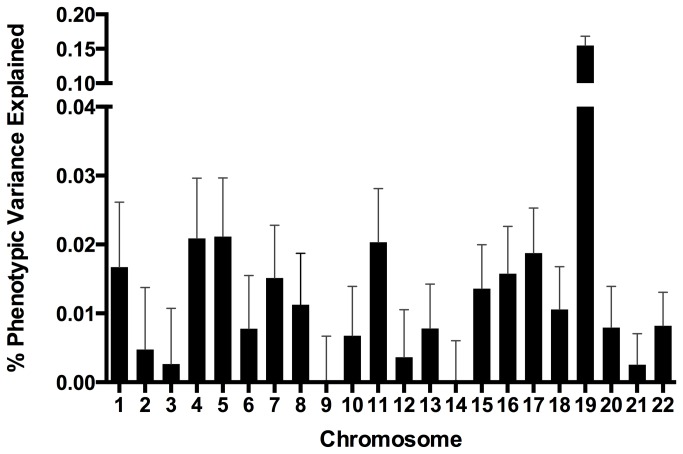
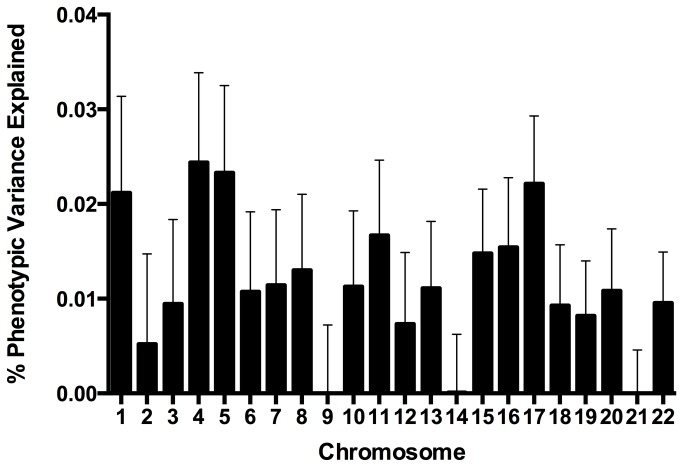
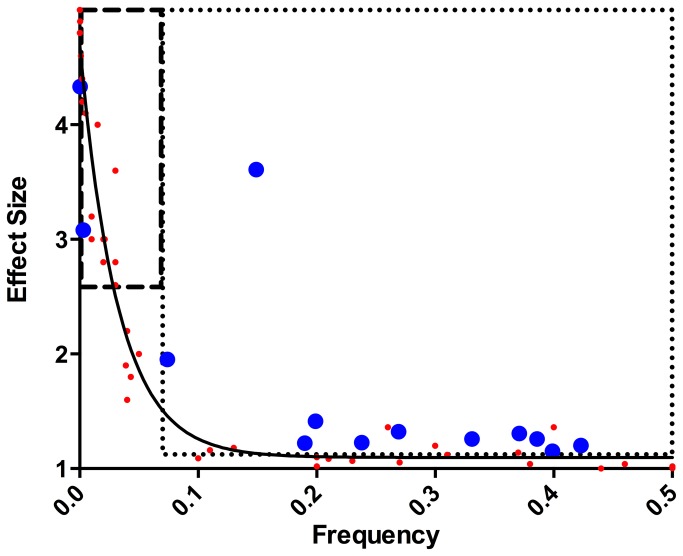
Alzheimer's disease (AD) is a complex disorder influenced by environmental and genetic factors. Recent work has identified 11 AD markers in 10 loci. We used Genome-wide Complex Trait Analysis to analyze >2 million SNPs for 10,922 individuals from the Alzheimer's Disease Genetics Consortium to assess the phenotypic variance explained first by known late-onset AD loci, and then by all SNPs in the Alzheimer's Disease Genetics Consortium dataset. In all, 33% of total phenotypic variance is explained by all common SNPs. APOE alone explained 6% and other known markers 2%, meaning more than 25% of phenotypic variance remains unexplained by known markers, but is tagged by common SNPs included on genotyping arrays or imputed with HapMap genotypes. Novel AD markers that explain large amounts of phenotypic variance are likely to be rare and unidentifiable using genome-wide association studies. Based on our findings and the current direction of human genetics research, we suggest specific study designs for future studies to identify the remaining heritability of Alzheimer's disease.
Overview
The claims and statistics of this paper haven’t been checked yet.
Run the check — free, no account needed. It reads the open-access text and checks the sources it cites.
Integrity signals
Registry
Cites
Statistics
Figures
Verification
Claims the paper makes
The claims and statistics of this paper haven’t been checked yet.
Run the check — free, no account needed. It reads the open-access text and checks the sources it cites.
Claims other papers make about this one
Each is checked against this paper’s own text: does it say what the citing paper says it does?
The source backs part of the claim, not all of it — or backs it for a different population, condition or comparison.
In the citing paper
“a majority of remaining AD variants are likely to be rare [6, 8]”
From Linkage, whole genome sequence, and biological data implicate variants in RAB10 in Alzheimer’s disease resilience (2017) · cites this paper as [8]
Experimental — accuracy not yet measuredIn the citing paper
“variation at this locus is estimated to explain only a portion of the heritability of LOAD [76]”
From Genetic architecture of Alzheimer's disease (2020) · cites this paper as [76]
In the citing paper
“Interestingly, estimates suggest common variants identified by GWAS explain only 30% of the heritability of AD [76]”
From Genetic architecture of Alzheimer's disease (2020) · cites this paper as [76]
In the citing paper
“Current estimates suggest only about 30–40% of the heritability of AD is explained by identified GWAS variants, leaving over 25% of the variance unexplained by known genetic factors [76]”
From Genetic architecture of Alzheimer's disease (2020) · cites this paper as [76]
Self-check
Percentages, sums and reported differences re-computed from the paper’s own numbers.
The self-check needs the paper’s full text.
Citations
Cites
PLINK: a tool set for whole-genome association and population-based linkage analyses.
Purcell, S., Neale, B., Todd-Brown, K., Thomas, L., Ferreira, M. A. R., Bender, D., Maller, J., Sklar, P., de Bakker, P. I. W., Daly, M. J., et al. (2007) · The American Journal of Human Genetics · doi:10.1086/519795 · Cited by 34,089
Corder, E. H., Saunders, A. M., Strittmatter, W. J., Schmechel, D. E., Gaskell, P. C., Small, G. W., Roses, A. D., Haines, J. L., & Pericak-Vance, M. A. (1993) · Science · doi:10.1126/science.8346443 · Cited by 9,429
GCTA: a tool for genome-wide complex trait analysis
Yang, J., Lee, S. H., Goddard, M. E., & Visscher, P. M. (2011) · The American Journal of Human Genetics · doi:10.1016/j.ajhg.2010.11.011 · Cited by 8,279
The International HapMap Project
†The International HapMap Consortium, Genotyping centres: Baylor College of Medicine and ParAllele BioScience, Gibbs, R. A., Belmont, J. W., Hardenbol, P., Willis, T. D., Yu, F., Chinese HapMap Consortium, Yang, H., Ch'ang, L.-Y., et al. (2003) · Nature · doi:10.1038/nature02168 · Cited by 6,057
Host–microbe interactions have shaped the genetic architecture of inflammatory bowel disease
The International IBD Genetics Consortium (IIBDGC), Jostins, L., Ripke, S., Weersma, R. K., Duerr, R. H., McGovern, D. P., Hui, K. Y., Lee, J. C., Philip Schumm, L., Sharma, Y., et al. (2012) · Nature · doi:10.1038/nature11582 · Cited by 4,722
Goate, A., Chartier-Harlin, M.-C., Mullan, M., Brown, J., Crawford, F., Fidani, L., Giuffra, L., Haynes, A., Irving, N., James, L., et al. (1991) · Nature · doi:10.1038/349704a0 · Cited by 4,659
Querfurth, H. W., & LaFerla, F. M. (2010) · New England Journal of Medicine · doi:10.1056/nejmra0909142 · Cited by 4,569
Common SNPs explain a large proportion of the heritability for human height
Yang, J., Benyamin, B., McEvoy, B. P., Gordon, S., Henders, A. K., Nyholt, D. R., Madden, P. A., Heath, A. C., Martin, N. G., Montgomery, G. W., et al. (2010) · Nature Genetics · doi:10.1038/ng.608 · Cited by 4,446
Cloning of a gene bearing missense mutations in early-onset familial Alzheimer's disease
Sherrington, R., Rogaev, E. I., Liang, Y., Rogaeva, E. A., Levesque, G., Ikeda, M., Chi, H., Lin, C., Li, G., Holman, K., et al. (1995) · Nature · doi:10.1038/375754a0 · Cited by 4,051
Robust relationship inference in genome-wide association studies
Manichaikul, A., Mychaleckyj, J. C., Rich, S. S., Daly, K., Sale, M., & Chen, W.-M. (2010) · Bioinformatics · doi:10.1093/bioinformatics/btq559 · Cited by 3,541
Research works printed but not linked: 1
- C Ballard, 2011, Alzheimer's disease, Lancet
Cited by
Sorted by citations
Scheltens, P., De Strooper, B., Kivipelto, M., Holstege, H., Chételat, G., Teunissen, C. E., Cummings, J., & van der Flier, W. M. (2021) · The Lancet · doi:10.1016/s0140-6736(20)32205-4 · Cited by 5,465
Handbook of Religion and Health
Koenig, H. G., VanderWeele, T. J., & Peteet, J. R. (2023) · doi:10.1093/oso/9780190088859.001.0001 · Cited by 1,160
Wang, M., Beckmann, N. D., Roussos, P., Wang, E., Zhou, X., Wang, Q., Ming, C., Neff, R., Ma, W., Fullard, J. F., et al. (2018) · Scientific Data · doi:10.1038/sdata.2018.185 · Cited by 502
The multiplex model of the genetics of Alzheimer's disease
Sims, R., Hill, M., & Williams, J. (2020) · Nature Neuroscience · doi:10.1038/s41593-020-0599-5 · Cited by 466
Alzheimer’s Disease Genetics: From the Bench to the Clinic
Karch, C. M., Cruchaga, C., & Goate, A. M. (2014) · Neuron · doi:10.1016/j.neuron.2014.05.041 · Cited by 473
Astrocyte contribution to dysfunction, risk and progression in neurodegenerative disorders
Brandebura, A. N., Paumier, A., Onur, T. S., & Allen, N. J. (2023) · Nature Reviews Neuroscience · doi:10.1038/s41583-022-00641-1 · Cited by 427
Lewczuk, P., Riederer, P. F., O’Bryant, S. E., Verbeek, M. M., Dubois, B., Visser, P. J., Jellinger, K. A., Engelborghs, S., Ramírez, A., Parnetti, L., et al. (2017) · The World Journal of Biological Psychiatry · doi:10.1080/15622975.2017.1375556 · Cited by 318
Cuyvers, E., & Sleegers, K. (2016) · The Lancet Neurology · doi:10.1016/s1474-4422(16)00127-7 · Cited by 292
Risk prediction of late-onset Alzheimer’s disease implies an oligogenic architecture
Zhang, Q., Sidorenko, J., Couvy-Duchesne, B., Marioni, R. E., Wright, M. J., Goate, A. M., Marcora, E., Huang, K.-L., Porter, T., Laws, S. M., et al. (2020) · Nature Communications · doi:10.1038/s41467-020-18534-1 · Cited by 272
Kunkle, B. W., Schmidt, M. A., Klein, H., Naj, A. C., Hamilton‐Nelson, K. L., Larson, E. B., Evans, D. A., Jager, P. L. D., Crane, P. K., Buxbaum, J. D., et al. (2020) · JAMA Neurology · doi:10.1001/jamaneurol.2020.3536 · Cited by 258
Impact of the Alzheimer's Disease Neuroimaging Initiative, 2004 to 2014
Weiner, M. W., Veitch, D. P., Aisen, P. S. S., Beckett, L. A., Cairns, N. J., Cedarbaum, J. M., Donohue, M., Green, R. C., Harvey, D. J., Jack, C. R., et al. (2015) · Alzheimer s & Dementia · doi:10.1016/j.jalz.2015.04.005 · Cited by 249
Holland, D., Frei, O., Desikan, R. S., Fan, C. C., Shadrin, A. A., Smeland, O. B., Sundar, V. S., Thompson, P. M., Andreassen, O. A., & Dale, A. M. (2020) · PLoS Genetics · doi:10.1371/journal.pgen.1008612 · Cited by 239
Assessment of the genetic variance of late-onset Alzheimer's disease
Ridge, P. G., Hoyt, K. B., Boehme, K., Mukherjee, S., Crane, P. K., Haines, J. L., Mayeux, R., Farrer, L. A., Pericak-Vance, M. A., Schellenberg, G. D., et al. (2016) · Neurobiology of Aging · doi:10.1016/j.neurobiolaging.2016.02.024 · Cited by 236
Neuner, S. M., Heuer, S. E., Huentelman, M. J., O’Connell, K. M. S., & Kaczorowski, C. C. (2019) · Neuron · doi:10.1016/j.neuron.2018.11.040 · Cited by 202
Missing heritability of complex diseases: case solved?
Génin, E. (2019) · Human Genetics · doi:10.1007/s00439-019-02034-4 · Cited by 219
Epigenomic dissection of Alzheimer’s disease pinpoints causal variants and reveals epigenome erosion
Xiong, X., James, B. T., Boix, C. A., Park, Y. P., Galani, K., Victor, M. B., Sun, N., Hou, L., Ho, L.-L., Mantero, J., et al. (2023) · Cell · doi:10.1016/j.cell.2023.08.040 · Cited by 205
Naj, A. C., Jun, G., Reitz, C., Kunkle, B. W., Perry, W., Park, Y. S., Beecham, G. W., Rajbhandary, R. A., Hamilton-Nelson, K. L., Wang, L.-S., et al. (2014) · JAMA Neurology · doi:10.1001/jamaneurol.2014.1491 · Cited by 185
Ebbert, M., Jensen, T. D., Jansen‐West, K. R., Sens, J. P., Reddy, J. S., Ridge, P. G., Kauwe, J. S. K., Belzil, V., Pregent, L., Carrasquillo, M. M., et al. (2019) · Genome biology · doi:10.1186/s13059-019-1707-2 · Cited by 205
Wang, M., Li, A., Sekiya, M., Beckmann, N. D., Quan, X., Schrode, N., Fernando, M. B., Yu, A., Zhu, L., Cao, J., et al. (2021) · Neuron · doi:10.1016/j.neuron.2020.11.002 · Cited by 185
Polygenic score prediction captures nearly all common genetic risk for Alzheimer's disease
Escott-Price, V., Shoai, M., Pither, R., Williams, J., & Hardy, J. (2017) · Neurobiology of Aging · doi:10.1016/j.neurobiolaging.2016.07.018 · Cited by 183
Polygenic risk of Alzheimer disease is associated with early- and late-life processes
Mormino, E. C., Sperling, R. A., Holmes, A. J., Buckner, R. L., Jager, P. L. D., Smoller, J. W., Sabuncu, M. R., Initiative, A. D. N., Initiative, A. D. N., Weiner, M. W., et al. (2016) · Neurology · doi:10.1212/wnl.0000000000002922 · Cited by 174
Gene-by-environment interactions in Alzheimer’s disease and Parkinson’s disease
Dunn, A. R., O’Connell, K. M. S., & Kaczorowski, C. C. (2019) · Neuroscience & Biobehavioral Reviews · doi:10.1016/j.neubiorev.2019.06.018 · Cited by 160
Boyd, R. J., Avramopoulos, D., Jantzie, L. L., & McCallion, A. S. (2022) · Journal of Neuroinflammation · doi:10.1186/s12974-022-02584-x · Cited by 168
Endo‐lysosomal and autophagic dysfunction: a driving factor in Alzheimer's disease?
Whyte, L. S., Lau, A. A., Hemsley, K. M., Hopwood, J. J., & Sargeant, T. J. (2017) · Journal of Neurochemistry · doi:10.1111/jnc.13935 · Cited by 150
ATP-binding cassette transporter A1: From metabolism to neurodegeneration
Koldamova, R., Fitz, N. F., & Lefterov, I. (2014) · Neurobiology of Disease · doi:10.1016/j.nbd.2014.05.007 · Cited by 144
Genetic analyses of early-onset Alzheimer’s disease using next generation sequencing
Giau, V. V., Bagyinszky, E., Yang, Y. S., Youn, Y. C., An, S. S. A., & Kim, S. (2019) · Scientific Reports · doi:10.1038/s41598-019-44848-2 · Cited by 137
Genetic architecture of Alzheimer's disease
Neuner, S. M., TCW, J., & Goate, A. M. (2020) · Neurobiology of Disease · doi:10.1016/j.nbd.2020.104976 · Cited by 126
Genome-wide association studies for Alzheimer’s disease: bigger is not always better
Escott-Price, V., & Hardy, J. (2022) · Brain Communications · doi:10.1093/braincomms/fcac125 · Cited by 119
Diseases of the nERVous system: retrotransposon activity in neurodegenerative disease
Tam, O. H., Ostrow, L. W., & Hammell, M. (2019) · Mobile DNA · doi:10.1186/s13100-019-0176-1 · Cited by 127
Alzheimer's disease in the omics era
Sancesario, G. M., & Bernardini, S. (2018) · Clinical Biochemistry · doi:10.1016/j.clinbiochem.2018.06.011 · Cited by 113
Long-term exposure to air pollution and hospitalization for dementia in the Rome longitudinal study
Cerza, F., Renzi, M., Gariazzo, C., Davoli, M., Michelozzi, P., Forastiere, F., & Cesaroni, G. (2019) · Environmental Health · doi:10.1186/s12940-019-0511-5 · Cited by 97
Genome-wide interaction analysis of pathological hallmarks in Alzheimer's disease
Wang, H., Yang, J., Schneider, J. A., Jager, P. L. D., Bennett, D. A. A., & Zhang, H. (2020) · Neurobiology of Aging · doi:10.1016/j.neurobiolaging.2020.04.025 · Cited by 100
Ageing as a risk factor for ALS/FTD
Niccoli, T., Partridge, L., & Isaacs, A. M. (2017) · Human Molecular Genetics · doi:10.1093/hmg/ddx247 · Cited by 106
Hayes, J. P., Logue, M. W., Sadeh, N., Spielberg, J. M., Verfaellie, M. H., Hayes, S. M., Reagan, A., Salat, D. H., Wolf, E. J., McGlinchey, R. E., et al. (2017) · Brain · doi:10.1093/brain/aww344 · Cited by 106
Lu, Q., Powles, R. L., Abdallah, S., Ou, D., Wang, Q., Hu, Y., Lu, Y., Liu, W., Li, B., Mukherjee, S., et al. (2017) · PLOS Genetics · doi:10.1371/journal.pgen.1006933 · Cited by 97
Self-citationGenetic variants in Alzheimer disease — molecular and brain network approaches
Gaiteri, C., Mostafavi, S., Honey, C. J., Jager, P. L. D., & Bennett, D. A. (2016) · Nature Reviews Neurology · doi:10.1038/nrneurol.2016.84 · Cited by 97
Neuner, S. M., Wilmott, L. A., Hoffmann, B. R., Mozhui, K., & Kaczorowski, C. C. (2016) · Behavioural Brain Research · doi:10.1016/j.bbr.2016.06.002 · Cited by 95
Pearlson, G. D., Liu, J., & Calhoun, V. D. (2015) · Frontiers in Genetics · doi:10.3389/fgene.2015.00276 · Cited by 98
Smith, A. R., Smith, R. G., Condliffe, D., Hannon, E. J., Schalkwyk, L. C., Mill, J. S., & Lunnon, K. (2016) · Neurobiology of Aging · doi:10.1016/j.neurobiolaging.2016.07.008 · Cited by 92
Dissociable influences of APOE ε4 and polygenic risk of AD dementia on amyloid and cognition
Ge, T., Sabuncu, M. R., Smoller, J. W., Sperling, R. A., Mormino, E. C., & Initiative, A. D. N. (2018) · Neurology · doi:10.1212/wnl.0000000000005415 · Cited by 94
Crowdsourced estimation of cognitive decline and resilience in Alzheimer's disease
Allen, G. I., Amoroso, N., Anghel, C. V., Balagurusamy, V. S. K., Bare, J. C., Beaton, D., Bellotti, R., Bennett, D. A., Boehme, K. L., Boutros, P. C., et al. (2016) · Alzheimer s & Dementia · doi:10.1016/j.jalz.2016.02.006 · Cited by 87
Complement C7is a novel risk gene for Alzheimer's disease in Han Chinese
Zhang, D., Fan, Y., Xu, M., Wang, G., Wang, D., Li, J., Kong, L., Zhou, H., Luo, R., Bi, R., et al. (2018) · National Science Review · doi:10.1093/nsr/nwy127 · Cited by 87
Patrick, E., Rajagopal, S., Wong, H.-K. A., McCabe, C., Xu, J., Tang, A., Imboywa, S. H., Schneider, J. A., Pochet, N., Krichevsky, A. M., et al. (2017) · Molecular Neurodegeneration · doi:10.1186/s13024-017-0191-y · Cited by 87
Initiative, F. T. A. D. N., Ridge, P. G., Karch, C. M., Hsu, S., Arano, I., Teerlink, C. C., Ebbert, M. T. W., Gonzalez Murcia, J. D., Farnham, J. M., Damato, A. R., et al. (2017) · Genome Medicine · doi:10.1186/s13073-017-0486-1 · Cited by 83
Self-citationCould Alzheimer’s Disease Originate in the Periphery and If So How So?
Morris, G., Berk, M., Maes, M. H. J., & Puri, B. K. (2018) · Molecular Neurobiology · doi:10.1007/s12035-018-1092-y · Cited by 86
Epigenetics and DNA methylomic profiling in Alzheimer's disease and other neurodegenerative diseases
Roubroeks, J. A. Y., Smith, R. G., van den Hove, D., & Lunnon, K. (2017) · Journal of Neurochemistry · doi:10.1111/jnc.14148 · Cited by 81
Genetics of CD33 in Alzheimer's disease and acute myeloid leukemia
Malik, M., Chiles, J. W., Xi, H. S., Medway, C., Simpson, J. F., Potluri, S., Howard, D. S., Yu, L., Paumi, C. M., Mukherjee, S., et al. (2015) · Human Molecular Genetics · doi:10.1093/hmg/ddv092 · Cited by 84
Epigenetics of chronic inflammatory diseases
Stylianou, E. (2018) · Journal of Inflammation Research · doi:10.2147/jir.s129027 · Cited by 79
Witoelar, A., Rongve, A., Almdahl, I. S., Ulstein, I. D., Engvig, A., White, L. R., Selbæk, G., Stordal, E., Andersen, F., Brækhus, A., et al. (2018) · Scientific Reports · doi:10.1038/s41598-018-36429-6 · Cited by 69
Cohen, M. L., Appleby, B. S., & Safar, J. (2016) · Prion · doi:10.1080/19336896.2015.1123371 · Cited by 66
Genetics of Alzheimer’s disease: An East Asian perspective
Miyashita, A., Kikuchi, M., Hara, N., & Ikeuchi, T. (2023) · Journal of Human Genetics · doi:10.1038/s10038-022-01050-z · Cited by 64
A Meta-analysis of Heritability of Cognitive Aging: Minding the “Missing Heritability” Gap
Reynolds, C. A., & Finkel, D. (2015) · Neuropsychology Review · doi:10.1007/s11065-015-9280-2 · Cited by 63
RAB10: an Alzheimer’s disease resilience locus and potential drug target
Tavana, J., Rosene, M., Jensen, N., Ridge, P. G., Kauwe, J. S. K., & Karch, C. M. (2018) · Clinical Interventions in Aging · doi:10.2147/cia.s159148 · Cited by 62
Self-citationProgress in Polygenic Composite Scores in Alzheimer’s and Other Complex Diseases
Chasioti, D., Yan, J., Nho, K. T., & Saykin, A. J. (2019) · Trends in Genetics · doi:10.1016/j.tig.2019.02.005 · Cited by 61
Kauppi, K., Fan, C. C., McEvoy, L. K., Holland, D., Tan, C. H., Chen, C.-H., Andreassen, O. A., Desikan, R. S., Dale, A. M., & Initiative, T. A. D. N. (2018) · Frontiers in Neuroscience · doi:10.3389/fnins.2018.00260 · Cited by 60
The Molecular and Neuropathological Consequences of Genetic Risk for Alzheimer's Dementia
Tasaki, S., Gaiteri, C., Mostafavi, S., Jager, P. L. D., & Bennett, D. A. (2018) · Frontiers in Neuroscience · doi:10.3389/fnins.2018.00699 · Cited by 61
Genetics and Underlying Pathology of Dementia
Ferencz, B., & Gerritsen, L. (2015) · Neuropsychology Review · doi:10.1007/s11065-014-9276-3 · Cited by 58
Intraventricular Delivery of siRNA Nanoparticles to the Central Nervous System
Shyam, R., Ren, Y., Lee, J., Braunstein, K. E., Mao, H.-Q., & Wong, P. C. (2015) · Molecular Therapy - Nucleic Acids · doi:10.1038/mtna.2015.15 · Cited by 58
Porter, T., Burnham, S. C., Milicic, L., Savage, G. R., Maruff, P. T., Lim, Y. Y., Li, Q.-X., Ames, D. J., Masters, C. L., Rainey‐Smith, S. R., et al. (2018) · Journal of Alzheimer s Disease · doi:10.3233/jad-180713 · Cited by 59
Imaging-wide association study: integrating imaging endophenotypes in GWAS
Xu, Z., Wu, C., & Pan, W. (2017) · NeuroImage · doi:10.1016/j.neuroimage.2017.07.036 · Cited by 56
Genetics of Alzheimer’s Disease: the Importance of Polygenic and Epistatic Components
Raghavan, N. S., & Tosto, G. (2017) · Current Neurology and Neuroscience Reports · doi:10.1007/s11910-017-0787-1 · Cited by 57
Global and local ancestry in African‐Americans: Implications for Alzheimer's disease risk
Hohman, T. J., Bailey, J. N. C., Reitz, C., Jun, G., Naj, A. C., Beecham, G. W., Liu, Z., Carney, R. M., Vance, J. M., Cuccaro, M. L., et al. (2015) · Alzheimer s & Dementia · doi:10.1016/j.jalz.2015.02.012 · Cited by 55
Drange, O. K., Smeland, O. B., Shadrin, A. A., Finseth, P. I., Witoelar, A., & Frei, O. (2019) · Frontiers in Neuroscience · doi:10.3389/fnins.2019.00220 · Cited by 57
Hohman, T. J., Bush, W. S., Jiang, L., Brown-Gentry, K. D., Torstenson, E. S., Dudek, S. M., Mukherjee, S., Naj, A., Kunkle, B. W., Ritchie, M. D., et al. (2016) · Neurobiology of Aging · doi:10.1016/j.neurobiolaging.2015.10.031 · Cited by 52
Bi, R., Zhang, W., Zhang, D., Xu, M., Fan, Y., Hu, Q.-X., Jiang, H., Tan, L., Li, T., Fang, Y., et al. (2018) · Neuropsychopharmacology · doi:10.1038/s41386-018-0144-3 · Cited by 54
Kiddle, S. J., Steves, C. J., Mehta, M. A., Simmons, A., Xu, X., Newhouse, S., Sattlecker, M., Ashton, N. J., Bazenet, C. E., Killick, R., et al. (2015) · Translational Psychiatry · doi:10.1038/tp.2015.78 · Cited by 51
Identification of genetic heterogeneity of Alzheimer's disease across age
Lo, M., Kauppi, K., Fan, C.-C., Sanyal, N., Reas, E. T., Sundar, V. S., Lee, W., Desikan, R. S., McEvoy, L. K., & Chen, C. (2019) · Neurobiology of Aging · doi:10.1016/j.neurobiolaging.2019.02.022 · Cited by 53
Genome-wide epistasis analysis for Alzheimer’s disease and implications for genetic risk prediction
Wang, H., Bennett, D. A. A., Jager, P. L. D., Zhang, Q., & Zhang, H. (2021) · Alzheimer s Research & Therapy · doi:10.1186/s13195-021-00794-8 · Cited by 48
Gibson, J., Russ, T. C., Adams, M. J., Clarke, T., Howard, D. M., Hall, L. S., Fernandez-Pujals, A. M., Wigmore, E. M., Hayward, C., Davies, G., et al. (2017) · Translational Psychiatry · doi:10.1038/tp.2017.49 · Cited by 49
Polygenic risk and pleiotropy in neurodegenerative diseases
Bellou, E., Stevenson‐Hoare, J. O., & Escott‐Price, V. (2020) · Neurobiology of Disease · doi:10.1016/j.nbd.2020.104953 · Cited by 59
Bao, X., Liu, G., Jiang, Y., Jiang, Q., Mingzhi, L., Feng, R., Zhang, L., Ma, G., Zhang, S., Chen, Z., et al. (2015) · Neurobiology of Aging · doi:10.1016/j.neurobiolaging.2015.06.006 · Cited by 47
Talboom, J. S., Haberg, A. K., Both, M. D. D., Naymik, M., Schrauwen, I., Lewis, C. R., Bertinelli, S. F., Hammersland, C., Fritz, M. A., Myers, A., et al. (2019) · eLife · doi:10.7554/elife.46179 · Cited by 47
Alzheimer’s as a Systems-Level Disease Involving the Interplay of Multiple Cellular Networks
Castrillo, J. I., & Oliver, S. G. (2016) · Methods in Molecular Biology · doi:10.1007/978-1-4939-2627-5_1 · Cited by 44
Russ, T. C., Murianni, L., Icaza, G., Slachevsky, A., & Starr, J. M. (2016) · Dementia and Geriatric Cognitive Disorders · doi:10.1159/000447449 · Cited by 44
Systems healthcare: a holistic paradigm for tomorrow
Fiandaca, M. S., Mapstone, M. E., Connors, E. E., Jacobson, M., Monuki, E. S., Malik, S., Macciardi, F. M., & Federoff, H. J. (2017) · BMC Systems Biology · doi:10.1186/s12918-017-0521-2 · Cited by 49
Mukherjee, S., Russell, J. C., Carr, D. T., Burgess, J. D., Allen, M., Serie, D. J., Boehme, K. L., Kauwe, J. S. K., Naj, A. C., Fardo, D. W., et al. (2017) · Alzheimer's & Dementia · doi:10.1016/j.jalz.2017.01.016 · Cited by 39
Firdaus, Z., & Li, X. (2024) · International Journal of Molecular Sciences · doi:10.3390/ijms25042320 · Cited by 46
Genetic Variation in Imprinted Genes is Associated with Risk of Late-Onset Alzheimer's Disease
Chaudhry, M., Wang, X., Bamne, M. N., Hasnain, S., Demirci, F. Y., López, O. L., & Kamboh, M. I. (2015) · Journal of Alzheimer s Disease · doi:10.3233/jad-142106 · Cited by 39
Luo, R., Fan, Y., Yang, J., Ye, M., Zhang, D., Guo, K., Li, X., Bi, R., Xu, M., Yang, L.-X., et al. (2021) · Signal Transduction and Targeted Therapy · doi:10.1038/s41392-021-00748-4 · Cited by 41
Kim, J., Zhang, Y., & Pan, W. (2016) · Genetics · doi:10.1534/genetics.115.186502 · Cited by 39
NIAGADS: The NIA Genetics of Alzheimer's Disease Data Storage Site
Kuzma, A. B., Valladares, O., Cweibel, R., Greenfest‐Allen, E., Childress, D. M., Malamon, J. S., Gangadharan, P., Zhao, Y., Qu, L., Leung, Y. Y., et al. (2016) · Alzheimer s & Dementia · doi:10.1016/j.jalz.2016.08.018 · Cited by 38
Ouellette, A. R., Neuner, S. M., Dumitrescu, L. C., Anderson, L. C., Gatti, D. M., Mahoney, E. R., Bubier, J. A., Churchill, G. A., Peters, L. L., Huentelman, M. J., et al. (2020) · Cell Reports · doi:10.1016/j.celrep.2020.108091 · Cited by 42
Zhang, D., Fan, Y., Wang, D., Bi, R., Zhang, C., Fang, Y., & Yao, Y. (2015) · Molecular Neurobiology · doi:10.1007/s12035-015-9353-5 · Cited by 41
Genetic underpinnings in Alzheimer’s disease – a review
Moustafa, A. A., Hassan, M., Hewedi, D. H., Hewedi, I. H., Garami, J. K., Alashwal, H., Zaki, N., Seo, S., Cutsuridis, V., Angulo, S. L., et al. (2017) · Reviews in the Neurosciences · doi:10.1515/revneuro-2017-0036 · Cited by 37
Hernández, H. G., Sandoval-Hernández, A. G., Garrido‐Gil, P., Labandeira-García, J. L., Zelaya, M. V., Bayón, G. F., Fernández, A. F., Fraga, M. F., Arboleda, G., & Arboleda, H. (2018) · Epigenomics · doi:10.2217/epi-2017-0160 · Cited by 36
Chen, H., Petty, L. E., Sha, J., Zhao, Y., Kuzma, A. B., Valladares, O., Bush, W. S., Naj, A. C., Gamazon, E. R., & Below, J. E. (2021) · Translational Psychiatry · doi:10.1038/s41398-021-01677-0 · Cited by 36
Pathak, G. A., Zhou, Z., Silzer, T. K., Barber, R. C., & Phillips, N. (2020) · Alzheimer s & Dementia · doi:10.1002/alz.12003 · Cited by 33
Additional mechanisms conferring genetic susceptibility to Alzheimer’s disease
Calero, M., Gómez‐Ramos, A., Calero, O., Soriano, E., Ávila, J., & Medina, M. (2015) · Frontiers in Cellular Neuroscience · doi:10.3389/fncel.2015.00138 · Cited by 38
Male-specific epistasis between WWC1 and TLN2 genes is associated with Alzheimer's disease
Gusareva, E. S., Twizere, J.-C., Sleegers, K., Dourlen, P., Abisambra, J. F., Meier, S., Cloyd, R., Weiss, B., Dermaut, B., Bessonov, K., et al. (2018) · Neurobiology of Aging · doi:10.1016/j.neurobiolaging.2018.08.001 · Cited by 32
Katsumata, Y., Fardo, D. W., Bachstetter, A. D., Artiushin, S., Wang, W., Wei, A. L., Brzezinski, L. J., Nelson, B. G., Huang, Q., Abner, E. L., et al. (2019) · Journal of Neuropathology & Experimental Neurology · doi:10.1093/jnen/nlz116 · Cited by 32
Interplay between Socioeconomic Markers and Polygenic Predisposition on Timing of Dementia Diagnosis
Ajnakina, O., Cadar, D., & Steptoe, A. (2020) · Journal of the American Geriatrics Society · doi:10.1111/jgs.16406 · Cited by 34
New Genetic Approaches to AD: Lessons from APOE-TOMM40 Phylogenetics
Lutz, M. W., Crenshaw, D. G., Welsh-Bohmer, K. A., Burns, D. K., & Roses, A. D. (2016) · Current Neurology and Neuroscience Reports · doi:10.1007/s11910-016-0643-8 · Cited by 33
Bridging the Gap between Statistical and Biological Epistasis in Alzheimer’s Disease
Ebbert, M., Ridge, P. G., & Kauwe, J. S. K. (2015) · BioMed Research International · doi:10.1155/2015/870123 · Cited by 30
GenoMatrix: A Software Package for Pedigree-Based and Genomic Prediction Analyses on Complex Traits
Nazarian, A., & Gezan, S. A. (2016) · Journal of Heredity · doi:10.1093/jhered/esw020 · Cited by 33
Genetic meta-analysis identifies 9 novel loci and functional pathways for Alzheimer’s disease riskPreprint
Jansen, I. E., Savage, J. E., Watanabe, K., Bryois, J., Williams, D. M., Steinberg, S., Sealock, J., Karlsson, I., Hägg, S., Athanasiu, L., et al. (2018) · bioRxiv (Cold Spring Harbor Laboratory) · doi:10.1101/258533 · Cited by 33
Kang, M., Ang, T. F. A., Devine, S. A., Sherva, R., Mukherjee, S., Trittschuh, E. H., Gibbons, L. E., Scollard, P., Lee, M., Choi, S.-E., et al. (2023) · Molecular Neurodegeneration · doi:10.1186/s13024-023-00633-4 · Cited by 29
The MUC6/AP2A2 Locus and Its Relevance to Alzheimer’s Disease: A Review
Nelson, P. T., Fardo, D. W., & Katsumata, Y. (2020) · Journal of Neuropathology & Experimental Neurology · doi:10.1093/jnen/nlaa024 · Cited by 28
Prokopenko, D., Lee, S., Hecker, J., Mullin, K., Morgan, S. L., Katsumata, Y., Initiative, A. D. N., Weiner, M. W., Fardo, D. W., Laird, N. M., et al. (2022) · Molecular Psychiatry · doi:10.1038/s41380-022-01475-0 · Cited by 29
Pierouli, K., Papakonstantinou, E., Papageorgiou, L., Diakou, I., Mitsis, Τ., Dragoumani, K., Spandidos, D. A., Bacopoulou, F., Chrousos, G. P., Goulielmos, G. N., et al. (2022) · International Journal of Molecular Medicine · doi:10.3892/ijmm.2022.5208 · Cited by 29
Functional variants identify sex-specific genes and pathways in Alzheimer’s Disease
Bourquard, T., Lee, K. D., Al‐Ramahi, I., Pham, M., Shapiro, D., Lagisetty, Y., Soleimani, S., Mota, S., Wilhelm, K. O., Samieinasab, M., et al. (2023) · Nature Communications · doi:10.1038/s41467-023-38374-z · Cited by 32
Metadata
- Authors
- Ridge, P. G., Mukherjee, S., Crane, P. K., Kauwe, J. S. K., & Alzheimer’s Disease Genetics Consortium
- Affiliations
- Brigham Young University (US)
- University of Washington (US)
- Corresponding author
- Kauwe, John S. K.
- Venue
- PLoS ONE
- Publisher
- Public Library of Science (PLoS)
- Published
- 2013-11-07
- Volume
- 8
- Issue
- 11
- Pages
- e79771
- ISSN
- 1932-6203 (ISSN-L)
- PMC
- PMC3820606
- OpenAlex
- W2010192073
- Cited by
- 328
- References
- 64
- Citations by year
- 2026: 8 · 2025: 13 · 2024: 18 · 2023: 60 · 2022: 26 · 2021: 31 · 2020: 29 · 2019: 24 · 2018: 29 · 2017: 26 · 2016: 30 · 2015: 22 · 2014: 12
- FWCI
- 14.70
- Type
- journal article
- Language
- en
- Open access
- gold
- doi.org
- Locations
- PLoS ONE (publishedVersion, cc-by)
- Europe PMC (PubMed Central) (publishedVersion, cc-by)
- PubMed Central (publishedVersion, cc-by)
- PubMed (publishedVersion)
- DOAJ (DOAJ: Directory of Open Access Journals) (submittedVersion, cc-by-sa)
- Funders
- Howard Hughes Medical Institute
- U.S. Department of Veterans Affairs (U01 AG024904)
- Alzheimer's Association (IIRG-05–14147, K01 AG030514, U01 AG016976, R01AG042611, U01 AG032984, IIRG-08-89720, U01 AG024904, U24AG021886, MNIRG-11-205368)
- Dana Foundation (K01 AG030514, U01 AG024904)
- Bristol-Myers Squibb (U01 AG024904, AG024904)
- Eli Lilly and Company (U01 AG024904, AG024904)
- Pfizer (AG024904, U01 AG024904)
- AstraZeneca
- GlaxoSmithKline
- Novartis
- Office of Research and Development
- Brigham Young University (MNIRG-11-205368, R01AG042611)
- University of Pennsylvania (U24 AG026395, U24 AG026390)
- F. Hoffmann-La Roche (AG024904, U01 AG024904)
- Medpace (U01 AG024904)
- Synarc (U01 AG024904, K01 AG030514)
- Northern California Institute for Research and Education (U01 AG024904, K01 AG030514)
- Wellcome Trust
- Alzheimer's Research Trust
- Newcastle University
- Stichting MS Research
- Elan (U01 AG024904)
- Eisai (U01 AG024904, AG024904)
- North Bristol NHS Trust
- Universitat de Barcelona
- Hersenstichting
- National Institutes of Health (5rc2ag036502-02, MNIRG-11-205368, 5r01ag027944-05, 5u01ag024904-10, 7r01ag019757-06, 5r37ag015473-15, AG016976, U01-AG024904, AG024904, MH60451)
- Genentech (AG024904, U01 AG024904)
- Canadian Institutes of Health Research
- Medical Research Council (U01 AG024904, K01 AG030514)
- National Institute on Aging (U01-AG-024904, R01AG017917, AG 10483, P01AG010491, P50 AG016575, AG 016976, AG05 128, P30AG010129, P30AG010133, R01AG019085, P50AG005144, R01AG042611, P50 AG016576, R01AG030146, AG021547, AG036535, AG010491, AG-05144, U24 AG026390, P30AG028383, P30AG012300, AG 025688, P50AG016577, P50AG005133, R01-AG027944, AG 024904, AG 030,514, AG-034504, P30AG028377, U01AG006781, U01AG016976, P50AG005131, R01-AG019757, R01AG034504, R37-AG015473, P50AG005138, R01AG026390, R01AG022374, P50AG016570, AG019610, K01AG030514, R01AG040770, AG036528, P50AG005128, P30AG010124, P50AG016573, AG019757, R01AG021547, R01AG041232, R01AG030653, U01AG010483, R01AG015819, P30AG008017, P30AG010161, U01AG032984, R01AG012101, R01AG031581, P30AG008051, R01AG041797, RC2-AG036502, P50AG016582, P50AG008702, AG032984, AG013846, P50AG005681, P50AG005142, P50AG008671, P30AG019610, R01AG026916, P50AG005146, P01AG003991, 1RC2AG036502, U24AG026395, P30AG013846, P50AG005136, P50AG005134, RC2AG036535, P30AG013854, R01AG025259, P50AG025688, AG026395, R01AG017173, RC2AG036528, R01AG033193, P01AG002219, AG021886, R01AG013616, U24AG056270, P01AG019724, U24AG021886, P30AG062421, P50AG023501, AG027944, R01AG020688, AG 030653, P50AG016574, R01AG035137, UO1-AG06781)
- National Institute of Mental Health (U01 AG024904, MH60451, R01MH080295, P50MH060451)
- National Human Genome Research Institute (UO1 HG004610, U01HG004610, U01HG006375)
- National Cancer Institute (R01CA129769, U54CA137788, U54CA132378)
- National Institute of Neurological Disorders and Stroke (NS3 9764, R01NS080820, R01NS059873, MH60451, NIMH MH60451, P50NS039764)
- National Institute of Biomedical Imaging and Bioengineering (U01 AG024904, AG024904)
- National Center for Research Resources (MO1 RR000-96, UL1RR02777, UL1RR029893, M01RR000096, M01RR000645)
- Topics
- Life Sciences › Neuroscience › Cellular and Molecular Neuroscience › Alzheimer's disease research and treatments
- Life Sciences › Biochemistry, Genetics and Molecular Biology › Genetics › Genetic Associations and Epidemiology
- Health Sciences › Medicine › Psychiatry and Mental health › Dementia and Cognitive Impairment Research
- Keywords
- Alzheimer's disease, missing heritability, phenotypic variance explained, GCTA, common SNPs, apolipoprotein E, genetic markers
- MeSH terms
- Aged, Alzheimer Disease, Apolipoproteins E, Female, Genetic Markers, Humans, Male, Case-Control Studies, Age of Onset, Genetic Predisposition to Disease, Polymorphism, Single Nucleotide, Quantitative Trait Loci, Genome-Wide Association Study
About these checks
Registry, retraction, Cites and statistics results are computed, not judged, with one exception: a printed reference that no index lists is read once by a model before it counts as a citation error. Claims are extracted by a model and kept only when their quote appears verbatim in the text; each cited source is then checked, with a model’s help, for whether it says what the claim relies on. Those verdicts can be wrong — read the claim’s quote and the cited source before relying on one.
Statistics and arithmetic are recomputed, not judged.
Confidence bands are shown only for fields calibrated on our annotated test set. None is calibrated yet, so no band is shown.
What counts as a claim ›How we measure confidence ›How we check this ›
Are you an author, or do you see a problem with this page? Request a review
