

The DOI matches its Crossref record; 54 of the 54 references it cites were found in a registry or an index.
SOX9 Regulates Multiple Genes in Chondrocytes, Including Genes Encoding ECM Proteins, ECM Modification Enzymes, Receptors, and Transporters
Open accessAbstract
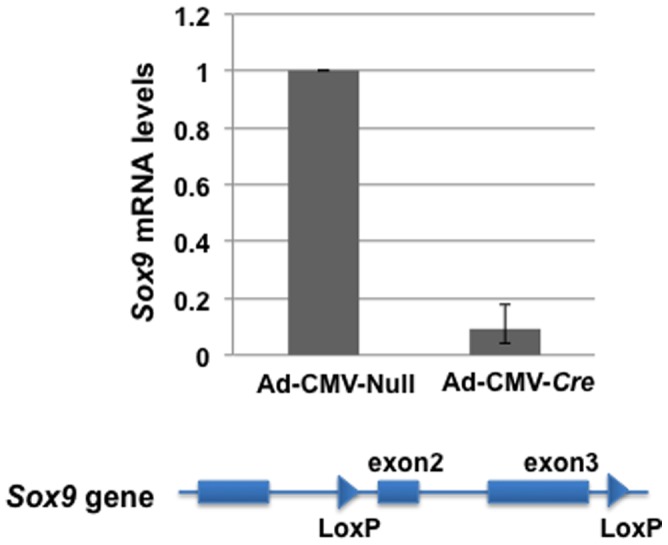
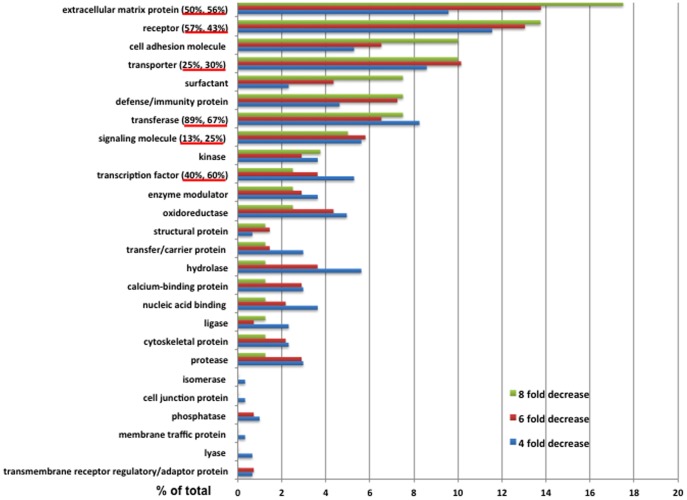
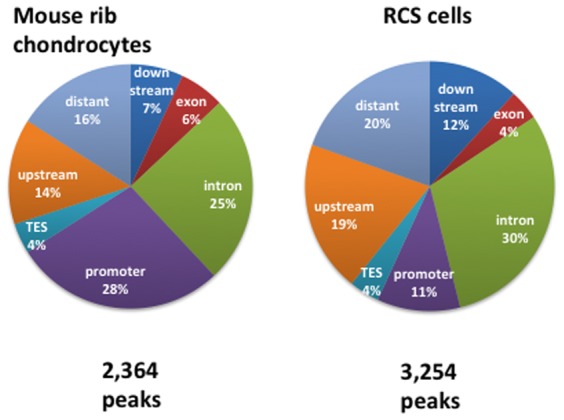
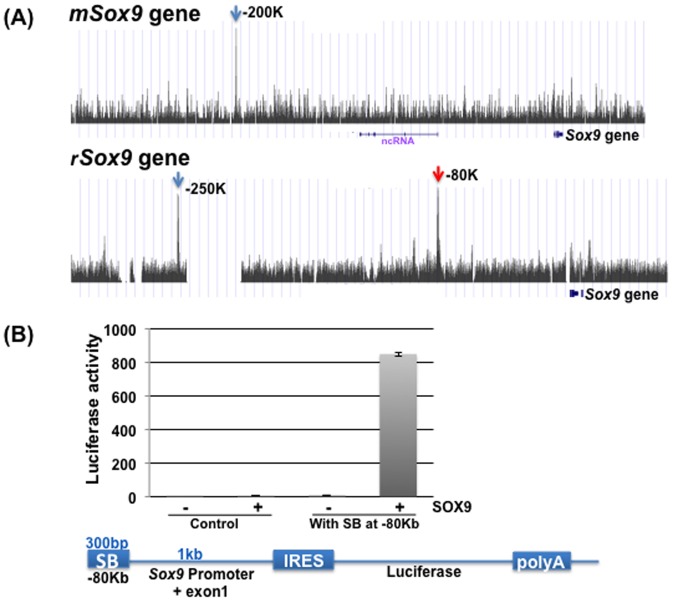
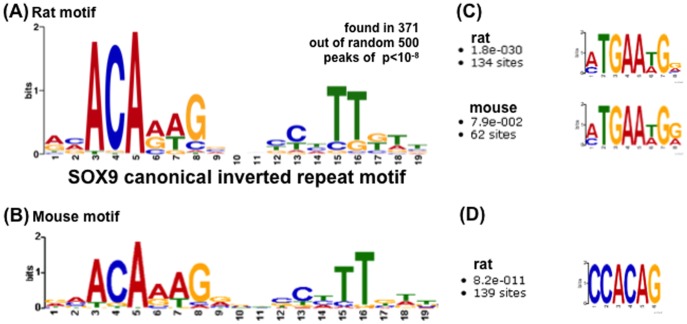
The transcription factor SOX9 plays an essential role in determining the fate of several cell types and is a master factor in regulation of chondrocyte development. Our aim was to determine which genes in the genome of chondrocytes are either directly or indirectly controlled by SOX9. We used RNA-Seq to identify genes whose expression levels were affected by SOX9 and used SOX9 ChIP-Seq to identify those genes that harbor SOX9-interaction sites. For RNA-Seq, the RNA expression profile of primary Sox9flox/flox mouse chondrocytes infected with Ad-CMV-Cre was compared with that of the same cells infected with a control adenovirus. Analysis of RNA-Seq data indicated that, when the levels of Sox9 mRNA were decreased more than 8-fold by infection with Ad-CMV-Cre, 196 genes showed a decrease in expression of at least 4-fold. These included many cartilage extracellular matrix (ECM) genes and a number of genes for ECM modification enzymes (transferases), membrane receptors, transporters, and others. In ChIP-Seq, 75% of the SOX9-interaction sites had a canonical inverted repeat motif within 100 bp of the top of the peak. SOX9-interaction sites were found in 55% of the genes whose expression was decreased more than 8-fold in SOX9-depleted cells and in somewhat fewer of the genes whose expression was reduced more than 4-fold, suggesting that these are direct targets of SOX9. The combination of RNA-Seq and ChIP-Seq has provided a fuller understanding of the SOX9-controlled genetic program of chondrocytes.
Overview
The claims and statistics of this paper haven’t been checked yet.
Run the check — free, no account needed. It reads the open-access text and checks the sources it cites.
Integrity signals
Registry
Cites
Statistics
Figures
Verification
Claims the paper makes
The claims and statistics of this paper haven’t been checked yet.
Run the check — free, no account needed. It reads the open-access text and checks the sources it cites.
Claims other papers make about this one
Each is checked against this paper’s own text: does it say what the citing paper says it does?
The cited source says what the claim attributes to it.
In the citing paper
“Among the upregulated genes were previously characterized SOX9 target genes, such as ECM genes encoding collagens IX and XI (53), as well as other TF genes like SOX5, SOX6, CREB3L2, and NFIA”
From SOX9 reprograms endothelial cells by altering the chromatin landscape (2022) · cites this paper as [53]
The cited source says what the claim attributes to it.
In the citing paper
“which are similar to previously identified motifs for SOX9 (5,17,53,62).”
From SOX9 reprograms endothelial cells by altering the chromatin landscape (2022) · cites this paper as [53]
Self-check
Percentages, sums and reported differences re-computed from the paper’s own numbers.
The self-check needs the paper’s full text.
Citations
Cites
Comprehensive molecular characterization of human colon and rectal cancer
The Cancer Genome Atlas Network (2012) · Nature · doi:10.1038/nature11252 · Cited by 8,499
Mammalian microRNAs predominantly act to decrease target mRNA levels
Guo, H., Ingolia, N. T., Weissman, J. S., & Bartel, D. P. (2010) · Nature · doi:10.1038/nature09267 · Cited by 3,886
Akiyama, H., Chaboissier, M.-C., Martin, J. F., Schedl, A., & de Crombrugghe, B. (2002) · Genes & Development · doi:10.1101/gad.1017802 · Cited by 1,721 · cited 4×
“, floxed) [2] or wild-type mice and were cultured as described previously [54].”
BackgroundMethodInfluentialCampomelic dysplasia and autosomal sex reversal caused by mutations in an SRY-related gene
Foster, J. W., Dominguez-Steglich, M., Guioli, S., Kwok, C., Weller, P., Stevanović, M., Weissenbach, J., Mansour, S., Young, I., Goodfellow, P., et al. (1994) · Nature · doi:10.1038/372525a0 · Cited by 1,602 · cited 1×
“Heterozygous mutations in Sox9 cause campomelic dysplasia, a generalized and severe disease of cartilage characterized by hypoplasia of endochondral bone [3,4].”
BackgroundShiang, R., Thompson, L. M., Zhu, Y., Church, D. M., Fielder, T. J., Bocian, M. E., Winokur, S. T., & Wasmuth, J. J. (1994) · Cell · doi:10.1016/0092-8674(94)90302-6 · Cited by 1,329 · cited 1×
“Mutations in the transmembrane domain of FGFR3 cause the most common genetic form of dwarfism, achondroplasia [20], probably because FGFR3 controls the proliferation of chondrocytes and has been shown to stimulate SOX9 expression [10].”
BackgroundSOX9 Is a Potent Activator of the Chondrocyte-Specific Enhancer of the Proα1(II) Collagen Gene
Lefebvre, V., Huang, W., Harley, V. R., Goodfellow, P. N., & Crombrugghe, B. D. (1997) · Molecular and Cellular Biology · doi:10.1128/mcb.17.4.2336 · Cited by 1,077
Lefebvre, V., Li, P., & de Crombrugghe, B. (1998) · The EMBO Journal · doi:10.1093/emboj/17.19.5718 · Cited by 811 · cited 1×
“It is possible that SOX5 and SOX6 bind near SOX9-binding sites and regulate gene expression together with SOX9 [49].”
BackgroundA Stem Cell–Based Approach to Cartilage Repair
Johnson, K., Zhu, S., Tremblay, M. S., Payette, J. N., Wang, J., Bouchez, L. C., Meeusen, S., Althage, A., Cho, C. Y., Wu, X., et al. (2012) · Science · doi:10.1126/science.1215157 · Cited by 810
Interactions between Sox9 and β-catenin control chondrocyte differentiationPreprint
Akiyama, H., Lyons, J. P., Mori–Akiyama, Y., Yang, X., Zhang, R., Zhang, Z., Deng, J. M., Taketo, M. M., Nakamura, T., Behringer, R. R., et al. (2004) · Genes & Development · doi:10.1101/gad.1171104 · Cited by 755
Self-citationMaskless fabrication of light-directed oligonucleotide microarrays using a digital micromirror array
Singh‐Gasson, S., Green, R. D., Yue, Y., Nelson, C. J., Blattner, F. R., Sussman, M. R., & Cerrina, F. (1999) · Nature Biotechnology · doi:10.1038/13664 · Cited by 733 · cited 1×
“To identify all the direct targets of SOX9 in the genome of chondrocytes, we used chromatin immunoprecipitation sequencing (ChIP-Seq), a method for genome-wide profiling of DNA binding and chromatin proteins, which offers higher resolution and greater coverage than its array-based predecessor ChIP on chip array [16,17…”
Method
Cited by
Sorted by citations
Fibroblast growth factor signaling in skeletal development and diseasePreprint
Ornitz, D. M., & Marie, P. J. (2015) · Genes & Development · doi:10.1101/gad.266551.115 · Cited by 419
“Fgfr3 expression in proliferating chondrocytes requires Sox9, and Sox9-binding sites are found in the Fgfr3 gene (Oh et al. 2014).”
BackgroundThe Role of Chondrocyte Hypertrophy and Senescence in Osteoarthritis Initiation and Progression
Rim, Y. A., Nam, Y., & Ju, J. H. (2020) · International Journal of Molecular Sciences · doi:10.3390/ijms21072358 · Cited by 386
“PTHrP increased GAG contents and expression of SOX9 and COL2A1 in pellets generated from bone marrow stromal cells and adipose-derived stromal cells, and downregulated the expression of COL10A1 and RUNX2 in a dose-dependent manner [100].”
BackgroundInfluentialSOX9 and the many facets of its regulation in the chondrocyte lineage
Lefebvre, V., & Dvir‐Ginzberg, M. (2016) · Connective Tissue Research · doi:10.1080/03008207.2016.1183667 · Cited by 349
“DNA-binding, reporter and other in vitro assays traditionally used to probe one gene at a time have recently been complemented with genome-wide high-throughput sequencing assays for immunoprecipitated chromatin (ChIP-seq) (3,4,14-16).”
Liu, C.-F., & Lefebvre, V. (2015) · Nucleic Acids Research · doi:10.1093/nar/gkv688 · Cited by 287
“identified a best motif for SOX9 in chondrocytes that matches the top-ranking motifs found in SOX9 peaks in our study (22).”
BackgroundResultCartilage Homeostasis and Osteoarthritis
Fujii, Y., Liu, L., Yagasaki, L., Inotsume, M., Chiba, T., & Asahara, H. (2022) · International Journal of Molecular Sciences · doi:10.3390/ijms23116316 · Cited by 206
“Their results show that Sox9 regulates a specific set of cartilage ECM genes, including Acan and Col2a1, and controls the differentiation of cartilage ECM cells [21,56].”
Distinct Transcriptional Programs Underlie Sox9 Regulation of the Mammalian Chondrocyte
Ohba, S., He, X., Hojo, H., & McMahon, A. P. (2015) · Cell Reports · doi:10.1016/j.celrep.2015.06.013 · Cited by 179
Neural crest development: insights from the zebrafish
Rocha, M., Singh, N., Ahsan, K., Beiriger, A., & Prince, V. (2019) · Developmental Dynamics · doi:10.1002/dvdy.122 · Cited by 122
“Studies in mice suggest that the NCC specifier gene Sox9 is a key regulator of chondrogenic fate, functioning in part by regulating the expression of extracellular matrix (ECM) components and genes encoding ECM modification enzymes.(196,197) In zebrafish, mutations in jellyfish/sox9a(34,35) or sox9b(35) result in cran…”
BackgroundSox9 Accelerates Vascular Aging by Regulating Extracellular Matrix Composition and Stiffness
Faleeva, M., Ahmad, S., Theofilatos, K., Lynham, S., Watson, G. C., Whitehead, M., Marhuenda, E., Iskratsch, T., Cox, S., & Shanahan, C. M. (2024) · Circulation Research · doi:10.1161/circresaha.123.323365 · Cited by 104
“25,26 Vascular injury and aging can prompt a decrease in notch signaling 27 and potentially induce reexpression of Sox9.”
BackgroundChen, X., Shi, Y., Xue, P., Ma, X., Li, J., & Zhang, J. (2020) · Arthritis Research & Therapy · doi:10.1186/s13075-020-02325-6 · Cited by 103
Tsingas, M., Ottone, O. K., Haseeb, A., Barve, R. A., Shapiro, I. M., Lefebvre, V., & Risbud, M. V. (2020) · Matrix Biology · doi:10.1016/j.matbio.2020.09.003 · Cited by 98
“Furthermore, inactivation of Sox9 during early stages of chondrogenesis in Col2Creexpressing chondrocytes showed that cells are unable to express SOX9 targets, including Col2a1 and Acan (encoding the aggrecan core protein) [15, 20, 21].”
BackgroundFBW7 suppression leads to SOX9 stabilization and increased malignancy in medulloblastoma
Rahmanto, A. S., Savov, V., Brunner, A., Bolin, S., Weishaupt, H., Malyukova, A., Rosén, G., Čančer, M., Hutter, S., Sundström, A., et al. (2016) · The EMBO Journal · doi:10.15252/embj.201693889 · Cited by 78
“Information about putative SOX9 target genes was obtained directly from the cited articles and/or the respective supplementary information (Kadaja et al , 2014; Oh et al , 2014; Larsimont et al , 2015).”
InfluentialGoto, H., Nishio, M., To, Y., Oishi, T., Miyachi, Y., Maehama, T., Nishina, H., Akiyama, H., Mak, T. W., Makii, Y., et al. (2018) · Development · doi:10.1242/dev.159244 · Cited by 78
“As noted above, SOX9 interacts cooperatively with SOX5 and SOX6 to regulate cartilage matrix genes, including Col2a1, Col9a1, Col11a1 and Acan, to drive chondrocyte proliferation and differentiation (Oh et al., 2014).”
SOX9: A genomic view of tissue specific expression and action.
Symon, A., & Harley, V. (2017) · International Journal of Biochemistry and Cell Biology · doi:10.1016/j.biocel.2017.03.005 · Cited by 72
Context-specific role of SOX9 in NF-Y mediated gene regulation in colorectal cancer cells
Shi, Z., Chiang, C.-I., Labhart, P., Zhao, Y., Yang, J., Mistretta, T., Henning, S., Maity, S. N., & Mori–Akiyama, Y. (2015) · Nucleic Acids Research · doi:10.1093/nar/gkv568 · Cited by 71
“Two SOX9 ChIP-seq analyses were also performed on less proliferative tissues, hair follicle stem cell niches (23) and chondrocytes (34).”
MethodSelf-citationFibroblast growth factors in skeletal development
Ornitz, D. M., & Marie, P. J. (2019) · Current topics in developmental biology/Current Topics in Developmental Biology · doi:10.1016/bs.ctdb.2018.11.020 · Cited by 65
Shah, K., Maradana, M. R., Delàs, M. J., Metidji, A., Graelmann, F. J., Llorian, M., Chakravarty, P., Li, Y., Tolaini, M., Shapiro, M., et al. (2022) · Nature Communications · doi:10.1038/s41467-022-29098-7 · Cited by 58
AP-1 family members act with Sox9 to promote chondrocyte hypertrophy
He, X., Ohba, S., Hojo, H., & McMahon, A. P. (2016) · Development · doi:10.1242/dev.134502 · Cited by 61
“Given our recent findings (Ohba et al., 2015) and those of other groups (Bhandari et al., 2012; Liu and Lefebvre, 2015; Oh et al., 2014, 2010) that the transcription of Sox9-specific chondrocyte targets is governed by integrating information from multiple independent enhancer elements, the overall…”
ResultAthwal, V. S., Pritchett, J. P., Martin, K., Llewellyn, J., Scott, J. A., Harvey, E., Zaitoun, A. M., Mullan, A. F., Zeef, L. A. H., Friedman, S. L., et al. (2018) · Scientific Reports · doi:10.1038/s41598-018-36037-4 · Cited by 53
The ontogeny of Robin sequence
Logjes, R. J. H., Breugem, C. C., van Haaften, G. W., Paes, E. C., Sperber, G. H., van den Boogaard, M. H., & Farlie, P. G. (2018) · American Journal of Medical Genetics Part A · doi:10.1002/ajmg.a.38718 · Cited by 55
“The Sox9 transcription factor has been shown to be essential for multiple steps in the chondrogenesis pathway from initiation of condensation through to control of extracellular matrix gene expression (Barna & Niswander, 2007; Jakobsen et al., 2007; Oh et al., 2014).”
BackgroundLui, J. C. K., Yue, S., Lee, A., Kikani, B., Temnycky, A. G., Barnes, K. M., & Baron, J. (2019) · Bone · doi:10.1016/j.bone.2019.05.027 · Cited by 55
“Sox9 regulates a large number of genes important for chondrogenesis [11, 12], including extracellular matrix protein genes Col2a1, Col9a1, Col11a2, and Acan [13].”
BackgroundKim, S., Han, S., Kim, Y., Kim, H.-S., Gu, Y.-R., Kang, D., Cho, Y., Kim, H., Lee, J., Seo, Y., et al. (2019) · Nature Communications · doi:10.1038/s41467-019-12910-2 · Cited by 55
Li, J., Wang, L., Liu, Z. Z., Zu, C., Xing, F., Yang, P., Yang, Y., Dang, X., & Wang, K. (2015) · Oncotarget · doi:10.18632/oncotarget.4460 · Cited by 52
“SOX9 is developmental gene required for lineage commitment in numerous tissues and organs [31], and is also the essential transcription factor for initial chondrocyte differentiation [32] and cartilage formation [33].”
Ayturk, U. M. (2019) · Current Osteoporosis Reports · doi:10.1007/s11914-019-00517-x · Cited by 52
On the evolutionary relationship between chondrocytes and osteoblasts
Gómez‐Picos, P., & Eames, B. F. (2015) · Frontiers in Genetics · doi:10.3389/fgene.2015.00297 · Cited by 48
“Recently, transcriptomics on Sox9 and Runx2 loss-of-function skeletal cells in vitro have shed light on Sox9 and Runx2 GRNs that are relevant to chondrocyte and osteoblast differentiation (Oh et al., 2014; Wu et al., 2014).”
BackgroundAlternative splicing in mesenchymal stem cell differentiation
Park, J. W., Fu, S., Huang, B., & Xu, R. (2020) · Stem Cells · doi:10.1002/stem.3248 · Cited by 46
Senolytic therapeutics: An emerging treatment modality for osteoarthritis
Ansari, M. M., Ghosh, M., Lee, D., & Son, Y. (2024) · Ageing Research Reviews · doi:10.1016/j.arr.2024.102275 · Cited by 49
Yasuda, H., Oh, C., Chen, D., Crombrugghe, B. D., & Kim, J. (2016) · Journal of Biological Chemistry · doi:10.1074/jbc.m116.758425 · Cited by 42
“Additionally, SOX9 ChIP-Seq and RNA-Seq data from chondrocytes have shown that many chondrogenesis-associated genes are direct targets of SOX9 (7, 8, 21, 22).”
BackgroundMethodSelf-citationSHP2 regulates skeletal cell fate by modifying SOX9 expression and transcriptional activity
Zuo, C., Wang, L., Kamalesh, R. M., Bowen, M. E., Moore, D. C., Dooner, M. S., Reginato, A. M., Wu, Q., Schorl, C., Song, Y., et al. (2018) · Bone Research · doi:10.1038/s41413-018-0013-z · Cited by 42
“3b asterisks; S4).(48,49) Genes known to be involved in osteoblastogenesis, such as Mmp13 and Ptch1, however, were downregulated.”
BackgroundLi, J., Manickam, G., Ray, S., Oh, C., Yasuda, H., Moffatt, P., & Murshed, M. (2016) · Molecular and Cellular Biology · doi:10.1128/mcb.01077-15 · Cited by 39
Self-citationRossitto, M., Marchive, C., Pruvost, A., Sellem, E., Ghettas, A., Badiou, S., Sutra, T., Poulat, F., Philibert, P., & Boizet‐Bonhoure, B. (2018) · The FASEB Journal · doi:10.1096/fj.201800488rrr · Cited by 37
“Concomitantly, increased Sox9 expression in testes from 13.5 dpc embryos exposed in utero to APAP + IBU, which could be the result of the antagonist effect of PGE2 and PGI2 vs. PGD2, could lead to the upregulation of genes that encode ECMproteins (61, 62).”
BackgroundInfluentialZayed, M., Schumacher, J., Misk, N. A., & Dhar, M. S. (2016) · The Veterinary Journal · doi:10.1016/j.tvjl.2016.05.014 · Cited by 36
“BMMSCs stimulated with IFN-γ (P 0.05) or TNF-α (P 218 0.05) in this medium had significantly lower levels of SOX-9 protein by day 3 and TGF-β1 219 protein by day 7 than BMMSCs differentiated in control medium, whereas there was no 220 significant difference in levels of SOX-9 and TGF-β1 proteins in SFMSCs (Figs.”
BackgroundInfluentialVascular Calcification and Stone Disease: A New Look towards the Mechanism
Yiu, A. J., Callaghan, D., Sultana, R., & Bandyopadhyay, B. C. (2015) · Journal of Cardiovascular Development and Disease · doi:10.3390/jcdd2030141 · Cited by 36
“In fact, Sox9 gene has been expressed in these precartilaginous condensations, and is quintessential in the regulation of chondrocyte development [95–97].”
SOX9 reprograms endothelial cells by altering the chromatin landscape
Fuglerud, B. M., Drissler, S., Lotto, J., Stephan, T. L., Thakur, A., Cullum, R., & Hoodless, P. A. (2022) · Nucleic Acids Research · doi:10.1093/nar/gkac652 · Cited by 35
“Searching for enriched DNA binding motifs in the SOX9 peaks, we identified SOX motifs as the top three enriched (Supplementary Figure S3E), including two dimer (one defined and one more degenerate) and one monomer SOX motif, which are similar to previously identified motifs for SOX9 (5,17,53,62).”
BackgroundResultTissue Engineering of Cartilage Using a Random Positioning Machine
Wehland, M., Steinwerth, P., Aleshcheva, G., Sahana, J., Hemmersbach, R., Lützenberg, R., Kopp, S., Infanger, M., & Grimm, D. G. (2020) · International Journal of Molecular Sciences · doi:10.3390/ijms21249596 · Cited by 35
Peck, S. H., O'Donnell, P. J. M., Kang, J. L., Malhotra, N. R., Dodge, G. R., Pacifici, M., Shore, E. M., Haskins, M. E., & Smith, L. J. (2015) · Molecular Genetics and Metabolism · doi:10.1016/j.ymgme.2015.09.008 · Cited by 31
“There is evidence that Sox9 protein may directly antagonize the binding of MEF2C to the COL10A1 promoter [45] and can also disrupt or repress the expression or activity of other regulatory elements that initiate and sustain chondrocyte hypertrophic differentiation, including β-catenin, RUNX2, and extracellular matrix…”
BackgroundZhu, Z., He, Z., Tang, T., Wang, F., Chen, H., Li, B., Chen, G., Wang, J., Tian, W., Chen, D., et al. (2022) · Oxidative Medicine and Cellular Longevity · doi:10.1155/2022/1372483 · Cited by 30
“Moreover, Sox9 deletion in Acan-expressing cells of adult mice results in proteoglycan loss, disc compression, and downregulation of various ECM-related genes [66].”
Self-citationHighly Porous Gelatin Reinforced 3D Scaffolds for Articular Cartilage Regeneration
Amadori, S., Torricelli, P., Panzavolta, S., Parrilli, A., Fini, M., & Bigi, A. (2015) · Macromolecular Bioscience · doi:10.1002/mabi.201500014 · Cited by 30
Yao, B., Wang, C., Zhou, Z., Zhang, M., Zhao, D., Bai, X., & Leng, X. (2020) · Cellular & Molecular Biology Letters · doi:10.1186/s11658-020-00234-9 · Cited by 29
An Insight into the Roles of MicroRNAs and Exosomes in Sarcoma
Kohama, I., Kosaka, N., Chikuda, H., & Ochiya, T. (2019) · Cancers · doi:10.3390/cancers11030428 · Cited by 29
“SOX9 is an important transcription factor regulating chondrocyte development [134].”
BackgroundAn Emerging Regulatory Landscape for Skeletal Development
Hojo, H., McMahon, A. P., & Ohba, S. (2016) · Trends in Genetics · doi:10.1016/j.tig.2016.10.001 · Cited by 25
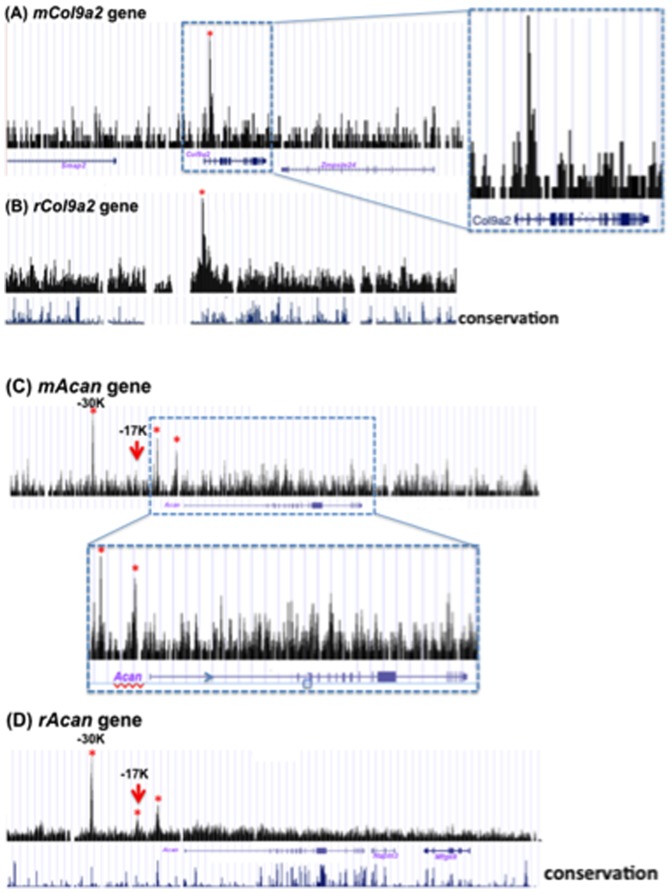
“Prior to recent genome-scale ChIP-seq analyses [29-31], various approaches revealed Sox9associated enhancers around Sox9 itself plus several genes encoding cartilage growth factors or extracellular matrix proteins, including Ctgf, Col2a1, Col9a1, Col10a1, Col11a2, Col27a1, Hapln1, Matn1, and Acan [15, 32].”
BackgroundSox9 Functions as a Master Regulator of Antler Growth by Controlling Multiple Cell Lineages
Yao, B., Zhang, M., Liu, M., Wang, Q., Liu, M., & Zhao, Y. (2017) · DNA and Cell Biology · doi:10.1089/dna.2017.3885 · Cited by 27
The Role of Transforming Growth Factor Beta in Joint Homeostasis and Cartilage Regeneration
Kim, J. G., Rim, Y. A., & Ju, J. H. (2022) · Tissue Engineering Part C Methods · doi:10.1089/ten.tec.2022.0016 · Cited by 28
Lineage-specific differences and regulatory networks governing human chondrocyte development
Richard, D. J., Pregizer, S. K., Venkatasubramanian, D., Raftery, R. M., Muthuirulan, P., Liu, Z., Capellini, T. D., & Craft, A. M. (2023) · eLife · doi:10.7554/elife.79925 · Cited by 25
Molecular hydrogen suppresses activated Wnt/β-catenin signaling
Lin, Y., Ohkawara, B., Ito, M., Misawa, N., Miyamoto, K., Takegami, Y., Masuda, A., Toyokuni, S., & Ohno, K. (2016) · Scientific Reports · doi:10.1038/srep31986 · Cited by 26
“We also compared gene expressions of other chondrogenic markers including MMP3 encoding catabolic metalloproteinase 3, COL2A1 encoding collagen type II α 1, and ACAN encoding aggrecan in 3 clones of OAC cells derived from 3 patients (clone 1 in Fig.”
InfluentialBourebaba, L., Michalak, I., Baouche, M., Kucharczyk, K., & Marycz, K. (2019) · Stem Cell Research & Therapy · doi:10.1186/s13287-019-1499-z · Cited by 26
“an inhibitory effect on Sox9 expression, thus interfering with the underlying chondrogenic signaling pathways [37].”
BackgroundImpact of Therapeutic Irradiation on Healthy Articular Cartilage
Saintigny, Y., Cruet-Hennequart, S., Hamdi, D. H., Chevalier, F., & Lefaix, J.-L. (2015) · Radiation Research · doi:10.1667/rr13928.1 · Cited by 25
“Expression of Sox9 begins at the mesenchymal chondroprogenitor stage and transactivates several genes specific to chondrocyte proliferation, including many cartilage extracellular matrix genes as Col2a1 encoding type II collagen, and genes for extracellular matrix modification enzymes, membrane receptors and transport…”
BackgroundInfluentialWu, J., Wu, J., Liu, Z., Gong, Y., Feng, D., Xiang, W., Fang, S., Chen, R., Wu, Y., Huang, S., et al. (2024) · Journal of Orthopaedic Translation · doi:10.1016/j.jot.2024.07.005 · Cited by 25
Kothari, P., Tripathi, A. K., Girme, A., Rai, D., Singh, R., Sinha, S., Choudhary, D., Nagar, G. K., Maurya, R., Hingorani, L., et al. (2021) · Journal of Ethnopharmacology · doi:10.1016/j.jep.2021.114315 · Cited by 23
Effect of transforming growth factor-β3 on mono and multilayer chondrocytes
Sefat, F., Youseffi, M., Khaghani, S. A., Soon, C. F., & Javid, F. A. (2016) · Cytokine · doi:10.1016/j.cyto.2016.04.008 · Cited by 20
Strategies to Convert Cells into Hyaline Cartilage: Magic Spells for Adult Stem Cells
Kurenkova, A. D., Romanova, I. A., Kibirskiy, P. D., Timashev, P. S., & Medvedeva, E. V. (2022) · International Journal of Molecular Sciences · doi:10.3390/ijms231911169 · Cited by 21
“Using in vitro models of OA based on chondrocytes treated with pro-inflammatory factors, the immunosuppressive properties of EVs derived from BM-MSCs [211,212], ADSCs [213] and embryonic stem cell cultures [214] were shown to decrease the expression of catabolic (ADAMTS5 and MMP13) and pro-inflammatory markers (COX2,…”
BackgroundInfluentialLuo, M., Shi, X., Guo, J., Lin, K., Zhu, W., Fu, J., Wang, L., & Dong, Z. (2023) · Aquaculture · doi:10.1016/j.aquaculture.2023.739767 · Cited by 19
Telmisartan Mitigates TNF-α-Induced Type II Collagen Reduction by Upregulating SOX-9
Zhang, X., Dong, Y., Dong, H., Cui, Y., Du, Q., Wang, X., Li, L., & Zhang, H. (2021) · ACS Omega · doi:10.1021/acsomega.1c01170 · Cited by 19
Developmental principles informing human pluripotent stem cell differentiation to cartilage and bone
Humphreys, P. A., Mancini, F. E., Ferreira, M. J. S., Woods Jon, S., Ogene, L., & Kimber, S. J. (2021) · Seminars in Cell and Developmental Biology · doi:10.1016/j.semcdb.2021.11.024 · Cited by 21
Fongsodsri, K., Tiyasatkulkovit, W., Chaisri, U., Reamtong, O., Adisakwattana, P., Supasai, S., Kanjanapruthipong, T., Sukphopetch, P., Aramwit, P., & Ampawong, S. (2024) · Scientific Reports · doi:10.1038/s41598-024-62516-y · Cited by 17
Liang, B., Mamidi, M. K., Samsa, W. E., Chen, Y., Lee, B., Zheng, Q., & Zhou, G. D. (2020) · PubMed Central · Cited by 17
Vong, K. I., Ma, T. C., Li, B., Leung, T. C. N., Nong, W., Ngai, S. M., Hui, J. H. L., Jiang, L., & Kwan, K. M. (2021) · Proceedings of the National Academy of Sciences · doi:10.1073/pnas.2009568118 · Cited by 18
“SOX9 often transcriptionally regulates multiple genes encoding ECM components in different organs (20), but, quite”
Yu, H., Liu, Y., Yang, X., He, J., Zhong, Q., & Guo, X. (2022) · Experimental and Therapeutic Medicine · doi:10.3892/etm.2022.11131 · Cited by 17
Lee, W. J., Chatterjee, S., Yap, S. P., Lim, S. L., Xing, X., Kraus, P., Sun, W., Hu, T. X., Vijayakumar, S., Chan, H. Y., et al. (2017) · BioMed Research International · doi:10.1155/2017/8932583 · Cited by 16
BMP4 and Wnt signaling interact to promote mouse tracheal mesenchyme morphogenesis
Bottasso-Arias, N., Leesman, L., Burra, K., Snowball, J. M., Shah, R., Mohanakrishnan, M., Xu, Y. J., & Sinner, D. I. (2021) · American Journal of Physiology-Lung Cellular and Molecular Physiology · doi:10.1152/ajplung.00255.2021 · Cited by 15
The Transcription Factor-microRNA Regulatory Network during hESC-chondrogenesis
Griffiths, R., Woods Jon, S., Cheng, A., Wang, P., Griffiths‐Jones, S., Ronshaugen, M., & Kimber, S. J. (2020) · Scientific Reports · doi:10.1038/s41598-020-61734-4 · Cited by 14
Zhang, Z., Wu, W., Fang, X., Lü, M., Wu, H., Gao, C., & Xia, Z. (2020) · Molecular Medicine Reports · doi:10.3892/mmr.2020.11488 · Cited by 12
Insights into Gene Regulatory Networks in Chondrocytes
Hojo, H., & Ohba, S. (2019) · International Journal of Molecular Sciences · doi:10.3390/ijms20246324 · Cited by 13
“NGS studies of chromatin immunoprecipitation followed by sequencing (ChIP-seq) for Sox9 and a series of histone modifications revealed the genome-scale action of Sox9 in mouse primary rib chondrocytes [24] and the rat chondrosarcoma cell line, which retains characteristics of growth plate chondrocytes [25,26] (Figure…”
BackgroundRUNX2 is essential for maintaining synchondrosis chondrocytes and cranial base growth
Hallett, S. A., Dixon, A., Marrale, I., Batoon, L., Brenes, J., Zhou, A., Arbiv, A., Kaartinen, V., Allen, B. L., Ono, W., et al. (2025) · Bone Research · doi:10.1038/s41413-025-00426-z · Cited by 11
MicroRNA-486 promotes a more catabolic phenotype in chondrocyte-like cells by targeting SIRT6
Yang, J., Zhou, Y., Liang, X., Jing, B., & Zhao, Z. (2021) · Bone and Joint Research · doi:10.1302/2046-3758.107.bjr-2019-0251.r4 · Cited by 10
Norcross, R. G., Abdelmoti, L. G., Rouchka, E. C., Andreeva, K., Tussey, O., Landestoy, D., & Galperin, E. (2022) · Developmental Biology · doi:10.1016/j.ydbio.2022.10.010 · Cited by 9
Effect of a retinoic acid analogue on BMP-driven pluripotent stem cell chondrogenesis
Mancini, F. E., Humphreys, P. A., Woods Jon, S., Bates, N., Cuvertino, S., O’Flaherty, J., Biant, L., Domingos, M. A. N., & Kimber, S. J. (2024) · Scientific Reports · doi:10.1038/s41598-024-52362-3 · Cited by 8
“However, we found that TTNPB-treated cells in adherent culture did not express known markers of hypertrophy and the growth plate, including COL10A1 , IHH or MMP13, and additionally exhibited significantly lower expression of RUNX2, PTH1R , FGFR3 and VEGFA in comparison to non-treated samples 72,73 .”
Gómez‐Picos, P., Ovens, K. L., & Eames, B. F. (2022) · Frontiers in Cell and Developmental Biology · doi:10.3389/fcell.2022.876825 · Cited by 8
“Regulatory interactions were validated based on published studies including genetic molecular experiments and cis-regulatory analyses performed in bones of mouse, chick, frog, and zebrafish (Ducy et al., 1997; Komori et al., 1997; Lecanda et al., 1997; Zhao et al., 1997; Bridgewater et al., 1998; Drissi et al., 2000;…”
BackgroundGenome-scale actions of master regulators directing skeletal development
Ohba, S. (2021) · Japanese Dental Science Review · doi:10.1016/j.jdsr.2021.10.001 · Cited by 7
Primrose, J. G. B., Jain, L., Bolam, S. M., Monk, A. P., Munro, J. T., Dalbeth, N., & Poulsen, R. C. (2023) · Connective Tissue Research · doi:10.1080/03008207.2023.2214249 · Cited by 7
Hojo, H., Chung, U., & Ohba, S. (2017) · Regenerative Therapy · doi:10.1016/j.reth.2017.04.001 · Cited by 7
Pan, D., Qian, B., Zhao, D., & Yao, B. (2021) · Molecular Biology Reports · doi:10.1007/s11033-021-06767-2 · Cited by 6
Kalebic, N., Long, K. R., & Huttner, W. Β. (2016) · Elsevier eBooks · doi:10.1016/b978-0-12-804042-3.00136-6 · Cited by 6
Jaiswal, P. K., Aljebali, L., Gaumond, M.-H., Oh, C., Yasuda, H., & Moffatt, P. (2020) · Scientific Reports · doi:10.1038/s41598-020-64640-x · Cited by 7
Self-citationA promising role of noble metal NPs@MOFs in chondrosarcoma management
Huang, Z., Tian, K., Xue, Y., & Luo, F. (2024) · Nanoscale · doi:10.1039/d4nr03878a · Cited by 5
Mehl, J., Schmidt‐Bleek, K., Ellinghaus, A., Mundlos, S., Gerhardt, H., Duda, G. N., & Viola Vogel, B. (2025) · Bone · doi:10.1016/j.bone.2025.117595 · Cited by 5
“Together with its co-factors, SOX9 is essential for chondrocyte lineage specification [25,26], promotes collagen II expression [27], and suppresses cartilage vascularization [28].”
Sox9 accelerates vascular ageing by regulating extracellular matrix composition and stiffnessPreprint
Faleeva, M., Ahmad, S., Lynham, S., Watson, G. C., Whitehead, M., Cox, S., & Shanahan, C. M. (2023) · bioRxiv (Cold Spring Harbor Laboratory) · doi:10.1101/2023.05.03.539285 · Cited by 5
Negative Printing for the Reinforcement of In Situ Tissue-Engineered Cartilage
Doyle, S. E., Snow, F., Onofrillo, C., Bella, C. D., O’Connell, C. D., Pirogova, E., & Duchi, S. (2024) · Tissue Engineering Part A · doi:10.1089/ten.tea.2023.0358 · Cited by 4
“SOX9 is a master transcription factor and is responsible for the gene expression of COL2A1 and ACAN , 39,40 and its expression was found to be similar between day 1 and day 22.”
Baran, K., Brzeziańska‐Lasota, E., Kryczka, J. M., Boncela, J., Czechowska, A., Kopacz, K., Padula, G., Nowak, K., & Domżalski, M. E. (2025) · Journal of Clinical Medicine · doi:10.3390/jcm14041176 · Cited by 4
“Experimental ex vivo and in vitro data indicate that SOX-9 directly modulates the expression of chondrocyte-specific genes, as well as those coding for cartilage extracellular matrix (ECM) modifying enzymes [21,22].”
Ding, Y., Huang, Y., Zhang, F., Wang, L., Li, W., Santos, H. A., & Sun, L. (2025) · ACS Applied Bio Materials · doi:10.1021/acsabm.4c02006 · Cited by 5
Burns, F. R., Lanham, K. A., Xiong, K. M., Gooding, A. J., Peterson, R. E., & Heideman, W. (2015) · Gene · doi:10.1016/j.gene.2015.12.041 · Cited by 4
Oh, C., Lu, Y., Liang, S., Mori–Akiyama, Y., Chen, D., Crombrugghe, B. D., & Yasuda, H. (2015) · PLoS ONE · doi:10.1371/journal.pone.0143156 · Cited by 4
Self-citationLee, O. J., LEE, H.-J., Lee, J. S., Oh, M. S., Jung, H., KIM, H., Park, C. H., LEE, I., YANG, J., Lee, J. J., et al. (2025) · In Vivo · doi:10.21873/invivo.14052 · Cited by 3
TGF-Beta 3 signaling in redifferentiating passaged human articular chondrocytes
Andrejevic, K., Backstein, D. J., & Kandel, R. A. (2017) · Osteoarthritis and Cartilage · doi:10.1016/j.joca.2017.02.289 · Cited by 3
Fibroblast growth factor (FGF) and FGF receptor families in bone
Marie, P. J., Hurley, M. M., & Ornitz, D. M. (2019) · Elsevier eBooks · doi:10.1016/b978-0-12-814841-9.00045-2 · Cited by 3
Gómez‐Picos, P., Ovens, K. L., Ashique, A. M., Hassanzadeh, M., McQuillan, I., & Eames, B. F. (2025) · Development · doi:10.1242/dev.204496 · Cited by 2
Schneider, A. J., Gawdzik, J. C., Vezina, C. M., Baker, T. R., & Peterson, R. E. (2019) · Gene Expression Patterns · doi:10.1016/j.gep.2019.119075 · Cited by 3
“, 2010) and regulates genes encoding ECM proteins and modifying enzymes (Oh et al., 2014).”
BackgroundMallah, A. H., Amr, M. M., Abusharkh, H. A., Wie, B. V., Gozen, B. A., Mendenhall, J., Tingstad, E. M., Idone, V. J., & Abu‐Lail, N. I. (2021) · Journal of Immunology and Regenerative Medicine · doi:10.1016/j.regen.2021.100054 · Cited by 2
Fuglerud, B. M., Drissler, S., Lotto, J., Stephan, T. L., Thakur, A., Cullum, R. L., & Hoodless, P. A. (2020) · bioRxiv (Cold Spring Harbor Laboratory) · doi:10.1101/2020.09.11.293993 · Cited by 2
“Among the upregulated genes are previously characterized SOX9 target genes, such as ECM genes encoding collagens IX and XI (Oh et al. 2014), as well as other TFs like SOX5, SOX6, CREB3L2 and NFIA, highlighting the role of SOX9 as a master regulator (Akiyama et al. 2002; Hino et al. 2014; Garside et…”
BackgroundWu, Y., Liu, Q., Li, X., Ai, Y., Zhao, S., Ji, X., Li, M. H., Xiu, J., Zhang, J., Yin, Z., et al. (2026) · The American Journal of Sports Medicine · doi:10.1177/03635465261434037 · Cited by 1
“31 The EH group demonstrated robust SOX9 positivity accompanied by strong aggrecan and collagen type 2 signals localized to the transitional zone, consistent with active chondrogenesis and well-repaired fibrocartilage.”
Repressing of SOX6 and SOX9 in Situ Chondrogenic Differentiation of Rat Bone Marrow Stromal Cells
Hassan, K. M., Peyvandi, A., Norozian, M., Roozbahany, N. A., Reza, M. F., Khoramgah, M. S., Azimi, H., Ayad, B. M., & Hojjatallah, A. (2015) · Anatomical sciences journal · Cited by 1
Combining Genetic and Developmental Methods to Study Musculoskeletal Evolution in Primates
Capellini, T. D., & Dingwall, H. L. (2017) · Cambridge University Press eBooks · doi:10.1017/9781316388907.009 · Cited by 1
ChIP-Seq Assays from Mammalian Cartilage and Chondrocytes
Yamakawa, A., Hojo, H., & Ohba, S. (2020) · Methods in molecular biology · doi:10.1007/978-1-0716-1119-7_12 · Cited by 1
Regulation of SOX9 Activity During Chondrogenesis
Yasuda, H., & Oh, C. (2020) · Elsevier eBooks · doi:10.1016/b978-0-12-801238-3.62212-2 · Cited by 1
Self-citationGarside, V. C. (2015) · cIRcle (University of British Columbia) · doi:10.14288/1.0220645
“A third study published SOX9 ChIP-Seq on rib chondrocytes (129) and would be ideal to compare the”
BackgroundExploration of immunogene in colon cancer recurrence
Sun, Q.-R., Chen, Y., Yuan, S., & Liao, J. (2018) · Oncotarget · doi:10.18632/oncotarget.24218
“We obtained 10 pathways correlated with 1219 Immune genes involved in COAD by a threshold of adjusted P-values (FDR) 0.05 (Figure 1 and Supplementary Table 1), such as Genes involved in Immune System [18], Matrisome and Matrisome Associated [19, 20], Innate Immune System, Complement and Coagulation Cascades, Adaptive…”
BackgroundInfluentialRegulation of Cartilage Matrix Protein by Transcription Factors, SOX9 and β-Catenin
Oh, C., Ko, F. C., & Chen, D. (2020) · Elsevier eBooks · doi:10.1016/b978-0-12-801238-3.62215-8
Self-citationChen, X., Shi, Y., Xue, P., Ma, X., Li, J., & Zhang, J. (2020) · Figshare · doi:10.6084/m9.figshare.13151833
Chen, X., Shi, Y., Xue, P., Ma, X., Li, J., & Zhang, J. (2020) · Figshare · doi:10.6084/m9.figshare.13151836
Chen, X., Shi, Y., Xue, P., Ma, X., Li, J., & Zhang, J. (2020) · Figshare · doi:10.6084/m9.figshare.13151830
Metadata
- Authors
- Oh, C.-D., Lu, Y., Liang, S., Mori-Akiyama, Y., Chen, D., de Crombrugghe, B., & Yasuda, H.
- Affiliations
- The University of Texas MD Anderson Cancer Center (US)
- Rush University Medical Center (US)
- Corresponding author
- Yasuda, Hideyo
- Venue
- PLoS ONE
- Publisher
- Public Library of Science (PLoS)
- Published
- 2014-09-17
- Volume
- 9
- Issue
- 9
- Pages
- e107577
- ISSN
- 1932-6203 (ISSN-L)
- PMC
- PMC4168005
- OpenAlex
- W2040278668
- Cited by
- 101
- References
- 54
- Citations by year
- 2026: 2 · 2025: 6 · 2024: 7 · 2023: 4 · 2022: 9 · 2021: 9 · 2020: 17 · 2019: 10 · 2018: 6 · 2017: 6 · 2016: 11 · 2015: 14
- FWCI
- 8.59
- Type
- journal article
- Language
- en
- Update notices
- correction (2015-11-12)
- Open access
- gold
- doi.org
- Locations
- PLoS ONE (publishedVersion, cc-by)
- Europe PMC (PubMed Central) (publishedVersion, cc-by)
- PubMed Central (publishedVersion, cc-by)
- PubMed (publishedVersion)
- DOAJ (DOAJ: Directory of Open Access Journals) (submittedVersion, cc-by-sa)
- Figshare (submittedVersion, cc-by)
- Funders
- National Institutes of Health (CA-16 672)
- University of Texas MD Anderson Cancer Center (#CA16672)
- National Cancer Institute (CA-16672, P30CA016672)
- National Institute of Arthritis and Musculoskeletal and Skin Diseases (R01AR309854, R01AR054465)
- Topics
- Health Sciences › Medicine › Rheumatology › Osteoarthritis Treatment and Mechanisms
- Life Sciences › Biochemistry, Genetics and Molecular Biology › Molecular Biology › Genomics and Chromatin Dynamics
- Life Sciences › Biochemistry, Genetics and Molecular Biology › Cell Biology › Proteoglycans and glycosaminoglycans research
- Keywords
- SOX9, chondrocytes, transcriptional regulation, extracellular matrix genes, transcription factor binding sites, gene expression profiling, Cre-loxP conditional knockout, chondrogenesis, cell surface receptors, transporters
- MeSH terms
- Animals, Binding Sites, Gene Expression Regulation, Humans, Protein Binding, Gene Expression, Extracellular Matrix Proteins, Mice, Knockout, Chondrocytes, Gene Expression Profiling, Protein Transport, Chromatin Immunoprecipitation, Mice, SOX9 Transcription Factor, Position-Specific Scoring Matrices, High-Throughput Nucleotide Sequencing, Nucleotide Motifs
About these checks
Registry, retraction, Cites and statistics results are computed, not judged, with one exception: a printed reference that no index lists is read once by a model before it counts as a citation error. Claims are extracted by a model and kept only when their quote appears verbatim in the text; each cited source is then checked, with a model’s help, for whether it says what the claim relies on. Those verdicts can be wrong — read the claim’s quote and the cited source before relying on one.
Statistics and arithmetic are recomputed, not judged.
Confidence bands are shown only for fields calibrated on our annotated test set. None is calibrated yet, so no band is shown.
What counts as a claim ›How we measure confidence ›How we check this ›
Are you an author, or do you see a problem with this page? Request a review
