

Environmentally Determined Differences in the Murine Lung Microbiota and Their Relation to Alveolar Architecture
Open accessThe DOI matches its Crossref record; 49 of the 49 references it cites were found in a registry or an index.
Abstract
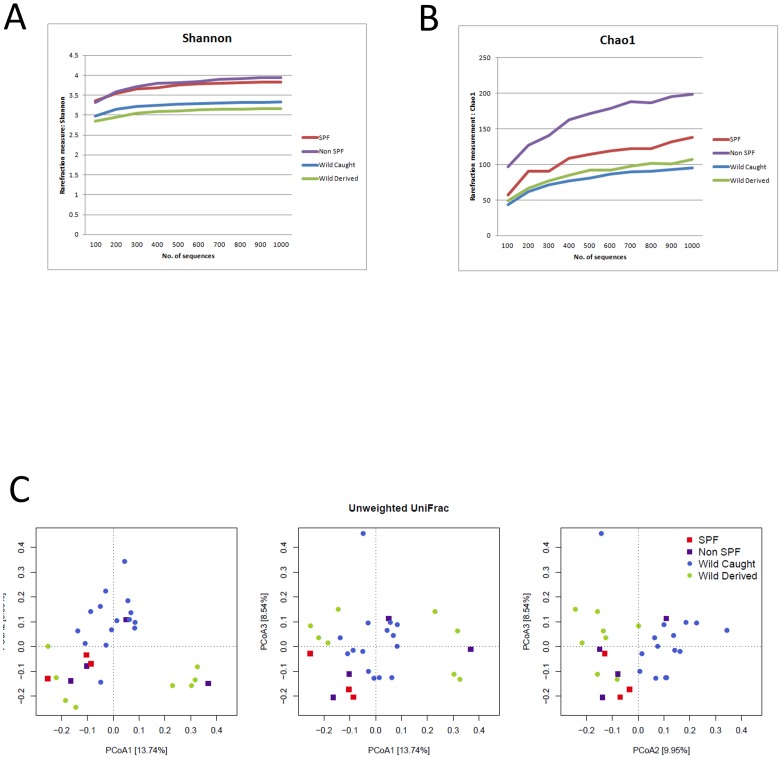
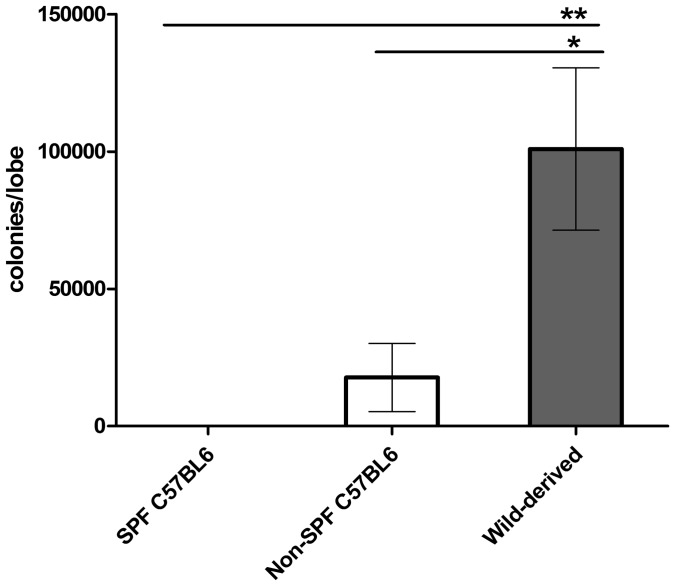
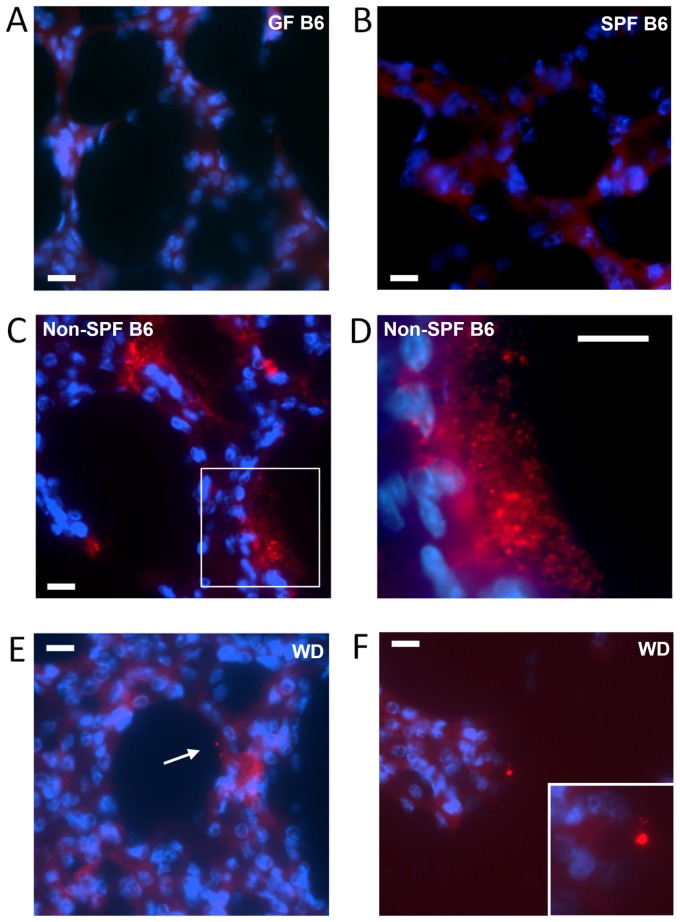
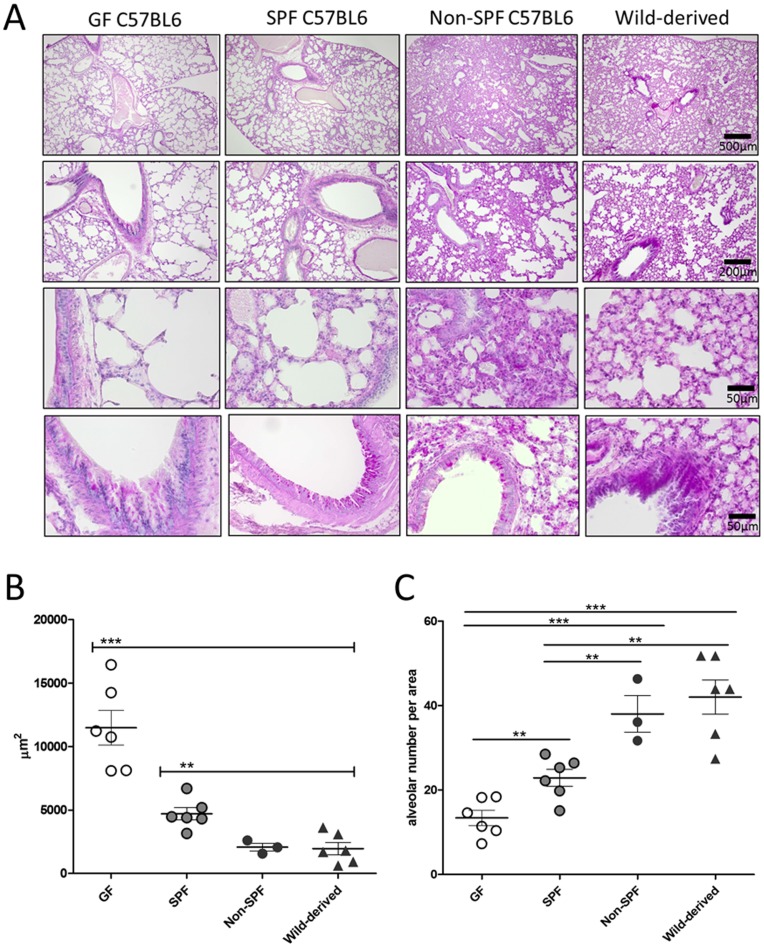
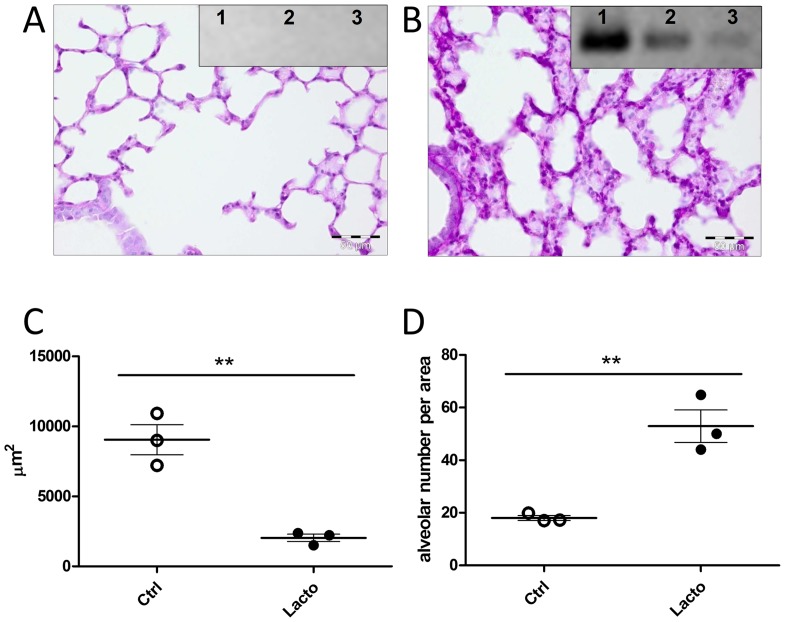
Commensal bacteria control the micro-ecology of metazoan epithelial surfaces with pivotal effect on tissue homeostasis and host defense. In contrast to the upper respiratory tract, the lower respiratory tract of healthy individuals has largely been considered free of microorganisms. To understand airway micro-ecology we studied microbiota of sterilely excised lungs from mice of different origin including outbred wild mice caught in the natural environment or kept under non-specific-pathogen-free (SPF) conditions as well as inbred mice maintained in non-SPF, SPF or germ-free (GF) facilities. High-throughput pyrosequencing of reverse transcribed 16S rRNA revealed metabolically active murine lung microbiota in all but GF mice. The overall composition across samples was similar at the phylum and family level. However, species richness was significantly different between lung microbiota from SPF and non-SPF mice. Non-cultivatable Betaproteobacteria such as Ralstonia spp. made up the major constituents and were also confirmed by 16S rRNA gene cloning analysis. Additionally, Pasteurellaceae, Enterobacteria and Firmicutes were isolated from lungs of non-SPF mice. Bacterial communities were detectable by fluorescent in situ hybridization (FISH) at alveolar epithelia in the absence of inflammation. Notably, higher bacterial abundance in non-SPF mice correlated with more and smaller size alveolae, which was corroborated by transplanting Lactobacillus spp. lung isolates into GF mice. Our data indicate a common microbial composition of murine lungs, which is diversified through different environmental conditions and affects lung architecture. Identification of the microbiota of murine lungs will pave the path to study their influence on pulmonary immunity to infection and allergens using mouse models.
Overview
The claims and statistics of this paper haven’t been checked yet.
Free: it reads the open-access text and checks the first 5 claims that cite a source we can check. Create a free account to check every claim.
Integrity signals
Registry
Cites
Statistics
Figures
Verification
Claims the paper makes
The claims and statistics of this paper haven’t been checked yet.
Free: it reads the open-access text and checks the first 5 claims that cite a source we can check. Create a free account to check every claim.
Claims other papers make about this one
Each is checked against this paper’s own text: does it say what the citing paper says it does?
The source backs part of the claim, not all of it — or backs it for a different population, condition or comparison.
In the citing paper
“The latter finding was supported by experiments in which the nasal cavities of germ-free mouse pups were colonized with Lactobacillus spp., after which the number of mature alveoli normalized5.”
From The microbiota of the respiratory tract: gatekeeper to respiratory health (2017) · cites this paper as [5]
Experimental — accuracy not yet measuredThe cited source says what the claim attributes to it.
In the citing paper
“The establishment of the respiratory microbiota is thought to have an effect on the morphogenesis of the respiratory tract.”
From The microbiota of the respiratory tract: gatekeeper to respiratory health (2017) · cites this paper as [5]
In the citing paper
“Indeed, germ-free rodents tend to have smaller lungs12 and a decreased number of mature alveoli5.”
From The microbiota of the respiratory tract: gatekeeper to respiratory health (2017) · cites this paper as [5]
Self-check
Percentages, sums and reported differences re-computed from the paper’s own numbers.
The self-check needs the paper’s full text.
Citations
Cites
Controlling the False Discovery Rate: A Practical and Powerful Approach to Multiple Testing
Benjamini, Y., & Hochberg, Y. (1995) · Journal of the Royal Statistical Society Series B: Statistical Methodology · doi:10.1111/j.2517-6161.1995.tb02031.x · Cited by 109,482 · cited 1×
“Statistical analysis of alpha diversity was performed using the Wilcoxon rank sum test followed by a correction for multiple testing [24].”
MethodQIIME allows analysis of high-throughput community sequencing data
Caporaso, J. G., Kuczynski, J., Stombaugh, J., Bittinger, K., Bushman, F. D., Costello, E. K., Fierer, N., Peña, A. G., Goodrich, J. K., Gordon, J. I., et al. (2010) · Nature Methods · doi:10.1038/nmeth.f.303 · Cited by 34,887 · cited 1×
“0 [18].”
UniFrac: a New Phylogenetic Method for Comparing Microbial Communities
Lozupone, C., & Knight, R. (2005) · Applied and Environmental Microbiology · doi:10.1128/aem.71.12.8228-8235.2005 · Cited by 8,227 · cited 1×
“Beta diversity analyses were performed using the Vegan R package [19] including the taxon (OTU)-based Bray-Curtis and Jaccard distances as well as the phylogenetic-based unweighted and weighted UniFrac distances [20].”
MethodVEGAN, a package of R functions for community ecology
Dixon, P. (2003) · Journal of Vegetation Science · doi:10.1111/j.1654-1103.2003.tb02228.x · Cited by 6,824 · cited 1×
“Beta diversity analyses were performed using the Vegan R package [19] including the taxon (OTU)-based Bray-Curtis and Jaccard distances as well as the phylogenetic-based unweighted and weighted UniFrac distances [20].”
MethodChanges of Intestinal Functions in Liver Cirrhosis
Fukui, H., & Wiest, R. (2016) · Inflammatory Intestinal Diseases · doi:10.1159/000444436 · Cited by 6,808
Turnbaugh, P. J., Ley, R. E., Hamady, M., Fraser-Liggett, C. M., Knight, R., & Gordon, J. I. (2007) · Nature · doi:10.1038/nature06244 · Cited by 6,091 · cited 1×
“To identify and compare the bacterial compositions in lower airway tissues of excised murine lungs, microbiological culture as well as culture-independent 16S rRNA gene sequencing was performed [15].”
BackgroundHost-Bacterial Mutualism in the Human Intestine
Bäckhed, F., Ley, R. E., Sonnenburg, J. L., Peterson, D. A., & Gordon, J. I. (2005) · Science · doi:10.1126/science.1104816 · Cited by 5,277
Interactions Between the Microbiota and the Immune System
Hooper, L. V., Littman, D. R., & Macpherson, A. J. (2012) · Science · doi:10.1126/science.1223490 · Cited by 4,173 · cited 1×
“Instruction of innate immune responses including epithelial defense function is also triggered by the presence of microbiota [31, 47].”
BackgroundEcological and Evolutionary Forces Shaping Microbial Diversity in the Human Intestine
Ley, R. E., Peterson, D. A., & Gordon, J. I. (2006) · Cell · doi:10.1016/j.cell.2006.02.017 · Cited by 3,358 · cited 1×
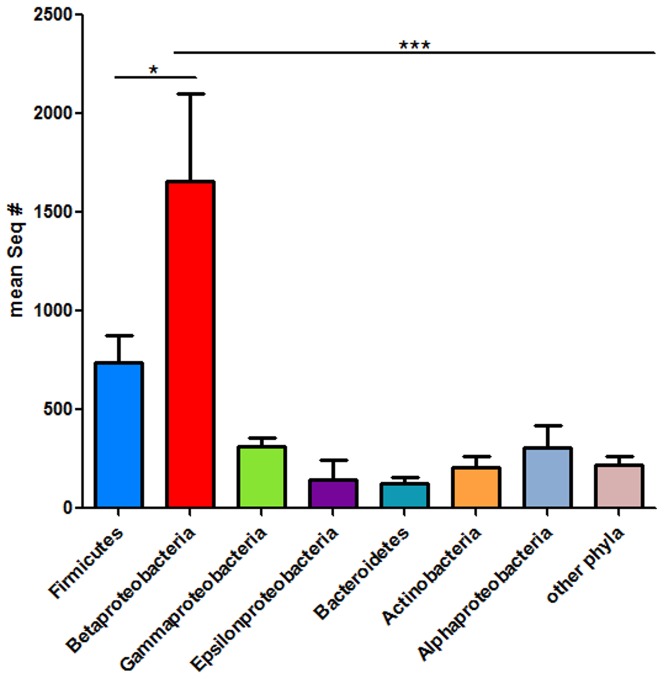
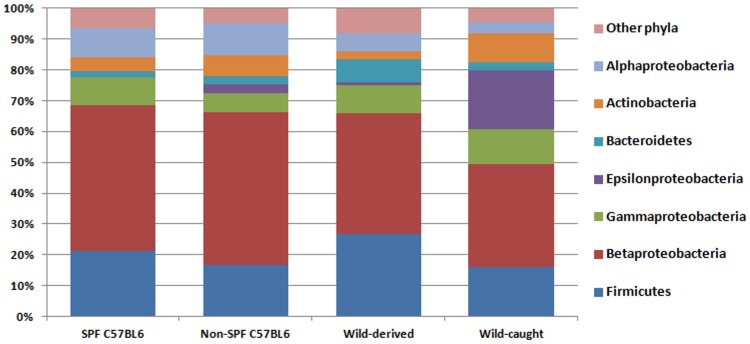
“Together, Firmicutes and Bacteroidetes represent 90–99% of the intestinal microbiota in humans and mice [36], but make up approximately 20% of the murine lung microbiota as determined by 454 sequencing (Figure 1).”
BackgroundNormal gut microbiota modulates brain development and behavior
Heijtz, R. D., Wang, S., Anuar, F., Qian, Y., Björkholm, B., Samuelsson, A., Hibberd, M. L., Forssberg, H., & Pettersson, S. (2011) · Proceedings of the National Academy of Sciences · doi:10.1073/pnas.1010529108 · Cited by 3,228 · cited 1×
“Effects of microbiota on organ development have recently been revealed for a number of tissues including the intestinal crypts, lymphoid tissue and the blood-brain barrier [45, 46].”
Background
Cited by
The microbiota of the respiratory tract: gatekeeper to respiratory health
Man, W. H., de Steenhuijsen Piters, W. A. A., & Bogaert, D. (2017) · Nature Reviews Microbiology · doi:10.1038/nrmicro.2017.14 · Cited by 1,384
“In addition to this symbiotic relationship, the respiratory microbiota probably has a role in the structural maturation of the respiratory tract 5 and in shaping local immunity 6,7 .”
BackgroundCommensal Microbiota Promote Lung Cancer Development via γδ T Cells
Jin, C., Lagoudas, G. K., Zhao, C., Bullman, S., Bhutkar, A., Hu, B., Ameh, S., Sandel, D., Liang, X. S., Mazzilli, S., et al. (2019) · Cell · doi:10.1016/j.cell.2018.12.040 · Cited by 964
The Role of Lung and Gut Microbiota in the Pathology of Asthma
Barcik, W., Boutin, R. C. T., Sokolowska, M., & Finlay, B. B. (2020) · Immunity · doi:10.1016/j.immuni.2020.01.007 · Cited by 613
Lung microbiome: new insights into the pathogenesis of respiratory diseases
Li, R., Li, J., & Zhou, X. (2024) · Signal Transduction and Targeted Therapy · doi:10.1038/s41392-023-01722-y · Cited by 434
“11 The dominant population and abundance of the microbiome differ in healthy and diseased lungs.”
BackgroundMicrobiome effects on immunity, health and disease in the lung
Shukla, S. D., Budden, K. F., Neal, R., & Hansbro, P. M. (2017) · Clinical & Translational Immunology · doi:10.1038/cti.2017.6 · Cited by 287
Metadata
- Authors
- Yun, Y., Srinivas, G., Kuenzel, S., Linnenbrink, M., Alnahas, S., Bruce, K. D., Steinhoff, U., Baines, J. F., & Schaible, U. E.
- Affiliations
- Research Center Borstel - Leibniz Lung Center (DE)
- Max Planck Institute for Evolutionary Biology (DE)
- Christian-Albrechts-Universität zu Kiel (DE)
- Philipps University of Marburg (DE)
- King's College London (GB)
- Corresponding author
- Schaible, Ulrich E.
- ORCID
- Venue
- PLoS ONE
- Publisher
- Public Library of Science (PLoS)
- Published
- 2014-12-03
- Volume
- 9
- Issue
- 12
- Pages
- e113466
- ISSN
- 1932-6203 (ISSN-L)
- PMC
- PMC4254600
- OpenAlex
- W2010481157
- Cited by
- 168
- References
- 49
- Citations by year
- 2026: 11 · 2025: 11 · 2024: 16 · 2023: 9 · 2022: 20 · 2021: 22 · 2020: 24 · 2019: 13 · 2018: 15 · 2017: 15 · 2016: 8 · 2015: 4
- FWCI
- 3.69
- Type
- journal article
- Language
- en
- Open access
- gold
- doi.org
- Locations
- PLoS ONE (publishedVersion, cc-by)
- PubMed Central (publishedVersion, cc-by)
- PubMed (publishedVersion)
- Research Portal (King's College London) (acceptedVersion, cc-by)
- DOAJ (DOAJ: Directory of Open Access Journals) (submittedVersion, cc-by-sa)
- Figshare (submittedVersion, cc-by)
- MPG.PuRe (Max Planck Society) (submittedVersion, other-oa)
- Topics
- Life Sciences › Biochemistry, Genetics and Molecular Biology › Molecular Biology › Gut microbiota and health
- Health Sciences › Dentistry › Periodontics › Oral microbiology and periodontitis research
- Physical Sciences › Environmental Science › Ecology › Microbial Community Ecology and Physiology
- Keywords
- lung microbiome, alveolar architecture, germ-free mice, wild mice, commensal bacteria, Ralstonia, Betaproteobacteria, species richness, alveolar epithelium, lung immunity
- MeSH terms
- Animals, Bacteria, Lung, Mice, Inbred C57BL, Molecular Sequence Data, Phylogeny, Pulmonary Alveoli, RNA, Ribosomal, 16S, Specific Pathogen-Free Organisms, Sequence Analysis, RNA, Mice, High-Throughput Nucleotide Sequencing, Microbiota
About these checks
Registry, retraction, Cites and statistics results are computed, not judged, with one exception: a printed reference that no index lists is read once by a model before it counts as a citation error. Claims are extracted by a model and kept only when their quote appears verbatim in the text; each cited source is then checked, with a model’s help, for whether it says what the claim relies on. Those verdicts can be wrong — read the claim’s quote and the cited source before relying on one.
Statistics and arithmetic are recomputed, not judged.
Confidence bands are shown only for fields calibrated on our annotated test set. None is calibrated yet, so no band is shown.
What counts as a claim ›How we measure confidence ›How we check this ›
Are you an author, or do you see a problem with this page? Request a review
Data sources
Bibliographic data: Semantic Scholar, OpenAlex, Crossref.
Contains information from the Semantic Scholar Academic Graph Datasets, made available under the ODC Attribution License (ODC-BY 1.0).
Semantic Scholar’s data is described in: Kinney, R., et al. (2023). The Semantic Scholar Open Data Platform. arXiv:2301.10140.
