

Environmentally Determined Differences in the Murine Lung Microbiota and Their Relation to Alveolar Architecture
Open accessThe DOI matches its Crossref record; 49 of the 49 references it cites were found in a registry or an index.
Abstract
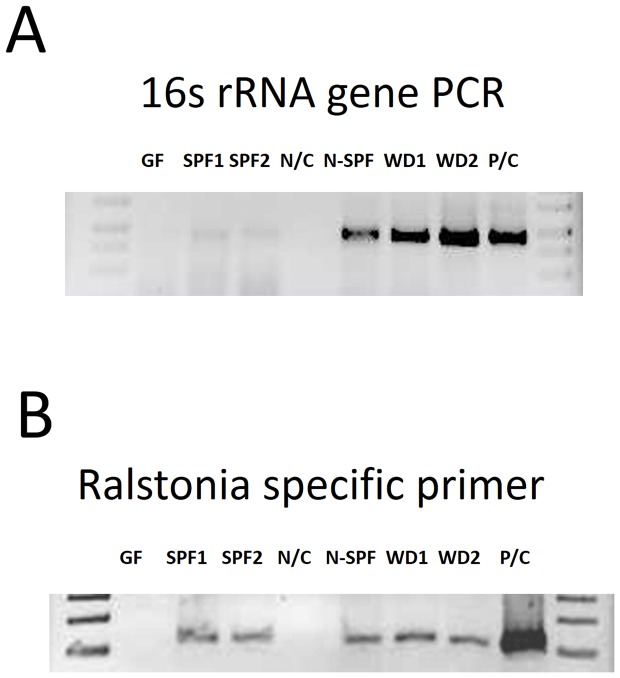
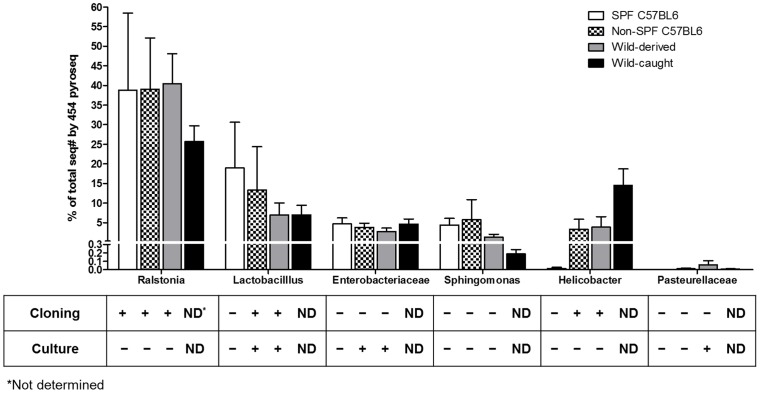
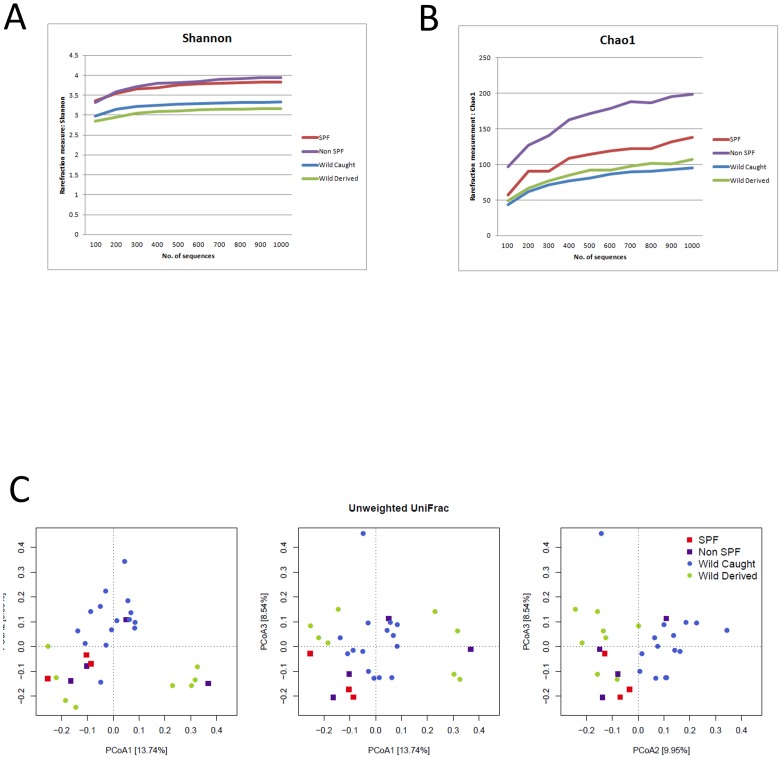
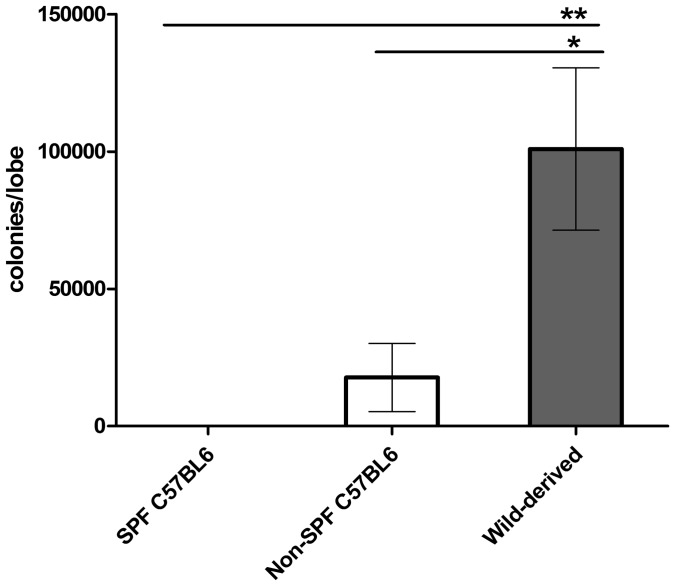
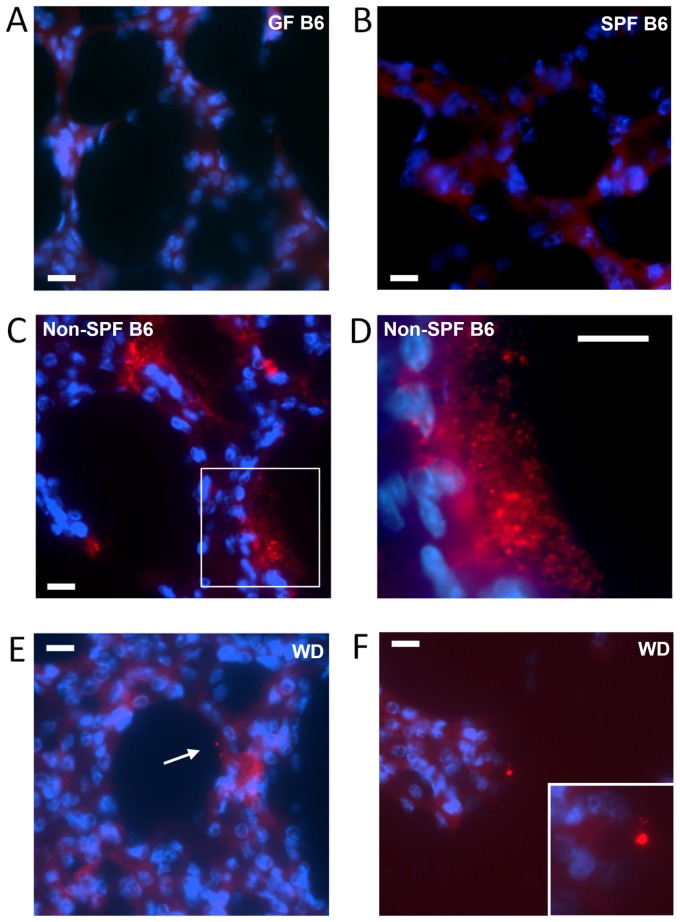
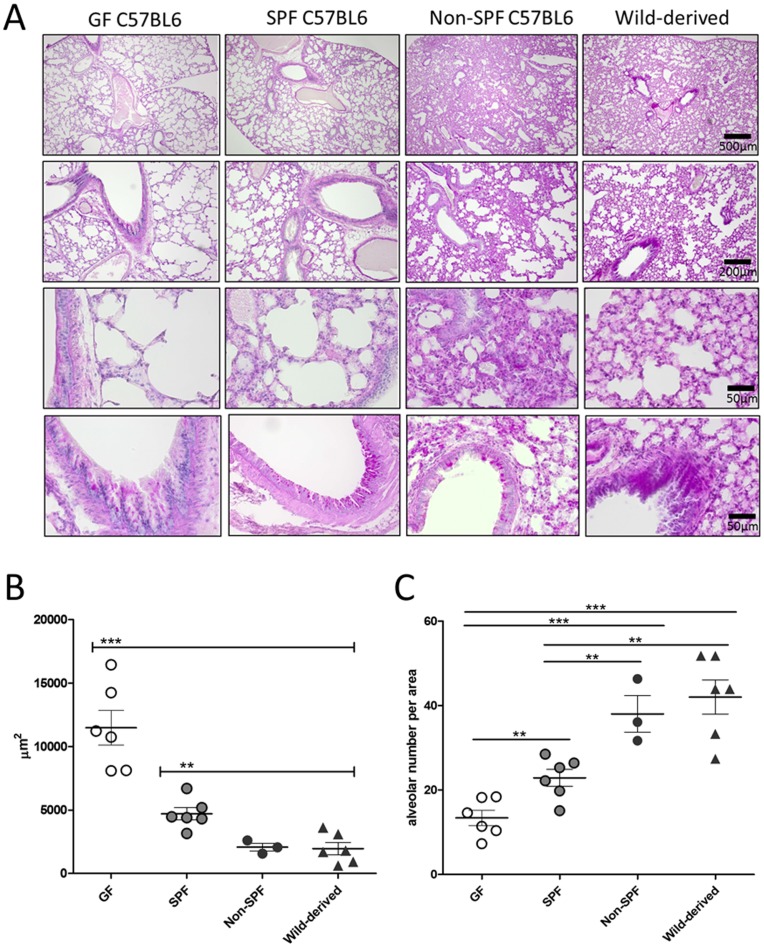
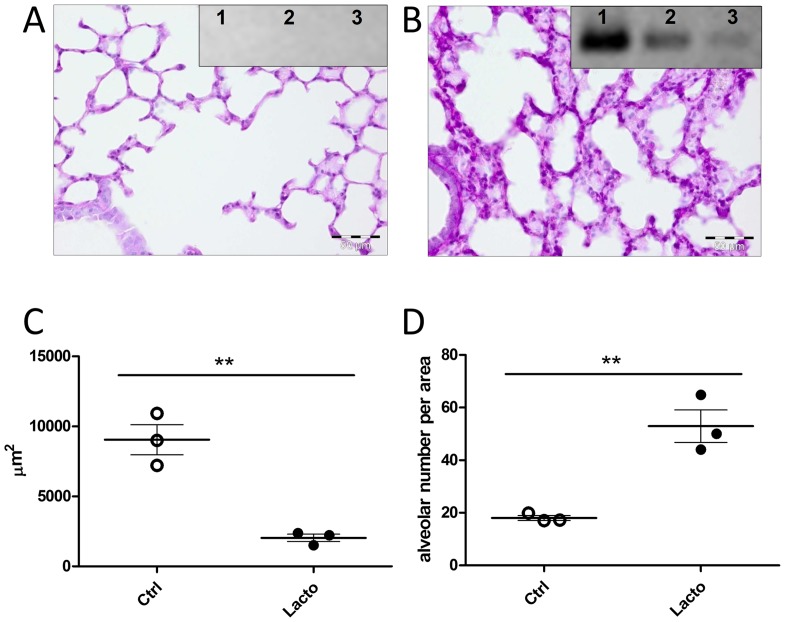
Commensal bacteria control the micro-ecology of metazoan epithelial surfaces with pivotal effect on tissue homeostasis and host defense. In contrast to the upper respiratory tract, the lower respiratory tract of healthy individuals has largely been considered free of microorganisms. To understand airway micro-ecology we studied microbiota of sterilely excised lungs from mice of different origin including outbred wild mice caught in the natural environment or kept under non-specific-pathogen-free (SPF) conditions as well as inbred mice maintained in non-SPF, SPF or germ-free (GF) facilities. High-throughput pyrosequencing of reverse transcribed 16S rRNA revealed metabolically active murine lung microbiota in all but GF mice. The overall composition across samples was similar at the phylum and family level. However, species richness was significantly different between lung microbiota from SPF and non-SPF mice. Non-cultivatable Betaproteobacteria such as Ralstonia spp. made up the major constituents and were also confirmed by 16S rRNA gene cloning analysis. Additionally, Pasteurellaceae, Enterobacteria and Firmicutes were isolated from lungs of non-SPF mice. Bacterial communities were detectable by fluorescent in situ hybridization (FISH) at alveolar epithelia in the absence of inflammation. Notably, higher bacterial abundance in non-SPF mice correlated with more and smaller size alveolae, which was corroborated by transplanting Lactobacillus spp. lung isolates into GF mice. Our data indicate a common microbial composition of murine lungs, which is diversified through different environmental conditions and affects lung architecture. Identification of the microbiota of murine lungs will pave the path to study their influence on pulmonary immunity to infection and allergens using mouse models.
Overview
The claims and statistics of this paper haven’t been checked yet.
Free: it reads the open-access text and checks the first 5 claims that cite a source we can check. Create a free account to check every claim.
Integrity signals
Registry
Cites
Statistics
Figures
Verification
Claims the paper makes
The claims and statistics of this paper haven’t been checked yet.
Free: it reads the open-access text and checks the first 5 claims that cite a source we can check. Create a free account to check every claim.
Claims other papers make about this one
Each is checked against this paper’s own text: does it say what the citing paper says it does?
The source backs part of the claim, not all of it — or backs it for a different population, condition or comparison.
In the citing paper
“The latter finding was supported by experiments in which the nasal cavities of germ-free mouse pups were colonized with Lactobacillus spp., after which the number of mature alveoli normalized5.”
From The microbiota of the respiratory tract: gatekeeper to respiratory health (2017) · cites this paper as [5]
Experimental — accuracy not yet measuredThe cited source says what the claim attributes to it.
In the citing paper
“The establishment of the respiratory microbiota is thought to have an effect on the morphogenesis of the respiratory tract.”
From The microbiota of the respiratory tract: gatekeeper to respiratory health (2017) · cites this paper as [5]
In the citing paper
“Indeed, germ-free rodents tend to have smaller lungs12 and a decreased number of mature alveoli5.”
From The microbiota of the respiratory tract: gatekeeper to respiratory health (2017) · cites this paper as [5]
Self-check
Percentages, sums and reported differences re-computed from the paper’s own numbers.
The self-check needs the paper’s full text.
Citations
Cites
Controlling the False Discovery Rate: A Practical and Powerful Approach to Multiple Testing
Benjamini, Y., & Hochberg, Y. (1995) · Journal of the Royal Statistical Society Series B: Statistical Methodology · doi:10.1111/j.2517-6161.1995.tb02031.x · Cited by 109,482 · cited 1×
“Statistical analysis of alpha diversity was performed using the Wilcoxon rank sum test followed by a correction for multiple testing [24].”
MethodQIIME allows analysis of high-throughput community sequencing data
Caporaso, J. G., Kuczynski, J., Stombaugh, J., Bittinger, K., Bushman, F. D., Costello, E. K., Fierer, N., Peña, A. G., Goodrich, J. K., Gordon, J. I., et al. (2010) · Nature Methods · doi:10.1038/nmeth.f.303 · Cited by 34,887 · cited 1×
“0 [18].”
UniFrac: a New Phylogenetic Method for Comparing Microbial Communities
Lozupone, C., & Knight, R. (2005) · Applied and Environmental Microbiology · doi:10.1128/aem.71.12.8228-8235.2005 · Cited by 8,227 · cited 1×
“Beta diversity analyses were performed using the Vegan R package [19] including the taxon (OTU)-based Bray-Curtis and Jaccard distances as well as the phylogenetic-based unweighted and weighted UniFrac distances [20].”
MethodVEGAN, a package of R functions for community ecology
Dixon, P. (2003) · Journal of Vegetation Science · doi:10.1111/j.1654-1103.2003.tb02228.x · Cited by 6,824 · cited 1×
“Beta diversity analyses were performed using the Vegan R package [19] including the taxon (OTU)-based Bray-Curtis and Jaccard distances as well as the phylogenetic-based unweighted and weighted UniFrac distances [20].”
MethodChanges of Intestinal Functions in Liver Cirrhosis
Fukui, H., & Wiest, R. (2016) · Inflammatory Intestinal Diseases · doi:10.1159/000444436 · Cited by 6,808
Turnbaugh, P. J., Ley, R. E., Hamady, M., Fraser-Liggett, C. M., Knight, R., & Gordon, J. I. (2007) · Nature · doi:10.1038/nature06244 · Cited by 6,091 · cited 1×
“To identify and compare the bacterial compositions in lower airway tissues of excised murine lungs, microbiological culture as well as culture-independent 16S rRNA gene sequencing was performed [15].”
BackgroundHost-Bacterial Mutualism in the Human Intestine
Bäckhed, F., Ley, R. E., Sonnenburg, J. L., Peterson, D. A., & Gordon, J. I. (2005) · Science · doi:10.1126/science.1104816 · Cited by 5,277
Interactions Between the Microbiota and the Immune System
Hooper, L. V., Littman, D. R., & Macpherson, A. J. (2012) · Science · doi:10.1126/science.1223490 · Cited by 4,173 · cited 1×
“Instruction of innate immune responses including epithelial defense function is also triggered by the presence of microbiota [31, 47].”
BackgroundEcological and Evolutionary Forces Shaping Microbial Diversity in the Human Intestine
Ley, R. E., Peterson, D. A., & Gordon, J. I. (2006) · Cell · doi:10.1016/j.cell.2006.02.017 · Cited by 3,358 · cited 1×
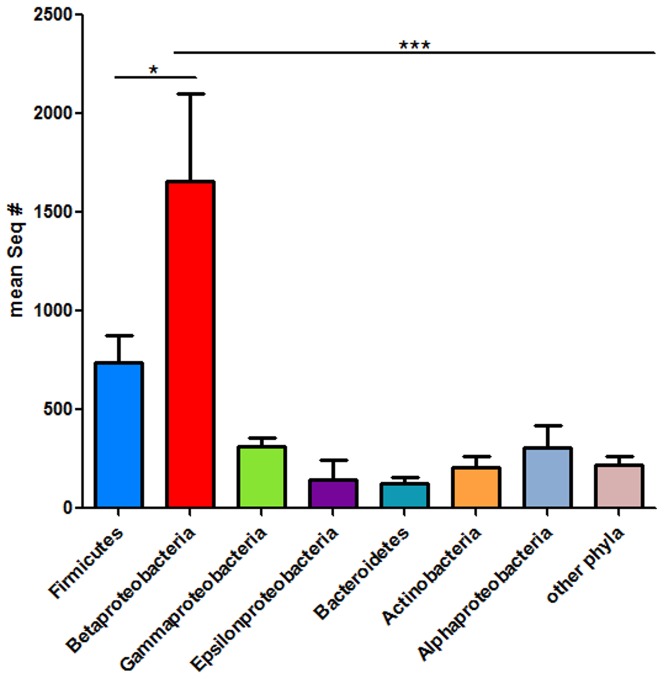
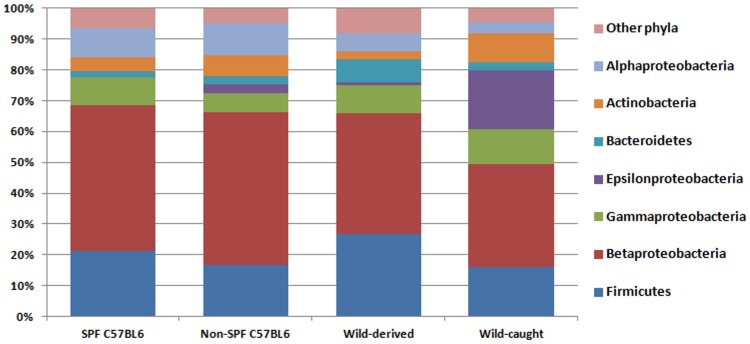
“Together, Firmicutes and Bacteroidetes represent 90–99% of the intestinal microbiota in humans and mice [36], but make up approximately 20% of the murine lung microbiota as determined by 454 sequencing (Figure 1).”
BackgroundNormal gut microbiota modulates brain development and behavior
Heijtz, R. D., Wang, S., Anuar, F., Qian, Y., Björkholm, B., Samuelsson, A., Hibberd, M. L., Forssberg, H., & Pettersson, S. (2011) · Proceedings of the National Academy of Sciences · doi:10.1073/pnas.1010529108 · Cited by 3,228 · cited 1×
“Effects of microbiota on organ development have recently been revealed for a number of tissues including the intestinal crypts, lymphoid tissue and the blood-brain barrier [45, 46].”
Background
Cited by
The microbiota of the respiratory tract: gatekeeper to respiratory health
Man, W. H., de Steenhuijsen Piters, W. A. A., & Bogaert, D. (2017) · Nature Reviews Microbiology · doi:10.1038/nrmicro.2017.14 · Cited by 1,384
“In addition to this symbiotic relationship, the respiratory microbiota probably has a role in the structural maturation of the respiratory tract 5 and in shaping local immunity 6,7 .”
BackgroundCommensal Microbiota Promote Lung Cancer Development via γδ T Cells
Jin, C., Lagoudas, G. K., Zhao, C., Bullman, S., Bhutkar, A., Hu, B., Ameh, S., Sandel, D., Liang, X. S., Mazzilli, S., et al. (2019) · Cell · doi:10.1016/j.cell.2018.12.040 · Cited by 964
The Role of Lung and Gut Microbiota in the Pathology of Asthma
Barcik, W., Boutin, R. C. T., Sokolowska, M., & Finlay, B. B. (2020) · Immunity · doi:10.1016/j.immuni.2020.01.007 · Cited by 613
Lung microbiome: new insights into the pathogenesis of respiratory diseases
Li, R., Li, J., & Zhou, X. (2024) · Signal Transduction and Targeted Therapy · doi:10.1038/s41392-023-01722-y · Cited by 434
“11 The dominant population and abundance of the microbiome differ in healthy and diseased lungs.”
BackgroundMicrobiome effects on immunity, health and disease in the lung
Shukla, S. D., Budden, K. F., Neal, R., & Hansbro, P. M. (2017) · Clinical & Translational Immunology · doi:10.1038/cti.2017.6 · Cited by 287
Desired Turbulence? Gut-Lung Axis, Immunity, and Lung Cancer
Bingula, R., Filaire, M., Radosevic-Robin, N., Bey, M., Berthon, J.-Y., Bernalier-Donadille, A., Vasson, M.-P., & Filaire, E. (2017) · Journal of Oncology · doi:10.1155/2017/5035371 · Cited by 270
“At this stage, it is also important to consider that the lungs of these mice are also germ-free [86], devoid of all microbiota that might normally play a role in stimulating lung immunity.”
BackgroundMa, Z., Zuo, T., Frey, N., & Rangrez, A. Y. (2024) · Signal Transduction and Targeted Therapy · doi:10.1038/s41392-024-01946-6 · Cited by 259
“252,253 In room air, GF and CONV-R mice exhibit similar lung development and function, along with comparable pulmonary vascularization in both normoxia and hyperoxia; however, GF mice demonstrate reduced hyperoxia-induced lung injury and improved lung function compared to CONV-R mice.”
BackgroundYildiz, S., Mazel-Sanchez, B., Kandasamy, M., Manicassamy, B., & Schmolke, M. (2018) · Microbiome · doi:10.1186/s40168-017-0386-z · Cited by 264
Paradigms of Lung Microbiota Functions in Health and Disease, Particularly, in Asthma
Mathieu, E., Escribano-Vazquez, U., Descamps, D., Cherbuy, C., Langella, P., Riffault, S., Remot, A., & Thomas, M. (2018) · Frontiers in Physiology · doi:10.3389/fphys.2018.01168 · Cited by 233
The Airway Microbiome at Birth
Lal, C. V., Travers, C., Aghai, Z. H., Eipers, P., Jilling, T., Halloran, B., Carlo, W. A., Keeley, J., Rezonzew, G., Kumar, R., et al. (2016) · Scientific Reports · doi:10.1038/srep31023 · Cited by 192
Methods in Lung Microbiome Research
Carney, S. M., Clemente, J. C., Cox, M. J., Dickson, R. P., Huang, Y. J., Kitsios, G. D., Kloepfer, K. M., Leung, J. M., LeVan, T. D., Molyneaux, P. L., et al. (2020) · American Journal of Respiratory Cell and Molecular Biology · doi:10.1165/rcmb.2019-0273tr · Cited by 184
Bacteria isolated from lung modulate asthma susceptibility in mice
Remot, A., Descamps, D., Noordine, M.-L., Boukadiri, A., Mathieu, E., Robert, V., Riffault, S., Lambrecht, B., Langella, P., Hammad, H., et al. (2017) · The ISME Journal · doi:10.1038/ismej.2016.181 · Cited by 107
“To our knowledge, only one other study has described the culture of living bacterial strains from adult mouse lungs (Yun et al., 2014).”
BackgroundResultInfluentialImpact of diet and the bacterial microbiome on the mucous barrier and immune disorders
Alemao, C. A., Budden, K. F., Gomez, H. M., Rehman, S. F., Marshall, J. E., Shukla, S. D., Donovan, C., Forster, S. C., Yang, I. A., Keely, S., et al. (2020) · Allergy · doi:10.1111/all.14548 · Cited by 117
Composition and immunological significance of the upper respiratory tract microbiota
Schenck, L. P., Surette, M. G., & Bowdish, D. M. E. (2016) · FEBS Letters · doi:10.1002/1873-3468.12455 · Cited by 118
“Interestingly studies in germ-free mice have demonstrated that the microbiota is required for normal physiological development of the organs such as the gut, lung, and brain [6].”
Neonatal gut and respiratory microbiota: coordinated development through time and space
Grier, A., McDavid, A., Wang, B., Qiu, X., Java, J., Bandyopadhyay, S., Yang, H., Holden-Wiltse, J., Kessler, H. A., Gill, A. L., et al. (2018) · Microbiome · doi:10.1186/s40168-018-0566-5 · Cited by 97
The impact of lung microbiota dysbiosis on inflammation
Yang, D., Xing, Y., Song, X., & Qian, Y. (2019) · Immunology · doi:10.1111/imm.13139 · Cited by 109
Collins, J. J. P., Tibboel, D., de Kleer, I. M., Reiss, I. K. M., & Rottier, R. J. (2017) · Frontiers in Medicine · doi:10.3389/fmed.2017.00061 · Cited by 101
“The beneficial impact of the lung microbiome and specifically Lactobacilli on lung development is supported by a study in mice, where there was a positive correlation between microbial abundance and lung development (163).”
BackgroundThe microbiome: an integral player in immune homeostasis and inflammation in the respiratory tract
Perdijk, O., Azzoni, R., & Marsland, B. J. (2023) · Physiological Reviews · doi:10.1152/physrev.00020.2023 · Cited by 105
Canani, R. B., Caminati, M., Carucci, L., & Eguíluz‐Gracia, I. (2024) · Allergy · doi:10.1111/all.16092 · Cited by 95
Linking microbiota and respiratory disease
Hauptmann, M., & Schaible, U. E. (2016) · FEBS Letters · doi:10.1002/1873-3468.12421 · Cited by 89
Self-citationZhou, Y. Q., Zhang, M., Liu, Q., & Feng, J. (2020) · Poultry Science · doi:10.1016/j.psj.2020.11.026 · Cited by 86
“In addition, the upper respiratory microbiota may also play a role in the maintenance of a integrity structure in the upper respiratory tract (Yun, 2014) and shaping local immunity (Olszak, 2012; Gollwitzer, 2014).”
BackgroundOlfactory epithelium changes in germfree mice
François, A., Grébert, D., Rhimi, M., Mariadassou, M., Naudon, L., Rabot, S., & Meunier, N. (2016) · Scientific Reports · doi:10.1038/srep24687 · Cited by 83
Vientós‐Plotts, A. I., Ericsson, A. C., Rindt, H., Grobman, M., Graham, A. M., Bishop, K., Cohn, L. A., & Reinero, C. R. (2017) · PLoS ONE · doi:10.1371/journal.pone.0173818 · Cited by 76
Daniel, S., Phillippi, D., Schneider, L. J., Nguyen, K. N., Mirpuri, J., & Lund, A. K. (2021) · Particle and Fibre Toxicology · doi:10.1186/s12989-020-00393-9 · Cited by 75
The Murine Lung Microbiome Changes During Lung Inflammation and Intranasal Vancomycin Treatment
Barfod, K. K., Vrankx, K., Mirsepasi-Lauridsen, H. C., Hansen, J. S., Hougaard, K. S., Larsen, S. T., Ouwenhand, A. C., & Krogfelt, K. A. (2015) · The Open Microbiology Journal · doi:10.2174/1874285801509010167 · Cited by 65
“Even though some of the antibiotics will be swallowed after intra nasal exposure and thus may affect the GM, the DGGE profiles of GM the IN groups is not different from the i.n. PBS groups.”
The development of lower respiratory tract microbiome in mice
Singh, N., Vats, A., Sharma, A., Arora, A., & Kumar, A. (2017) · Microbiome · doi:10.1186/s40168-017-0277-3 · Cited by 77
“Furthermore, it should be noted that an earlier study has observed that the murine lung microbiome influences the alveolar number and size [49].”
Toulmin, S. A., Bhadiadra, C., Paris, A. J., Lin, J. H., Katzen, J. B., Basil, M. C., Morrisey, E. E., Worthen, G. S., & Eisenlohr, L. C. (2021) · Nature Communications · doi:10.1038/s41467-021-23619-6 · Cited by 62
Genomics, microbiomics, proteomics, and metabolomics in bronchopulmonary dysplasia
Lal, C. V., Bhandari, V., & Ambalavanan, N. (2018) · Seminars in Perinatology · doi:10.1053/j.semperi.2018.09.004 · Cited by 61
Microbiome dysbiosis and epigenetic modulations in lung cancer: From pathogenesis to therapy
Khan, F. H., Bhat, B. A., Sheikh, B. A., Tariq, L., Padmanabhan, R., Verma, J. P., Shukla, A. C., Dowlati, A., & Abbas, A. (2021) · Seminars in Cancer Biology · doi:10.1016/j.semcancer.2021.07.005 · Cited by 65
From germ-free to wild: modulating microbiome complexity to understand mucosal immunology
Thomson, C. A., Morgan, S., Ohland, C., & McCoy, K. D. (2022) · Mucosal Immunology · doi:10.1038/s41385-022-00562-3 · Cited by 62
“In contrast to the intestine, the lung microbiota was relatively similar between SPF, wild-derived and wild-caught mice, with Betaproteobacteria being the most abundant phylum across multiple hygiene status, followed by Firmicutes.125 Ralstonia was the most abundant genus in SPF, wild-derived and wild-caught mice, fol…”
Capasso, L., Vento, G., Loddo, C., Tirone, C., Iavarone, F., Raimondi, F., Dani, C., & Fanos, V. (2019) · Frontiers in Pediatrics · doi:10.3389/fped.2019.00030 · Cited by 61
“Moreover, a study in mice reported that the injection of Lactobacilli into the lungs could improve alveolar development (55).”
BackgroundPerspectives for personalized therapy for patients with multidrug‐resistant tuberculosis
Lange, C. G., Alghamdi, W. A., Al‐Shaer, M. H., Brighenti, S., Diacon, A. H., DiNardo, A. R., Grobbel, H.-P., Gröschel, M. I., von Groote-Bidlingmaier, F., Hauptmann, M., et al. (2018) · Journal of Internal Medicine · doi:10.1111/joim.12780 · Cited by 54
Self-citationBaker, J. M., Hinkle, K. J., McDonald, R. A., Brown, C. A., Falkowski, N. R., Huffnagle, G. B., & Dickson, R. P. (2021) · Microbiome · doi:10.1186/s40168-021-01055-4 · Cited by 58
The Lung Is Protected from Spontaneous Inflammation by Autophagy in Myeloid Cells
Kanayama, M., He, Y.-W., & Shinohara, M. L. (2015) · The Journal of Immunology · doi:10.4049/jimmunol.1403249 · Cited by 49
Bernard, L., Colom, A., Monard, S., Namouchi, A., Cescato, M., Garnier, H., Leon‐Icaza, S. A., Métais, A., Dumas, A., Corral, D., et al. (2021) · The Journal of Immunology · doi:10.4049/jimmunol.2001044 · Cited by 54
Microbial communities in swine lungs and their association with lung lesions
Huang, T., Zhang, M., Tong, X., Chen, J., Yan, G., Fang, S., Guo, Y., Yang, B., Xiao, S., Chen, C., et al. (2018) · Microbial Biotechnology · doi:10.1111/1751-7915.13353 · Cited by 49
“In mice, it was reported that Lactobacillus isolates from the murine lung lead to alterations in alveolar numbers and size and mucus production (Yun et al., 2014).”
BackgroundOxidative Stress in Preterm Infants: Overview of Current Evidence and Future Prospects
Falsaperla, R., Lombardo, F., Filosco, F., Romano, C., Saporito, M. A. N., Puglisi, F., Piro, E., Ruggieri, M., & Pavone, P. (2020) · Pharmaceuticals · doi:10.3390/ph13070145 · Cited by 50
Mouse models of acute exacerbations of allergic asthma
Kumar, R. K., Herbert, C. A., & Foster, P. S. (2016) · Respirology · doi:10.1111/resp.12760 · Cited by 45
Development of a Stable Lung Microbiome in Healthy Neonatal Mice
Kostrić, M., Milger, K., Krauss‐Etschmann, S., Engel, M., Vestergaard, G., Schloter, M., & Schöler, A. (2017) · Microbial Ecology · doi:10.1007/s00248-017-1068-x · Cited by 52
Impact of the Respiratory Microbiome on Host Responses to Respiratory Viral Infection
Pichon, M., Lina, B., & Josset, L. (2017) · Vaccines · doi:10.3390/vaccines5040040 · Cited by 47
“Several studies indicate that the lung bacterial microbiota influences lung morphology, function and mucosal lymphoid tissue development [16,17].”
BackgroundAltered Airway Microbiota Composition in Patients With Pulmonary Hypertension
Zhang, C., Zhang, T., Lu, W., Duan, X., Luo, X., Liu, S., Chen, Y., Li, Y., Chen, J., Liao, J., et al. (2020) · Hypertension · doi:10.1161/hypertensionaha.120.15025 · Cited by 44
“Then, studies showed that alveolar develops gradually to normal condition after Lactobacillus spp is seeded in the nasal cavity.(5) Moreover, although the number of bacteria in the lungs is significantly lower than those in intestines due to nutritional deficiency, the bacterial environment in upper and lower respirat…”
BackgroundResultThe Airway Microbiome-IL-17 Axis: a Critical Regulator of Chronic Inflammatory Disease
Mannion, J. M., McLoughlin, R. M., & Lalor, S. J. (2022) · Clinical Reviews in Allergy & Immunology · doi:10.1007/s12016-022-08928-y · Cited by 43
“The importance of the microbiota in lung development was revealed by the significantly reduced number and structure of alveoli, and decreased mucus production, in GF mice compared to conventionally-housed mice or their wild counterparts [3].”
BackgroundComparing microbiotas in the upper aerodigestive and lower respiratory tracts of lambs
Glendinning, L., Collie, D., Wright, S. H., Rutherford, K., & McLachlan, G. (2017) · Microbiome · doi:10.1186/s40168-017-0364-5 · Cited by 49
“Mice and rats have been used to explore the relationship between the lung microbiota and airway inflammation [2–4], microbiota at different body sites [5], the environment [6], acute lung injury [7] and antibiotic [8] and corticosteroid exposure [9].”
MethodDrajac, C., Laubreton, D., Riffault, S., & Descamps, D. (2017) · Journal of Immunology Research · doi:10.1155/2017/8734504 · Cited by 44
“suggest that bacteria influence lung development and barrier functions [44].”
BackgroundThe role of the respiratory microbiome in asthma
Campbell, C. D., Gleeson, M., & Sulaiman, I. (2023) · Frontiers in Allergy · doi:10.3389/falgy.2023.1120999 · Cited by 45
“The respiratory microbiome is formed at birth, with rapid development in the first weeks of life, with evidence that it is essential for normal lung development (6).”
BackgroundYildiz, S., Bonifacio, J. P. P., Bergé, M., González‐Ruiz, V., Baud, D., Kloehn, J., Boal‐Carvalho, I., Schären, O. P., Schotsaert, M., Hathaway, L. J., et al. (2020) · eLife · doi:10.7554/elife.53581 · Cited by 47
Exploration of lung mycobiome in the patients with non-small-cell lung cancer
Zhao, Y., Yi, J., Xiang, J., Jia, W. P., Chen, A., Chen, L., Zheng, L., Zhou, W. H., Wu, M., Yu, Z., et al. (2023) · BMC Microbiology · doi:10.1186/s12866-023-02790-4 · Cited by 37
“It reported that the common microbial composition of lungs contains environment-microorganism and the composition of respiratory microbiota is influenced by environmental factors [45, 46].”
BackgroundVitamin D and allergic airway disease shape the murine lung microbiome in a sex-specific manner
Roggenbuck, M., Anderson, D. R., Barfod, K. K., Feelisch, M., Geldenhuys, S., Sørensen, S. J., Weeden, C. E., Hart, P. H., & Gorman, S. (2016) · Respiratory Research · doi:10.1186/s12931-016-0435-3 · Cited by 31
“With the small biomass of bacteria expected in the lungs of specificpathogen-free naïve mice [58], there could also be problems associated with low yield DNA introduced through bacterial contamination of commercially purchased products (eg.”
BackgroundA clinicians’ review of the respiratory microbiome
Campbell, C. D., Barnett, C. R., & Sulaiman, I. (2022) · Breathe · doi:10.1183/20734735.0161-2021 · Cited by 38
Altered respiratory microbiota composition and functionality associated with asthma early in life
Bataineh, M. T. A., Hamoudi, R., Dash, N. R., Ramakrishnan, R. K., Almasalmeh, M. A., Sharif, H. A., Al‐Hajjaj, M. S., & Hamid, Q. A. (2020) · BMC Infectious Diseases · doi:10.1186/s12879-020-05427-3 · Cited by 37
Lungs, Microbes and the Developing Neonate
Warner, B. B., & Hamvas, A. (2015) · Neonatology · doi:10.1159/000381124 · Cited by 31
Airway Macrophage and Dendritic Cell Subsets in the Resting Human Lung
Patel, V. I., & Metcalf, J. P. (2018) · Critical Reviews in Immunology · doi:10.1615/critrevimmunol.2018026459 · Cited by 38
Integrating multiomics longitudinal data to reconstruct networks underlying lung development
Ding, J., Ahangari, F., Espinoza, C. R., Chhabra, D., Nicola, T., Yan, X., Lal, C. V., Hagood, J. S., Kaminski, N., Bar‐Joseph, Z., et al. (2019) · American Journal of Physiology-Lung Cellular and Molecular Physiology · doi:10.1152/ajplung.00554.2018 · Cited by 30
“An alternative option is that the activation of innate immunity pathways, regardless of the pathogens the lung is exposed to, is an inherent part of the developmental program (42).”
BackgroundPerspectives on Probiotics and Bronchopulmonary Dysplasia
Yang, K., & Dong, W. (2020) · Frontiers in Pediatrics · doi:10.3389/fped.2020.570247 · Cited by 32
“may also alter alveolar structure and regulate alveolar growth (86).”
BackgroundZheng, L., Xu, J., Sai, B., Zhu, Y., Wang, L., Yin, N., Yu, F., Zhou, W. H., Wu, M., Tang, J., et al. (2020) · Frontiers in Oncology · doi:10.3389/fonc.2020.531131 · Cited by 33
“Pasteurellaceae, Enterobacteria, and Firmicutes were isolated from lungs of non-SPF mice (21).”
BackgroundInfluentialTavárez, Z. Q., Li, D., Croft, D. P., Gill, S. R., Ossip, D. J., & Rahman, I. (2020) · Frontiers in Microbiology · doi:10.3389/fmicb.2020.589501 · Cited by 31
Agaro-Oligosaccharides Regulate Gut Microbiota and Adipose Tissue Accumulation in Mice
Higashimura, Y., Baba, Y., Inoüe, R., Takagi, T., Mizushima, K., Ohnogi, H., Honda, A., Matsuzaki, Y., & Naito, Y. (2017) · Journal of Nutritional Science and Vitaminology · doi:10.3177/jnsv.63.269 · Cited by 25
Predicting BPD: Lessons Learned From the Airway Microbiome of Preterm Infants
Gentle, S. J., & Lal, C. V. (2020) · Frontiers in Pediatrics · doi:10.3389/fped.2019.00564 · Cited by 29
“Instillation of Lactobacilli into adult wild-type mice lungs preserves alveolar architecture compared to germ-free mice controls (39).”
BackgroundCellular and humoral biomarkers of Bronchopulmonary Dysplasia
Lal, C. V., & Ambalavanan, N. (2016) · Early Human Development · doi:10.1016/j.earlhumdev.2016.12.003 · Cited by 27
Long, Y., Wang, G., Li, K., Zhang, Z., Zhang, P., Zhang, J., Zhang, X., Bao, Y., Yang, X., & Wang, P. (2018) · Cell Cycle · doi:10.1080/15384101.2018.1496743 · Cited by 25
“Yun et al demonstrated that differences in bacterial composition in mouse lungs could affect lung development and the alveolar structure [8].”
BackgroundSager, M., Benten, W. P. M., Engelhardt, E., Gougoula, C., & Benga, L. (2015) · PLoS ONE · doi:10.1371/journal.pone.0138778 · Cited by 27
“Although all three species used in this study belong to the normal murine respiratory tract microbiota as shown recently [43], only [P.”
BackgroundThree distinct pneumotypes characterize the microbiome of the lung in BALB/cJ mice
Scheiermann, J., & Klinman, D. M. (2017) · PLoS ONE · doi:10.1371/journal.pone.0180561 · Cited by 27
André, A., Mouton, A., Millien, V., & MICHAUX, J. R. (2017) · Infection Genetics and Evolution · doi:10.1016/j.meegid.2017.04.011 · Cited by 22
Daniel, S., Pusadkar, V., McDonald, J. D., Mirpuri, J., Azad, R. K., Goven, A., & Lund, A. K. (2021) · Ecotoxicology and Environmental Safety · doi:10.1016/j.ecoenv.2021.112035 · Cited by 21
T Lymphocytes, Multi-Omic Interactions and Bronchopulmonary Dysplasia
Toldi, G., Hummler, H., & Pillay, T. (2021) · Frontiers in Pediatrics · doi:10.3389/fped.2021.694034 · Cited by 22
“Genus Lactobacillus is known to have anti-inflammatory properties in the airway (21) and was shown to regulate alveolar development in a mouse model (22).”
BackgroundMicrobiota associations with inflammatory pathways in asthma
Wang, J., Chai, J., Zhang, L., Zhang, L., Yan, W., Sun, L., Chen, Y., Sun, Y., Zhao, J., & Chang, C. H. (2022) · Clinical & Experimental Allergy · doi:10.1111/cea.14089 · Cited by 22
Lung Microbiome in Human Health and Diseases
Chauhan, N. S. (2021) · Elsevier eBooks · doi:10.1016/b978-0-12-819265-8.00077-2 · Cited by 26
Respiratory tract microbiome and pneumonia
Narendrakumar, L., & Ray, A. (2022) · Progress in molecular biology and translational science · doi:10.1016/bs.pmbts.2022.07.002 · Cited by 20
The neonate respiratory microbiome
Pirr, S. M., Willers, M., & Viemann, D. (2025) · Acta Physiologica · doi:10.1111/apha.14266 · Cited by 18
Costantini, C., Nunzi, E., Spolzino, A., Palmieri, M., Renga, G., Zelante, T., Englmaier, L., Coufalíková, K., Spáčil, Z., Borghi, M., et al. (2021) · Infection and Immunity · doi:10.1128/iai.00105-21 · Cited by 19
“S9A), a phylum distribution similar to that previously reported (21).”
ResultLi, Y., He, L., Zhao, Q. P., & Bo, T. (2022) · Journal of Applied Microbiology · doi:10.1111/jam.15602 · Cited by 18
“Lactobacillus spp. changes the alveolar structure and regulates alveolar growth (Yun et al., 2014).”
BackgroundZhao, C. S., Liu, X., Tan, H., Yin, S., Su, L., Du, B., Khalid, M., Sinkkonen, A., & Hui, N. (2023) · Environmental Science and Ecotechnology · doi:10.1016/j.ese.2023.100315 · Cited by 15
“This process is not only affected by the composition of the microorganisms in the body [41] but also interfered with and regulated by environmental microbiota [42,43].”
BackgroundLung microbiome – a modern knowledge
Siwicka-Gieroba, D., & Czarko-Wicha, K. (2020) · Central European Journal of Immunology · doi:10.5114/ceji.2020.101266 · Cited by 21
“It has been shown that in the absence of microbiome in the lungs or when its number is low, there is a decrease in the production of protective mucus [26].”
BackgroundRealising respiratory microbiomic meta-analyses: time for a standardised framework
Broderick, D. T. J., Marsh, R. L., Waite, D. W., Pillarisetti, N., Chang, A. B., & Taylor, M. W. (2023) · Microbiome · doi:10.1186/s40168-023-01499-w · Cited by 16
Thermostable Subunit Vaccines for Pulmonary Delivery: How Close Are We?
Foged, C. (2016) · Current Pharmaceutical Design · doi:10.2174/1381612822666160202141603 · Cited by 14
Lung Microbiota: From Healthy Lungs to Development of Chronic Obstructive Pulmonary Disease
Stankovic, M. M. (2025) · International Journal of Molecular Sciences · doi:10.3390/ijms26041403 · Cited by 19
Poly(3-hydroxybutyrate) and Human Microbiota (Review)
Bonartsev, A. P., Voinova, V. V., & Bonartseva, G. A. (2018) · Applied Biochemistry and Microbiology · doi:10.1134/s0003683818060066 · Cited by 15
Respiratory Tract Microecology and Bronchopulmonary Dysplasia in Preterm Infants
Sun, T., Yu, H., & Fu, J. (2021) · Frontiers in Pediatrics · doi:10.3389/fped.2021.762545 · Cited by 16
“Animal experiments have reported improved alveolar development in mice transplanted with Lactobacillus, indicating that Lactobacillus may regulate alveolar development and prevent the occurrence of BPD (37).”
BackgroundVientós‐Plotts, A. I., Ericsson, A. C., Rindt, H., & Reinero, C. R. (2021) · BMC Veterinary Research · doi:10.1186/s12917-021-02841-w · Cited by 14
Wang, T., Xing, Y., Peng, B., Yang, K., Zhang, C., Chen, Y., Geng, G., Li, Q., Fu, J., Li, M., et al. (2022) · Hypertension · doi:10.1161/hypertensionaha.122.19182 · Cited by 13
Du, S., Shang, L., Zou, X., Deng, X., Sun, A., Mu, S., Zhao, J., Wang, Y., Feng, X., Li, B., et al. (2023) · Microbiology Spectrum · doi:10.1128/spectrum.02066-22 · Cited by 13
“In both animal models and human studies, it has been shown that the respiratory microbiota is related to the maturation of alveolar architecture and shapes the local immune system[2-5].”
BackgroundFangous, M.-S., Lazzouni, I., Alexandre, Y., Gouriou, S., Boisramé, S., Vallet, S., Bihan, J. L., Ramel, S., Héry-Arnaud, G., & Berre, R. L. (2018) · Research in Microbiology · doi:10.1016/j.resmic.2018.03.005 · Cited by 13
Schenck, L. P., McGrath, J. J. C., Lamarche, D., Stämpfli, M. R., Bowdish, D. M. E., & Surette, M. G. (2020) · mSphere · doi:10.1128/msphere.00562-20 · Cited by 15
“their lungs, which influences alveolar structure (32).”
BackgroundAn optimized approach for processing of frozen lung and lavage samples for microbiome studies
Wiscovitch-Russo, R. A., Singh, H., Oldfield, L. M., Fedulov, A. V., & González-Juarbe, N. (2022) · PLoS ONE · doi:10.1371/journal.pone.0265891 · Cited by 15
Yadav, B., Bhattacharya, S. S., Rosen, L., Nagpal, R., Yadav, H., & Yadav, J. S. (2024) · Nanomaterials · doi:10.3390/nano14030314 · Cited by 10
Pang, Z., Ran, N., Yuan, Y., Wang, C., Wang, G., Lin, H., Hsu, A., Liu, J., & Wang, F. (2019) · International Journal of Molecular Sciences · doi:10.3390/ijms20174216 · Cited by 9
“Bioinformatic analysis of the ecological features of the microbiota in the EA and NEA groups revealed a high diversity, richness, and evenness, which was different from our recent clinical study [9] but was consistent with previous murine research [45].”
ResultEricsson, A. C., Personett, A. R., Rindt, H., Grobman, M., & Reinero, C. R. (2020) · PLoS ONE · doi:10.1371/journal.pone.0228085 · Cited by 11
“It may therefore not be surprising that several recent studies applying culture-independent sequencing approaches have detected rich microbial communities residing within the distal respiratory tract of healthy humans[2, 3], dogs[4], cats[5, 6], sheep[7], pigs[8], cattle[9], horses[10], chickens[11], and rodents[12].”
BackgroundLung Microbiota and Ventilator-Associated Pneumonia in the Neonatal Period
Rodrigo, F. G., Martí, L. U., Onrubia, M. S., Borges-Luján, M., Henríquez, G. G., & Suárez, D. R. (2024) · Pathogens · doi:10.3390/pathogens13030220 · Cited by 9
Liu Shen Capsule Alters Airway Microbiota Composition and Metabolite Profiles in Healthy Humans
Wang, X., Xu, X., Chen, Y., Li, Z., Zhang, M., Zhao, C., Lian, B., Zhao, J., Guo, Y., & Liu, Q. (2022) · Frontiers in Pharmacology · doi:10.3389/fphar.2021.824180 · Cited by 9
“Previous studies also found shrunk lungs and less mature alveoli development in germ-free rodents (Yun et al., 2014).”
ResultCOVID-19 and the Microbiome: The Gut-Lung Connection
Aan, F. J., Glibetić, N., Montoya‐Uribe, V., & Matter, M. L. (2021) · Elsevier eBooks · doi:10.1016/b978-0-12-819265-8.00048-6 · Cited by 14
Interplay between bacteria and pulmonary immune system in respiratory infections
Li, J., Yang, L., Qin, X., Zhao, M., & Wang, S. (2026) · hLife · doi:10.1016/j.hlife.2025.09.006 · Cited by 8
“A consistent decline in beneficial commensals such as Prevotella is observed across multiple infections (influenza A virus [IAV], H. influenzae , K. pneumoniae , and Mtb infections) [85,86], indicating a disruption of pulmonary microbial homeostasis [87].”
Autophagy suppression plays a role in parenteral nutrition-associated lung injury
Yang, J., Sun, H., Tian, F., Wan, S., Mamtawla, G., Wang, P., Gao, X., Zhang, L., Li, J., Shen, Y., et al. (2020) · Clinical Nutrition · doi:10.1016/j.clnu.2020.06.002 · Cited by 9
Sonálio, K., Almeida, H. M. S., Mechler-Dreibi, M. L., Storino, G. Y., Haesebrouck, F., Maes, D. G. D., & de Oliveira, L. G. (2022) · Veterinary Research · doi:10.1186/s13567-022-01038-9 · Cited by 7
“contribute to the formation of alveoli and mucus, and consequently they improve the functioning and protection of the respiratory tract [12].”
BackgroundGuideline for the analysis of the microbial communities of the human upper airways
Mancabelli, L., Ciociola, T., Lugli, G. A., Tarracchini, C., Fontanta, F., Viappiani, A., Turroni, F., Ticinesi, A., Meschi, T., Conti, S., et al. (2022) · Journal of Oral Microbiology · doi:10.1080/20002297.2022.2103282 · Cited by 7
“These microorganisms, known as microbiota, may contribute to preventing respiratory pathogens colonization, in the maturation of the respiratory tract [2], and in shaping”
BackgroundMicrobiome-based therapeutics: Opportunity and challenges
Pant, A., & Das, B. (2022) · Progress in molecular biology and translational science · doi:10.1016/bs.pmbts.2022.07.006 · Cited by 10
The lower airway microbiome in paediatric health and chronic disease
Campbell, S., Gerasimidis, K., Milling, S. W. F., Dicker, A., Hansen, R., & Langley, R. (2024) · Paediatric Respiratory Reviews · doi:10.1016/j.prrv.2024.02.001 · Cited by 11
The Oral–Lung Microbiome Axis in Connective Tissue Disease-Related Interstitial Lung Disease
Bongers, K. S., Massett, A., & O’Dwyer, D. N. (2024) · Seminars in Respiratory and Critical Care Medicine · doi:10.1055/s-0044-1785673 · Cited by 7
Zhang, M., Li, D., Sun, L., He, Y., Liu, Q., He, Y., & Li, F. (2024) · Mediators of Inflammation · doi:10.1155/mi/4965271 · Cited by 8
“In germ-free mice, lung Lactobacillus transplantation was proven to improve alveolar development [19].”
Lung microbiota changes during pulmonary Aspergillus fumigatus infection in rats
Popović, D., Kulaš, J. B., Tucović, D., Aleksandrov, A. P., Glamočlija, J., Bajić, S. S., Tolinački, M., Golić, N., & Mirkov, I. I. (2023) · Microbes and Infection · doi:10.1016/j.micinf.2023.105186 · Cited by 6
Effect of gastric fluid aspiration on the lung microbiota of laboratory rats
Finn, S. M. B., Scheuermann, U., Holzknecht, Z. E., Parker, W., Granek, J. A., Lin, S. S., McKenney, E. A., & Barbas, A. S. (2018) · Experimental Lung Research · doi:10.1080/01902148.2018.1482976 · Cited by 6
Metadata
- Authors
- Yun, Y., Srinivas, G., Kuenzel, S., Linnenbrink, M., Alnahas, S., Bruce, K. D., Steinhoff, U., Baines, J. F., & Schaible, U. E.
- Affiliations
- Research Center Borstel - Leibniz Lung Center (DE)
- Max Planck Institute for Evolutionary Biology (DE)
- Christian-Albrechts-Universität zu Kiel (DE)
- Philipps University of Marburg (DE)
- King's College London (GB)
- Corresponding author
- Schaible, Ulrich E.
- ORCID
- Venue
- PLoS ONE
- Publisher
- Public Library of Science (PLoS)
- Published
- 2014-12-03
- Volume
- 9
- Issue
- 12
- Pages
- e113466
- ISSN
- 1932-6203 (ISSN-L)
- PMC
- PMC4254600
- OpenAlex
- W2010481157
- Cited by
- 168
- References
- 49
- Citations by year
- 2026: 11 · 2025: 11 · 2024: 16 · 2023: 9 · 2022: 20 · 2021: 22 · 2020: 24 · 2019: 13 · 2018: 15 · 2017: 15 · 2016: 8 · 2015: 4
- FWCI
- 3.69
- Type
- journal article
- Language
- en
- Open access
- gold
- doi.org
- Locations
- PLoS ONE (publishedVersion, cc-by)
- PubMed Central (publishedVersion, cc-by)
- PubMed (publishedVersion)
- Research Portal (King's College London) (acceptedVersion, cc-by)
- DOAJ (DOAJ: Directory of Open Access Journals) (submittedVersion, cc-by-sa)
- Figshare (submittedVersion, cc-by)
- MPG.PuRe (Max Planck Society) (submittedVersion, other-oa)
- Topics
- Life Sciences › Biochemistry, Genetics and Molecular Biology › Molecular Biology › Gut microbiota and health
- Health Sciences › Dentistry › Periodontics › Oral microbiology and periodontitis research
- Physical Sciences › Environmental Science › Ecology › Microbial Community Ecology and Physiology
- Keywords
- lung microbiome, alveolar architecture, germ-free mice, wild mice, commensal bacteria, Ralstonia, Betaproteobacteria, species richness, alveolar epithelium, lung immunity
- MeSH terms
- Animals, Bacteria, Lung, Mice, Inbred C57BL, Molecular Sequence Data, Phylogeny, Pulmonary Alveoli, RNA, Ribosomal, 16S, Specific Pathogen-Free Organisms, Sequence Analysis, RNA, Mice, High-Throughput Nucleotide Sequencing, Microbiota
About these checks
Registry, retraction, Cites and statistics results are computed, not judged, with one exception: a printed reference that no index lists is read once by a model before it counts as a citation error. Claims are extracted by a model and kept only when their quote appears verbatim in the text; each cited source is then checked, with a model’s help, for whether it says what the claim relies on. Those verdicts can be wrong — read the claim’s quote and the cited source before relying on one.
Statistics and arithmetic are recomputed, not judged.
Confidence bands are shown only for fields calibrated on our annotated test set. None is calibrated yet, so no band is shown.
What counts as a claim ›How we measure confidence ›How we check this ›
Are you an author, or do you see a problem with this page? Request a review
Data sources
Bibliographic data: Semantic Scholar, OpenAlex, Crossref.
Contains information from the Semantic Scholar Academic Graph Datasets, made available under the ODC Attribution License (ODC-BY 1.0).
Semantic Scholar’s data is described in: Kinney, R., et al. (2023). The Semantic Scholar Open Data Platform. arXiv:2301.10140.
