

Ferrous Sulfate Supplementation Causes Significant Gastrointestinal Side-Effects in Adults: A Systematic Review and Meta-Analysis
Open accessThe DOI matches its Crossref record; 86 of the 86 references it cites were found in a registry or an index.
Abstract
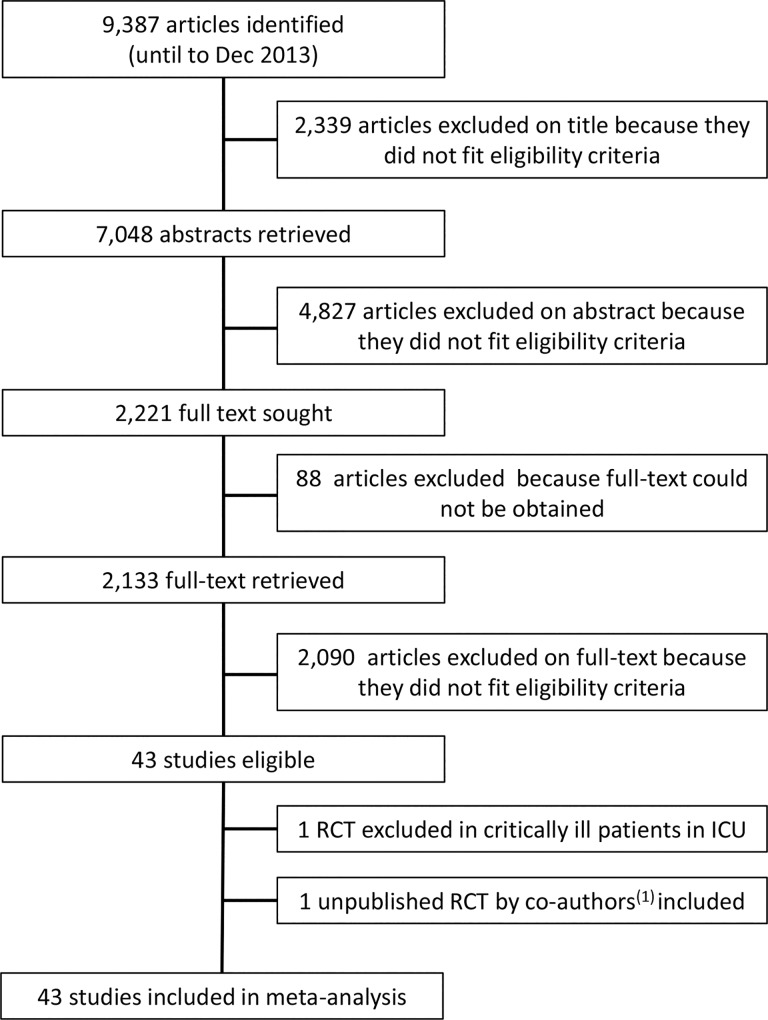
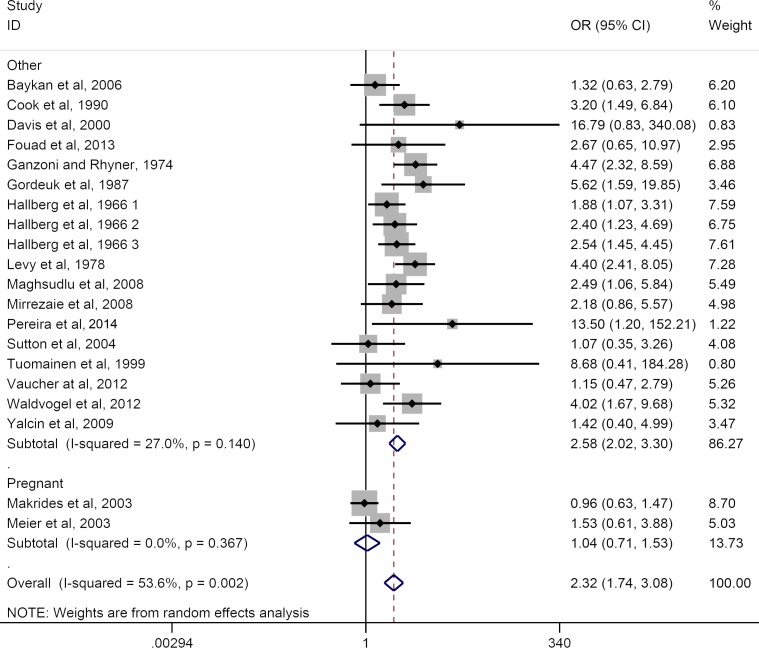
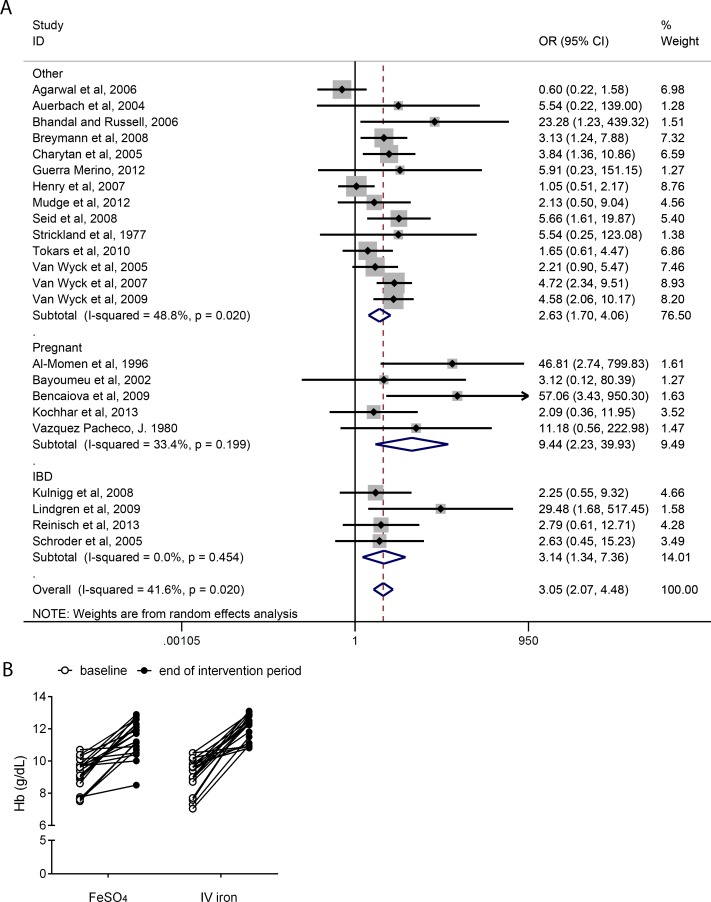
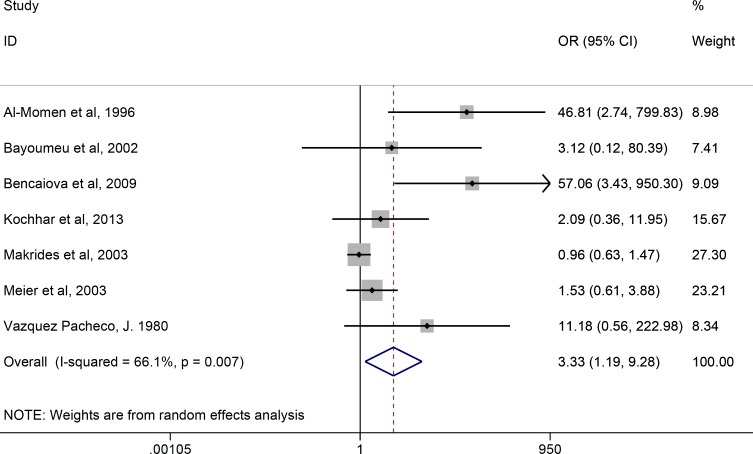
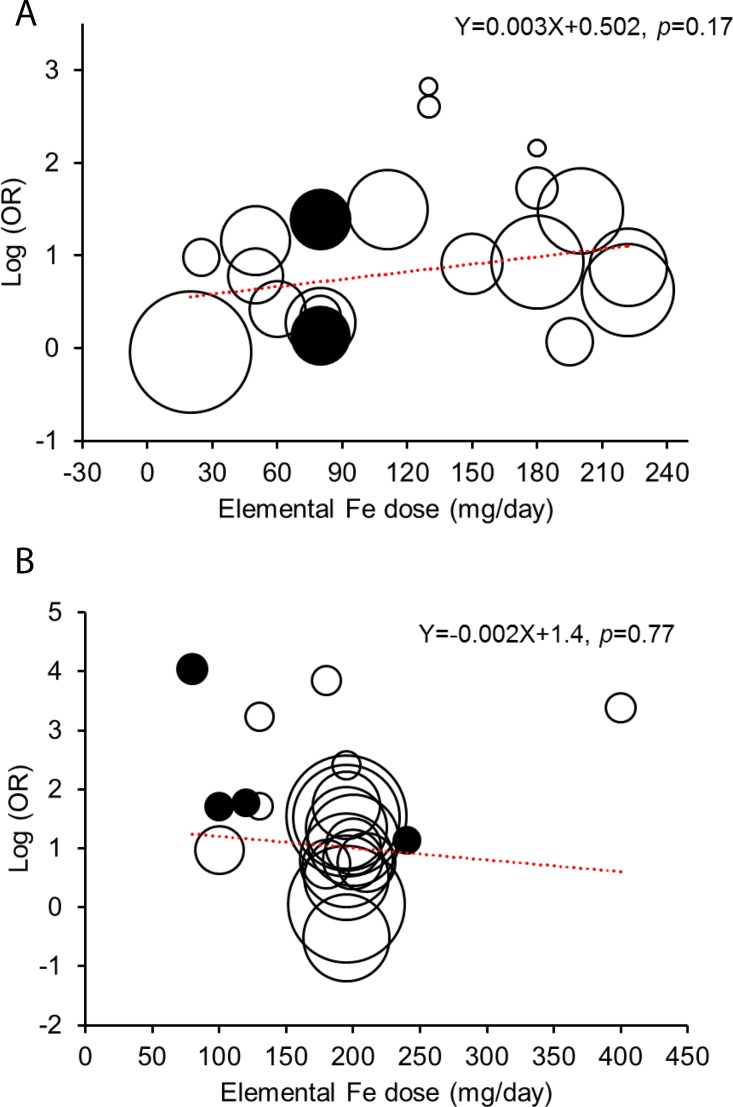
BACKGROUND: The tolerability of oral iron supplementation for the treatment of iron deficiency anemia is disputed. OBJECTIVE: Our aim was to quantify the odds of GI side-effects in adults related to current gold standard oral iron therapy, namely ferrous sulfate. METHODS: Systematic review and meta-analysis of randomized controlled trials (RCTs) evaluating GI side-effects that included ferrous sulfate and a comparator that was either placebo or intravenous (i.v.) iron. Random effects meta-analysis modelling was undertaken and study heterogeneity was summarised using I2 statistics. RESULTS: Forty three trials comprising 6831 adult participants were included. Twenty trials (n = 3168) had a placebo arm and twenty three trials (n = 3663) had an active comparator arm of i.v. iron. Ferrous sulfate supplementation significantly increased risk of GI side-effects versus placebo with an odds ratio (OR) of 2.32 [95% CI 1.74-3.08, p<0.0001, I2 = 53.6%] and versus i.v. iron with an OR of 3.05 [95% CI 2.07-4.48, p<0.0001, I2 = 41.6%]. Subgroup analysis in IBD patients showed a similar effect versus i.v. iron (OR = 3.14, 95% CI 1.34-7.36, p = 0.008, I2 = 0%). Likewise, subgroup analysis of pooled data from 7 RCTs in pregnant women (n = 1028) showed a statistically significant increased risk of GI side-effects for ferrous sulfate although there was marked heterogeneity in the data (OR = 3.33, 95% CI 1.19-9.28, p = 0.02, I2 = 66.1%). Meta-regression did not provide significant evidence of an association between the study OR and the iron dose. CONCLUSIONS: Our meta-analysis confirms that ferrous sulfate is associated with a significant increase in gastrointestinal-specific side-effects but does not find a relationship with dose.
Overview
The claims and statistics of this paper haven’t been checked yet.
Free: it reads the open-access text and checks the first 5 claims that cite a source we can check. Create a free account to check every claim.
Integrity signals
Registry
Cites
Statistics
Figures
Verification
Claims the paper makes
The claims and statistics of this paper haven’t been checked yet.
Free: it reads the open-access text and checks the first 5 claims that cite a source we can check. Create a free account to check every claim.
Claims other papers make about this one
Each is checked against this paper’s own text: does it say what the citing paper says it does?
The cited source says what the claim attributes to it.
In the citing paper
“These GI complaints cause up to 50% of oral iron receiving patients to not follow their treatment plan, meaning their IDA persists [9].”
From Oral Iron Supplementation—Gastrointestinal Side Effects and the Impact on the Gut Microbiota (2021) · cites this paper as [9]
The cited source says what the claim attributes to it.
In the citing paper
“In addition, it is well known that taking oral iron supplements associates with constipation [9].”
From Oral Iron Supplementation—Gastrointestinal Side Effects and the Impact on the Gut Microbiota (2021) · cites this paper as [9]
In the citing paper
“Impaired gut health is a common reason for poor compliance with dietary iron supplementation regimens, even in high‐income countries. 183”
From The battle for iron in enteric infections (2020) · cites this paper as [183]
In the citing paper
“Supplements have the added advantage that they typically contain ferrous salts, which are more bioavailable than dietary iron [262], with a possible drawback of increased likelihood for gastrointestinal disturbances [263].”
From Nutritional Considerations for the Vegan Athlete (2023) · cites this paper as [263]
Self-check
Percentages, sums and reported differences re-computed from the paper’s own numbers.
The self-check needs the paper’s full text.
Citations
Cites
Measuring inconsistency in meta-analyses
Higgins, J. P. T., Thompson, S. G., Deeks, J. J., & Altman, D. G. (2003) · BMJ · doi:10.1136/bmj.327.7414.557 · Cited by 63,139 · cited 2×
“Heterogeneity was assessed using the I(2) statistic and substantial heterogeneity exists when I(2)>50% [37].”
MethodMeta-analysis in clinical trials
DerSimonian, R., & Laird, N. (1986) · Controlled Clinical Trials · doi:10.1016/0197-2456(86)90046-2 · Cited by 39,552 · cited 2×
“The random-effects model proposed by DerSimonian and Laird [35] was used for the meta-analysis.”
MethodThe Cochrane Collaboration's tool for assessing risk of bias in randomised trials
Higgins, J. P. T., Altman, D. G., Gotzsche, P. C., Juni, P., Moher, D., Oxman, A. D., Savovic, J., Schulz, K. F., Weeks, L., Sterne, J. A. C., et al. (2011) · BMJ · doi:10.1136/bmj.d5928 · Cited by 33,817
Dermyshi, E., Wang, Y., Yan, C., Hong, W., Qiu, G., Gong, X., & Zhang, T. (2017) · Neonatology · doi:10.1159/000454668 · Cited by 24,451
Meta-analyses involving cross-over trials: methodological issues
Elbourne, D. R., Altman, D. G., Higgins, J. P., Curtin, F., Worthington, H. V., & Vail, A. (2002) · International Journal of Epidemiology · doi:10.1093/ije/31.1.140 · Cited by 2,305
Daily oral iron supplementation during pregnancy
Peña-Rosas, J. P., De-Regil, L. M., Dowswell, T., & Viteri, F. E. (2012) · Cochrane Database of Systematic Reviews · doi:10.1002/14651858.cd004736.pub4 · Cited by 615 · cited 5×
“In trying to capture the true incidence of GI side-effects with oral iron therapy, discrepancies between studies and limitations of study design have made overall conclusions difficult to reach [11,14,15].”
BackgroundMethodResultInfluentialUK guidelines on the management of iron deficiency in pregnancy
Pavord, S., Myers, B., Robinson, S., Allard, S., Strong, J., Oppenheimer, C., & on behalf of the British Committee for Standards in Haematology (2012) · British Journal of Haematology · doi:10.1111/j.1365-2141.2011.09012.x · Cited by 606 · cited 1×
“Groups mostly at risk include those with increased iron demands, for example children and pregnant women [3,4,5], and especially those with increased iron loses, for example pre-menopausal women [6] and patients with inflammatory bowel disease (IBD) [7,8].”
BackgroundZimmermann, M. B., Chassard, C., Rohner, F., N'Goran, E. K., Nindjin, C., Dostal, A., Utzinger, J., Ghattas, H., Lacroix, C., & Hurrell, R. F. (2010) · The American Journal of Clinical Nutrition · doi:10.3945/ajcn.110.004564 · Cited by 520 · cited 2×
“For very many years patient side-effects have been the main concern with oral iron therapy [16] but, recently, studies have consistently shown that soluble oral iron also negatively impacts the colonic microbiota, promoting the presence of potentially pathogenic bacteria at the expense of beneficial bacteria [17,18,19…”
BackgroundIron, anaemia, and inflammatory bowel diseases
Gasche, C., Lomer, M. C. E., Cavill, I., & Weiss, G. (2004) · Gut · doi:10.1136/gut.2003.035758 · Cited by 494 · cited 8×
“Subgroup analysis in IBD patients showed a similar effect versus IV iron (OR = 3.14, 95%CI 1.34-7.36, p = 0.008, I2 = 0%).”
BackgroundInfluentialDiagnosis and Management of Iron-Deficiency Anaemia
COOK, J. (2005) · Best Practice & Research Clinical Haematology · doi:10.1016/j.beha.2004.08.022 · Cited by 452 · cited 1×
“First-line treatment is oral therapy with ferrous iron (Fe(II)) salts [9].”
Background
Research works printed but not linked: 5
- Hallberg L, Ryttinger L, Solvell L (1966) Side-effects of oral iron therapy. A double-blind study of different iron compounds in tablet form. Acta medica Scandinavica Supplementum 180: 3– 10. 5957969 · DOI · Paper page
- Langstaff R, Geisser P, Heil W, Bowdler J (1993) Treatment of iron-deficiency anaemia: A lower incidence of adverse effects with Ferrum Hausmann than ferrous sulphate. Br J Clin Res 4: 191– 198.
- Lindgren S, Wikman O, Befrits R, Blom H, Eriksson A, et al (2009) Intravenous iron sucrose is superior to oral iron sulphate for correcting anaemia and restoring iron stores in IBD patients: A randomized, controlled, evaluator-blind, multicentre study. Scand J Gastroenterol 44: 838– 845. 10.1080/00365520902839667 19330567 · DOI · Paper page
- Saha L, Pandhi P, Gopalan S, Malhotra S, Saha P (2007) Comparison of efficacy, tolerability, and cost of iron polymaltose complex with ferrous sulphate in the treatment of iron deficiency anemia in pregnant women. MedGenMed: Medscape general medicine 9: 1 17435611 PMC1924983
- Vazquez Pacheco J (1980) A comparative study of i.v. iron dextran and an oral combination of ferrous sulfate, cyanocobalamin and folic acid in obstetrical patients. Investigacion Medica International 7: 129– 135.
Cited by
Items 801–893 of 893
Restless Legs Syndrome: A Network Model of Iron-Dependent Neuromodulation—A Narrative Review
Arias-Carrión, Ó. (2026) · Brain Sciences · doi:10.3390/brainsci16050440
“Iron repletion is guideline-endorsed first-line treatment in patients with ferritin ≤ 100 ng/mL or transferrin saturation 20% [83].”
Samovolov, A. V., Блинов, А. В., Татов, А. В., Рехман, З. А., Serov, A. V., Golik, A. B., Pirogov, M. A., Askerova, A., Golik, D., Osadchii, A., et al. (2026) · Food Biophysics · doi:10.1007/s11483-026-10147-3
Time-of-day difference in iron supplementation in iron-deficient pregnant model mice
Li, N., He, Y., Lu, Y., Hara, K., Kobayashi, Y., Kubo, T., Shibata, S., Fujiwara, H., & Tahara, Y. (2026) · npj Science of Food · doi:10.1038/s41538-026-00860-1
“Oralirontherapy,particularlylow-cost iron salts, such as ferrous sulfate, remains the cornerstone of treatment owing to its proven ef fi cacy, safety, and affordability, despite frequent reports of gastrointestinal side effects 6,7 .”
Somannavar, M. S., Mehta, S. K., Sharma, D. K., Mehta, S., Yogeshkumar, S., Charantimath, U., Leiby, B. E., Georgieff, M., Aghai, Z. H., Mallapur, A. A., et al. (2026) · The Journal of Maternal-Fetal & Neonatal Medicine · doi:10.1080/14767058.2026.2660016
Kiyosumi, R., Koinuma, K., Nodaira, Y., & Ikeda, N. (2026) · Nihon Toseki Igakkai Zasshi · doi:10.4009/jsdt.59.300
Yagi, T., Kinose, Y., Sakata, M., Koizumi, M., Haraga, J., Bomoto, Y., Sumikura, T., Yoshida, E., Kishigami, Y., Nagao, S., et al. (2026) · Research Square · doi:10.21203/rs.3.rs-9443022/v1
Nair, J. G., Rajani, T. S., Mohan, D., Chandrabose, P. I., Wilson, V., Shyni, A. B., Menon, R. V., Augustine, A., Mooss, Y. N., Kukkupuni, S. K., et al. (2026) · Cureus · doi:10.7759/cureus.108160
“However, problems like poor absorption, gastrointestinal side effects, and low patient compliance frequently limit the use of oral iron supplements [11].”
Zavedanje in odnos splošne populacije do vnosa železa s prehranskimi dopolnili
Lahne, K. (2026) · Repository of the University of Primorsk (University of Primorska)
AI-Powered Diagnosis and Categorization of Gastrointestinal Diseases
Kaushal, S., Singh, L. K., Agnihotri, D., Garg, D., Kaur, B., & Gupta, V. K. (2025) · IEEE International Conference on Recent Trends in Computing and Smart Mobility (RCSM) · doi:10.1109/rcsm67767.2025.11507983
“The authors recommend eradication programs as a prevention strategy in high-prevalence regions [11].”
Deprescribing medications for older people: practical guidance for primary care
Alsararatee, H. H. (2026) · Journal of Prescribing Practice · doi:10.12968/jprp.2025.0095
Al-Ansari, R. Y., Woodman, A., Abuanz, S., Fadoul, T., Ortiguerra, A., Reyes, B. C., Al-Zahrani, K., Abdellatif, M. F., & Zahrani, N. R. A. (2026) · Global Journal on Quality and Safety in Healthcare · doi:10.36401/jqsh-25-14
Ortíz‐Gutiérrez, S., Serralde-Zúñiga, A. E., González-Salazar, L. E., Estrada-Trujillo, M. G., Flores‐López, A., Hernández-Gómez, K. G., Pichardo‐Ontiveros, E., Díaz‐Villaseñor, A., Ávila-Nava, A., Vázquez-Manjarrez, N., et al. (2026) · Scientific Reports · doi:10.1038/s41598-026-53056-8
“…in iron biomarkers, particularly serum ferritin, can occur after approximately 6–8 weeks of oral iron supplementation or dietary intervention 22,56 , a recent meta-analysis of 10 studies concluded that interventions that included red meat consumption did not affect serum ferritin…”
Jans, K., Huebbe, P., Kipp, A. P., & Rimbach, G. (2026) · BioFactors · doi:10.1002/biof.70115
“…bilayer membrane [114] • Offers superior absorption efficiency with lower total Fe doses [114] • Mostly absorbed as intact vesicle-like sucromes [114] • High cost [114] frequently administered and considered the gold standard in oral strategies, despite high incidence for GI intolerance [98, 116].”
Santhosh, A., Jesrani, S., Mahruki, J. A., Badi, T. A., Shukri, M. A., Gowri, V., & Jose, S. (2026) · Life · doi:10.3390/life16050855
“These results reflect current clinical practice, where IV iron is increasingly favored for patients with moderate to severe iron deficiency anemia, particularly those with poor oral tolerance or ongoing bleeding [22].”
Sudfeld, C. R., Muhihi, A. J., Sylvetsky, A. C., Metta, E. O., Brownlee, V. S., Oakley, E. M., Bakari, M., Fawzi, W. W., Kinyogoli, S. M., Kuiper, J. R., et al. (2026) · BMJ Open · doi:10.1136/bmjopen-2026-118725
Scalamonti, S., Pivetta, G., Schiavone, F. P., Magnante, M., Pompili, M., Vavallo, M., Annibale, B., & Lahner, E. (2026) · Nutrients · doi:10.3390/nu18111807
“However, in the context of the aforementioned malabsorptive syndromes, this approach is fraught with challenges that limit its clinical utility, such as a lack of efficacy, gastrointestinal side effects and poor adherence [22].”
Мохорук, Н. (2026) · ГРААЛЬ НАУКИ · doi:10.36074/grail-of-science.15.05.2026.157
“Сучасні вектори терапії: Пероральні солі заліза у пацієнтів із системним запаленням зазвичай виявляються безсилими через блокаду всмоктування на рівні дванадцятипалої кишки [12].”
Hemmatinafar, M., Tajanaki, A. S., Jäger, R., & Safari, K. (2026) · Probiotics and Antimicrobial Proteins · doi:10.1007/s12602-026-11087-7
Patient blood management in pregnancy, the peripartum, and the postpartum period
Filho, A. L. D. S., Alves, Á. L. L., & Osanan, G. C. (2026) · Revista Brasileira Ginecologia e Obstetrícia · doi:10.61622/rbgo/2026fps7
Давыдова, Ю. В., Limanskaya, А. Y., Kravets, O. M., & Landyak, I. V. (2026) · Ukrainian journal of Perinatology and Pediatrics · doi:10.15574/pp.2026.1(105).1116
A review – Prescribing iron salts: Comparison of efficacy and tolerance of different iron complexes
Snyman, K. R., Snyman, J., & Coetzee, A. (2026) · South African Family Practice · doi:10.4102/safp.v68i1.6260
“At present, the evidence suggests that ferrous ions in a 16 ,17,18,19,20, 21 , 22 , 23 ,24,25, 26 ,27,28,29,30, 31 , 32 , 33 ,34,35, 36 ,37,38 modified form are well absorbed and result in fewer gastrointestinal side effects.”
Fahs, I., Hayek, J., Kanaan, S., Hamed, F., Dabbous, M., Safwan, J., Rahal, M. K., & Sakr, F. (2026) · Journal of Public Health Research · doi:10.1177/22799036261465301
“39,40 These findings are particularly clinically relevant because many of these medications are frequently used in community settings and may contribute to symptom aggravation when taken without adequate counseling regarding administration timing, posture, or gastrointestinal precautions.”
Corin, C. (2026) · Open University of Cape Town (University of Cape Town)
Alfisanatin, Tingginehe, R. M., Togodly, A., Irab, S. P., Nurdin, M. A., & Paiting, Y. S. (2026) · JURNAL KEPERAWATAN TROPIS PAPUA · doi:10.47539/jktp.v9i1.501
Agrawal, S., Dash, R. J., Jumin, P., Mishra, S., Raghav, S., Samal, S. C., Ramakrishna, B. S., & Ramadass, B. (2026) · Frontiers in Nutrition · doi:10.3389/fnut.2026.1836940
“Despite the widespread availability of oral iron supplements, 30–50% of patients fail to normalize hemoglobin levels (1), and many experience gastrointestinal intolerance that limits adherence (2).”
Agulu, G. G., Khongyot, T., Kamiya, Y., Baiden, F., & Matsui, M. (2026) · Tropical Medicine and Health · doi:10.1186/s41182-026-01017-2
“However, the transition from traditional IFA supplementation to MMS remains uneven globally, often hindered by cost considerations, supply chain limitations, and the slow adoption and updating of national guidelines and policies to incorporate MMS into routine ante-natal care [26, 29].”
Budak, D., Demircan, O., & DAŞ, B. D. (2026) · Hayvansal Üretim · doi:10.29185/hayuretim.1860139
Ouafa, Y. E., Mourabiti, I., Abdi, N. E., Fadi, M., Benrahma, H., & Bouanani, N. (2026) · Cureus · doi:10.7759/cureus.112040
“Published prospective data similarly report GI adverse event rates of 50%-70% with ferrous sulfate when patients are questioned in detail [10,11] - substantially higher than the 30-60% cited in retrospective series where only spontaneously reported events are captured.”
Buclin, C. P., Bürgisser, N., Lombardo, G., & Naimi, R. (2026) · Journal of Medical Case Reports · doi:10.1186/s13256-026-06172-y
“Various non-bleeding-related causes of dark stool coloration have been documented, including medication such as oral ferrous supplementation or bismuth, commonly used in Helicobacter pylori eradication therapies [17, 18].”
Suhaimi, N. A. (2024) · Universiti Putra Malaysia Institutional Repository (Universiti Putra Malaysia)
N° 469 Carence en fer et anémie ferriprive en obstétrique et en gynécologie
Chen, I., Khamisa, K., Murji, A., Coolen, J., Evans, D., Lett, R., Rittenberg, D. A., Lett, C. D., Sholzberg, M., & Munro, M. (2026) · Journal of Obstetrics and Gynaecology Canada · doi:10.1016/j.jogc.2026.103429
Rizzo, G., & Baroni, L. (2026) · Royal Society of Chemistry eBooks · doi:10.1039/9781837678907-00401 · Cited by 1
Aboh, H. O., Dan, V., Ajibade, G., Onwumere, G., & Ozioko, E. N. (2026) · FUDMA Journal of Sciences · doi:10.33003/fjs-2026-1010-5441
СОВРЕМЕННЫЕ ПОДХОДЫ К КОРРЕКЦИИ ЖЕЛЕЗОДЕФИЦИТНОЙ АНЕМИИ У ДЕТЕЙ
M., K. М. (n.d.) · CyberLeninK (CyberLeninka)
Rationale and design of the RISE-HF trial: sucrosomial iron in heart failure
Masini, G., Chiusolo, S., Alberti, M., Liga, R., Galeotti, G. G., Lattanzi, F., Morganti, R., Gargani, L., Carnevale, R., Violi, F., et al. (2026) · IJC Heart & Vasculature · doi:10.1016/j.ijcha.2026.101976
“Limitations of conventional oral iron preparations include metallic taste and frequent gastrointestinal side effects, such as diarrhea and constipation, reported in up to 40% of patients [11].”
Patient Blood Management na gravidez, no periparto e no pós-parto Número 7 – 2026
Filho, A. L. D. S., Alves, Á. L. L., & Osanan, G. C. (2026) · Femina · doi:10.61622/0100-7254545202605
Purohit, R. A., Purohit, A., Akojwar, N., & Prasad, S. K. (2026) · International Journal of Drug Delivery Technology · doi:10.25258/ijddt.16.66s.71
Dhiman, P., Zode, M., Chowdhary, R., Kumar, P., Manna, S., Chatterjee, D., Ahad, A., Sahoo, K. C., Lyngdoh, T., & Mukherjee, R. (2026) · medRxiv · doi:10.64898/2026.07.21.26358553
Saccone, G., Motta, M., Seta, F. D., Mola, S., Iannantuoni, S., & Simone, N. D. (2026) · Nutrients · doi:10.3390/nu18152446
“The findings of the present study are consistent with previous evidence suggesting that IHAT may represent a promising oral iron formulation with a favorable tolerability profile, although no direct comparison with conventional oral iron preparations was performed in the present study [8,21,22].”
Cotton, I., Yerlett, N., Balboa, P. L., Petrof, G., Alauddin, S., Bageta, M. L., Martinez, A. E., & O’Connor, G. (2026) · Journal of Paediatrics and Child Health · doi:10.1111/jpc.70497
Huey, S. L., Cole, N. L., Pagani, I., González, A., Finkelstein, J. L., Haas, J. D., Udipi, S. A., Ghugre, P. S., Potdar, R. D., Knight, R. D., et al. (2026) · Nature Communications · doi:10.1038/s41467-026-75674-6
Kaya, Z. I., Sağdiç, A., Görmez, F. N., Kılıç, M., Konur, K., Hamarat, H., Tali, Ö. A., GÜRCÜ, S., Keskın, N., Kaya, B. Y., et al. (2026) · Irish Journal of Medical Science (1971 -) · doi:10.1007/s11845-026-04549-y
“Tolkien and col - leagues’ demonstration that weekly or intermittent regimens are better tolerated [ 16 ] explains the high compliance rates achieved in our study with a targeted and limited-duration maintenance approach.”
Alzahrani, Y. A., Alkatheeri, A. A., Alshamrani, A. B., Alzahrani, A. M., Alqurashi, T. M. A., Harbi, M. H., & Al-Raddadi, R. (2026) · Frontiers in Medicine · doi:10.3389/fmed.2026.1864516
“Oral iron is not effective in many clinical circum-stances due to poor adherence rates, gastrointestinal side effects affecting up to 70% of patients, and insufficient efficacy in moderate-to-severe anemia (14–16).”
Han, Y., Zhang, Y., Wu, Y., Lei, Z., Zhao, S., li, H., & He, R. (2026) · Research Square · doi:10.21203/rs.3.rs-10203004/v1
Ruzimatova, G. M. (2026) · Journal of modern medicine · doi:10.67519/nshr.ztj.2026.03.106
Joshi, S., & Chauhan, V. (2026) · Adolescencia e Saude · doi:10.67440/ahj.v21i5s.1472
Jusuf, E. C., Mirzayanti, M., Ahmad, M., Syam, A., & Husain, M. G. (2026) · Nutrition & Food Science · doi:10.1108/nfs-02-2026-0054
Kumar, V., Pisay, M., Mukharya, A., Rana, K., Bharati, S., Sathyanarayana, M. B., & Mutalik, S. (2026) · ACS Omega · doi:10.1021/acsomega.6c02561
Hwandih, T., Saker, J., Kaboré, B., Post, A. S., Tekin, N. S., Valina, O., Coetzer, T. L., & Münster, M. (2026) · Blood Global Hematology · doi:10.1016/j.bglo.2026.100153
Fracturing ferric carboxymaltose from the iron pharmacopeia
Wang, D., Hirniak, S., Cuker, A. C., & Goshua, G. (2026) · Blood Advances · doi:10.1182/bloodadvances.2026021739
Strømland, S. S., Aspholm, T. E., Paulsen, G., Carlsen, M. H., Grimestad, L. M., Herfindal, A. M., Koivisto, A., Bastani, N. E., Rudi, K., Valeur, J., et al. (2026) · medRxiv · doi:10.64898/2026.08.19.26360791
Sanjeyan, N., Nirmala, K., & Indhumathi, M. (2026) · International Journal of Basic & Clinical Pharmacology · doi:10.18203/2319-2003.ijbcp20262880
Sharma, A., Gill, K., & Chatterjee, M. (2026) · Phytochemical Analysis · doi:10.1002/pca.70088
Dash, D., & Koiri, R. K. (2026) · Organ medicine. · doi:10.1002/orm2.70049
Abbas, M., Batool, M., Hayirli, Z., Poveda, C., Karatzas, K. A. G., Walton, G., Ijaz, U. Z., Andrews, S. C., & Lewis, M. C. (2026) · European Journal of Nutrition · doi:10.1007/s00394-026-04082-9
“The most commonly applied treatment for IDA is oral iron supplementation (e.g., ferrous sulphate, ferrous gluconate and ferrous fumarate) [19], which often causes diarrhoea, nausea and increased risk of enteric infection [20].”
Awareness and Nutritional Practices Regarding Iron Deficiency among Pregnant Women in Zliten, Libya
Dadoush, S. F. M. (2026) · Derna Academy Journal for Applied Sciences · doi:10.71147/6pxhca84
Rational Drug Use in Anemia: A Retrospective Analysis from Southern India
Reddy, M. S. R., Patil, S., Hatti, K., Pathan, M. K., Uppin, P., Kini, P. N., & Rajmane, P. (2026) · Asian Journal of Pharmaceutical Research and Health Care · doi:10.4103/ajprhc.ajprhc_255_25
Sashindran, V., Rao, A. K., Anilkumar, A., Vardhan, S., Shetty, S., Bhandary, P., & Poojary, S. N. (2026) · Research Square · doi:10.21203/rs.3.rs-10477183/v1
Vignera, S. L., & Condorelli, R. A. (2026) · Biomedicines · doi:10.3390/biomedicines14091944
“Ferrous sulfate, among the most commonly prescribed forms, is frequently associated with significant gastrointestinal adverse effects, including nausea, constipation, and abdominal discomfort, leading to poor adherence rates of 30–50% [10].”
Vinke, J. S. J., Eisenga, M. F., van der Vaart, A., van Lieshout, C., Dolmans, H., van der Meer, P., ter Maaten, J. M., Spikman, J. M., Ziengs, A. L., Kootstra‐Ros, J. E., et al. (2026) · EClinicalMedicine · doi:10.1016/j.eclinm.2026.104169
“54 However, evidence to support the management of iron deficiency with or without anaemia in kidney transplant recipients has remained limited, and recommendations have largely been extrapolated from non-transplant populations.”
Alshwawreh, M. K. A., & Hijazeen, N. E. M. (2026) · SAS Journal of Medicine · doi:10.36347/sasjm.2026.v12i08.013
運動誘発性の鉄欠乏の新たな要因の検討 : ヘプシジン分泌応答に着目して
Hayashi, N. (2023) · Institutional Repositories DataBase (IRDB) · doi:10.34382/00018555
Yazdani, N. S., Oakley, E., Khan, A., Qazi, M. F., Khakwani, S., Sheikh, A., Mazhar, A., Iqbal, U. M., Marquis, J., Liaqat, B., et al. (2026) · medRxiv · doi:10.64898/2026.08.29.26361700
Nanopartículas biogénicas de hierro: estudio de la biocompatibilidad en el trofoblasto humano
Venditti, E. D. L., Bustos, P. S., Paraje, M. G., & Guiñazú, N. L. (2026) · Mundo Nano Revista Interdisciplinaria en Nanociencia y Nanotecnología · doi:10.22201/ceiich.24485691e.2027.38.69892
Lacurezeanu, A., & Vodnar, D. C. (2026) · Anemia · doi:10.1155/anem/3201387
Rajan, S., Thomas, N., Paul, J., Prasad, A., Mangalan, V., & Chandrasekhar, A. (2026) · Journal of Anaesthesiology Clinical Pharmacology · doi:10.4103/joacp.joacp_350_26
Closing the Gap: Rethinking Iron Deficiency Diagnosis and Management in Pregnancy
Mansory, E. M. (2026) · Journal of Applied Hematology · doi:10.4103/joah.joah_84_26
Radicioni, M. M., Assandri, R., Bastianello, A., Gentile, E., Tiberio, E., Sala, F., & Magrone, P. (2026) · medRxiv · doi:10.64898/2026.09.15.26363044
Nasr, A. A. M., fathy, M. K., & Ahmad, R. A. A. (2026) · Al-Azhar Assiut Medical Journal · doi:10.4103/azmj.azmj_21_26
Iron Deficiency in Athletes — Current State of Knowledge
Wojtanowicz, J., Skalniak, K., & Bochnak, M. (2026) · Quality in Sport · doi:10.12775/qs.2026.77.76037
“Treatment duration should be guided by clinical and laboratory response rather than continued indefinitely to achieve progressively higher ferritin concentrations [18,21].”
Stanworth, S. J., Churchill, D., Bain, C., Hudson, C., Brown, R., Hounslea, E., Griffiths, J., Lax, S. J., Murray, J., Spiby, H., et al. (2026) · BMJ Open · doi:10.1136/bmjopen-2026-122579
“45 Any intervention trialled with the potential to change policy at the population level must be shown to be safe before implementation.”
Principales causas de anemia en el embarazo y enfoque diagnóstico en preeclampsia
Tohwinson-Hernández, M. C., Martínez-Sánchez, L. M., Carvajal-Alzate, M., Coronado-Magalhaes, G., Ospina-Jiménez, M. C., Roldán-Tabares, M. D., & Uribe-Ramírez, M. (2024) · Salutem Scientia Spiritus
Motta, M., Niccolini, L., Ziello, C., Mola, S., Bello, A., Saccone, G., & Locci, M. (2026) · Women · doi:10.3390/women6040066
Gohar, R., Shahid, M., Anwar, A. A., Tarar, M. H., Aslam, B., Khan, R. M., & Shahid, S. M. (2025) · Pakistan Pediatric Journal · Cited by 1
Akinajo, O. R., Dougherty, K., Uwalaka, C., Balogun, M. R., Sam-Agudu, N. A., Banke-Thomas, A. O., Annerstedt, K. S., Beňová, L., & AFOLABI, B. B. (2026) · doi:10.12688/verixiv.3730.1
Iron homeostasis at the interface of nutrition, infection, and iron supplementation
Mert, Ö., Saday, S., & Temel, A. (2026) · Frontiers in Nutrition · doi:10.3389/fnut.2026.1943495
“However, these supplements can cause gastrointestinal side effects such as dyspepsia and constipation, particularly when used at high doses (146).”
InfluentialCiont, C., Pop, R. M., Tăbăran, F., Pop, R., Simon, E., Barbu–Tudoran, L., Mesaroş, A., Suharoschi, R., Vodnar, D. C., & Pop, O. L. (2026) · Journal of Drug Delivery Science and Technology · doi:10.1016/j.jddst.2026.109010
Recurrent Iron Deficiency Anemia in a Patient with Hb D-Punjab Trait Receiving Tirzepatide
Akkam, M. H. M. E., Murad, R. A., & ALakkad, A. (2026) · Journal of Drug Delivery and Therapeutics · doi:10.22270/jddt.v16i10.8049
Chen, Y.-H., Lai, Y.-T., & Feng, H.-L. (2026) · Food Bioscience · doi:10.1016/j.fbio.2026.110243
Ajmi, A. A., & Taylor, P. (2026) · Qatar journal of public health. · doi:10.5339/qjph.2026.16
Perioperative Blood Management Strategies in Anemic Patients Undergoing Surgery: A Narrative Review
Loueian, M. A., Madhusuthanan, A. K., Abucha, J. M., Turuzhbaeva, D., Rahman, H., & Senaratne, M. (2026) · Cureus · doi:10.7759/cureus.118049
Martino, G., Quarantelli, E., Guarino, I., Cipolli, A., Scanzi, F., Tammaro, P., Nirta, A., Cavallo, I., Sanchioni, L., Siragusa, F., et al. (2026) · Nutrition and Health · doi:10.1177/02601060261497459
Dangre, V., Rafiuddin, M., Sriram, K., Siddiqui, I. A., Fahim, H., Murugan, S. S., Copeta, F., Fatima, N. U. A., Eze, B., & Pokhrel, S. (2026) · Hospital Pharmacy · doi:10.1177/00185787261485528
Valerii, M. C., Dussias, N. K., Perri, A., Spigarelli, R., Bernacchi, A., Rizzello, F., Magri, G., Gionchetti, P., & Spisni, E. (2026) · European Journal of Nutrition · doi:10.1007/s00394-026-04139-9
“First, oral iron intake is frequently linked to gastrointestinal side effects such as nausea, abdominal pain, constipation, diarrhea, dyspepsia, mainly due to iron-induced intestinal toxicity [ 7, 8].”
Ahamed, F., Palepu, S., Pal, D., Bandyopadhyay, A., Sengupta, M., Hossain, C. M., Das, S., Somashekara, J., & Goswami, K. (2026) · Clinical Nutrition ESPEN · doi:10.1016/j.clnesp.2026.105208
Swadźba, D., Makuch, S., & Agrawal, S. (2026) · Nutrients · doi:10.3390/nu18213611
Said, J. M., O’Connell, R. L., Reynolds, R. M., Callandar, E., Dibley, M. J., Soofi, S., Nausheen, S., Baker, K., Henry, A., Dalal, R., et al. (2026) · The Lancet Obstetrics Gynaecology & Women s Health · doi:10.1016/s3050-5038(26)00262-1
Physiological Study on Raktadhatvagni in Pandu Rog with the Intervention of Navayas Lauha
Kumar, M., Panda, S. K., & Ramesh, G. (2026) · Journal of Ayurveda and Integrated Medical Sciences · doi:10.21760/jaims.11.9.6
Antypiuk, A., Asperti, M., Sharma, R., Navaneethabalakrishnan, S., Jhita, N., Pearce, Q., Cox, J. E., Brilli, E., Tarantino, G., & Vinchi, F. (2026) · HemaSphere · doi:10.1002/hem3.70521
Moslemzadeh, N. (2025) · Dspace Repository (Marmara Üniversitesi)
Metadata
- Authors
- Tolkien, Z., Stecher, L., Mander, A. P., Pereira, D. I. A., & Powell, J. J.
- Affiliations
- MRC Elsie Widdowson Laboratory (GB)
- MRC Biostatistics Unit (GB)
- Corresponding author
- Pereira, Dora I. A.
- Venue
- PLOS ONE
- Publisher
- Public Library of Science (PLoS)
- Published
- 2015-02-20
- Volume
- 10
- Issue
- 2
- Pages
- e0117383
- ISSN
- 1932-6203 (ISSN-L)
- PMC
- PMC4336293
- OpenAlex
- W2049123117
- Cited by
- 833
- References
- 86
- Citations by year
- 2026: 117 · 2025: 90 · 2024: 91 · 2023: 101 · 2022: 98 · 2021: 75 · 2020: 80 · 2019: 58 · 2018: 44 · 2017: 41 · 2016: 26 · 2015: 11
- FWCI
- 6.08
- Type
- journal article
- Language
- en
- Open access
- gold
- doi.org
- Licence
- Locations
- PLoS ONE (publishedVersion, cc-by)
- Europe PMC (PubMed Central) (publishedVersion, cc-by)
- PubMed Central (publishedVersion, cc-by)
- PubMed (publishedVersion)
- RePEc: Research Papers in Economics (submittedVersion)
- DOAJ (DOAJ: Directory of Open Access Journals) (submittedVersion, cc-by-sa)
- Figshare (submittedVersion, cc-by)
- Funders
- UNICEF
- Medical Research Council (U105960399, G0800860)
- Topics
- Health Sciences › Medicine › Hematology › Iron Metabolism and Disorders
- Health Sciences › Medicine › Hematology › Erythropoietin and Anemia Treatment
- Health Sciences › Medicine › Genetics (clinical) › Hemoglobinopathies and Related Disorders
- Keywords
- ferrous sulfate, oral iron supplementation, gastrointestinal adverse effects, iron deficiency anemia, intravenous iron, tolerability, inflammatory bowel disease, pregnancy, iron dosage
- MeSH terms
- Clinical Trials as Topic, Ferrous Compounds, Gastrointestinal Diseases, Humans, Placebo Effect, Odds Ratio, Databases, Factual, Anemia, Iron-Deficiency, Dietary Supplements
About these checks
Registry, retraction, Cites and statistics results are computed, not judged, with one exception: a printed reference that no index lists is read once by a model before it counts as a citation error. Claims are extracted by a model and kept only when their quote appears verbatim in the text; each cited source is then checked, with a model’s help, for whether it says what the claim relies on. Those verdicts can be wrong — read the claim’s quote and the cited source before relying on one.
Statistics and arithmetic are recomputed, not judged.
Confidence bands are shown only for fields calibrated on our annotated test set. None is calibrated yet, so no band is shown.
What counts as a claim ›How we measure confidence ›How we check this ›
Are you an author, or do you see a problem with this page? Request a review
Data sources
Bibliographic data: Semantic Scholar, OpenAlex, Crossref.
Contains information from the Semantic Scholar Academic Graph Datasets, made available under the ODC Attribution License (ODC-BY 1.0).
Semantic Scholar’s data is described in: Kinney, R., et al. (2023). The Semantic Scholar Open Data Platform. arXiv:2301.10140.
