

The DOI matches its Crossref record; 37 of the 37 references it cites were found in a registry or an index.
Hypoxia Pretreatment of Bone Marrow Mesenchymal Stem Cells Facilitates Angiogenesis by Improving the Function of Endothelial Cells in Diabetic Rats with Lower Ischemia
Open accessAbstract
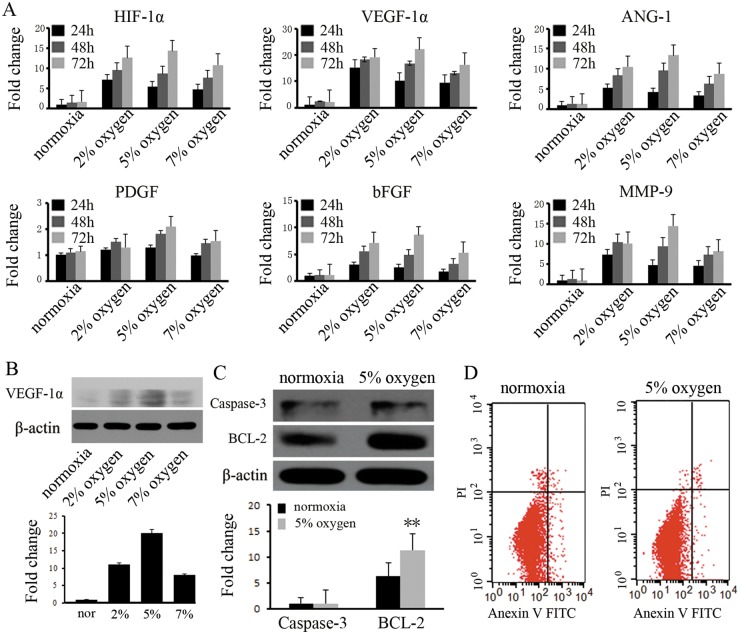
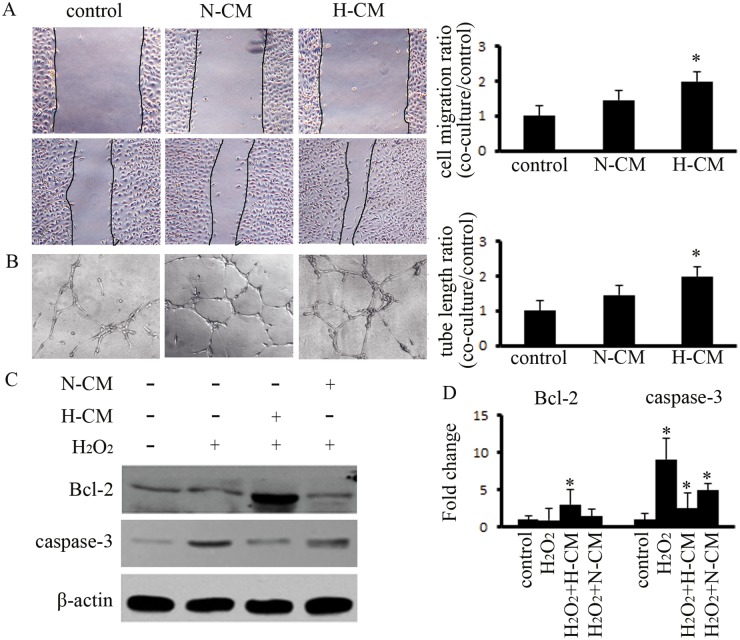
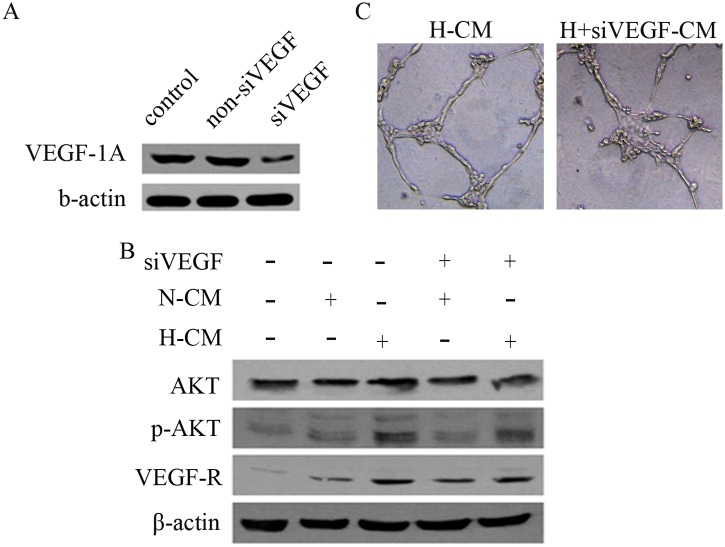
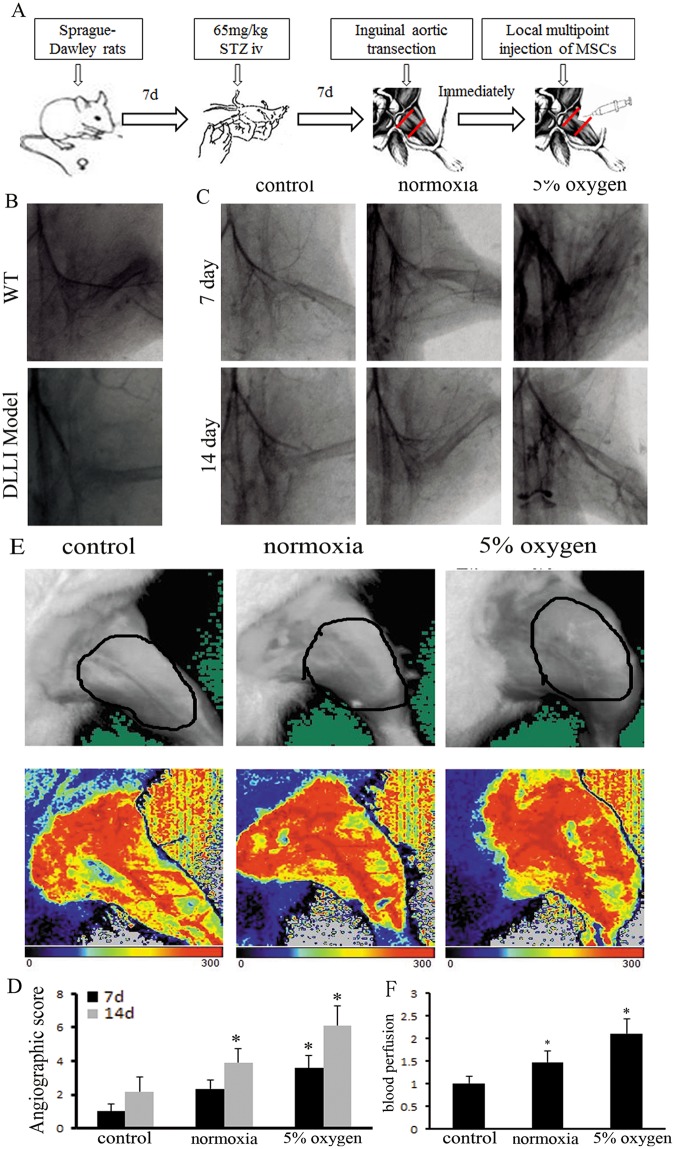
Endothelial dysfunction induced by unordered metabolism results in vascular reconstruction challenges in diabetic lower limb ischemia (DLLI). Mesenchymal stem cells (MSCs) are multipotent secretory cells that are suitable for clinical DLLI treatment, but their use has been hampered by poor survival after injection. Hypoxia can significantly enhance the capacity of MSCs to secrete angiogenic factors. We investigated transient hypoxia pretreatment of MSCs to facilitate revascularization in DLLI. Rat bone marrow MSCs (BM-MSCs) were cultured at different oxygen concentrations for varying time periods. The results indicated that transient pretreatment (5% O2, 48 h) not only increased the expression of VEGF-1α, ANG, HIF-1α and MMP-9 in BM-MSCs as assessed by real-time RT-PCR, but also increased the expression of Bcl-2 as determined by western blotting. The transplantation of pretreated BM-MSCs into rats with DLLI demonstrated accelerated vascular reconstruction when assayed by angiography and immunohistochemistry. CM-Dil-labeled tracer experiments indicated that the survival of BM-MSCs was significantly improved, with approximately 5% of the injected cells remaining alive at 14 days. The expression levels of VEGF-1α, MMP-9 and VEGF-R were significantly increased, and the expression of pAKT was up-regulated in ischemic muscle. Double immunofluorescence studies confirmed that the pretreated BM-MSCs promoted the proliferation and inhibited the apoptosis of endothelial cells. In vitro, pretreated BM-MSCs increased the migratory and tube forming capacity of endothelial cells (ECs). Hypoxia pretreatment of BM-MSCs significantly improved angiogenesis in response to tissue ischemia by ameliorating endothelial cell dysfunction and is a promising therapeutic treatment for DLLI.
Overview
The claims and statistics of this paper haven’t been checked yet.
Run the check — free, no account needed. It reads the open-access text and checks the sources it cites.
Integrity signals
Registry
Cites
Statistics
Figures
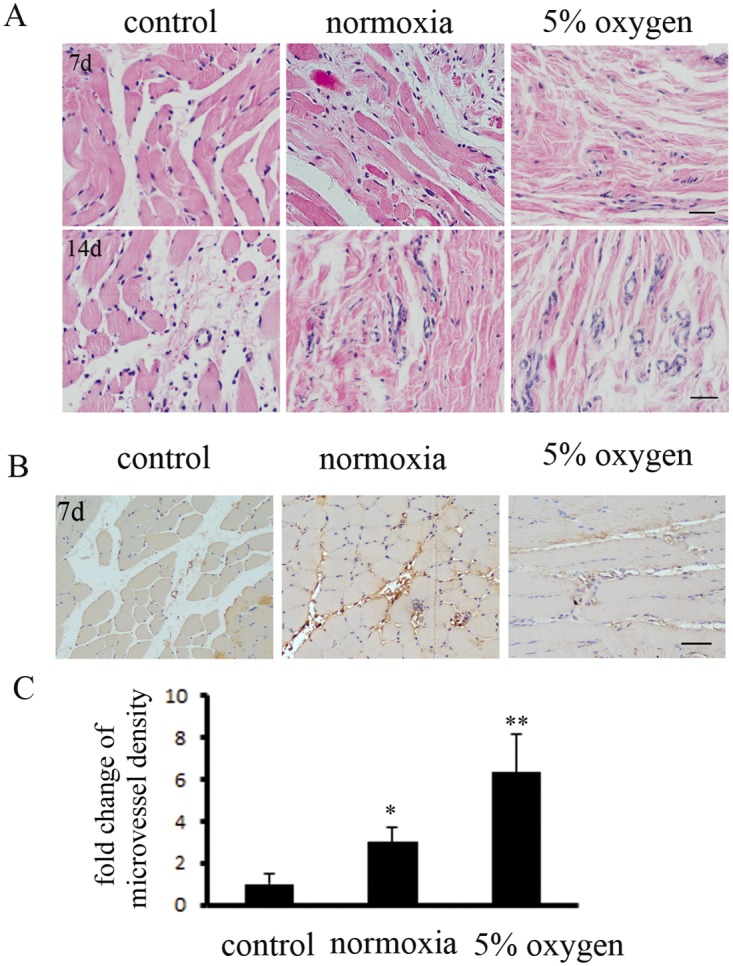
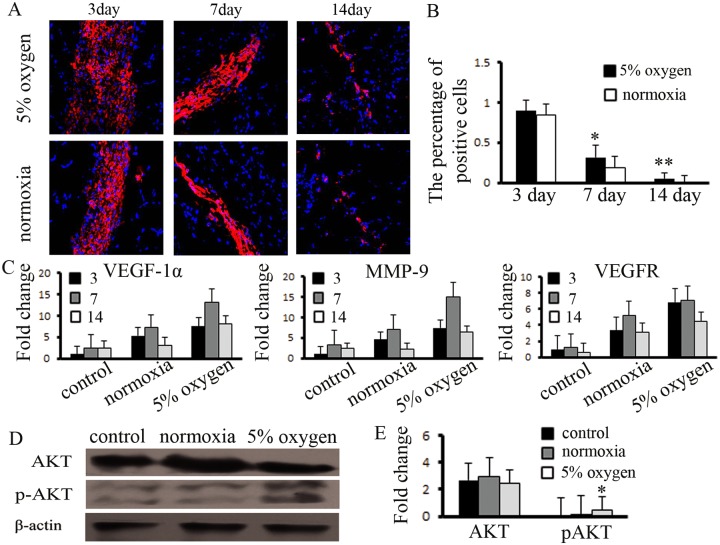
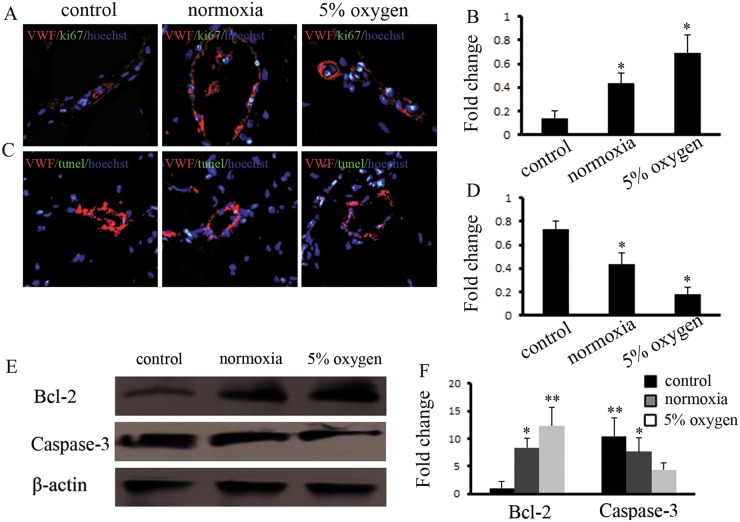
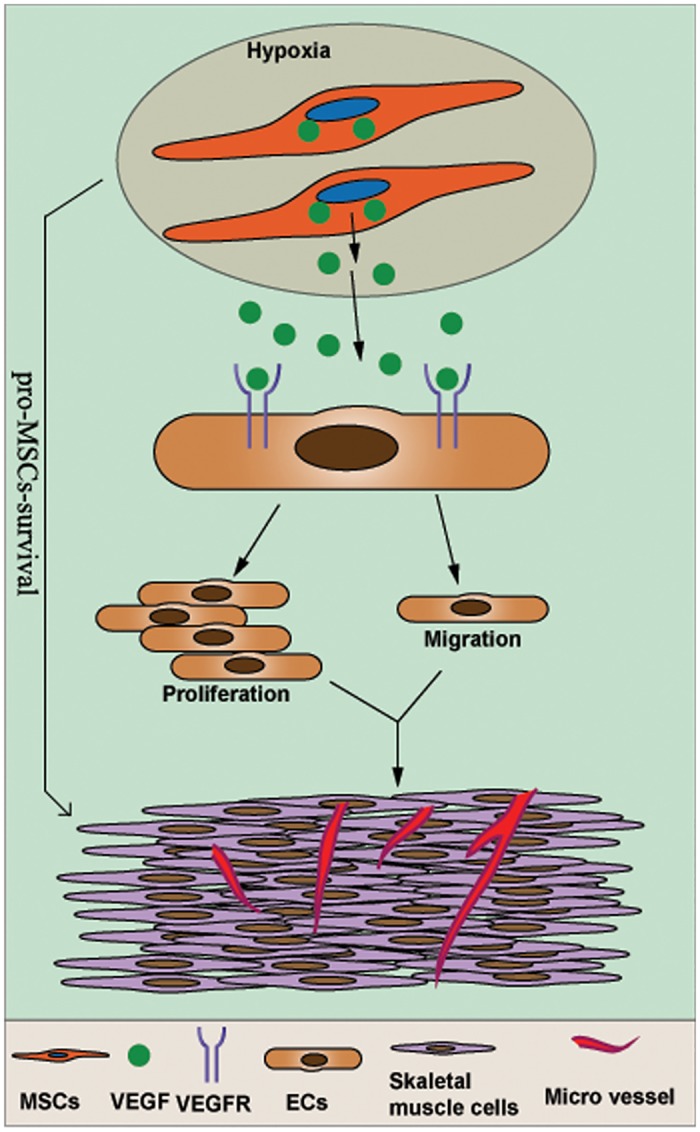
Verification
Claims the paper makes
The claims and statistics of this paper haven’t been checked yet.
Run the check — free, no account needed. It reads the open-access text and checks the sources it cites.
Claims other papers make about this one
Each is checked against this paper’s own text: does it say what the citing paper says it does?
The cited source says what the claim attributes to it.
In the citing paper
“Upregulation of the VEGF gene was evident in all hypoxia cultures, which is consistent with other studies [53–56].”
From Short-term physiological hypoxia potentiates the therapeutic function of mesenchymal stem cells (2018) · cites this paper as [56]
Self-check
Percentages, sums and reported differences re-computed from the paper’s own numbers.
The self-check needs the paper’s full text.
Citations
Cites
Multilineage potential of adult human mesenchymal stem cells
Pittenger, M. F., Mackay, A. M., Beck, S. C., Jaiswal, R. K., Douglas, R., Mosca, J. D., Moorman, M. A., Simonetti, D. W., Craig, S., & Marshak, D. R. (1999) · Science · doi:10.1126/science.284.5411.143 · Cited by 21,052
Wild, S., Roglic, G., Green, A., Sicree, R., & King, H. (2004) · Diabetes Care · doi:10.2337/diacare.27.5.1047 · Cited by 15,297
Angiogenesis in cancer and other diseases
Carmeliet, P., & Jain, R. K. (2000) · Nature · doi:10.1038/35025220 · Cited by 9,070
Nitric Oxide and Peroxynitrite in Health and Disease
Pacher, P., Beckman, J. S., & Liaudet, L. (2007) · Physiological Reviews · doi:10.1152/physrev.00029.2006 · Cited by 6,390
Mechanisms of angiogenesis and arteriogenesis
Carmeliet, P. (2000) · Nature Medicine · doi:10.1038/74651 · Cited by 4,235
Oxidative Stress and Stress-Activated Signaling Pathways: A Unifying Hypothesis of Type 2 Diabetes
Evans, J. L., Goldfine, I. D., Maddux, B. A., & Grodsky, G. M. (2002) · Endocrine Reviews · doi:10.1210/er.2001-0039 · Cited by 2,232
Pathways to Diabetic Limb Amputation: Basis for Prevention
Pecoraro, R. E., Reiber, G. E., & Burgess, E. M. (1990) · Diabetes Care · doi:10.2337/diacare.13.5.513 · Cited by 1,585
Kinnaird, T., Stabile, E., Burnett, M. S., Lee, C. W., Barr, S., Fuchs, S., & Epstein, S. E. (2004) · Circulation Research · doi:10.1161/01.res.0000118601.37875.ac · Cited by 1,415
Lumeij, J. T. (1997) · Elsevier eBooks · doi:10.1016/b978-012396305-5/50031-2 · Cited by 1,185
Central nervous system pericytes in health and disease
Winkler, E. A., Bell, R. D., & Zlokovic, B. V. (2011) · Nature Neuroscience · doi:10.1038/nn.2946 · Cited by 962
Cited by
Sorted by citations
Mesenchymal stromal cell secretome: influencing therapeutic potential by cellular pre-conditioning
Ferreira, J. R., Teixeira, G. Q., Santos, S. G., Barbosa, M. A., Almeida-Porada, G., & Gonçalves, R. M. (2018) · Frontiers in Immunology · doi:10.3389/fimmu.2018.02837 · Cited by 572
Macro‐ and microvascular endothelial dysfunction in diabetes
Shi, Y., & Vanhoutte, P. M. (2017) · Journal of Diabetes · doi:10.1111/1753-0407.12521 · Cited by 562
Preconditioning influences mesenchymal stem cell properties in vitro and in vivo
Hu, C., & Li, L. (2018) · Journal of Cellular and Molecular Medicine · doi:10.1111/jcmm.13492 · Cited by 452
The challenges and promises of allogeneic mesenchymal stem cells for use as a cell-based therapy
Zhang, J., Huang, X., Wang, H., Liu, X., Zhang, T., Wang, Y., & Hu, D. (2015) · Stem Cell Research & Therapy · doi:10.1186/s13287-015-0240-9 · Cited by 311
Mesenchymal Stem Cells for Chronic Wound Healing: Current Status of Preclinical and Clinical Studies
Huang, Y., Gou, M., Da, L., Zhang, W., & Xie, H. (2020) · Tissue Engineering Part B Reviews · doi:10.1089/ten.teb.2019.0351 · Cited by 213
Metadata
- Authors
- Liu, J., Hao, H., Xia, L., Ti, D., Huang, H., Dong, L., Tong, C., Hou, Q., Zhao, Y., Liu, H., Fu, X., & Han, W.
- Affiliations
- Chinese PLA General Hospital (CN)
- Corresponding author
- Fu, Xiaobing
- Han, Weidong
- ORCID
- Venue
- PLOS ONE
- Publisher
- Public Library of Science (PLoS)
- Published
- 2015-05-21
- Volume
- 10
- Issue
- 5
- Pages
- e0126715
- ISSN
- 1932-6203 (ISSN-L)
- PMC
- PMC4440823
- OpenAlex
- W1506316383
- Cited by
- 101
- References
- 37
- Citations by year
- 2026: 4 · 2025: 4 · 2024: 12 · 2023: 13 · 2022: 11 · 2021: 7 · 2020: 14 · 2019: 6 · 2018: 10 · 2017: 7 · 2016: 10 · 2015: 3
- FWCI
- 5.60
- Type
- journal article
- Language
- en
- Open access
- gold
- doi.org
- Licence
- Locations
- PLoS ONE (publishedVersion, cc-by)
- Europe PMC (PubMed Central) (publishedVersion, cc-by)
- PubMed Central (publishedVersion, cc-by)
- PubMed (publishedVersion)
- DOAJ (DOAJ: Directory of Open Access Journals) (submittedVersion, cc-by-sa)
- Figshare (submittedVersion, cc-by)
- Funders
- National Natural Science Foundation of China (2012CB518105, 81121004, 81230041, 2013AA020105, 2012AA020502, 2012CB518103)
- Topics
- Life Sciences › Biochemistry, Genetics and Molecular Biology › Cell Biology › Mesenchymal stem cell research
- Life Sciences › Biochemistry, Genetics and Molecular Biology › Molecular Biology › Angiogenesis and VEGF in Cancer
- Health Sciences › Medicine › Surgery › Tissue Engineering and Regenerative Medicine
- Keywords
- bone marrow mesenchymal stem cells, angiogenesis, endothelial dysfunction, revascularization, HIF-1α, MMP-9, Bcl-2, cell survival after transplantation, Akt signaling, angiogenic factors
- MeSH terms
- Angiography, Animals, Hypoxia, Cell Survival, Cells, Cultured, Diabetes Mellitus, Experimental, Disease Models, Animal, Humans, Ischemia, Male, Neovascularization, Pathologic, Ultrasonography, Signal Transduction, Apoptosis, Lower Extremity, Vascular Endothelial Growth Factors, Endothelial Cells, Angiogenesis Inducing Agents, Mesenchymal Stem Cell Transplantation, Proto-Oncogene Proteins c-akt, Rats, Mesenchymal Stem Cells, Human Umbilical Vein Endothelial Cells
About these checks
Registry, retraction, Cites and statistics results are computed, not judged, with one exception: a printed reference that no index lists is read once by a model before it counts as a citation error. Claims are extracted by a model and kept only when their quote appears verbatim in the text; each cited source is then checked, with a model’s help, for whether it says what the claim relies on. Those verdicts can be wrong — read the claim’s quote and the cited source before relying on one.
Statistics and arithmetic are recomputed, not judged.
Confidence bands are shown only for fields calibrated on our annotated test set. None is calibrated yet, so no band is shown.
What counts as a claim ›How we measure confidence ›How we check this ›
Are you an author, or do you see a problem with this page? Request a review
