

The DOI matches its Crossref record; 3 of the 3 references it cites were found in a registry or an index.
Checking the STEP-Associated Trafficking and Internalization of Glutamate Receptors for Reduced Cognitive Deficits: A Machine Learning Approach-Based Cheminformatics Study and Its Application for Drug Repurposing
Open accessAbstract
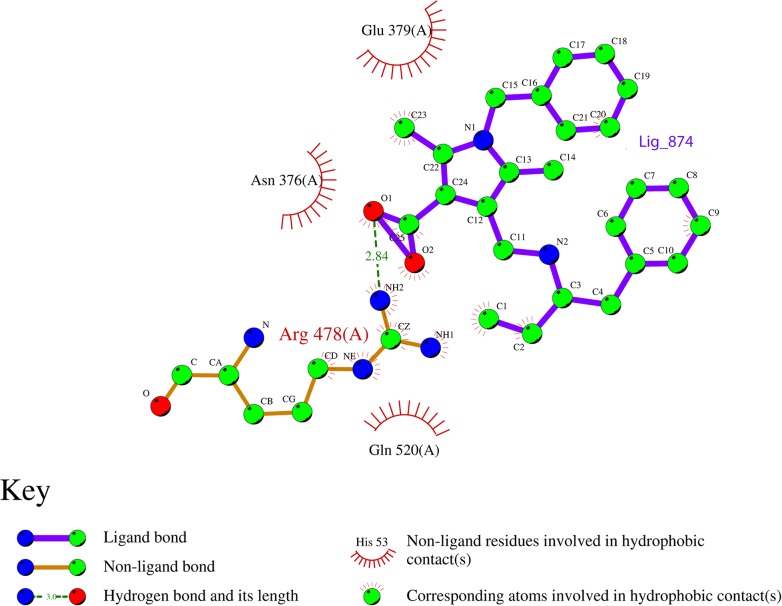
BACKGROUND: Alzheimer's disease, a lethal neurodegenerative disorder that leads to progressive memory loss, is the most common form of dementia. Owing to the complexity of the disease, its root cause still remains unclear. The existing anti-Alzheimer's drugs are unable to cure the disease while the current therapeutic options have provided only limited help in restoring moderate memory and remain ineffective at restricting the disease's progression. The striatal-enriched protein tyrosine phosphatase (STEP) has been shown to be involved in the internalization of the receptor, N-methyl D-aspartate (NMDR) and thus is associated with the disease. The present study was performed using machine learning algorithms, docking protocol and molecular dynamics (MD) simulations to develop STEP inhibitors, which could be novel anti-Alzheimer's molecules. METHODS: The present study deals with the generation of computational predictive models based on chemical descriptors of compounds using machine learning approaches followed by substructure fragment analysis. To perform this analysis, the 2D molecular descriptors were generated and machine learning algorithms (Naïve Bayes, Random Forest and Sequential Minimization Optimization) were utilized. The binding mechanisms and the molecular interactions between the predicted active compounds and the target protein were modelled using docking methods. Further, the stability of the protein-ligand complex was evaluated using MD simulation studies. The substructure fragment analysis was performed using Substructure fingerprint (SubFp), which was further explored using a predefined dictionary. RESULTS: The present study demonstrates that the computational methodology used can be employed to examine the biological activities of small molecules and prioritize them for experimental screening. Large unscreened chemical libraries can be screened to identify potential novel hits and accelerate the drug discovery process. Additionally, the chemical libraries can be searched for significant substructure patterns as reported in the present study, thus possibly contributing to the activity of these molecules.
Overview
The claims and statistics of this paper haven’t been checked yet.
Run the check — free, no account needed. It reads the open-access text and checks the sources it cites.
Integrity signals
Registry
Cites
Statistics
Figures
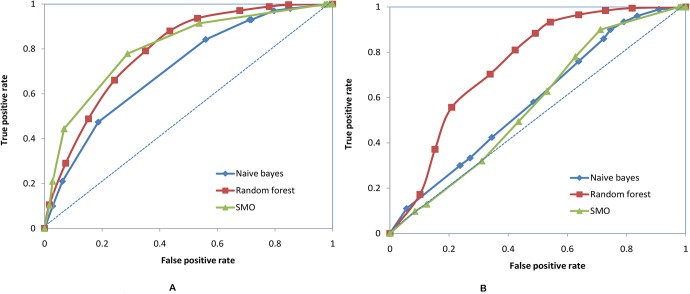
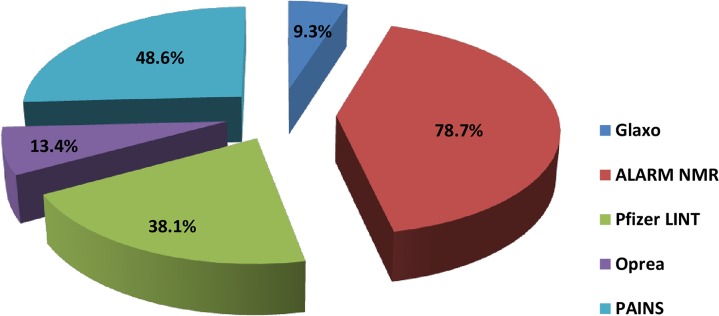
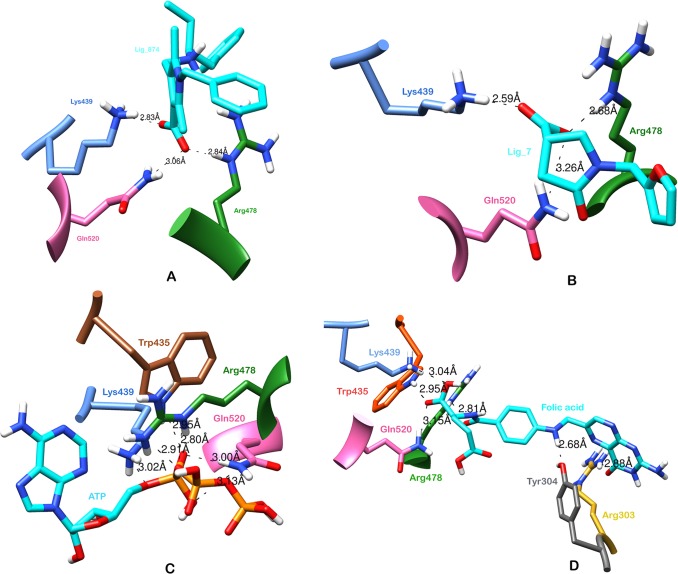
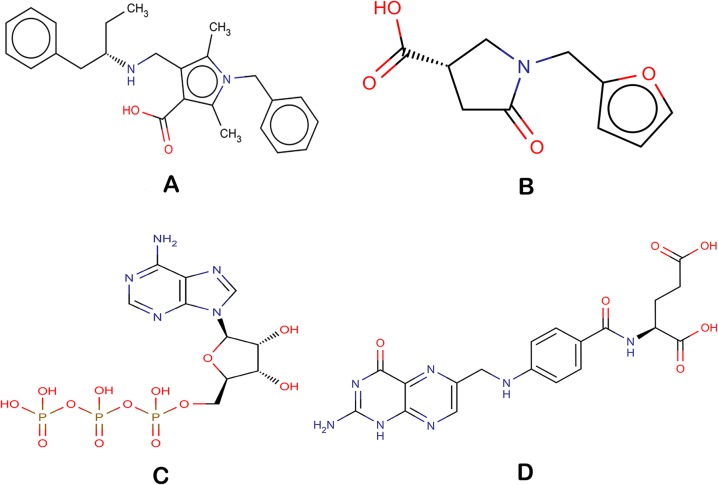
Verification
Claims the paper makes
The claims and statistics of this paper haven’t been checked yet.
Run the check — free, no account needed. It reads the open-access text and checks the sources it cites.
Claims other papers make about this one
Each is checked against this paper’s own text: does it say what the citing paper says it does?
The check wasn’t confident either way, so it gives no verdict — never disputed.
In the citing paper
“demecarium was first suggested as an AD repurposing candidate in 2014 (Croset et al., 2014), with subsequent support in two studies (Jamal et al., 2015;Zhang et al., 2016); however, after 2016, the drug was not mentioned again.”
From Drug repurposing for Alzheimer’s disease from 2012–2022—a 10-year literature review (2023) · cites this paper as Jamal et al., 2015
Experimental — accuracy not yet measured
Self-check
Percentages, sums and reported differences re-computed from the paper’s own numbers.
The self-check needs the paper’s full text.
Citations
Cites
Cortes, C., & Vapnik, V. (1995) · Machine Learning · doi:10.1007/bf00994018 · Cited by 59,421
Current and future treatments for Alzheimer's disease
Yiannopoulou, K. G., & Papageorgiou, S. G. (2013) · Therapeutic Advances in Neurological Disorders · doi:10.1177/1756285612461679 · Cited by 677
Anderson, C., Teo, K., Gao, P., Arima, H., Dans, A., Unger, T., Commerford, P., Dyal, L., Schumacher, H., Pogue, J., et al. (2011) · The Lancet Neurology · doi:10.1016/s1474-4422(10)70250-7 · Cited by 216
Research works printed but not linked: 53
- SF Massimo, 2014, The critical need for defining preclinical biomarkers in Alzheimer’s disease, Alzheimers Dement, 10, S196, 10.1016/j.jalz.2014.04.015 · DOI
- P Ambure, 2014, Advances in quantitative structure-activity relationship models of anti-Alzheimer's agents, Expert Opin Drug Discov, 96, 697, 10.1517/17460441.2014.909404 · DOI
- J Hardy, 2002, The amyloid hypothesis of Alzheimer's disease progress and problems on the road to therapeutics, Science, 297, 353, 10.1126/science.1072994 · DOI · Paper page
- DV Venkitaramani, 2009, Knockout of striatal enriched protein tyrosine phosphatase in mice results in increased ERK1/2 phosphorylation, Synapse, 63, 69, 10.1002/syn.20608 · DOI
- J Xu, 2009, Extrasynaptic NMDA receptors couple preferentially to excitotoxicity via calpain-mediated cleavage of STEP, J Neurosci, 29, 9330, 10.1523/JNEUROSCI.2212-09.2009 · DOI
- Z Yongfang, 2010, Genetic reduction of striatal-enriched tyrosine phosphatase STEP reverses cognitive and cellular deficits in an Alzheimer’s disease mouse model, Proc Natl Acad Sci, 10744, 219014
- Z Yang, 2008, The Tyrosine Phosphatase STEP mediates ampa receptor endocytosis after metabotropic glutamate receptor stimulation, J Neurosci, 2842, 10561, 10.1523/JNEUROSCI.2666-08.2008 · DOI
- Y Wang, 2009, PubChem a public information system for analyzing bioactivities of small molecules, Nucleic Acids Res, 37, W623, 10.1093/nar/gkp456 · DOI
- K Liu, 2005, PowerMV a software environment for molecular viewing descriptor generation data analysis and hit evaluation, J Chem Inf Model, 45, 515, 10.1021/ci049847v · DOI
- F Klepsch, 2014, Ligand and structure-based classification models for prediction of P-glycoprotein inhibitors, J Chem Inf Model, 541, 218, 10.1021/ci400289j · DOI
- D Singla, 2013, Open Source Drug Discovery Consortium. Designing of inhibitors against drug tolerant Mycobacterium tuberculosis H37Rv, Chem Cent J, 71, 49, 10.1186/1752-153X-7-49 · DOI
- N Friedman, 1997, Bayesian Network Classifiers, Mach Learn, 29, 131, 10.1023/A:1007465528199 · DOI · Paper page
- A Koutsoukas, 2013, In silico target predictions: defining a benchmarking dataset and comparison of performance of the multiclass Naïve Bayes and Parzen-Rosenblatt Window, J Chem Inf Model, 53, 1957, 10.1021/ci300435j · DOI
- P McCarren, 2011, An investigation into pharmaceutically relevant mutagenicity data and the influence on Ames predictive potential, J. Cheminform, 3, 51, 10.1186/1758-2946-3-51 · DOI
- L Breiman, 2001, Random forests, Mach Learn, 45, 5, 10.1023/A:1010933404324 · DOI · Paper page
- V1 Svetnik, 2003, Random forest: a classification and regression tool for compound classification and QSAR modeling, J Chem Inf Comput Sci, 43, 1947, 10.1021/ci034160g · DOI
- N Dong, 2005, Using support vector classification for SAR of fentanyl derivatives, Acta Pharmacol Sin, 26, 107, 10.1111/j.1745-7254.2005.00014.x · DOI
- H Li, 2006, Prediction of estrogen receptor agonists and characterization of associated molecular descriptors by statistical learning methods, J Mol Graph Model, 25, 313, 10.1016/j.jmgm.2006.01.007 · DOI
- Q Li, 2008, hERG classification model based on a combination of support vector machine method and GRIND descriptors, Mol Pharm, 5, 117, 10.1021/mp700124e · DOI
- H Sun, 2012, Structure based model for the prediction of phospholipidosis induction potential of small molecules, J Chem Inf Model, 52, 1798, 10.1021/ci3001875 · DOI
- AC Schierz, 2009, Virtual screening of bioassay data, J Cheminform, 1, 21, 10.1186/1758-2946-1-21 · DOI
- V Periwal, 2012, Computational models for in-vitro antitubercular activity of molecules based on high-throughput chemical biology screening datasets, BMC Pharmacol, 12, 1, 10.1186/1471-2210-12-1 · DOI
- V Periwal, 2011, Predictive models for antitubercular molecules using machine learning on high-throughput biological screening datasets, BMC Res Notes, 4, 504, 10.1186/1756-0500-4-504 · DOI
- JB Baell, 2010, New Substructure Filters for Removal of Pan Assay Interference Compounds PAINS from Screening Libraries and for their Exclusion in Bioassays, J Med Chem, 53, 2719, 10.1021/jm901137j · DOI
- M Hann, 2009, Strategic pooling of compounds for high-throughput screening, J Chem Inf Comput Sci, 395, 897
- JR Huth, 2005, ALARM NMR A Rapid and Robust Experimental Method to Detect Reactive False Positives in Biochemical Screens, J Am Chem Soc, 127, 217, 10.1021/ja0455547 · DOI
- HM Berman, 2000, The Protein Data Bank, Nucleic Acids Res, 28, 235, 10.1093/nar/28.1.235 · DOI · Paper page
- GM Sastry, 2013, Protein and ligand preparation parameters protocols and influence on virtual screening enrichments, J Comput Aided Mol Des, 27, 221, 10.1007/s10822-013-9644-8 · DOI
- LigPrep V 23 Schrodinger LLC. New York 2009: 703. · DOI
- RA Friesner, 2004, Glide a new approach for rapid accurate docking and scoring. 1. Method and assessment of docking accuracy, J Med Chem, 47, 1739, 10.1021/jm0306430 · DOI · Paper page
- TA Halgren, 2004, Glide a new approach for rapid accurate docking and scoring 2 Enrichment factors in database screening, J Med Chem, 47, 1750, 10.1021/jm030644s · DOI
- GA Kaminski, 2001, Evaluation and Reparametrization of the OPLS-AA Force Field for Proteins via Comparison with Accurate Quantum Chemical Calculations on Peptides, J Phys Chem, 105, 6474, 10.1021/jp003919d · DOI
- WL Jorgensen, 1996, Development and Testing of the OPLS All-Atom Force Field on Conformational Energetics and Properties of Organic Liquids, J Am Chem Soc, 118, 11225, 10.1021/ja9621760 · DOI
- F Cheng, 2011, Classification of cytochrome P450 inhibitors and non inhibitors using combined classifiers, J Chem Inf Model, 51, 996, 10.1021/ci200028n · DOI
- CW Yap, 2011, PaDEL-descriptor open source software to calculate molecular descriptors and fingerprints, J Comput Chem, 32, 1466, 10.1002/jcc.21707 · DOI
- GR Thatcher, 2004, Novel nitrates as NO mimetics directed at Alzheimer's disease, J Alzheimers Dis, 6, S75, 10.3233/JAD-2004-6S614 · DOI
- C Knox, 2011, DrugBank 3.0 a comprehensive resource for 'omics' research on drugs, Nucleic Acids Res, 39, D1035, 10.1093/nar/gkq1126 · DOI
- F Yutaka, 2013, A two-step drug repositioning method based on a protein-protein interaction network of genes shared by two diseases and the similarity of drugs, Bioinformation, 92, 089
- TT Ashburn, 2004, Drug repositioning Identifying and developing new uses for existing drugs, Nat Rev Drug Discov, 3, 673, 10.1038/nrd1468 · DOI · Paper page
- G Hubsher, 2012, The journey from fighting flu to treating Parkinson disease, Neurology, 78, 1096, 10.1212/WNL.0b013e31824e8f0d · DOI
- A Corbett, 2012, Drug repositioning for Alzheimer's disease, Nat Rev Drug Discov, 11, 833, 10.1038/nrd3869 · DOI
- A Corbett, 2013, Drug Repositioning An Opportunity to Develop Novel Treatments for Alzheimer’s disease, Pharmaceuticals, 610, 1304, 10.3390/ph6101304 · DOI
- J Wang, 2007, Valsartan lowers brain β-amyloid protein levels and improves spatial learning in a mouse model of Alzheimer disease, J Clin Invest, 117, 3393, 10.1172/JCI31547 · DOI
- M Mogi, 2008, Telmisartan prevented cognitive decline partly due to PPAR-γactivation, Biochem Biophys Res Commun, 375, 446, 10.1016/j.bbrc.2008.08.032 · DOI
- H Lithell, 2003, The Study on cognition and prognosis in the elderly SCOPE Principal results of a randomized double-blind intervention trial, J Hypertens, 21, 875, 10.1097/00004872-200305000-00011 · DOI
- UN Das, 2008, Folic acid and polyunsaturated fatty acids improve cognitive function and prevent depression dementia and Alzheimer's disease—but how and why?, Prostaglandins Leukot Essent Fatty Acids, 78, 11, 10.1016/j.plefa.2007.10.006 · DOI
- AH Ford, 2010, Vitamins B12 B6 and folic acid for cognition in older men, Neurology, 7517, 1540, 10.1212/WNL.0b013e3181f962c4 · DOI
- D Jaturapatporn, 2012, Aspirin steroidal and non-steroidal anti-inflammatory drugs for the treatment of Alzheimer's disease, Cochrane Database Syst Rev, 2, 10.1002/14651858.CD006378.pub2 · DOI
- A Bernardi, 2012, Indomethacin-loaded lipid-core nanocapsules reduce the damage triggered by Aβ1–42 in Alzheimer's disease models, Int J Nanomedicine, 7, 4927, 10.2147/IJN.S35333 · DOI
- O Coskuner, 2014, Adenosine Triphosphate ATP Reduces Amyloid-β Protein Misfolding in vitro, J Alzheimers Dis, 412, 561, 10.3233/JAD-132300 · DOI
- X Meng, 2014, Attenuation of Aβ25-35-induced parallel autophagic and apoptotic cell death by gypenoside XVII through the estrogen receptor-dependent activation of Nrf2/ARE pathways, Toxicol Appl Pharmacol, 2791, 63, 10.1016/j.taap.2014.03.026 · DOI
- BS Appleby, 2013, A Review Treatment of Alzheimer’s disease Discovered in Repurposed Agents, Dement Geriatr Cogn Disord, 35, 1, 10.1159/000345791 · DOI
- LV Wei, 2010, Prediction of acetyl cholinesterase inhibitors and characterization of correlative molecular descriptors by machine learning methods, Eur J Med Chem, 45, 1167, 10.1016/j.ejmech.2009.12.038 · DOI
Cited by
Sorted by citations
Drug repurposing for Alzheimer’s disease from 2012–2022—a 10-year literature review
Grabowska, M. E., Huang, A., Wen, Z., Li, B., & Wei, W.-Q. (2023) · Frontiers in Pharmacology · doi:10.3389/fphar.2023.1257700 · Cited by 55
“, 2014), with subsequent support in two studies (Jamal et al., 2015; Zhang et al., 2016); however, after 2016, the drug was not mentioned again.”
ResultArtificial intelligence for dementia drug discovery and trials optimization
Doherty, T., Yao, Z., Khleifat, A. A. L., Tantiangco, H., Tamburin, S., Albertyn, C., Thakur, L., Llewellyn, D. J., Oxtoby, N. P., Lourida, I., et al. (2023) · Alzheimer's & Dementia · doi:10.1002/alz.13428 · Cited by 48
Metadata
- Authors
- Jamal, S., Goyal, S., Shanker, A., & Grover, A.
- Affiliations
- Banasthali University (IN)
- Jawaharlal Nehru University (IN)
- Corresponding author
- Grover, Abhinav
- Venue
- PLOS ONE
- Publisher
- Public Library of Science (PLoS)
- Published
- 2015-06-12
- Volume
- 10
- Issue
- 6
- Pages
- e0129370
- ISSN
- 1932-6203 (ISSN-L)
- PMC
- PMC4466797
- OpenAlex
- W1128997228
- Cited by
- 19
- References
- 3
- Citations by year
- 2026: 3 · 2025: 1 · 2024: 4 · 2023: 2 · 2022: 1 · 2021: 1 · 2020: 1 · 2019: 2 · 2017: 2 · 2016: 2
- FWCI
- 1.37
- Type
- journal article
- Language
- en
- Open access
- gold
- doi.org
- Licence
- Locations
- PLoS ONE (publishedVersion, cc-by)
- Europe PMC (PubMed Central) (publishedVersion, cc-by)
- PubMed Central (publishedVersion, cc-by)
- PubMed (publishedVersion)
- RePEc: Research Papers in Economics (submittedVersion)
- DOAJ (DOAJ: Directory of Open Access Journals) (submittedVersion, cc-by-sa)
- Figshare (submittedVersion, cc-by)
- Funders
- Jawaharlal Nehru University
- Indian Council of Medical Research
- University Grants Commission
- Topics
- Life Sciences › Pharmacology, Toxicology and Pharmaceutics › Drug Discovery › Computational Drug Discovery Methods
- Health Sciences › Medicine › Pharmacology (medical) › Cholinesterase and Neurodegenerative Diseases
- Life Sciences › Neuroscience › Cellular and Molecular Neuroscience › Alzheimer's disease research and treatments
- Keywords
- Alzheimer's disease, striatal-enriched protein tyrosine phosphatase, glutamate receptor trafficking, drug repurposing, protein-ligand binding, molecular descriptors, cheminformatics, molecular docking, molecular dynamics simulation
- MeSH terms
- Machine Learning, Amino Acid Sequence, Enzyme Inhibitors, Humans, Molecular Sequence Data, Protein Binding, Protein Tyrosine Phosphatases, Non-Receptor, Small Molecule Libraries, Molecular Dynamics Simulation, Molecular Docking Simulation
About these checks
Registry, retraction, Cites and statistics results are computed, not judged, with one exception: a printed reference that no index lists is read once by a model before it counts as a citation error. Claims are extracted by a model and kept only when their quote appears verbatim in the text; each cited source is then checked, with a model’s help, for whether it says what the claim relies on. Those verdicts can be wrong — read the claim’s quote and the cited source before relying on one.
Statistics and arithmetic are recomputed, not judged.
Confidence bands are shown only for fields calibrated on our annotated test set. None is calibrated yet, so no band is shown.
What counts as a claim ›How we measure confidence ›How we check this ›
Are you an author, or do you see a problem with this page? Request a review
How to cite
Cite CoChat for the checks on this page, and the paper for its own findings.
- This page
- CoChat. (2026). Citation check: Checking the STEP-Associated Trafficking and Internalization of Glutamate Receptors for Reduced Cognitive Deficits: A Machine Learning Approach-Based Cheminformatics Study and Its Application for Drug Repurposing. https://app.cochat.ai/papers/10.1371/journal.pone.0129370
- The paper
- Jamal, S., Goyal, S., Shanker, A., & Grover, A. (2015). Checking the STEP-Associated Trafficking and Internalization of Glutamate Receptors for Reduced Cognitive Deficits: A Machine Learning Approach-Based Cheminformatics Study and Its Application for Drug Repurposing. PLOS ONE. https://doi.org/10.1371/journal.pone.0129370
