

Adsorptive Removal of Toxic Chromium from Waste-Water Using Wheat Straw and Eupatorium adenophorum
Open accessThe DOI matches its Crossref record; 53 of the 53 references it cites were found in a registry or an index.
Abstract
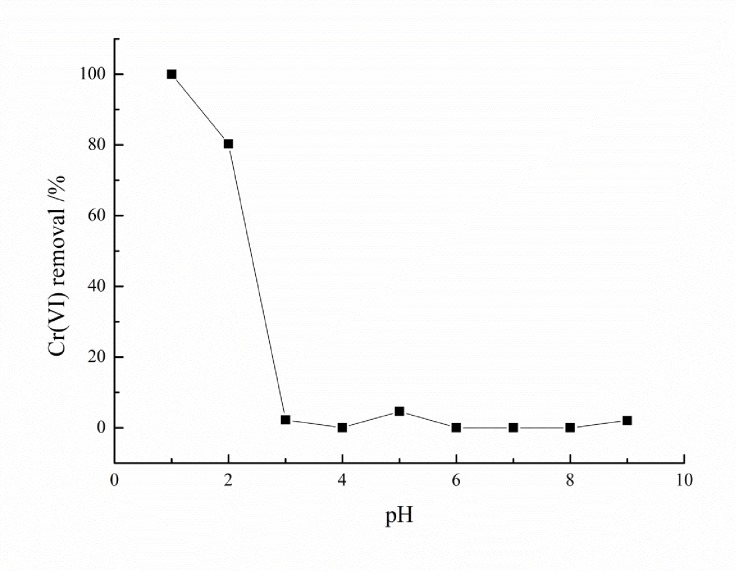
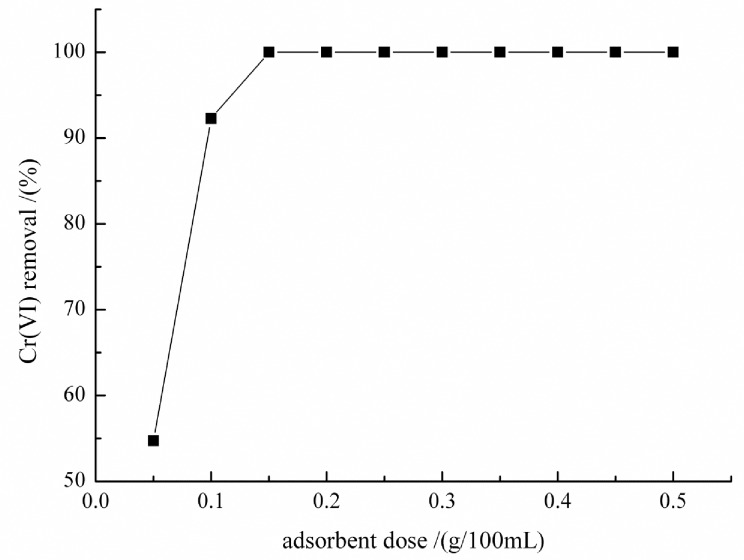
Environmental pollution with heavy metals is a serious issue worldwide posing threats to humans, animals and plants and to the stability of overall ecosystem. Chromium (Cr) is one of most hazardous heavy metals with a high carcinogenic and recalcitrant nature. Aim of the present study was to select low-cost biosorbent using wheat straw and Eupatorium adenophorum through simple carbonization process, capable of removing Cr (VI) efficiently from wastewater. From studied plants a low cost adsorbent was prepared for removing Cr (VI) from aqueous solution following very simple carbonization method excluding activation process. Several factors such as pH, contact time, sorbent dosage and temperature were investigated for attaining ideal condition. For analysis of adsorption equilibrium isotherm data, Langmuir, Freundlich and Temkin models were used while pseudo-first-order, pseudo-second-order, external diffusion and intra-particle diffusion models were used for the analysis of kinetic data. The obtained results revealed that 99.9% of Cr (VI) removal was observed in the solution with a pH of 1.0. Among all the tested models Langmuir model fitted more closely according to the data obtained. Increase in adsorption capacity was observed with increasing temperature revealing endothermic nature of Cr (VI). The maximum Cr (VI) adsorption potential of E. adenophorum and wheat straw was 89.22 mg per 1 gram adsorbent at 308K. Kinetic data of absorption precisely followed pseudo-second-order model. Present study revealed highest potential of E. adenophorum and wheat straw for producing low cost adsorbent and to remove Cr (VI) from contaminated water.
Overview
The claims and statistics of this paper haven’t been checked yet.
Free: it reads the open-access text and checks the first 5 claims that cite a source we can check. Create a free account to check every claim.
Integrity signals
Registry
Cites
Statistics
Figures
Verification
Claims the paper makes
The claims and statistics of this paper haven’t been checked yet.
Free: it reads the open-access text and checks the first 5 claims that cite a source we can check. Create a free account to check every claim.
Claims other papers make about this one
Each is checked against this paper’s own text: does it say what the citing paper says it does?
The cited source says what the claim attributes to it.
In the citing paper
“The decrease in Cr(VI) adsorption with an increase in pH has been reported in activated carbons39, nanocomposites40, and organic adsorbents41 such as ours.”
From Optimized removal of hexavalent chromium from water using spent tea leaves treated with ascorbic acid (2022) · cites this paper as [41]
Self-check
Percentages, sums and reported differences re-computed from the paper’s own numbers.
The self-check needs the paper’s full text.
Citations
Cites
Kinetics of Adsorption on Carbon from Solution
Weber, W. J., & Morris, J. C. (1963) · Journal of the Sanitary Engineering Division · doi:10.1061/jsedai.0000430 · Cited by 9,844
Removal of heavy metal ions from wastewaters: A review
Fu, F., & Wang, Q. (2011) · Journal of Environmental Management · doi:10.1016/j.jenvman.2010.11.011 · Cited by 8,703 · cited 1×
“industrial wastewater treatment chromium, copper, cadmium, lead, zinc and nickel are considered more toxic and receiving more attention of researchers [3].”
BackgroundAdvanced Inorganic Chemistry: A Comprehensive Text
Cotton, F. A., & Wilkinson, G. (1972) · Cited by 1,132
Dakiky, M., Khamis, M., Manassra, A., & Mer'eb, M. (2002) · Advances in Environmental Research · doi:10.1016/s1093-0191(01)00079-x · Cited by 907
Adsorption of hazardous dye crystal violet from wastewater by waste materials
Mittal, A., Mittal, J., Malviya, A., Kaur, D., & Gupta, V. K. (2010) · Journal of Colloid and Interface Science · doi:10.1016/j.jcis.2009.11.060 · Cited by 803
Bhattacharya, A. K., Naiya, T. K., Mandal, S. N., & Das, S. K. (2008) · Chemical Engineering Journal · doi:10.1016/j.cej.2007.05.021 · Cited by 633 · cited 1×
“External film diffusion [22] and intra-particle diffusion [23] models were followed for the investigation of rate controlling step in the process of adsorption.”
BackgroundRemoval of hexavalent chromium from aqueous solution by agricultural waste biomass
Garg, U. K., Kaur, M. P., Garg, V. K., & Sud, D. (2007) · Journal of Hazardous Materials · doi:10.1016/j.jhazmat.2006.06.056 · Cited by 578 · cited 1×
“Wheat straw is rich in cellulose, hemicellulose, linen and sugars which can be used as complexion chelation with heavy metal ions [18] E.”
BackgroundGupta, S., & Babu, B. V. (2009) · Chemical Engineering Journal · doi:10.1016/j.cej.2009.01.013 · Cited by 461
Comparative studies on the microbial adsorption of heavy metals
Goyal, N., Jain, S. C., & Banerjee, U. C. (2003) · Advances in Environmental Research · doi:10.1016/s1093-0191(02)00004-7 · Cited by 408
Kobya, M. (2004) · Bioresource Technology · doi:10.1016/j.biortech.2003.07.001 · Cited by 360 · cited 1×
“Different conventional methods such as chemical precipitation, filtration, chemical oxidation and reduction, reverse osmosis, evaporation techniques, electrochemical and ion exchange methods are generally recommended for Cr (VI) removal from the environment [10].”
Research works printed but not linked: 2
- Louhab K, Sahmoune N, Bar S. Valorisation of the Fungi Waste in the Recuperation of Chromium in the Rejection of the Tannery. European Journal of Scientific Research. 2006.
- Chen J, Song D. Adsorption for organic pollutants in domestic wastewater by carbonized Eupatorium adenophorum Spreng. Chinese Journal of Environmental Engineering. 2013; 7: 2197– 2202.
Cited by
Karić, N., Maia, A. S., Teodorović, A., Atanasova, N., Langergraber, G., Crini, G., Ribeiro, A. R. L., & Đolić, M. (2022) · Chemical Engineering Journal Advances · doi:10.1016/j.ceja.2021.100239 · Cited by 466
Sinha, R., Kumar, R., Sharma, P., Kant, N., Shang, J., & Aminabhavi, T. M. (2022) · Journal of Environmental Management · doi:10.1016/j.jenvman.2022.115356 · Cited by 169
Santhosh, C., Daneshvar, E., Kollu, P., Peräniemi, S., Grace, A. N., & Bhatnagar, A. (2017) · Chemical Engineering Journal · doi:10.1016/j.cej.2017.03.144 · Cited by 124
“The concentration of Cr(VI) in the liquid phase was measured by 1,5-diphenylcarbohydrazide method using UV-Visible spectrophotometer in the maximum absorbance wavelength of 540 nm [21, 40, 41].”
MethodRapid adsorptive removal of chromium from wastewater using walnut-derived biosorbents
Garg, R., Garg, R., Sillanpää, M. E. T., Alimuddin, Khan, M. A., Mubarak, N. M., & Tan, Y. H. (2023) · Scientific Reports · doi:10.1038/s41598-023-33843-3 · Cited by 98
Invasive plants as biosorbents for environmental remediation: a review
Nguyen, D. T. C., Tran, T. V., Kumar, P. S., Din, A. T. M., Jalil, A. A., & Vo, D. N. (2022) · Environmental Chemistry Letters · doi:10.1007/s10311-021-01377-7 · Cited by 91
Bedada, D., Angassa, K., Tiruneh, A., Kloos, H., & Fito, J. (2020) · Energy Ecology and Environment · doi:10.1007/s40974-020-00160-8 · Cited by 93
Bayuo, J. (2021) · Journal of Environmental Health Science and Engineering · doi:10.1007/s40201-021-00641-w · Cited by 96
“[66] examined the elimination of toxic Cr(VI) from synthetic water onto wheat straw and Eupatorium adenophorum.”
BackgroundSinha, R., Kumar, R., Abhishek, K., Shang, J., Bhattacharya, S., Sengupta, S., Kumar, N., Singh, R. K., Mallick, J., Kar, M., et al. (2022) · Groundwater for Sustainable Development · doi:10.1016/j.gsd.2022.100796 · Cited by 93
Santhosh, C., Nivetha, R., Kollu, P., Srivastava, V., Sillanpää, M., Grace, A. N., & Bhatnagar, A. (2017) · Scientific Reports · doi:10.1038/s41598-017-14461-2 · Cited by 77
“= − × Adsorption C C C (%) 100 (12) i e”
Mohamed, S. M. I., Yılmaz, M., Güner, E. K., & Nemr, A. E. (2024) · Scientific Reports · doi:10.1038/s41598-024-51587-6 · Cited by 65
Haroon, H., Shah, J. A., Khan, M. S., Alam, T., Khan, R., Asad, S. A., Ali, M. A., Farooq, G., Iqbal, M., & Bilal, M. M. (2020) · Journal of Water Process Engineering · doi:10.1016/j.jwpe.2020.101577 · Cited by 62
Singh, V., Singh, J., & Mishra, V. (2021) · Journal of environmental chemical engineering · doi:10.1016/j.jece.2021.105124 · Cited by 58
Mondal, N. K., & Basu, S. (2019) · Applied Water Science · doi:10.1007/s13201-019-0929-5 · Cited by 57
Kebede, A., Kedir, K., Melak, F., & Asere, T. G. (2022) · The Scientific World JOURNAL · doi:10.1155/2022/7554133 · Cited by 48
Bansal, M., Garg, R., Garg, V. K., Garg, R., & Singh, D. (2022) · Chemosphere · doi:10.1016/j.chemosphere.2022.133966 · Cited by 45
Al-Sakkari, E. G., Abdeldayem, O. M., Genina, I. E. A., Amin, L., Bahgat, N. T., Rene, E. R., & El-sherbiny, I. M. (2020) · International Journal of Biological Macromolecules · doi:10.1016/j.ijbiomac.2020.03.220 · Cited by 36
Khalaf, M. M., Alamer, K., & El‐Lateef, H. M. A. (2019) · Ceramics International · doi:10.1016/j.ceramint.2019.08.064 · Cited by 32
Removal of Hexavalent Chromium from Aqueous Solution by Adsorption on Palm Oil Fuel Ash (POFA)
Nordin, N., Asmadi, N. A. A., Manikam, M. K., Halim, A. A., Hanafiah, M. M., & Hurairah, S. N. (2020) · Journal of Geoscience and Environment Protection · doi:10.4236/gep.2020.82008 · Cited by 31
“The fluctuation observed which is similar to the previous study by Song et al. (2016) was due to unstable repulsive force between POFA adsorbent and chromium ions caused by abundance of OH− ions when the pH was slightly increased, resulted in little fluctuation of Cr(VI) removal.”
ResultMathai, R. V., Mitra, J. C., Sar, S. K., & Jindal, M. K. (2022) · Chemical Data Collections · doi:10.1016/j.cdc.2022.100871 · Cited by 30
Zaib, Q., & Kyung, D. (2022) · Scientific Reports · doi:10.1038/s41598-022-12787-0 · Cited by 28
Electroanalytical Techniques for the Remediation of Heavy Metals from Wastewater
Altaf, M., Yamin, N., Muhammad, G., Raza, M. A., Shahid, M., & Ashraf, R. S. (2020) · Environmental chemistry for a sustainable world · doi:10.1007/978-3-030-52421-0_14 · Cited by 29
Mohamed, S. M. I., Güner, E. K., Yılmaz, M., & Nemr, A. E. (2023) · Scientific Reports · doi:10.1038/s41598-023-45464-x · Cited by 21
Karić, N., Vukčević, M., Maletić, M., Dimitrijević, S., Ristić, M. Đ., Perić‐Grujić, A. A., & Trivunac, K. V. (2023) · International Journal of Biological Macromolecules · doi:10.1016/j.ijbiomac.2023.124527 · Cited by 19
Synthesis and applications of Perovskite in heavy metal ions removal-A brief perspective
Jayanthi, G., Sumathi, S., & Andal, V. (2021) · Materials Today Proceedings · doi:10.1016/j.matpr.2021.06.147 · Cited by 18
Chanda, R. K., Hosain, M., Sumi, S. A., Sultana, M., Islam, S., & Biswas, B. K. (2022) · Adsorption Science & Technology · doi:10.1155/2022/4544611 · Cited by 18
“Because of the increase in adsorbent dose, the surface area of the adsorbent enhances resulting in increased binding sites for more metal ions to be adsorbed [26].”
BackgroundChemically modified nanoparticles usage for removal of chromium from sewer water
Dokmaji, T. G., Ibrahim, T. H., Khamis, M. I., Abouleish, M. Y., & Alam, I. A. (2020) · Environmental Nanotechnology Monitoring & Management · doi:10.1016/j.enmm.2020.100319 · Cited by 21
Wheat Straw as a Bio-Sorbent for Arsenate, Chromate, Fluoride, and Nickel
Romar-Gasalla, A., Coelho, G. F., Nóvoa‐Muñoz, J. C., Arias‐Estévez, M., Fernández‐Sanjurjo, M. J., Álvarez‐Rodríguez, E., & Núñez‐Delgado, A. (2017) · Water · doi:10.3390/w9090690 · Cited by 14
“9% Cr(VI) at pH 1 [43], used neuro-fuzzy techniques to predict the removal capacity of Cu(II) and Cr(VI) from aqueous solutions by wheat straw [44], investigated Ni(II) and Zn(II) bio-sorption potential of sulfuric-acid-treated wheat straw by means of column experiments [45], reviewed the efficacy of wheat straw as a…”
MethodKiran, M., Haq, F., Mehmood, S., & Aziz, T. (2025) · Journal of Chemical Engineering Research Updates · doi:10.15377/2409-983x.2025.12.1 · Cited by 14
New crosslinked hydrazide–based polymers as Cr(VI) ions adsorbents
Dautoo, U. K., Shandil, Y., & Chauhan, G. S. (2017) · Journal of environmental chemical engineering · doi:10.1016/j.jece.2017.10.041 · Cited by 14
Ameenur, R. S. M., Neerazhagan, B. T., Gomathi, T., Sudha, P. N., & Sheriff, I. S. A. K. (2021) · Biomass Conversion and Biorefinery · doi:10.1007/s13399-021-02075-8 · Cited by 11
“It is also possible that the decreasing elimination over time is due to intraparticle diffusion taking precedence over adsorption [42, 43].”
BackgroundComparative Studies of Adsorption of Chromium(VI) Ions onto Different Industrial Wastes
Tiadi, N., Dash, R. R., Mohanty, C. R., & Patel, A. (2020) · Journal of Hazardous Toxic and Radioactive Waste · doi:10.1061/(asce)hz.2153-5515.0000517 · Cited by 13
The removal of chromium (VI) from tannery waste using Spirulina sp. immobilized silica gel
Adetya, N. P., Arifin, U. F., & Anggriyani, E. (2021) · TURKISH JOURNAL OF CHEMISTRY · doi:10.3906/kim-2106-22 · Cited by 14
“Negatively charged biomass competes with anionic chromate ions due to electrostatic repulsion, which results in decreased adsorption efficiency at higher pH value ranges [21].”
BackgroundRout, D. R., & Jena, H. M. (2022) · Journal of the Chinese Chemical Society · doi:10.1002/jccs.202200294 · Cited by 8
Hau, V. T., Chinh, N. T., Linh, P. H., Nguyen, T. T. L., Viet, N. T. M., Dũng, Đ. Đ., & Dũng, N. Q. (2025) · RSC Advances · doi:10.1039/d5ra07081c · Cited by 7
Ain, N.-U., Safdar, N., & Yasmin, A. (2024) · International Journal of Environmental Science and Technology · doi:10.1007/s13762-024-05833-z · Cited by 7
“Adsorption results were also analyzed with the help of three isotherm models namely Langmuir, Freundlich and Sips isotherms (Song et al. 2016).”
Lan, M., Zeng, S., Hussain, M., Tang, P., Ma, S., Yi, J., Li, L., Wang, J., Guo, J., Wu, G., et al. (2022) · Heliyon · doi:10.1016/j.heliyon.2022.e10381 · Cited by 7
“adenophorum had spread, it has been proven to be an efficient accumulator of lead (Pb), Zinc (Zn), and cadmium (Cd) (Chen et al., 2014, 2016; Li et al., 2016; Li and Zhang, 2008; Song et al., 2016; Wang et al., 2013; Wang and Zhang, 2008; Zu et al., 2005).”
BackgroundMetal Removal from Wastewater Using Sludge from a Natural Stabilization Pond as Biosorbent
Giarratano, E., Faleschini, M., Bruni, C., Olivera, N. L., & Gil, M. N. (2019) · International Journal of Environmental Research · doi:10.1007/s41742-019-00196-7 · Cited by 7
Rao, V. D., Rao, M. V. S., & Krishna, M. P. S. M. (2020) · Chemistry & Chemical Technology · doi:10.23939/chcht14.03.362 · Cited by 7
Nishad, V., Kumar, S., & Sastry, S. V. A. R. (2025) · Nanotechnology for Environmental Engineering · doi:10.1007/s41204-025-00468-y · Cited by 6
“The green synthesis approach utilizing bael leaf demonstrates the effectiveness of phytochemicals of Cr (VI) [46 ].”
Study of buckwheat husk application for water demineralisation
Somin, V., Комарова, Л. Ф., & Куталова, А. В. (2020) · Proceedings of universities Applied chemistry and biotechnology · doi:10.21285/2227-2925-2020-10-2-213-222 · Cited by 4
Chromium-containing wastewater treatment by means of using galvanocoagulators
Валерьевич, Б. А., Abitov, R. N., & Сергеевич, С. А. (2020) · IOP Conference Series Materials Science and Engineering · doi:10.1088/1757-899x/890/1/012149 · Cited by 4
Singh, V., Singh, N., Yadav, P., & Mishra, V. (2021) · Wiley eBooks · doi:10.1002/9781119737629.ch13 · Cited by 4
Nishad, V., Kumar, S., & Sastry, S. V. A. R. (2025) · The Canadian Journal of Chemical Engineering · doi:10.1002/cjce.70214 · Cited by 2
Removal of Hexavalent Chromium from Water by Chitosan-Enhanced Ultrafiltration
Indiasih, P. A. Y., Syaifudin, A. D., Himma, N. F., & Ismuyanto, B. (2023) · Makara Journal of Technology · doi:10.7454/mst.v27i1.1592 · Cited by 2
Employing Microbes for Cr Alleviation: A Reliant Harmless Approach
Prabhu, S. V., Jayakumar, M., Gomadurai, C., Kerga, G. A., & Shibeshi, N. T. (2023) · Environmental science and engineering · doi:10.1007/978-3-031-44029-8_6 · Cited by 2
Mousa, O. F., Yılmaz, M., El-Nemr, M. A., Hassaan, M. A., Ismail, A. M., & Nemr, A. E. (2026) · Scientific Reports · doi:10.1038/s41598-026-49810-7 · Cited by 2
Šestan, I., Ahmetović, M., Odobašić, A., Bratovčić, A., & Bеgić, S. (2018) · International Journal for Research in Applied Sciences and Biotechnology · doi:10.31033/ijrasb.5.6.1 · Cited by 1
Pandian, C. J., Sironmani, R., Jeyraman, J., & Balakrishnan, G. S. (2022) · Elsevier eBooks · doi:10.1016/b978-0-323-85584-6.00016-9 · Cited by 1
Yaraş, A., & Arslanoğlu, H. (2019) · Sakarya University Journal of Science · doi:10.16984/saufenbilder.469464
Shammala, F. A. (2020) · Insights in Chemistry and Biochemistry · doi:10.33552/icbc.2020.01.000513
Shammala, F. A. (2020) · Insights in Chemistry and Biochemistry · doi:10.33552/icbc.2020.01.000511
Samaraweera, A. P. G. M. V., Priyantha, N., & Gunathilake, W. S. S. (2025) · Research Square · doi:10.21203/rs.3.rs-6086784/v1
Applications of activated carbon for wastewater treatment
Okolie, J. A., & Okon-Akan, O. A. (2025) · Elsevier eBooks · doi:10.1016/b978-0-443-13840-9.00006-8 · Cited by 1
Banerjee, S. (2025) · Springer eBooks · doi:10.1007/978-981-96-9764-9_8
Bio-sorption studies of chromium (VI) ions with modified chicken feathers
Shaima, N. A. (2021) · BRAC University Institutional Repository (BRAC University)
Nayak, H. K., Giri, J., Mallick, L., Mohapatra, S., Samal, K. P., Bastia, T. K., Rath, P., & Panda, A. K. (2026) · Journal of Applied Biology & Biotechnology · doi:10.7324/jabb.2026.292474
Kishor, R., Patra, S., Parmar, R., Kulkarni, D. V. V., & Chakma, S. (2026) · Journal of The Institution of Engineers (India) Series E · doi:10.1007/s40034-026-00330-z
Metadata
- Authors
- Song, D., Pan, K., Tariq, A., Azizullah, A., Sun, F., Li, Z., & Xiong, Q.
- Affiliations
- Chinese Academy of Sciences (CN)
- Kohat University of Science and Technology (PK)
- Corresponding author
- Pan, Kaiwen
- Tariq, Akash
- Venue
- PLOS ONE
- Publisher
- Public Library of Science (PLoS)
- Published
- 2016-12-02
- Volume
- 11
- Issue
- 12
- Pages
- e0167037
- ISSN
- 1932-6203 (ISSN-L)
- PMC
- PMC5135067
- OpenAlex
- W2559203822
- Cited by
- 56
- References
- 53
- Citations by year
- 2026: 3 · 2025: 7 · 2024: 2 · 2023: 5 · 2022: 12 · 2021: 6 · 2020: 12 · 2019: 4 · 2018: 1 · 2017: 4
- FWCI
- 1.78
- Type
- journal article
- Language
- en
- Open access
- gold
- doi.org
- Licence
- Locations
- PLoS ONE (publishedVersion, cc-by)
- PubMed Central (publishedVersion, cc-by)
- PubMed (publishedVersion)
- DOAJ (DOAJ: Directory of Open Access Journals) (submittedVersion, cc-by-sa)
- Greater South Information System
- Funders
- National Natural Science Foundation of China (31370632)
- Ministry of Sciences and Technology, China (2011BAC09B04-01-03)
- Topics
- Physical Sciences › Environmental Science › Water Science and Technology › Adsorption and biosorption for pollutant removal
- Physical Sciences › Environmental Science › Health, Toxicology and Mutagenesis › Chromium effects and bioremediation
- Physical Sciences › Environmental Science › Environmental Engineering › Environmental remediation with nanomaterials
- Keywords
- hexavalent chromium removal, biosorption, wheat straw, Ageratina adenophora, low-cost biosorbent, carbonization, heavy metal wastewater treatment, adsorption isotherms, adsorption kinetics, pseudo-second-order kinetics, Langmuir isotherm, endothermic adsorption, pH effect on adsorption
- MeSH terms
- Hydrogen-Ion Concentration, Models, Biological, Water Microbiology, Water Pollutants, Chemical, Triticum, Chromium Compounds, Water Purification, Ageratina, Wastewater
About these checks
Registry, retraction, Cites and statistics results are computed, not judged, with one exception: a printed reference that no index lists is read once by a model before it counts as a citation error. Claims are extracted by a model and kept only when their quote appears verbatim in the text; each cited source is then checked, with a model’s help, for whether it says what the claim relies on. Those verdicts can be wrong — read the claim’s quote and the cited source before relying on one.
Statistics and arithmetic are recomputed, not judged.
Confidence bands are shown only for fields calibrated on our annotated test set. None is calibrated yet, so no band is shown.
What counts as a claim ›How we measure confidence ›How we check this ›
Are you an author, or do you see a problem with this page? Request a review
Data sources
Bibliographic data: Semantic Scholar, OpenAlex, Crossref.
Contains information from the Semantic Scholar Academic Graph Datasets, made available under the ODC Attribution License (ODC-BY 1.0).
Semantic Scholar’s data is described in: Kinney, R., et al. (2023). The Semantic Scholar Open Data Platform. arXiv:2301.10140.
