

3D multi-view convolutional neural networks for lung nodule classification
Open accessThe DOI matches its Crossref record; 40 of the 40 references it cites were found in a registry or an index.
Abstract
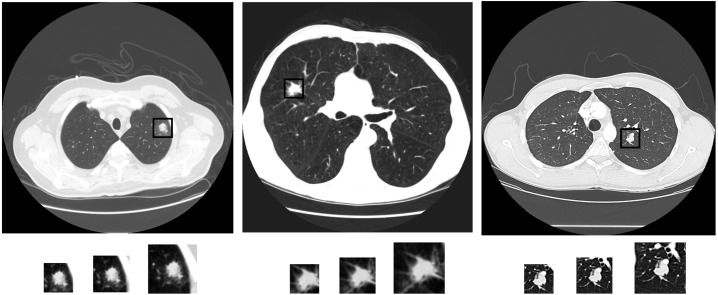
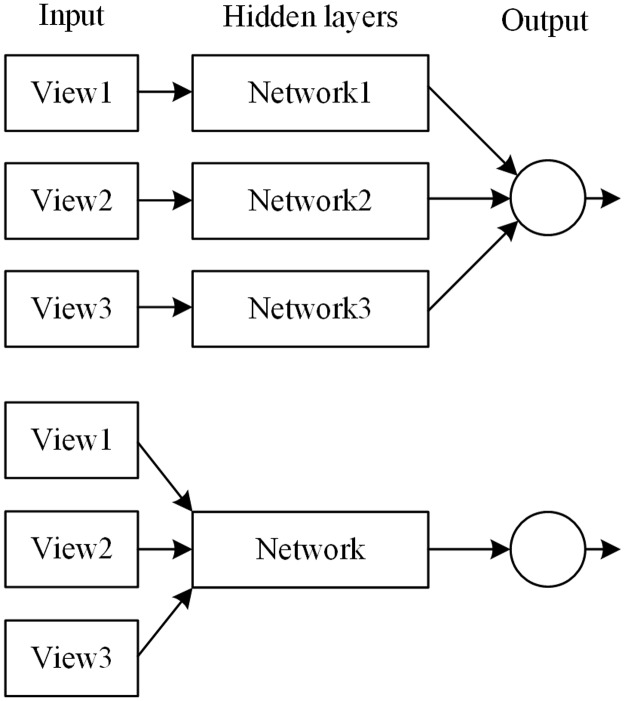
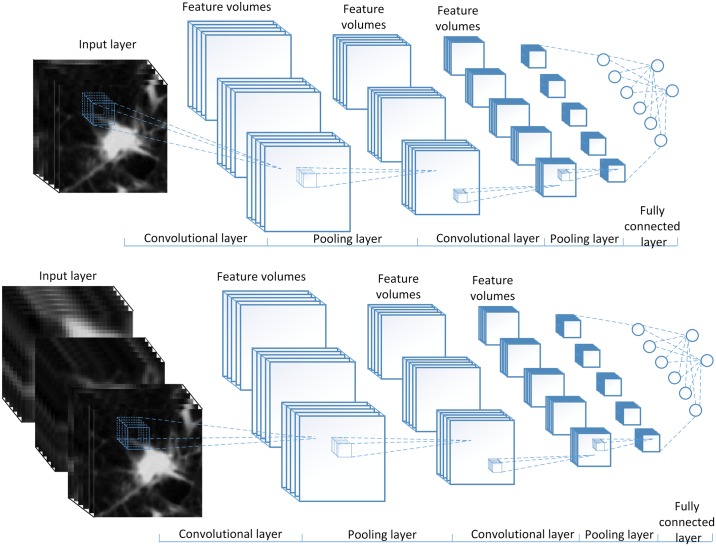
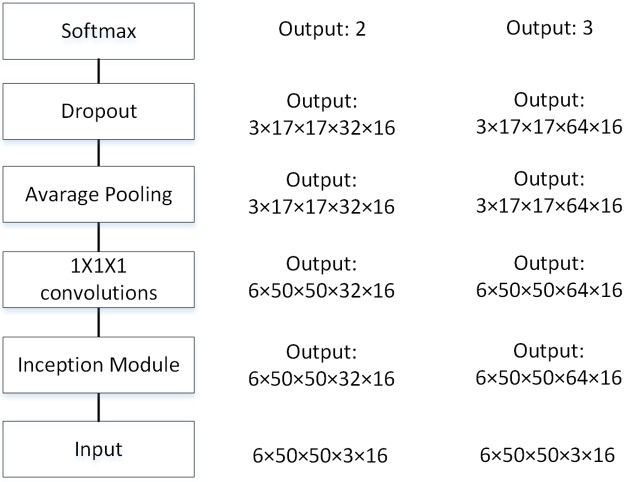
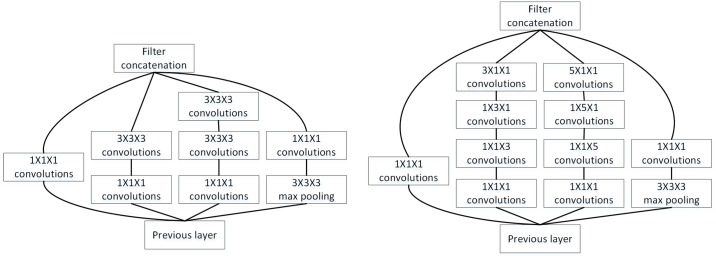
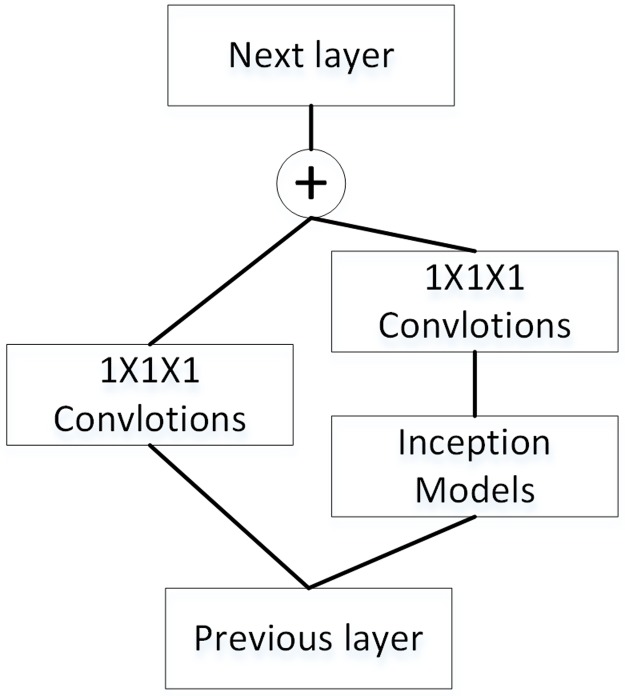
The 3D convolutional neural network (CNN) is able to make full use of the spatial 3D context information of lung nodules, and the multi-view strategy has been shown to be useful for improving the performance of 2D CNN in classifying lung nodules. In this paper, we explore the classification of lung nodules using the 3D multi-view convolutional neural networks (MV-CNN) with both chain architecture and directed acyclic graph architecture, including 3D Inception and 3D Inception-ResNet. All networks employ the multi-view-one-network strategy. We conduct a binary classification (benign and malignant) and a ternary classification (benign, primary malignant and metastatic malignant) on Computed Tomography (CT) images from Lung Image Database Consortium and Image Database Resource Initiative database (LIDC-IDRI). All results are obtained via 10-fold cross validation. As regards the MV-CNN with chain architecture, results show that the performance of 3D MV-CNN surpasses that of 2D MV-CNN by a significant margin. Finally, a 3D Inception network achieved an error rate of 4.59% for the binary classification and 7.70% for the ternary classification, both of which represent superior results for the corresponding task. We compare the multi-view-one-network strategy with the one-view-one-network strategy. The results reveal that the multi-view-one-network strategy can achieve a lower error rate than the one-view-one-network strategy.
Overview
The claims and statistics of this paper haven’t been checked yet.
Free: it reads the open-access text and checks the first 5 claims that cite a source we can check. Create a free account to check every claim.
Integrity signals
Registry
Cites
Statistics
Figures
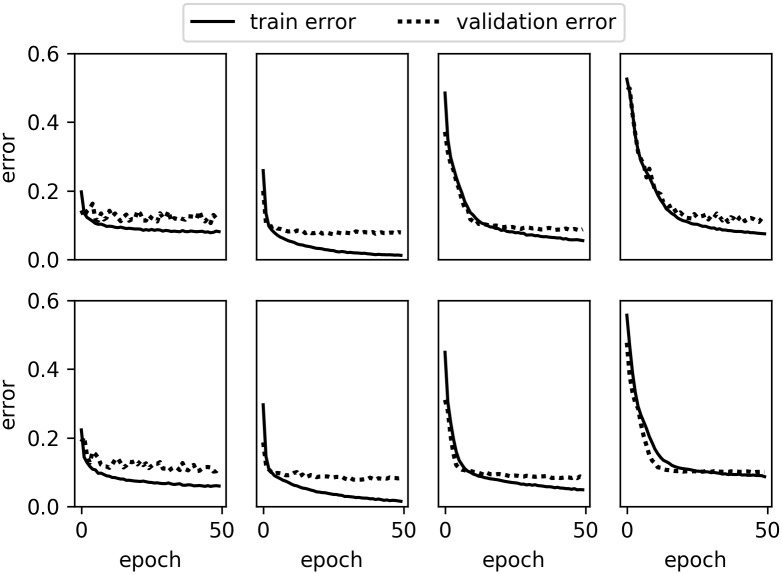
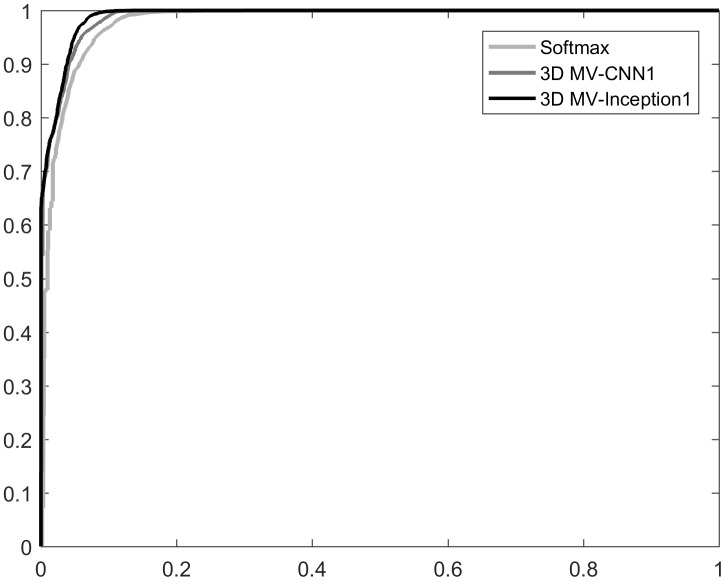
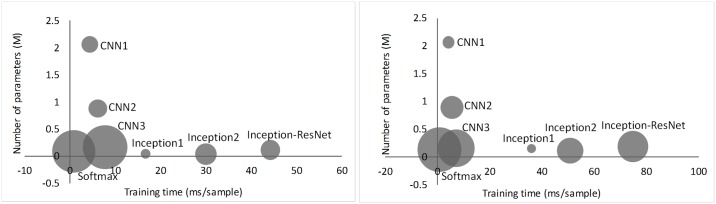
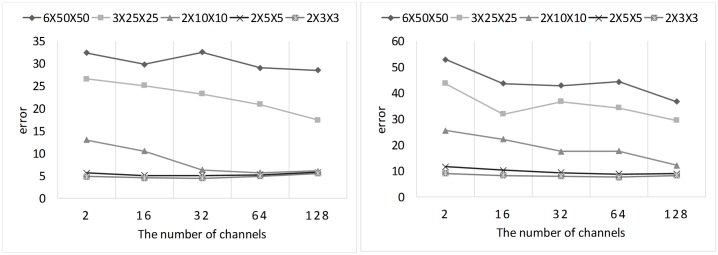
Verification
Claims the paper makes
The claims and statistics of this paper haven’t been checked yet.
Free: it reads the open-access text and checks the first 5 claims that cite a source we can check. Create a free account to check every claim.
Self-check
Percentages, sums and reported differences re-computed from the paper’s own numbers.
The self-check needs the paper’s full text.
Citations
Cites
Deep Residual Learning for Image Recognition
He, K., Zhang, X., Ren, S., & Sun, J. (2016) · 2016 IEEE Conference on Computer Vision and Pattern Recognition (CVPR) · doi:10.1109/cvpr.2016.90 · Cited by 235,474
Very Deep Convolutional Networks for Large-Scale Image Recognition
Simonyan, K., & Zisserman, A. (2014) · arXiv · doi:10.48550/arxiv.1409.1556 · Cited by 114,148
ImageNet classification with deep convolutional neural networks
Krizhevsky, A., Sutskever, I., & Hinton, G. E. (2017) · Communications of the ACM · doi:10.1145/3065386 · Cited by 112,155
Faster R-CNN: Towards Real-Time Object Detection with Region Proposal Networks
Ren, S., He, K., Girshick, R., & Sun, J. (2017) · IEEE Transactions on Pattern Analysis and Machine Intelligence · doi:10.1109/tpami.2016.2577031 · Cited by 73,472
Faster R-CNN: Towards Real-Time Object Detection with Region Proposal Networks
Ren, S., He, K., Girshick, R., & Sun, J. (2015) · arXiv · doi:10.48550/arxiv.1506.01497 · Cited by 70,812
Jemal, A., Bray, F., Center, M. M., Ferlay, J., Ward, E., & Forman, D. (2011) · CA: A Cancer Journal for Clinicians · doi:10.3322/caac.20107 · Cited by 54,679
Going deeper with convolutions
Szegedy, C., Liu, W., Jia, Y., Sermanet, P., Reed, S., Anguelov, D., Erhan, D., Vanhoucke, V., & Rabinovich, A. (2015) · 2015 IEEE Conference on Computer Vision and Pattern Recognition (CVPR) · doi:10.1109/cvpr.2015.7298594 · Cited by 48,562
Rethinking the Inception Architecture for Computer Vision
Szegedy, C., Vanhoucke, V., Ioffe, S., Shlens, J., & Wojna, Z. (2016) · 2016 IEEE Conference on Computer Vision and Pattern Recognition (CVPR) · doi:10.1109/cvpr.2016.308 · Cited by 32,138
Batch Normalization: Accelerating Deep Network Training by Reducing Internal Covariate Shift
Ioffe, S., & Szegedy, C. (2015) · arXiv · doi:10.48550/arxiv.1502.03167 · Cited by 27,818
Global cancer statistics, 2012
Torre, L. A., Bray, F., Siegel, R. L., Ferlay, J., Lortet‐Tieulent, J., & Jemal, A. (2015) · CA: A Cancer Journal for Clinicians · doi:10.3322/caac.21262 · Cited by 26,850
Cited by
Items 101–200 of 202
HAUNet-3D: a Novel Hierarchical Attention 3D UNet for Lung Nodule Segmentation
Zhou, F., Luo, F., Efio-Akolly, K., Bbosa, R., Huang, W. C., Zou, J. N., Chen, Y. P., & Liu, F. (2021) · IEEE International Conference on Bioinformatics and Biomedicine (BIBM) · doi:10.1109/bibm52615.2021.9669883 · Cited by 12
Shweikeh, E., Al-Rajab, M. M., Lu, J., Xu, Q., Joy, M. S., Ahmed, A., & Chang, H. (2026) · PLoS ONE · doi:10.1371/journal.pone.0339404 · Cited by 13
Comandur, B., & Kak, A. C. (2021) · IEEE Journal of Selected Topics in Applied Earth Observations and Remote Sensing · doi:10.1109/jstars.2021.3066944 · Cited by 11
Zhang, T., Zhang, C., Zhong, Y., Sun, Y., Wang, H., Li, H., Yang, G., Zhu, Q., & Yuan, M. (2022) · Frontiers in Oncology · doi:10.3389/fonc.2022.900049 · Cited by 10
“However, deep learning has its own limitations: a large number of cases are needed to train the established model and the interpretability is very limited, users cannot get an effective explanation of the classification results (46, 47).”
BackgroundEarly stage lung cancer detection from speech sounds in natural environments
Ankışhan, H., Ulucanlar, H., Aktürk, İ., Kavak, K. A., Bağcı, U., & Yenigün, B. M. (2024) · Biomedical Signal Processing and Control · doi:10.1016/j.bspc.2024.106628 · Cited by 9
The Clinician's Guide to the Machine Learning Galaxy
Shen, L., Kann, B. H., Taylor, R. A., & Shung, D. L. (2021) · Frontiers in Physiology · doi:10.3389/fphys.2021.658583 · Cited by 11
“Several studies have shown extremely high accuracy of lung nodule and malignancy prediction using a deep learning based approach to CT diagnosis (Field et al., 2016; Jemal and Fedewa, 2017; Kang et al., 2017; Causey et al., 2018; Ardila et al., 2019).”
BackgroundPulmonary Lung Cancer Classification Using Deep Neural Networks
Goswami, J., & Singh, K. K. (2023) · Lecture notes in electrical engineering · doi:10.1007/978-981-99-0189-0_30 · Cited by 9
Wang, J., Lin, L., Zhao, S., Wu, X., & Wu, S. (2019) · PubMed Central · doi:10.7507/1001-5515.201806019 · Cited by 9
A study on specific learning algorithms pertaining to classify lung cancer disease
Saminathan, M., Manikandan, R., Kumar, A., Kulandaivel, R., Khanna, A. K., & Singh, P. (2021) · Expert Systems · doi:10.1111/exsy.12797 · Cited by 9
Radiomics Based Bayesian Inversion Method for Prediction of Cancer and Pathological Stage
Shakir, H., Khan, T., Rasheed, H., & Deng, Y. (2021) · IEEE Journal of Translational Engineering in Health and Medicine · doi:10.1109/jtehm.2021.3108390 · Cited by 9
A novel artificial intelligence segmentation model for early diagnosis of bladder tumors
Li, L., Jiang, L., Yang, K., Luo, B., & Wang, X. (2024) · Abdominal Radiology · doi:10.1007/s00261-024-04715-9 · Cited by 8
Subramanyam, G. K., Srinivas, K., Indugu, V. V. R., Gondi, D. S., & Subbammagari, S. K. G. (2026) · Diseases · doi:10.3390/diseases14010021 · Cited by 9
“These were soon outperformed by 3D CNNs, which directly learn volumetric texture and morphological features from CT scans [7,8].”
Are deep learning classification results obtained on CT scans fair and interpretable?
Ashames, M. M. A., Demir, A., Gerek, Ö. N., Fidan, M., Gülmezoğlu, M. B., Ergin, S., Edizkan, R., Koç, M., Barkana, A., & Çalışır, C. (2024) · Physical and Engineering Sciences in Medicine · doi:10.1007/s13246-024-01419-8 · Cited by 9
Application of Modified Inception-ResNet and CondenseNet in Lung Nodule Classification
Fu, J. (2019) · International Conference on Computer Engineering, Information Science & Application Technology (ICCIA) · doi:10.2991/iccia-19.2019.28 · Cited by 8
“[38] adopts Multi-View-One-Network strategy in 3D CNN architecture for lung nodule classification, and realize 3D inception and 3D Inception-ResNet for this classification task.”
MethodA survey on deep learning approaches for breast cancer diagnosisPreprint
Kwong, T., & Mazaheri, S. (2021) · arXiv (Cornell University) · doi:10.48550/arxiv.2109.08853 · Cited by 8
“In a 3D CNN, the kernels, stride, and pooling operation are three dimensional, where the third dimension represents a depth dimension [30].”
BackgroundAhluwalia, V. S., Schapira, M. M., Weissman, G. E., & Parikh, R. B. (2025) · MDM Policy & Practice · doi:10.1177/23814683251329007 · Cited by 5
“Vignettes 9 and 10 asked respondents when, in the clinical workflow, an attending radiologist should be able to view an AI-generated radiology report for screening mammograms or low-dose chest computed tomography (CT).”
Cheng, X.-Y., Wen, H., Hao, Y., Li, H., Wu, X., Cao, Q., & Jia-bao, L. (2022) · Technology in Cancer Research & Treatment · doi:10.1177/15330338221085375 · Cited by 7
A Review on Early Diagnosis of Lung Cancer from CT Images Using Deep Learning
Warrier, M. M., & Abraham, L. (2023) · Algorithms for intelligent systems · doi:10.1007/978-981-19-8742-7_52 · Cited by 9
The future of artificial intelligence in healthcare
Radakovich, N., & Nazha, A. (2021) · Elsevier eBooks · doi:10.1016/b978-0-12-820273-9.00016-6 · Cited by 7
Sun, Y.-C., Hsieh, A.-T., Fang, S.-T., Wu, H., Kao, L.-W., Chung, W., Chen, H., Liou, K.-D., Lin, Y., Guo, W., et al. (2021) · Journal of the Chinese Medical Association · doi:10.1097/jcma.0000000000000614 · Cited by 7
An Anthropomorphic Diagnosis System of Pulmonary Nodules using Weak Annotation-Based Deep Learning
Xie, L., Xu, Y., Zheng, M., Chen, Y., Sun, M., Archer, M. A., Mao, W., Tong, Y., & Wan, Y. (2024) · Computerized Medical Imaging and Graphics · doi:10.1016/j.compmedimag.2024.102438 · Cited by 6
Salome, P., Sforazzini, F., Brugnara, G., Kudak, A., Dostal, M., Herold‐Mende, C. C., Heiland, S., Debus, J., Abdollahi, A., & Knoll, M. (2023) · Cancers · doi:10.3390/cancers15061820 · Cited by 7
“In conjunction with the high performance achieved in the literature on medical image classification [13,14,16,17], it is apparent that DCNNs can learn the intricacies behind different medical image modalities.”
BackgroundHuang, G., Yan, Y., Xue, J., Zhu, W., & Luó, X. (2024) · IEEE Transactions on Circuits and Systems for Video Technology · doi:10.1109/tcsvt.2024.3427645 · Cited by 6
“Annotators need to draw a rectangular box around the nodule in the image or volume data, ensuring that the bounding box accurately encompasses the contour of the nodule [11].”
Benign and malignant classification of pulmonary nodules based on multi-level feature fusion
Liu, C., Wang, B., & Zhu, M. (2021) · International Conference on Intelligent Computing, Automation and Systems (ICICAS) · doi:10.1109/icicas53977.2021.00022 · Cited by 5
Kour, T., Raina, J. K., Gondhi, N. K., Sharma, A. K., Banerjee, S., Kumar, P., Sharma, R., & Panjaliya, R. K. (2025) · Archives of Computational Methods in Engineering · doi:10.1007/s11831-025-10401-w · Cited by 7
Integrating Convolutional Neural Networks into Mobile Health: A Study on Lung Disease Detection
Hasibuan, M. S. (2025) · Journal of Applied Data Sciences · doi:10.47738/jads.v6i3.660 · Cited by 5
Analysis of Wire Rolling Processes Using Convolutional Neural Networks
CAPELIN, M., Martínez, G. A. S., Xing, Y. T., Siqueira, A. F., & Qian, W. (2024) · Advances in Science and Technology – Research Journal · doi:10.12913/22998624/183699 · Cited by 5
Huang, L., Kong, W., Luo, Y., Xie, H., Liu, J., Zhang, X., & Zhang, G. (2024) · Frontiers in Oncology · doi:10.3389/fonc.2024.1458374 · Cited by 5
“Mutations in EGFR exons 18, 19, 20, and 21 were tested with polymerase chain reaction (PCR) – based ampli fi ed refractory mutation system by using the human EGFR gene mutation detection kit of both institutions (LUSH: Beijing SinoMD Gene Detection Technology Co., Ltd., China; Amoy Diagnostics,…”
ViFUNet: a Vision Flash based UNet for lung nodules segmentation task
Chen, T., Luo, F., Zhou, F., Liu, F., & Zha, Y. (2022) · IEEE International Conference on Bioinformatics and Biomedicine (BIBM) · doi:10.1109/bibm55620.2022.9995350 · Cited by 5
“Other scholars’ models[12–15] have fused information of different dimensions and scales to accurately segment lung nodules, which is worth learning.”
BackgroundHeidarian, S., Afshar, P., Oikonomou, A., Plataniotis, K. N., & Mohammadi, A. (2021) · arXiv (Cornell University) · doi:10.48550/arxiv.2110.08721 · Cited by 5
“, 3D CNN) to provide a patient-level prediction [14, 15].”
BackgroundIlla, P. K., & Thillaigovindan, S. K. (2026) · Scientific Reports · doi:10.1038/s41598-026-49895-0 · Cited by 4
“On the other hand, Positron Emission Tomography (PET) systems, biopsies, and patient continuous check-ups are necessary for accurately classifying benign and malignant nodules 7 .”
Hsiao, C., Peng, C.-H., Wu, F., & Cheng, D. (2023) · Diagnostics · doi:10.3390/diagnostics13243690 · Cited by 4
Uemura, T., Näppi, J. J., Lu, H., Kim, H., Tachibana, R., Hironaka, T., & Yoshida, H. (2019) · SPIE Medical Imaging: Computer-Aided Diagnosis · doi:10.1117/12.2512173 · Cited by 4
Accurate segmentation of lung nodule with low contrast boundaries by least weight navigation
Beula, R. J., & Wesley, A. B. (2023) · Multimedia Tools and Applications · doi:10.1007/s11042-023-14620-w · Cited by 4
“The authors Kange et al. [18] used 3 D multi-view CNN for the classification of lung nodules with the two architectures namely directed as an acyclic graph and chain architecture.”
Ali, M., Wani, S. U. D., Khan, A. A., Dey, T., & Salahuddin, M. (2023) · Research Square · doi:10.21203/rs.3.rs-2724591/v1 · Cited by 4
Gao, H., Li, J., Wu, Y., Tang, Z., He, X., Zhao, F., Chen, Y., & He, X. (2025) · Physica Medica · doi:10.1016/j.ejmp.2025.105050 · Cited by 3
An integrated convolutional neural network for classifying small pulmonary solid nodules
Mei, M., Ye, Z., & Zha, Y. (2023) · Frontiers in Neuroscience · doi:10.3389/fnins.2023.1152222 · Cited by 3
Ramadhani, F., Rahardiantoro, S., & Masjkur, M. (2024) · Indonesian Journal of Statistics and Its Applications · doi:10.29244/ijsa.v8i2p112-128 · Cited by 3
Computer Aided Detection of Nodule from Computed Tomography Images of Lung
Vinod, C., & Menaka, D. (2021) · International Research Journal on Advanced Science Hub · doi:10.47392/irjash.2021.073 · Cited by 3
Upadhyay, S., & Tanwar, P. S. (2021) · International Conference on Communication and Electronics Systems (ICCES) · doi:10.1109/icces51350.2021.9489012 · Cited by 3
“Features, 3D Intensity Based Statistical Features.[17]””
RetractedSnekhalatha, U., Thanaraj, K. P., & Sangamithrai, K. (2021) · Advances in intelligent systems and computing · doi:10.1007/978-981-16-2123-9_45 · Cited by 3
CNN Hyperparameter Optimization for Pulmonary Nodule Classification
Jatobá, A. E. A., Lima, L., Amorim, L., & de Oliveira, M. F. (2020) · doi:10.5753/sbcas.2020.11499 · Cited by 3
“Those factors combined often lead to inconsistencies in the diagnosis between different specialists or even the same specialist in different circumstances [Kang et al. 2017].”
BackgroundMethodYang, Y., Xiao-qin, L., Han, Z., Fu, J., & Gao, B. (2022) · PubMed Central · doi:10.7507/1001-5515.202110059 · Cited by 3
Hlouschek, J., König, B., Bos, D., Santiago, A., Zensen, S., Haubold, J., Pöttgen, C., Herz, A., Opitz, M. K., Wetter, A., et al. (2023) · Diagnostics · doi:10.3390/diagnostics14010028 · Cited by 3
“Many models for nodule classification have been examined and trained [11–17].”
BackgroundMethodSome Frequently Used Classification Methods
Holeňa, M., Pulc, P., & Kopp, M. (2020) · Studies in big data · doi:10.1007/978-3-030-36962-0_3 · Cited by 3
ThyGraph: A Graph-Based Approach for Thyroid Nodule Diagnosis from Ultrasound Studies
Radhachandran, A., Vittalam, A., Ivezić, V., Sant, V. R., Athreya, S., Moleta, C., Patel, M. K., Masamed, R., Arnold, C. W., & Speier, W. F. (2024) · Lecture notes in computer science · doi:10.1007/978-3-031-72083-3_70 · Cited by 2
Trabelsi, M., Romdhane, H., & Sellem, D. B. (2025) · Physical and Engineering Sciences in Medicine · doi:10.1007/s13246-025-01567-5 · Cited by 2
“Kang et al. (2017) later proposed a 3D multi-scale CNN architecture to improve nodule detection sensitivity in computed tomography (CT), surpassing traditional 2D models [6].”
Hybrid radiomic-HOG ensemble model for accurate pulmonary nodule diagnosis
P, J. K. O., & Roy, P. (2025) · Biomedical Physics & Engineering Express · doi:10.1088/2057-1976/ae21e6 · Cited by 2
Pulmonary Nodule Classification with 3D Convolutional Neural Networks
Jatobá, A. E. A., de Lima, L. L., & Oliveira, M. C. (2019) · Workshop of Computer Vision (WVC) · doi:10.5753/wvc.2019.7630 · Cited by 2
“[4] avaliou MCNNs 3D de diferentes arquiteturas para classificação binária (benignos e malignos) e ternária (benignos, malignos e maligno metastáticos) de nódulos pulmonares.”
BackgroundInfluentialAdvances in the Classification of Benign and Malignant Pulmonary Nodules Based on Machine Learning
Yang, Y. (2021) · Biophysics · doi:10.12677/biphy.2021.92006 · Cited by 2
Semi-Supervised Learning of Visual Attributes for Automated Assessment of Lung Nodule Malignancy
Chen, L., Yao, L., Wang, Q., & Xue, Z. (2024) · IEEE International Symposium on Biomedical Imaging (ISBI) · doi:10.1109/isbi56570.2024.10635131 · Cited by 2
Yin, H.-C., Chang, C., Wang, Z.-W., Lin, C.-Y., Yen, Y., Tseng, Y., Chen, J.-C., & Lien, J.-J. J. (2025) · Expert Systems with Applications · doi:10.1016/j.eswa.2025.127341 · Cited by 2
Loeza-Mejía, C.-I., Biswal, R. R., Rodríguez-Tello, E., & Ochoa‐Ruiz, G. (2020) · Lecture notes in computer science · doi:10.1007/978-3-030-49076-8_23 · Cited by 2
“Various investigations, related to lung nodules, report the influence of the data augmentation [14,24,26], number of input channels [20] and the use of dropout [8,14,18,20,21,24,26], in order to improve the accuracy of the network and to avoid overfitting.”
BackgroundChang, K.-P., Lin, S.-H., & Chu, Y.-W. (2021) · Artificial Intelligence in Gastroenterology · doi:10.35712/aig.v2.i2.27 · Cited by 2
Lungs Nodule Prediction Using Convolutional Neural Network and K-Nearest Neighbor
Patnaik, V., & Mishra, C. (2021) · Lecture notes in networks and systems · doi:10.1007/978-981-16-0695-3_7 · Cited by 2
Multi-view Deep Learning for Weather Recognition
Mishra, S., Kumar, S., & Kumar, V. (2022) · Lecture notes in electrical engineering · doi:10.1007/978-981-16-8546-0_7 · Cited by 2
Multi-view weighted feature fusion with wavelet transform and CNN for enhanced CT image recognition
Zhou, Z., Yu, Y., Song, C., Liu, Z., Shi, M., & Zhang, J. (2023) · Journal of Intelligent & Fuzzy Systems · doi:10.3233/jifs-233373 · Cited by 2
Artificial intelligence in the treatment of cancer: Changing patterns, constraints, and prospects
Ali, M., Wani, S. U. D., Dey, T., & Mehdi, S. (2024) · Health and Technology · doi:10.1007/s12553-024-00825-y · Cited by 3
Peng, C.-H., Wu, J.-F., Kuo, C.-J., & Cheng, D. (2026) · Diagnostics · doi:10.3390/diagnostics16020186 · Cited by 1
“Researchers typically use this information to develop and evaluate predictive models for nodule malignancy, such as [10–14].”
InfluentialClassification of lung nodules in CT images based upon a multiplane dense inception network
Wu, Y., & Chang, H.-H. (2026) · Medical Physics · doi:10.1002/mp.70316 · Cited by 1
Yan, Z., Deng, X., Dang, J., Cai, S., Zhang, W., Pan, S., Zhang, T., Wu, H., & Ran, L. (2026) · Journal of Imaging Informatics in Medicine · doi:10.1007/s10278-026-01954-8 · Cited by 1
Artificial Intelligence in Oncology: Potential and Pitfalls
Gairola, M. (2019) · Asian Journal of Oncology · doi:10.1055/s-0039-1693233 · Cited by 1
Karthikeyan, M., & Sathiamoorthy, S. (2021) · Indian Journal of Computer Science and Engineering · doi:10.21817/indjcse/2021/v12i1/211201209 · Cited by 2
“In general, a Neural network has multiple layers and one of the layers applies the mathematical operation of convolution is known as Convolutional neural network [18-23] [34].”
BackgroundA Lung Nodule Detector Based on U-Net and 3D-CNN Model
Wang, Y., & Zhou, L. (2021) · International Conference on Computer Science, Electronic Information Engineering and Intelligent Control Technology (CEI) · doi:10.1109/cei52496.2021.9574604 · Cited by 1
Artificial intelligence in diagnosing lung cancer: Applications and future developments
Phung, J. (2021) · The Meducator · doi:10.35493/medu.39.18 · Cited by 1
Use of artificial intelligence in diagnostic cystoscopy of bladder cancer
Sadulaeva, T. A., Edilgireeva, L. A., Bimurzaeva, M., & Morozov, A. (2023) · Cancer Urology · doi:10.17650/1726-9776-2023-19-2-148-152 · Cited by 1
Beyond human capacity: How artificial intelligence (AI) is enhancing cancer diagnosis and treatment
Ravari, M. S., & Momeny, M. (2023) · Iranian Journal of Blood and Cancer · doi:10.61186/ijbc.15.3.4 · Cited by 2
Predicting EGFR Mutation Status Using Multi-View Transformer
Yang, S., Shao, J., Zhou, K., Yang, Z., Liu, Y., Wang, C., & Xu, X. (2023) · International Annual Conference on Complex Systems and Intelligent Science (CSIS-IAC) · doi:10.1109/csis-iac60628.2023.10363840 · Cited by 1
“In the context of lung nodule analysis, certain investigations treat the 3D contextual information extracted from slices of varying sizes and depths as distinct views, employing 3D convolutional neural networks for information processing [19]–[21].”
BackgroundArtificial Intelligence and Machine Learning in Healthcare
Sarkar, N., & Goel, S. (2024) · Advances in bioinformatics and biomedical engineering book series · doi:10.4018/979-8-3693-1922-2.ch002 · Cited by 3
Artificial Intelligence (AI) in Oncology in the UAE
Shaikh, K., & Bekal, S. V. (2024) · Springer eBooks · doi:10.1007/978-981-99-6794-0_18 · Cited by 1
Detection of Lumpy Disease in Livestock Using the MobileNetV2 Architecture Method
Putra, D. P., Wiriasto, G. W., & Paniran, P. (2024) · Jurnal Bumigora Information Technology (BITe) · doi:10.30812/bite.v6i2.4401 · Cited by 1
KLASIFIKASI JENIS TUMOR OTAK MENGGUNAKAN ARSITEKTURE MOBILENET V2
Winnarto, M. N., Mailasari, M., & Purnamawati, A. (2023) · Simetris Jurnal Teknik Mesin Elektro dan Ilmu Komputer · doi:10.24176/simet.v13i2.8821 · Cited by 1
Hailemariam..., M. A., Dufera, B. D., & Ahmed, H. (2026) · Preprints.org · doi:10.20944/preprints202603.2177.v1 · Cited by 1
Fine Grain Lung Nodule Diagnosis Based on CT Using 3D Convolutional Neural Network
Wang, Q., Zhang, J., Huang, S., Liu, C., Zhang, X., & Yang, D. (2019) · Lecture notes in computer science · doi:10.1007/978-3-030-31723-2_12
Artificial intelligence in eye care
Clarkson, D. (2018) · Optician · doi:10.12968/opti.2018.9.184107
A machine learning approach for the feature extraction of pulmonary nodules
Loeza-Mejía, C.-I., Biswal, R. R., & Fernández-Lambert, G. (2021) · Artificial Intelligence for Science, Industry and Society (AISIS) · doi:10.22323/1.372.0024
“Convolutional neural networks (CNN) have been used in several investigations of the state-of-the-art on lung cancer using CT thorax scans, showing that they can learn directly from the data [19, 20, 21, 22, 23, 24, 25, 26] instead of using handcrafted features, showing comparable results in the existing domain of the…”
Statistical analysis and machine learning in multimodal brain imaging of neuropsychiatric disorders
Hu, M. (2021) · DR-NTU (Nanyang Technological University) · doi:10.32657/10356/153263
Klaiber, M. (2022) · ELCVIA Electronic Letters on Computer Vision and Image Analysis · doi:10.5565/rev/elcvia.1517
“In addition, a spatial-dropout 2D-layer was used, which performs the same function as Dropout, but with the difference that full 2D feature maps are deactivated instead of individual elements [51, 52].”
MethodTan, M., Ma, W., Ye, Y., Duan, S., Jin, L., Wu, Y., & Li, M. (2022) · Clinical Radiology · doi:10.1016/j.crad.2022.09.130
Medical Training for Machines and Software
Hilal, M. A., Aveni, G., & Cherchi, V. A. (2024) · Springer eBooks · doi:10.1007/978-3-031-68574-3_18
Deep Learning Approaches for Pulmonary Nodule Classification: A CNN Algorithm for Enhanced
Ahmed, R. (2023) · Stallion Journal for Multidisciplinary Associated Research Studies · doi:10.55544/sjmars.2.2.1
Inferring Mechanical Properties of Wire Rods via Transfer Learning Using Pre-Trained Neural Networks
Eduardo, A. A. F., Martínez, G. A. S., Grant, T. W., Silva, L. B. S. D., & Qian, W. (2025) · J — Multidisciplinary Scientific Journal · doi:10.3390/j8020015
An interpretation-model-guided classification method for malignant pulmonary nodule
Li, B., & He, W. (2025) · Elsevier eBooks · doi:10.1016/b978-0-443-23979-3.00005-1
Cui, F., Liang, L., & Chen, X. (2025) · Buildings · doi:10.3390/buildings15213848
Chen, C., Huang, D., Zheng, Y., Wei, J., Feng, Y., Liu, T., Feng, J., & Liu, Y. (2025) · Lecture notes in computer science · doi:10.1007/978-981-95-3398-5_29
Comandur Jagannathan Raghunathan, B. K. (2020) · Purdue e-Pubs (Purdue University System) · doi:10.25394/pgs.12739556 · Cited by 1
AI-driven neural network models for lung cancer detection and tumor localization
Krishna, V., V (2025) · International Journal of Zoology and Applied Biosciences · doi:10.55126/ijzab.2025.v10.i06.sp035
Enhancing Lung Cancer Detection Accuracy Using Cnns And Advanced Image Preprocessing
Swarna, H. (2026) · i-manager’s Journal on Pattern Recognition · doi:10.26634/jpr.12.2.22309
Omni-Swin3D: A radiomics-aware architecture for robust lung cancer diagnosis
Xu, R., Ma, S., Lin, C., He, H., Tang, J., Ning, Y., Xiong, Z., & Qiang, G. (2026) · Alexandria Engineering Journal · doi:10.1016/j.aej.2026.04.007
Tan, X., Huang, X., Zheng, S., & Lü, X. (2025) · International Conference on Computational Biology and Bioinformatics (ICCBB) · doi:10.1145/3789938.3789957
“Concurrently, while deep learning methods based on 3D Convolutional Neural Networks (3D-CNNs) have become the dominant paradigm, most current models adopt a "Nodule-Only" strategy[5– 8].”
Liu, W., Yang, X., Pan, J., Wang, H., Wang, J., Jiang, R., & Zhao, Z. (2026) · Nondestructive Testing And Evaluation · doi:10.1080/10589759.2026.2678564
Chen, C., Guo, F., Huang, D. J., Zheng, Y., Feng, Y., Liu, T., Yao, Y., Wei, J., Zheng, M., & Liu, Y. (2026) · Bioengineering · doi:10.3390/bioengineering13060668
“Third, to further evaluate the superiority of the proposed method, we compared it with current state-of-the-art models, including MVCNN [32], EDCA-Net [33], MedNet [34], TwinCNN [35], and ResNet [36].”
Rashid, U., Sattar, K., Ashraf, R., Rehman, A. U., Zahra, S. Z., Bashir, R. N., Kamal, S., & Rehman, A. (2026) · IET Image Processing · doi:10.1049/ipr2.70415
Chen, C., Huang, D. J., Zheng, Y., Wei, J., Feng, Y., Liu, T., & Liu, Y. (2026) · Biomedical Signal Processing and Control · doi:10.1016/j.bspc.2026.110938
Banescu, B.-A., Ichim, L., & Popescu, D. (2026) · International Conference on Control, Decision and Information Technologies (CoDIT) · doi:10.1109/codit70676.2026.11630844
“Several studies have investigated deep learning approaches for lung nodule analysis and diagnosis [1]-[3].”
Shariff, S., & G, A. K. (2026) · International Journal of Computer Information Systems and Industrial Management Applications · doi:10.70917/ijcisim-2026-53333
Multi-view attention-based deep learning for benign–malignant classification of pulmonary nodules
Zhang, L., 卓德兵, Wu, X., He, Y., & Kang, G. (2026) · PLoS ONE · doi:10.1371/journal.pone.0357963
“Multi-view and multi-slice methods have been developed to represent the three-dimensional characteristics of pulmonary nodules using complementary two-dimensional images [9,10].”
Self-citationSithiq, H. A. A. H., Shuib, L. M., Ahmad, M., Antony, C. D., Iftikhar, M., & Shah, P. A. (2026) · Bioengineering · doi:10.3390/bioengineering13101134
“Similarly, studies [31,32] employed the publicly available LIDC-IDRI database, which contains CT images annotated by multiple radiologists for lung nodule analysis.”
InfluentialNarayanan, N. (2026) · arXiv (Cornell University) · doi:10.48550/arxiv.2609.38271
“Since pulmonary nodules extend across multiple CT slices, a 3D convolutional neural network was used so that the model could learn volumetric information across depth, height, and width rather than relying on a single 2D cross-section [14].”
Metadata
- Authors
- Kang, G., Liu, K., Hou, B., & Zhang, N.
- Affiliations
- Beijing University of Posts and Telecommunications (CN)
- Corresponding author
- Liu, Kui
- Venue
- PLOS ONE
- Publisher
- Public Library of Science (PLoS)
- Published
- 2017-11-16
- Volume
- 12
- Issue
- 11
- Pages
- e0188290
- ISSN
- 1932-6203 (ISSN-L)
- PMC
- PMC5690636
- OpenAlex
- W2770853452
- Cited by
- 191
- References
- 38
- Citations by year
- 2026: 15 · 2025: 12 · 2024: 17 · 2023: 22 · 2022: 21 · 2021: 40 · 2020: 26 · 2019: 28 · 2018: 10
- FWCI
- 10.44
- Type
- journal article
- Language
- en
- Open access
- gold
- doi.org
- Licence
- Locations
- PLoS ONE (publishedVersion, cc-by)
- PubMed Central (publishedVersion, cc-by)
- PubMed (publishedVersion)
- RePEc: Research Papers in Economics (submittedVersion)
- DOAJ (DOAJ: Directory of Open Access Journals) (submittedVersion, cc-by-sa)
- Funders
- National Natural Science Foundation of China (61471064)
- National High Technology Research and Development Program of China (2015AA01A709)
- Topics
- Physical Sciences › Computer Science › Artificial Intelligence › AI in cancer detection
- Health Sciences › Medicine › Pulmonary and Respiratory Medicine › Lung Cancer Diagnosis and Treatment
- Health Sciences › Medicine › Radiology, Nuclear Medicine and Imaging › Radiomics and Machine Learning in Medical Imaging
- Keywords
- lung nodule classification, 3D convolutional neural networks, chain architecture, benign versus malignant nodules, LIDC-IDRI, CT images
- MeSH terms
- Algorithms, Solitary Pulmonary Nodule, Humans, Lung Neoplasms, Tomography, X-Ray Computed, Neural Networks, Computer
About these checks
Registry, retraction, Cites and statistics results are computed, not judged, with one exception: a printed reference that no index lists is read once by a model before it counts as a citation error. Claims are extracted by a model and kept only when their quote appears verbatim in the text; each cited source is then checked, with a model’s help, for whether it says what the claim relies on. Those verdicts can be wrong — read the claim’s quote and the cited source before relying on one.
Statistics and arithmetic are recomputed, not judged.
Confidence bands are shown only for fields calibrated on our annotated test set. None is calibrated yet, so no band is shown.
What counts as a claim ›How we measure confidence ›How we check this ›
Are you an author, or do you see a problem with this page? Request a review
Data sources
Bibliographic data: Semantic Scholar, OpenAlex, Crossref.
Contains information from the Semantic Scholar Academic Graph Datasets, made available under the ODC Attribution License (ODC-BY 1.0).
Semantic Scholar’s data is described in: Kinney, R., et al. (2023). The Semantic Scholar Open Data Platform. arXiv:2301.10140.
