

The DOI matches its Crossref record; 49 of the 49 references it cites were found in a registry or an index.
Increase in salivary oxytocin and decrease in salivary cortisol after listening to relaxing slow-tempo and exciting fast-tempo music
Open accessAbstract
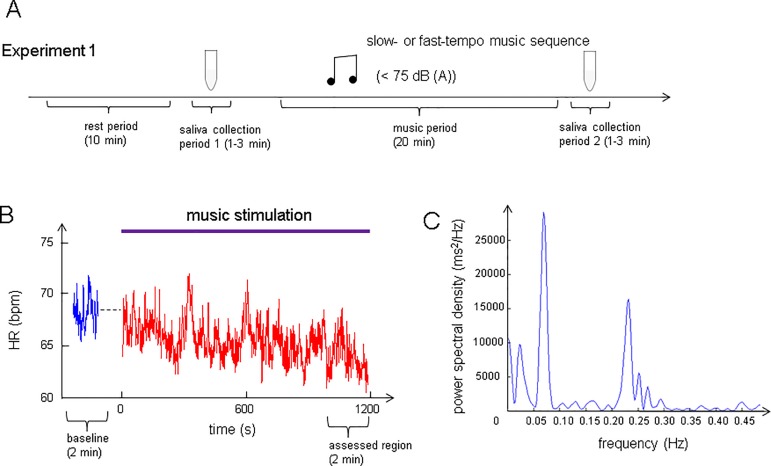
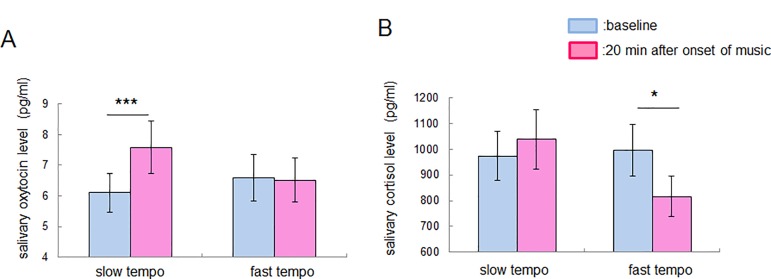
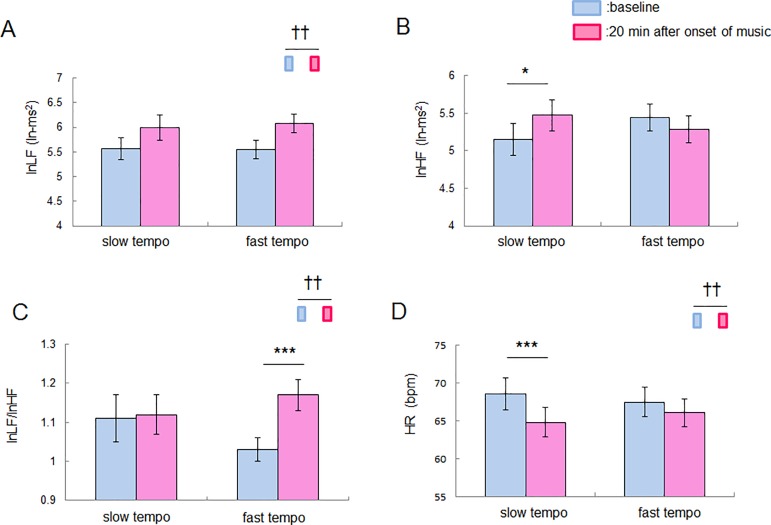
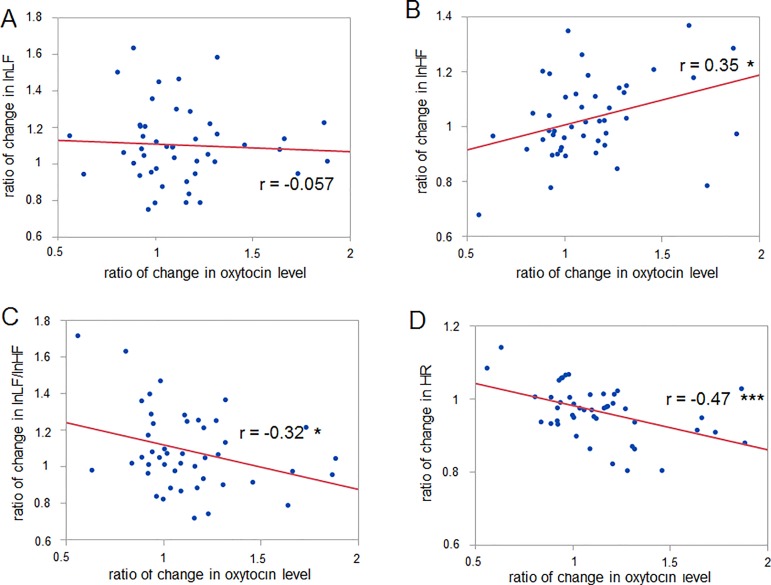
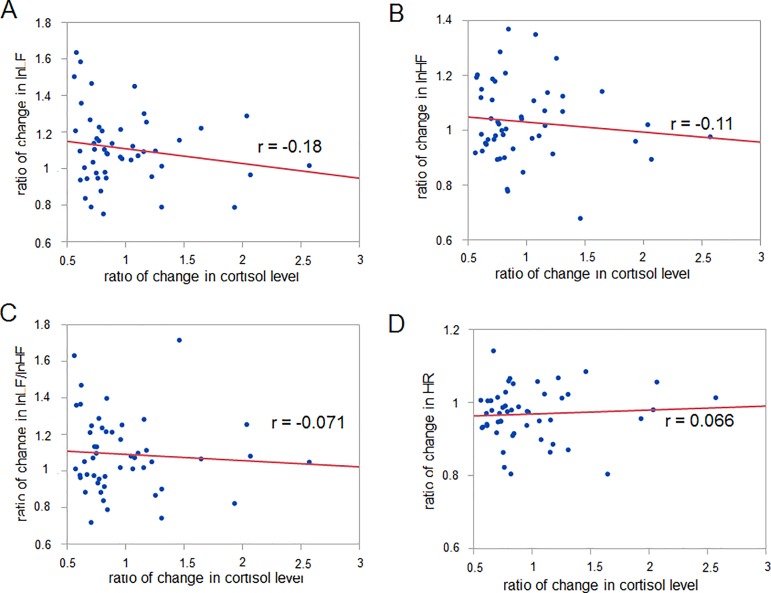
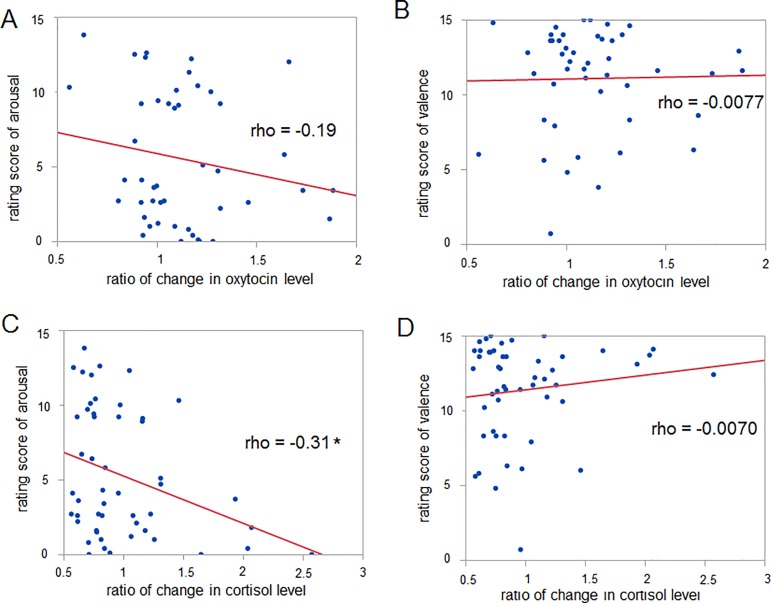
Relaxation and excitation are components of the effects of music listening. The tempo of music is often considered a critical factor when determining these effects: listening to slow-tempo and fast-tempo music elicits relaxation and excitation, respectively. However, the chemical bases that underlie these relaxation and excitation effects remain unclear. Since parasympathetic and sympathetic nerve activities are facilitated by oxytocin and glucocorticoid, respectively, we hypothesized that listening to relaxing slow-tempo and exciting fast-tempo music is accompanied by increases in the oxytocin and cortisol levels, respectively. We evaluated the change in the salivary oxytocin and cortisol levels of participants listening to slow-tempo and fast-tempo music sequences. We measured the heart rate (HR) and calculated the heart rate variability (HRV) to evaluate the strength of autonomic nerve activity. After listening to a music sequence, the participants rated their arousal and valence levels. We found that both the salivary oxytocin concentration and the high frequency component of the HRV (HF) increased and the HR decreased when a slow-tempo music sequence was presented. The salivary cortisol level decreased and the low frequency of the HRV (LF) to HF ratio (LF/HF) increased when a fast-tempo music sequence was presented. The ratio of the change in the oxytocin level was correlated with the change in HF, LF/HF and HR, whereas that in the cortisol level did not show any correlation with indices of autonomic nerve activity. There was no correlation between the change in oxytocin level and self-reported emotions, while the change in cortisol level correlated with the arousal level. These findings suggest that listening to slow-tempo and fast-tempo music is accompanied by an increase in the oxytocin level and a decrease in the cortisol level, respectively, and imply that such music listening-related changes in oxytocin and cortisol are involved in physiological relaxation and emotional excitation, respectively.
Overview
The claims and statistics of this paper haven’t been checked yet.
Free: it reads the open-access text and checks the first 5 claims that cite a source we can check. Create a free account to check every claim.
Integrity signals
Registry
Cites
Statistics
Figures
Verification
Claims the paper makes
The claims and statistics of this paper haven’t been checked yet.
Free: it reads the open-access text and checks the first 5 claims that cite a source we can check. Create a free account to check every claim.
Claims other papers make about this one
Each is checked against this paper’s own text: does it say what the citing paper says it does?
The cited source doesn’t support the claim as written.
In the citing paper
“The significant reduction of salivary cortisol levels is in line with other studies which investigated the impact of relaxation techniques on salivary cortisol levels also revealing a decline from before until after the intervention [64, 82].”
From The effects of a music and singing intervention during pregnancy on maternal well-being and mother-infant bonding: a randomised, controlled study. (2021) · cites this paper as [64]
Checked by a reasoning model — may be wrong.
Experimental — accuracy not yet measuredThe source backs part of the claim, not all of it — or backs it for a different population, condition or comparison.
In the citing paper
“Engaging in low-exertion social activities under low-stress conditions is conducive to OXT release since OXT is primarily involved in physiological relaxation rather than psychological relaxation (Ooishi et al., 2017).”
From Music's context-dependent influence on oxytocin, social bonding, and emotion regulation: a systematic review (2026) · cites this paper as Ooishi et al., 2017
Experimental — accuracy not yet measuredThe source backs part of the claim, not all of it — or backs it for a different population, condition or comparison.
In the citing paper
“Slow-tempo music is more likely to induce OXT release without inhibition by the HPA axis (Ooishi et al., 2017; Wulff et al., 2021), as it is usually perceived as more pleasant and relaxing (Ooishi et al., 2017).”
From Music's context-dependent influence on oxytocin, social bonding, and emotion regulation: a systematic review (2026) · cites this paper as Ooishi et al., 2017
Experimental — accuracy not yet measuredThe source backs part of the claim, not all of it — or backs it for a different population, condition or comparison.
In the citing paper
“Ooishi et al. (2017) confirmed OXT's responsiveness to stress signals, as evidenced by a significant time × tempo interaction effect in a music-listening task that manipulated arousal or stress levels via tempo.”
From Music's context-dependent influence on oxytocin, social bonding, and emotion regulation: a systematic review (2026) · cites this paper as Ooishi et al. (2017)
Experimental — accuracy not yet measuredThe source backs part of the claim, not all of it — or backs it for a different population, condition or comparison.
In the citing paper
“In addition, there were no significant correlations between the pre-post change of OXT and self-reported emotion, mood or stress scores (Fancourt et al., 2016; Ooishi et al., 2017).”
From Music's context-dependent influence on oxytocin, social bonding, and emotion regulation: a systematic review (2026) · cites this paper as Ooishi et al., 2017
Experimental — accuracy not yet measured
5 more claims about this paper
Create a free account to see every claim other papers make about this one.
Self-check
Percentages, sums and reported differences re-computed from the paper’s own numbers.
The self-check needs the paper’s full text.
Citations
Cites
Heart Rate Variability: Standards of Measurement, Physiological Interpretation, and Clinical Use
Electrophysiology, T. F. O. T. E. S. O. C. T. N. A. (1996) · Circulation · doi:10.1161/01.cir.93.5.1043 · Cited by 17,159
Heart rate variability: Standards of measurement, physiological interpretation, and clinical use
Malik, M., Bigger, J. T., Camm, A. J., Kleiger, R. E., Malliani, A., Moss, A. J., & Schwartz, P. J. (1996) · European Heart Journal · doi:10.1093/oxfordjournals.eurheartj.a014868 · Cited by 15,289
Assessment of autonomic function in humans by heart rate spectral analysis
Pomeranz, B., Macaulay, R. J., Caudill, M. A., Kutz, I., Adam, D., Gordon, D., Kilborn, K. M., Barger, A. C., Shannon, D. C., Cohen, R. J., et al. (1985) · American Journal of Physiology-Heart and Circulatory Physiology · doi:10.1152/ajpheart.1985.248.1.h151 · Cited by 2,876
Heinrichs, M., Baumgartner, T., Kirschbaum, C., & Ehlert, U. (2003) · Biological Psychiatry · doi:10.1016/s0006-3223(03)00465-7 · Cited by 2,091
Anatomically distinct dopamine release during anticipation and experience of peak emotion to music
Salimpoor, V. N., Benovoy, M., Larcher, K., Dagher, A., & Zatorre, R. J. (2011) · Nature Neuroscience · doi:10.1038/nn.2726 · Cited by 1,828
PORGES, S. W. (1995) · Psychophysiology · doi:10.1111/j.1469-8986.1995.tb01213.x · Cited by 1,624
Brain correlates of music-evoked emotions
Koelsch, S. (2014) · Nature Reviews Neuroscience · doi:10.1038/nrn3666 · Cited by 1,544
Chanda, M. L., & Levitin, D. J. (2013) · Trends in Cognitive Sciences · doi:10.1016/j.tics.2013.02.007 · Cited by 1,027
The Rewarding Aspects of Music Listening Are Related to Degree of Emotional Arousal
Salimpoor, V. N., Benovoy, M., Longo, G., Cooperstock, J. R., & Zatorre, R. J. (2009) · PLoS ONE · doi:10.1371/journal.pone.0007487 · Cited by 641
Cited by
Handbook of Religion and Health
Koenig, H. G., VanderWeele, T., & Peteet, J. R. (2024) · doi:10.1093/oso/9780190088859.001.0001 · Cited by 1,139
Effects of music in exercise and sport: A meta-analytic review.
Terry, P. C., Karageorghis, C. I., Curran, M. L., Martin, O. V., & Parsons-Smith, R. L. (2020) · Psychological Bulletin · doi:10.1037/bul0000216 · Cited by 443
“The lack of a generalized effect might be attributed, in part, to the effects of music on the functioning of the cardiorespiratory system independently of exercise-related tasks (see, e.g., Ooishi et al., 2017).”
BackgroundKirk, U., & Axelsen, J. L. (2020) · PLOS ONE · doi:10.1371/journal.pone.0243488 · Cited by 108
Wulff, V., Hepp, P., Wolf, O. T., Balan, P., Hagenbeck, C., Fehm, T., & Schaal, N. K. (2021) · Archives of gynecology and obstetrics · doi:10.1007/s00404-020-05727-8 · Cited by 101
Insular function in autism: Update and future directions in neuroimaging and interventions
Nomi, J. S., Molnar-Szakacs, I., & Uddin, L. Q. (2018) · Progress in Neuro-Psychopharmacology and Biological Psychiatry · doi:10.1016/j.pnpbp.2018.10.015 · Cited by 110
de Sousa, G. M., de Lima-Araujo, G. L., de Araújo, D. B., & de Sousa, M. B. C. (2021) · BMC Psychology · doi:10.1186/s40359-021-00520-x · Cited by 129
“In fact, relaxing activities have shown to decrease cortisol levels [61, 62].”
BackgroundPark, J.-I., Lee, I.-H., Lee, S., Kwon, R.-W., Choo, E.-A., Nam, H.-W., & Lee, J. (2023) · BMC Complementary Medicine and Therapies · doi:10.1186/s12906-022-03832-6 · Cited by 133
“Therefore, high stress level led to high level of cortisol and at the same time causes various problems such as growth and immunity problems [16, 17].”
BackgroundLinks between the neurobiology of oxytocin and human musicality
Harvey, A. R. (2020) · Frontiers in Human Neuroscience · doi:10.3389/fnhum.2020.00350 · Cited by 85
“From a physiological and psychosocial perspective, group music-making such as choral singing increases connectedness, heightens empathy, reduces depression and improves mood, is arousing and stimulates cognition, and has systemic health benefits including improved immune competency, reduced cytokine and inflammatory m…”
BackgroundTheorell, T., Kowalski, J. H., Theorell, A. M. L., & Horwitz, E. B. (2020) · Journal of Voice · doi:10.1016/j.jvoice.2020.11.006 · Cited by 90
Neural functions of hypothalamic oxytocin and its regulation
Wang, P., Wang, S. C., Liu, X., Jia, S., Wang, X., Li, T., Yu, J., Parpura, V., & Wang, Y.-F. (2022) · ASN Neuro · doi:10.1177/17590914221100706 · Cited by 59
“Listening to a slow-tempo music sequence increases the salivary OT concentration of participants whose high frequency component of the HRV increases while the heart rate decreases (Ooishi et al., 2017).”
BackgroundThe psychophysiology of music-based interventions and the experience of pain
Arnold, C. A., Bagg, M. K., & Harvey, A. R. (2024) · Frontiers in Psychology · doi:10.3389/fpsyg.2024.1361857 · Cited by 81
Brief mindfulness session improves mood and increases salivary oxytocin in psychology students
Bellosta‐Batalla, M., Blanco-Gandía, M. C., Rodríguez‐Arias, M., Cebolla, A., Pérez‐Blasco, J., & Moya‐Albiol, L. (2020) · Stress and Health · doi:10.1002/smi.2942 · Cited by 72
A novel role of oxytocin: Oxytocin-induced well-being in humans
Ito, E., Shima, R., & Yoshioka, T. (2019) · Biophysics and Physicobiology · doi:10.2142/biophysico.16.0_132 · Cited by 61
Endogenous oxytocin, cortisol, and testosterone in response to group singing
Bowling, D. L., Gahr, J., Ancochea, P. G., Hoeschele, M., Canoine, V., Fusani, L., & Fitch, W. T. (2022) · Hormones and Behavior · doi:10.1016/j.yhbeh.2021.105105 · Cited by 51
“Effects Effects of music type on changes in salivary oxytocin concentrations after listening have been reported, and may be attributable to acoustic parameters conveying different types of affect (Ooishi et al., 2017).”
Effect of 528 Hz Music on the Endocrine System and Autonomic Nervous System
Akimoto, K., Hu, A., Yamaguchi, T., & Kobayashi, H. (2018) · Health · doi:10.4236/health.2018.109088 · Cited by 43
“The effect of listening to music on oxytocin has recently attracted attention, with a previous study indicating that salivary oxytocin increases when participants listen to slow-tempo music compared to fast-tempo music [10].”
BackgroundInteractions of Oxytocin and Dopamine—Effects on Behavior in Health and Disease
Petersson, M., & Uvnäs‐Moberg, K. (2024) · Biomedicines · doi:10.3390/biomedicines12112440 · Cited by 52
“There are studies showing that oxytocin may also increase [115].”
Ooishi, Y., Fujino, M., Inoue, V., Nomura, M., & Kitagawa, N. (2021) · Frontiers in Physiology · doi:10.3389/fphys.2021.675899 · Cited by 39
Self-citationBaccarani, A., Donnadieu, S., Pellissier, S., & Brochard, R. (2023) · Psychophysiology · doi:10.1111/psyp.14251 · Cited by 36
Salivary oxytocin, cognitive anxiety and self-confidence in pre-competition athletes
Fratta, I. L., Franceschelli, S., Speranza, L., Patruno, A., Michetti, C., D’Ercole, P., Ballerini, P., Grilli, A., & Pesce, M. (2021) · Scientific Reports · doi:10.1038/s41598-021-96392-7 · Cited by 46
The Calming Effect of Heartbeat Vibration
Zhou, Y., Murata, A., & Watanabe, J. (2020) · IEEE Haptics Symposium · doi:10.1109/haptics45997.2020.ras.hap20.157.5a2e1551 · Cited by 33
“For example, in two studies that investigated the influence of music [20] and intervention of excises [17] on cardiac activity, the reported significant changes in heart rate are around 5 bpm and 2.”
BackgroundPhysiological Influences of Music in Perception and Action
Wright, S., Bégel, V., & Palmėr, C. (2022) · Cambridge University Press eBooks · doi:10.1017/9781009043359 · Cited by 31
The molecular basis of music-induced neuroplasticity in humans: A systematic review
Kunikullaya, K. U., Pranjić, P., Rigby, A. M., Pallás-Ferrer, I., Anand, H. J., Kunnavil, R., & Jaschke, A. C. (2025) · Neuroscience & Biobehavioral Reviews · doi:10.1016/j.neubiorev.2025.106219 · Cited by 34
“…studies including MBIs, have demonstrated the influence of OT on social bonding (Bowling et al., 2022; Eerola et al., 2021; Hansen and Keller, 2021; Ooishi et al., 2017; Os ´ orio et al., 2022; Wulff et al., 2021; Yuhi et al., 2017), providing evidence for its evolutionary significance for musical…”
Metcalf, C. S., Huntsman, M., Garcia, G., Kochanski, A. K., Chikinda, M., Watanabe, E., Underwood, T. K., Vanegas, F., Smith, M. D., White, H. S., et al. (2019) · Frontiers in Neurology · doi:10.3389/fneur.2019.00277 · Cited by 23
Li, K., Cui, C., Zhang, H., Jia, L., Li, R., & Hu, H. (2022) · Frontiers in Aging Neuroscience · doi:10.3389/fnagi.2022.962475 · Cited by 26
“Furthermore, combined physical activity and music interventions produce considerable benefits for patients with AD, including improved heart rates, skin conductance, motor patterns, neuroendocrine response, and immunological functions (Ooishi et al., 2017).”
BackgroundLinking Audience Physiology to Choreography
Han, J., Chernyshov, G., Sugawa, M., Zheng, D., Hynds, D., Furukawa, T., Macieira, M. P., Marky, K., Minamizawa, K., Ward, J. A., et al. (2022) · ACM Transactions on Computer-Human Interaction · doi:10.1145/3557887 · Cited by 26
Dance and stress regulation: A multidisciplinary narrative review
Klaperski, S., Skinner, J., Opacka‐Juffry, J., & Pfeffer, K. (2025) · Psychology of sport and exercise · doi:10.1016/j.psychsport.2025.102823 · Cited by 25
Oxytocin measurements in saliva: an analytical perspective
López-Arjona, M., Botia, M., Martínez-Subiela, S., & Cerón, J. M. C. (2023) · BMC Veterinary Research · doi:10.1186/s12917-023-03661-w · Cited by 29
“In addition, it can increase in saliva in an affiliation relationship [56], lactating women [72], physiological relaxation and emotional excitation status [75], and after physical effort, psychological stress and sexual self-stimulation [71].”
BackgroundJaschke, A. C., Howlin, C., Pool, J., Greenberg, D. M., Atkinson, R., Kovalova, A., Merriam, E., Pallás-Ferrer, I., Williams, S., Moore, C. S., et al. (2024) · BMC Psychiatry · doi:10.1186/s12888-024-06086-3 · Cited by 26
“Oxytocin [41, 42], dopamine [43], noradrenaline and epinephrine[43, 44] are released when listening and playing music, with oxytocin and dopamine increasing when group singing, performing and when improvising.”
The Effects of Essential Oil on Salivary Oxytocin Concentration in Postmenopausal Women
Tarumi, W., & Shinohara, K. (2020) · The Journal of Alternative and Complementary Medicine · doi:10.1089/acm.2019.0361 · Cited by 18
Comes‐Fayos, J., Blanco-Gandía, M. C., Moreno, I. R., Rodríguez‐Arias, M., Lila, M., Sarrate‐Costa, C., Romero‐Martínez, Á., & Moya‐Albiol, L. (2021) · Psychoneuroendocrinology · doi:10.1016/j.psyneuen.2021.105644 · Cited by 17
“, to running, sexual self-stimulation, breastfeeding, video-exposure, among others) in normative populations revealed a maximum peak in sOXT from 15 to 90 minutes after these tasks (de Jong et al., 2015; Ooishi et al., 2017; Procyshyn et al., 2020).”
BackgroundWatanasriyakul, W. T., Scotti, M. L., Carter, C. S., McNeal, N., Colburn, W., Wardwell, J., & Grippo, A. J. (2022) · Autonomic Neuroscience · doi:10.1016/j.autneu.2022.102967 · Cited by 15
Accurately predicting hit songs using neurophysiology and machine learning
Merritt, S. H., Gaffuri, K., & Zak, P. J. (2023) · Frontiers in Artificial Intelligence · doi:10.3389/frai.2023.1154663 · Cited by 17
“, 2015) as does listening to music (Nilsson, 2009; Ooishi et al., 2017), though the effect is inconsistent (Harvey, 2020).”
BackgroundWhen and how to sell pleasurably painful experiences
Luo, A., & Mattila, A. S. (2023) · Annals of Tourism Research · doi:10.1016/j.annals.2023.103683 · Cited by 14
Music and Tactile Stimuli during Daily Milking Affect the Welfare and Productivity of Dairy Cows
Lechuga, K. K. D. S. L., Caldara, F. R., Burbarelli, M. F. D. C., Odakura, A. M., dos Ouros, C. C., Garcia, R. G., Félix, G. A., Paz, I. C. D. L. A., dos Santos, V. M. O., & Braz, J. M. (2023) · Animals · doi:10.3390/ani13233671 · Cited by 17
“The activities of the parasympathetic nervous system are facilitated by oxytocin [63].”
BackgroundSabino, A. D. V., Chagas, M. H. N., & Osório, F. L. (2020) · Psychopharmacology · doi:10.1007/s00213-020-05493-0 · Cited by 18
Spontaneous motor tempo contributes to preferred music tempo regardless of music familiarity
Hine, K., Abe, K., Kinzuka, Y., Shehata, M., Hatano, K., Matsui, T., & Nakauchi, S. (2022) · Frontiers in Psychology · doi:10.3389/fpsyg.2022.952488 · Cited by 12
“For example, listening to slow tempo music has been found to induce a positive mood compared to that induced by fast tempo music (Ooishi et al., 2017).”
BackgroundProskurnina, E. V., Sokolova, S. V., & Portnova, G. V. (2021) · Psychophysiology · doi:10.1111/psyp.13854 · Cited by 13
Hirschel, J., Carlhan-Ledermann, A., Ferraz, C., Brand, L., Filippa, M., Gentaz, É., Lejeune, F., & Baud, O. (2023) · Children · doi:10.3390/children10091469 · Cited by 13
“Recent animal studies showed the significant effect of social vocalizations on OT regulation and social behaviors [50,51], and that auditory exposure to music or voice also induces increased OT and decreased cortisol concentrations in human adults [52].”
BackgroundKoenig, H. G., VanderWeele, T. J., & Peteet, J. R. (2023) · Oxford University Press eBooks · doi:10.1093/oso/9780190088859.003.0001 · Cited by 12
Salivary oxytocin and amygdalar alterations in functional neurological disorders
Weber, S., Stoffel, N., Ansede‐Bermejo, J. J., Cruz, R., Bolt, Á. D. R., Bruckmaier, R. M., Carracedo, Á., & Aybek, S. (2024) · Brain Communications · doi:10.1093/braincomms/fcae455 · Cited by 11
“9 Previous studies showed that salivary OXT levels not only correlated with parasympathetic activity (as measured using heart rate variability) 11,12 but also exerted a regulatory effect on the HPA axis, 13,14 through neuroimmunological processes.”
Medicine's Melodies: Music, Health and Well-Being
Levitin, D. J. (2019) · Music and Medicine · doi:10.47513/mmd.v11i4.711 · Cited by 12
“When people listen to or sing music in groups increased levels of serum oxytocin are observed, a social saliency hormone associated with feelings of bonding and trust [102,103].”
BackgroundDib, S., Wells, J. C. K., & Fewtrell, M. S. (2020) · PeerJ · doi:10.7717/peerj.9217 · Cited by 13
“A recent study looking at the effect of relaxing (slow-tempo) and exciting (fast-tempo) music on salivary oxytocin and cortisol demonstrated that listening to relaxing music resulted in a significant increase in oxytocin (Ooishi et al., 2017).”
BackgroundTreatments and regulatory mechanisms of acoustic stimuli on mood disorders and neurological diseases
Chen, Y., Sun, J., Tao, J., & Sun, T. (2024) · Frontiers in Neuroscience · doi:10.3389/fnins.2023.1322486 · Cited by 16
Gharehbaghi, M., Mirhosseini, S., Minaei-Moghadam, S., Salari, M., Grimwood, S., & Vaghee, S. (2024) · Heliyon · doi:10.1016/j.heliyon.2024.e30648 · Cited by 10
“Relaxation may influence the secretion of oxytocin and cortisol hormones in individuals, providing a potential explanation for the observed effects [34,35].”
BackgroundScharfen, H., & Memmert, D. (2024) · Consciousness and Cognition · doi:10.1016/j.concog.2024.103700 · Cited by 10
Ramirez, C., Alayine, G. A., Akafia, C. S. K., Adichie, K., Watts, D., Galdamez, Y., Harding, L., & Allsop, S. A. (2025) · Frontiers in Neuroscience · doi:10.3389/fnins.2025.1554156 · Cited by 13
Smith, A. R., Eiden, R. D., Shisler, S., Paluch, R. A., Piazza, J., & Kong, K. L. (2023) · Appetite · doi:10.1016/j.appet.2023.106590 · Cited by 10
Auditory rhythm complexity affects cardiac dynamics in perception and synchronization
Wright, S., & Palmėr, C. (2023) · PLoS ONE · doi:10.1371/journal.pone.0293882 · Cited by 9
“Slow-tempo music has been shown to slow down listeners’ heart rates and increase heart rate variability [21, 22].”
BackgroundChu, T.-H., & Tsai, C.-G. (2026) · Frontiers in cognition · doi:10.3389/fcogn.2025.1678665 · Cited by 8
Testosterone, oxytocin and co-operation: A hypothesis for the origin and function of music
Fukui, H., & Toyoshima, K. (2023) · Frontiers in Psychology · doi:10.3389/fpsyg.2023.1055827 · Cited by 12
Impact of musical rhythm on blood, physiological and welfare parameters in stabled horses
de Oliveira, F. Y. U., Odakura, A. M., Burbarelli, M. F. D. C., dos Ouros, C. C., Paz, I. C. D. L. A., Braz, J. M., Garcia, R. G., & Caldara, F. R. (2024) · Scientific Reports · doi:10.1038/s41598-024-82637-8 · Cited by 7
Matsubara, E., Matsui, N., & Kambara, K. (2023) · Wood Science and Technology · doi:10.1007/s00226-023-01490-6 · Cited by 8
Ooishi, Y., Kobayashi, M., Kashino, M., & Ueno, K. (2021) · Frontiers in Psychology · doi:10.3389/fpsyg.2021.650777 · Cited by 10
Self-citationGeorgiou, S. G., & Galatos, A. D. (2025) · Veterinary Sciences · doi:10.3390/vetsci12080770 · Cited by 10
“…and anti-anxiety properties and may enhance vagal activity by suppressing sympathetic nervous system (SNS) responses and hypothalamic–pituitary– adrenal (HPA) axis activation during stress, suggesting that higher oxytocin levels promote relaxation through vagal nerve stimulation [73,76].”
Joint music listening enhances interpersonal affective and neural synchrony
Curzel, F., Tillmann, B., Fournel, A., Novembre, G., & Ferreri, L. (2026) · Cortex · doi:10.1016/j.cortex.2026.02.012 · Cited by 7
The Effect of Music Therapy on Perceived Parental Stress in Perinatal Care: An Exploratory Study
Bollard-Marcovitz, J., Tachdjian, R., Roa, E., Flores, L., Brown, S., Gill, A., Brown, C., Wicks, E., Danelyan, H., Tan, M., et al. (2021) · Music Therapy Perspectives · doi:10.1093/mtp/miab016 · Cited by 9
Köse, B., Atlı, A., Köse, A., & Şeker, R. (2025) · Turkish Journal of Kinesiology · doi:10.31459/turkjkin.1637900 · Cited by 5
Ruiz-Mejías, M., Pérez, N., & Carrió, M. (2021) · Journal of Neuroeducation · doi:10.1344/joned.v1i2.33035 · Cited by 10
Sauciuc, G.-A., Persson, T., & Madsen, E. A. (2022) · Comparative Cognition & Behavior Reviews · doi:10.3819/ccbr.2022.170003 · Cited by 8
Portnova, G., Proskurnina, E., Skorokhodov, I. V., Sokolova, S., Semirechenko, A., & Varlamov, A. (2023) · International Journal of Molecular Sciences · doi:10.3390/ijms241512322 · Cited by 3
Effects of species-relevant auditory stimuli on stress in cats exposed to novel environment
Bian, Z., Fan, Z., Xiao, T., Yan, J., Ren, R., Xu, S., Deng, B., & Zhang, L. (2023) · Journal of Applied Animal Welfare Science · doi:10.1080/10888705.2023.2259803 · Cited by 6
“Specific music might positively affect cognitive capacity and emotion by regulating the levels of neurotransmitters (e.g., dopamine) in the central nervous system (Hao, Jiang, Wu, Yu, & Zhang, 2020) and hormones such as oxytocin (Ooishi et al., 2017).”
The healing power of music: a promising new avenue for cardiovascular health
Bendayan, S. (2023) · Frontiers in Cardiovascular Medicine · doi:10.3389/fcvm.2023.1277055 · Cited by 3
“These effects can be attributed to the ability of music to affect the release of hormones such as adrenaline and cortisol, which are associated with the sympathetic nervous system response, or oxytocin, which is associated with the parasympathetic nervous system response (4).”
BackgroundTapping into the vocal learning and rhythmic synchronization hypothesis
Theofanopoulou, C. (2024) · BMC Neuroscience · doi:10.1186/s12868-024-00863-2 · Cited by 4
“While not directly related to dance but pertinent to a crucial component of dancing, music perception has been linked to increases in both oxytocin [38, 39] and dopamine [40].”
BackgroundPetrovszki, P., Sebök‐Nagy, K., & Páli, T. (2021) · Frontiers in Molecular Biosciences · doi:10.3389/fmolb.2021.772167 · Cited by 4
“Beyond the obvious emotional effects, the psychological, physiological, and neurobiological effects of music on humans are well studied (Koelsch et al., 2016; Salimpoor et al., 2011; Xing et al., 2016; Ooishi et al., 2017).”
BackgroundKoenig, H. G., VanderWeele, T. J., & Peteet, J. R. (2023) · Oxford University Press eBooks · doi:10.1093/oso/9780190088859.003.0002 · Cited by 5
Closed-Loop Rhythmic Haptic Biofeedback via Smartwatch for Relaxation and Sleep Onset
Lee, J. H., Moschina, D., Ramesh, S., Röddiger, T., Kunze, K. S., & Beigl, M. (2025) · ACM International Symposium on Wearable Computers (ISWC) · doi:10.1145/3715071.3750412 · Cited by 5
“These structures are linked to reductions in arousal and heart rate, as well as modulation of stress-related biomarkers [8, 36, 47], and are thought to promote entrainment with internal rhythms like respiration and cardiac cycles [27, 31, 71].”
Understanding the Religion, Mental, and Social Health Relationship
Koenig, H. G., VanderWeele, T. J., & Peteet, J. R. (2023) · Oxford University Press eBooks · doi:10.1093/oso/9780190088859.003.0016 · Cited by 7
Interaction Between Oxytocin and Dopamine Signaling: Focus on the Striatum
Guidolin, D., Tortorella, C., Cervetto, C., Marcoli, M., Maura, G., & Agnati, L. F. (2025) · International Journal of Molecular Sciences · doi:10.3390/ijms26178711 · Cited by 3
“In this respect, oxytocin and dopamine play a significant role, being both released in response to these stimuli [89–91] and appearing also involved in the mechanisms triggering the escalation of normal behaviors into addiction or abuse, as suggested by studies on side effects of L-dopa [92].”
Casellas, M., Bernal, J. S., Andrés, C., Berbel, P., & López, Y. (2021) · Aloma: revista de psicologia, ciències de l'educació i de l'esport Blanquerna · doi:10.51698/aloma.2021.39.2.21-34 · Cited by 5
Sakurai, M., Hu, A., Yamaguchi, T., Tabuchi, M., Ikarashi, Y., & Kobayashi, H. (2023) · Health · doi:10.4236/health.2023.159064 · Cited by 4
Use of person-centred music to manage wound dressing-related pain: a mixed method case study
Paulander, A., Lindholm, C., Torgrip, R. J. O., Kumlin, M., & Eulau, L. (2024) · Journal of Wound Care · doi:10.12968/jowc.2024.33.sup4a.cxxx · Cited by 3
Garcı́a-Falgueras, A. (2019) · Springer eBooks · doi:10.1007/978-3-319-16999-6_2844-1 · Cited by 3
Chants across seven traditions share acoustic traits that enhance subjective relaxation
Canessa-Pollard, V., Anikin, A., & Reby, D. (2025) · Proceedings of the National Academy of Sciences · doi:10.1073/pnas.2506480122 · Cited by 5
Wu, L., Zhang, X.-C., Liu, S., Gao, X., & Wang, J. (2026) · Frontiers in Psychiatry · doi:10.3389/fpsyt.2025.1722874 · Cited by 2
“Research indicated that listening to music is accompanied by an increase in oxytocin levels (60), Oxytocin is believed to enhance social brain function in areas typically identi fi ed as underactive in children with autism (61, 62).”
Ballmann, C. G., Schmid, D. G., Pitts, M. M., Pounds, E. S., Sizemore, A. A., Oakes, H. K., & Osburn, S. C. (2026) · International Journal of Cognitive Sciences · doi:10.3390/ijcs2020014 · Cited by 2
“Generally, listening to slow-and fast-tempo music has been shown to increase salivary oxytocin while decreasing salivary cortisol (Ooishi et al., 2017).”
Chauhan, N. B., Kale, M., & Naik, N. (2022) · MedPress Neurology and Neurosurgery · doi:10.33582/mpnns.2022.202201002 · Cited by 6
Lee, G., & Kim, S. (2023) · BMC Nursing · doi:10.1186/s12912-023-01554-9 · Cited by 2
“To objectively evaluate the intervention effect, researchers should use observation evaluation by a third-party researcher or physiological indicators, such as cortisol or oxytocin, which can be used to evaluate stress or emotional changes as indicators reflecting psychological stability [49].”
Psychological Well-Being and Positive Emotions
Koenig, H. G., VanderWeele, T. J., & Peteet, J. R. (2023) · Oxford University Press eBooks · doi:10.1093/oso/9780190088859.003.0012 · Cited by 2
Harmonizing Hearts: Exploring the Impact of Music Therapy on Cardiovascular Health
Nuthalapati, B. S., Dey, D., Singh, B. P., Anamika, F., Kanagala, S. G., Garg, N., & Jain, R. (2024) · Cardiology in Review · doi:10.1097/crd.0000000000000676 · Cited by 2
Becan, S., Burgul, N., Cenkova, N., Sorakın, Y., Konedralı, G., Şimşek, Ş. E., & Tuğcu, D. R. (2025) · Frontiers in Psychology · doi:10.3389/fpsyg.2025.1644517 · Cited by 2
Georgiou, S. G., & Galatos, A. D. (2025) · Frontiers in Veterinary Science · doi:10.3389/fvets.2025.1672783 · Cited by 3
Rahayu, M. L., Setiawan, E. P., Sumerjana, I. K., Suryatika, I. B. M., Putra, I. W. G. A. E., Pinatih, K. T. M. N., Pratiwi, I., Arthana, I. M. N., & Widiantari, I. G. A. P. W. (2023) · Indonesia Journal of Biomedical Science · doi:10.15562/ijbs.v17i1.422 · Cited by 2
Mayagoitia-Novales, L., Cerda‐Molina, A. L., Martín-Guerrero, M. A., Muñoz-Zamudio, E., Estudillo-Mendoza, G. R., & Borráz-León, J. I. (2024) · Biology · doi:10.3390/biology13020124 · Cited by 2
“In humans for example, salivary cortisol decreases after 20 min of listening to a fast-tempo sequence of classical music [19].”
BackgroundWright, S., & Palmėr, C. (2024) · Auditory Perception & Cognition · doi:10.1080/25742442.2024.2345566 · Cited by 2
Salivary Biomarkers in Welfare Studies
Escribano, D., & Tecles, F. (2020) · Springer eBooks · doi:10.1007/978-3-030-37681-9_14 · Cited by 1
Koenig, H. G., VanderWeele, T. J., & Peteet, J. R. (2023) · Oxford University Press eBooks · doi:10.1093/oso/9780190088859.003.0025 · Cited by 1
Substance Use and Substance Use Disorders
Koenig, H. G., VanderWeele, T. J., & Peteet, J. R. (2023) · Oxford University Press eBooks · doi:10.1093/oso/9780190088859.003.0010 · Cited by 2
Koenig, H. G., VanderWeele, T. J., & Peteet, J. R. (2023) · Oxford University Press eBooks · doi:10.1093/oso/9780190088859.003.0014 · Cited by 4
Koenig, H. G., VanderWeele, T. J., & Peteet, J. R. (2023) · Oxford University Press eBooks · doi:10.1093/oso/9780190088859.003.0015 · Cited by 1
Neurobiological Bases of Music Therapy and Music-Based Interventions
Grossi, E. (2025) · Neurocultural health and wellbeing · doi:10.1007/978-3-031-88578-5_4 · Cited by 1
Visualizing Relaxation in Wearables: Multi-Domain Feature Fusion of HRV Using Fuzzy Recurrence Plots
Arya, P., Singh, M., & Singh, M. (2025) · Sensors · doi:10.3390/s25134210 · Cited by 2
Zeng, Z.-T., Tang, J.-X., Wang, S.-R., Lei, L.-Z., Xing, Z., Wang, J.-M., & Wu, J. (2026) · Frontiers in Neuroscience · doi:10.3389/fnins.2026.1828930 · Cited by 2
“Fast-tempo music lowers cortisol levels, whereas slow-tempo music increases oxytocin levels and promotes physiological relaxation (Ooishi et al., 2017), thereby reducing subjective anxiety and inducing positive emotions (Lata and Kourtesis, 2021).”
Koenig, H. G., VanderWeele, T. J., & Peteet, J. R. (2023) · Oxford University Press eBooks · doi:10.1093/oso/9780190088859.003.0027 · Cited by 1
Koenig, H. G., VanderWeele, T. J., & Peteet, J. R. (2023) · Oxford University Press eBooks · doi:10.1093/oso/9780190088859.003.0008 · Cited by 2
Public Health and Human Flourishing
Koenig, H. G., VanderWeele, T. J., & Peteet, J. R. (2023) · Oxford University Press eBooks · doi:10.1093/oso/9780190088859.003.0032 · Cited by 1
Understanding the Religion–Physical Health Relationship
Koenig, H. G., VanderWeele, T. J., & Peteet, J. R. (2023) · Oxford University Press eBooks · doi:10.1093/oso/9780190088859.003.0031 · Cited by 1
Koenig, H. G., VanderWeele, T. J., & Peteet, J. R. (2023) · Oxford University Press eBooks · doi:10.1093/oso/9780190088859.003.0017 · Cited by 1
Koenig, H. G., VanderWeele, T. J., & Peteet, J. R. (2023) · Oxford University Press eBooks · doi:10.1093/oso/9780190088859.003.0006 · Cited by 1
Oxytocine et neuroprotection en période néonatale : évidences conceptuelles et précliniques
Baud, O., & Knoop, M. S. (2023) · Gynécologie Obstétrique Fertilité & Sénologie · doi:10.1016/j.gofs.2023.12.005 · Cited by 2
Liu, H., Song, X., Xiong, L., Zhang, L., Luo, B., & Liu, S. (2023) · PLoS ONE · doi:10.1371/journal.pone.0296287 · Cited by 1
Metadata
- Authors
- Ooishi, Y., Mukai, H., Watanabe, K., Kawato, S., & Kashino, M.
- Affiliations
- NTT (Japan) (JP)
- Meiji University (JP)
- Tokyo Institute of Technology (JP)
- The University of Tokyo (JP)
- Corresponding author
- Ooishi, Yuuki
- Venue
- PLOS ONE
- Publisher
- Public Library of Science (PLoS)
- Published
- 2017-12-06
- Volume
- 12
- Issue
- 12
- Pages
- e0189075
- ISSN
- 1932-6203 (ISSN-L)
- PMC
- PMC5718605
- OpenAlex
- W2774091828
- Cited by
- 167
- References
- 49
- Citations by year
- 2026: 15 · 2025: 17 · 2024: 17 · 2023: 64 · 2022: 12 · 2021: 16 · 2020: 17 · 2019: 6 · 2018: 3
- FWCI
- 10.19
- Type
- journal article
- Language
- en
- Open access
- gold
- doi.org
- Licence
- Locations
- PLoS ONE (publishedVersion, cc-by)
- Europe PMC (PubMed Central) (publishedVersion, cc-by)
- PubMed Central (publishedVersion, cc-by)
- PubMed (publishedVersion)
- DOAJ (DOAJ: Directory of Open Access Journals) (submittedVersion, cc-by-sa)
- Figshare (submittedVersion, cc-by)
- Funders
- Core Research for Evolutional Science and Technology
- Topics
- Social Sciences › Psychology › Social Psychology › Music Therapy and Health
- Life Sciences › Neuroscience › Cognitive Neuroscience › Neuroscience and Music Perception
- Health Sciences › Medicine › Cardiology and Cardiovascular Medicine › Heart Rate Variability and Autonomic Control
- Keywords
- music tempo, salivary oxytocin, salivary cortisol, relaxation, emotional arousal, heart rate variability, autonomic nervous system, parasympathetic activity, sympathetic activity, emotional valence, music listening
- MeSH terms
- Adult, Chromatography, Liquid, Humans, Hydrocortisone, Male, Music, Oxytocin, Saliva, Tandem Mass Spectrometry, Young Adult
About these checks
Registry, retraction, Cites and statistics results are computed, not judged, with one exception: a printed reference that no index lists is read once by a model before it counts as a citation error. Claims are extracted by a model and kept only when their quote appears verbatim in the text; each cited source is then checked, with a model’s help, for whether it says what the claim relies on. Those verdicts can be wrong — read the claim’s quote and the cited source before relying on one.
Statistics and arithmetic are recomputed, not judged.
Confidence bands are shown only for fields calibrated on our annotated test set. None is calibrated yet, so no band is shown.
What counts as a claim ›How we measure confidence ›How we check this ›
Are you an author, or do you see a problem with this page? Request a review
Data sources
Bibliographic data: Semantic Scholar, OpenAlex, Crossref.
Contains information from the Semantic Scholar Academic Graph Datasets, made available under the ODC Attribution License (ODC-BY 1.0).
Semantic Scholar’s data is described in: Kinney, R., et al. (2023). The Semantic Scholar Open Data Platform. arXiv:2301.10140.
