

Integrative systematic review of psychodrama psychotherapy research: Trends and methodological implications
Open accessThe DOI matches its Crossref record; 103 of the 103 references it cites were found in a registry or an index.
Abstract
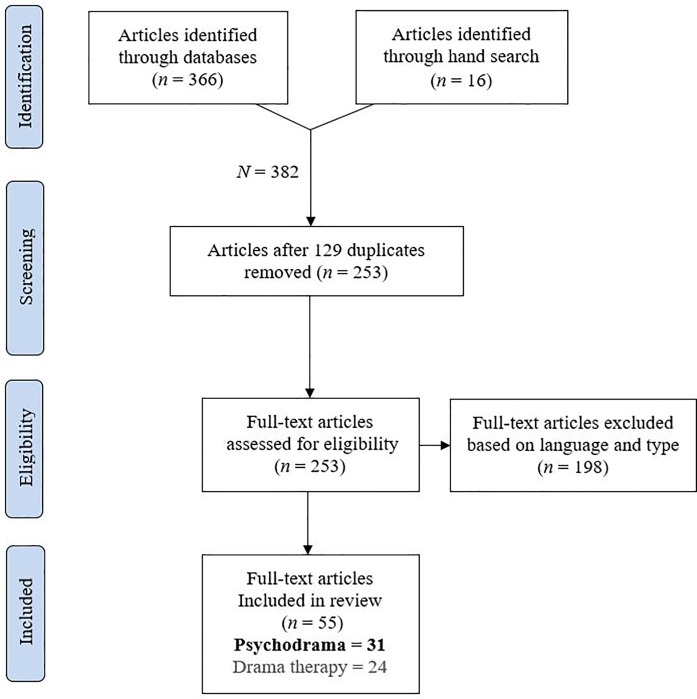
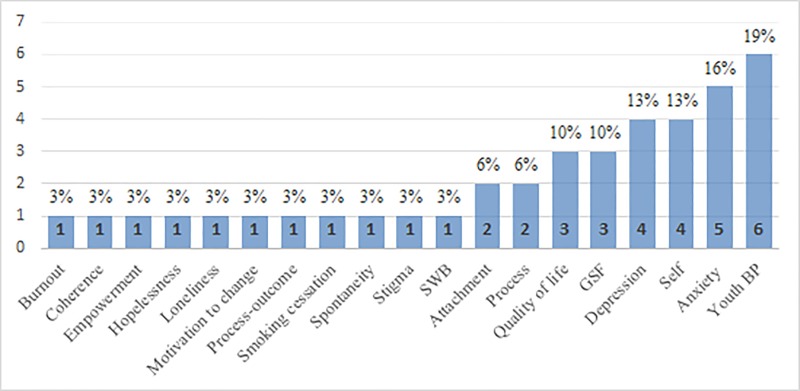
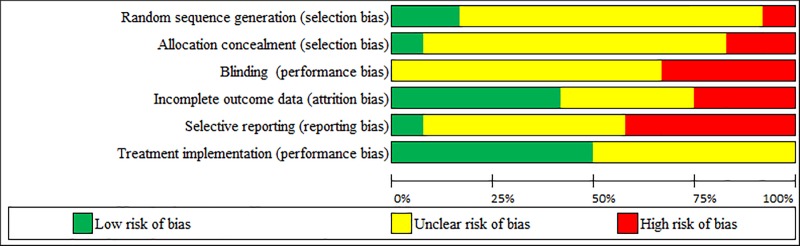
BACKGROUND: Psychodrama is an experiential psychotherapy in which guided role-play is used to gain insights and work on personal and interpersonal problems and possible solutions. Despite the wealth of literature describing clinical work, psychodrama intervention research is relatively scarce compared to other psychotherapies and psychological interventions. OBJECTIVE: For this reason we implemented the integrative approach to systematic review that authorizes the combination of publications with diverse methodologies and all types of participants, interventions, comparisons, and outcomes. Our aim was to produce a comprehensive summary of psychodrama intervention research in the last decade that critically evaluates methodological issues to inform future studies. METHODS: We searched four major electronic databases (PsycINFO, PubMEd, Scopus by Elsevier, and Web of Science) for peer-reviewed articles on psychodrama interventions published in English between 1 January 2007 and 31 December 2017. The quality of qualitative and mixed methods studies was assessed on the basis of pre-established guidelines, and the risk of bias was assessed for all quantitative randomized control studies, consistent with the PRISMA protocol. FINDINGS: The database search and a hand search resulted in 31 psychodrama intervention publications. Overall, these studies examined the effects of psychodrama on more than 20 different outcomes and most studies had adult clients. The next largest group was adolescents, whereas only two studies involved children. Thus psychodrama intervention research in the last decade suggests there are promising results in all methodologies, and highlights the need to enhance methodological as well as reporting quality and to theorize and examine modality-specific mechanisms that lead to therapeutic change. Recommendations to improve methodology, transparency, and specificity in reporting future psychodrama and other psychotherapy research are discussed.
Overview
The claims and statistics of this paper haven’t been checked yet.
Free: it reads the open-access text and checks the first 5 claims that cite a source we can check. Create a free account to check every claim.
Integrity signals
Registry
Cites
Statistics
Figures
Verification
Claims the paper makes
The claims and statistics of this paper haven’t been checked yet.
Free: it reads the open-access text and checks the first 5 claims that cite a source we can check. Create a free account to check every claim.
Claims other papers make about this one
Each is checked against this paper’s own text: does it say what the citing paper says it does?
The source backs part of the claim, not all of it — or backs it for a different population, condition or comparison.
In the citing paper
“Since previous systematic reviews have mainly focused on the impact of the effects of CATs interventions on certain outcomes (e.g., Van Lith, 2016; Koch et al., 2019; Orkibi and Feniger-Schaal, 2019; De Witte et al., 2020b; Feniger-Schaal and Orkibi, 2020), it is worthwhile gaining more insights into how, why, and when CATs interventions lead to certain outcomes.”
From From Therapeutic Factors to Mechanisms of Change in the Creative Arts Therapies: A Scoping Review (2021) · cites this paper as Orkibi and Feniger-Schaal, 2019
Experimental — accuracy not yet measuredThe source backs part of the claim, not all of it — or backs it for a different population, condition or comparison.
In the citing paper
“Along with ACT, another treatment method (psychodrama) was applied to treat the disorder of social anxiety, which was directly associated with the disorder of people because of its display nature [12].”
From Assessing the Effects of Acceptance-commitment and Psychodrama Therapies in Nurses With Social Anxiety Disorder. (2023) · cites this paper as [12]
Experimental — accuracy not yet measured
Self-check
Percentages, sums and reported differences re-computed from the paper’s own numbers.
The self-check needs the paper’s full text.
Citations
Cites
The Cochrane Collaboration's tool for assessing risk of bias in randomised trials
Higgins, J. P. T., Altman, D. G., Gotzsche, P. C., Juni, P., Moher, D., Oxman, A. D., Savovic, J., Schulz, K. F., Weeks, L., Sterne, J. A. C., et al. (2011) · BMJ · doi:10.1136/bmj.d5928 · Cited by 33,817
Liberati, A., Altman, D. G., Tetzlaff, J., Mulrow, C., Gøtzsche, P. C., Ioannidis, J. P. A., Clarke, M., Devereaux, P. J., Kleijnen, J., & Moher, D. (2009) · PLoS Medicine · doi:10.1371/journal.pmed.1000100 · Cited by 28,164
Dermyshi, E., Wang, Y., Yan, C., Hong, W., Qiu, G., Gong, X., & Zhang, T. (2017) · Neonatology · doi:10.1159/000454668 · Cited by 24,451
Designing and Conducting Mixed Methods Research
Robinson, P. (2007) · Australian and New Zealand Journal of Public Health · doi:10.1111/j.1753-6405.2007.00096.x · Cited by 23,258
Research Design: Qualitative, Quantitative, and Mixed Methods Approaches
Creswell, J. W. (1994) · Cited by 21,325
Research design: qualitative, quantitative, and mixed methods approaches
Caldas, M. P. (2003) · Revista de Administração Contemporânea · doi:10.1590/s1415-65552003000100015 · Cited by 18,745
Research Design: Qualitative, Quantitative, and Mixed Methods Approaches
Sloane-Seale, A. (2009) · Canadian Journal of University Continuing Education · doi:10.21225/d54s3d · Cited by 14,328
The integrative review: updated methodology
Whittemore, R., & Knafl, K. (2005) · Journal of Advanced Nursing · doi:10.1111/j.1365-2648.2005.03621.x · Cited by 10,241
Cohen, J. (1992) · Psychological Bulletin · doi:10.1037//0033-2909.112.1.155 · Cited by 8,771
Jacobson, N. S., & Truax, P. (1991) · Journal of Consulting and Clinical Psychology · doi:10.1037/0022-006x.59.1.12 · Cited by 7,770
Research works printed but not linked: 2
- Tarashoeva G, Marinova-Djambazova P, Kojuharov H. Effectiveness of psychodrama therapy in patients with panic disorders: Final results. International Journal of Psychotherapy. 2017; 21(2): 55– 66.
- Moreno JL. The third psychiatric revolution and the scope of psychodrama. Group psychotherapy. 1964; 17(2–3): 149– 71.
Cited by
From Therapeutic Factors to Mechanisms of Change in the Creative Arts Therapies: A Scoping Review
de Witte, M., Orkibi, H., Zarate, R., Karkou, V., Sajnani, N., Malhotra, B., Ho, R. T. H., Kaimal, G., Baker, F. A., & Koch, S. C. (2021) · Frontiers in Psychology · doi:10.3389/fpsyg.2021.678397 · Cited by 366
Self-citationCreative Adaptability: Conceptual Framework, Measurement, and Outcomes in Times of Crisis
Orkibi, H. (2021) · Frontiers in Psychology · doi:10.3389/fpsyg.2020.588172 · Cited by 104
“For example, an intervention for either prevention or treatment may rely on the positive psychodrama framework (Orkibi, 2019) to draw on the value of CA as a personal resource.”
BackgroundSelf-citationIntegrative systematic review of drama therapy intervention research.
Feniger‐Schaal, R., & Orkibi, H. (2020) · Psychology of Aesthetics Creativity and the Arts · doi:10.1037/aca0000257 · Cited by 128
Self-citationMittmann, G., Barnard, A., Krammer, I., Martins, D., & Dias, J. (2022) · Proceedings of the ACM on Human-Computer Interaction · doi:10.1145/3549505 · Cited by 72
“Exposure to the arts in general [47] as well as principles from drama and movement therapy [48, 49] are potent tools to improve mental health.”
BackgroundUsing mobile brain/body imaging to advance research in arts, health, and related therapeutics
King, J. L., & Parada, F. J. (2021) · European Journal of Neuroscience · doi:10.1111/ejn.15313 · Cited by 59
“However, the lack of scientific evidence to buttress these claims, perhaps stemming from a lack of clear research strategies, remains a challenge (Kubovy, 2019; Orkibi & Feniger- Schaal, 2019).”
BackgroundGiacomucci, S., & Marquit, J. (2020) · Frontiers in Psychology · doi:10.3389/fpsyg.2020.00896 · Cited by 66
Concretization as a Mechanism of Change in Psychodrama: Procedures and Benefits
Kushnir, A., & Orkibi, H. (2021) · Frontiers in Psychology · doi:10.3389/fpsyg.2021.633069 · Cited by 41
Self-citationPsychodrama Group Therapy for Social Issues: A Systematic Review of Controlled Clinical Trials
López-González, M. A., Morales-Landazábal, P., & Topa, G. (2021) · International Journal of Environmental Research and Public Health · doi:10.3390/ijerph18094442 · Cited by 59
“Although these initial papers were followed by many others, traditionally, the practitioners of psychodrama have generally tended to publish either descriptive studies based on specific cases or theoretical discussions [23,24].”
BackgroundInfluentialTestoni, I., Bregoli, J., Pompele, S., & Maccarini, A. (2020) · Affilia · doi:10.1177/0886109920906784 · Cited by 38
Testoni, I., Azzola, C., Tribbia, N., Biancalani, G., Iacona, E., Orkibi, H., & Azoulay, B. (2021) · Frontiers in Psychiatry · doi:10.3389/fpsyt.2021.620583 · Cited by 51
Self-citationPositive psychodrama: A framework for practice and research
Orkibi, H. (2019) · The Arts in Psychotherapy · doi:10.1016/j.aip.2019.101603 · Cited by 39
Self-citationTele-psychodrama therapy during the COVID-19 pandemic: Participants’ experiences
Biancalani, G., Franco, C., Guglielmin, M. S., Moretto, L., Orkibi, H., Keisari, S., & Testoni, I. (2021) · The Arts in Psychotherapy · doi:10.1016/j.aip.2021.101836 · Cited by 35
“Psychodrama with adults has been used with a range of issues (Orkibi & Feniger-Schaal, 2019) including in the treatment of anxiety, depression, post-traumatic stress (Ron, 2018), the stress related to HIV/AIDS (Karabilgin et al., 2012), addiction (Somov, 2008; Testoni, Cecchini et al., 2018), for…”
Self-citationMojahed, A., Zaheri, Y., & Moghaddam, M. F. (2021) · The Arts in Psychotherapy · doi:10.1016/j.aip.2021.101756 · Cited by 33
Oren, R., Orkibi, H., Elefant, C., & Salomon-Gimmon, M. (2018) · Psychiatric Rehabilitation Journal · doi:10.1037/prj0000325 · Cited by 28
Self-citationTeaching-Learning Processes: Application of Educational Psychodrama in the University Setting
Maya, J., & Maraver, J. (2020) · International Journal of Environmental Research and Public Health · doi:10.3390/ijerph17113922 · Cited by 47
“Traditionally, psychodramatic techniques have shown value in promoting personal skills such as empathy, conflict resolution strategies or self-knowledge [24,25,56].”
BackgroundSurveying 80 Years of Psychodrama Research: A Scientometric Review
Lim, M., Carollo, A., Chen, S. A., & Esposito, G. (2021) · Frontiers in Psychiatry · doi:10.3389/fpsyt.2021.780542 · Cited by 33
“We echoOrkibi and Feniger-Schaal (25)’s sentiment that more transparency in data collection, analysis and reporting is needed.”
BackgroundInfluentialAlbal, E., Şahin-Bayındır, G., Alanli, O., & Buzlu, S. (2021) · doi:10.1016/j.aip.2021.101826 · Cited by 18
González, A.-J., Martins, P., & de Lima, M. P. (2018) · Frontiers in Psychology · doi:10.3389/fpsyg.2018.01662 · Cited by 26
Universitas Ahmad Dahlan, I., Saputra, W. N. E., Alhadi, S., Universitas Ahmad Dahlan, I., Supriyanto, A., Universitas Ahmad Dahlan, I., Adiputra, S., & Universitas Muhammadiyah Pringsewu Lampung, I. (2021) · International Journal of Instruction · doi:10.29333/iji.2021.14235a · Cited by 30
“In the last few decades, psychodrama has become one of the promising creative arts to improve the quality of counseling services (Orkibi & Feniger-Schaal, 2019).”
Kaya, Y., Güç, E., Şimşek, B. K., & Cesur‐Atintaş, M. (2021) · Perspectives In Psychiatric Care · doi:10.1111/ppc.12921 · Cited by 21
Nitzan, A., & Orkibi, H. (2021) · Frontiers in Psychology · doi:10.3389/fpsyg.2021.661831 · Cited by 23
Self-citationTestoni, I., Biancalani, G., Ronconi, L., Pedrini, A., Romanelli, S., & Melendugno, A. (2023) · The Arts in Psychotherapy · doi:10.1016/j.aip.2023.102037 · Cited by 22
Empowering Through Psychodrama: A Qualitative Study at Domestic Violence Shelters
Ron, Y., & Yanai, L. (2021) · Frontiers in Psychology · doi:10.3389/fpsyg.2021.600335 · Cited by 21
“These techniques are especially beneficial for vulnerable populations, such as at-risk adolescents, alcoholics, drug addicts, and those coping with anorexia (Karp, 1994; Karatas, 2011; Orkibi et al., 2014, 2017a,b; Orkibi and Feniger-Schaal, 2019).”
BackgroundHardships in Italian Prisons During the COVID-19 Emergency: The Experience of Healthcare Personnel
Testoni, I., Francioli, G., Biancalani, G., Libianchi, S., & Orkibi, H. (2021) · Frontiers in Psychology · doi:10.3389/fpsyg.2021.619687 · Cited by 20
Self-citationPsychodrama: implementation, study design and effectiveness: a systematic review
Maya, J., Pérez-Berbel, M., Giraldo-Arroyave, L., & Hurtado, I. (2025) · BMC Complementary Medicine and Therapies · doi:10.1186/s12906-025-04959-y · Cited by 13
Death education for Palliative care: a european project for University students
Testoni, I., Ronconi, L., Orkibi, H., Biancalani, G., Raccichini, M., Franchini, L., Keisari, S., Bucuță, M. D., Cieplinski, K., Wieser, M. A., et al. (2023) · BMC Palliative Care · doi:10.1186/s12904-023-01169-6 · Cited by 18
Self-citationWang, X., Ding, R., & Luo, R. (2024) · Global Mental Health · doi:10.1017/gmh.2024.89 · Cited by 12
“An inclusive systematic review by Orkibi and Feniger-Schaal in 2019, analyzing 31 studies, indicated that PD research had shown promise in dealing with mental health conditions such as depression and anxiety (Orkibi and Feniger-Schaal, 2019).”
Lennie, S., Sutton, A., & Crozier, S. (2021) · Methods in Psychology · doi:10.1016/j.metip.2021.100066 · Cited by 21
“Psychodrama is effective at improving well-being and a recent systematic review (Orkibi and Feniger-Schaal, 2019) showed that psycho-drama interventions can qualitatively improve self-worth, self-awareness and self-expression and reported coping with difficulties (Kaya and Deniz, 2020).”
BackgroundTümlü, G. Ü., & Şimşek, B. K. (2021) · The Arts in Psychotherapy · doi:10.1016/j.aip.2021.101763 · Cited by 19
The Experiential Social Work Educator: Integrating Sociometry into the Classroom Environment
Giacomucci, S., & Skolnik, S. (2021) · doi:10.1080/08841233.2021.1886223 · Cited by 11
“While Moreno’s ideas have been well received, and integrated in other countries, the social work profession and American academia have not fully adopted his methods (Giacomucci, 2019; Z. T. Moreno, 2012; Orkibi & Feniger-Schaal, 2019; Propper, 2003).”
BackgroundTherapeutic Mask: An Intervention Tool for Psychodrama With Adolescents
Pires, N., Rojas, J. G., Sales, C. M. D., & Vieira, F. M. (2021) · Frontiers in Psychology · doi:10.3389/fpsyg.2020.588877 · Cited by 15
“problems and simulate life realities, searching for possible solutions for the existing challenges in their lives (Orkibi et al., 2017; Yaniv, 2018; Orkibi and Feniger-Schaal, 2019; Şimşek et al., 2019).”
BackgroundPurrezaian, H., Beshārat, M. A., Koochakzadeh, L., & Farahani, H. (2020) · International Journal of Psychiatry in Clinical Practice · doi:10.1080/13651501.2019.1711426 · Cited by 16
“…hand, Psychodrama is an experiential psychotherapy in which clients use guided role-play to work on their personal and interpersonal problems and possible solutions through actions rather than words alone (Corey 2011; Moreno et al. 2013; Moreno 2014; Enelow 2015; Orkibi and Feniger-Schaal 2019).”
BackgroundULUSOY, Y., SUMBAS, E., & Sertkaya, B. (2023) · The Arts in Psychotherapy · doi:10.1016/j.aip.2023.102000 · Cited by 23
Cowden, R., Chapman, I. M., Houghtaling, A., & Worthington, E. (2020) · Person-Centered & Experiential Psychotherapies · doi:10.1080/14779757.2020.1846599 · Cited by 10
“It involves the use of guided role-play to provide clients the opportunity to explore and acquire insight into thoughts, emotions, and behaviors related to past issues, present difficulties, and future potentialities (Orkibi & Feniger-Schaal, 2019).”
BackgroundBookman, C. J., Nunes, J. C., Ngo, N. T., Twickler, N. K., Smith, T. S., Lekwauwa, R., & Yuen, E. Y. (2024) · Child and Adolescent Psychiatry and Mental Health · doi:10.1186/s13034-024-00750-y · Cited by 23
“Drama therapy techniques allowed participants to project their internal feelings and conflicts onto skit characters [16–18].”
BackgroundGiacomucci, S., Marquit, J., Walsh, K. M., & Saccarelli, R. (2022) · The Arts in Psychotherapy · doi:10.1016/j.aip.2022.101971 · Cited by 14
Students’ Confidence and Interest in Palliative and Bereavement Care: A European Study
Orkibi, H., Biancalani, G., Bucuță, M. D., Sassu, R., Wieser, M. A., Franchini, L., Raccichini, M., Azoulay, B., Ciepliñski, K. M., Leitner, A., et al. (2021) · Frontiers in Psychology · doi:10.3389/fpsyg.2021.616526 · Cited by 10
“…of art-making and its outcomes to ameliorate disabilities and illnesses and optimize health and well-being within a therapeutic relationship (Azoulay and Orkibi, 2015; Orkibi et al., 2017a,b; Orkibi, 2019; Orkibi and Feniger-Schaal, 2019; Feniger-Schaal and Orkibi, 2020; Shafir et al., 2020).”
BackgroundSelf-citationCreative Adaptability: A Measurable Personal Resource
Orkibi, H. (2023) · Creativity Research Journal · doi:10.1080/10400419.2023.2223448 · Cited by 8
Self-citationAtintas, M. C., & Şimşek, B. K. (2020) · Zeitschrift für Psychodrama und Soziometrie · doi:10.1007/s11620-020-00560-2 · Cited by 7
“According to a recent review study, (Orkibi and Feniger-Schaal 2019), psychodrama experience group studies are mostly conducted for 12-16 sessions.”
BackgroundAbeditehrani, H., Dijk, C., Neyshabouri, M. D., & Arntz, A. (2023) · Journal of Behavior Therapy and Experimental Psychiatry · doi:10.2139/ssrn.3985128 · Cited by 6
Testoni, I., Finco, N., Keisari, S., Orkibi, H., & Azoulay, B. (2021) · Frontiers in Psychiatry · doi:10.3389/fpsyt.2021.619684 · Cited by 10
Self-citationGroup psychodrama for children with leukemia: A brief report
Purrezaian, M., & Purrezaian, H. (2021) · Journal of psychosocial oncology · doi:10.1080/07347332.2021.1900484 · Cited by 6
“personal and interpersonal problems and gives them possible solutions through actions rather than words alone.(3) Role-play is a form of behavioral simulation that can be a way of learning and dramatic reviewing.”
BackgroundGiacomucci, S., Marquit, J., Briggs, H., & Gupta, R. (2025) · The Arts in Psychotherapy · doi:10.1016/j.aip.2025.102293 · Cited by 6
Role reversal enhances an understanding of the other, but not of the self
Wu, M., Cameirao, J., & Brown, S. (2025) · The Arts in Psychotherapy · doi:10.1016/j.aip.2025.102288 · Cited by 5
Role playing in human evolution: from life to art, and everything in between
Brown, S. (2025) · Frontiers in Psychology · doi:10.3389/fpsyg.2024.1459247 · Cited by 6
Biolcati, R., Ambrosini, F., Albani, A., & Stefano, G. D. (2023) · Frontiers in Psychology · doi:10.3389/fpsyg.2023.1112711 · Cited by 9
“Among the individual and group treatments that the Counseling Service offered, Analytic Psychodrama (AP) is a model of group psychotherapy that is psychoanalytically oriented which recently documented evidence of efficacy (Biolcati et al., 2017; Orkibi and Feniger-Schaal, 2019).”
BackgroundPsychodrama as a new intervention for reducing fear of childbirth: a randomised controlled trial
Bingöl, F. B., Bal, M. D., Dişsiz, M., Sormageç, M. T., & Çimen, B. Ö. (2022) · Journal of Obstetrics and Gynaecology · doi:10.1080/01443615.2022.2114329 · Cited by 17
“A systematic review noted decreased fear, loneliness, hopelessness, aggression, anxiety, and depression, and greater problem-solving ability, overall quality of life, spontaneity, and social functions (Orkibi and Feniger-Schaal 2019).”
BackgroundThe effect of psychodrama on quality of life and sleep in mothers of children with cerebral palsy
Şimşek, Ç., Mengi, A., & Yalçınkaya, E. Y. (2020) · The Arts in Psychotherapy · doi:10.1016/j.aip.2020.101726 · Cited by 7
The kinetic family in action: An intermodal assessment model
Ram-Vlasov, N., & Orkibi, H. (2021) · The Arts in Psychotherapy · doi:10.1016/j.aip.2020.101750 · Cited by 5
Self-citationTheatrical Performance as Leisure Experience: Its Role in the Development of the Self
Pestana, J. V., Valenzuela, R., & Codina, N. (2020) · Frontiers in Psychology · doi:10.3389/fpsyg.2020.01439 · Cited by 7
“With this definition in mind, the implementation of psychodramatic roles, which are spontaneous reactions to imagined situations, is what enables the self to achieve a creative resolution of personal conflicts (Karp, 1994; Orkibi and Feniger-Schaal, 2019).”
BackgroundSvozilová, M., Kantor, J., Svobodová, Z., Smrčková, A., & Klugar, M. (2025) · Frontiers in Psychology · doi:10.3389/fpsyg.2025.1570798 · Cited by 4
“In the last decade, DT research has produced promising results, showing that drama therapy offers effective treatment for various populations (Orkibi and Feniger-Schaal, 2019).”
Wong, P. O., Deng, S. Z., Benhayoun, A., Leong, A. W., Lee, A., Beck, K. L., & Yuen, E. Y. (2024) · Journal of Creativity in Mental Health · doi:10.1080/15401383.2024.2359395 · Cited by 14
Psychodrama: Comprehensive Review of the Effectiveness of Psychodrama in Sexual Abuse Trauma
Fávero, M., Sousa, R., Budal-Oliveira, L., & Sousa‐Gomes, V. (2024) · European Psychologist · doi:10.1027/1016-9040/a000517 · Cited by 8
Giacomucci, S., Marquit, J., Saccarelli, R., & Briggs, H. (2023) · Social Work With Groups · doi:10.1080/01609513.2023.2295961 · Cited by 5
“The research on psychodrama has suggested it has a broad range of applications and is an effective approach for multiple psychosocial problems and mental health disorders (Orkibi & Feniger-Schaal, 2019; Orkibi et al., 2023; Wieser, 2007).”
Wieser, M., & Leitner, A. (2023) · Behavioral Science · doi:10.3390/bs13110931 · Cited by 4
Italian adolescents’ perception of tele-psychodrama treatment during the COVID-19 Pandemic
Biancalani, G., Orkibi, H., Keisari, S., Guglielmin, M. S., Bertagna, G., Meola, P., Viezzoli, D., Finco, N., & Testoni, I. (2022) · Arts & Health · doi:10.1080/17533015.2022.2154942 · Cited by 7
Self-citationPositive Psychotherapy with a Pulse: Achieving Depth through Dialogue
Pugh, M., & Salter, C. (2020) · International Journal of Applied Positive Psychology · doi:10.1007/s41042-020-00046-4 · Cited by 5
“Of these interventions, chairwork has experienced notable attention within positive psychology during recent years (Atkinson and Kirsner 2019; Orkibi 2019; Pugh 2019a; Tomasulo 2018; Tomasolu 2019).”
BackgroundKamışlı, S., & Gökler, B. (2020) · Perspectives In Psychiatric Care · doi:10.1111/ppc.12668 · Cited by 8
APLICAÇÕES DA TÉCNICA DO ROLE-PLAY PROPOSTA PELO MÉTODO PSICODRAMÁTICO
Sória, R. G. D. L., & Macuch, R. D. S. (2024) · Revista Brasileira de Psicodrama · doi:10.1590/psicodrama.v32.646 · Cited by 4
Hamidi, F., & Tabar, S. S. (2021) · Iranian Journal of Psychiatry and Clinical Psychology · doi:10.32598/ijpcp.26.3.3190.2 · Cited by 9
Therapeutic Factors in Psychodrama
von Ameln, F., & Becker-Ebel, J. (2020) · Springer eBooks · doi:10.1007/978-981-15-4427-9_20 · Cited by 4
Fávero, M., Sousa, R., Lanzarote-Fernández, M. D., Carreiro, J., Budal-Oliveira, L., & Sousa-Gomes, V. (2025) · The Arts in Psychotherapy · doi:10.1016/j.aip.2025.102384 · Cited by 3
Соколова, А., Лобанова, П., & Kuzminov, I. (2023) · foresight · doi:10.1108/fs-02-2023-0026 · Cited by 5
Abate, M., Consolati, L., Ghilardi, A., Buizza, C., Bortolomasi, M., Sacco, C., & Minelli, A. (2020) · Agora psycho-pragmatica · doi:10.62591/app.2020.14.2.04 · Cited by 3
“…group psychotherapy introduced by Jacob Levi Moreno in the early 1920s that uses spontaneous dramatization, role playing and dramatic self-presentation to investigate and revise insights, enhance or re-enhance roles from current or past events, and generate change (Orkibi & Feniger-Schaal, 2019).”
BackgroundMethodHistory of Sociometry, Psychodrama, Group Psychotherapy, and Jacob L. Moreno
Giacomucci, S. (2021) · doi:10.1007/978-981-33-6342-7_3 · Cited by 3
Department of Geriatric Nursing, S. O. N. A. M., Kabusi, M., Razavi Nasab, S. A., Department of Clinical Sciences, F. O. S. M. S., Saber, E., Department of Occupational Health Engineering, S. O. H., Ivanbagha, R., Department of Midwifery, S. O. N., Khedri, B., Department of Social Work, F. O. S. S., et al. (2023) · Iranian Rehabilitation Journal · doi:10.32598/irj.21.1.763.3 · Cited by 2
Şermet, M. B., Zerulo, S. R., Ruta, F., ÖZYAZICIOĞLU, N., ÖZÇETE, N., Selva, G. L., Cassano, T., & Monacis, L. (2026) · The Arts in Psychotherapy · doi:10.1016/j.aip.2026.102443 · Cited by 4
Cook, A., Armstrong, C. R., Frydman, J. S., Versaci, R., & Ludlow, L. H. (2025) · The Arts in Psychotherapy · doi:10.1016/j.aip.2025.102382 · Cited by 1
Performance and catharsis: Interactions between performing arts and mental health
Bermúdez, J. D. F., & Peña, M. J. M. (2025) · The Arts in Psychotherapy · doi:10.1016/j.aip.2025.102392 · Cited by 2
Psychodrama: A Creative Method to Survive and Thrive
Orkibi, H. (2025) · Cambridge University Press eBooks · doi:10.1017/9781009378338 · Cited by 8
Self-citationVespa, A., Spatuzzi, R., Fabbietti, P., & Giulietti, M. V. (2025) · Cancer Control · doi:10.1177/10732748241302868 · Cited by 3
Jungian Psychodrama and Nursing Education
Yuceyurt, N. K. (2024) · International Journal of Mental Health Nursing · doi:10.1111/inm.13466 · Cited by 2
Ahmed, Z., & Tyrer, P. J. (2024) · BJPsych Bulletin · doi:10.1192/bjb.2024.57 · Cited by 2
D’Souza, A., & Rani, J. (2024) · The International Journal of Organizational Analysis · doi:10.1108/ijoa-01-2024-4236 · Cited by 2
Obichili, M. I., Ogwo, C. A., Udeh, K., Obiechina, C. K., Kakwagh, V. V., Eze, C. C., & Gever, V. C. (2023) · Health Care For Women International · doi:10.1080/07399332.2023.2243240 · Cited by 4
“Psychodrama is useful for treating depression, anxiety and post-traumatic stress disorder (Orkibi & Feniger-Schaal, 2019).”
BackgroundSumbas, E., & Ulusoy, Y. (2023) · Türk psikolojik danışma ve rehberlik dergisi · doi:10.17066/tpdrd.1210122ey · Cited by 2
Biancalani, G., Orkibi, H., & Keisari, S. (2023) · International Journal of Qualitative Methods · doi:10.1177/16094069231221368 · Cited by 2
“According to Moreno, the goal of psychodrama is to enhance spontaneity and creativity to generate adaptive responses to previous or changing situations (Moreno, 1946; Orkibi & Feniger-Schaal, 2019).”
BackgroundSelf-citationThe Effect of Psychodrama on The Burnout Level of School Counselors
Şimşek, Ç., Ardıç, E., & Yıldırım, E. A. (2022) · Türk Psikolojik Danışma ve Rehberlik Dergisi · doi:10.17066/tpdrd.1225068 · Cited by 1
Singporn, R., & Nuangchalerm, P. (2021) · Journal of Education and Learning (EduLearn) · doi:10.11591/edulearn.v15i4.20340 · Cited by 3
Al-Ebwini, I. S., & Abou-dagga, S. (2020) · Zeitschrift für Psychodrama und Soziometrie · doi:10.1007/s11620-020-00569-7 · Cited by 2
“Very few studies tackled children (Orkibi and Feniger-Schaal 2019).”
BackgroundMethodInfluentialA turn to arts-based research methodology in psychodrama research
Skar, S. (2020) · Zeitschrift für Psychodrama und Soziometrie · doi:10.1007/s11620-020-00572-y · Cited by 2
O SEGUNDO SÉCULO DO PSICODRAMA
Fleury, H. J. (2020) · Revista Brasileira de Psicodrama · doi:10.15329/2318-0498.00461_pt · Cited by 2
O psicodrama brasileiro na próxima década
Fleury, H. J. (2019) · doi:10.15329/2318-0498.20190017 · Cited by 2
The Psychodrama and its Contribution to the Children’s Competitive Confrontation. Case Study
Zaragas, C. K. (2021) · Culture & Psychology · doi:10.17759/chp.2021170318 · Cited by 2
Giacomucci, S., Marquit, J., & Walsh, K. M. (2022) · Zeitschrift für Psychodrama und Soziometrie · doi:10.1007/s11620-022-00665-w · Cited by 10
Cesur‐Atintaş, M., Atakay, C., & Şimşek, B. K. (2026) · The Arts in Psychotherapy · doi:10.1016/j.aip.2026.102464 · Cited by 2
Zuber, J., & Gnambs, T. (2026) · The Arts in Psychotherapy · doi:10.1016/j.aip.2026.102482 · Cited by 1
Tele-drama-based intervention for older gay men: A manualized approach for practice and research
Biancalani, G., Orkibi, H., Moretto, L., & Keisari, S. (2025) · The Arts in Psychotherapy · doi:10.1016/j.aip.2025.102385 · Cited by 2
Self-citationTherapeutic Process Through an Analysis of Significant Events in Psychodramatic Family Therapy
García‐Medina, C., Maya, J., & García, L. J. (2025) · Family Process · doi:10.1111/famp.70023 · Cited by 1
The Effect of Psychodrama on the Level of Assertiveness in Neglected and Abused Adolescents
Şimşek, Ç., Yıldırım, E. A., & Kayır, A. (2023) · Fenerbahçe Üniversitesi Sağlık Bilimleri Dergisi · doi:10.56061/fbujohs.1177927 · Cited by 1
Martins, P., González, A.-J., de Lima, M. P., & Rosado, A. F. B. (2022) · International Journal of Environmental Research and Public Health · doi:10.3390/ijerph19137924 · Cited by 4
“Furthermore, literature in expressive arts in general, and particularly in psychodrama, points out the need for further studies, not only correlational but also randomized clinical trials [16], for which valid psychometric instruments are needed.”
BackgroundJavidi, N. (2022) · International Journal of Health Sciences · doi:10.53730/ijhs.v6ns2.6867 · Cited by 2
“Suppressing and not expressing emotions can impair the ability to clarify emotions and ultimately one’s ability to their recognition (Orkibi & Feniger-Schaal, 2019; Dogan, 2018; Giacomucci & Marquit, 2020; Terzioğlu & Özkan, 2018).”
BackgroundVerhofstadt–Denève, L., Akkersdijk, N. L., Salomé, A. G. A., Schittekatte, M., & Oechies, C. H. (2022) · Zeitschrift für Psychodrama und Soziometrie · doi:10.1007/s11620-021-00643-8 · Cited by 2
“It has been convincingly demonstrated that psychodrama can be effective in this regard (Orkibi and Feniger-Schaal 2019).”
BackgroundSkar, S., & Flagstad, I. (2022) · Zeitschrift für Psychodrama und Soziometrie · doi:10.1007/s11620-021-00646-5 · Cited by 4
“…some studies have examined how psychodrama may be applied to improve psychological well-being among students (Karatas 2014; Kaya and Deniz 2020; Orkibi and Feniger-Schaal 2019), to promote self-disclosure in groups of students (Çam 2015; Ciepliński and Karkut-Rzondtkowska 2019), and to…”
BackgroundMethodTHERAPEUTIC FACTORS IN PSYCHODRAMA THERAPY APPROACH
Sagita, D. D., Neviyarni, N., Karneli, Y., & Netrawati, N. (2021) · Jurnal Neo Konseling · doi:10.24036/00616kons2021 · Cited by 1
“…yang dirasakan oleh klien yaitu berupa pikiran dan tingkahlaku yang terjadi baik masa lalu, sekarang atau masa depan, mengeksteriorisasi masalah mereka dan mensimulasikan realitas kehidupan, mencari solusi yang mungkin untuk tantangan yang ada dalam hidup mereka (Orkibi & Feniger-Schaal, 2019).”
BackgroundKamışlı, S., & Terzioğlu, C. (2021) · American Journal of Family Therapy · doi:10.1080/01926187.2021.1972493 · Cited by 3
“However, many other studies show the efficacy of psychodrama group therapy (PGT), which is a new type of intervention that differs from standard psychosocial interventions (Burns & Covington, 2006; Kellerman & Hudgins, 2000; Orkibi & Feniger-Schaal, 2019; Terzioglu & Ozkan 2018).”
BackgroundTHE SECOND CENTURY OF PSYCHODRAMA
Fleury, H. (2020) · Revista Brasileira de Psicodrama · doi:10.15329/2318-0498.00461 · Cited by 1
“Despite the consistency of Brazilian psychodrama, it remains distant from other psychodramatic communities globally, with few references in international publications (Orkibi & Feniger-Schaal, 2019) and national journals indexed in important databases (Fleury, 2019).”
BackgroundOliver, E., Grummitt, L. R., Ewing, R. A., & Birrell, L. (2026) · European Journal of Psychotraumatology · doi:10.1080/20008066.2026.2739019
“…of drama-and arts-based interventions for mental health (Baker et al., 2018; Berghs et al., 2022; Morison et al., 2022; Orkibi et al., 2025; Orkibi & Feniger-Schaal, 2019), which similarly report heterogeneous effects and methodological limitations, although the present review highlights…”
Röhlig, K., de Abreu, C. V., Rosati, C., Becerik, D. D., & Kobus, S. (2026) · Scientific Reports · doi:10.1038/s41598-026-75168-x
Processing preverbal trauma through psychodrama: A Korean adoptee autoethnography
Paine, K. K. (2026) · Qualitative Social Work · doi:10.1177/14733250261488995
Metadata
- Authors
- Orkibi, H., & Feniger-Schaal, R.
- Affiliations
- University of Haifa (IL)
- Corresponding author
- Orkibi, Hod
- ORCID
- Orkibi, Hod
- Venue
- PLOS ONE
- Publisher
- Public Library of Science (PLoS)
- Published
- 2019-02-19
- Volume
- 14
- Issue
- 2
- Pages
- e0212575
- ISSN
- 1932-6203 (ISSN-L)
- PMC
- PMC6380607
- OpenAlex
- W2915861607
- Semantic Scholar
- 456a9473d7996a0096a56951467f19337b140477
- Cited by
- 151
- References
- 94
- Citations by year
- 2026: 10 · 2025: 21 · 2024: 14 · 2023: 27 · 2022: 19 · 2021: 33 · 2020: 21 · 2019: 4
- FWCI
- 2.97
- Type
- journal article
- Language
- en
- Open access
- gold
- doi.org
- Licence
- Locations
- PLoS ONE (publishedVersion, cc-by)
- Europe PMC (PubMed Central) (publishedVersion, cc-by)
- PubMed Central (publishedVersion, cc-by)
- PubMed (publishedVersion)
- RePEc: Research Papers in Economics (acceptedVersion)
- DOAJ (DOAJ: Directory of Open Access Journals) (submittedVersion, cc-by-sa)
- Figshare (submittedVersion, cc-by)
- Topics
- Social Sciences › Psychology › Social Psychology › Psychology, Coaching, and Therapy
- Social Sciences › Psychology › Clinical Psychology › Psychotherapy Techniques and Applications
- Social Sciences › Psychology › Clinical Psychology › Art Therapy and Mental Health
- Keywords
- psychodrama, experiential therapy, role play, methodological quality, risk of bias, reporting quality, therapeutic mechanisms, adolescents, children, adults
- MeSH terms
- Crisis Intervention, Humans, Psychodrama, Bias, Treatment Outcome, Qualitative Research
About these checks
Registry, retraction, Cites and statistics results are computed, not judged, with one exception: a printed reference that no index lists is read once by a model before it counts as a citation error. Claims are extracted by a model and kept only when their quote appears verbatim in the text; each cited source is then checked, with a model’s help, for whether it says what the claim relies on. Those verdicts can be wrong — read the claim’s quote and the cited source before relying on one.
Statistics and arithmetic are recomputed, not judged.
Confidence bands are shown only for fields calibrated on our annotated test set. None is calibrated yet, so no band is shown.
What counts as a claim ›How we measure confidence ›How we check this ›
Are you an author, or do you see a problem with this page? Request a review
Data sources
Bibliographic data: Semantic Scholar, OpenAlex, Crossref.
Contains information from the Semantic Scholar Academic Graph Datasets, made available under the ODC Attribution License (ODC-BY 1.0).
Semantic Scholar’s data is described in: Kinney, R., et al. (2023). The Semantic Scholar Open Data Platform. arXiv:2301.10140.
